The Story
Plant Bio
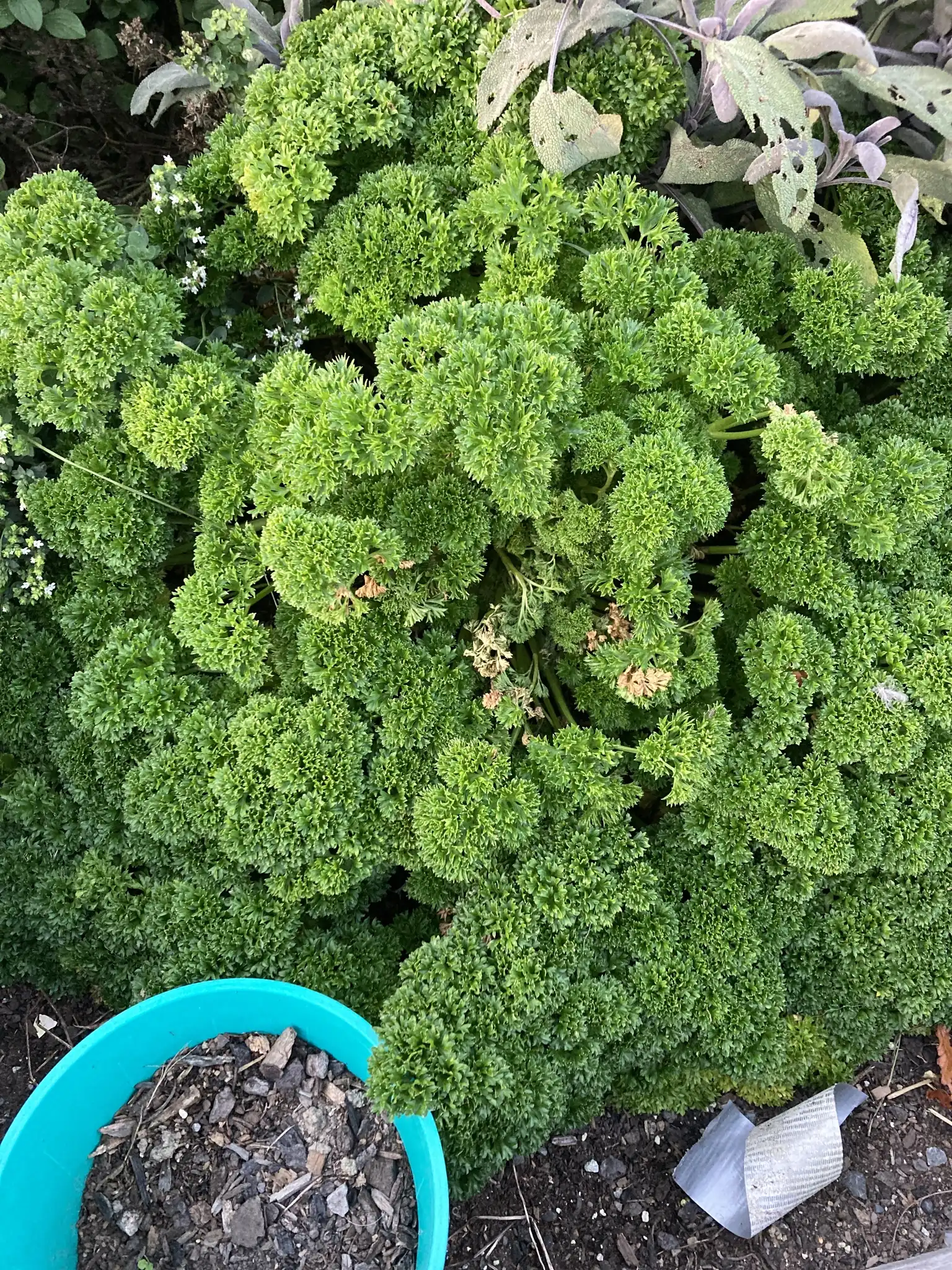
A bright green, biennial herb, widely cultivated for its aromatic leaves used as a culinary garnish and flavoring. Forms a rosette of foliage in the first year and flowers in the second.
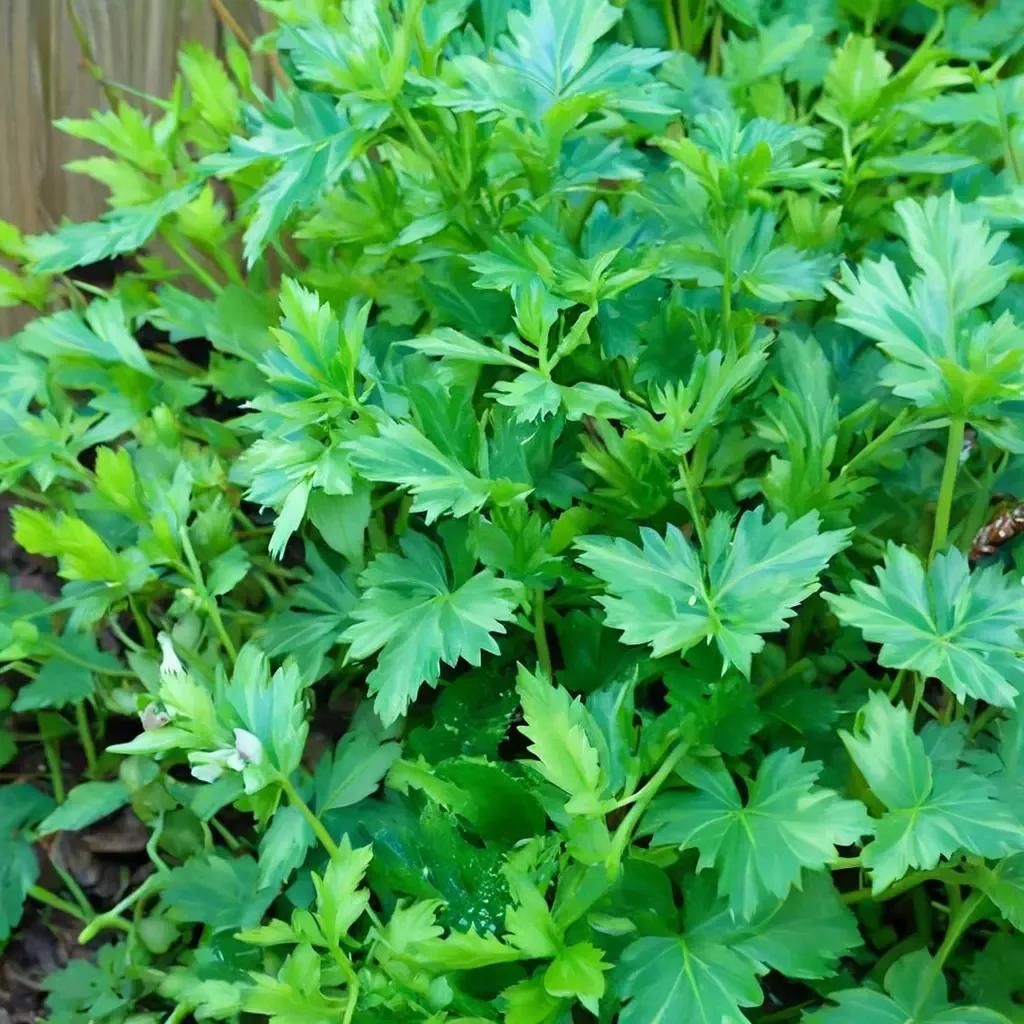
Exists in several cultivar groups, most notably the curly-leafed (var. crispum) used for garnish, and the flat-leafed or Italian (var. neapolitanum) preferred for its stronger flavor in cooking.
Uses & Benefits:
Essentials
At a Glance
Plant Type
Annual
Height
15"
Width
12"
Light
Full Sun, Partial Sun
Zones
5, 6, 7, 8, 9, 10
Water
Moderate
Humidity
Average
Lifespan
Biennial
Native To
Mediterranean region
Toxicity
Sap can cause skin irritation; toxic to some pets in large quantities.
Planting
How to Grow
- Tuck seeds 1/4 inch deep into moist soil in early spring.
- Mist cuttings regularly to maintain humidity and promote rooting.
- Thin seedlings to 2 inches apart once they sprout.
- Keep soil consistently moist but not waterlogged for optimal growth.
- Mulch around plants to retain soil moisture and suppress weeds.
- Harvest leaves once plants are established, usually after 6-8 weeks.
Pro Tip
Plant parsley in a spot with full sun for best flavor and growth.
Keep It Thriving
Care Guide
Do
- Water regularly to keep soil evenly moist 🌱
- Provide full sun for at least 6 hours daily
- Use organic compost to enrich soil
Don't
- Avoid letting soil dry out completely ❌
- Don’t over-fertilize, as it can reduce flavor
- Prevent waterlogging to avoid root rot
Seasonal Care Calendar
| Task | Jan | Feb | Mar | Apr | May | Jun | Jul | Aug | Sep | Oct | Nov | Dec |
|---|---|---|---|---|---|---|---|---|---|---|---|---|
| Fertilize | ||||||||||||
| Harvest | ||||||||||||
| Plant | ||||||||||||
| Prune |
Watch Out For
Pests & Diseases
Common Pests
Common Diseases
In the Garden
Landscape Uses & Companions
Landscape Uses
Multiply
Propagation Methods
Good to Know
Common Questions
Parsley questions
What zones can Parsley grow in?
Parsley is hardy in USDA Zones 5–10. Inside that range it survives winter in the ground; outside it, grow it as an annual or a container plant you protect.
Is Parsley deer resistant?
Not reliably. Deer may browse Parsley, especially tender spring growth — plan on repellents or fencing where pressure is high.
When does Parsley bloom?
Parsley typically blooms in summer through early fall. Exact timing shifts a week or two with your zone — Sow's bloom calendar maps it to your garden.
Does Parsley need full sun?
Parsley does best in full sun to part shade. In hot climates, afternoon shade keeps blooms fresher longer.
More Petroselinum to compare
Keep exploring
Explore the genus
Grow Parsley with confidence
See it in a design of your actual yard, get zone-matched care reminders, and track it season by season in your garden journal.