Beyond the Bedding Plant
Think about how we buy annuals—those single-season wonders like petunias or marigolds. We pick them for instant color, plant them densely for immediate impact, enjoy them for a few months, and then they're gone. It's a short-term relationship.
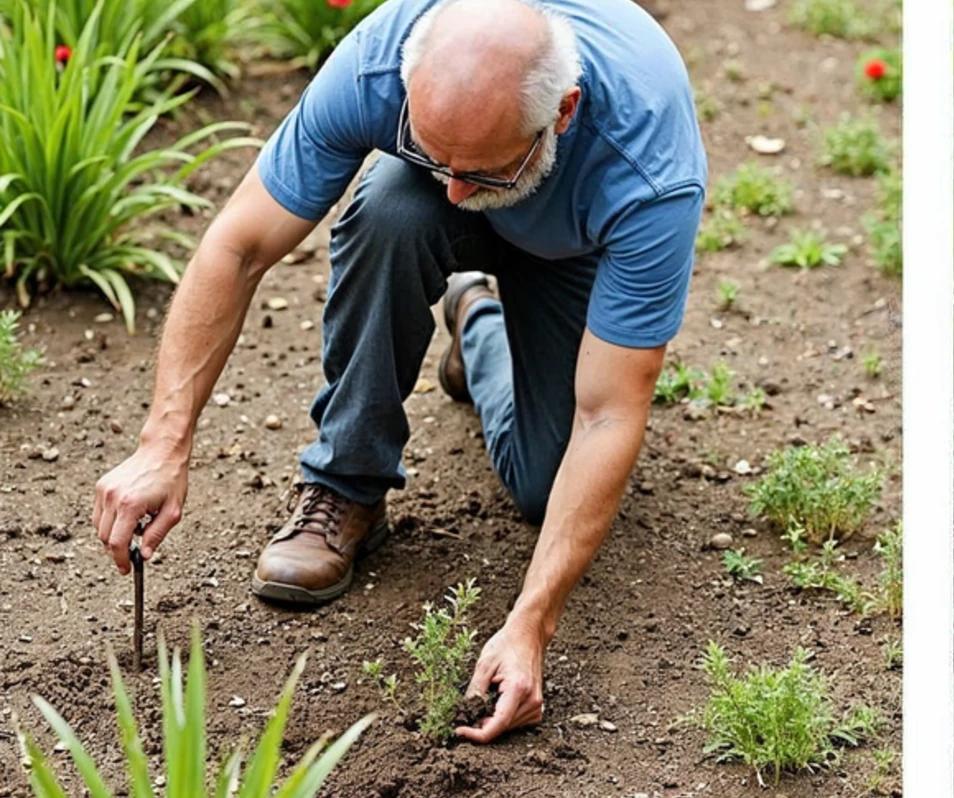
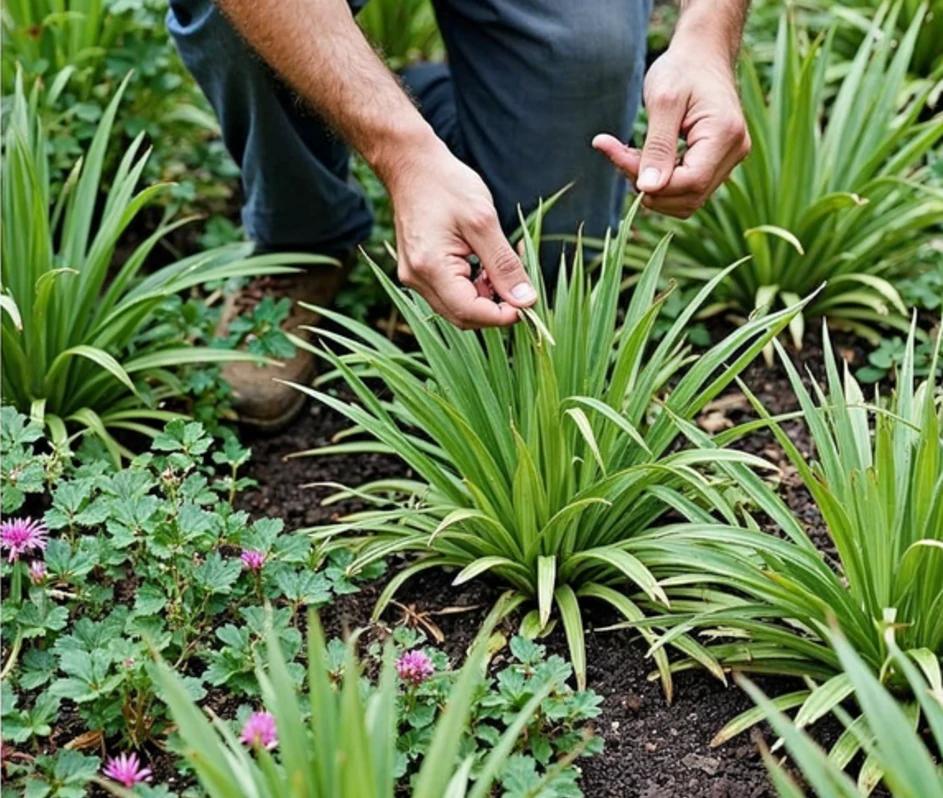
Now, think about perennials. These are plants meant to establish, grow, and evolve over years. They have distinct personalities, specific needs, and complex relationships with their neighbors. Yet, astonishingly often, we plant them exactly like annuals!
The common mistakes—sound familiar?
- Massing Without Meaning: Shoving plants together based purely on flower color or the vague notion of “filling space,” ignoring their individual shapes, growth habits, and how they interact.
- Ignoring the Site: Choosing plants based on a pretty picture, without truly understanding if they want to live in that specific sunny spot, shady corner, or damp patch in your yard.
- The “Instant Garden” Trap: Planting too densely, hoping for immediate fullness. This leads to overcrowding, poor air circulation, disease, and stressed plants that quickly decline or require constant dividing.
- Treating Soil Like Dirt: Assuming all garden soil is the same, neglecting the crucial role of structure, moisture levels, and nutrient availability tailored to specific plant needs.
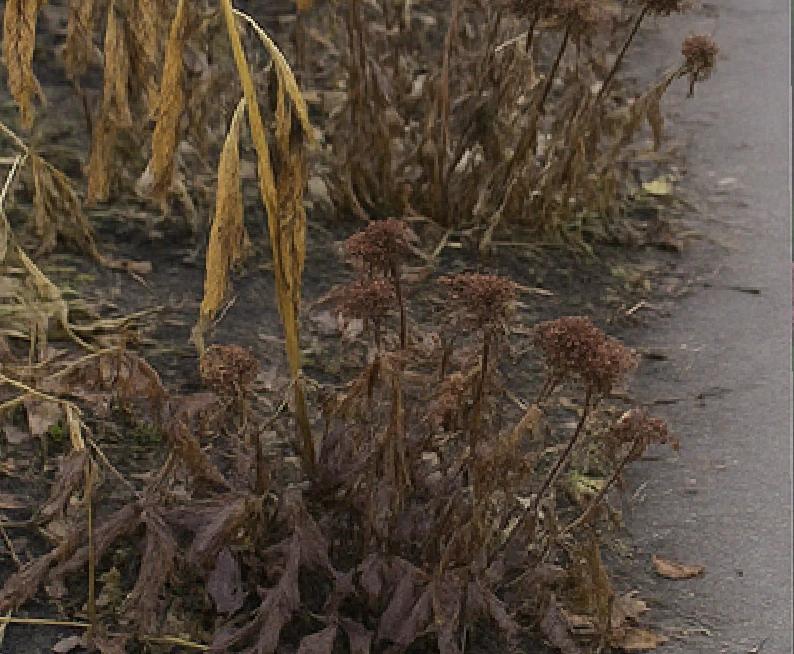 Chaos
Chaos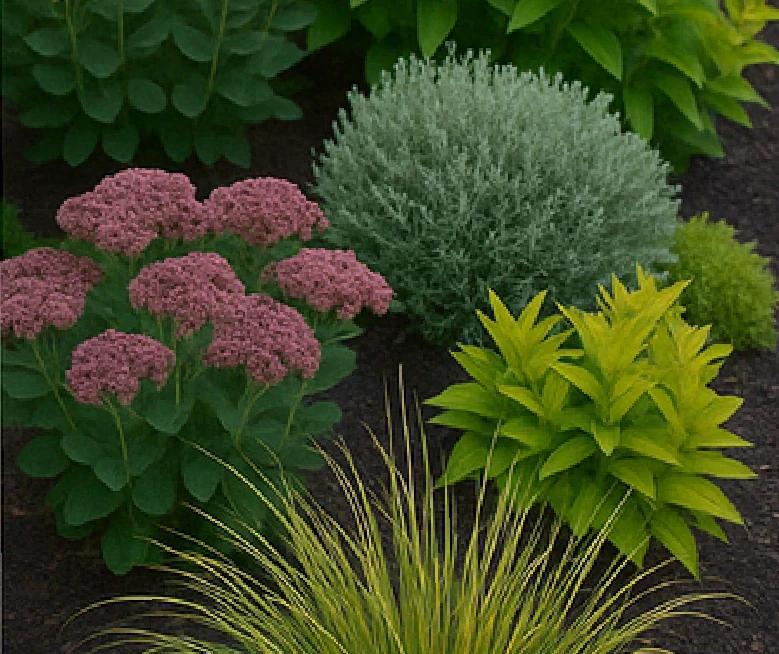 Considered
The consequence?
Gardens that are surprisingly high-maintenance, despite the promise of perennials. Plants struggle, fail to thrive, or disappear entirely after a season or two. Weeds find easy footholds in stressed plantings. Instead of a relaxing oasis, the backyard becomes another chore.
As one expert notes, it's “extraordinary, almost shocking, to see the indifference with which perennials are often planted.”
The ecological alternative: a smarter way
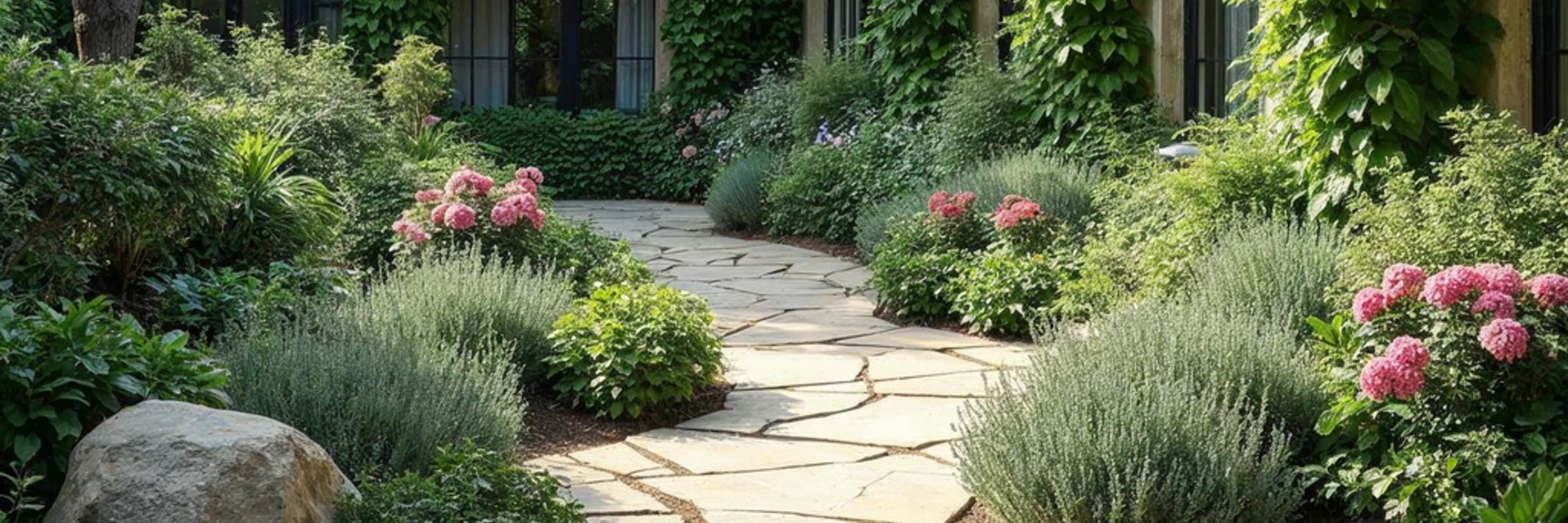
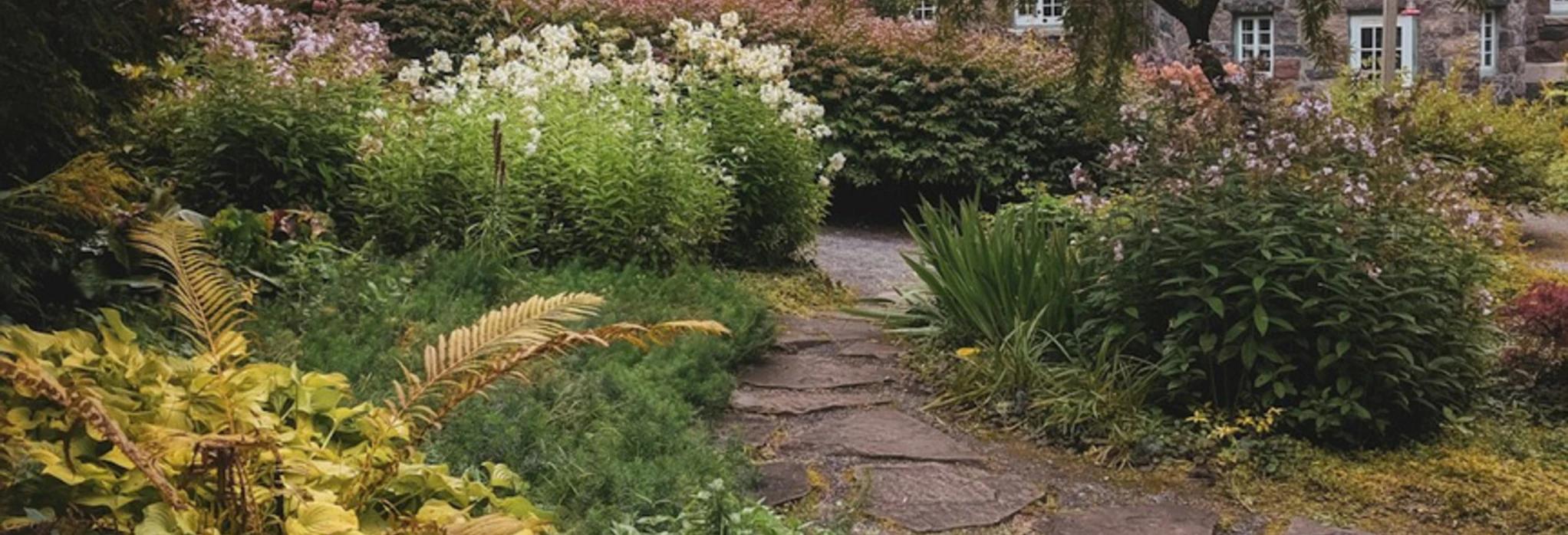
Imagine a different approach. One where plants are chosen because they are naturally suited to the conditions your yard offers. Where their forms and growth habits create beautiful, dynamic combinations with minimal fuss. Where the garden evolves gracefully over time, revealing new delights each season.
This isn't a fantasy; it's the power of ecological planting. It's about understanding that a plant's appearance—its shape, leaves, structure—isn't just decoration; it's an expression of the environment it's adapted to. When you match the plant to its preferred habitat, magic happens.
The payoff? Healthier, longer-lived plants, significantly less maintenance once established, and a garden with a deeper, more authentic beauty. The next chapter shows you how to start reading your own yard's signals.
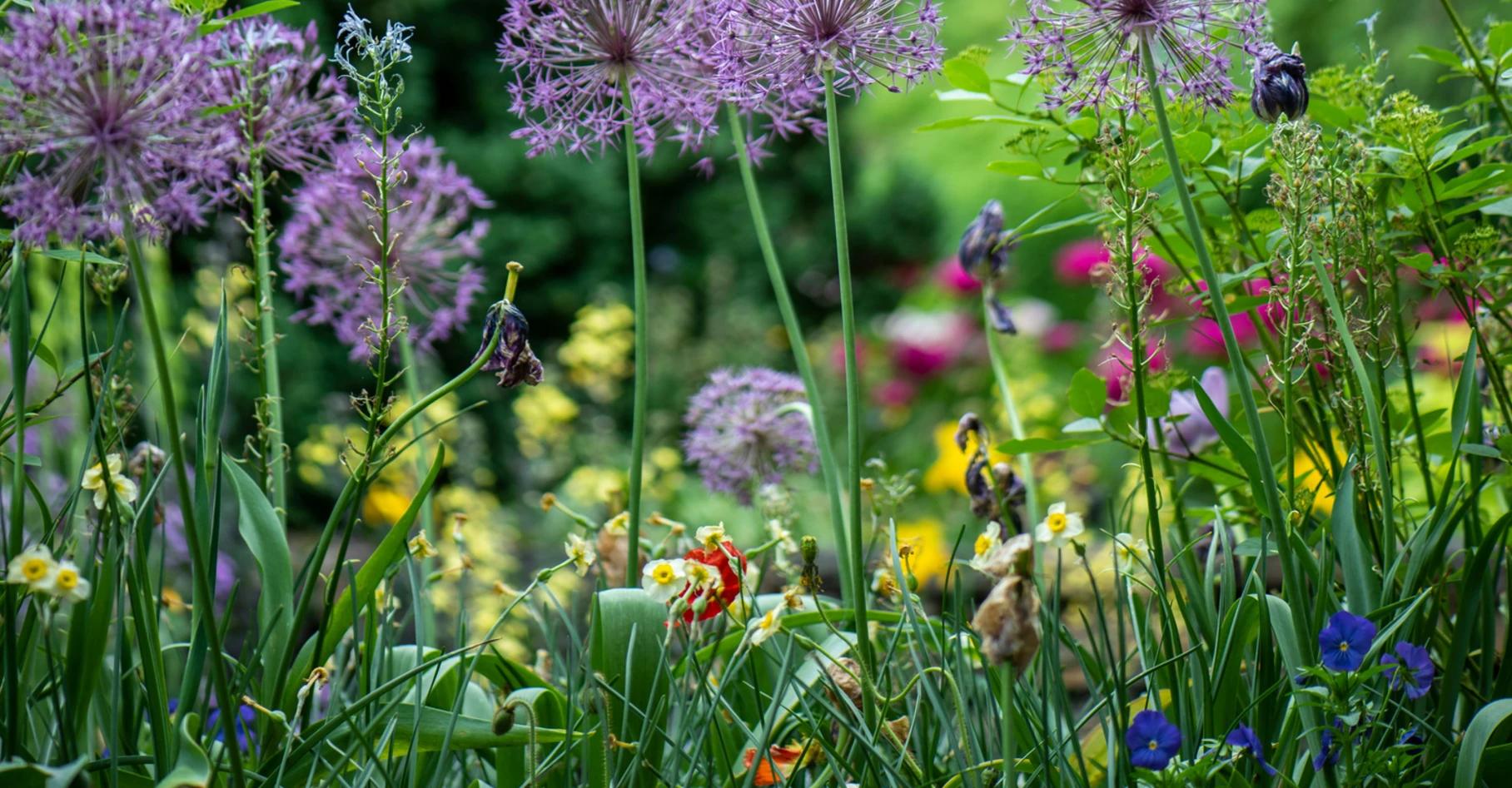
Matching Plants to Place
Every garden, no matter how small, has distinct zones or “habitats.” Think of them like micro-neighborhoods, each with its own unique combination of sun, shade, soil moisture, and protection. Forget generic labels like “full sun” for a moment—let's get specific to your backyard.
Understanding these habitats is the single most important key to successful, lower-maintenance planting. Why? Because plants have evolved over millennia to thrive in specific conditions. Put a shade-loving woodland plant in baking sun, and it will struggle, no matter how much you water it. Plant a moisture-lover in dry, sandy soil, and it will languish.
But match the plant to its happy place? It settles in, grows strong, resists pests and diseases better, and requires far less intervention from you. It's about working with nature's preferences.
Decode your backyard habitats
Let's identify some common zones you likely have:
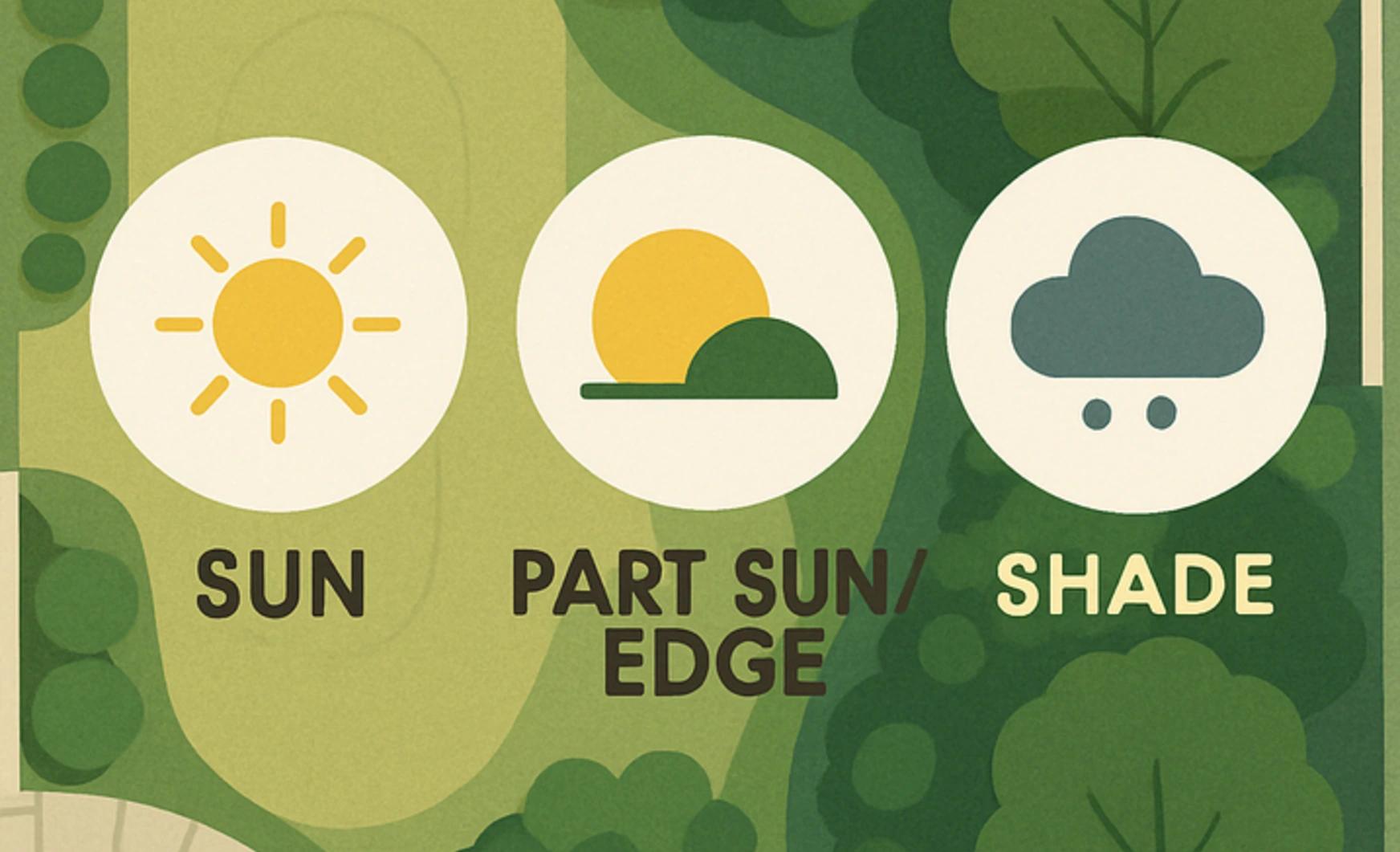
1. The Sunny Spot (Open Ground)
- What it looks like: Gets sun for most of the day, especially during the hottest part—roughly 10 am–4 pm. Away from the direct shadow of large trees or buildings.
- Think: Areas for classic “sun-loving” plants, but consider the soil—is it dry and gravelly, or richer and holding more moisture? This distinction matters!
- The secret: Plants adapted to meadows, prairies or steppes, or rocky slopes often thrive here. They expect good light and drainage.
2. The Shady Retreat (Woodland)
- What it looks like: Under mature trees, on the north side of the house or fence, receiving little or no direct sun.
- Think: The cool, often humus-rich environment found on a forest floor.
- The secret: Look for plants described as “woodland” species. They are adapted to lower light levels and often appreciate soil enriched with compost or leaf mould.
Expert tip
True woodland plants often need the established conditions under mature trees, not just any shady spot in a brand-new garden.
3. The Woodland Edge
- What it looks like: The transition zone—think the edge of a shrub border, beside a taller fence, areas getting morning sun and afternoon shade, or vice versa. It's often brighter and warmer than deep shade but more protected than open ground.
- Think: Where forest meets meadow. This is often the richest habitat in nature and in gardens!
- The secret: A huge range of adaptable perennials love these conditions. They get some protection but also enough light to flower well. Many groundcovers thrive here.
Tricky spots—where plants often fail
- Dry Shade: Underneath shallow-rooted trees like maples or birches, or right against a house foundation under eaves. Double whammy: low light and low moisture.
- Damp Corners / Poor Drainage: Low spots where water collects, heavy clay soil that stays wet.
Expert tip
Some tough cookies do exist for dry shade—Bergenia, Vinca, and some Epimediums—but choices are limited. Don't force plants here that need moisture. For wet areas, choose plants specifically adapted to “moist,” “damp,” or even “waterside” conditions. Trying to grow drought-lovers there is futile.
Your turn: map your yard
Grab a notepad and sketch your backyard. Walk around at different times of day. Where are the sunniest spots? The deepest shade? Where does it feel protected? Where does water linger after rain? Mark these zones on your map. This simple exercise is your first step towards a custom planting plan!
Understanding your site isn't about limitations; it's about unlocking potential. There's a perfect plant for almost every spot, once you know what you're looking for!
Plant Personalities
Okay, you've started decoding your yard's habitats. Now, let's talk about the plants themselves. Just like people, perennials have different forms, growth styles, and lifespans—their “personalities.” Understanding these helps you choose companions that play well together and create the look and feel you want.
Forget just height and color for a minute. How does the plant behave?
Key plant personalities to recognize
1. Ground Huggers: The Carpet Layers (Mats & Cushions)
- Who they are: Low-growing plants that spread horizontally, forming dense mats—like creeping thyme and some Sedums—or tight mounds and cushions, like thrift and cheddar pinks.
- Why you care: Excellent for covering ground, especially in smaller areas or rock gardens; suppressing weeds once established; softening edges; and providing texture. Some are evergreen.
- Watch out for: Some mat-formers root as they go and are easy to divide; others don't and are harder to propagate. Some vigorous ones can overwhelm dainty neighbors.
Expert tip
Some need protection from winter wet, especially alpines, or develop bare centers with age.
2. Clump Formers: The Reliable Anchors
- Who they are: Plants that generally stay put, gradually increasing in size but not aggressively spreading outwards—think Hostas, Daylilies, Peonies, and many ornamental grasses.
- Why you care: They provide structure, act as focal points, and are generally predictable neighbors. Easier to manage long-term.
- Watch out for: Some become woody and hard to divide over time, like some Asters and Delphiniums. Give them enough space initially!
Expert tip
Peonies and Irises hate being planted too deep—their buds need to be near the surface.
3. The Spreaders: Filling the Gaps (Wisely!)
- Who they are: Plants that send out underground runners, or rhizomes, or above-ground stems, or stolons, to colonize new territory—Lily-of-the-valley, some Geraniums, and Bee Balm.
- Why you care: Great for covering larger areas relatively quickly and creating a natural, flowing look. Many are tough and adaptable.
- Watch out for: They will spread! Some can become invasive thugs, bullying less vigorous neighbors. Choose wisely based on the space you have and the desired effect.
Expert tip
Some spreaders, like Macleaya, are much more aggressive in sandy soil than heavy loam. Know your soil!
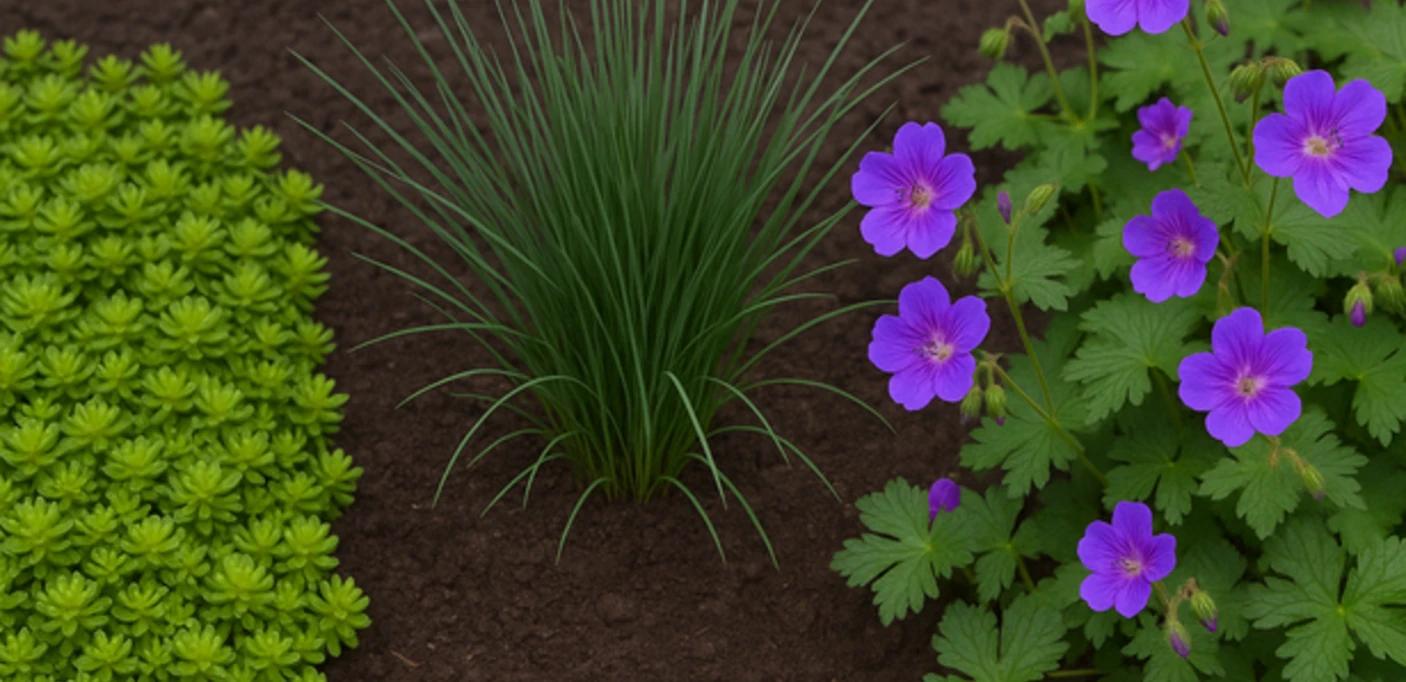
Winter wonders: evergreen & semi-evergreen all-stars
- Who they are: Plants that keep their leaves through winter—evergreens such as Heuchera, Hellebores, some Sedums, and many grasses—or hold onto them for a good portion of it, like some semi-evergreen Geraniums and Epimediums. Sub-shrubs like Lavender and Santolina technically have woody stems but are often treated like perennials.
- Why you care: They provide crucial structure, texture, and even color when everything else has died back. Essential for a garden that looks good year-round.
- Watch out for: Some evergreen foliage can look battered by winter's end and needs a tidy-up in spring. Some sub-shrubs need occasional pruning to stay vigorous.
Expert tip
Group evergreens together for stronger winter impact, rather than scattering them singly among plants that die down.
Short-lived vs. long-haul: planning for change
- Who they are: Some perennials are naturally short-lived, shining brightly for two or three years then fading—Columbine, some Daisies, and Lupins. Others are incredibly tenacious, lasting for decades—Peonies, Hostas, and Daylilies.
- Why you care: Don't expect every plant to last forever! Knowing a plant's general lifespan manages expectations. Short-lived beauties often self-seed, bringing spontaneity. Long-lived plants provide stability.
- Watch out for: Some modern cultivars are less robust than their wild ancestors. Site conditions drastically affect longevity: a plant happy in its ideal habitat lives longer.
Expert tip
Use short-lived “filler” plants around slow-growing, long-lived specimens. The fillers provide early interest and disappear as the main plants mature.
Getting familiar with these plant personalities helps you move beyond just flower color and create plantings with depth, resilience, and year-round interest.
Design Secrets for Real Yards
You understand your site and the types of plants. Now, how do you put them together effectively? Forget complicated design theory—here are practical principles, drawn from expert experience, for creating beautiful, cohesive plantings.
Structure isn't scary: the power of bones
- What it means: Most perennial plantings look best when anchored by something more permanent—shrubs, small trees, even a fence or wall. These provide year-round structure, height, and a backdrop.
- Why it matters: Perennials alone, especially in winter, can look flat and messy. The “bones” give the planting context and presence.
- Keep it simple: Even one or two well-placed shrubs or evergreen grasses within a perennial bed can make a huge difference.
Rhythm & flow: avoiding the yard sale look
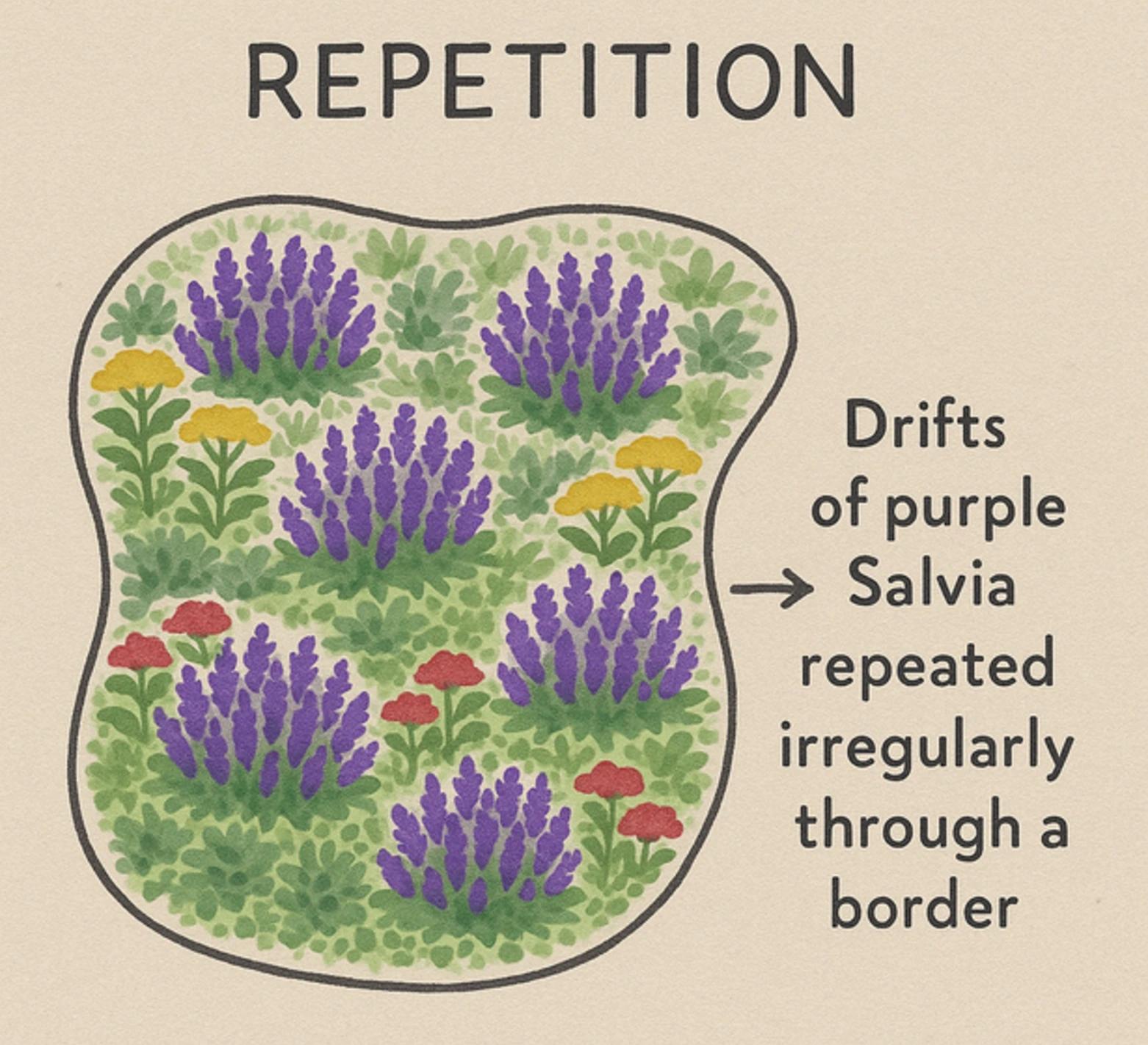
- What it means: Repeating key plants—or plant types and colors—throughout a planting area creates a sense of unity and guides the eye. Think of it like a recurring theme in music.
- Why it matters: Randomly dotting one of everything leads to visual chaos. Repetition brings harmony and intention.
- Do it smart: Don't make it rigidly symmetrical. Use irregular spacing and vary the group sizes: a single specimen here, a group of three there, a larger drift further on. Use variations—different cultivars of the same plant type, such as different colors of Coneflower, can provide variety within the theme.
Smart grouping: more than just height
- What it means: Planting perennials in groups that suit their “sociability” or natural growth habit.
- Why it matters: Creates a more natural, stable, and often lower-maintenance planting. Clump formers look good singly or in small clusters of three to five. Spreaders can form larger drifts or groundcovers. Massing solitary plants like Hostas loses their individual character.
Expert tip
There are different grades of plant “sociability,” or how much they like to be around their own kind: I, singly or in small clusters, such as Peonies and large Hostas; II, small groups of 3–10, including many border perennials; III, larger groups of 10–20, such as mid-size groundcovers and Asters; and IV/V, extensive drifts or carpets of vigorous groundcovers like Vinca.
Key takeaway: Don't force a plant meant for small groups into a vast monoculture—it often leads to problems.
Give them room: the overcrowding trap
- What it means: Planting perennials in groups that suit their sociability or natural growth. Resisting the urge to plant too closely for instant effect. Giving plants adequate space to reach their mature size.
- Why it matters: Overcrowding stresses plants, encourages disease, necessitates constant dividing, and prevents plants from developing their true beautiful form. Long-term health requires space!
- How much space?: It varies hugely! Check plant tags for mature spread. General ballpark: most border perennials need about 1.5–2 feet, or 45–60cm, between them. Vigorous shrubs need much more. Low groundcovers can be closer.
Expert tip
A fist-sized division grows better than a large, undivided transplant. When moving or planting, dividing robust perennials often reinvigorates them.
Think beyond bloom time
- What it means: Considering foliage texture, plant form, seed heads, and autumn color, not just flowers.
- Why it matters: Creates a garden with interest throughout the seasons, not just during peak bloom. Contrasting textures—fine grasses next to bold Hosta leaves—add depth. Persistent seed heads, like Coneflower and Sedum ‘Autumn Joy,’ add winter structure.
- Look for: Plants with interesting leaves—colored, variegated, or unusual shapes—grasses that sway in the breeze, plants with good autumn color, and evergreen elements.
These principles help you move from simply collecting plants to designing cohesive, beautiful, and functional garden spaces.
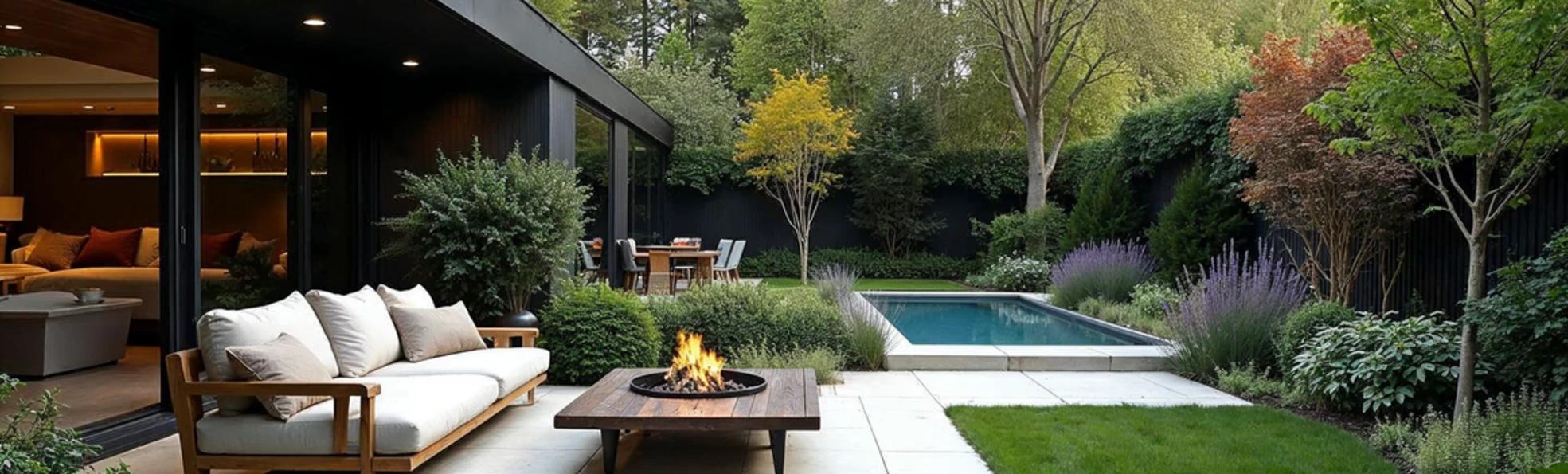
The Low-Maintenance Dream
“Low maintenance” is the holy grail of gardening. But what does it really mean? Often, it doesn't mean “no maintenance.” It means smart maintenance, starting with the right choices.
Myth
Low maintenance means planting tough, boring shrubs and calling it a day.
Reality
Low maintenance is achieved by matching plants to their ideal conditions and understanding their needs, leading to less corrective work later.
Myth
Ecological planting means letting weeds take over.
Reality
Ecological planting focuses on creating stable plant communities that naturally resist weeds once established. It involves thoughtful intervention, not neglect. It shifts maintenance from constant “tidying” to occasional “editing.”
The bottom line
Truly lower-maintenance gardening isn't about finding magic “no-work” plants.
It's about creating balanced, healthy plant communities through informed choices and occasionally guiding the process of growth and change.
The smart gardener's maintenance approach
- Invest Up Front—Right Plant, Right Place: The most crucial step for lower maintenance is choosing plants suited to your specific garden habitats from Chapter 2 and understanding their growth habits from Chapter 3. This prevents stressful situations for plants—and you—down the line.
- Establishment is Key: All new plantings need attention in their first year or two—watering during dry spells, and diligent weeding until plants fill in and shade the soil. This initial care pays off massively later.
- Soil Care, Not Just Tidying: For traditional borders, keeping the soil healthy and open with mulch like compost or shredded bark is vital. For ecological plantings, avoid digging once established! Let leaves decompose naturally to build soil humus, especially in shady areas.
- Work With Plant Cycles:
- Cutting back: Don't automatically shear everything in autumn. Many grasses and seed heads provide winter interest and shelter for wildlife. Tidy up in late winter or early spring.
- Feeding: Border perennials often need feeding—compost is best, and slow-release organic options are good. Ecological plantings rarely need fertilizer if sited correctly; too much can make them leggy and weak.
- Weeding as editing: In naturalistic plantings, learn to identify seedlings. Remove aggressive weeds like couch grass and bindweed promptly. Tolerate harmless self-seeders that add to the charm, removing them only if they overwhelm neighbors.
Expert tip
Some plants, like Delphiniums and Catmint, benefit from being cut back hard after their first bloom to encourage a second flowering.
- Winter Protection—When Needed: Most hardy perennials don't need elaborate winter protection. However, newly planted ones, tender species, or those in exposed sites benefit from a light mulch of leaves or straw, or evergreen boughs after the ground freezes, to prevent frost heave.
Expert tip
Avoid smothering cushion plants or those prone to rot with heavy, wet coverings.