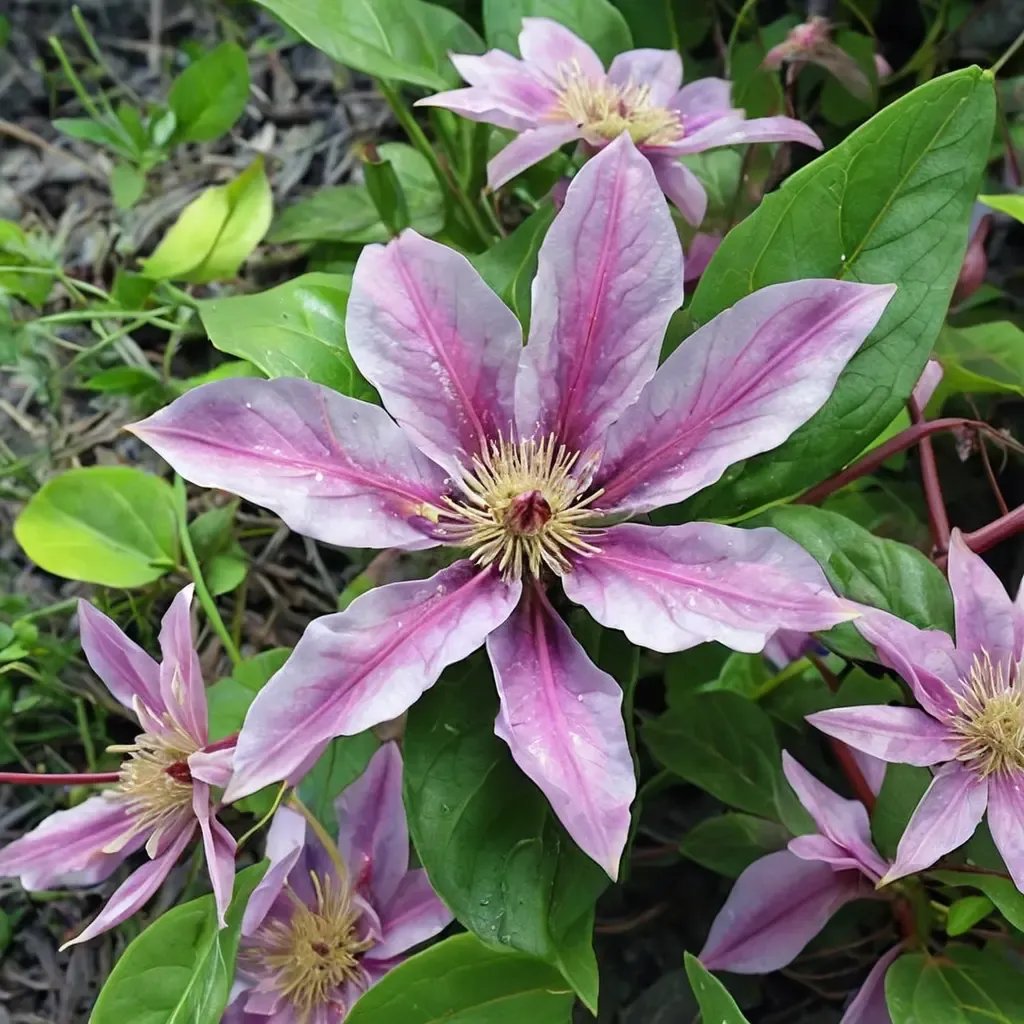
2 named cultivars
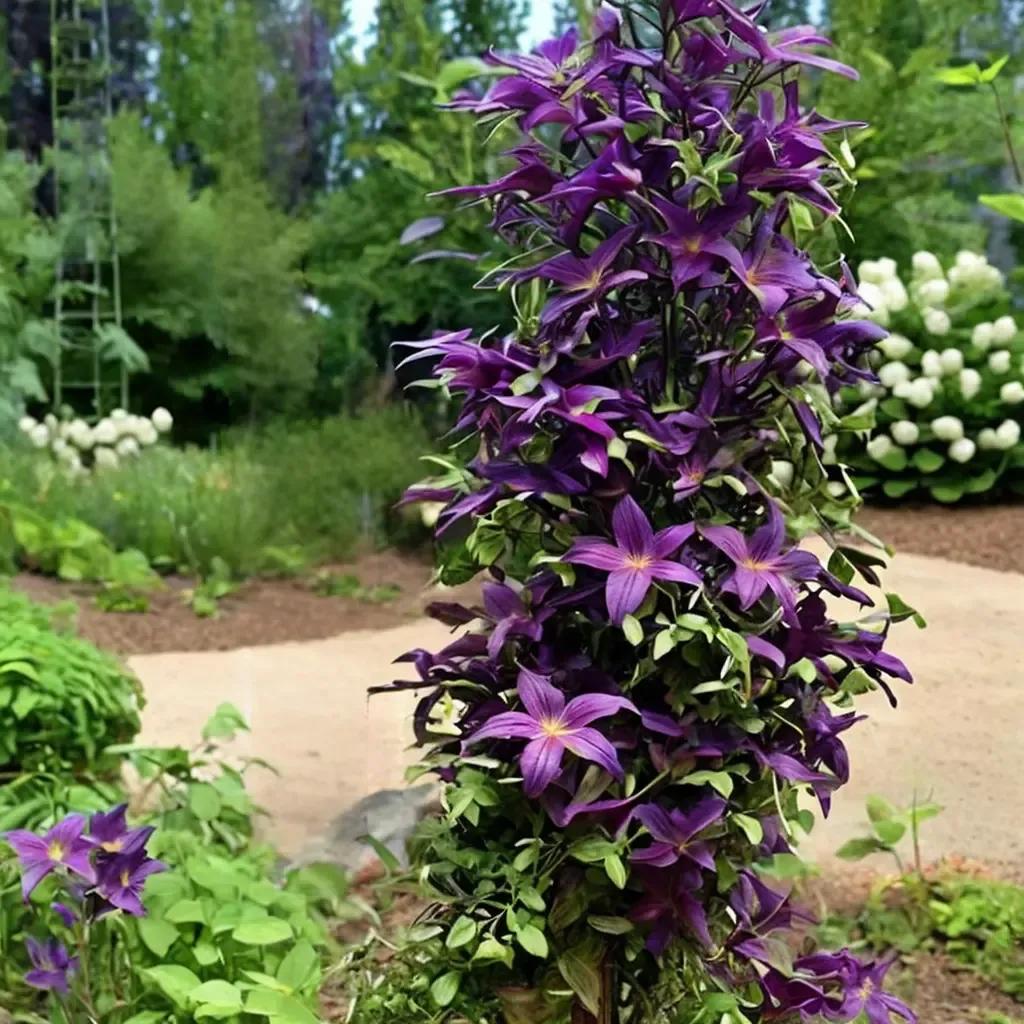
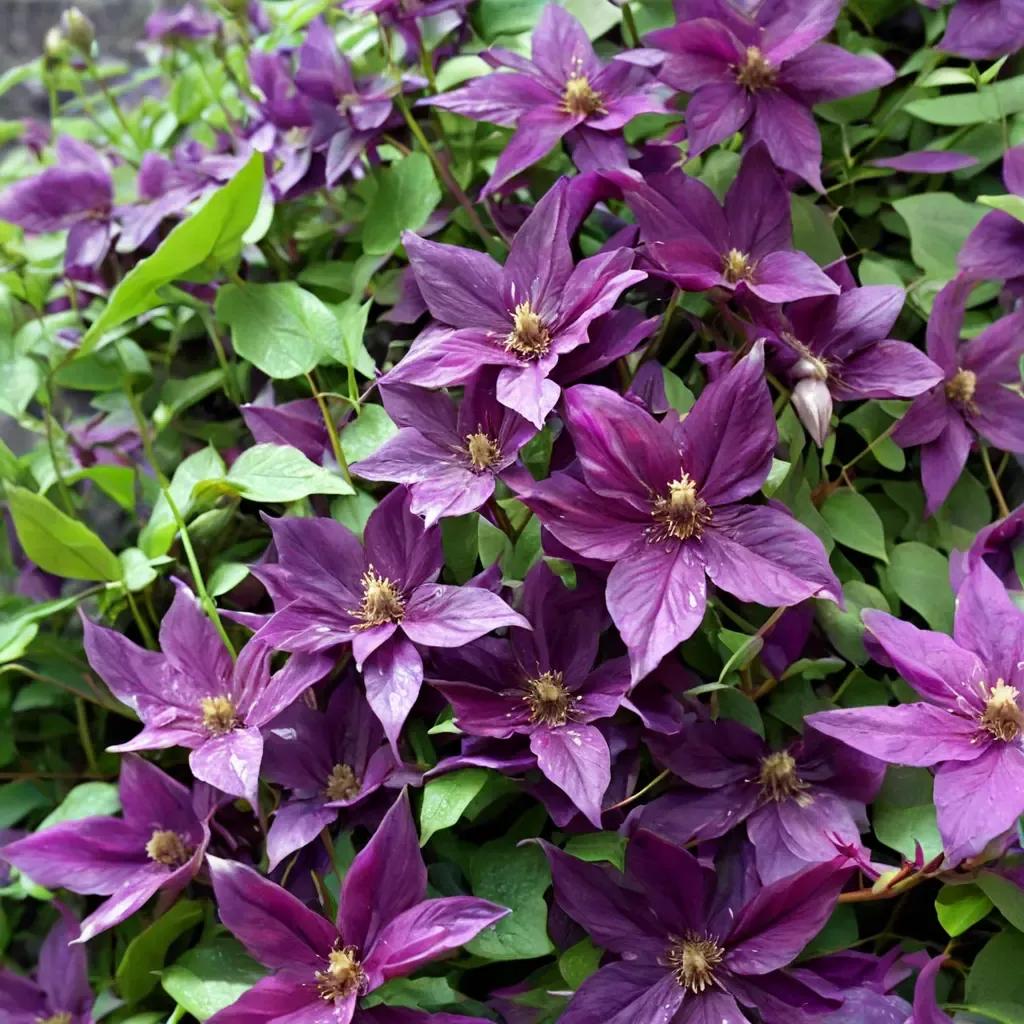
The Story
Plant Bio
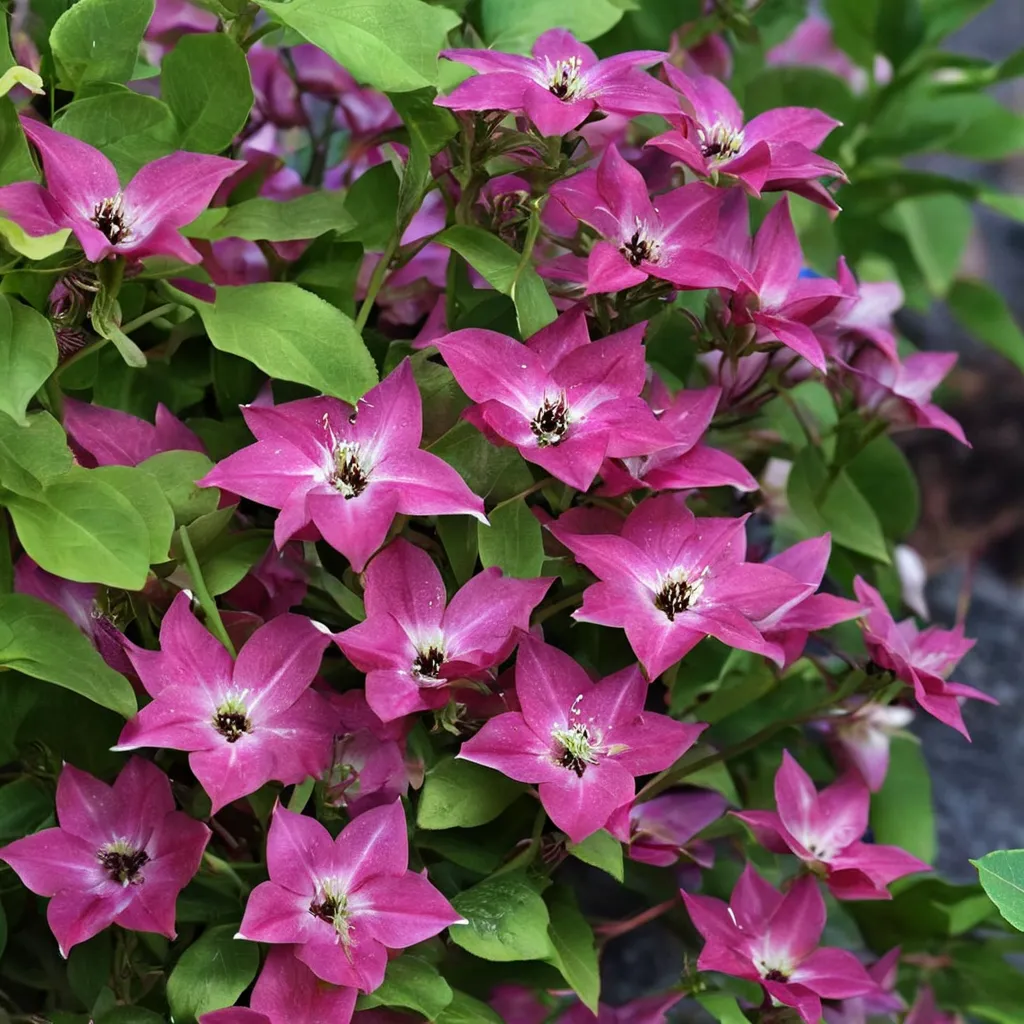
Based on the provided data, this plant is identified as Clematis viticella. It is a vigorous, deciduous, woody-stemmed climbing vine celebrated for its profuse, nodding, violet-purple flowers. It is ideal for covering walls, trellises, fences, or arbors.
This species is highly regarded for its exceptional resistance to clematis wilt, a common disease in larger-flowered hybrids. It is also more tolerant of leaner soils than many other clematis types and requires a hard pruning (Group 3).
Uses & Benefits:
Essentials
At a Glance
Plant Type
Vine
Height
144 inches
Width
48 inches
Light
Full Sun, Partial Sun
Zones
4, 5, 6, 7, 8, 9
Water
Moderate
Humidity
Average
Lifespan
10+ years
Native To
Southern Europe to Western Asia
Toxicity
Toxic to humans and pets if ingested; can cause skin irritation.
Planting
How to Grow
- Tuck young vines into a sturdy trellis or support structure in early spring.
- Mist cuttings regularly to maintain humidity and encourage rooting.
- Water deeply once a week, keeping soil moist but not waterlogged.
- Fertilize with a balanced, slow-release fertilizer every 6 weeks during active growth.
- Prune after flowering to promote vigorous new growth and flowering next season.
- Mulch around the base to retain moisture and regulate soil temperature.
Pro Tip
Provide a strong support structure early for optimal vine growth and flowering.
Keep It Thriving
Care Guide
Do
- Water consistently to keep soil moist 🌱
- Prune after flowering for better blooms
- Use a balanced fertilizer during the growing season
- Provide full sun for best flowering
- Mulch to conserve moisture and suppress weeds
Don't
- Avoid overwatering to prevent root rot ❌
- Don’t neglect pruning, which encourages healthy growth
- Avoid planting in shady spots, as Clematis prefers sun
- Don’t ignore support needs—allow space for climbing
- Avoid soil that is too dry or too heavy with clay
Seasonal Care Calendar
| Task | Jan | Feb | Mar | Apr | May | Jun | Jul | Aug | Sep | Oct | Nov | Dec |
|---|---|---|---|---|---|---|---|---|---|---|---|---|
| Fertilize | ||||||||||||
| Mulch | ||||||||||||
| Plant | ||||||||||||
| Prune | ||||||||||||
| Spring Cleanup |
Watch Out For
Pests & Diseases
Common Pests
Common Diseases
In the Garden
Landscape Uses & Companions
Landscape Uses
Companion Plants
Multiply
Propagation Methods
Good to Know
Common Questions
Italian clematis questions
What zones can Italian clematis grow in?
Italian clematis is hardy in USDA Zones 4–9. Inside that range it survives winter in the ground; outside it, grow it as an annual or a container plant you protect.
Is Italian clematis deer resistant?
Yes — Italian clematis is rated deer-resistant. Deer typically pass it over, though extreme hunger can override any plant's defenses.
When does Italian clematis bloom?
Italian clematis typically blooms in mid-summer through late summer. Exact timing shifts a week or two with your zone — Sow's bloom calendar maps it to your garden.
Does Italian clematis need full sun?
Italian clematis does best in full sun to part shade. In hot climates, afternoon shade keeps blooms fresher longer.
More Clematis to compare
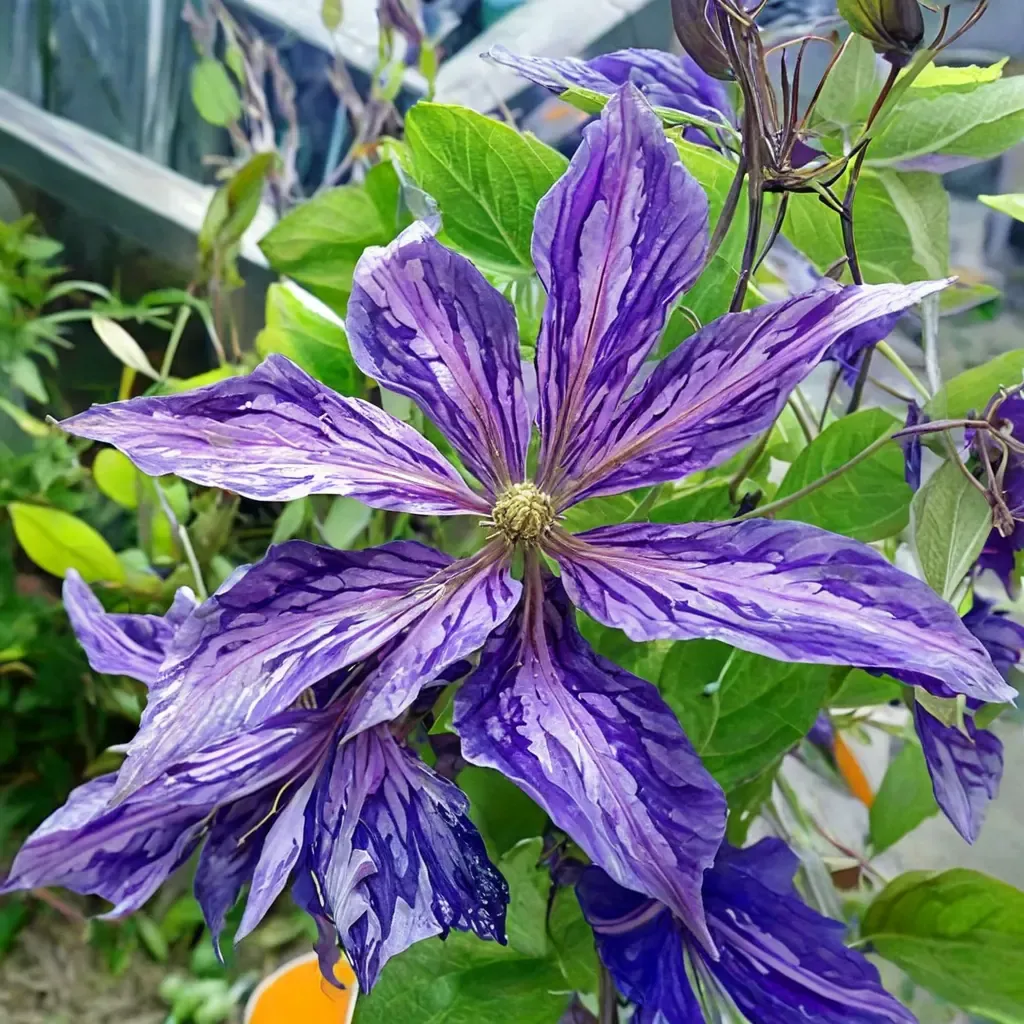
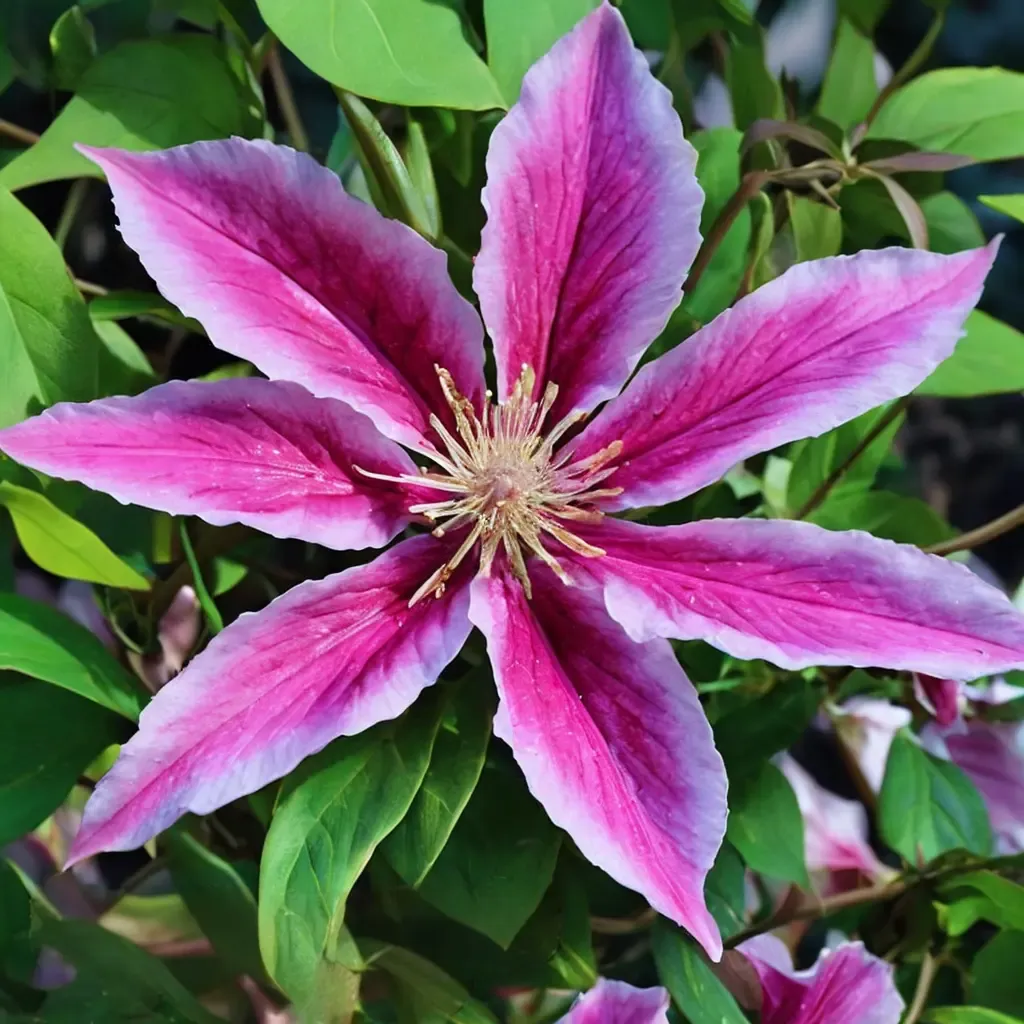
Tie Dye Clematis
Clematis viticella 'Tie Dye'
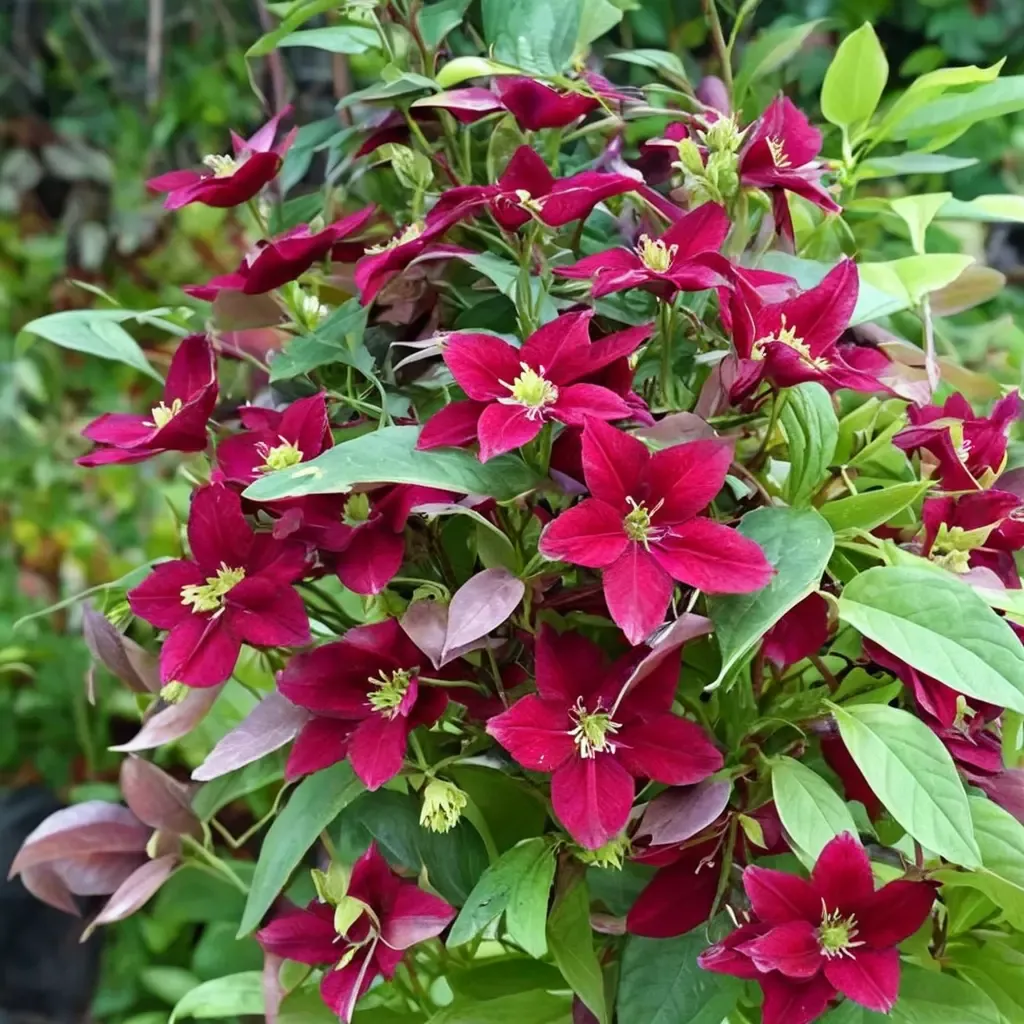
Dr. Ruppel Clematis
Clematis x jackmanii 'Dr Ruppel'
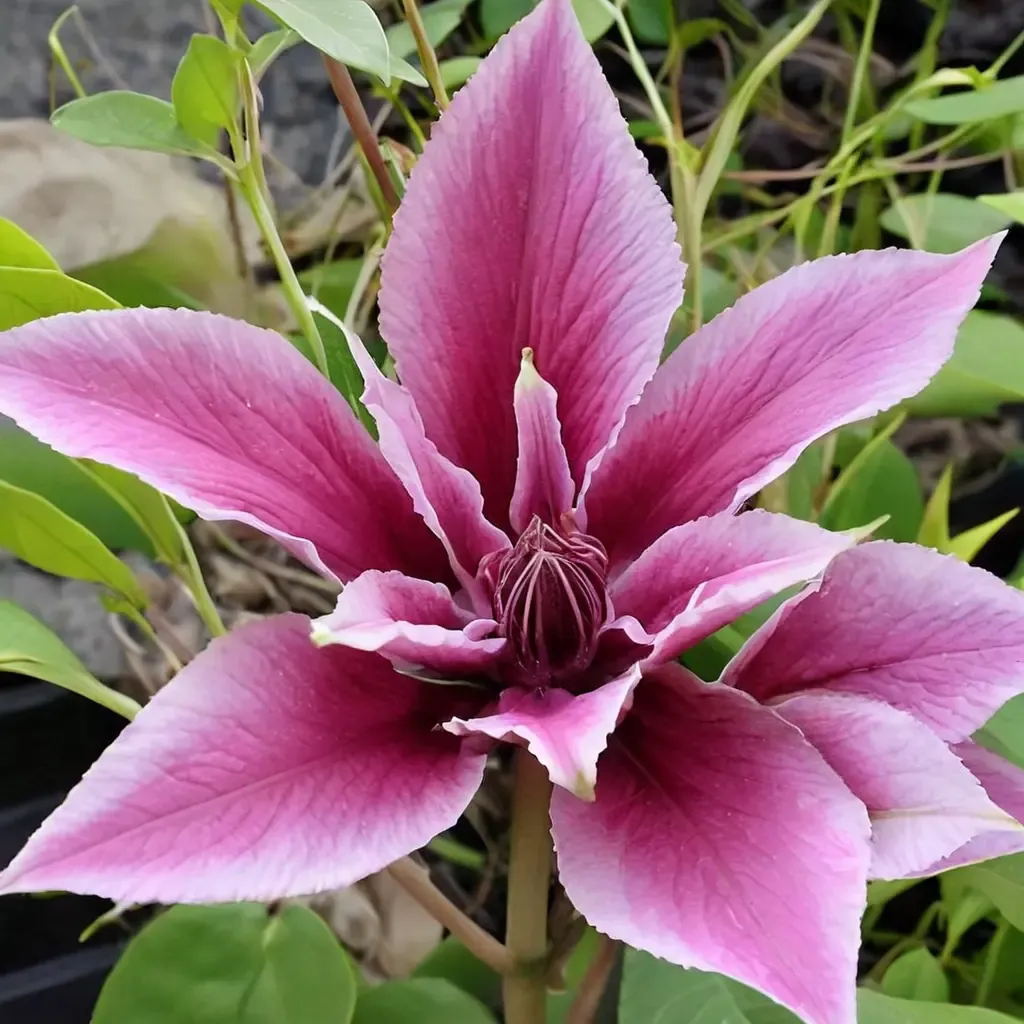
Burning Love Clematis
Clematis x cartmanii 'Burning Love'
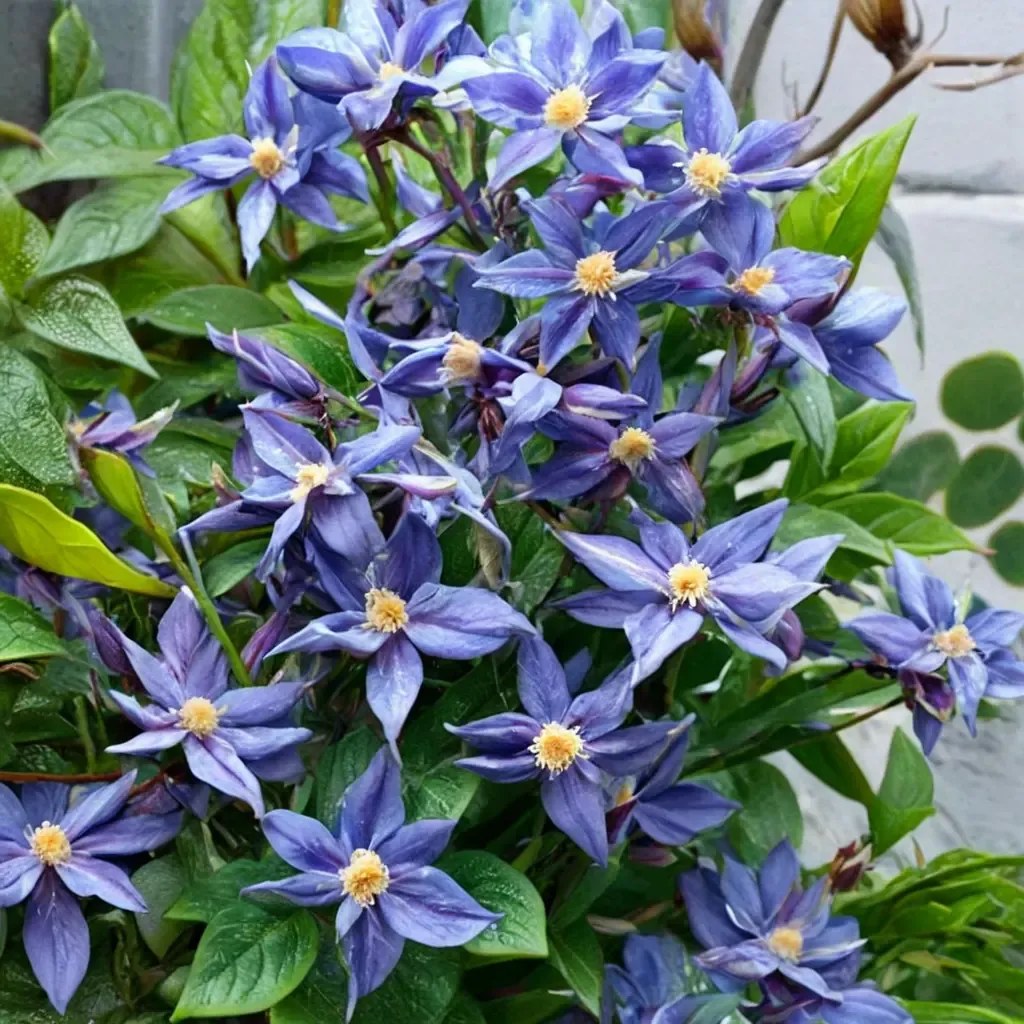
Yuan Clematis
Clematis viticella 'Yuan'
Tsukiko Clematis
Clematis x durandii 'Tsukiko'
Viva Polonia Clematis
Clematis x hybrida 'Viva Polonia'
Keep exploring
Explore the genus
Grow Italian clematis with confidence
See it in a design of your actual yard, get zone-matched care reminders, and track it season by season in your garden journal.