


The Story
Plant Bio
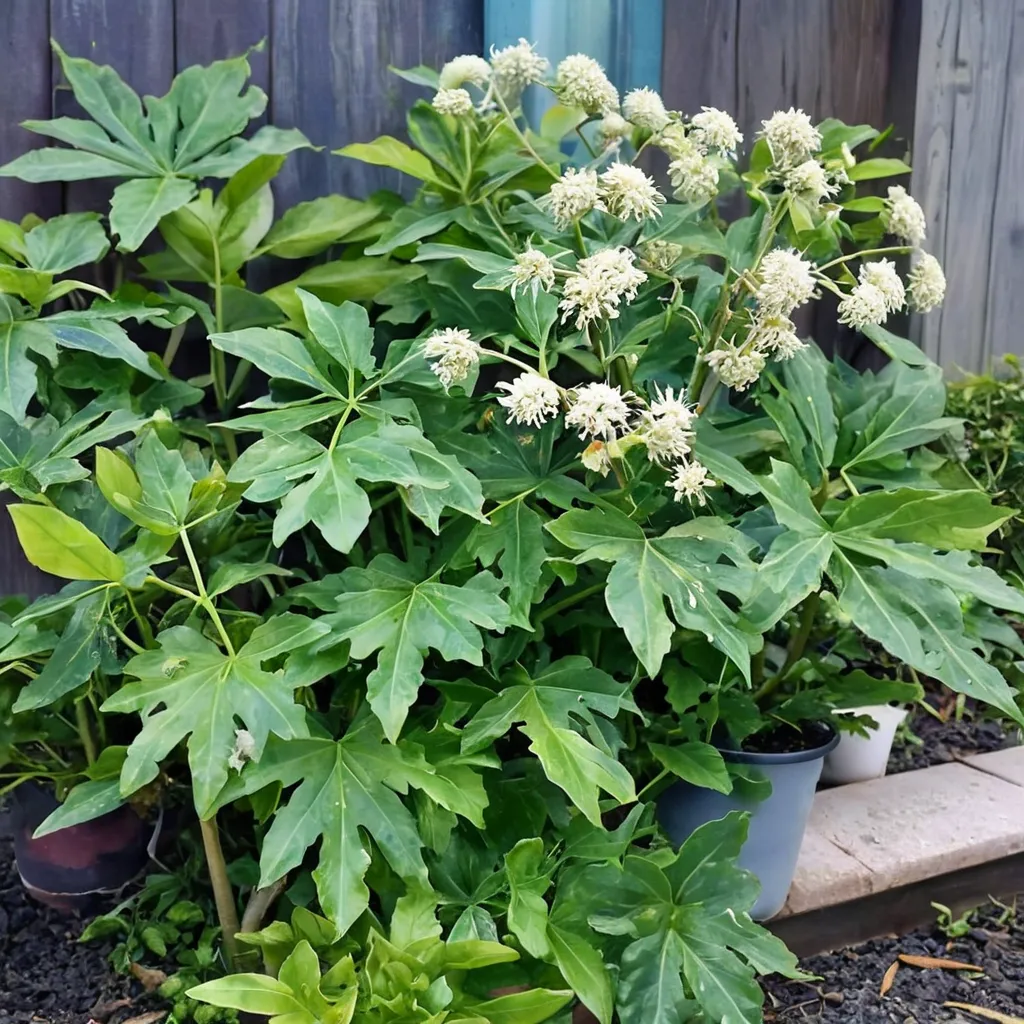
Fatsia japonica is a fast-growing, evergreen shrub native to Japan, prized for its large, glossy, deeply lobed, palmate leaves that create a bold, tropical effect. In fall, it produces terminal panicles of small, creamy-white flowers, followed by small, inedible, black berries.
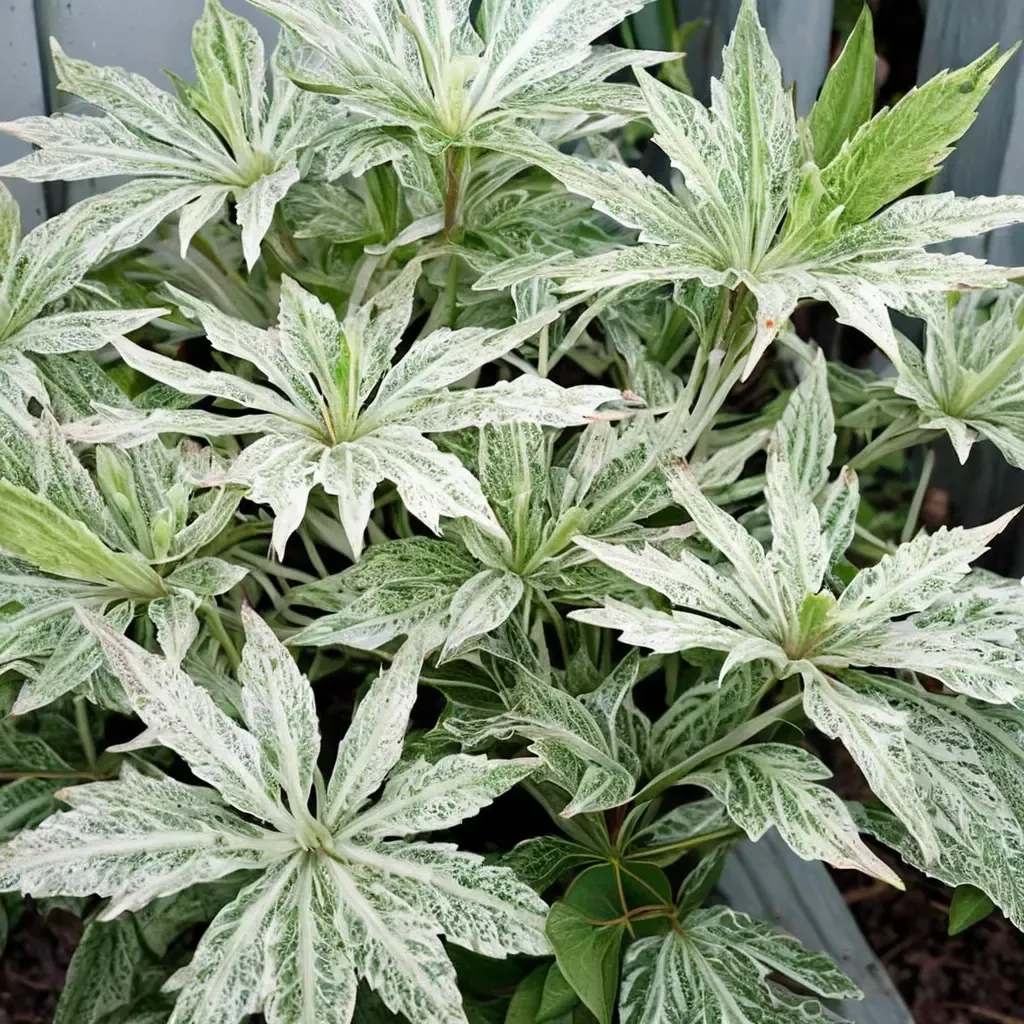
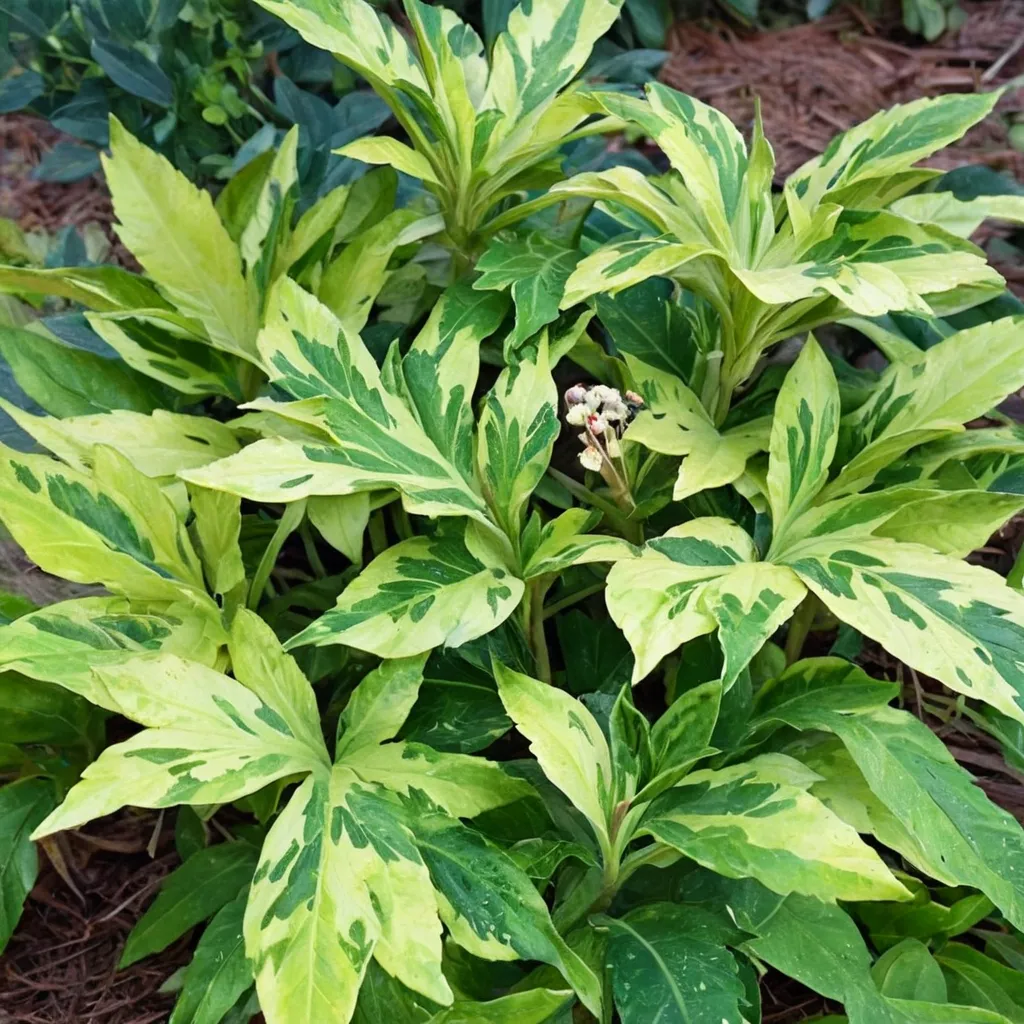
The 'Variegata' cultivar is distinguished by its large, palmate leaves that are irregularly margined with creamy white to yellowish-white, providing year-round color and texture in shady locations. It is slightly less vigorous than the parent species.
Uses & Benefits:
Essentials
At a Glance
Plant Type
Shrub
Height
96"
Width
96"
Light
Partial Sun, Shade
Zones
8, 9, 10
Water
Moderate
Humidity
Prefers moderate to high humidity
Lifespan
Decades
Native To
Japan and South Korea
Toxicity
Mildly toxic if ingested; sap may cause skin irritation.
Bloom period
Late fall
In flower about 1 month of the year
Marketplace
Where to Buy
Shipping costs Year-round shipping Free shipping
Planting
How to Grow
- Tuck bare-root plants into well-draining soil in early spring.
- Water thoroughly after planting and keep soil moist.
- Mulch around the base to retain moisture and suppress weeds.
- Prune lightly in late winter to shape and remove dead branches.
- Fertilize with a balanced slow-release fertilizer in spring.
- Protect from harsh winter winds with a windbreak if necessary.
Pro Tip
Ensure well-draining soil and protect from cold winds for best growth.
Keep It Thriving
Care Guide
Do
- Water regularly to keep soil moist but not soggy 🌱
- Mulch annually to conserve moisture and regulate soil temperature
- Prune to shape and remove dead or damaged branches
Don't
- Avoid overwatering to prevent root rot ❌
- Don't expose to frost without protection
- Refrain from heavy fertilization during dormancy
Seasonal Care Calendar
| Task | Jan | Feb | Mar | Apr | May | Jun | Jul | Aug | Sep | Oct | Nov | Dec |
|---|---|---|---|---|---|---|---|---|---|---|---|---|
| Fertilize | ||||||||||||
| Mulch | ||||||||||||
| Pest Check | ||||||||||||
| Plant | ||||||||||||
| Prune |
Watch Out For
Pests & Diseases
Common Pests
Common Diseases
In the Garden
Landscape Uses & Companions
Landscape Uses
Companion Plants
Multiply
Propagation Methods
Good to Know
Common Questions
Variegated Japanese Aralia questions
What zones can Variegated Japanese Aralia grow in?
Variegated Japanese Aralia is hardy in USDA Zones 8–10. Inside that range it survives winter in the ground; outside it, grow it as an annual or a container plant you protect.
Is Variegated Japanese Aralia deer resistant?
Yes — Variegated Japanese Aralia is rated deer-resistant. Deer typically pass it over, though extreme hunger can override any plant's defenses.
When does Variegated Japanese Aralia bloom?
Variegated Japanese Aralia typically blooms in late fall through late fall. Exact timing shifts a week or two with your zone — Sow's bloom calendar maps it to your garden.
Does Variegated Japanese Aralia need full sun?
Variegated Japanese Aralia does best in part shade.
More Fatsia to compare
Keep exploring
Explore the genus
Hardy in your zone?
Grow Variegated Japanese Aralia with confidence
See it in a design of your actual yard, get zone-matched care reminders, and track it season by season in your garden journal.