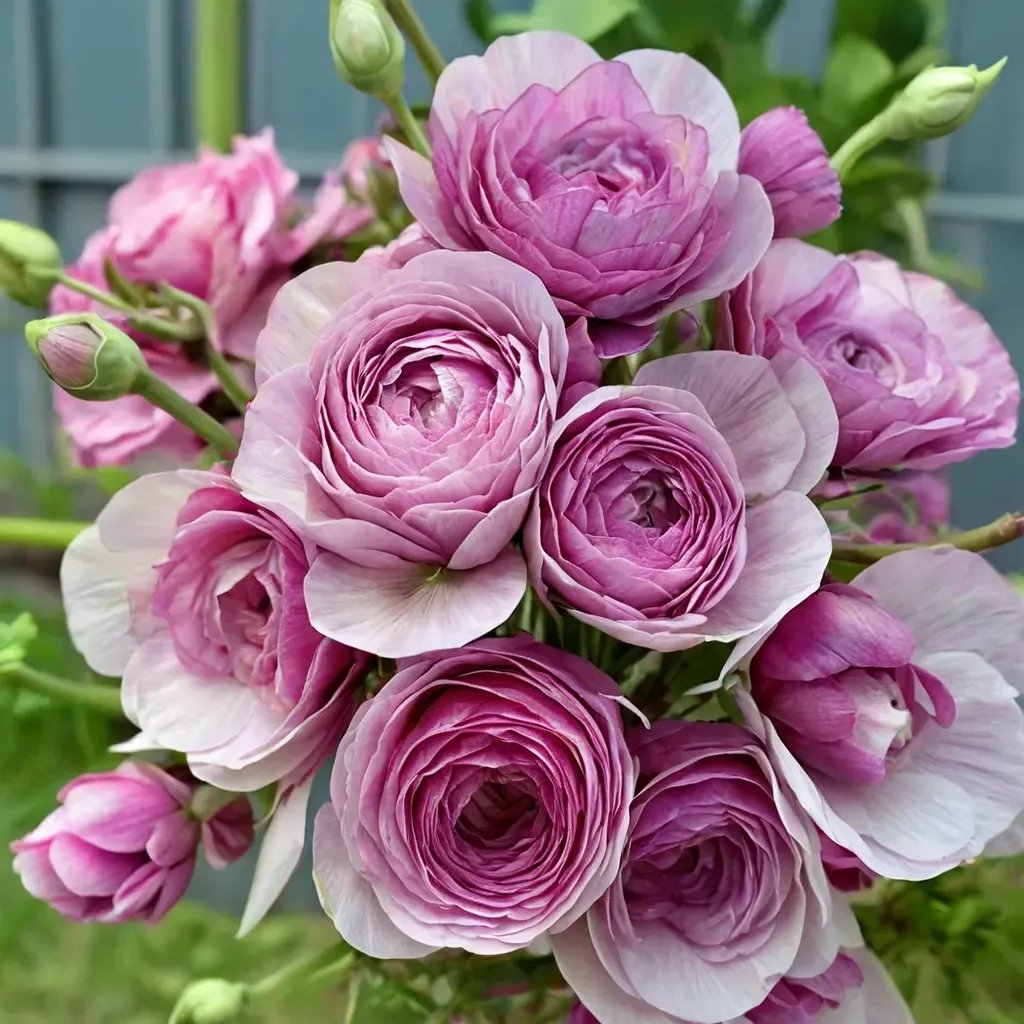
Species
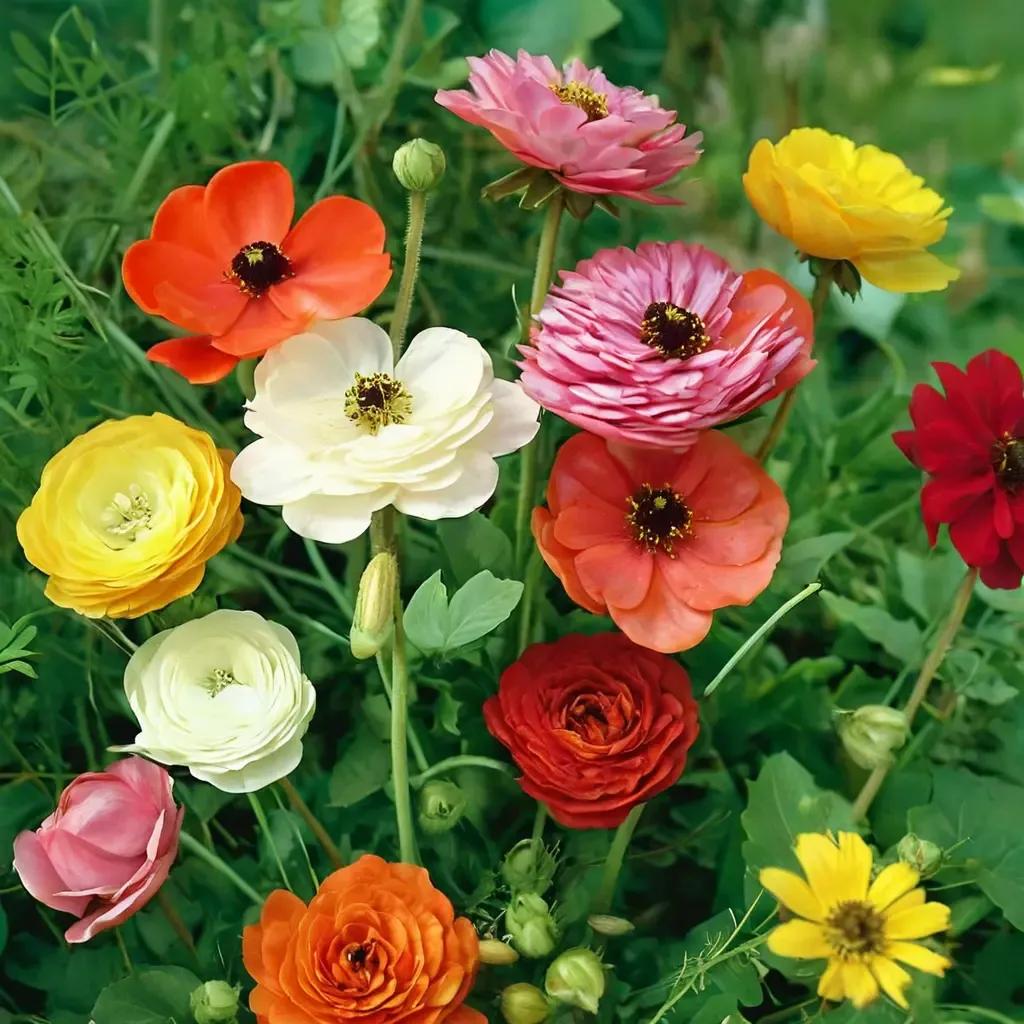 Ranunculus asiaticusPersian Buttercup
7 other cultivars
 ‘Amandine Pastel Pink’Persian Buttercup 'Amandine Pastel Pink'
 ‘Tecolote Cafe’Cafe Buttercup
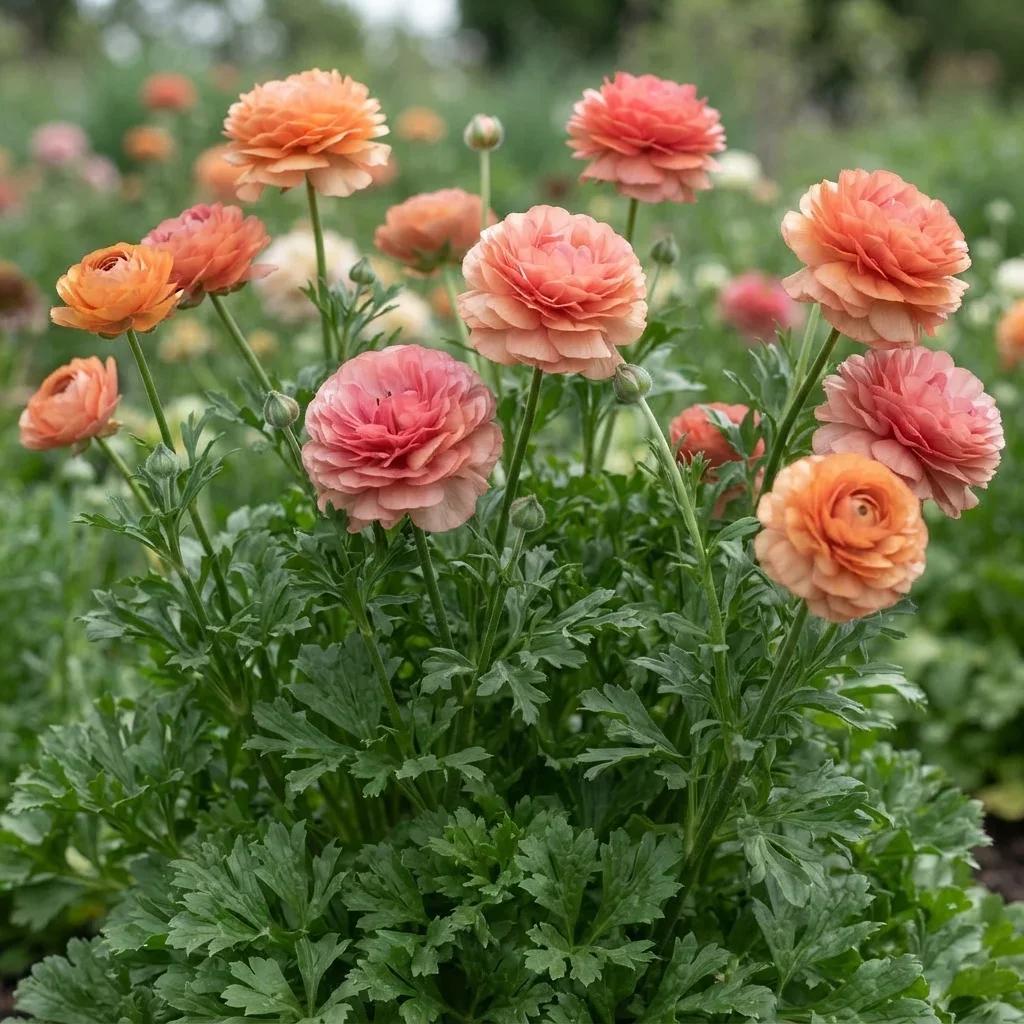 ‘LaBelle Champagne’LaBelle Champagne Asian Buttercup
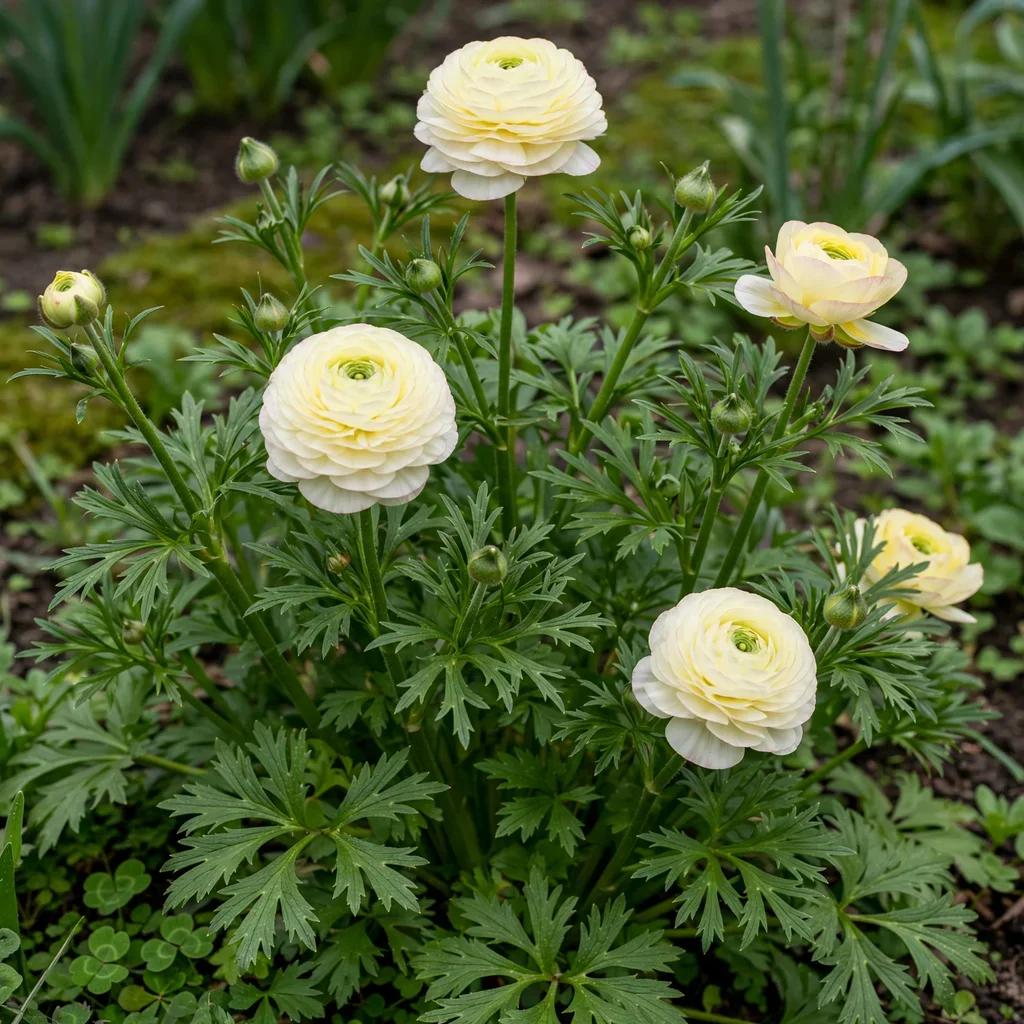 ‘Amandine Pastel Lemon’Persian Buttercup 'Amandine Pastel Lemon'
 ‘Butterfly Hades’Butterfly Hades Persian Buttercup
 ‘Thiva’Thiva Asian Buttercup
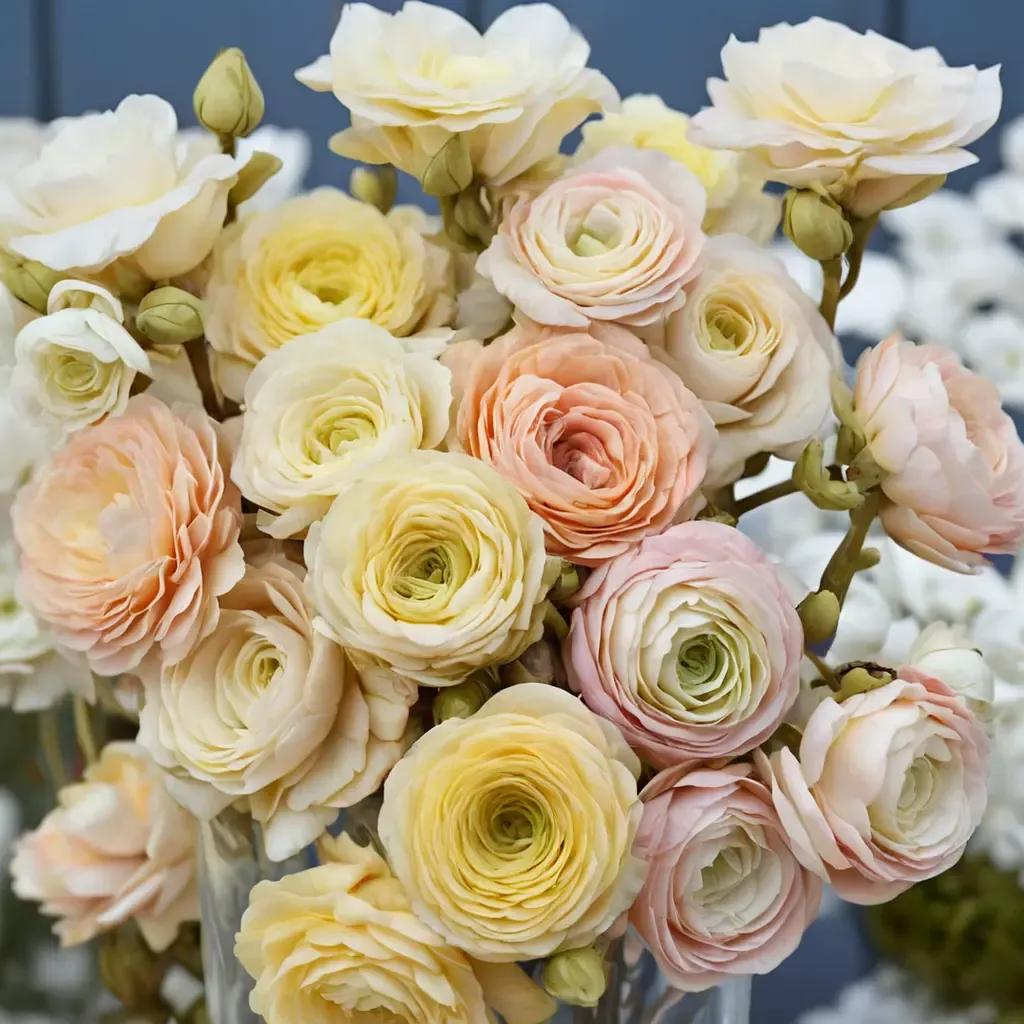 ‘Half Clone Wedding Pastel’Half Clone Wedding Pastel Buttercup
The Story
Plant Bio
Amandine Purple Jean is known for its silvery-purple, dusty-lilac double blooms on long, strong stems, making it a favorite for cutting gardens.
Part of the French Amandine series of Ranunculus asiaticus, prized for strong stems, multiple blooms per plant and a long vase life.
Uses & Benefits:
Essentials
At a Glance
Plant Type
Perennial
Height
14"
Width
12"
Light
Full Sun, Partial Sun
Zones
8, 9, 10
Water
Moderate
Humidity
Prefers moderate humidity
Lifespan
Tender perennial
Native To
Mediterranean region
Toxicity
Toxic to humans and pets if ingested
Bloom period
Mid-spring – Late spring
In flower about 2 months of the year
Planting
How to Grow
- Tuck seeds into well-draining soil in early spring for best germination.
- Mist cuttings regularly to maintain humidity and encourage root growth.
- Keep soil consistently moist but not waterlogged during active growth.
- Thin out seedlings to prevent overcrowding and promote healthy development.
- Fertilize with a balanced liquid feed every 2-3 weeks during blooming season.
- Mulch around plants to conserve moisture and suppress weeds.
Pro Tip
Plant in a sheltered spot to protect from strong winds and heavy rain, ensuring vibrant blooms.
Keep It Thriving
Care Guide
Do
- Water regularly to keep soil moist 🌱
- Deadhead spent flowers to encourage re-blooming
- Apply a balanced fertilizer during active growth
- Mulch to retain soil moisture
Don't
- Avoid overwatering to prevent root rot ❌
- Don't expose to harsh midday sun in extreme heat
- Refrain from disturbing roots when dividing
- Avoid using heavy, clay-based soil that drains poorly
Seasonal Care Calendar
| Task | Jan | Feb | Mar | Apr | May | Jun | Jul | Aug | Sep | Oct | Nov | Dec |
|---|---|---|---|---|---|---|---|---|---|---|---|---|
| Deadhead | ||||||||||||
| Fertilize | ||||||||||||
| Lift Store | ||||||||||||
| Plant |
Watch Out For
Pests & Diseases
Common Pests
Common Diseases
In the Garden
Landscape Uses & Companions
Landscape Uses
Companion Plants
Multiply
Propagation Methods
Good to Know
Common Questions
Persian Buttercup 'Amandine Purple Jean' questions
What zones can Persian Buttercup 'Amandine Purple Jean' grow in?
Persian Buttercup 'Amandine Purple Jean' is hardy in USDA Zones 8–10. Inside that range it survives winter in the ground; outside it, grow it as an annual or a container plant you protect.
Is Persian Buttercup 'Amandine Purple Jean' deer resistant?
Yes — Persian Buttercup 'Amandine Purple Jean' is rated deer-resistant. Deer typically pass it over, though extreme hunger can override any plant's defenses.
When does Persian Buttercup 'Amandine Purple Jean' bloom?
Persian Buttercup 'Amandine Purple Jean' typically blooms in mid-spring through late spring. Exact timing shifts a week or two with your zone — Sow's bloom calendar maps it to your garden.
Does Persian Buttercup 'Amandine Purple Jean' need full sun?
Persian Buttercup 'Amandine Purple Jean' does best in full sun to part shade. In hot climates, afternoon shade keeps blooms fresher longer.
More Ranunculus to compare
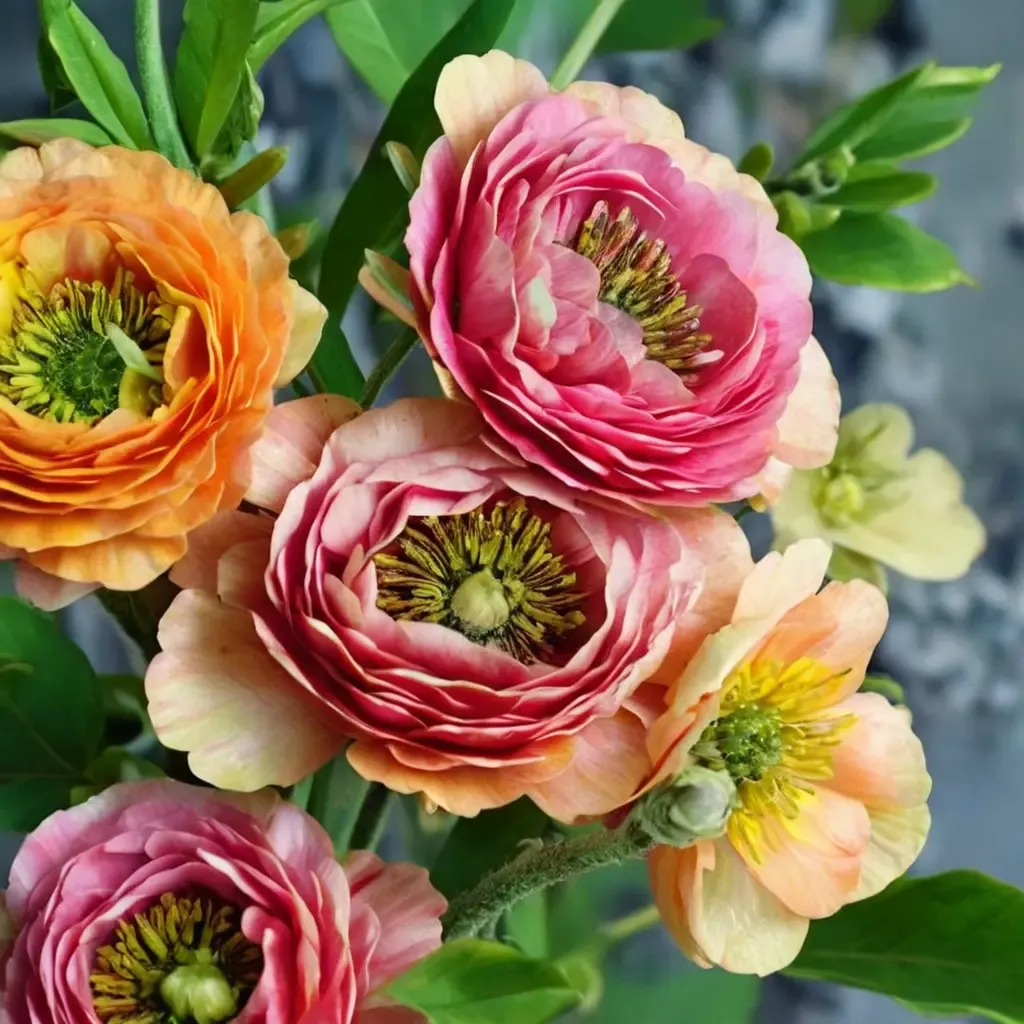
Greater Spearwort
Ranunculus lingua
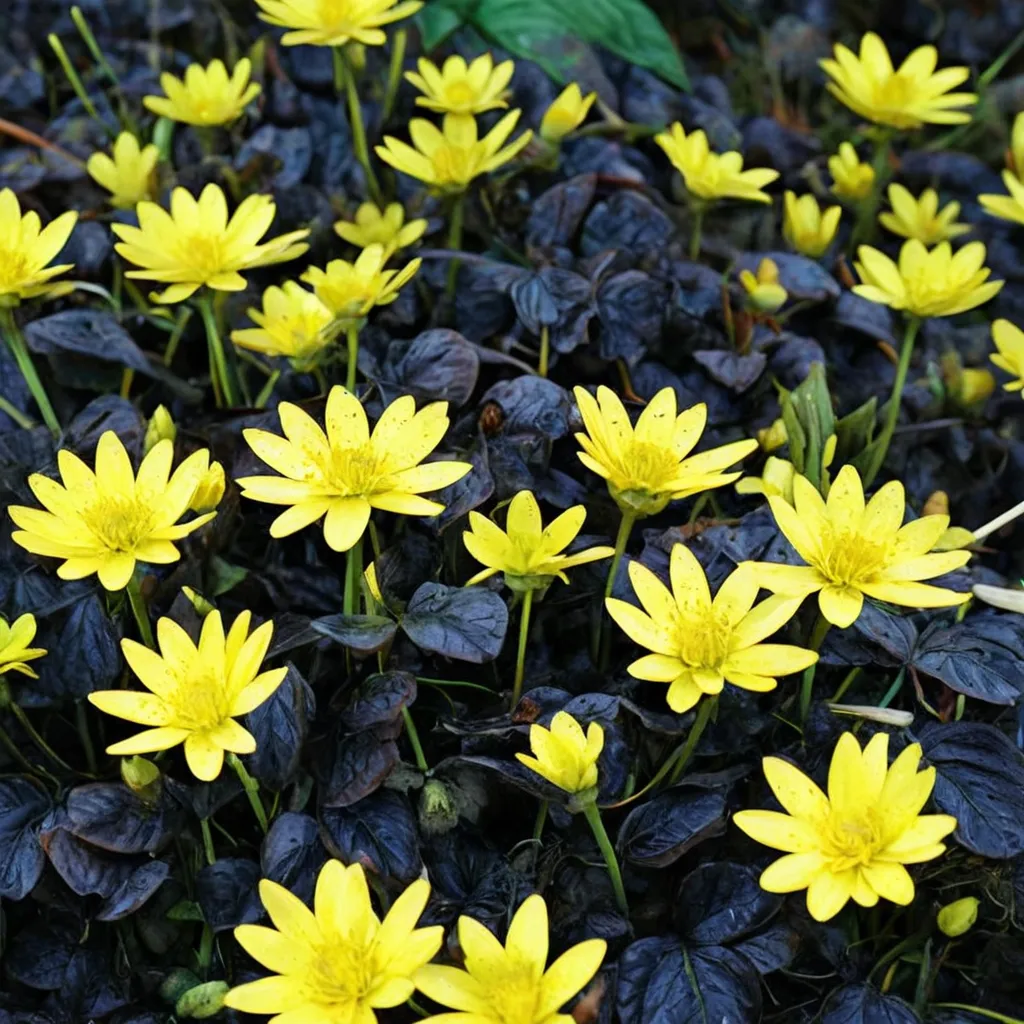
'Brazen Hussy' Lesser Celandine
Ranunculus ficaria 'Brazen Hussy'
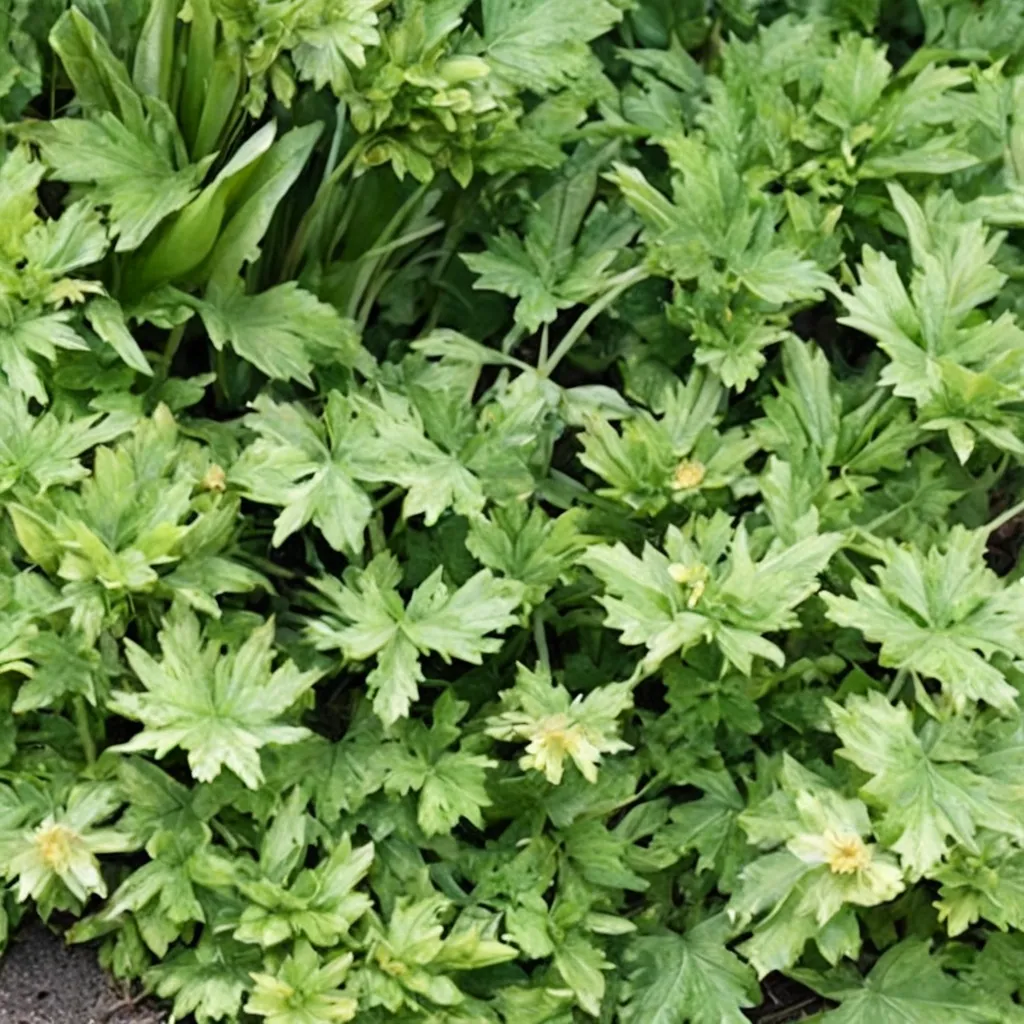
'Buttered Popcorn' Creeping Buttercup
Ranunculus repens 'Buttered Popcorn'
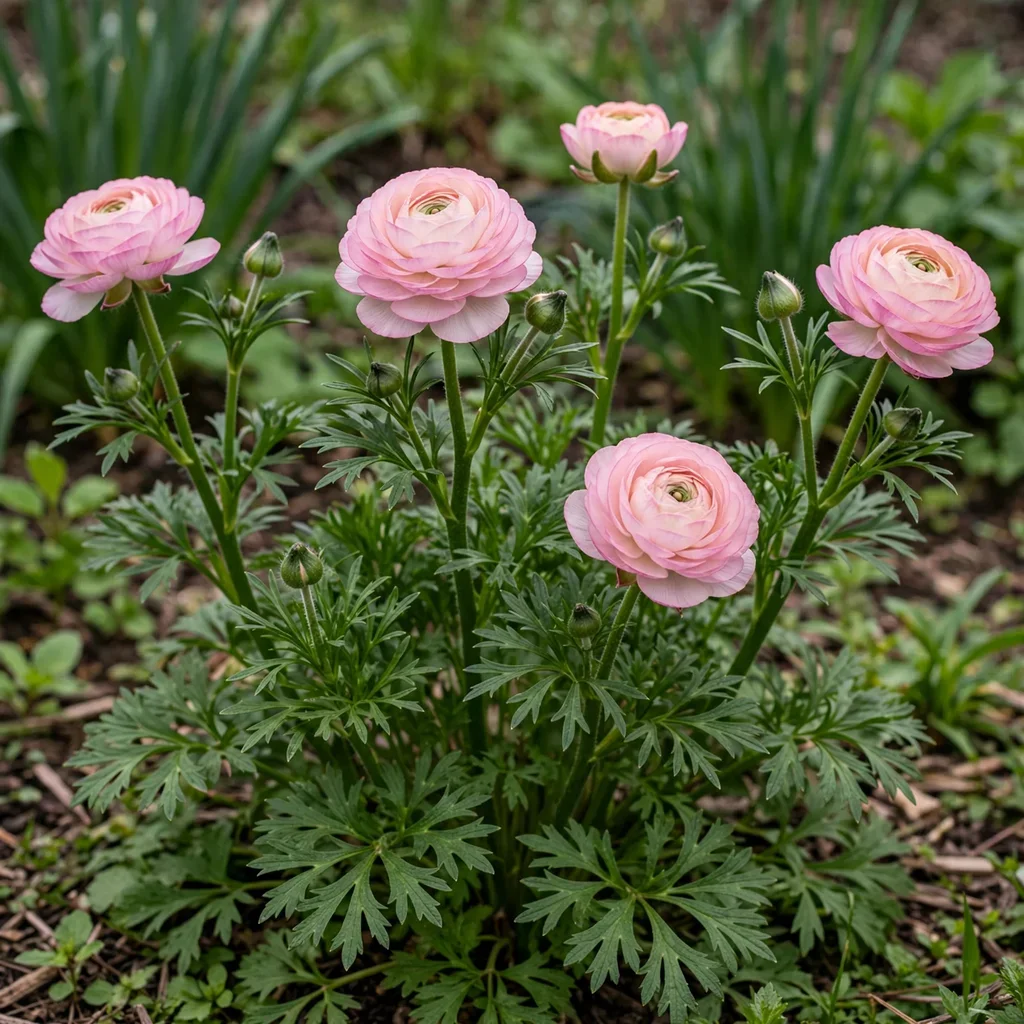
Persian Buttercup 'Amandine Pastel Pink'
Ranunculus asiaticus 'Amandine Pastel Pink'
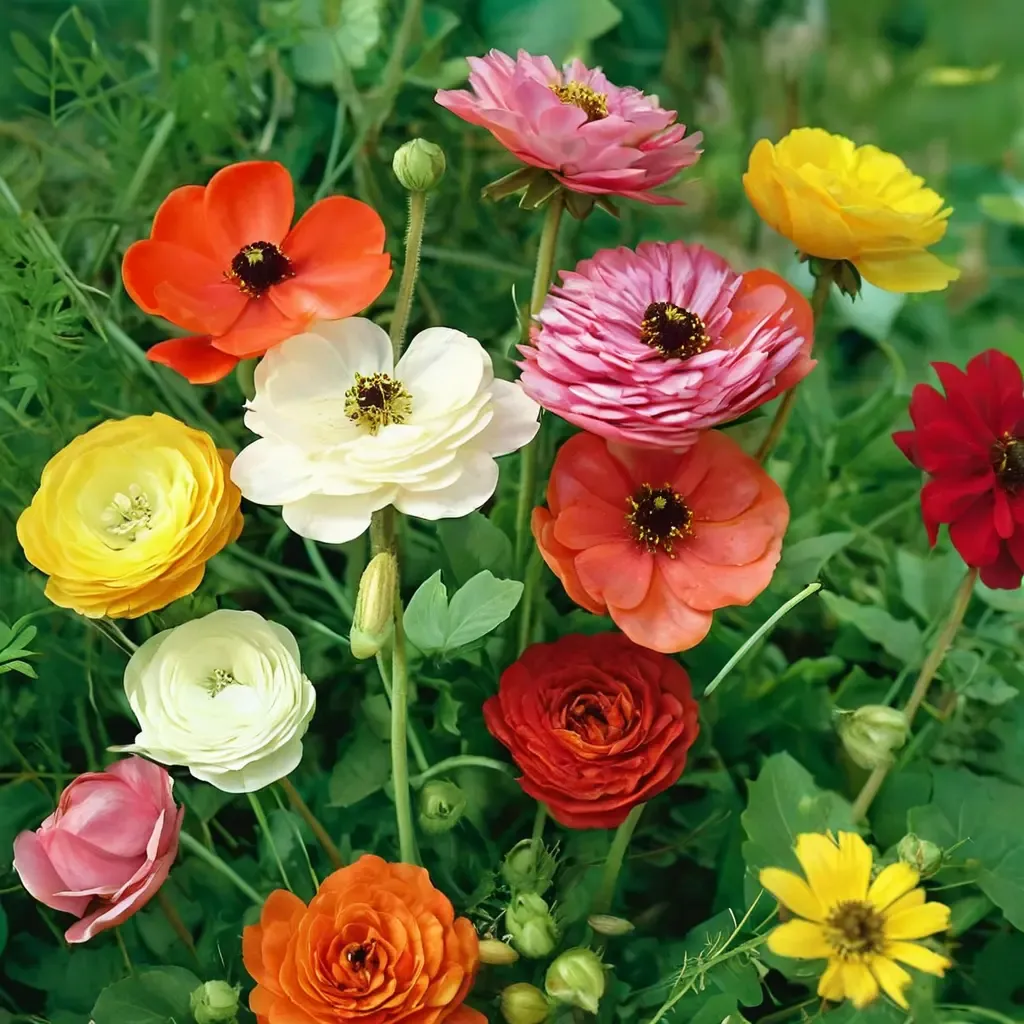
Persian Buttercup
Ranunculus asiaticus
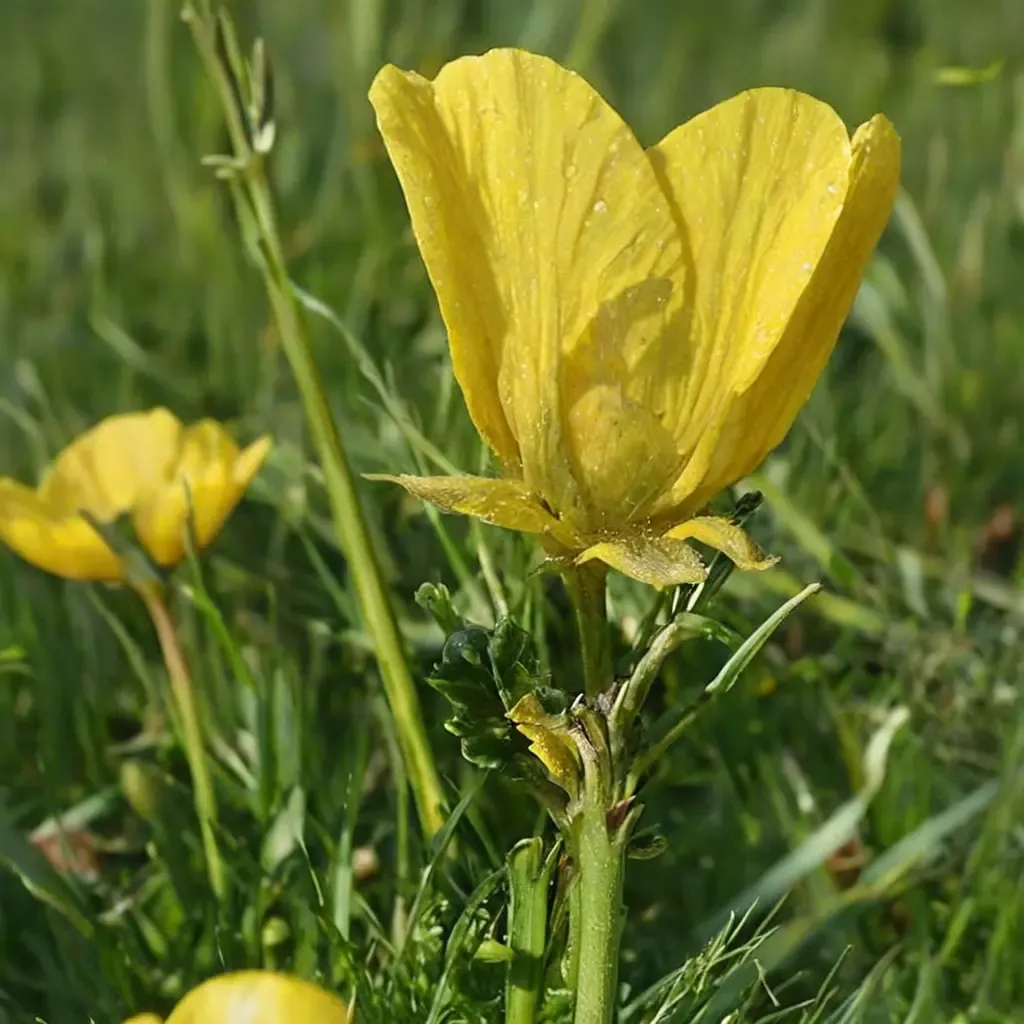
Bulbous Buttercup
Ranunculus bulbosus 'Mix'
Keep exploring
Explore the genus
Hardy in your zone?
Grow Persian Buttercup 'Amandine Purple Jean' with confidence
See it in a design of your actual yard, get zone-matched care reminders, and track it season by season in your garden journal.