

The Story
Plant Bio
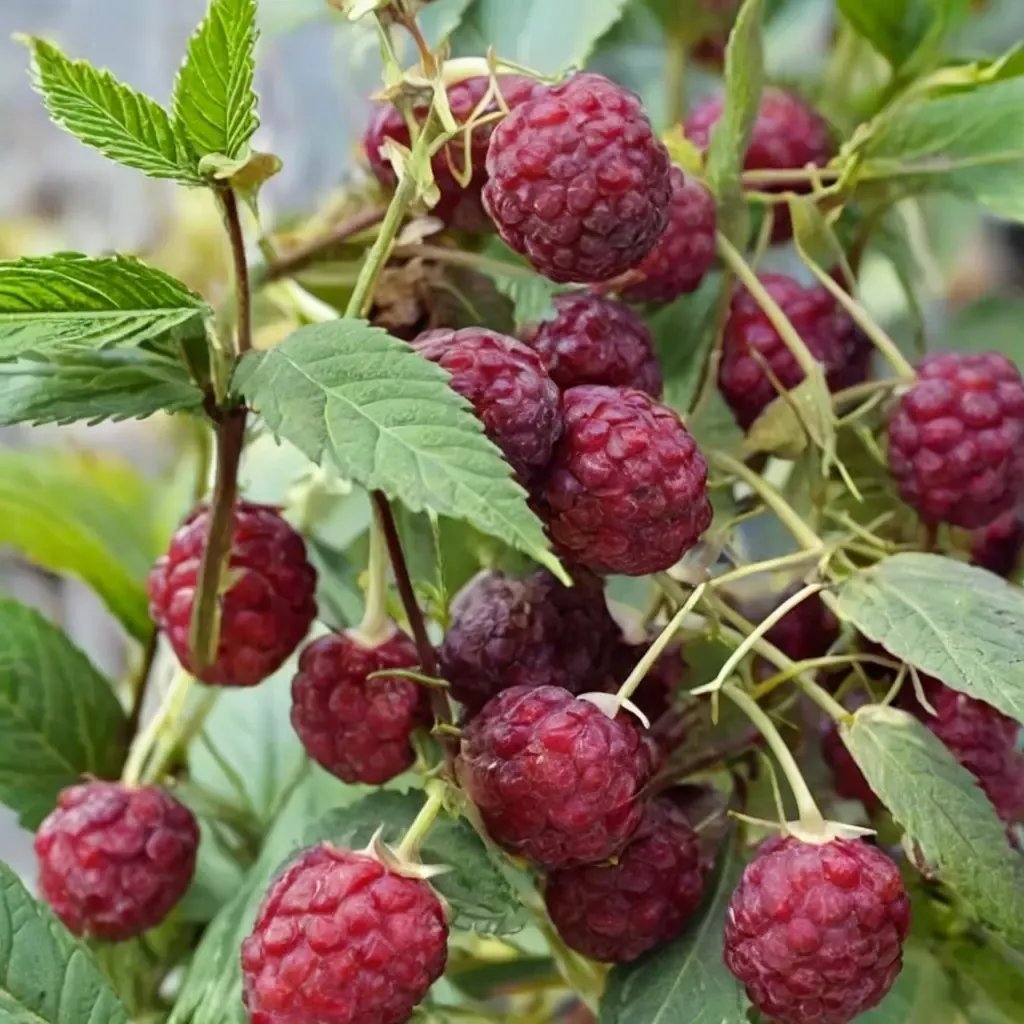
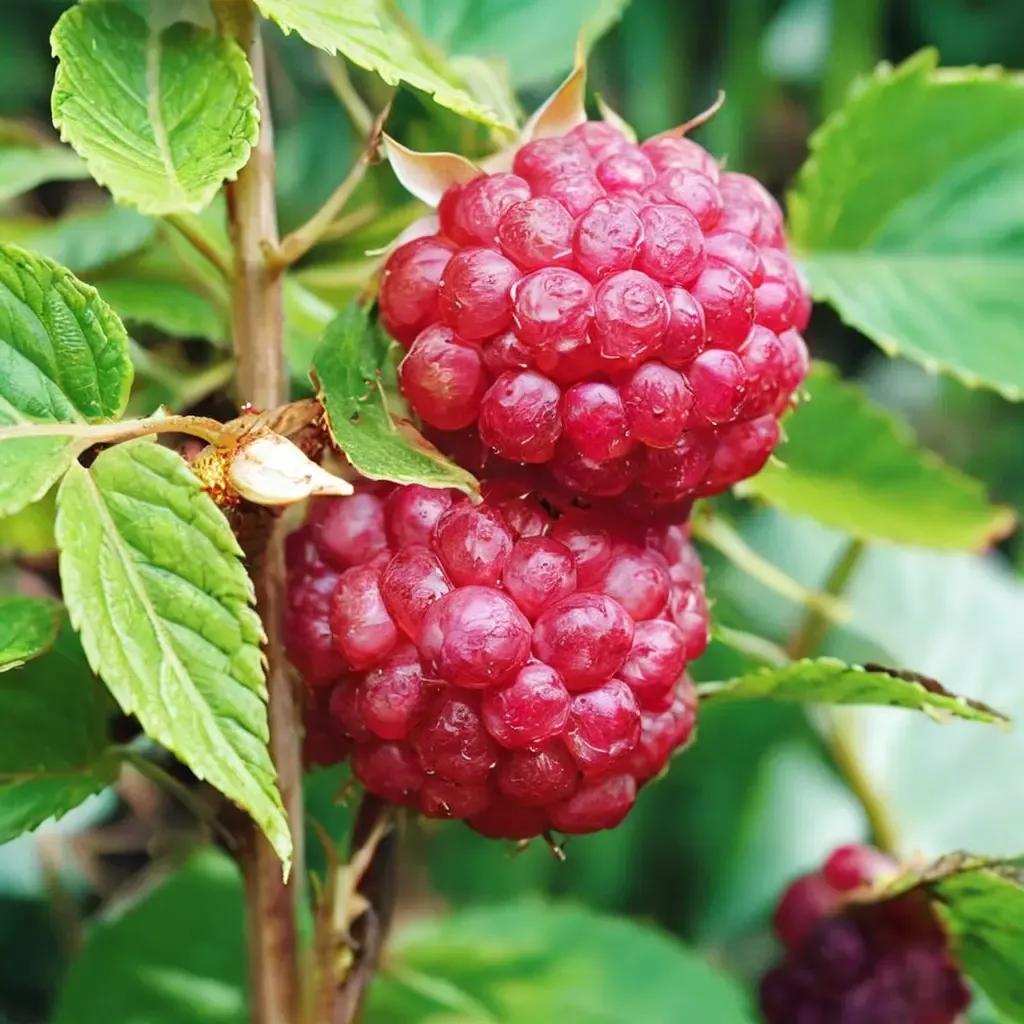
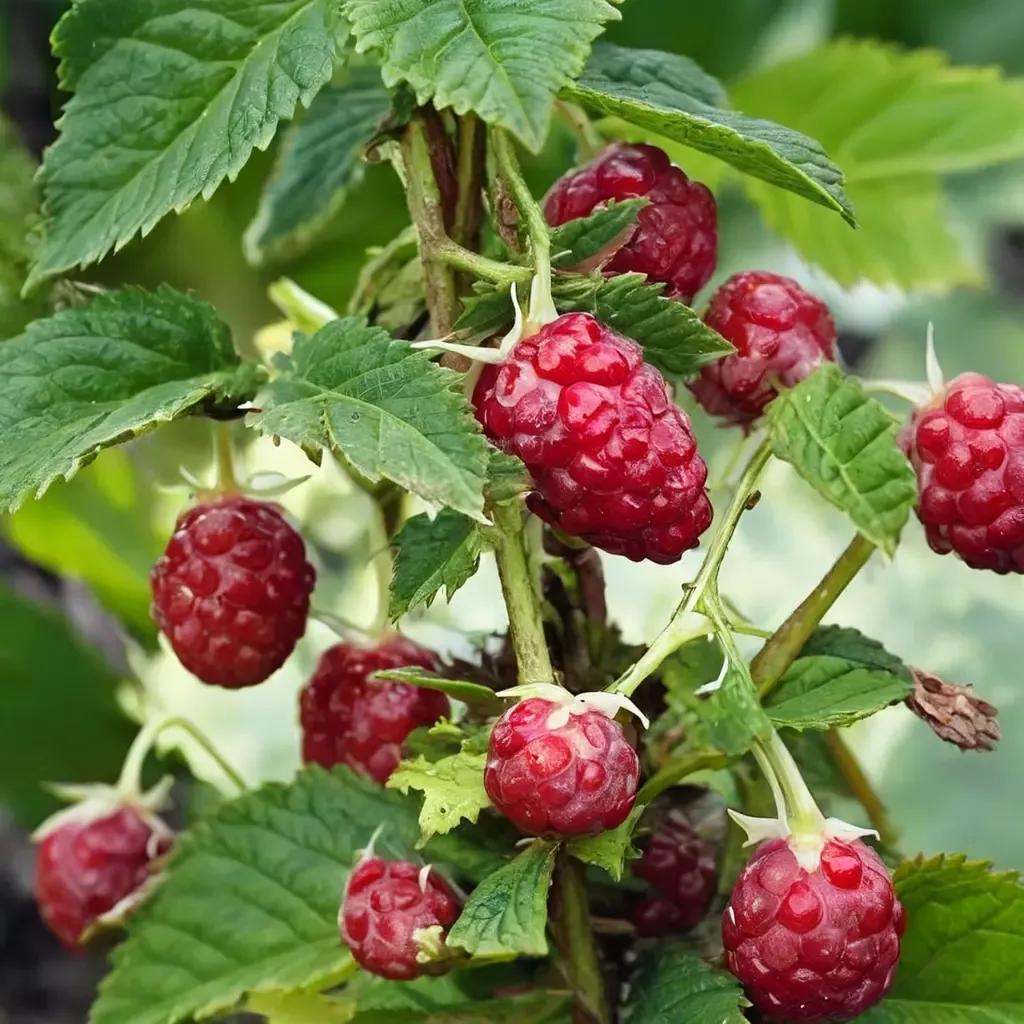
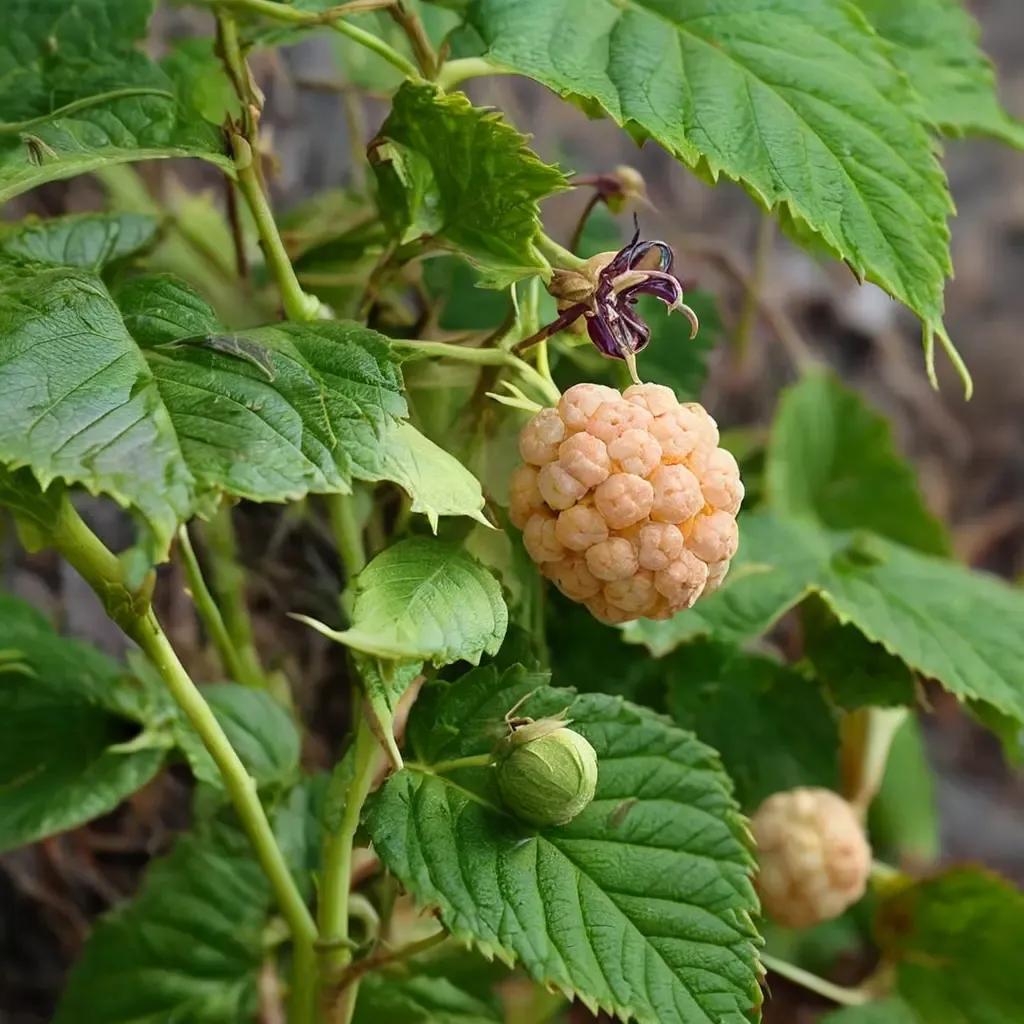
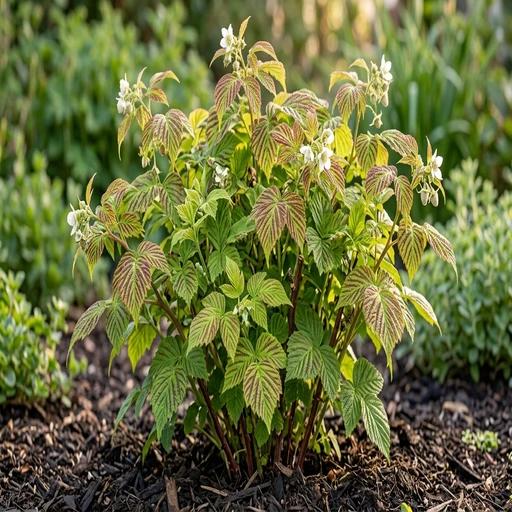
Crimson Night raspberry is renowned for its sweet, deep red fruits and vigorous growth habit.
This cultivar produces dark, purplish-red berries with a rich, sweet flavor on second-year canes (floricanes) in mid-summer.
Uses & Benefits:
Essentials
At a Glance
Plant Type
Fruit Vegetable
Height
48"
Width
36"
Light
Full Sun, Partial Sun
Zones
4, 5, 6, 7, 8
Water
Moderate
Humidity
Moderate
Lifespan
Perennial
Native To
Europe and North America
Toxicity
Non-toxic
Bloom period
Late spring – Early summer
In flower about 2 months of the year
Planting
How to Grow
- Tuck raspberry canes into prepared soil in early spring.
- Water thoroughly after planting to establish roots.
- Mulch around plants to retain moisture and suppress weeds.
- Prune canes annually in late winter to promote fruiting.
- Fertilize with a balanced fertilizer in early spring and mid-summer.
- Stake or support canes for better air circulation and fruit support.
Pro Tip
Choose a sunny location with well-draining soil for optimal fruit production.
Keep It Thriving
Care Guide
Do
- Water regularly to keep soil moist but not waterlogged 🌱
- Prune canes annually to encourage new growth
- Mulch to conserve moisture and suppress weeds
- Fertilize early in the growing season
Don't
- Avoid overwatering to prevent root rot ❌
- Don’t neglect pruning, as it can reduce fruit yield
- Avoid planting in poorly drained areas
- Don’t forget to support canes for stability
Seasonal Care Calendar
| Task | Jan | Feb | Mar | Apr | May | Jun | Jul | Aug | Sep | Oct | Nov | Dec |
|---|---|---|---|---|---|---|---|---|---|---|---|---|
| Fertilize | ||||||||||||
| Harvest | ||||||||||||
| Mulch | ||||||||||||
| Pest Check | ||||||||||||
| Plant | ||||||||||||
| Prune |
Watch Out For
Pests & Diseases
Common Pests
Common Diseases
In the Garden
Landscape Uses & Companions
Landscape Uses
Companion Plants
Multiply
Propagation Methods
Good to Know
Common Questions
Crimson Night Raspberry questions
What zones can Crimson Night Raspberry grow in?
Crimson Night Raspberry is hardy in USDA Zones 4–8. Inside that range it survives winter in the ground; outside it, grow it as an annual or a container plant you protect.
Is Crimson Night Raspberry deer resistant?
Not reliably. Deer may browse Crimson Night Raspberry, especially tender spring growth — plan on repellents or fencing where pressure is high.
When does Crimson Night Raspberry bloom?
Crimson Night Raspberry typically blooms in late spring through early summer. Exact timing shifts a week or two with your zone — Sow's bloom calendar maps it to your garden.
Does Crimson Night Raspberry need full sun?
Crimson Night Raspberry does best in full sun to part shade. In hot climates, afternoon shade keeps blooms fresher longer.
More Rubus to compare
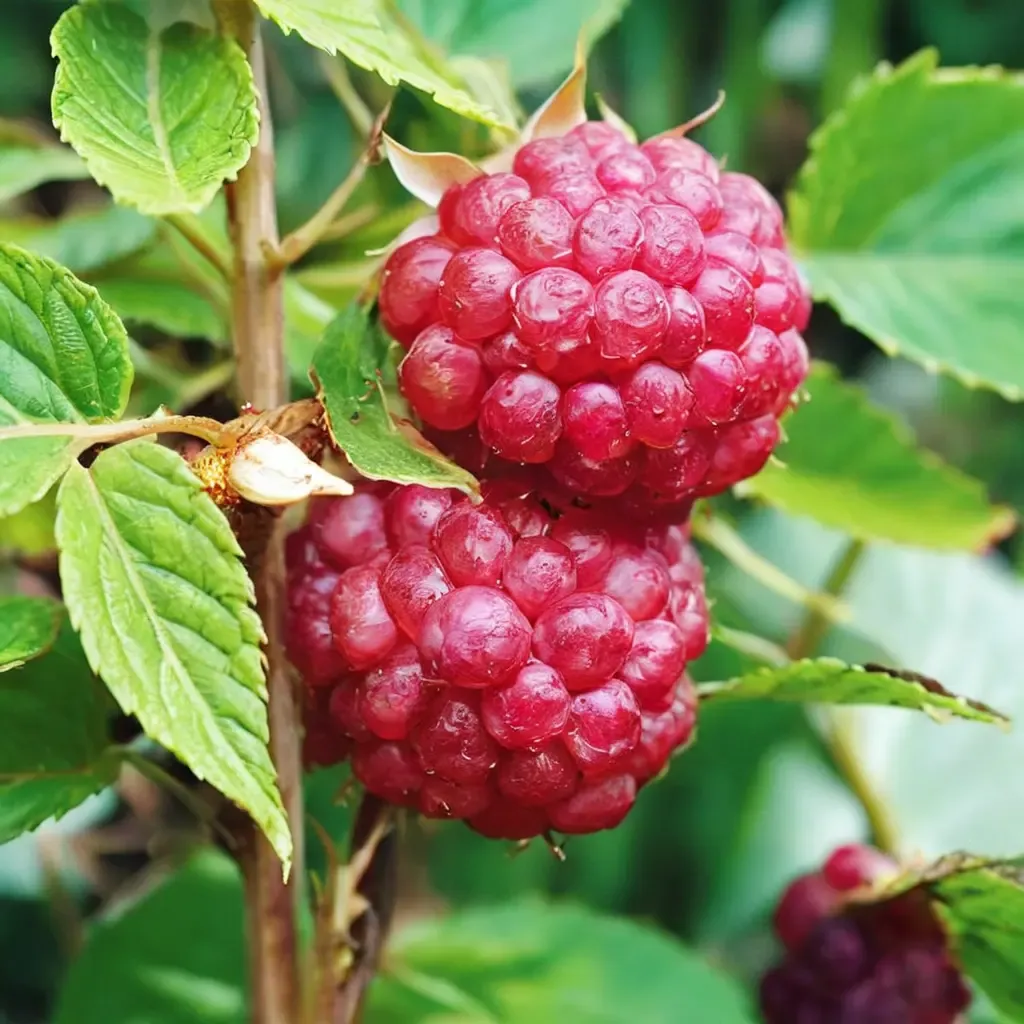
Mammoth Red Raspberry
Rubus idaeus 'Mammoth Red'
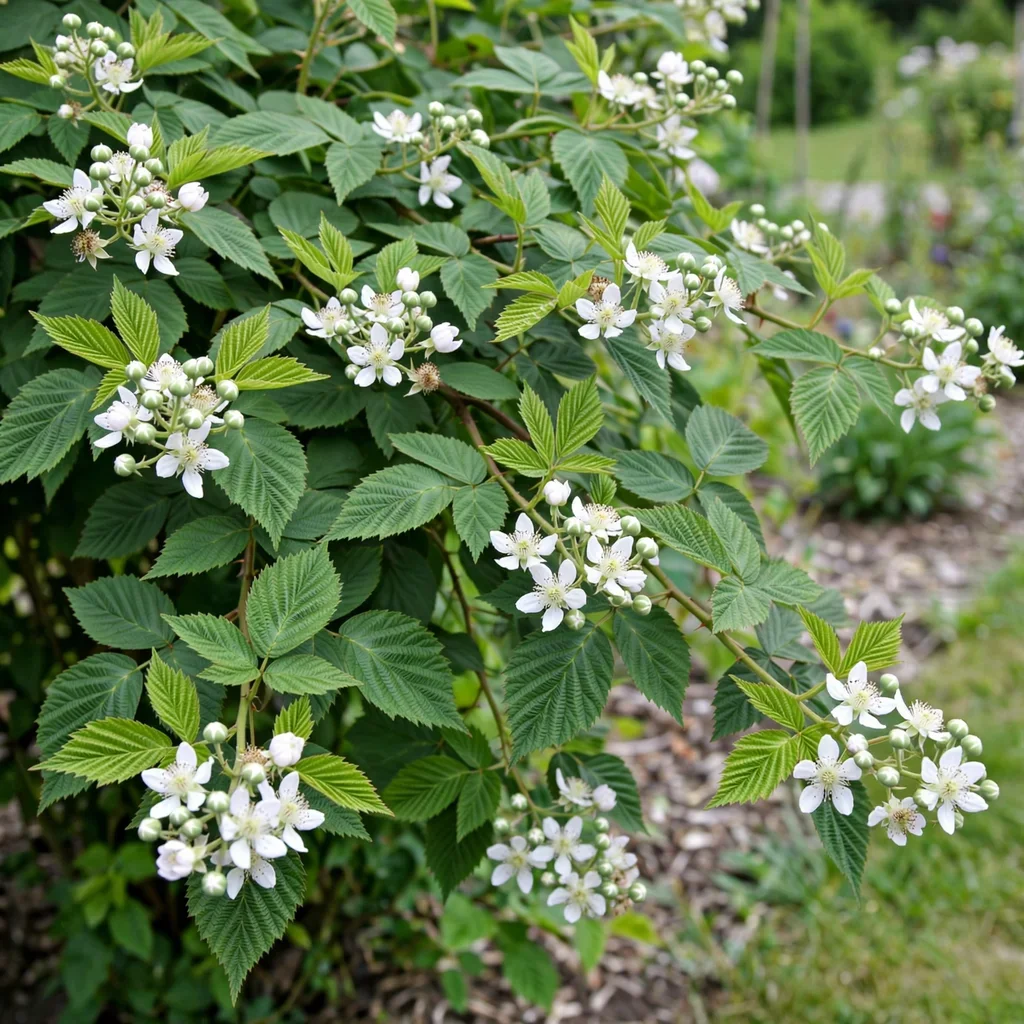
Triple Crown Blackberry
Rubus fruticosus 'Triple Crown'
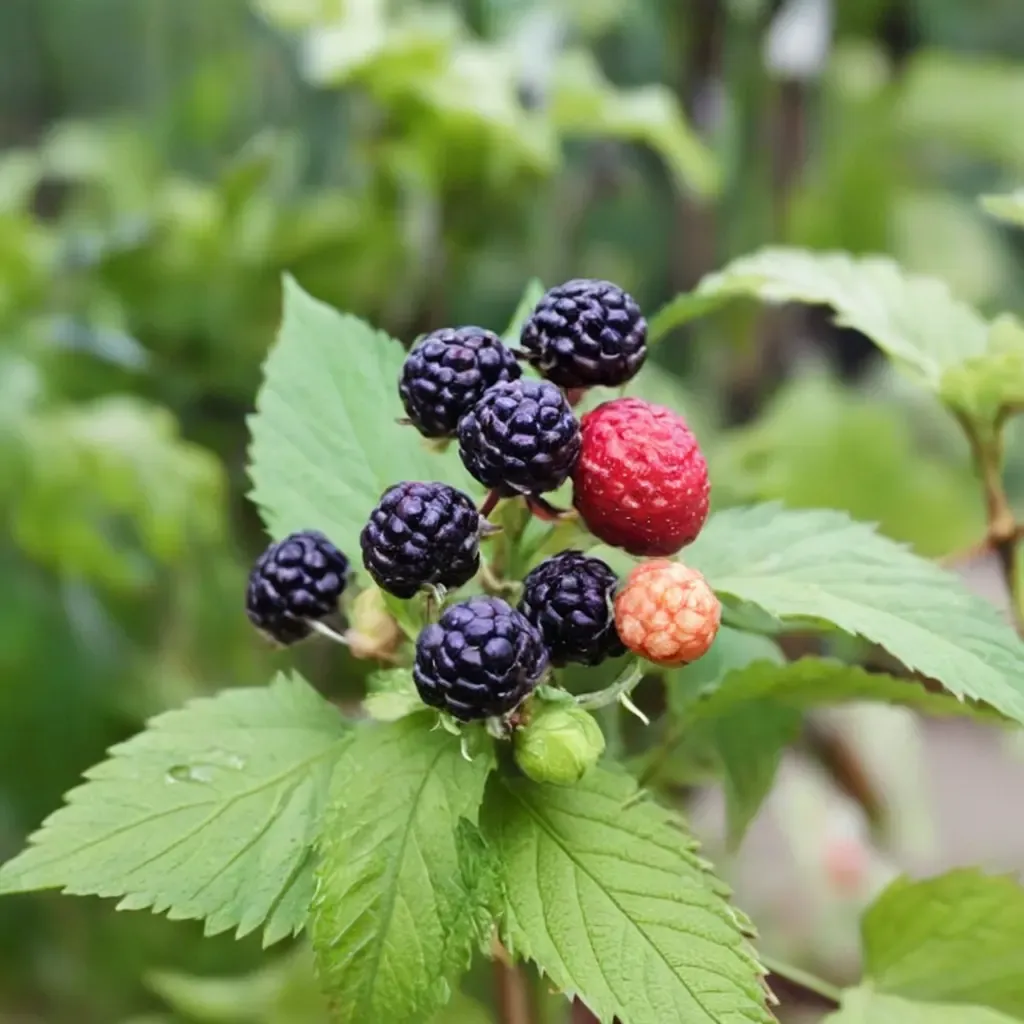
Jewel Black Raspberry
Rubus idaeus 'Jewel'
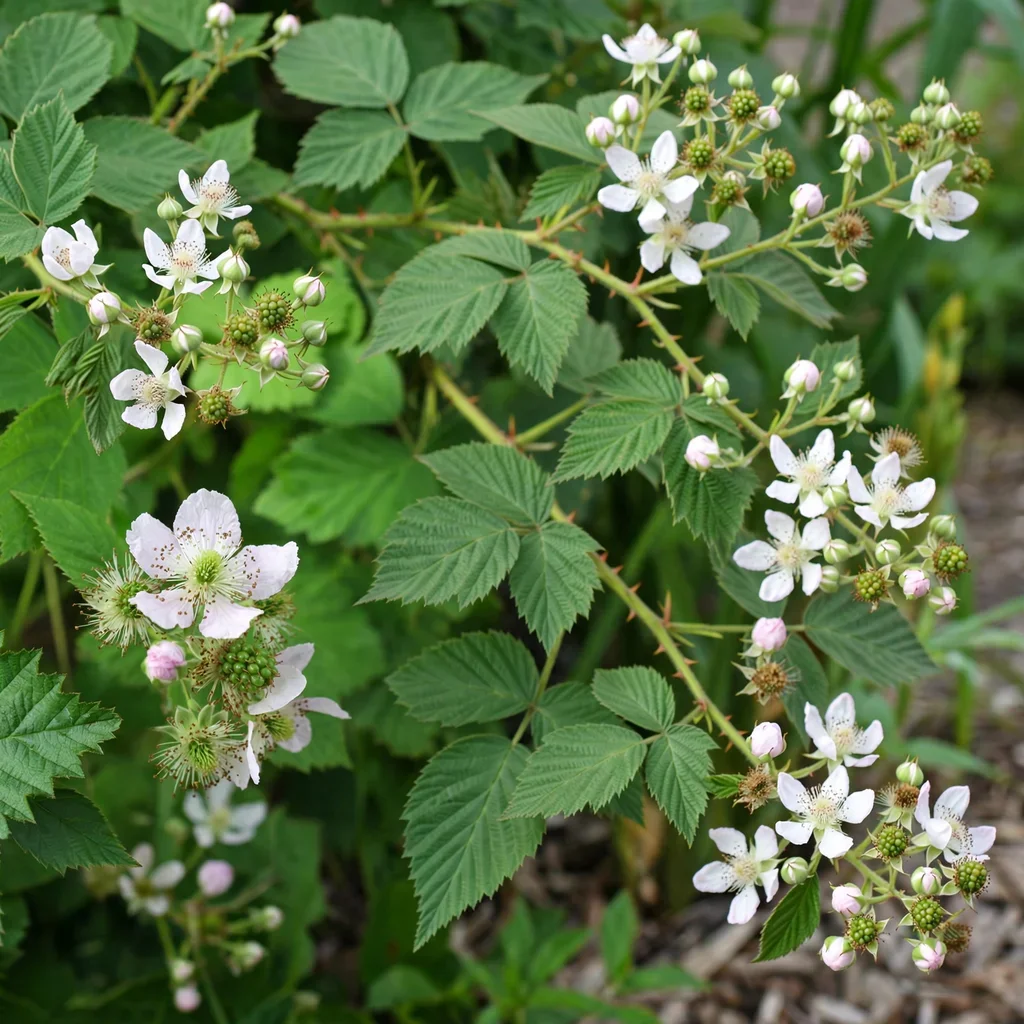
Apache Thornless Blackberry
Rubus fruticosus 'Apache Thornless'
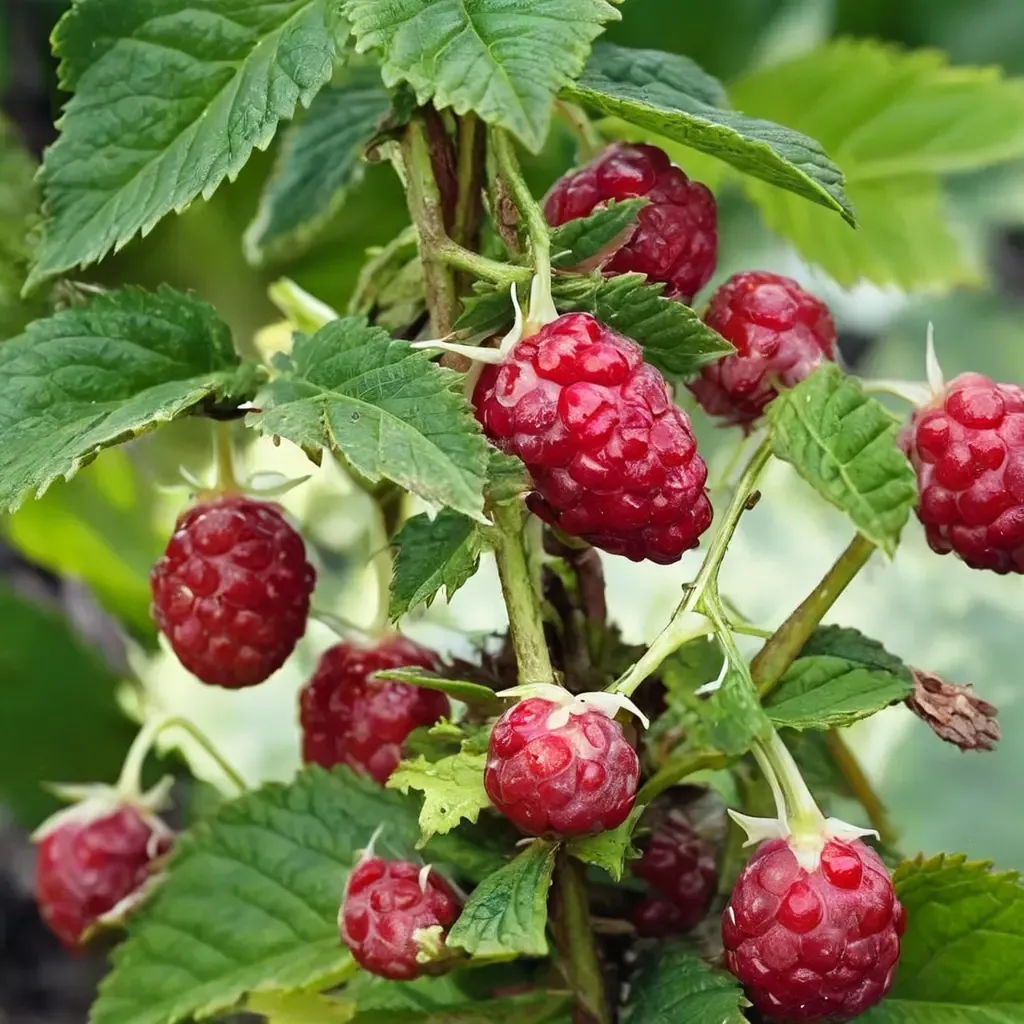
Canby raspberry
Rubus idaeus 'Canby'
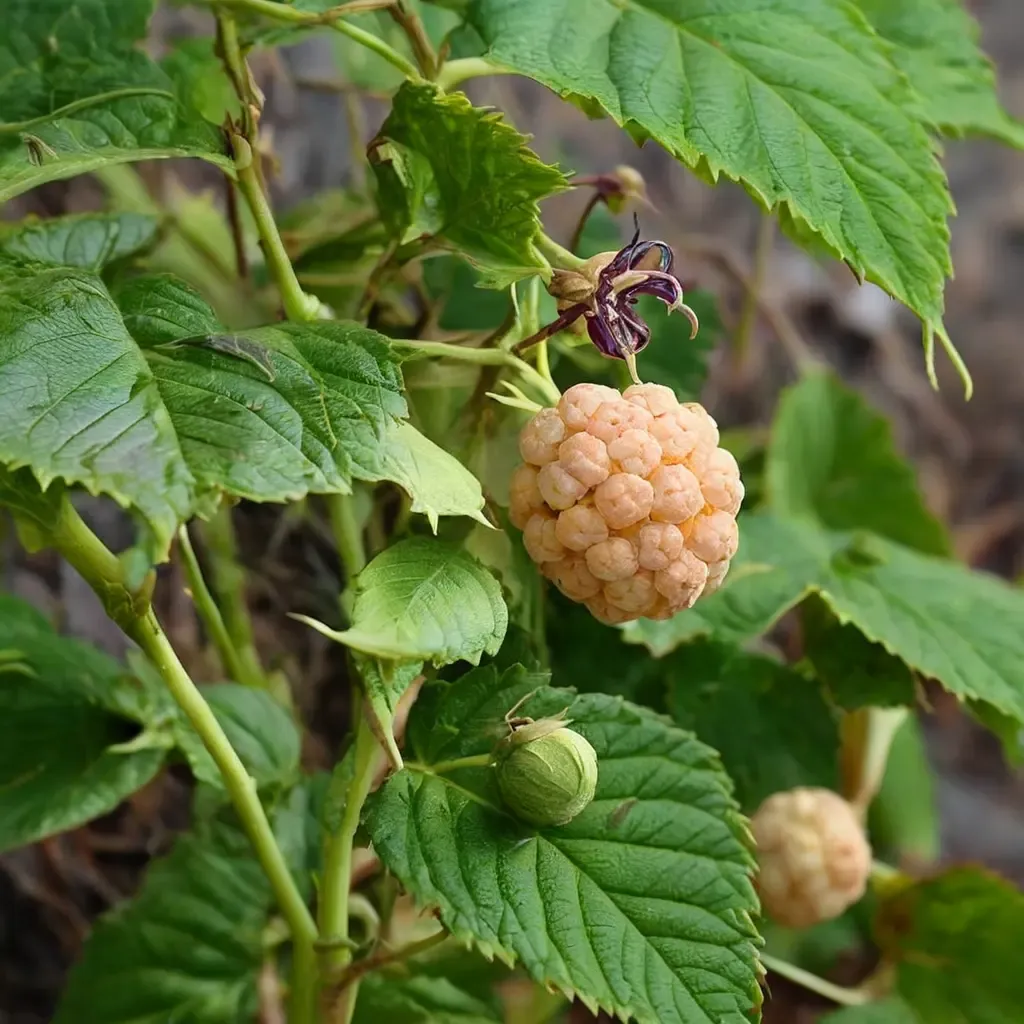
Anne Raspberry
Rubus idaeus 'Anne'
Keep exploring
Explore the genus
Hardy in your zone?
Grow Crimson Night Raspberry with confidence
See it in a design of your actual yard, get zone-matched care reminders, and track it season by season in your garden journal.