The Story
Plant Bio
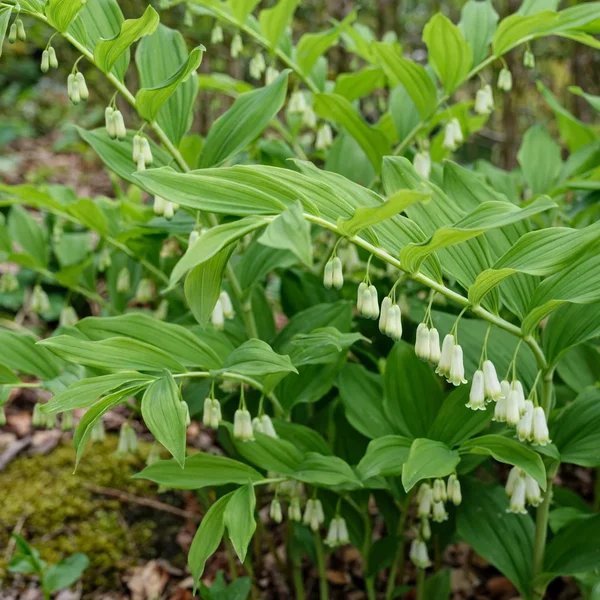
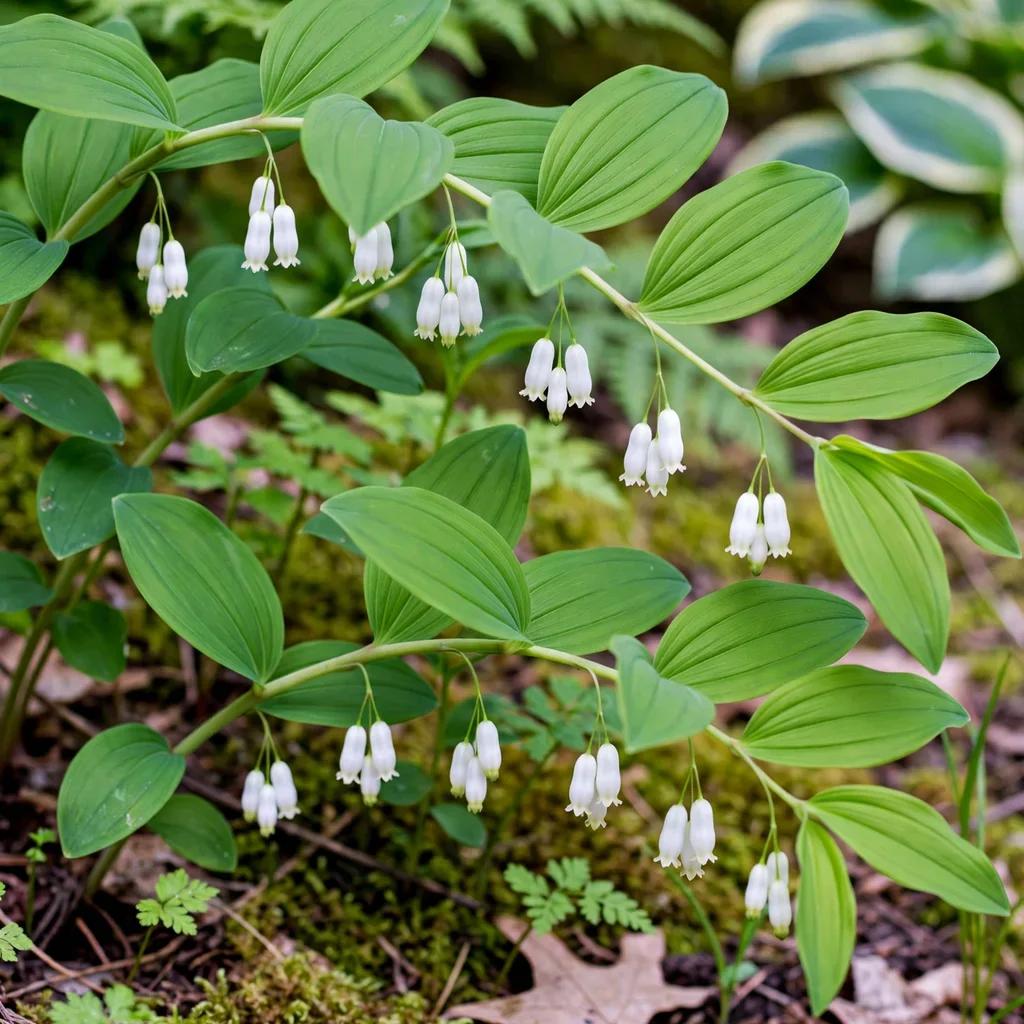
Polygonatum biflorum var. commutatum is a tall, rhizomatous perennial with graceful, arching, unbranched stems. It features alternate, lance-shaped green leaves and pairs of greenish-white, bell-shaped flowers that dangle from the leaf axils.
This variety, known as Great Solomon's Seal, is distinguished by its impressive stature, often reaching heights of 5 feet or more, making it one of the largest species of Solomon's Seal. Its foliage turns a beautiful yellow in autumn.
Uses & Benefits:
Essentials
At a Glance
Plant Type
Perennial
Height
60"
Width
36"
Light
Partial Sun, Shade
Zones
4, 5, 6, 7, 8
Water
Moderate
Humidity
Average
Lifespan
Perennial
Native To
Eastern and Central North America
Toxicity
Berries are poisonous if ingested.
Bloom period
Late Spring – Late spring
In flower about 1 month of the year
Planting
How to Grow
- Tuck rhizomes 2 inches deep in well-draining soil
- Water thoroughly after planting and keep soil moist
- Place in partial shade for best growth
- Mulch to retain moisture and suppress weeds
- Divide every 3-4 years in early spring or fall
- Prune dead stems after winter dormancy
Pro Tip
Provide consistent moisture and partial shade for optimal growth.
Keep It Thriving
Care Guide
Do
- Water regularly to keep soil moist 🌱
- Apply mulch to conserve moisture
- Divide rhizomes in early spring or fall
- Prune dead stems after dormancy
Don't
- Avoid waterlogging soil ❌
- Don’t expose to full sun in hot climates
- Refrain from over-fertilizing
Seasonal Care Calendar
| Task | Jan | Feb | Mar | Apr | May | Jun | Jul | Aug | Sep | Oct | Nov | Dec |
|---|---|---|---|---|---|---|---|---|---|---|---|---|
| Divide | ||||||||||||
| Mulch | ||||||||||||
| Spring Cleanup |
Watch Out For
Pests & Diseases
Common Pests
Common Diseases
In the Garden
Landscape Uses & Companions
Landscape Uses
Multiply
Propagation Methods
Good to Know
Common Questions
Great Solomon's Seal questions
What zones can Great Solomon's Seal grow in?
Great Solomon's Seal is hardy in USDA Zones 4–8. Inside that range it survives winter in the ground; outside it, grow it as an annual or a container plant you protect.
Is Great Solomon's Seal deer resistant?
Yes — Great Solomon's Seal is rated deer-resistant. Deer typically pass it over, though extreme hunger can override any plant's defenses.
When does Great Solomon's Seal bloom?
Great Solomon's Seal typically blooms in late spring through late spring. Exact timing shifts a week or two with your zone — Sow's bloom calendar maps it to your garden.
Does Great Solomon's Seal need full sun?
Great Solomon's Seal does best in part shade.
More Polygonatum to compare
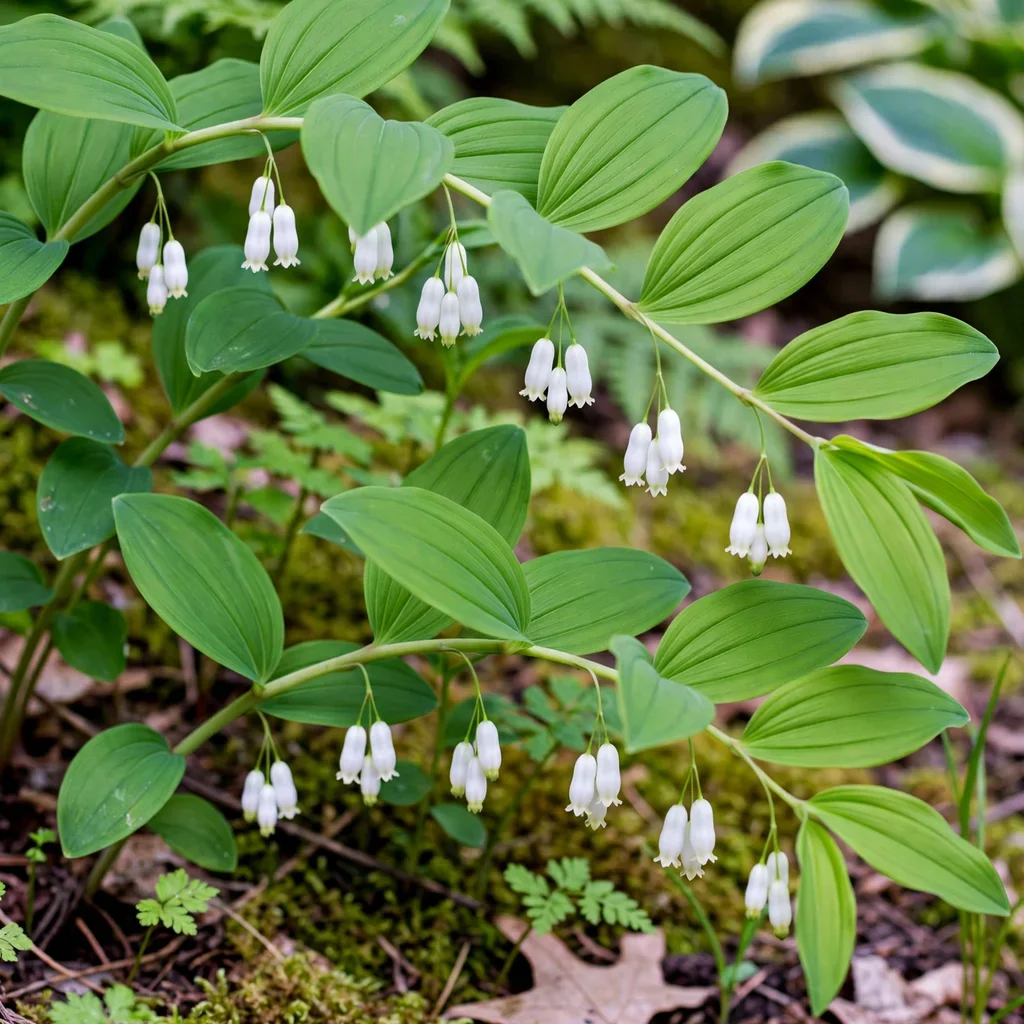
Solomon's Seal
Polygonatum biflorum
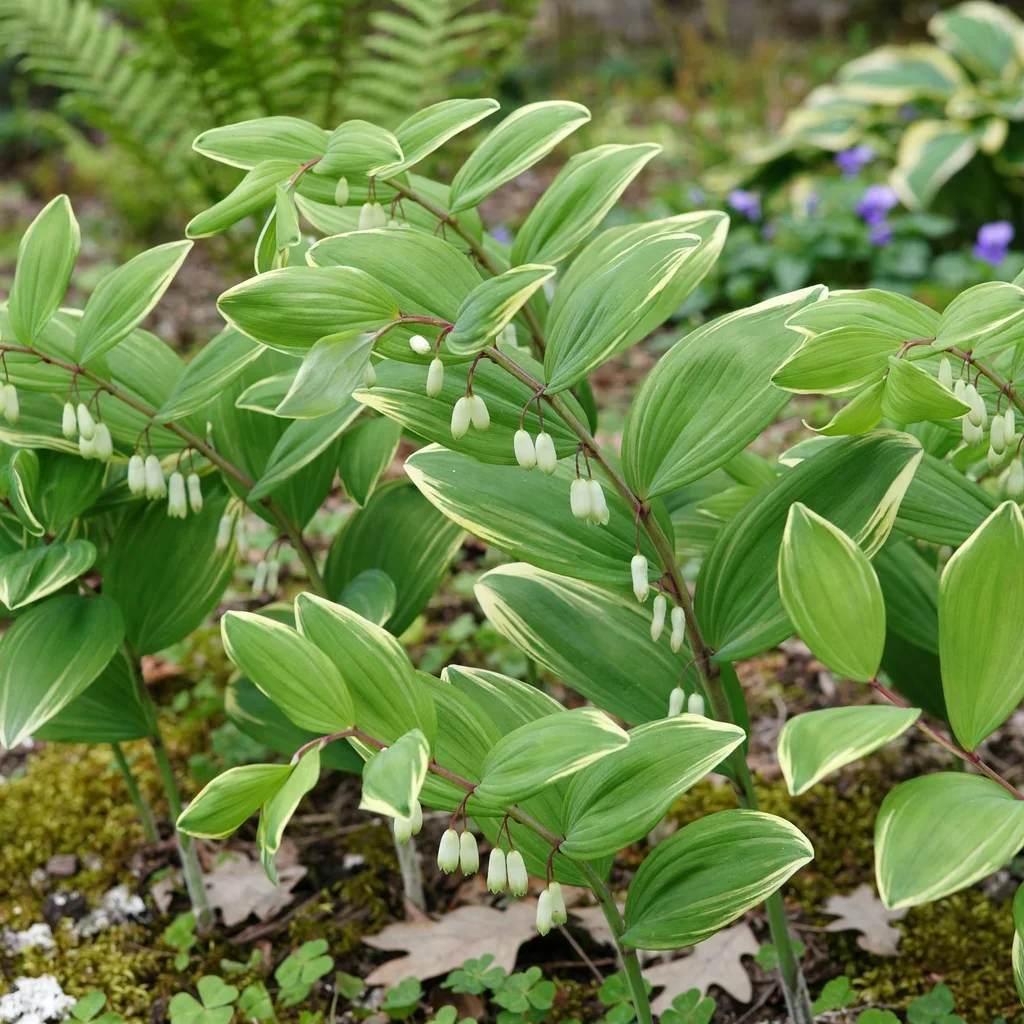
Variegated Solomon's Seal
Polygonatum odoratum 'Variegatum'
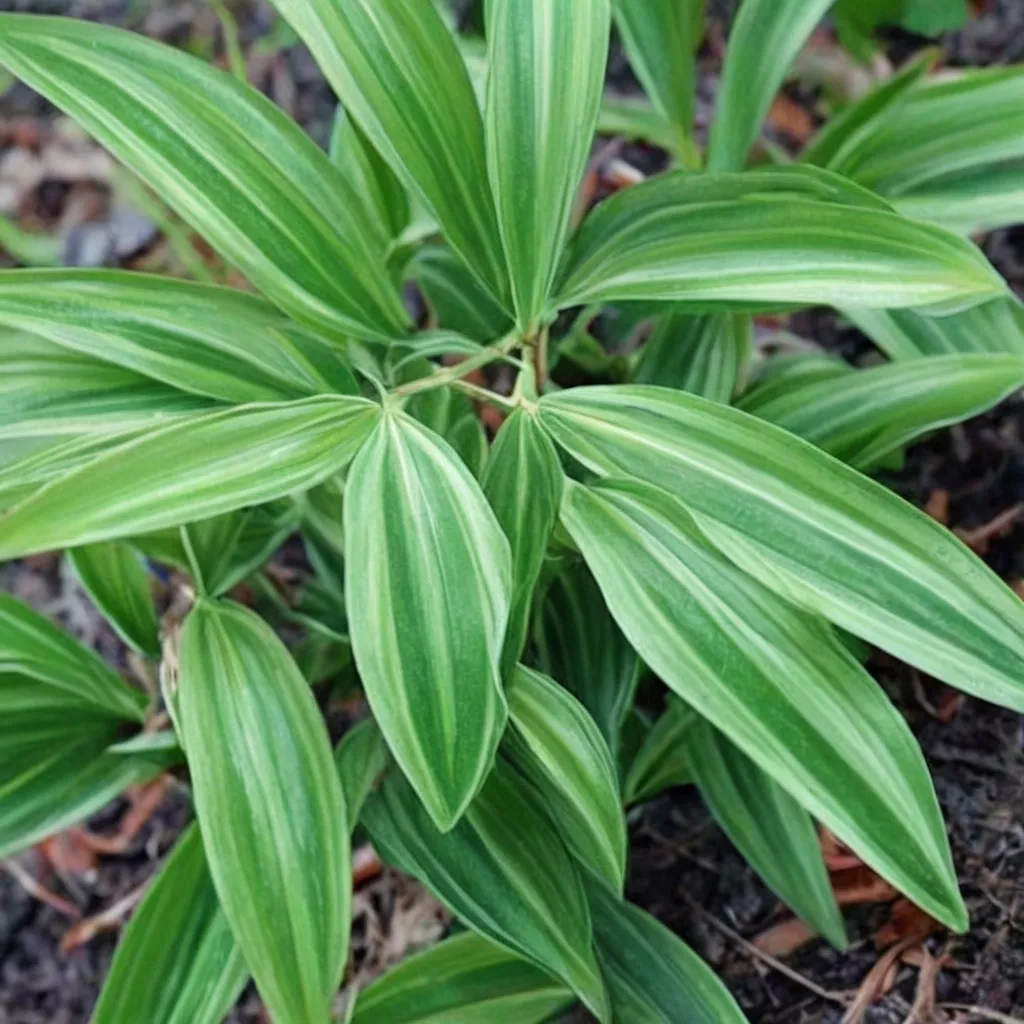
Falcate Solomon's Seal Silver Lining
Polygonatum falcatum 'Silver Lining'
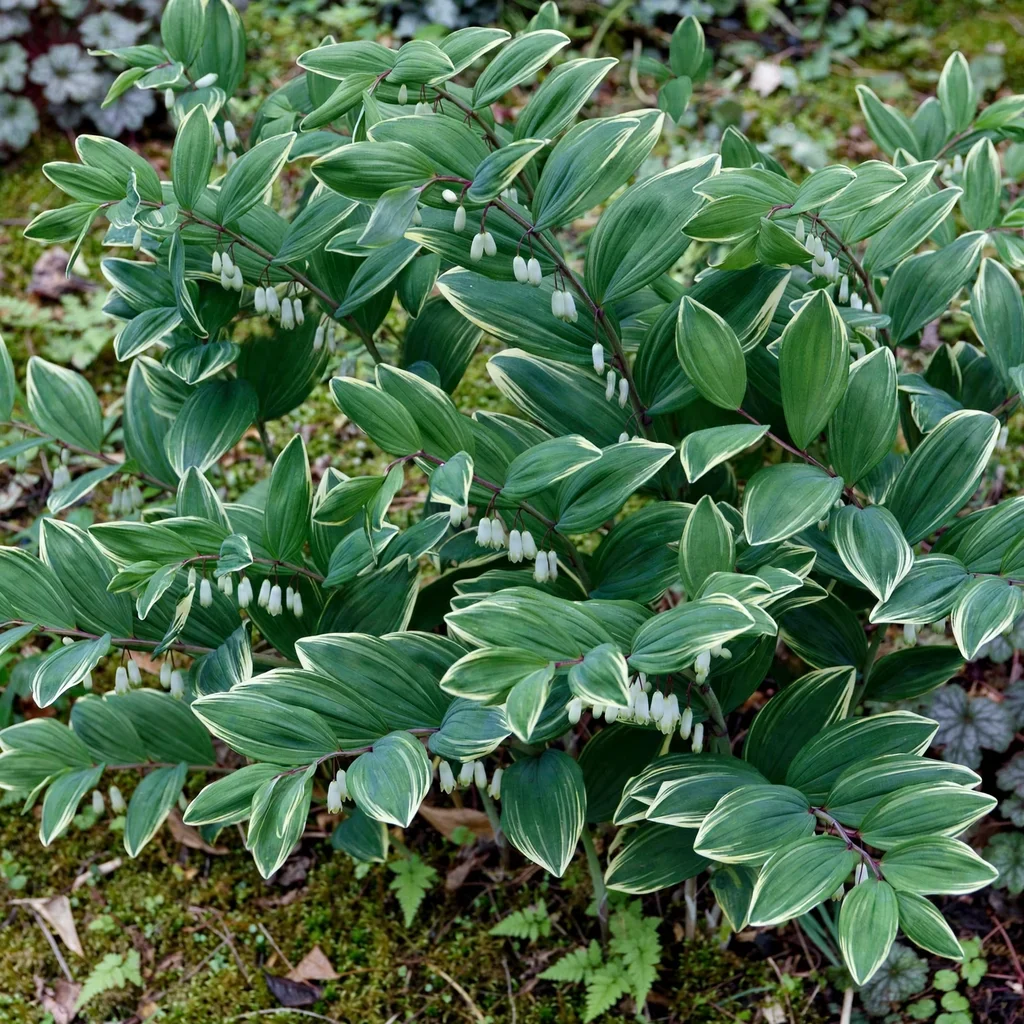
Solomon's Seal Grace Barker
Polygonatum x hybridum 'Grace Barker'
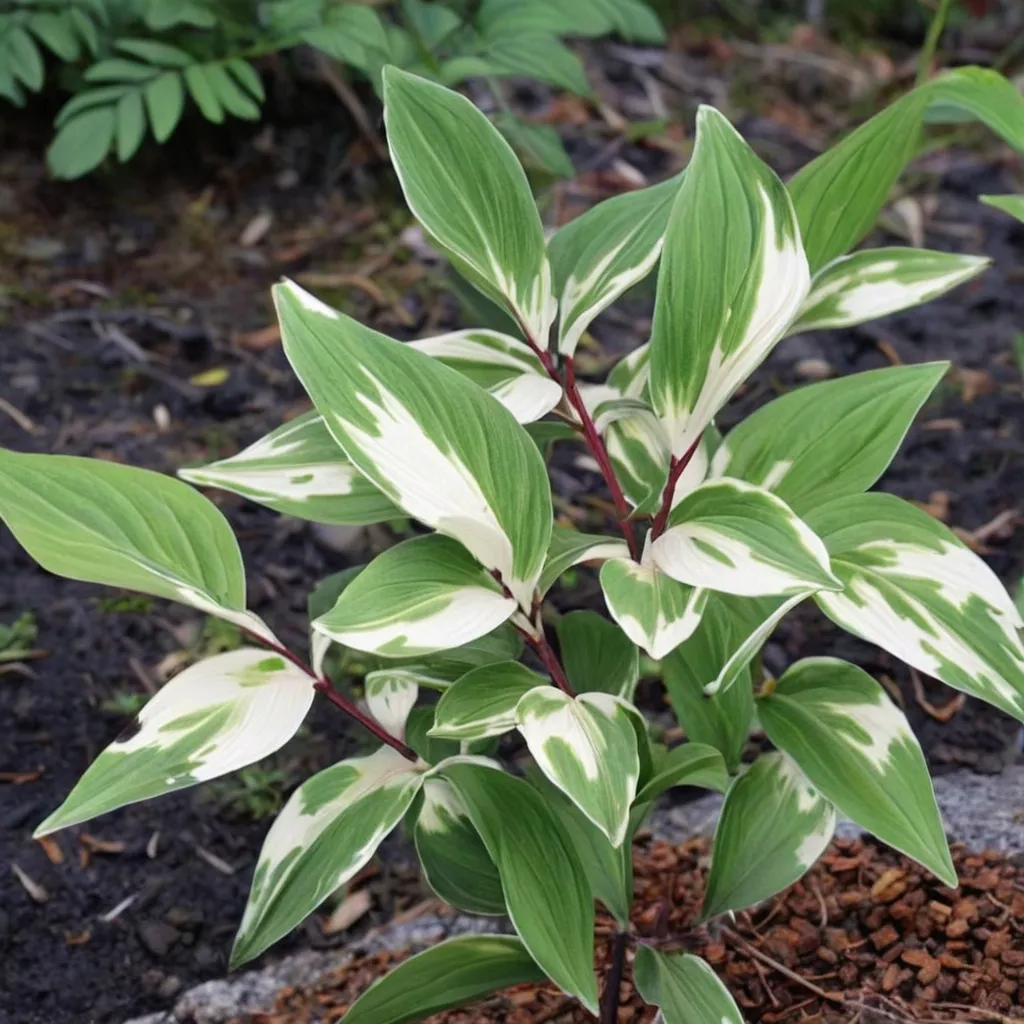
Large Solomon's Seal
Polygonatum odoratum 'Byakko'
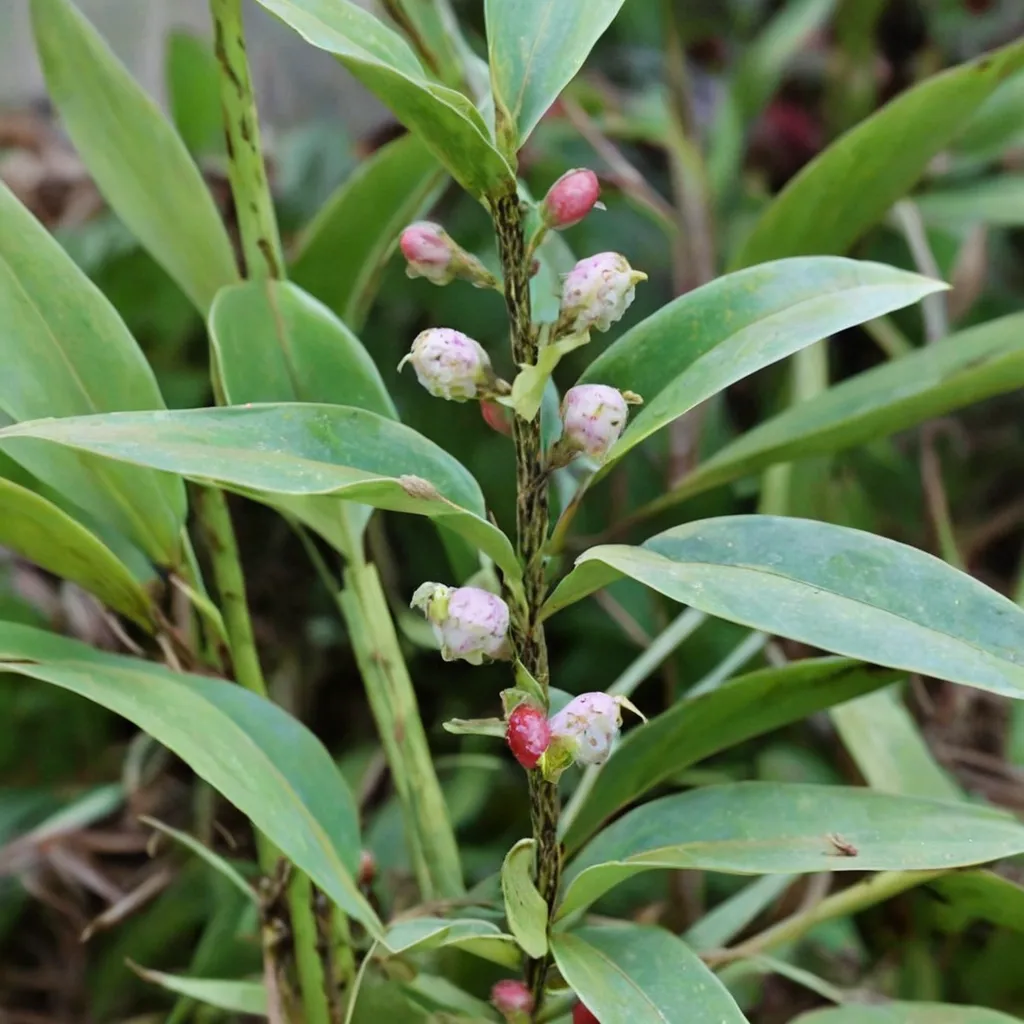
Spotted Solomon's Seal
Polygonatum punctatum 'BSWJ2395'
Keep exploring
Explore the genus
Hardy in your zone?
Grow Great Solomon's Seal with confidence
See it in a design of your actual yard, get zone-matched care reminders, and track it season by season in your garden journal.