255 saves
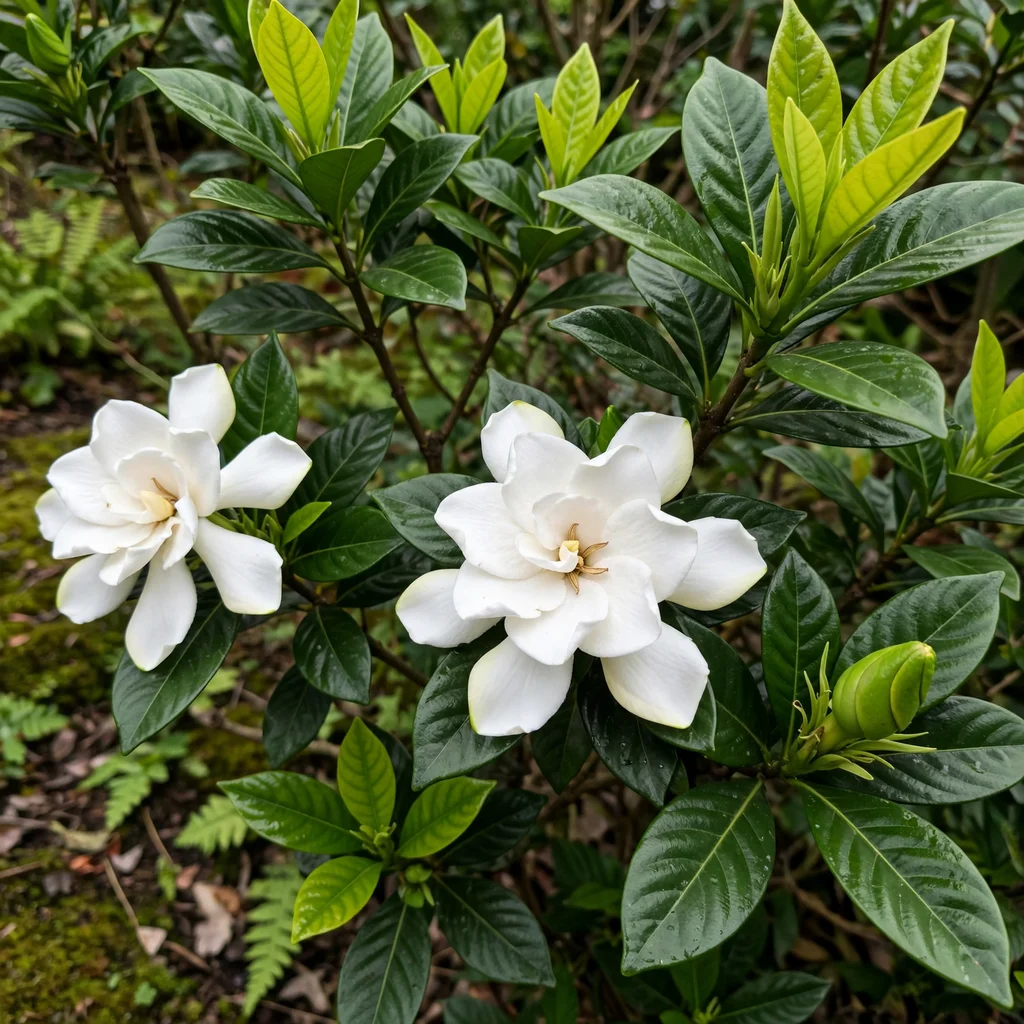
Gardenia
We track 24 varieties; the ones most used by real gardeners.
The 21 most-saved Gardenia varieties
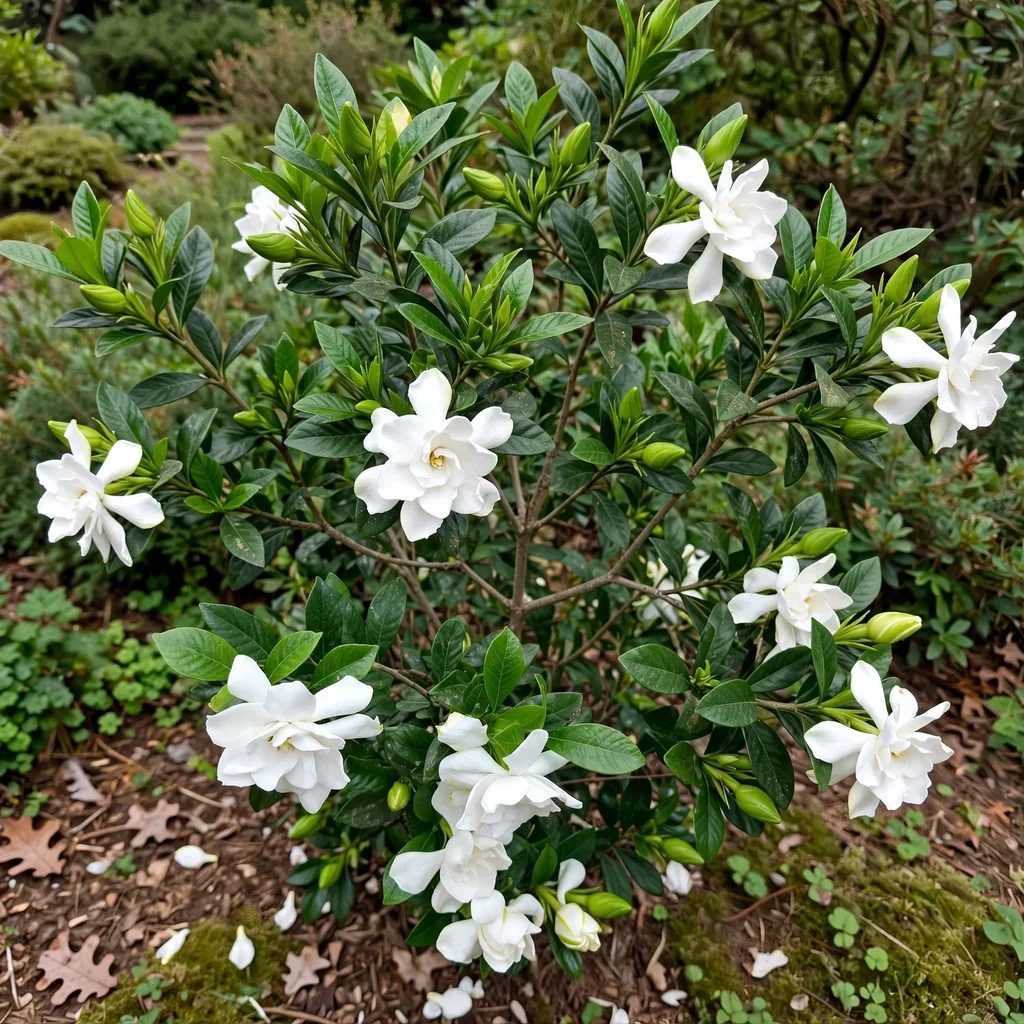
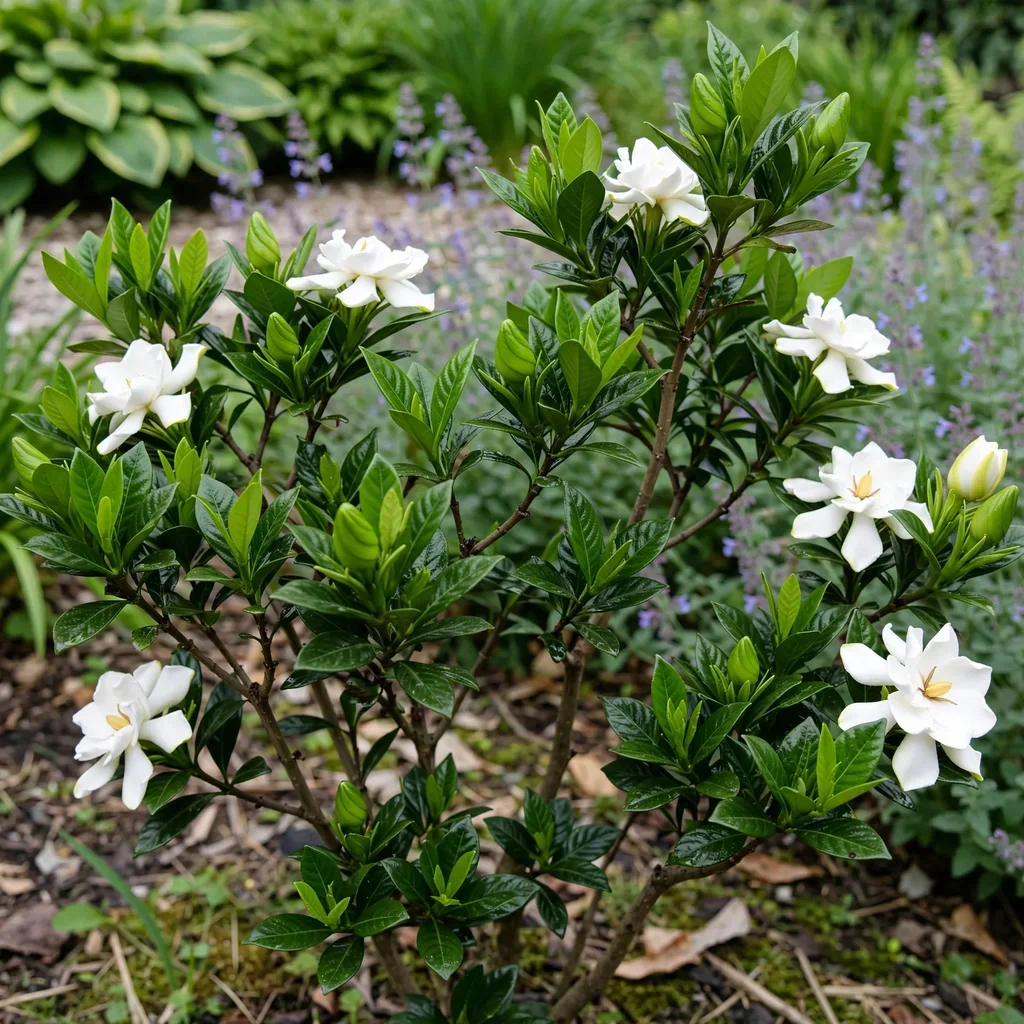
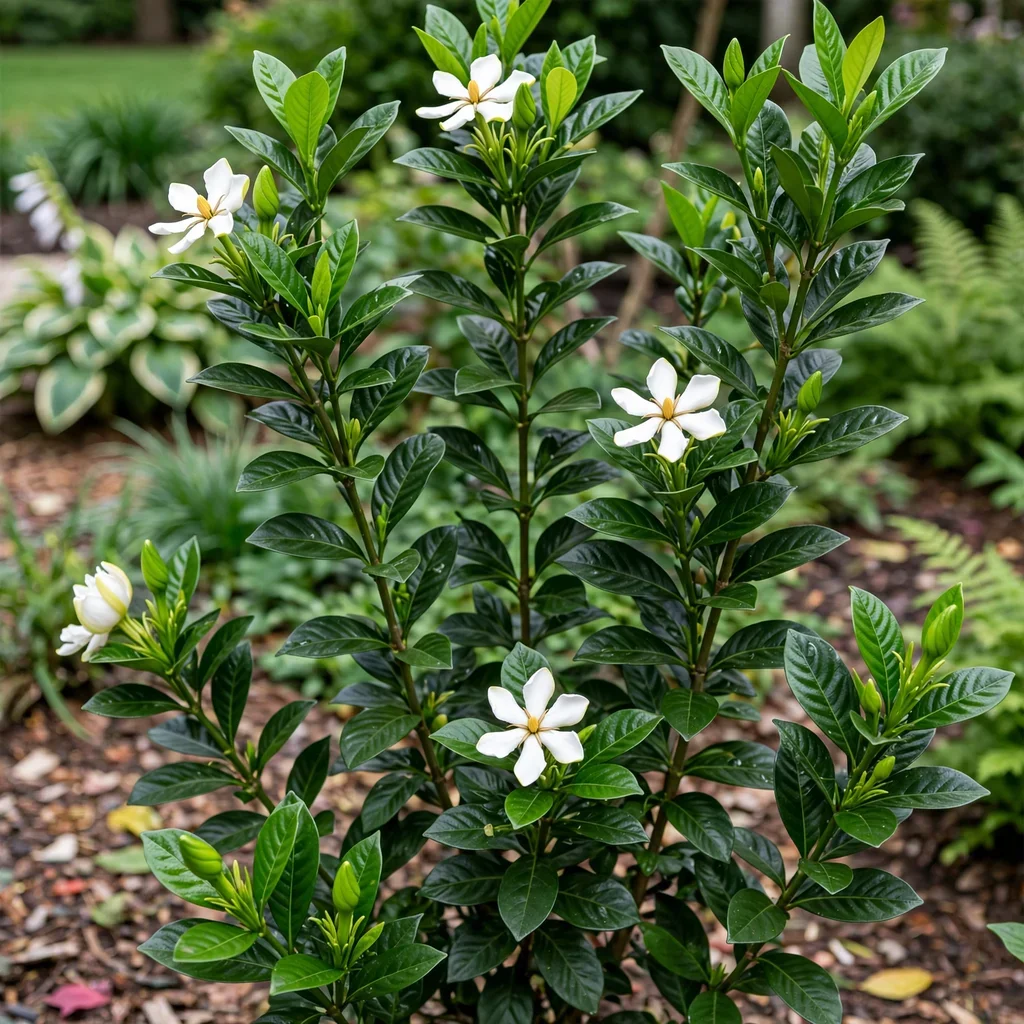
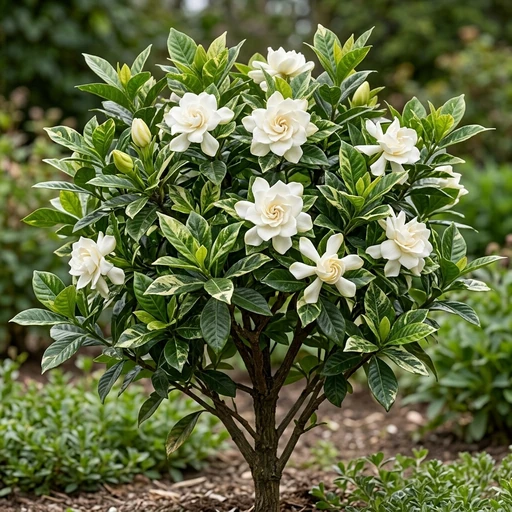
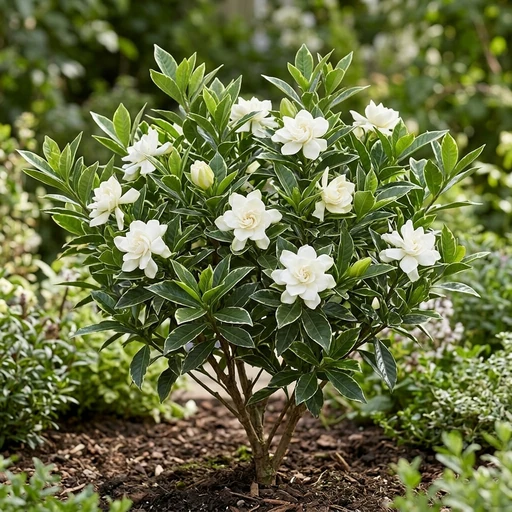
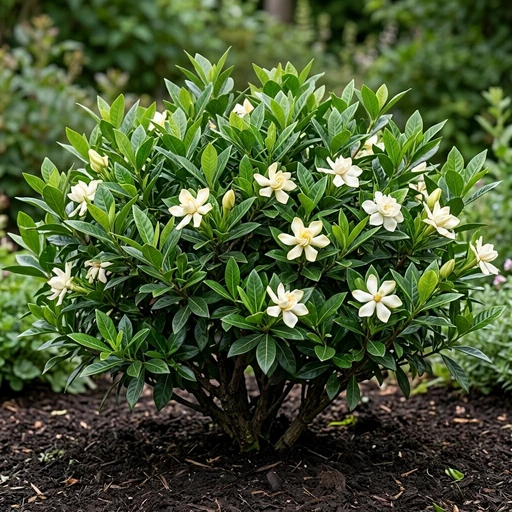
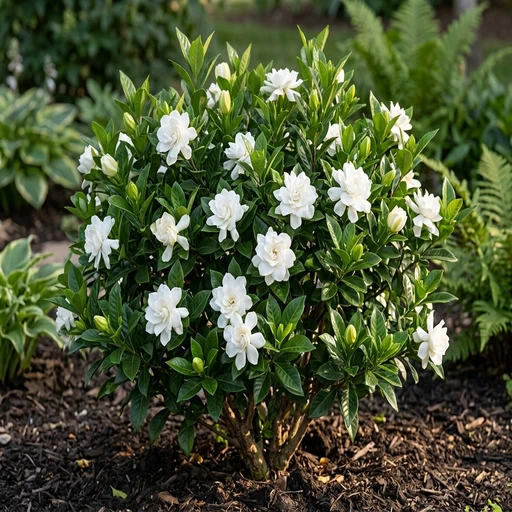
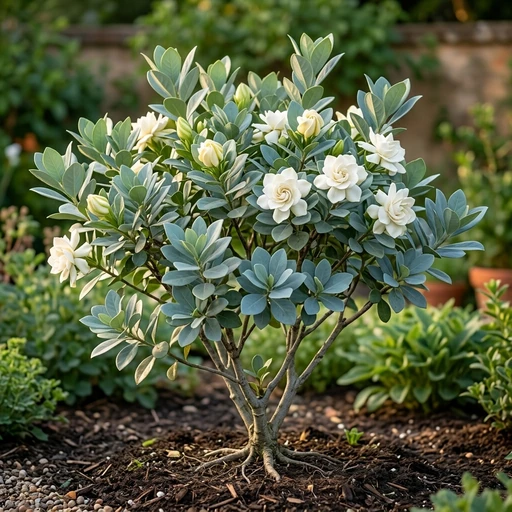
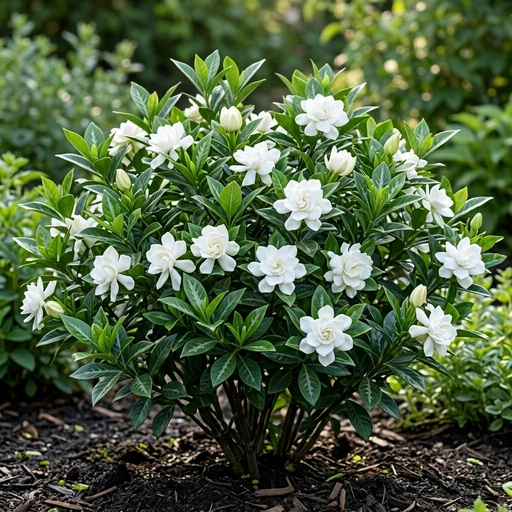
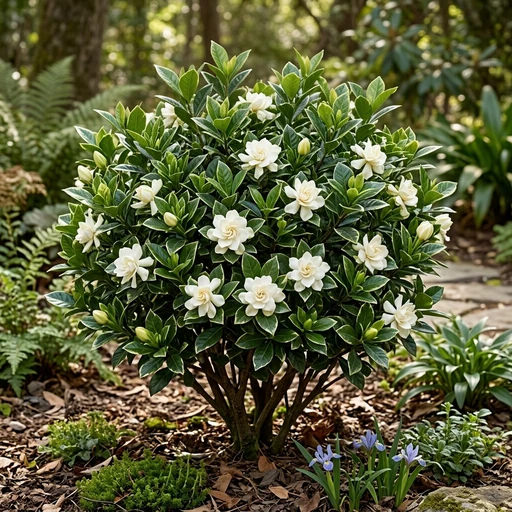
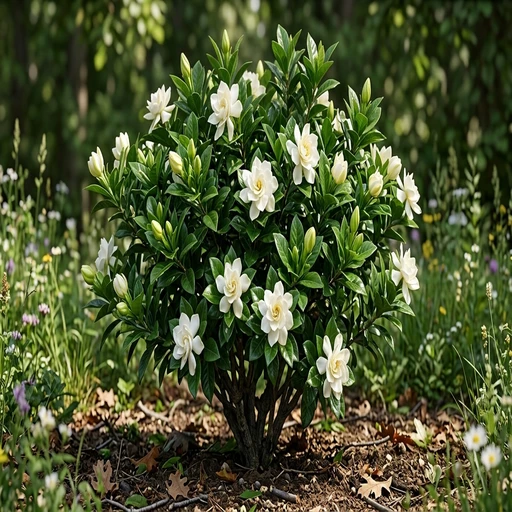
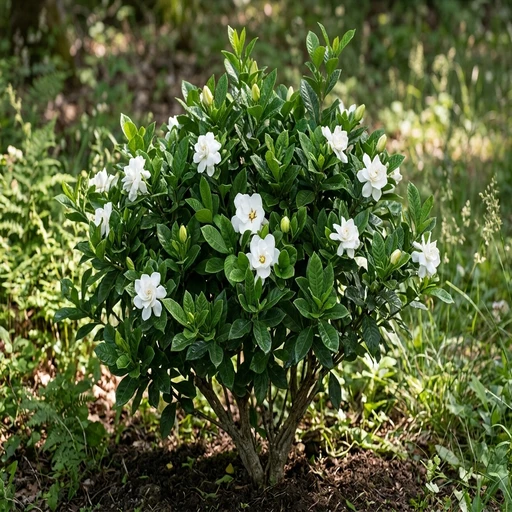
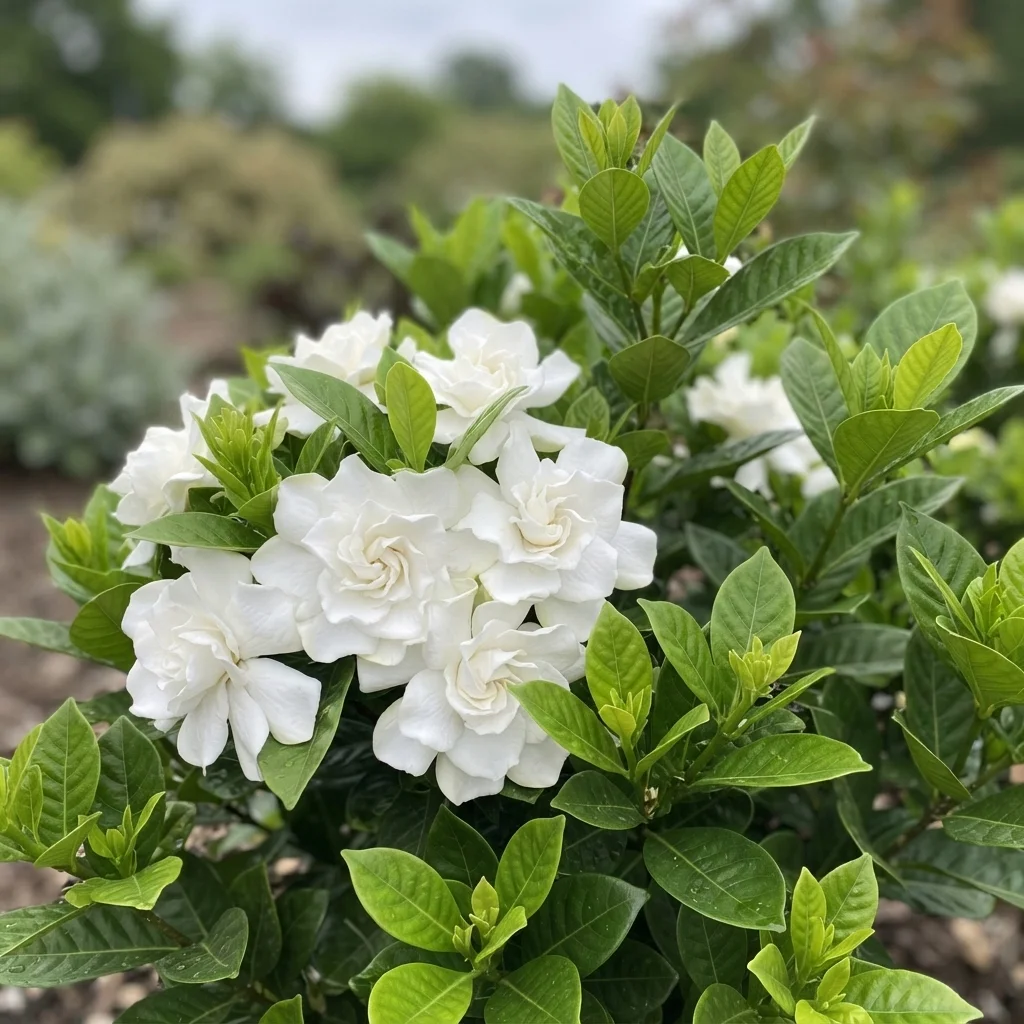
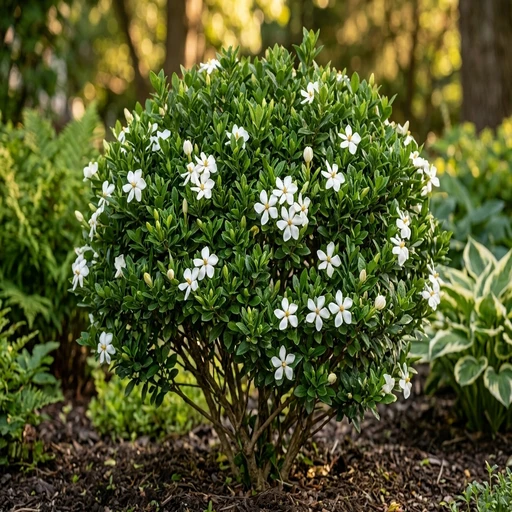
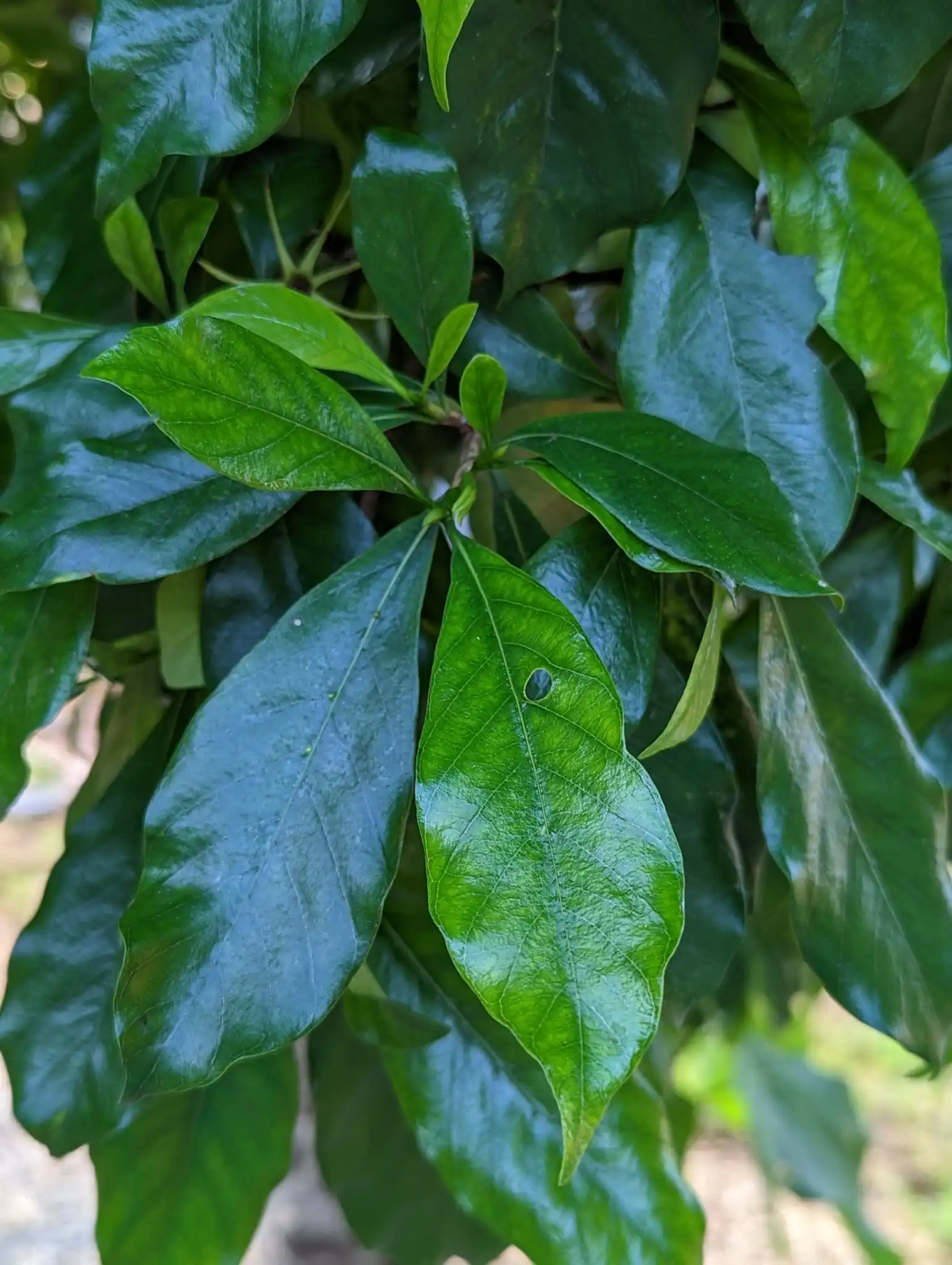
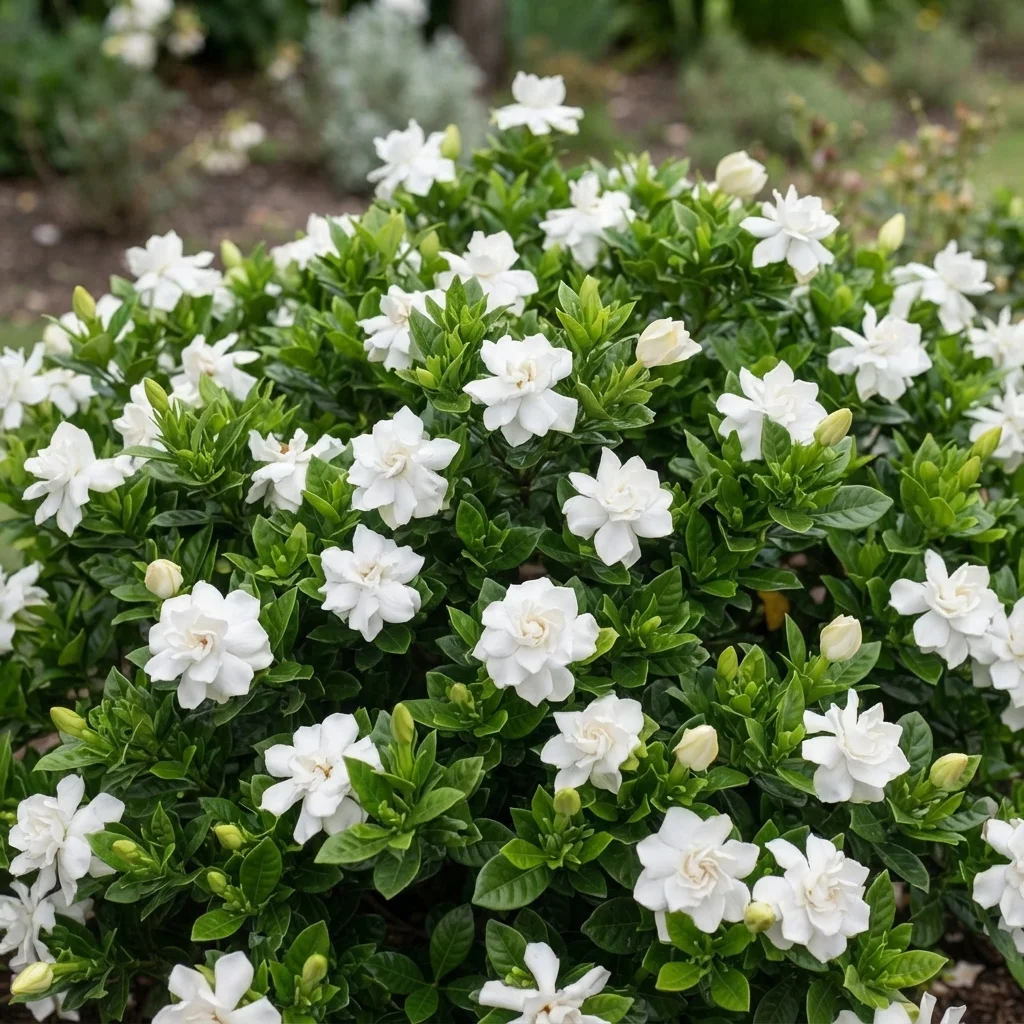
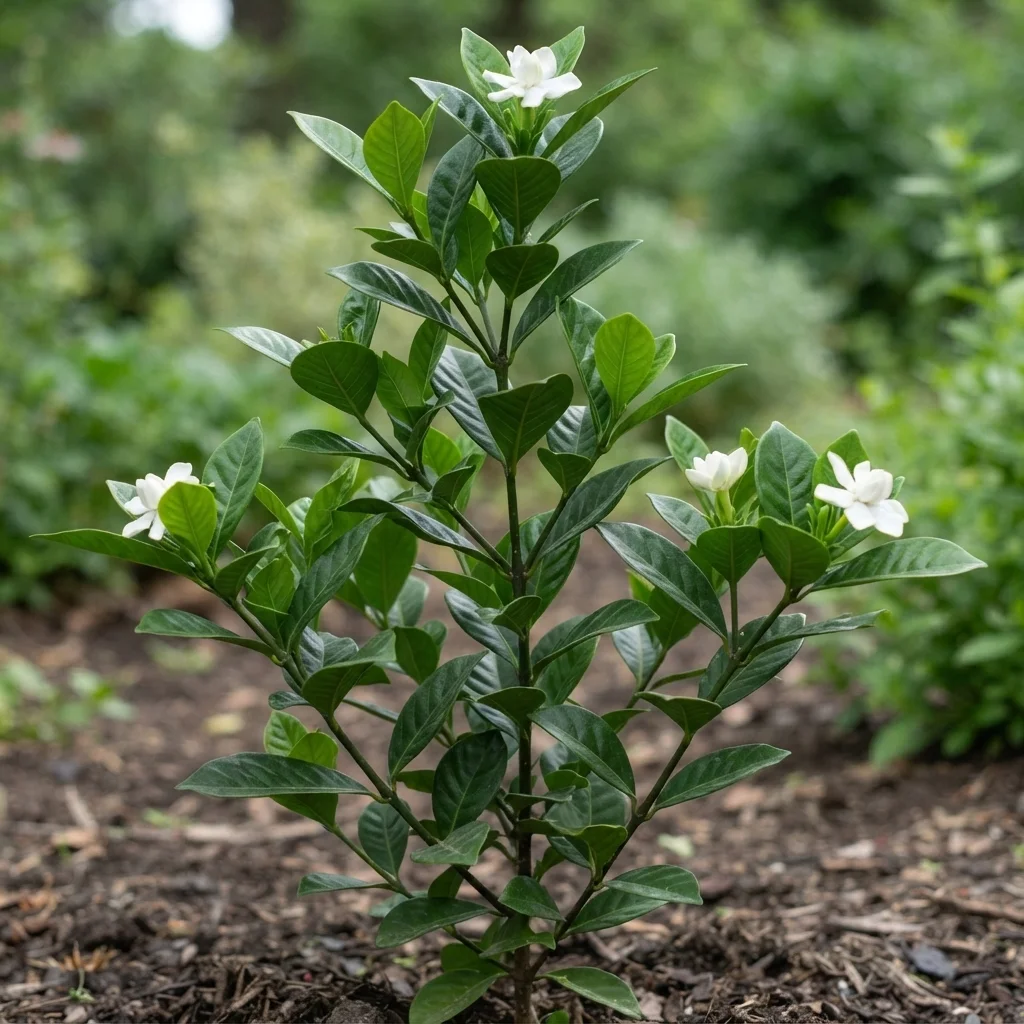
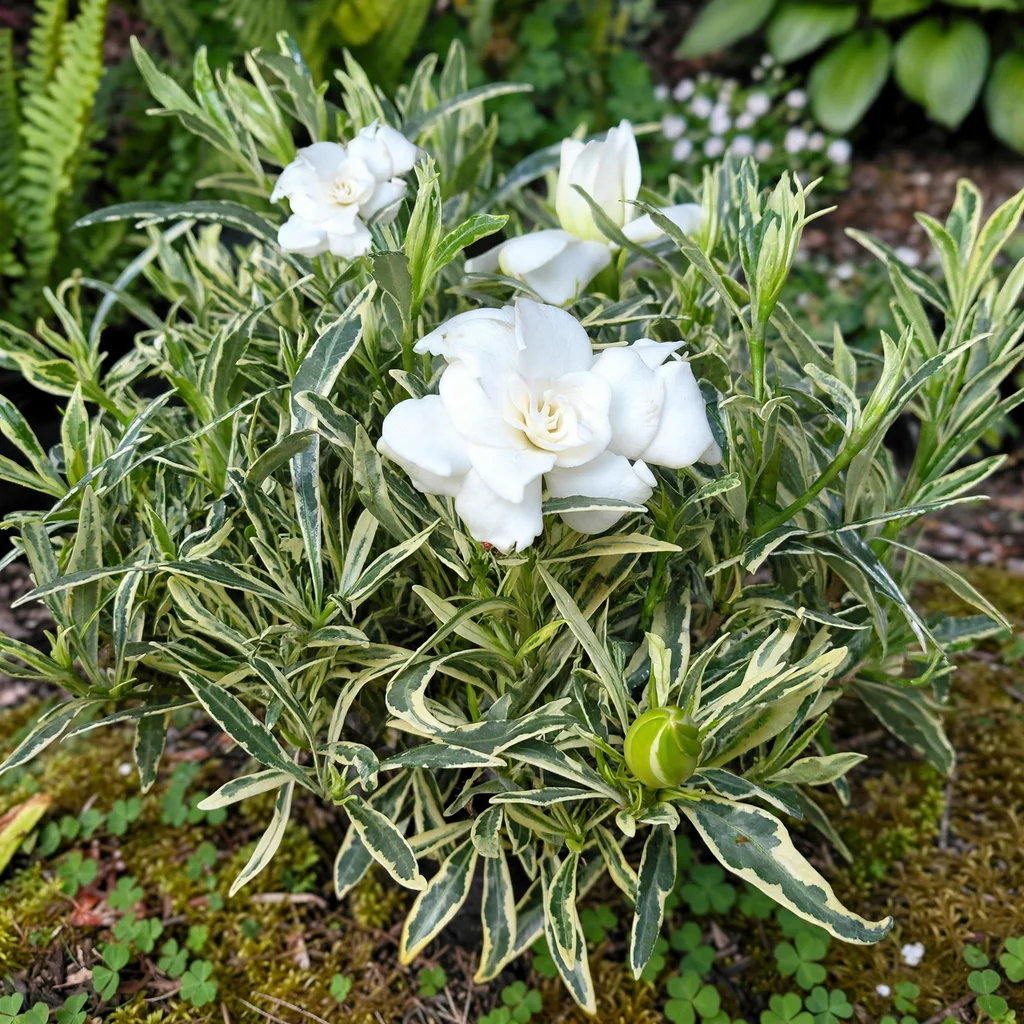
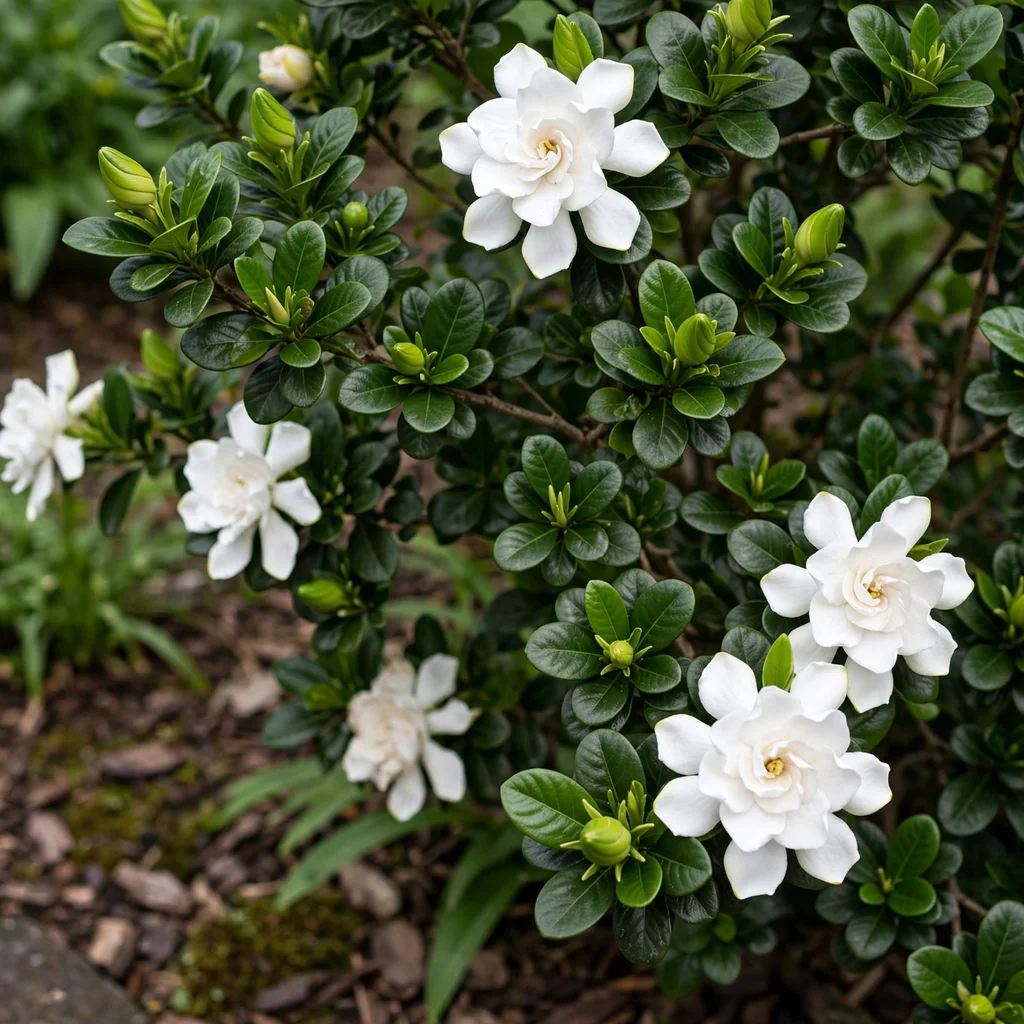
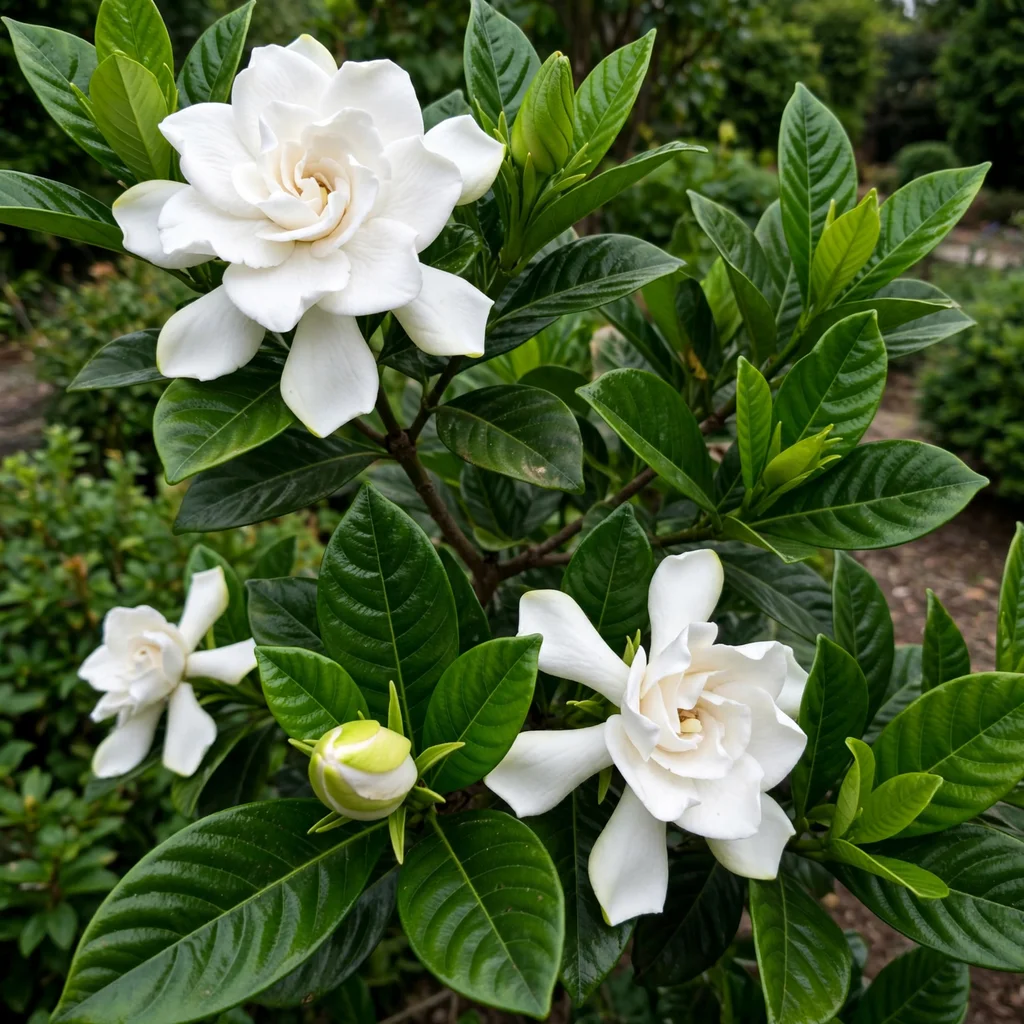
Browse all 24 Gardenia varieties →
Species of Gardenia
Each one is a parent of the varieties above.
Track your Gardenia in Sow
Save the Gardenia you grow and get care reminders timed to your zone.
How to grow Gardenia
Whats common across all Gardenia varieties in our catalog — drawn from the care records of the 24 most-grown of them.
The Gardenia year
- PruneJuly and August96% of varieties
Prune lightly to shape immediately after flowering finishes.
- FertilizeMarch, April and June96% of varieties
Feed with an acid-loving plant fertilizer after blooming and through the growing season.
- Check for PestsMay–September96% of varieties
Regularly inspect for aphids, whiteflies, and scale insects.
- MulchApril and May75% of varieties
Apply a 2-inch layer of pine straw or bark to retain moisture and acidify soil.


Do
- Water consistently to keep soil moist 🌱
- Mulch to conserve moisture and keep roots cool.
- Fertilize regularly during the growing season.
- Provide consistent moisture, especially during dry spells.
- Use acidic fertilizer.
Avoid
- Do not plant in alkaline or neutral soil.
- Avoid letting the soil dry out completely.
- Don't plant in alkaline or neutral soil.
- Avoid overhead watering, which can promote leaf spot.
What goes wrong with Gardenia
| Problem | What you'll see | What to do |
|---|---|---|
| Whiteflies | Clouds of tiny white insects fly up when disturbed; sticky honeydew on leaves. | Use yellow sticky traps. Spray with insecticidal soap or horticultural oil. For severe cases, use a systemic insecticide containing imidacloprid. |
| Aphids | Clusters of small insects on new growth; distorted leaves; sticky honeydew. | A strong jet of water can dislodge them. Introduce ladybugs. Spray with neem oil or pyrethrin-based insecticides. |
| Scale Insects | Hard or soft bumps on stems and leaves, leading to sooty mold. | Scrub off with a soft brush; apply horticultural oil during the dormant season. |
| Spider mites | Fine webbing on branch tips and stippled, yellowing leaves during hot, dry weather. | Wash the foliage thoroughly with a strong stream of water or apply a miticide. |
| Sooty Mold | A black, powdery coating on leaves, which is a fungus growing on insect honeydew. | Control the pests (aphids, scale, whiteflies) causing the honeydew. The mold can be gently washed off with soapy water. |
| Root rot | Wilting foliage, yellowing leaves, and branch dieback caused by Phytophthora or Pythium in poorly drained soil. | Improve soil drainage, reduce watering frequency, and replant in raised beds if necessary. |
| Powdery Mildew | White, powdery patches on leaves and stems. | Improve air circulation. Apply horticultural oil or a potassium bicarbonate solution. Use a fungicide containing myclobutanil if severe. |
Making more Gardenia
Softwood Cuttings
- Take 4-6 inch cuttings from new growth in late spring.
- Remove lower leaves and dip the cut end in rooting hormone.
- Plant in a mix of perlite and peat moss.
- Cover with a plastic bag to maintain humidity.
- Roots should form in 6-8 weeks.
Stem Cuttings
- Take 4-5 inch cuttings from new growth in spring.
- Remove all but the top two leaves.
- Dip in rooting hormone and place in a moist potting mix.
- Cover to maintain high humidity; roots form in 4-6 weeks.
Gardenia questions
How many types of Gardenia are there?
The Sow catalog tracks 24 distinct Gardenia varieties. The most popular — ranked by 255 real gardeners — are shown first above.
What zones does Gardenia grow in?
Across its varieties, Gardenia covers USDA Zones 6–10. Individual varieties differ — each plant page lists its exact range, and Sow filters the catalog to your zone automatically.
When does Gardenia bloom?
Most Gardenia varieties bloom in late spring, early summer, late spring into summer. Staggering early, mid, and late varieties extends the genus's season in one bed.
Which Gardenia should I choose?
Start from the most-saved varieties above — popularity across thousands of gardens is a strong signal of reliability — then filter by your zone and sun. In the Sow app you can preview any of them in a photo of your actual yard before you buy.