Curated by real gardeners
Plants for Shade
Shade isn’t a problem to solve — it’s a different palette: layered foliage, cool textures, and blooms that glow in low light. These are the proven performers for the dim corners.
The 24 most-saved picks
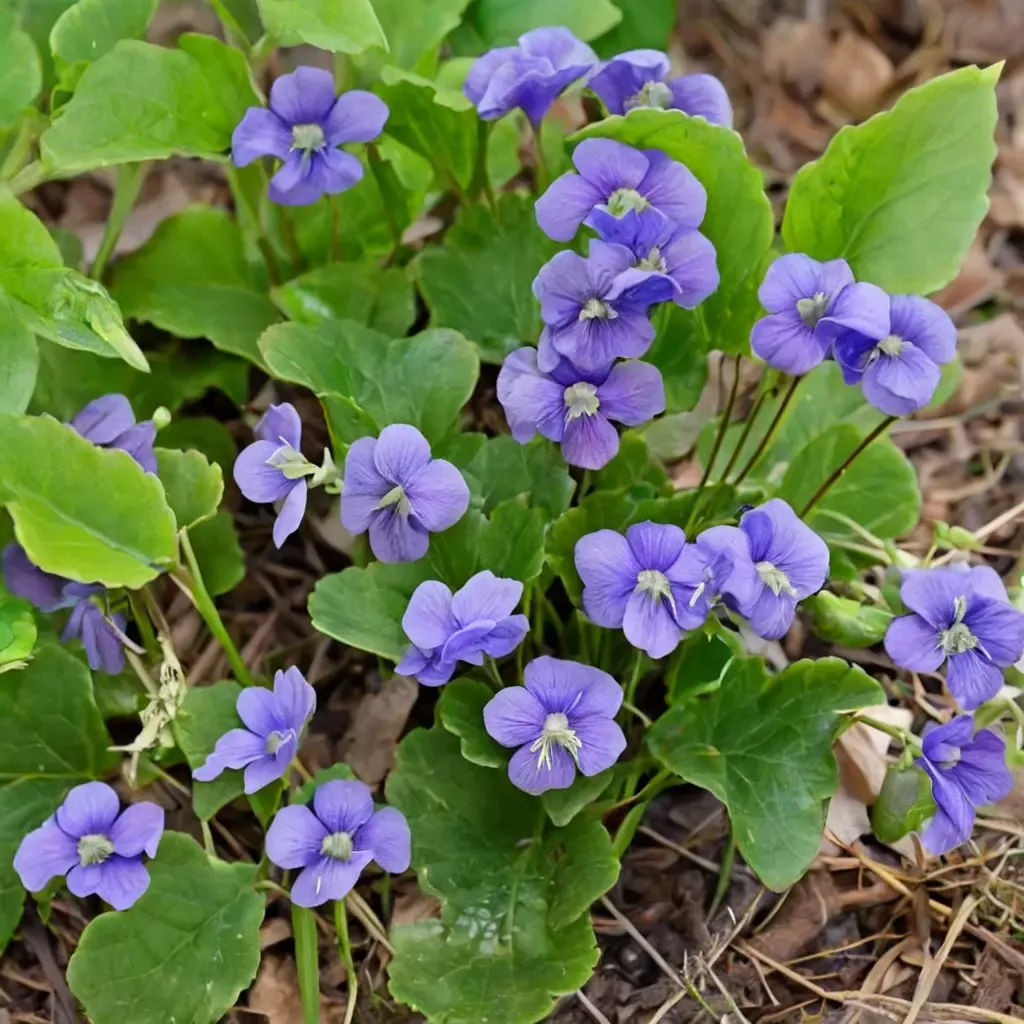 #1 most saved
Common Blue Violet
Viola sororia
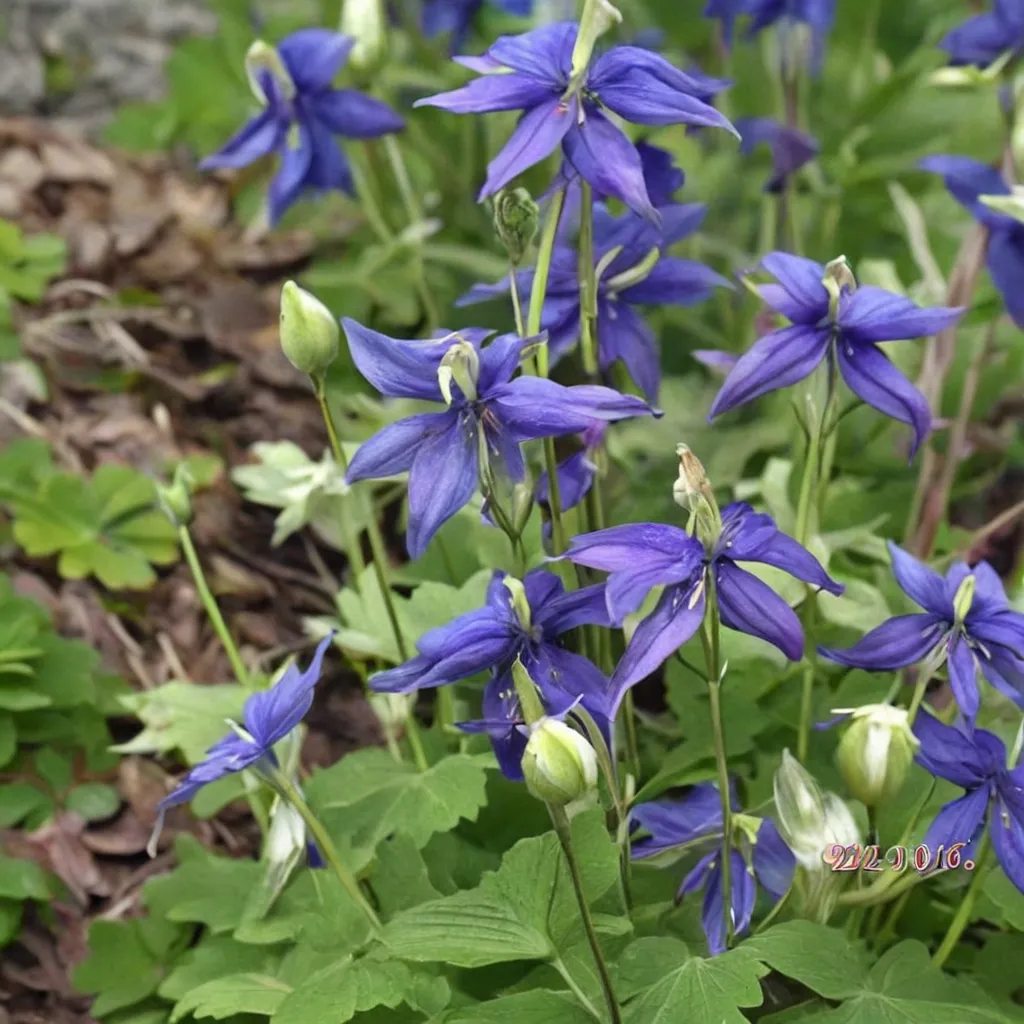 #2 most saved
Columbine
Aquilegia x hybrida 'Melba Higgins'
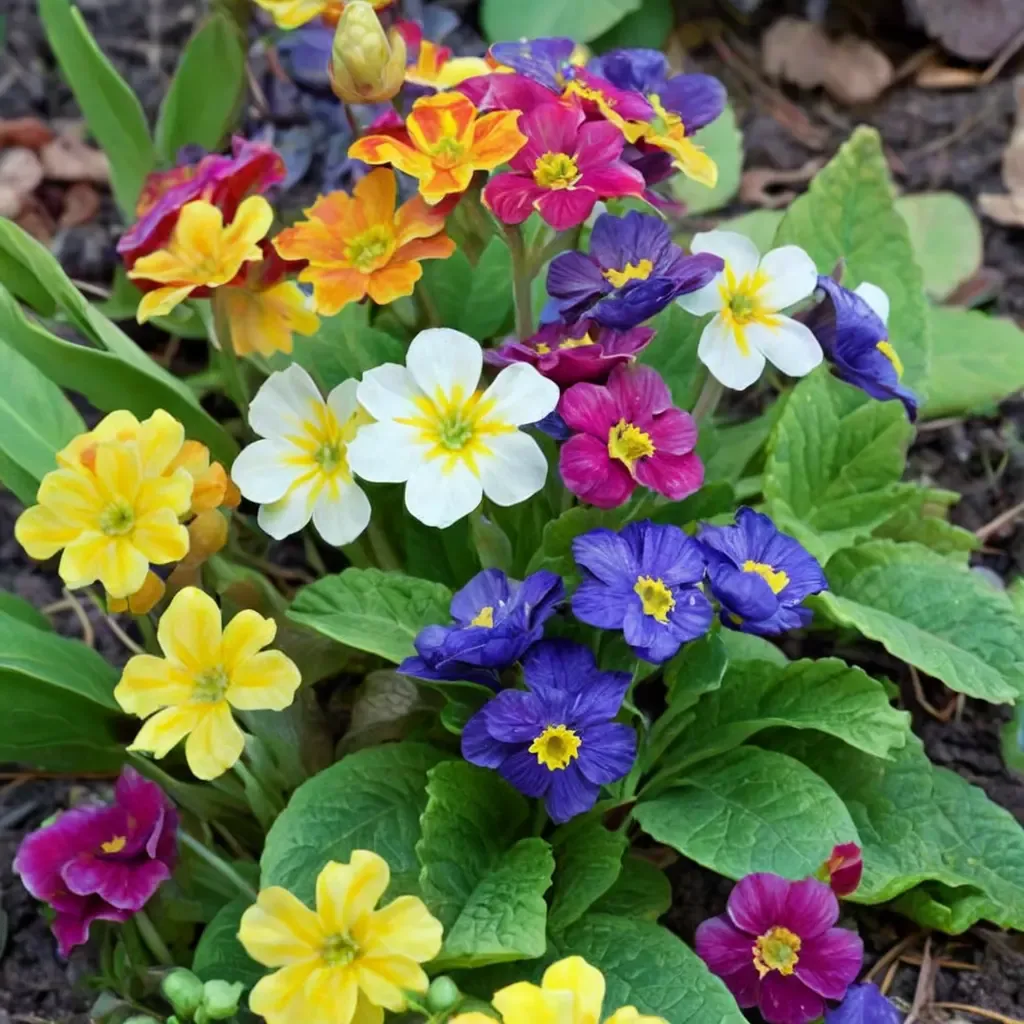 #3 most saved
Primrose
Primula x polyantha 'Pacific Hybrids'
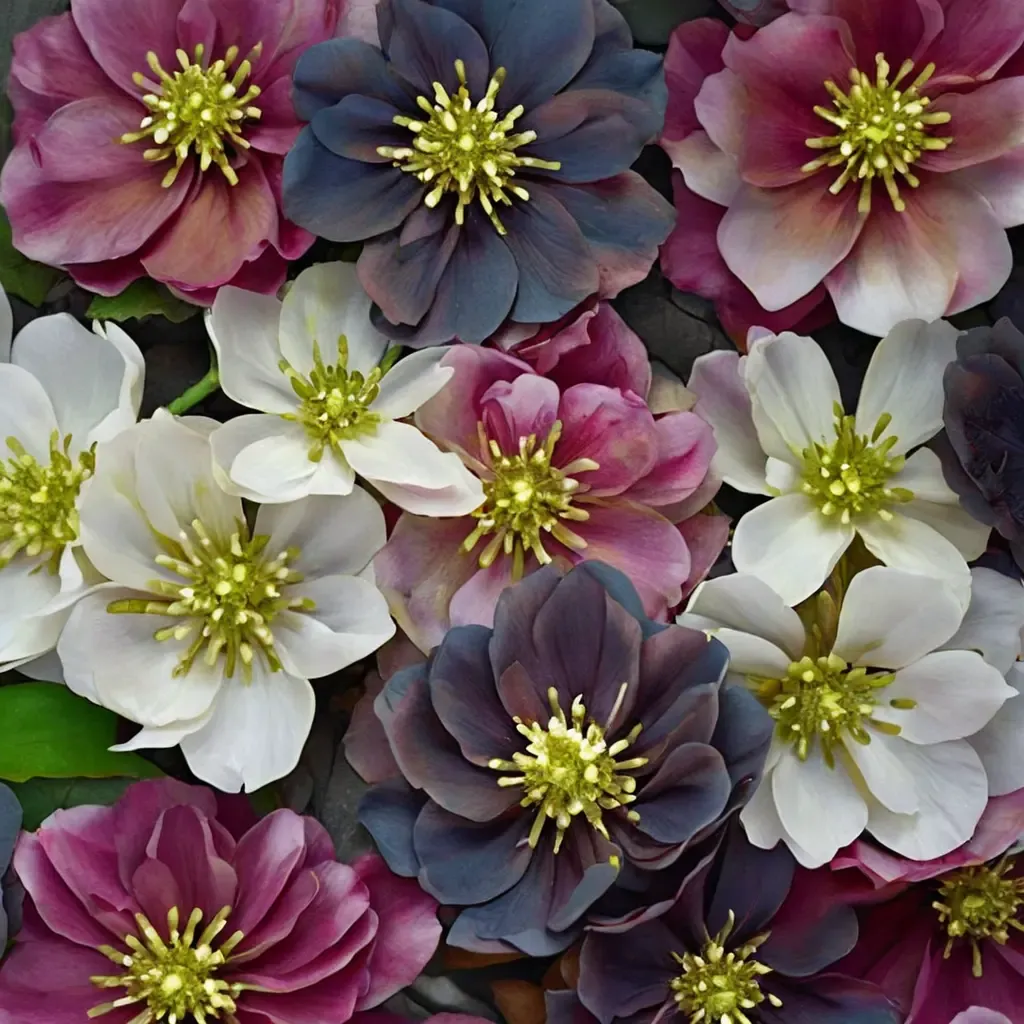
Hellebore Wedding Party Mix
Helleborus x hybrida 'Wedding Party Mix'
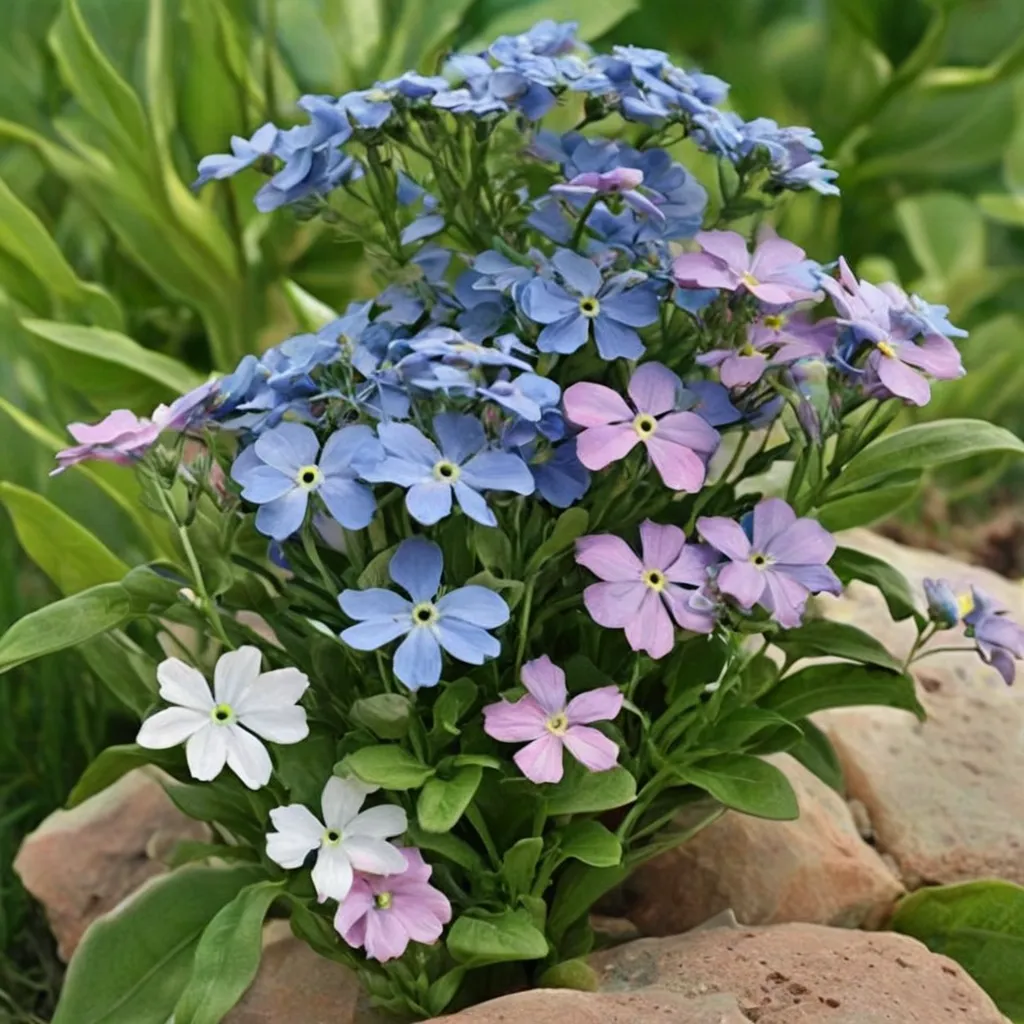
Forget-me-not
Myosotis sylvatica 'Mon Amie Mix'
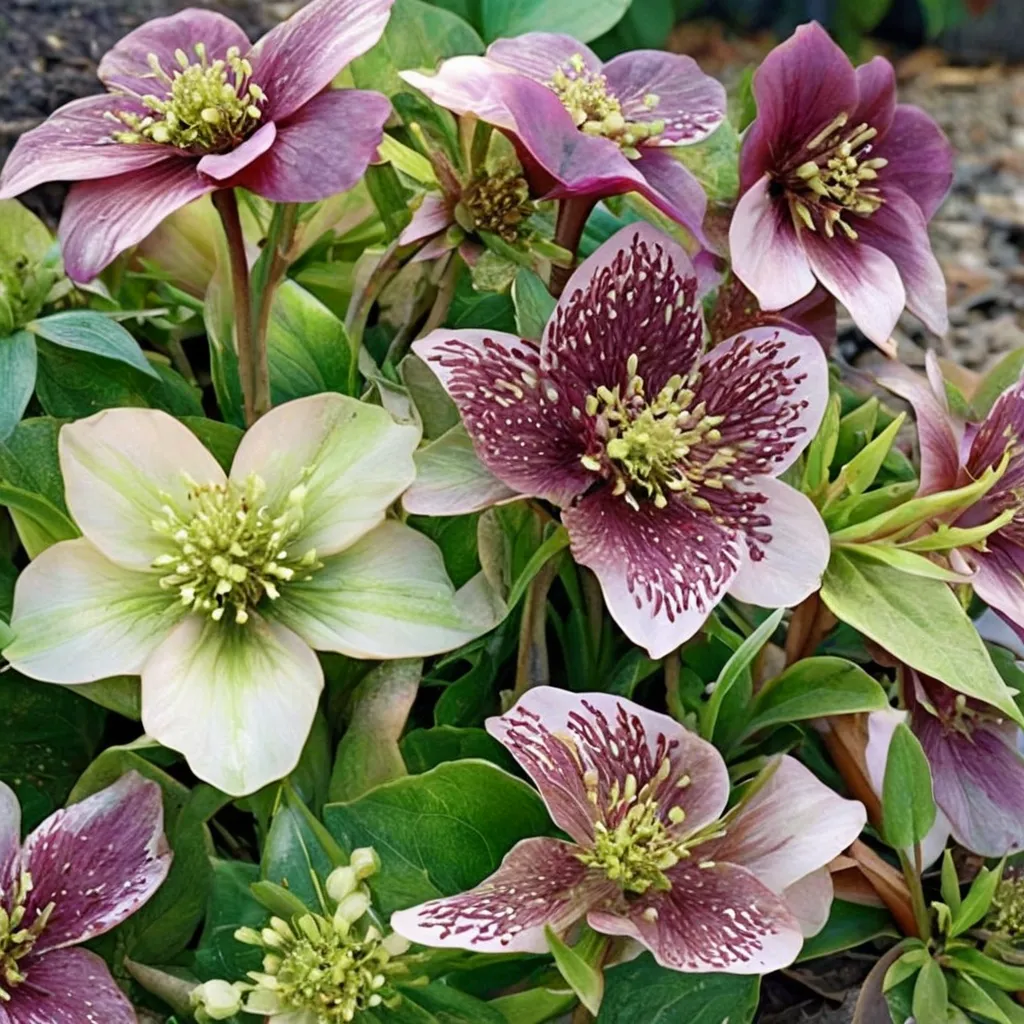
Lenten Rose Hybrid Mix
Helleborus x hybrida 'Mix'
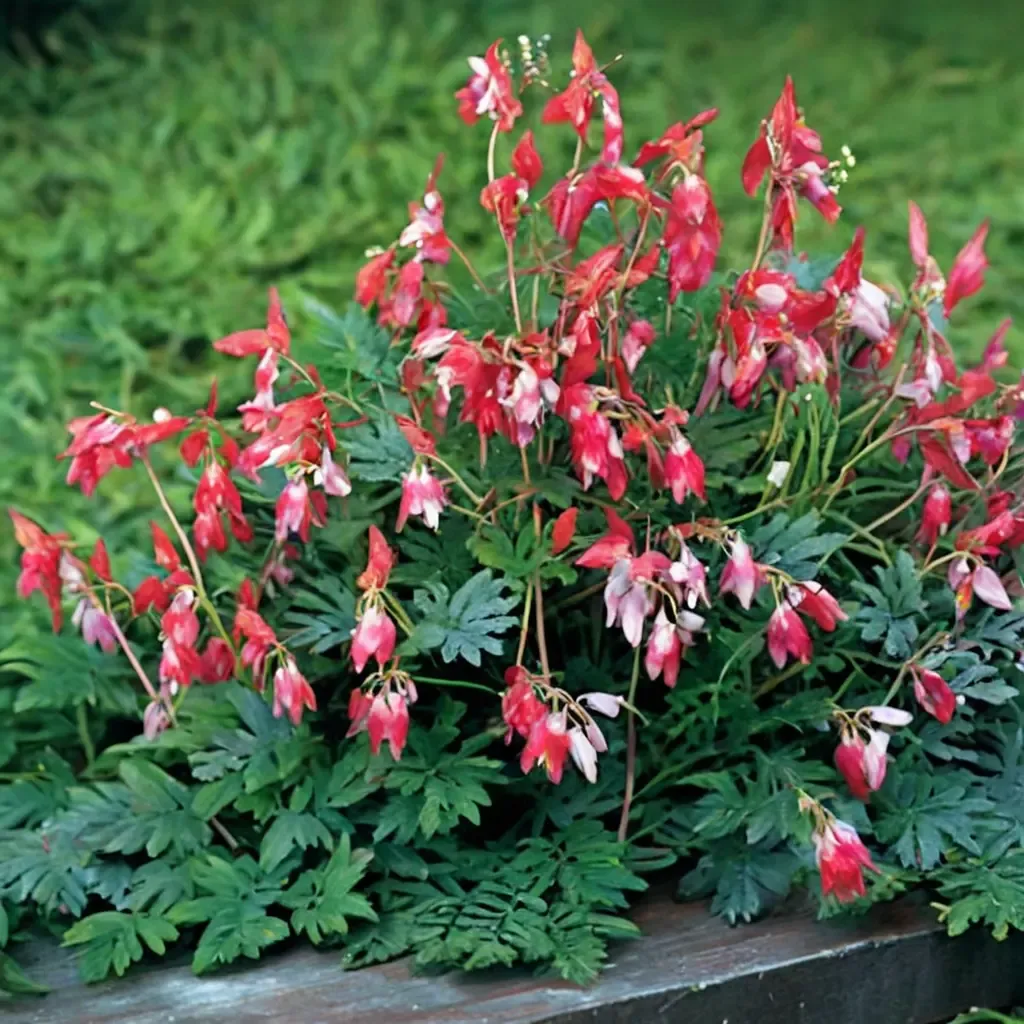
Fernleaf Bleeding Heart
Dicentra spectabilis 'Fernleaf Bleeding Heart Mix'
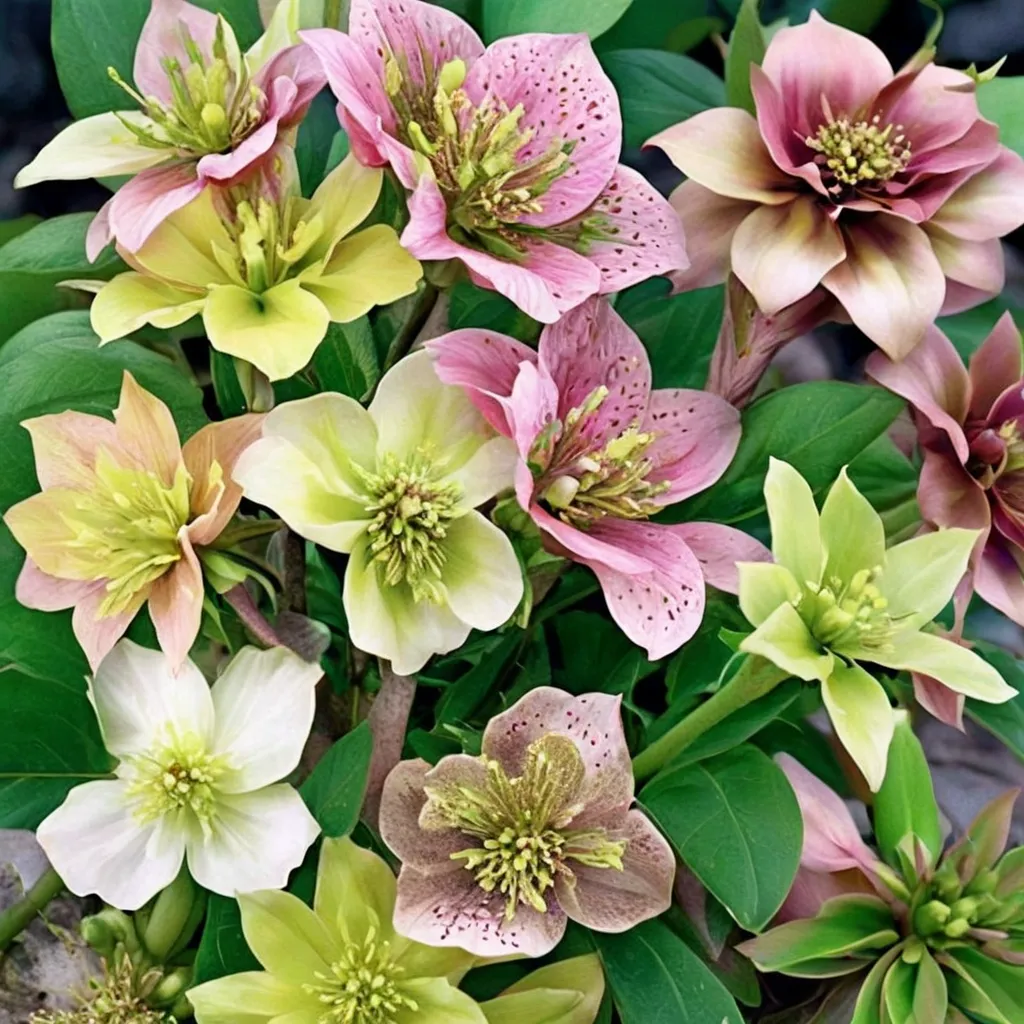
Lenten Rose Double Queen Strain
Helleborus x hybridus 'Double Queen Strain'
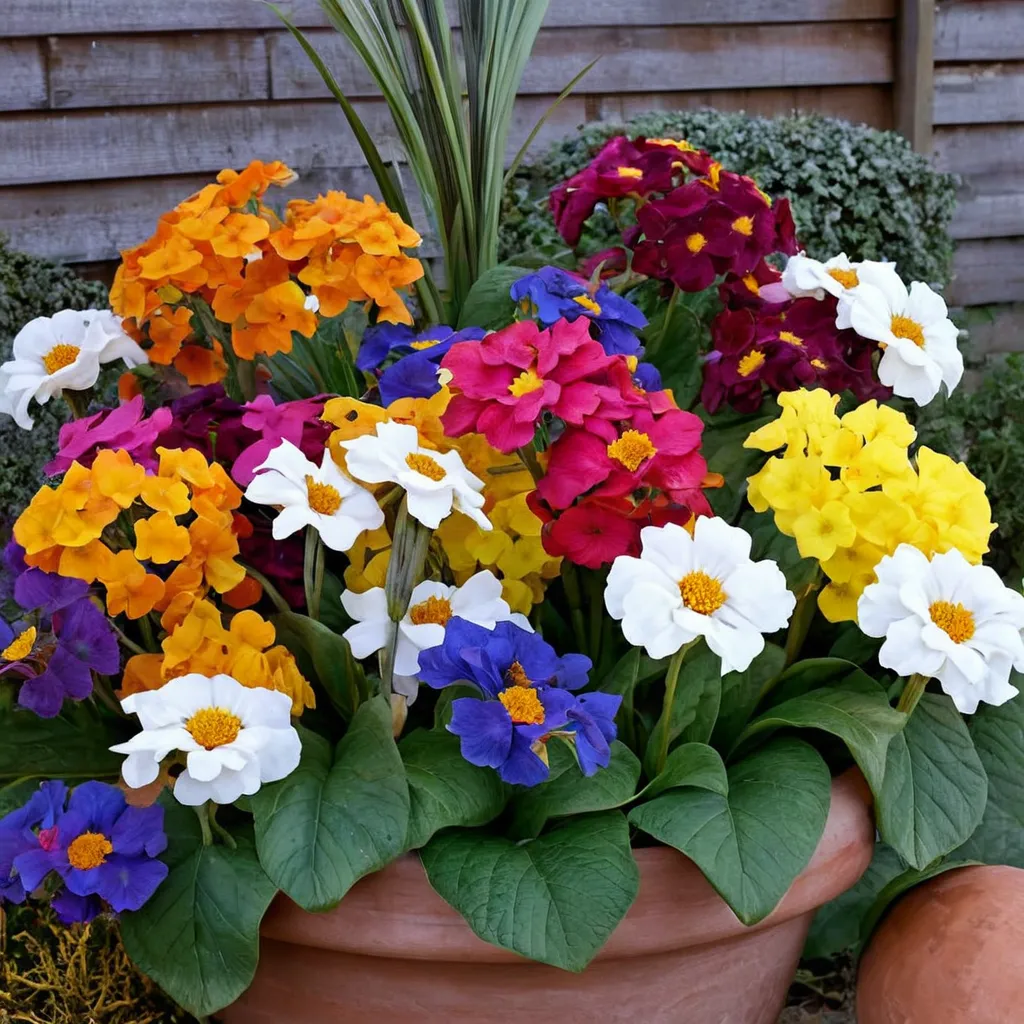
Primula Crescendo Mix
Primula x polyantha 'Crescendo Mix'
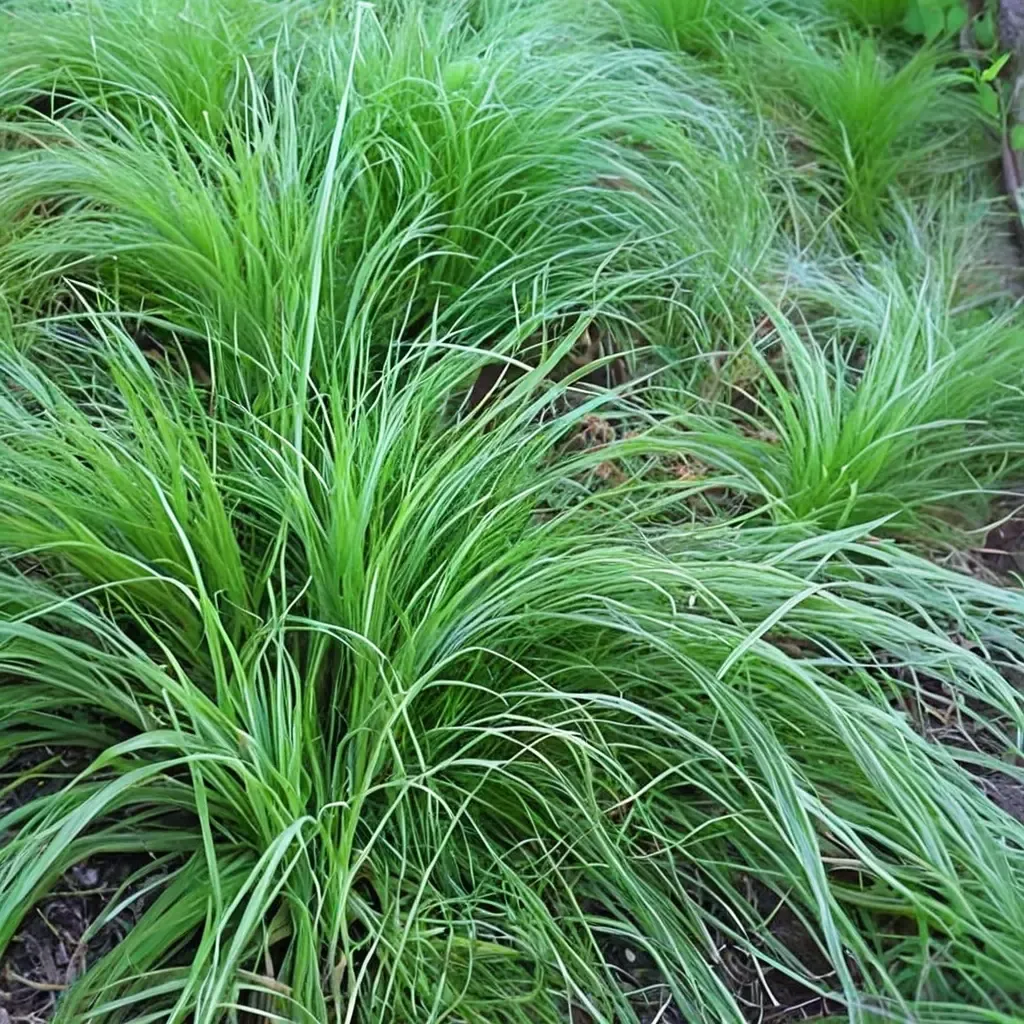
Pennsylvania Sedge
Carex pensylvanica
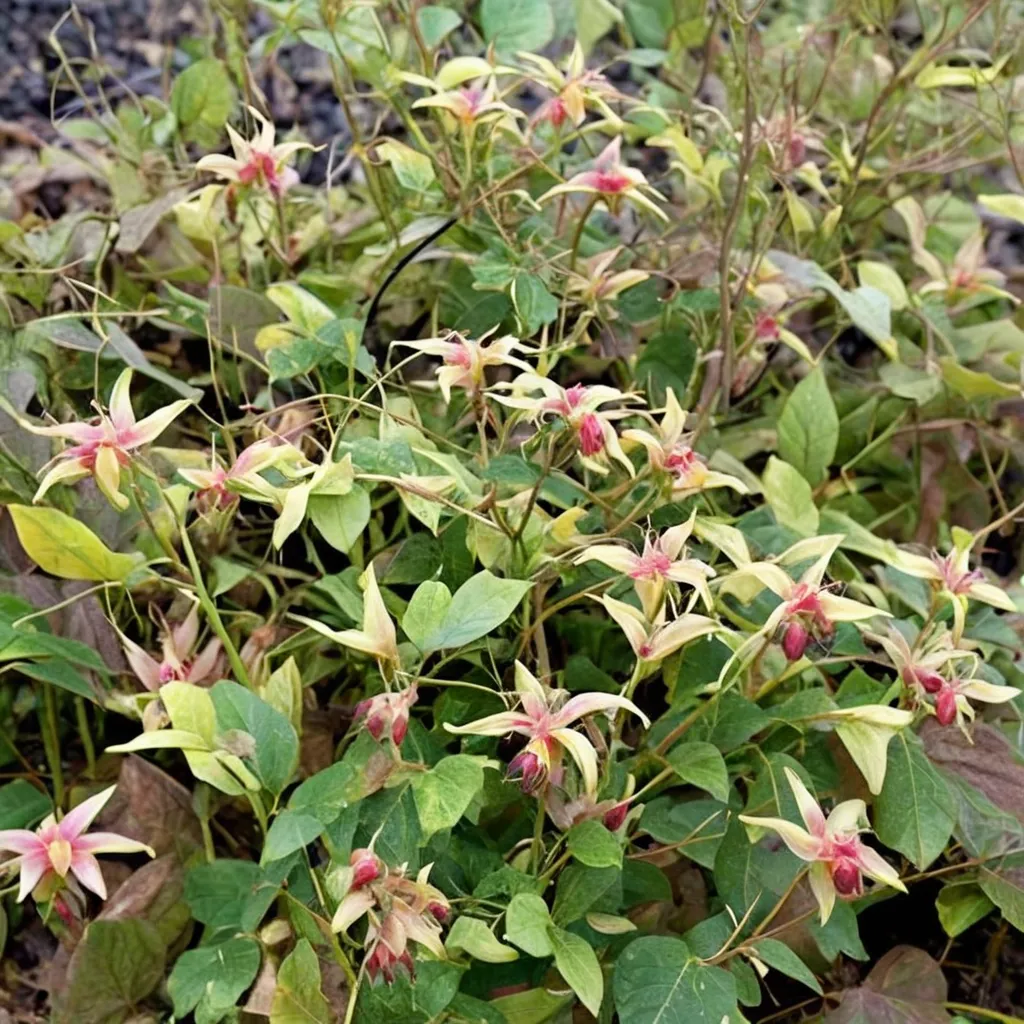
Epimedium Songbirds
Epimedium x hybrida 'Songbirds'
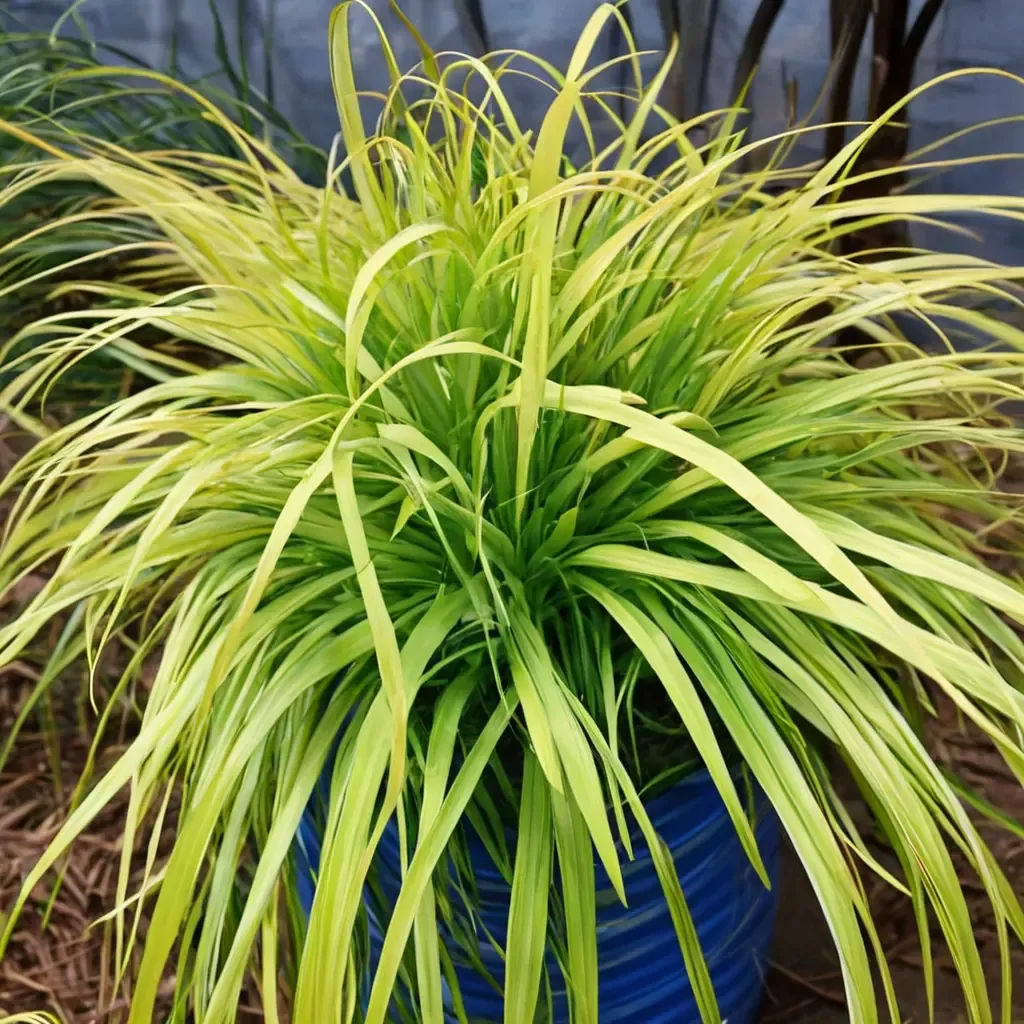
Everillo Sedge
Carex omegata 'Everillo'
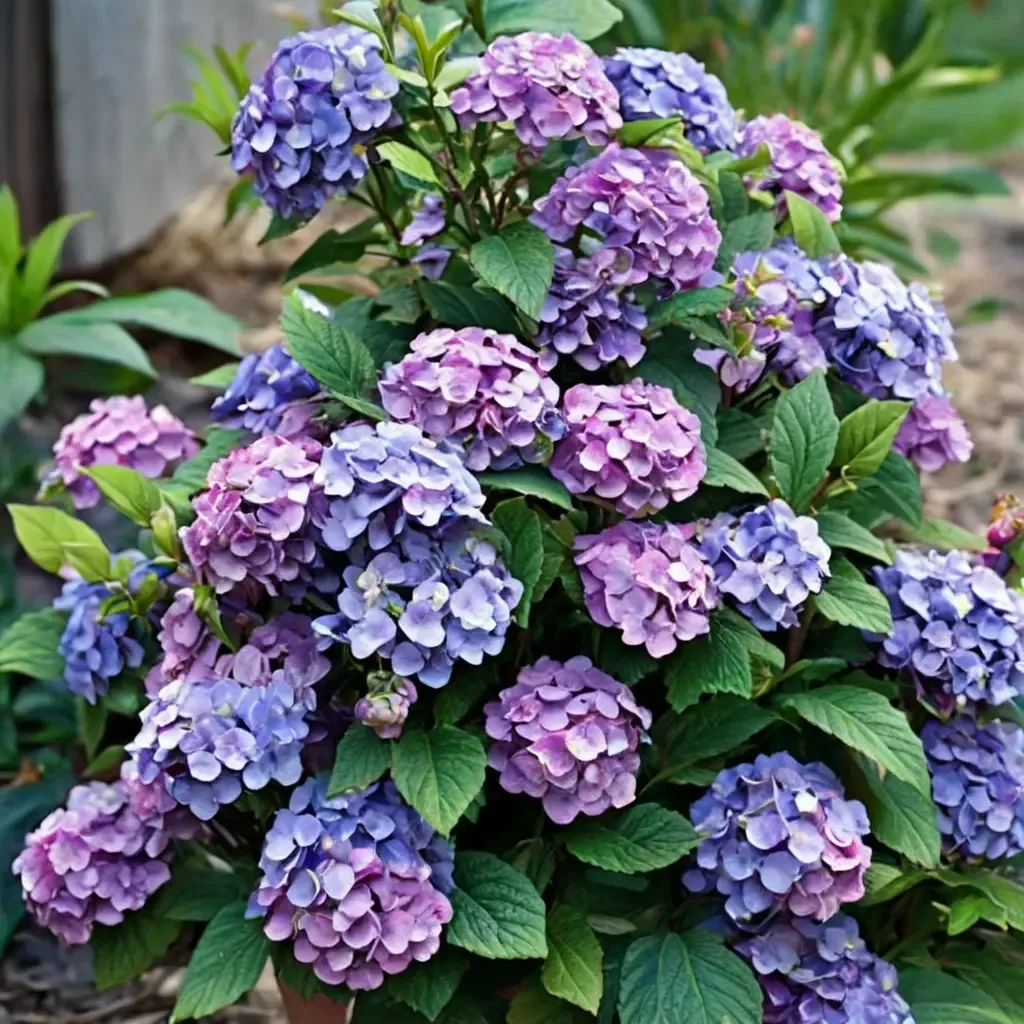
Bloomstruck Hydrangea
Hydrangea macrophylla 'Bloomstruck'
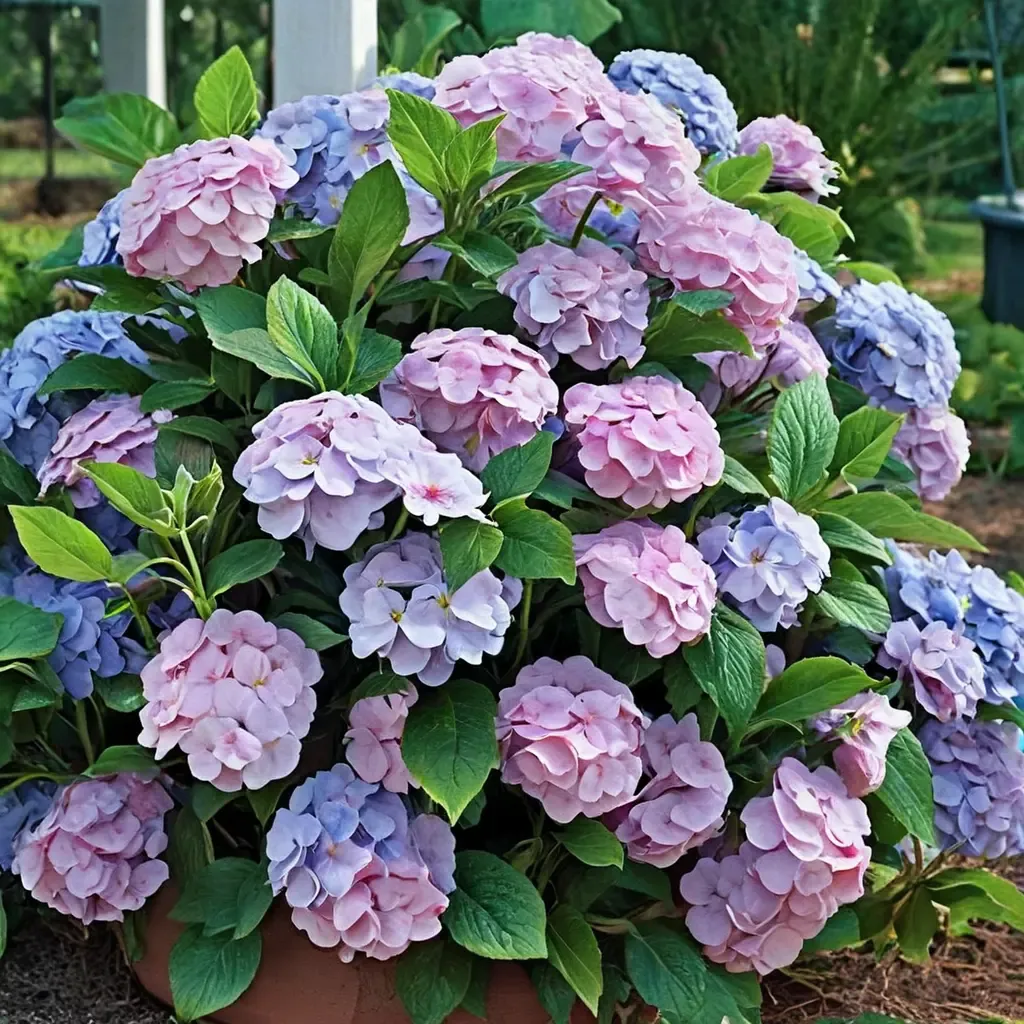
All Summer Beauty Hydrangea
Hydrangea macrophylla 'All Summer Beauty'
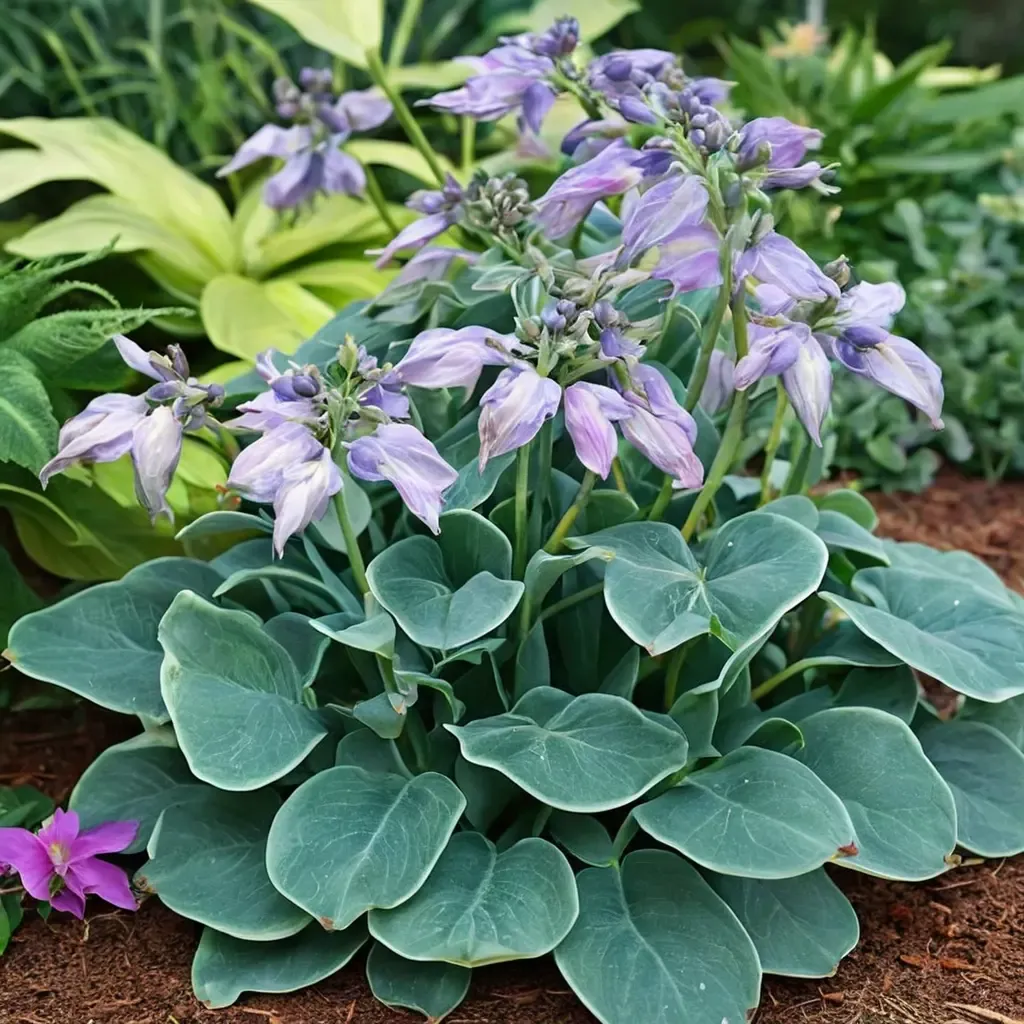
Blue Mouse Ears Hosta
Hosta cordifolia 'Blue Mouse Ears'
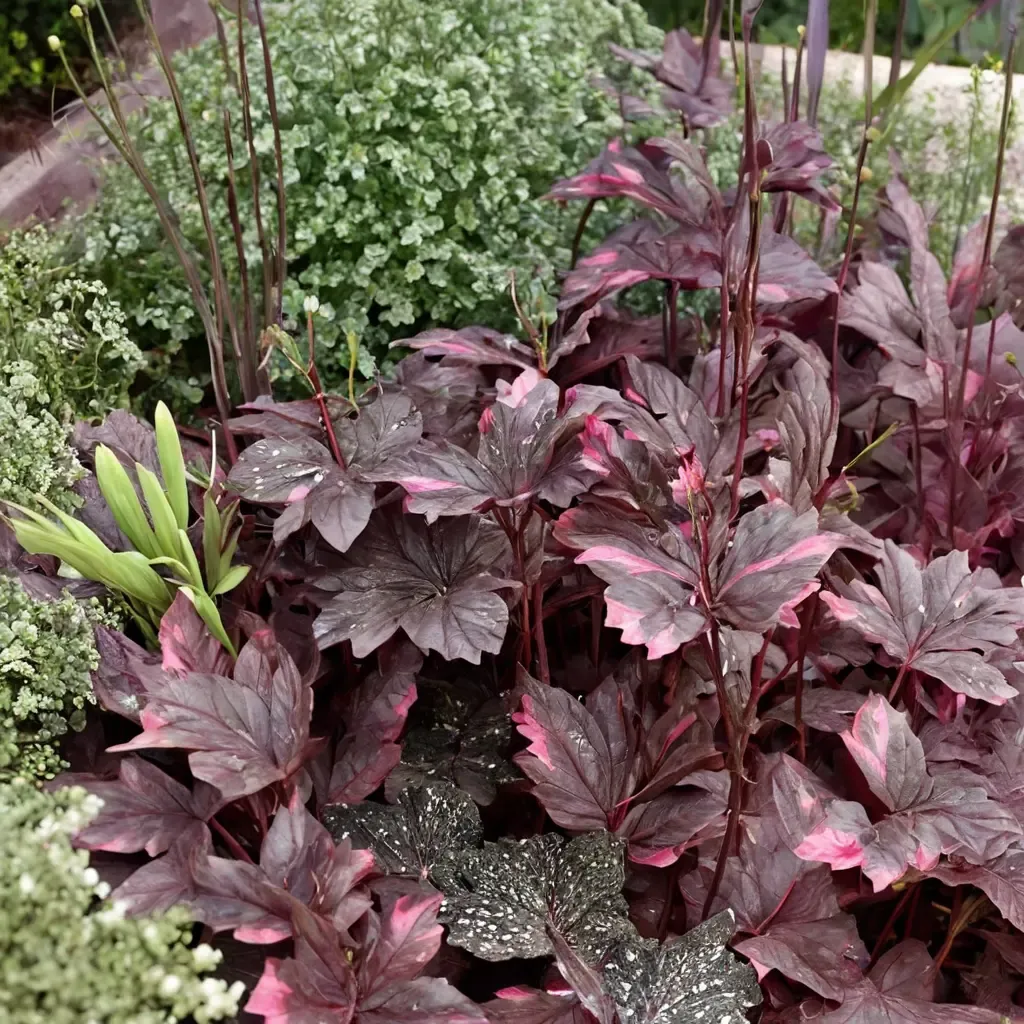
Midnight Rose Coral Bell
Heuchera x brizoides 'Midnight Rose'
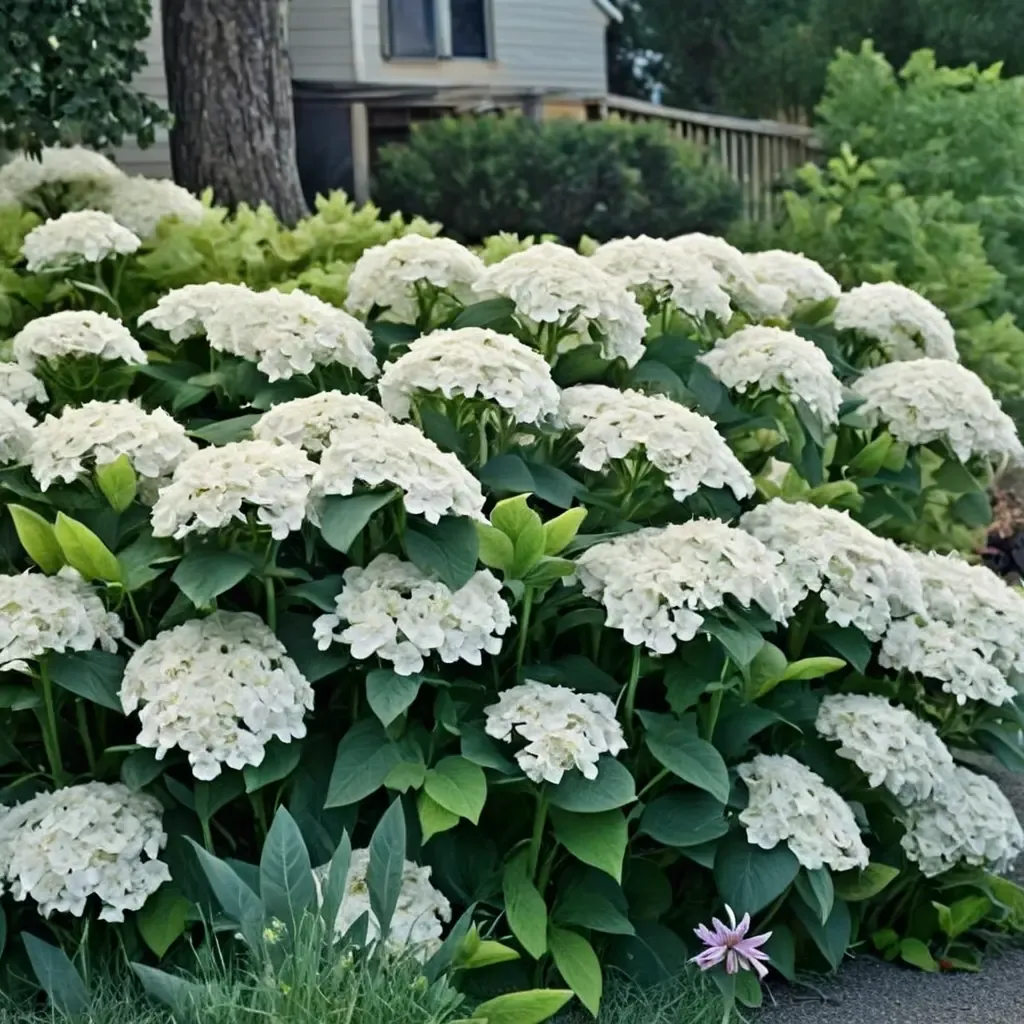
Annabelle Hydrangea Smooth Hydrangea
Hydrangea arborescens 'Annabelle'
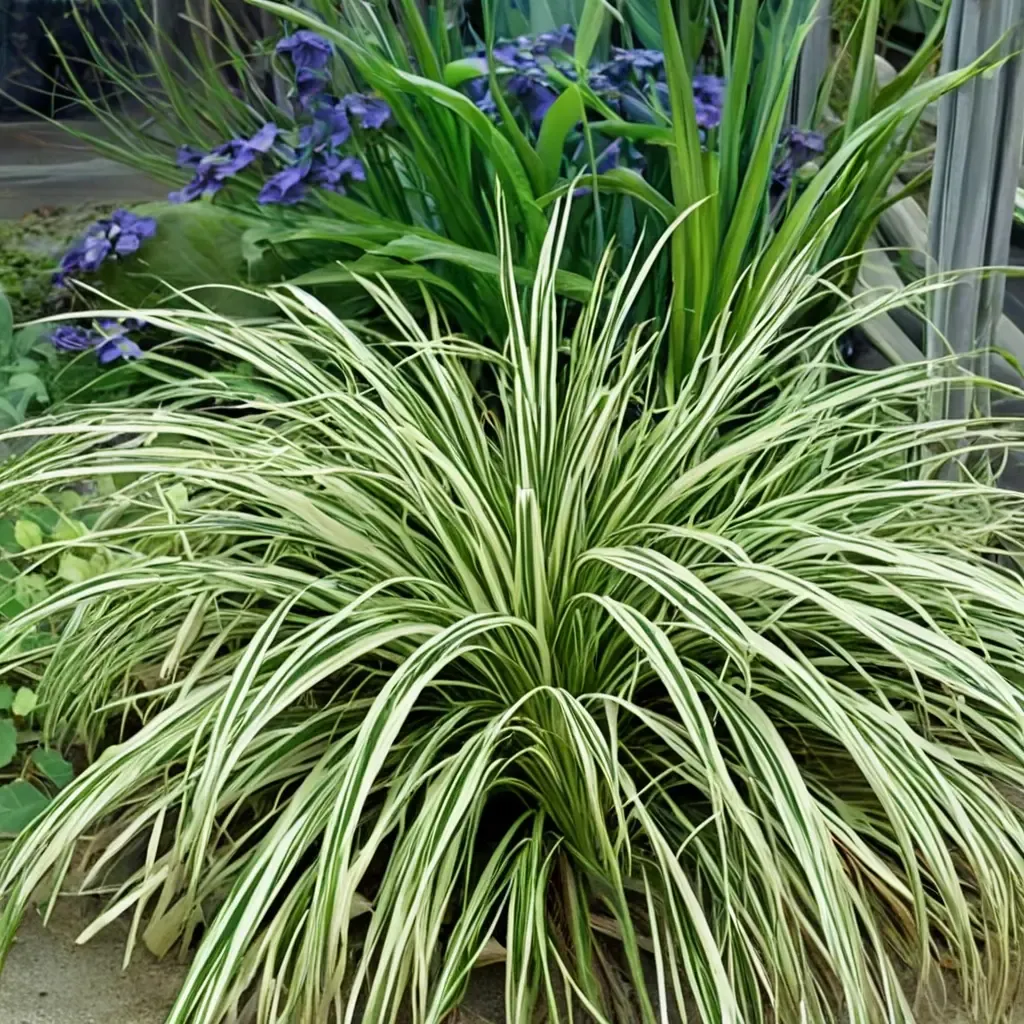
Evergold Japanese Sedge
Carex oshimensis 'Evergold'
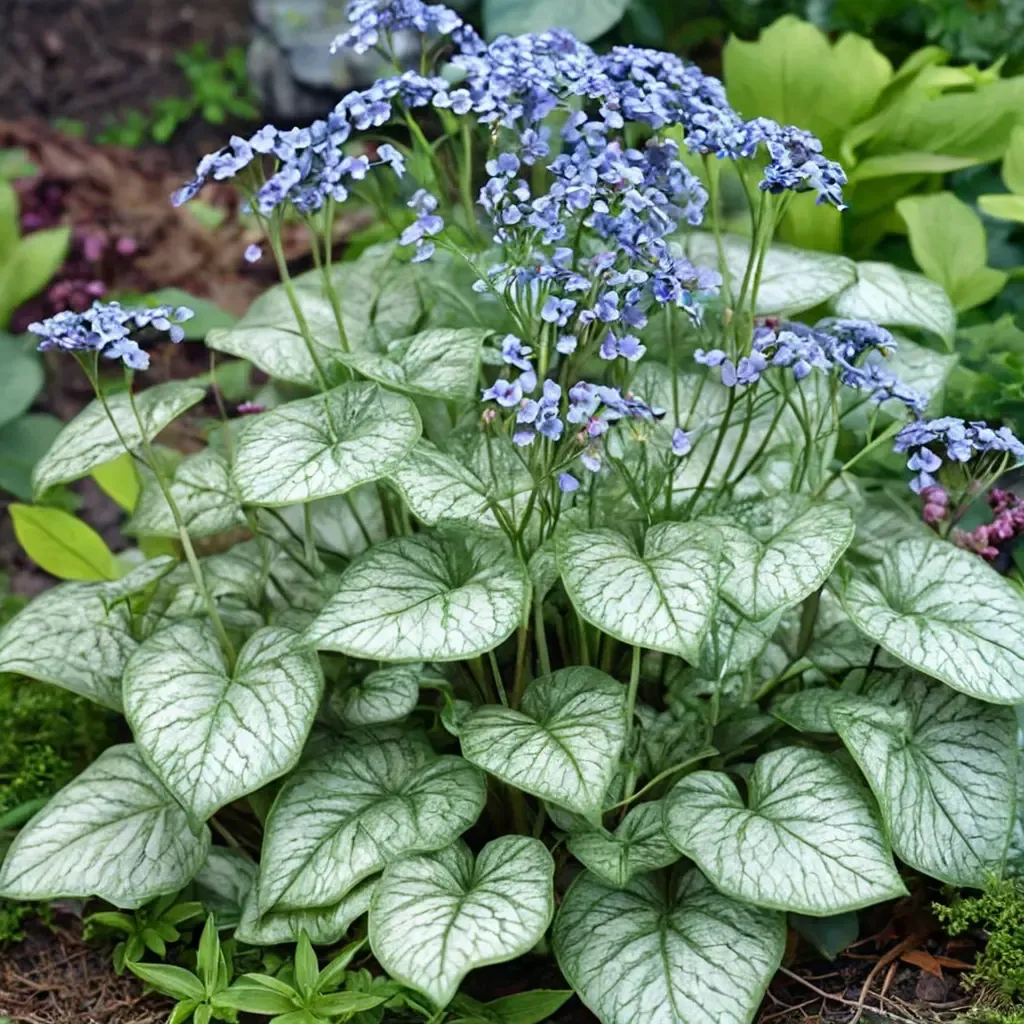
Siberian Bugloss
Brunnera macrophylla 'Jack Frost'
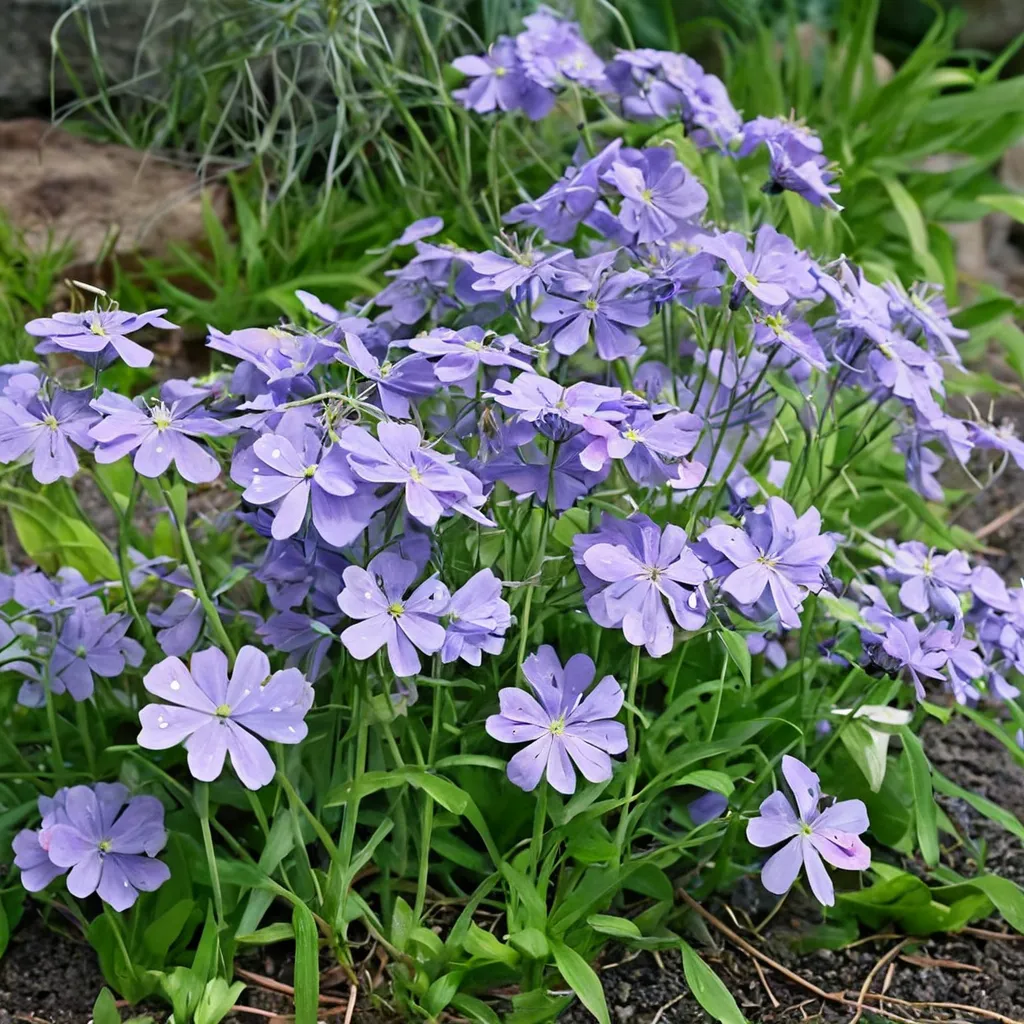
Woodland Phlox Blue Moon
Phlox divaricata 'Blue Moon'
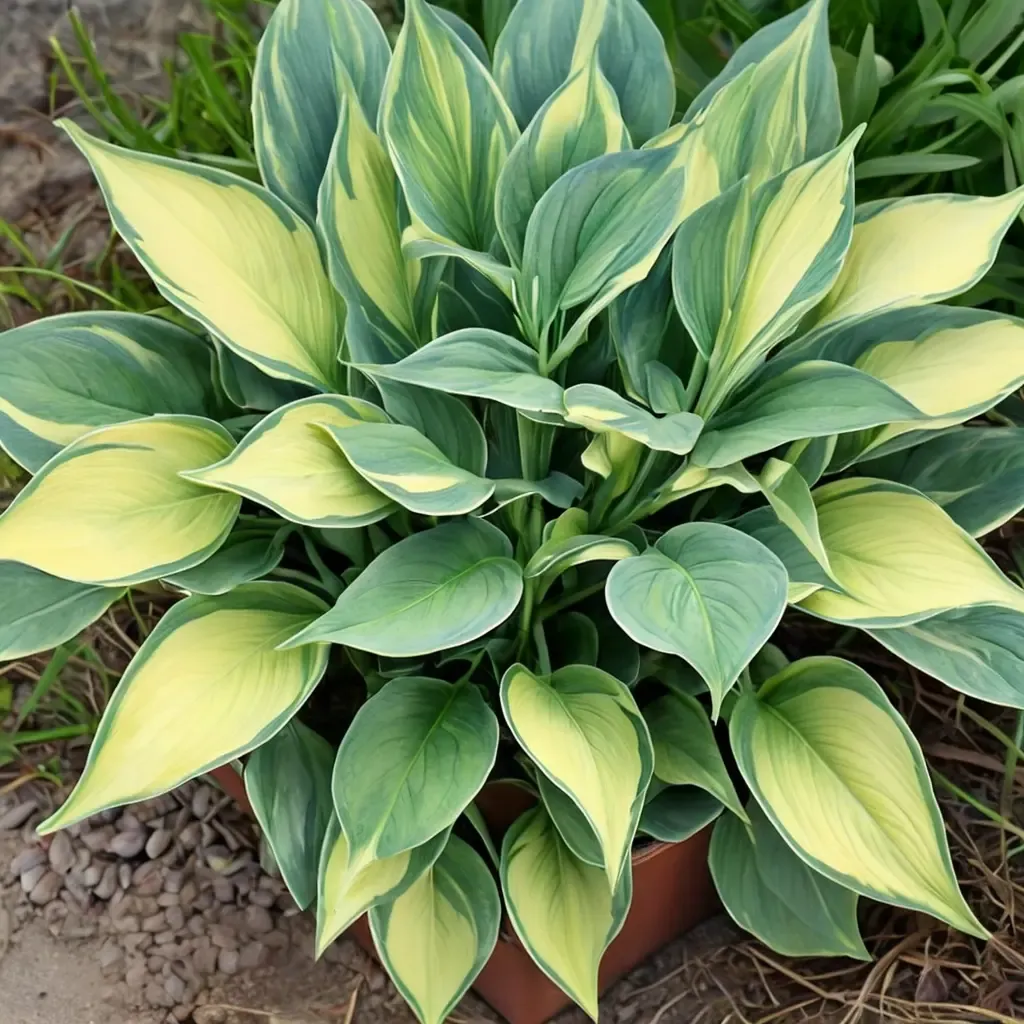
June Hosta
Hosta fortunei 'June'
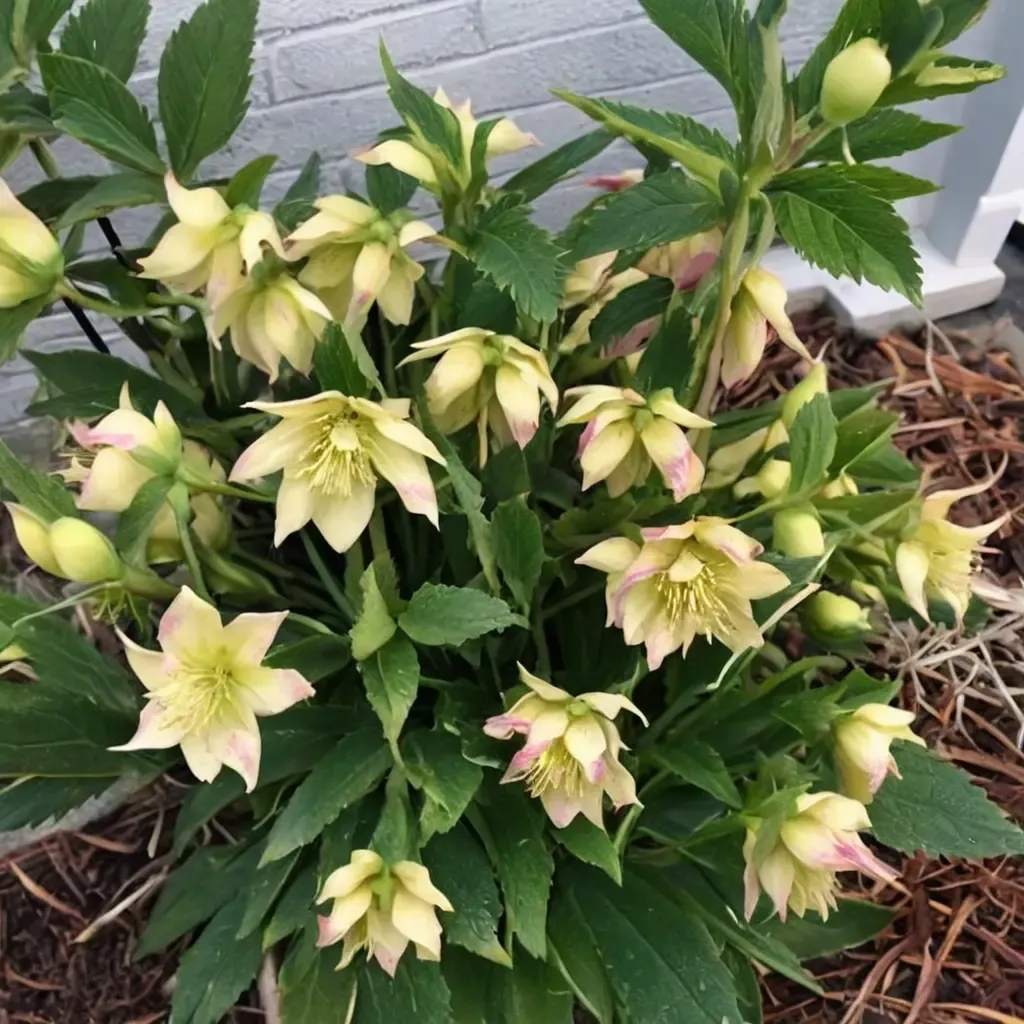
Lenten Rose Hellebore
Helleborus orientalis 'First Dance'
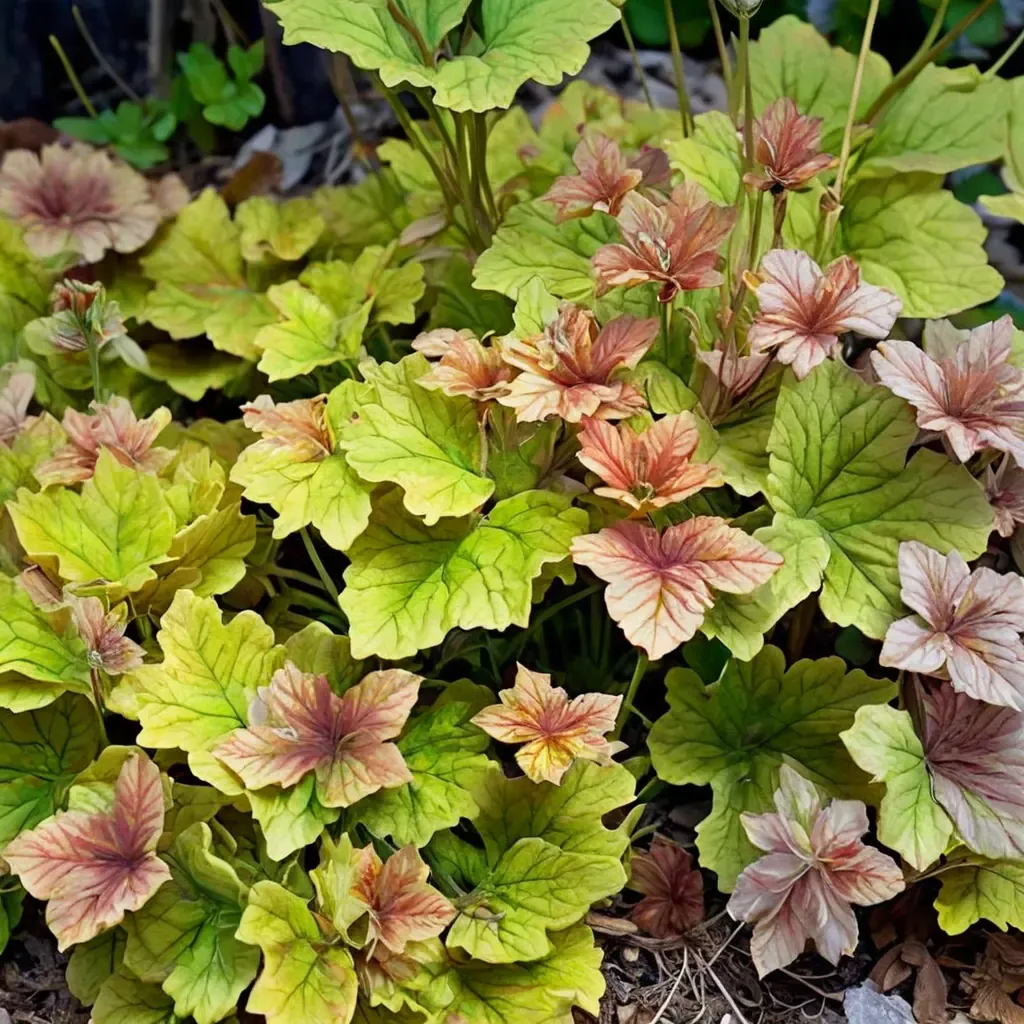
Electra Coral Bells
Heuchera sanguinea 'Electra'
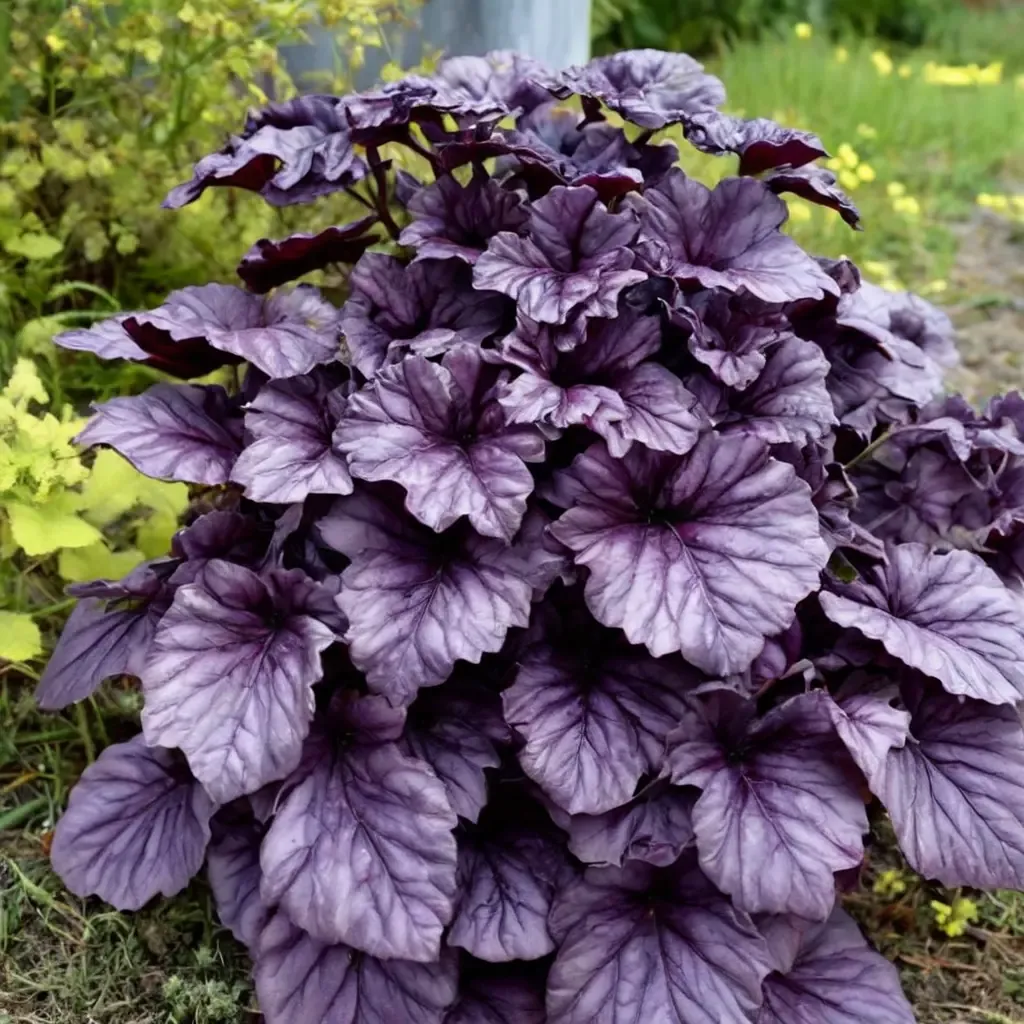
Wildberry Coral Bells
Heuchera x brizoides 'Wildberry'
Shade questions
What counts as full shade vs. part shade?
Part shade is 3–6 hours of sun (ideally morning); full shade is under 3. Most "shade plants" want part shade — true full-shade champions are ferns, hostas, and woodland natives.
Keep exploring
More collections
Find the right shade plants for YOUR yard
Sow matches plants to your zone, sun, and style — then designs the bed and reminds you how to care for it.