The Story
Plant Bio
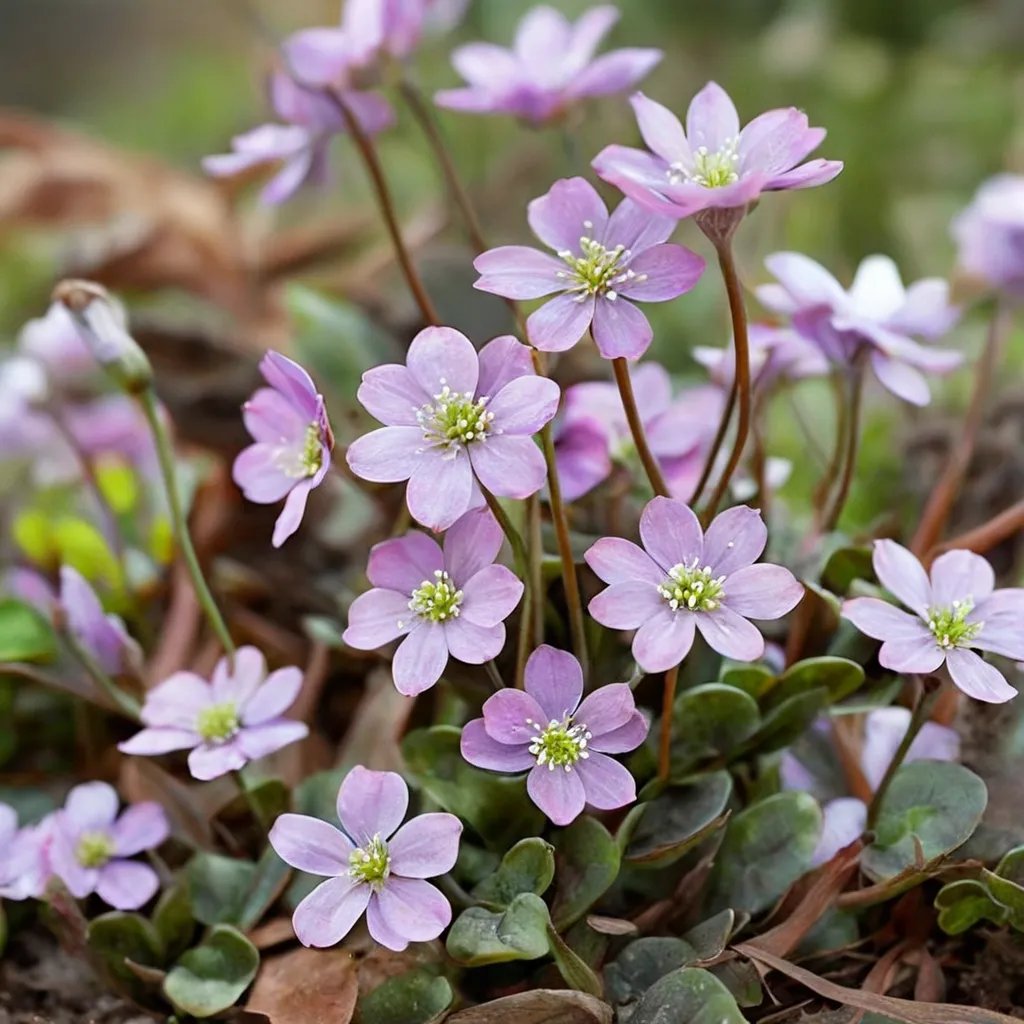
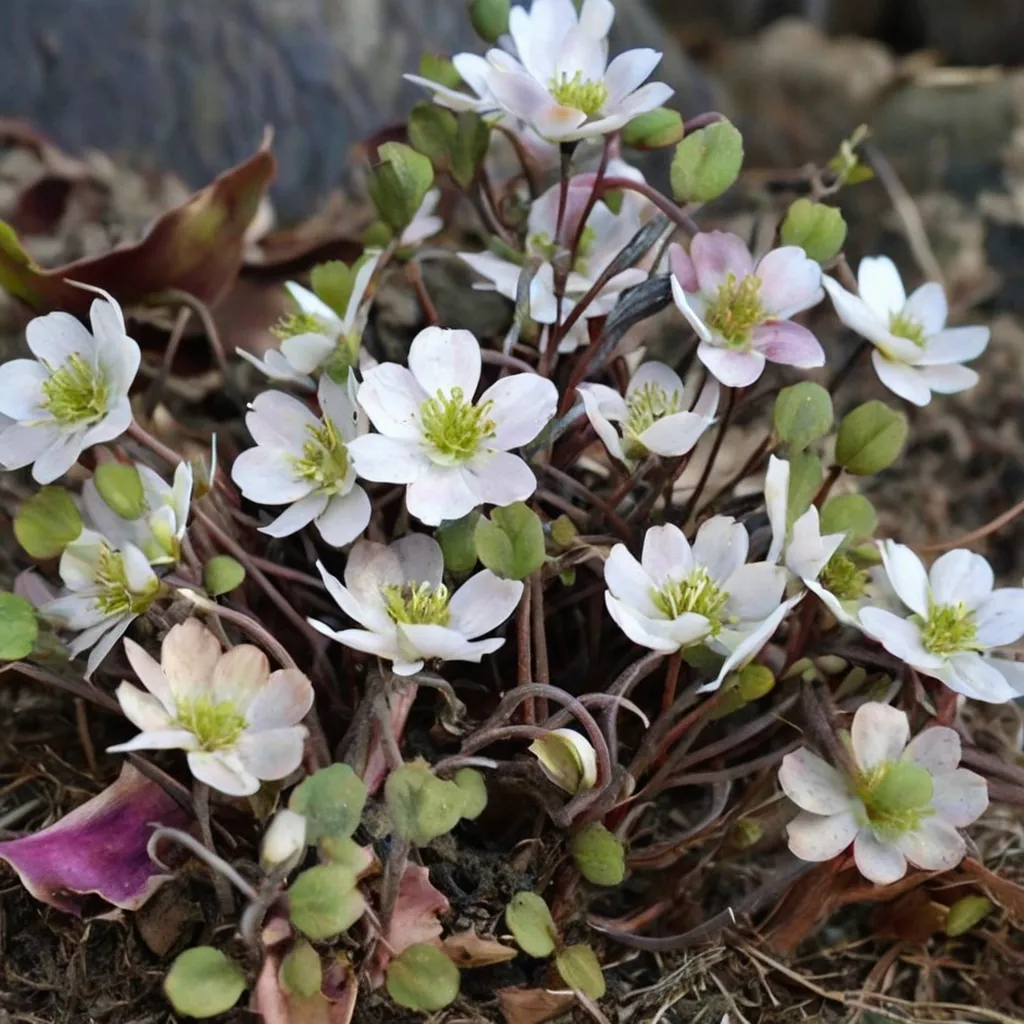
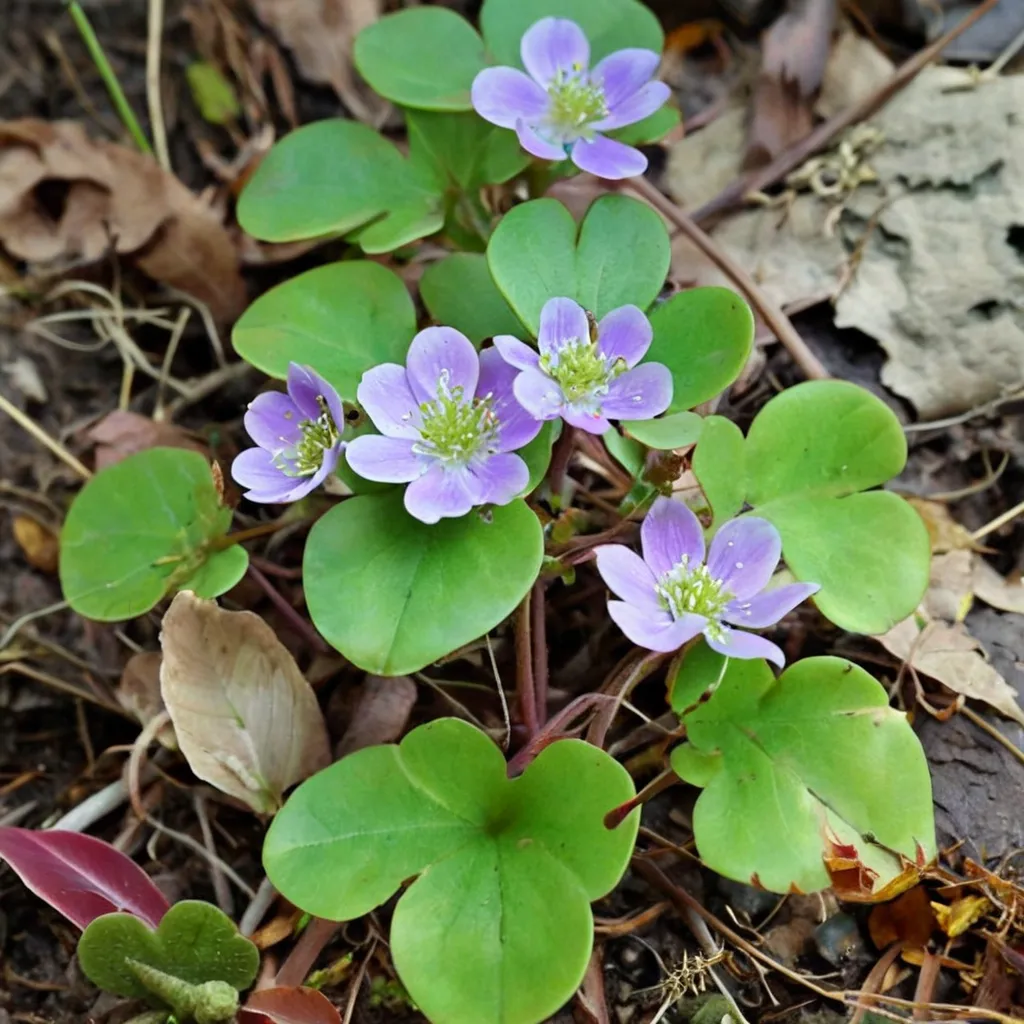
A small, clump-forming, semi-evergreen perennial. Features three-lobed, leathery leaves that are often attractively mottled with silver or purple. Dainty, anemone-like flowers appear on short, hairy stems in very early spring, often before the new leaves emerge.
Native to Korea, this species is prized by collectors for its variable and often beautifully patterned foliage. It is an excellent choice for a shaded rock garden, alpine trough, or woodland setting, providing multi-season interest with its early blooms and persistent, decorative leaves.
Uses & Benefits:
Essentials
At a Glance
Plant Type
Perennial
Height
4"
Width
6"
Light
Partial Sun, Shade
Zones
4, 5, 6, 7, 8, 9
Water
Moist but well-drained
Humidity
Prefers humid, woodland conditions
Lifespan
Perennial
Native To
Korea
Toxicity
Toxic if ingested, can cause skin irritation
Bloom period
Early spring – Late spring
In flower about 3 months of the year
Planting
How to Grow
- Tuck seeds into moist, well-drained soil in fall.
- Water regularly to keep soil moist but not waterlogged.
- Mist cuttings in early spring for propagation.
- Apply organic compost annually in early spring.
- Mulch around plants to retain moisture and suppress weeds.
- Divide clumps every 3-4 years in early spring.
Pro Tip
Ensure shade and moist, acidic soil for best growth.
Keep It Thriving
Care Guide
Do
- Water consistently to keep soil moist 🌱
- Mulch to retain moisture and keep roots cool
- Divide clumps in early spring to promote healthy growth
Don't
- Avoid excessive sunlight which can scorch leaves ❌
- Do not allow soil to dry out completely
- Avoid heavy fertilization that can promote weak growth
Seasonal Care Calendar
| Task | Jan | Feb | Mar | Apr | May | Jun | Jul | Aug | Sep | Oct | Nov | Dec |
|---|---|---|---|---|---|---|---|---|---|---|---|---|
| Divide | ||||||||||||
| Fertilize | ||||||||||||
| Mulch | ||||||||||||
| Plant | ||||||||||||
| Spring Cleanup |
Watch Out For
Pests & Diseases
Common Pests
Common Diseases
In the Garden
Landscape Uses & Companions
Landscape Uses
Companion Plants
Multiply
Propagation Methods
Good to Know
Common Questions
Island Hepatica questions
What zones can Island Hepatica grow in?
Island Hepatica is hardy in USDA Zones 4–9. Inside that range it survives winter in the ground; outside it, grow it as an annual or a container plant you protect.
Is Island Hepatica deer resistant?
Yes — Island Hepatica is rated deer-resistant. Deer typically pass it over, though extreme hunger can override any plant's defenses.
When does Island Hepatica bloom?
Island Hepatica typically blooms in early spring through late spring. Exact timing shifts a week or two with your zone — Sow's bloom calendar maps it to your garden.
Does Island Hepatica need full sun?
Island Hepatica does best in part shade.
More Hepatica to compare
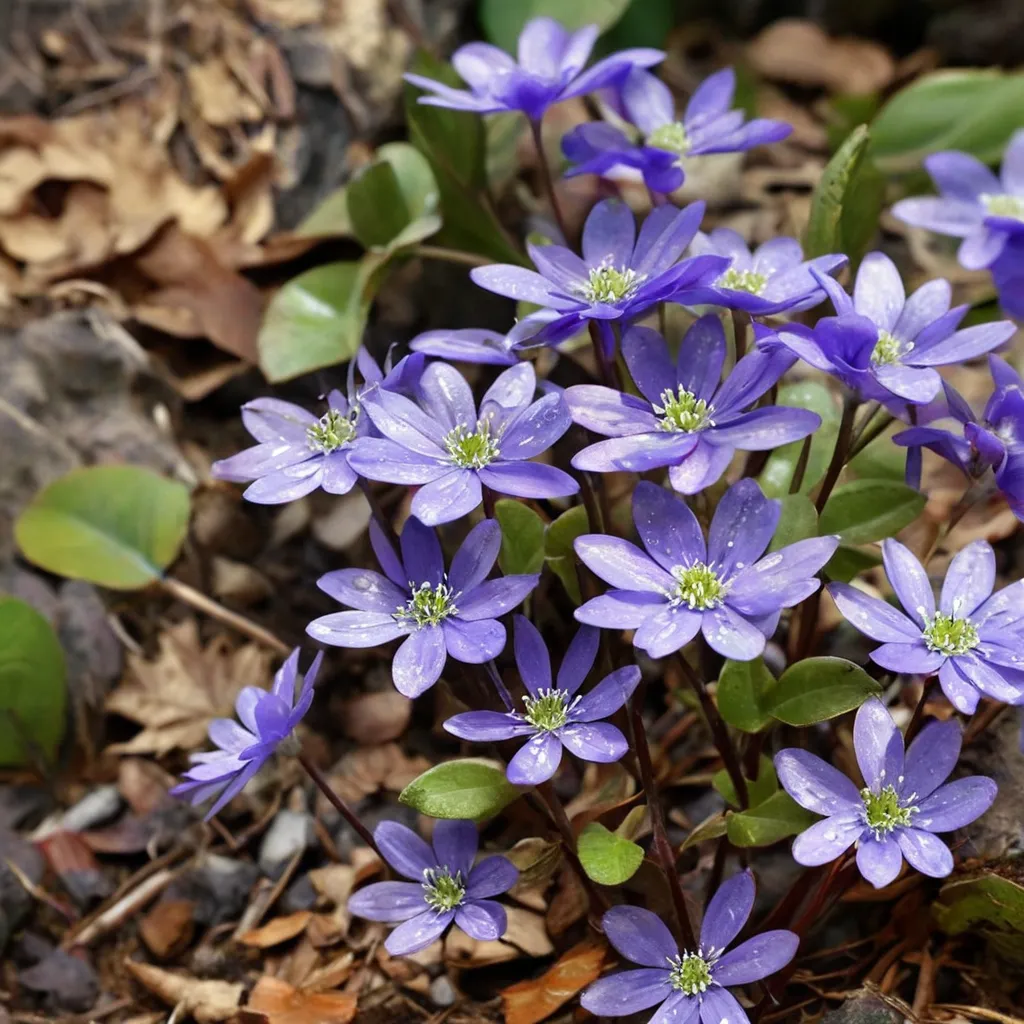
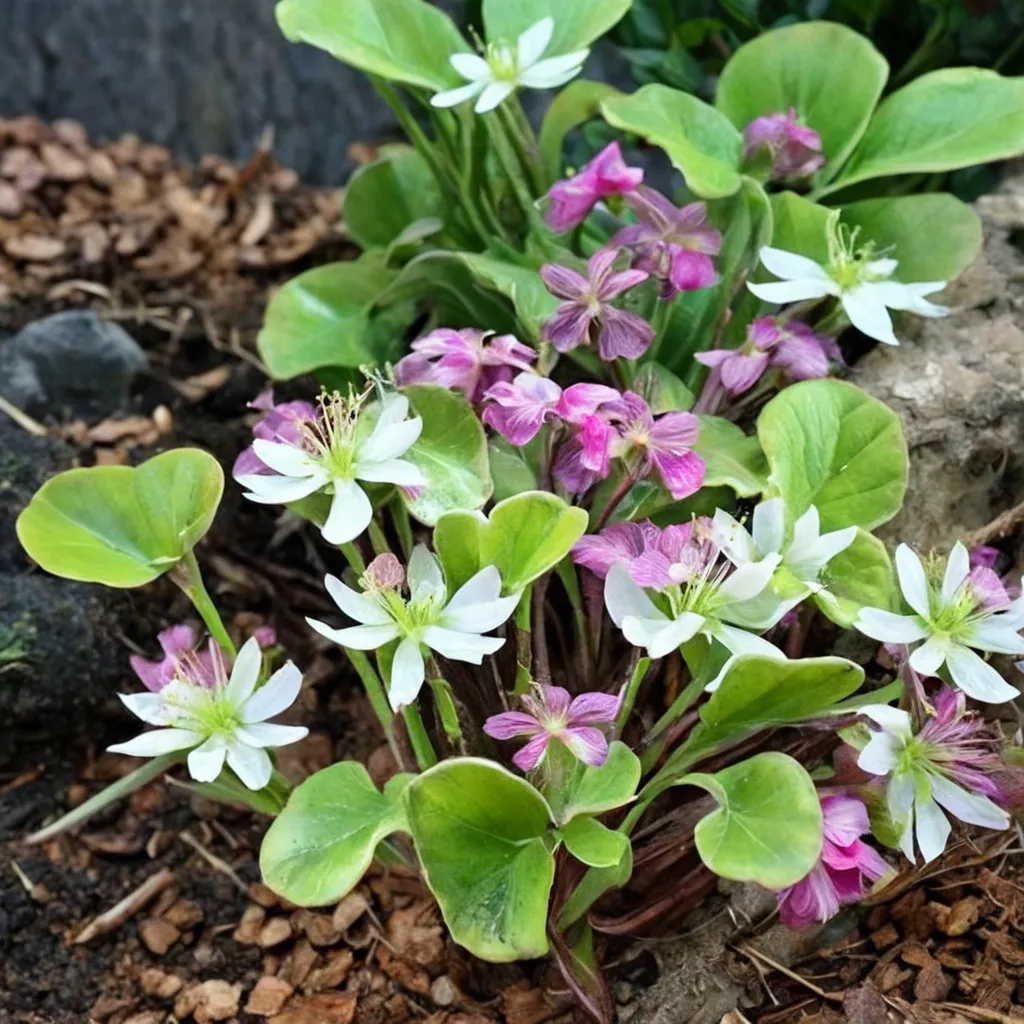
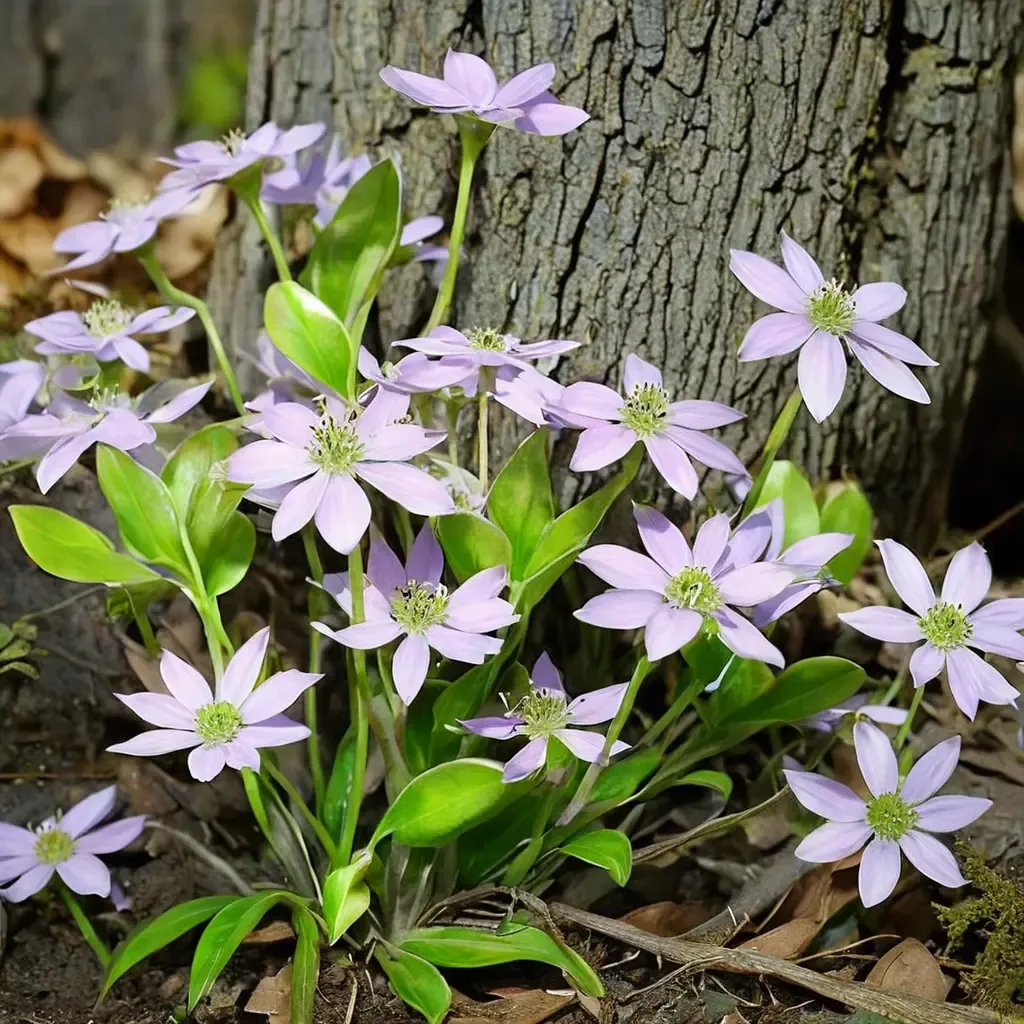
Keep exploring
Explore the genus
Grow Island Hepatica with confidence
See it in a design of your actual yard, get zone-matched care reminders, and track it season by season in your garden journal.