The Story
Plant Bio
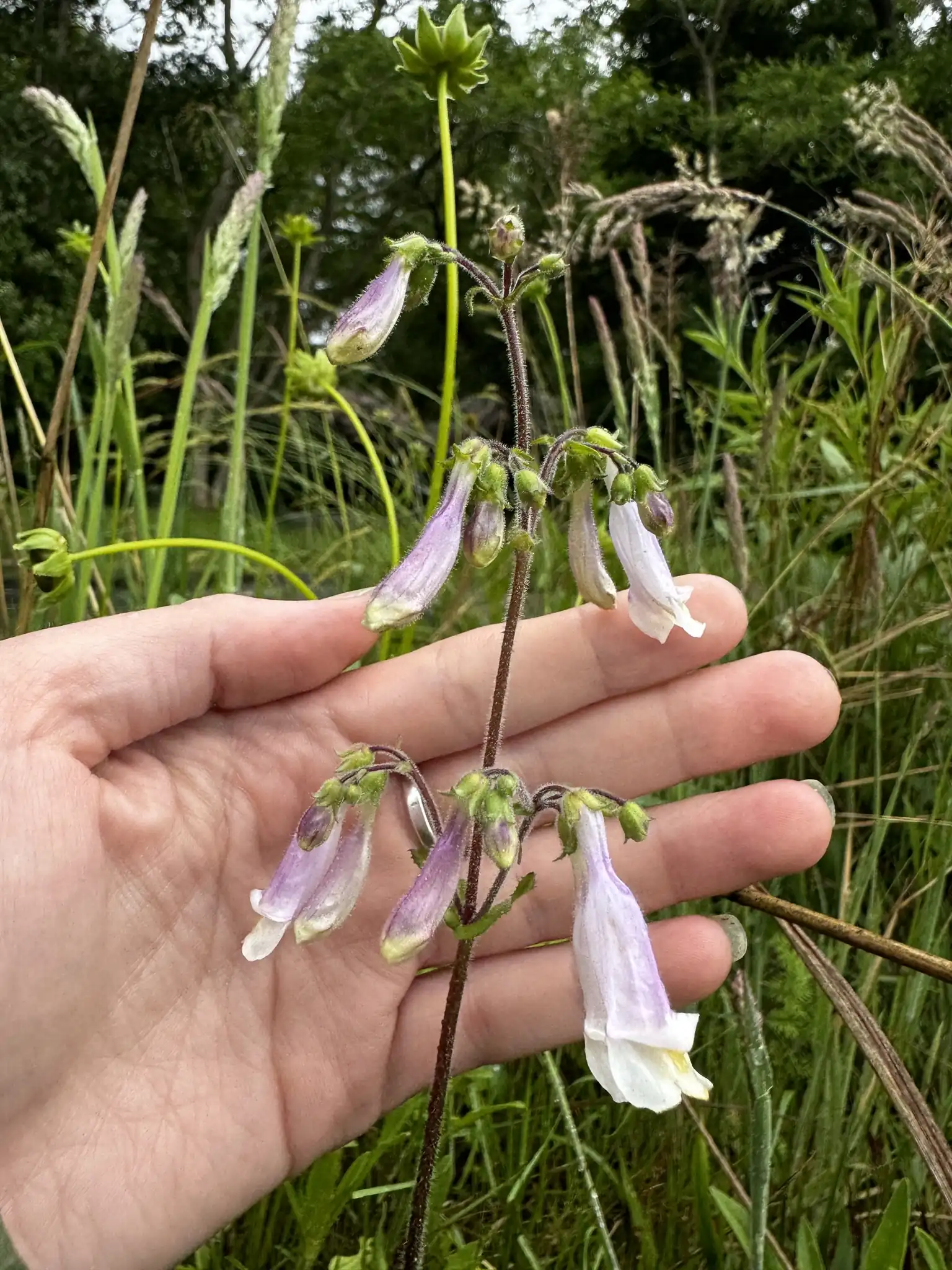
Penstemon hirsutus is a tough, clump-forming perennial native to eastern North America, characterized by its hairy stems and leaves. It produces spikes of tubular, two-lipped flowers that are highly attractive to native pollinators.
As the straight species, this plant offers the authentic genetic resilience and ecological value of a true native. Its soft lavender and white flowers are perfectly adapted for long-tongued bees, making it an excellent choice for wildlife gardens.
Uses & Benefits:
Essentials
At a Glance
Plant Type
Perennial
Height
24"
Width
18"
Light
Full Sun, Partial Sun
Zones
4, 5, 6, 7, 8
Water
Low
Humidity
Adaptable
Lifespan
Short-lived perennial, but self-seeds
Native To
Eastern North America
Toxicity
Non-toxic
Bloom period
Late spring – Mid-summer
In flower about 3 months of the year
Planting
How to Grow
- Select a sunny spot with very well-drained soil
- Amend soil with gravel or sand if drainage is poor
- Dig a hole slightly larger than the root ball
- Set the plant so the crown is at or slightly above soil level
- Backfill with native soil, do not add rich compost
- Water once to settle soil, then water sparingly
Pro Tip
This plant thrives on neglect. Avoid rich soil and fertilizer, and do not overwater, as this can cause fatal root rot.
Keep It Thriving
Care Guide
Do
- Provide sharp drainage; this is critical for survival
- Plant in full sun for the most prolific flowering
- Allow the plant to self-sow to ensure its persistence in the garden
- Mulch with gravel or stone chips instead of organic mulch
Don't
- Do not plant in heavy, wet clay soil
- Avoid fertilizing, especially with high nitrogen formulas
- Don't overwater; it is highly susceptible to root rot
- Do not cover the crown with organic mulch
Seasonal Care Calendar
| Task | Jan | Feb | Mar | Apr | May | Jun | Jul | Aug | Sep | Oct | Nov | Dec |
|---|---|---|---|---|---|---|---|---|---|---|---|---|
| Deadhead | ||||||||||||
| Plant | ||||||||||||
| Spring Cleanup |
Watch Out For
Pests & Diseases
Common Pests
Common Diseases
In the Garden
Landscape Uses & Companions
Landscape Uses
Multiply
Propagation Methods
Good to Know
Common Questions
Hairy Beardtongue questions
What zones can Hairy Beardtongue grow in?
Hairy Beardtongue is hardy in USDA Zones 4–8. Inside that range it survives winter in the ground; outside it, grow it as an annual or a container plant you protect.
Is Hairy Beardtongue deer resistant?
Yes — Hairy Beardtongue is rated deer-resistant. Deer typically pass it over, though extreme hunger can override any plant's defenses.
When does Hairy Beardtongue bloom?
Hairy Beardtongue typically blooms in late spring through mid-summer. Exact timing shifts a week or two with your zone — Sow's bloom calendar maps it to your garden.
Does Hairy Beardtongue need full sun?
Hairy Beardtongue does best in full sun to part shade. In hot climates, afternoon shade keeps blooms fresher longer.
Is Hairy Beardtongue drought tolerant?
Yes — once established (usually after the first full season), Hairy Beardtongue handles dry spells with minimal watering. Water deeply its first year to build the root system that makes that possible.
More Penstemon to compare
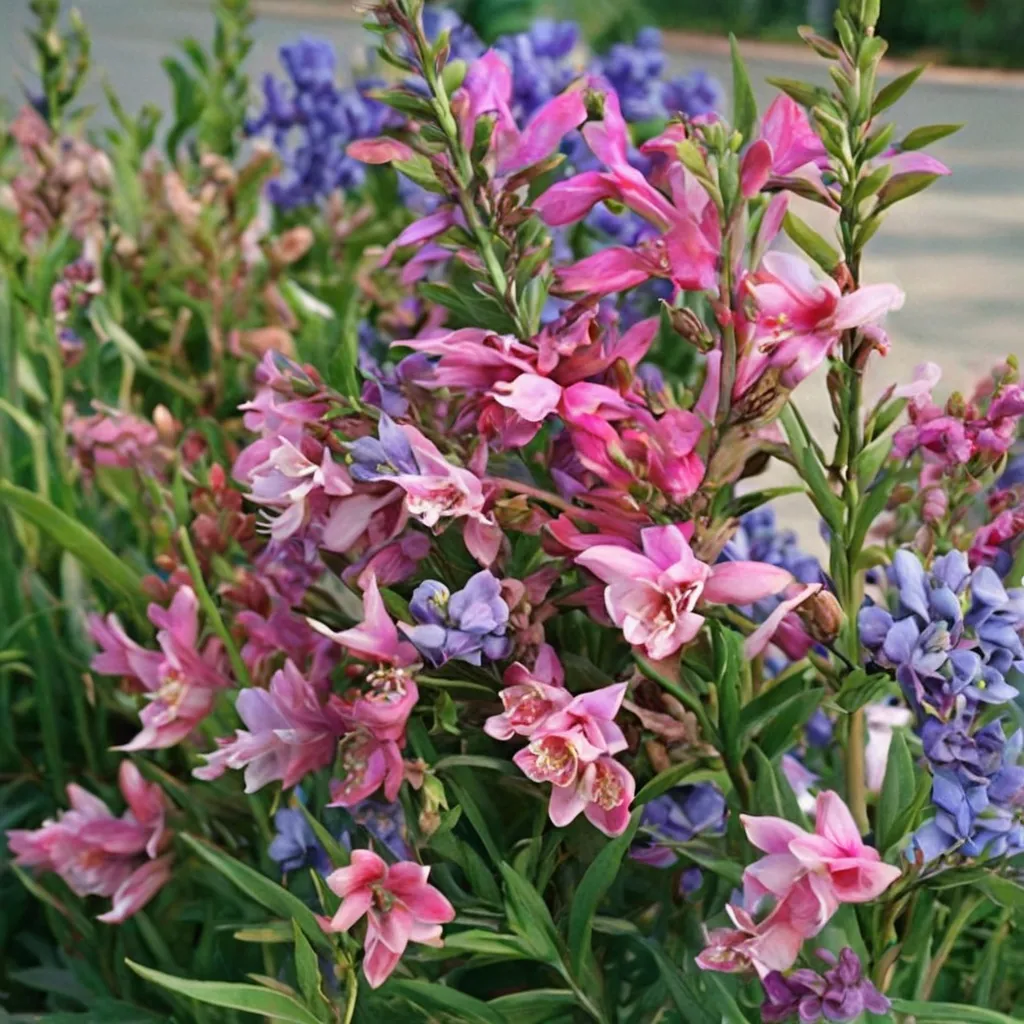
Beardtongue Rondo
Penstemon barbatus 'Rondo'
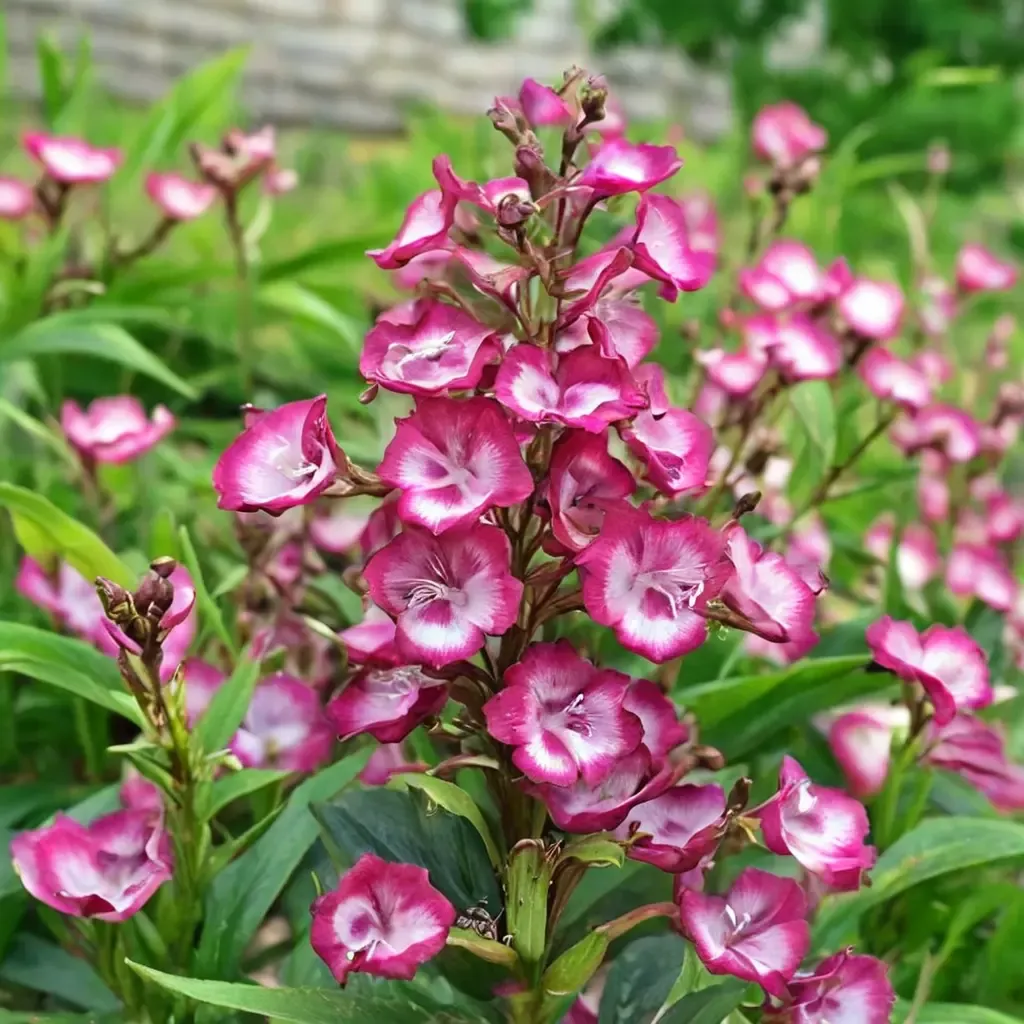
George Home Penstemon
Penstemon digitalis 'George Home'
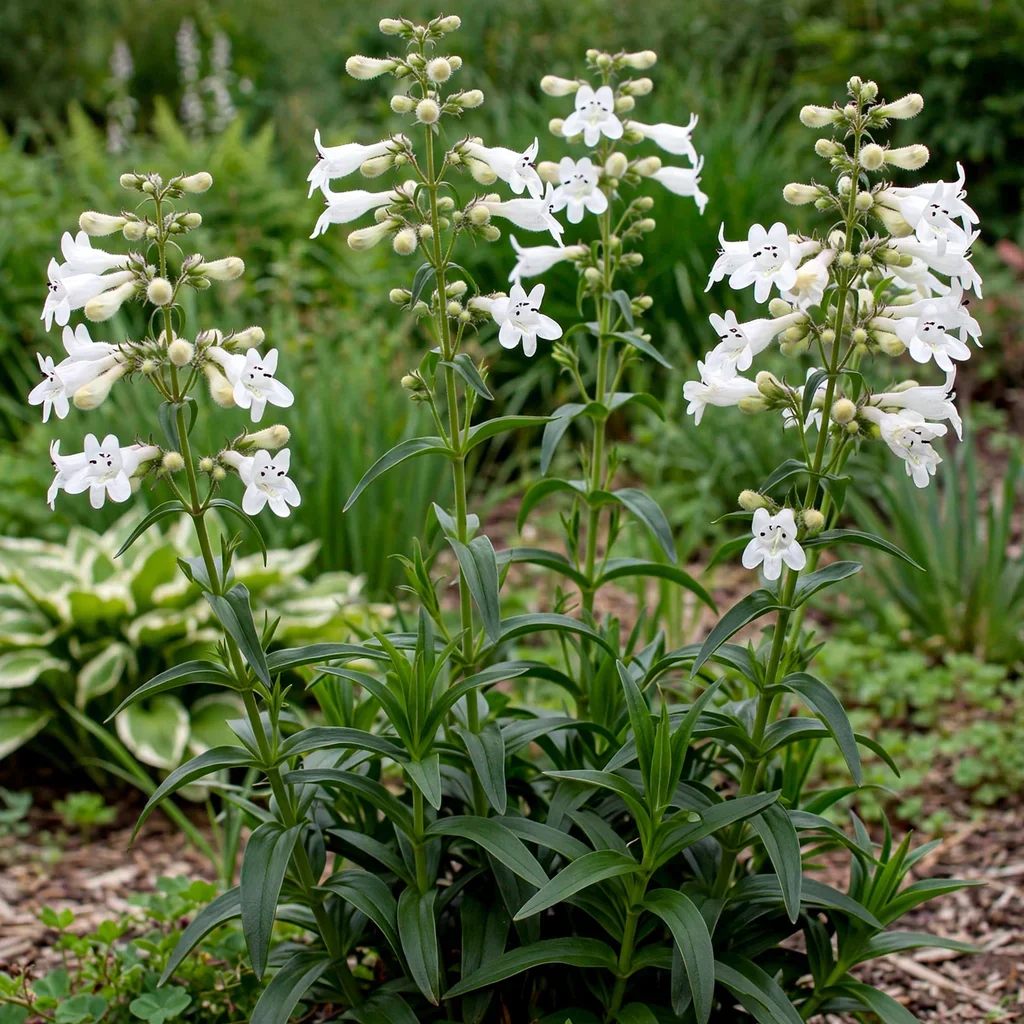
Foxglove Beardtongue
Penstemon digitalis
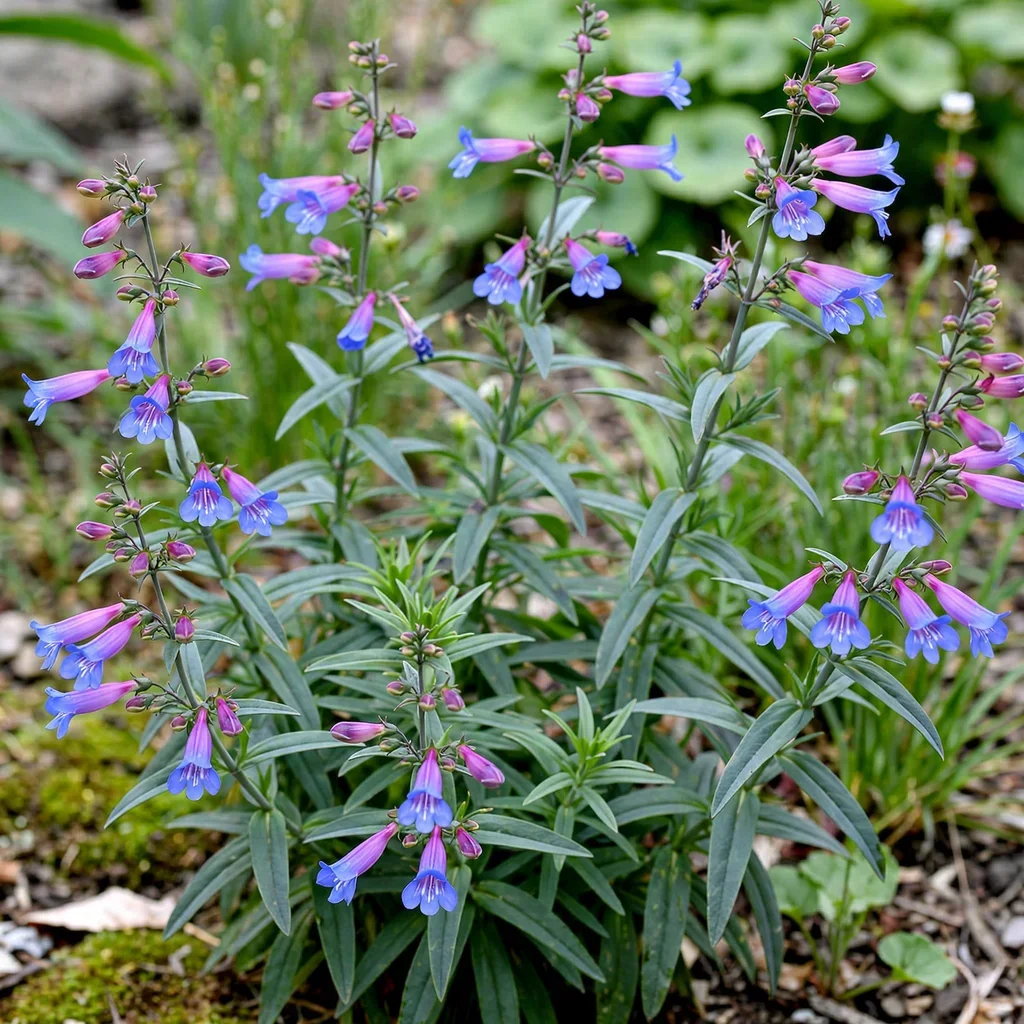
Blue Springs Penstemon
Penstemon heterophyllus 'Blue Springs'
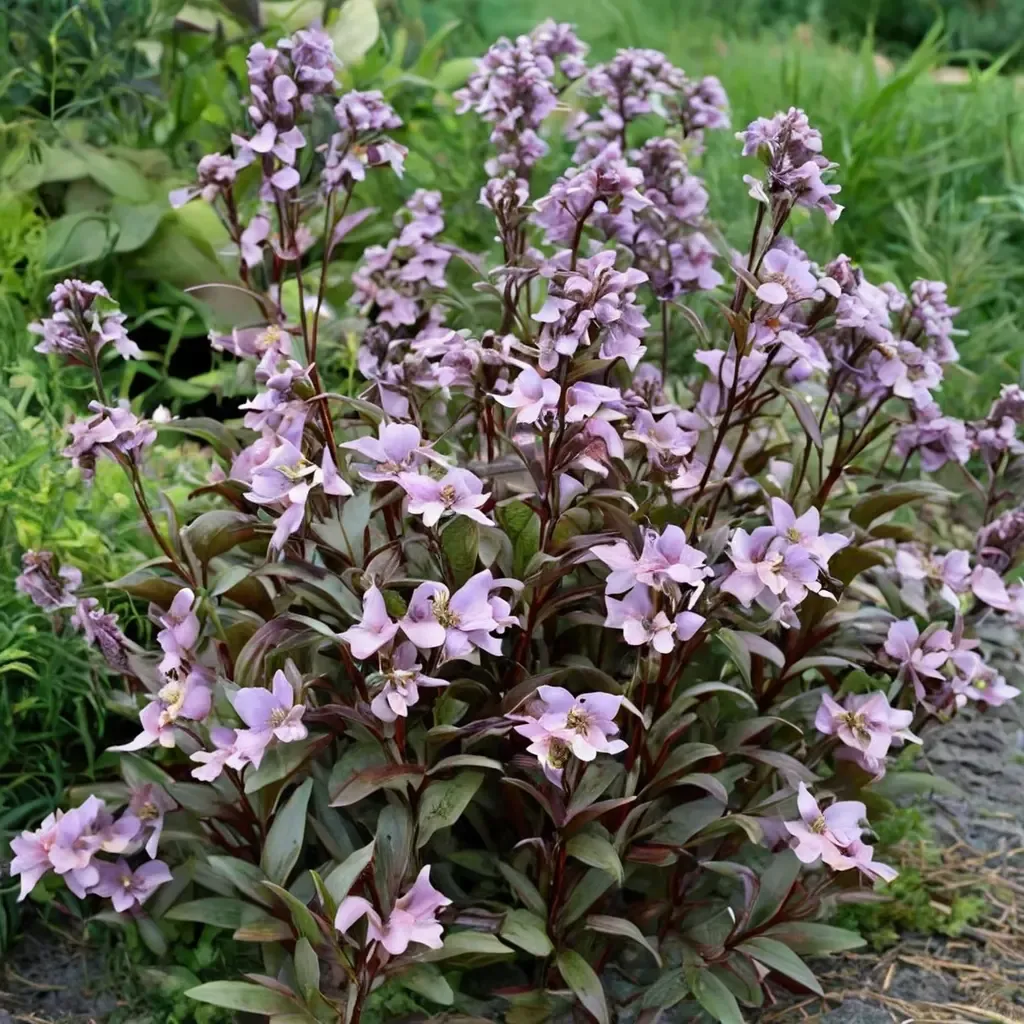
Blackbeard Beardtongue
Penstemon digitalis 'Blackbeard'
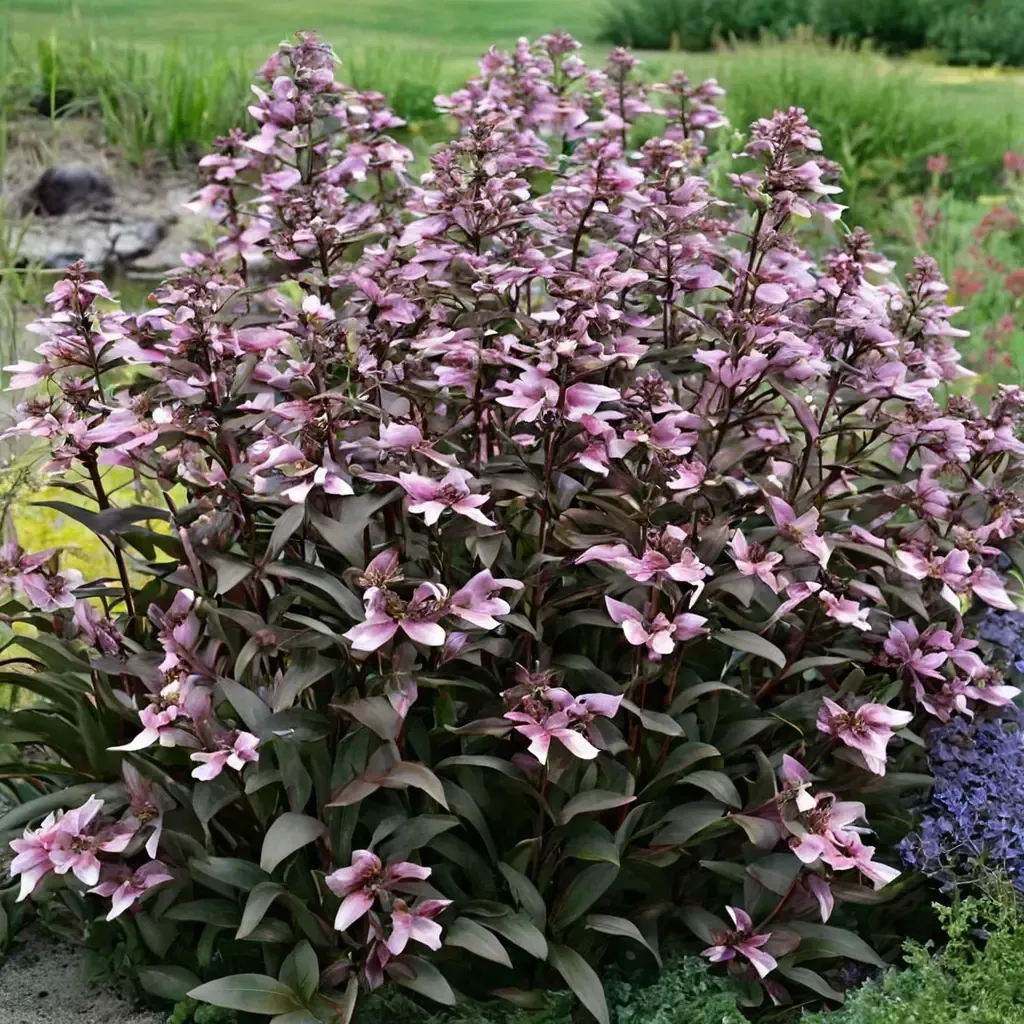
Dark Towers Penstemon
Penstemon digitalis 'Dark Towers'
Keep exploring
Explore the genus
Hardy in your zone?
Grow Hairy Beardtongue with confidence
See it in a design of your actual yard, get zone-matched care reminders, and track it season by season in your garden journal.