
Common Sneezeweed
Helenium hydranchiton
Not currently listed at our partner nurseries.
Essentials
At a Glance
Plant Type
Perennial
Height
48 inches
Width
30 inches
Light
Full Sun
Zones
4, 5, 6, 7, 8
Water
Medium to High
Humidity
Average to High
Lifespan
Perennial
Native To
North America
Toxicity
Toxic if ingested; can cause skin irritation.
The Story
Plant Bio
Helenium autumnale is an upright, clump-forming perennial with stiff, winged stems. It features daisy-like flowers with distinctive wedge-shaped, drooping ray florets surrounding a prominent, dome-like central disk. Native to North American wetlands and moist prairies, it is an excellent choice for rain gardens and naturalized areas. The common name 'sneezeweed' comes from the historical use of its dried leaves to make a snuff that induced sneezing.
Uses & Benefits:
Marketplace
Where to Buy
We couldn't find this plant listed online right now.
Shipping costs Year-round shipping Free shipping
Planting
How to Grow
- Choose a sunny location with well-draining soil to plant Helenium hydranchiton.
- Tuck seeds or seedlings into the soil, spacing them about 18-24 inches apart for airflow.
- Water thoroughly after planting to settle the soil around roots, maintaining consistent moisture.
- Mulch around plants to retain soil moisture and suppress weeds, especially in dry seasons.
- Fertilize with a balanced, slow-release fertilizer in early spring to promote healthy growth.
- Prune back dead or damaged stems in late fall or early spring to encourage bushier growth.
Pro Tip
Ensure good air circulation to prevent powdery mildew and promote healthy flowering.
Keep It Thriving
Care Guide
Do
- Water regularly during dry periods 🌱
- Deadhead spent flowers to encourage more blooms
- Apply mulch to conserve moisture and suppress weeds
- Fertilize once in early spring with a balanced fertilizer
- Provide full sun for optimal flowering
Don't
- Overwater to avoid root rot ❌
- Plant too densely to prevent airflow ❌
- Neglect pruning which encourages disease ❌
- Use heavy clay soil without amendments ❌
- Plant in deep shade for best results ❌
Seasonal Care Calendar
| Task | Jan | Feb | Mar | Apr | May | Jun | Jul | Aug | Sep | Oct | Nov | Dec |
|---|---|---|---|---|---|---|---|---|---|---|---|---|
| Deadhead | ||||||||||||
| Divide | ||||||||||||
| Mulch | ||||||||||||
| Pinch | ||||||||||||
| Spring Cleanup |
Watch Out For
Pests & Diseases
Common Pests
Common Diseases
In the Garden
Landscape Uses & Companions
Landscape Uses
Companion Plants
Multiply
Propagation Methods
Good to Know
Common Questions
Common Sneezeweed questions
What zones can Common Sneezeweed grow in?
Common Sneezeweed is hardy in USDA Zones 4–8. Inside that range it survives winter in the ground; outside it, grow it as an annual or a container plant you protect.
Is Common Sneezeweed deer resistant?
Yes — Common Sneezeweed is rated deer-resistant. Deer typically pass it over, though extreme hunger can override any plant's defenses.
When does Common Sneezeweed bloom?
Common Sneezeweed typically blooms in late summer to fall through early fall. Exact timing shifts a week or two with your zone — Sow's bloom calendar maps it to your garden.
Does Common Sneezeweed need full sun?
Common Sneezeweed does best in full sun (6+ hours).
More Helenium to compare
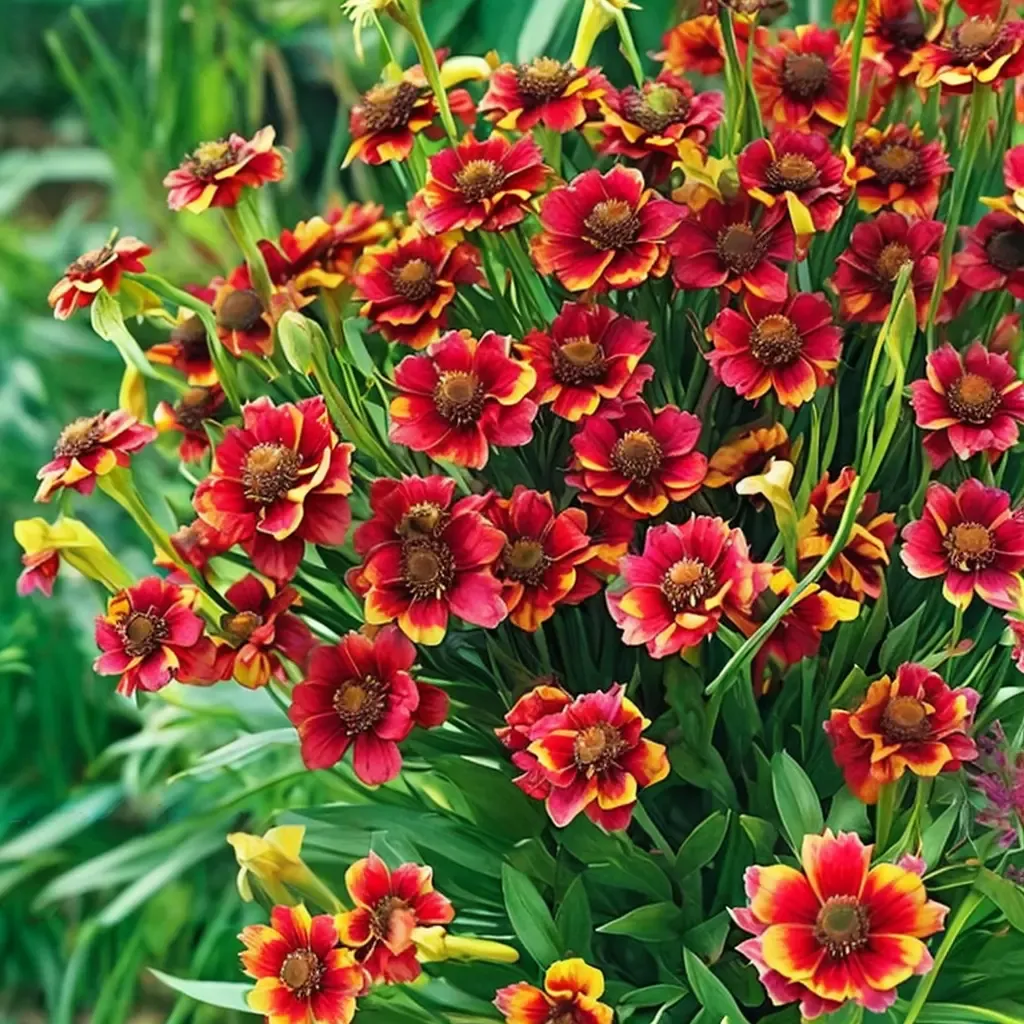
Sneezeweed 'Hot Lava'
Helenium autumnale 'Hot Lava'
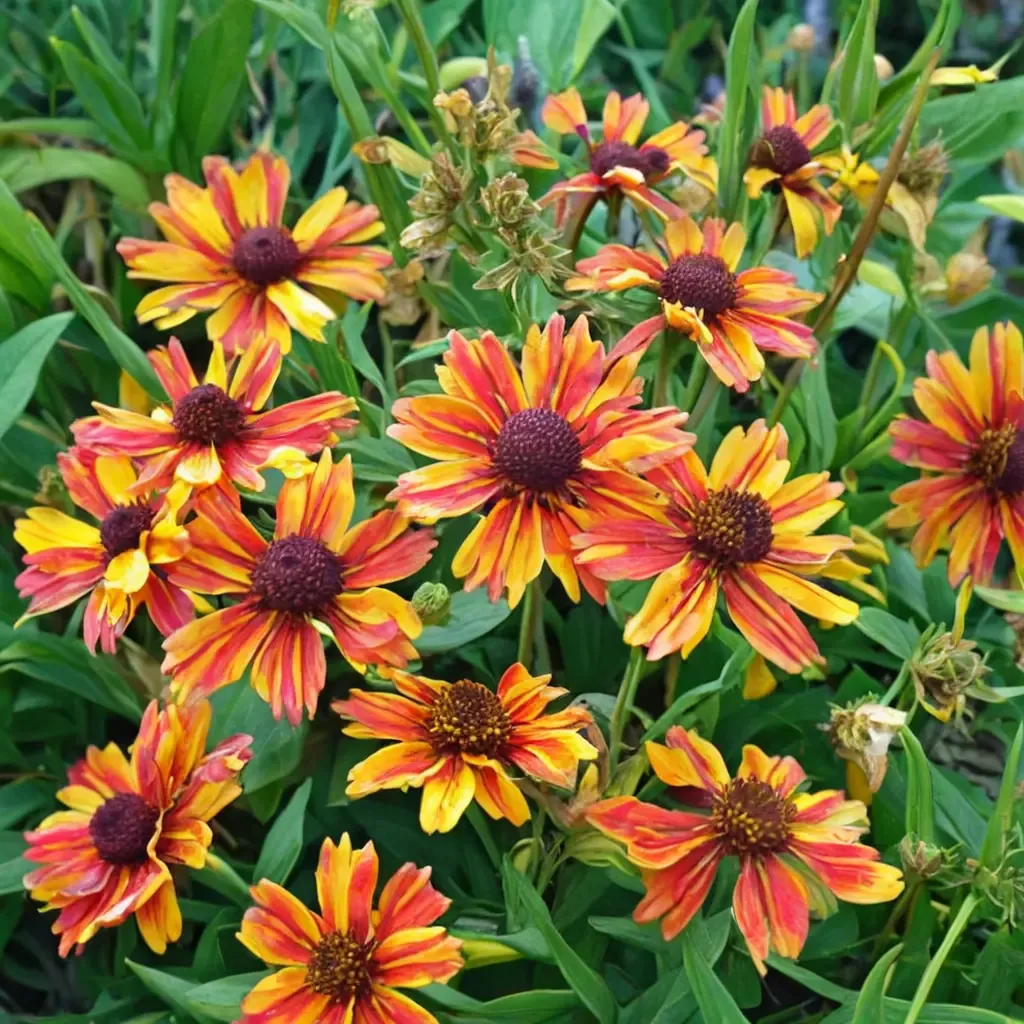
Waltraut Sneezeweed
Helenium amarum 'Waltraut'
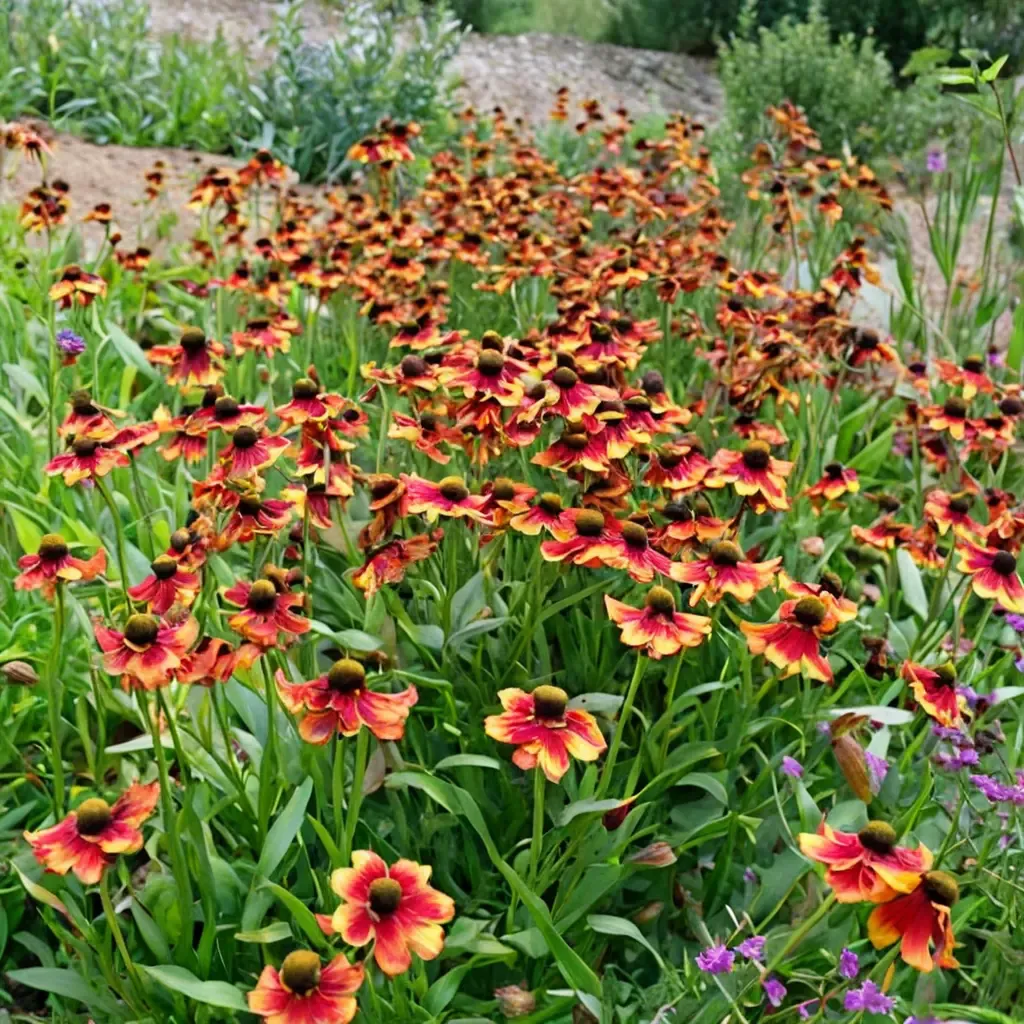
Moerheim Beauty Sneezeweed
Helenium autumnale 'Moerheim Beauty'
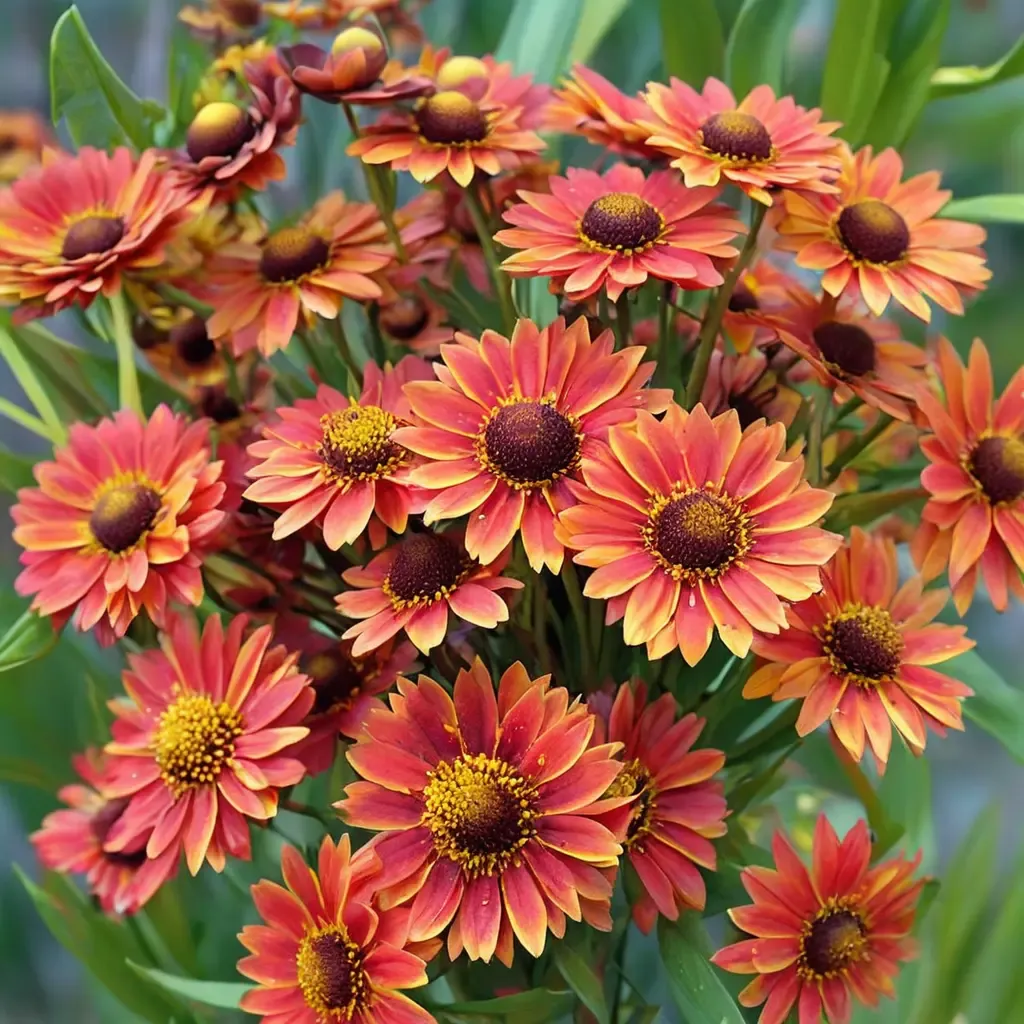
Red Shades Sneezeweed
Helenium autumnale 'Red Shades'
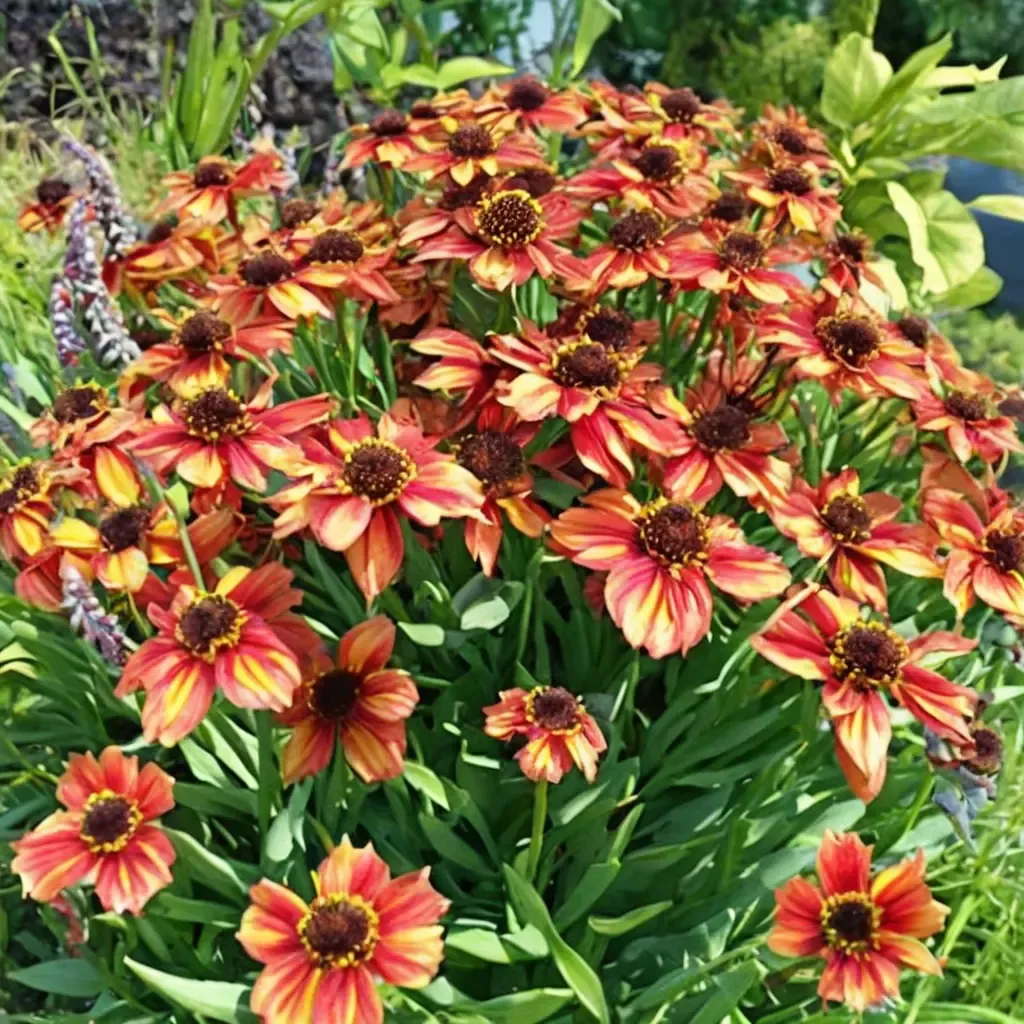
Rubyland Sneezeweed
Helenium autumnale 'Rubinzwerg'
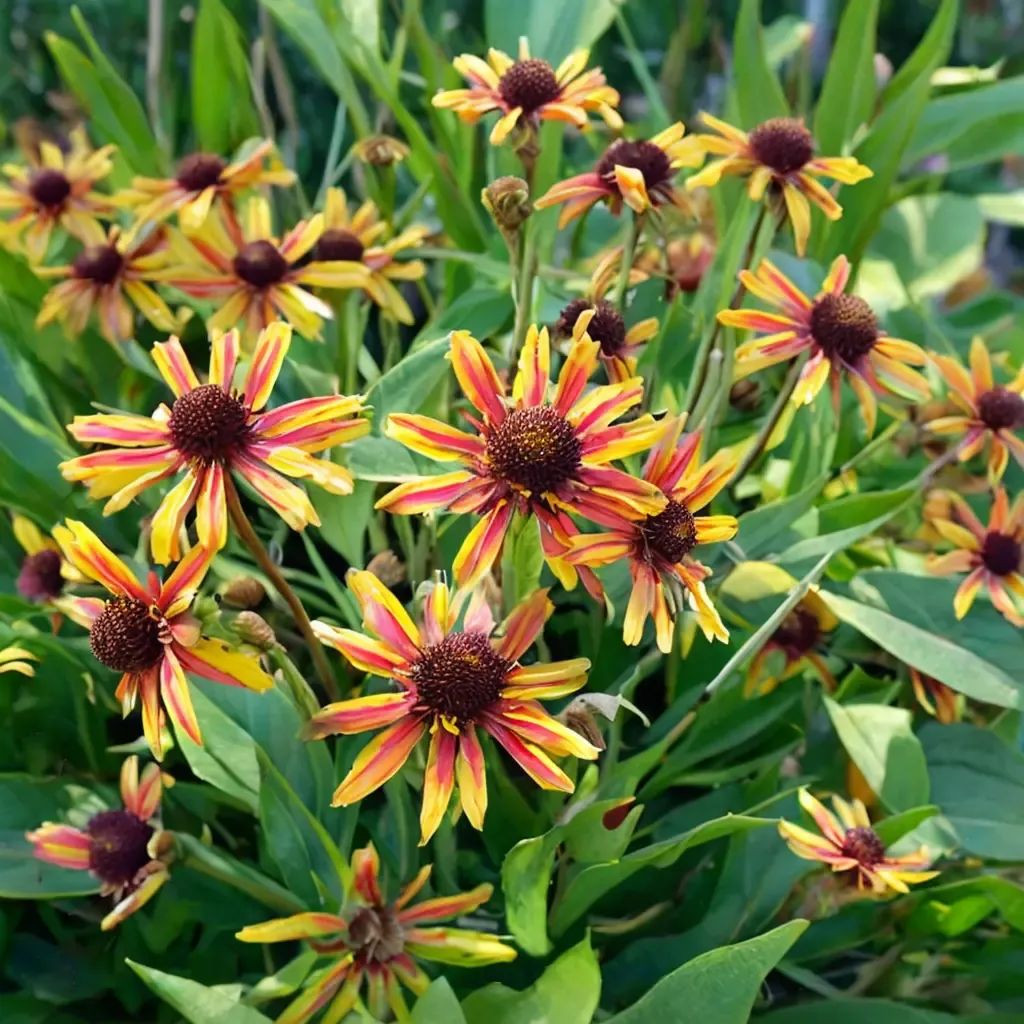
Loysder Wieck sneezeweed
Helenium autumnale 'Loysder Wieck'
Keep exploring
Explore the genus
Collections featuring this plant
Hardy in your zone?
Grow Common Sneezeweed with confidence
See it in a design of your actual yard, get zone-matched care reminders, and track it season by season in your garden journal.