The Story
Plant Bio
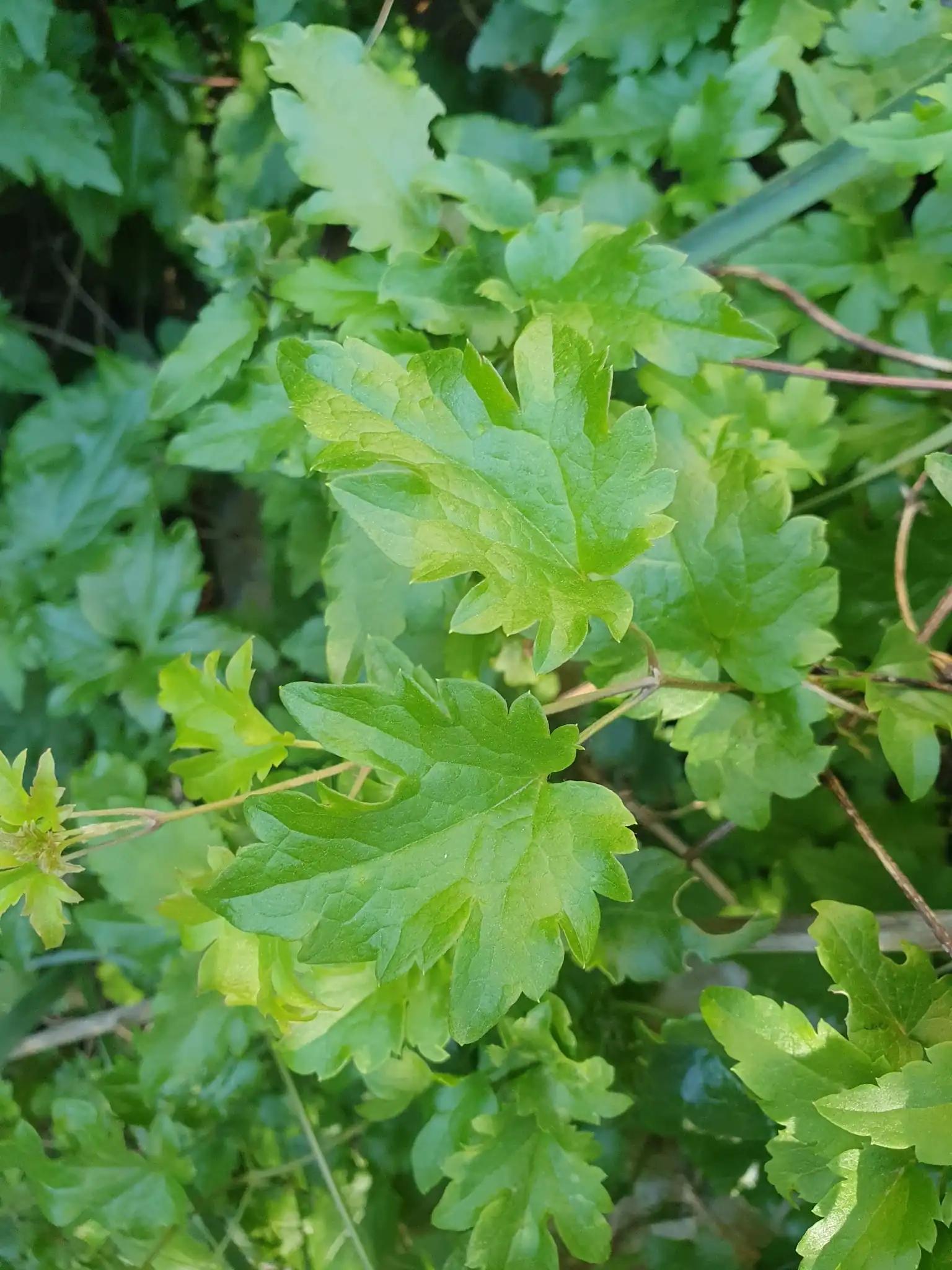
A vigorous, evergreen climber with finely-divided, dark green leaves that may take on bronze tints in winter. Produces fragrant, nodding, bell-shaped flowers from late autumn to early spring.
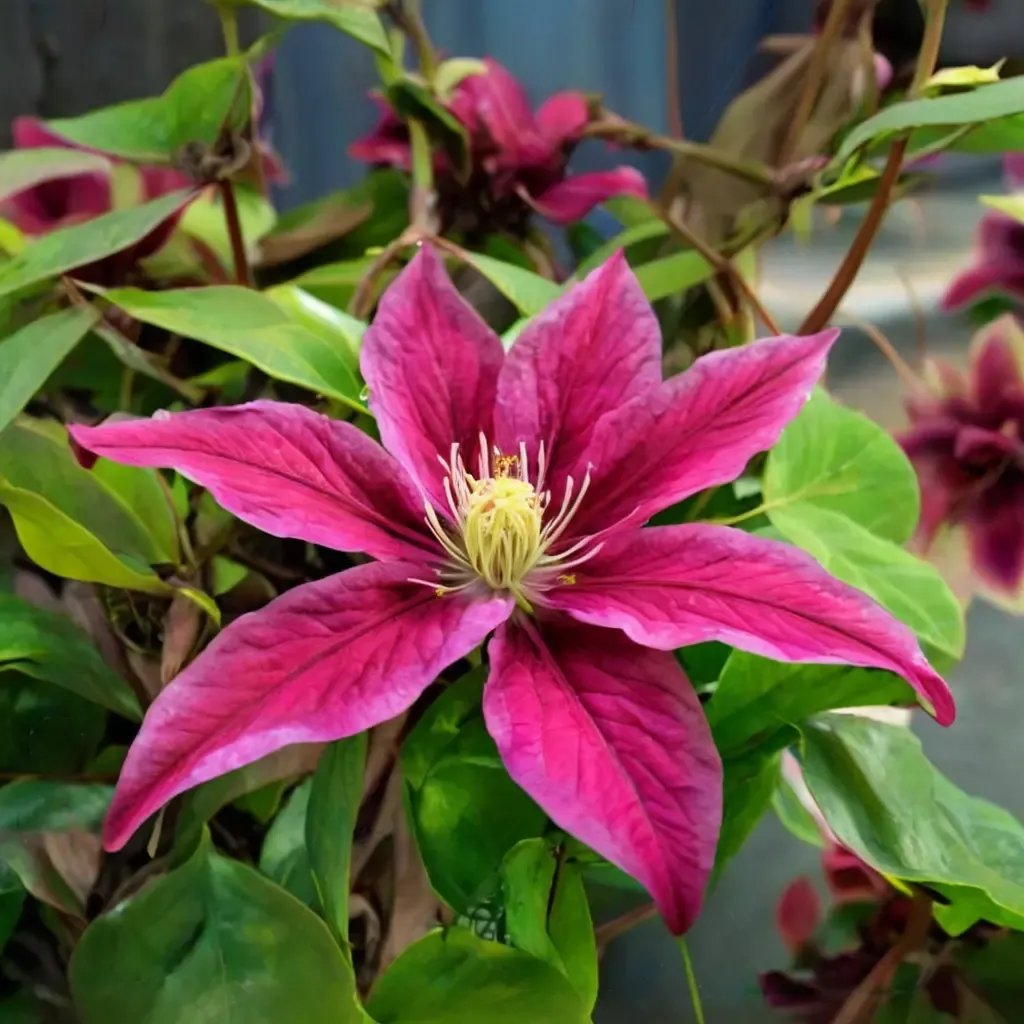
The creamy-yellow, bell-shaped flowers are distinctively and heavily speckled and flushed inside with reddish-pink, creating a warm, sunset-like effect. The fluffy, silky seed heads that follow are also ornamental.
Uses & Benefits:
Essentials
At a Glance
Plant Type
Vine
Height
120"
Width
48"
Light
Full Sun, Partial Sun
Zones
7, 8, 9, 10
Water
Moderate
Humidity
Moderate
Lifespan
Decades
Native To
Mediterranean region
Toxicity
Mildly toxic if ingested
Bloom period
Late autumn to early spring – Early spring
In flower about 5 months of the year
Planting
How to Grow
- Choose a well-drained, fertile soil with neutral to slightly alkaline pH.
- Tuck roots in mulch or soil at the base to protect from extreme temperatures.
- Tuck seeds or cuttings in early spring for best germination.
- Mist cuttings regularly to maintain humidity and encourage rooting.
- Train vines on a trellis or support structure as they grow.
- Water consistently, especially during dry spells, for vigorous growth.
Pro Tip
Provide a sturdy support for climbing and prune after flowering for better shape.
Keep It Thriving
Care Guide
Do
- Water regularly during growing season 🌱
- Prune after flowering to promote bushier growth
- Apply balanced fertilizer in spring
- Mulch to retain soil moisture
- Support climbing stems with trellises
Don't
- Avoid overwatering to prevent root rot ❌
- Do not prune in late fall or winter
- Never let soil dry out completely
- Avoid planting in deep shade
- Refrain from using high nitrogen fertilizers
Seasonal Care Calendar
| Task | Jan | Feb | Mar | Apr | May | Jun | Jul | Aug | Sep | Oct | Nov | Dec |
|---|---|---|---|---|---|---|---|---|---|---|---|---|
| Fertilize | ||||||||||||
| Mulch | ||||||||||||
| Pest Check | ||||||||||||
| Plant | ||||||||||||
| Prune |
Watch Out For
Pests & Diseases
Common Pests
Common Diseases
In the Garden
Landscape Uses & Companions
Landscape Uses
Companion Plants
Multiply
Propagation Methods
Good to Know
Common Questions
Sunset Fern-leaved Clematis questions
What zones can Sunset Fern-leaved Clematis grow in?
Sunset Fern-leaved Clematis is hardy in USDA Zones 7–10: in that range it survives winter in the ground. Colder than Zone 7, grow it in a container you can move to shelter for the winter, or as an annual.
Is Sunset Fern-leaved Clematis deer resistant?
Yes — Sunset Fern-leaved Clematis is rated deer-resistant. Deer typically pass it over, though extreme hunger can override any plant's defenses.
When does Sunset Fern-leaved Clematis bloom?
Sunset Fern-leaved Clematis typically blooms from late fall to early spring. Exact timing shifts a week or two with your zone — Sow's bloom calendar maps it to your garden.
Does Sunset Fern-leaved Clematis need full sun?
Sunset Fern-leaved Clematis does best in full sun to part shade. In hot climates, afternoon shade keeps blooms fresher longer.
Is Sunset Fern-leaved Clematis drought tolerant?
Yes — once established (usually after the first full season), Sunset Fern-leaved Clematis handles dry spells with minimal watering. Water deeply its first year to build the root system that makes that possible.
More Clematis to compare
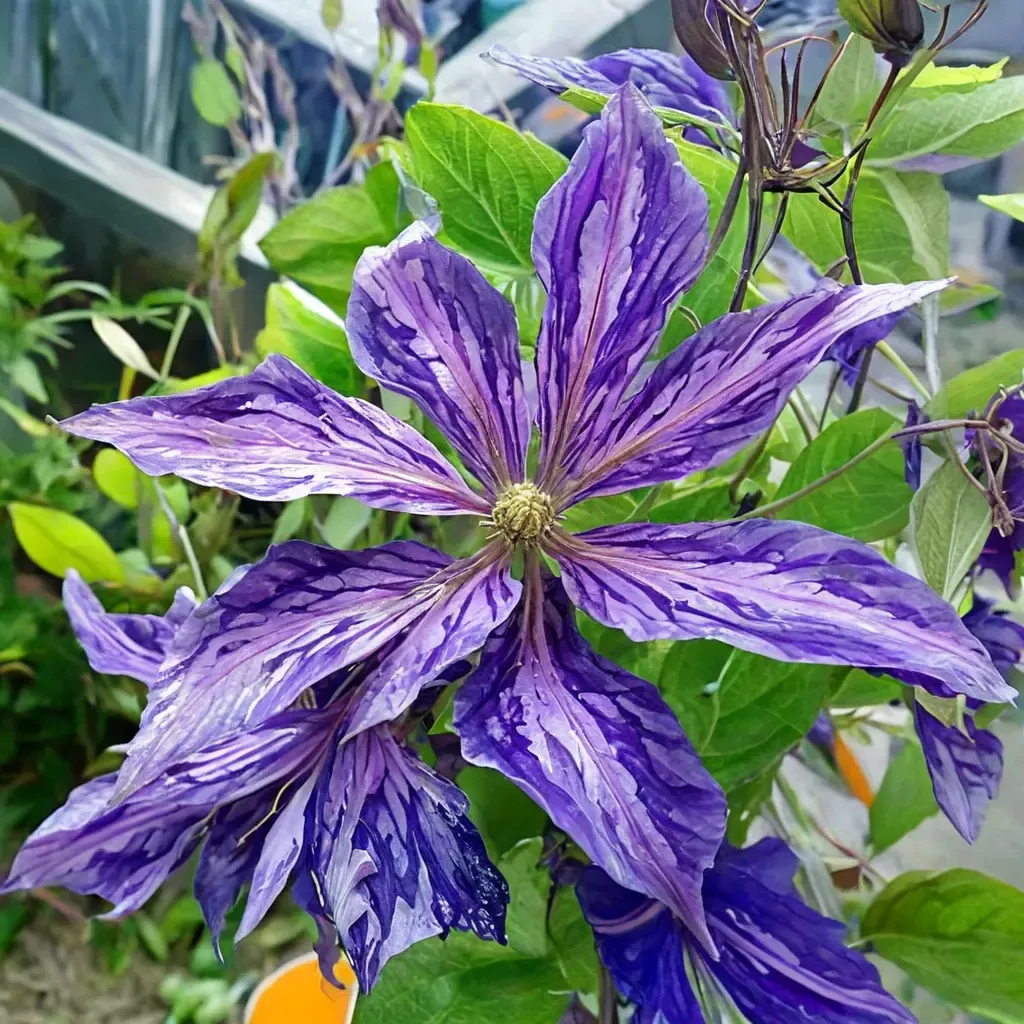
Tie Dye Clematis
Clematis viticella 'Tie Dye'
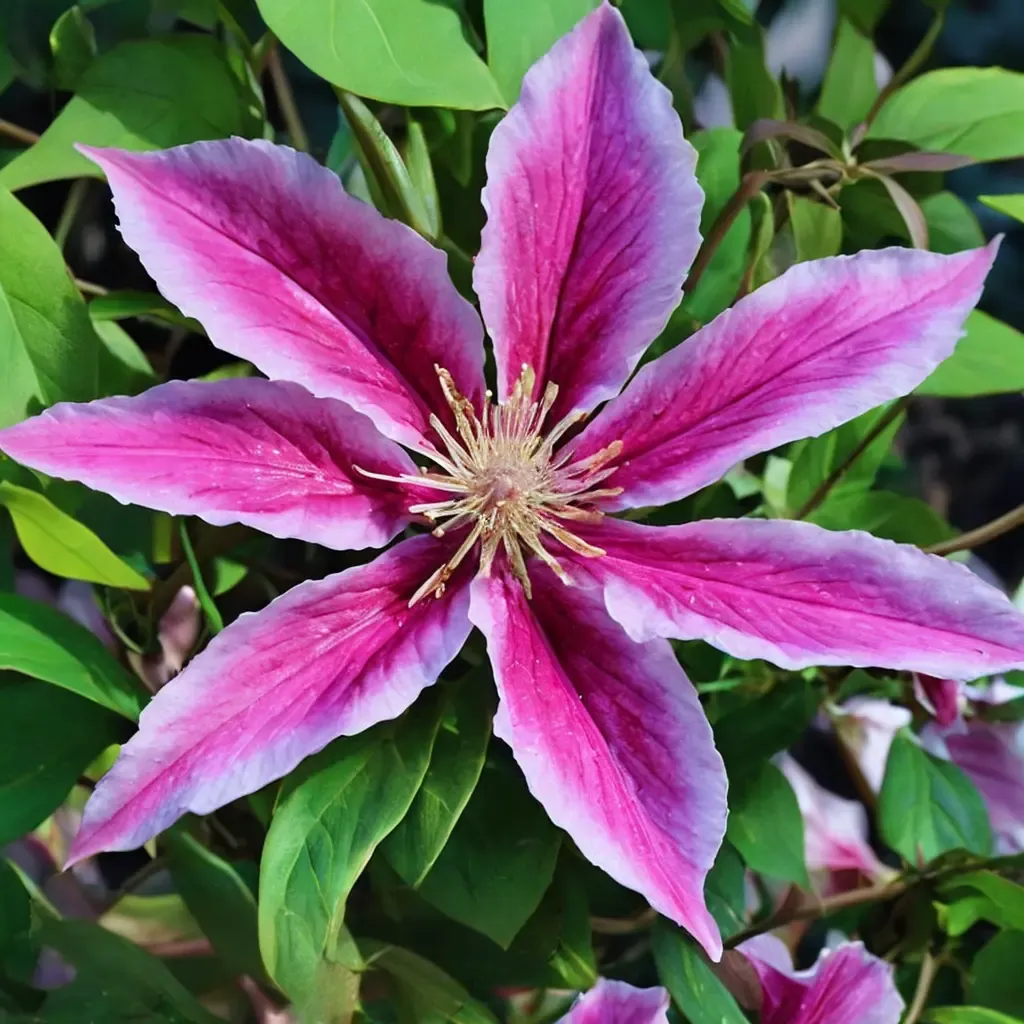
Dr. Ruppel Clematis
Clematis x jackmanii 'Dr Ruppel'
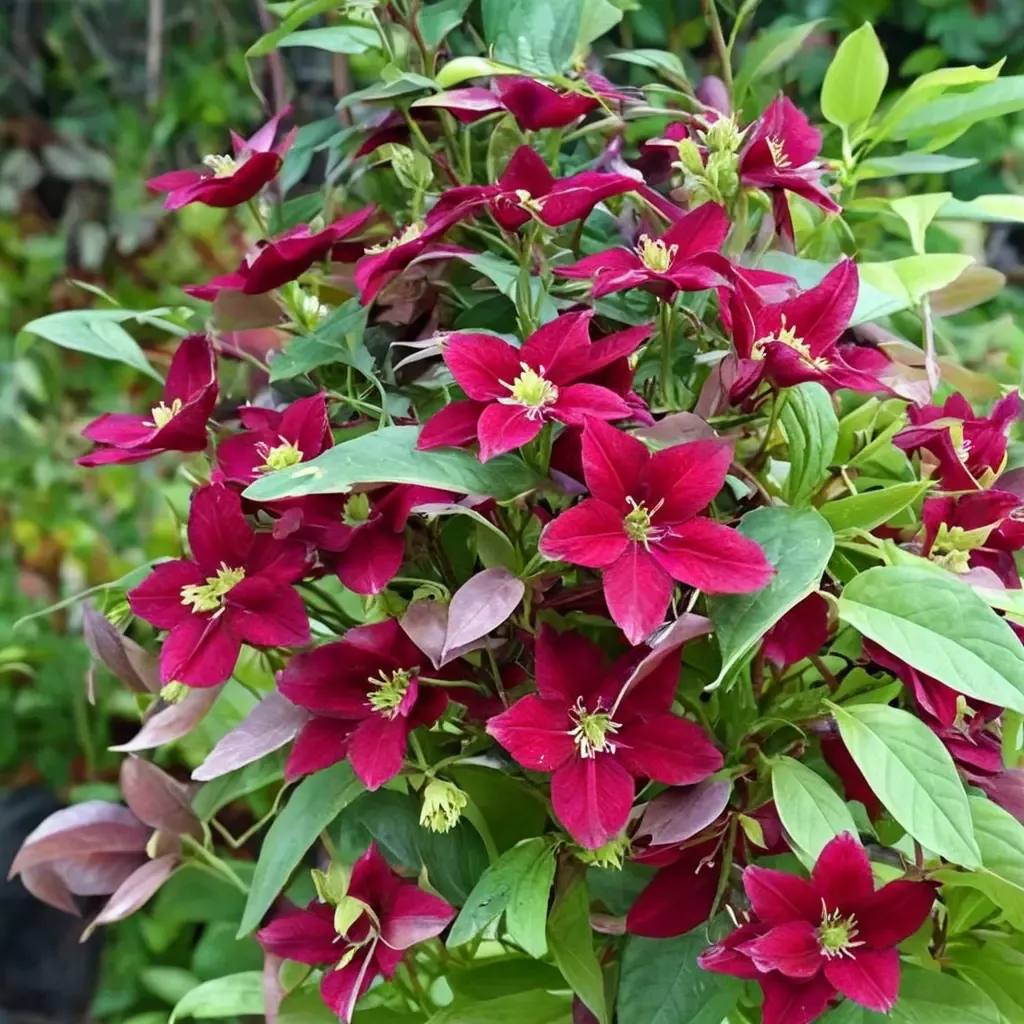
Burning Love Clematis
Clematis x cartmanii 'Burning Love'
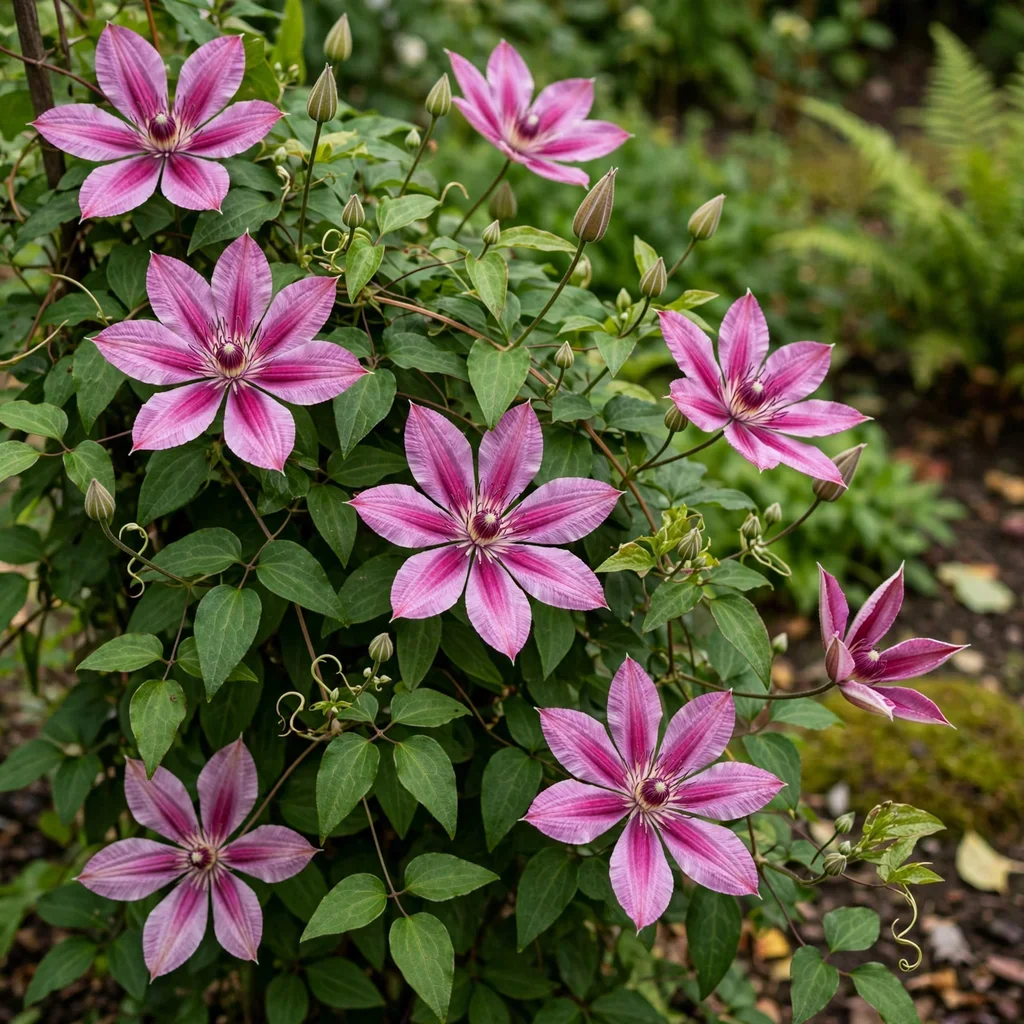
Yuan Clematis
Clematis viticella 'Yuan'
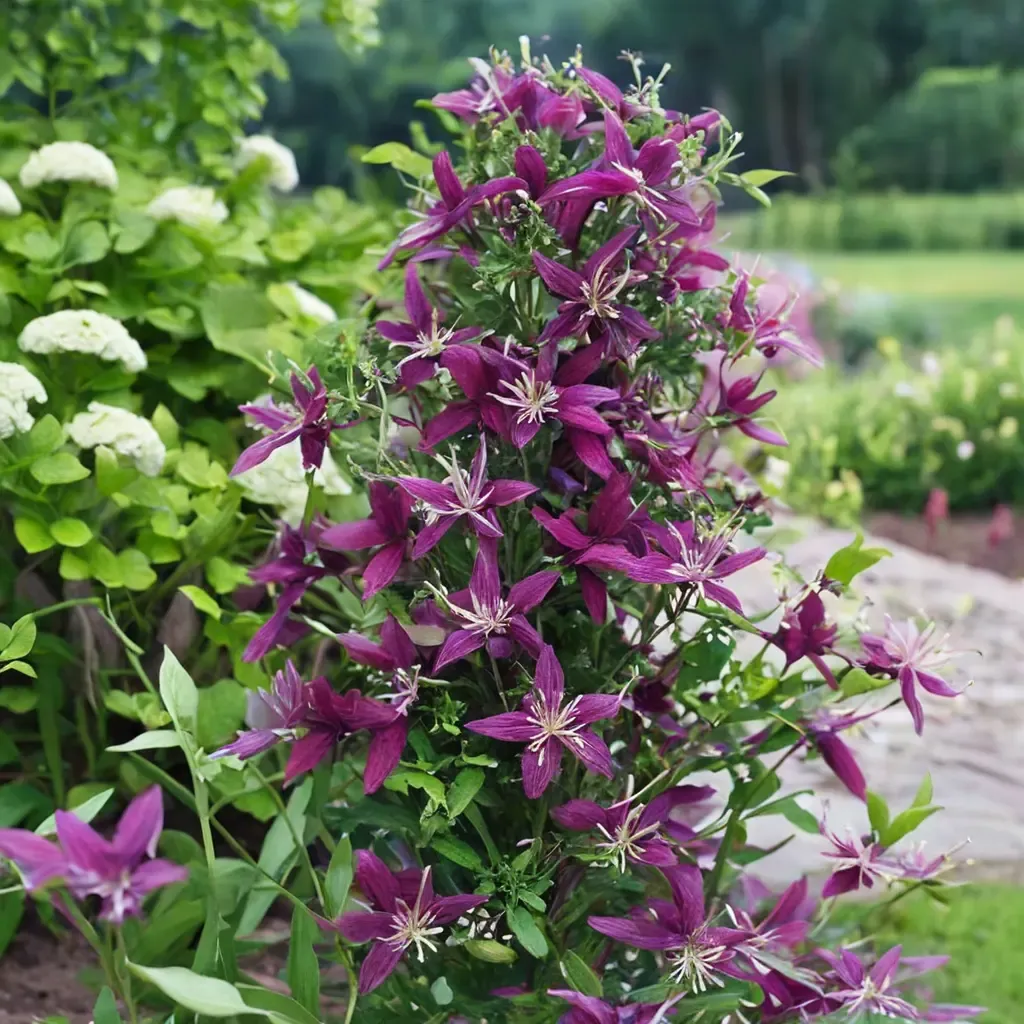
Sweet Summer Love Clematis
Clematis x hybrida 'Sweet Summer Love'
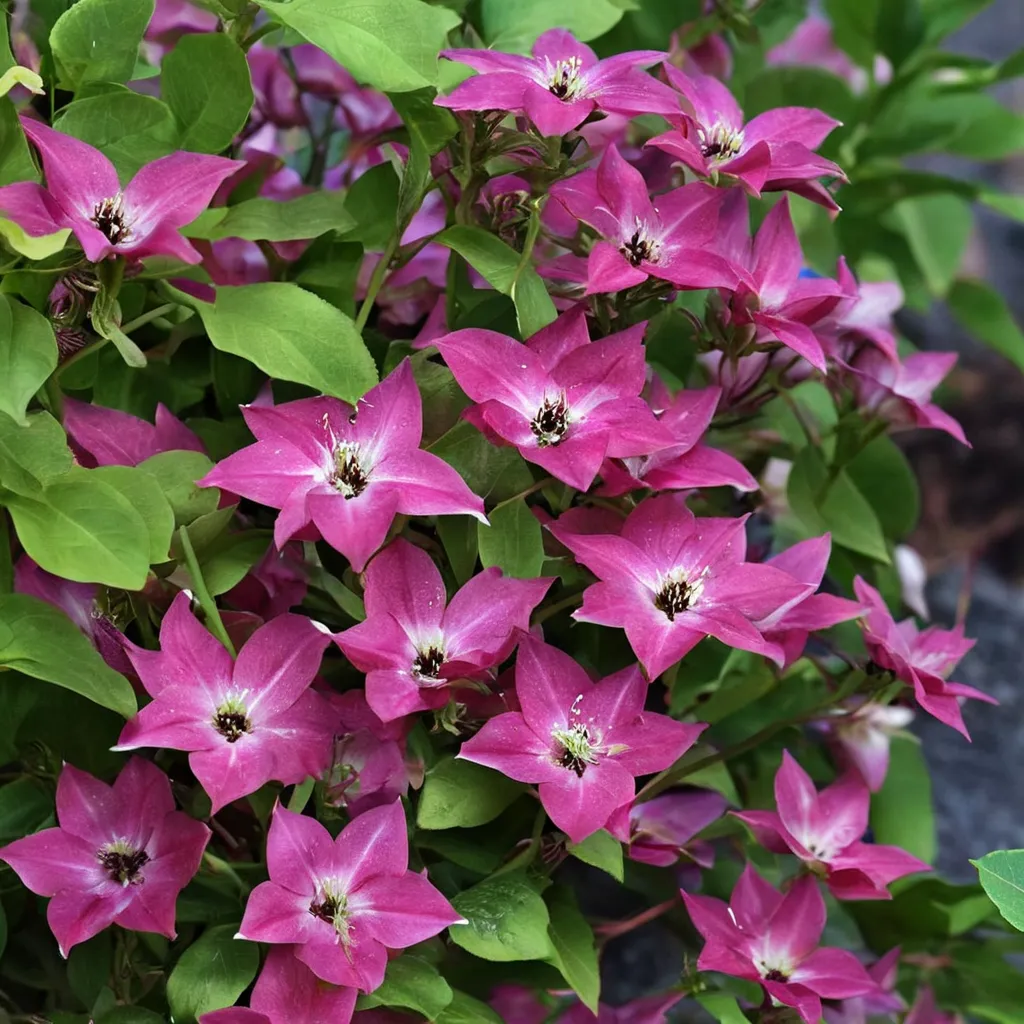
Viva Polonia Clematis
Clematis x hybrida 'Viva Polonia'
Keep exploring
Hardy in your zone?
Grow Sunset Fern-leaved Clematis with confidence
See it in a design of your actual yard, get zone-matched care reminders, and track it season by season in your garden journal.