
Species
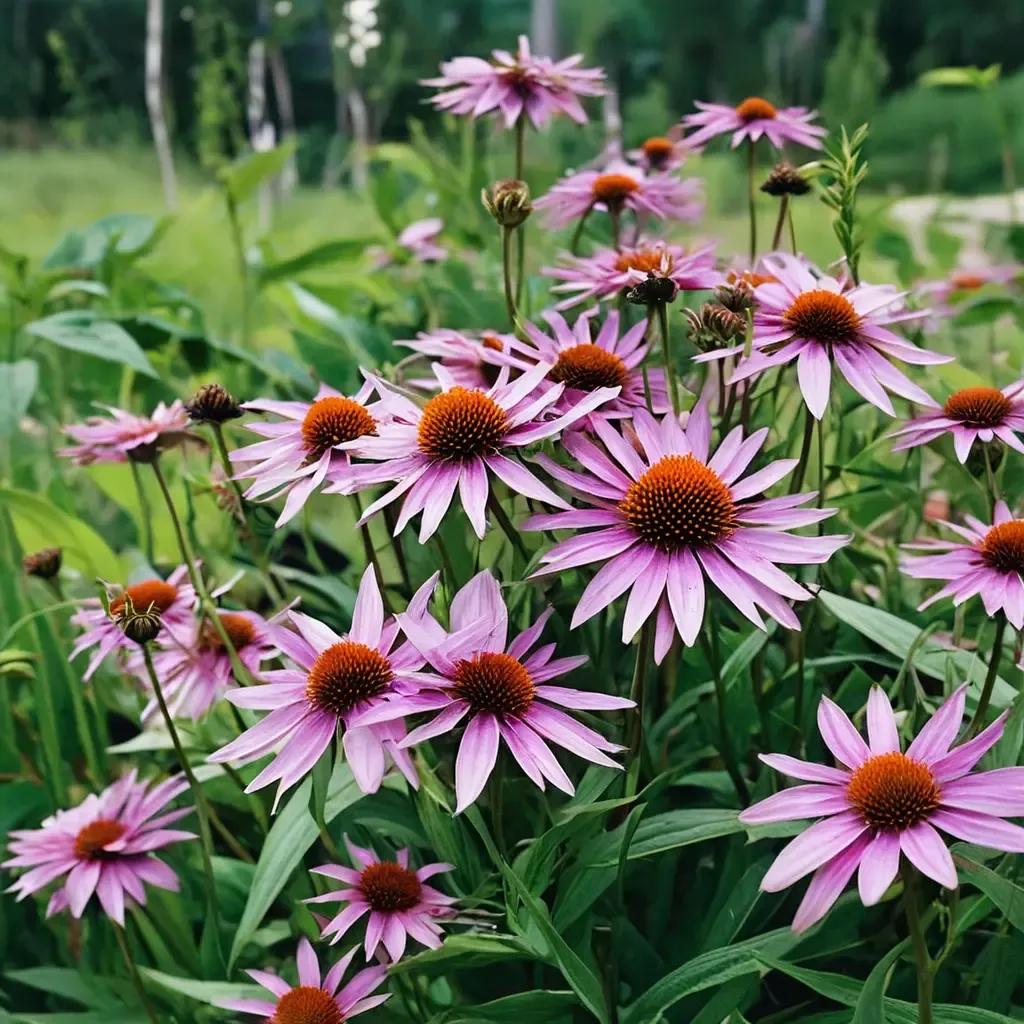 Echinacea purpureaPurple Coneflower
146 other cultivars
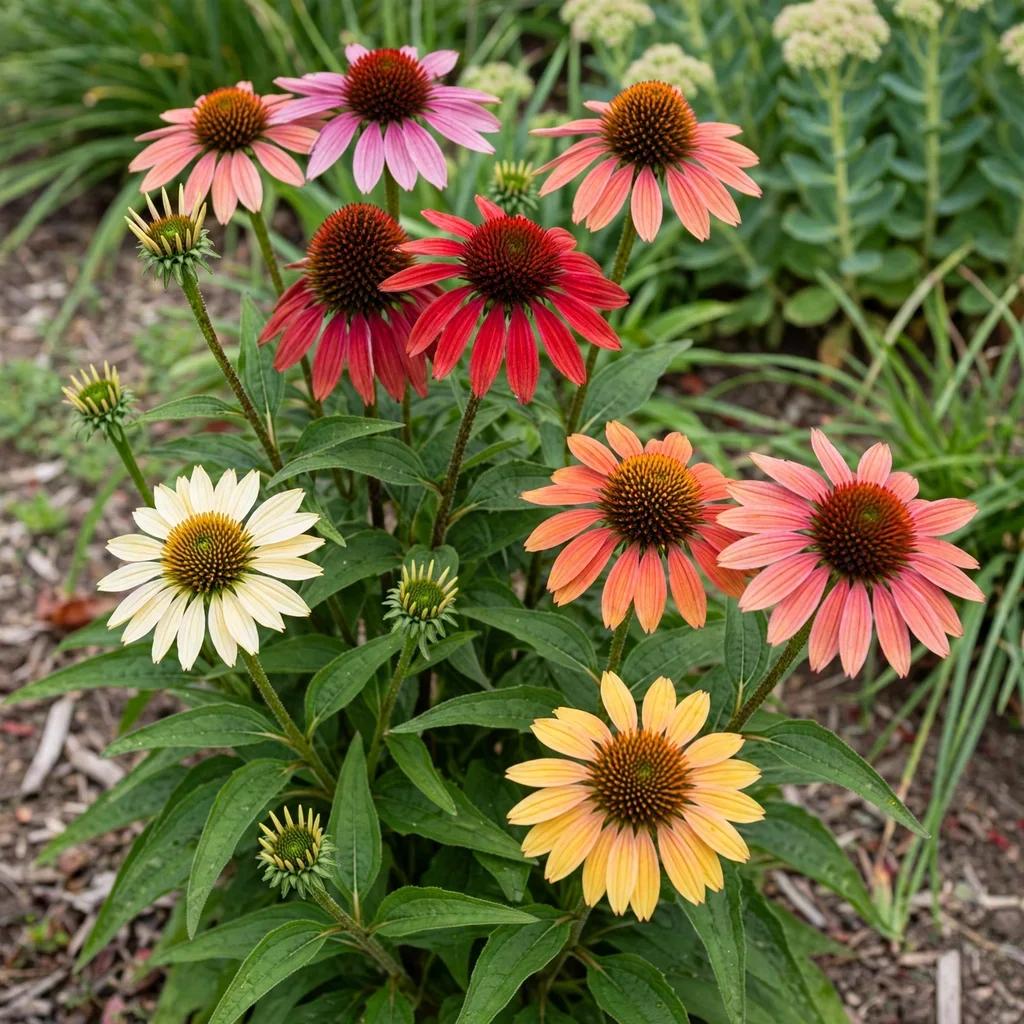 ‘Cheyenne Spirit’Cheyenne Spirit Coneflower
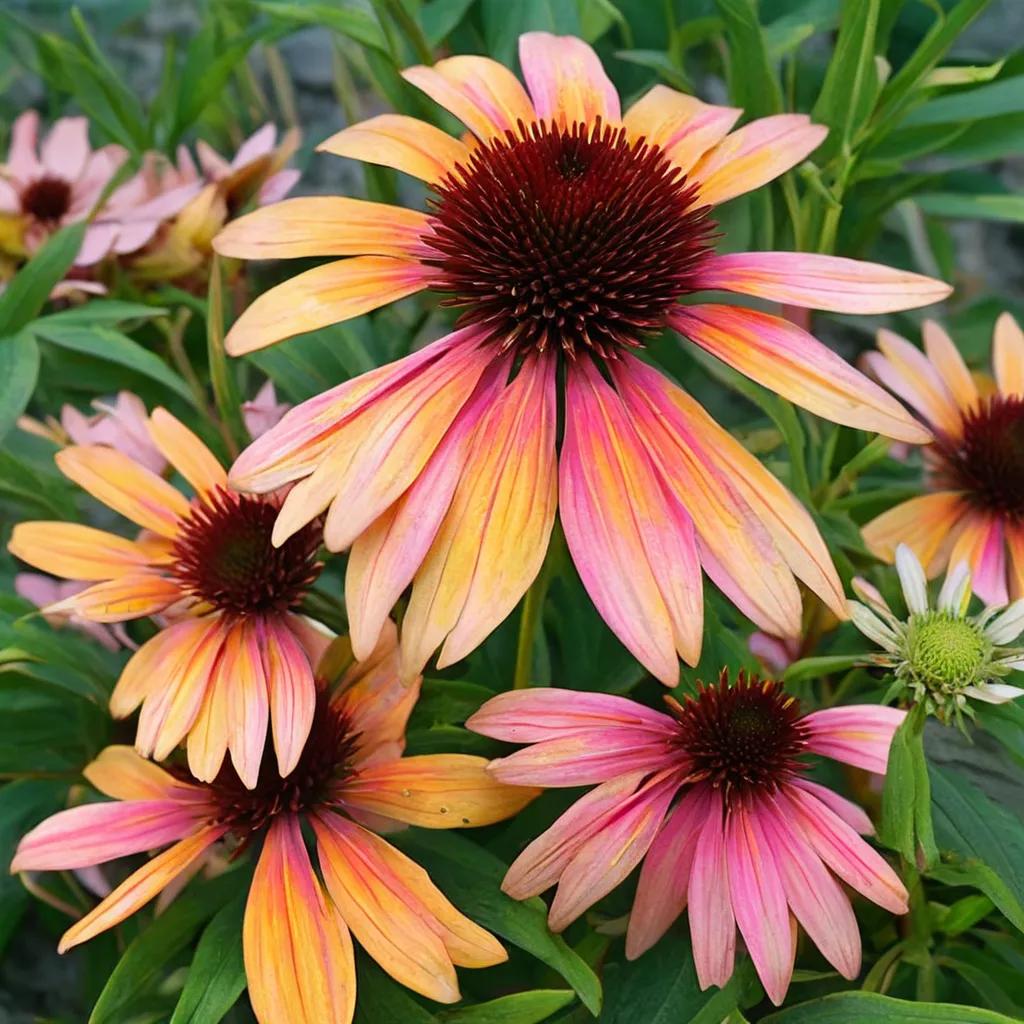 ‘Rainbow’Purple Coneflower Rainbow
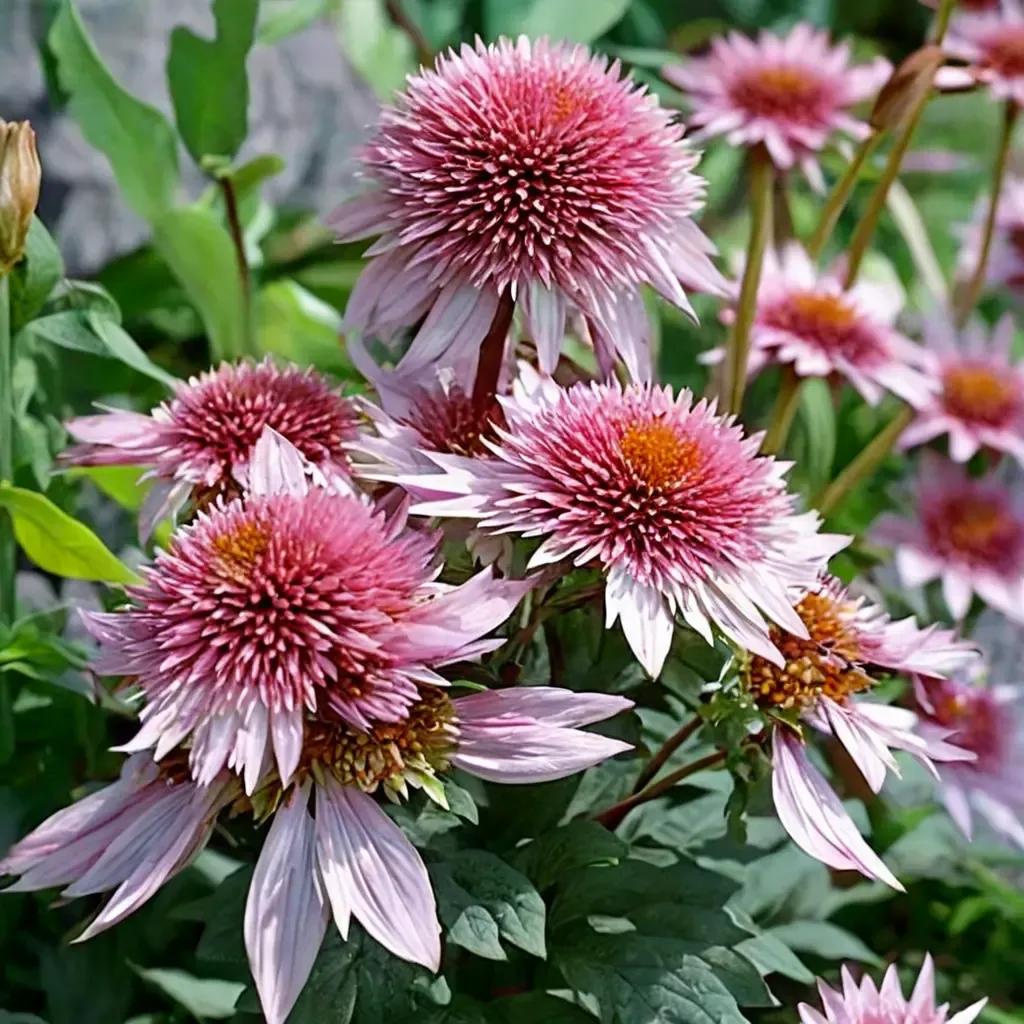 ‘Butterfly Kisses’Butterfly Kisses Coneflower
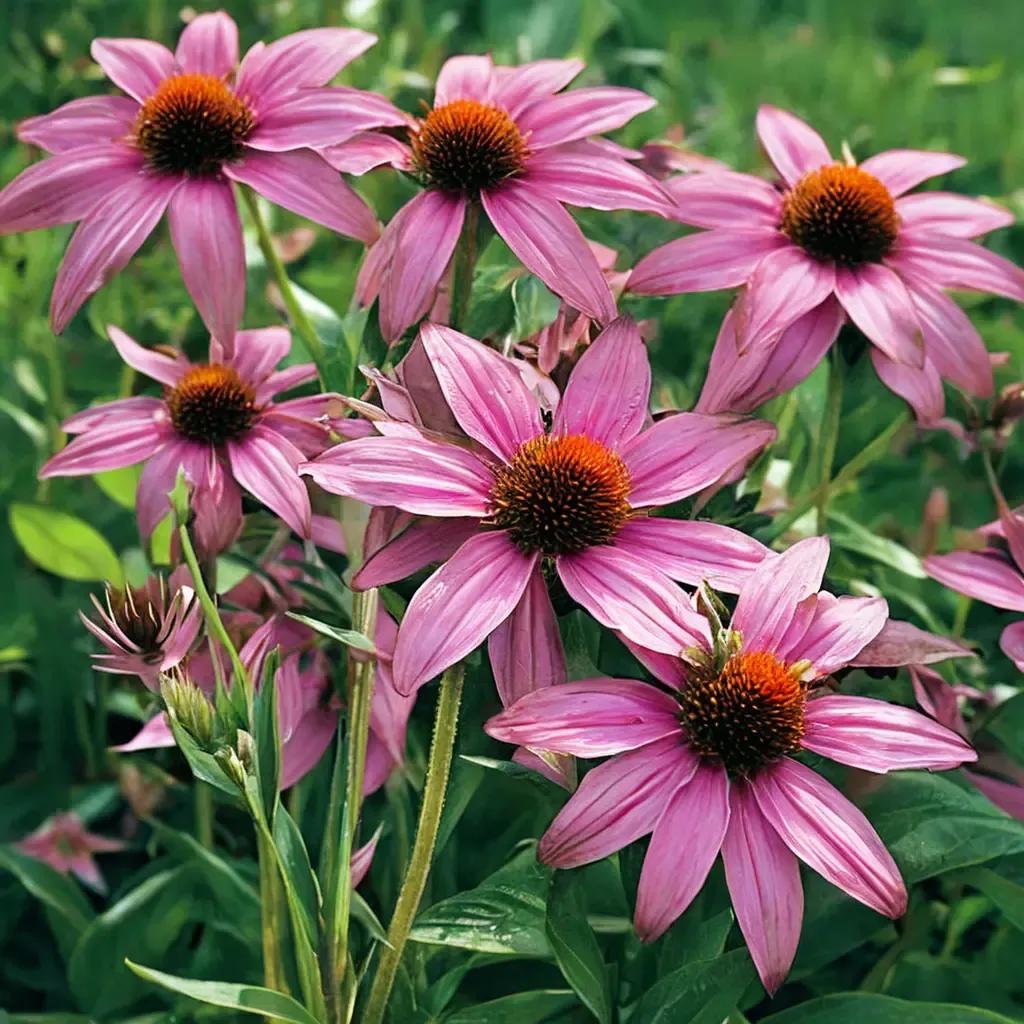 ‘Primadonna Deep Rose’Primadonna Deep Rose Coneflower
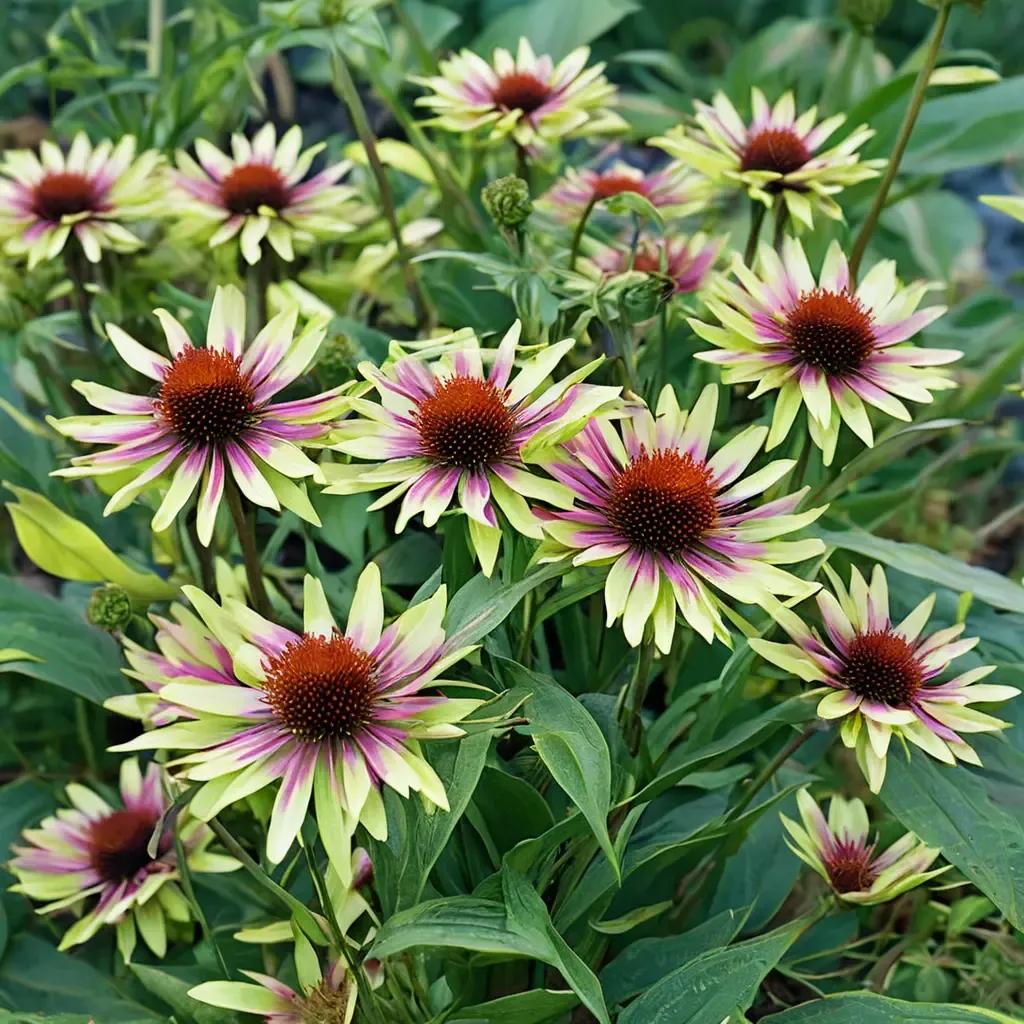 ‘Green Twister’Green Twister Coneflower
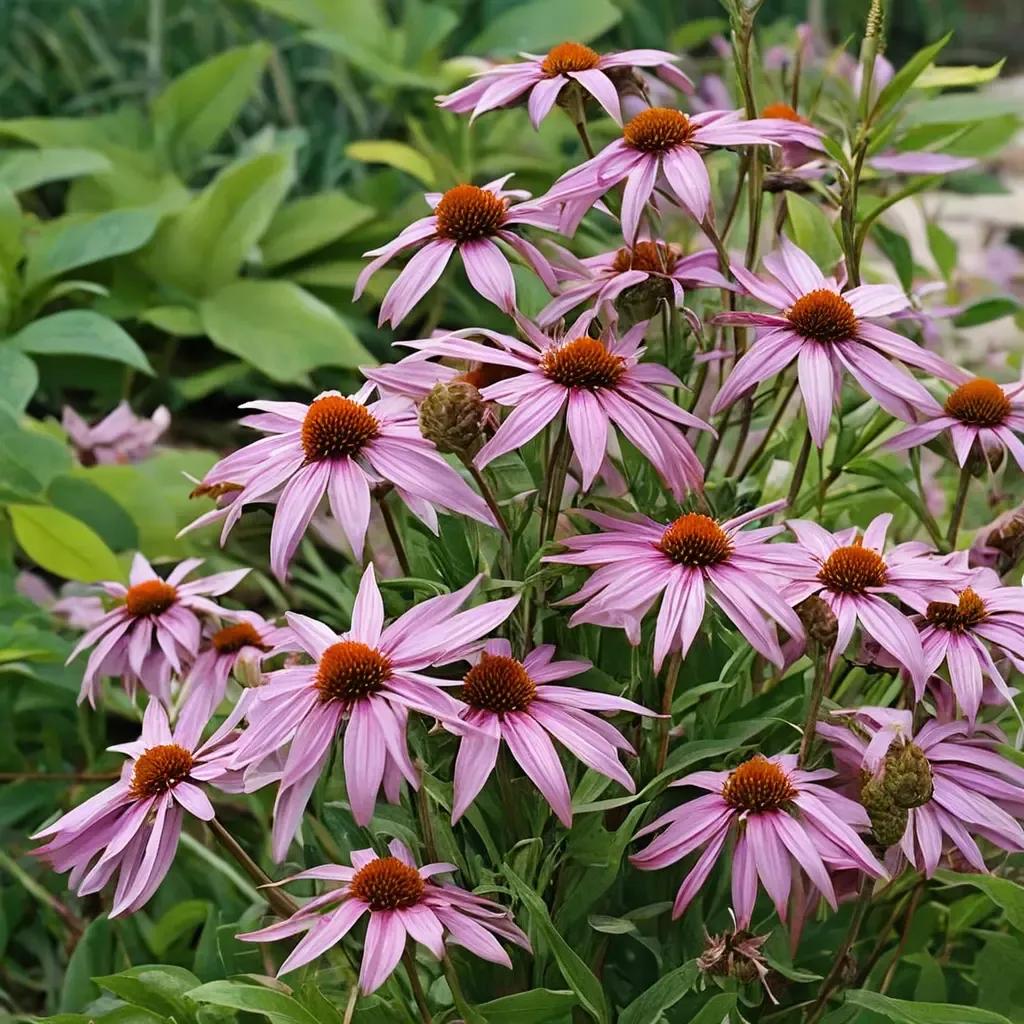 ‘Magnus’Magnus Coneflower
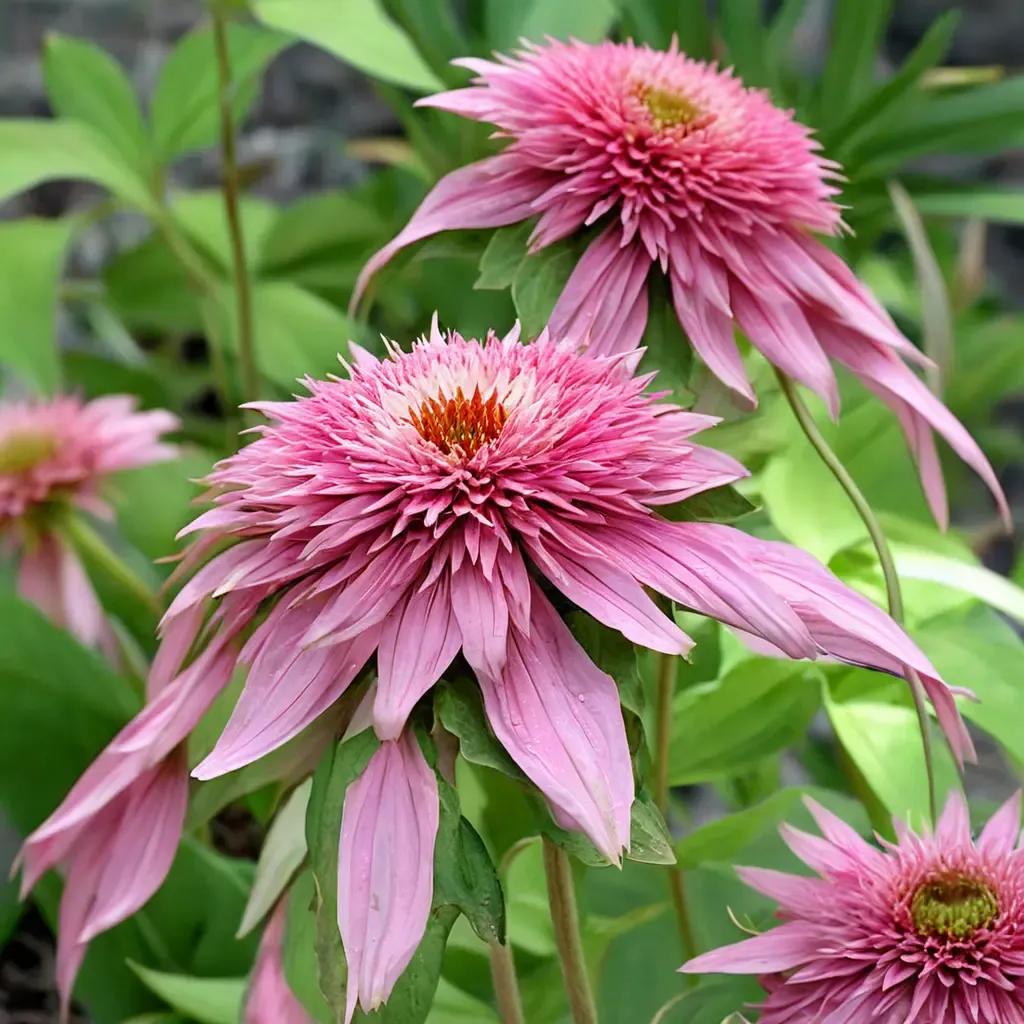 ‘Double Delight’Double Delight Coneflower
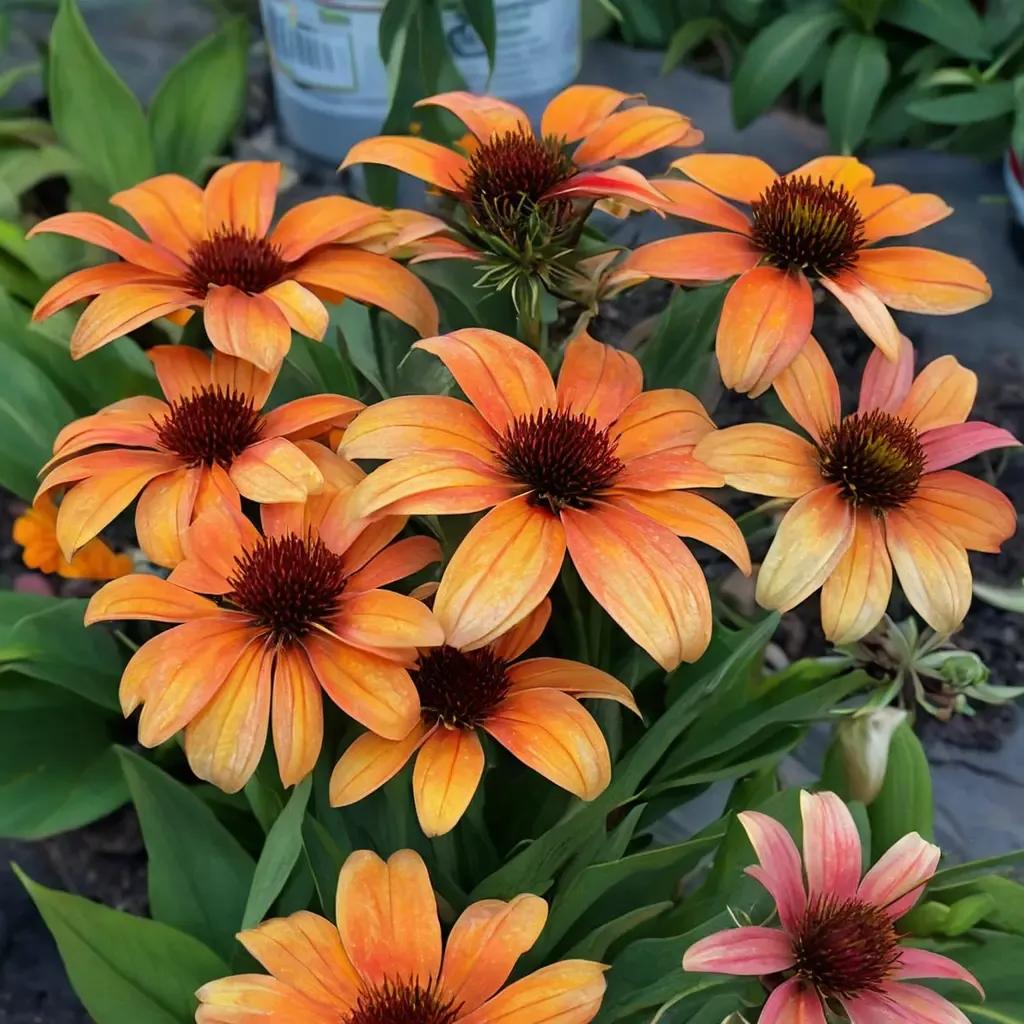 ‘Orange You Awesome’'Orange You Awesome' Coneflower
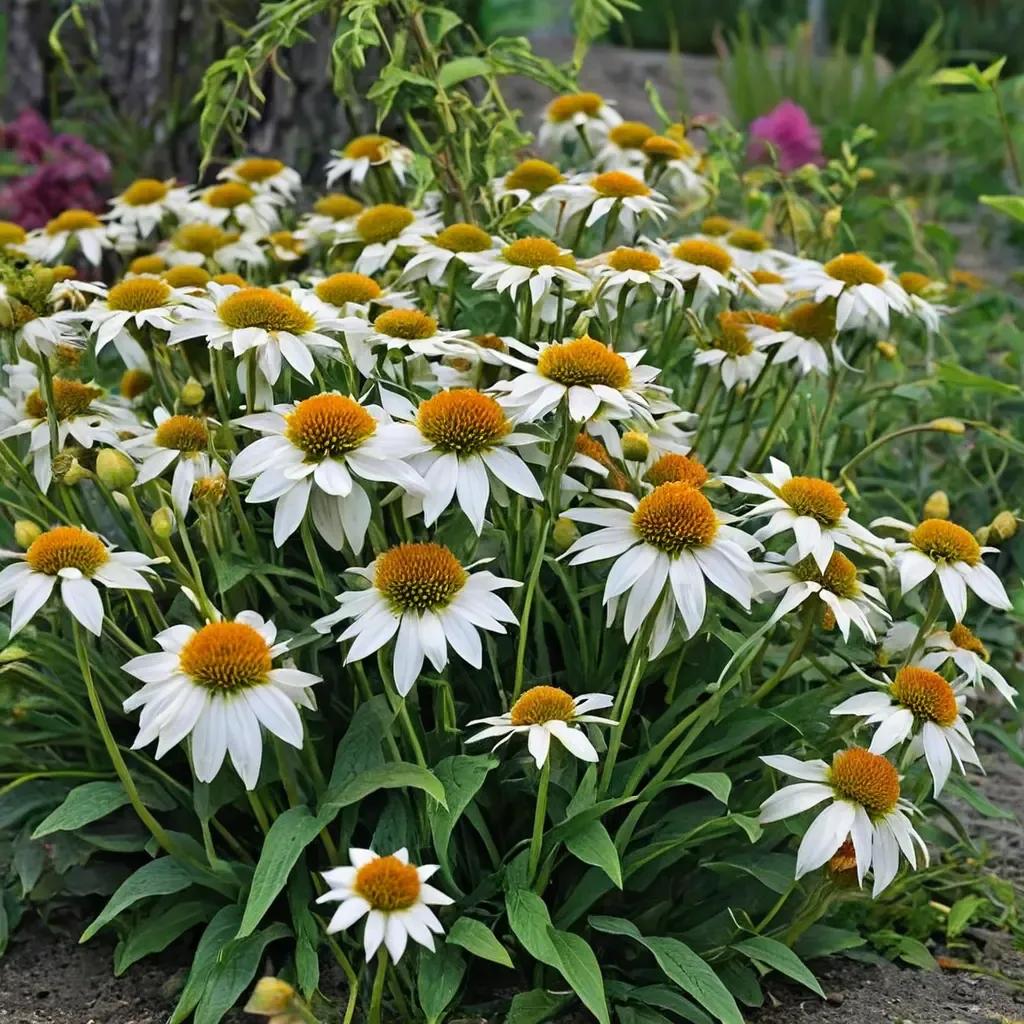 ‘Pow Wow White’Pow Wow White Coneflower
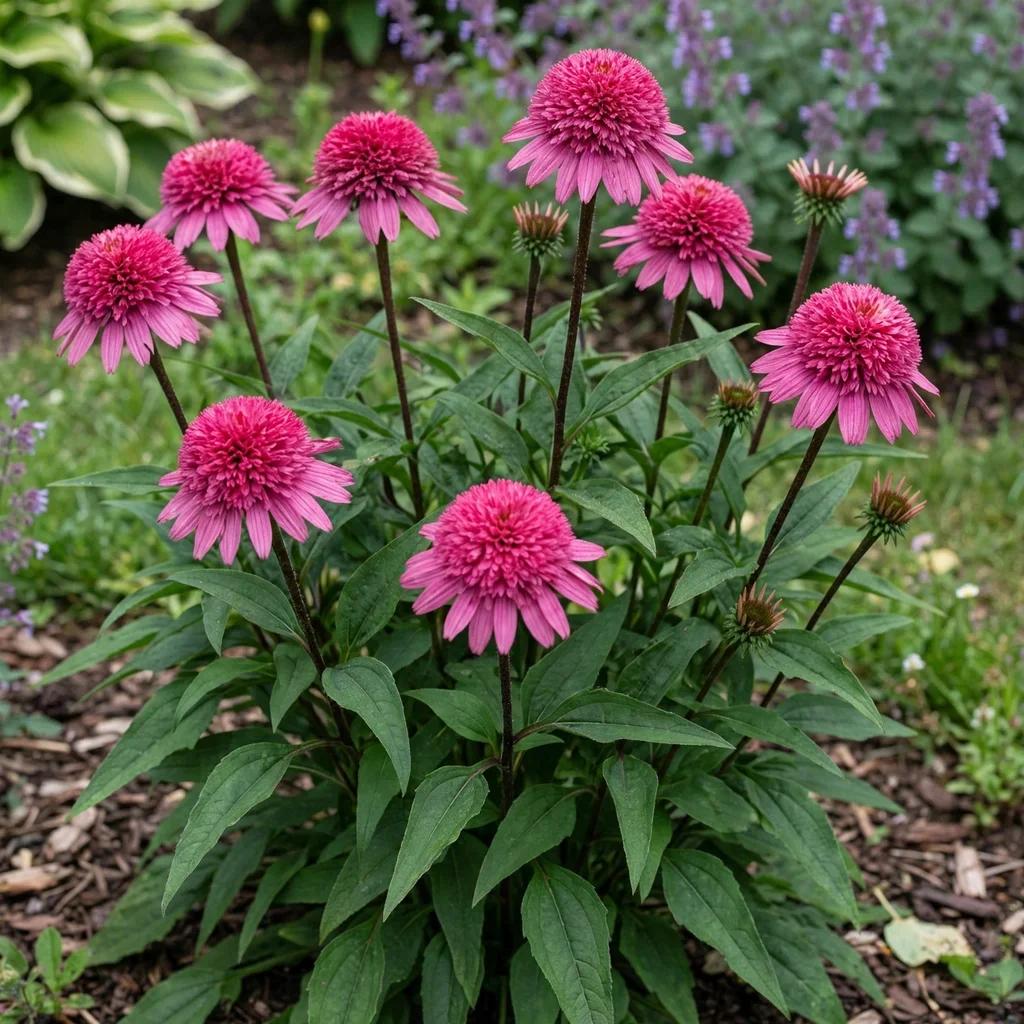 ‘Delicious Candy’Delicious Candy Coneflower
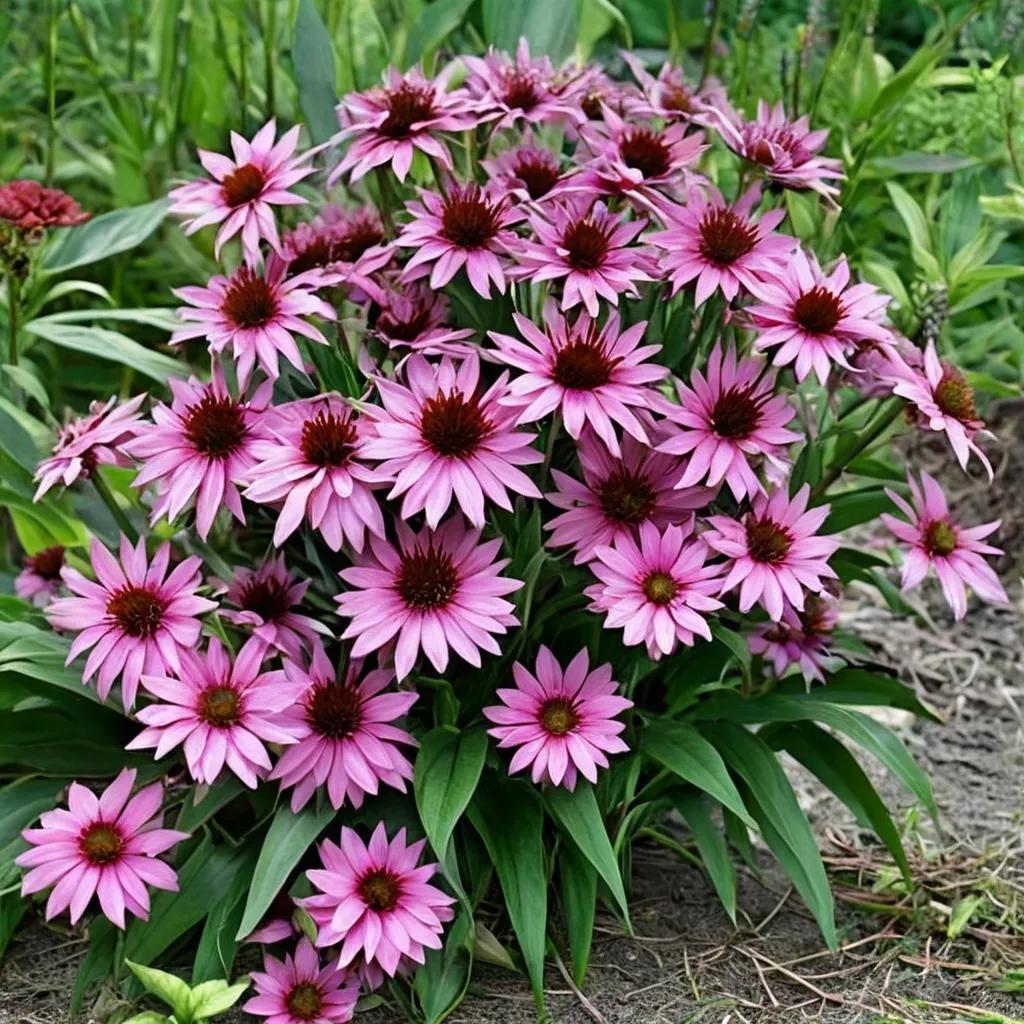 ‘The Fuchsia is Bright’The Fuchsia is Bright Coneflower
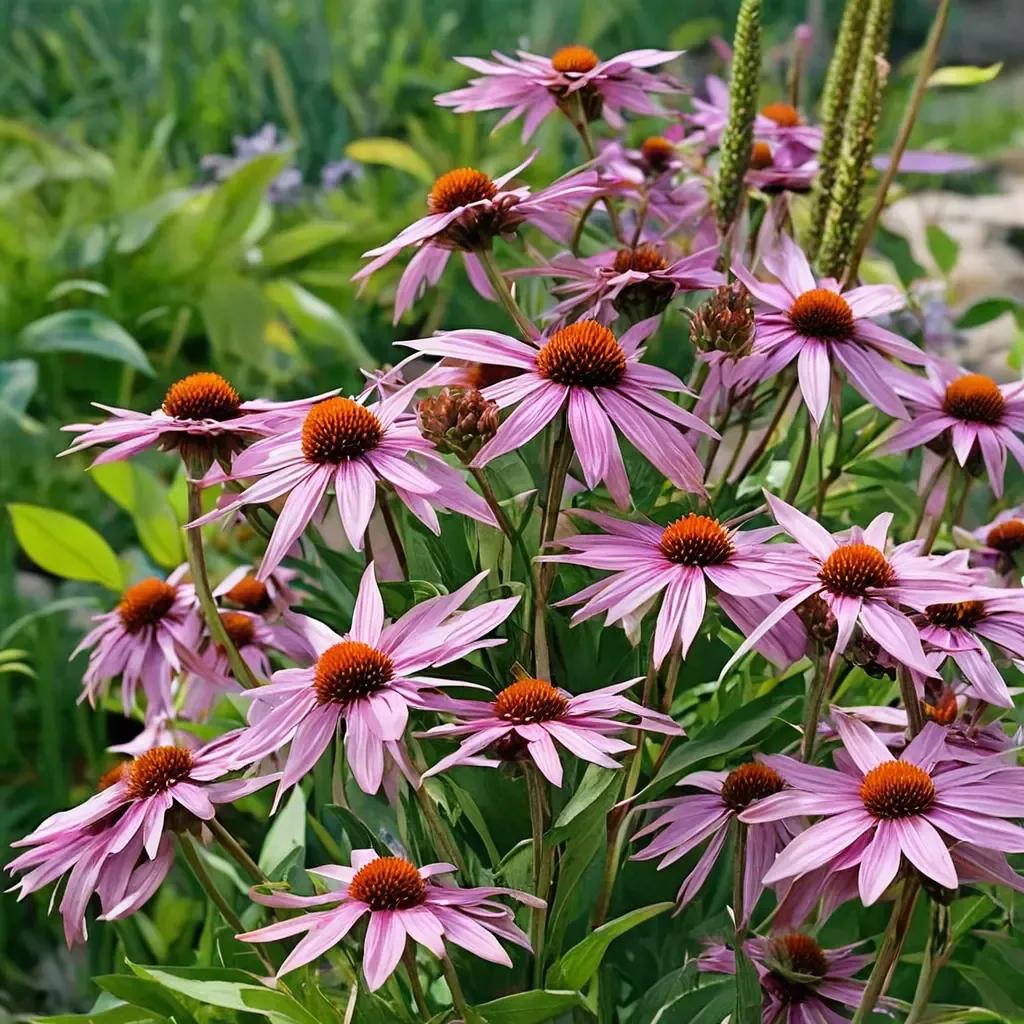 ‘Purple Magnus’Purple Magnus Coneflower
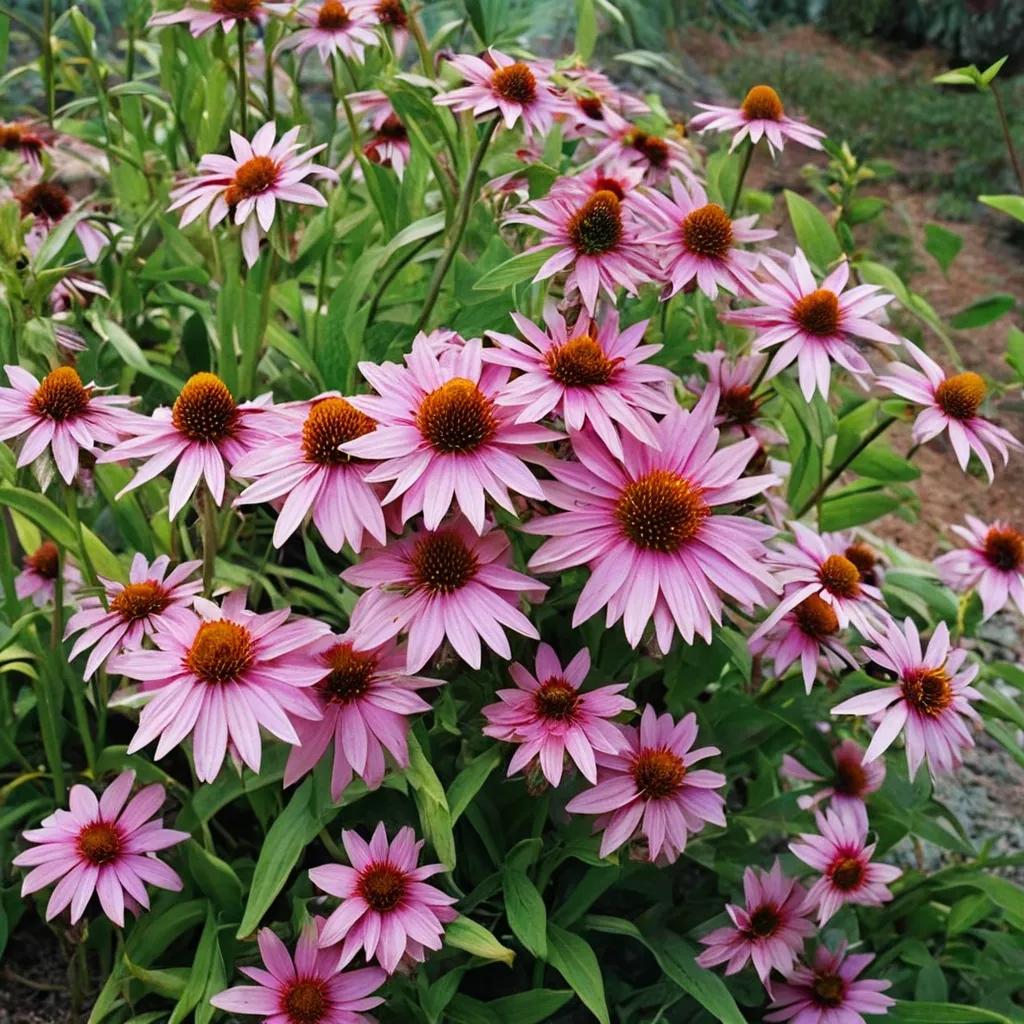 ‘Magnus Superior’Magnus Superior Purple Coneflower
 ‘Modern Prairie Garden’Modern Prairie Garden Echinacea
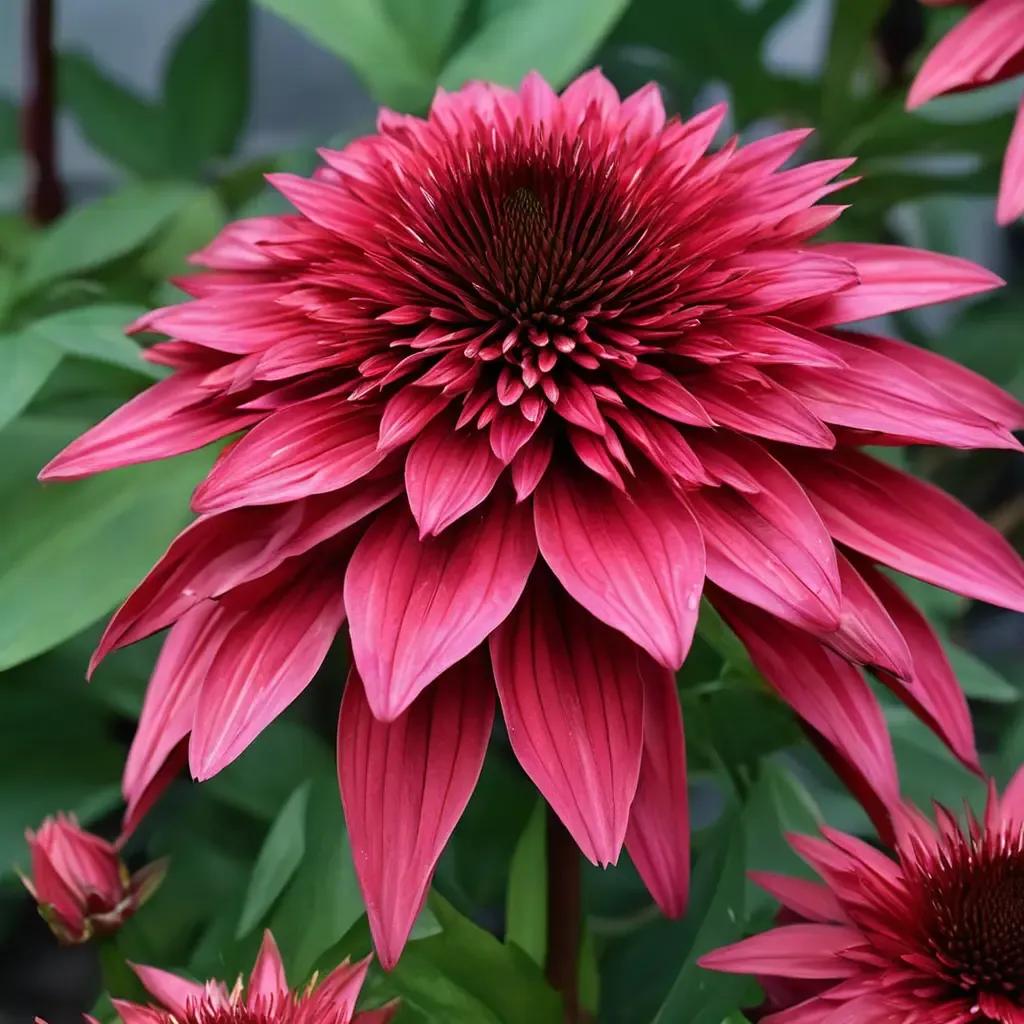 ‘Deluxe’Deluxe Purple Coneflower
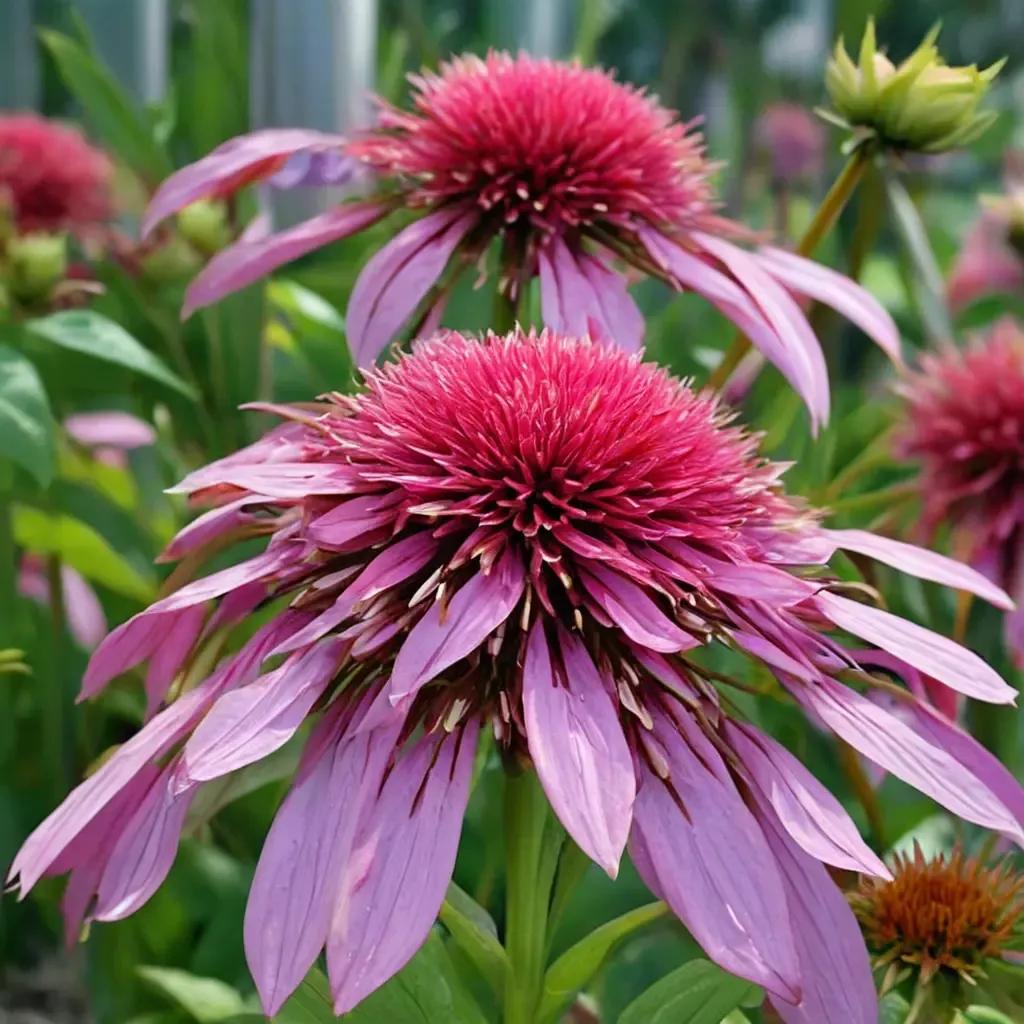 ‘Double Scoop Bubble Gum’Double Scoop Bubble Gum Coneflower
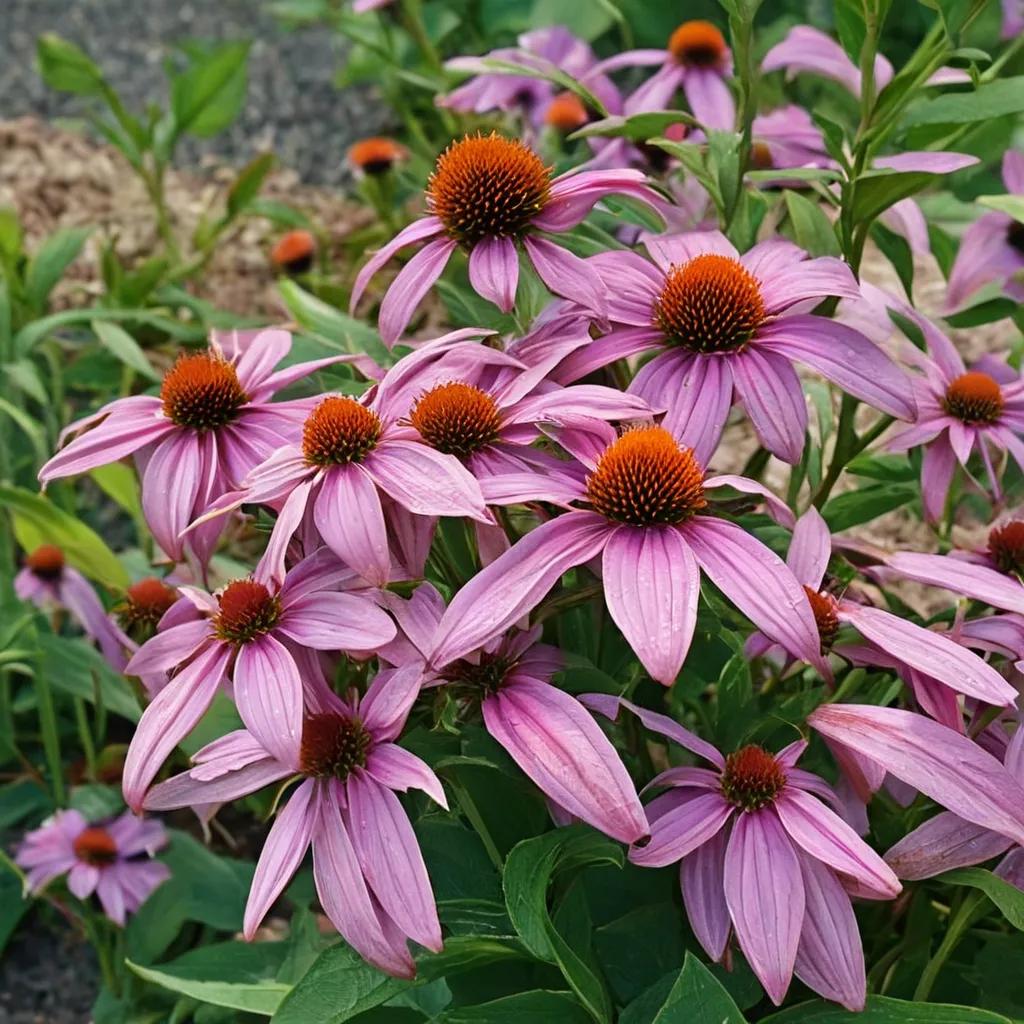 ‘Prairie Splendor’Purple Coneflower Echinacea
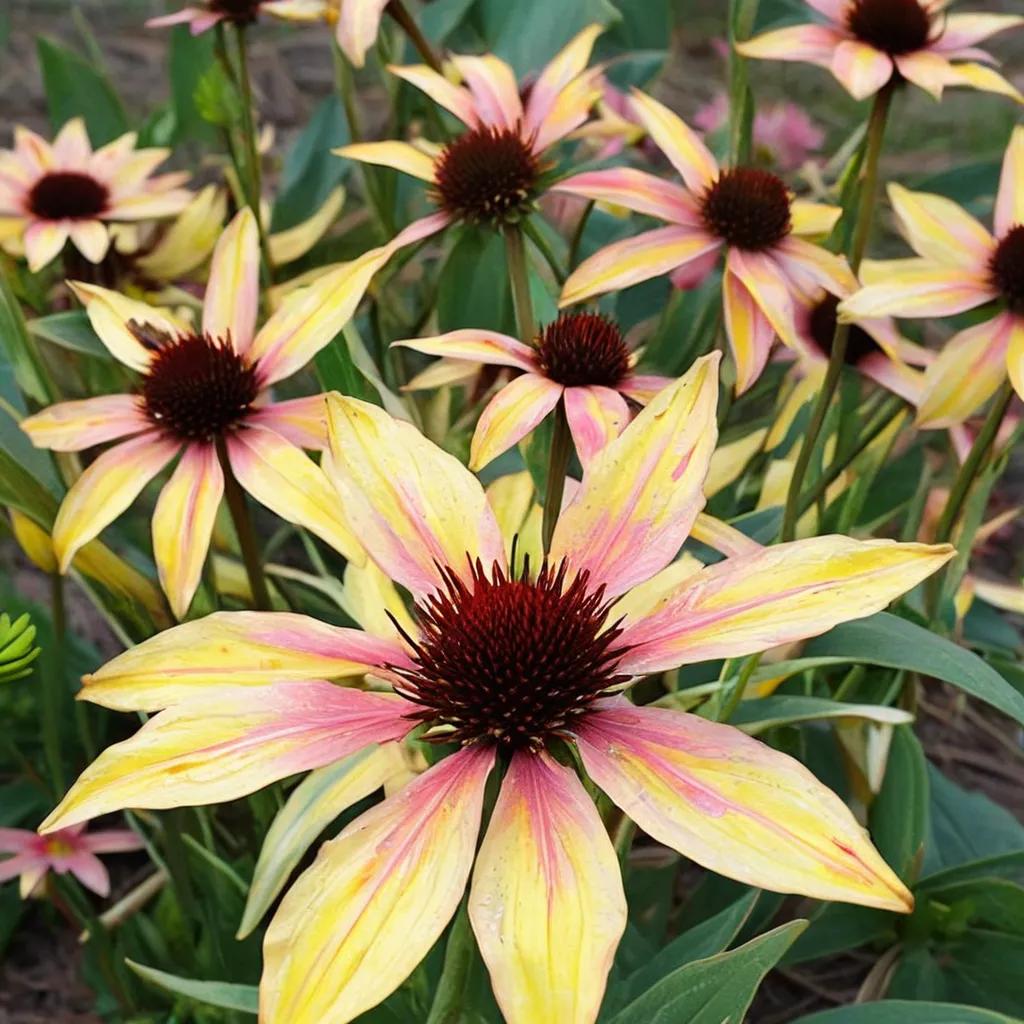 ‘Evening Glow’Evening Glow Coneflower
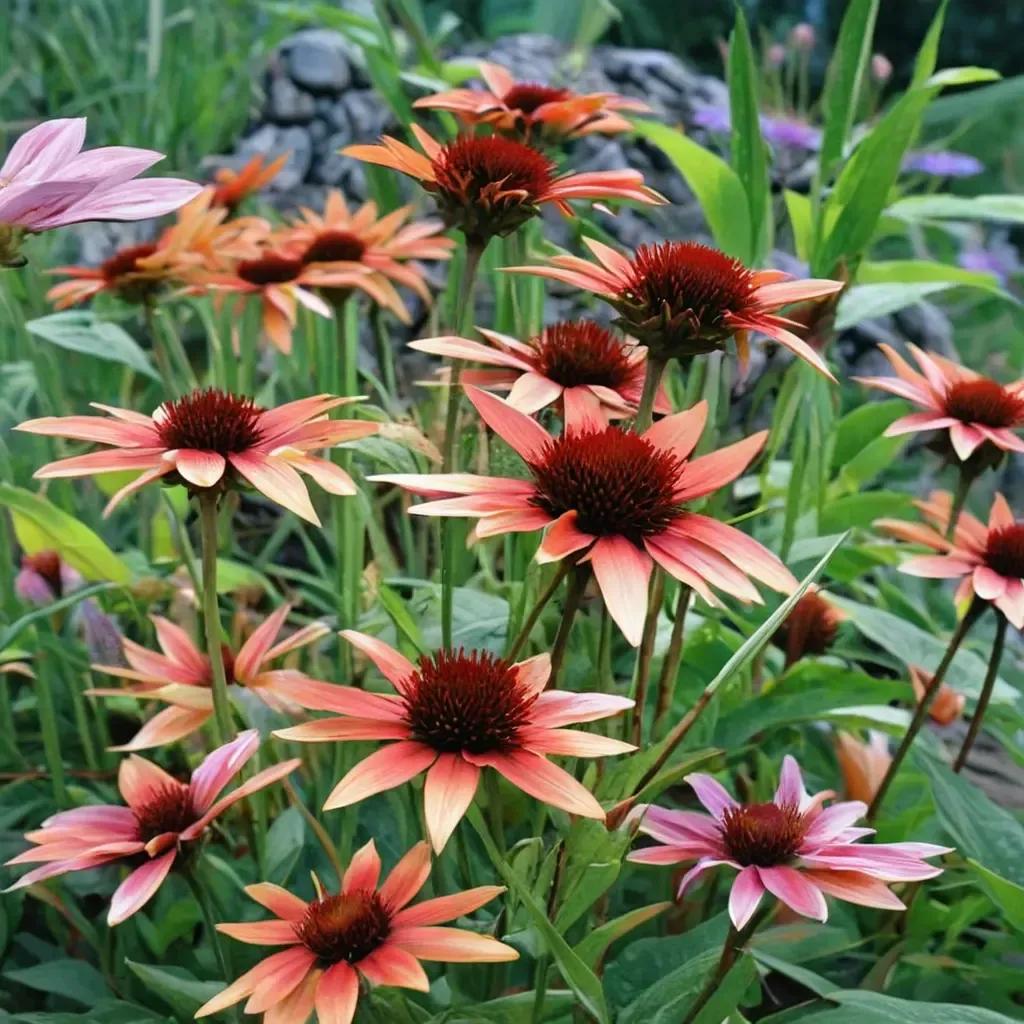 ‘Sundown’Sundown Coneflower
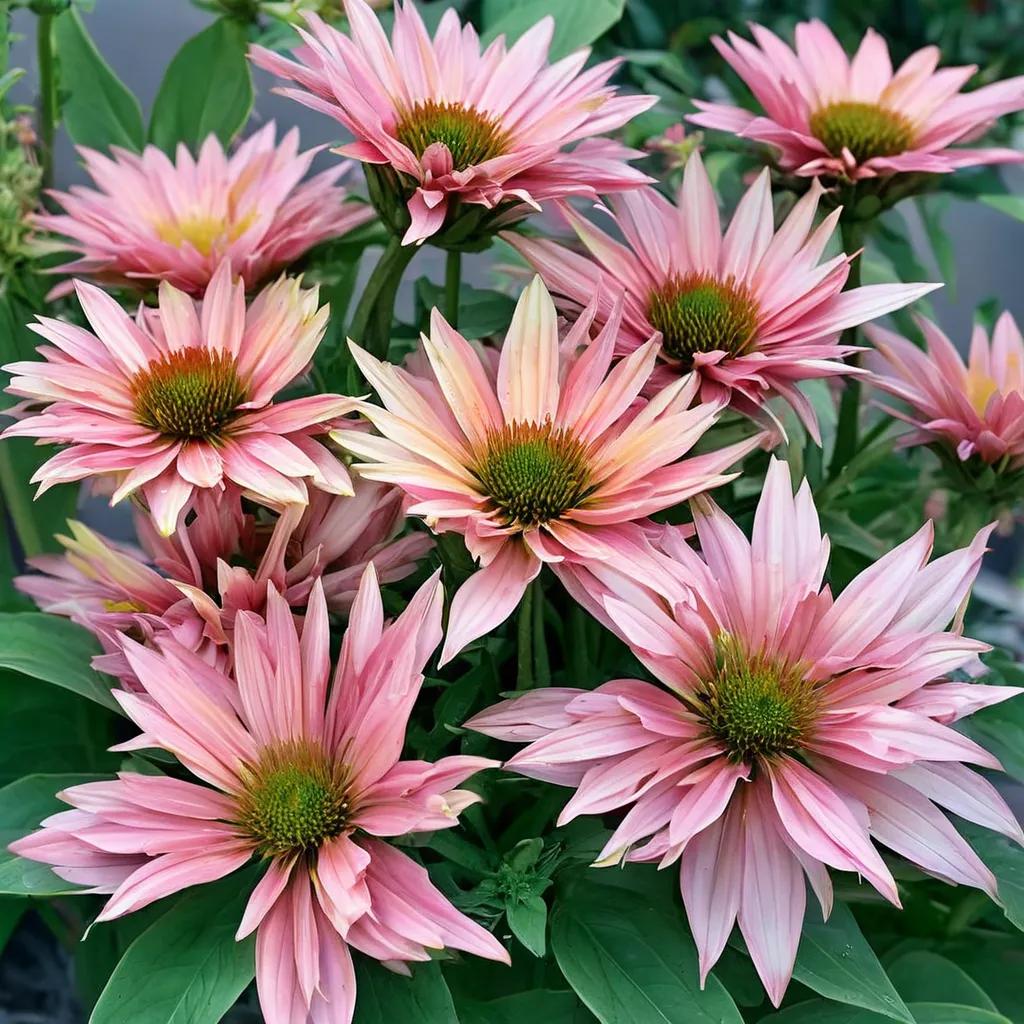 ‘SunSeekers Salmon’SunSeekers Salmon Coneflower
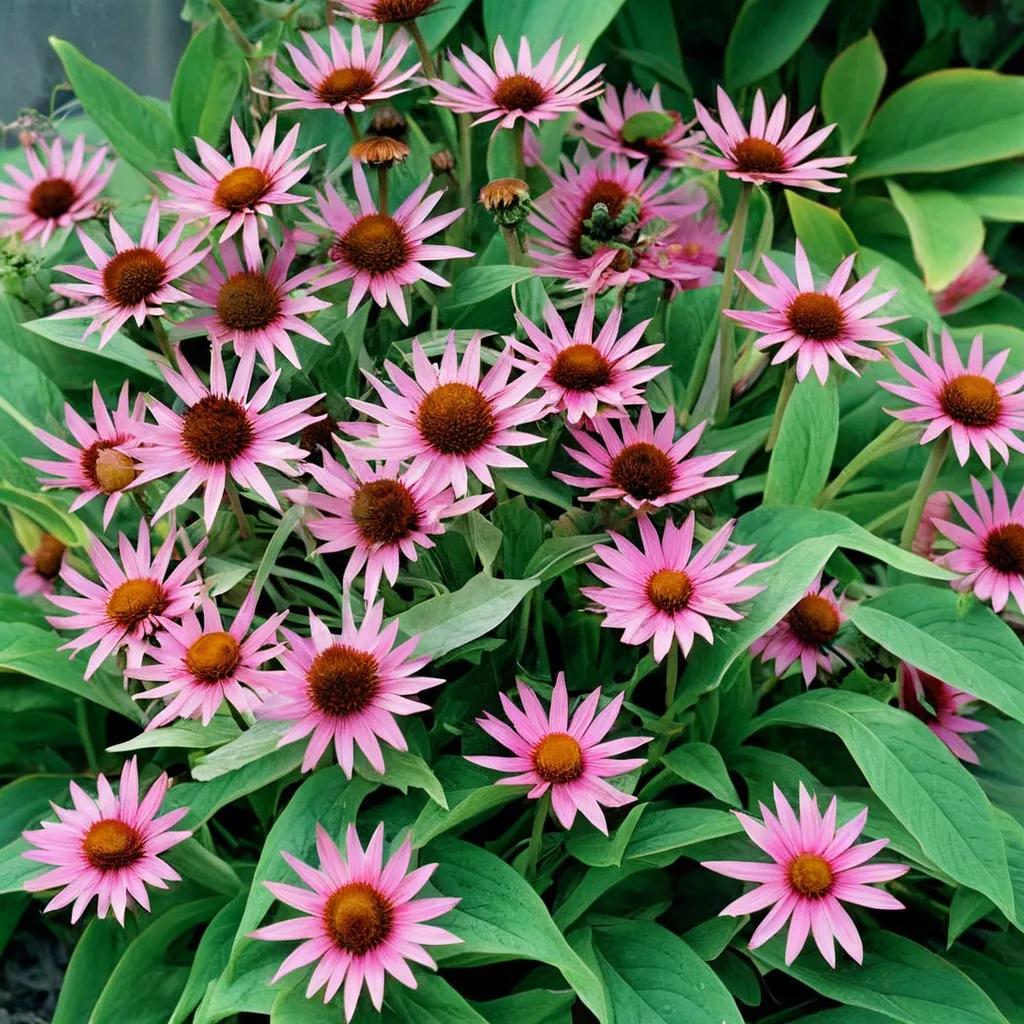 ‘Lilliput’Lilliput Coneflower
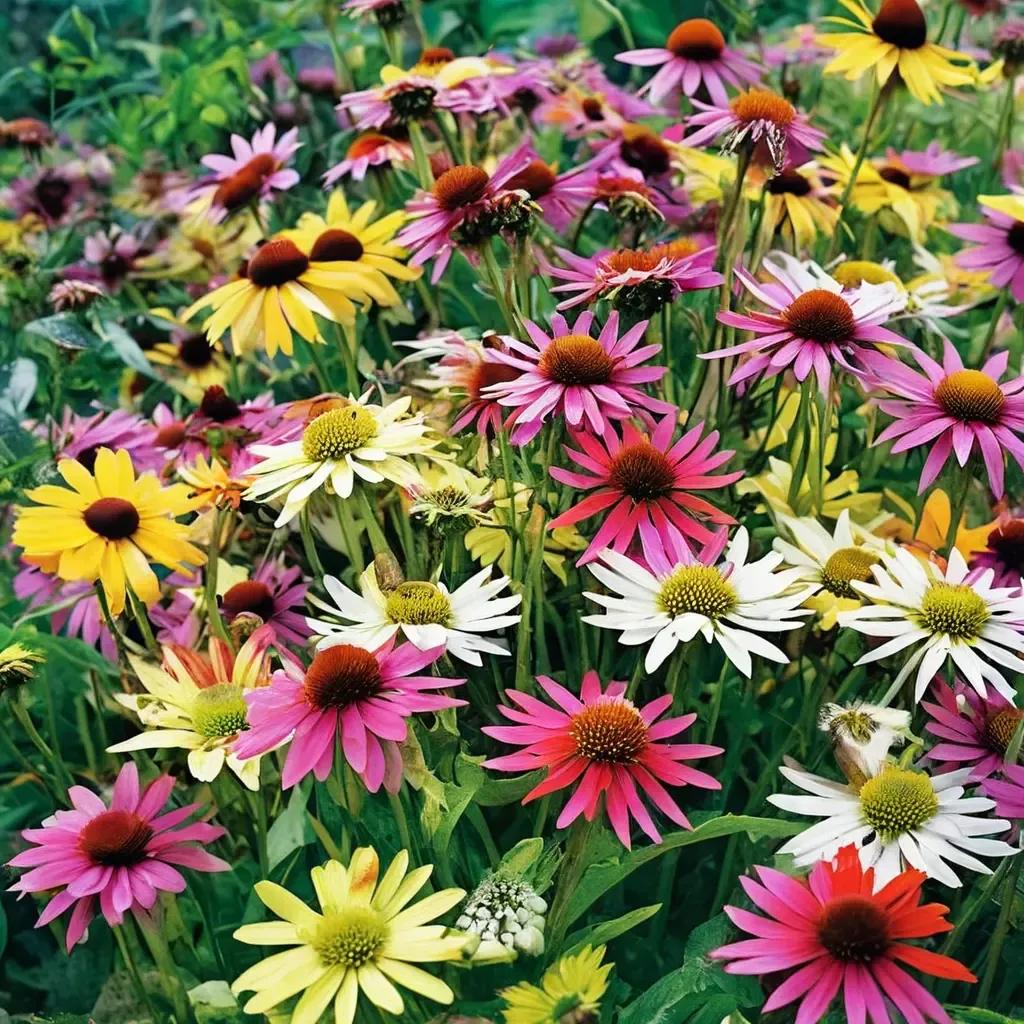 ‘Hybridizer's Mix’Hybridizer's Mix Purple Coneflower
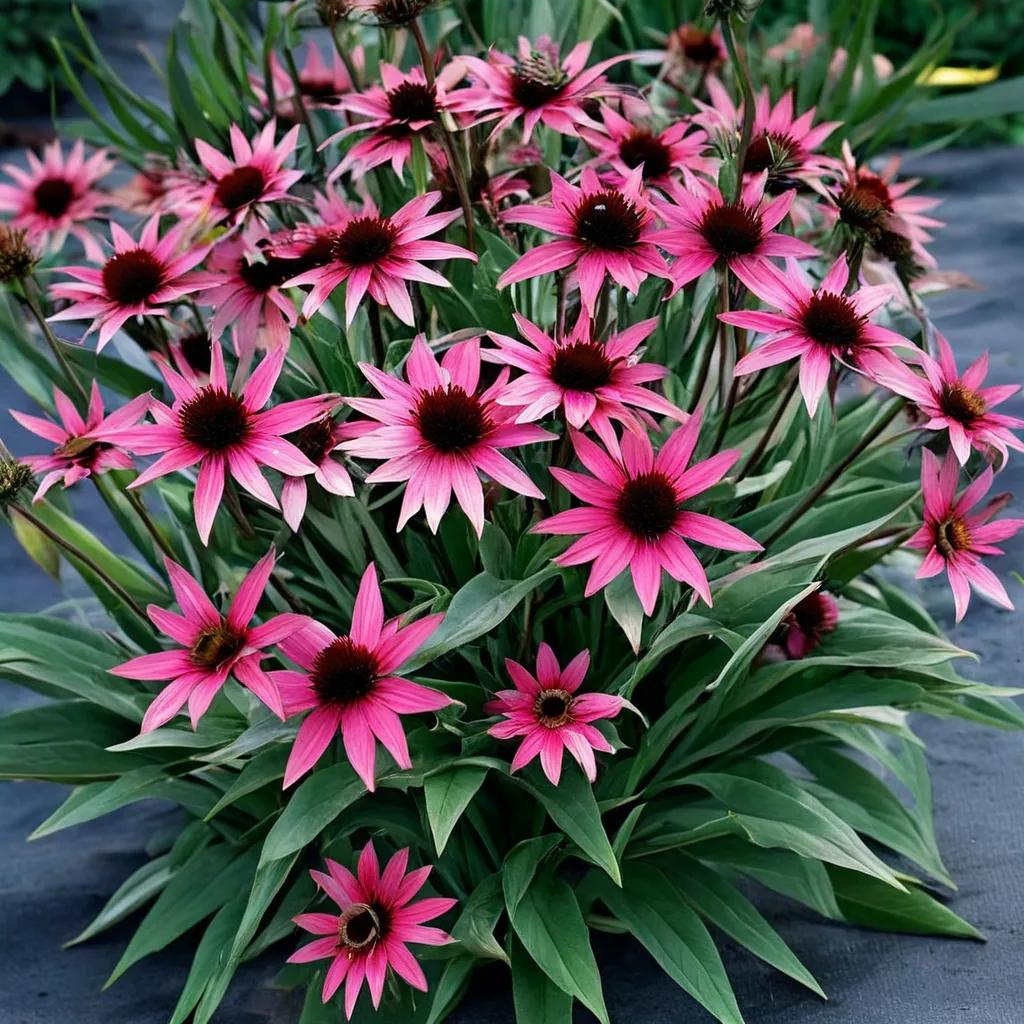 ‘Wicked’Purple Coneflower Wicked
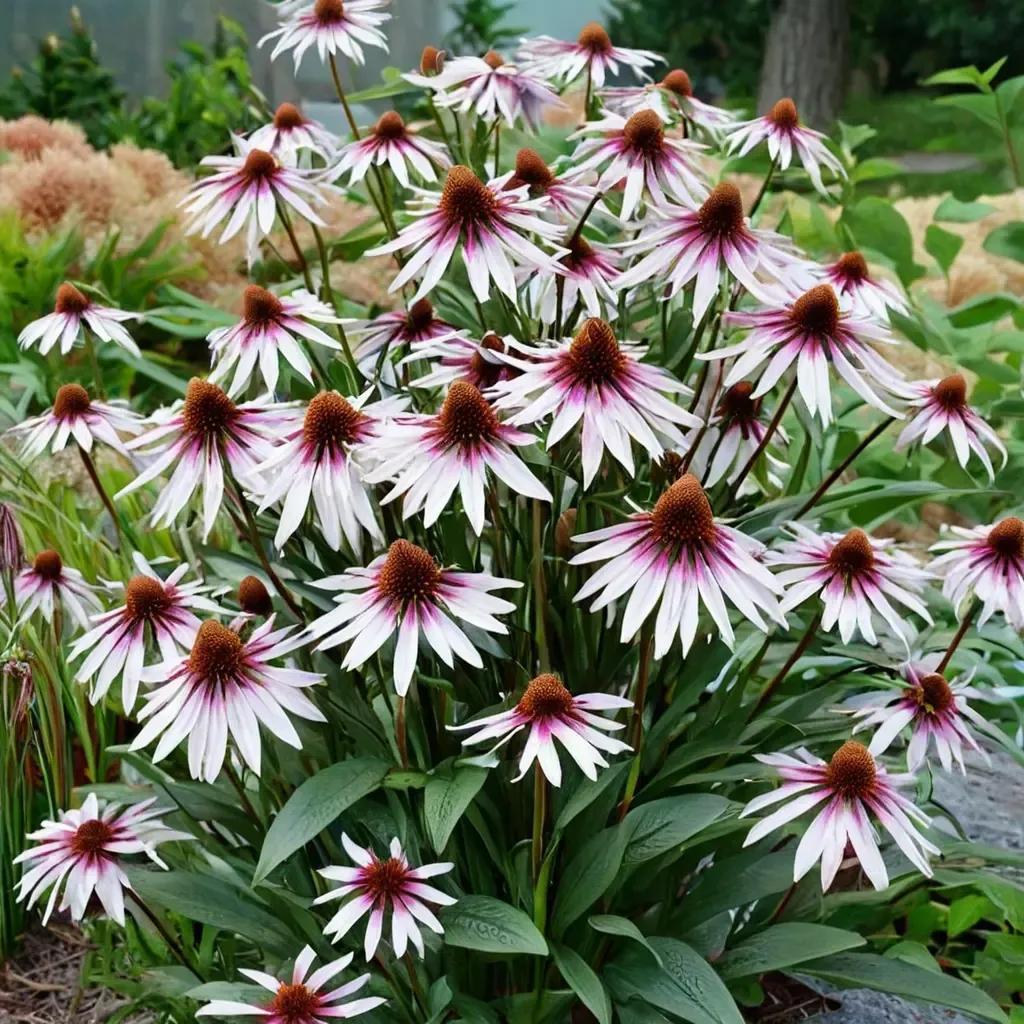 ‘Pretty Parasols’Pretty Parasols Coneflower
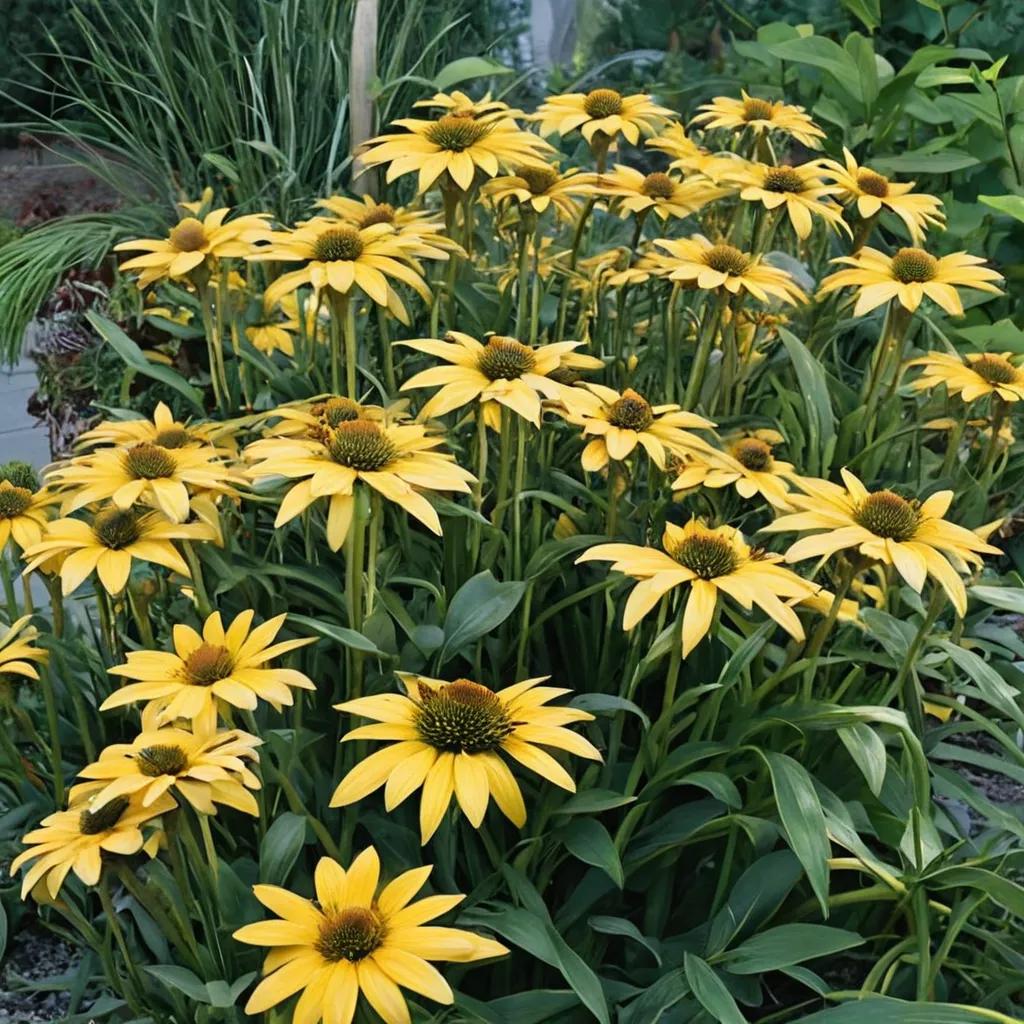 ‘Leilani’Leilani Coneflower
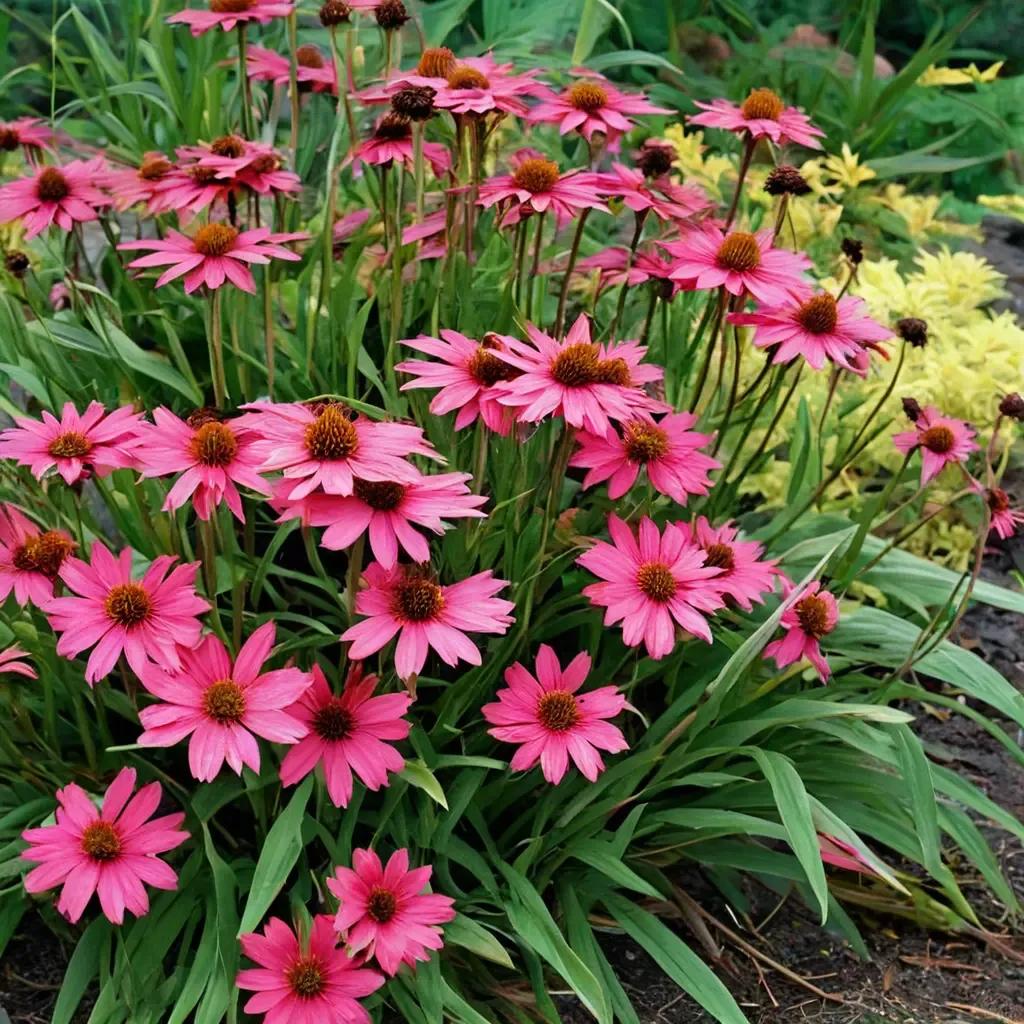 ‘Glowing Dream’Glowing Dream Coneflower
 ‘PowWow Wild Berry’PowWow Wild Berry Coneflower
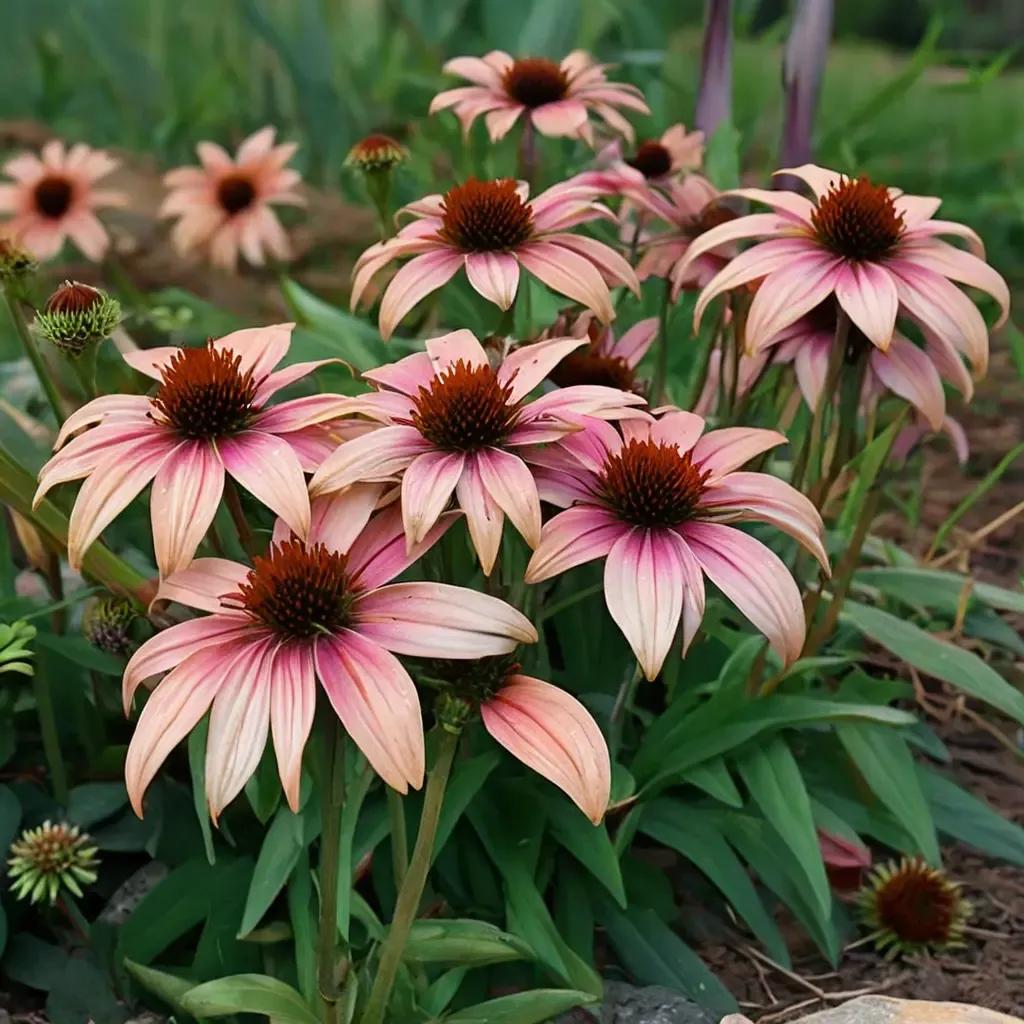 ‘Summer Sky’Summer Sky Coneflower
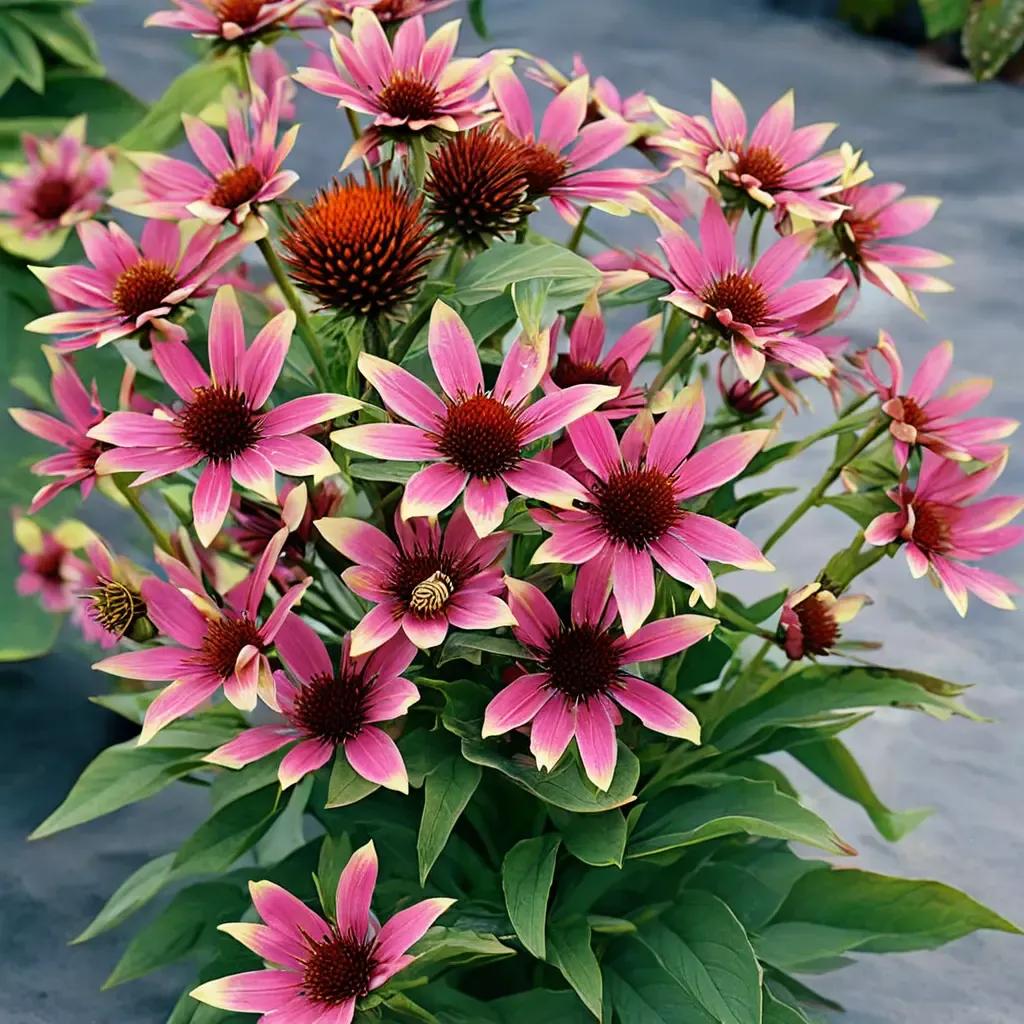 ‘PRIMA Spider’PRIMA Spider Coneflower
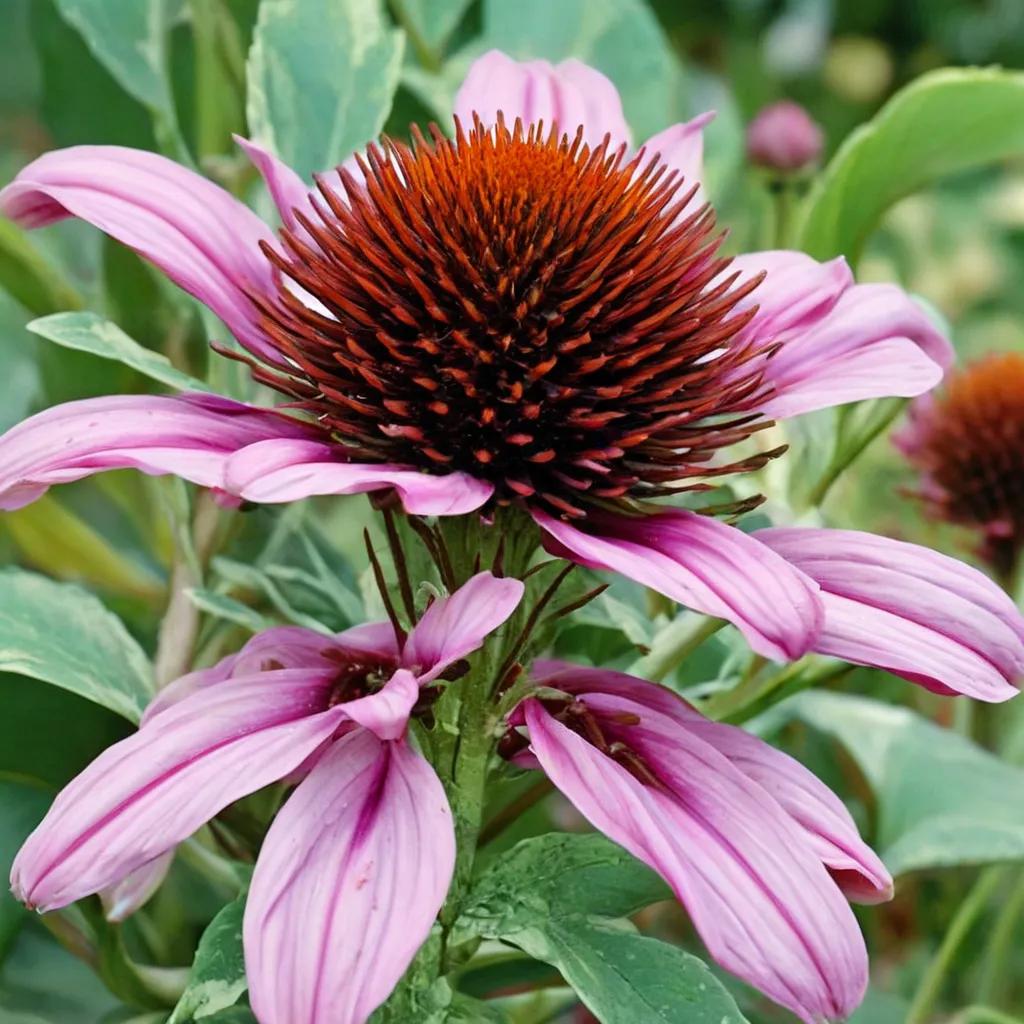 ‘Prairie Frost’'Prairie Frost' Coneflower
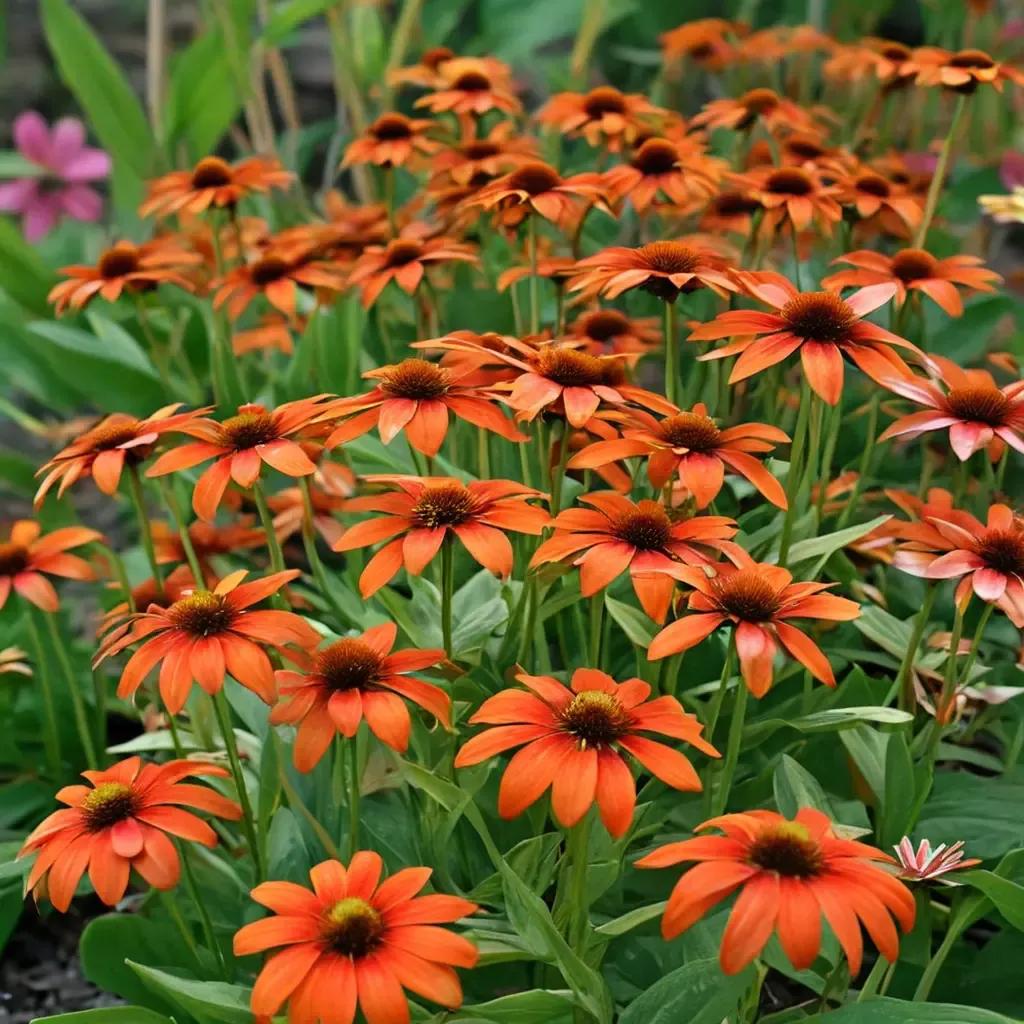 ‘Flamenco Orange’Flamenco Orange Coneflower
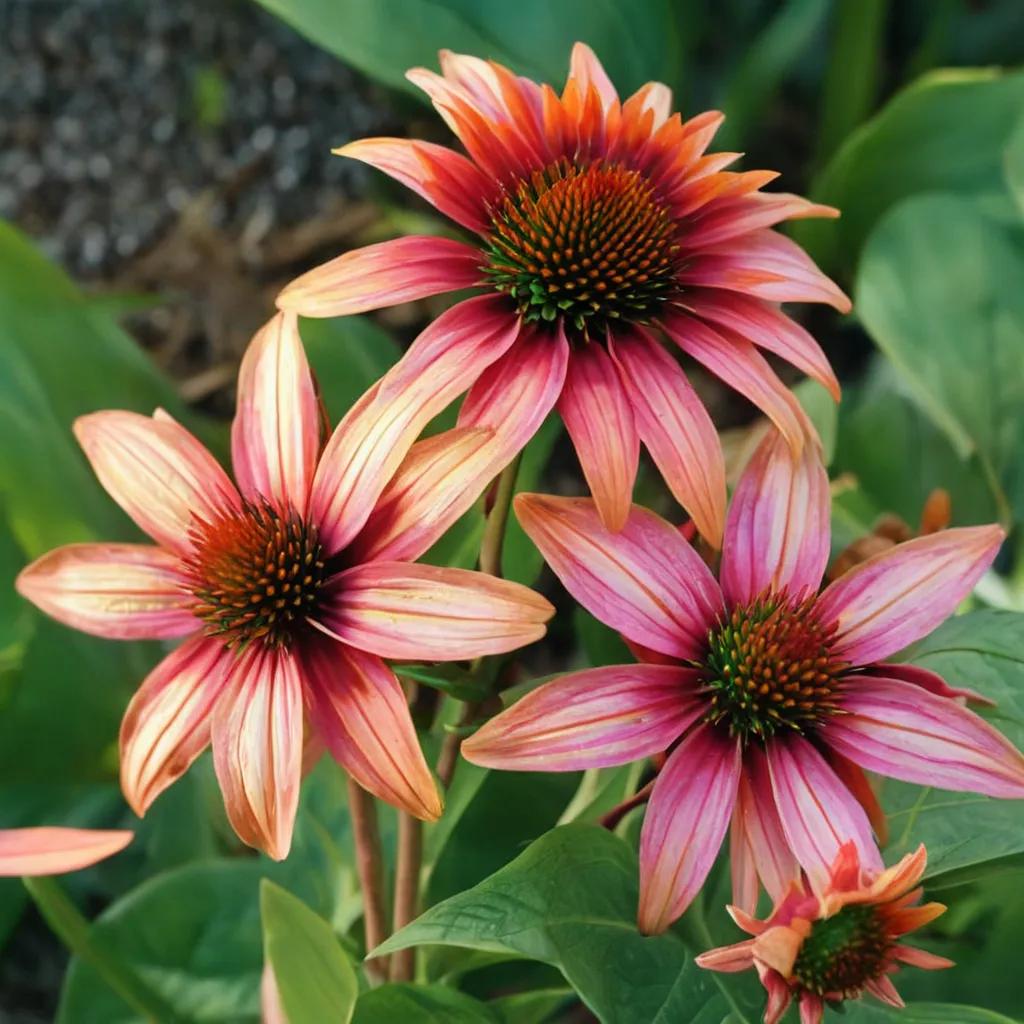 ‘Sunset’Sunset Coneflower
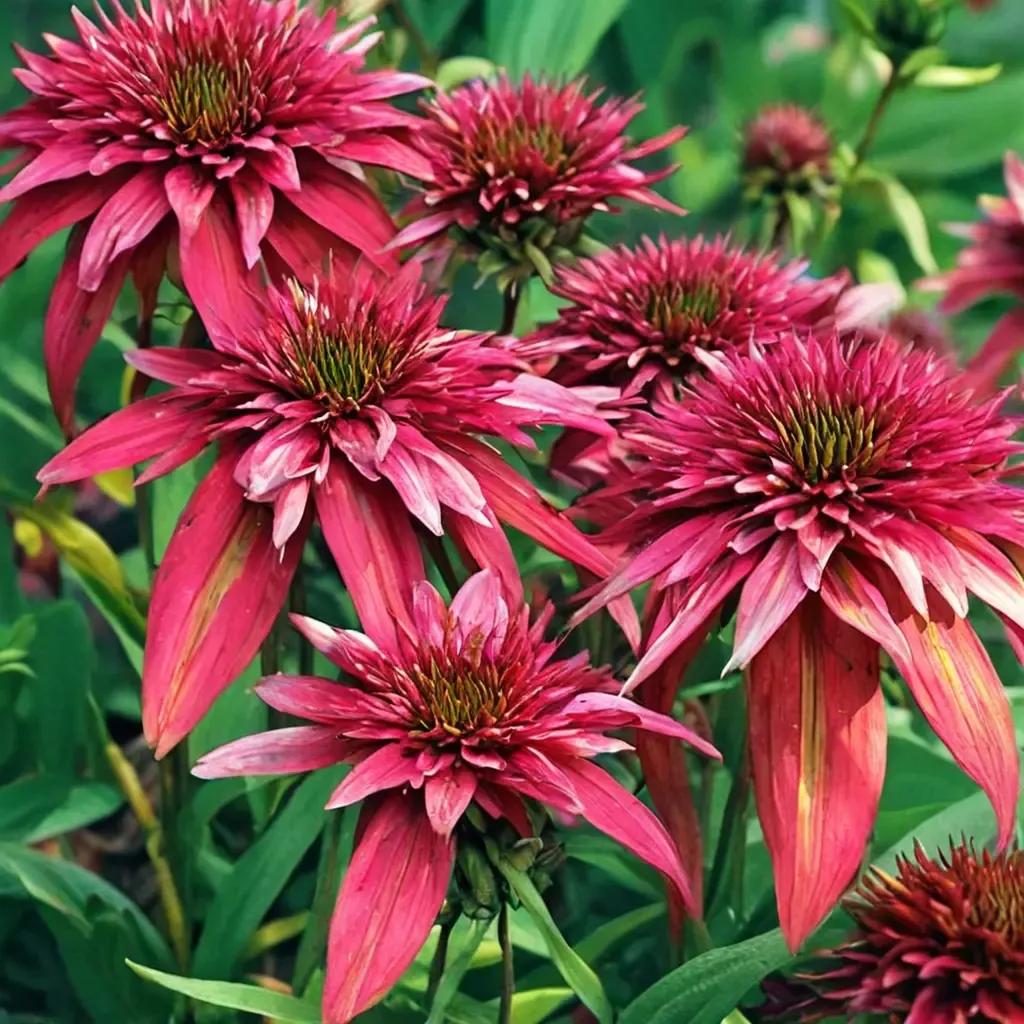 ‘Double Scoop Cranberry’Double Scoop Cranberry Coneflower
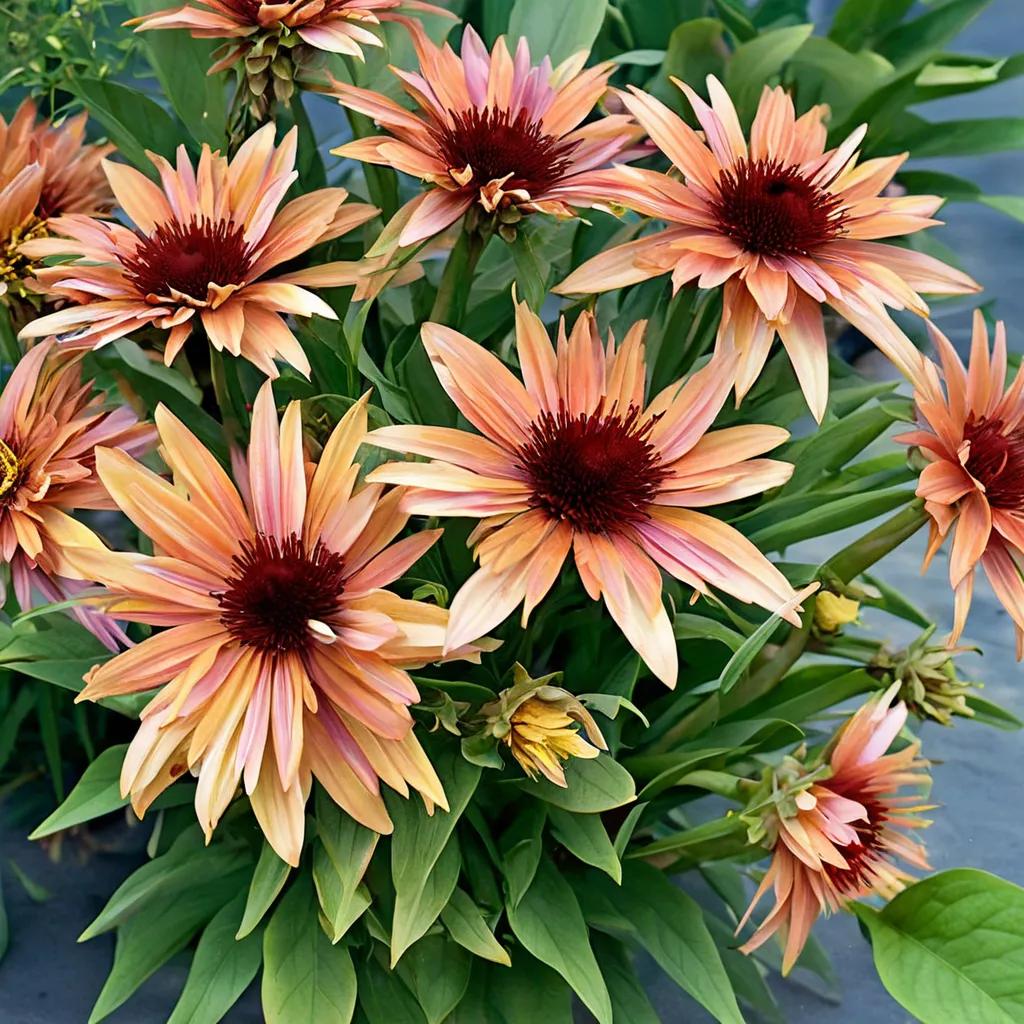 ‘Apricot’Apricot Coneflower
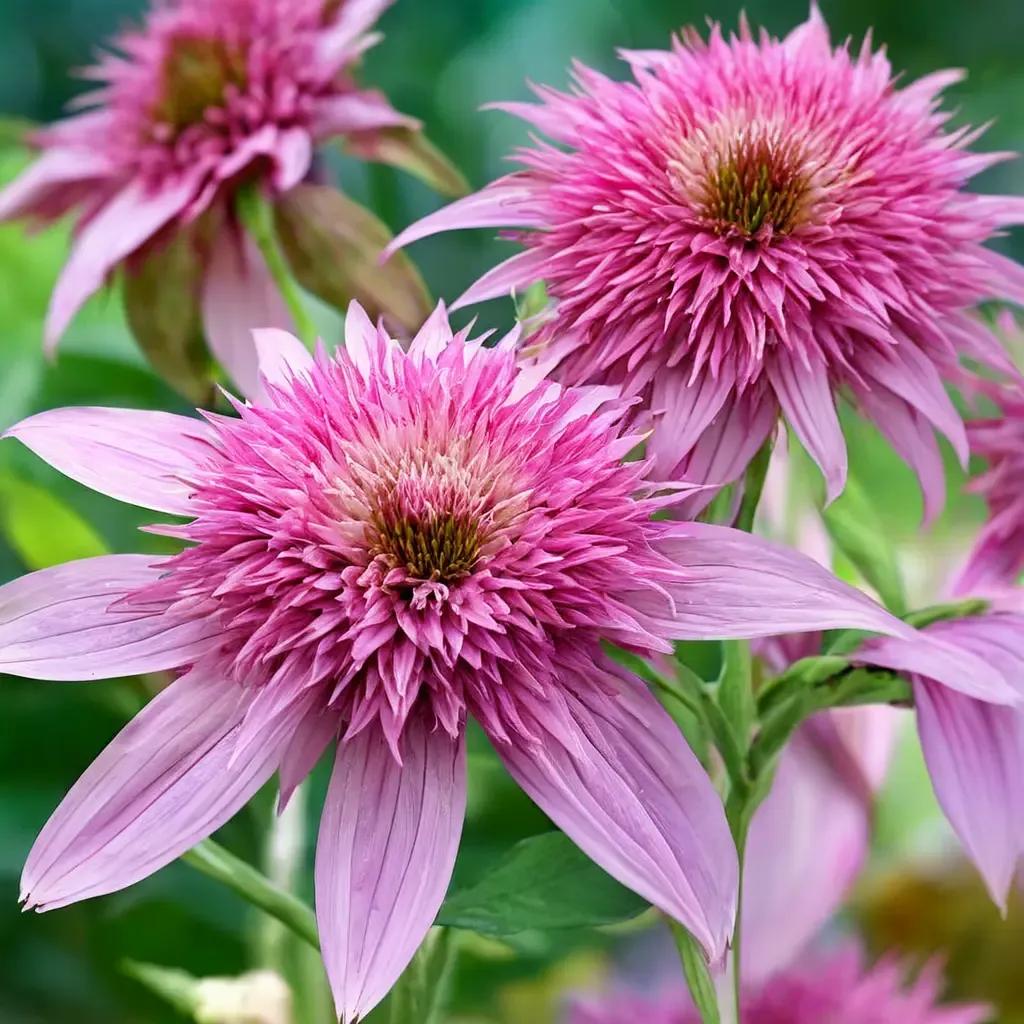 ‘Pink Double Delight’Pink Double Delight Coneflower
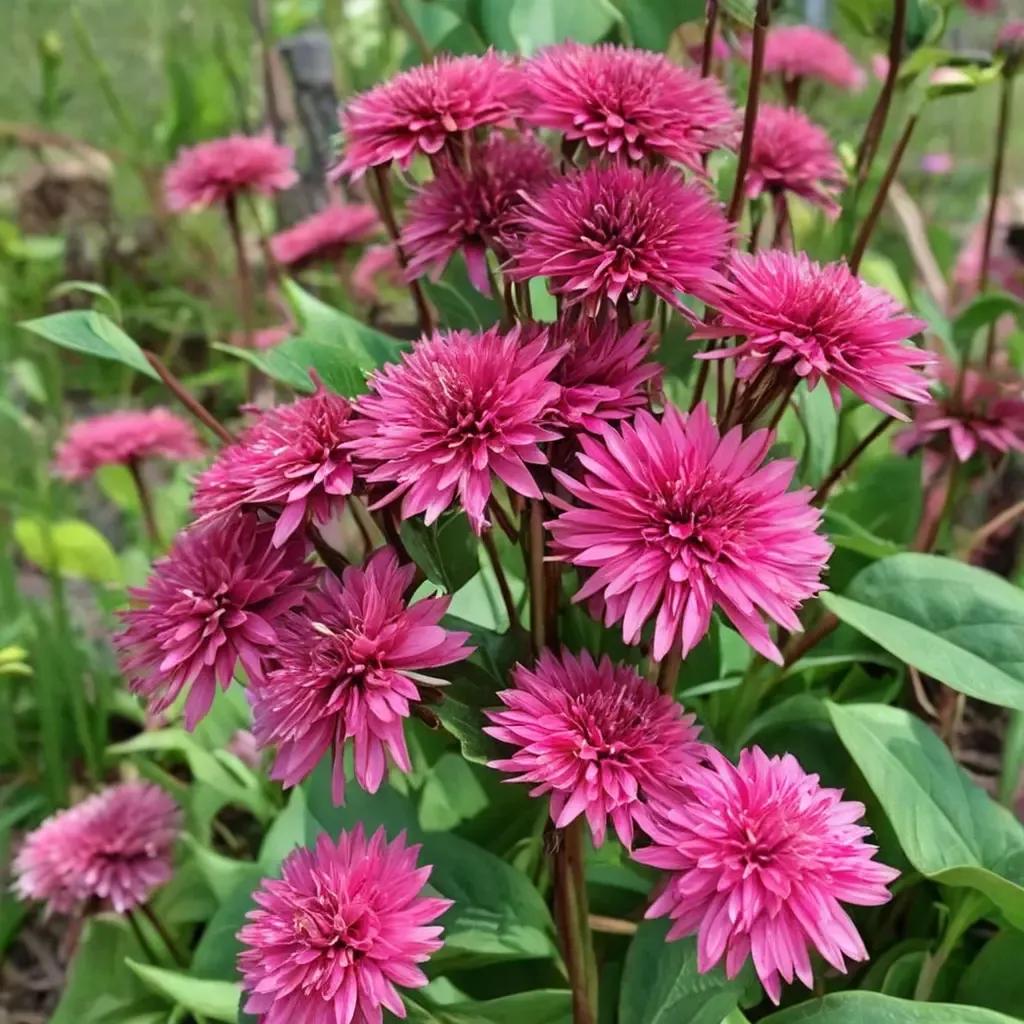 ‘Lovely Lolly’Lovely Lolly Coneflower
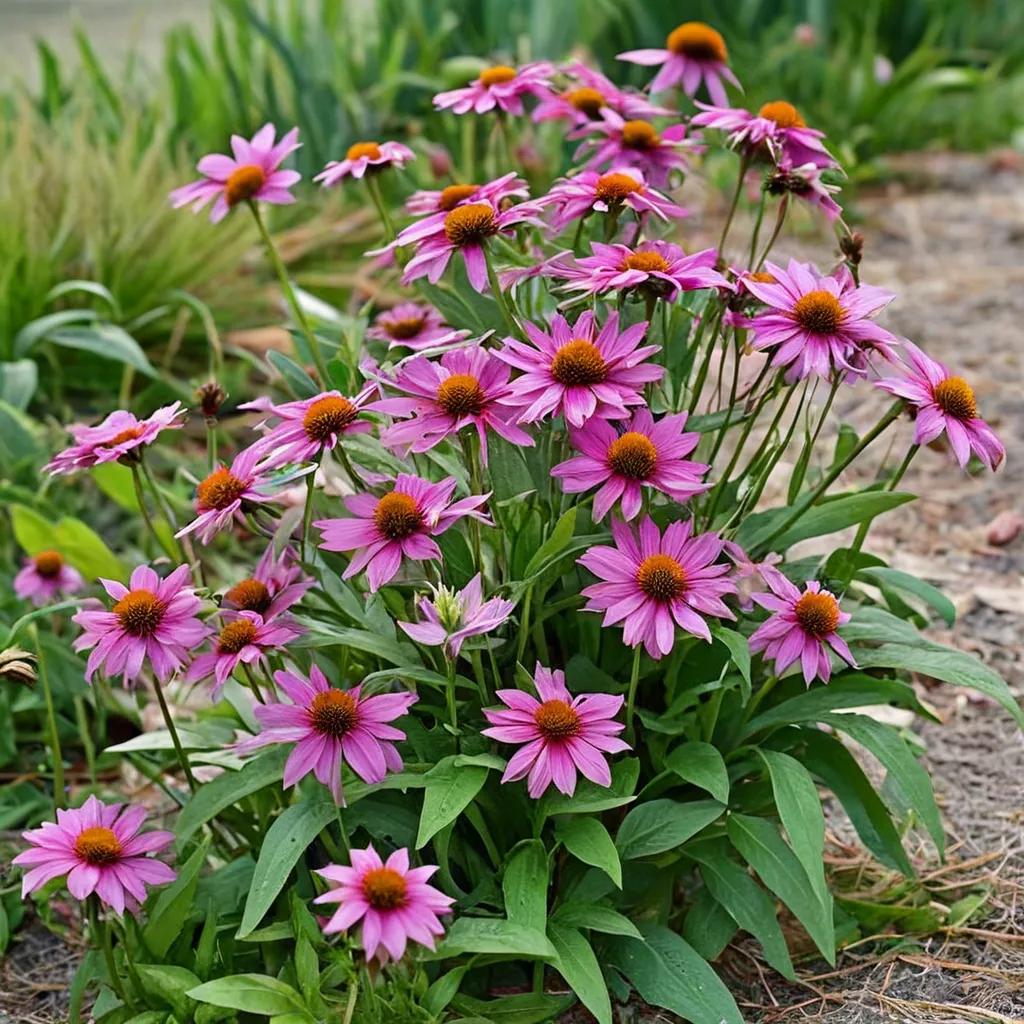 ‘PowWow Wild Berries’Purple Coneflower PowWow Wild Berries
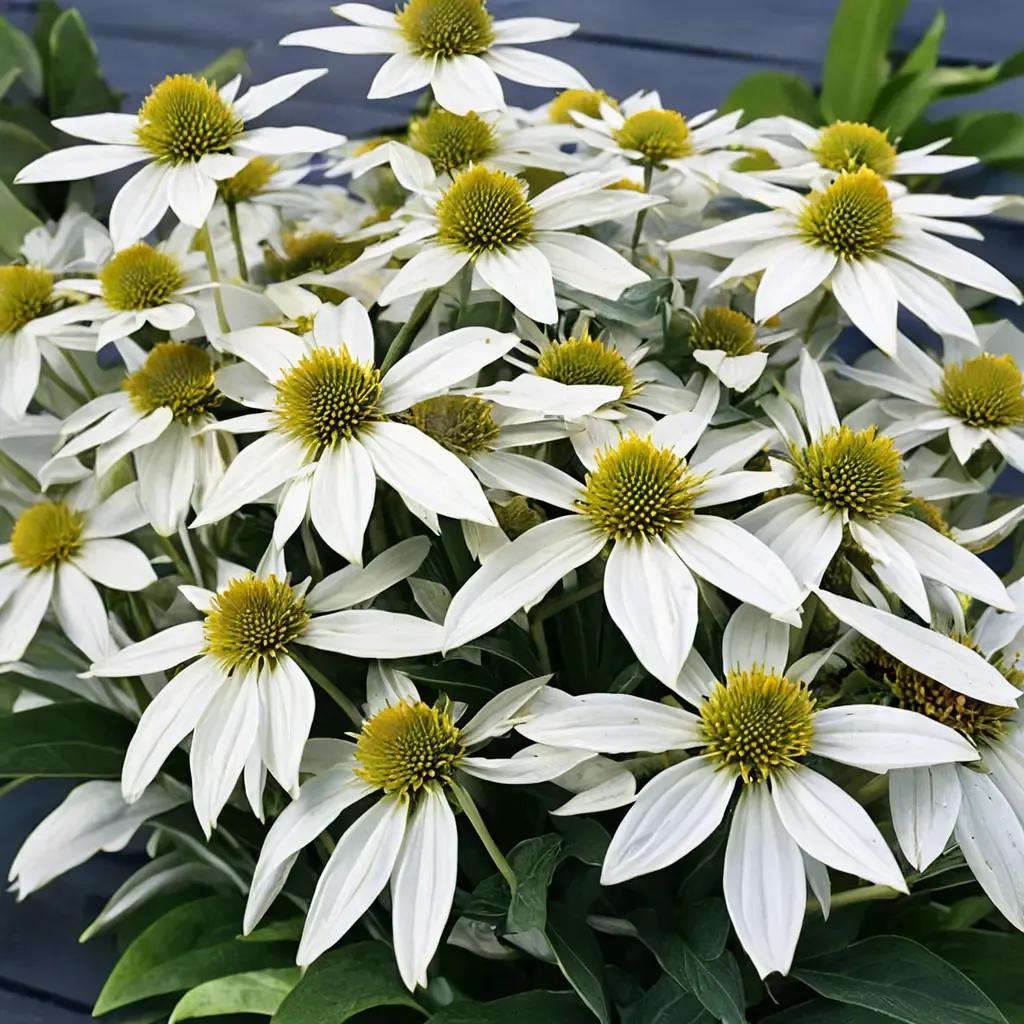 ‘Kismet White’Kismet White Coneflower
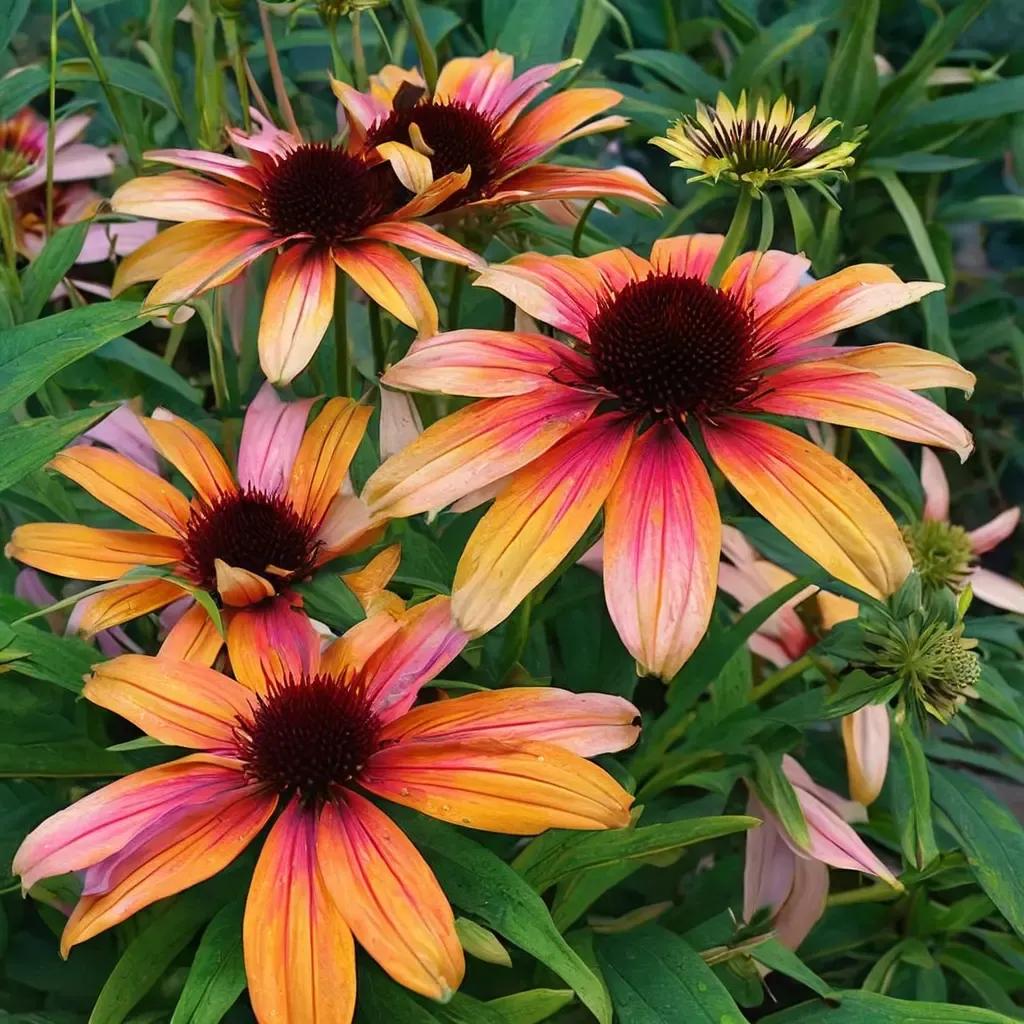 ‘Rainbow Marcella’Rainbow Marcella Coneflower
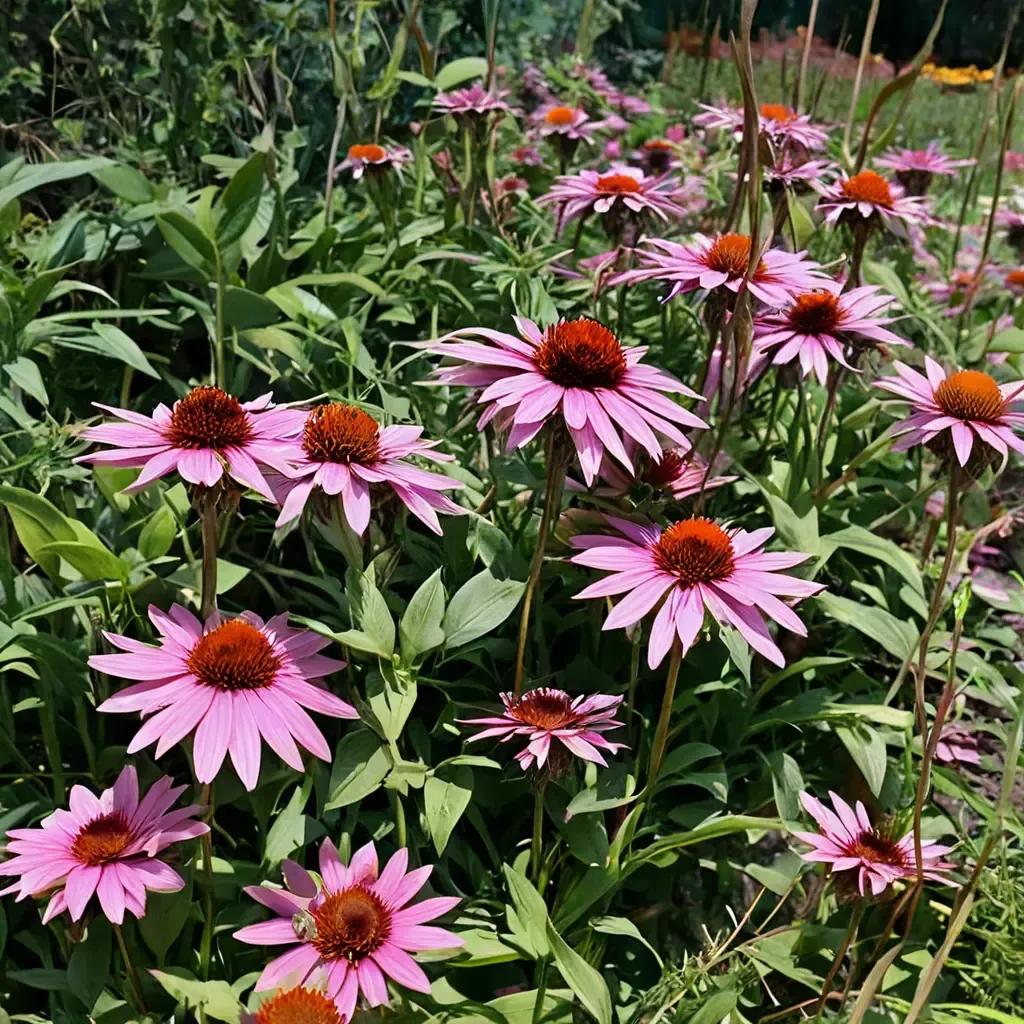 ‘Ruby Giant’Ruby Giant Coneflower
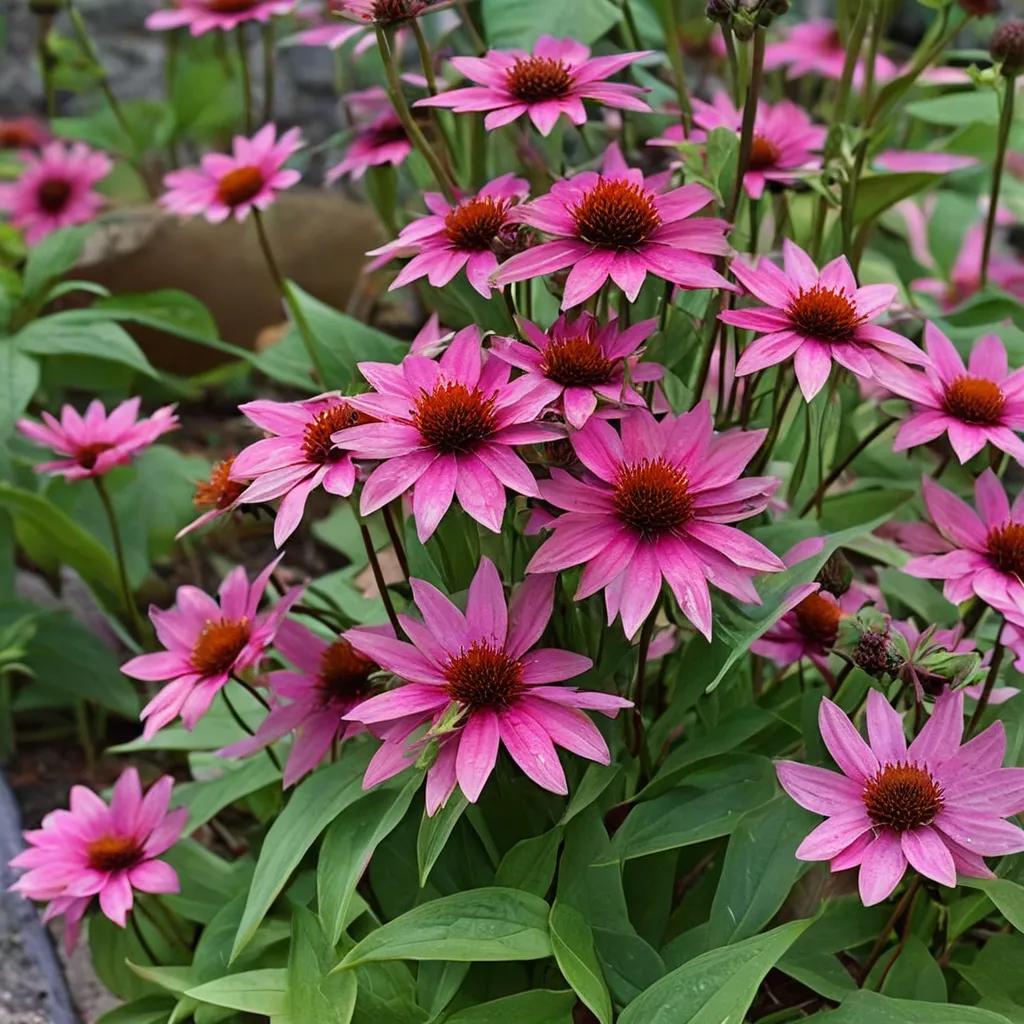 ‘Sombrero Rosada’Sombrero Rosada Coneflower
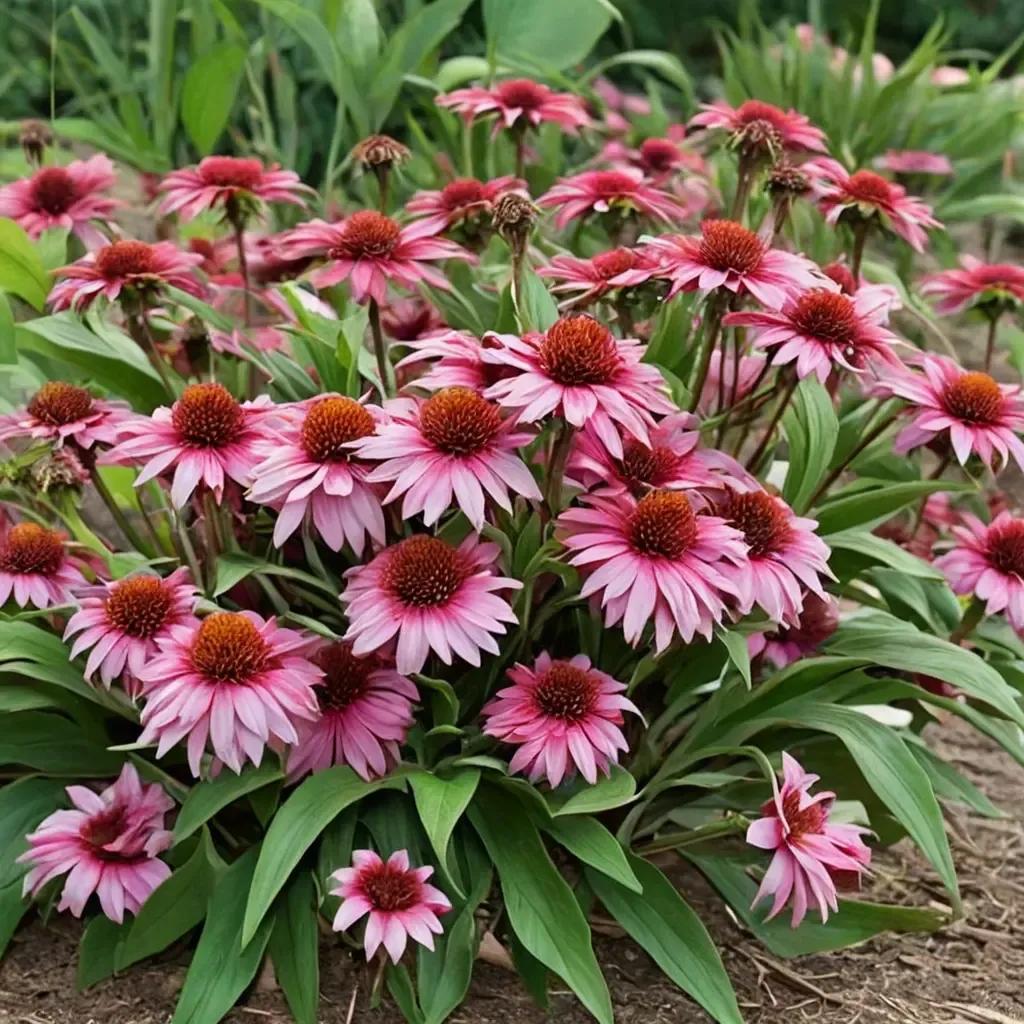 ‘Everything's Rosy’Everything's Rosy Coneflower
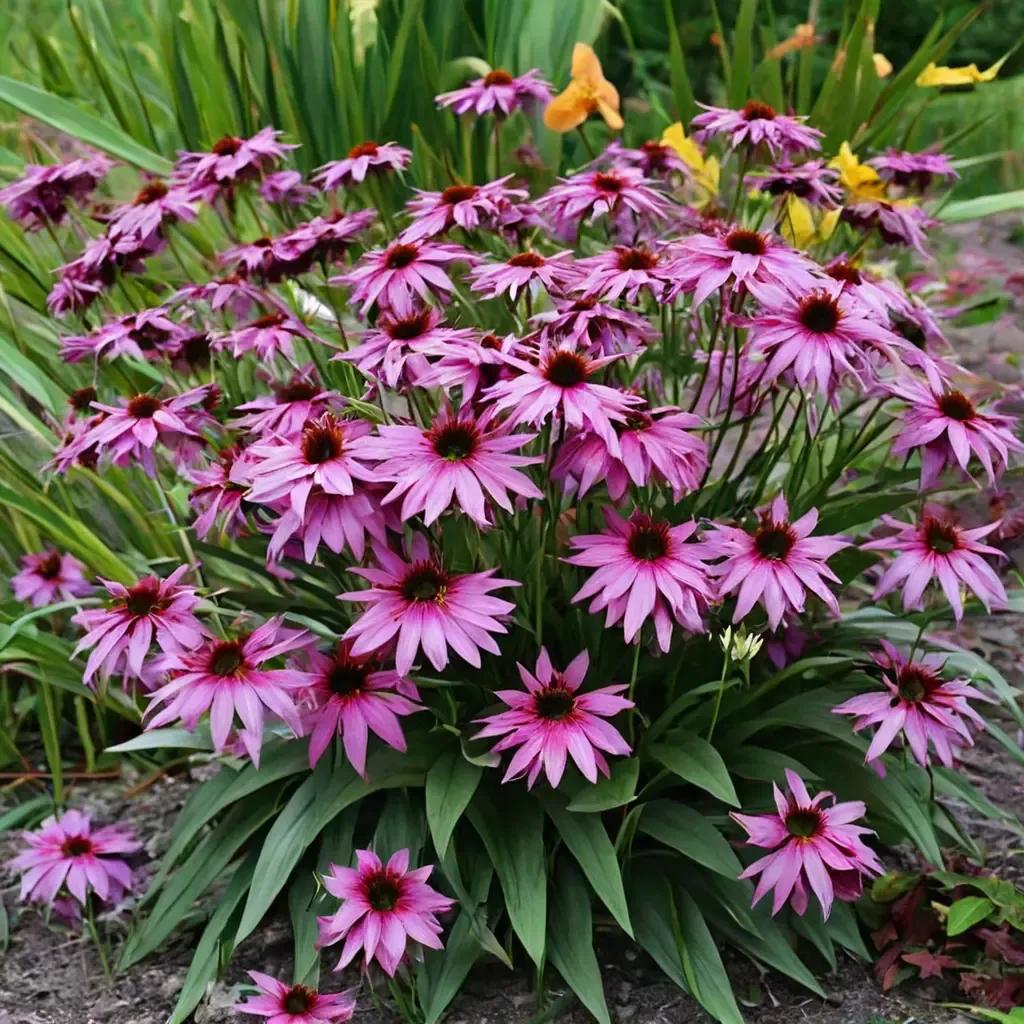 ‘Purple Emperor’Purple Emperor Coneflower
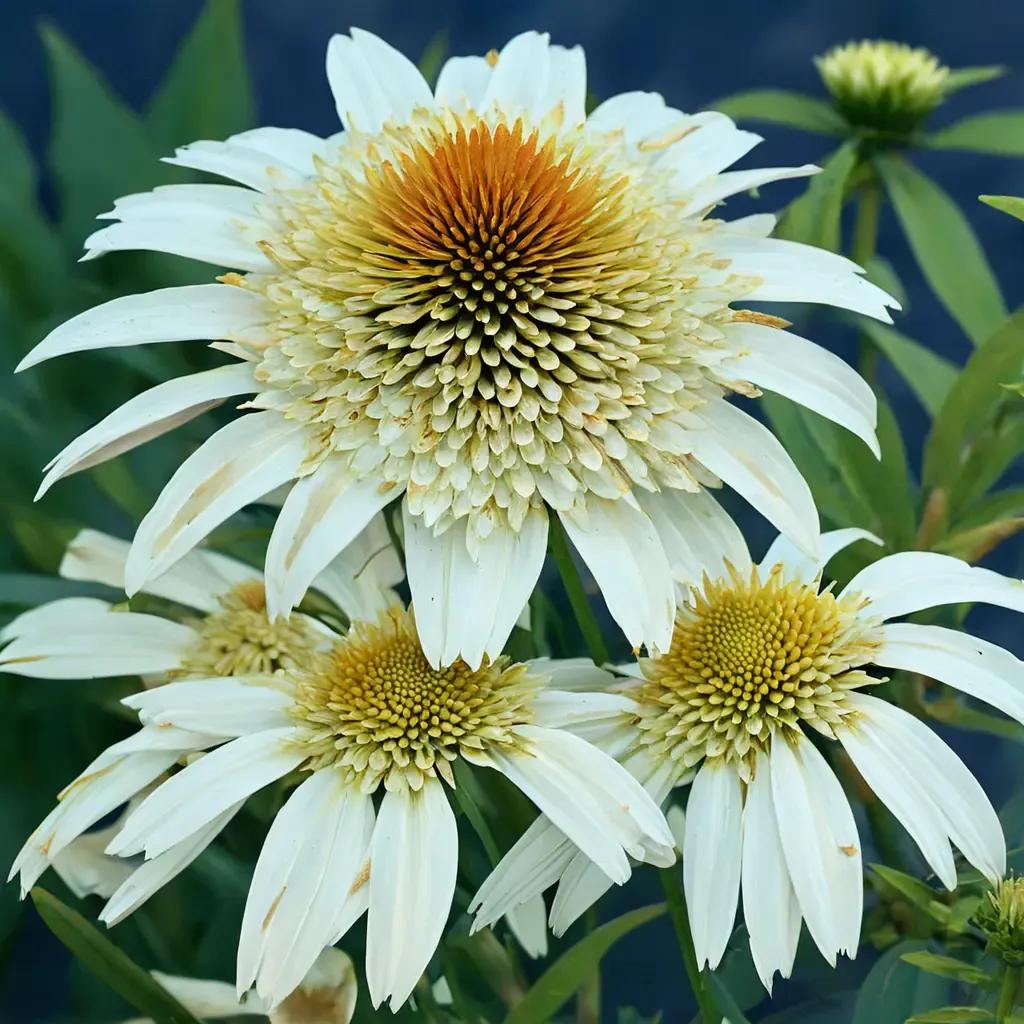 ‘Secret Pride’Secret Pride Coneflower
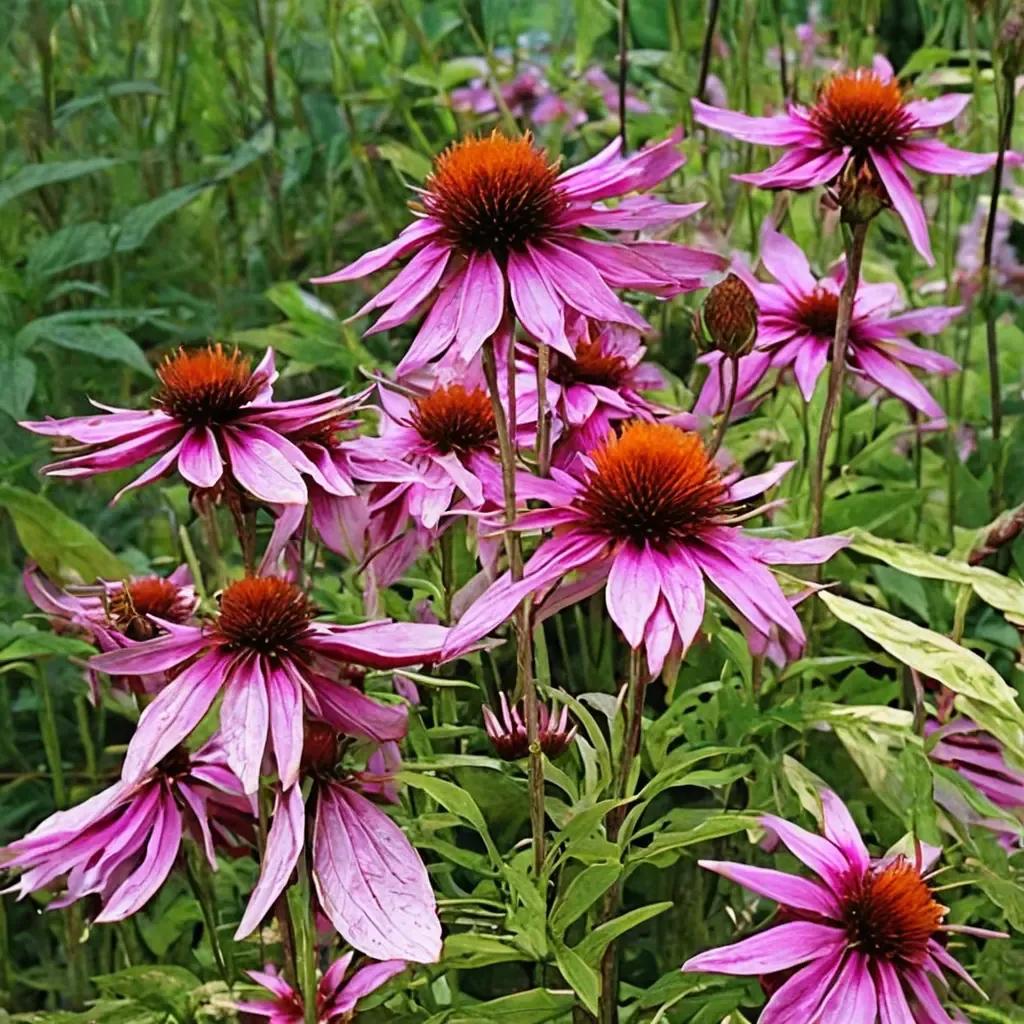 ‘Rubinglow’Ruby Glow Coneflower
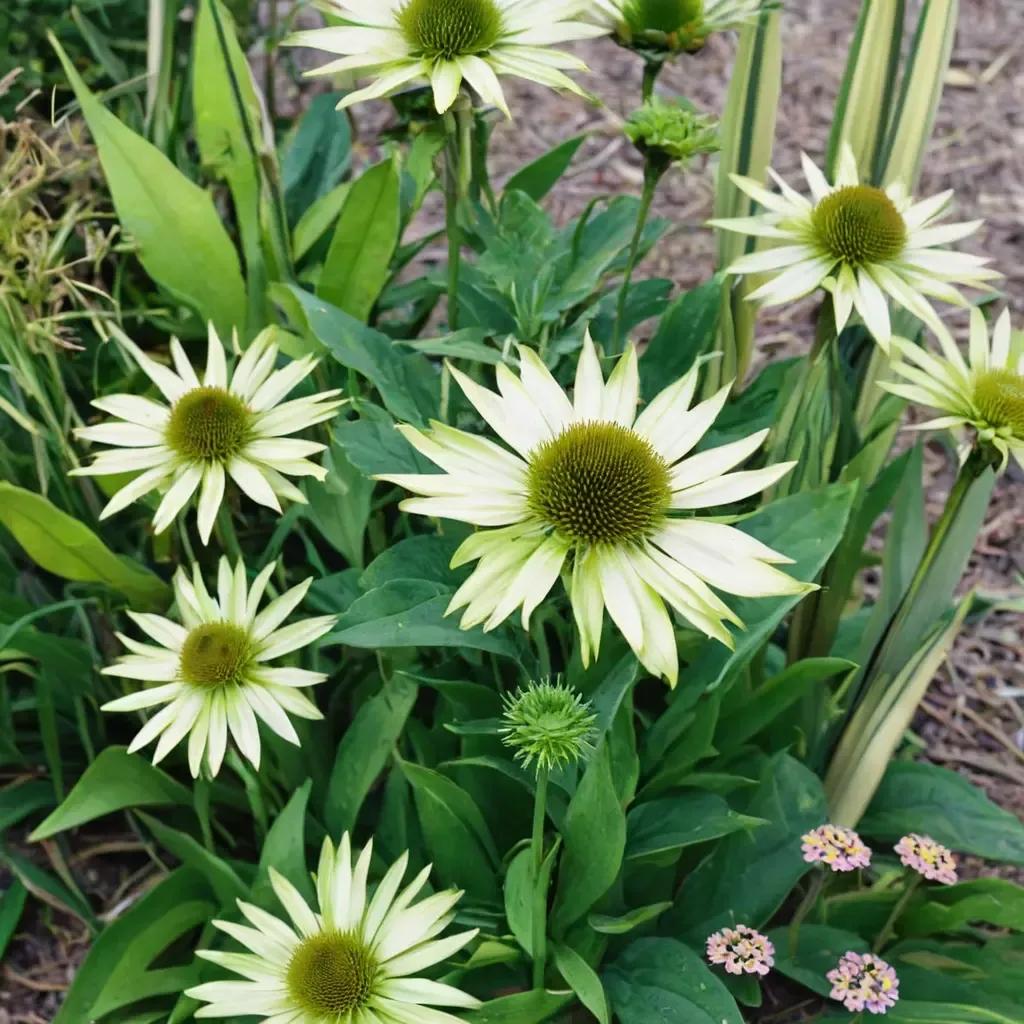 ‘Green Jewel’Green Jewel Coneflower
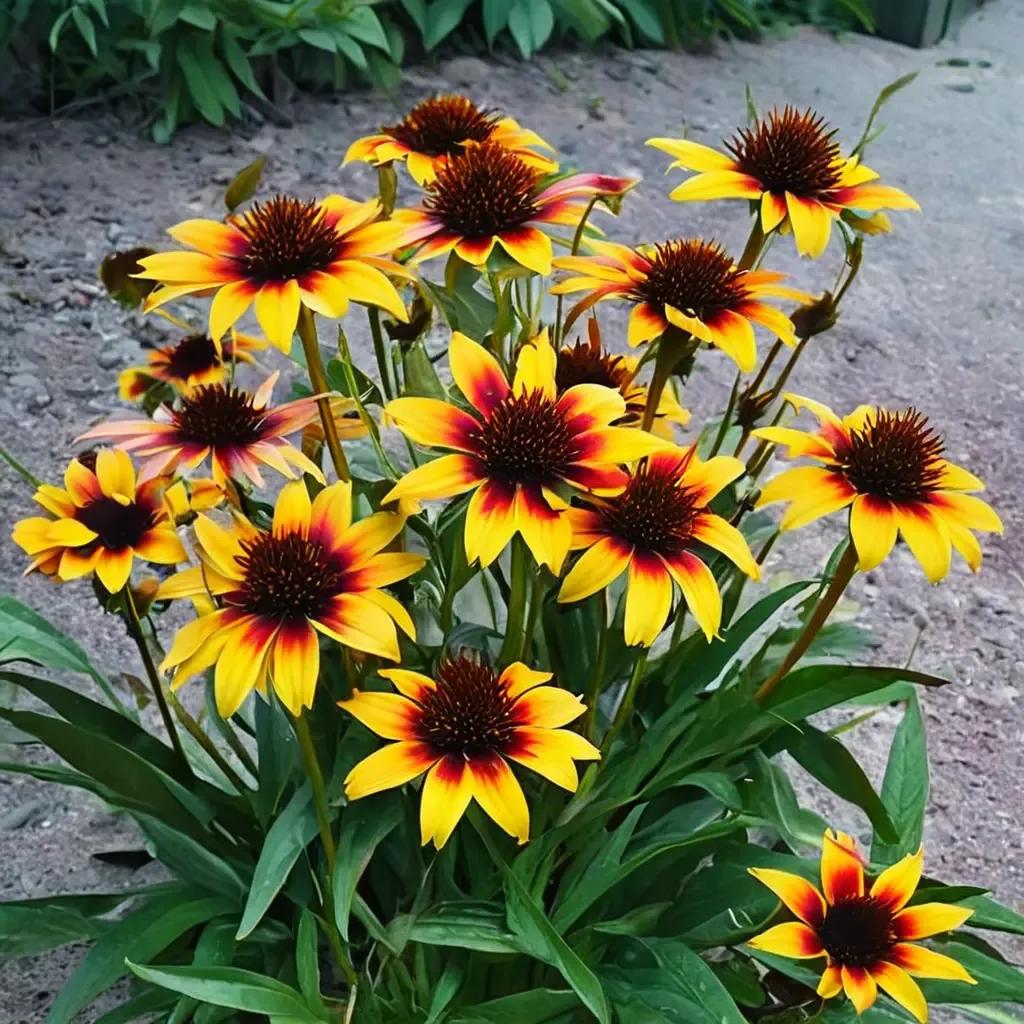 ‘Fine Feathered Parrot’Fine Feathered Parrot Coneflower
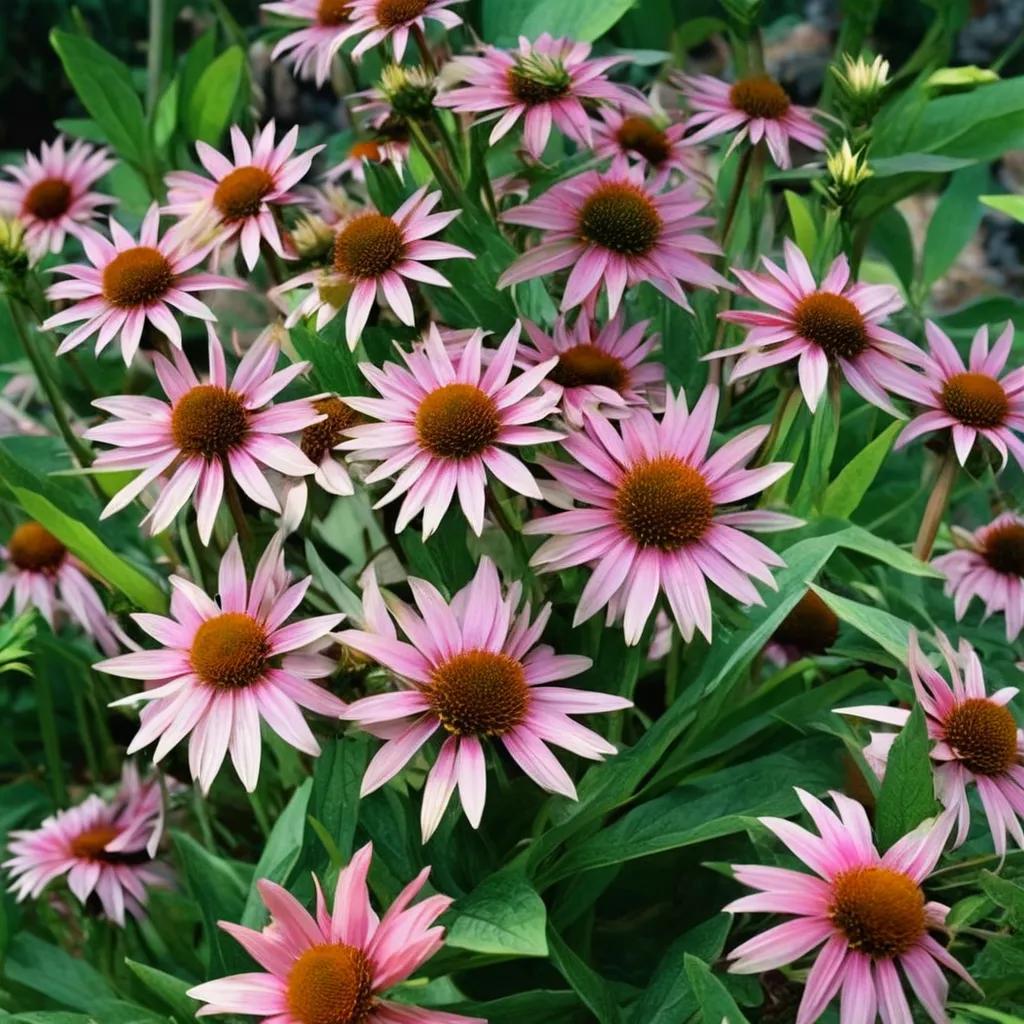 ‘Paranoia’Purple Coneflower Paranoia
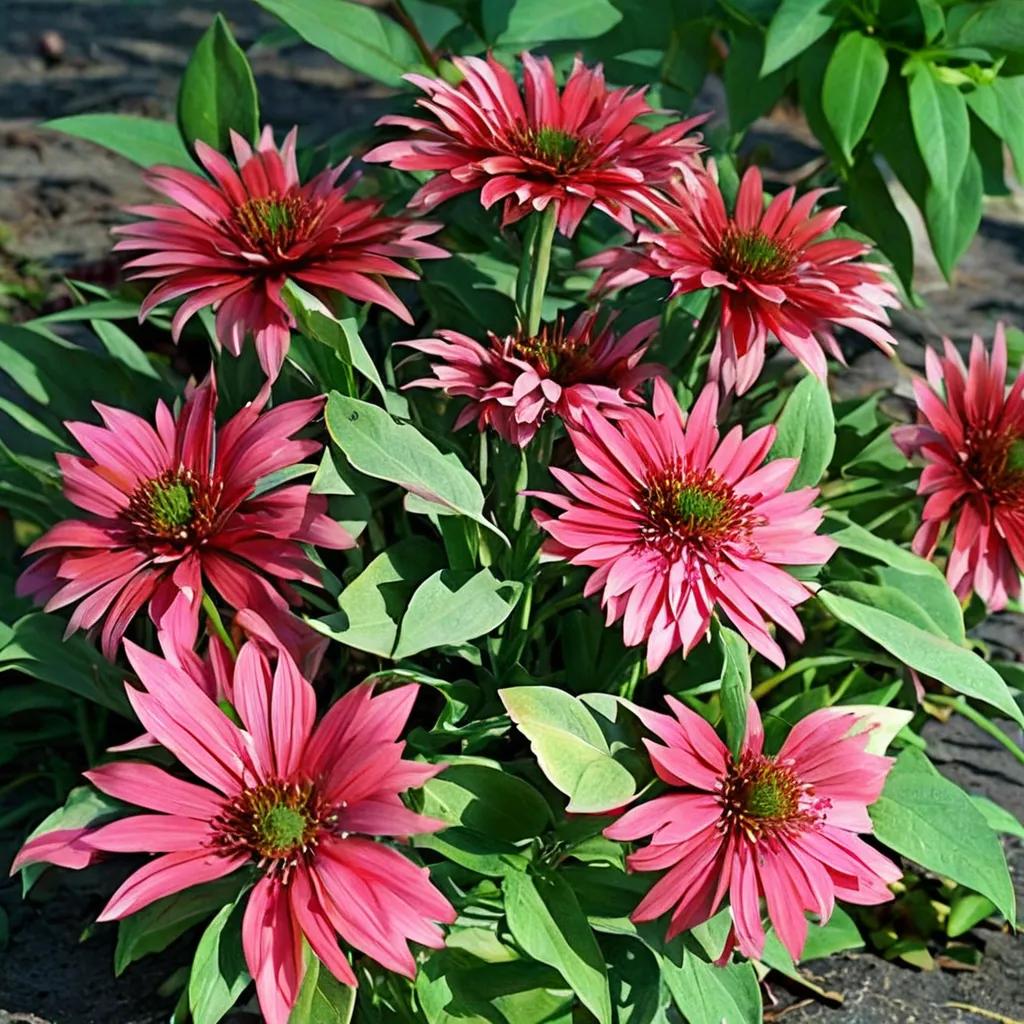 ‘Sunseekers Watermelon’Sunseekers Watermelon Coneflower
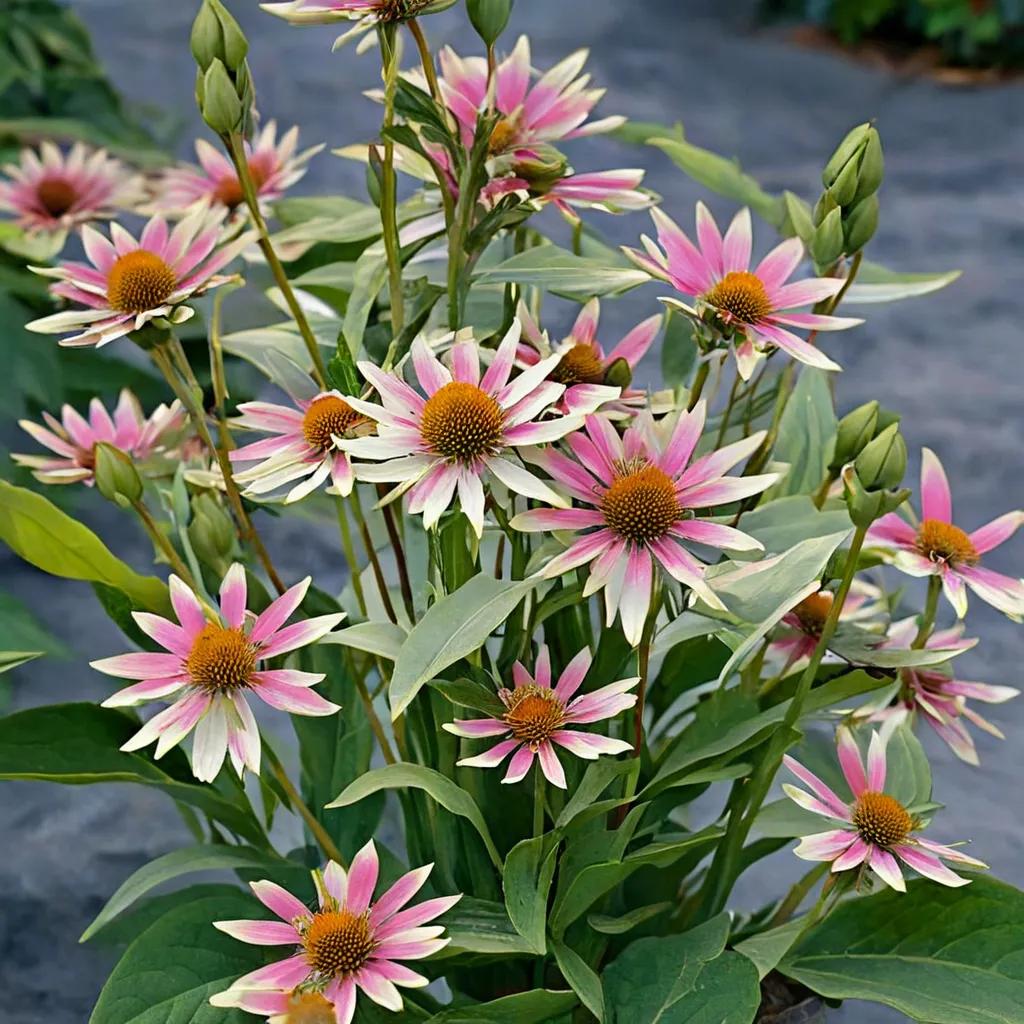 ‘Spider’Spider Purple Coneflower
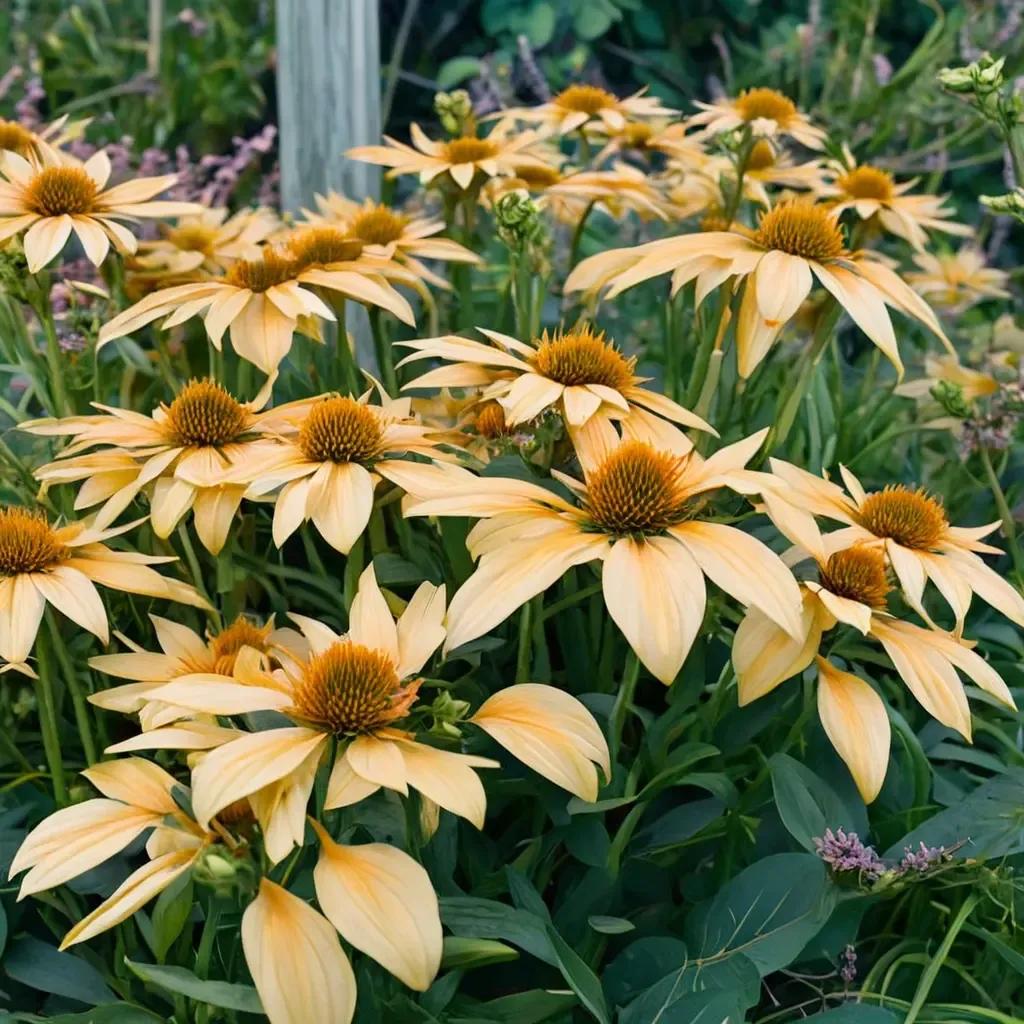 ‘One in a Melon’One in a Melon Coneflower
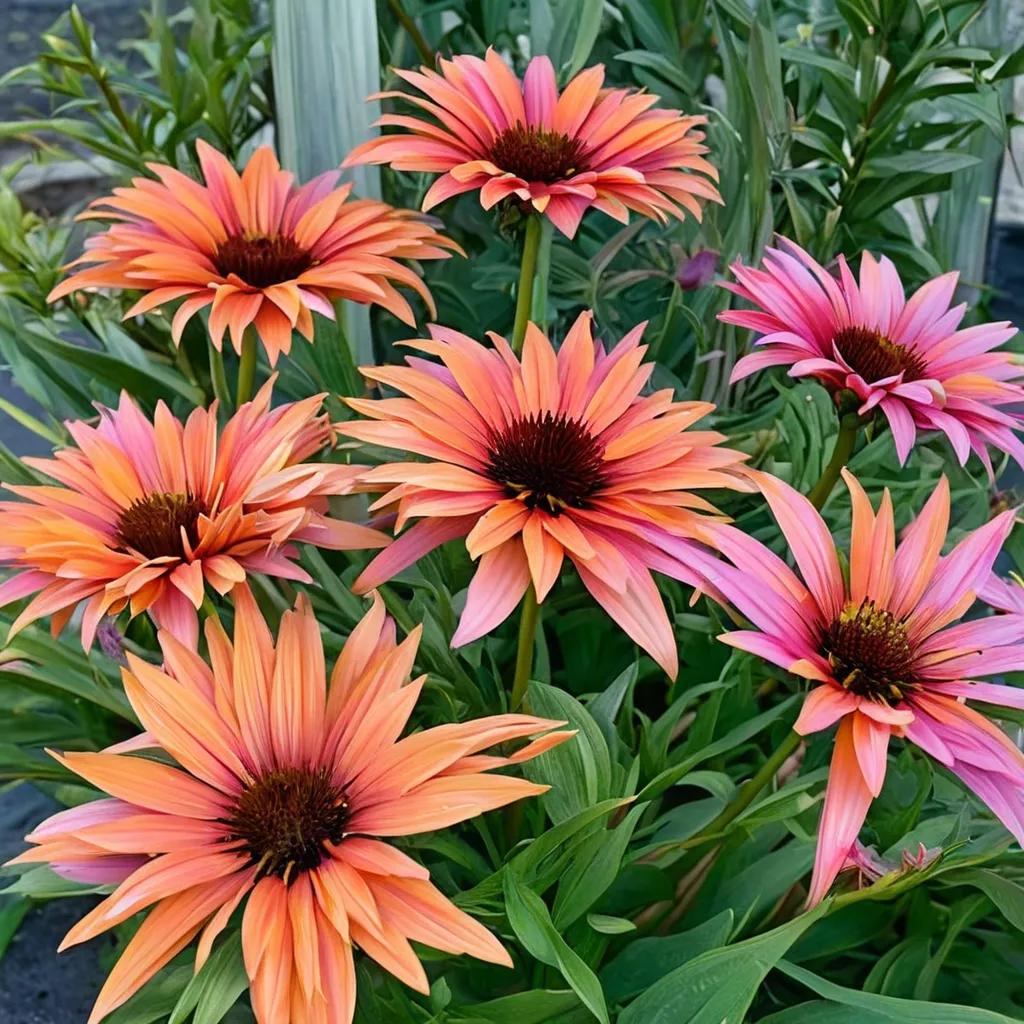 ‘Sunseekers Rainbow’Echinacea purpurea Sunseekers Rainbow
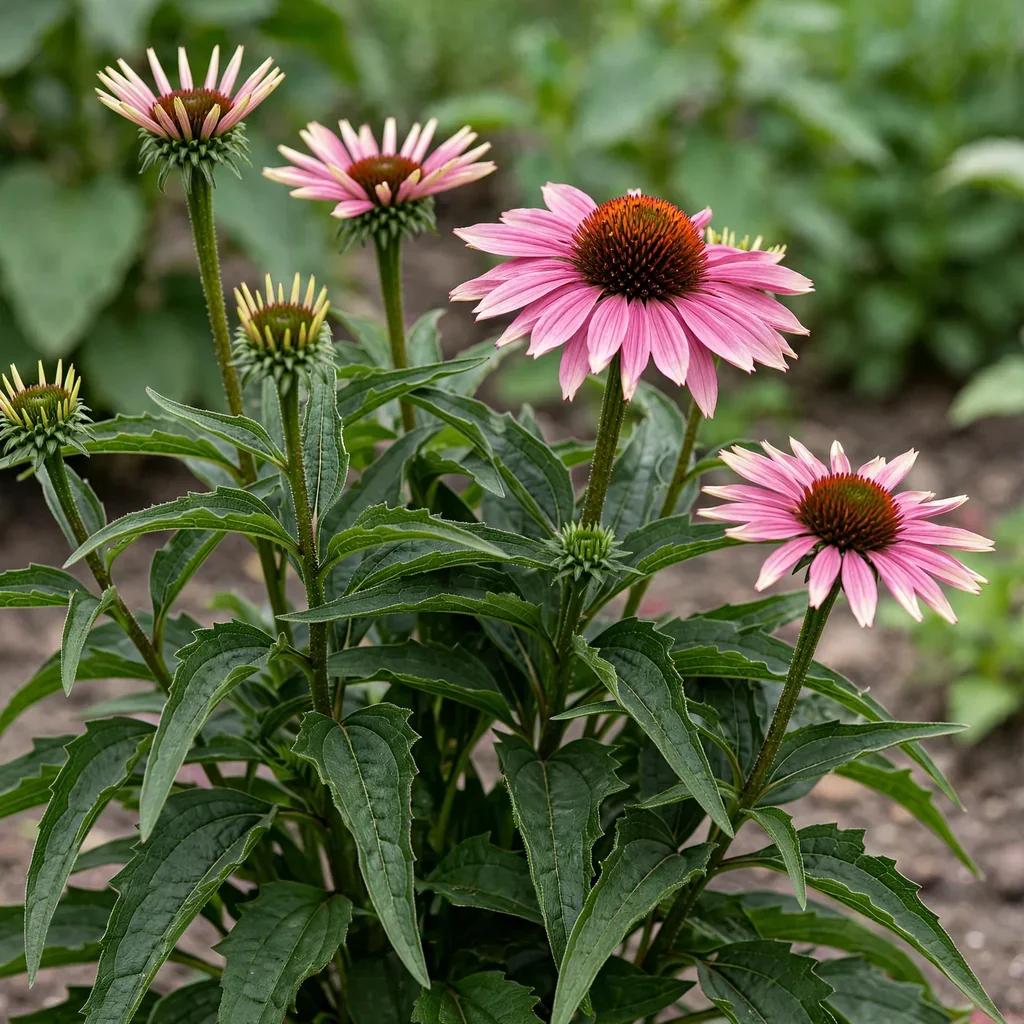 ‘Playful Meadow Mama’Purple Coneflower Playful Meadow Mama
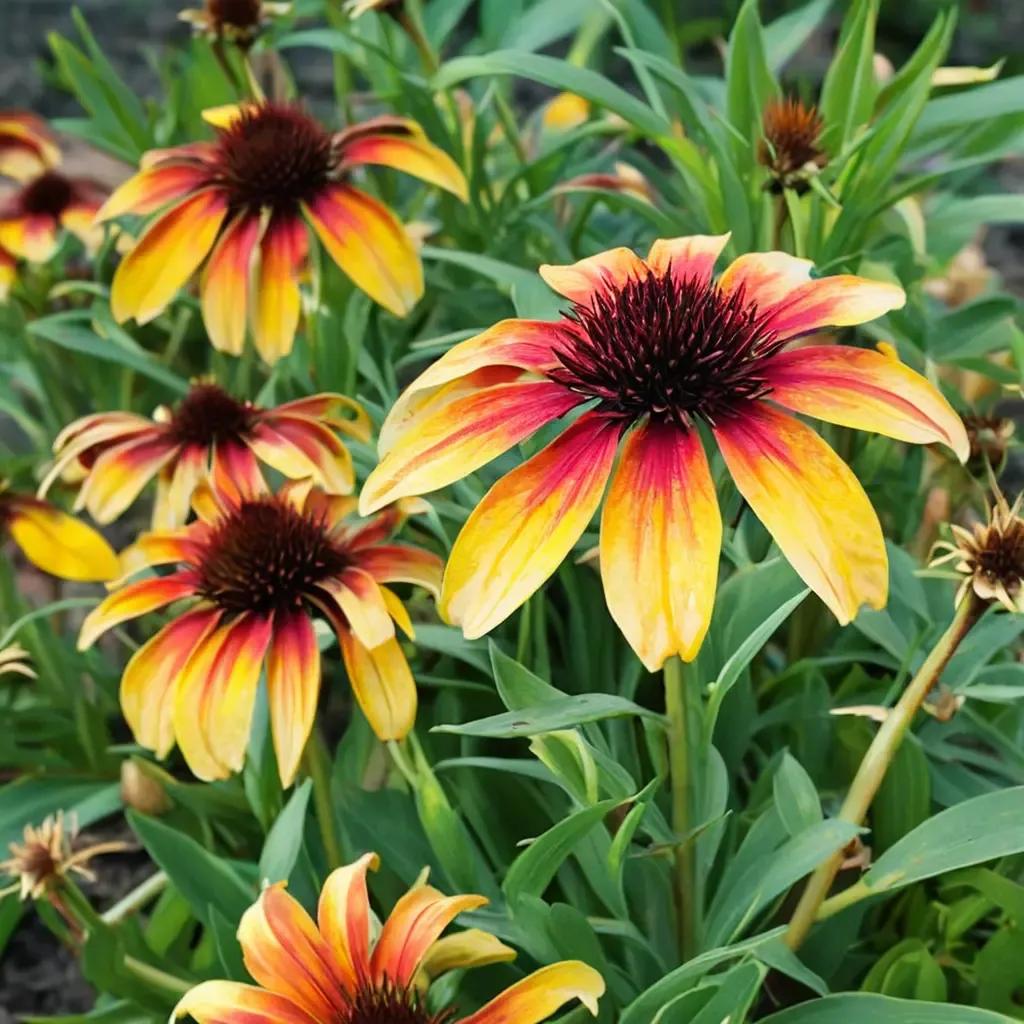 ‘Fiery Meadow Mama’Fiery Meadow Mama Coneflower
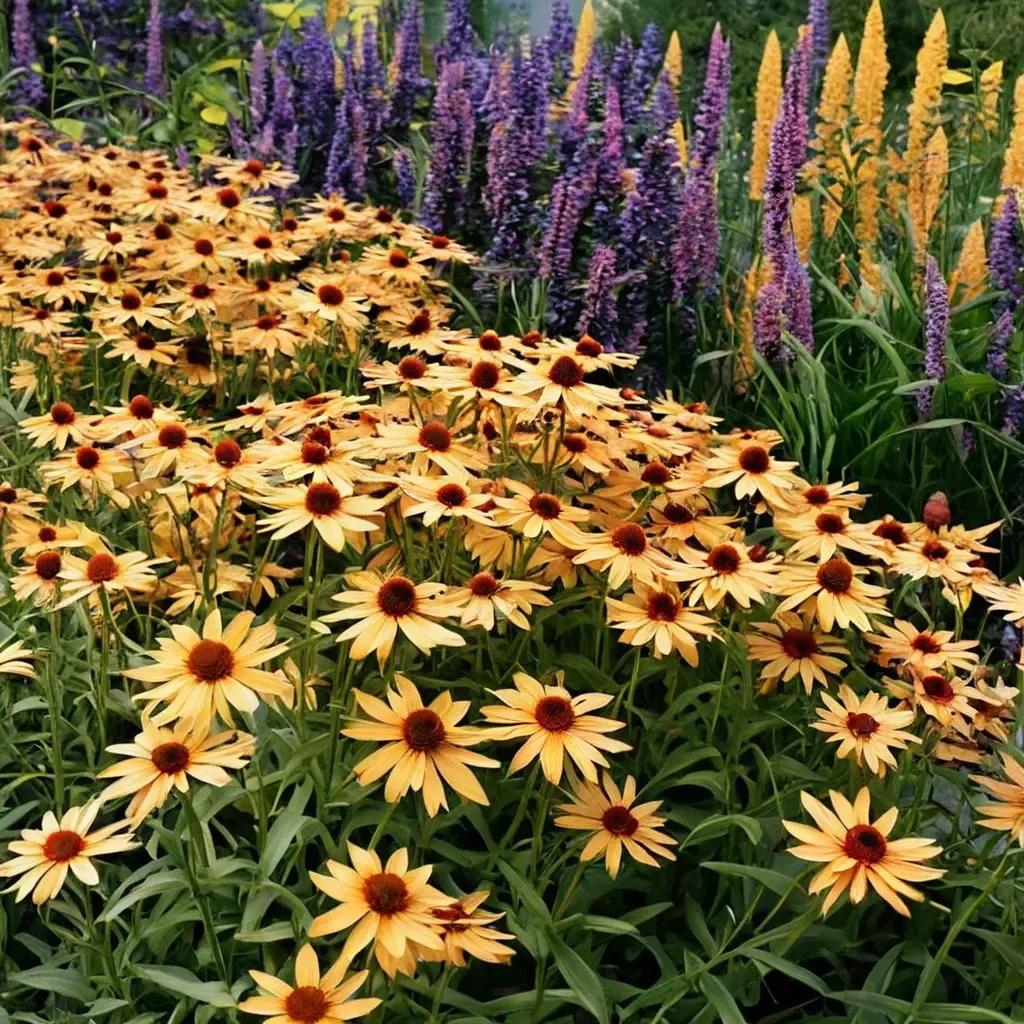 ‘Big Kahuna’Big Kahuna Purple Coneflower
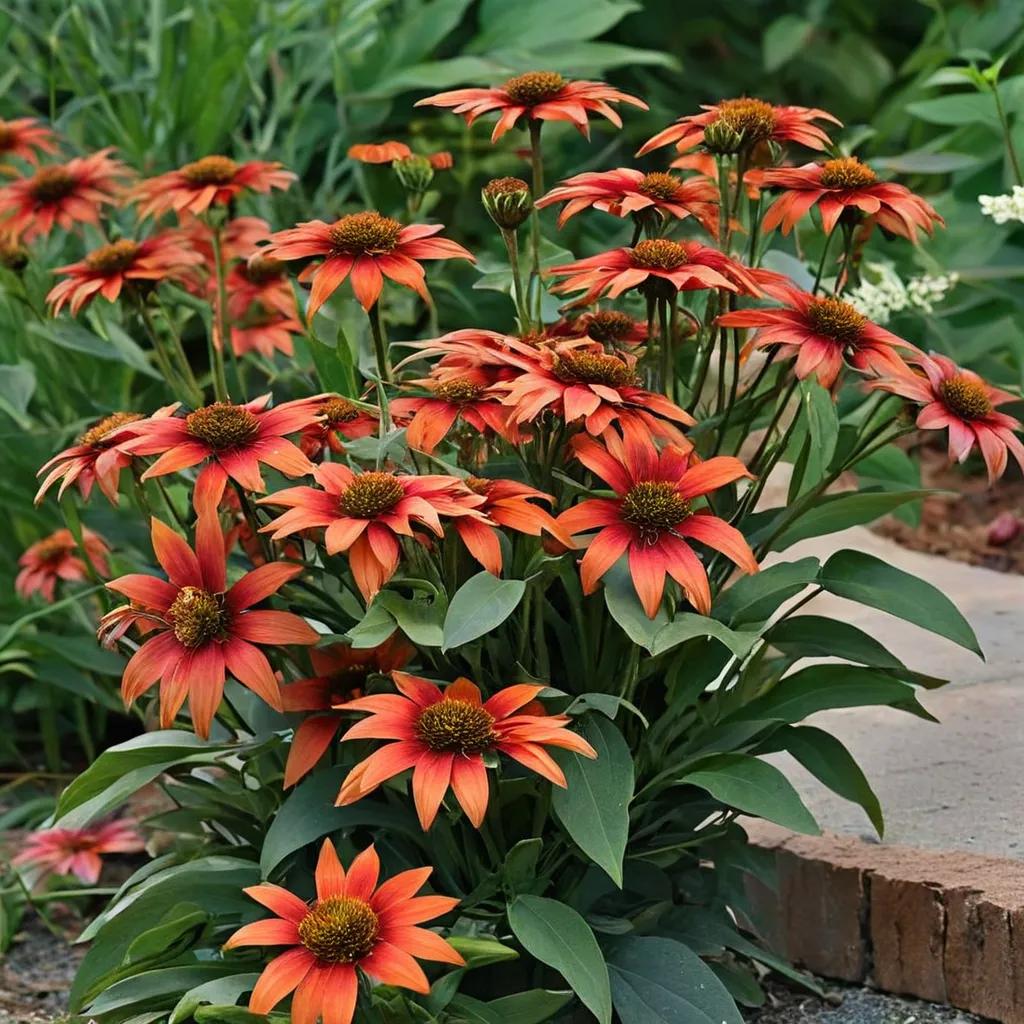 ‘Red Ombre’Purple Coneflower Red Ombre
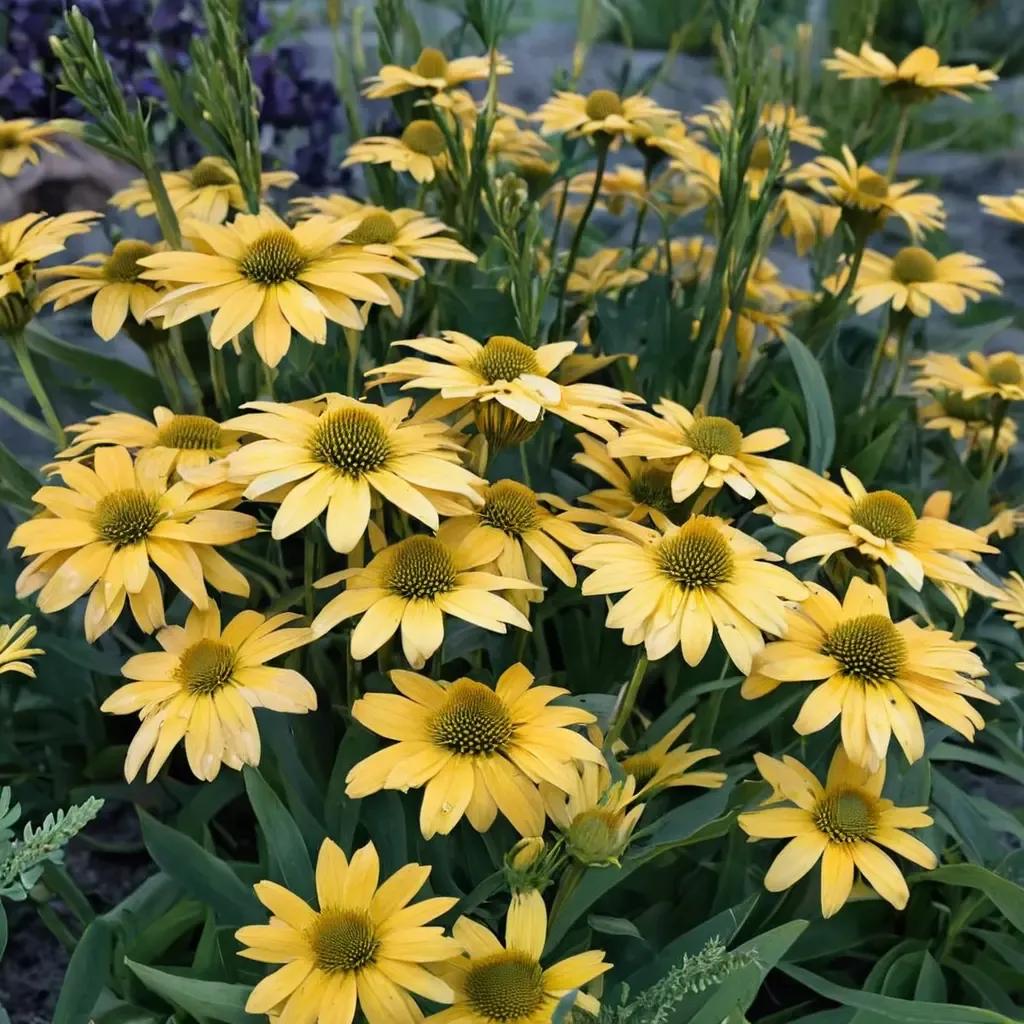 ‘Yellow My Darling’Yellow My Darling Coneflower
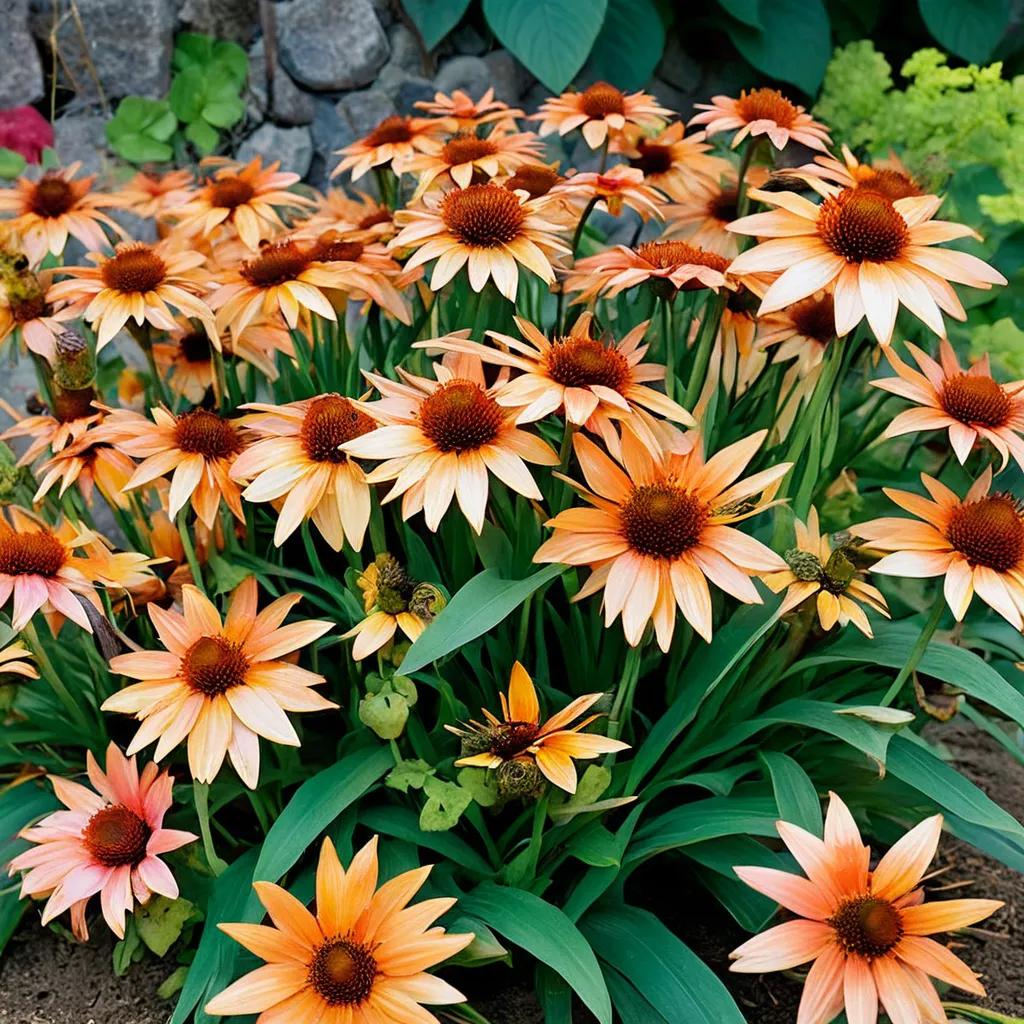 ‘Prima Ginger’Prima Ginger Coneflower
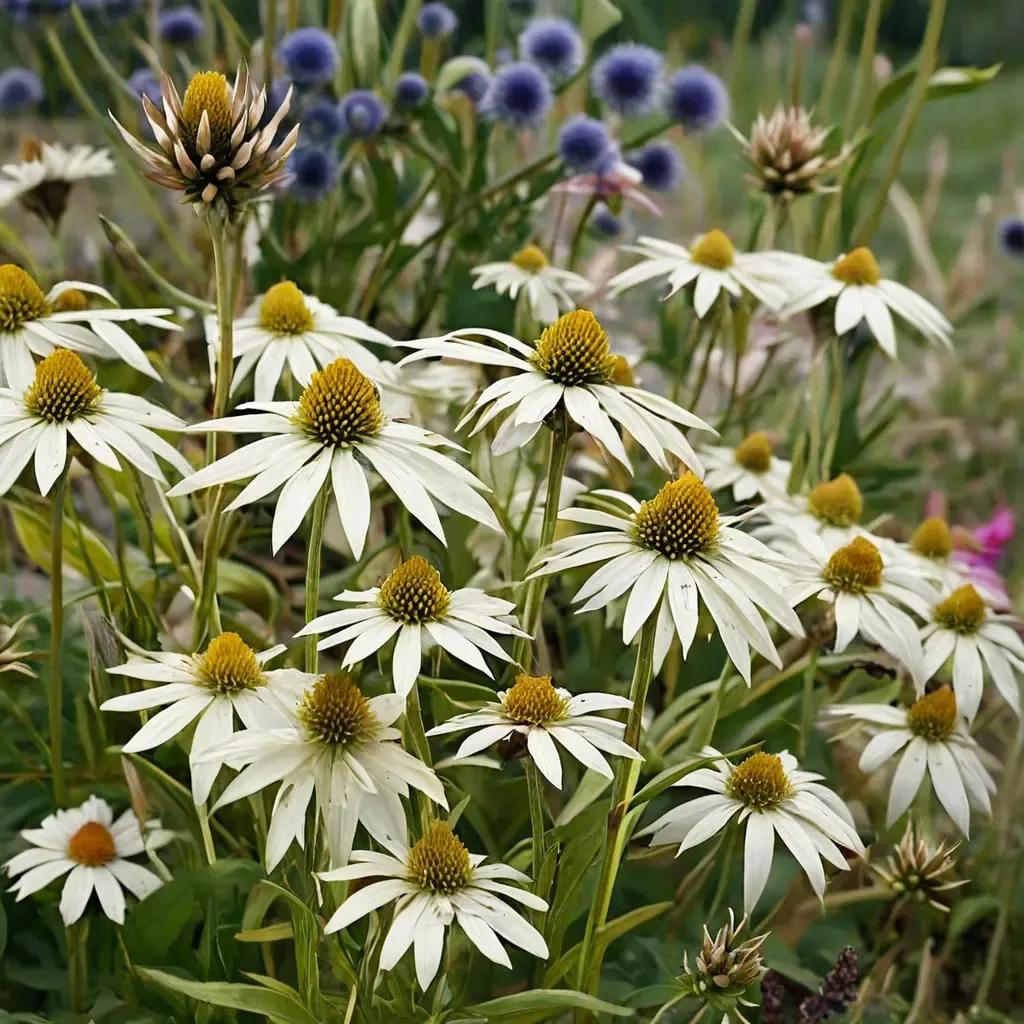 ‘White Swan’White Swan Coneflower
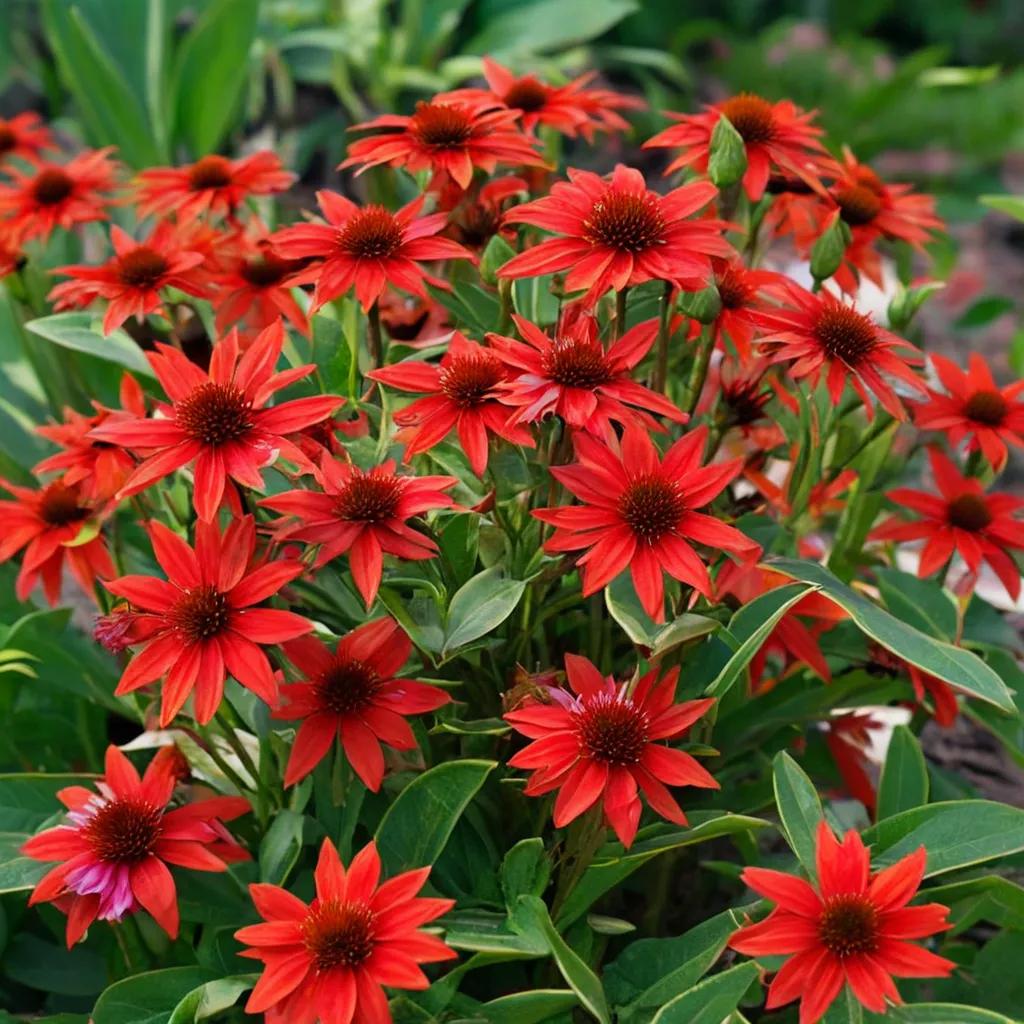 ‘Salsa Red’Salsa Red Coneflower
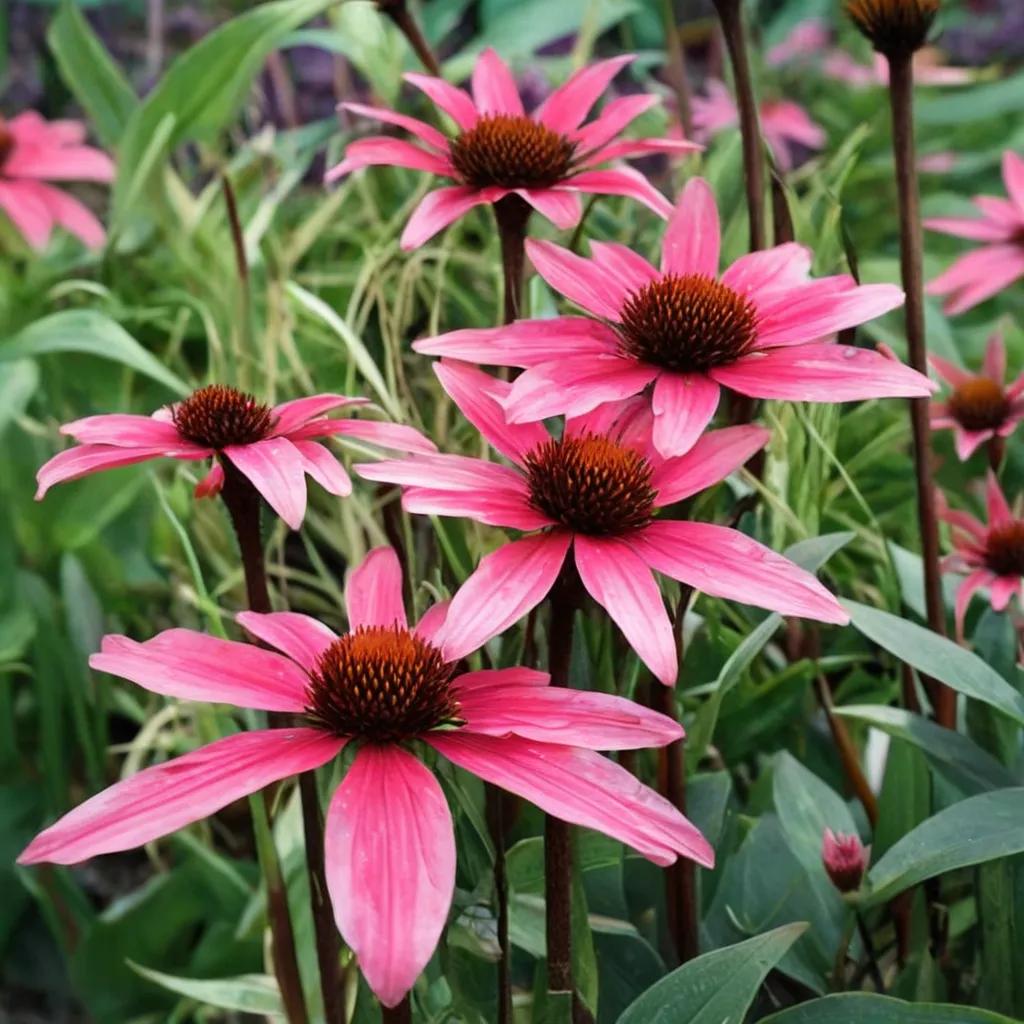 ‘Solar Flare’Solar Flare Coneflower
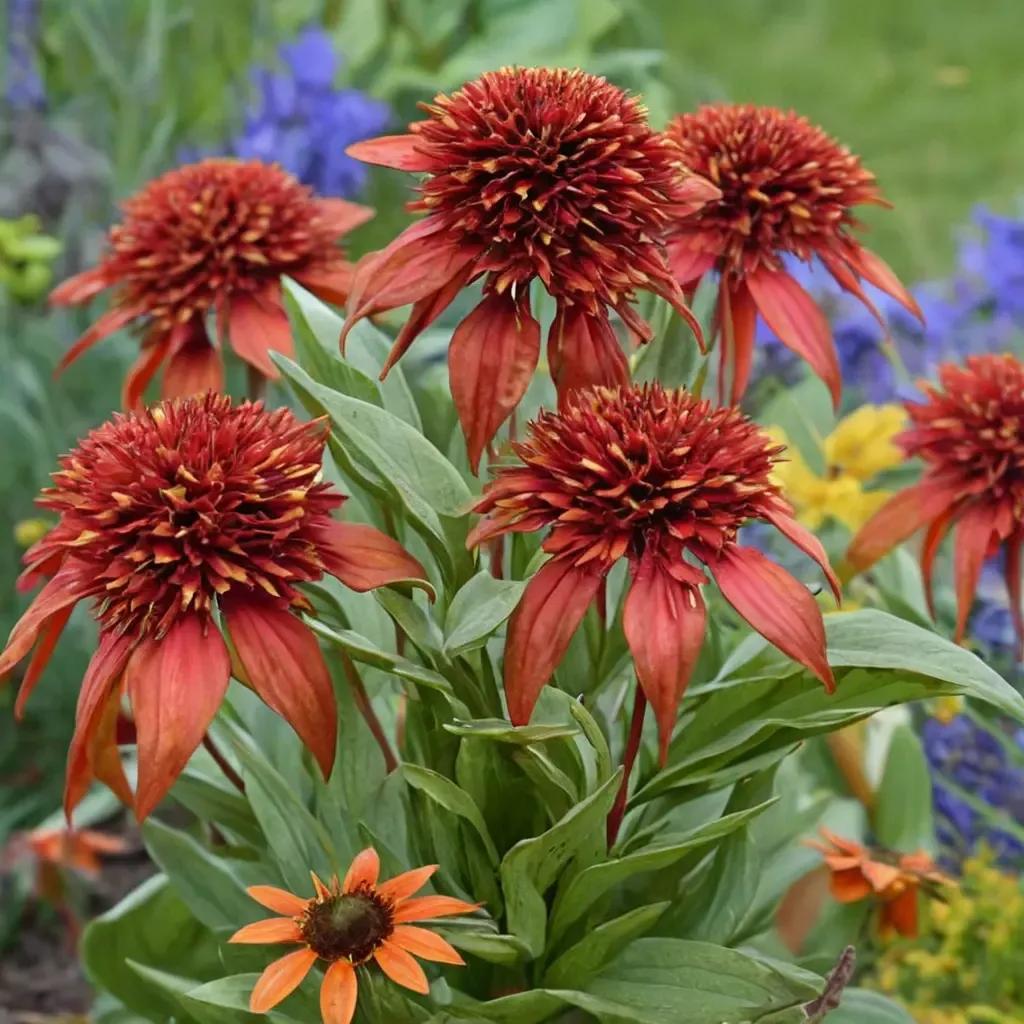 ‘Hot Papaya’Hot Papaya Coneflower
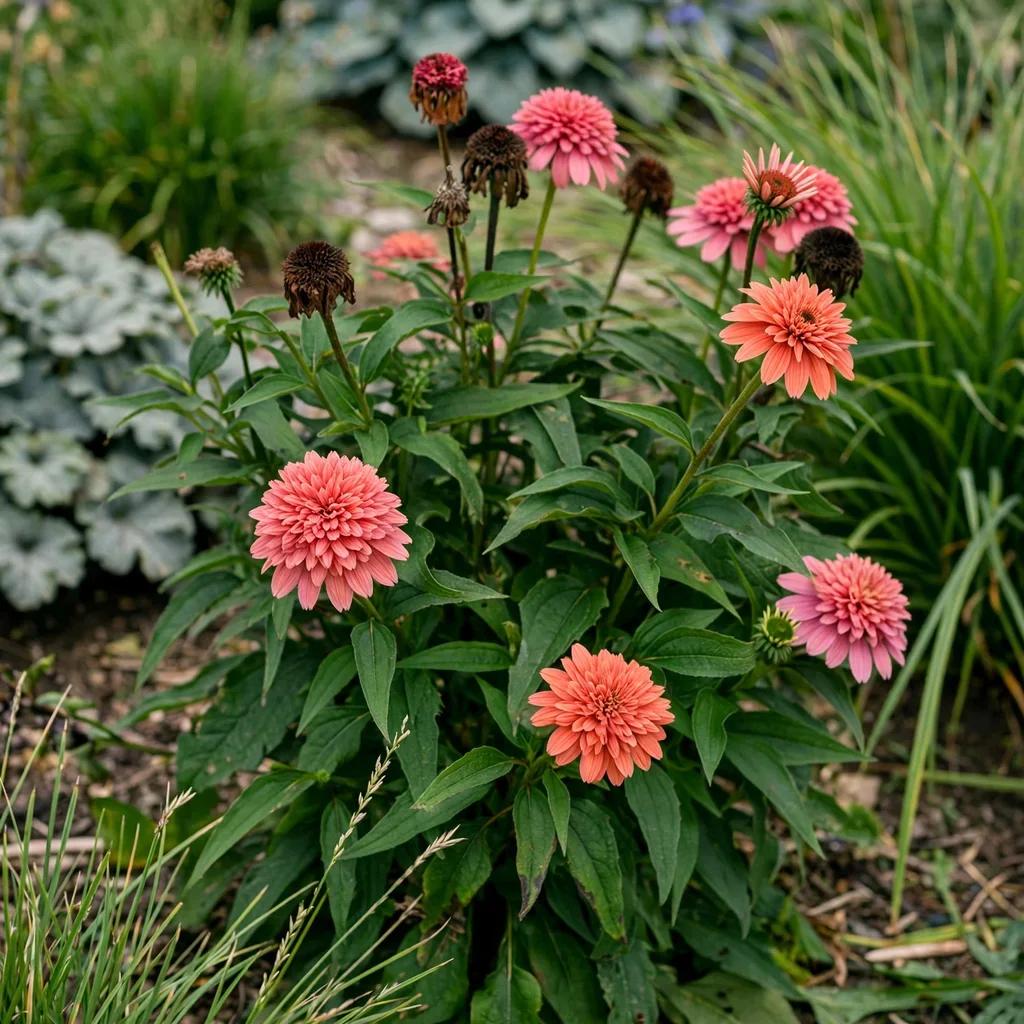 ‘Double Dipped Rainbow Sherbet’Double Dipped Rainbow Sherbet Coneflower
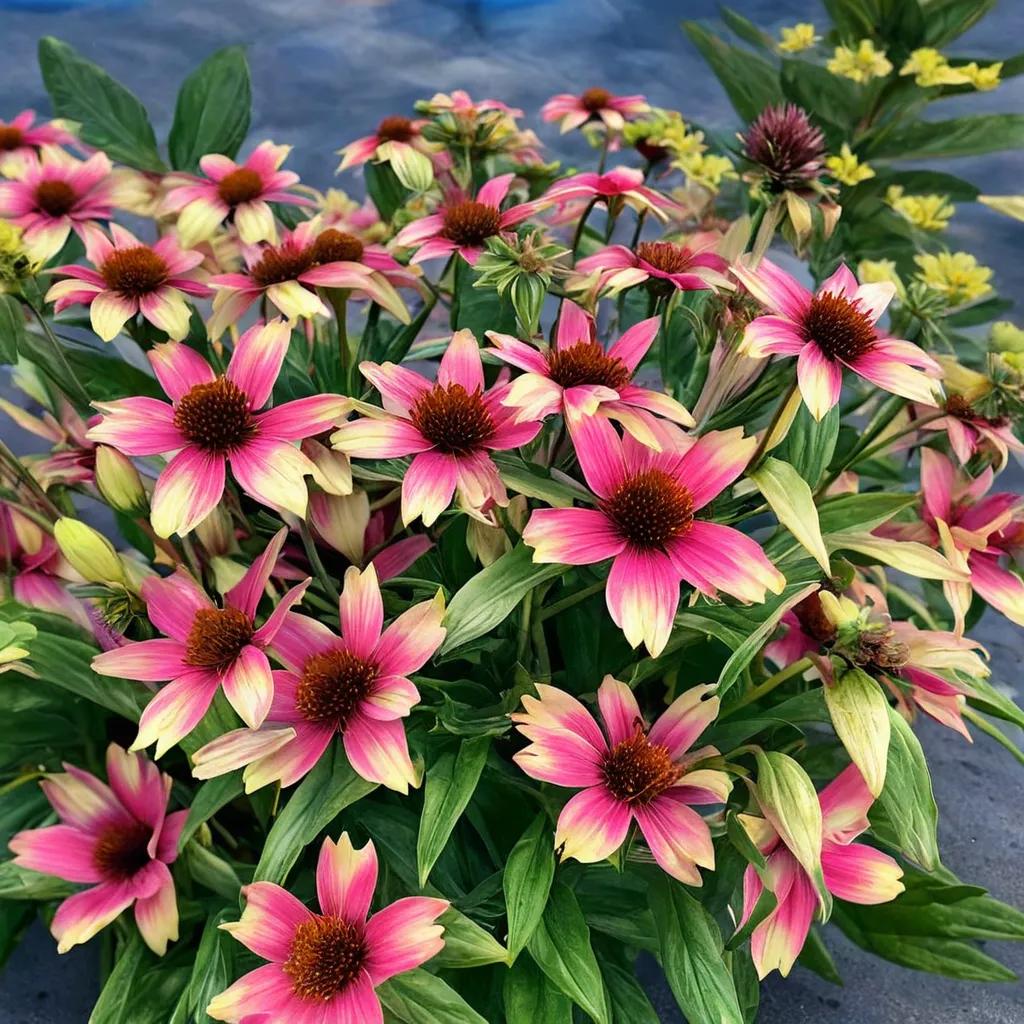 ‘Pink Lemonade’Pink Lemonade Coneflower
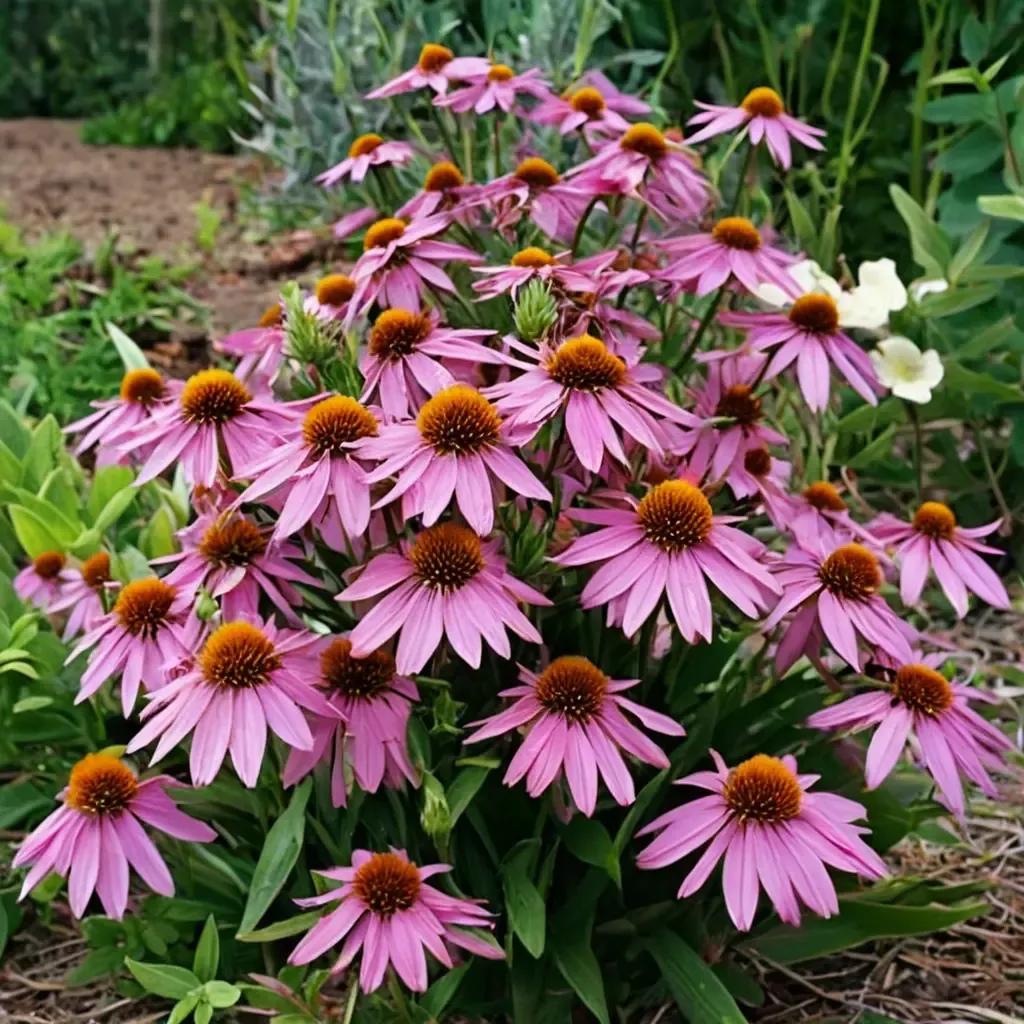 ‘Kim’Kim's Knee High Coneflower
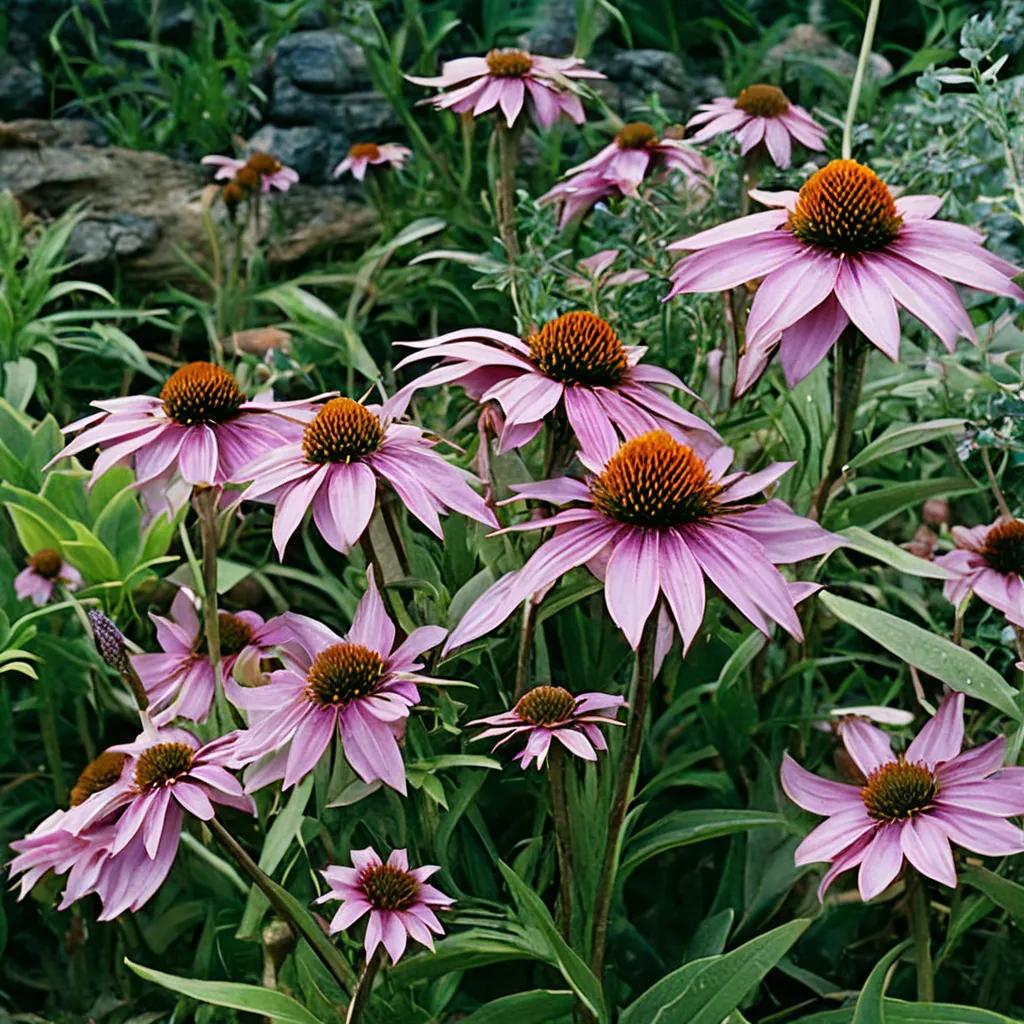 ‘Bright Star’'Bright Star' Purple Coneflower
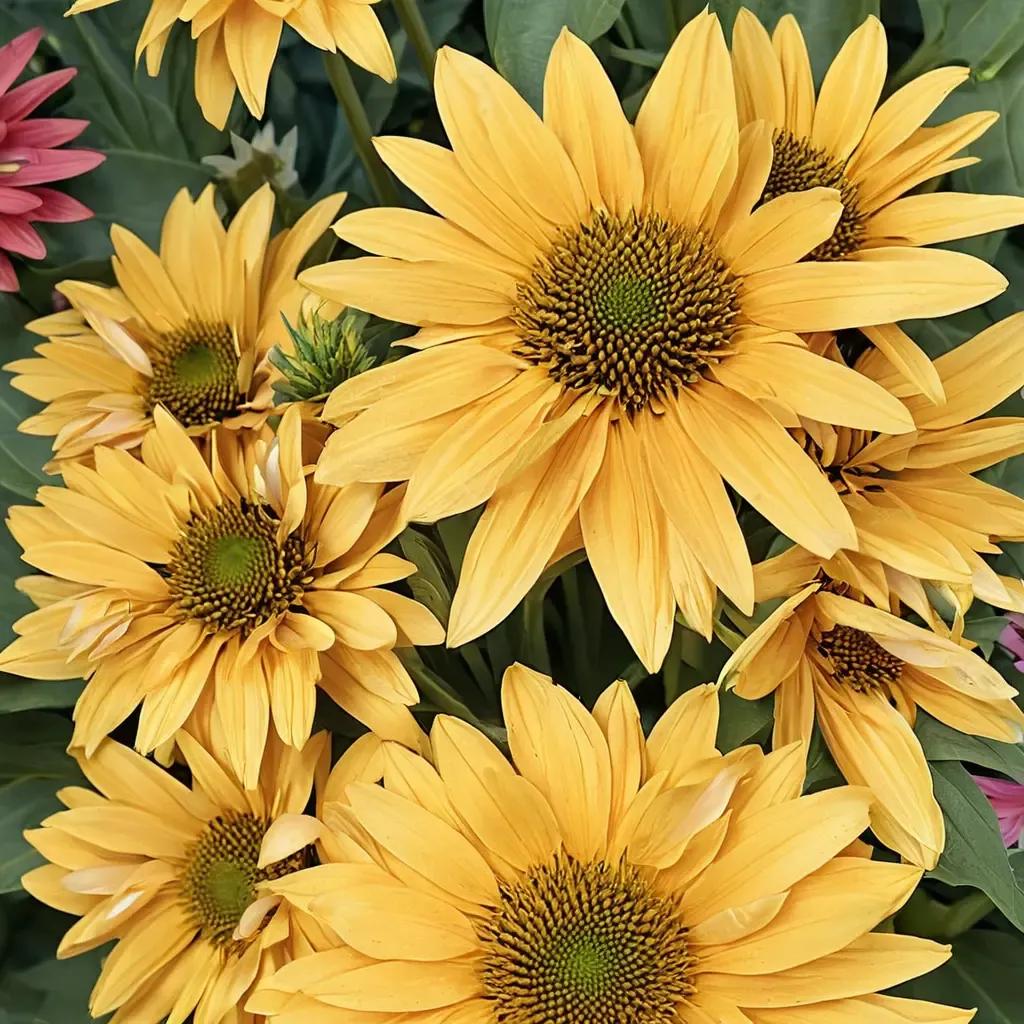 ‘Golden Sun Coneflower’Golden Sun Coneflower
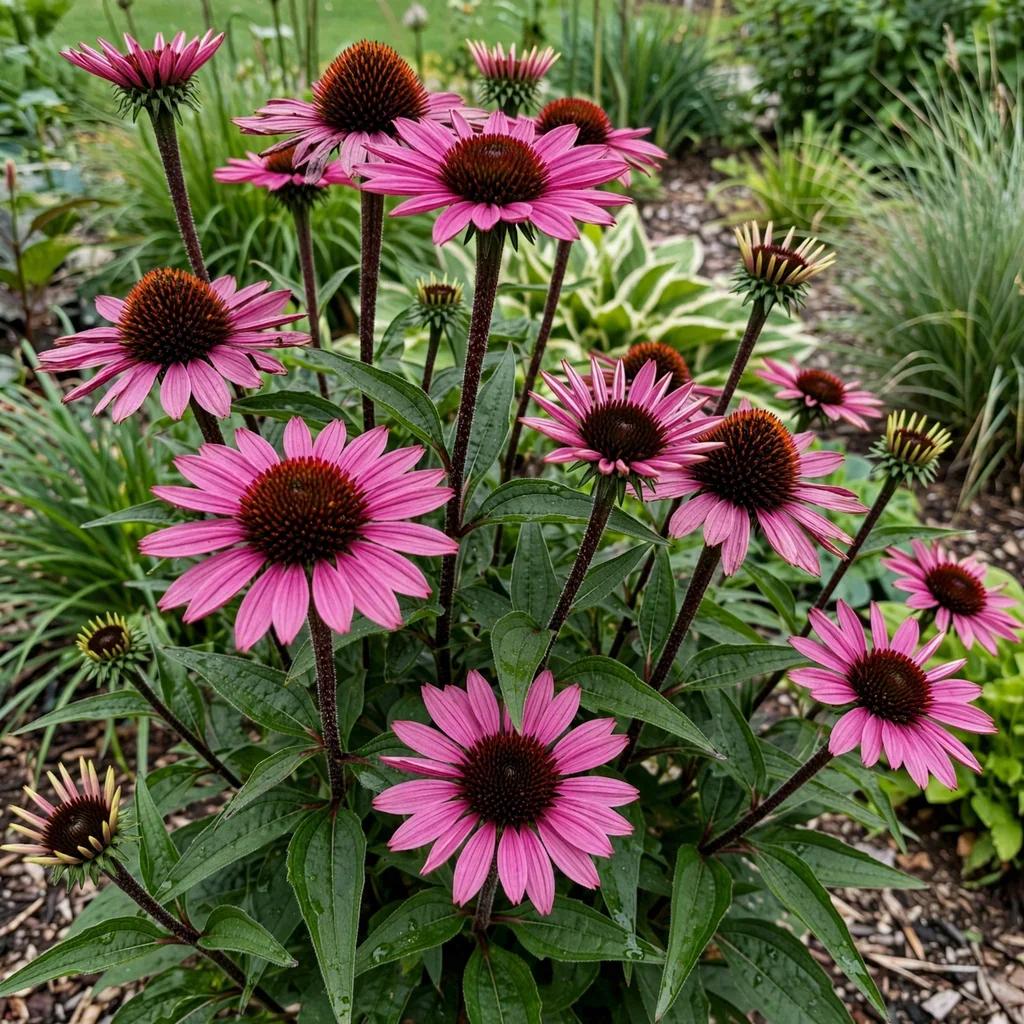 ‘SunSeekers Magenta’Echinacea purpurea SunSeekers Magenta
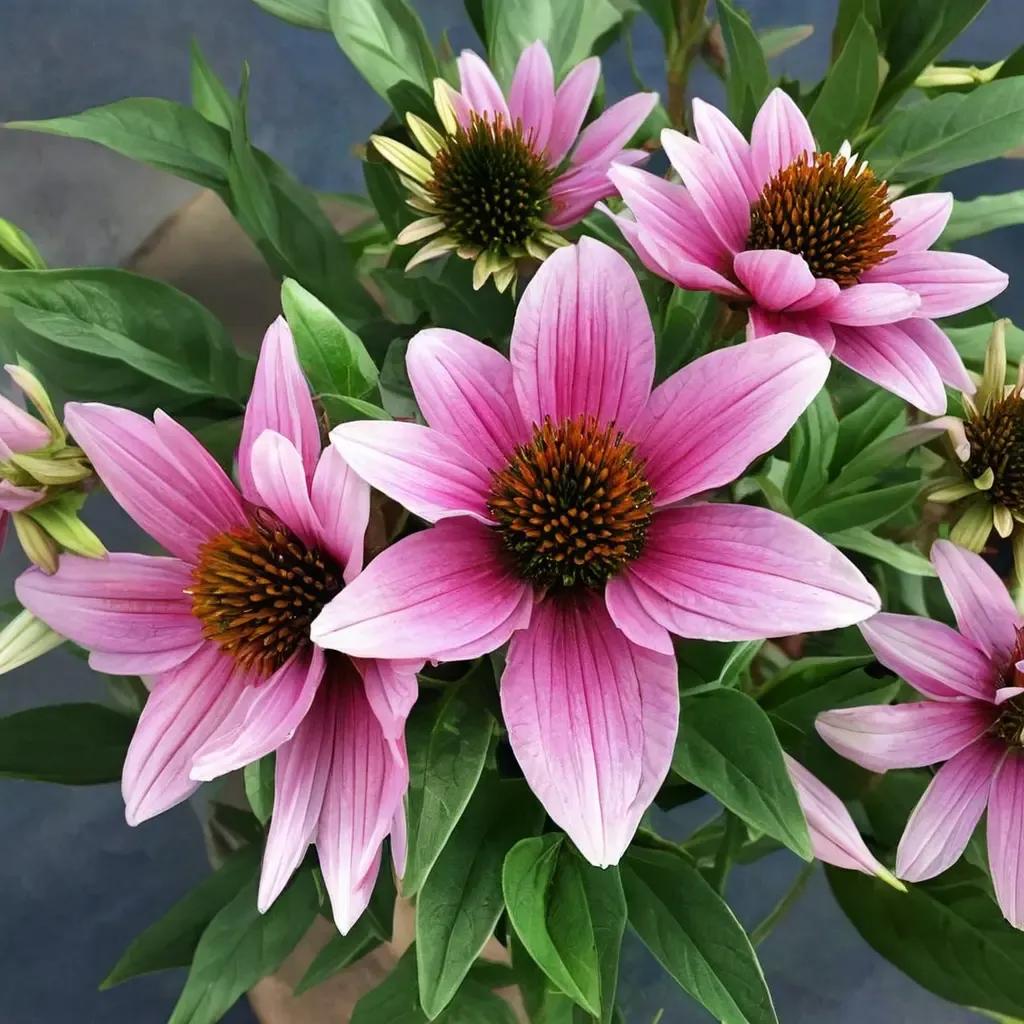 ‘French Tips’French Tips Coneflower
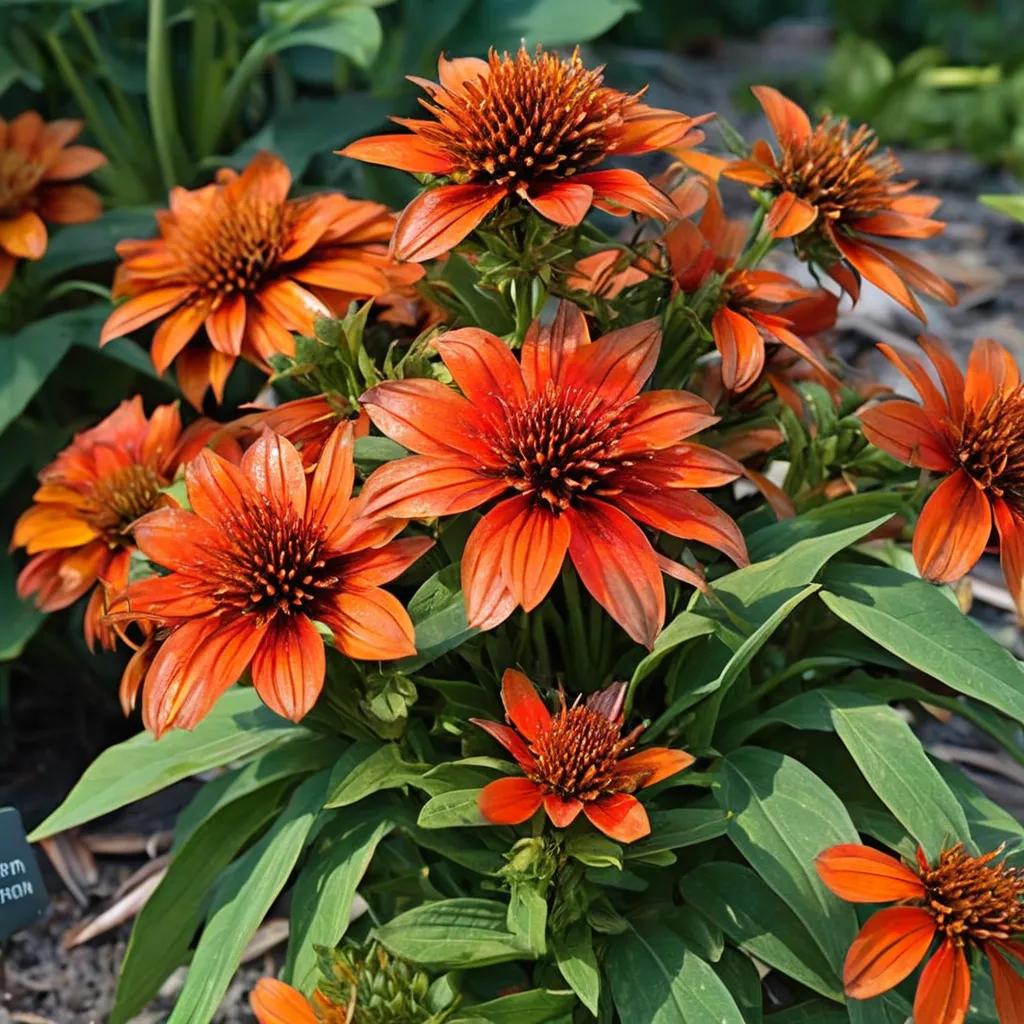 ‘Fiesta Orange’Echinacea purpurea Fiesta Orange
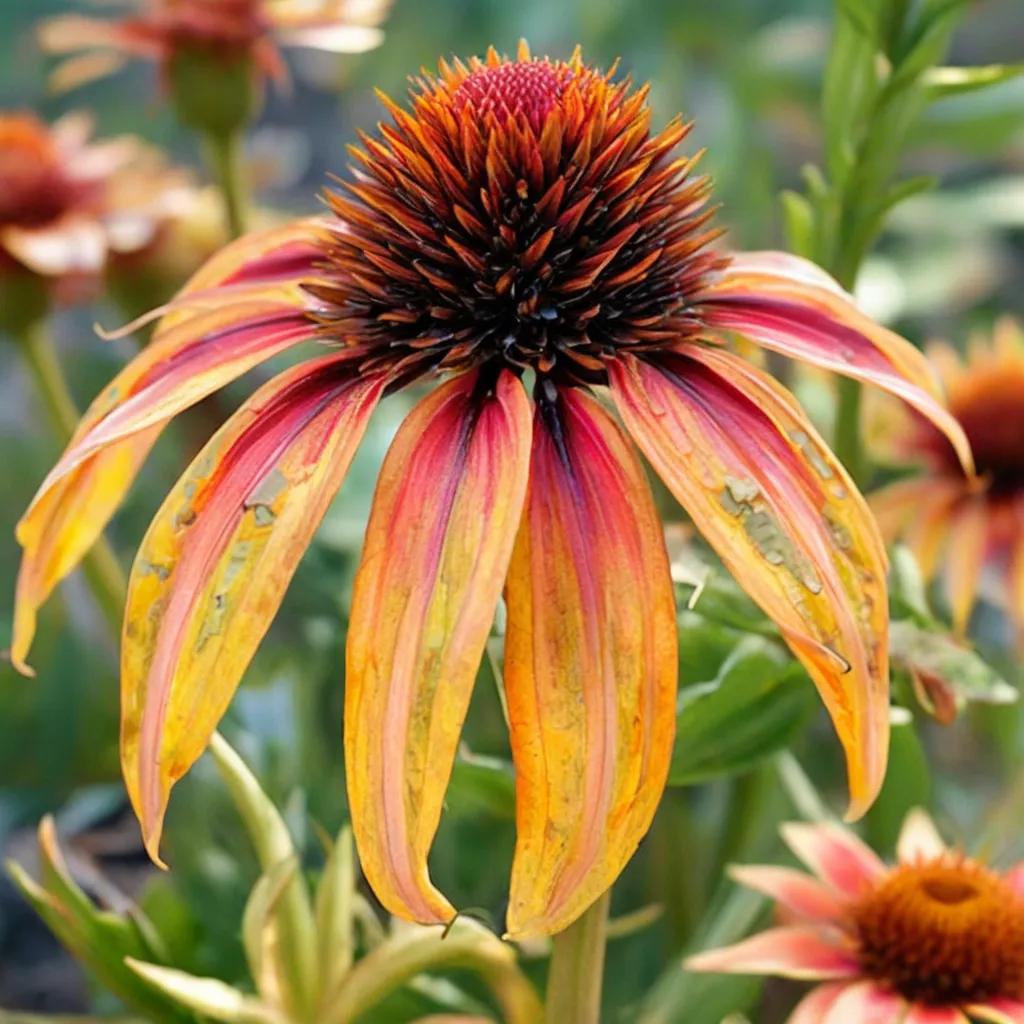 ‘Laughing Meadow Mama’Purple Coneflower Echinacea purpurea Laughing Meadow Mama
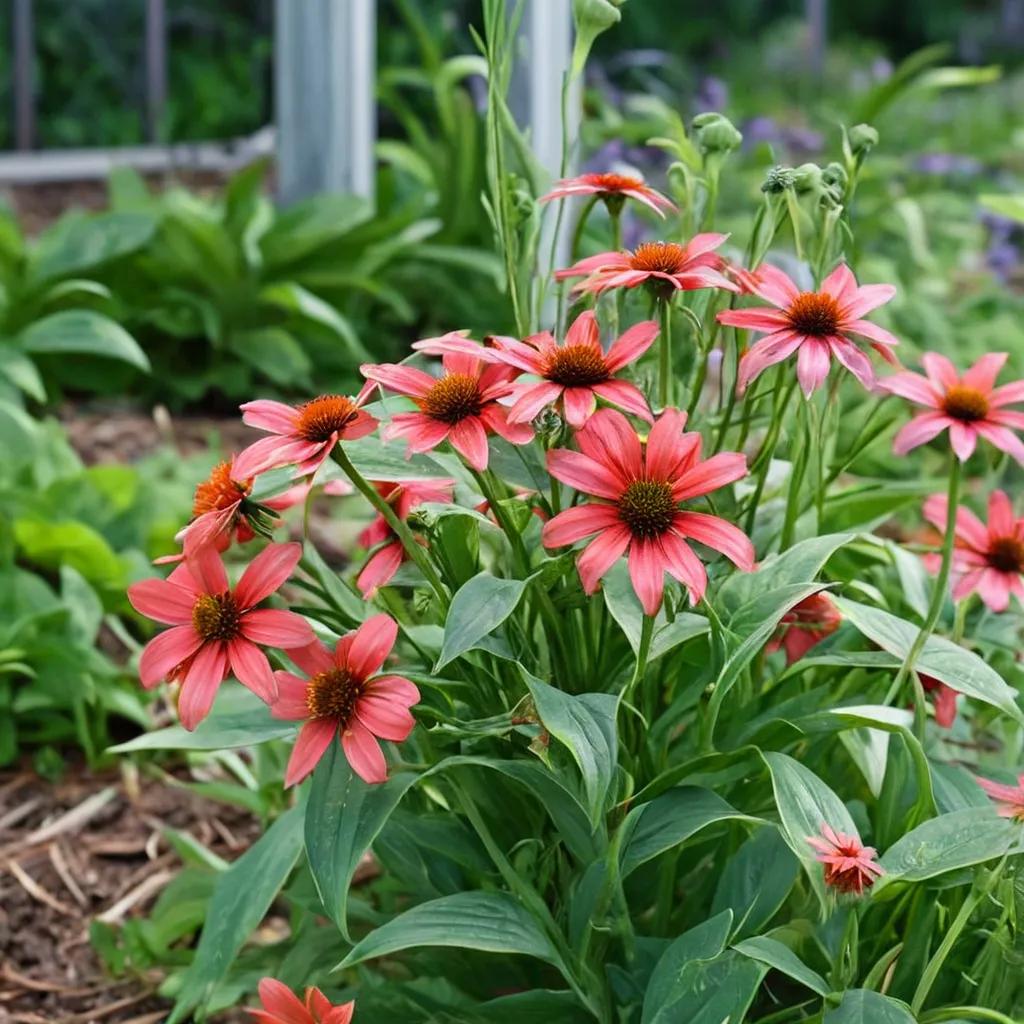 ‘Frankly Scarlet’Frankly Scarlet Coneflower
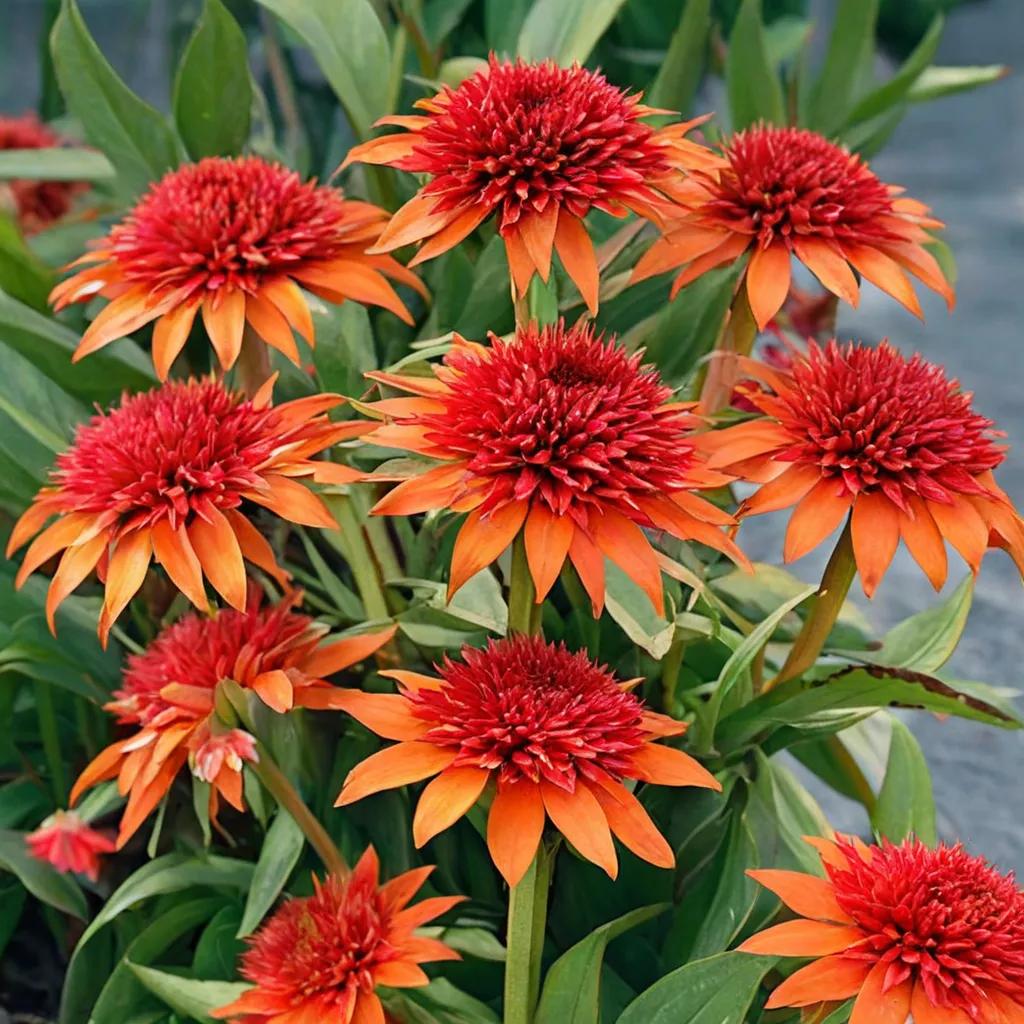 ‘Moab Sunset’Moab Sunset Coneflower
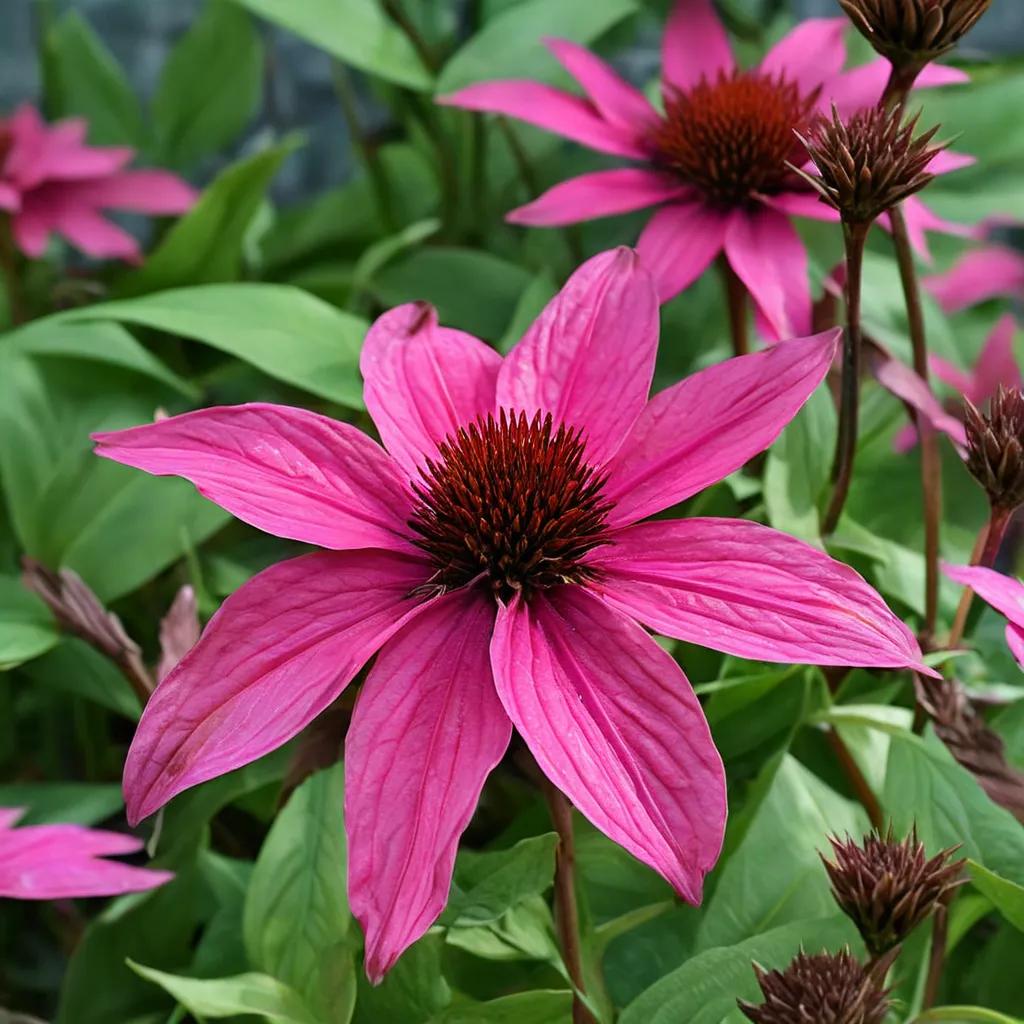 ‘Hot Pink Sombrero’Coneflower 'Sombrero Hot Pink'
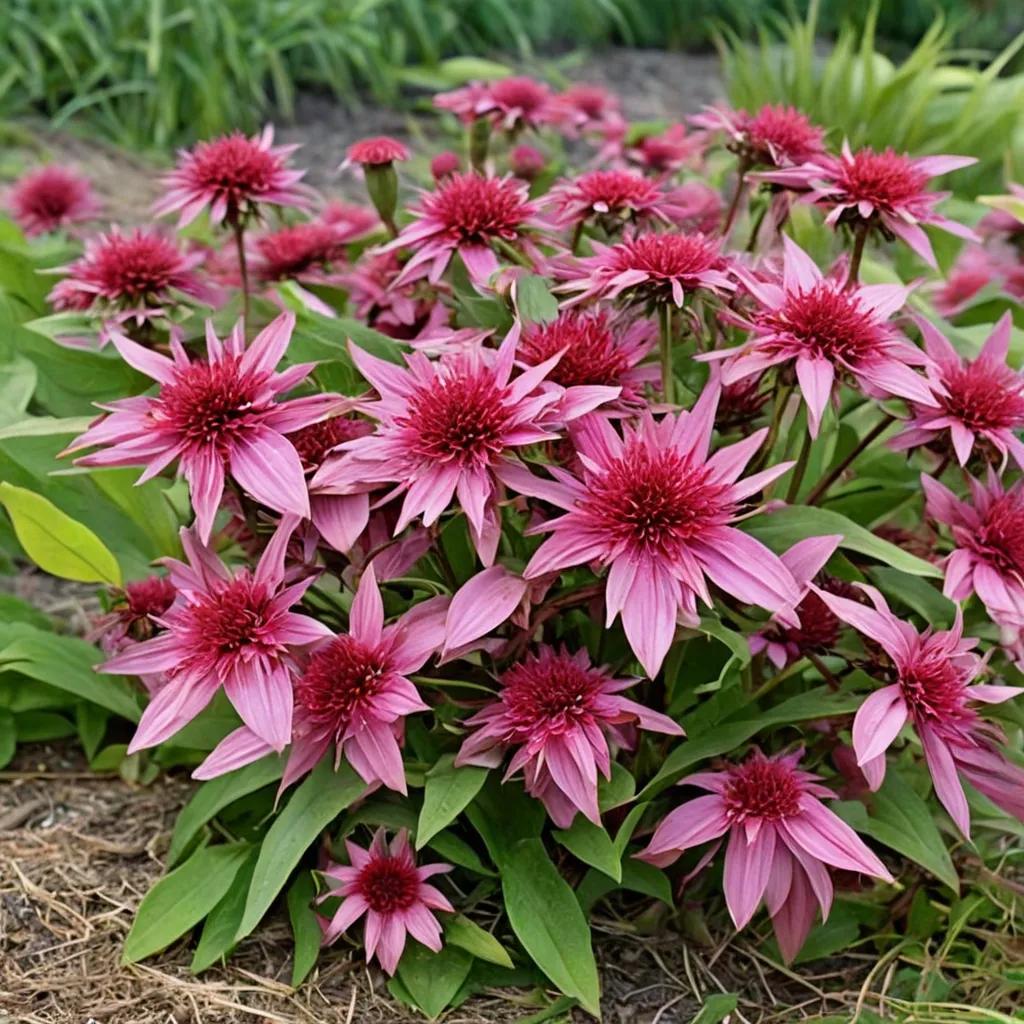 ‘Raspberry Beret’Purple Coneflower Raspberry Beret
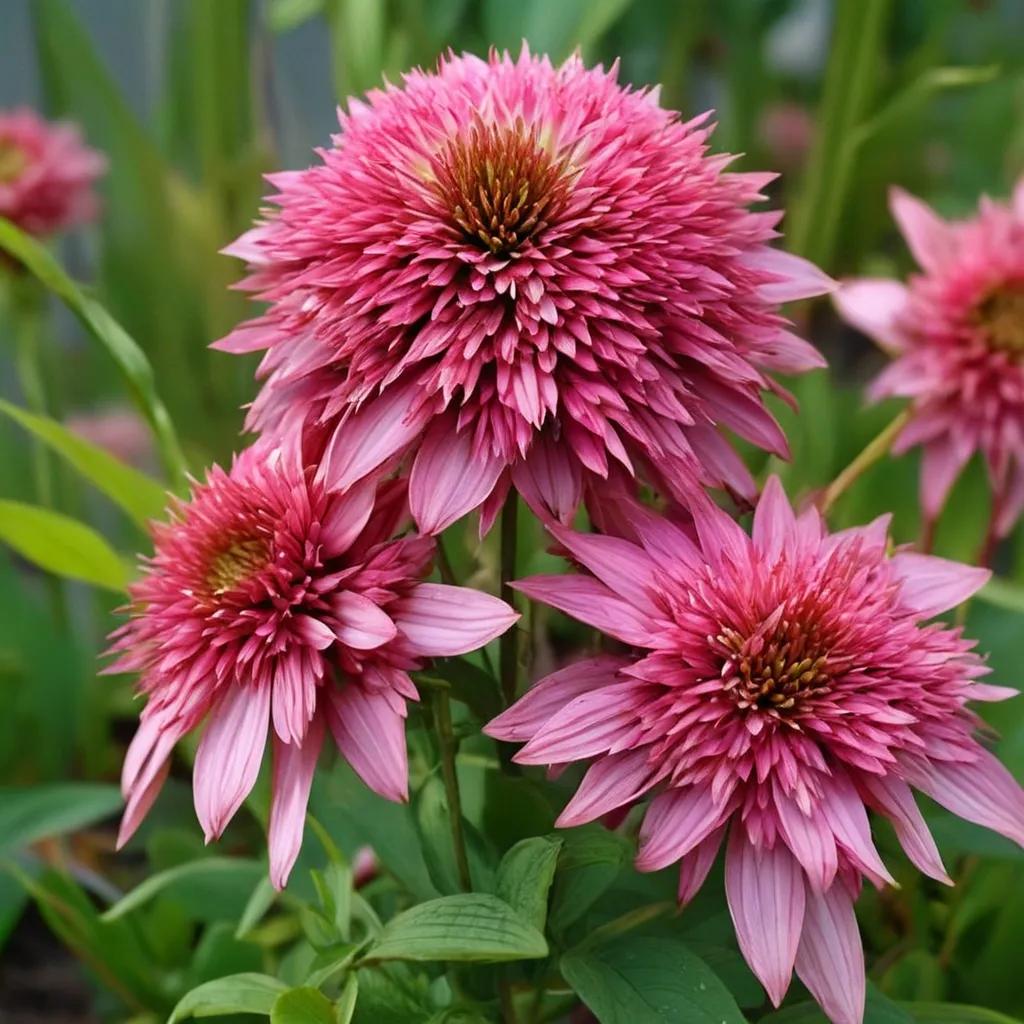 ‘Razzmatazz’'Razzmatazz' Coneflower
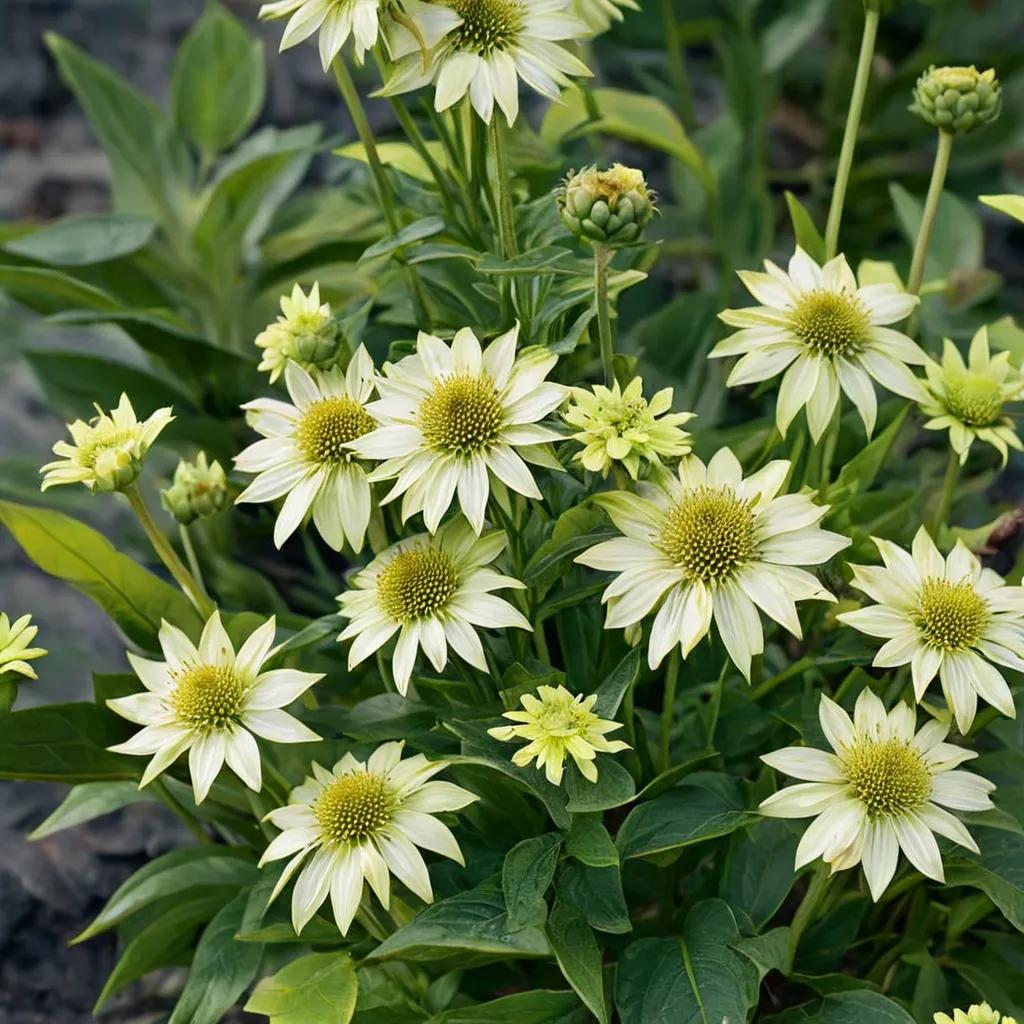 ‘Lime’Lime Coneflower
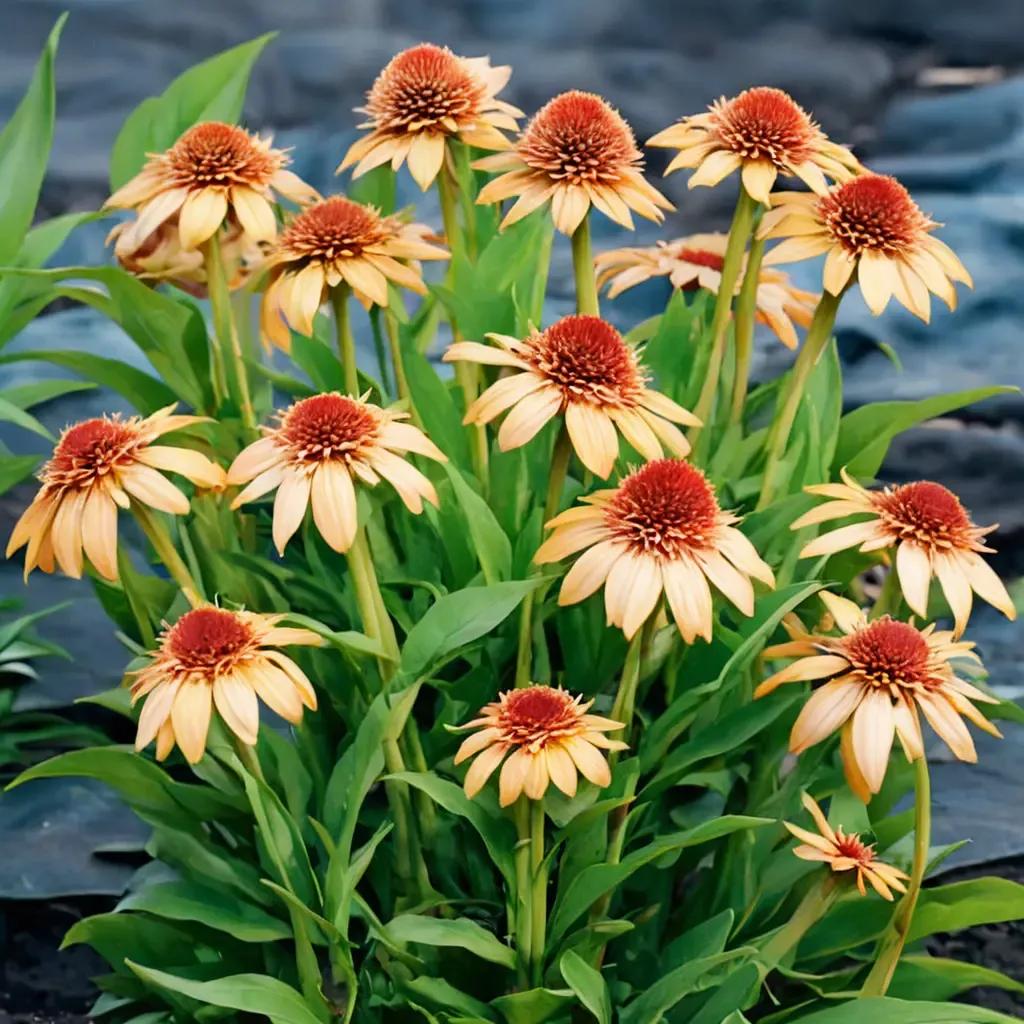 ‘Supreme Cantaloupe’Supreme Cantaloupe Coneflower
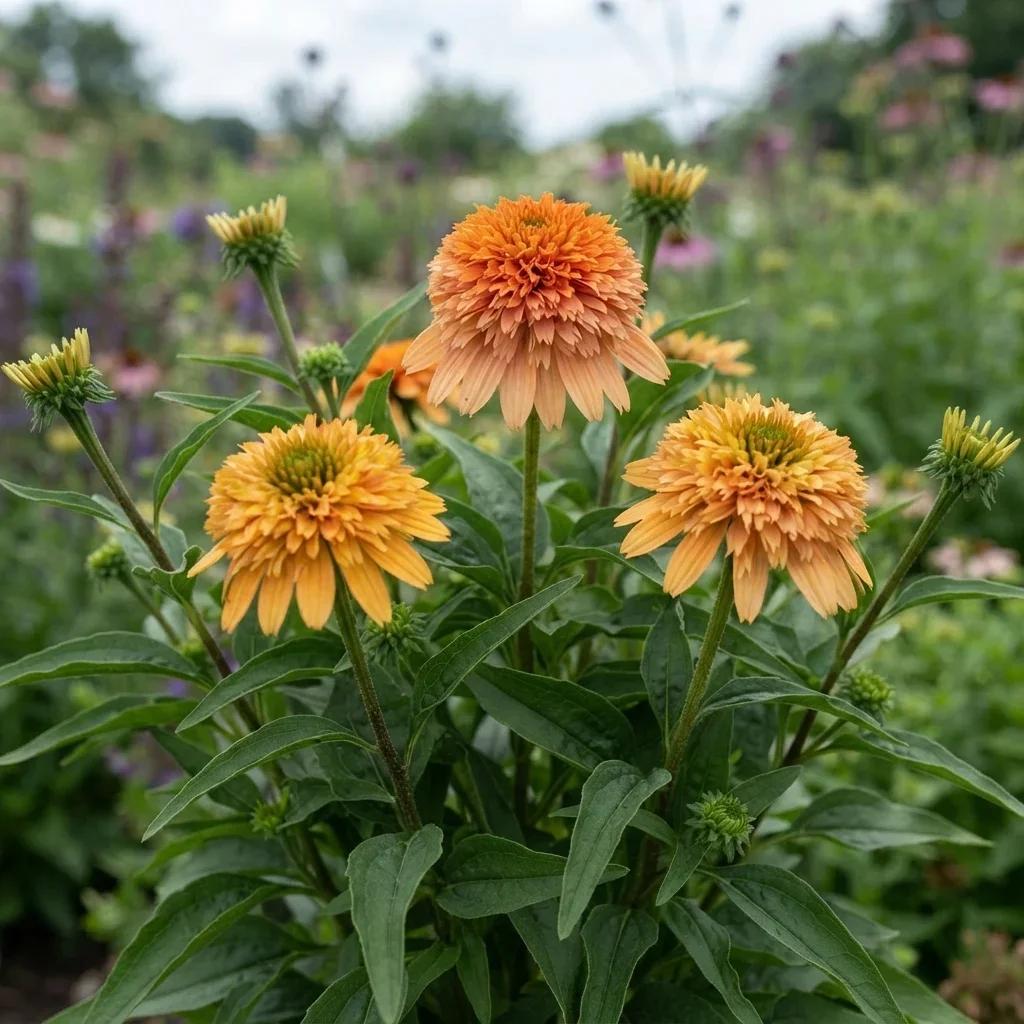 ‘Marmalade’Marmalade Coneflower
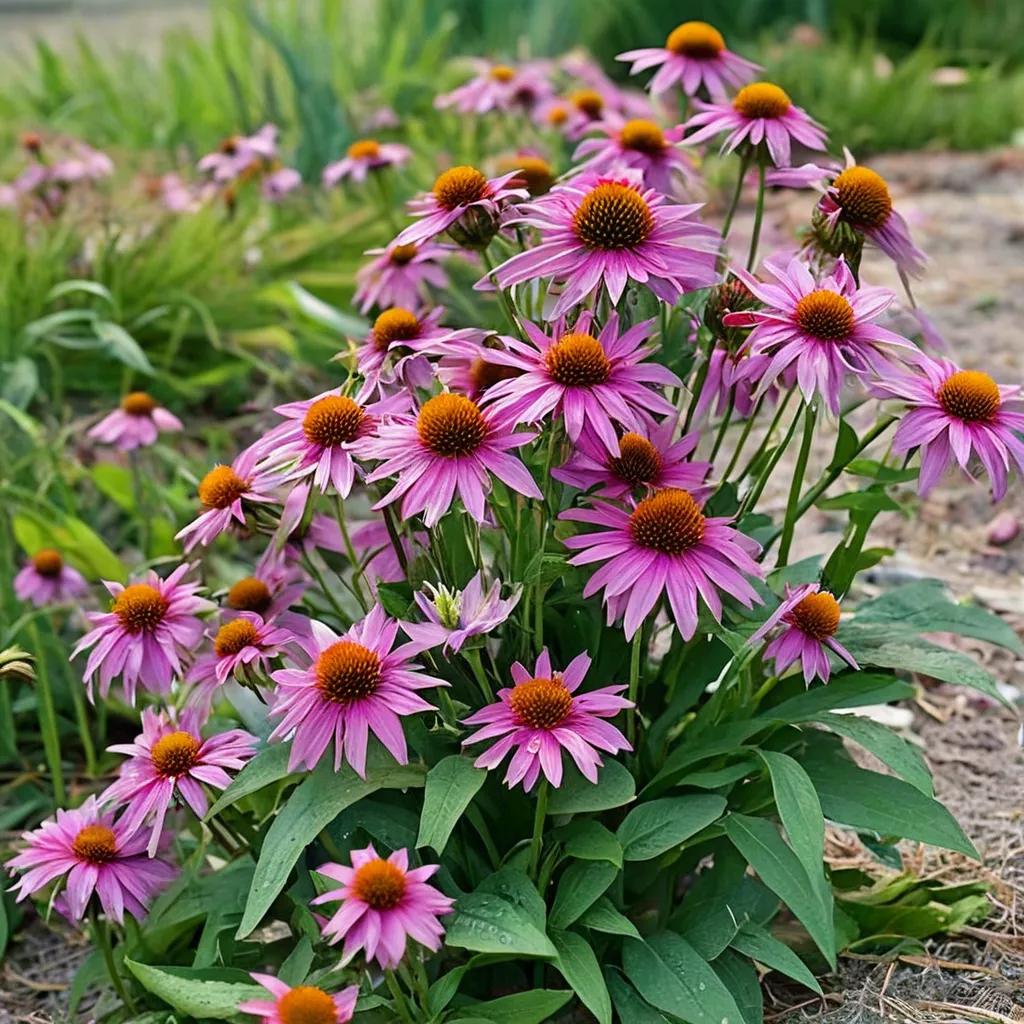 ‘Berry’Berry Purple Coneflower
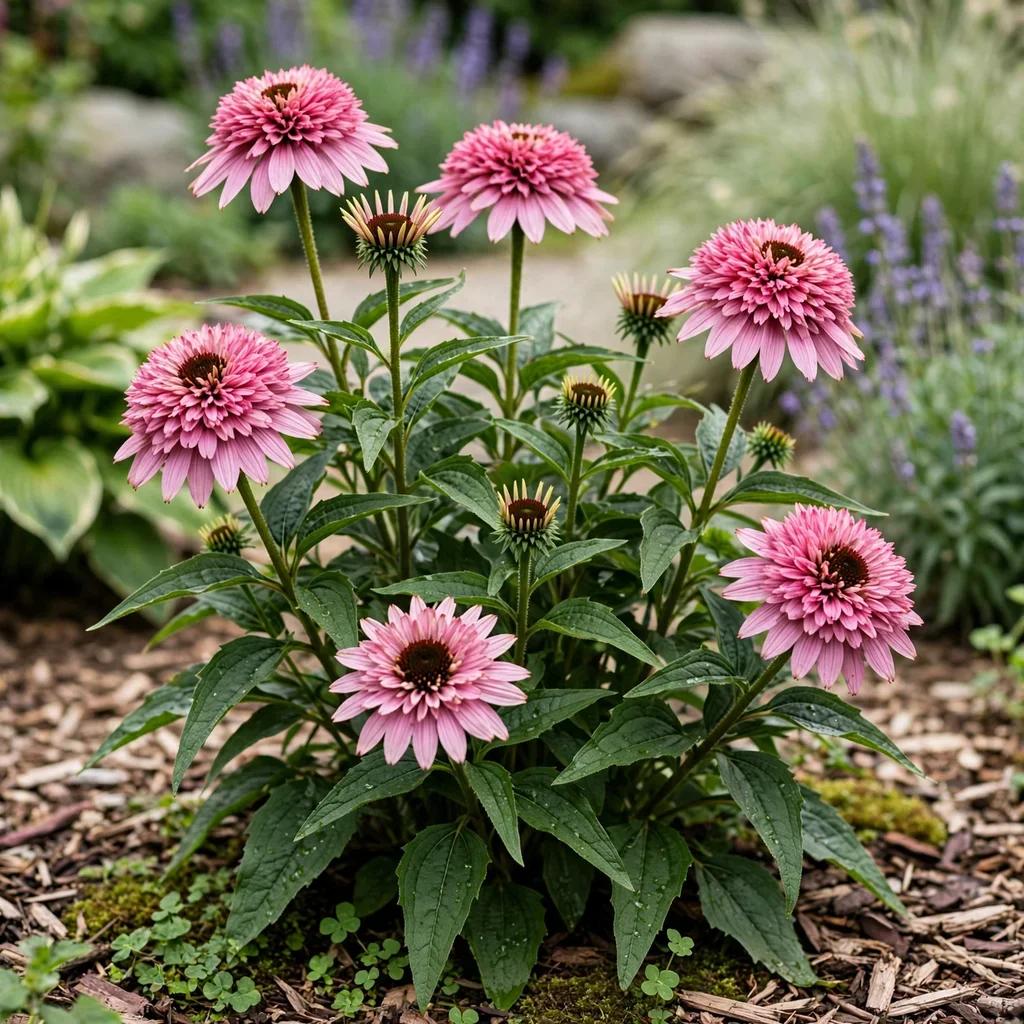 ‘Double Scoop Raspberry’Double Scoop Raspberry Coneflower
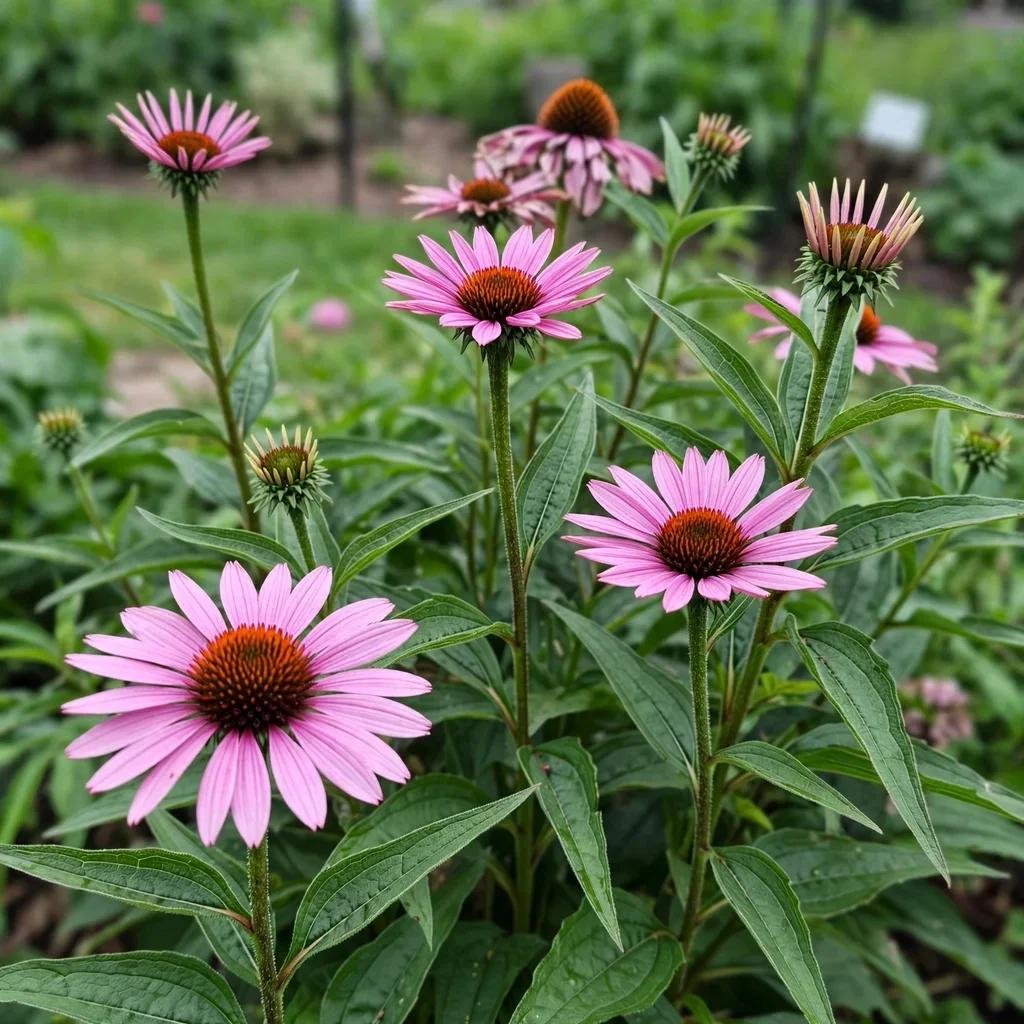 ‘Art’Art's Purple Coneflower
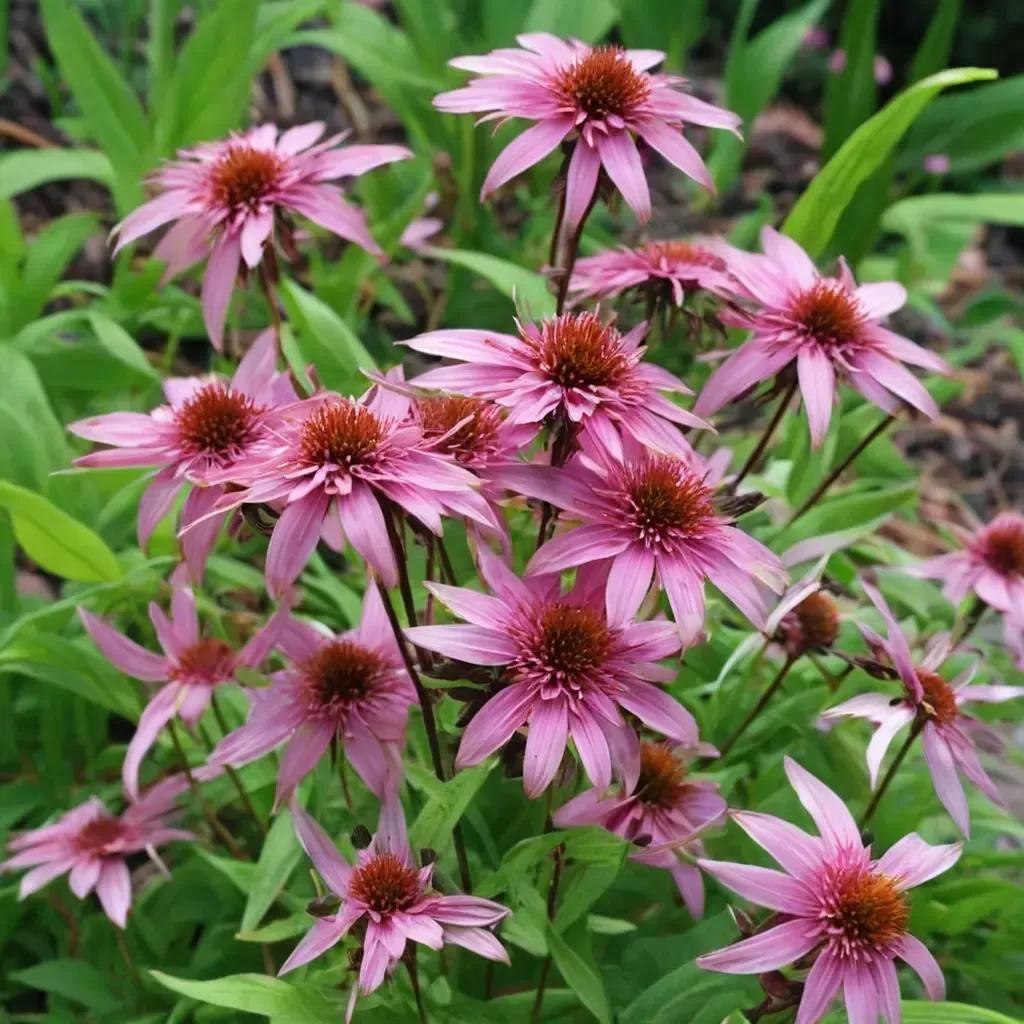 ‘Pink Frosting’Pink Frosting Coneflower
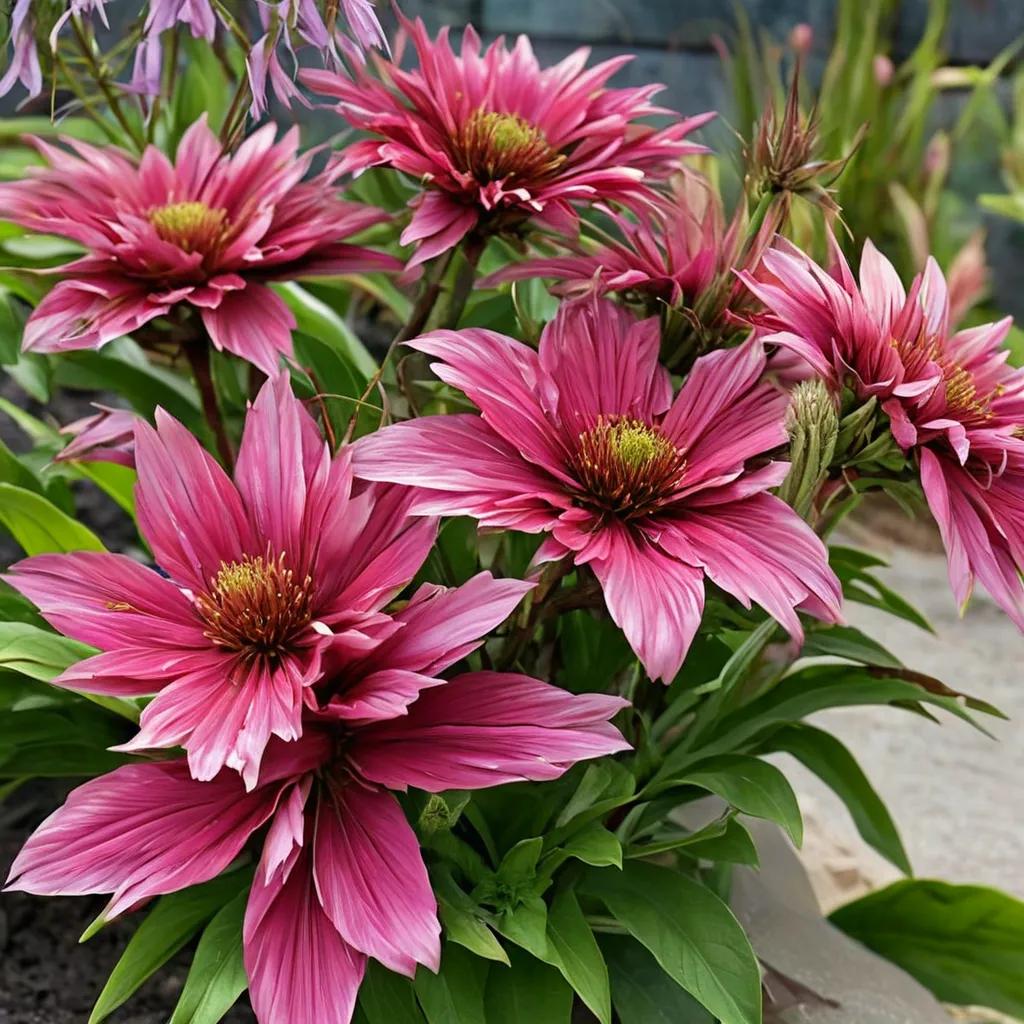 ‘Sweet Fuchsia’Purple Coneflower Sweet Fuchsia
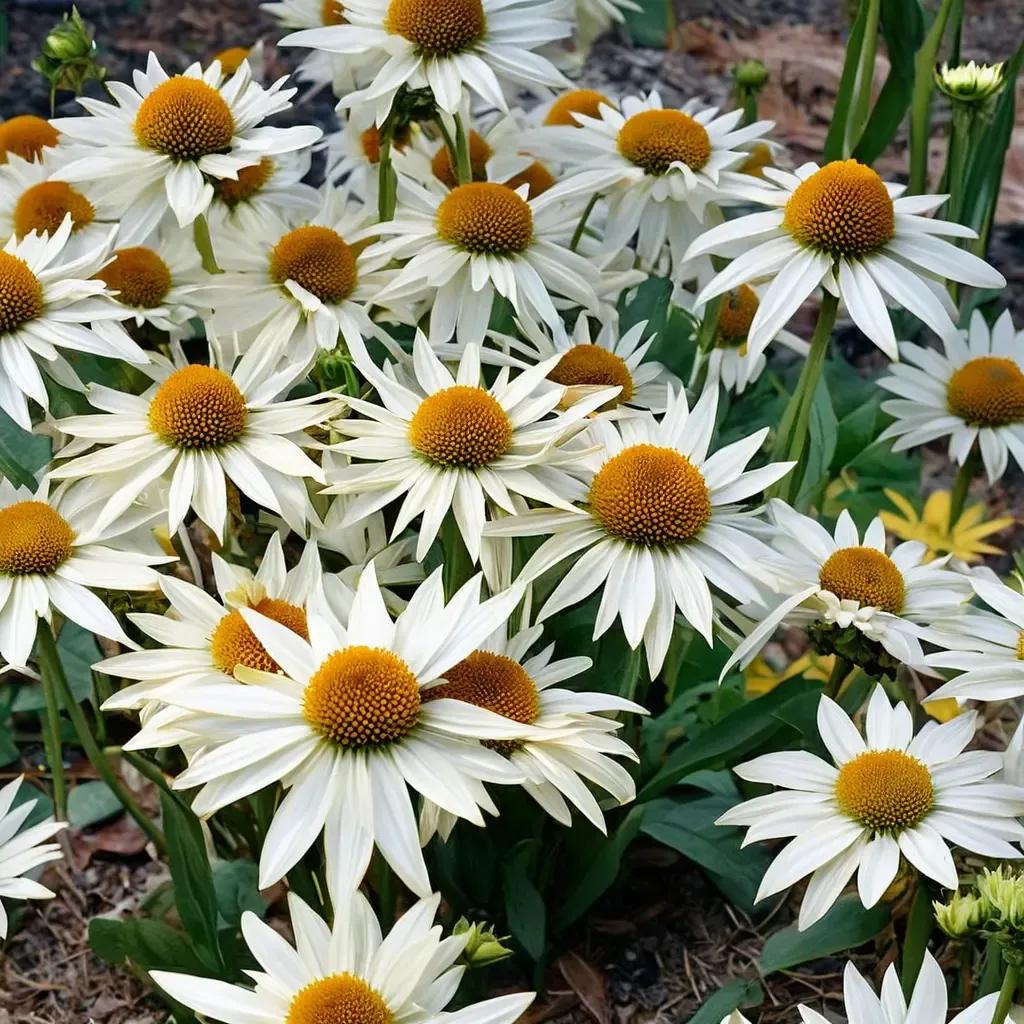 ‘Fragrant Angel’Fragrant Angel Coneflower
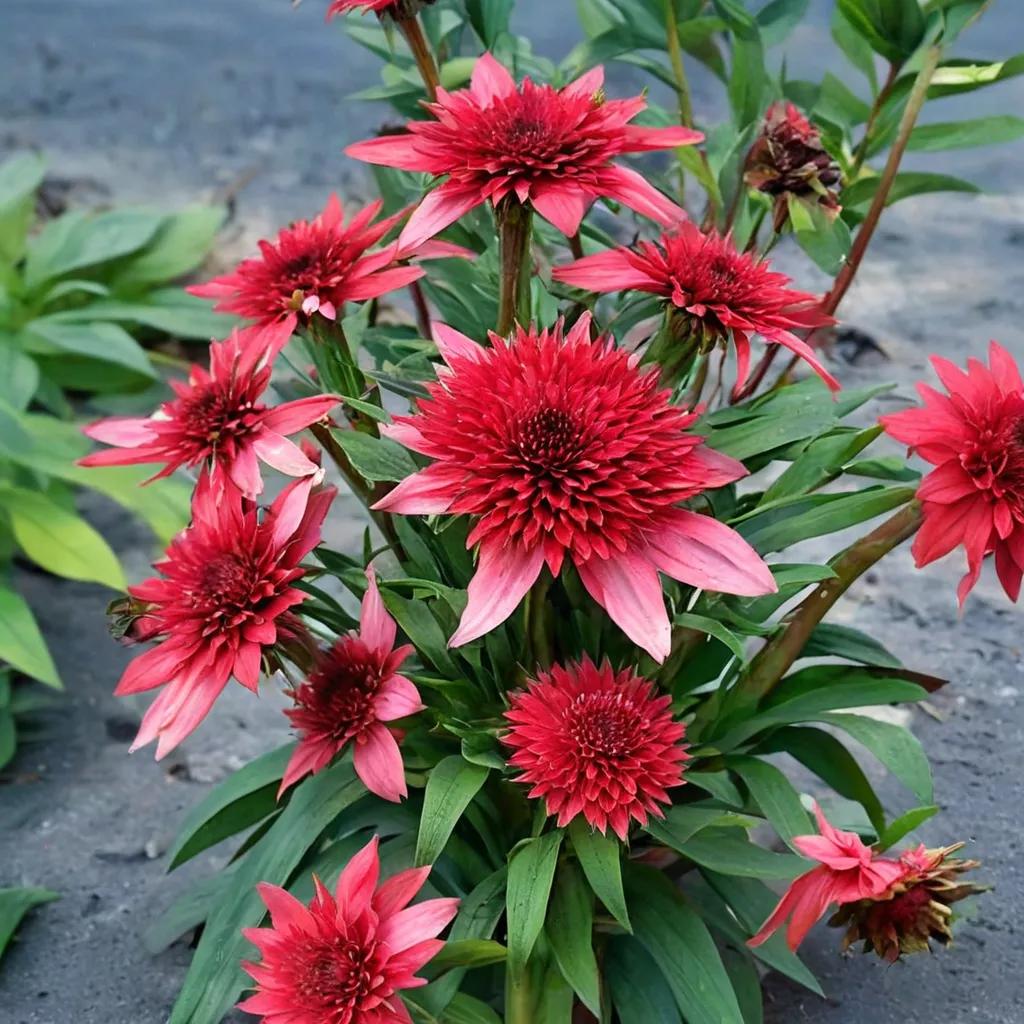 ‘Sunny Days Ruby’Purple Coneflower Sunny Days Ruby
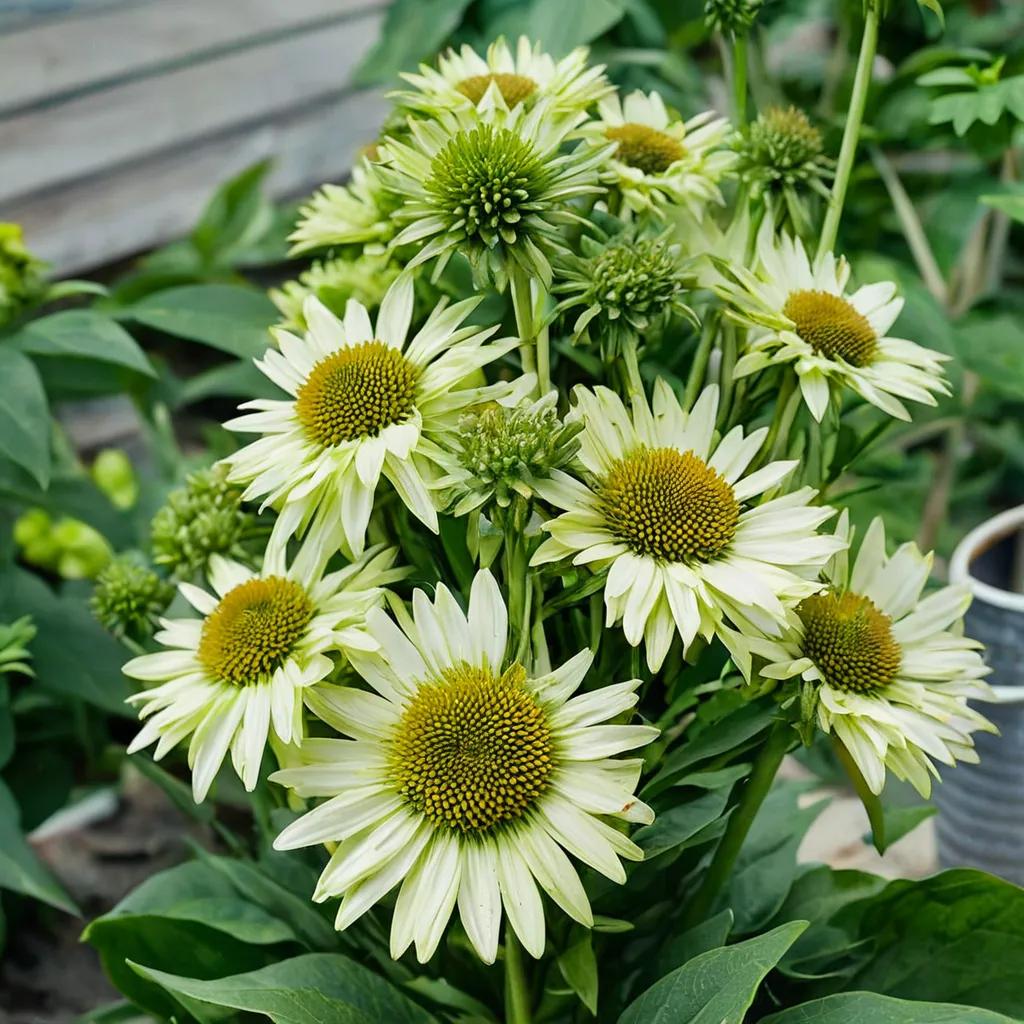 ‘SunSeekers Apple Green’Purple Coneflower SunSeekers Apple Green
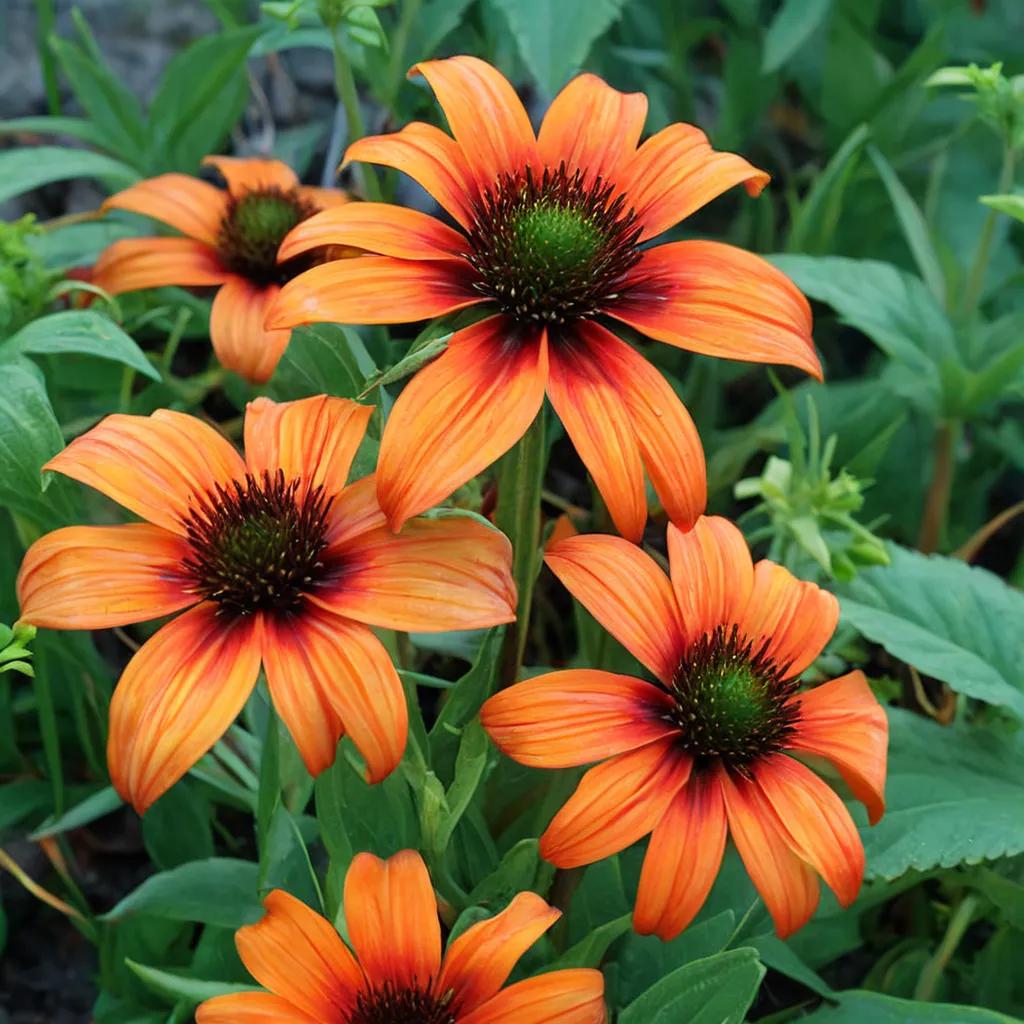 ‘Tangerine Dream’Tangerine Dream Coneflower
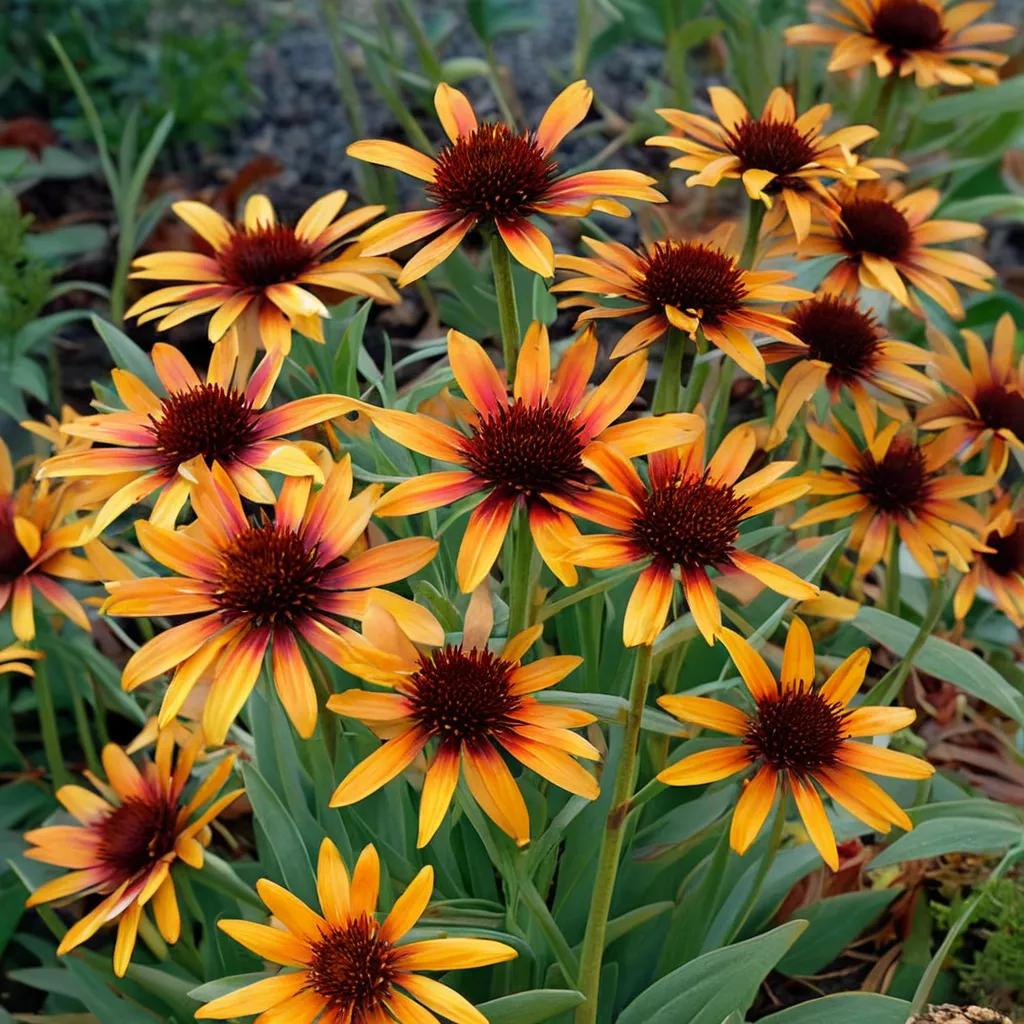 ‘Flame Thrower’Purple Coneflower Flame Thrower
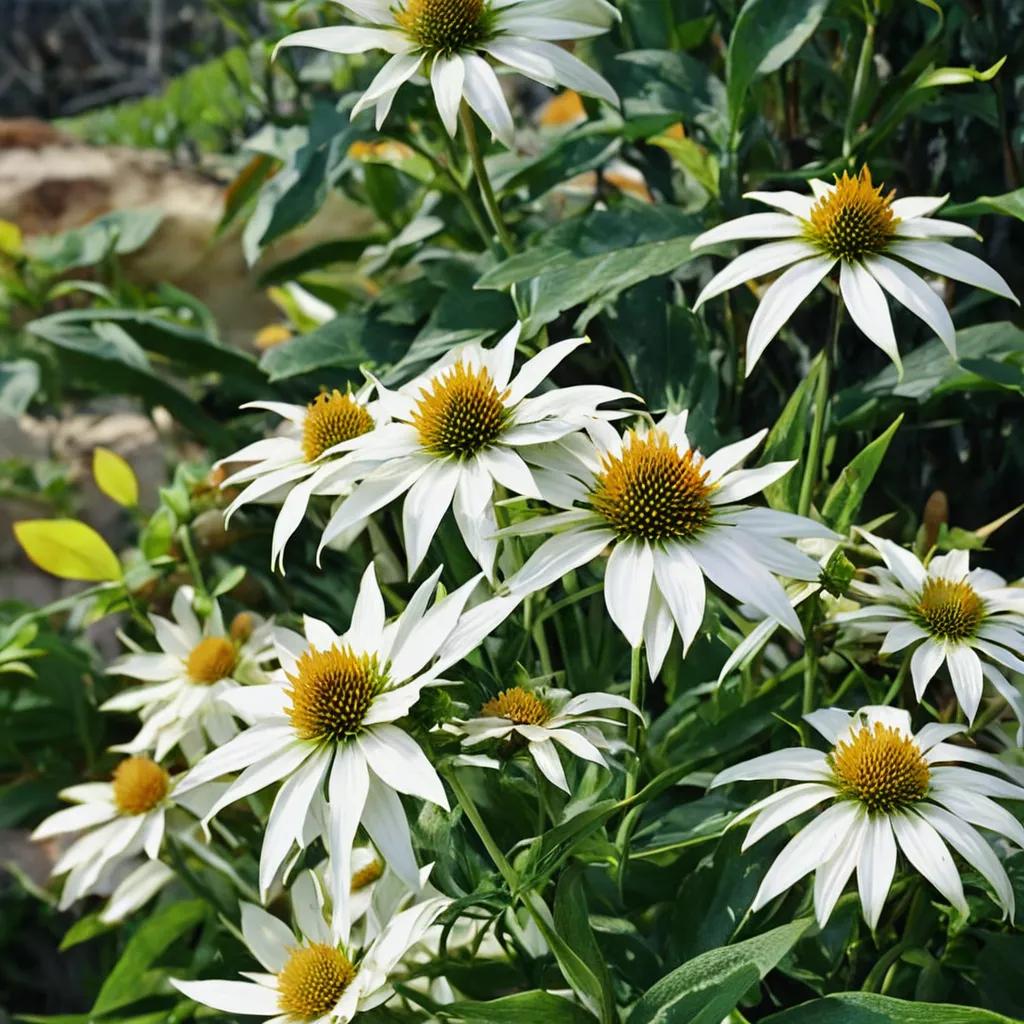 ‘Feeling White’Coneflower 'Feeling White'
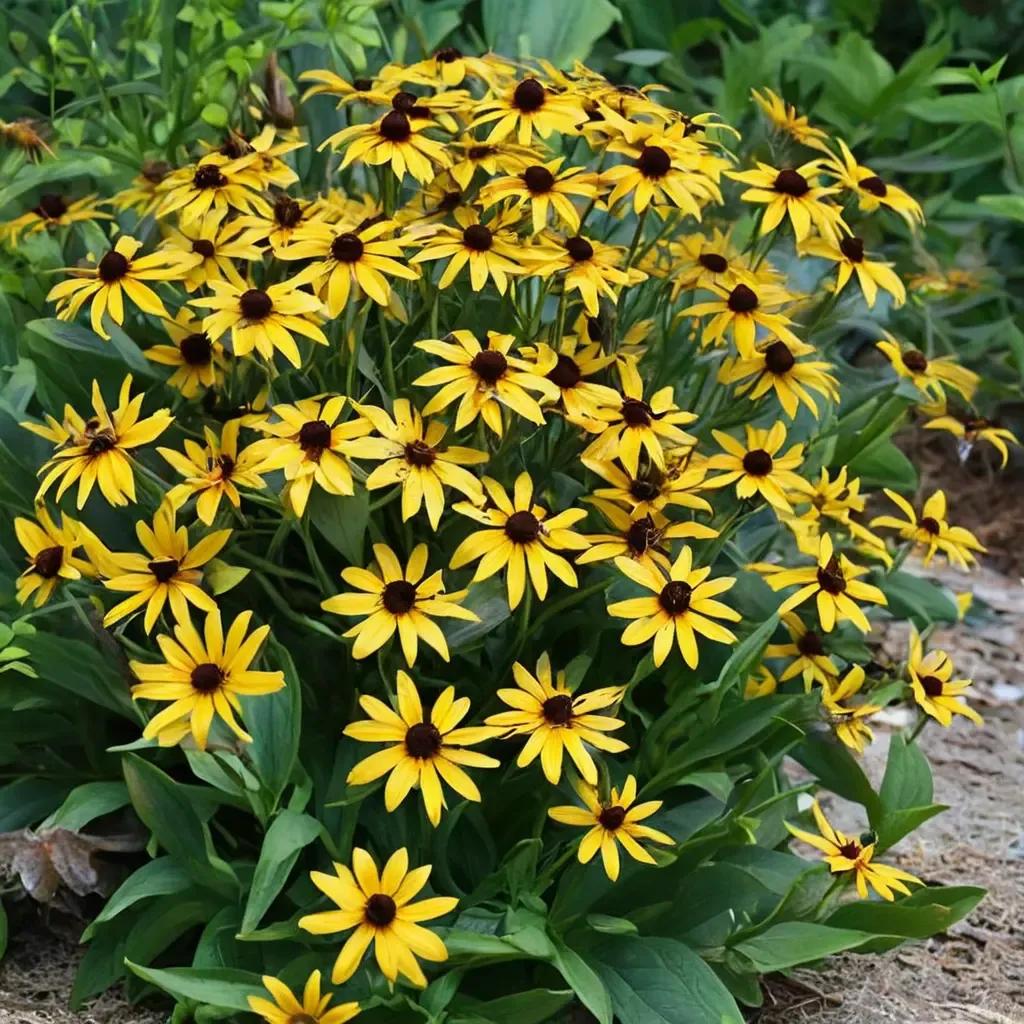 ‘Little Goldstar’Little Goldstar Coneflower
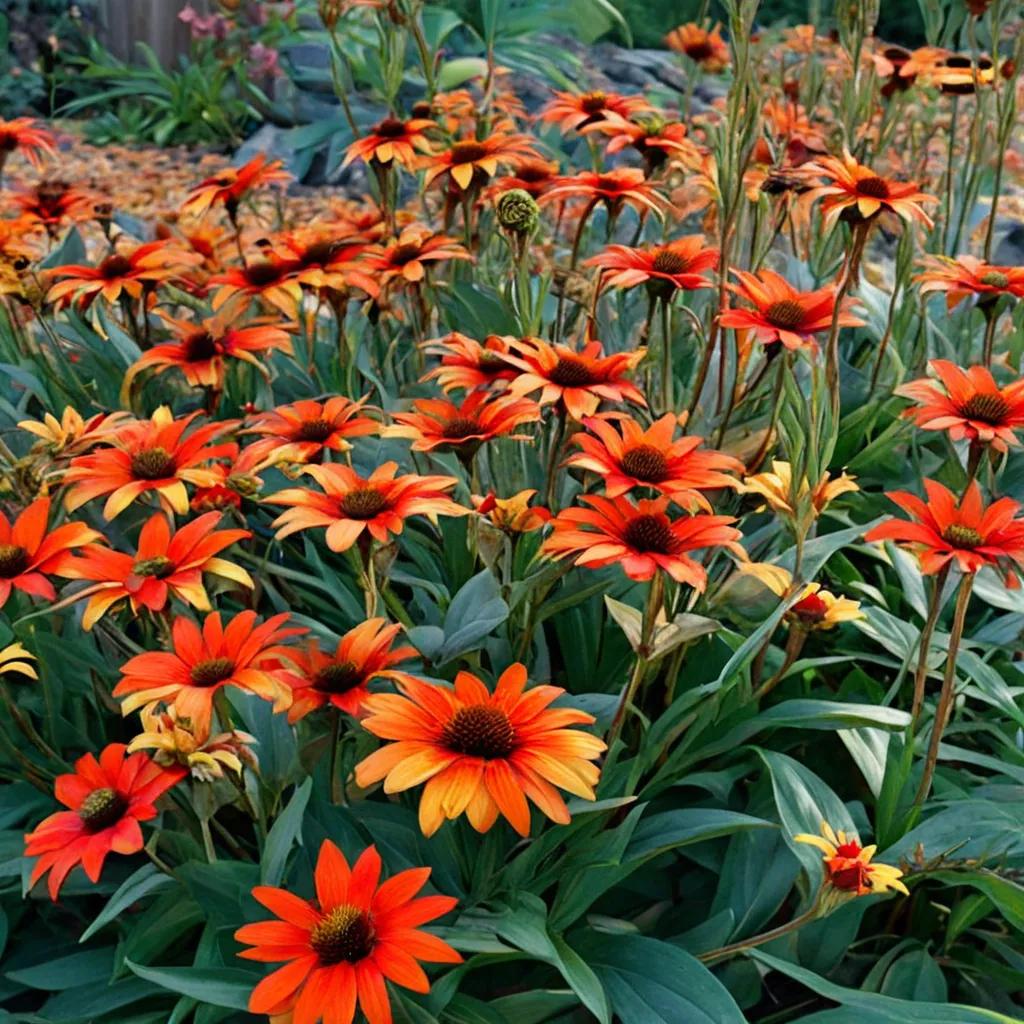 ‘Intense Orange’Intense Orange Coneflower
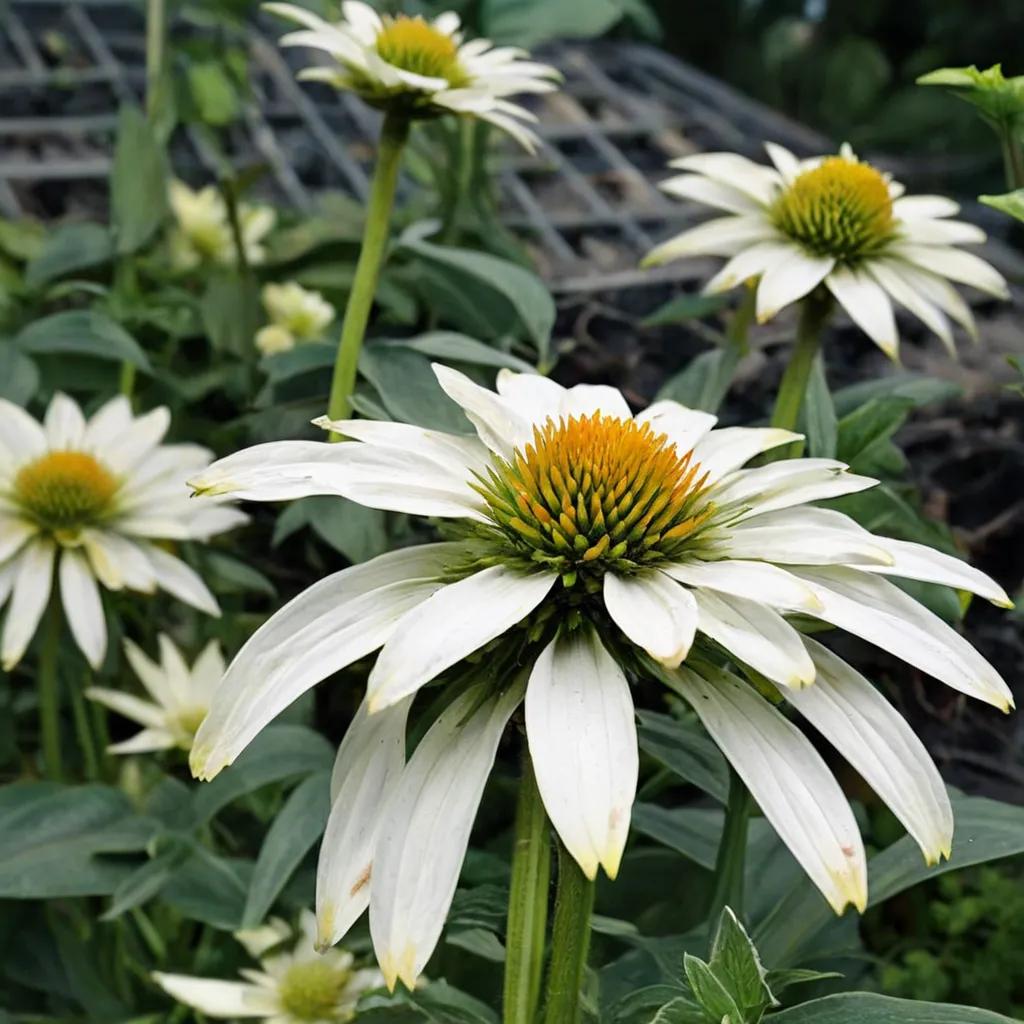 ‘Cygnet White’White Coneflower 'Cygnet White'
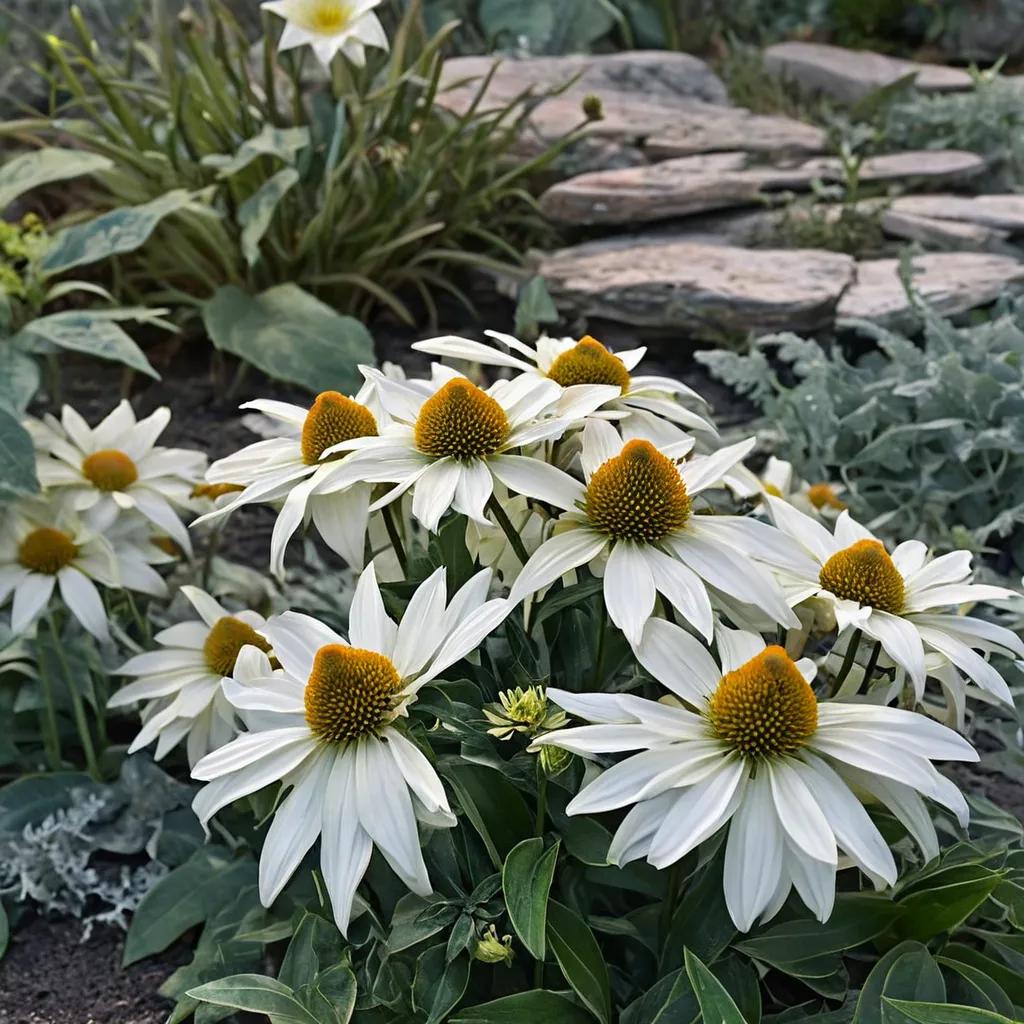 ‘The Price is White’'The Price is White' Coneflower
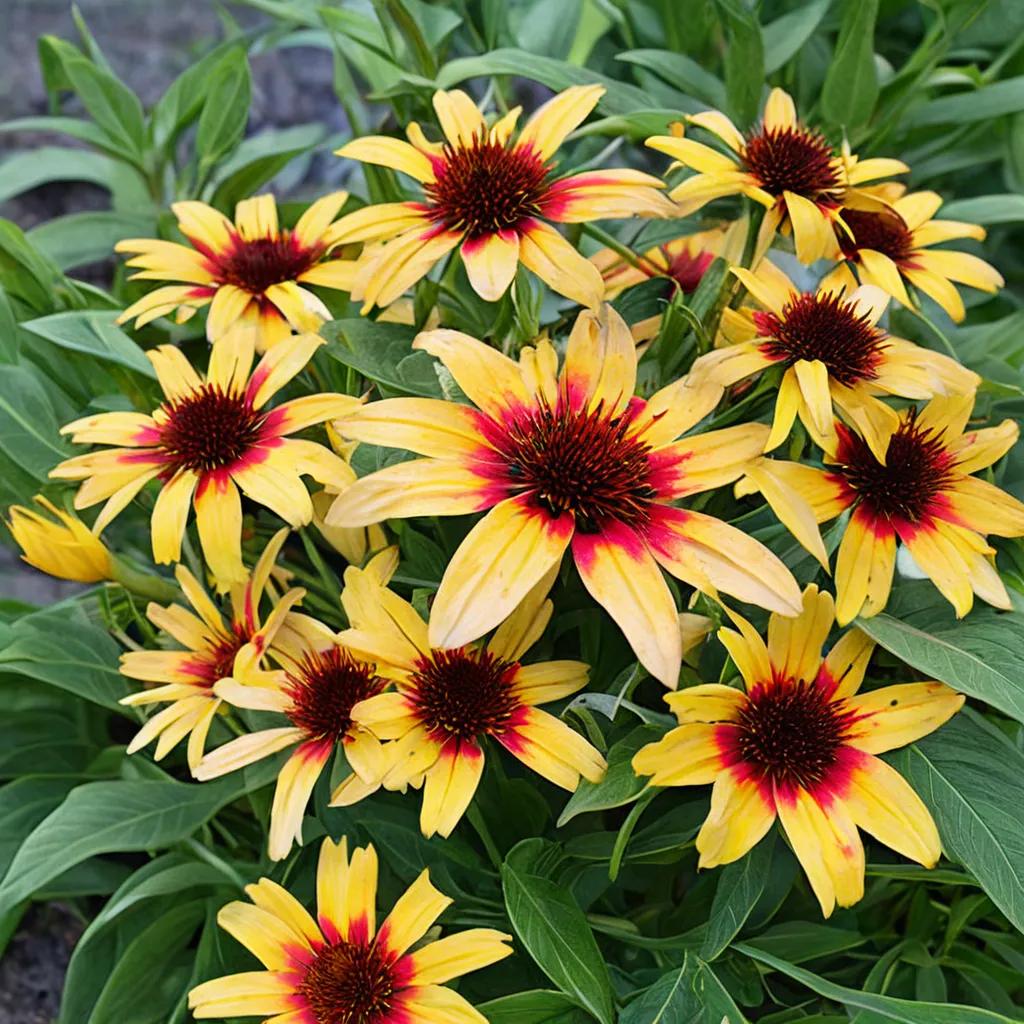 ‘Sunseekers Tequila Sunrise’Coneflower Sunseekers Tequila Sunrise
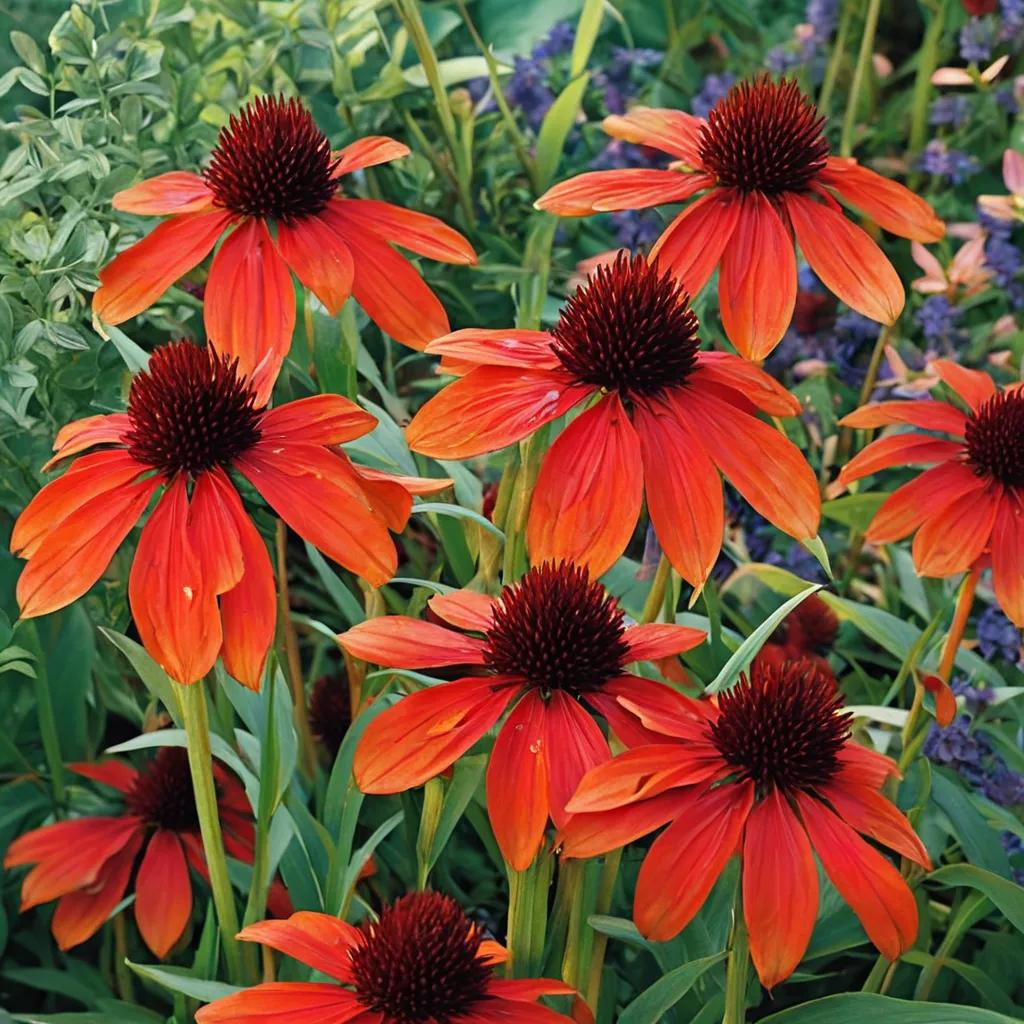 ‘Firebird’Coneflower 'Firebird'
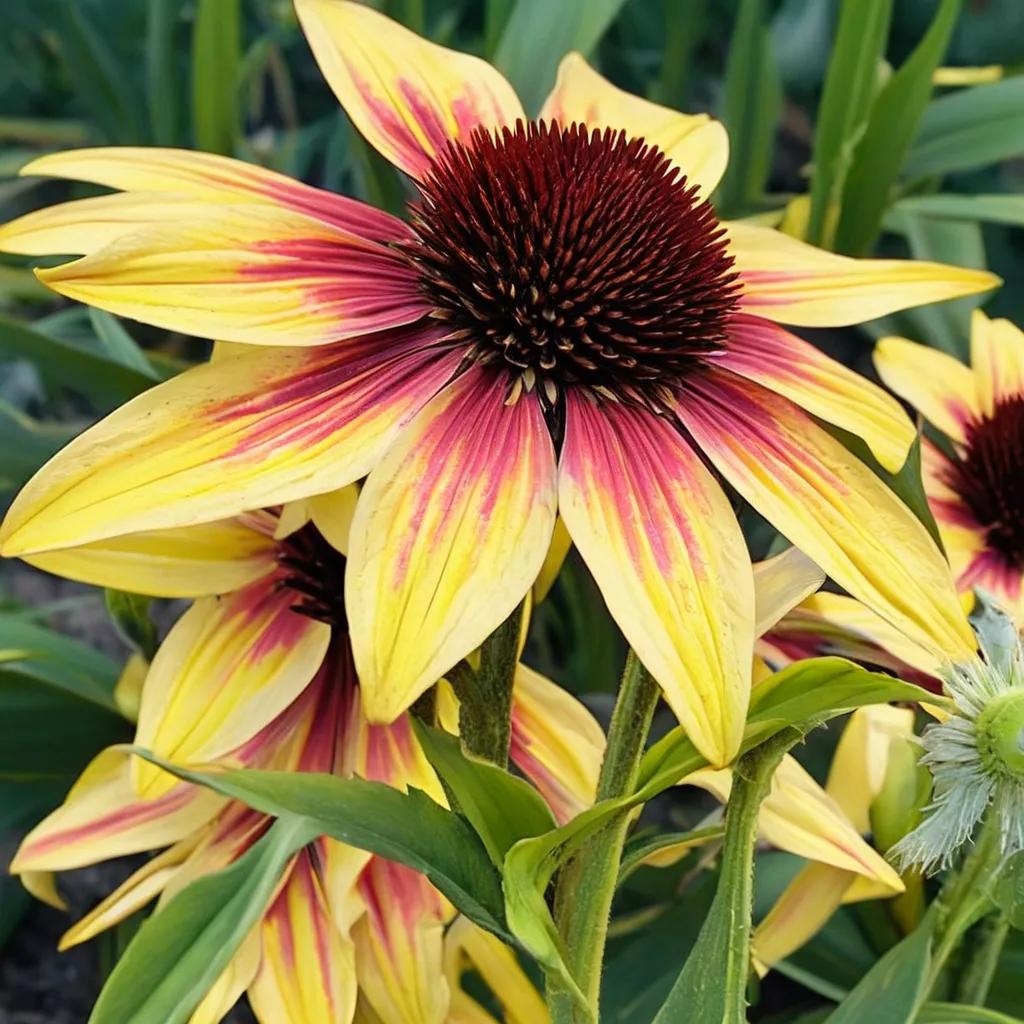 ‘Yellow Rainbow Marcella’Yellow Rainbow Marcella Coneflower
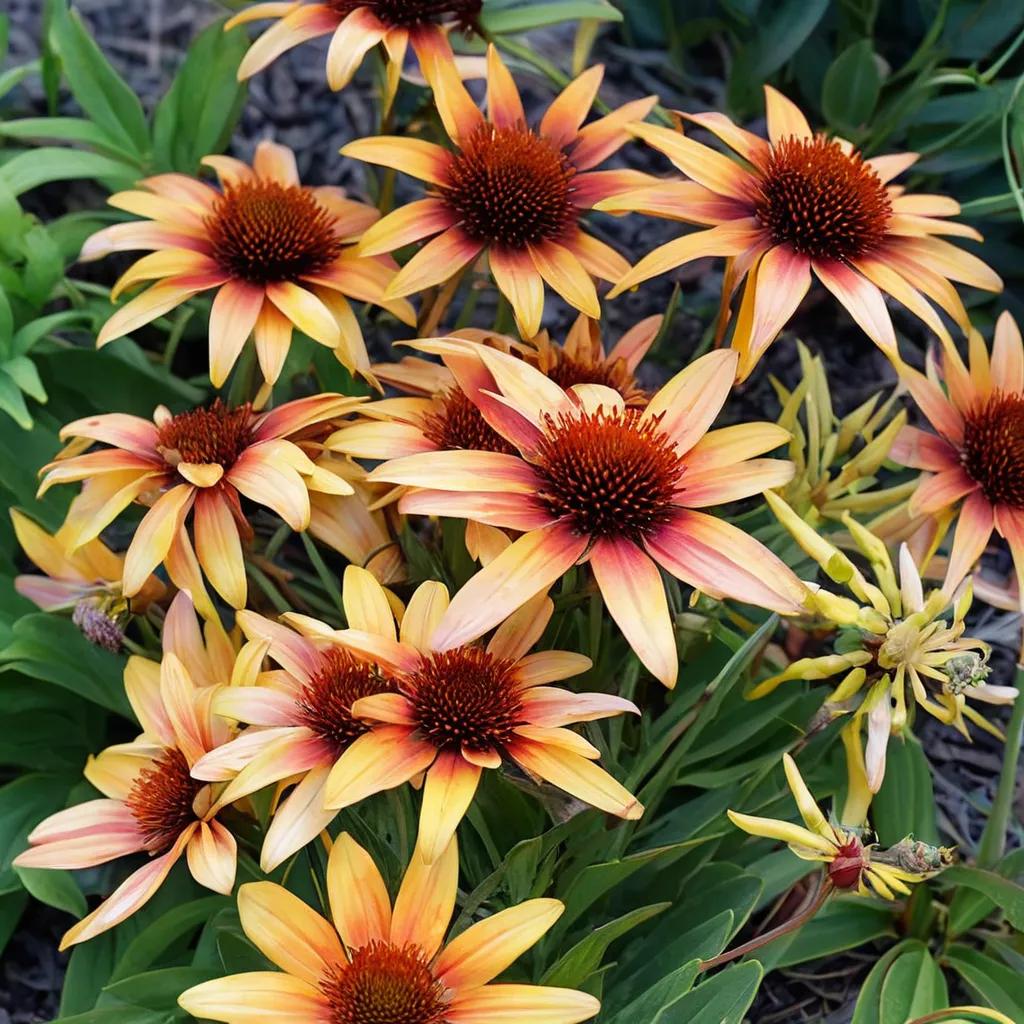 ‘Tiger’Tiger Coneflower
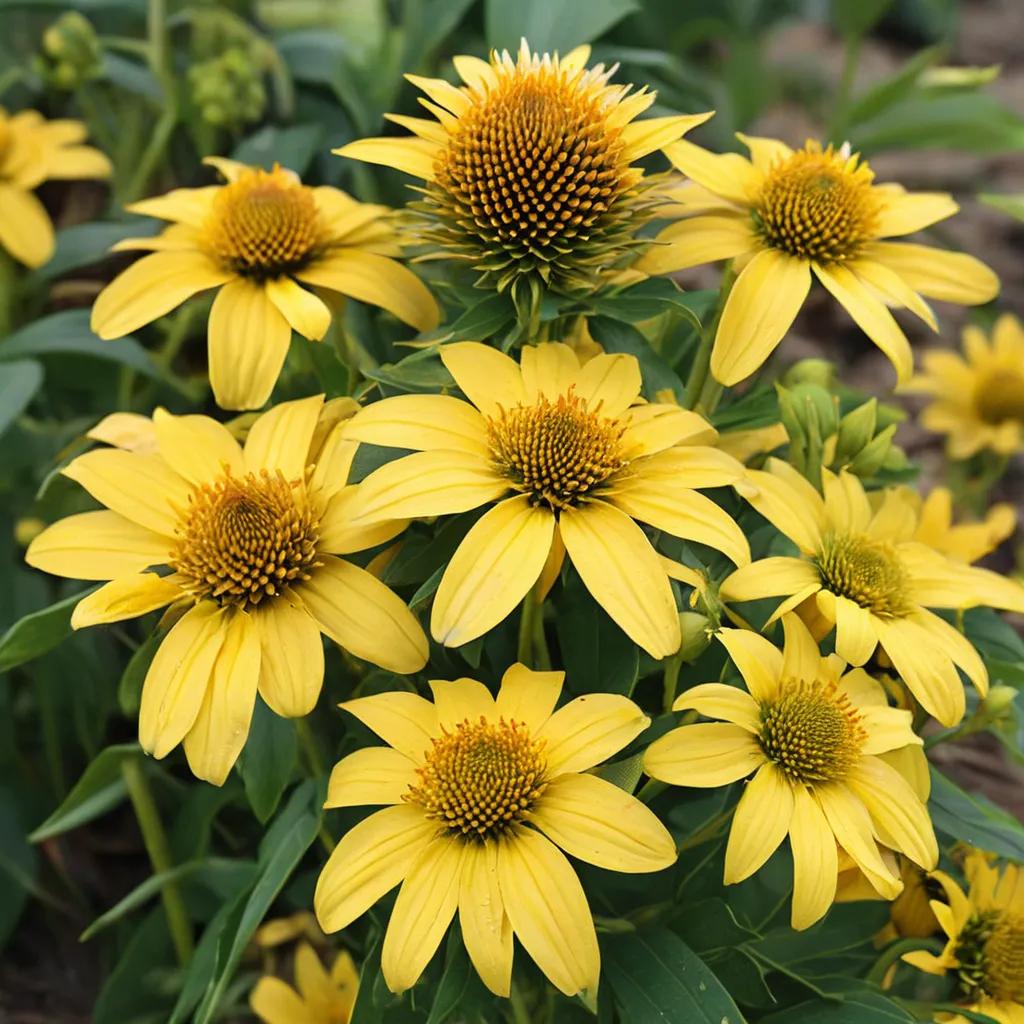 ‘Lemon Yellow Improved’Lemon Yellow Coneflower
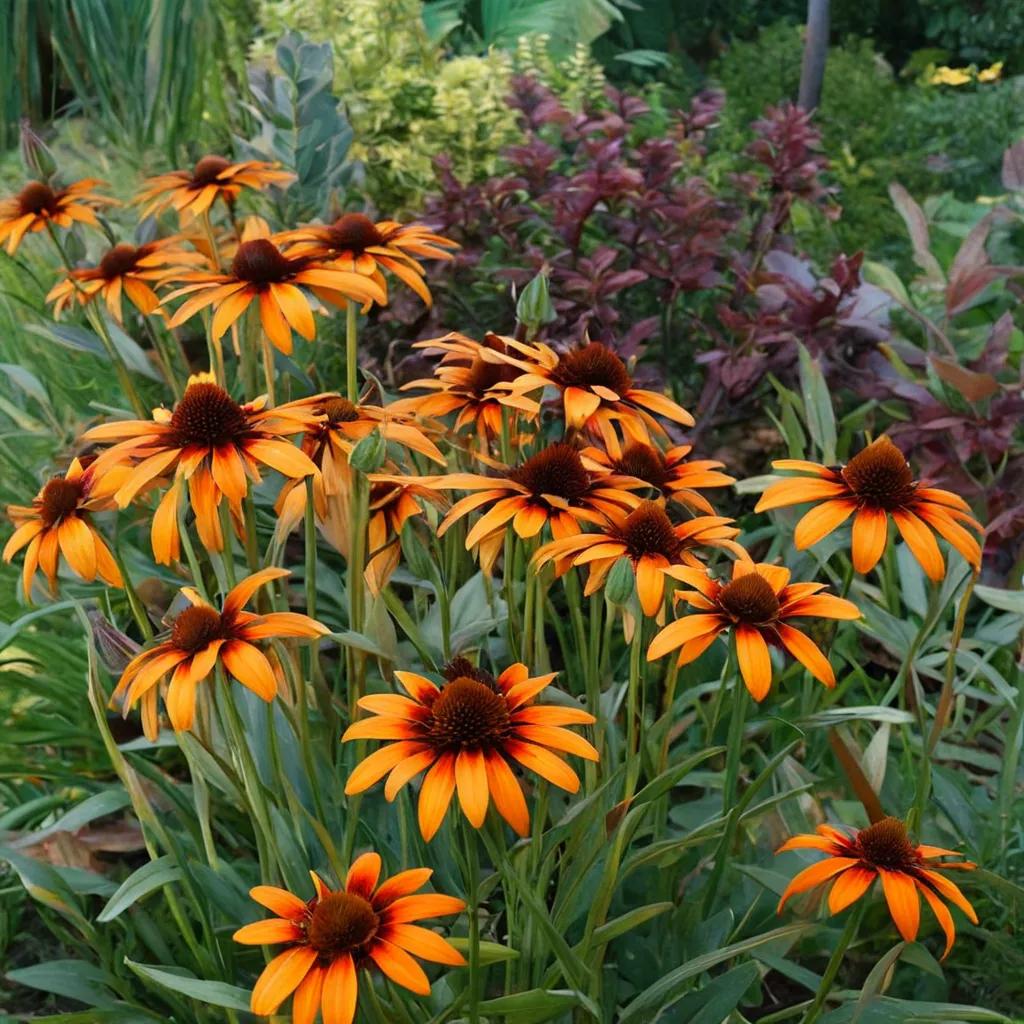 ‘Tiki Torch’Tiki Torch Coneflower
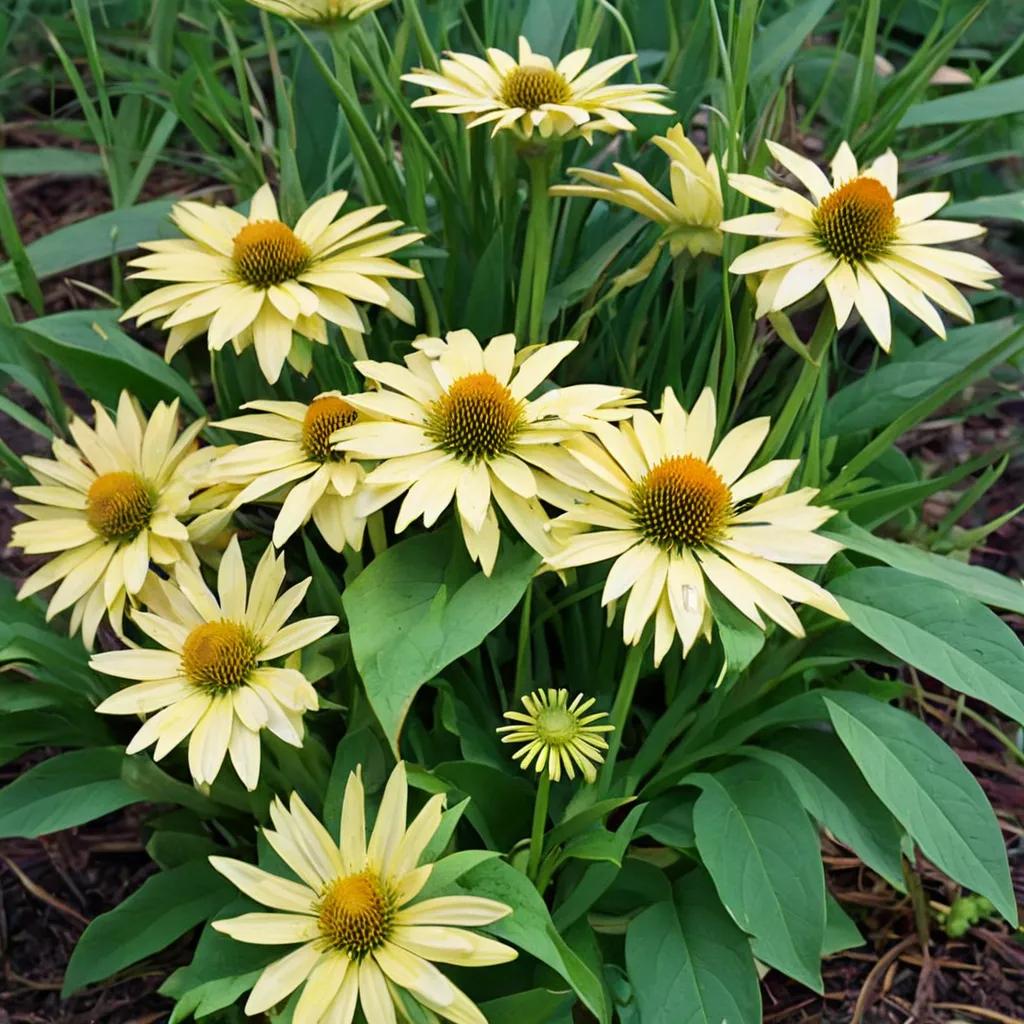 ‘Chiquita’Chiquita Purple Coneflower
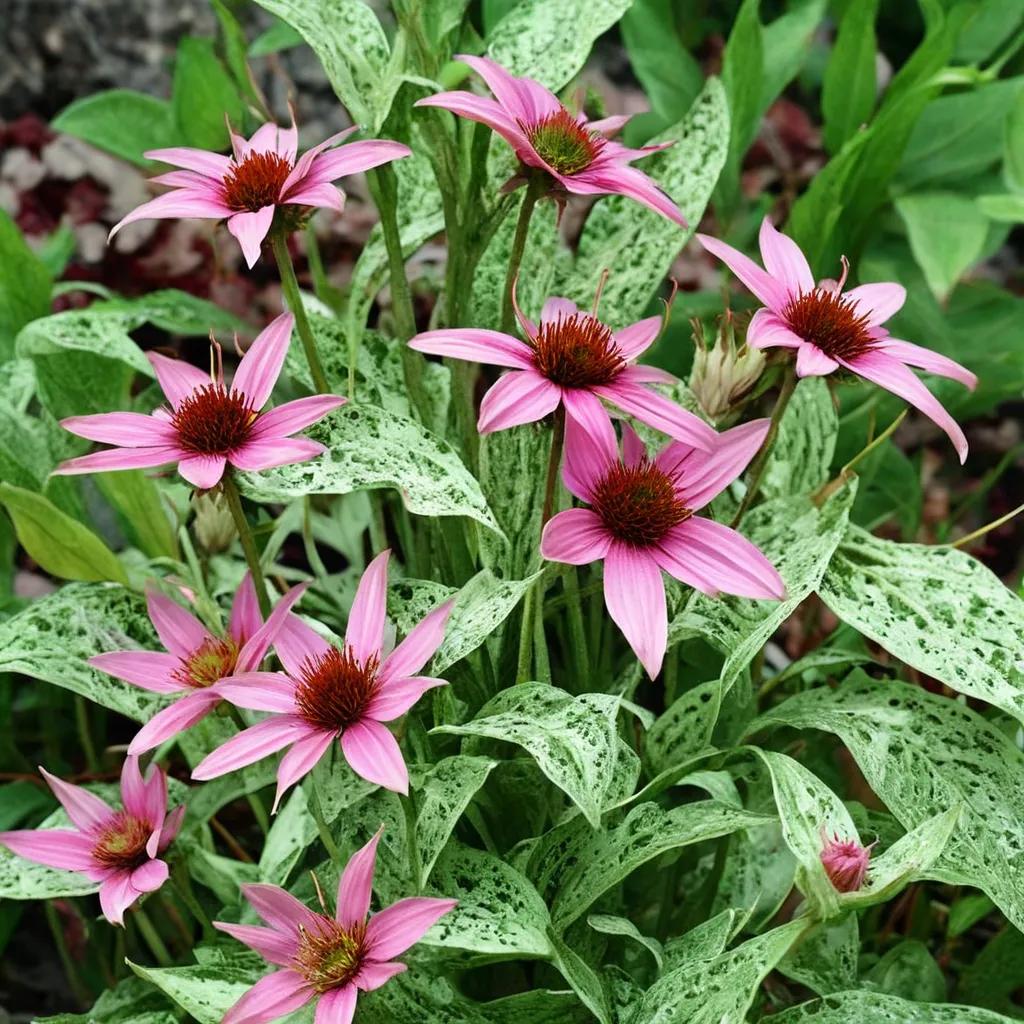 ‘Sparkler’Sparkler Purple Coneflower
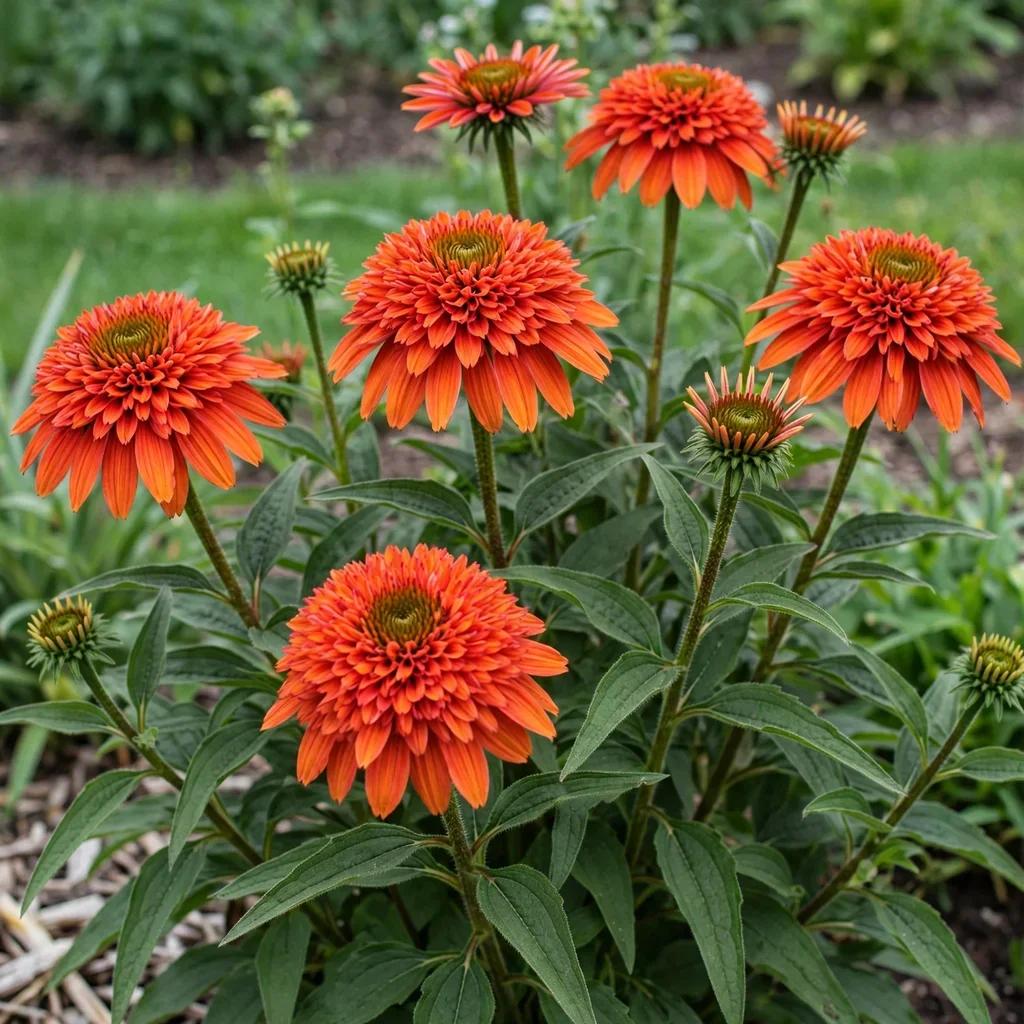 ‘Double Scoop Orangeberry’Double Scoop Orangeberry Coneflower
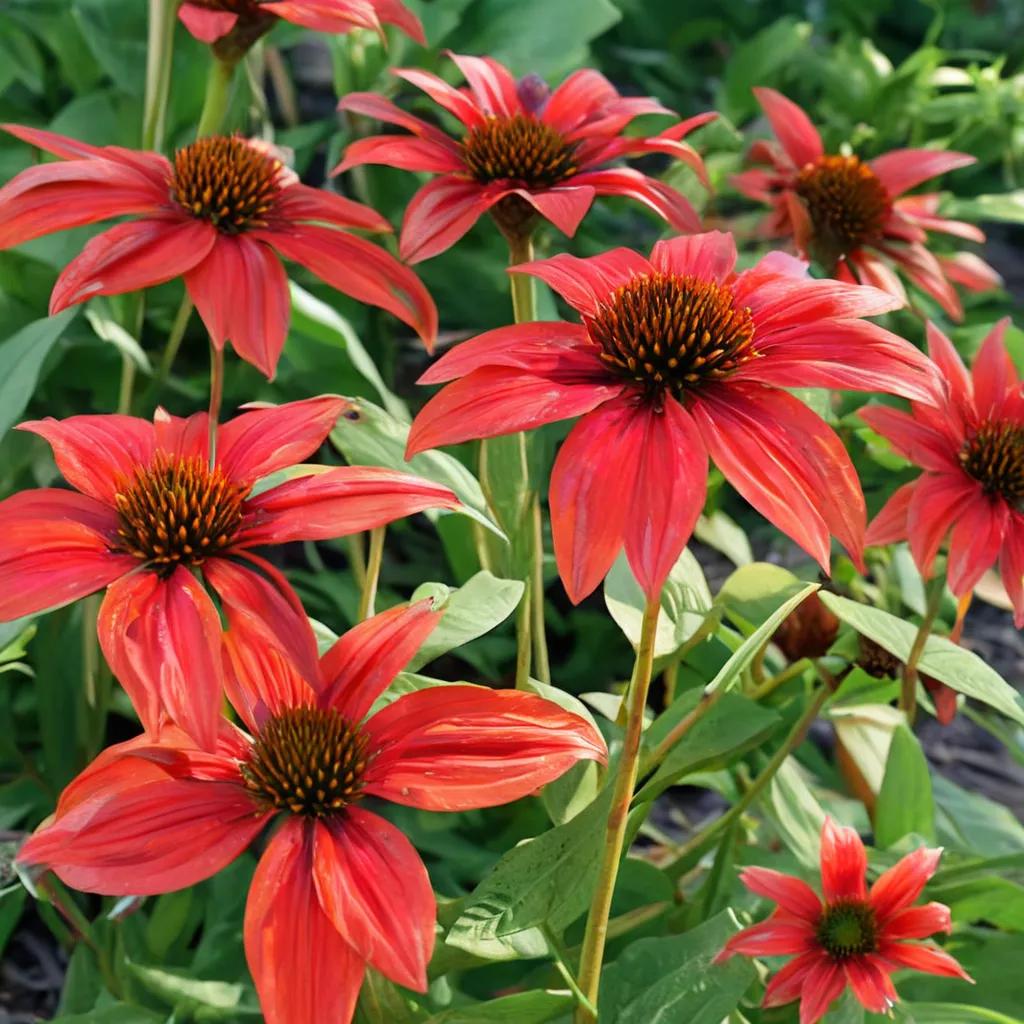 ‘Tomato Soup’Purple Coneflower Echinacea Tomato Soup
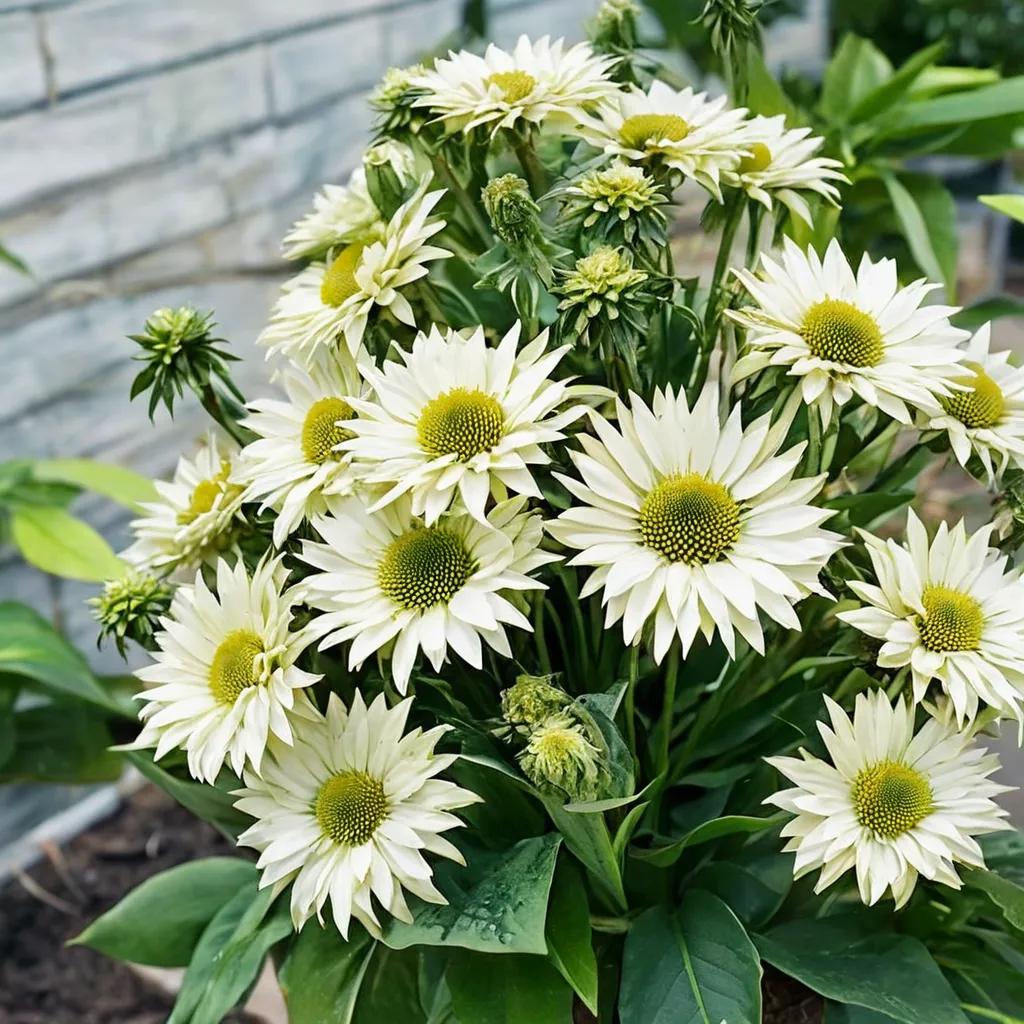 ‘Sunseekers White Perfection’White Perfection Coneflower
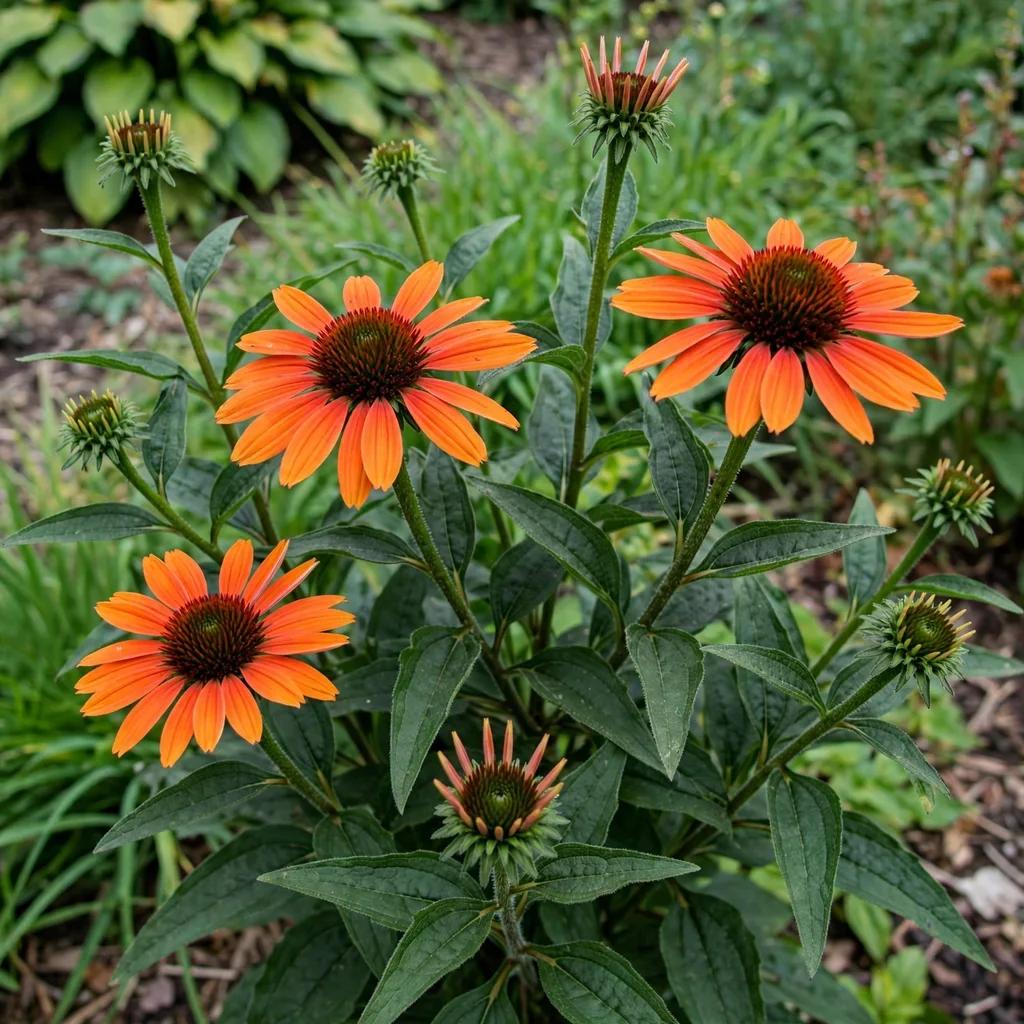 ‘Orange Skipper’Orange Skipper Coneflower
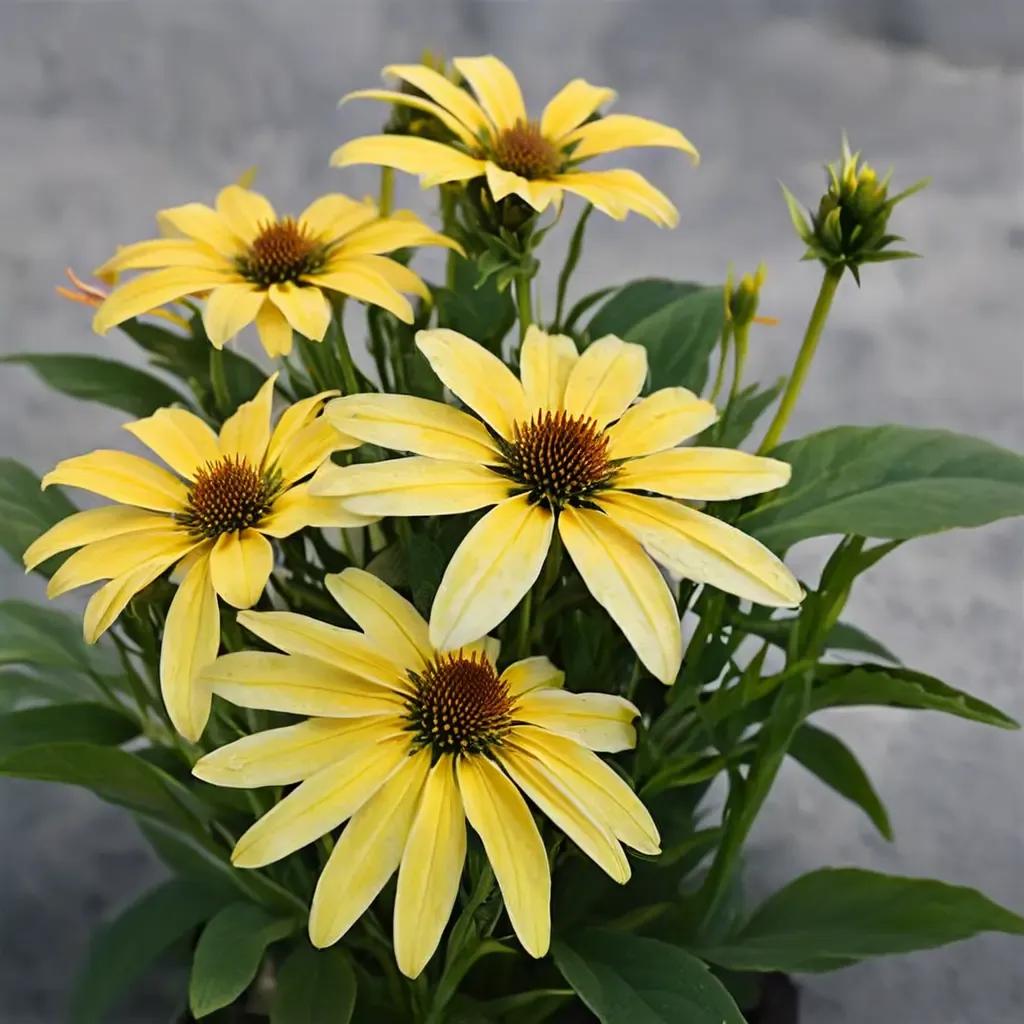 ‘Summer Solstice’Summer Solstice Coneflower
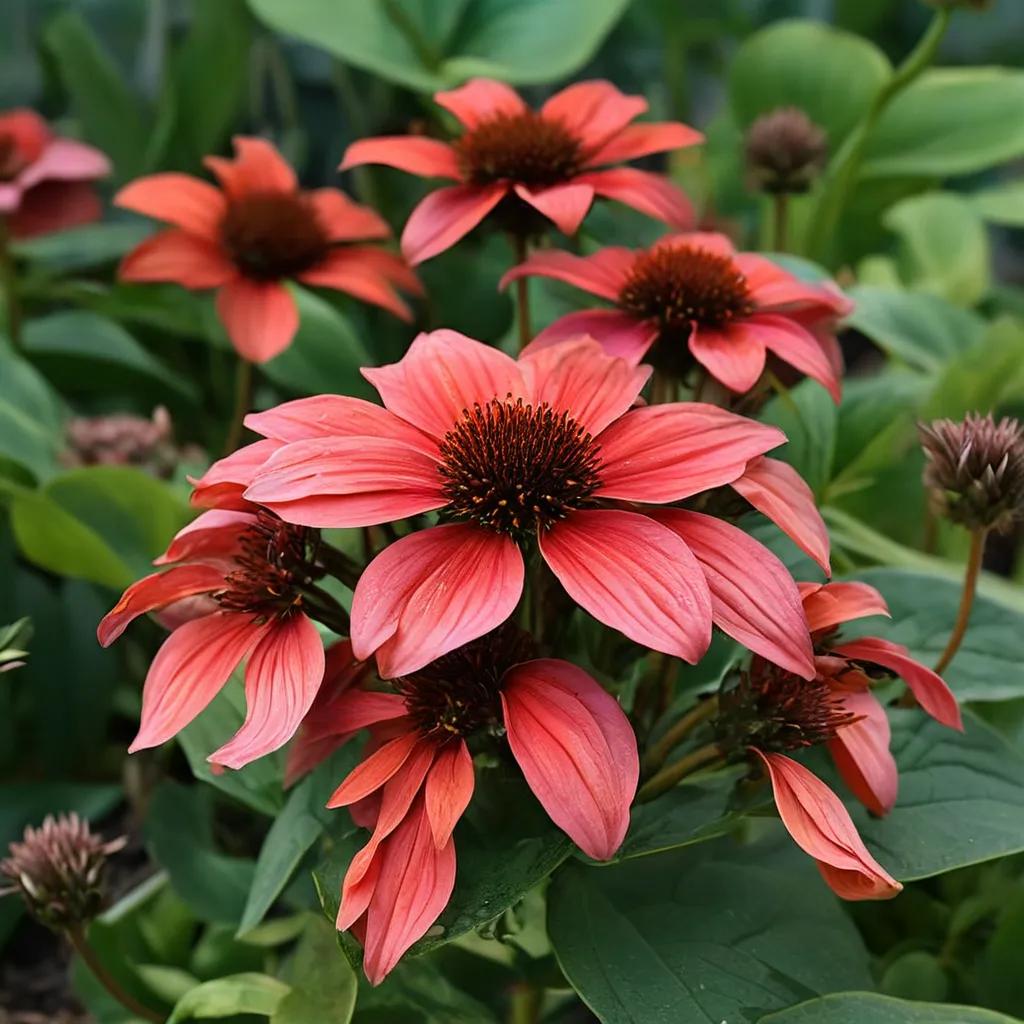 ‘Sombrero Poco Red’Purple Coneflower Sombrero Poco Red
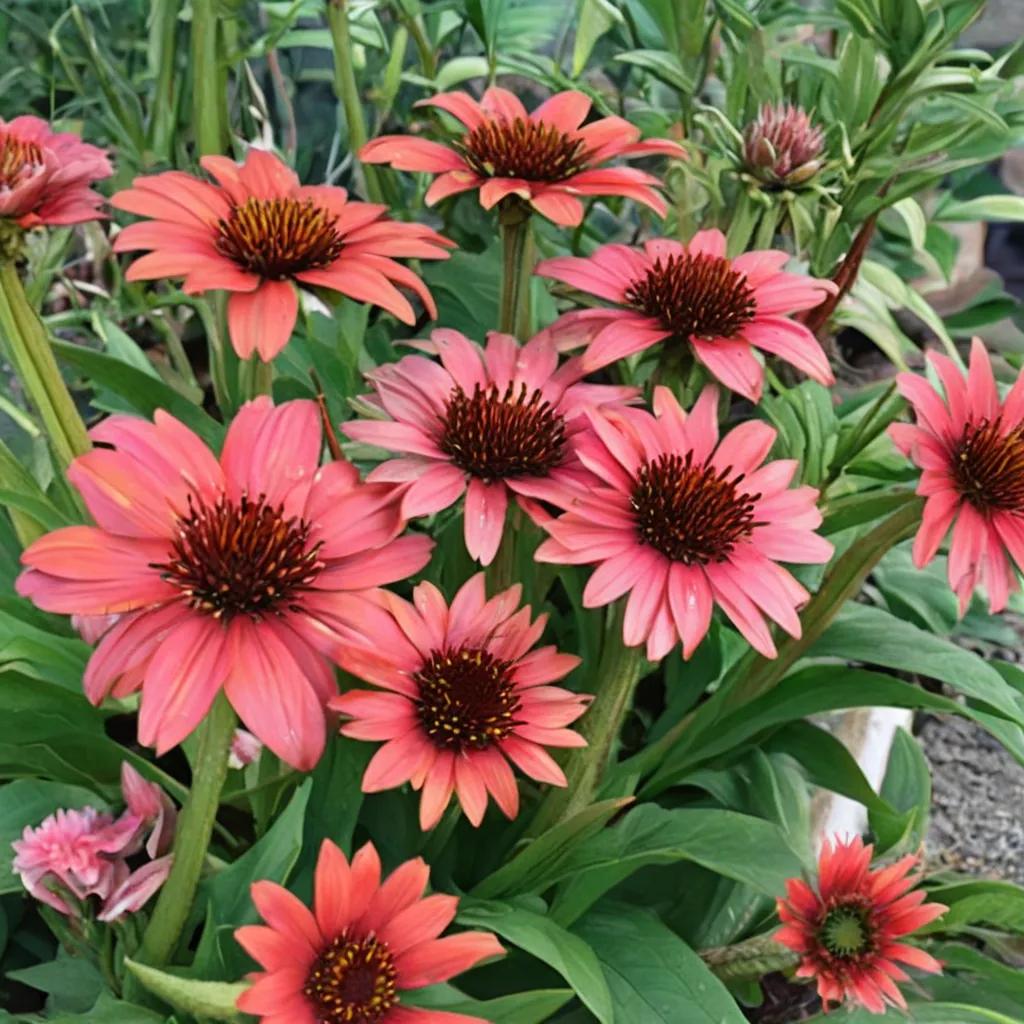 ‘SunSeekers Coral’Purple Coneflower SunSeekers Coral
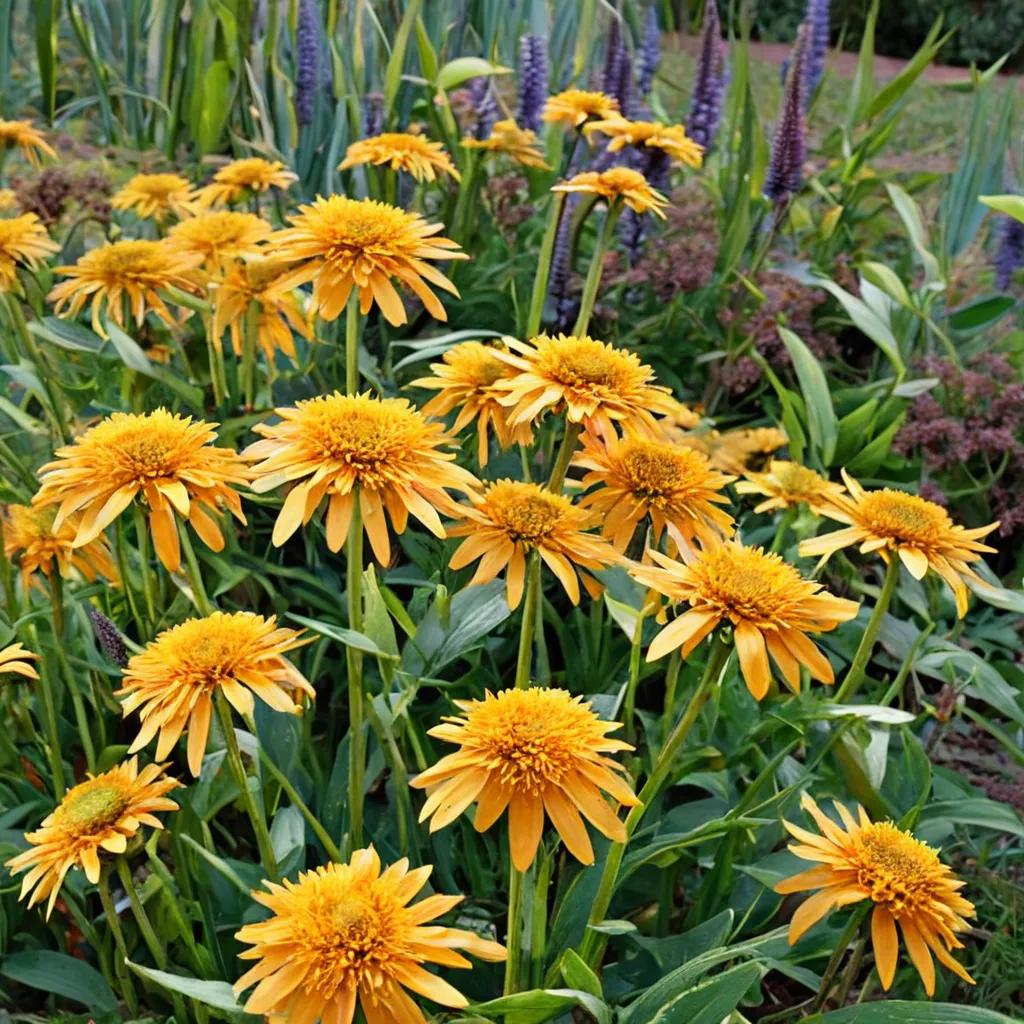 ‘Secret Glow’Secret Glow Coneflower
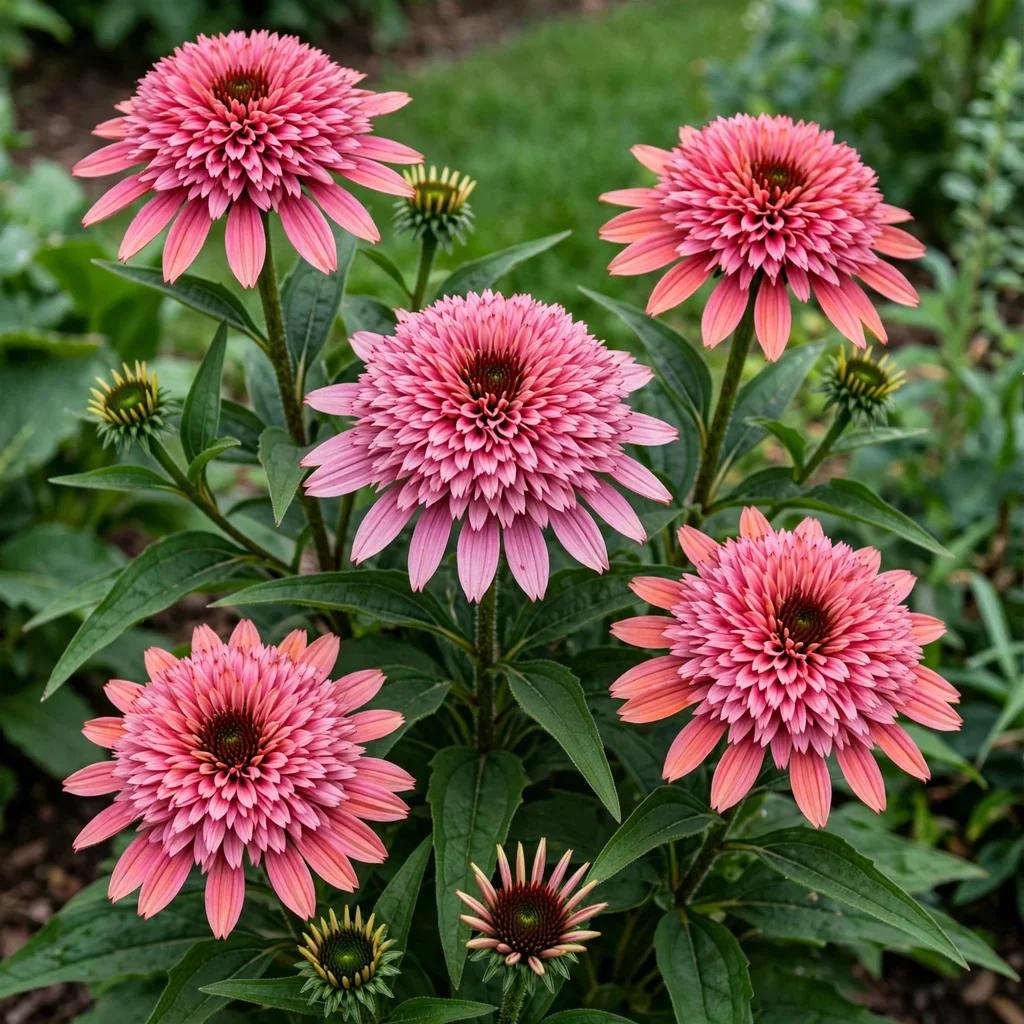 ‘Giddy Pink’Giddy Pink Coneflower
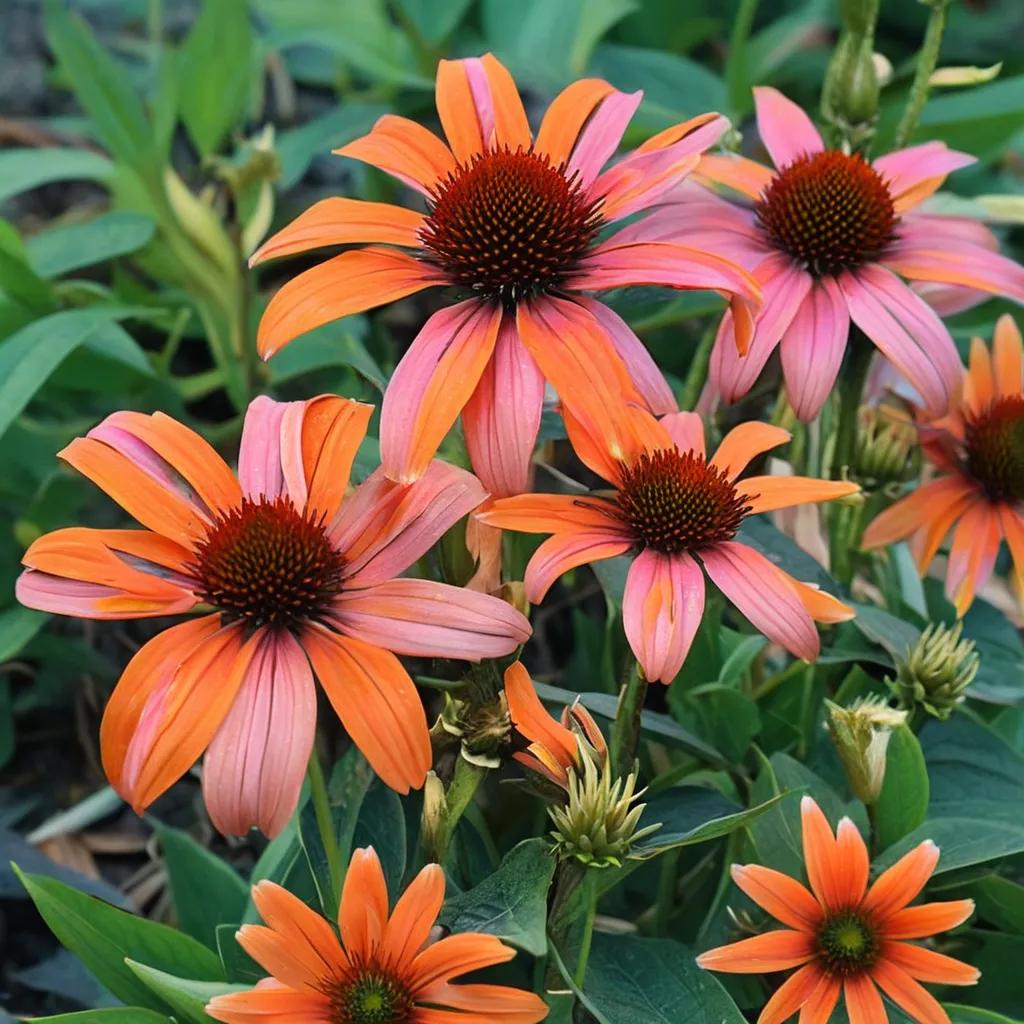 ‘Julia’Julia Coneflower
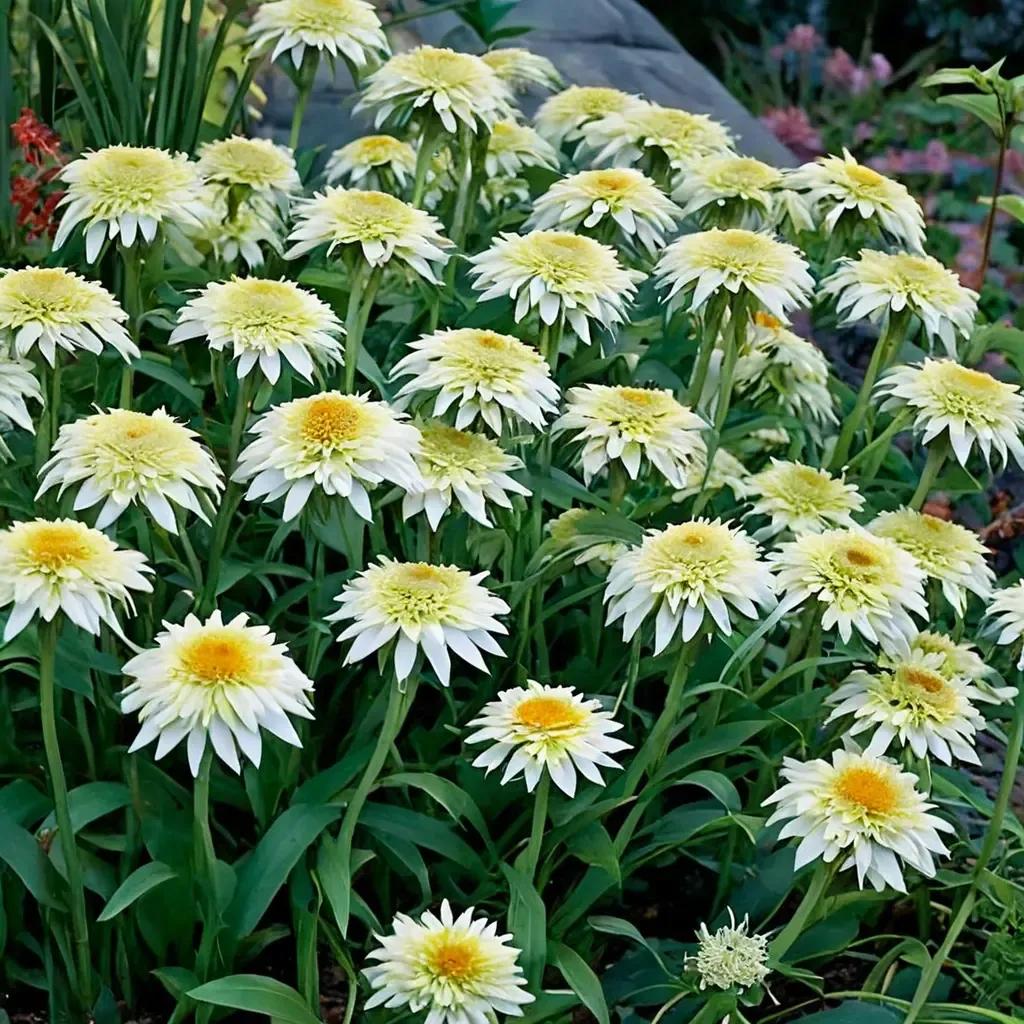 ‘Puff Vanilla’Puff Vanilla Coneflower
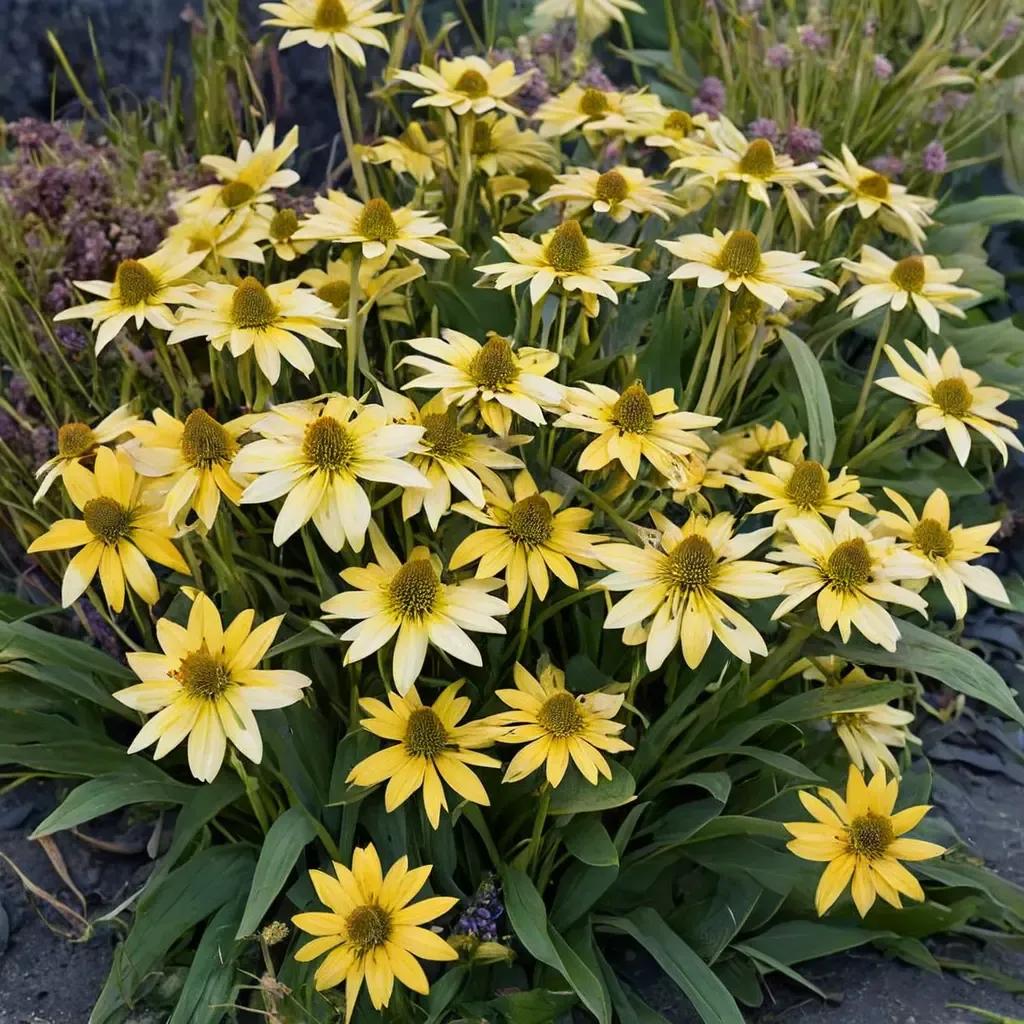 ‘Canary Feathers’Canary Feathers Coneflower
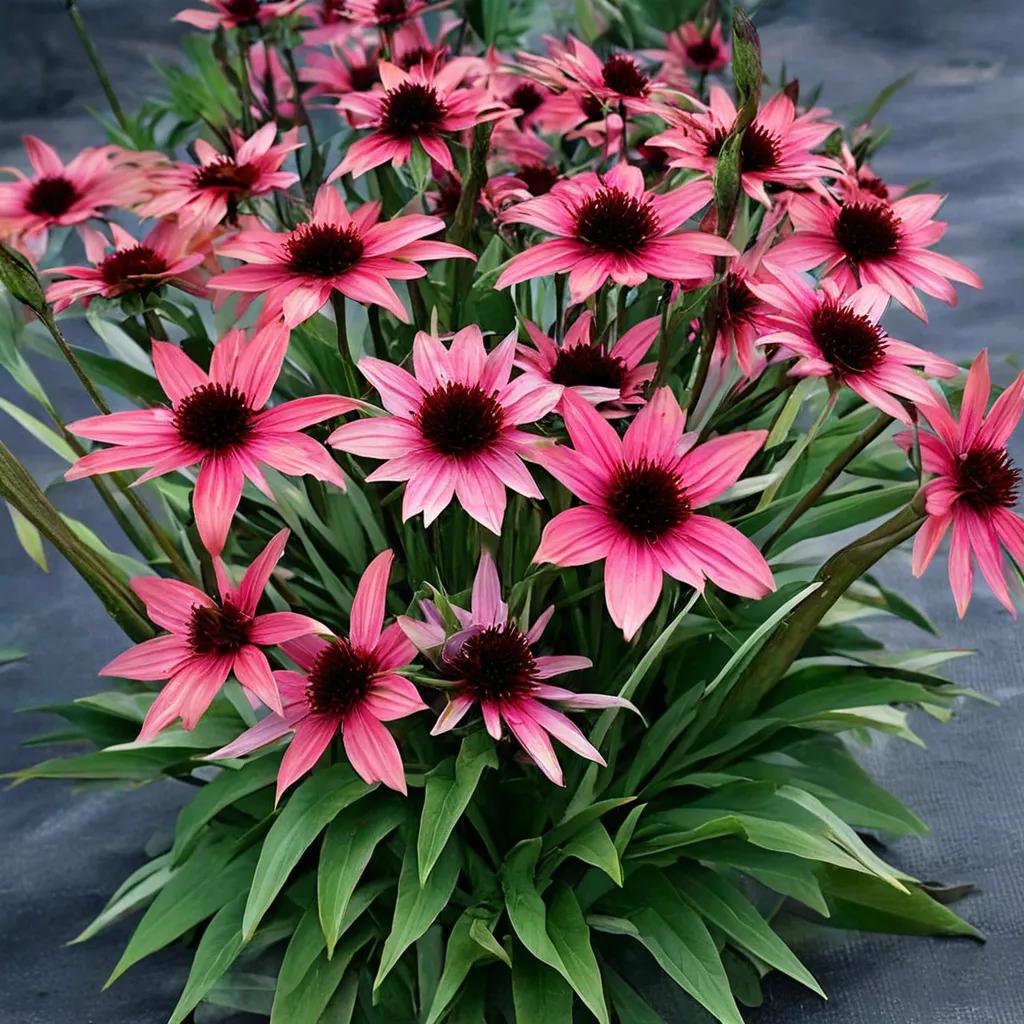 ‘Dark Shadows’Purple Coneflower Dark Shadows
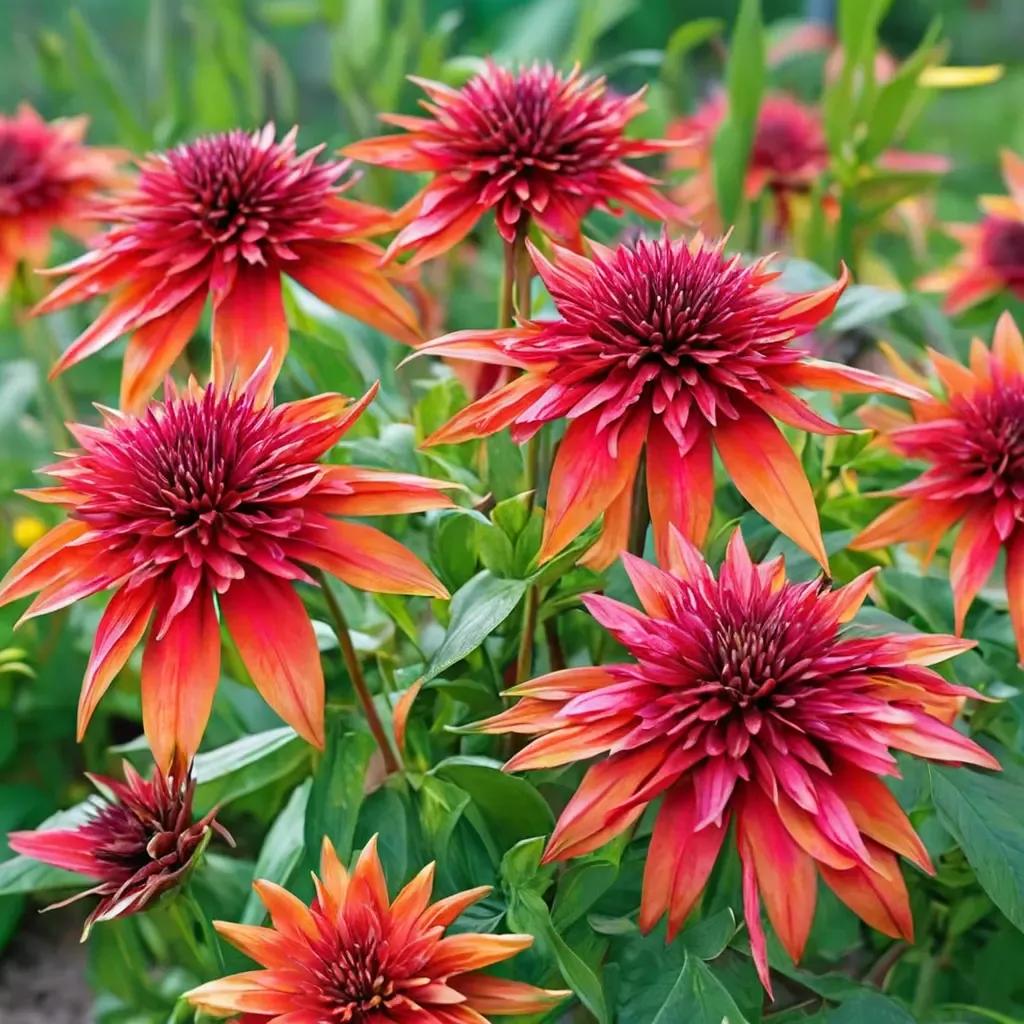 ‘Eccentric’Eccentric Coneflower
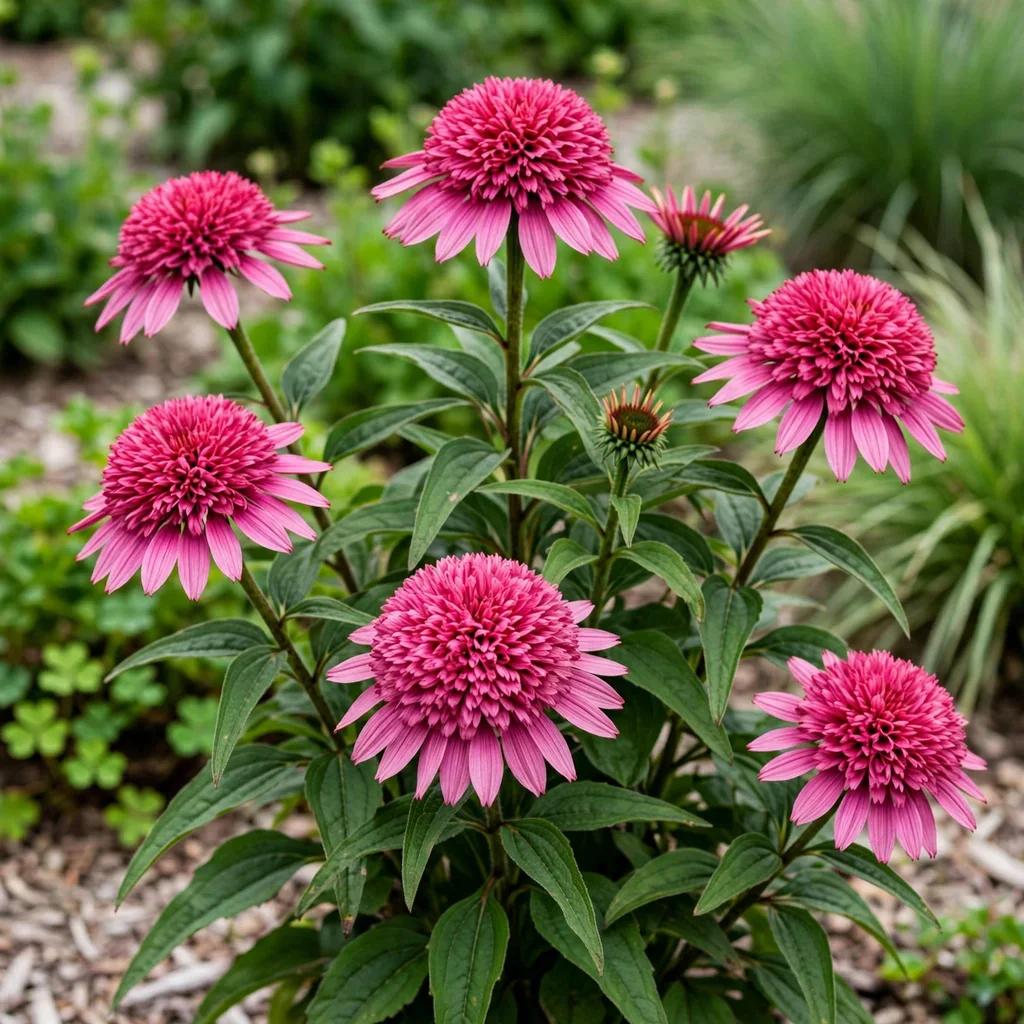 ‘Double Scoop Watermelon Deluxe’Purple Coneflower Watermelon Deluxe
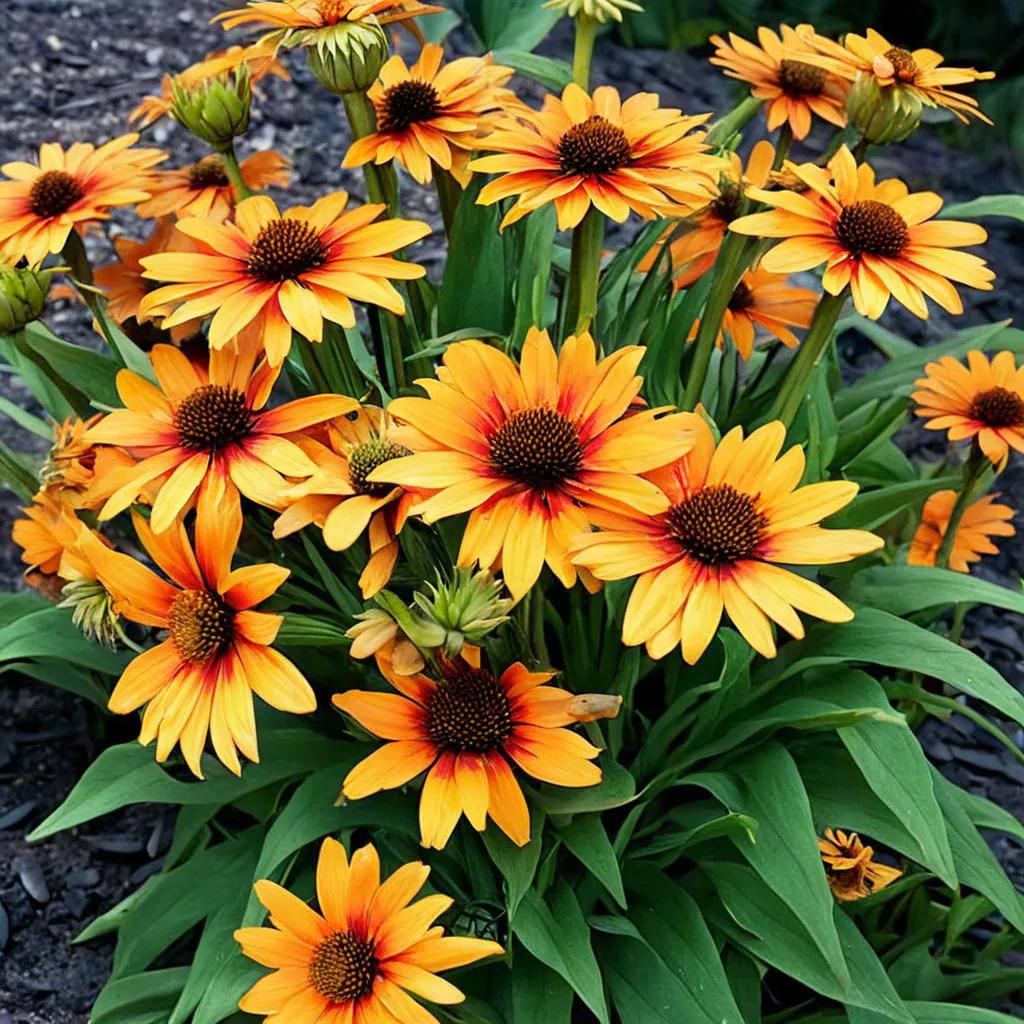 ‘Prima Saffron’Prima Saffron Coneflower
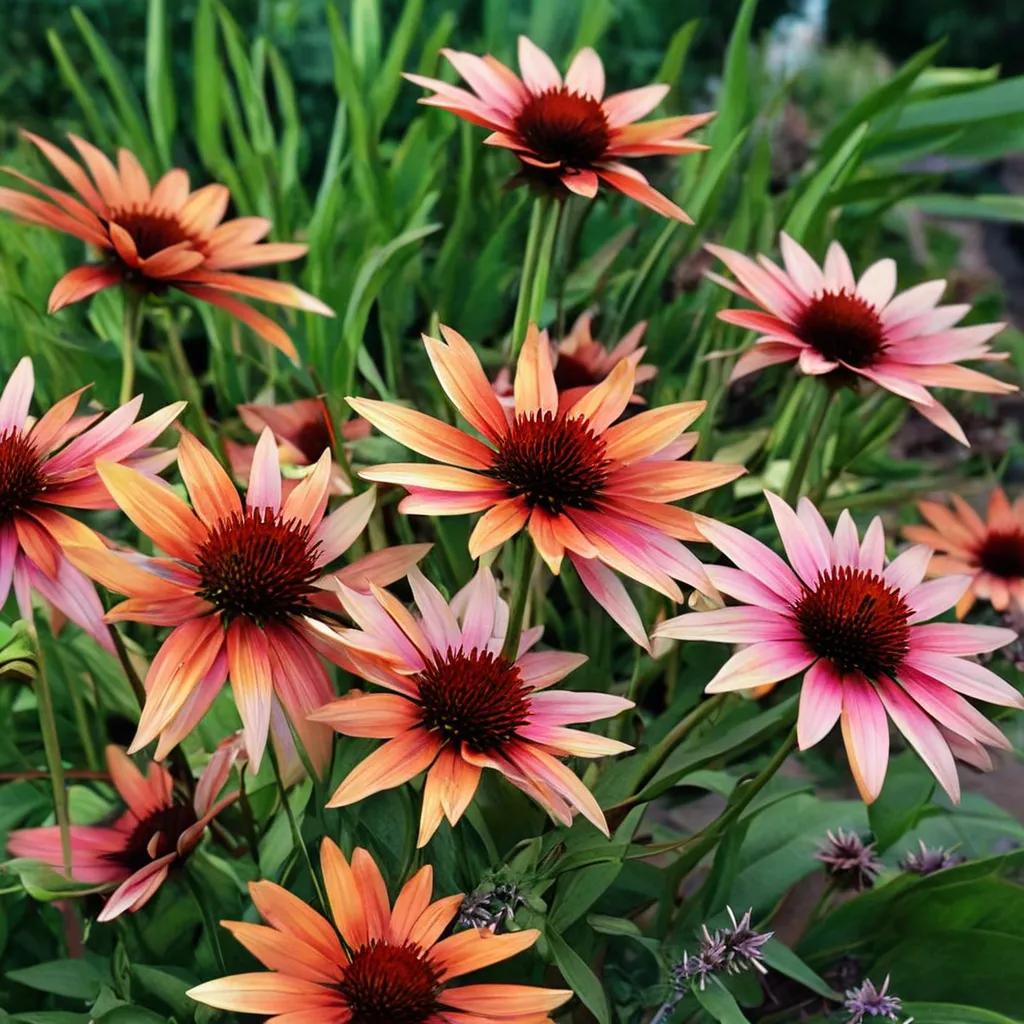 ‘Evan Saul’Evan Saul Sundown Coneflower
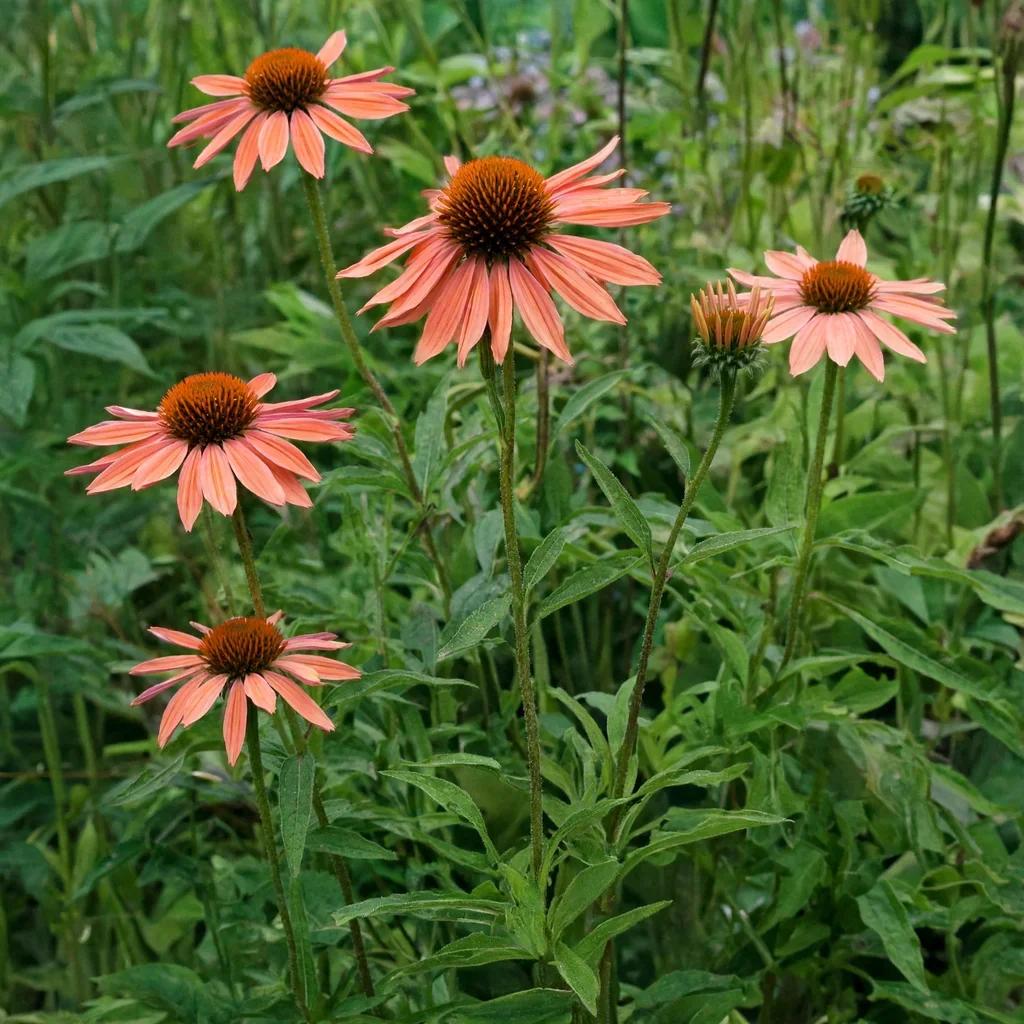 ‘Matthew Saul’Tomato Soup Coneflower
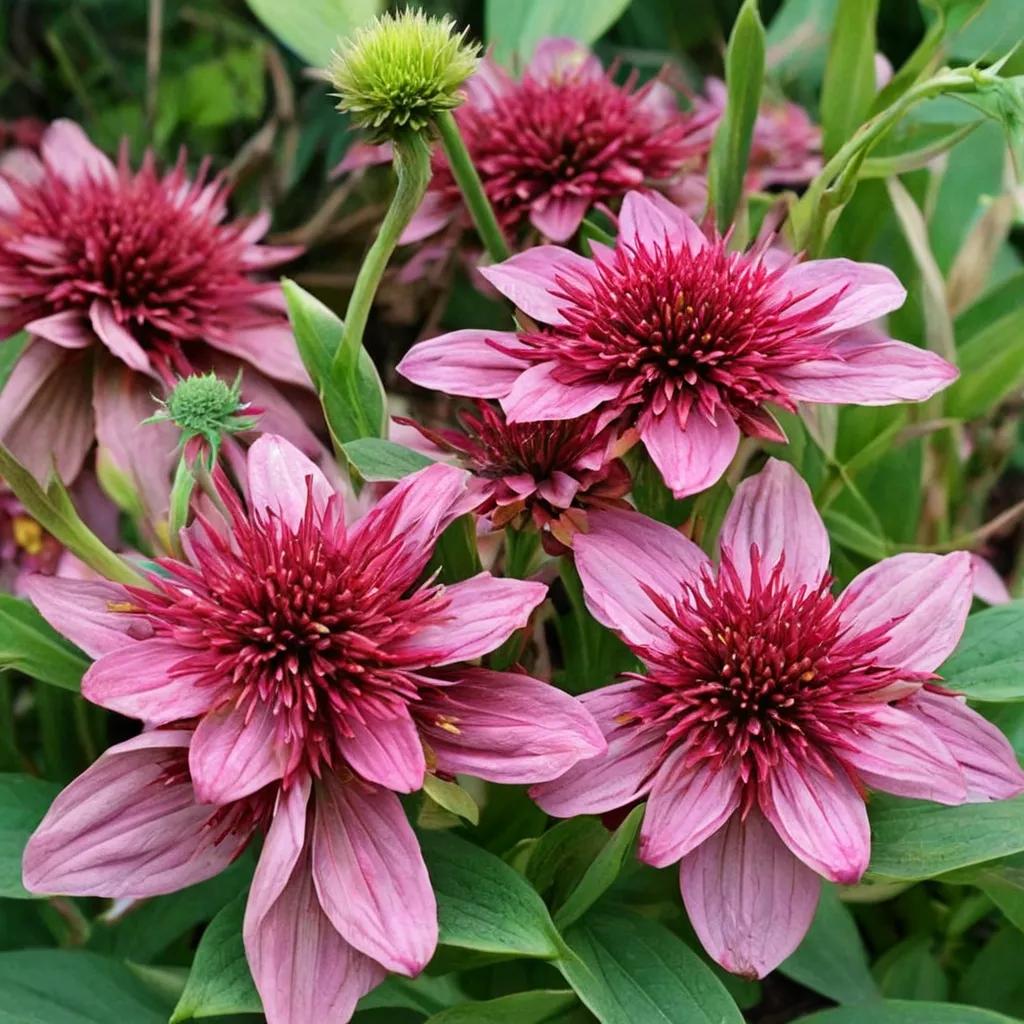 ‘Watermelon Sugar’Watermelon Sugar Coneflower
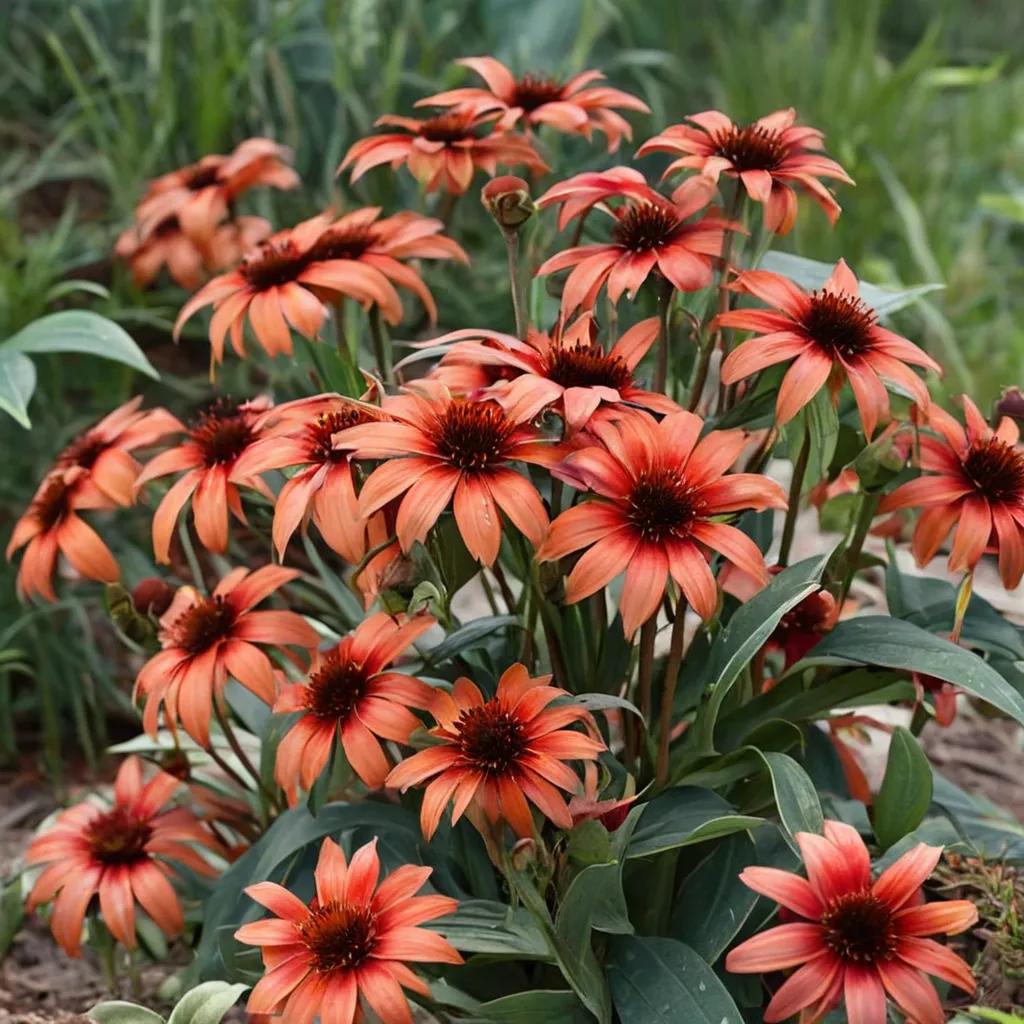 ‘Tanager’Coneflower Tanager
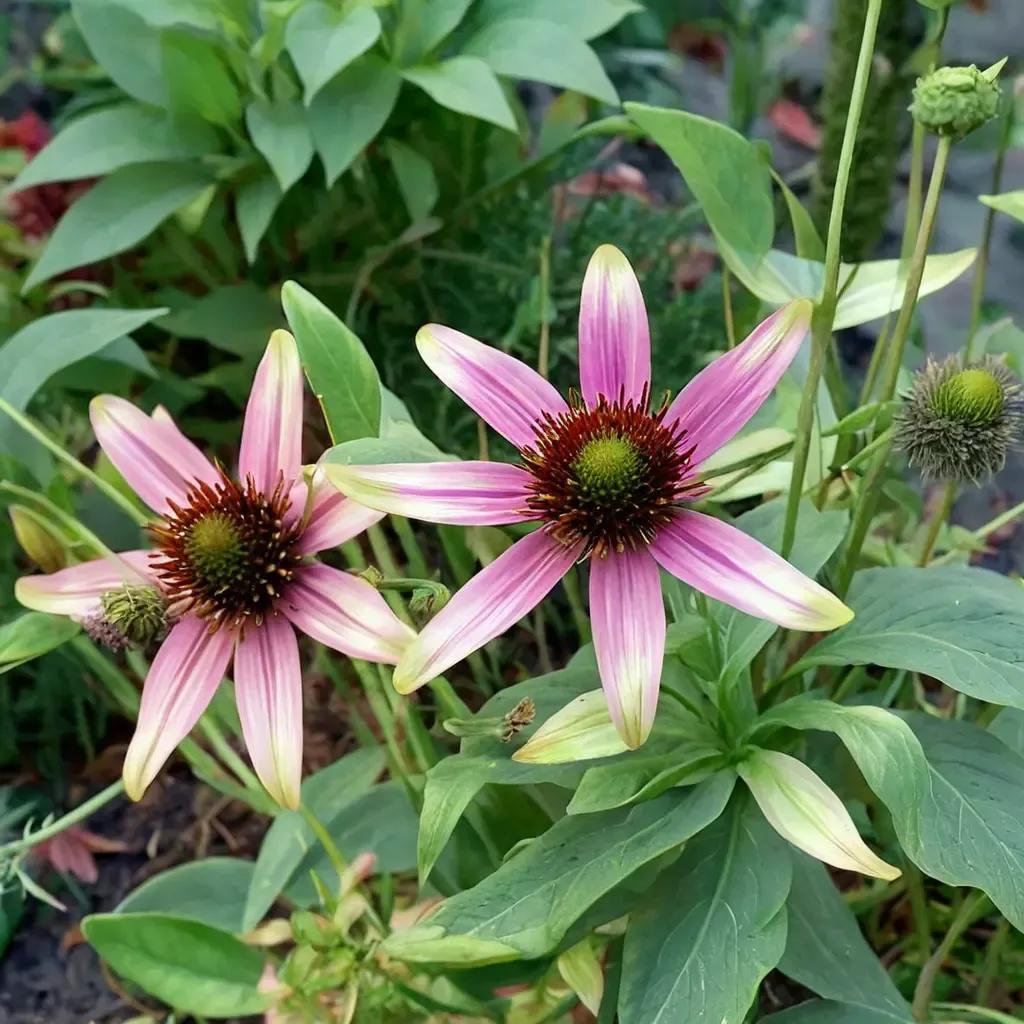 ‘Green Envy’Green Envy Coneflower
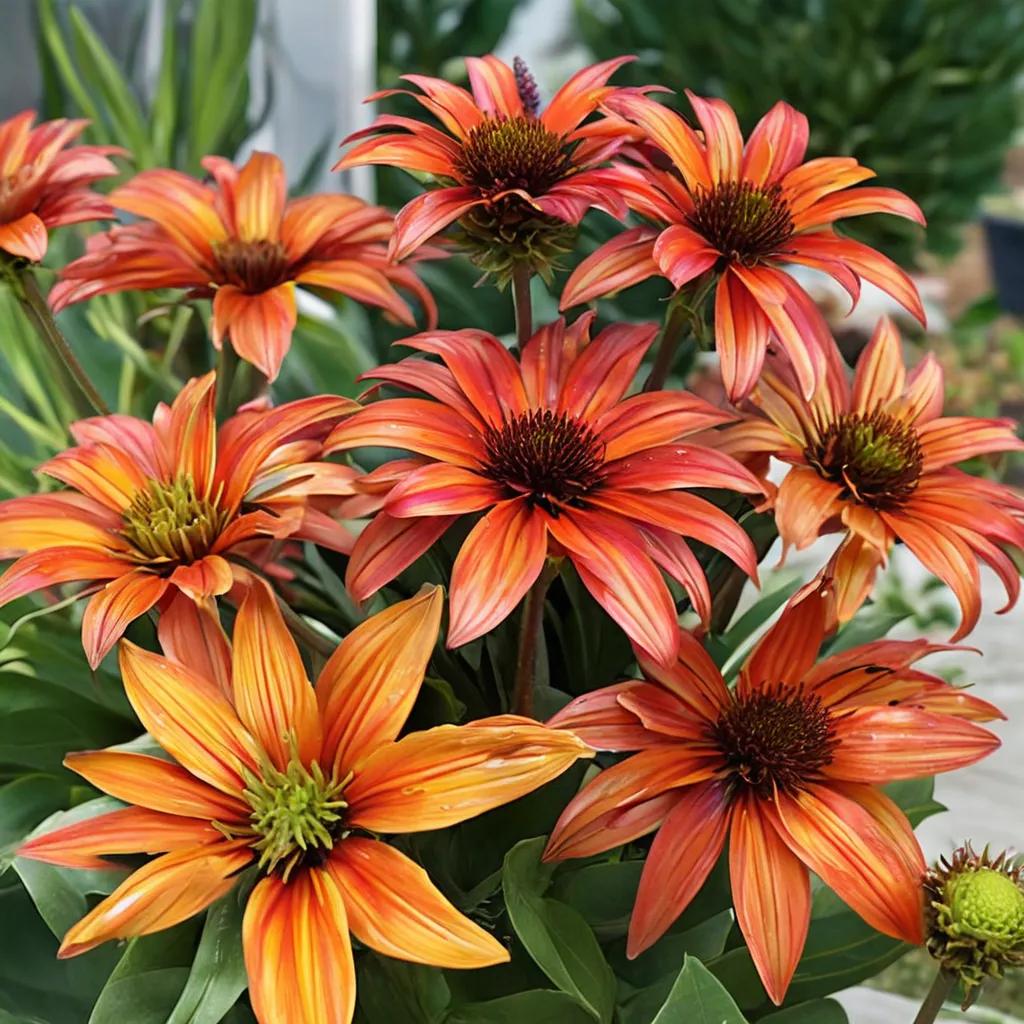 ‘SunSeekers Orange’Echinacea SunSeekers Orange
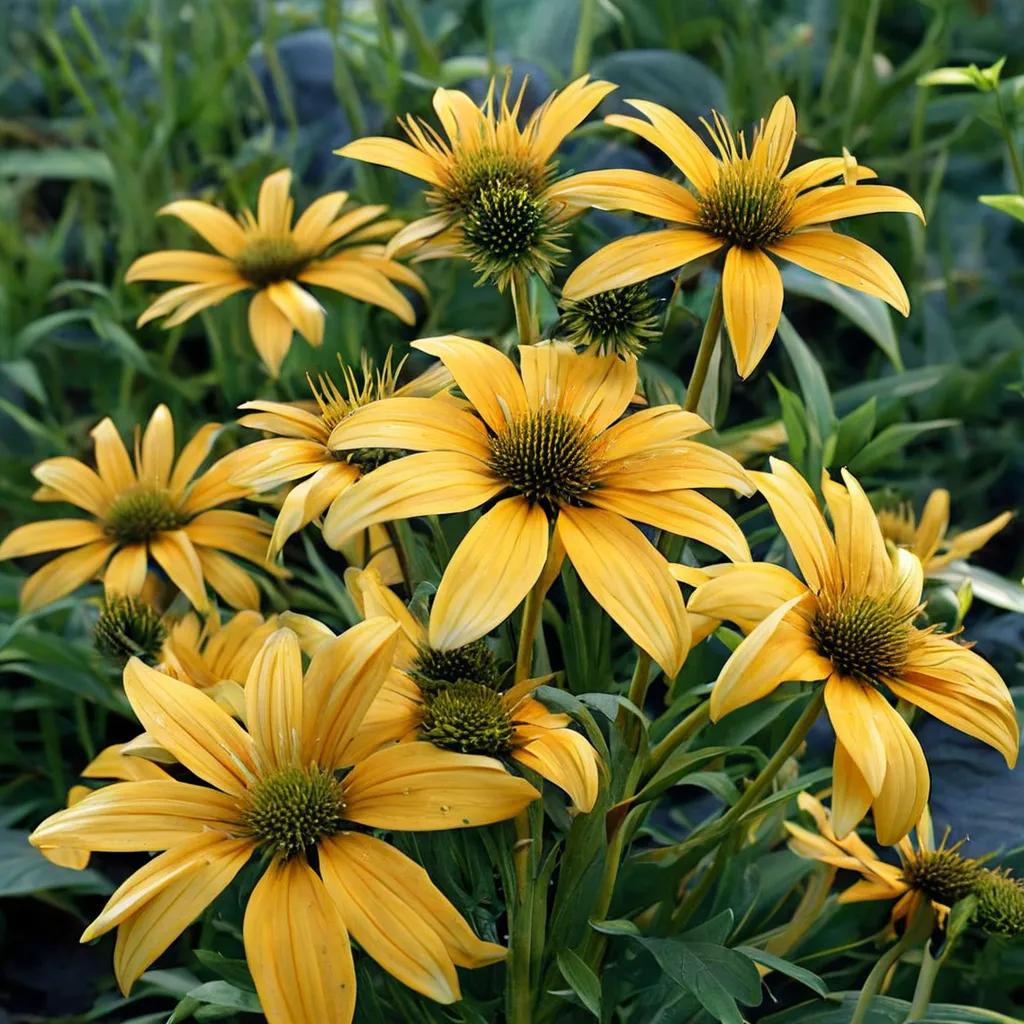 ‘Sunbird’Sunbird Coneflower
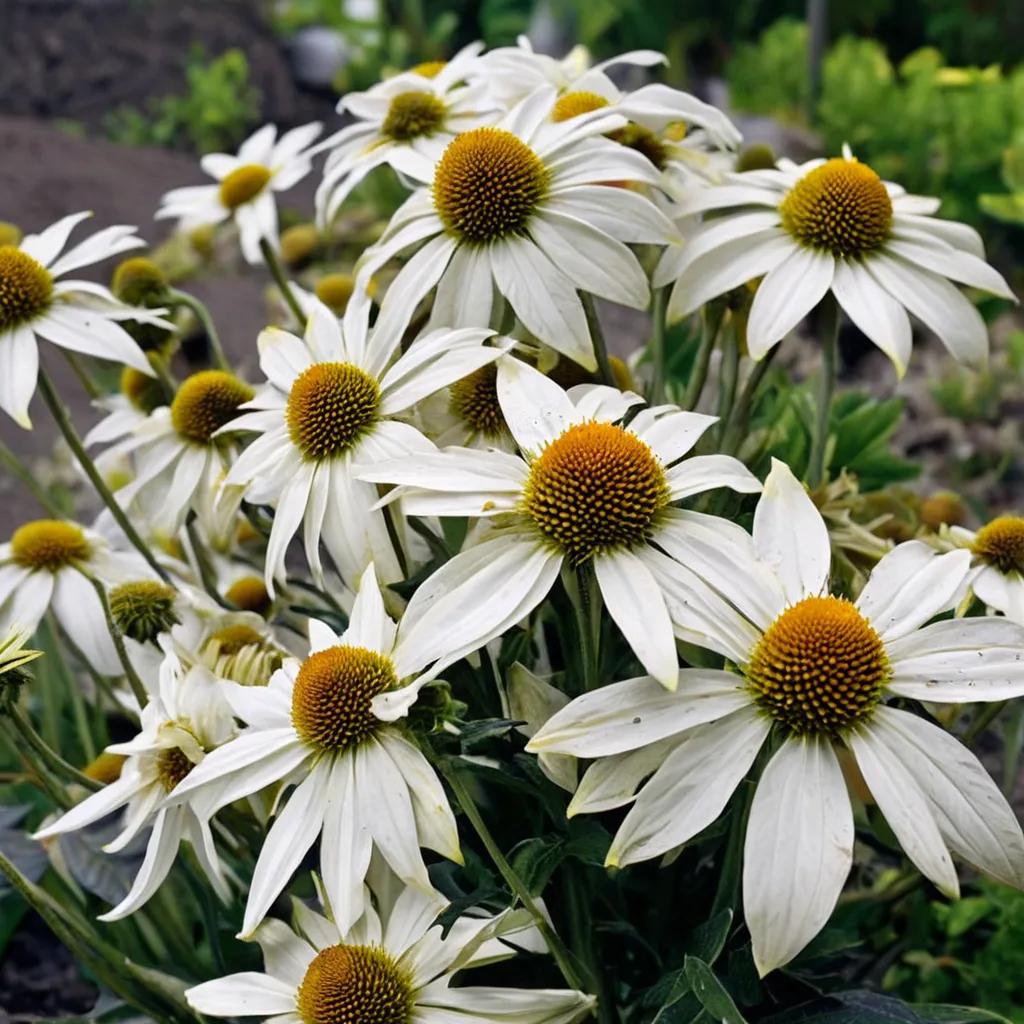 ‘Primadonna White’Primadonna White Coneflower
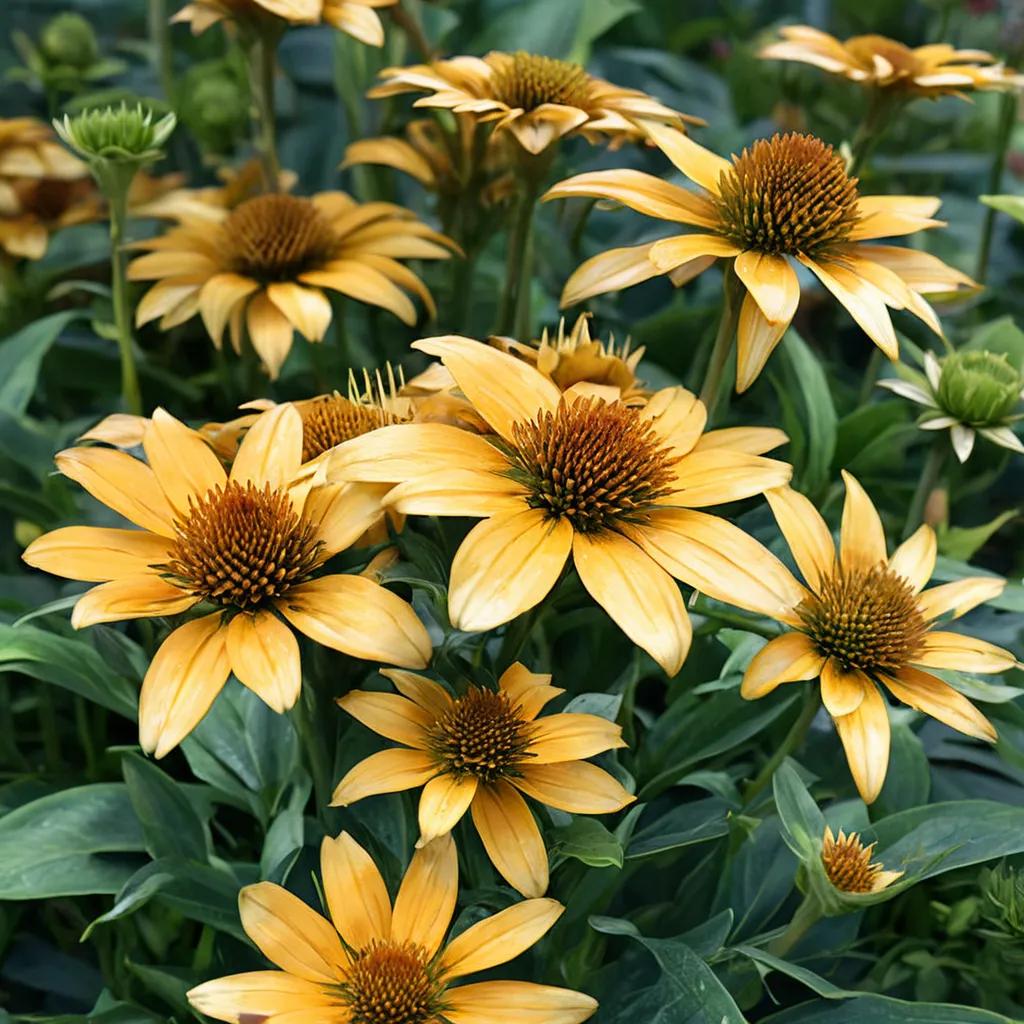 ‘Granada Gold’Purple Coneflower Echinacea purpurea Granada Gold
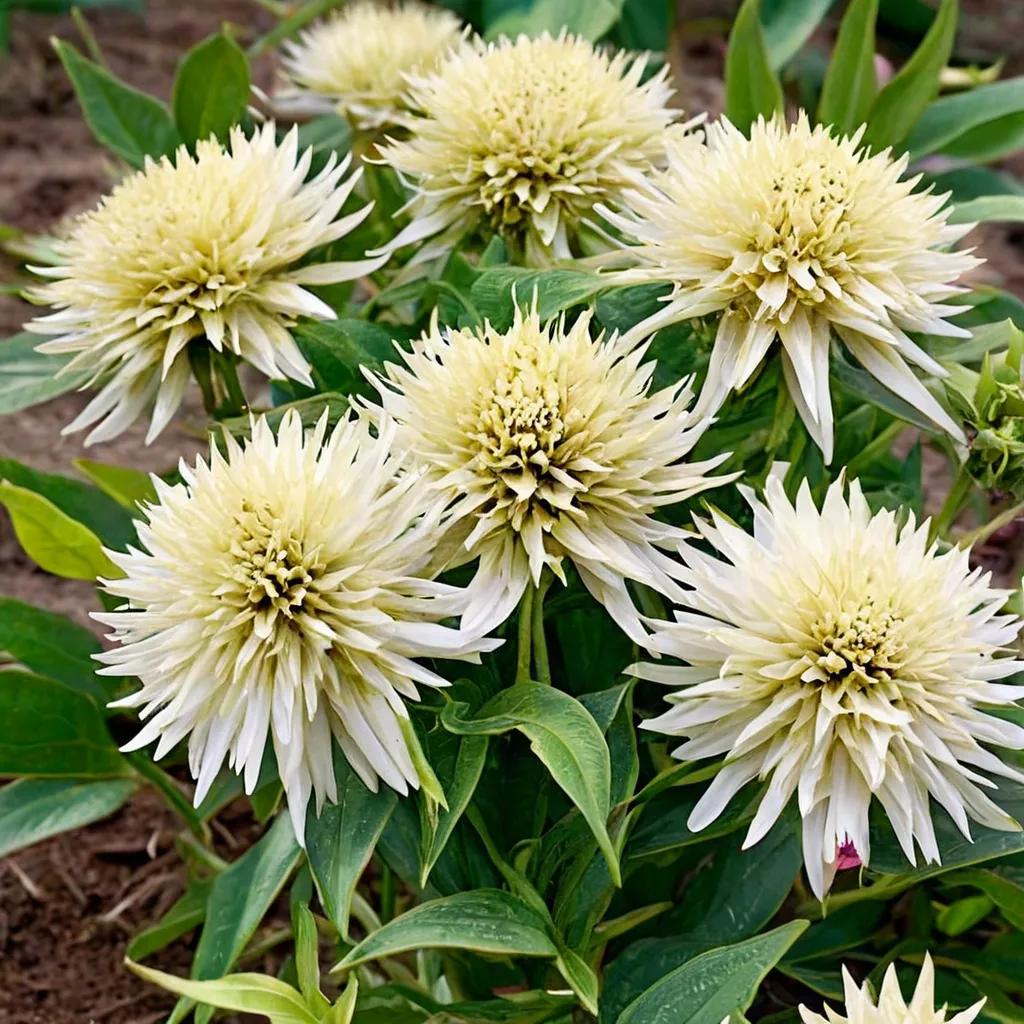 ‘Lace’Purple Coneflower Lace
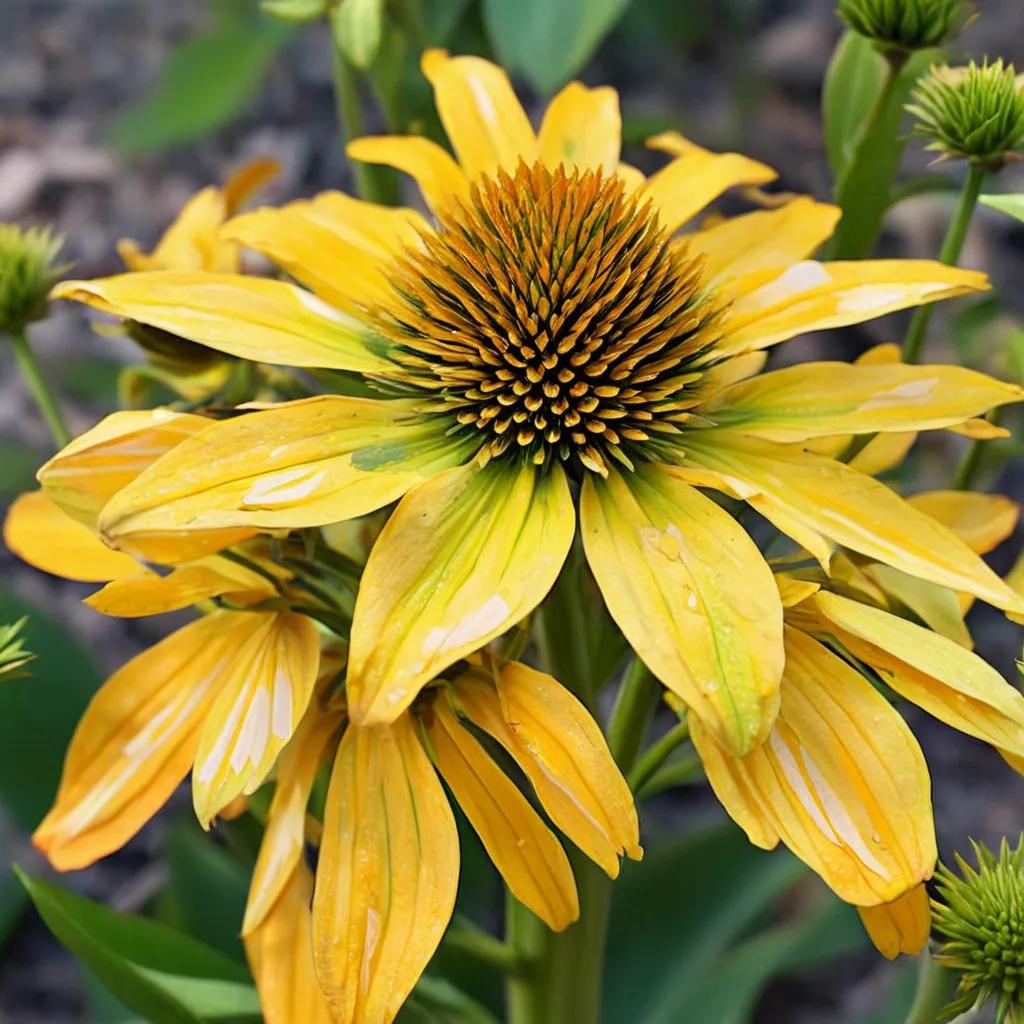 ‘Golden Skipper’Coneflower 'Golden Skipper'
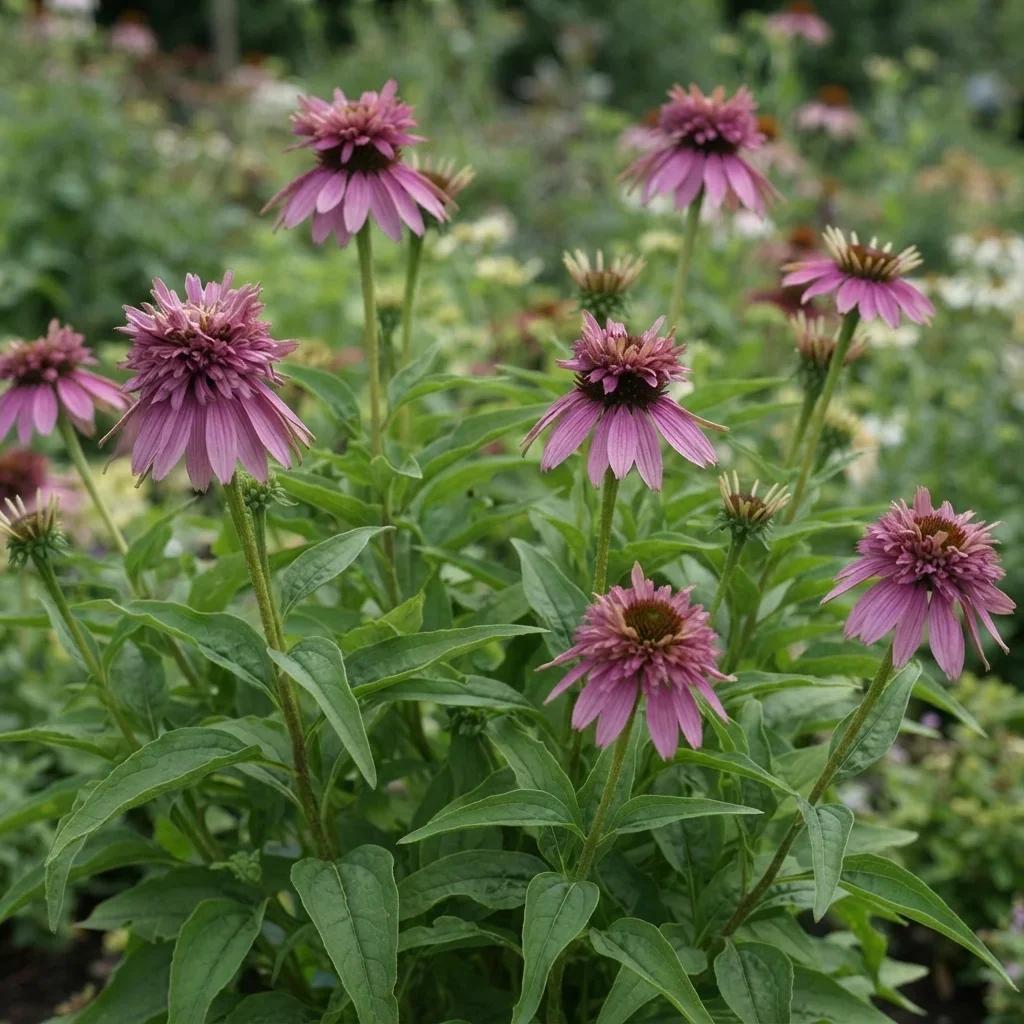 ‘Doubledecker’Doubledecker Coneflower
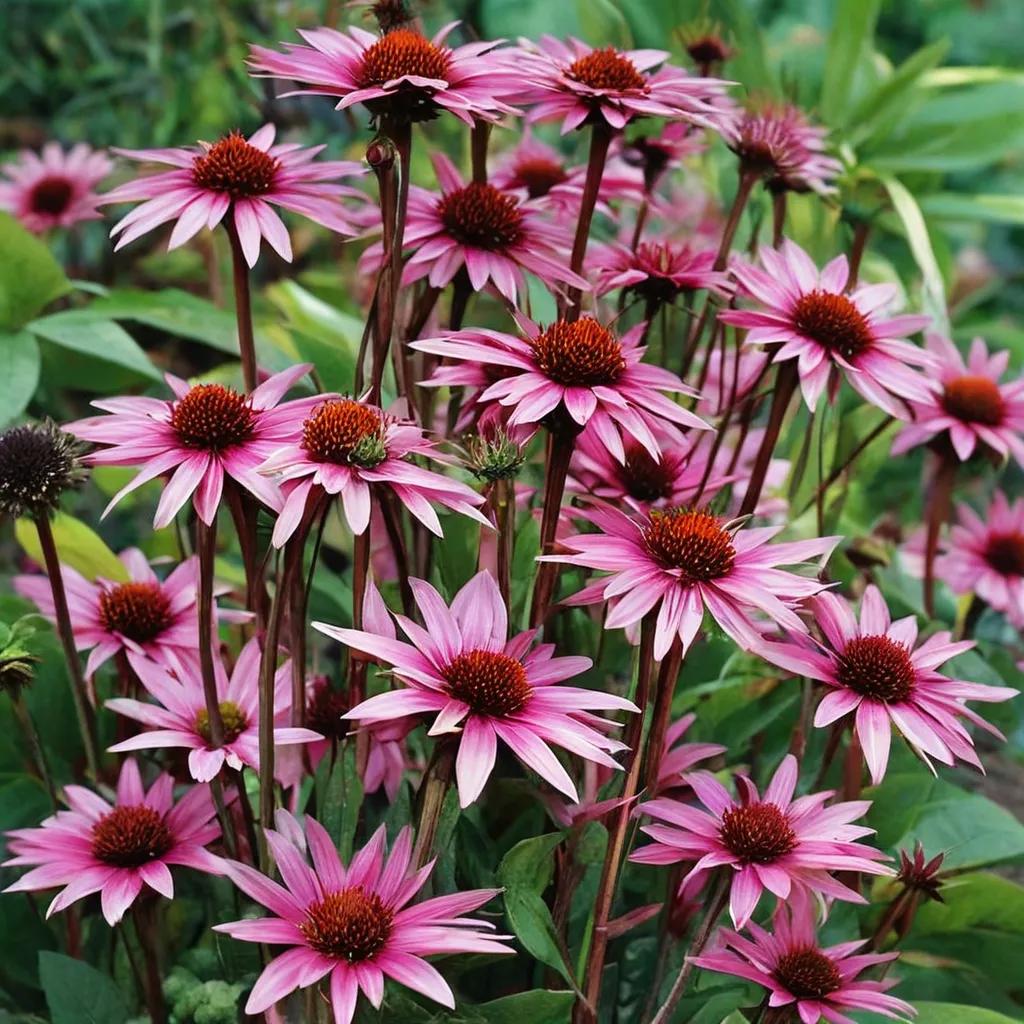 ‘Fatal Attraction’Purple Coneflower Fatal Attraction
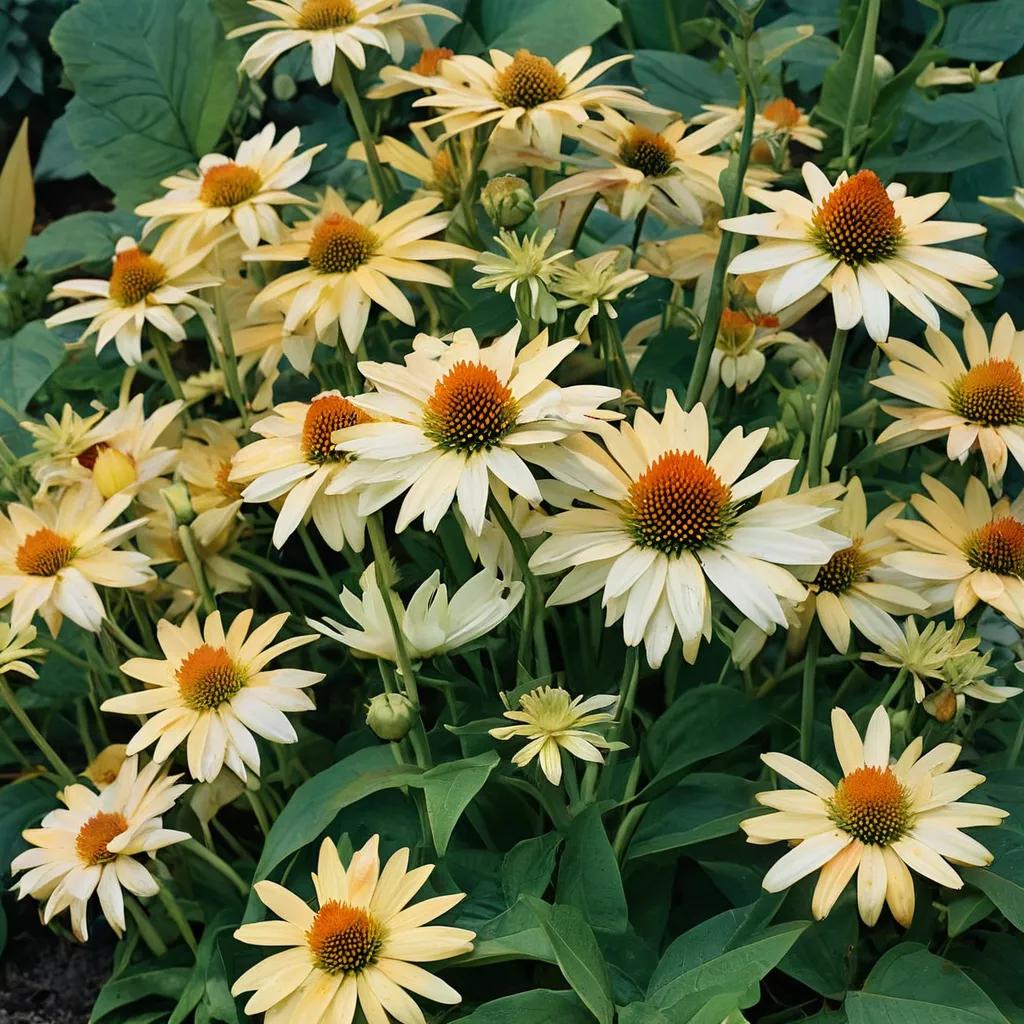 ‘Aloha’Coneflower 'Aloha'
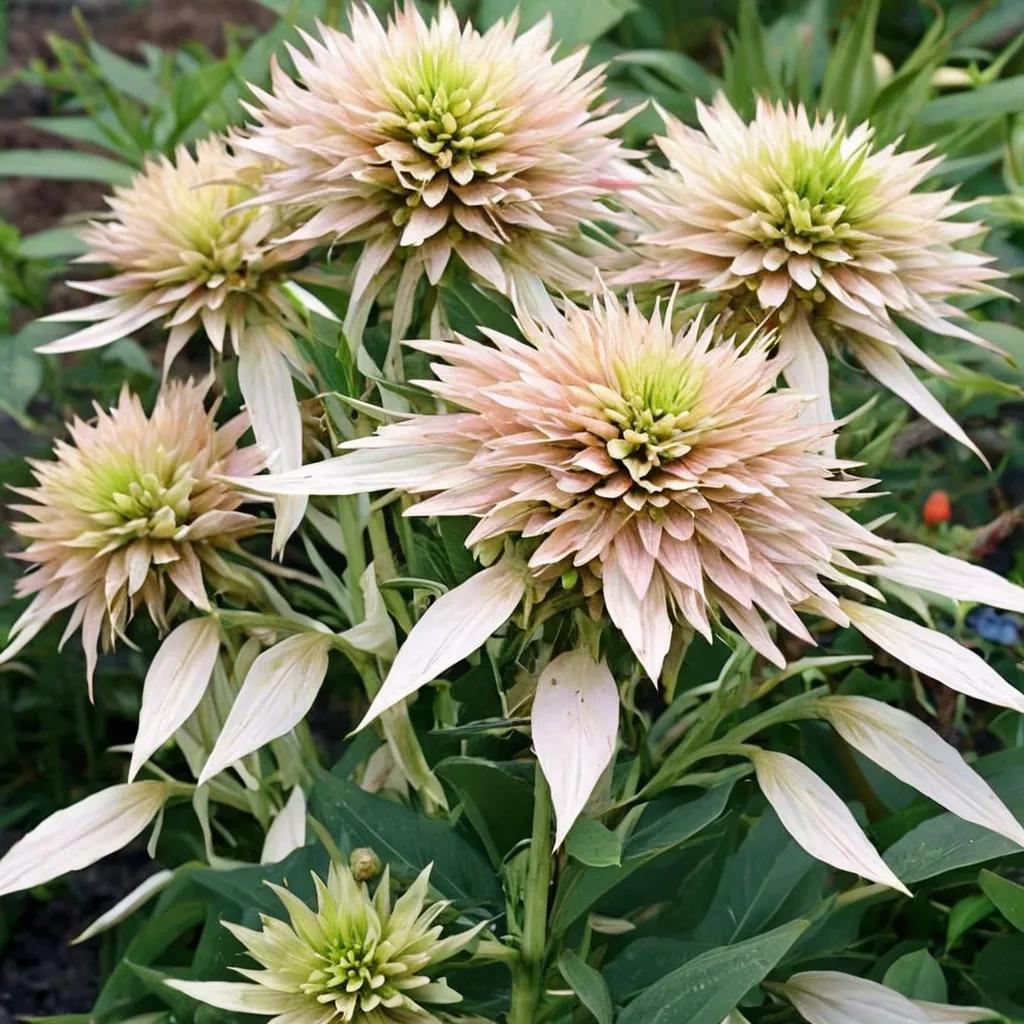 ‘Cherry Fluff’Cherry Fluff Coneflower
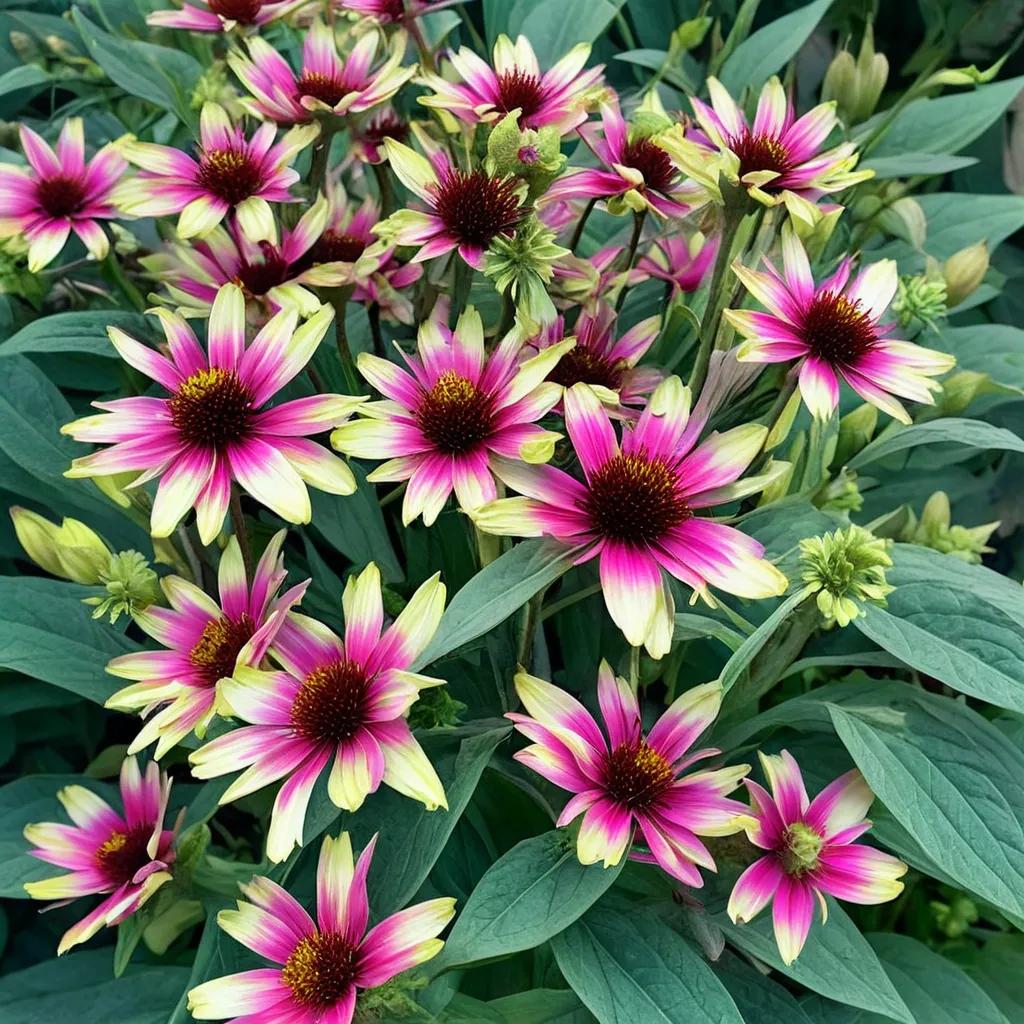 ‘Sweet Sandia’Sweet Sandia Coneflower
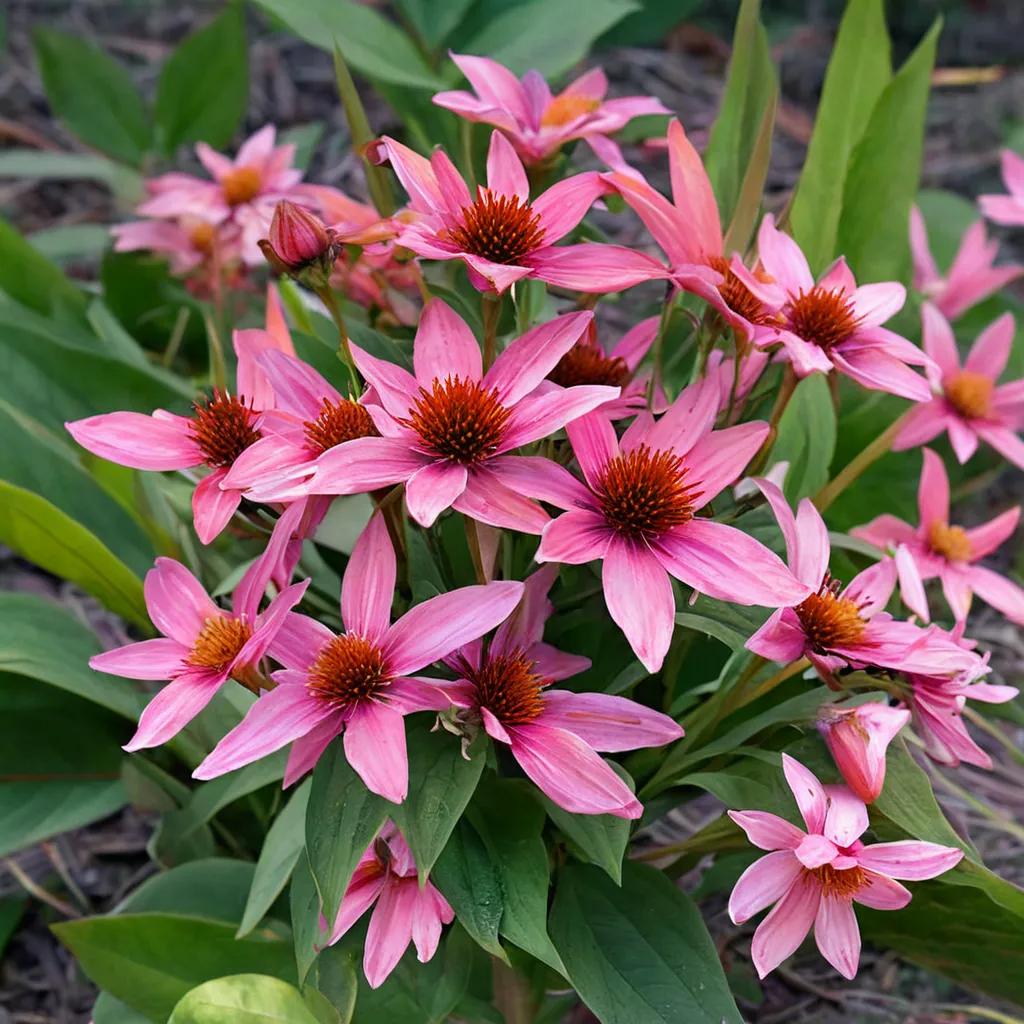 ‘Coral Craze’Coral Craze Coneflower
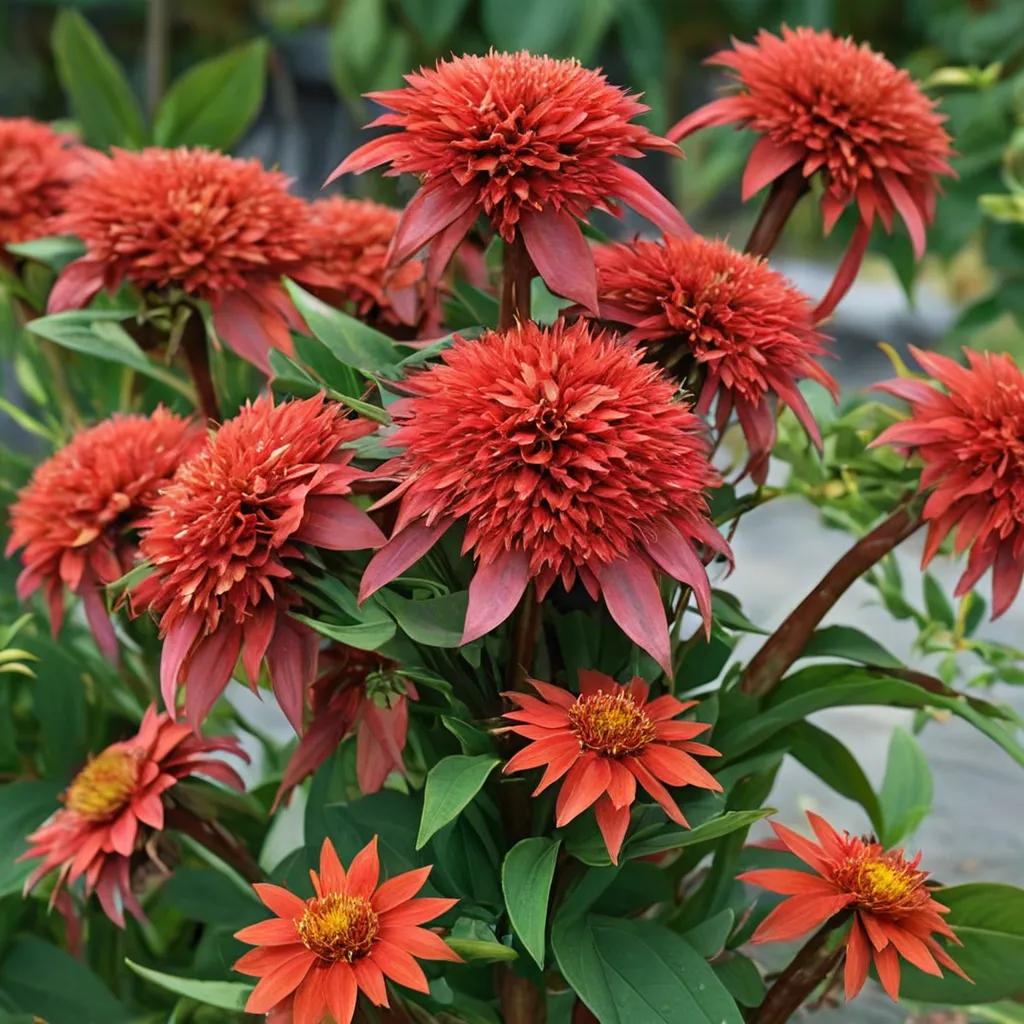 ‘Double Scoop Mandarin’'Double Scoop Mandarin' Coneflower
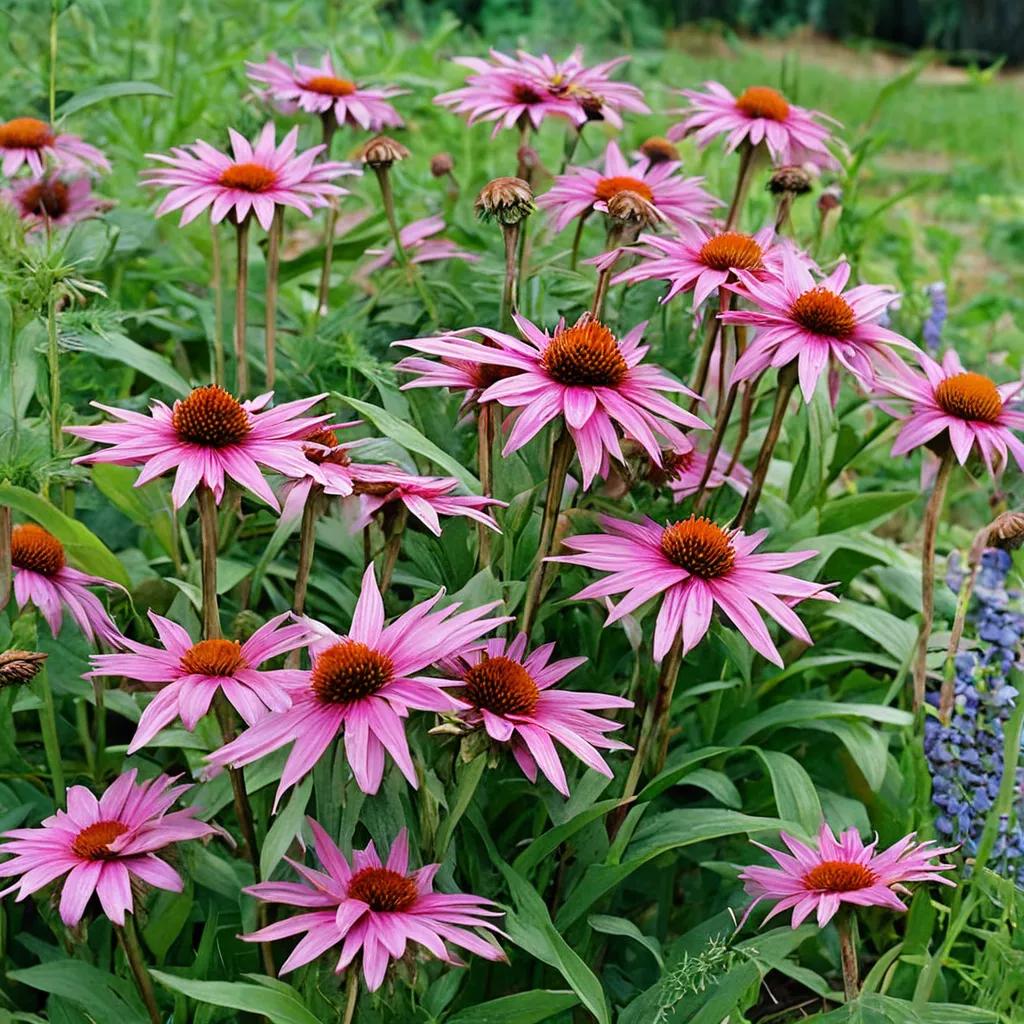 ‘Ruby’Ruby Star Coneflower
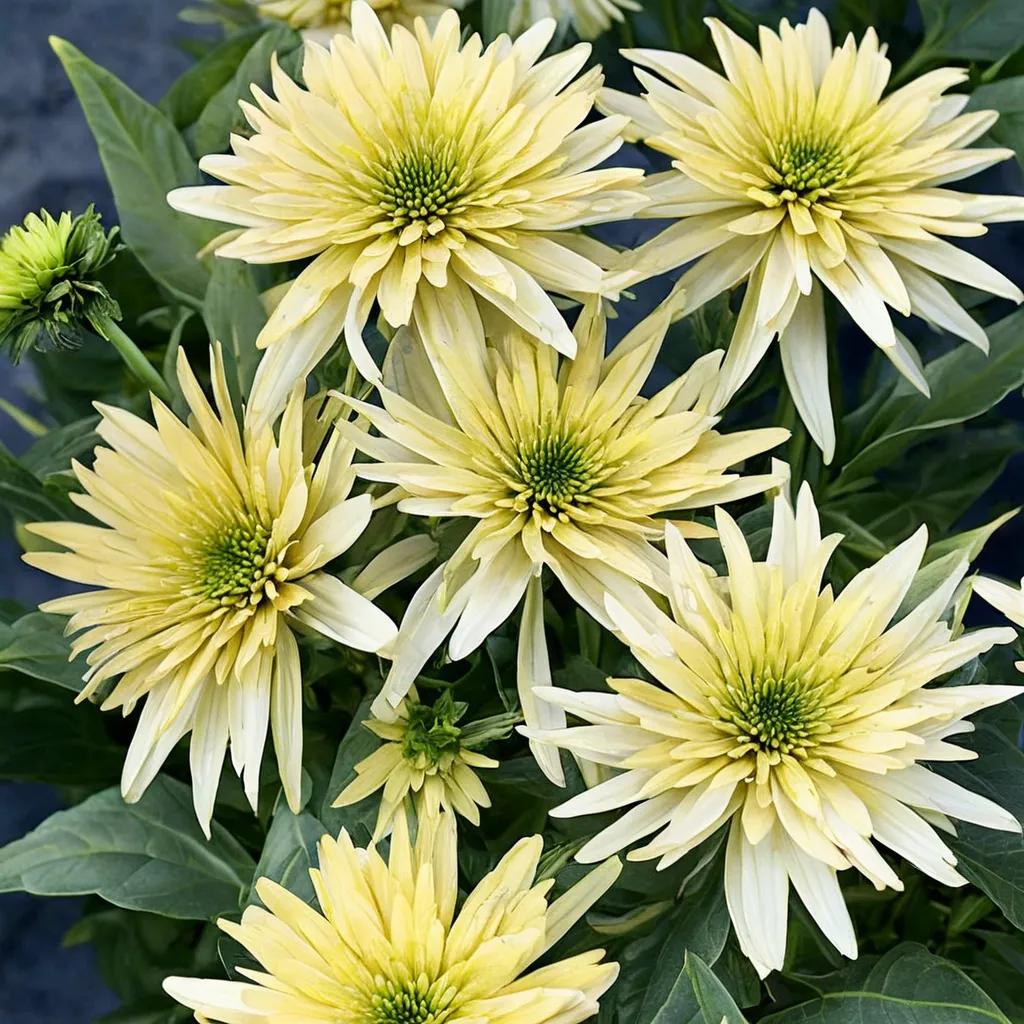 ‘Zenith’Zenith Purple Coneflower
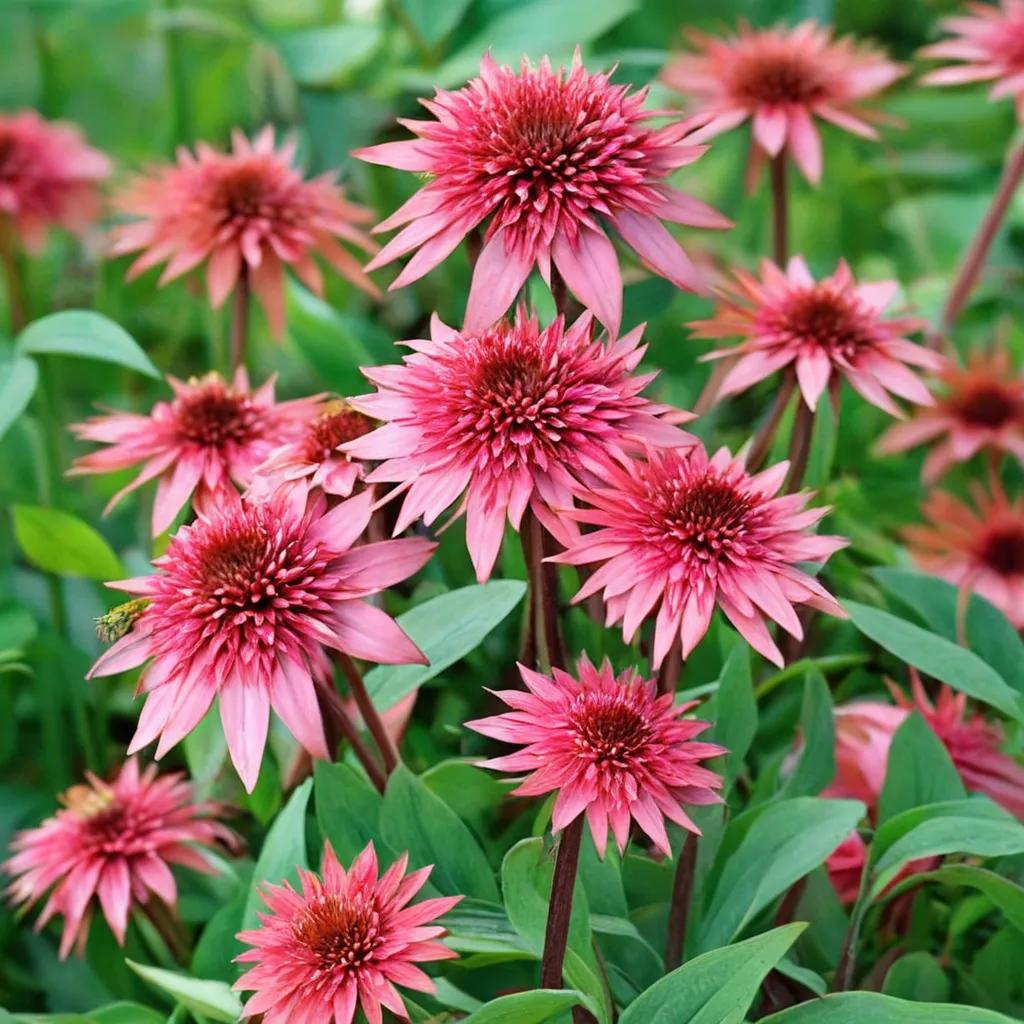 ‘Raspberry Truffle’Purple Coneflower Raspberry Truffle
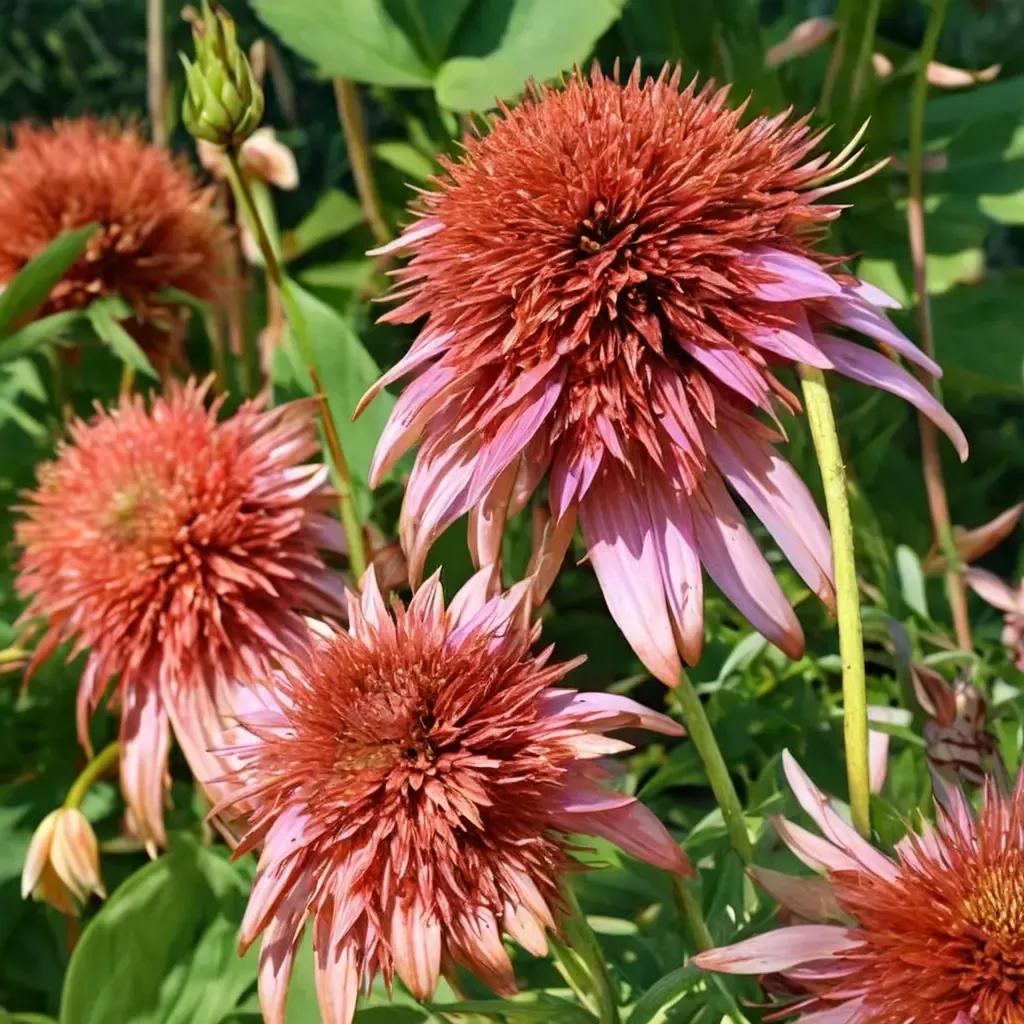 ‘Guava Ice’Guava Ice Coneflower
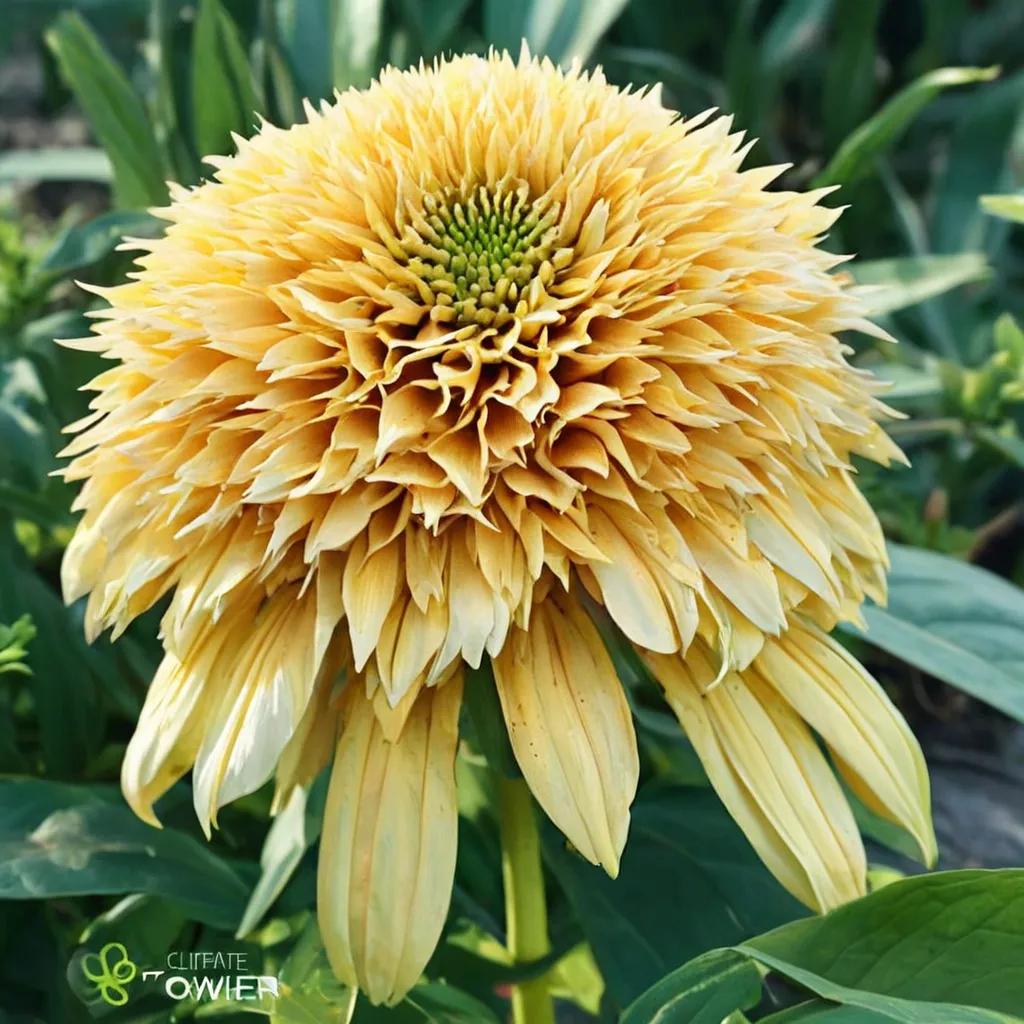 ‘Lemon Drop’Lemon Drop Coneflower
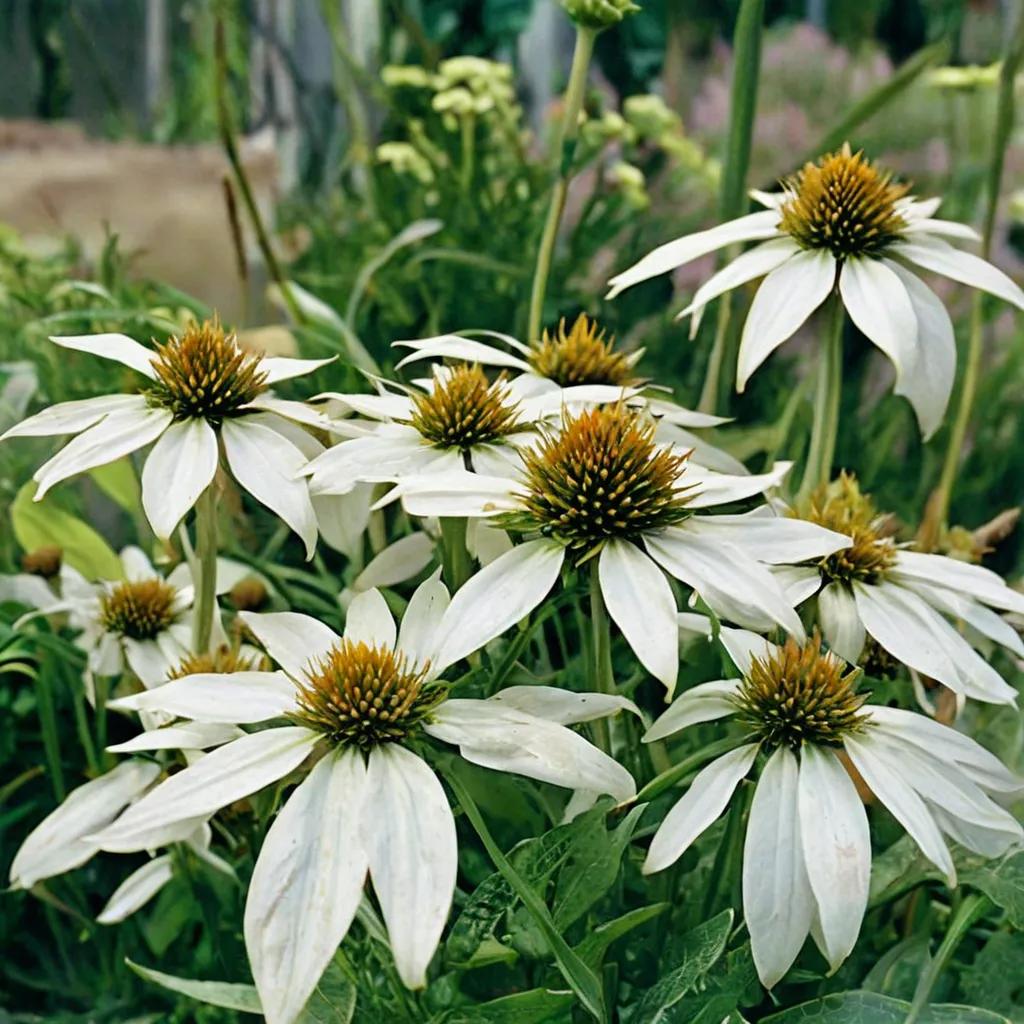 ‘Alba’Alba White Coneflower
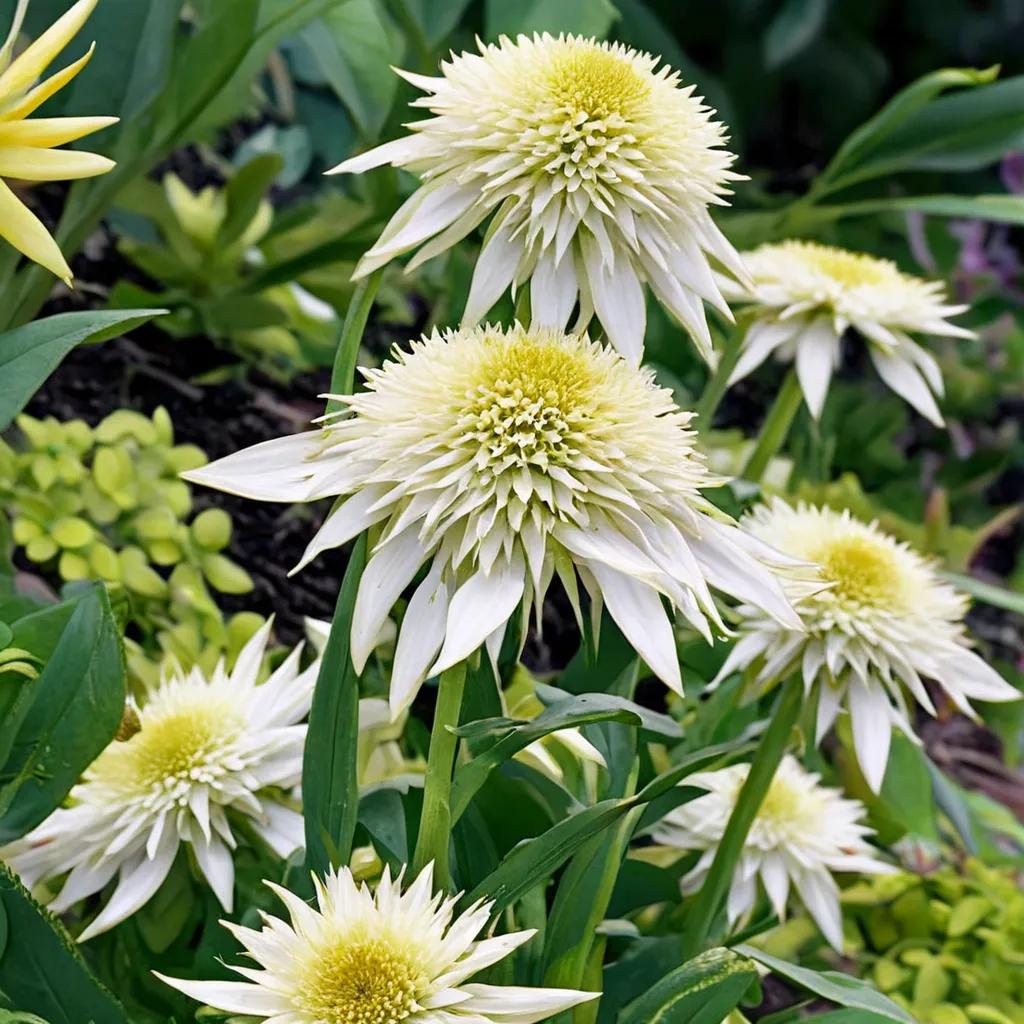 ‘Vanilla’Vanilla Coneflower
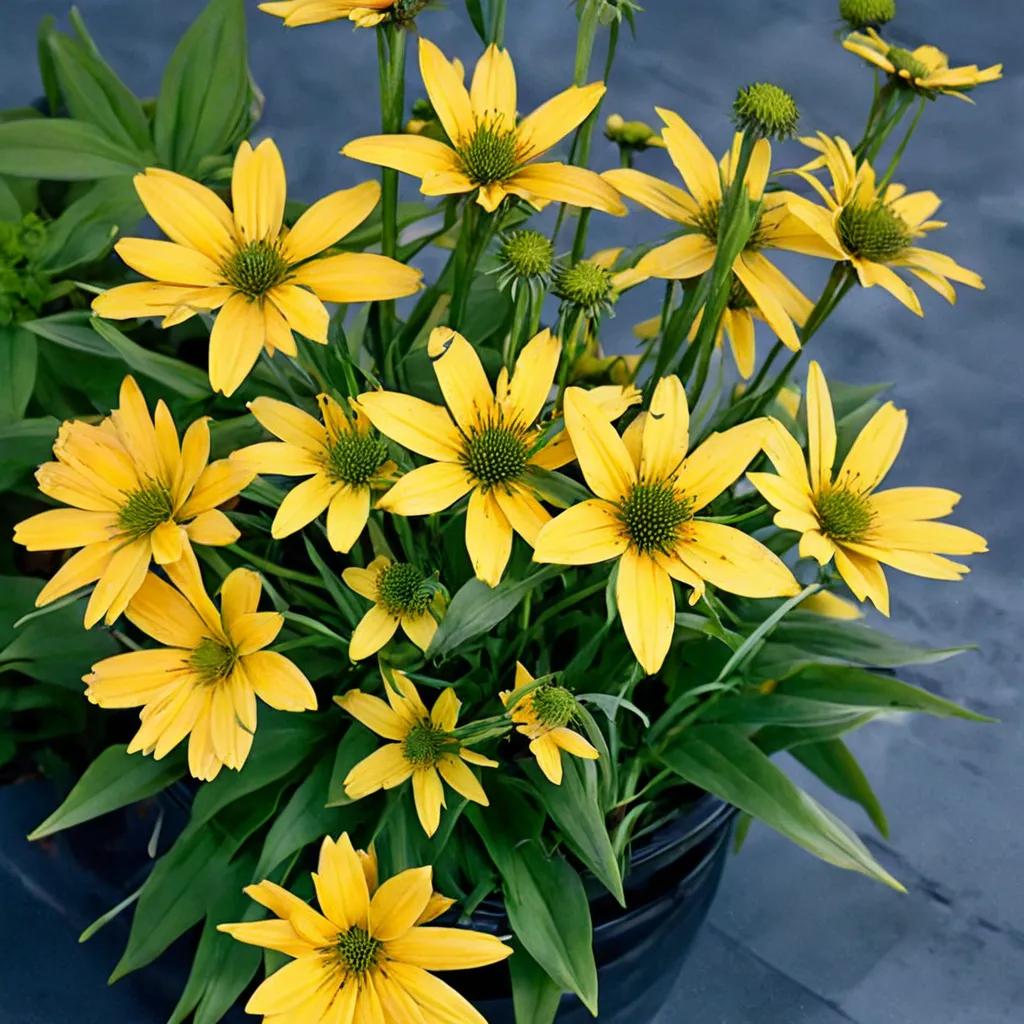 ‘Amarillo’Amarillo Coneflower
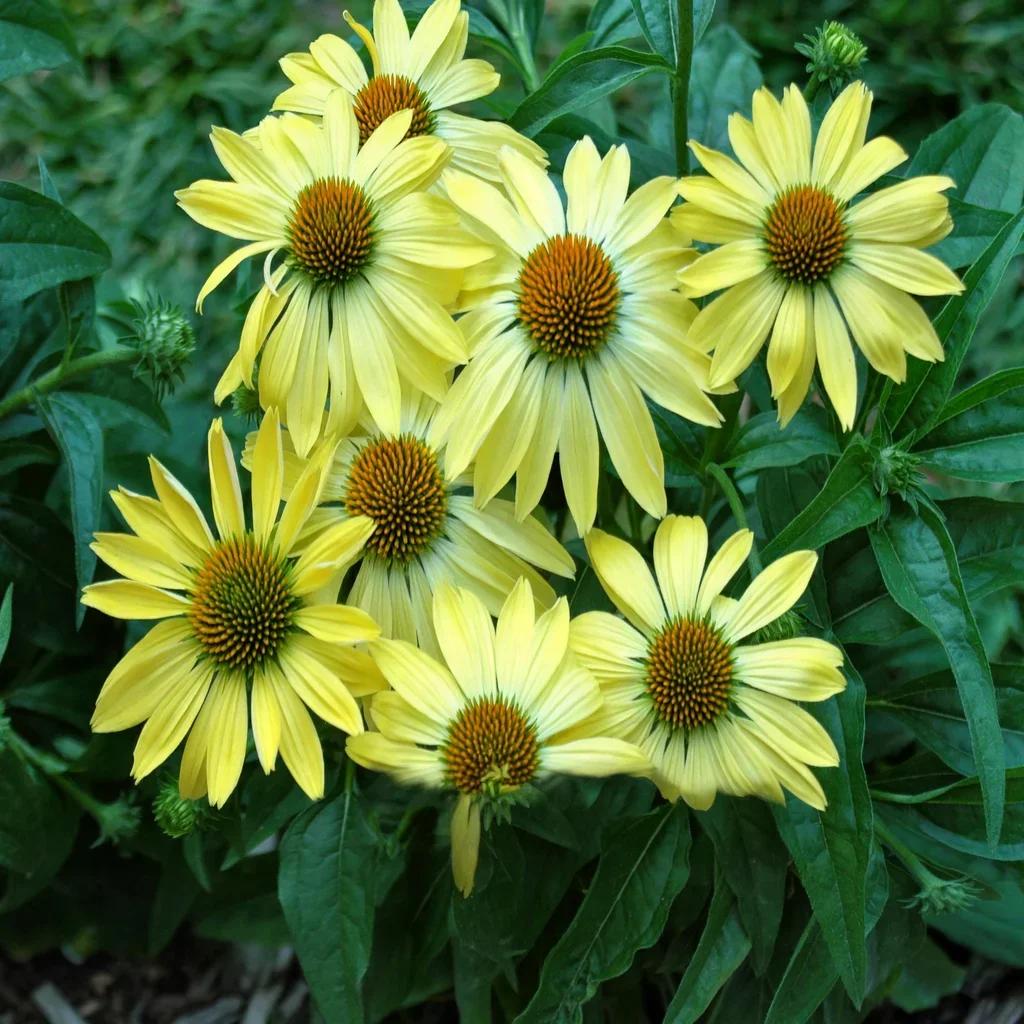 ‘Sunrise’Sunrise Coneflower
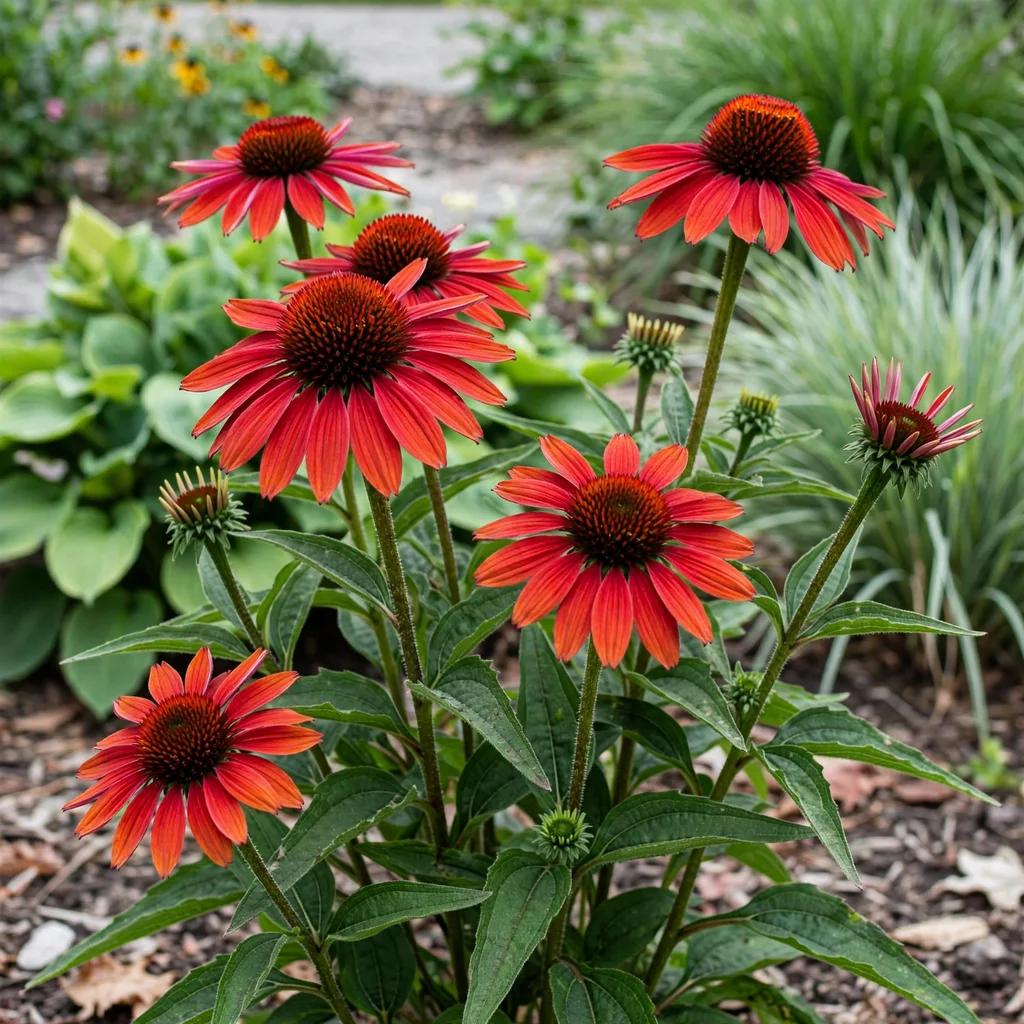 ‘Lakota Red’Coneflower
Kismet Intense Orange Coneflower
Echinacea purpurea 'Kismet Intense Orange'
The Story
Plant Bio
Echinacea purpurea, or purple coneflower, is an upright, herbaceous perennial native to North American prairies. It features daisy-like flowers with reflexed (drooping) rays and a prominent, spiny central cone. The leaves are coarse, ovate to lance-shaped, and dark green.
A member of the KISMET series, this cultivar is noted for its compact, well-branched habit and exceptionally long bloom period. It produces a profusion of large, single, intensely saturated tangerine-orange flowers that hold their color well as they age. Flowers are held on strong, sturdy stems.
Uses & Benefits:
Essentials
At a Glance
Plant Type
Perennial
Height
18"
Width
24"
Light
Full Sun, Partial Sun
Zones
4, 5, 6, 7, 8, 9
Water
Low to Medium
Humidity
Average
Lifespan
Perennial
Native To
North America
Toxicity
Non-toxic to humans and pets
Bloom period
Summer to Fall – Late summer
In flower about 3 months of the year
Planting
How to Grow
- Tuck seeds into well-draining soil in spring
- Water regularly until established
- Thin seedlings to promote airflow
- Divide clumps every 3-4 years in early spring
- Apply mulch to conserve moisture in summer
- Deadhead spent flowers for prolonged bloom
Pro Tip
Prefers full sun and well-drained soil for best flowering
Keep It Thriving
Care Guide
Do
- Water during dry spells 🌱
- Deadhead to encourage more blooms
- Divide in early spring
Don't
- Avoid overwatering ❌
- Don’t fertilize excessively
- Prevent overcrowding
Seasonal Care Calendar
| Task | Jan | Feb | Mar | Apr | May | Jun | Jul | Aug | Sep | Oct | Nov | Dec |
|---|---|---|---|---|---|---|---|---|---|---|---|---|
| Deadhead | ||||||||||||
| Divide | ||||||||||||
| Fertilize | ||||||||||||
| Harvest | ||||||||||||
| Plant | ||||||||||||
| Spring Cleanup |
Watch Out For
Pests & Diseases
Common Pests
Common Diseases
In the Garden
Landscape Uses & Companions
Landscape Uses
Multiply
Propagation Methods
Good to Know
Common Questions
Kismet Intense Orange Coneflower questions
What zones can Kismet Intense Orange Coneflower grow in?
Kismet Intense Orange Coneflower is hardy in USDA Zones 4–9. Inside that range it survives winter in the ground; outside it, grow it as an annual or a container plant you protect.
Is Kismet Intense Orange Coneflower deer resistant?
Yes — Kismet Intense Orange Coneflower is rated deer-resistant. Deer typically pass it over, though extreme hunger can override any plant's defenses.
When does Kismet Intense Orange Coneflower bloom?
Kismet Intense Orange Coneflower typically blooms in summer to fall through late summer. Exact timing shifts a week or two with your zone — Sow's bloom calendar maps it to your garden.
Does Kismet Intense Orange Coneflower need full sun?
Kismet Intense Orange Coneflower does best in full sun to part shade. In hot climates, afternoon shade keeps blooms fresher longer.
Is Kismet Intense Orange Coneflower drought tolerant?
Yes — once established (usually after the first full season), Kismet Intense Orange Coneflower handles dry spells with minimal watering. Water deeply its first year to build the root system that makes that possible.
More Echinacea to compare
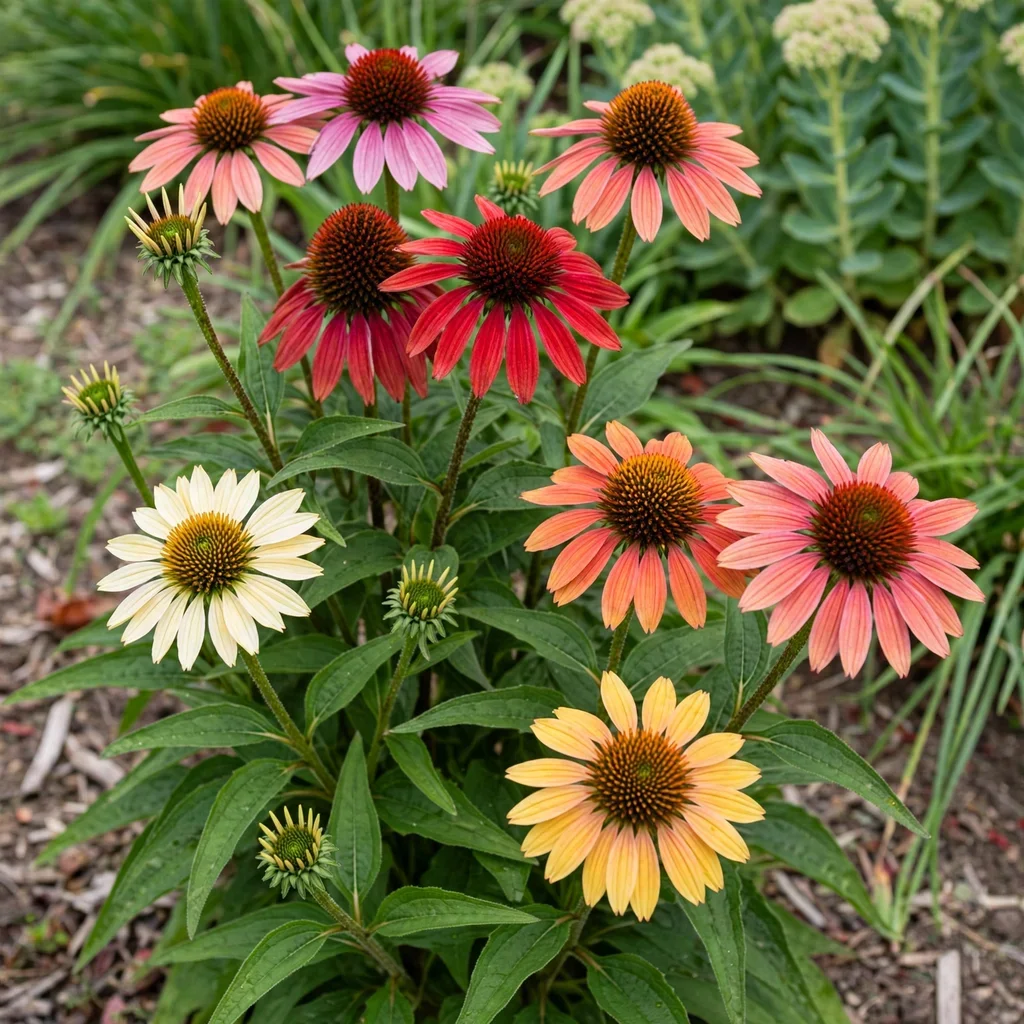
Cheyenne Spirit Coneflower
Echinacea purpurea 'Cheyenne Spirit'
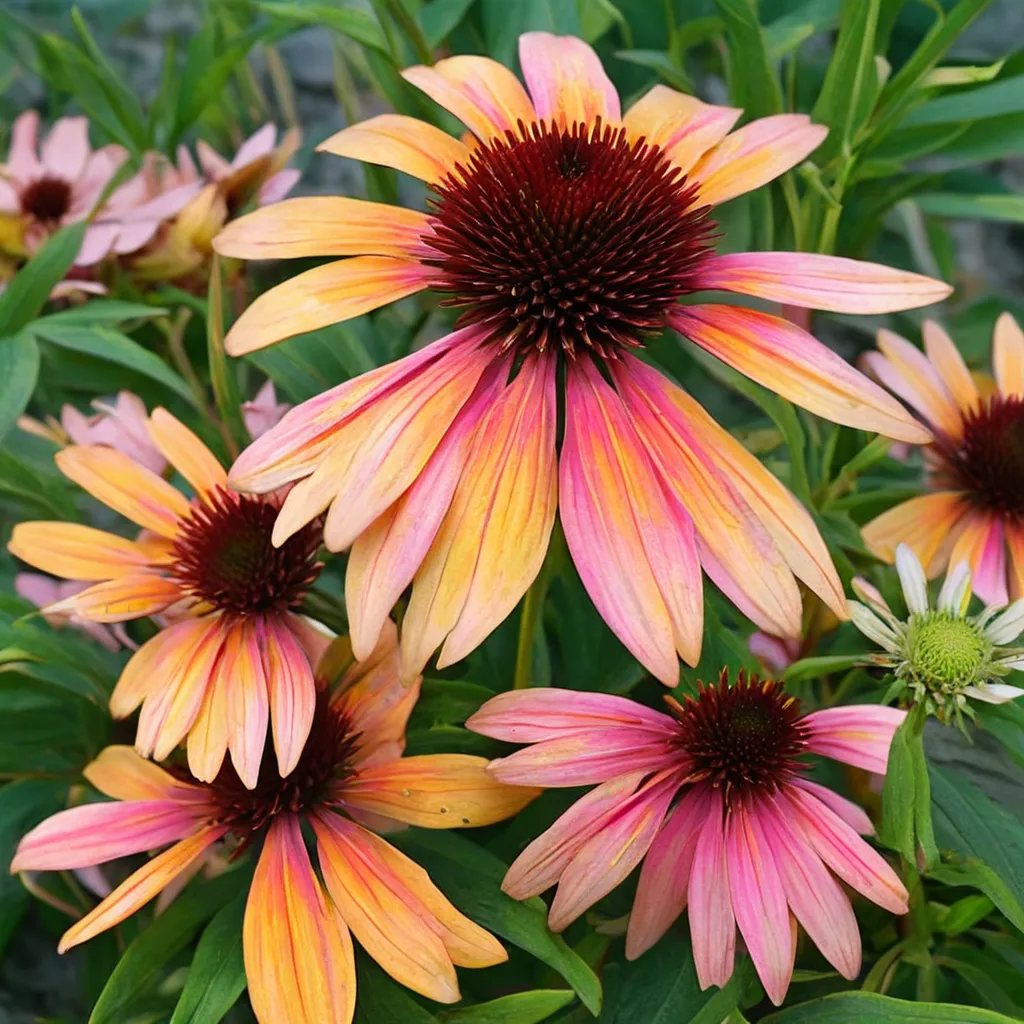
Purple Coneflower Rainbow
Echinacea purpurea 'Rainbow'
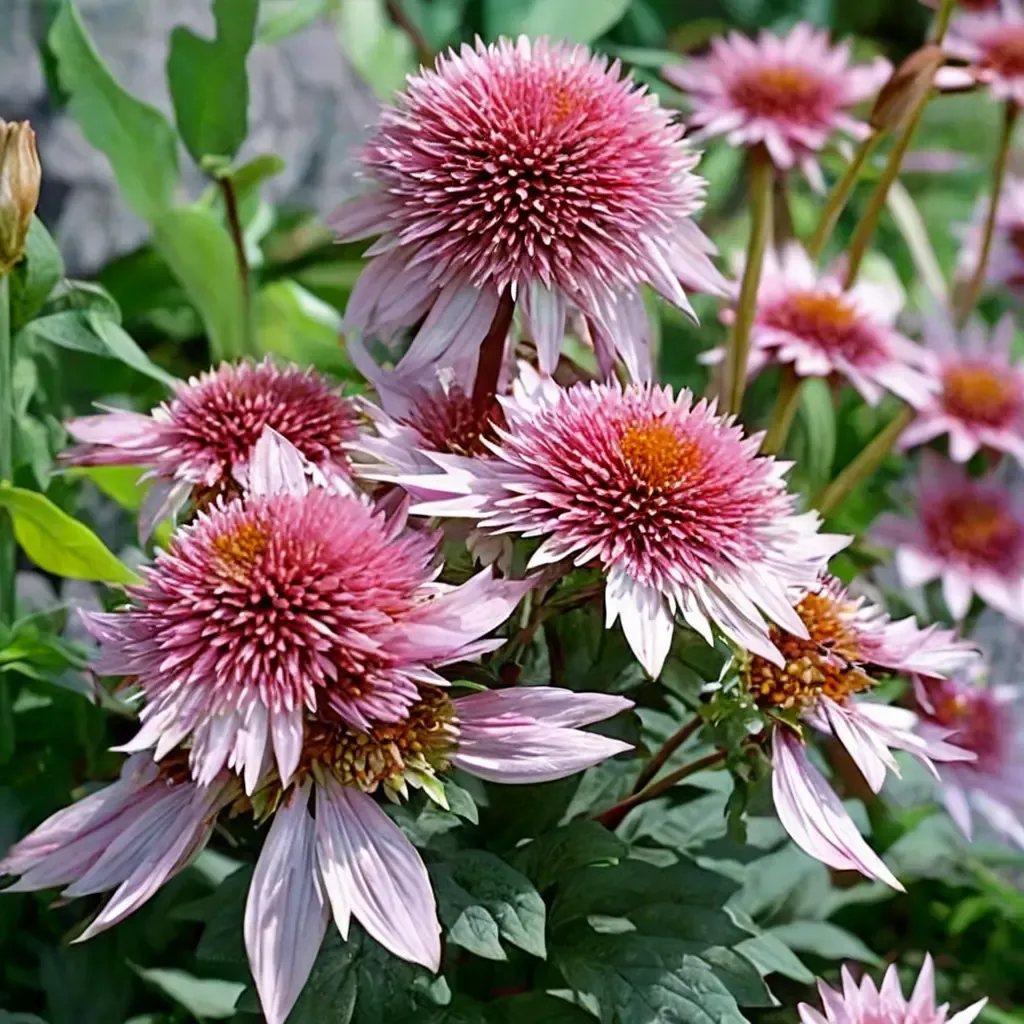
Butterfly Kisses Coneflower
Echinacea purpurea 'Butterfly Kisses'
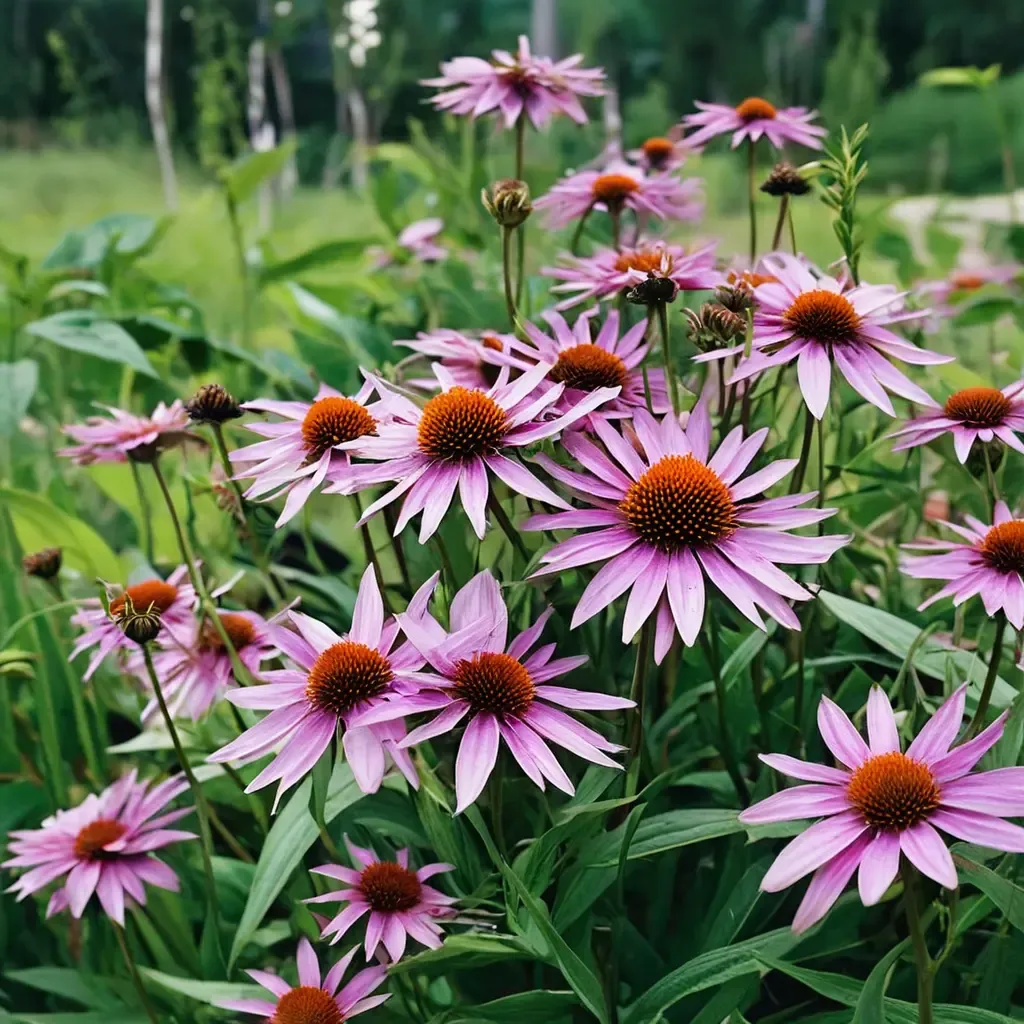
Purple Coneflower
Echinacea purpurea
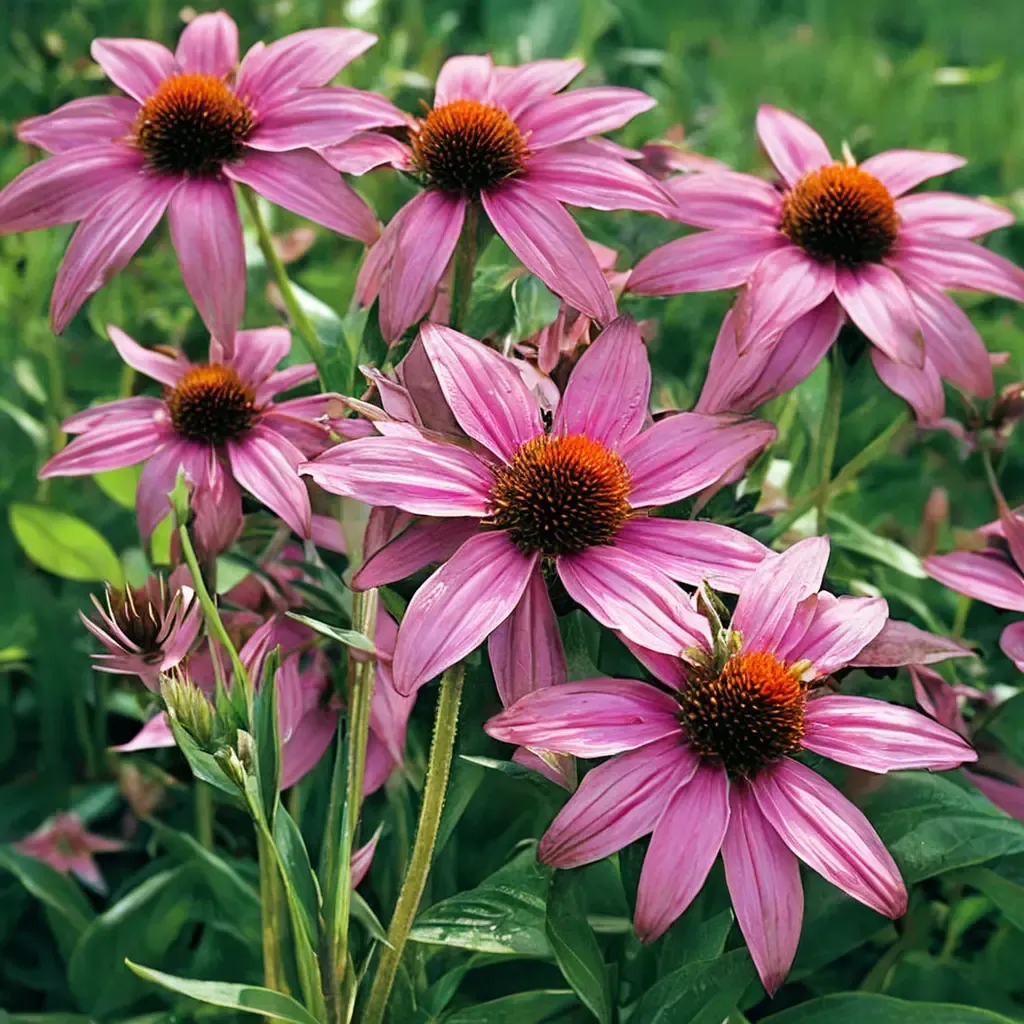
Primadonna Deep Rose Coneflower
Echinacea purpurea 'Primadonna Deep Rose'
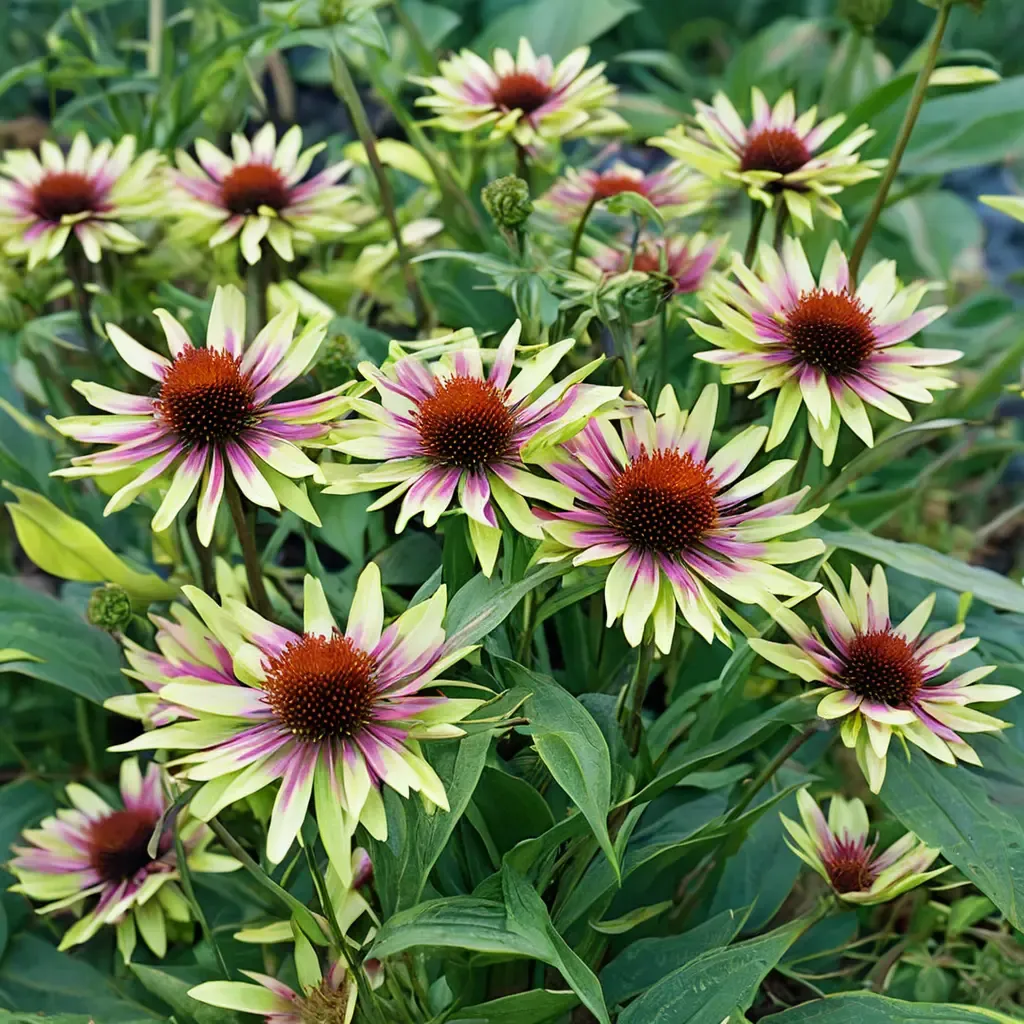
Green Twister Coneflower
Echinacea purpurea 'Green Twister'
Keep exploring
Explore the genus
Grow Kismet Intense Orange Coneflower with confidence
See it in a design of your actual yard, get zone-matched care reminders, and track it season by season in your garden journal.