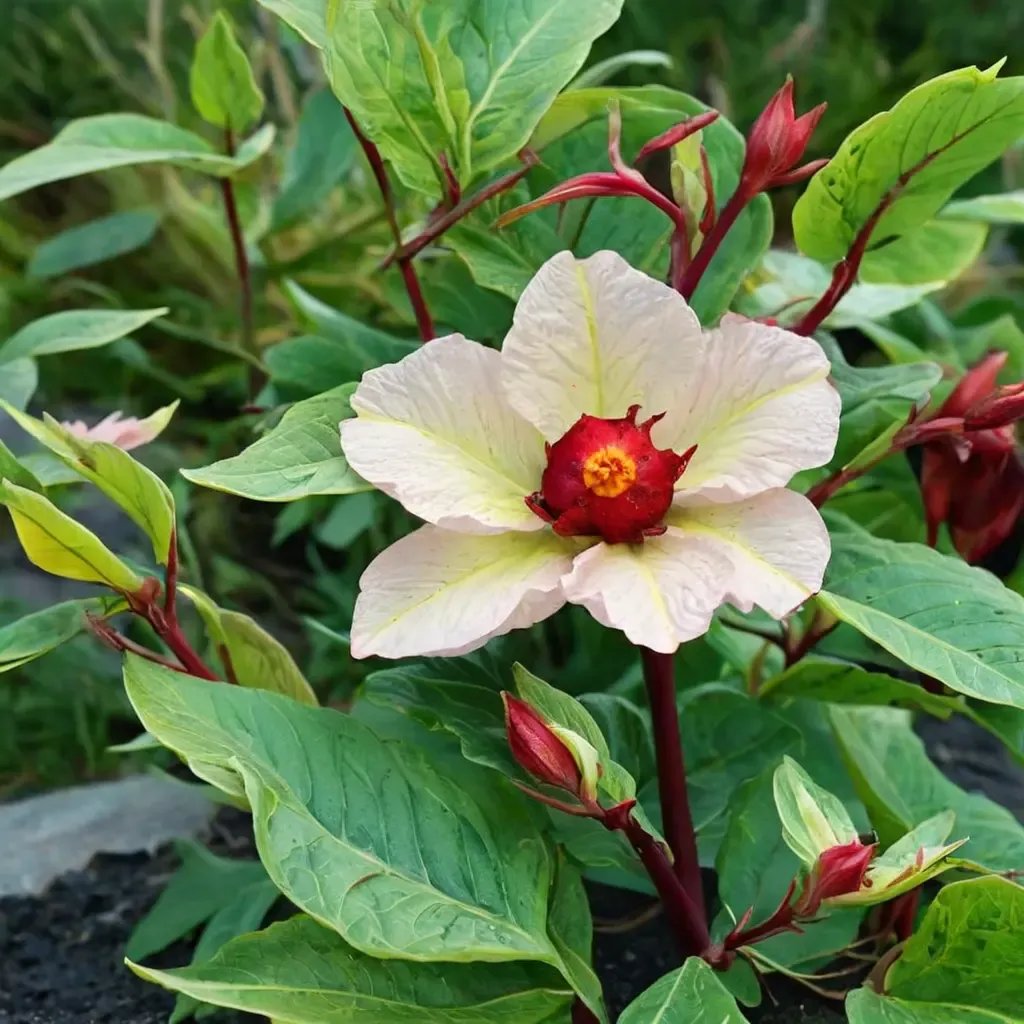
Species
1 other cultivar
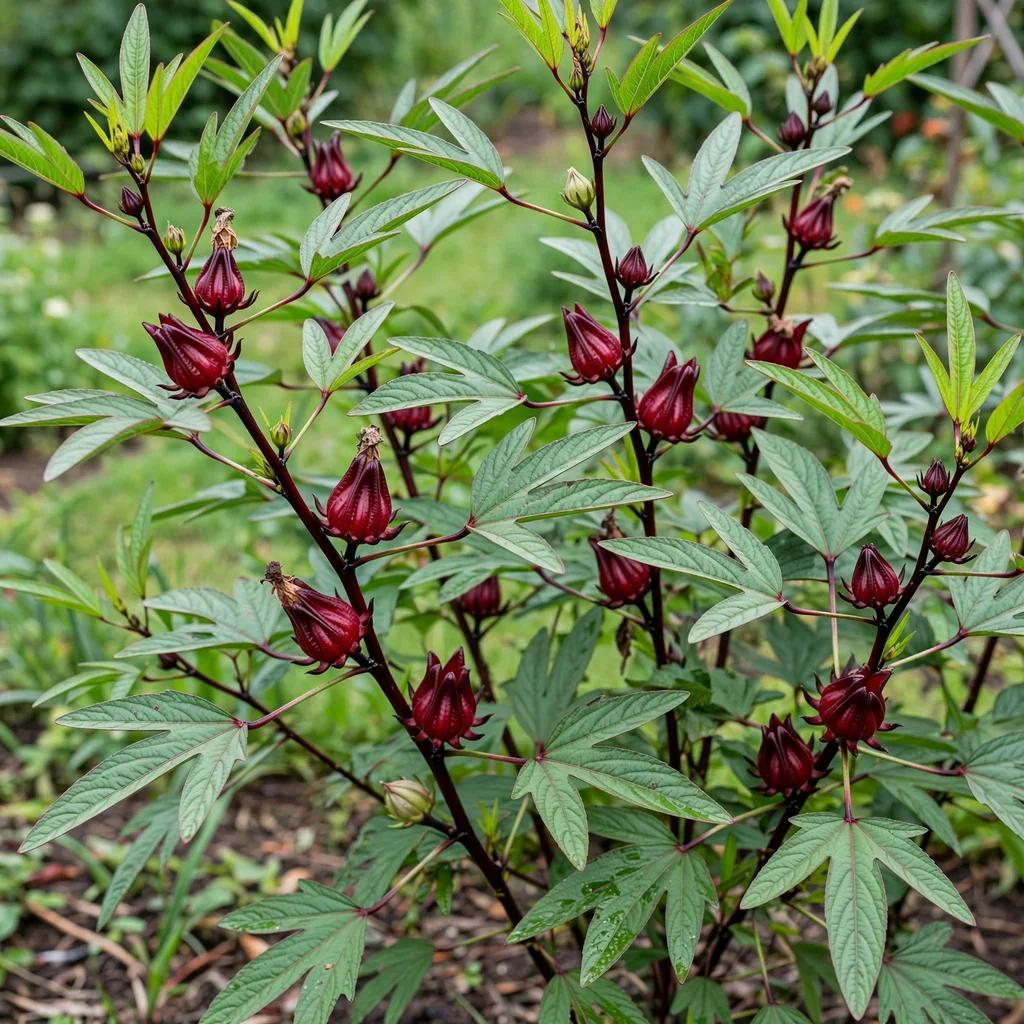
The Story
Plant Bio
Hibiscus sabdariffa is a fast-growing plant known for its pale yellow flowers with a red center and edible red calyces, which are widely used to make teas, sauces, and jams.
The most notable feature is the production of bright red, fleshy calyces after flowering, which are the primary reason for its cultivation. It is a short-day plant, meaning it flowers and fruits as day length decreases in the fall.
Uses & Benefits:
Essentials
At a Glance
Plant Type
Shrub
Height
72"
Width
36"
Light
Full Sun
Zones
9, 10
Water
Requires consistent moisture; not drought tolerant
Humidity
Prefers humid conditions
Lifespan
Perennial in warm climates
Native To
West Africa
Toxicity
Non-toxic, edible calyces
Bloom period
Late Summer to Fall – Late summer
In flower about 1 month of the year
Planting
How to Grow
- Tuck seeds ¼ inch deep into moist soil in early spring.
- Water regularly to keep soil consistently moist but not waterlogged.
- Provide full sun for optimal growth and flowering.
- Fertilize monthly with balanced fertilizer during the growing season.
- Prune lightly after flowering to maintain shape and encourage new growth.
- Harvest calyces when they turn bright red and are fully mature, about 8-10 weeks after planting.
Pro Tip
Use well-draining soil and ensure ample sunlight for vibrant blooms and healthy plants.
Keep It Thriving
Care Guide
Do
- Water deeply once a week during dry spells 🌱
- Prune to shape and remove dead or diseased branches
- Apply organic compost monthly for healthy growth
- Mulch around the base to retain moisture
Don't
- Avoid overwatering to prevent root rot ❌
- Don't plant in heavy, water-logged soil
- Refrain from using chemical fertilizers excessively
- Avoid shaded areas; hibiscus needs full sun
Seasonal Care Calendar
| Task | Jan | Feb | Mar | Apr | May | Jun | Jul | Aug | Sep | Oct | Nov | Dec |
|---|---|---|---|---|---|---|---|---|---|---|---|---|
| Fertilize | ||||||||||||
| Harvest | ||||||||||||
| Pest Check | ||||||||||||
| Pinch | ||||||||||||
| Plant |
Watch Out For
Pests & Diseases
Common Pests
Common Diseases
In the Garden
Landscape Uses & Companions
Landscape Uses
Companion Plants
Multiply
Propagation Methods
Good to Know
Common Questions
Roselle questions
What zones can Roselle grow in?
Roselle is hardy in USDA Zones 9–10. Inside that range it survives winter in the ground; outside it, grow it as an annual or a container plant you protect.
Is Roselle deer resistant?
Not reliably. Deer may browse Roselle, especially tender spring growth — plan on repellents or fencing where pressure is high.
When does Roselle bloom?
Roselle typically blooms in late summer to fall through late summer. Exact timing shifts a week or two with your zone — Sow's bloom calendar maps it to your garden.
Does Roselle need full sun?
Roselle does best in full sun (6+ hours).
More Hibiscus to compare
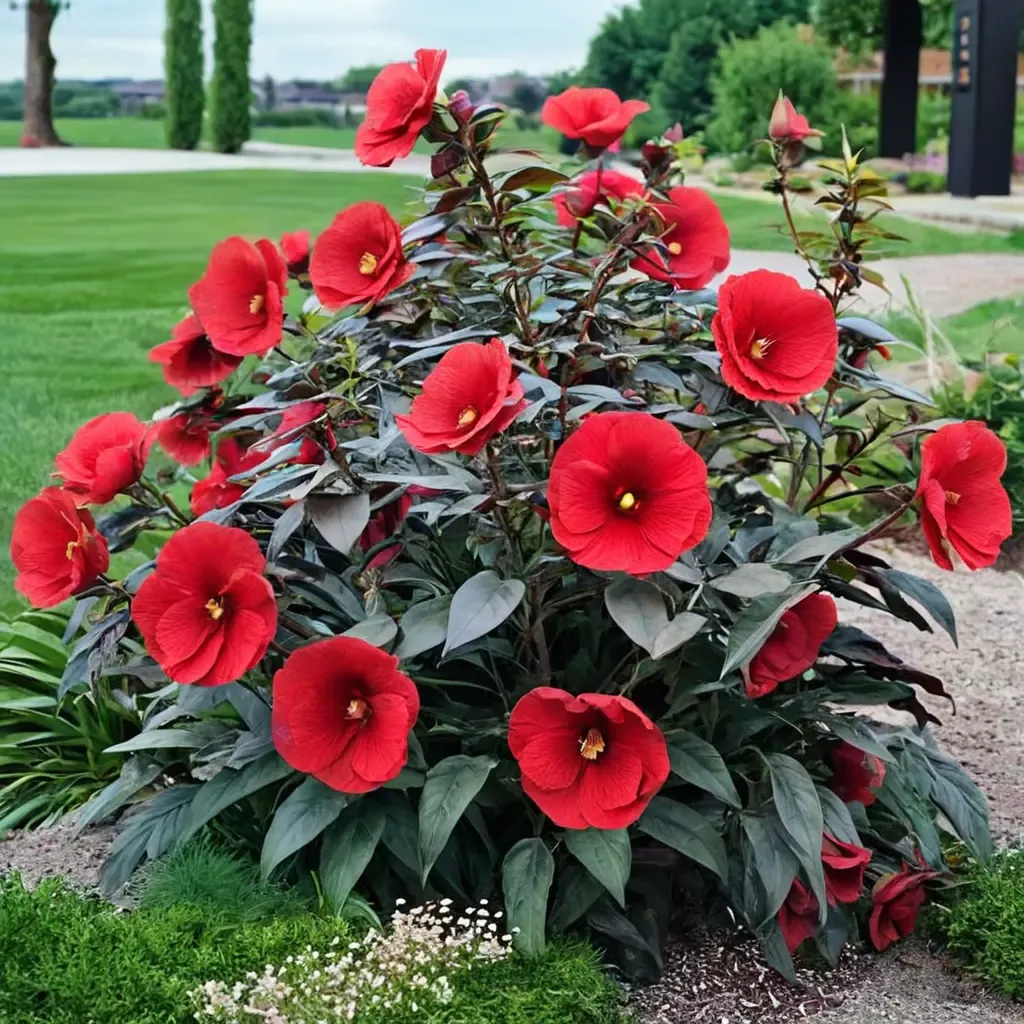
Midnight Marvel Swamp Hibiscus
Hibiscus moscheutos 'Midnight Marvel'
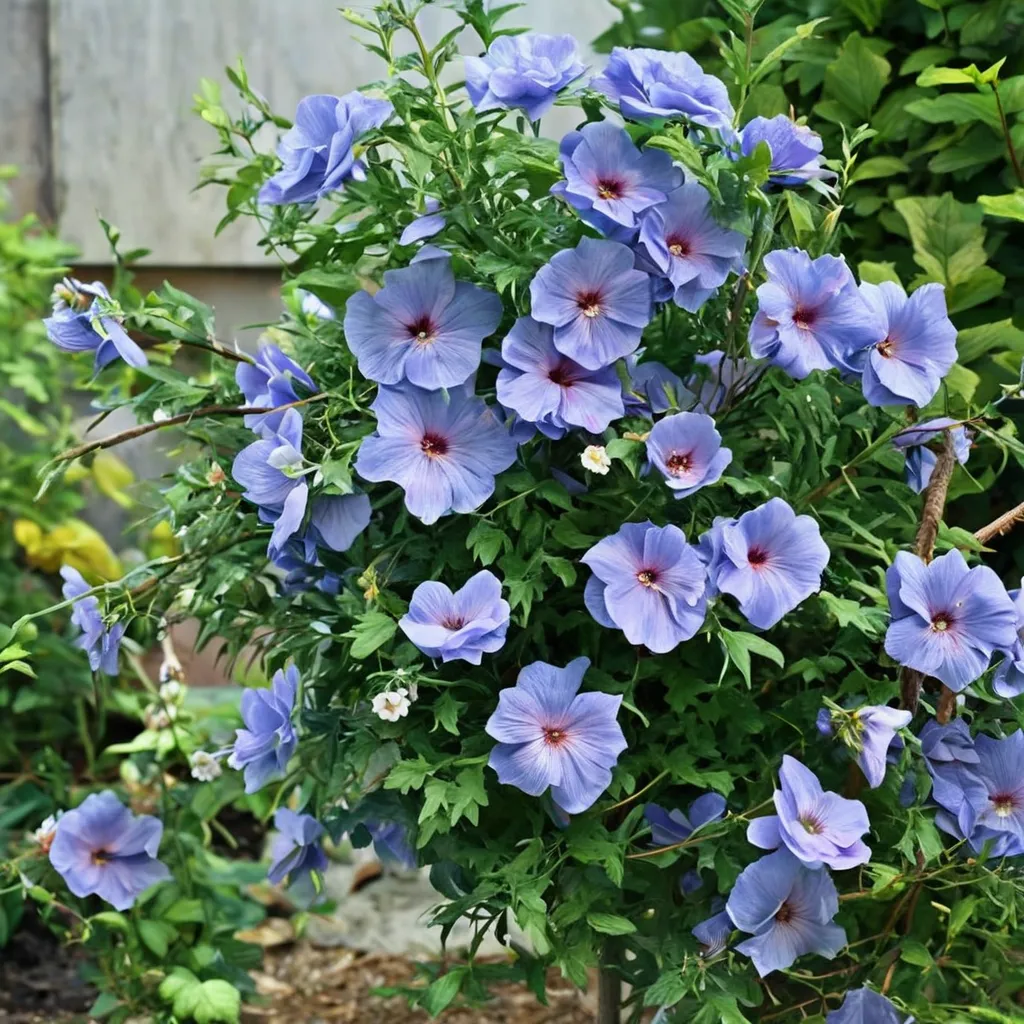
Rose of Sharon Hibiscus
Hibiscus syriacus 'Azurri Blue Satin'
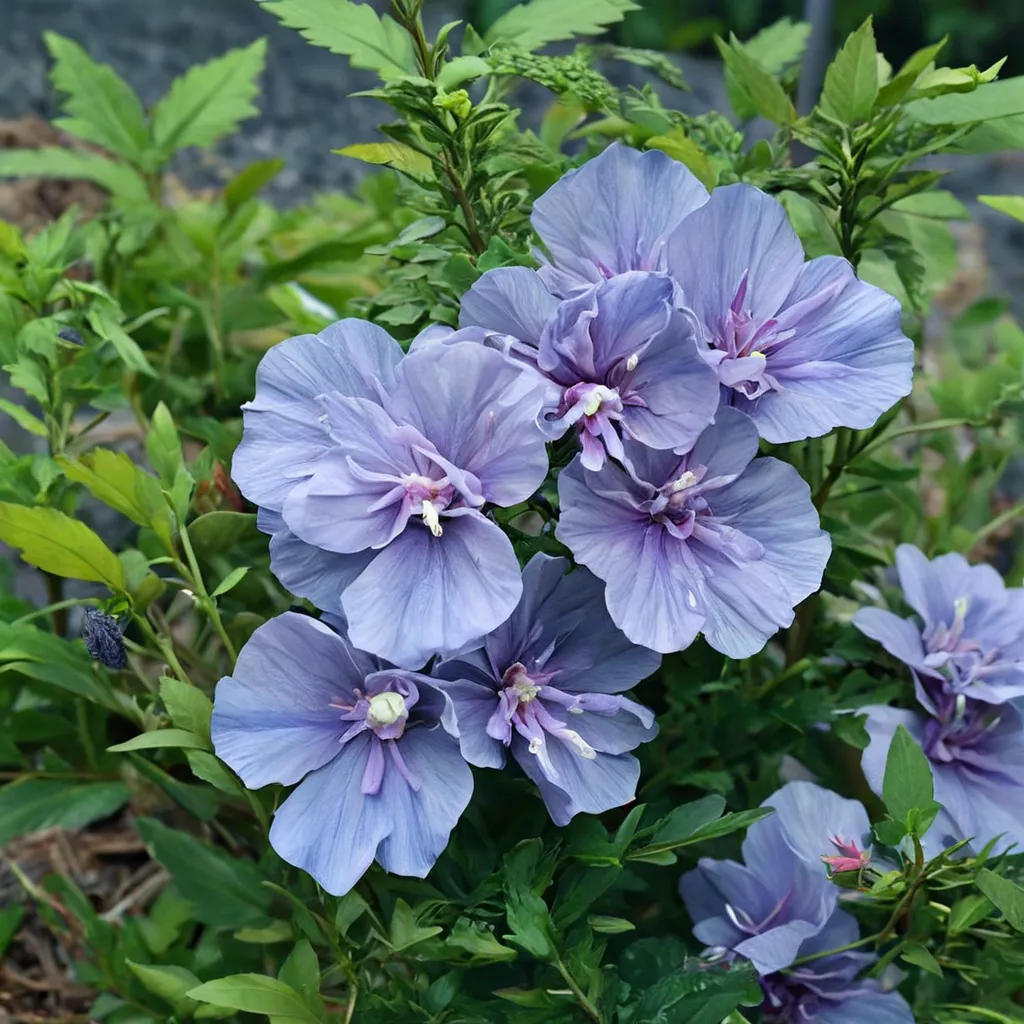
Blue Chiffon Rose of Sharon
Hibiscus syriacus 'Blue Chiffon'
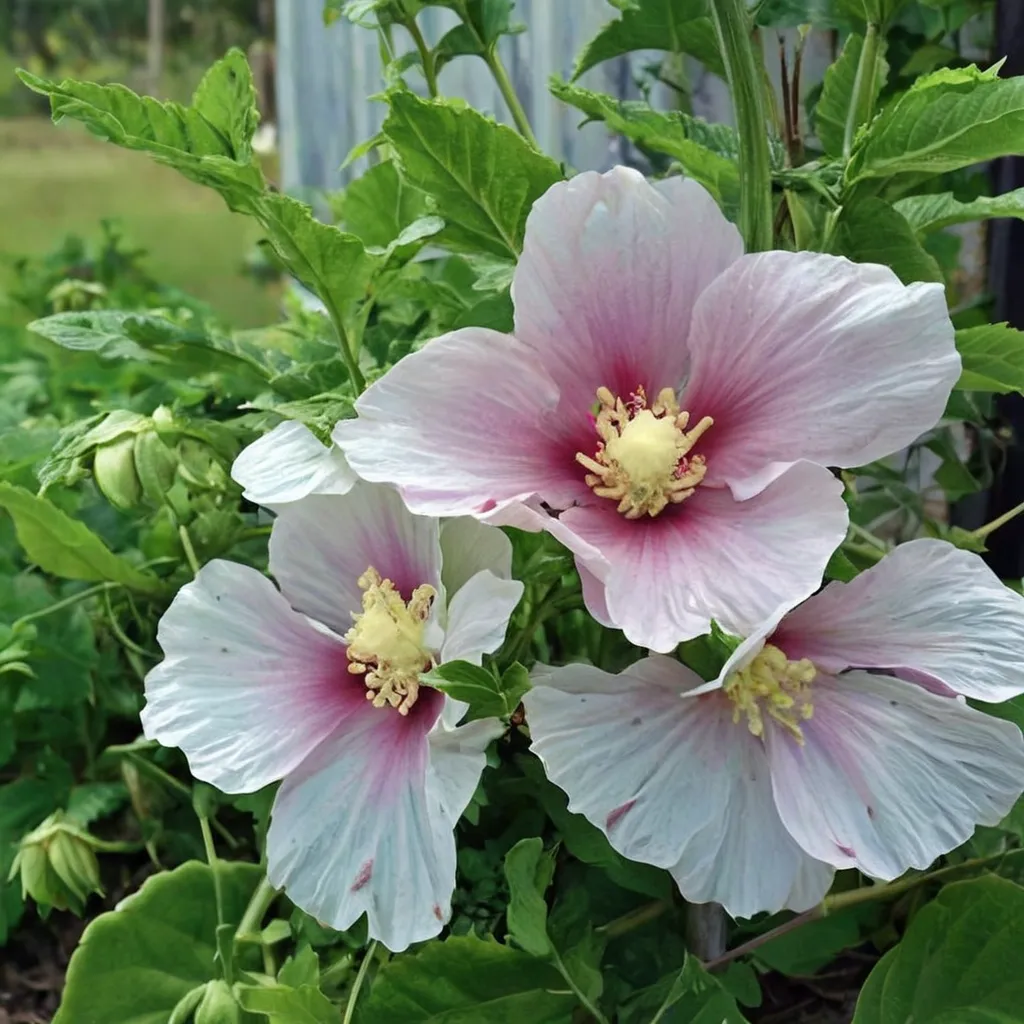
Confederate Rose
Hibiscus paramutabilis
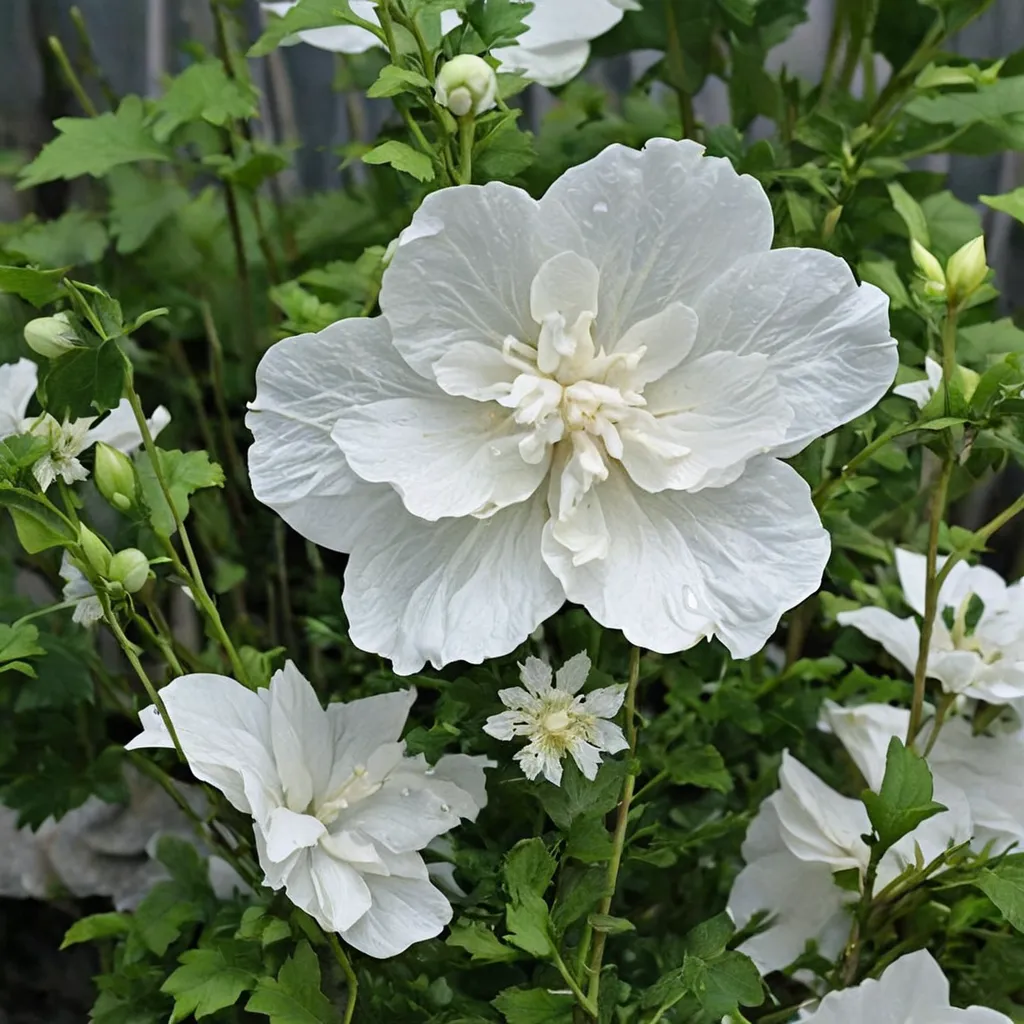
White Chiffon Hibiscus
Hibiscus syriacus 'White Chiffon'
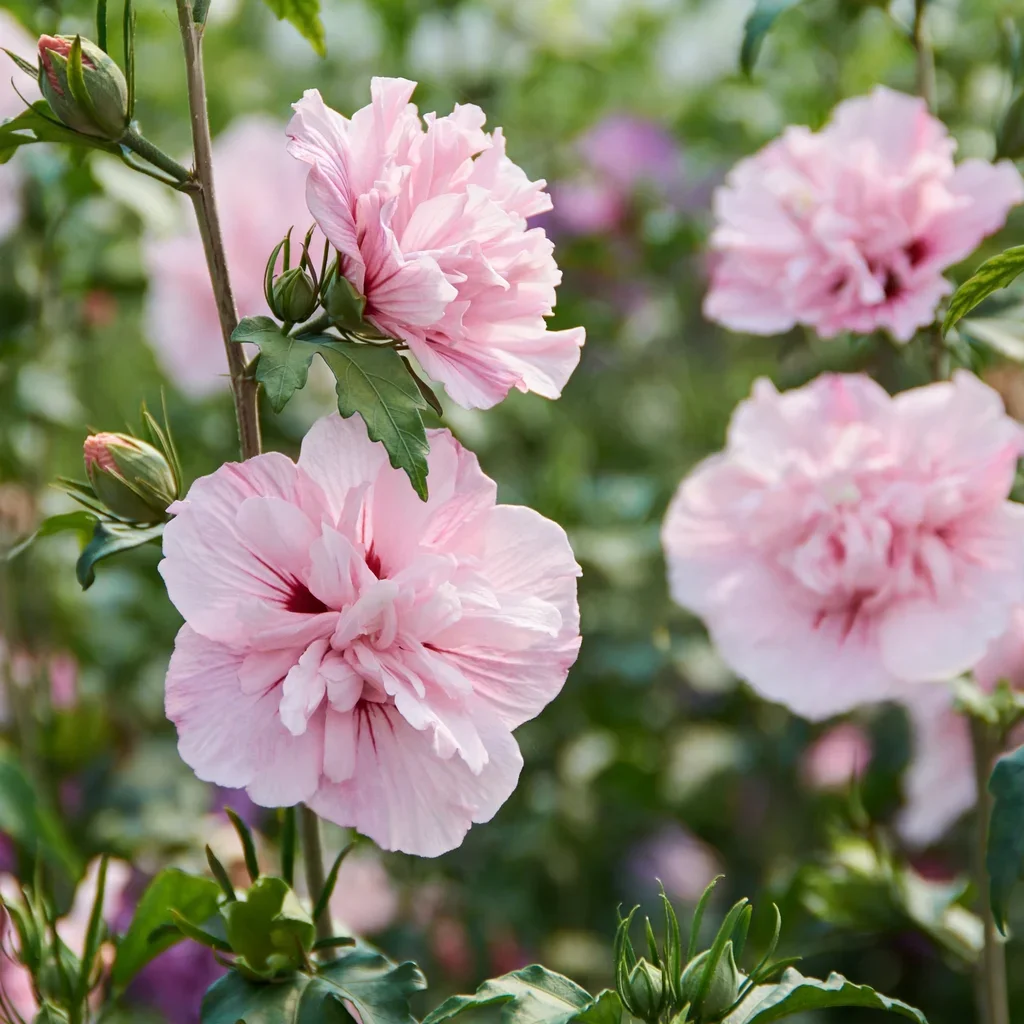
Pink Chiffon Rose of Sharon
Hibiscus syriacus 'Pink Chiffon'
Keep exploring
Explore the genus
Hardy in your zone?
Grow Roselle with confidence
See it in a design of your actual yard, get zone-matched care reminders, and track it season by season in your garden journal.