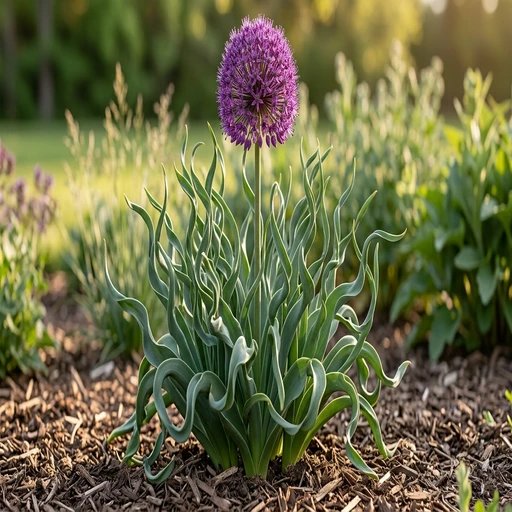
Garden hybrid
This is a garden hybrid, bred from more than one wild species, so it has no single species page of its own.
10 other cultivars
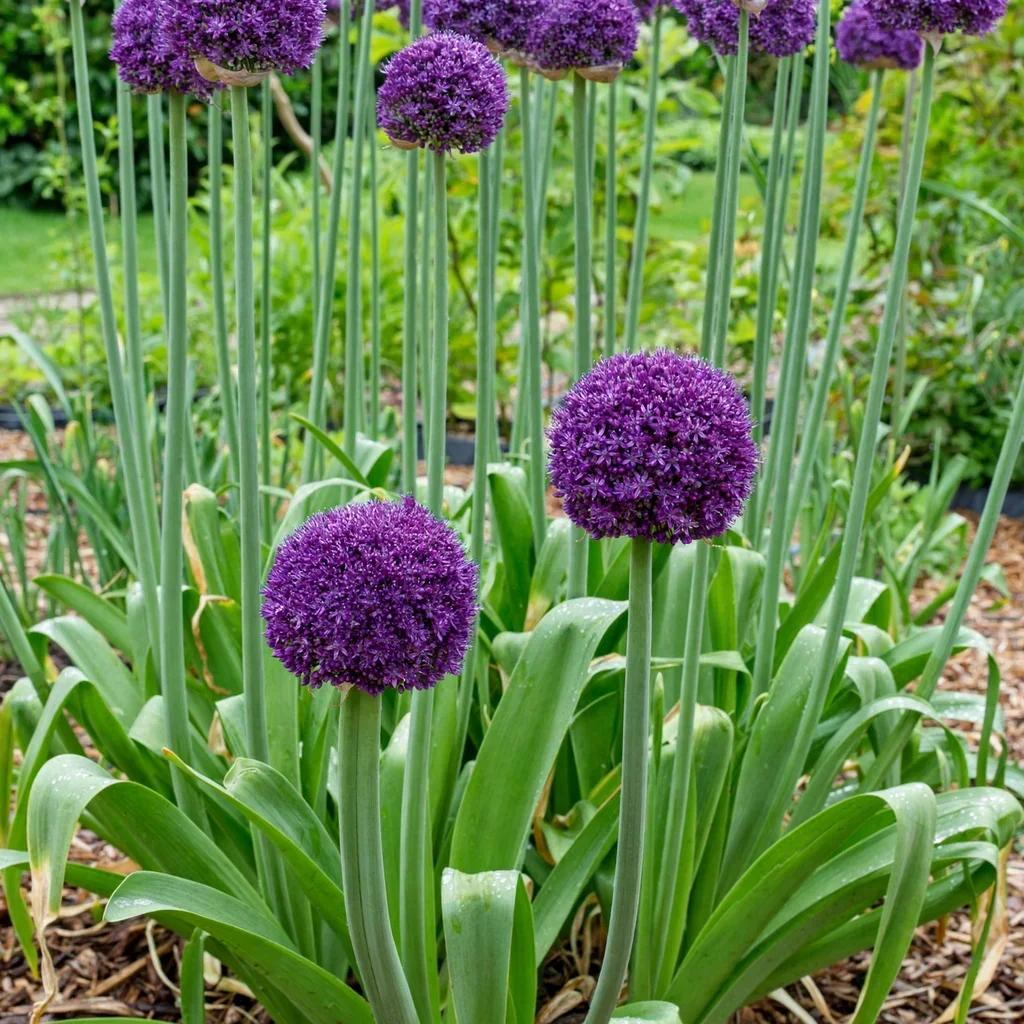 ‘Ambassador’Ornamental Onion 'Ambassador'
 ‘Mix’Giant Onion Mix
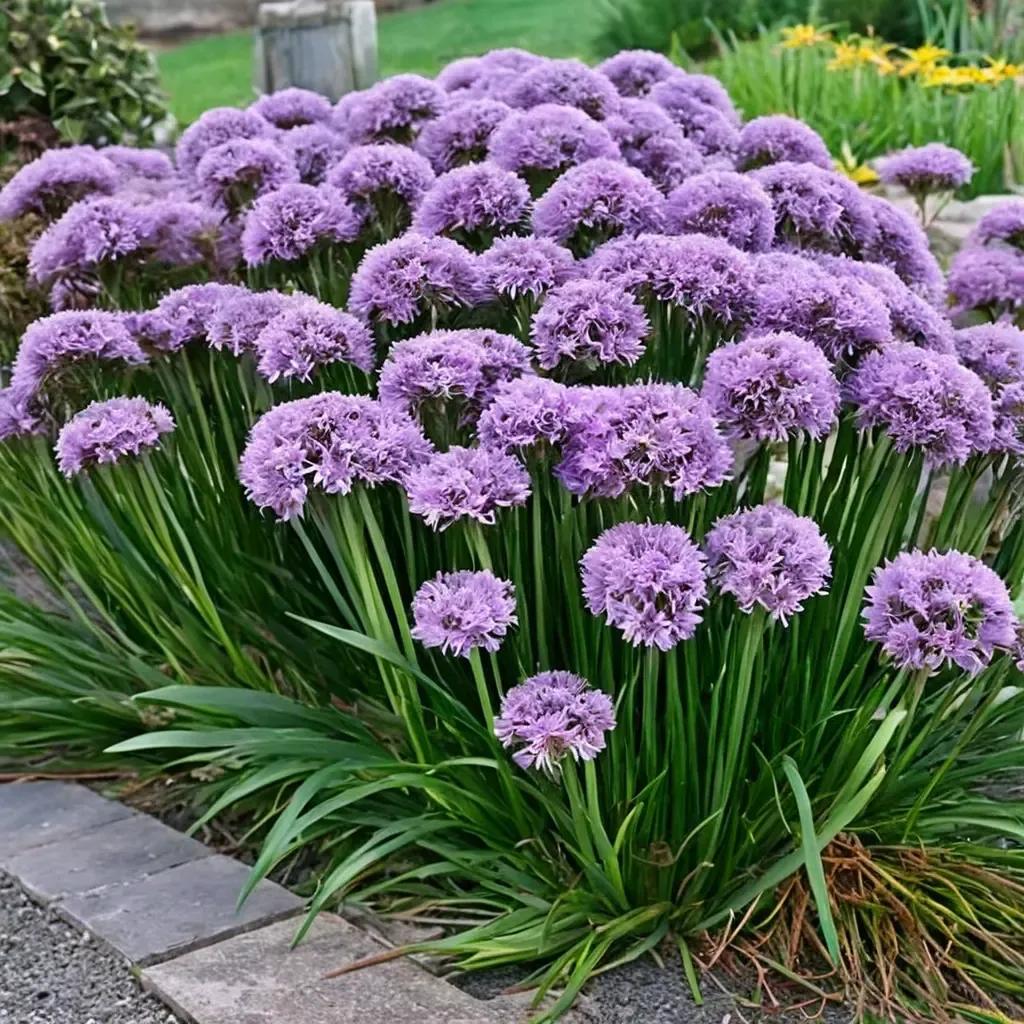 ‘Millenium’Millennium Ornamental Onion
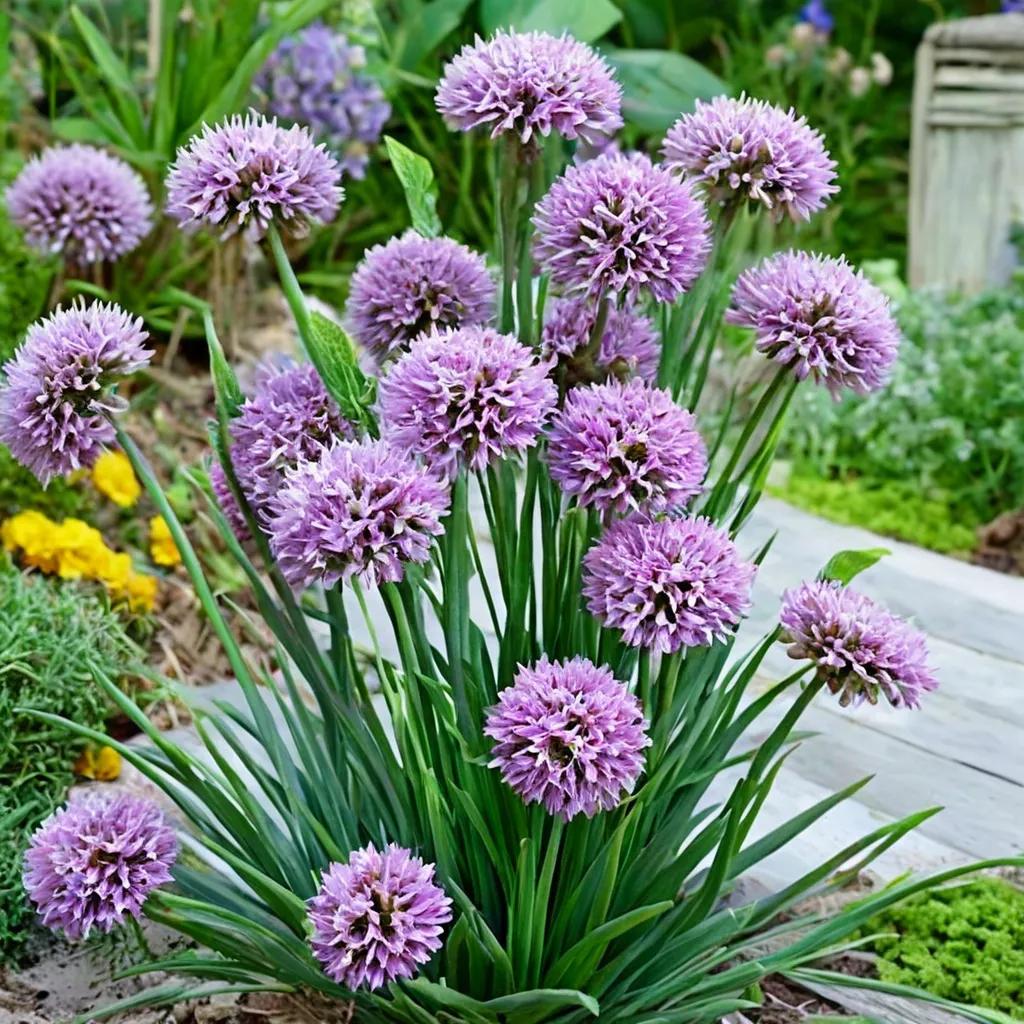 ‘Little Sapphire’Allium Little Sapphire
 ‘Bubble Bath’'Bubble Bath' Ornamental Onion
 ‘Serendipity’Serendipity Ornamental Onion
 ‘Round and Purple’Round and Purple Onion
 ‘Windy City’Allium Windy City
 ‘Chivette’Chivette Chives
 ‘In Orbit’Ornamental Onion 'In Orbit'
The Story
Plant Bio
Ornamental alliums are grown for their dramatic, spherical flower heads that add architectural interest to the garden. They are members of the onion family, making them highly resistant to deer and rabbits.
'Medusa' is unique for its attractive, twisting, blue-green foliage that resembles snakes, staying neat all season unlike many alliums whose leaves decline before bloom. It flowers later in summer.
Uses & Benefits:
Bred from more than one wild species, so it has no species page of its own.
Essentials
At a Glance
Plant Type
Bulb Corm Tuber
Height
24"
Width
24"
Light
Full Sun
Zones
4, 5, 6, 7, 8
Water
Low
Humidity
Low to average
Lifespan
Perennial
Native To
Garden hybrid
Toxicity
Toxic to dogs, Toxic to cats
Bloom period
Mid-summer – Late summer
In flower about 2 months of the year
Marketplace
Where to Buy
Shipping costs Year-round shipping Free shipping
Planting
How to Grow
- Choose a location in full sun with excellent drainage.
- Plant bulbs in the fall, about 6 inches deep.
- Space bulbs about 10-12 inches apart.
- Cover with soil and water once to settle.
- Avoid heavy mulching, which can trap moisture and cause rot.
- Wait for foliage to emerge in spring.
Pro Tip
Plant among other perennials whose foliage will help hide the allium's leaves if they begin to yellow before flowering.
Keep It Thriving
Care Guide
Do
- Provide sharp drainage; sandy or gritty soil is ideal.
- Plant in full sun for the strongest stems.
- Allow foliage to die back naturally after blooming to feed the bulb.
- Leave spent flower heads for winter interest.
Don't
- Do not plant in wet or heavy clay soil.
- Avoid overwatering, especially when dormant in summer.
- Don't cut back the foliage until it has completely yellowed.
- Don't fertilize heavily, as this can lead to weak growth.
Seasonal Care Calendar
| Task | Jan | Feb | Mar | Apr | May | Jun | Jul | Aug | Sep | Oct | Nov | Dec |
|---|---|---|---|---|---|---|---|---|---|---|---|---|
| Divide | ||||||||||||
| Fertilize | ||||||||||||
| Plant |
Watch Out For
Pests & Diseases
Common Pests
Common Diseases
In the Garden
Landscape Uses & Companions
Landscape Uses
Multiply
Propagation Methods
Good to Know
Common Questions
Medusa Ornamental Onion questions
What zones can Medusa Ornamental Onion grow in?
Medusa Ornamental Onion is hardy in USDA Zones 4–8. Inside that range it survives winter in the ground; outside it, grow it as an annual or a container plant you protect.
Is Medusa Ornamental Onion deer resistant?
Yes — Medusa Ornamental Onion is rated deer-resistant. Deer typically pass it over, though extreme hunger can override any plant's defenses.
When does Medusa Ornamental Onion bloom?
Medusa Ornamental Onion typically blooms in mid-summer through late summer. Exact timing shifts a week or two with your zone — Sow's bloom calendar maps it to your garden.
Does Medusa Ornamental Onion need full sun?
Medusa Ornamental Onion does best in full sun (6+ hours).
Is Medusa Ornamental Onion drought tolerant?
Yes — once established (usually after the first full season), Medusa Ornamental Onion handles dry spells with minimal watering. Water deeply its first year to build the root system that makes that possible.
More Allium to compare
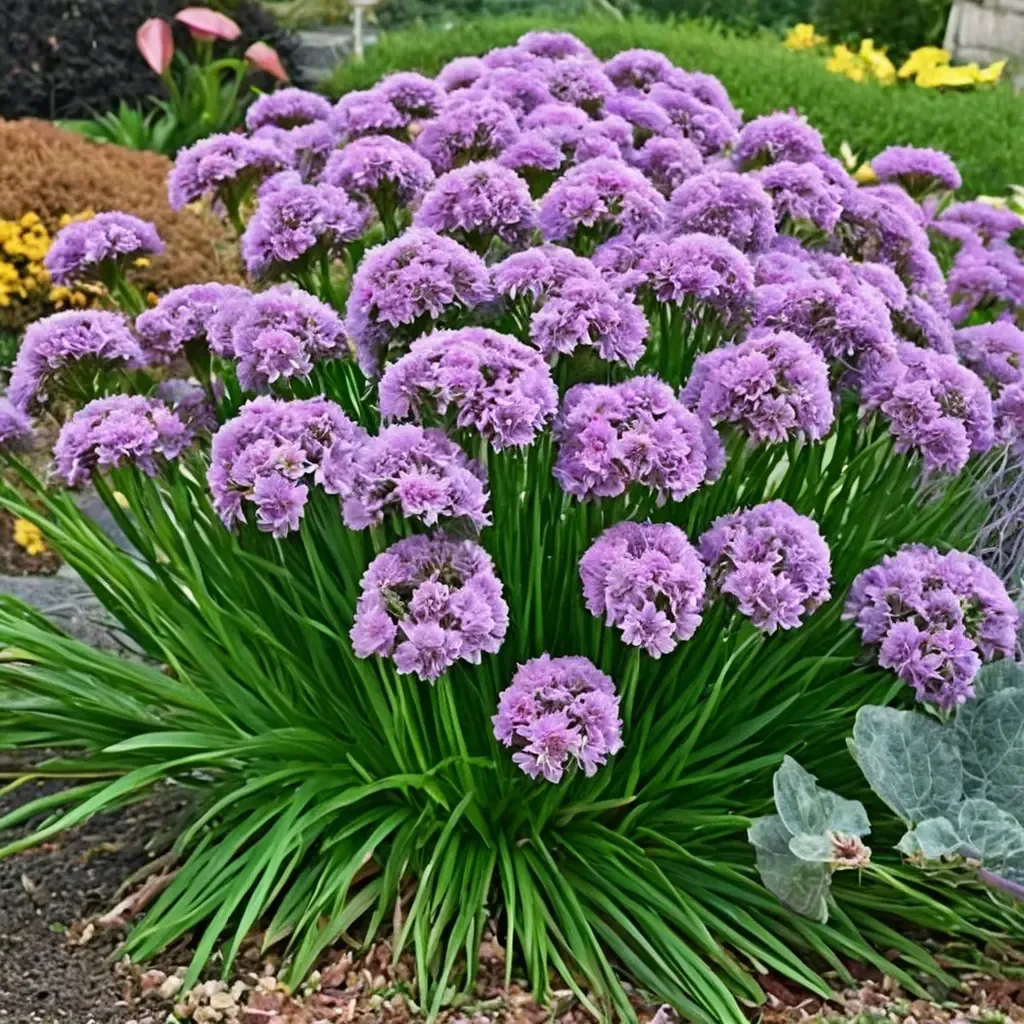
Millennium Gold Onion Moly Onion
Allium x moly 'Millenium'
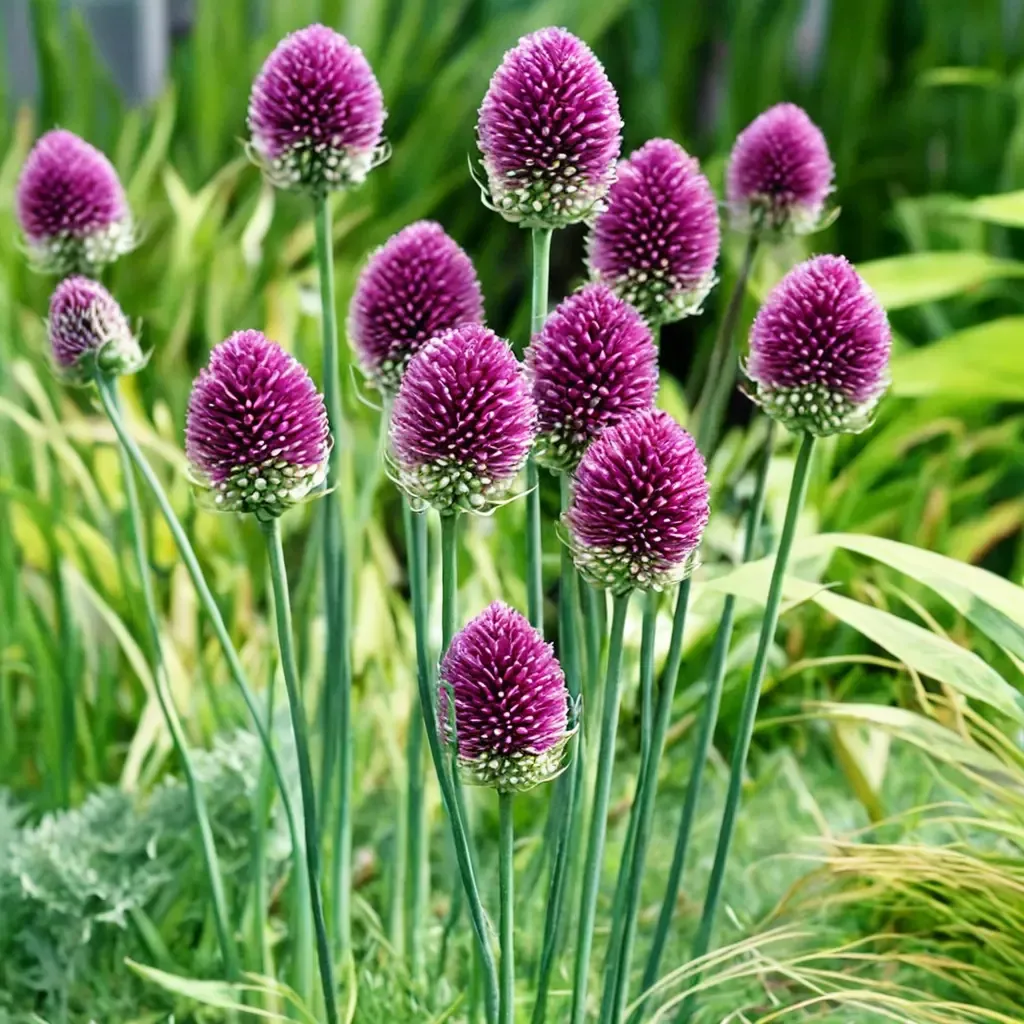
Drumstick Allium
Allium sphaerocephalon
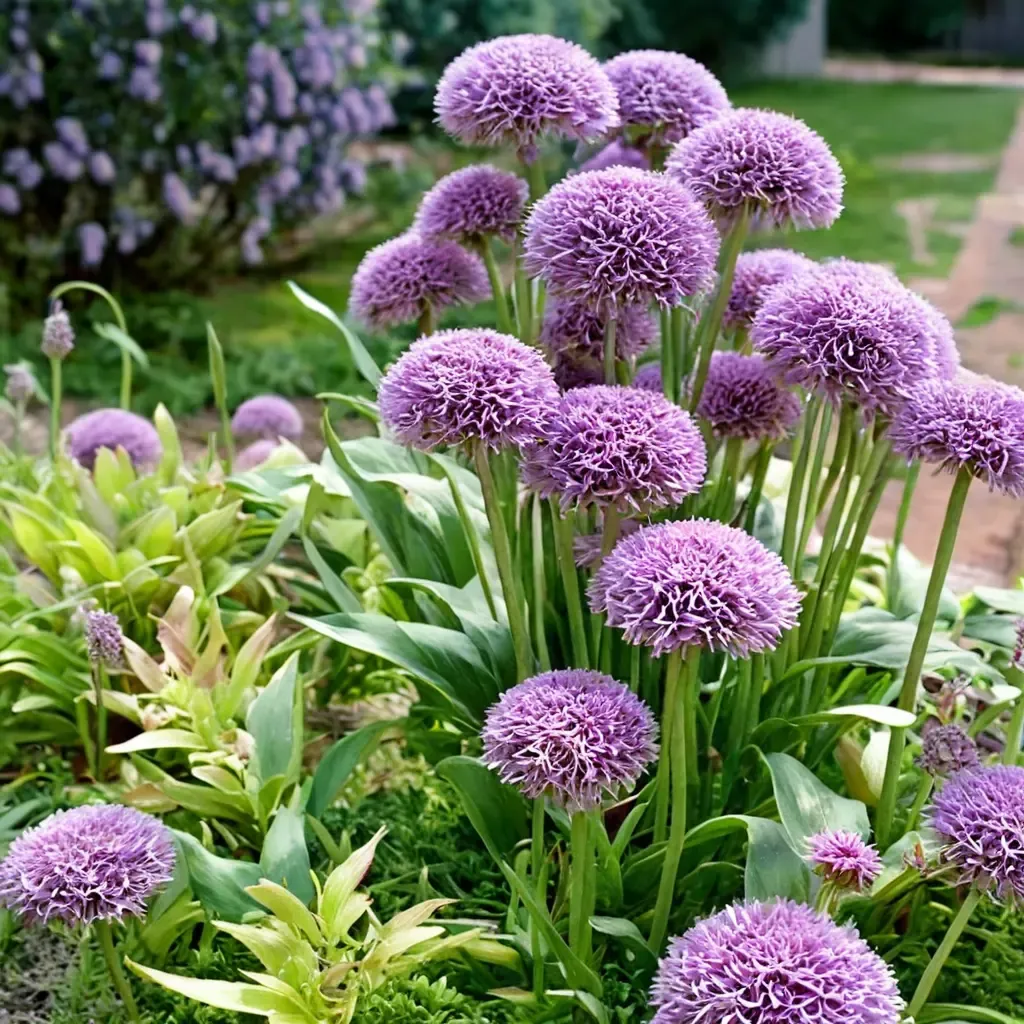
Globemaster Allium
Allium giganteum 'Globemaster'
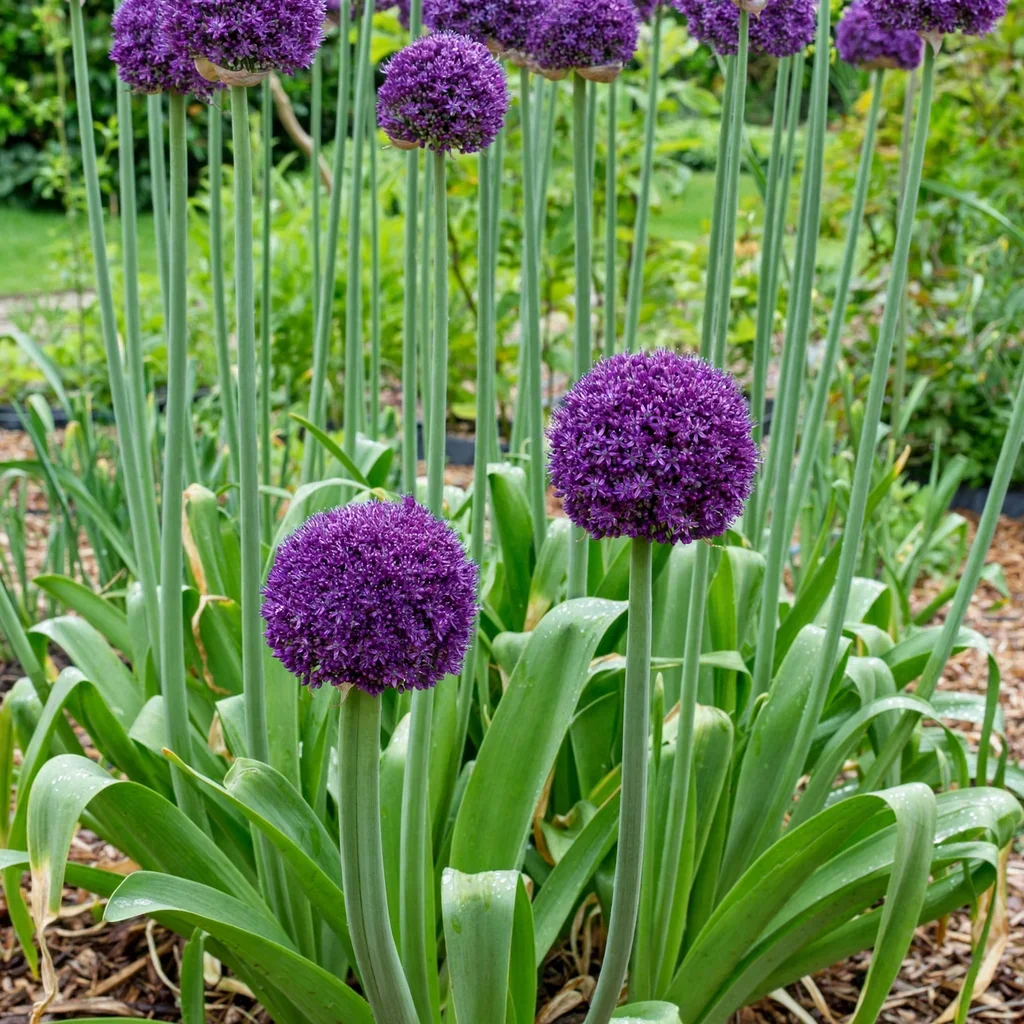
Ornamental Onion 'Ambassador'
Allium x hybrida 'Ambassador'
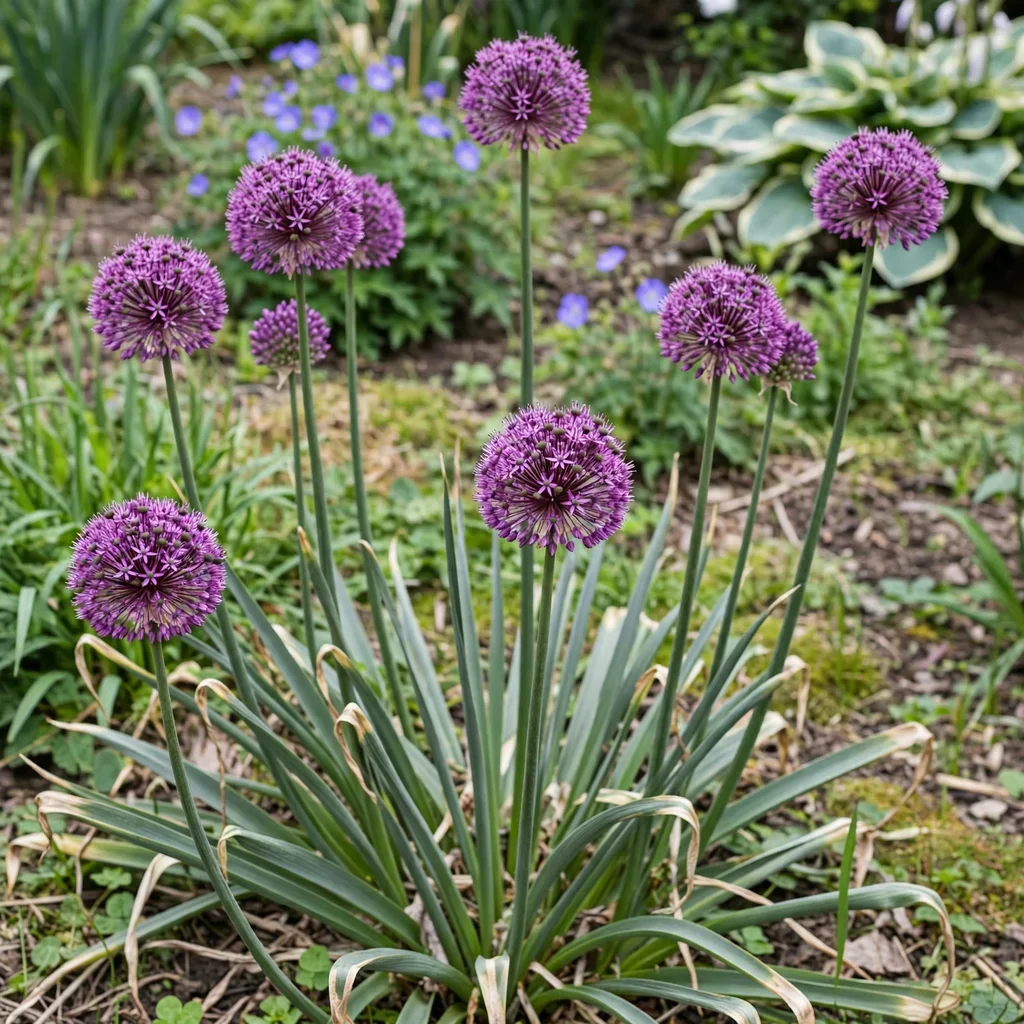
Purple Sensation Allium
Allium hollandicum 'Purple Sensation'
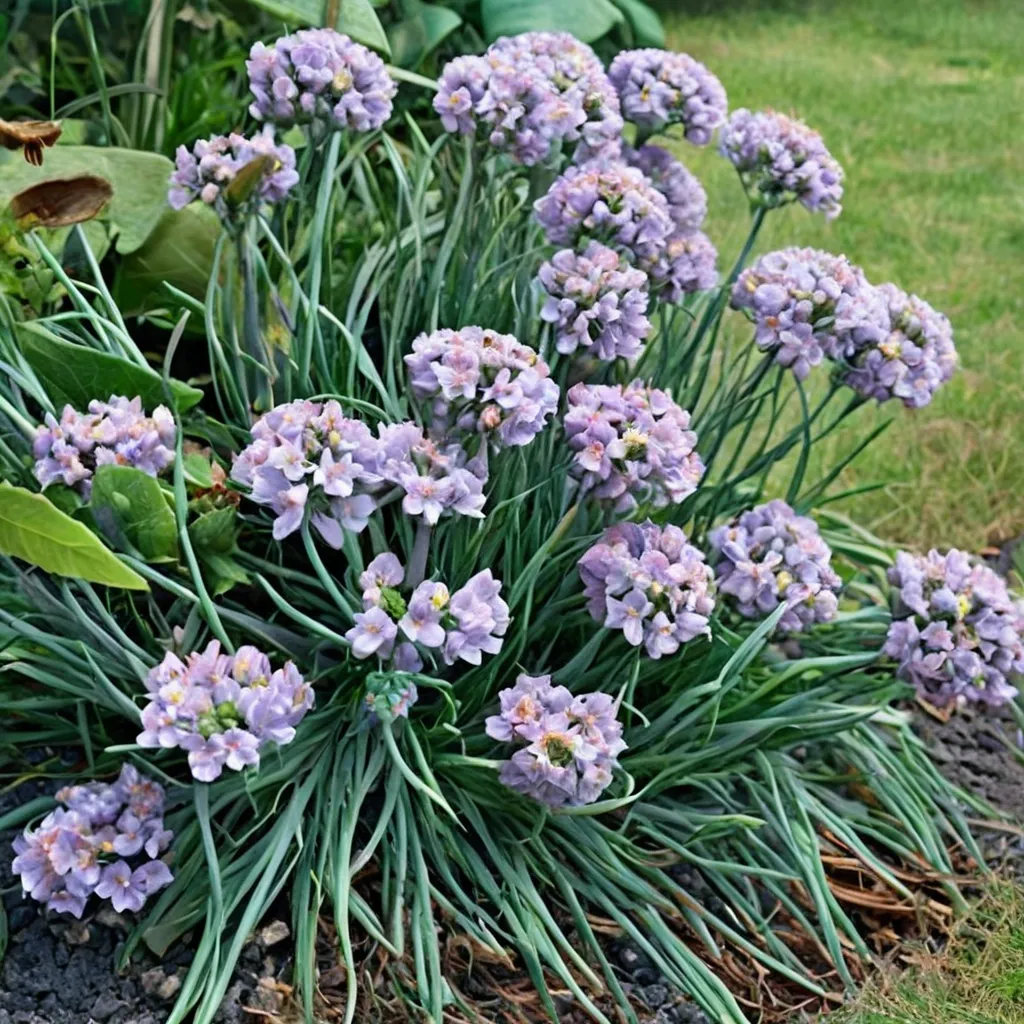
Blue Eddy Allium
Allium senescens 'Blue Eddy'
Keep exploring
Explore the genus
Hardy in your zone?
Grow Medusa Ornamental Onion with confidence
See it in a design of your actual yard, get zone-matched care reminders, and track it season by season in your garden journal.