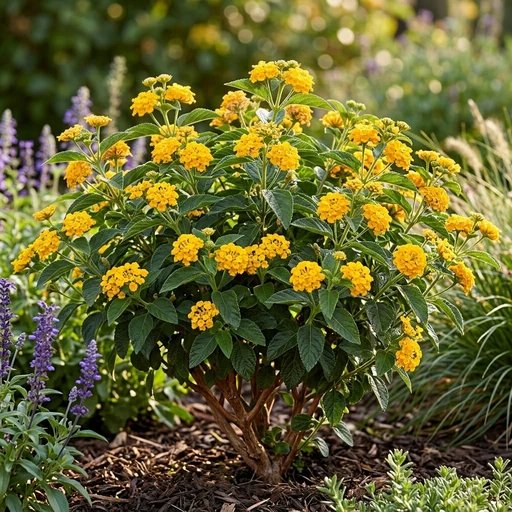
Species
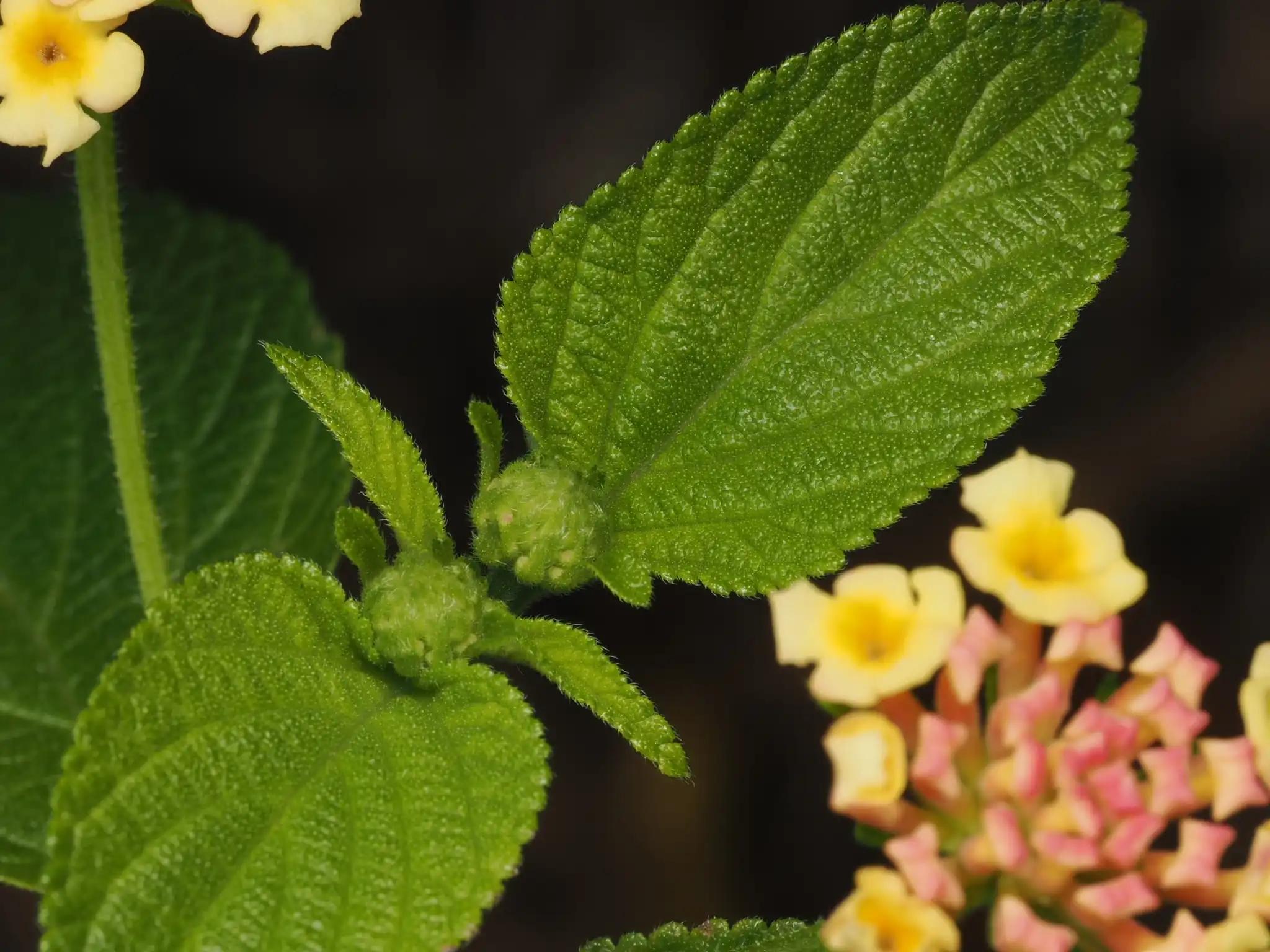 Lantana camaraLantana
20 other cultivars
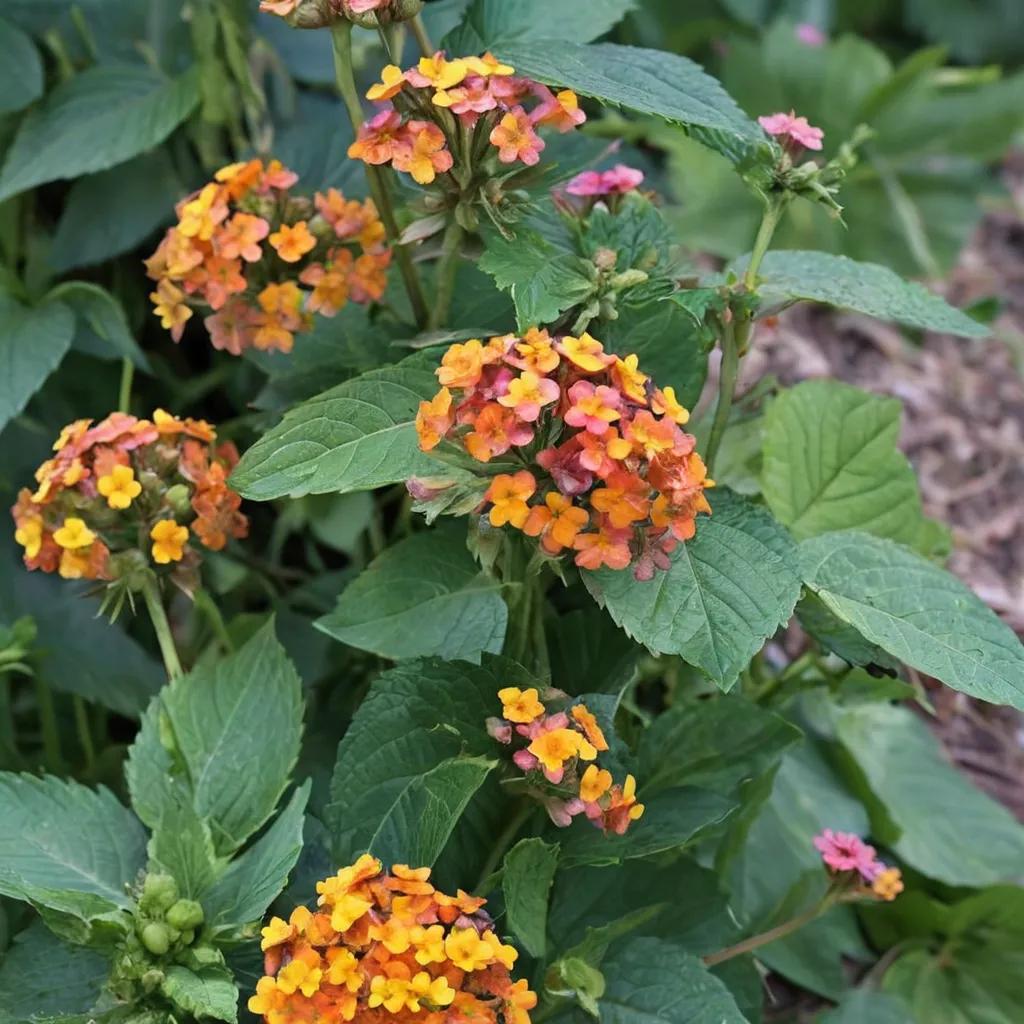 ‘Miss Huff’Lantana Miss Huff
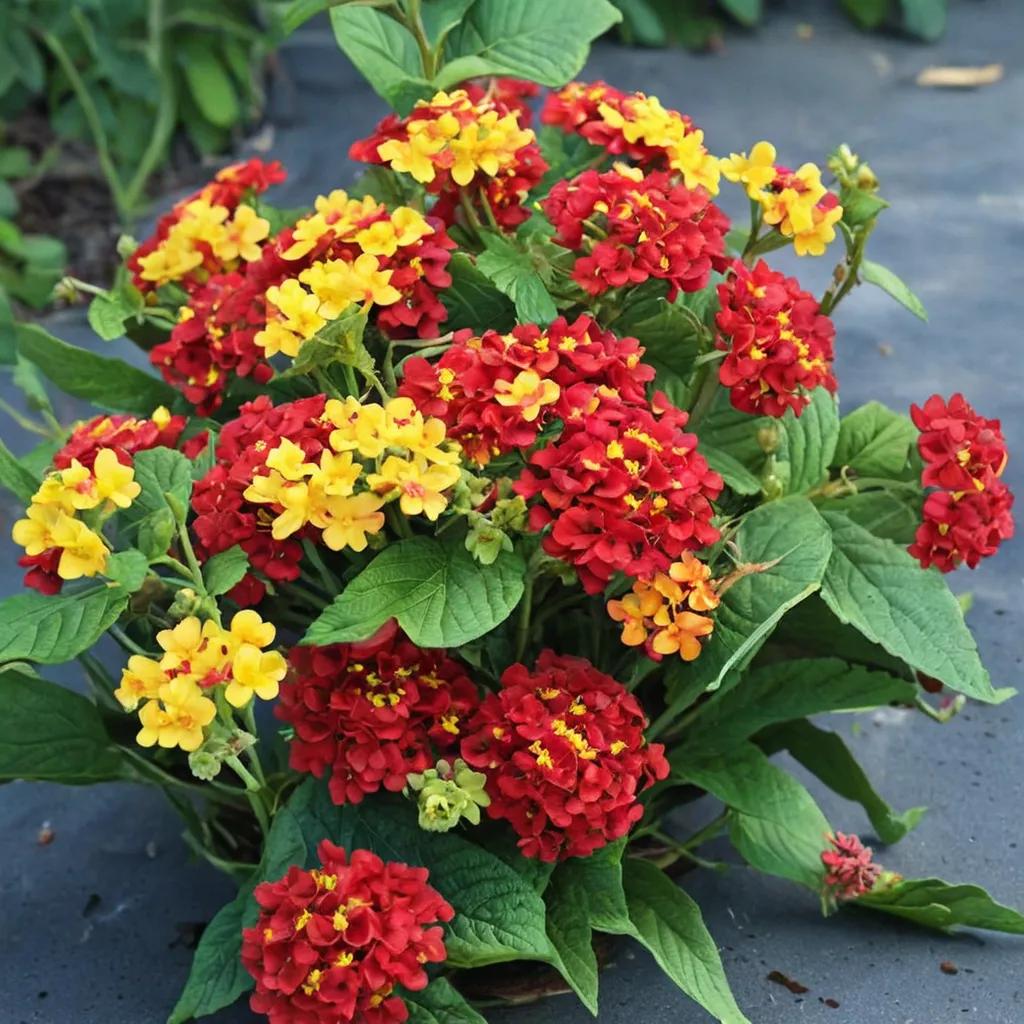 ‘Luscious Citrus Blend’Lantana Luscious Citrus Blend
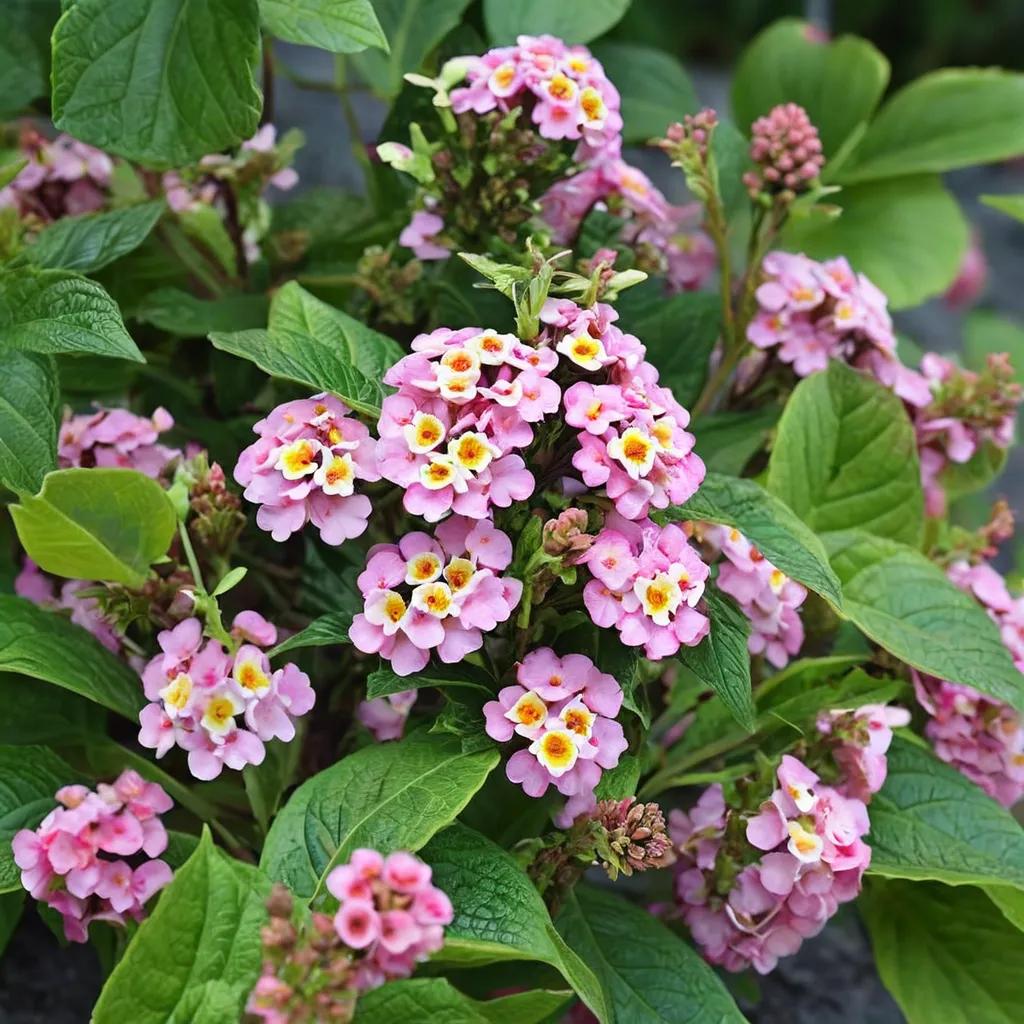 ‘Luscious Pinkberry Blend’Lantana Camara Luscious Pinkberry Blend
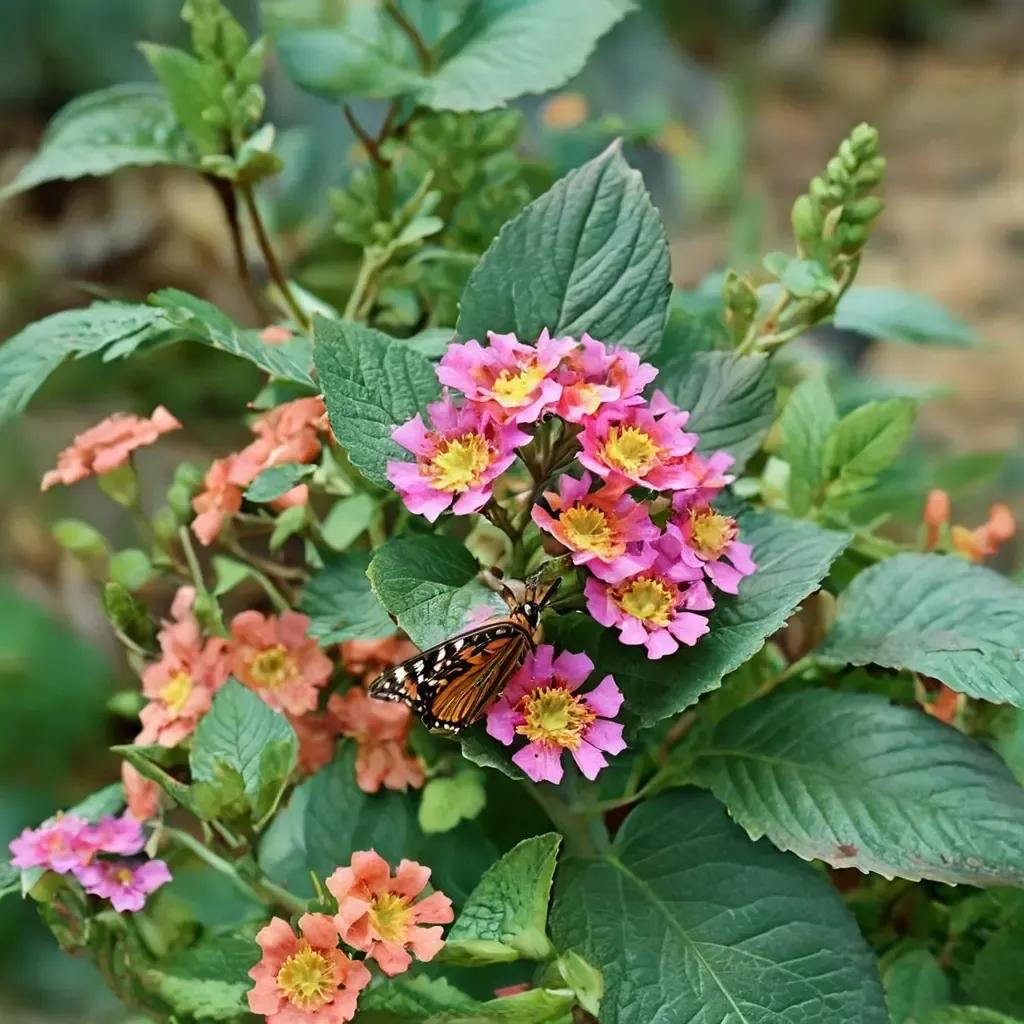 ‘Butterfly Puddler’Butterfly Puddler Lantana
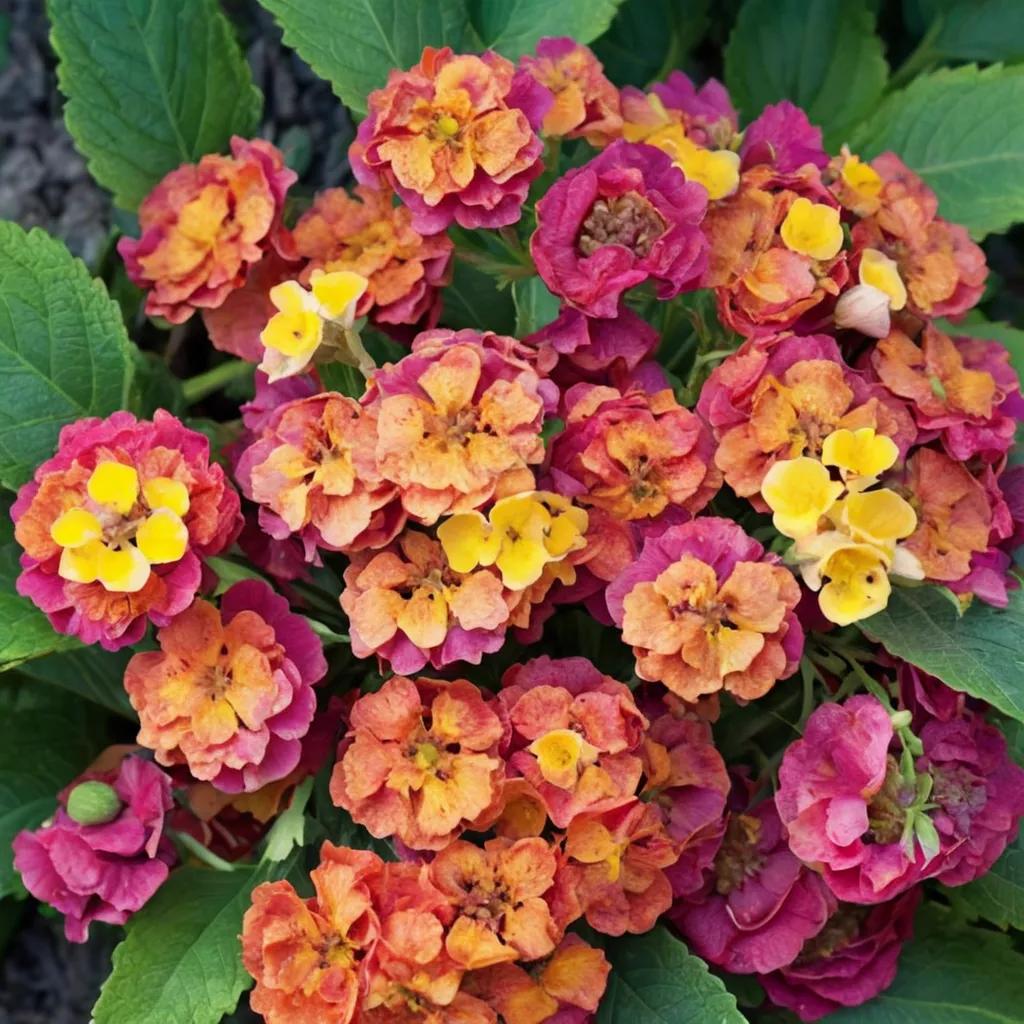 ‘Cherry Sunrise’Lantana Cherry Sunrise
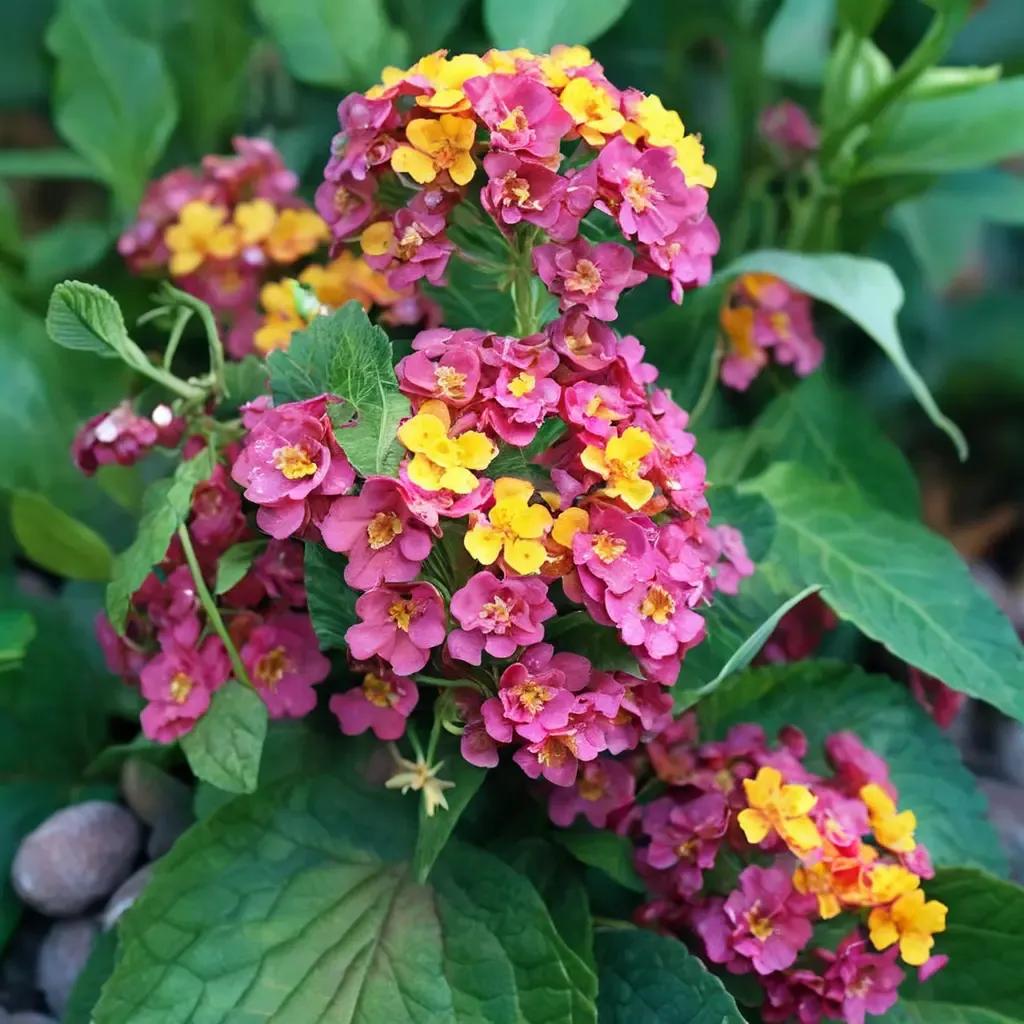 ‘Irene’Irene Lantana
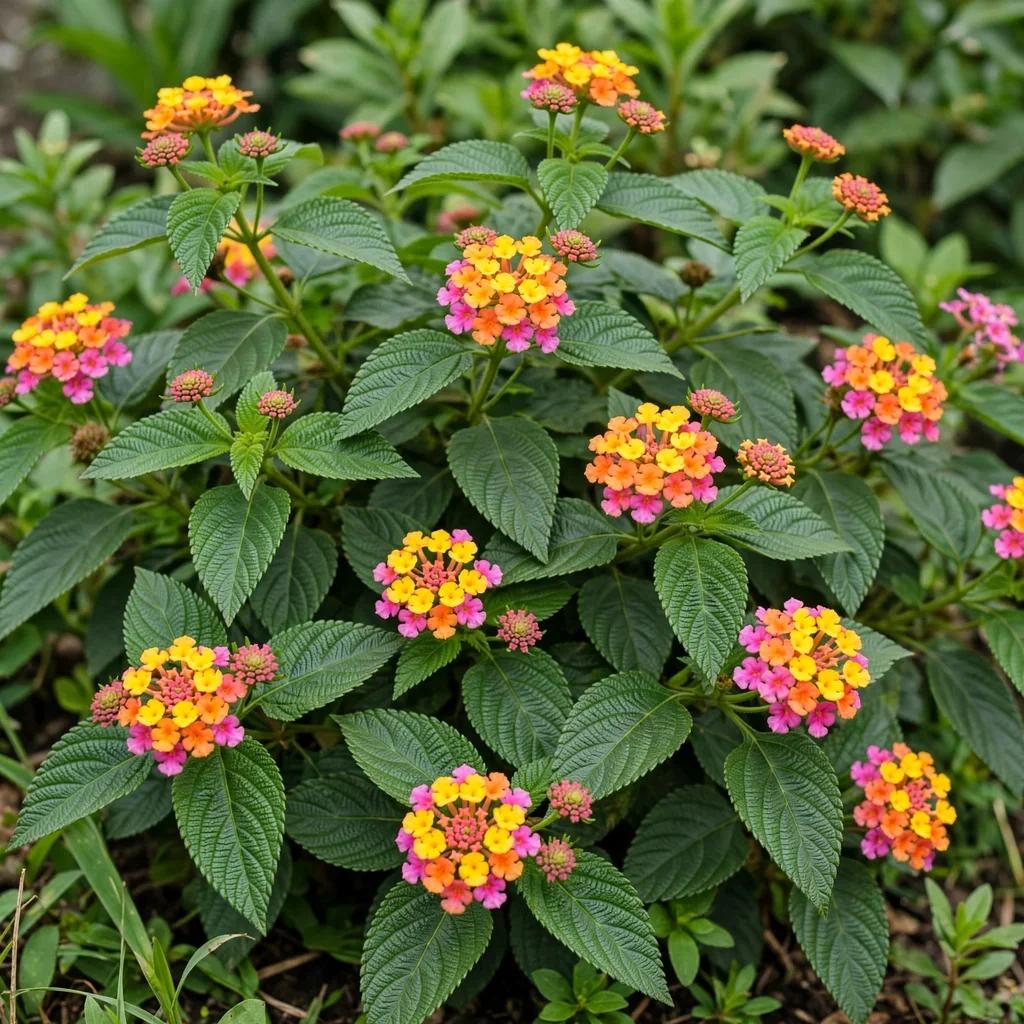 ‘Confetti’Confetti Lantana
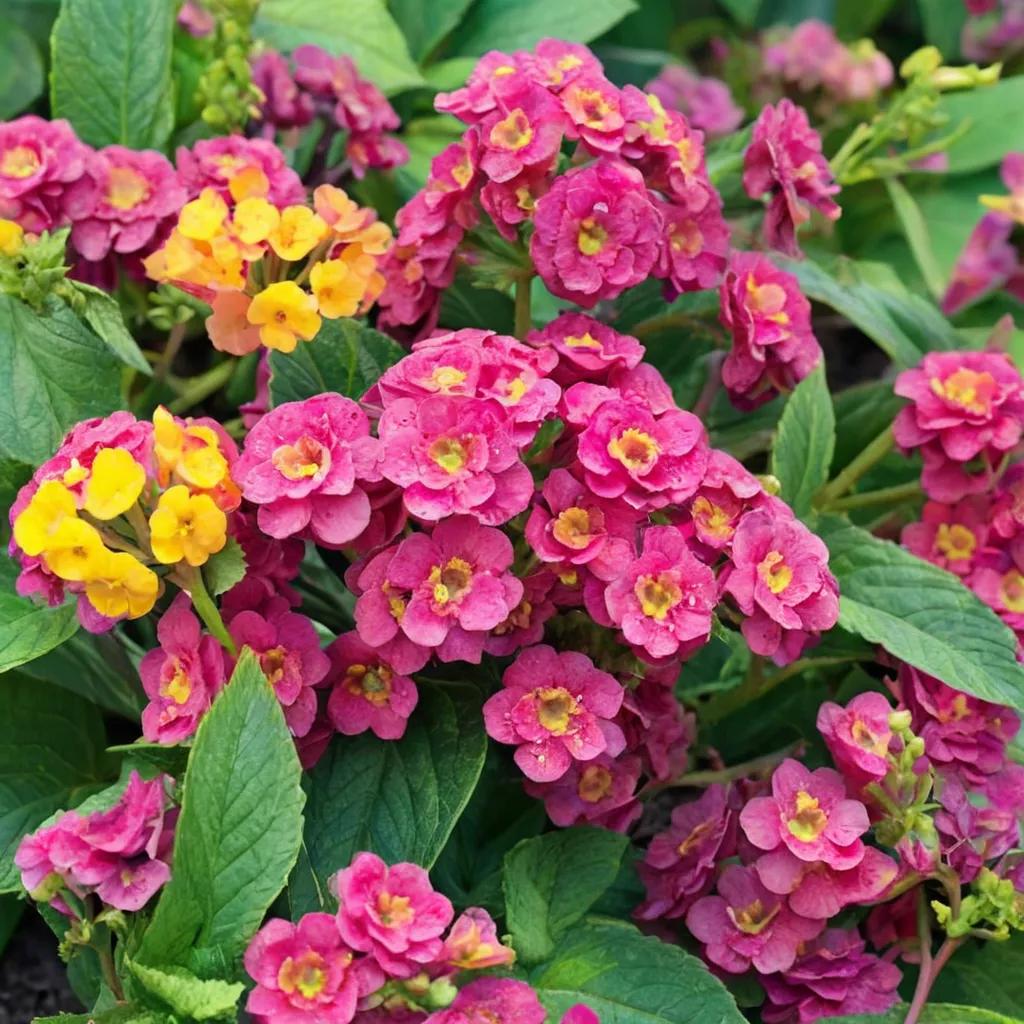 ‘Bandana Cherry’Bandana Cherry Common Lantana
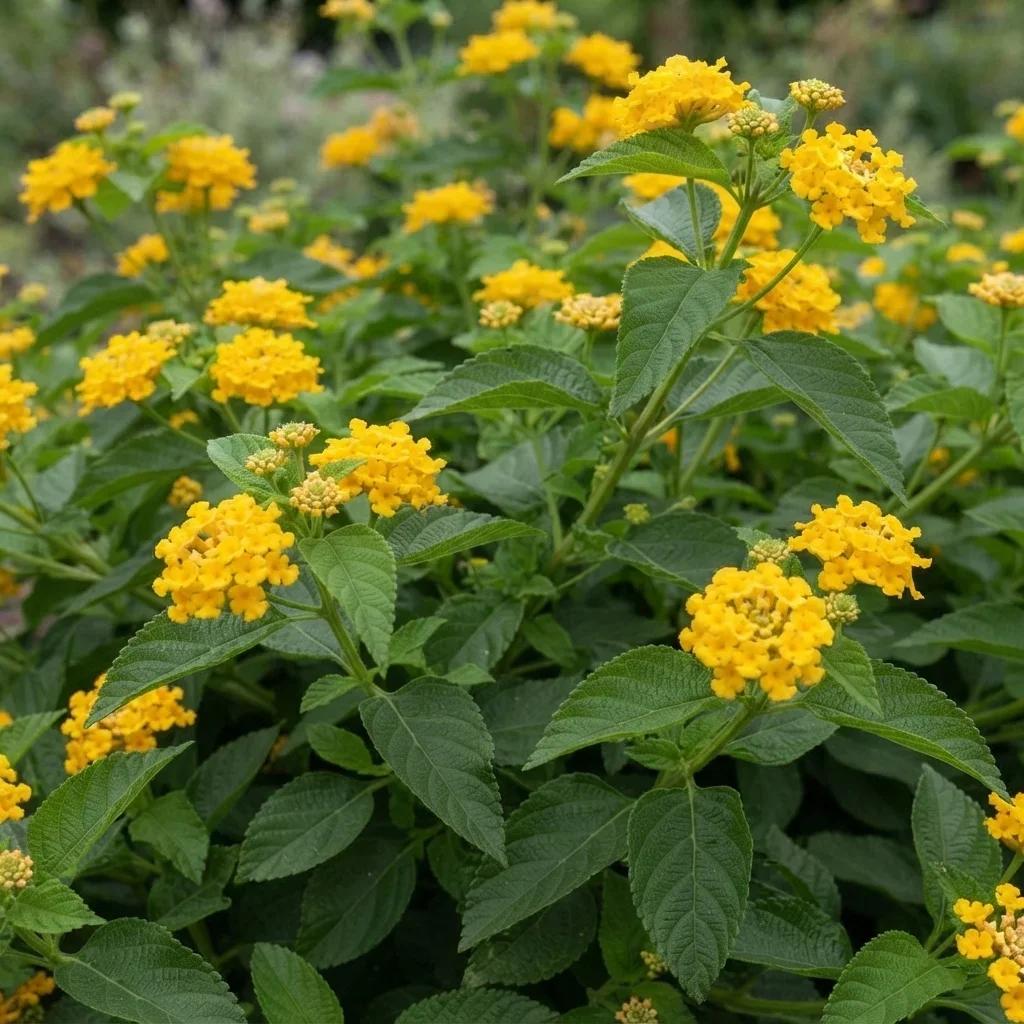 ‘New Gold’Lantana New Gold
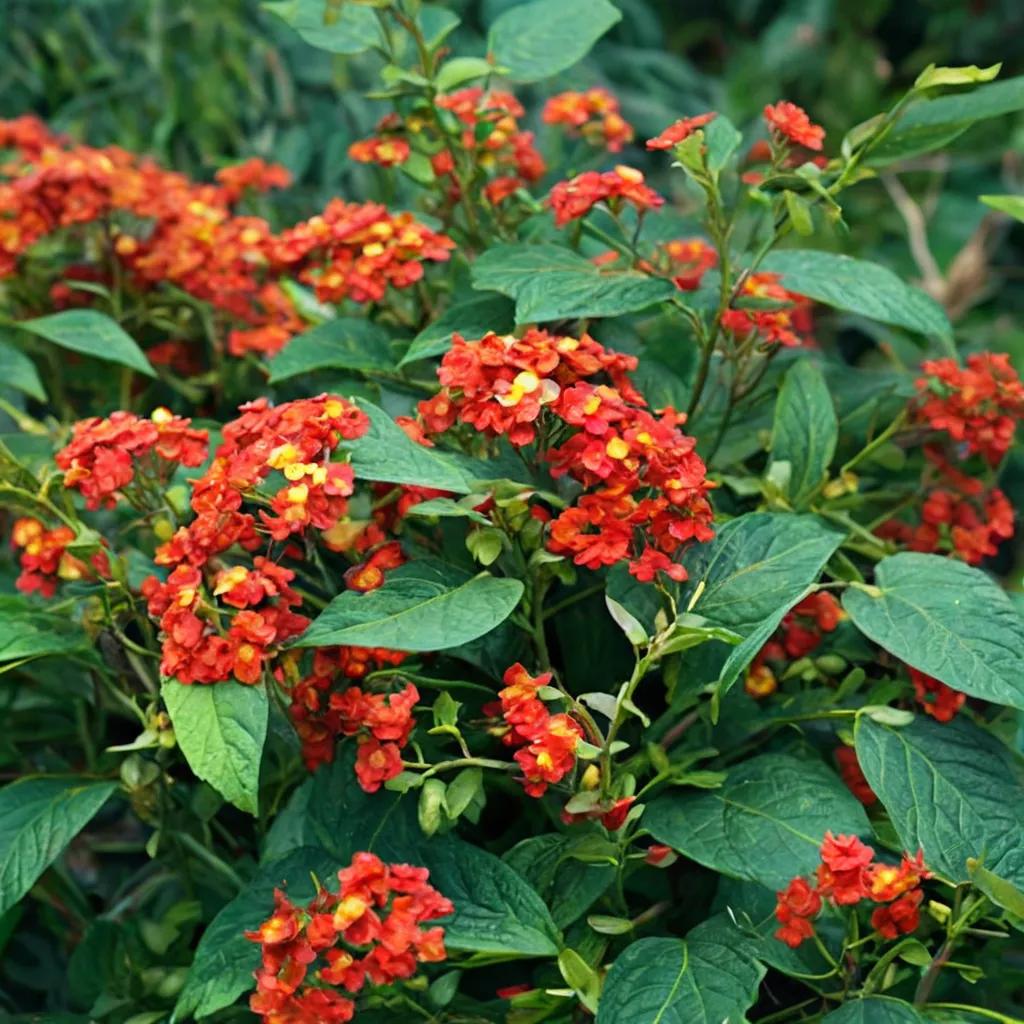 ‘Dallas Red’Dallas Red Lantana
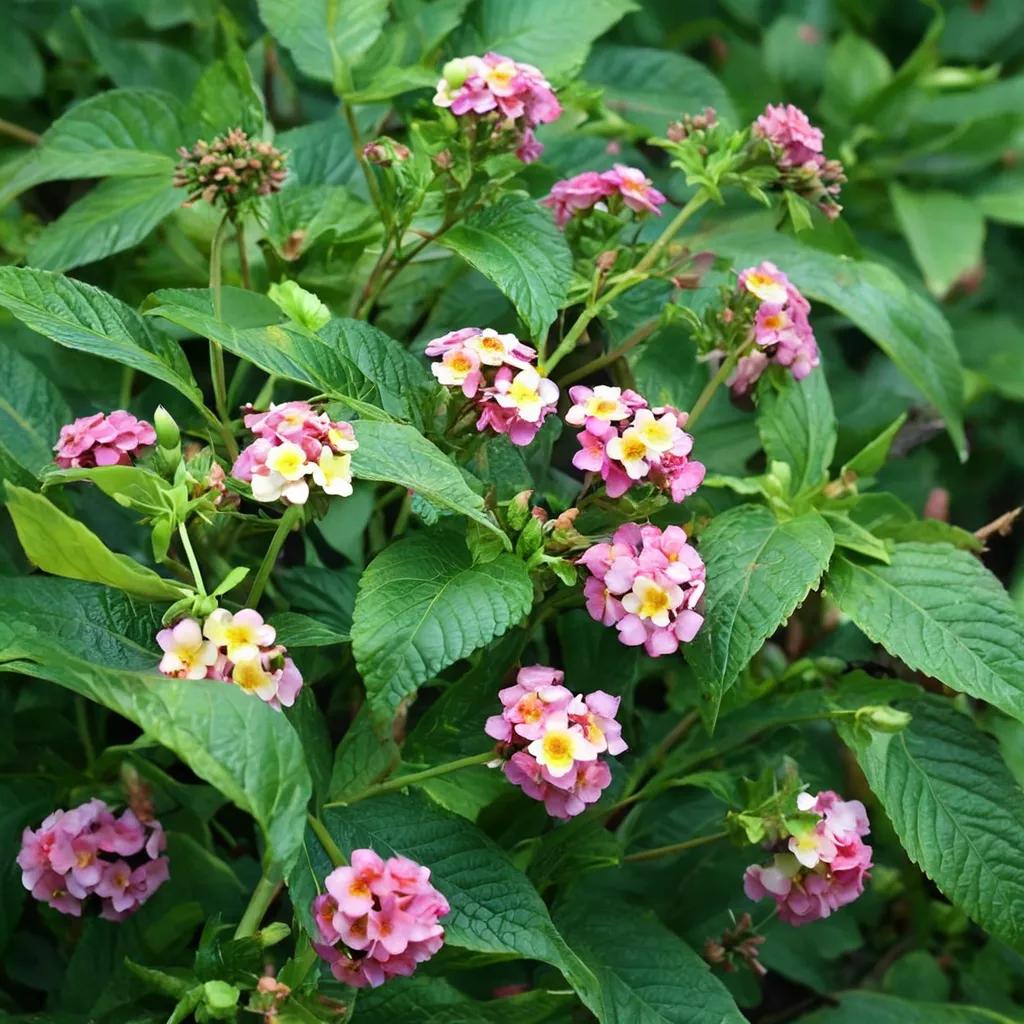 ‘Ham Eggs’Ham and Eggs Lantana
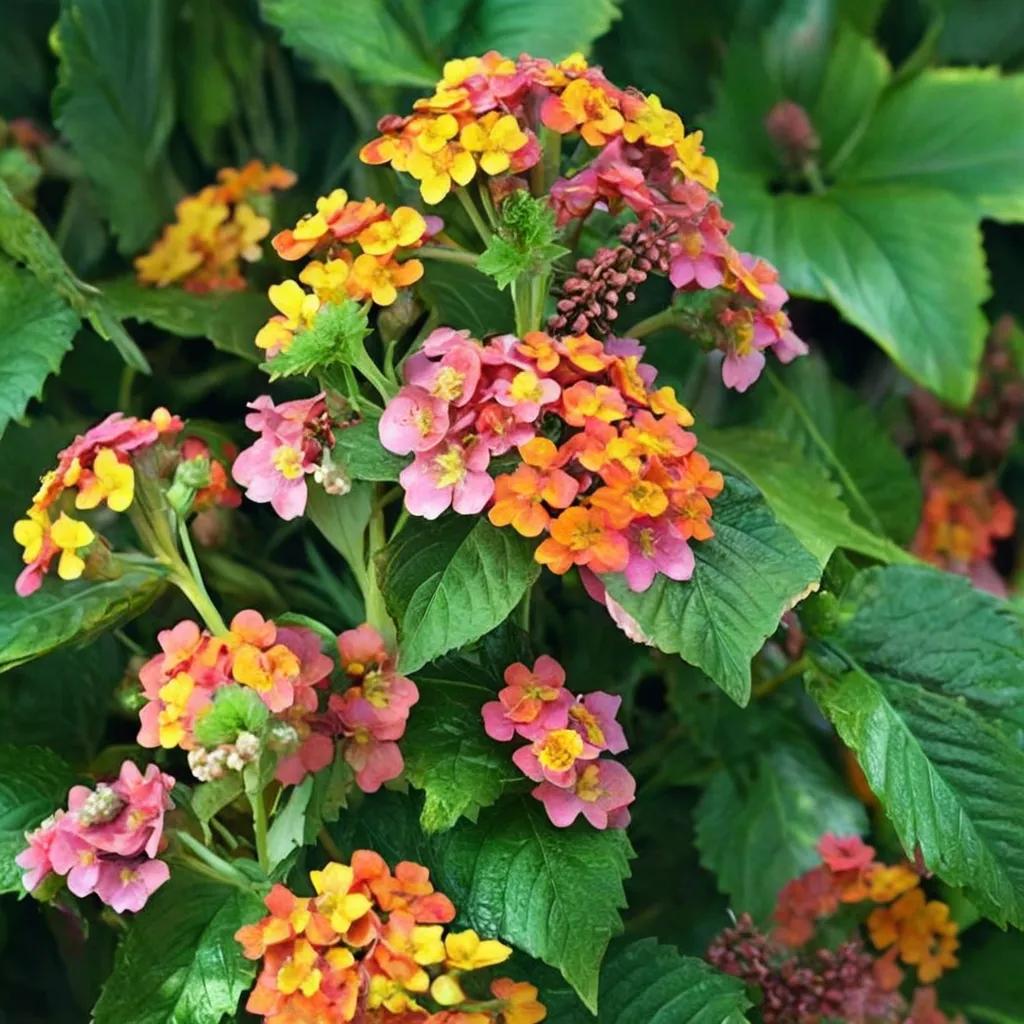 ‘Sonset’Sunset Lantana
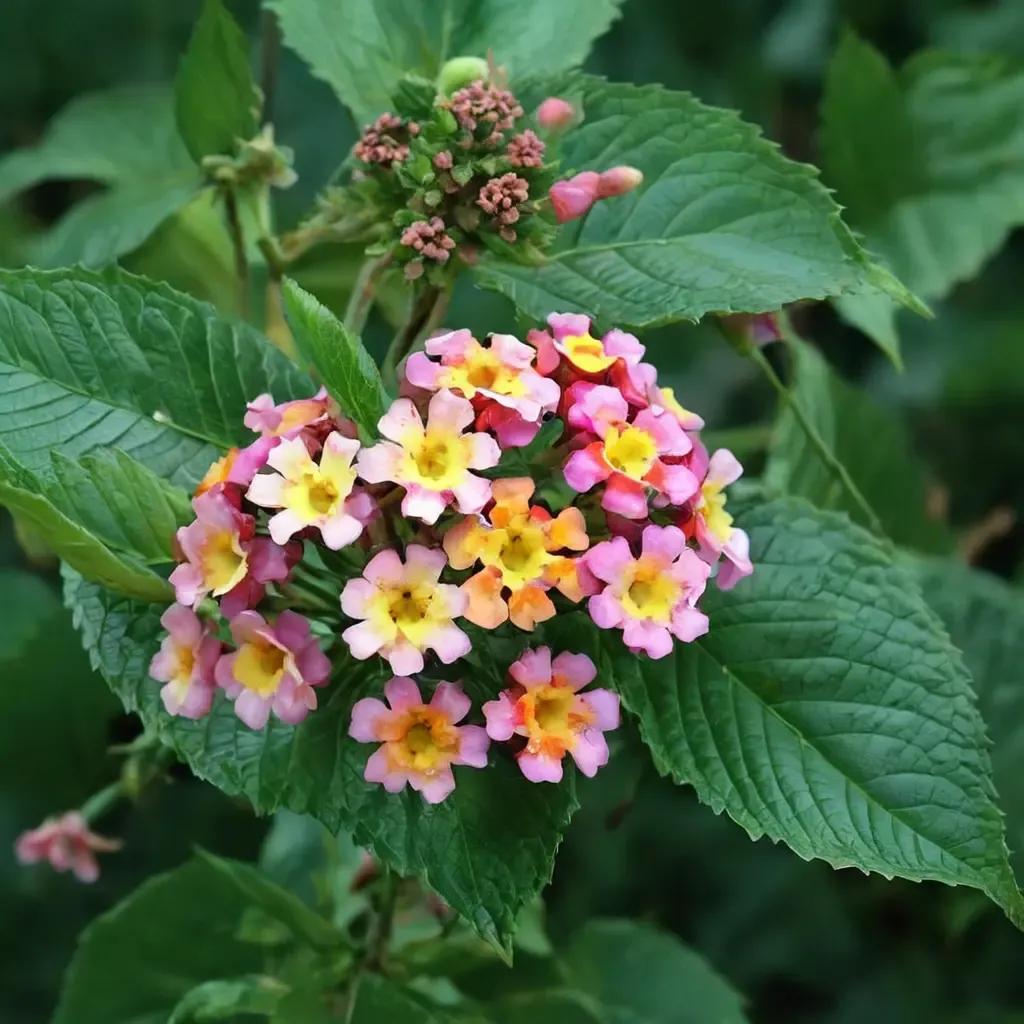 ‘Ham and Eggs’Ham and Eggs Lantana
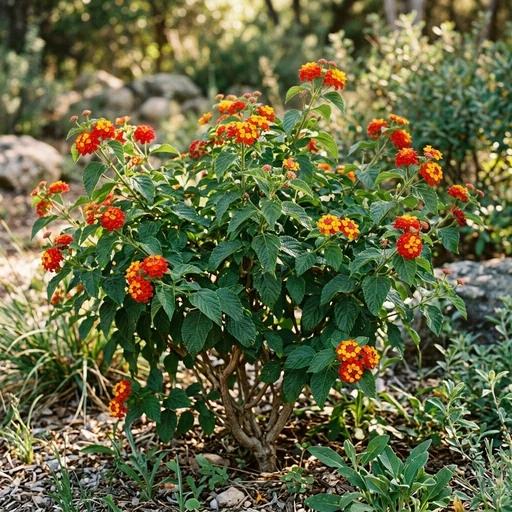 ‘Hot Blooded’Hot Blooded Lantana
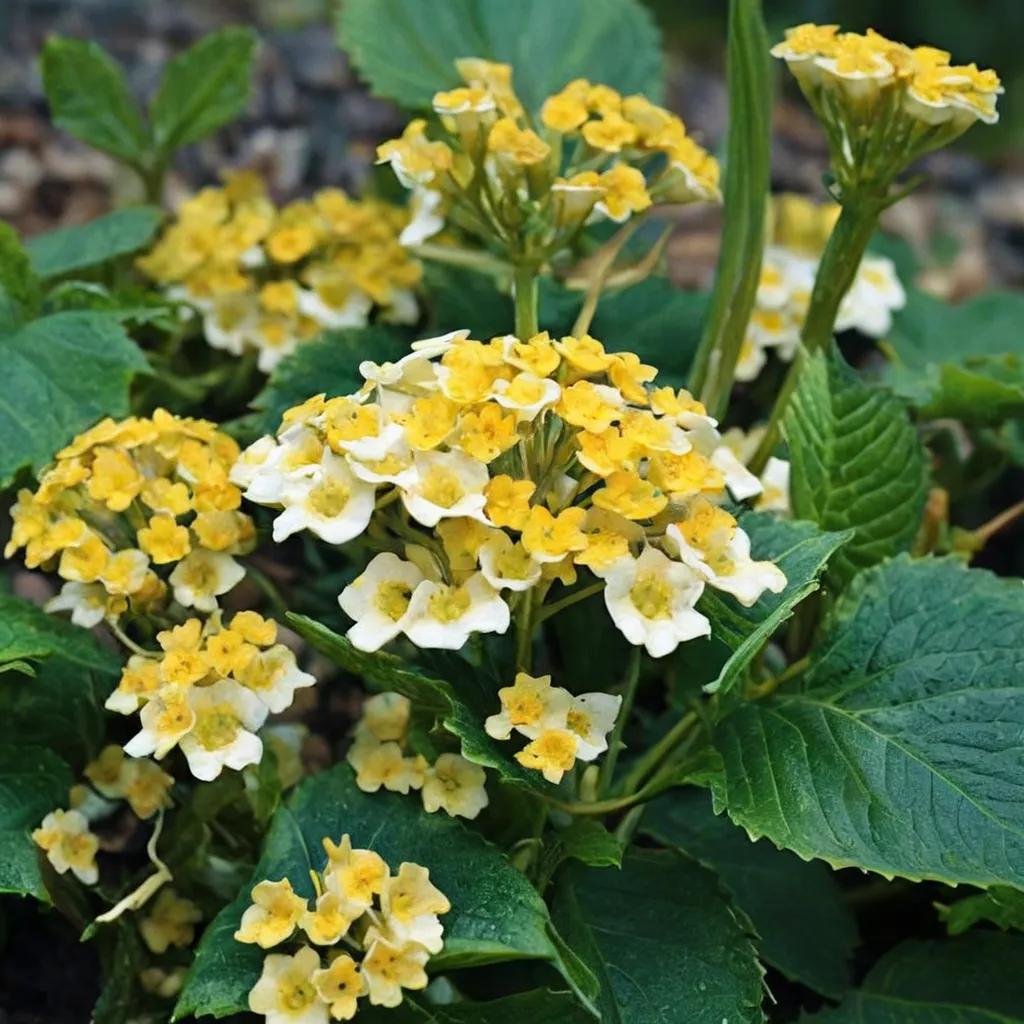 ‘Sonshine’Lantana Sonshine
 ‘Star Landing’Star Landing Lantana
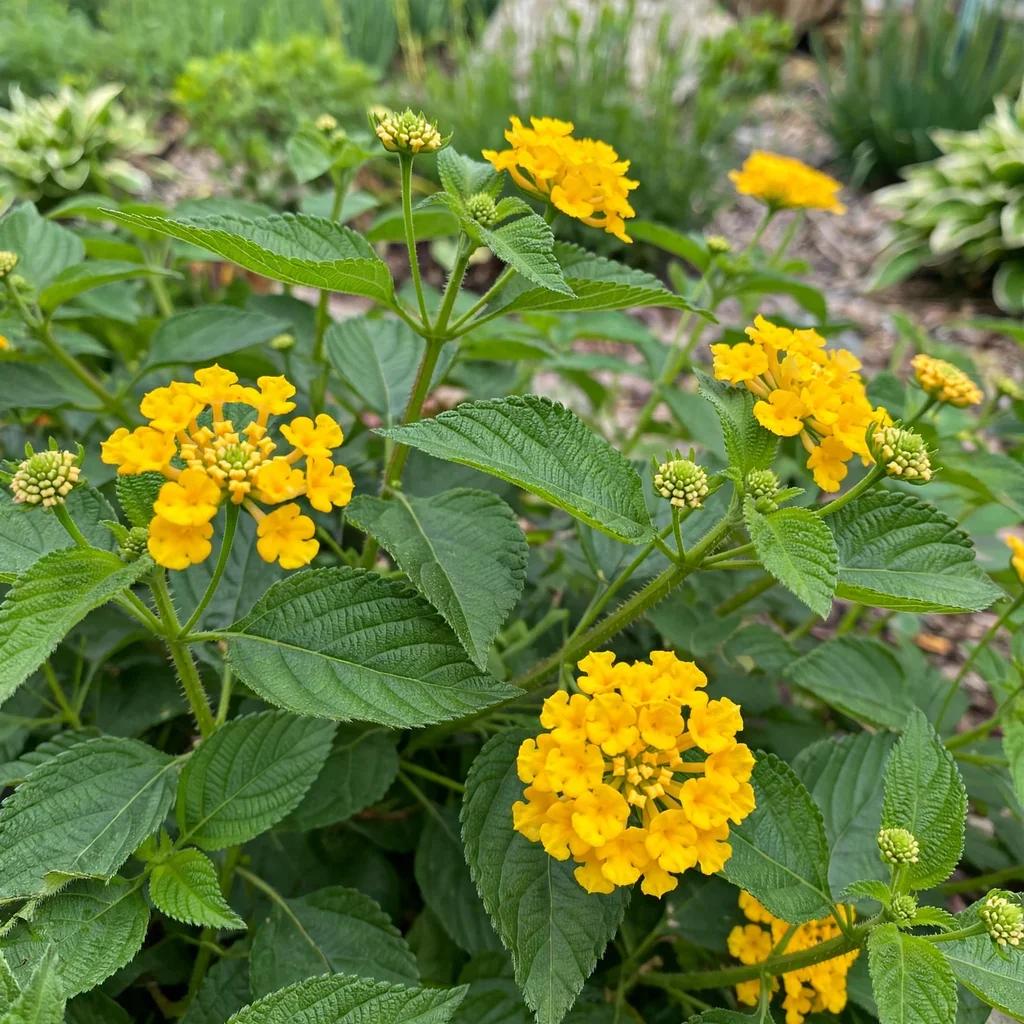 ‘Yellow Improved’Lantana 'Yellow Improved'
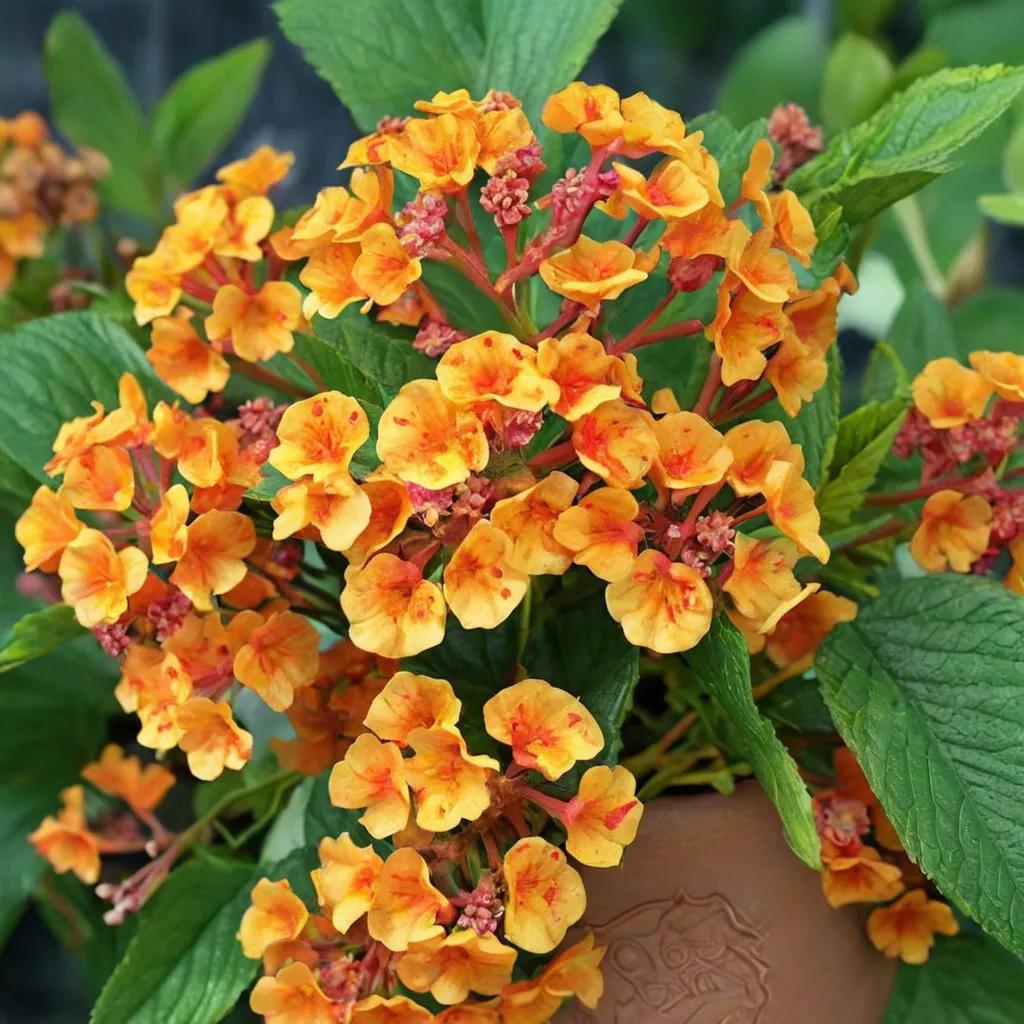 ‘Luscious Marmalade’Lantana Luscious Marmalade
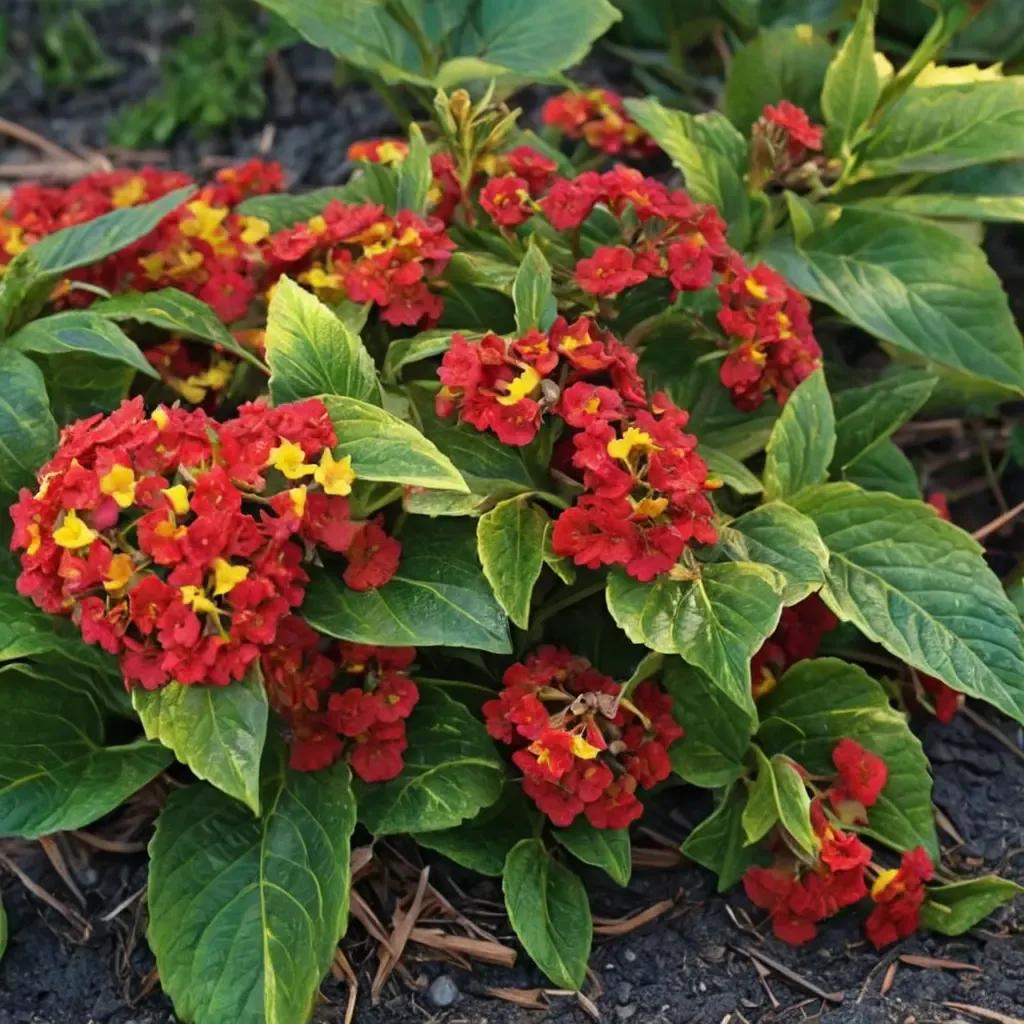 ‘Bandito Red’Bandito Red Lantana
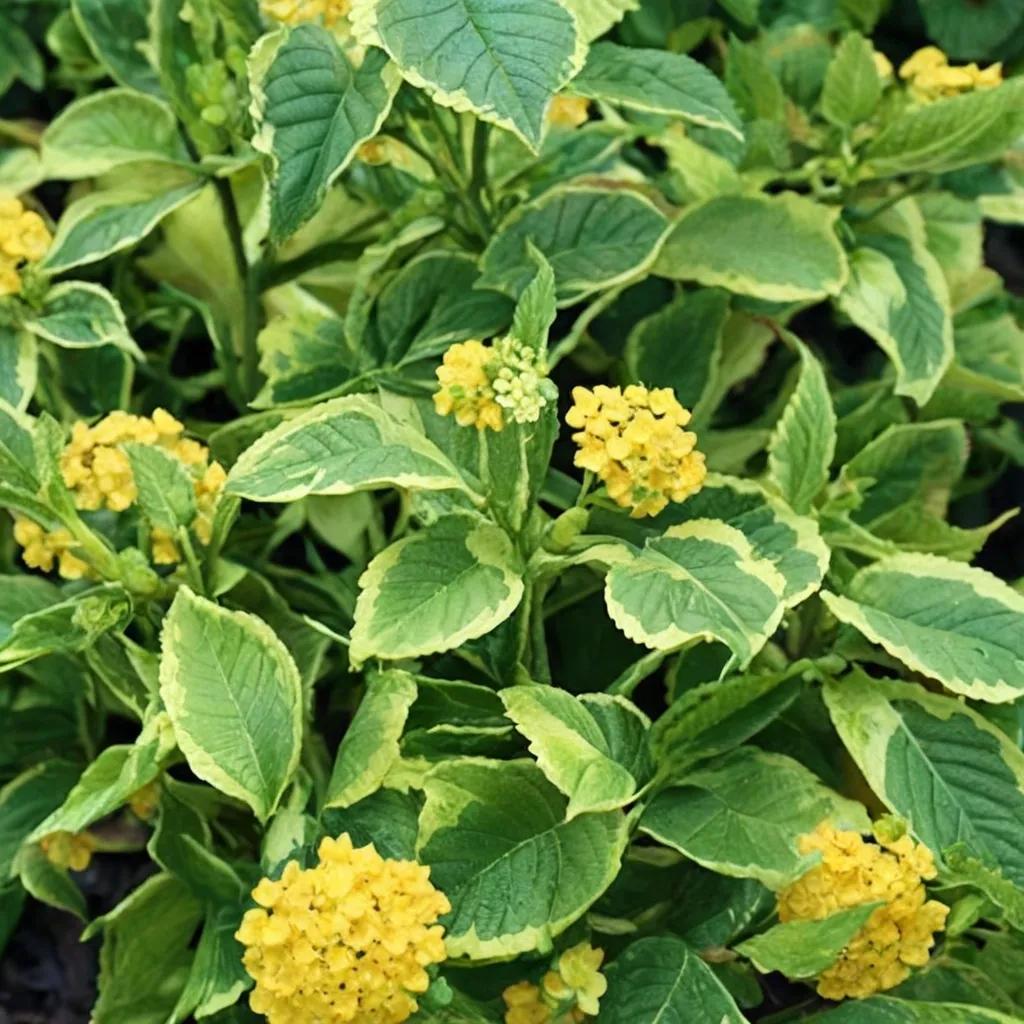 ‘Samantha’Samantha Lantana
Chapel Hill Yellow Lantana
Lantana camara 'Chapel Hill Yellow'
The Story
Plant Bio
Lantana is a genus of flowering plants known for their clusters of small, vibrant flowers and rough, aromatic foliage. They are heat and drought-tolerant mainstays of summer gardens.
'Chapel Hill Yellow' is a cold-hardy, sterile selection from UNC Chapel Hill, prized for its low, spreading habit and continuous bloom of bright yellow flowers without producing messy berries.
Uses & Benefits:
Essentials
At a Glance
Plant Type
Perennial
Height
16"
Width
36"
Light
Full Sun
Zones
7, 8, 9, 10
Water
Low
Humidity
Tolerates high humidity
Lifespan
Perennial in warm zones
Native To
Hybrid; parent species from Americas
Toxicity
Toxic if ingested, skin irritant
Bloom period
Early summer – Mid-fall
In flower about 5 months of the year
Marketplace
Where to Buy
Shipping costs Year-round shipping Free shipping
Planting
How to Grow
- Select a location with at least 6 hours of direct sun daily.
- Amend soil for excellent drainage, adding grit if necessary.
- Dig a hole as deep and twice as wide as the pot.
- Plant at the same level it was growing in the container.
- Water well after planting to settle the soil around the roots.
- Water sparingly once established; this plant thrives on neglect.
Pro Tip
Cut back hard in late winter to remove old wood and encourage vigorous, new, flowering growth from the base.
Keep It Thriving
Care Guide
Do
- Provide full, direct sunlight for the best flowering performance.
- Allow the soil to dry out completely between waterings.
- Cut back in early spring to encourage fresh, floriferous growth.
- Mulch in colder zones for added winter protection.
Don't
- Don't overwater, as this is the most common cause of root rot.
- Don't over-fertilize, which promotes leafy growth instead of flowers.
- Don't plant in shade; it will become leggy and fail to bloom.
- Don't worry about deadheading; this sterile variety is self-cleaning.
Seasonal Care Calendar
| Task | Jan | Feb | Mar | Apr | May | Jun | Jul | Aug | Sep | Oct | Nov | Dec |
|---|---|---|---|---|---|---|---|---|---|---|---|---|
| Fertilize | ||||||||||||
| Pest Check | ||||||||||||
| Plant | ||||||||||||
| Prune |
Watch Out For
Pests & Diseases
Common Pests
Common Diseases
In the Garden
Landscape Uses & Companions
Landscape Uses
Multiply
Propagation Methods
Good to Know
Common Questions
Chapel Hill Yellow Lantana questions
What zones can Chapel Hill Yellow Lantana grow in?
Chapel Hill Yellow Lantana is hardy in USDA Zones 7–10. Inside that range it survives winter in the ground; outside it, grow it as an annual or a container plant you protect.
Is Chapel Hill Yellow Lantana deer resistant?
Yes — Chapel Hill Yellow Lantana is rated deer-resistant. Deer typically pass it over, though extreme hunger can override any plant's defenses.
When does Chapel Hill Yellow Lantana bloom?
Chapel Hill Yellow Lantana typically blooms in early summer through mid-fall. Exact timing shifts a week or two with your zone — Sow's bloom calendar maps it to your garden.
Does Chapel Hill Yellow Lantana need full sun?
Chapel Hill Yellow Lantana does best in full sun (6+ hours).
Is Chapel Hill Yellow Lantana drought tolerant?
Yes — once established (usually after the first full season), Chapel Hill Yellow Lantana handles dry spells with minimal watering. Water deeply its first year to build the root system that makes that possible.
More Lantana to compare
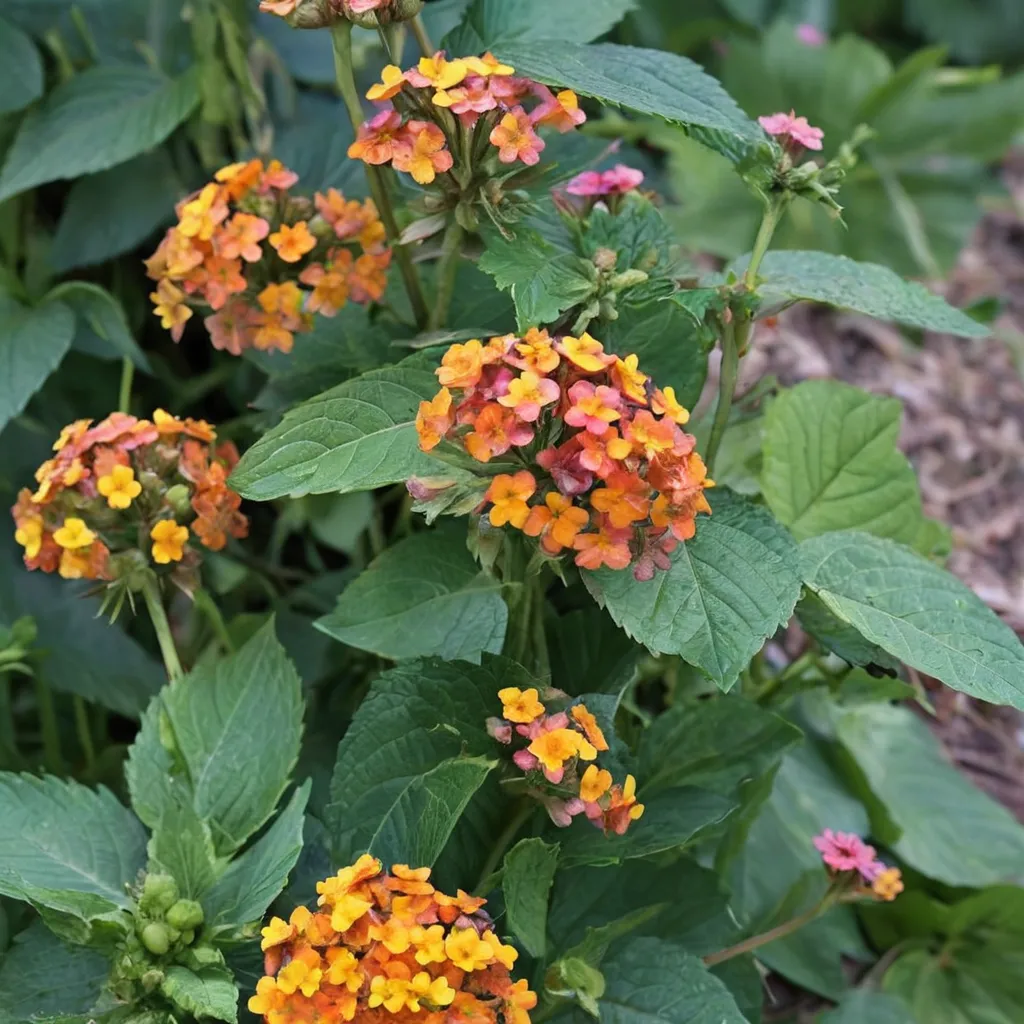
Lantana Miss Huff
Lantana camara 'Miss Huff'
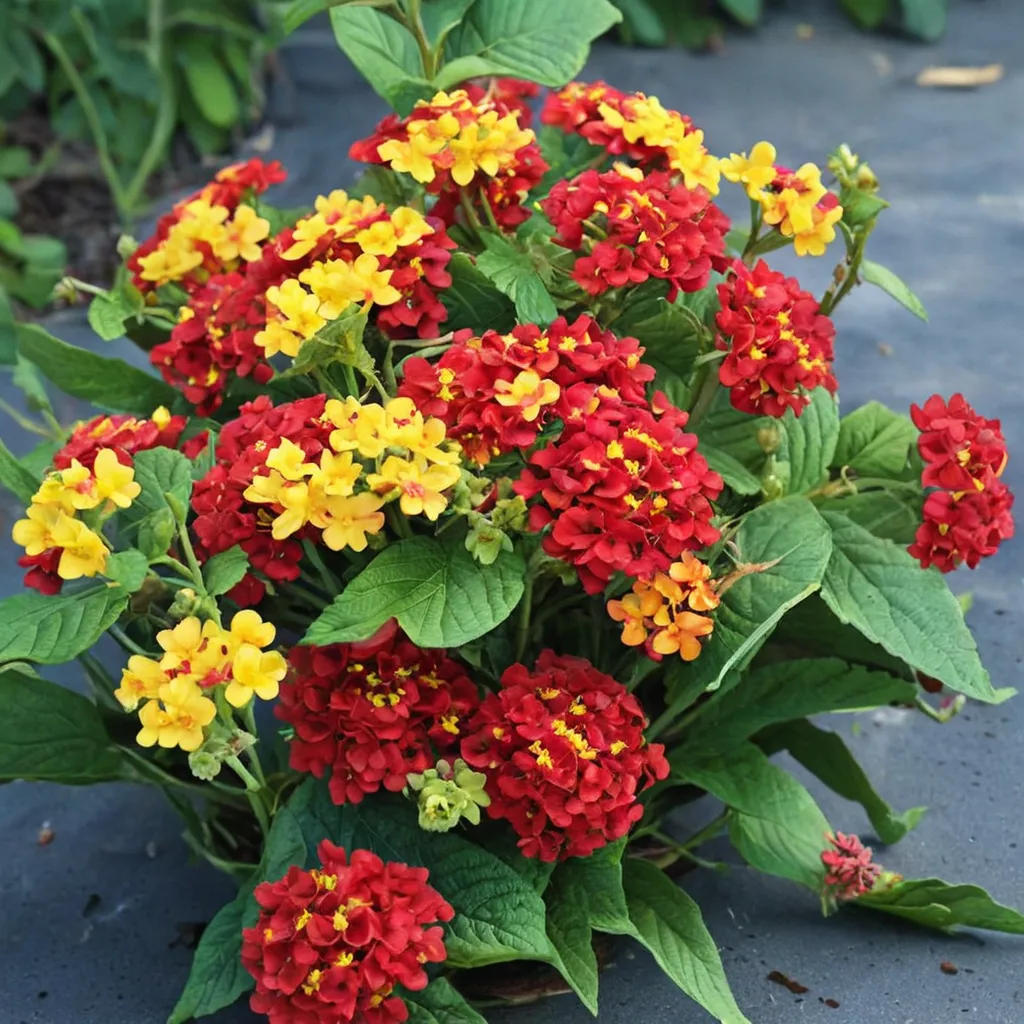
Lantana Luscious Citrus Blend
Lantana camara 'Luscious Citrus Blend'
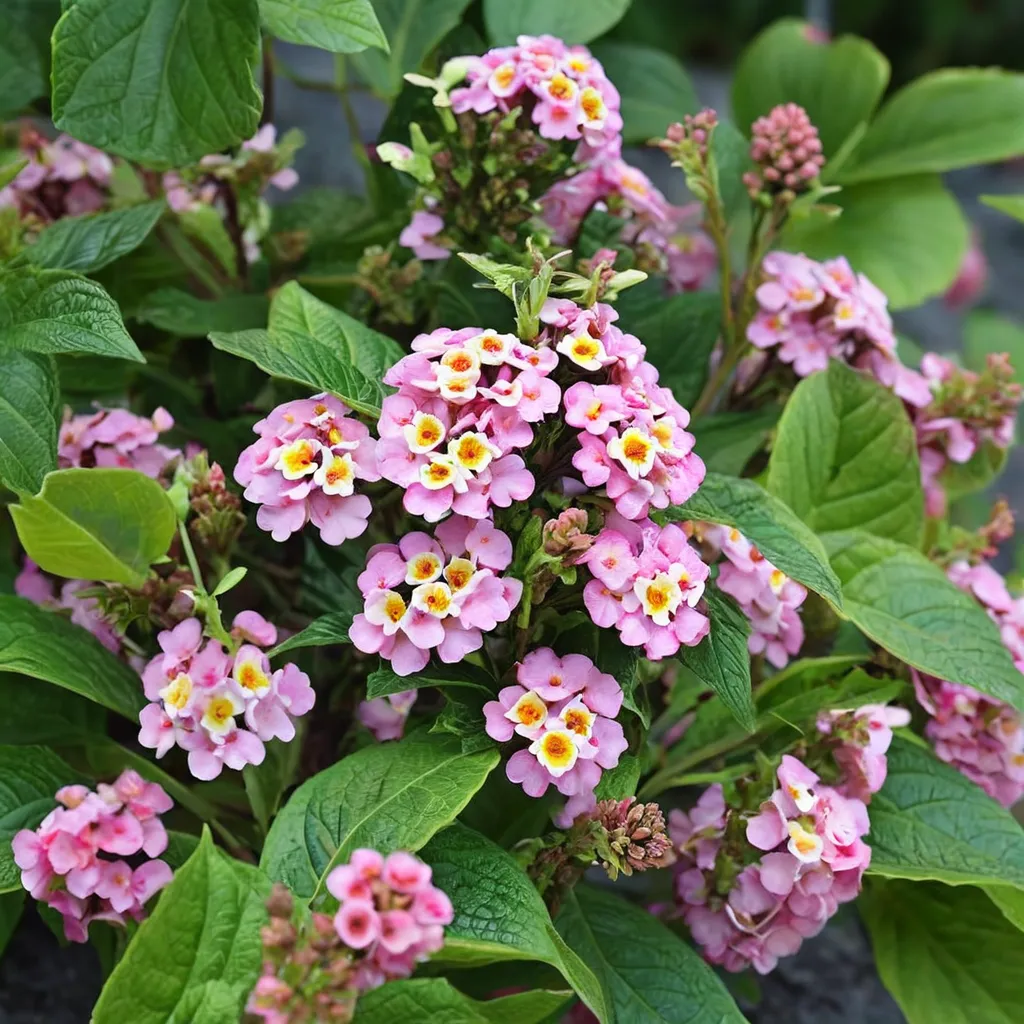
Lantana Camara Luscious Pinkberry Blend
Lantana camara 'Luscious Pinkberry Blend'
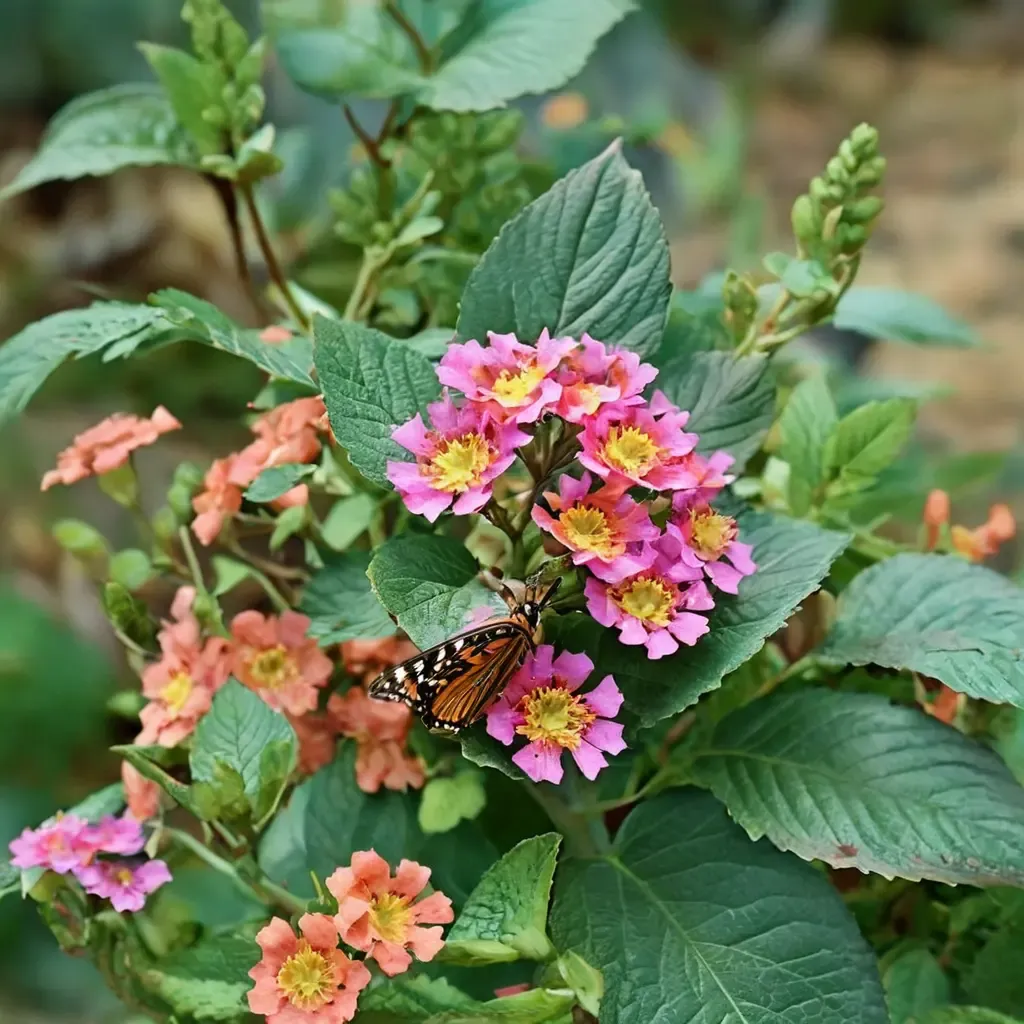
Butterfly Puddler Lantana
Lantana camara 'Butterfly Puddler'
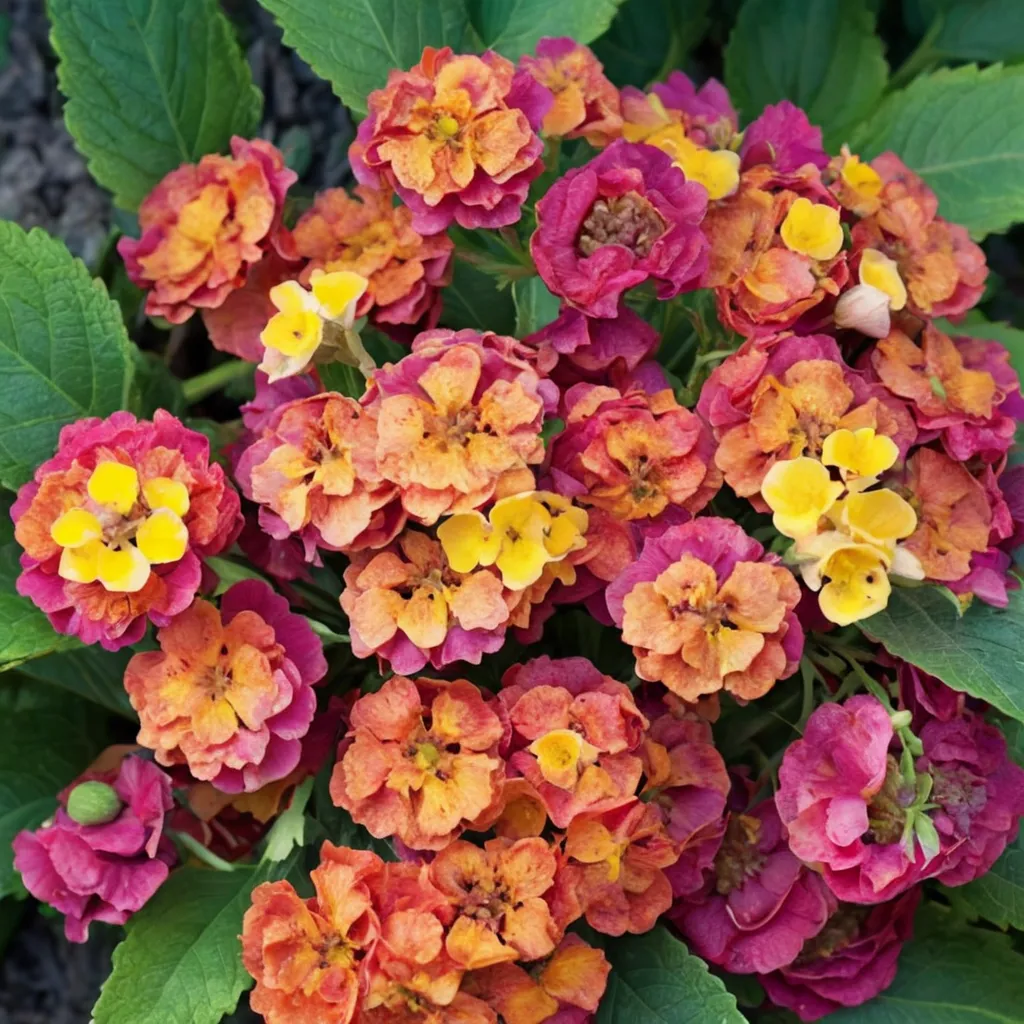
Lantana Cherry Sunrise
Lantana camara 'Cherry Sunrise'
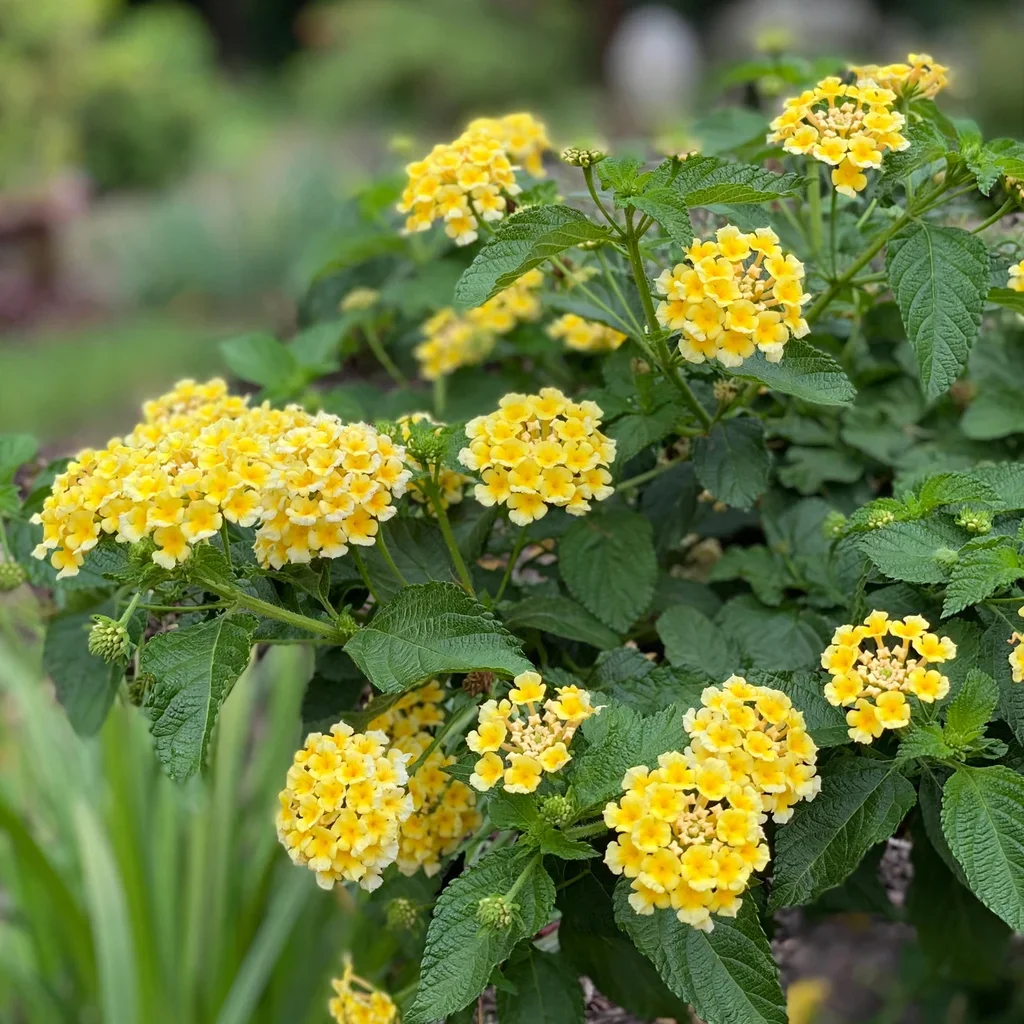
Lantana Luscious Citron
Lantana x hybrida 'Luscious Citron'
Keep exploring
Explore the genus
Hardy in your zone?
Grow Chapel Hill Yellow Lantana with confidence
See it in a design of your actual yard, get zone-matched care reminders, and track it season by season in your garden journal.