Also known as Hyssop · 4.5k saves
Agastache
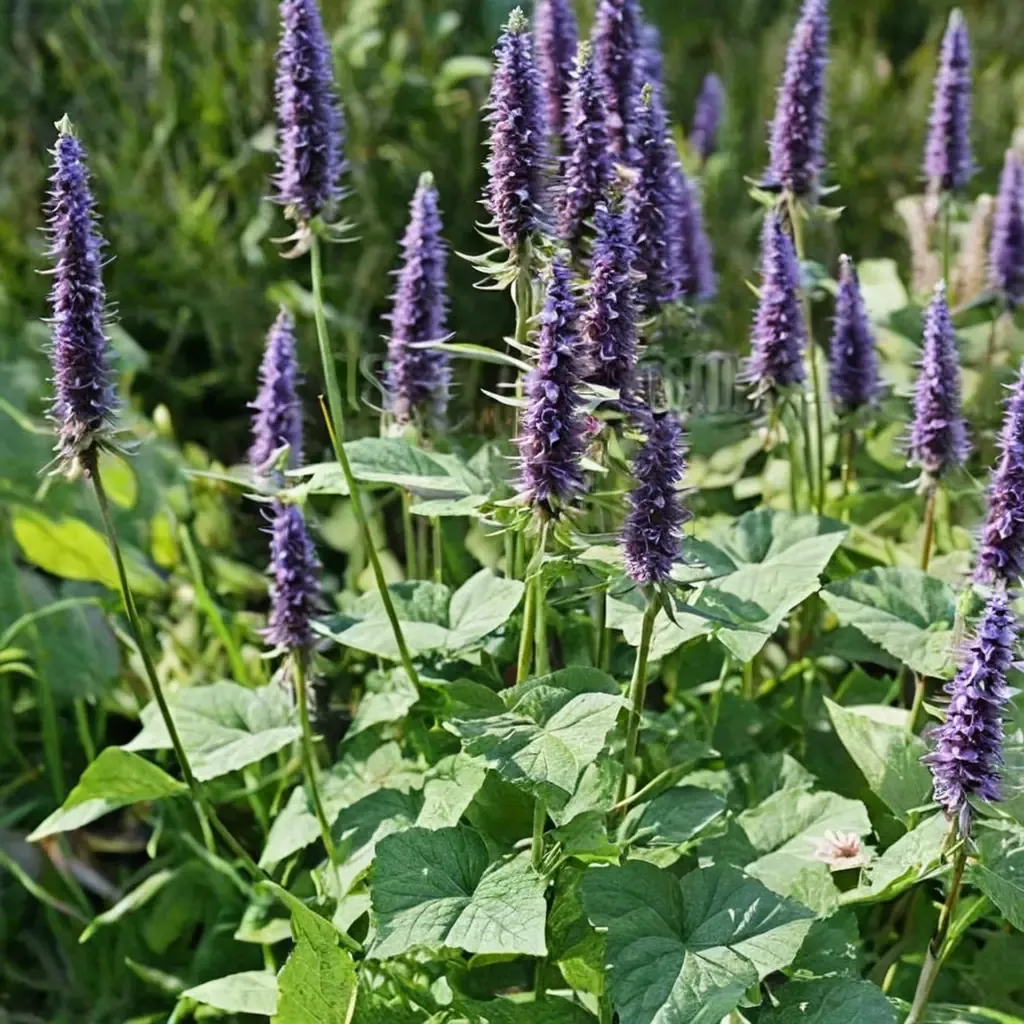
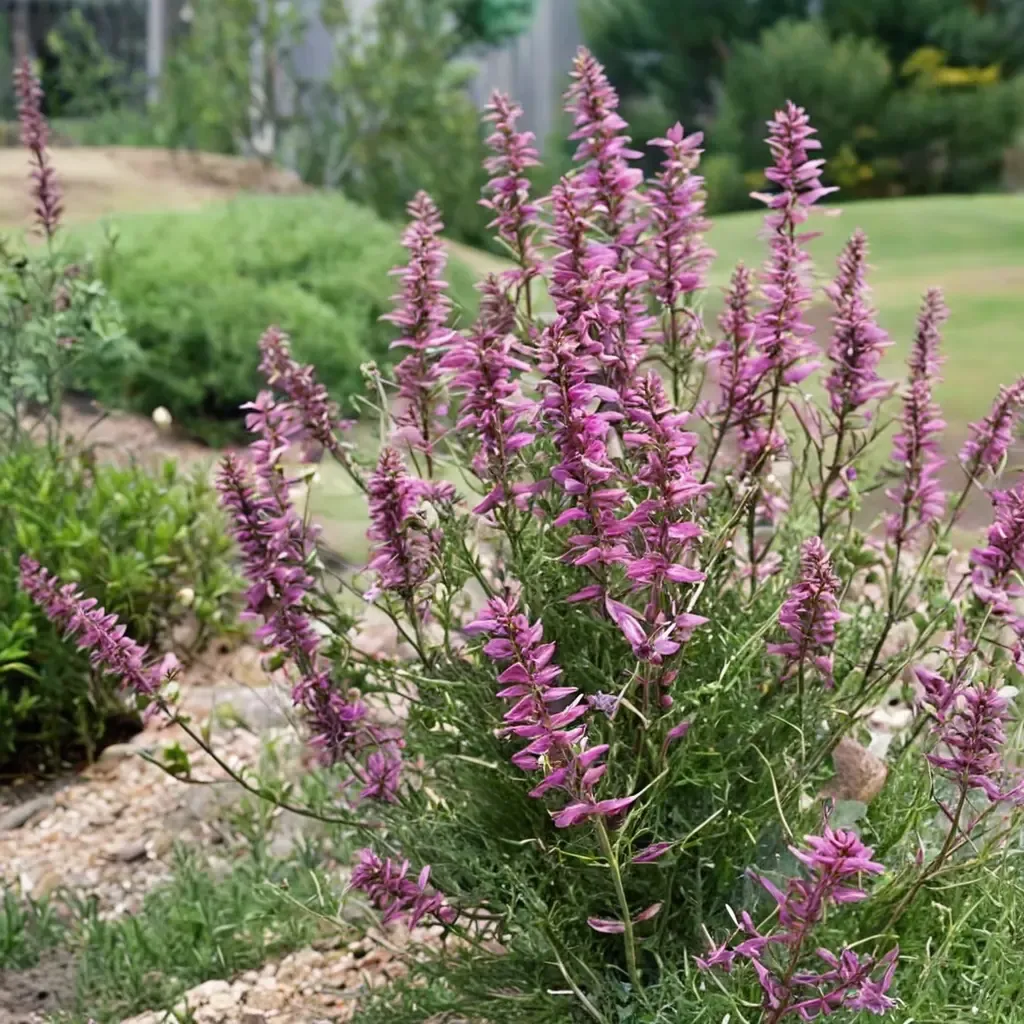
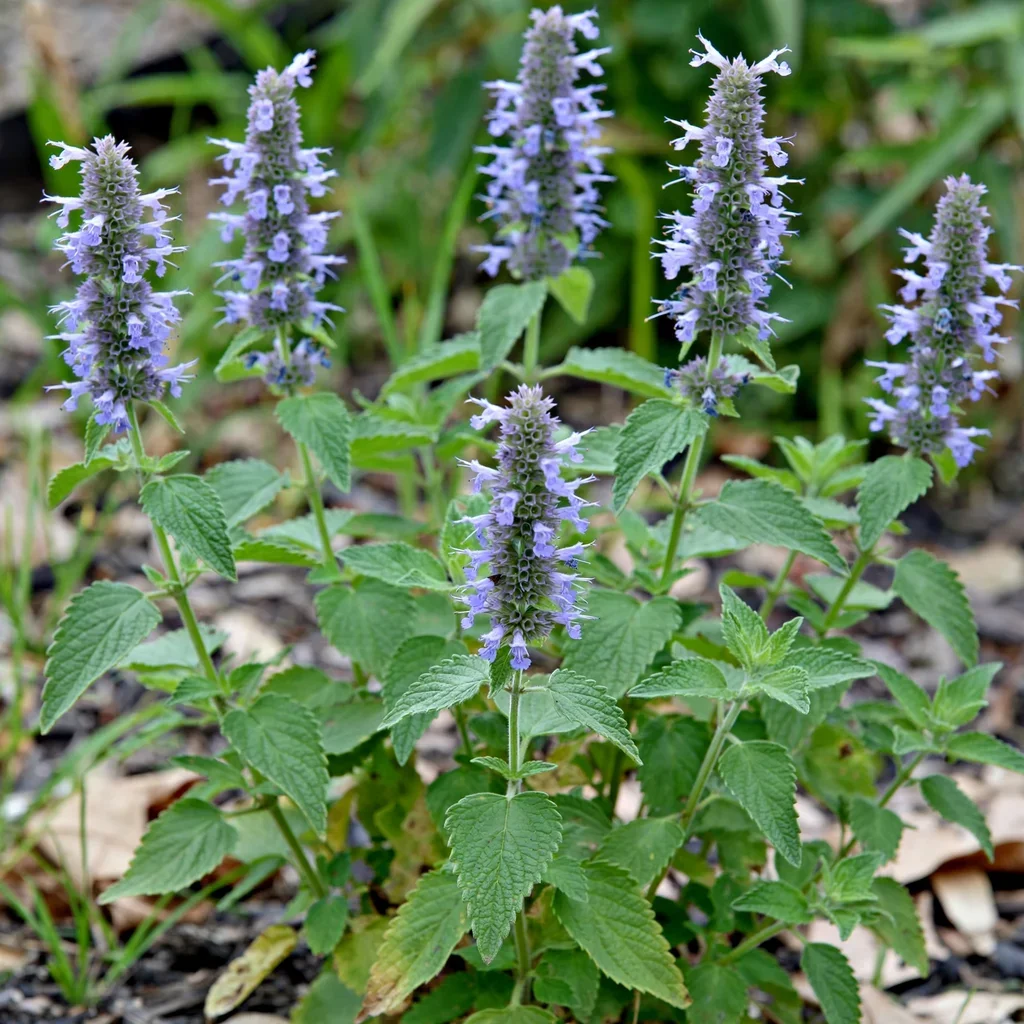
Agastache, the genus most gardeners know as hyssop. We track 59 varieties; the ones most used by real gardeners.
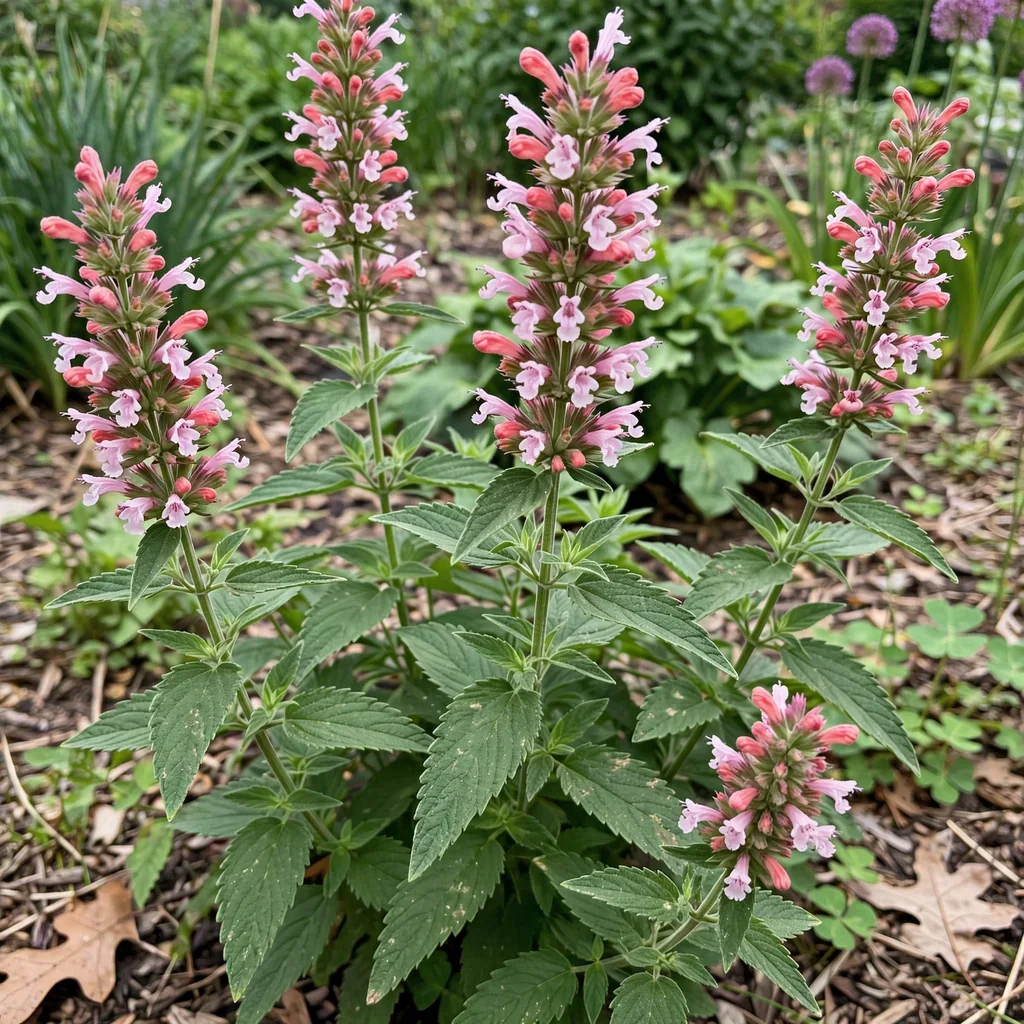
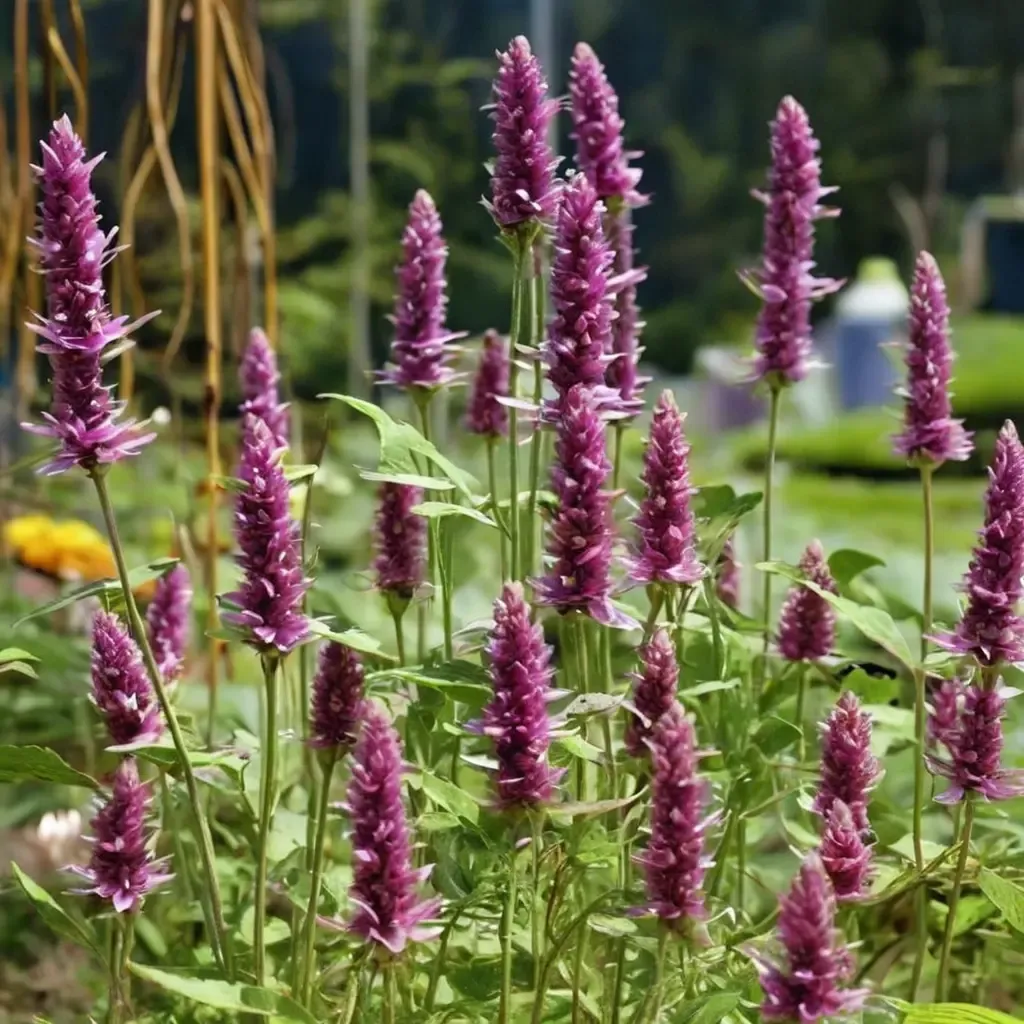
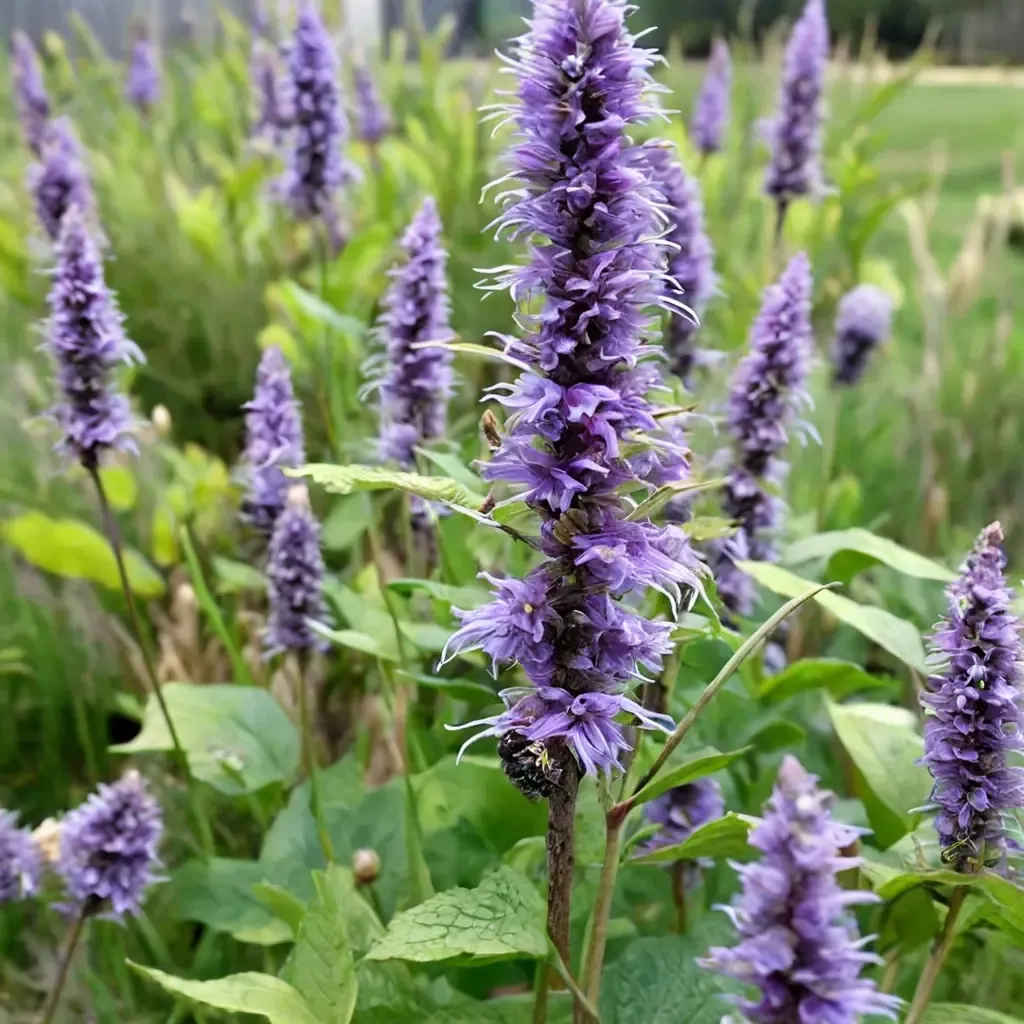
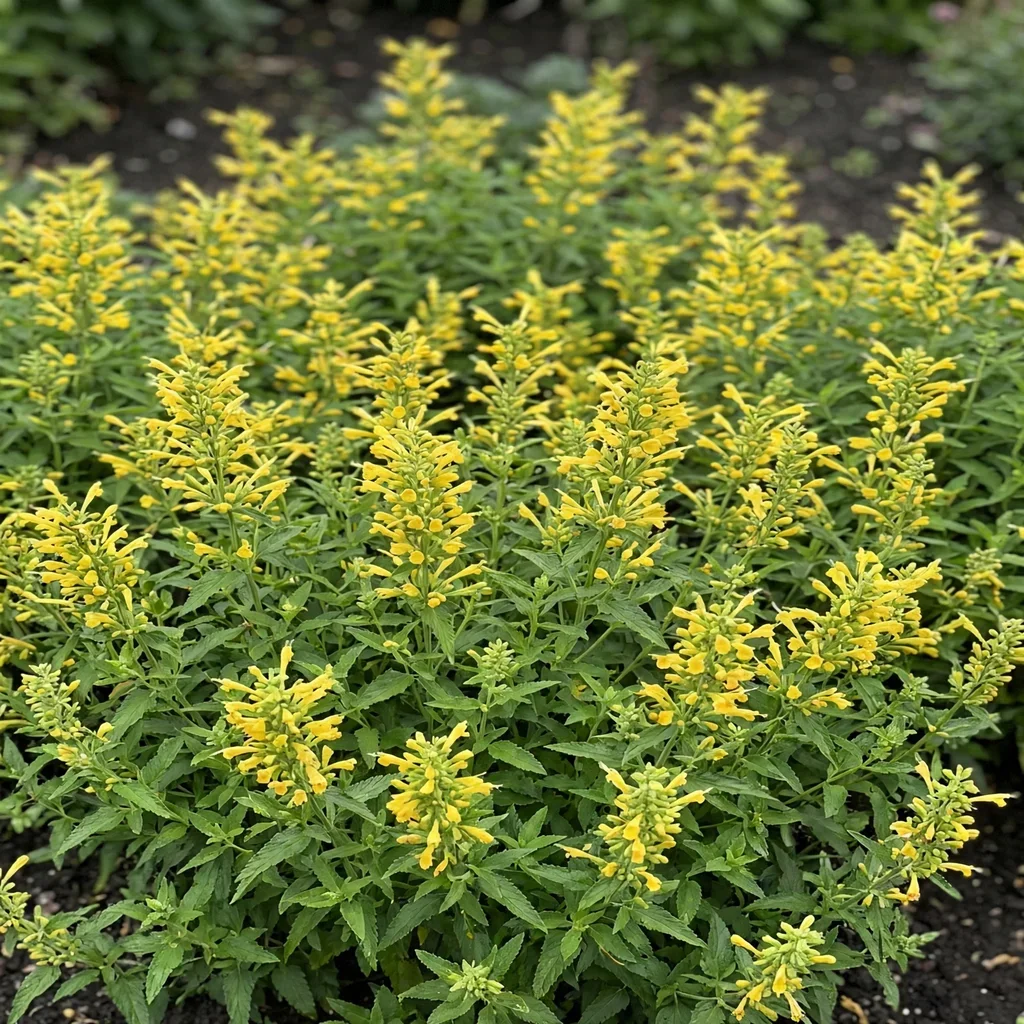
The 24 most-saved Agastache varieties
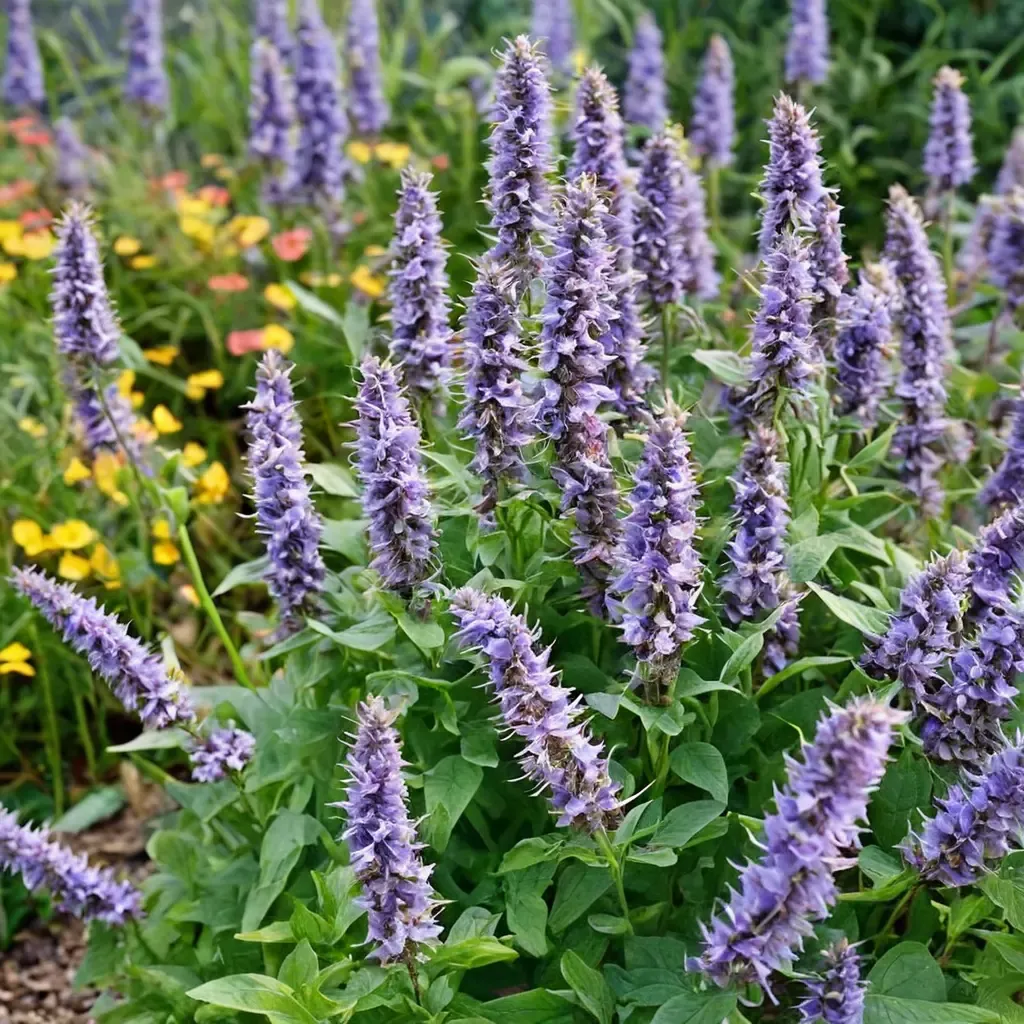
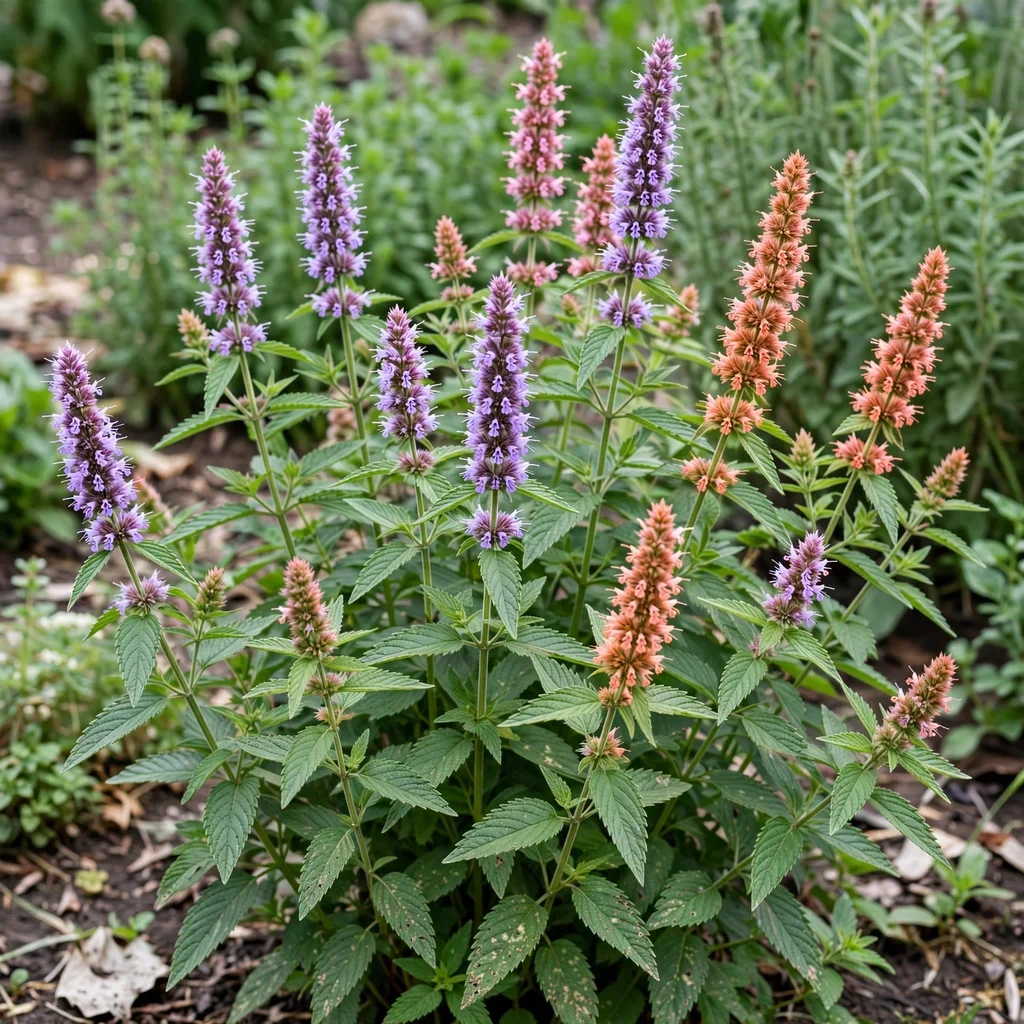
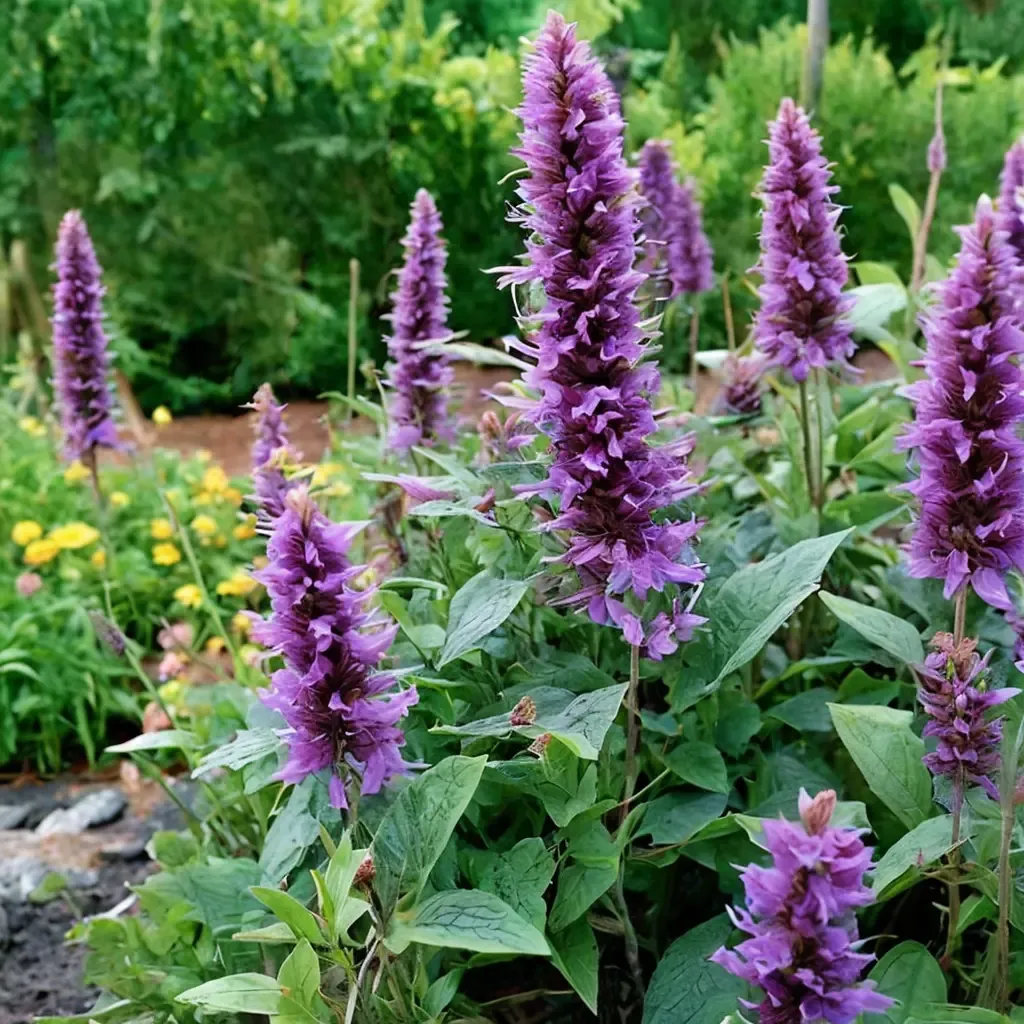
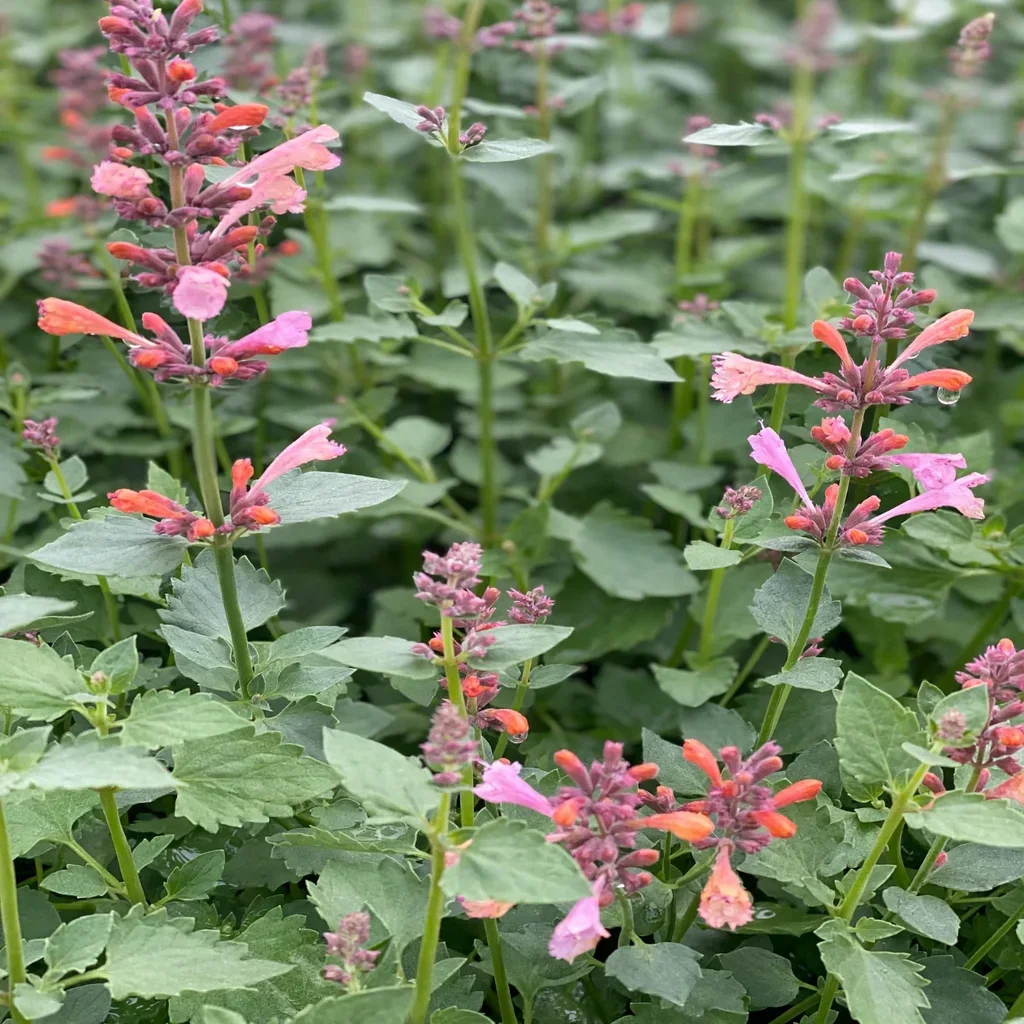
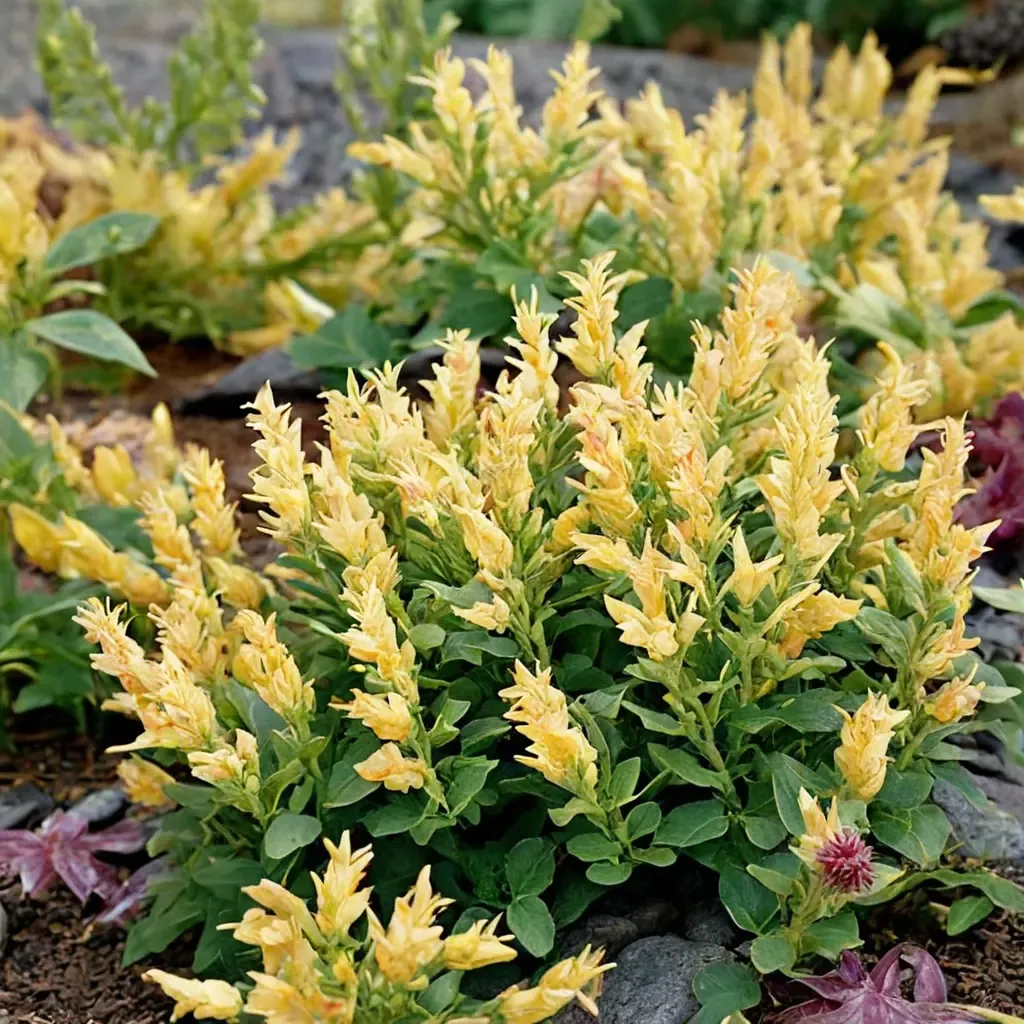
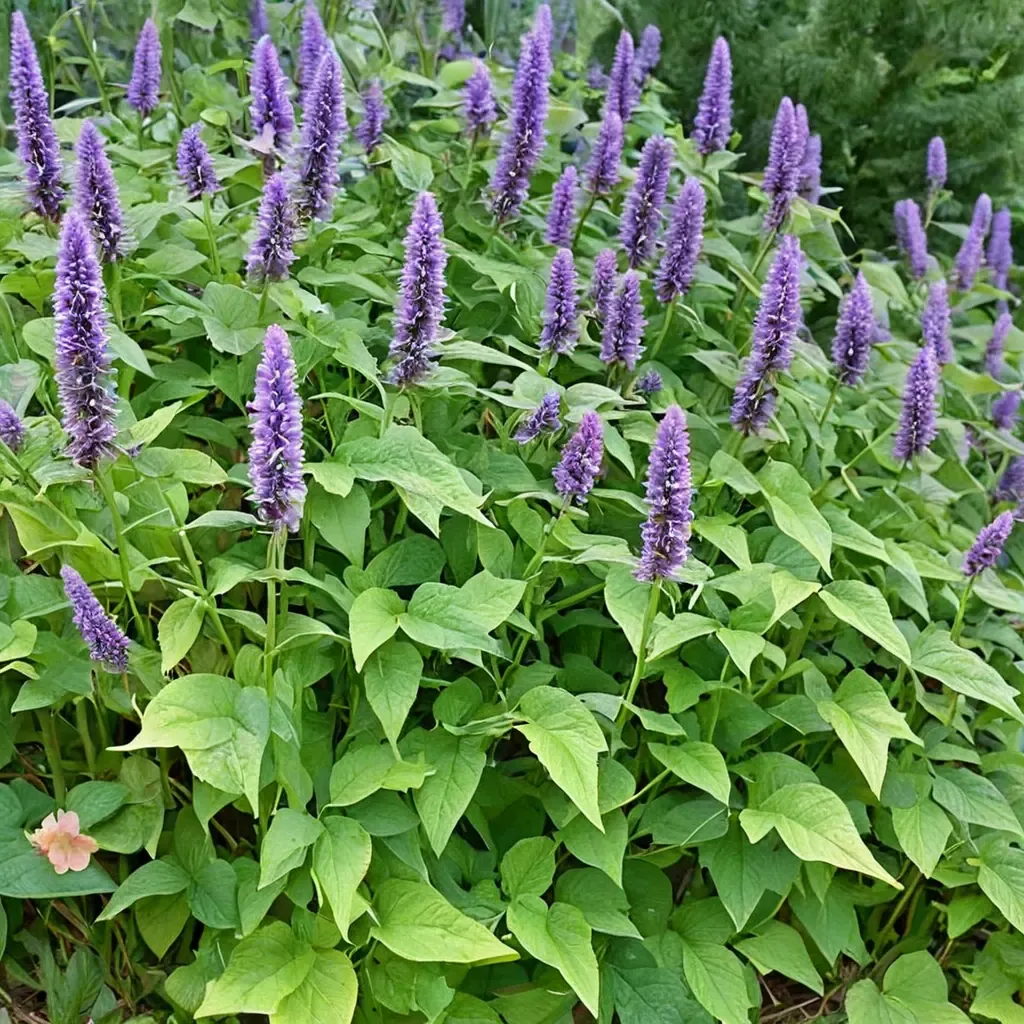
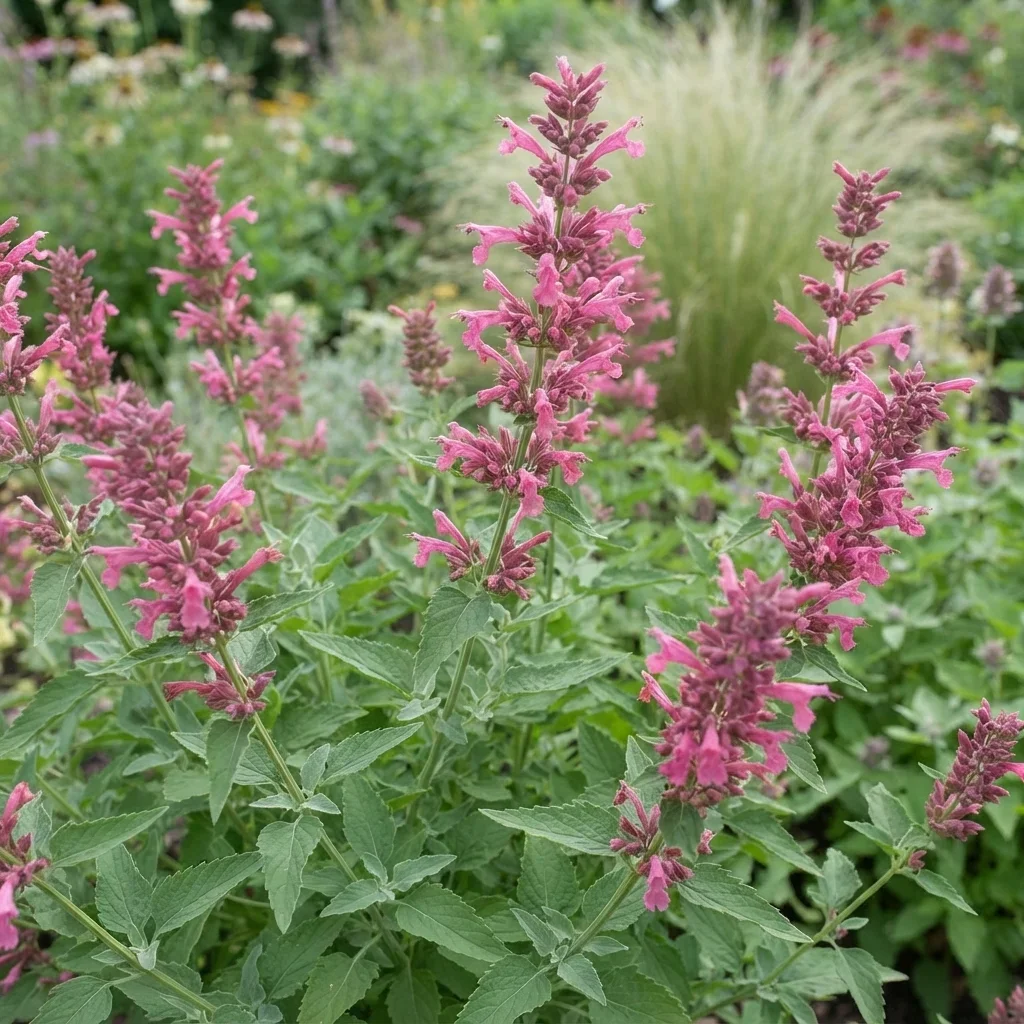
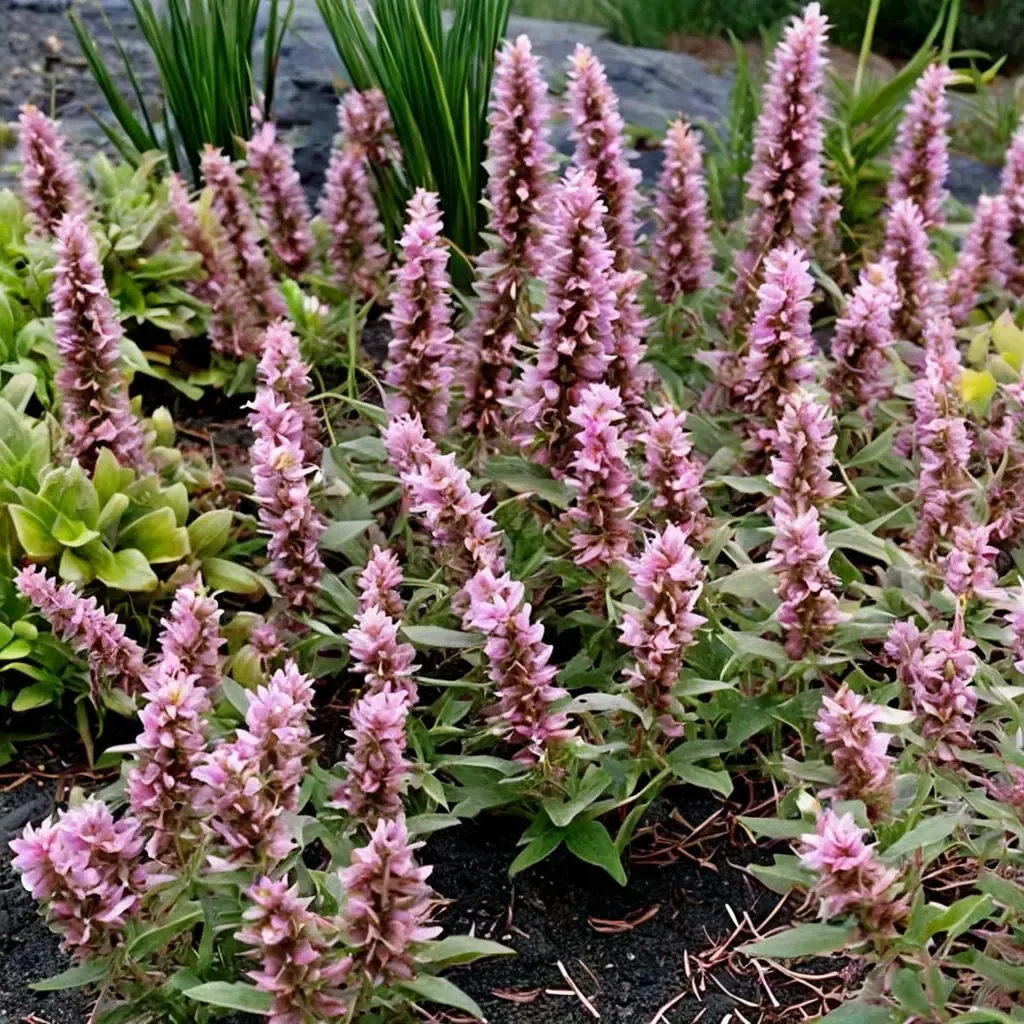
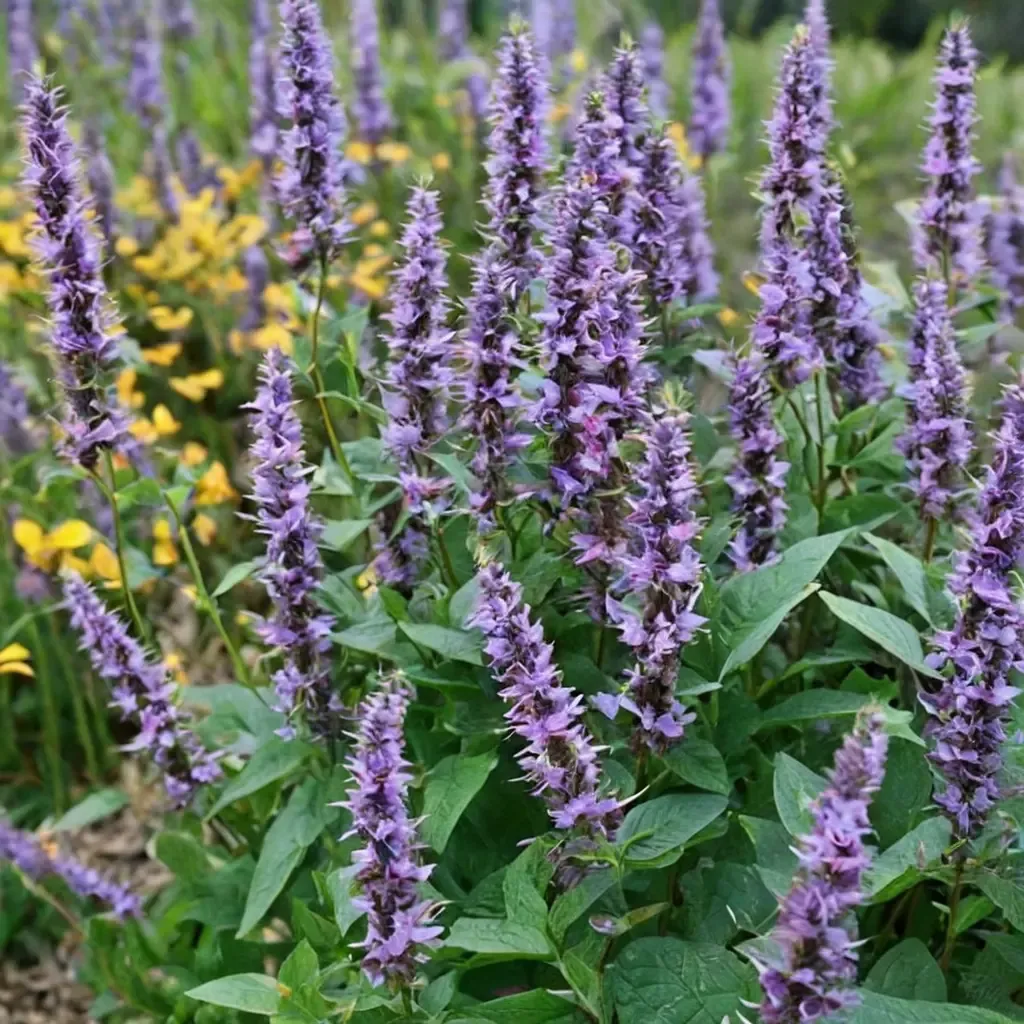
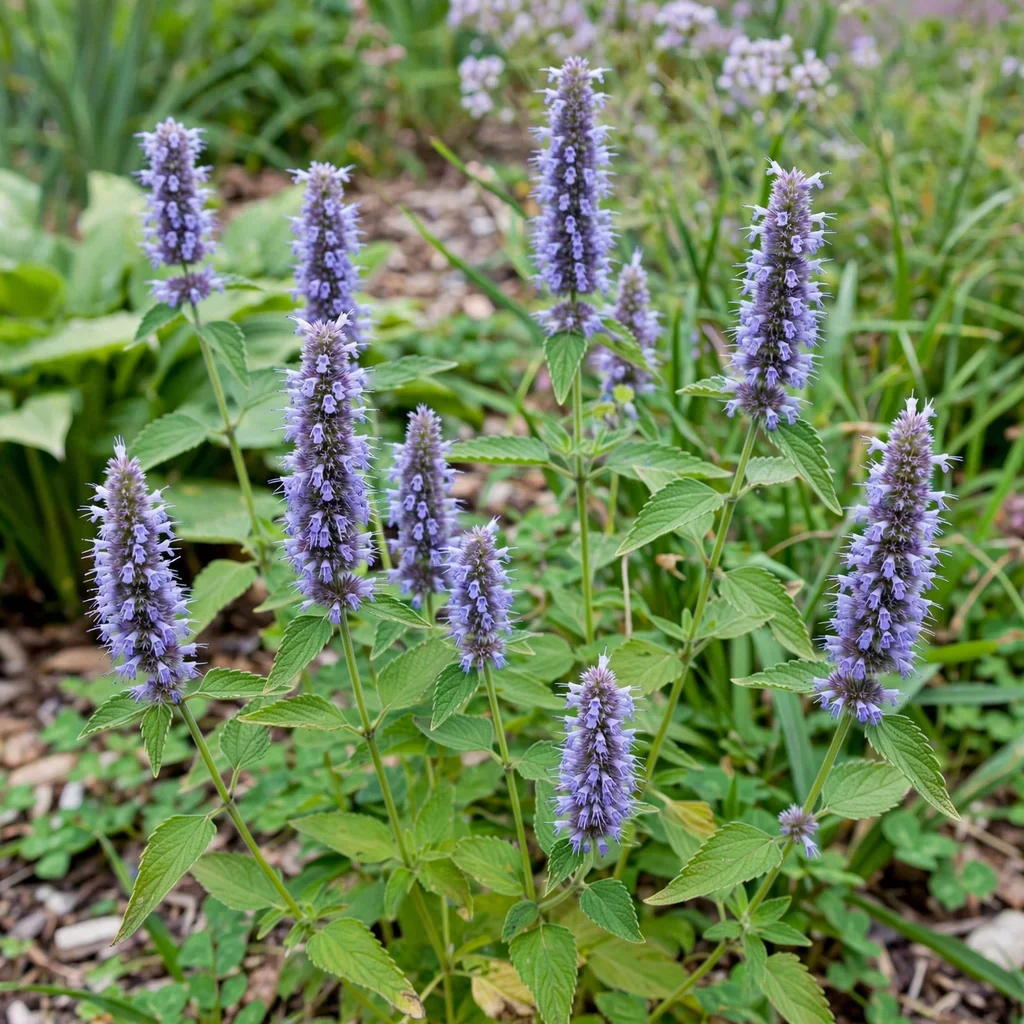
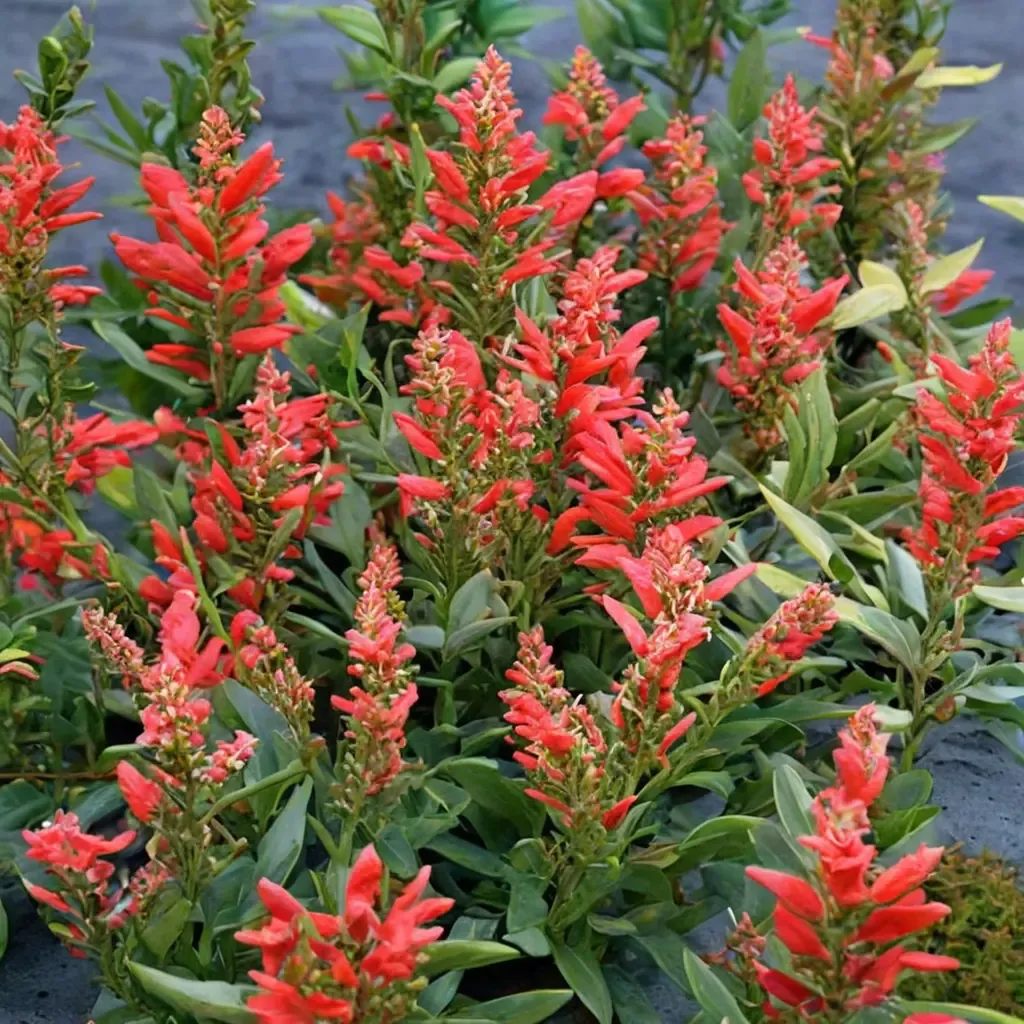
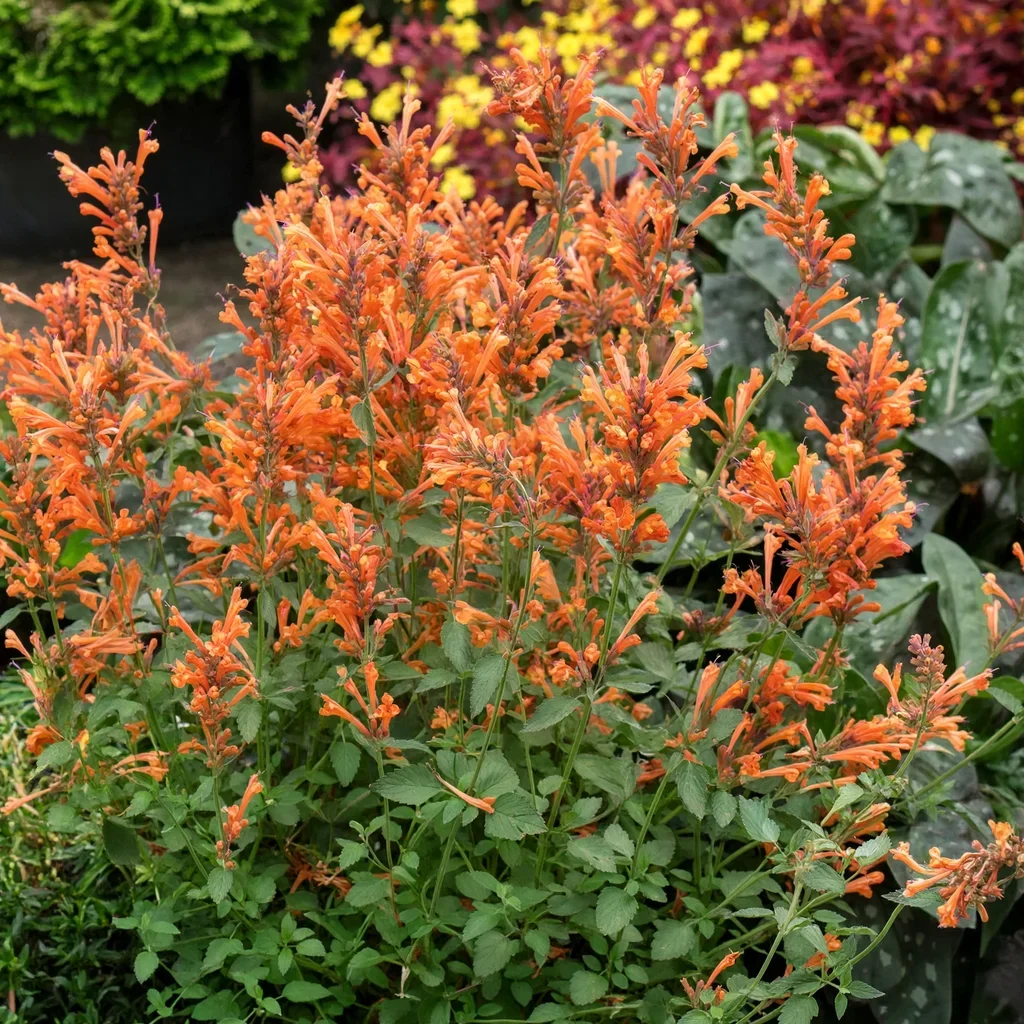
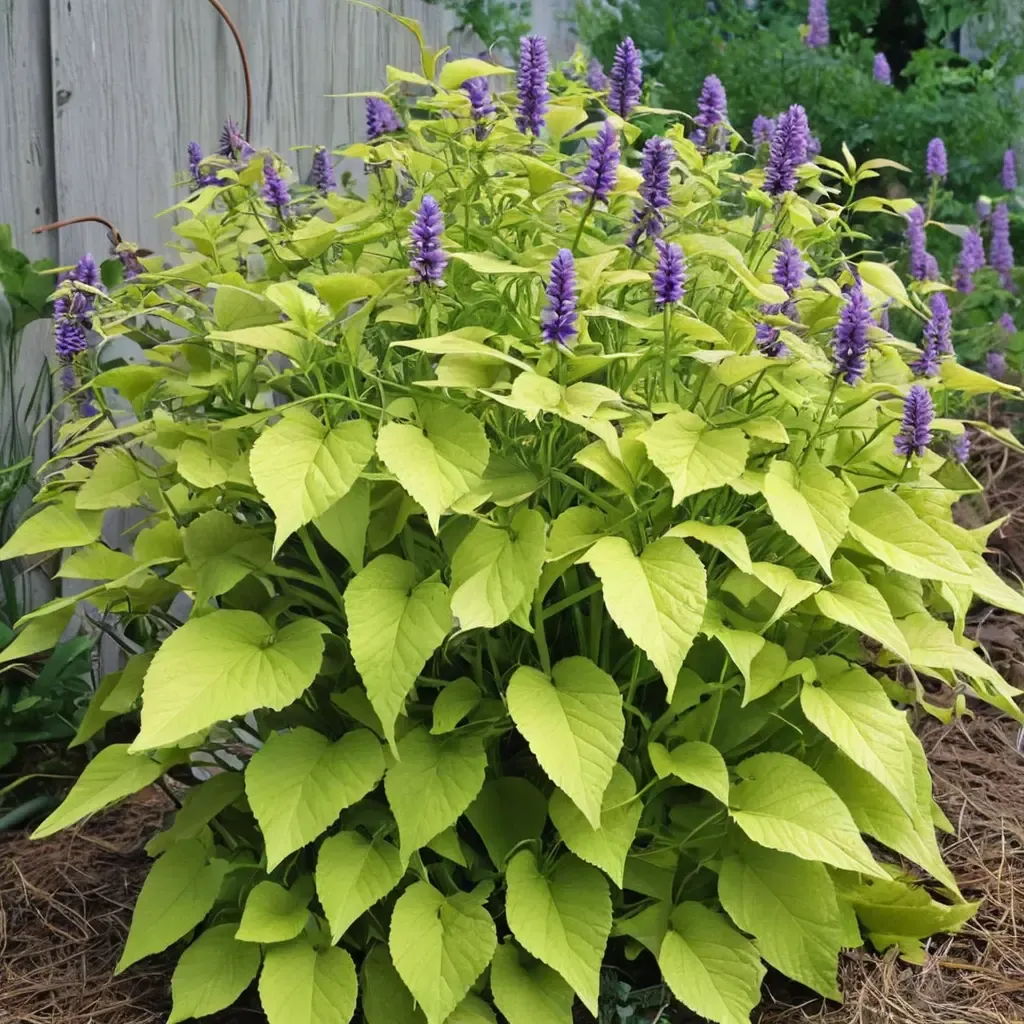
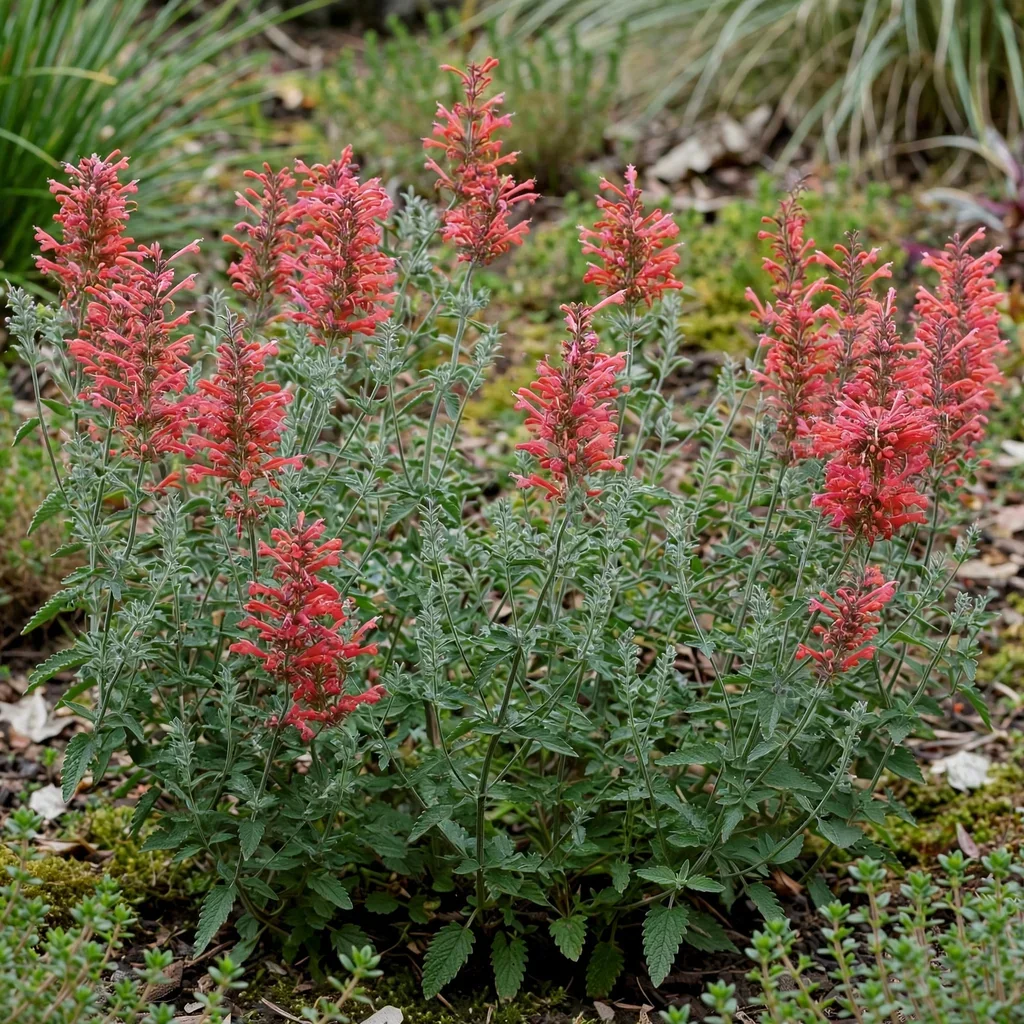
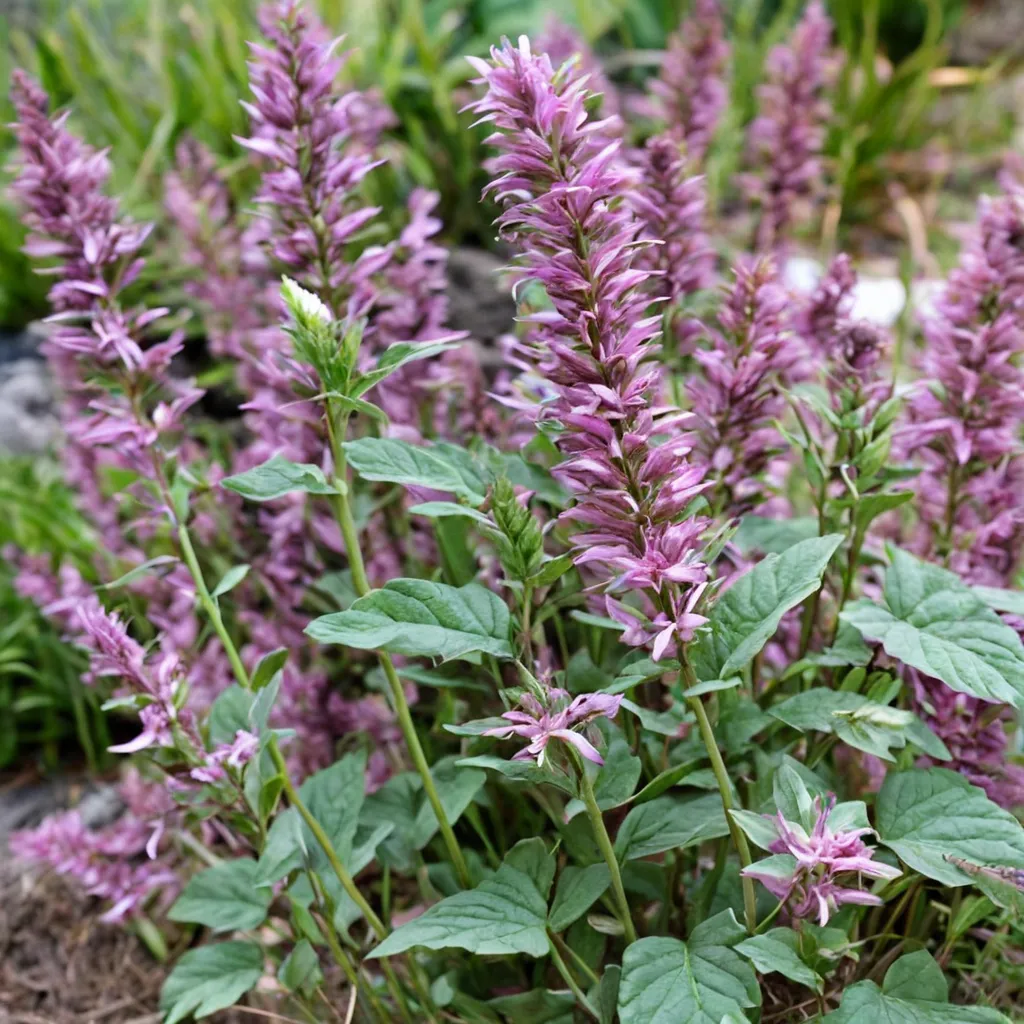
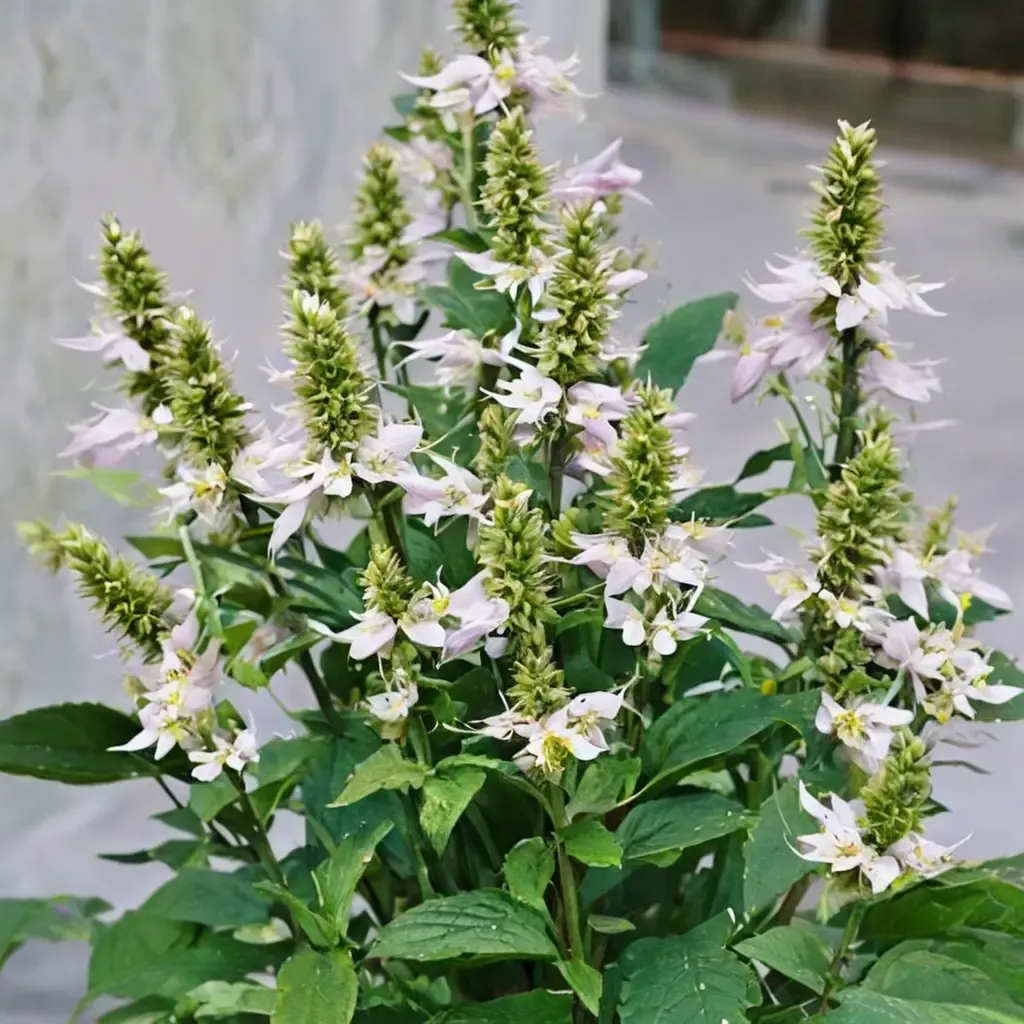
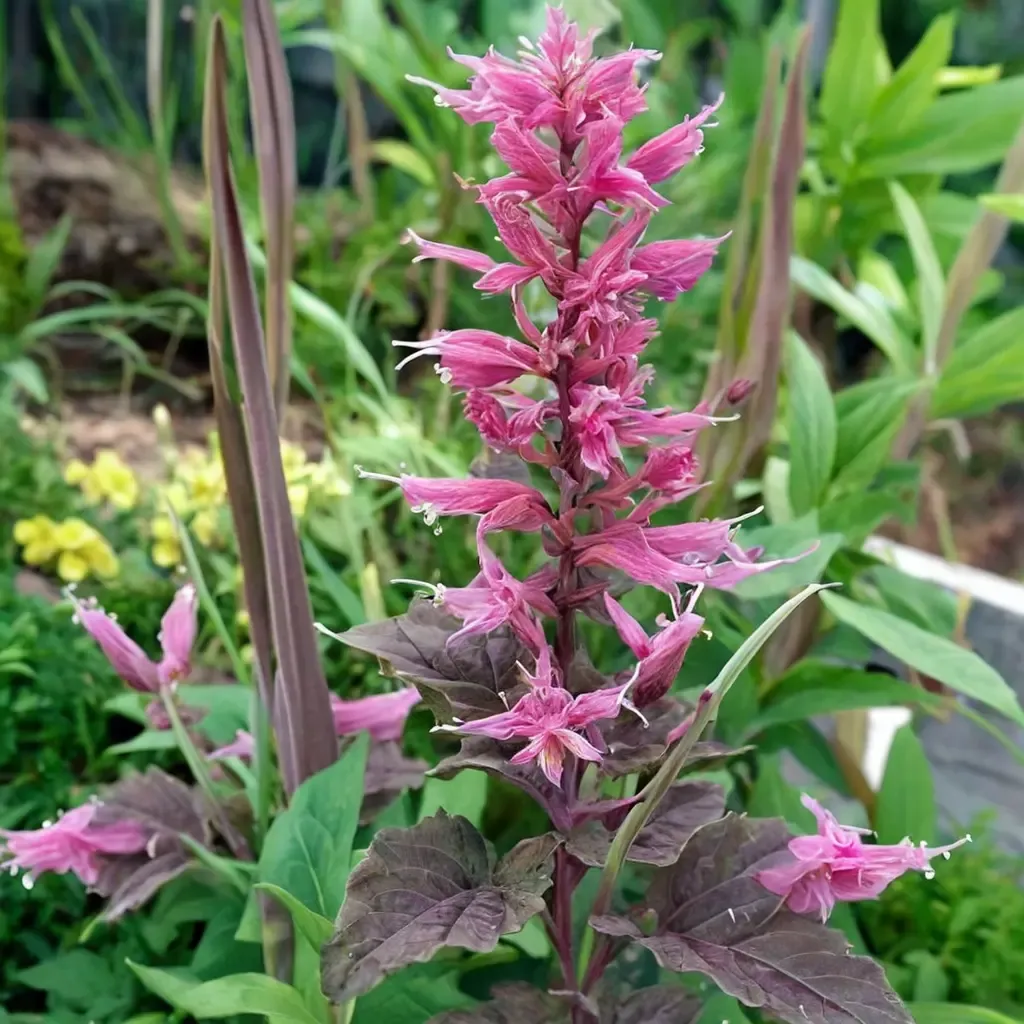
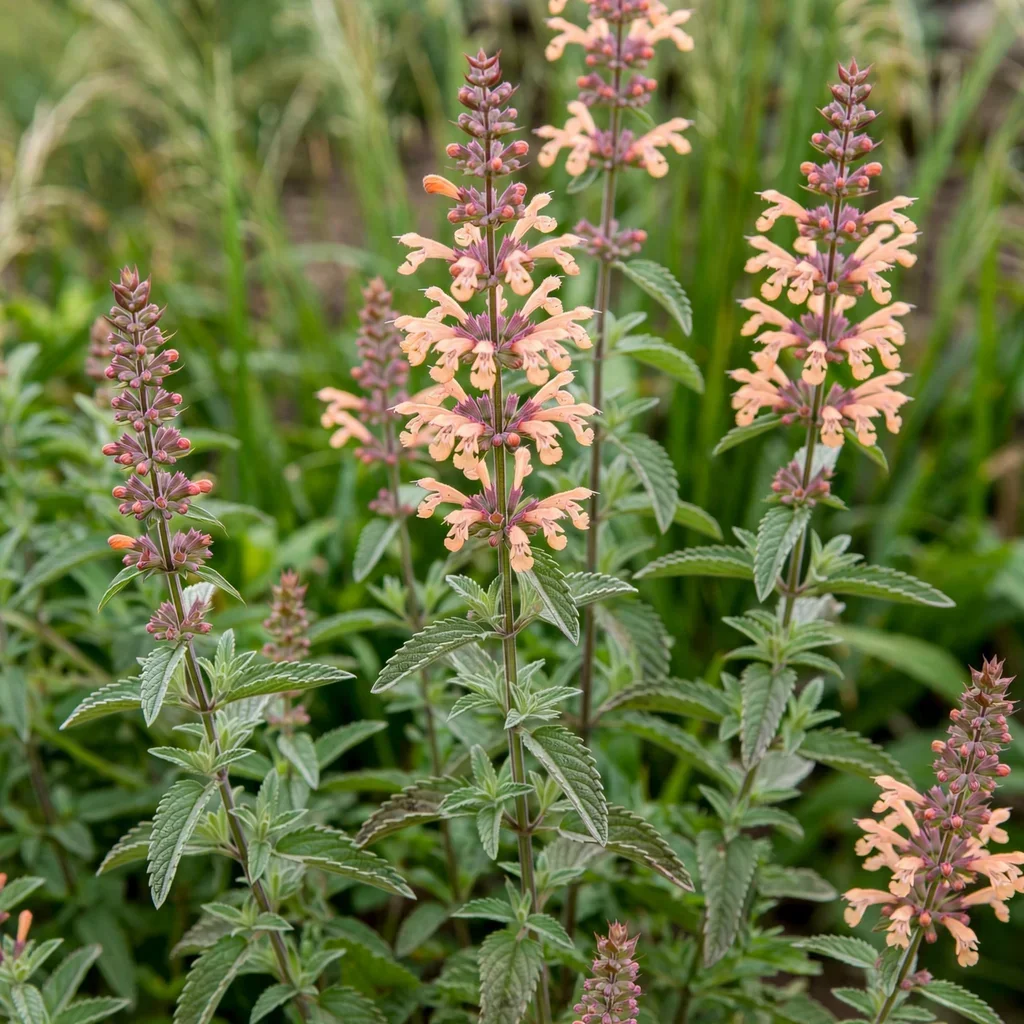
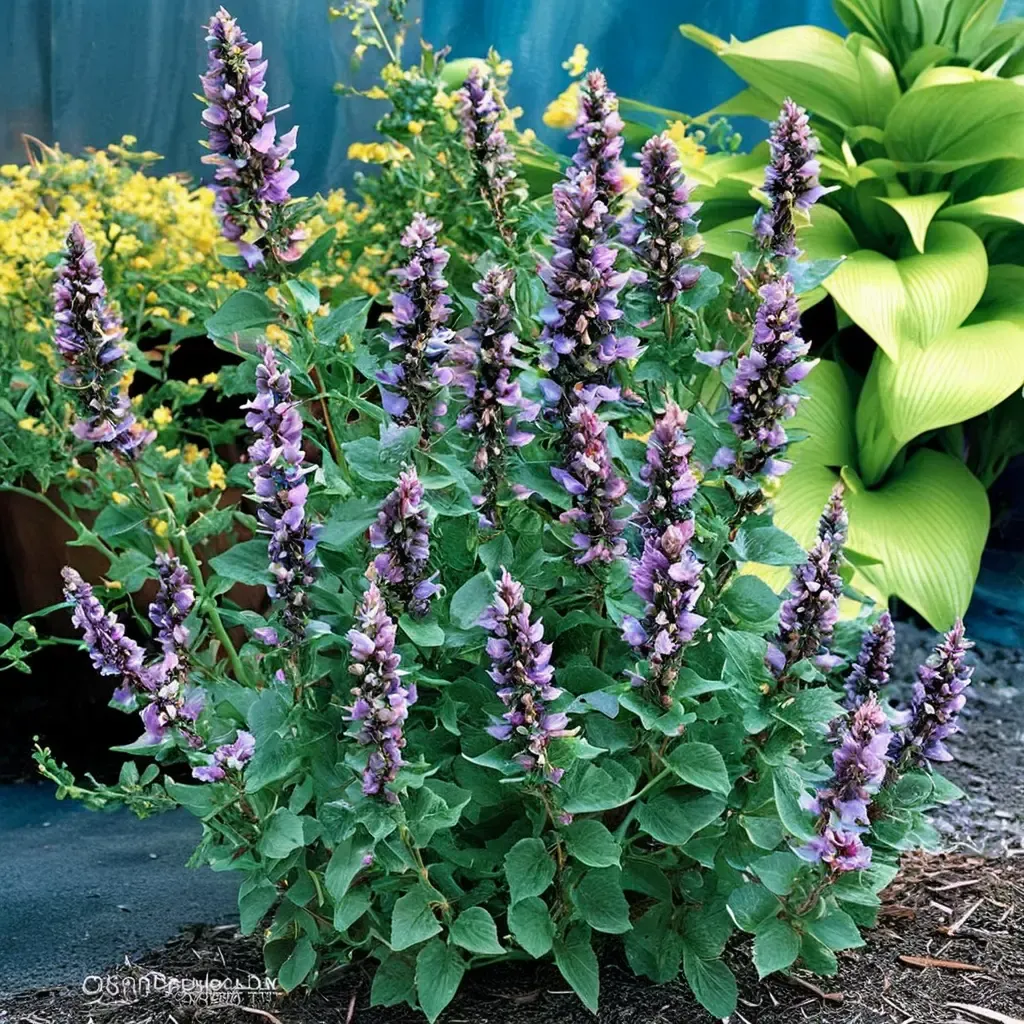
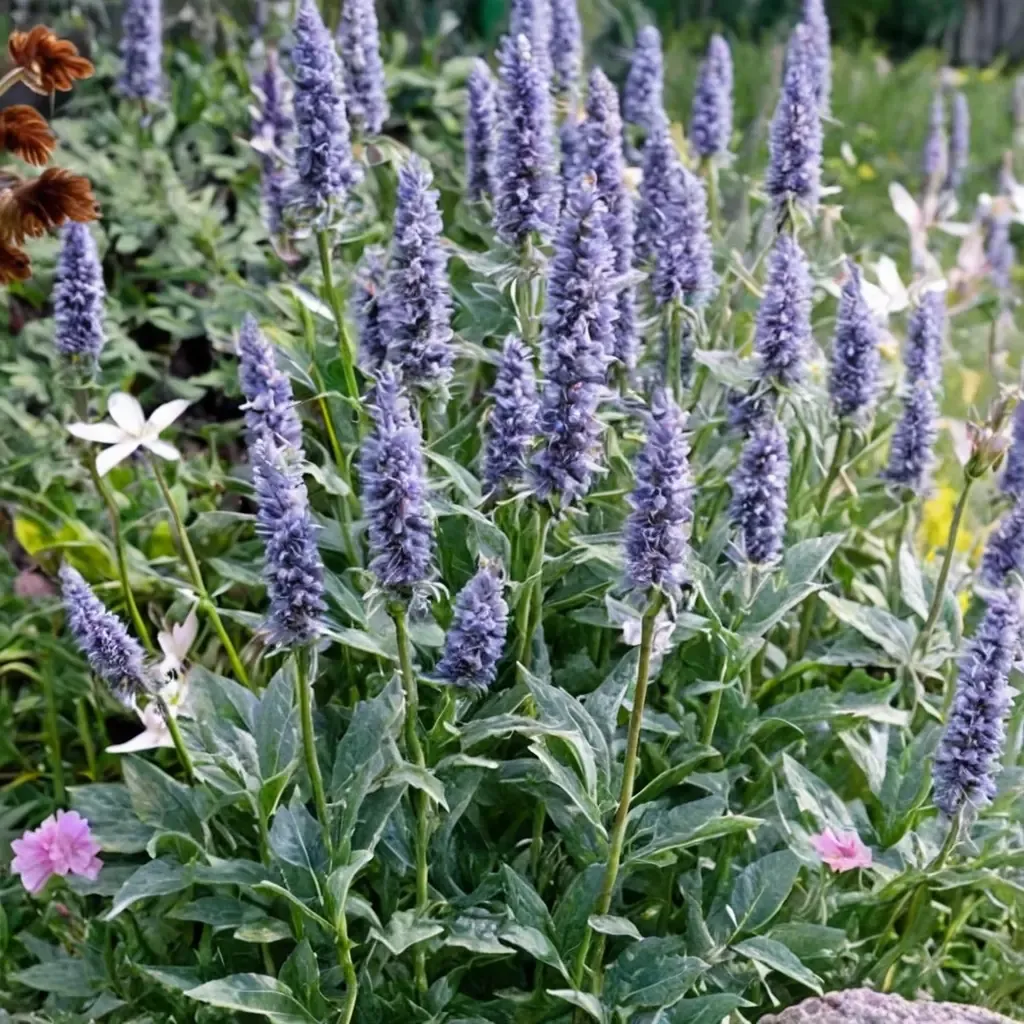
See all 59 Agastache varieties →Search this genus →
5 species of Agastache
Each one is a parent of the varieties above.
Track your Agastache in Sow
Save the Agastache you grow and get care reminders timed to your zone.
How to grow Agastache
Whats common across all Agastache varieties in our catalog — drawn from the care records of the 40 most-grown of them.
The Agastache year
- DeadheadJuly–September90% of varieties
Remove spent flower spikes to maintain a tidy look and encourage new blooms.
- PruneApril53% of varieties
Cut back old, woody stems to 4-6 inches before new growth begins
- DivideApril and October48% of varieties
Divide clumps every 3-5 years in early spring if vigor declines.
- Spring CleanupMarch48% of varieties
Cut back old, dead stems to 2-3 inches before new growth starts in late winter.
- PlantApril, May, October and November43% of varieties
Plant transplants in spring after frost or early fall.
- Winter PrepNovember and December38% of varieties
Leave stems standing over winter to protect the crown from cold.
- HarvestJune–September30% of varieties
Harvest leaves and flowers for tea or flavoring throughout summer


Do
- Water deeply during dry spells 🌱
- Water deeply once a week during dry spells 🌱
- Mulch to retain soil moisture and suppress weeds
- Water regularly during dry spells 🌱
- Prune after flowering to encourage bushiness
Avoid
- Avoid overwatering to prevent root rot ❌
- Avoid overwatering, which can cause root rot ❌
- Overwater, which can cause root rot ❌
- Allow soil to become waterlogged
What goes wrong with Agastache
| Problem | What you'll see | What to do |
|---|---|---|
| Aphids | Sticky residue and distorted leaves | Spray with insecticidal soap or neem oil |
| Spider Mites | Fine webbing on leaves | Use insecticidal soap or horticultural oil |
| Spider mites | Fine webbing on leaves | Introduce beneficial predatory mites or use insecticidal soap |
| None significant | The aromatic oils in the foliage make it highly resistant to pests. | No action is typically required. |
| Powdery Mildew | White powder on leaves | Improve air circulation and apply fungicide |
| Powdery mildew | White powdery coating on leaves | Improve air circulation and apply neem oil |
| Root rot | Wilting and yellowing leaves | Improve drainage and reduce watering |
Making more Agastache
Seed
- Tuck seeds into moist soil in early spring.
- Keep soil consistently moist for 2-3 weeks.
- Thin seedlings to prevent overcrowding.
Cuttings
- Select healthy semi-hardwood stems in late summer.
- Mist cuttings and insert into moist potting mix.
- Keep in bright, indirect light for 6 weeks until roots develop.
Agastache questions
How many types of Agastache are there?
The Sow catalog tracks 59 distinct Agastache varieties. The most popular — ranked by 4.5k real gardeners — are shown first above.
What zones does Agastache grow in?
Across its varieties, Agastache covers USDA Zones 4–10. Individual varieties differ — each plant page lists its exact range, and Sow filters the catalog to your zone automatically.
When does Agastache bloom?
Most Agastache varieties bloom in mid-summer, summer to fall, summer to fall. Staggering early, mid, and late varieties extends the genus's season in one bed.
Which Agastache should I choose?
Start from the most-saved varieties above — popularity across thousands of gardens is a strong signal of reliability — then filter by your zone and sun. In the Sow app you can preview any of them in a photo of your actual yard before you buy.