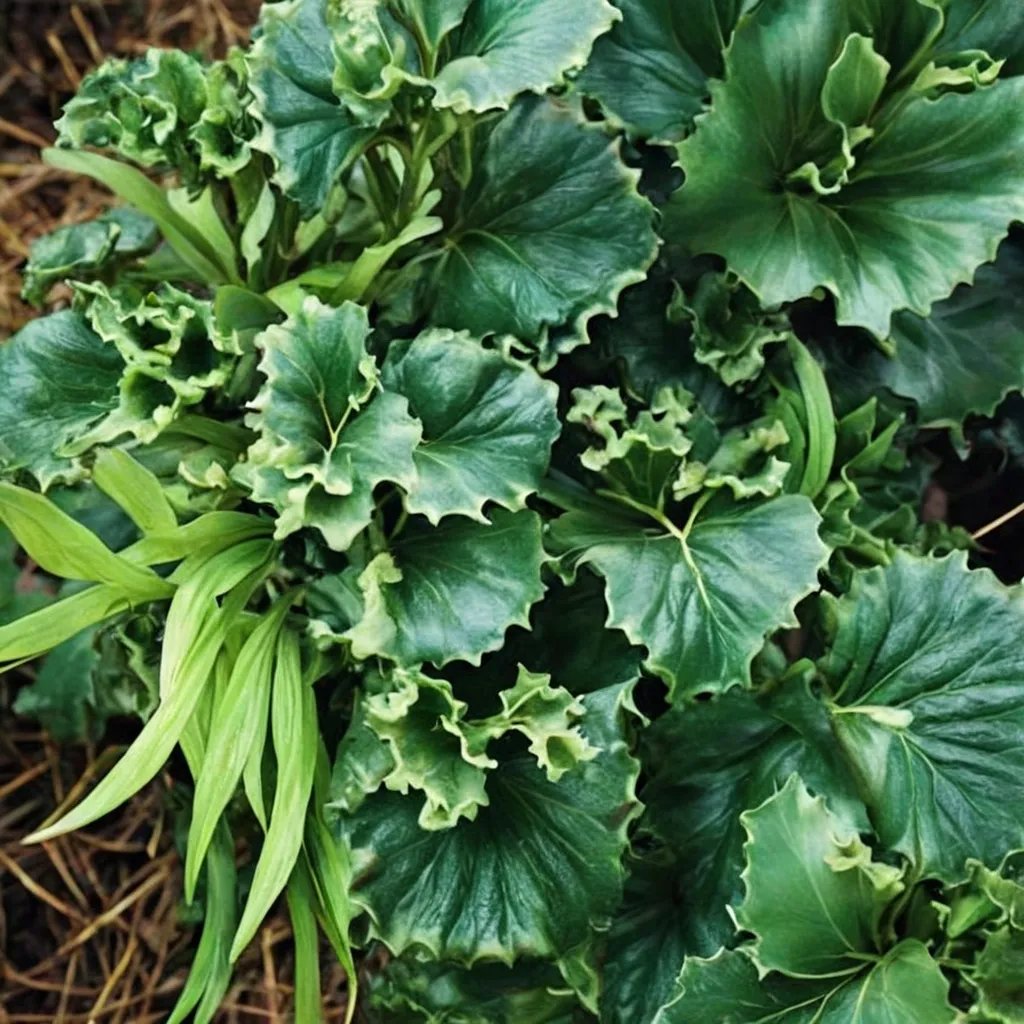
Species
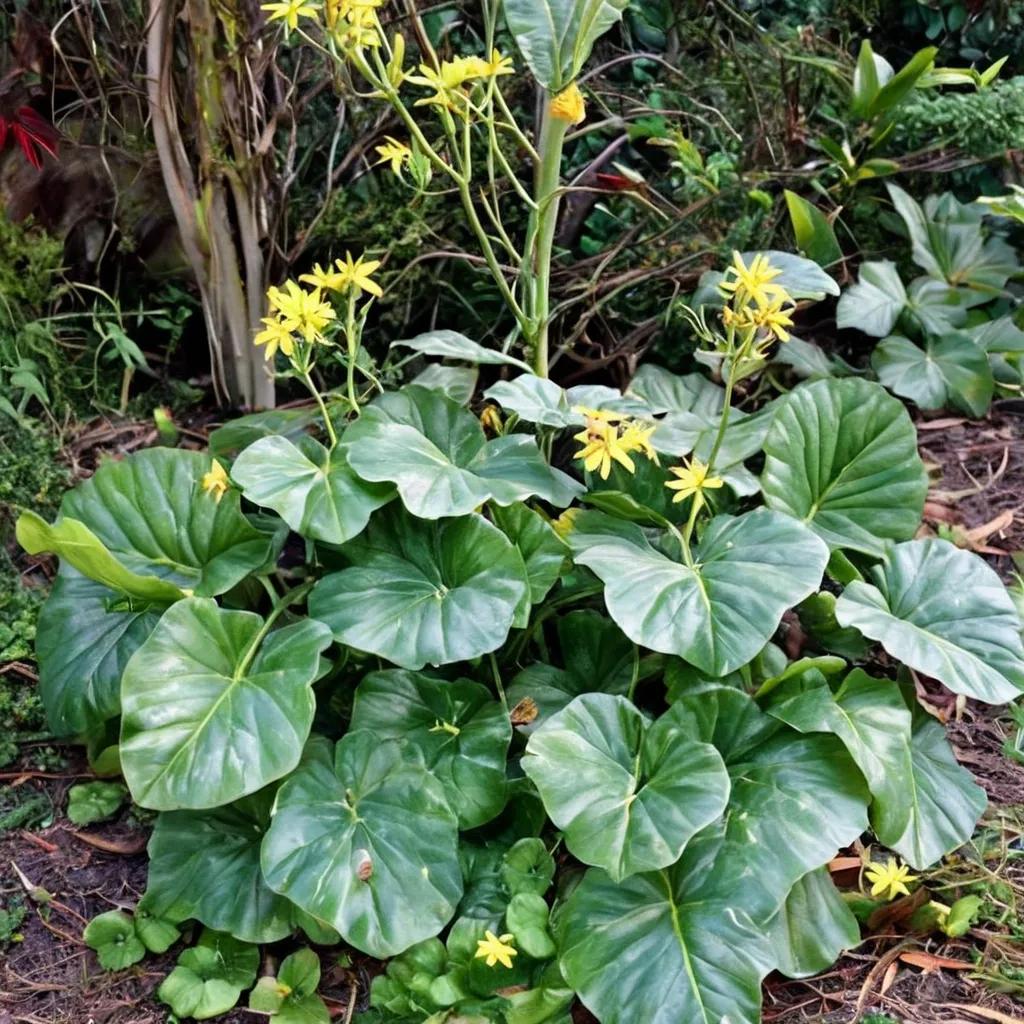 Farfugium japonicumJapanese Leopard Plant
13 other cultivars
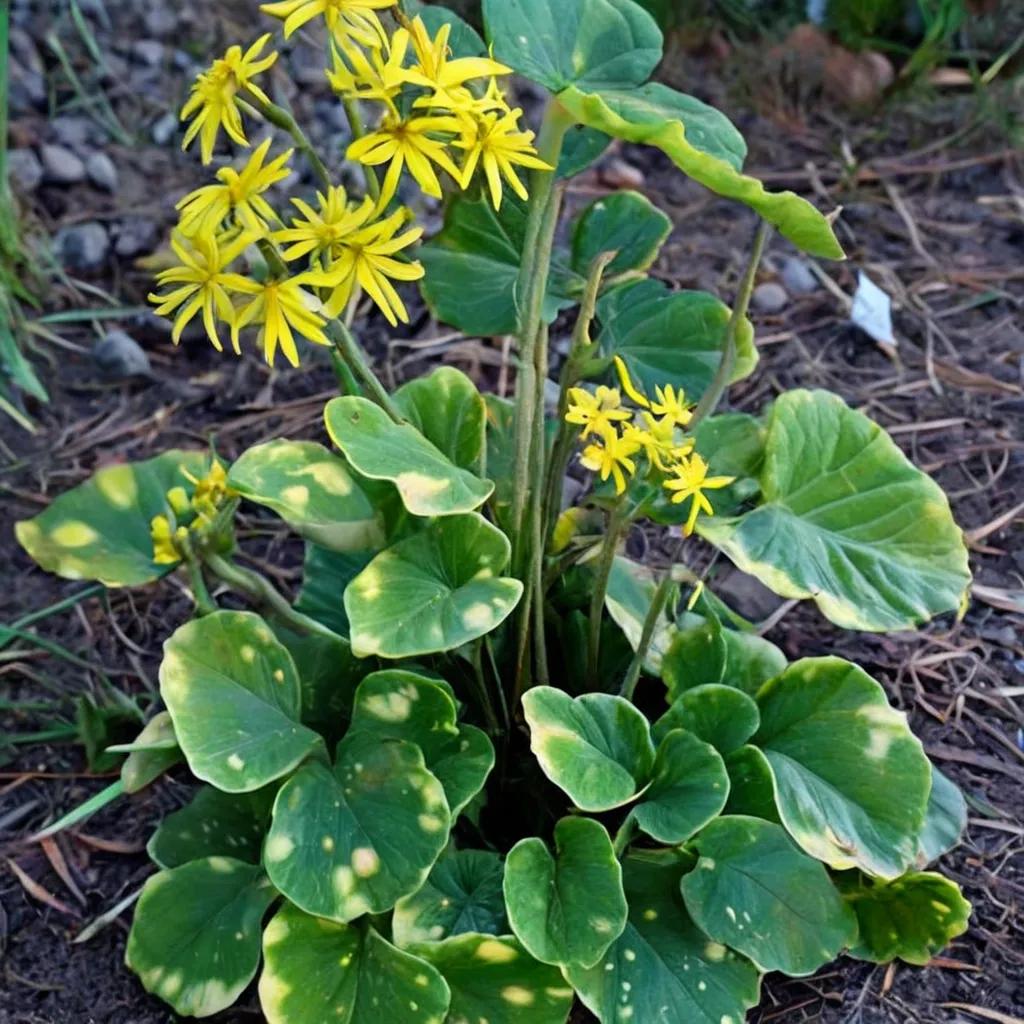 ‘Basho Ogi’Basho Ogi Japanese Leopard Plant
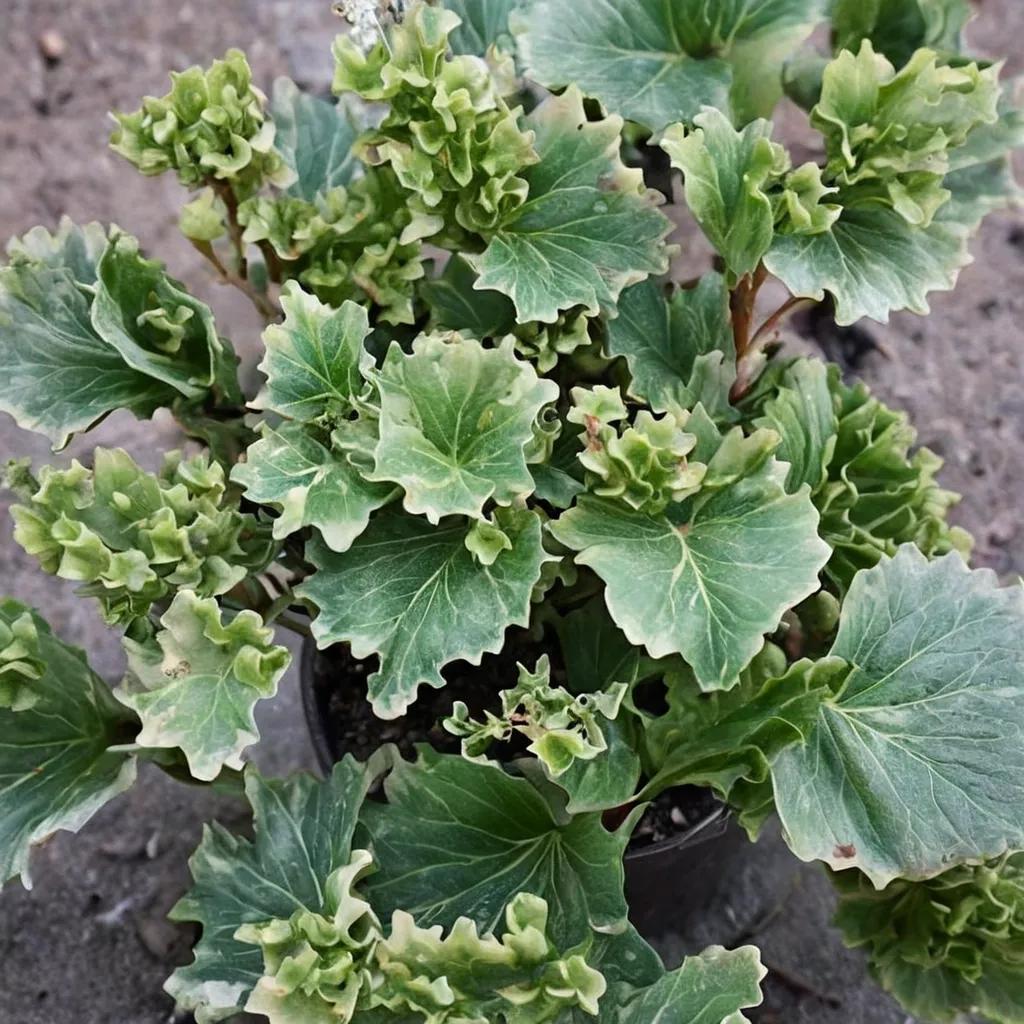 ‘Shishi Botan’Shishi Botan Leopard Plant
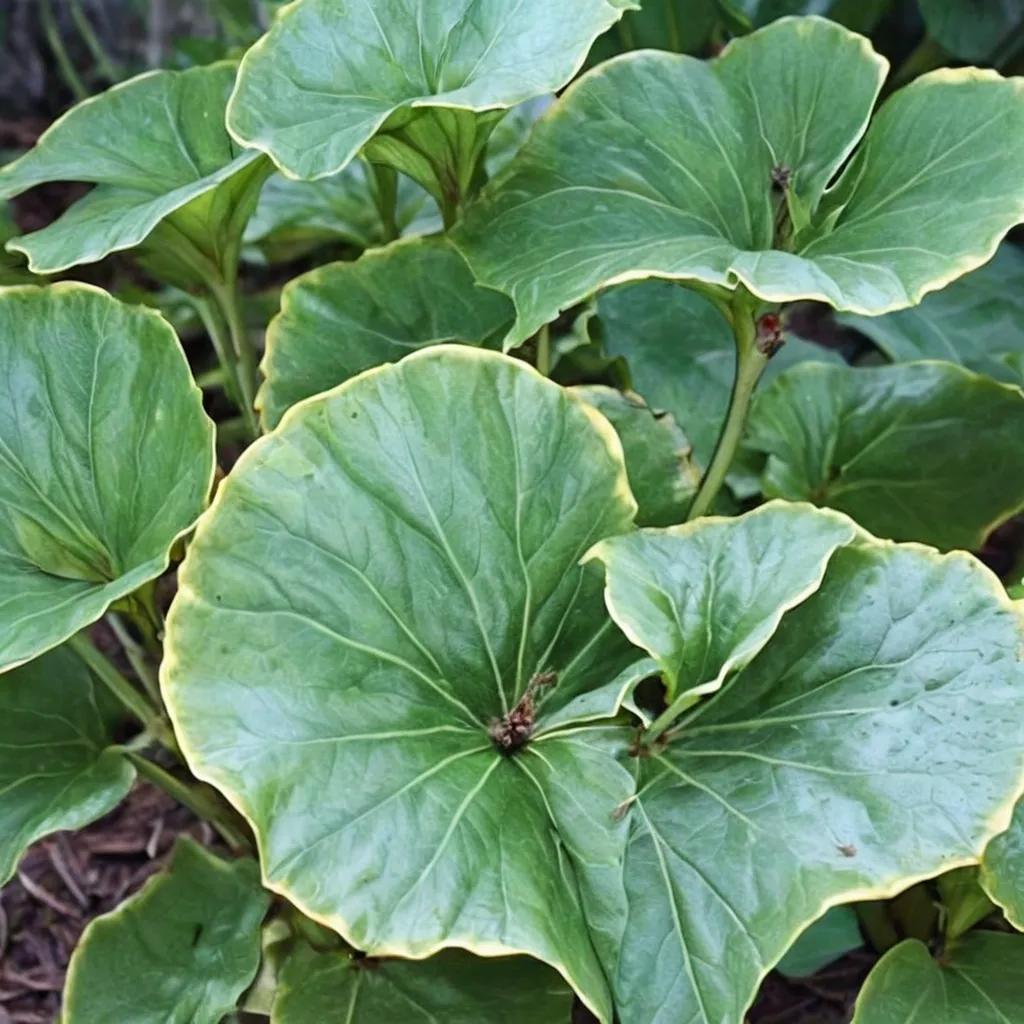 ‘Kin Kan’Kin Kan Japanese Leopard Plant
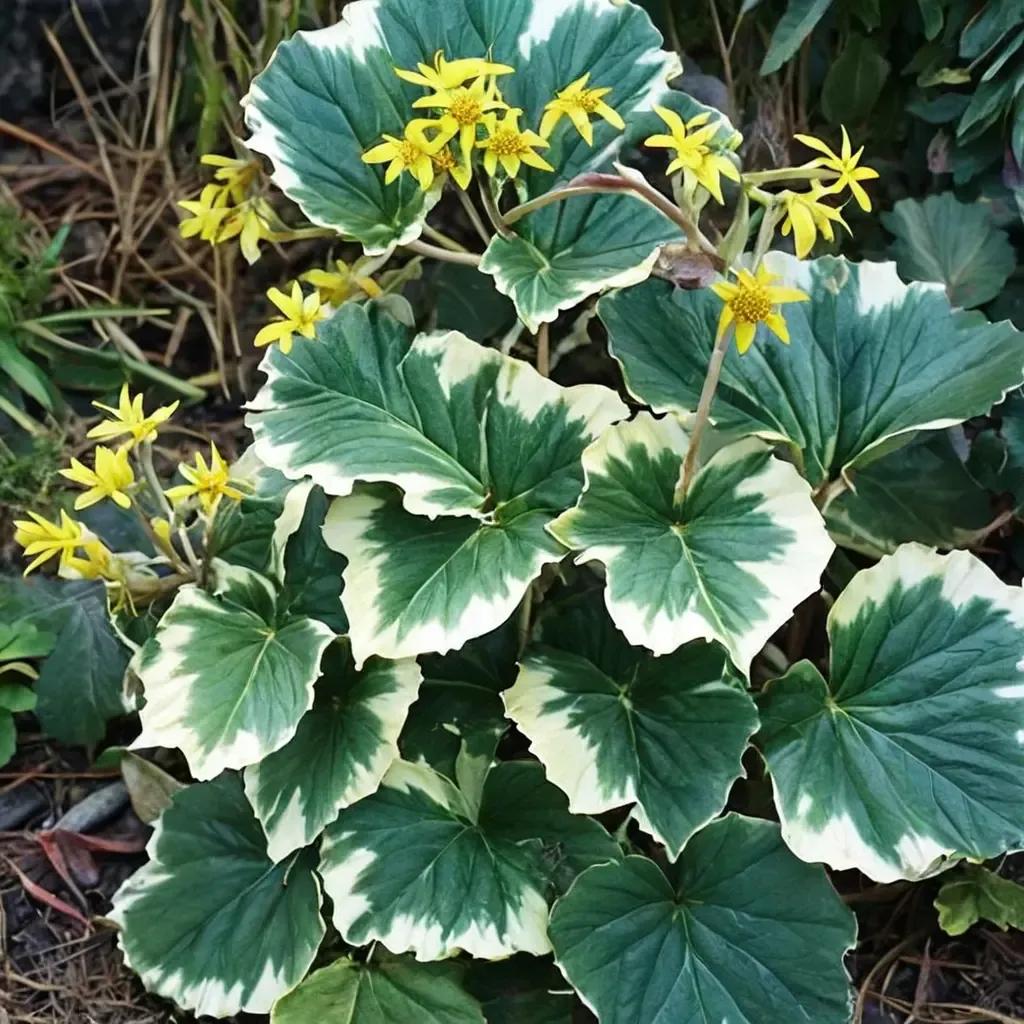 ‘Argentum’Silver Leaf Fogplant
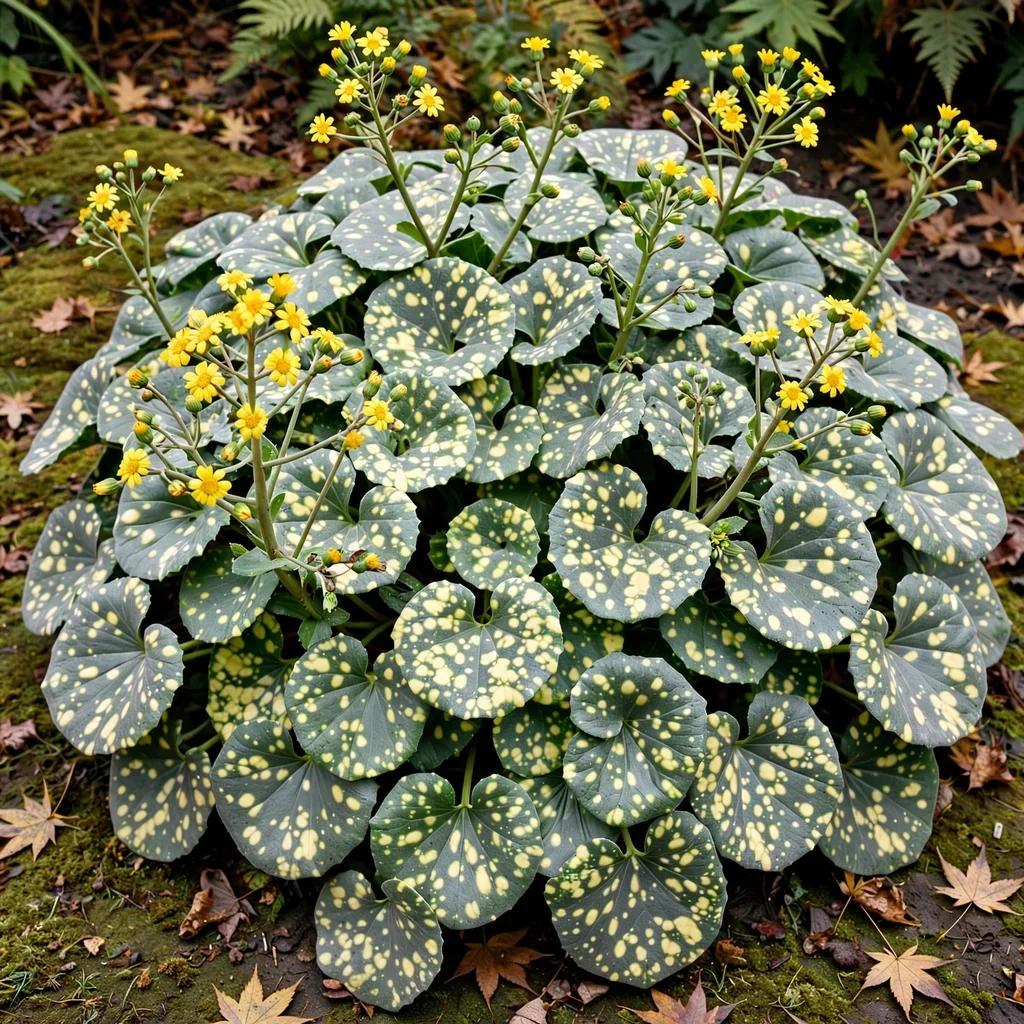 ‘Lunar Landing’Lunar Landing Japanese Leopard Plant
 ‘Marco’Marco Leopard Plant
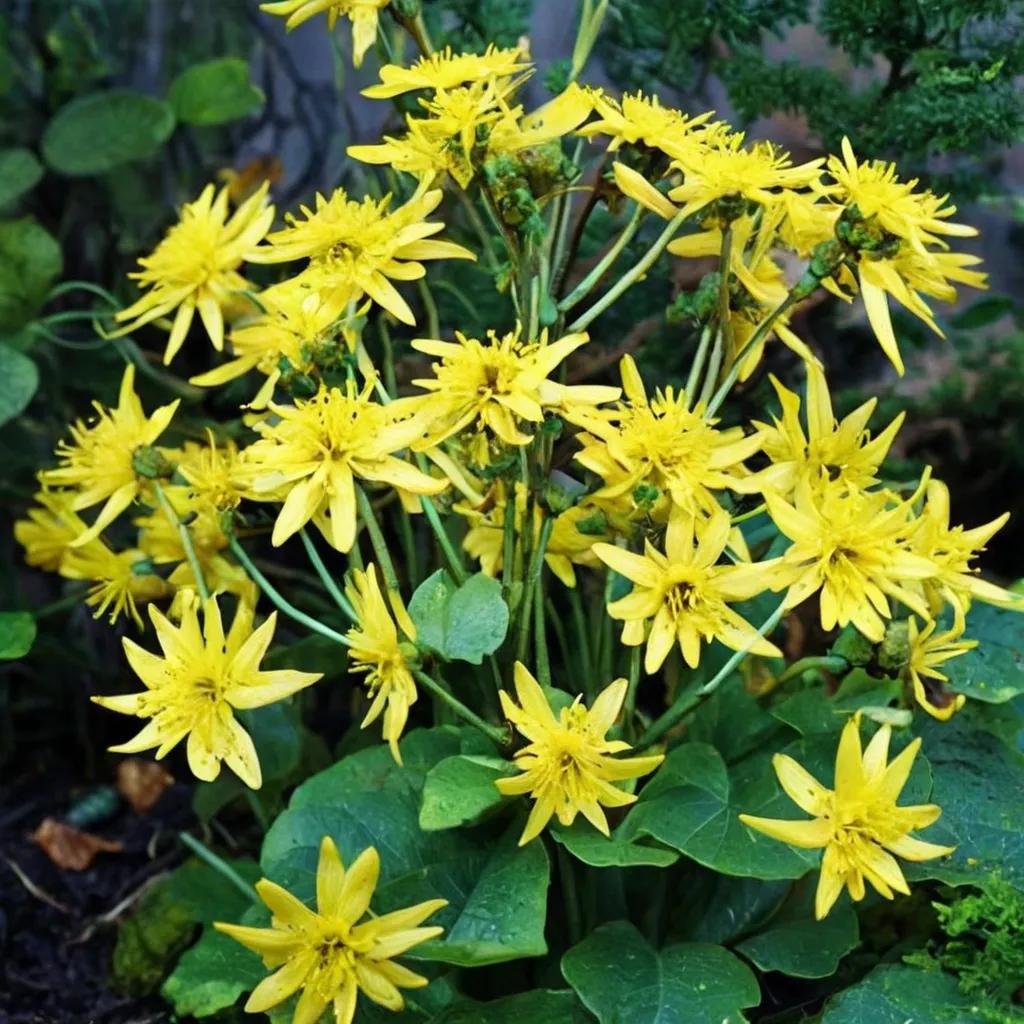 ‘Yaezaki’Double-flowered Leopard Plant
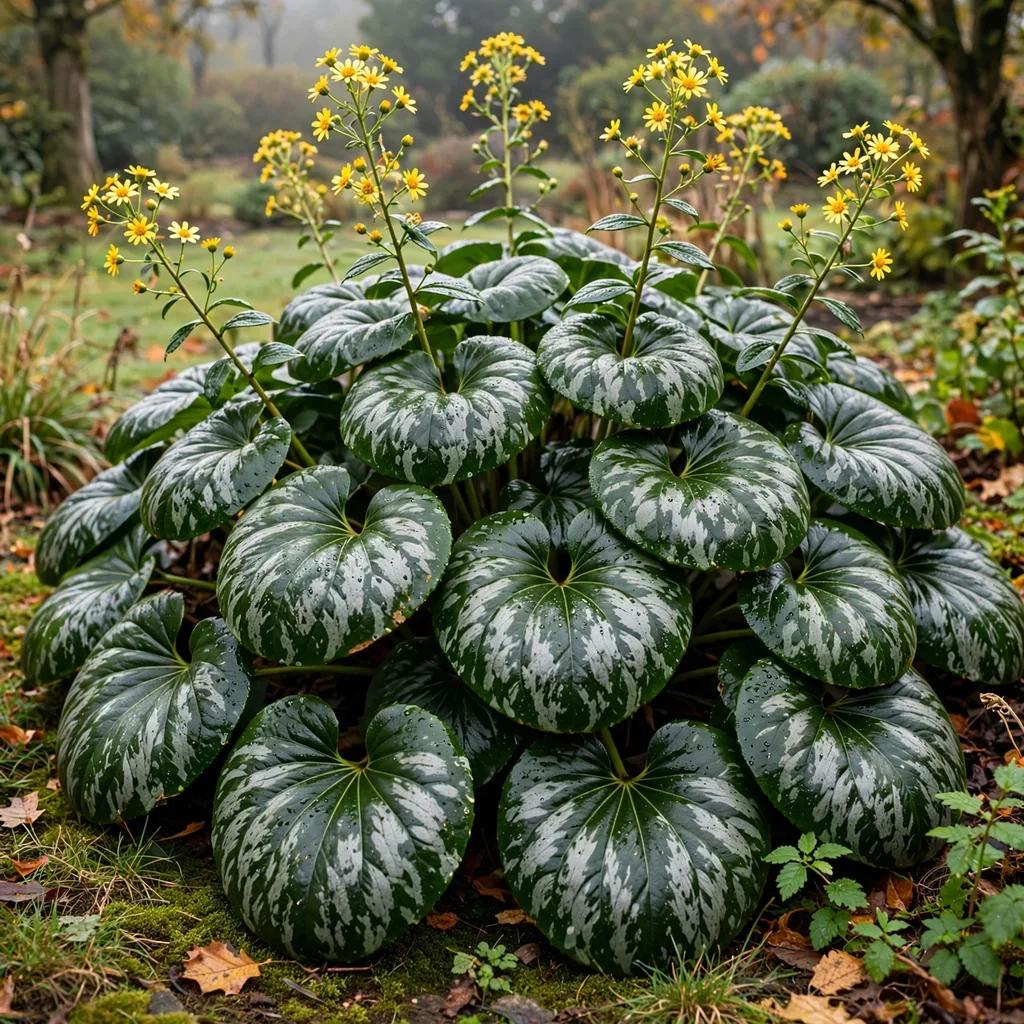 ‘Kaimon Dake’Kaimon Dake Japanese Leopard Plant
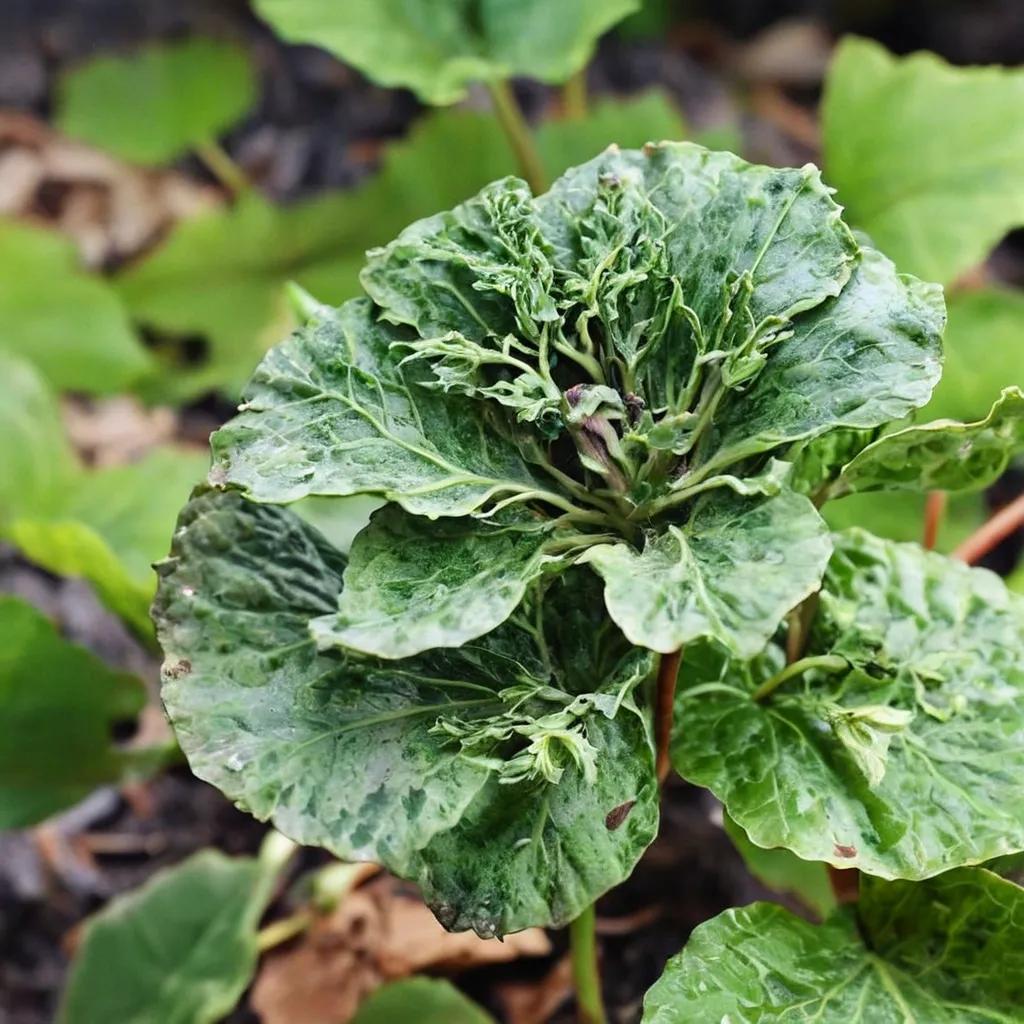 ‘Ryuto’Crested Leopard Plant
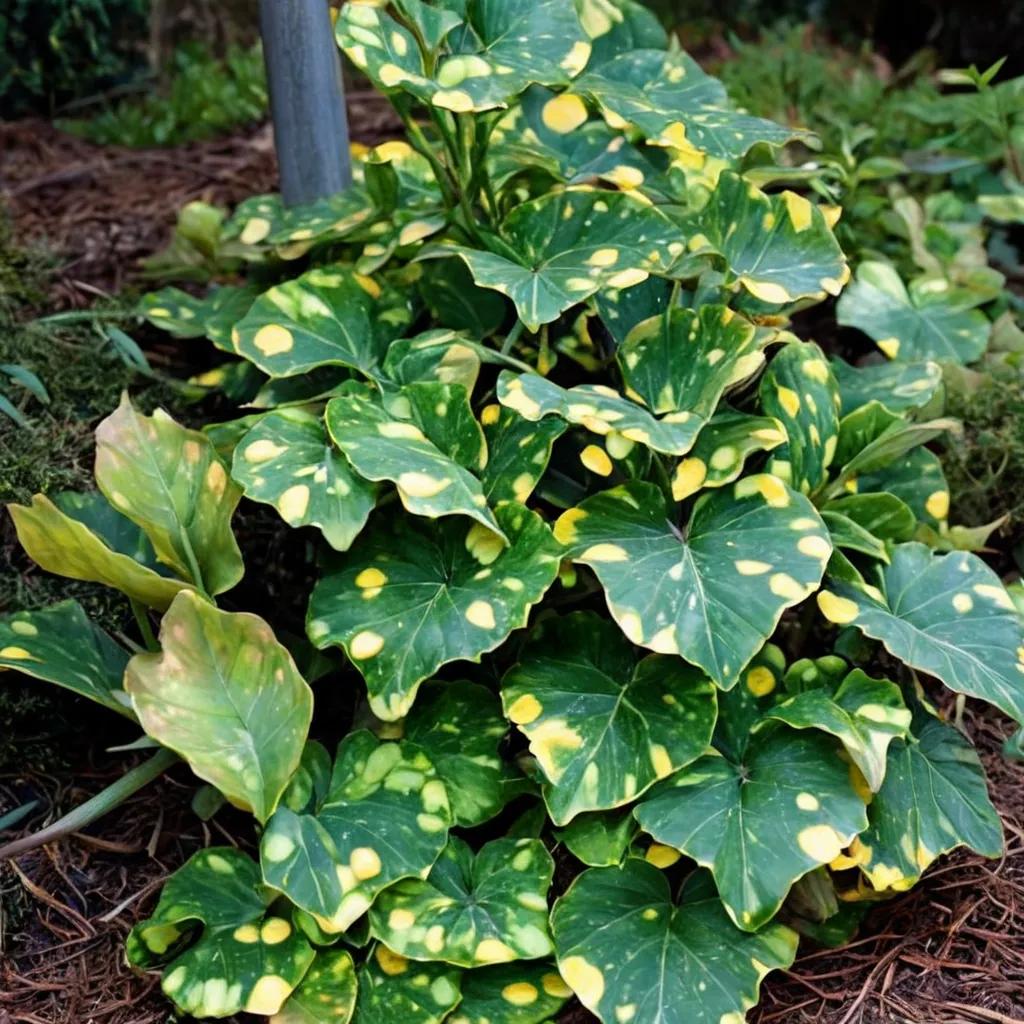 ‘Aureomaculatum’Aureomaculatum Leopard Plant
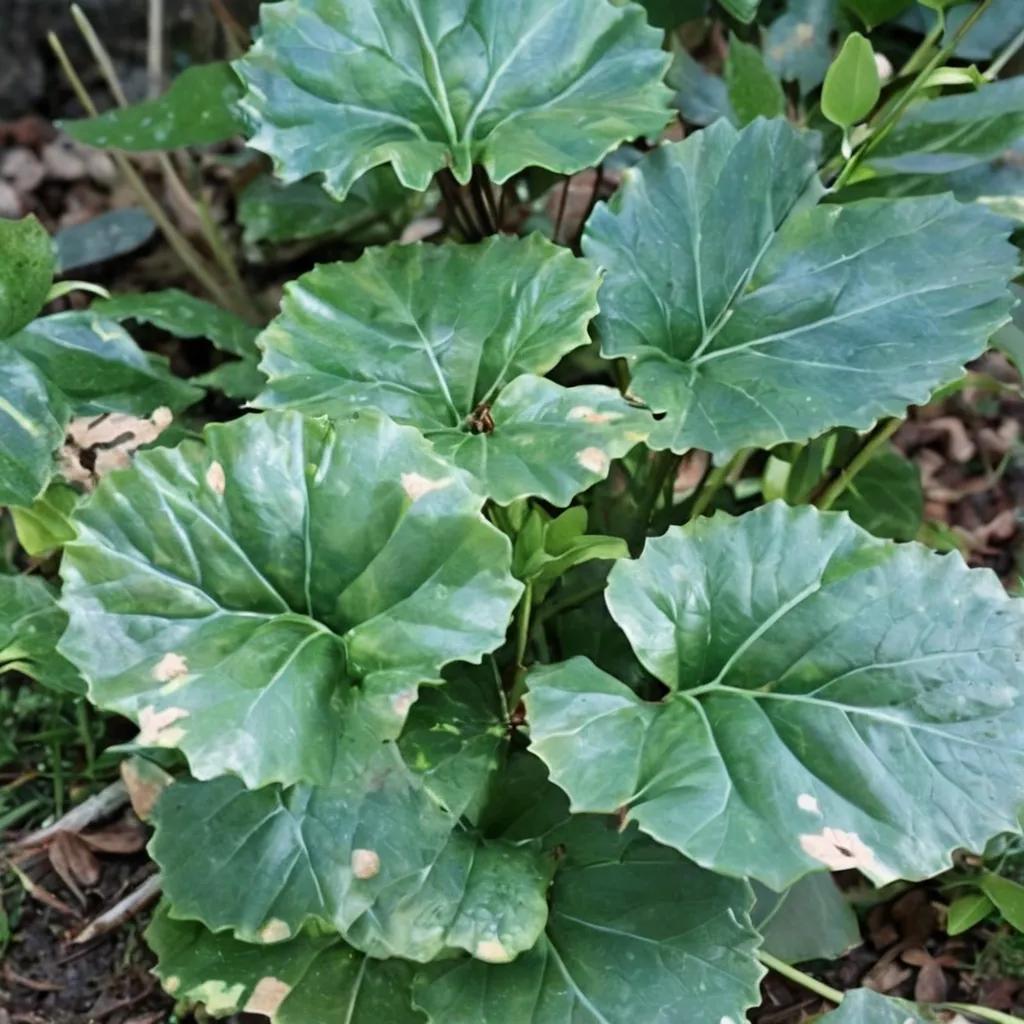 ‘Ferris Wheel’Ferris Wheel Japanese Leopard Plant
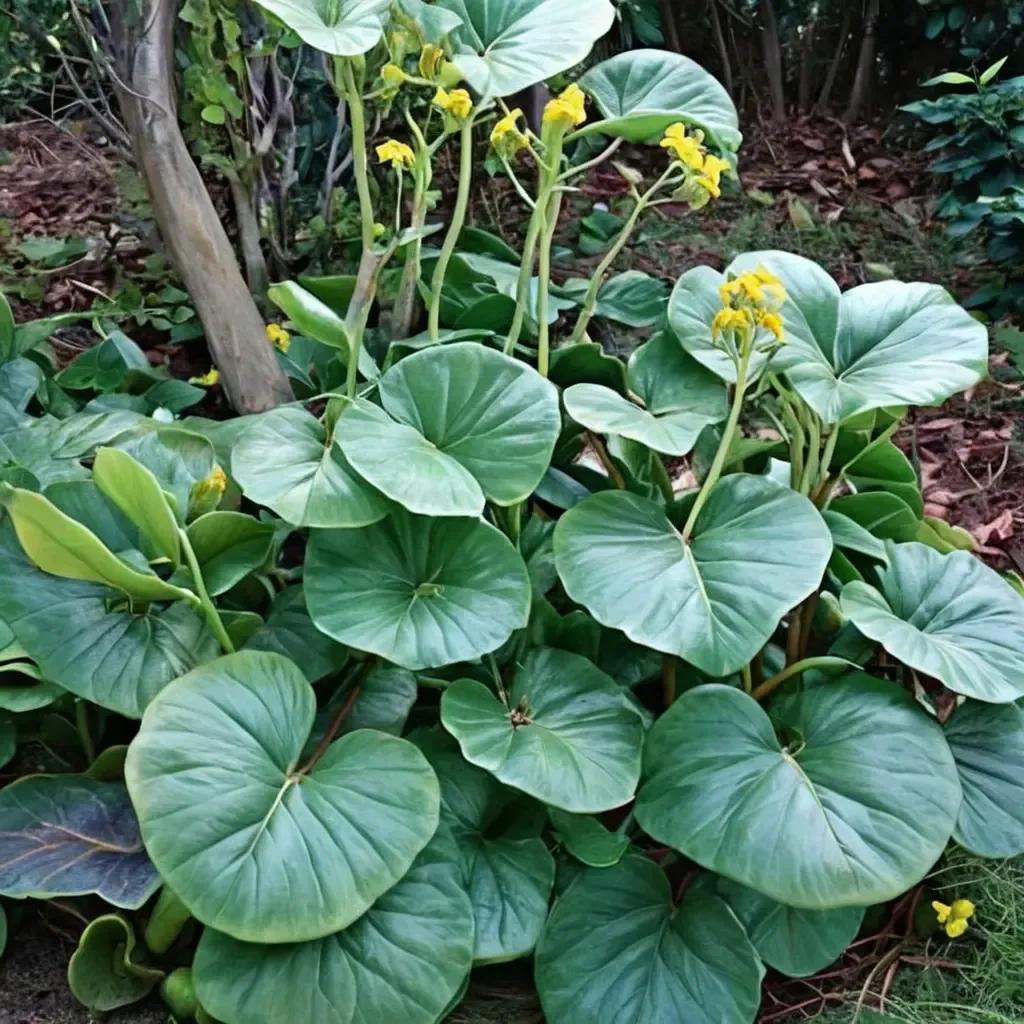 ‘giganteum Marco’Giant Leopard Plant
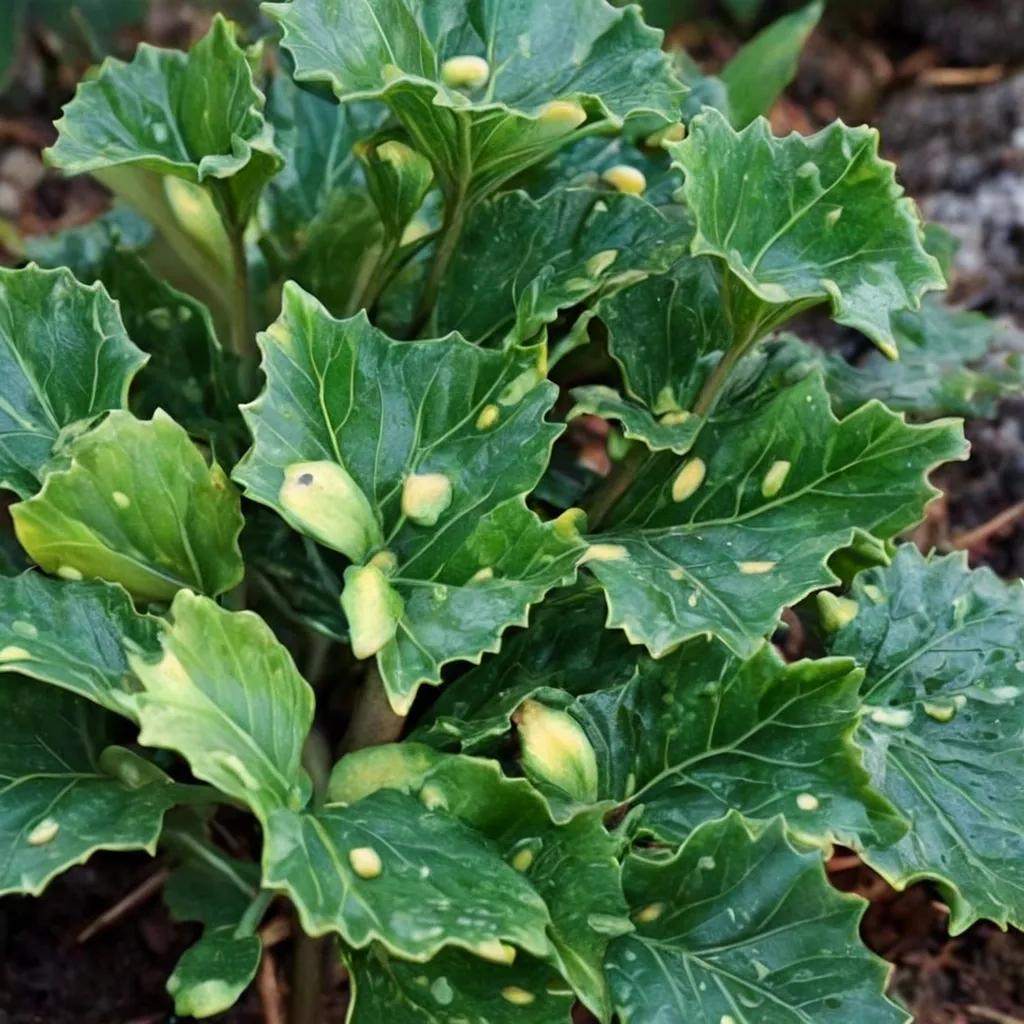 ‘Kagami Jishi’Kagami Jishi Japanese Leopard Plant
The Story
Plant Bio
A clump-forming, evergreen perennial native to East Asia, known for its large, rounded, glossy leaves and stalks of yellow, daisy-like flowers that bloom in late fall.
Distinguished by its unique, kidney-shaped leaves with extremely ruffled, curled, and finely cut margins, creating a dramatic texture resembling a head of messy hair.
Uses & Benefits:
Essentials
At a Glance
Plant Type
Perennial
Height
15"
Width
18"
Light
Partial Sun, Shade
Zones
7, 8, 9, 10
Water
Consistently moist
Humidity
High
Lifespan
Perennial
Native To
Japan, Korea, Taiwan
Toxicity
Toxic to cats, dogs, and horses
Bloom period
Fall – Mid-spring
In flower about 8 months of the year
Planting
How to Grow
- Tuck seeds or divisions into well-draining soil
- Keep soil consistently moist to promote growth
- Mist cuttings regularly for root development
- Place in partial shade for optimal foliage color
- Mulch around plants to retain moisture
- Watch for pests and treat with organic remedies if needed
Pro Tip
Provide partial shade and moist, well-drained soil for best results.
Keep It Thriving
Care Guide
Do
- Water regularly to keep soil moist 🌱
- Mulch to maintain soil moisture and suppress weeds
- Divide every 2-3 years to rejuvenate
Don't
- Avoid overexposing to full sun ☀️
- Do not let soil dry out completely
- Avoid heavy, compacted soils
Seasonal Care Calendar
| Task | Jan | Feb | Mar | Apr | May | Jun | Jul | Aug | Sep | Oct | Nov | Dec |
|---|---|---|---|---|---|---|---|---|---|---|---|---|
| Deadhead | ||||||||||||
| Divide | ||||||||||||
| Fertilize | ||||||||||||
| Mulch | ||||||||||||
| Pest Check | ||||||||||||
| Spring Cleanup |
Watch Out For
Pests & Diseases
Common Pests
Common Diseases
In the Garden
Landscape Uses & Companions
Landscape Uses
Multiply
Propagation Methods
Good to Know
Common Questions
Bad Hair Day Leopard Plant questions
What zones can Bad Hair Day Leopard Plant grow in?
Bad Hair Day Leopard Plant is hardy in USDA Zones 7–10. Inside that range it survives winter in the ground; outside it, grow it as an annual or a container plant you protect.
Is Bad Hair Day Leopard Plant deer resistant?
Yes — Bad Hair Day Leopard Plant is rated deer-resistant. Deer typically pass it over, though extreme hunger can override any plant's defenses.
When does Bad Hair Day Leopard Plant bloom?
Bad Hair Day Leopard Plant typically blooms in fall through mid-spring. Exact timing shifts a week or two with your zone — Sow's bloom calendar maps it to your garden.
Does Bad Hair Day Leopard Plant need full sun?
Bad Hair Day Leopard Plant does best in part shade.
More Farfugium to compare
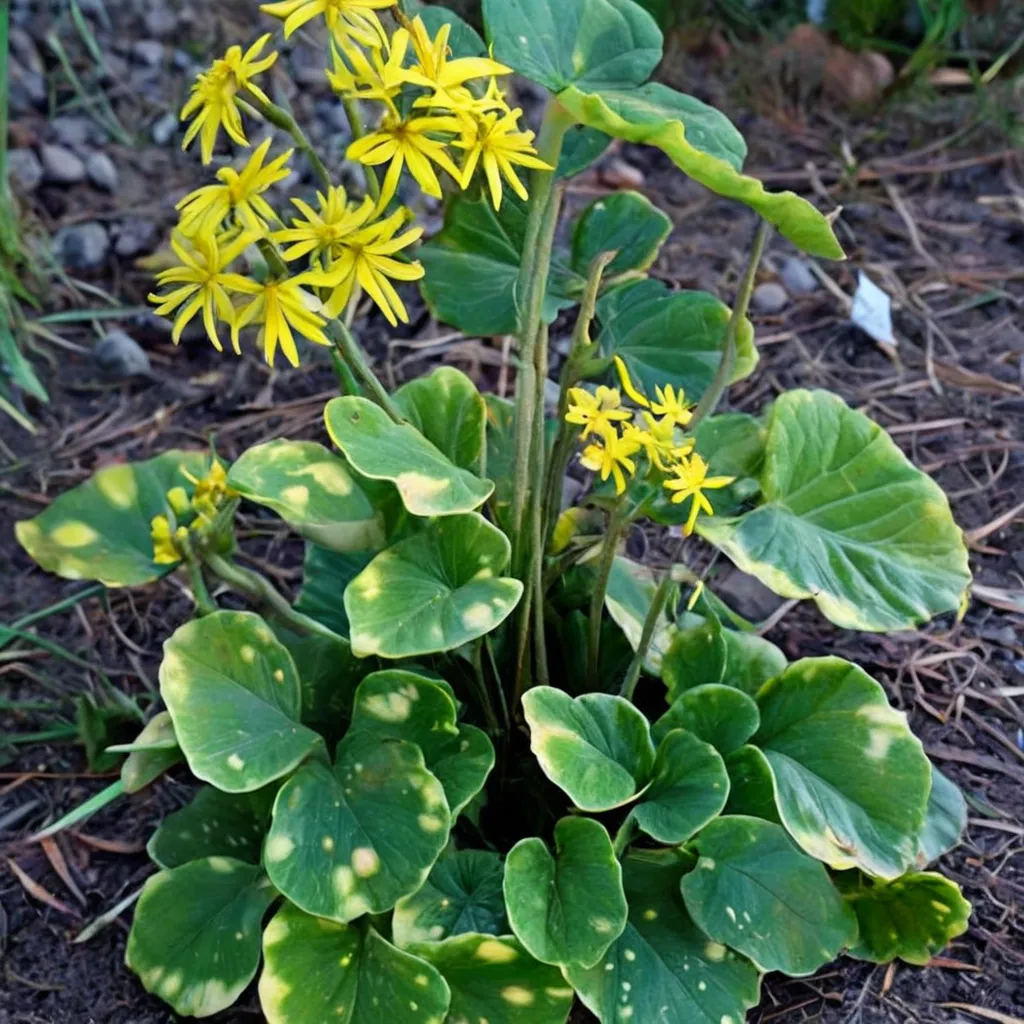
Basho Ogi Japanese Leopard Plant
Farfugium japonicum 'Basho Ogi'
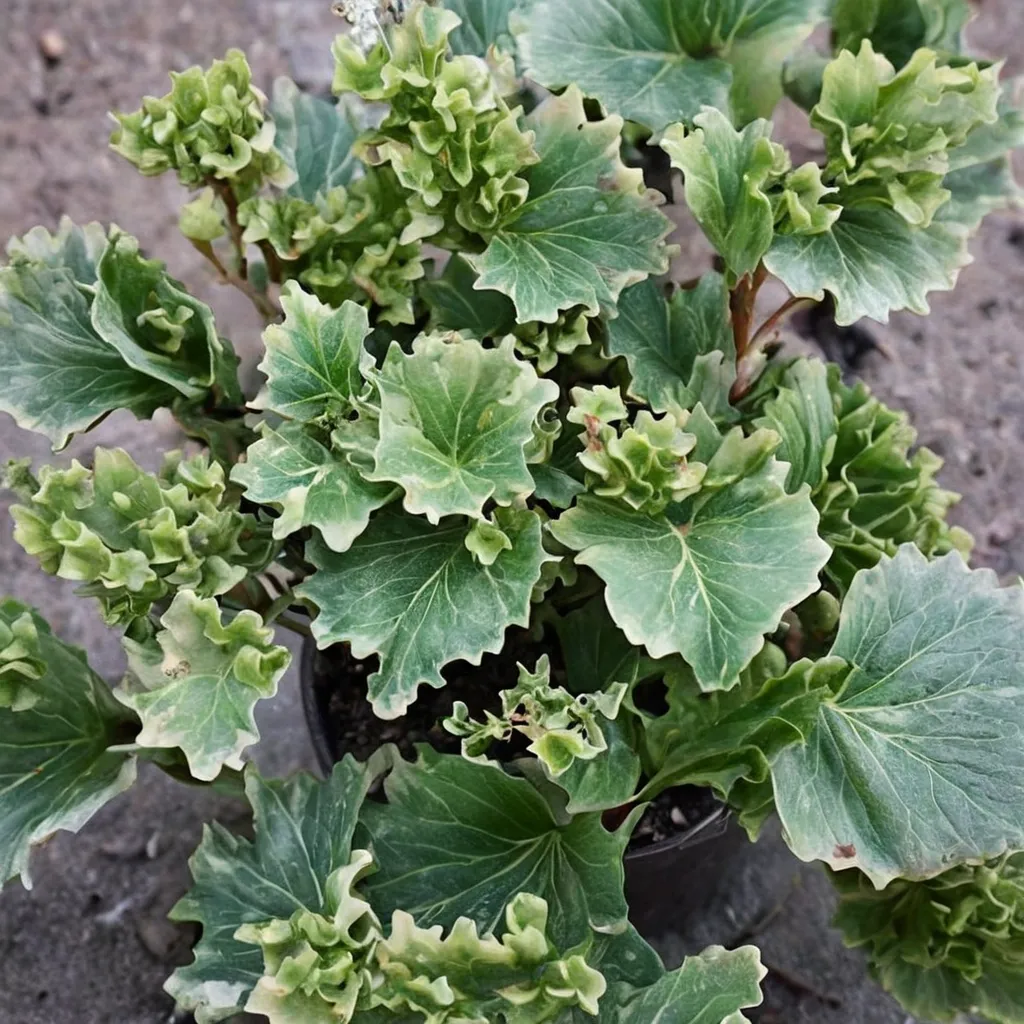
Shishi Botan Leopard Plant
Farfugium japonicum 'Shishi Botan'
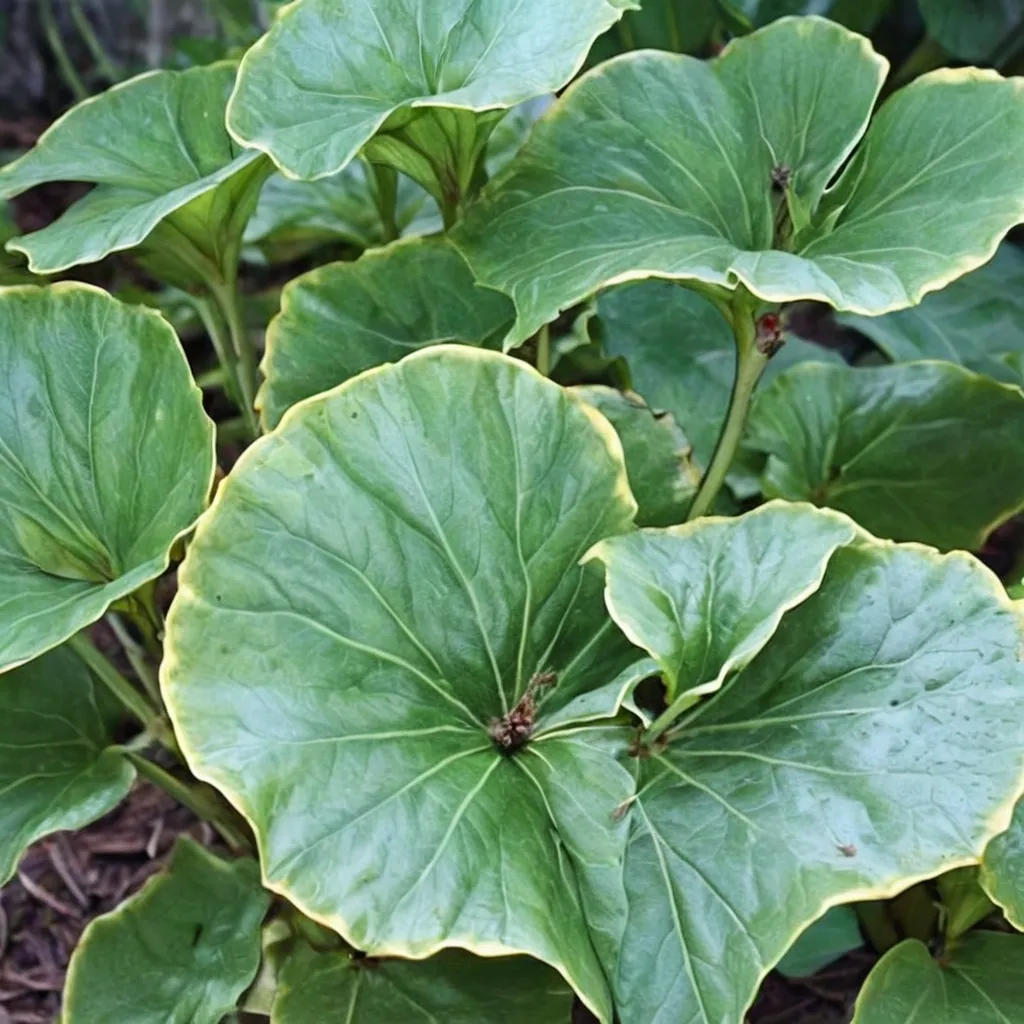
Kin Kan Japanese Leopard Plant
Farfugium japonicum 'Kin Kan'
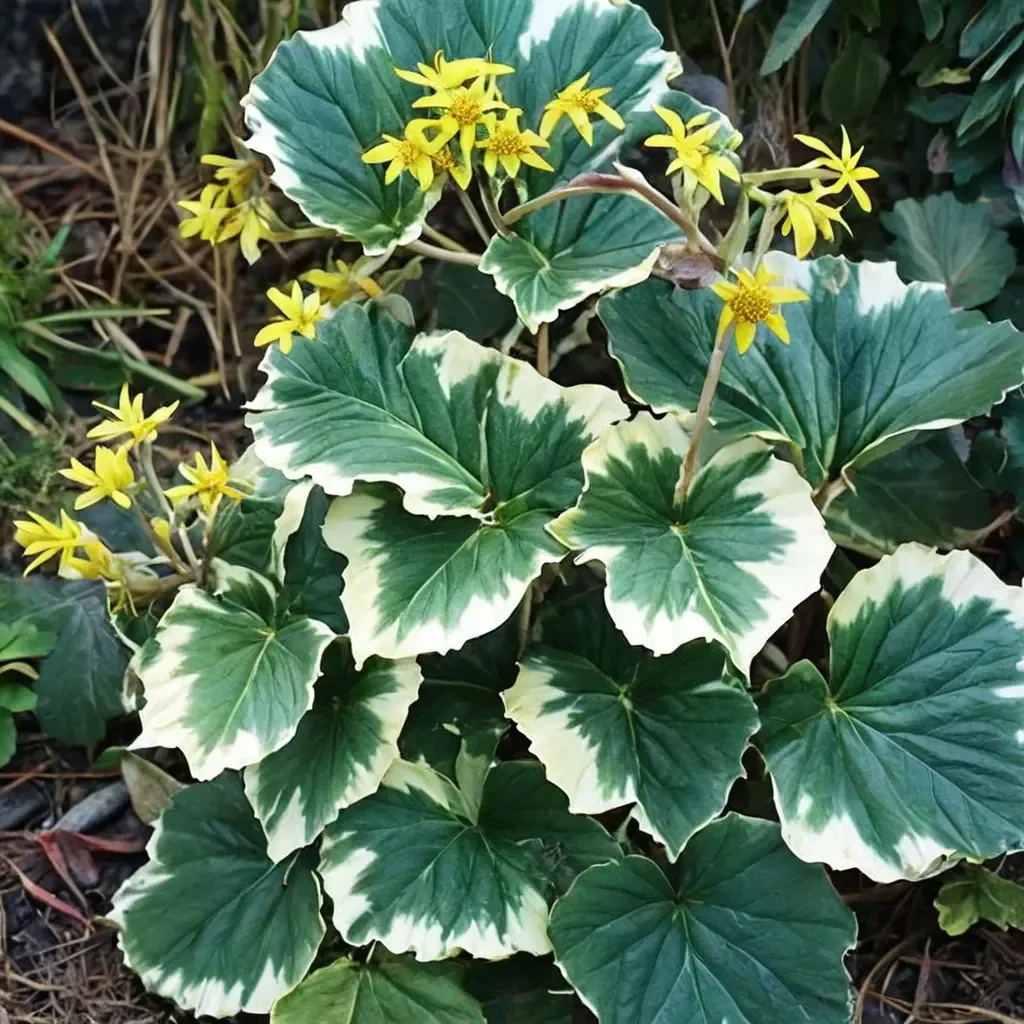
Silver Leaf Fogplant
Farfugium japonicum 'Argentum'
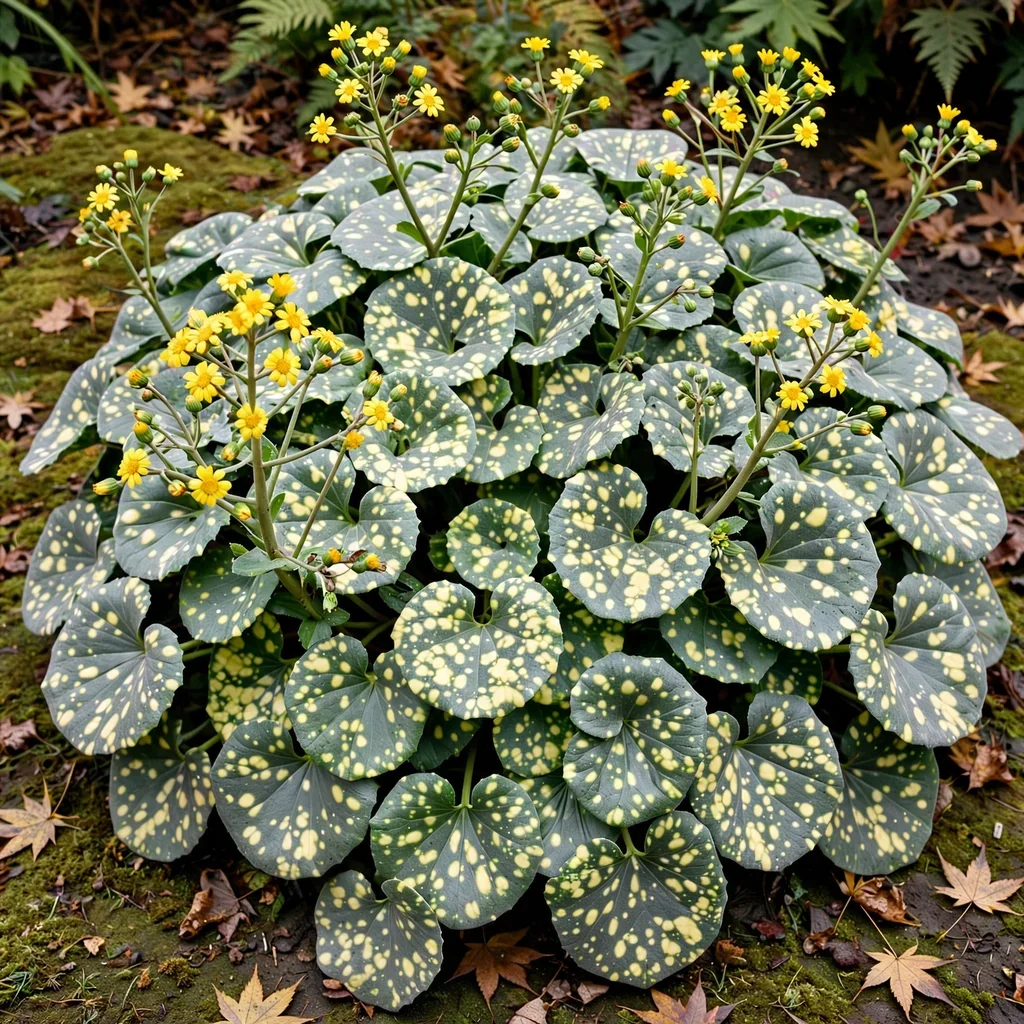
Lunar Landing Japanese Leopard Plant
Farfugium japonicum 'Lunar Landing'
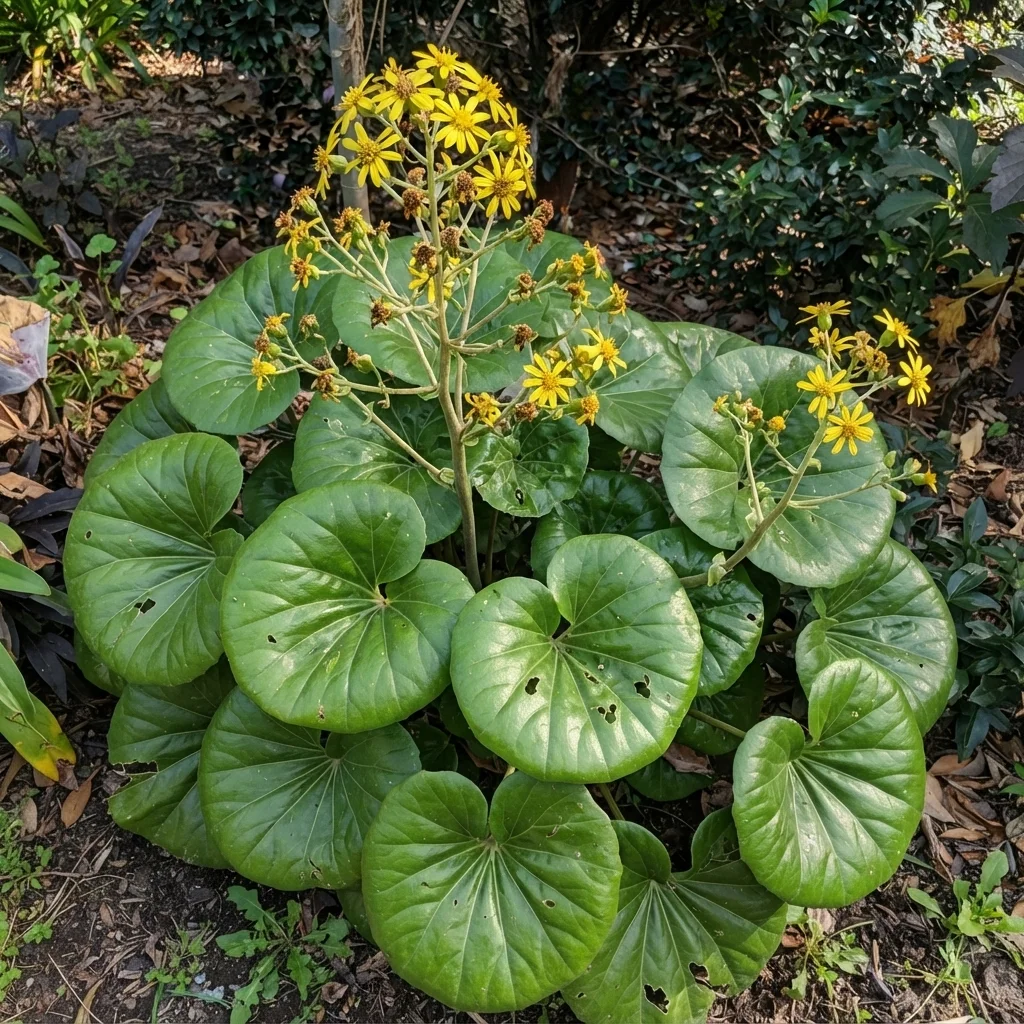
Marco Leopard Plant
Farfugium japonicum 'Marco'
Keep exploring
Explore the genus
Hardy in your zone?
Grow Bad Hair Day Leopard Plant with confidence
See it in a design of your actual yard, get zone-matched care reminders, and track it season by season in your garden journal.