The Story
Plant Bio
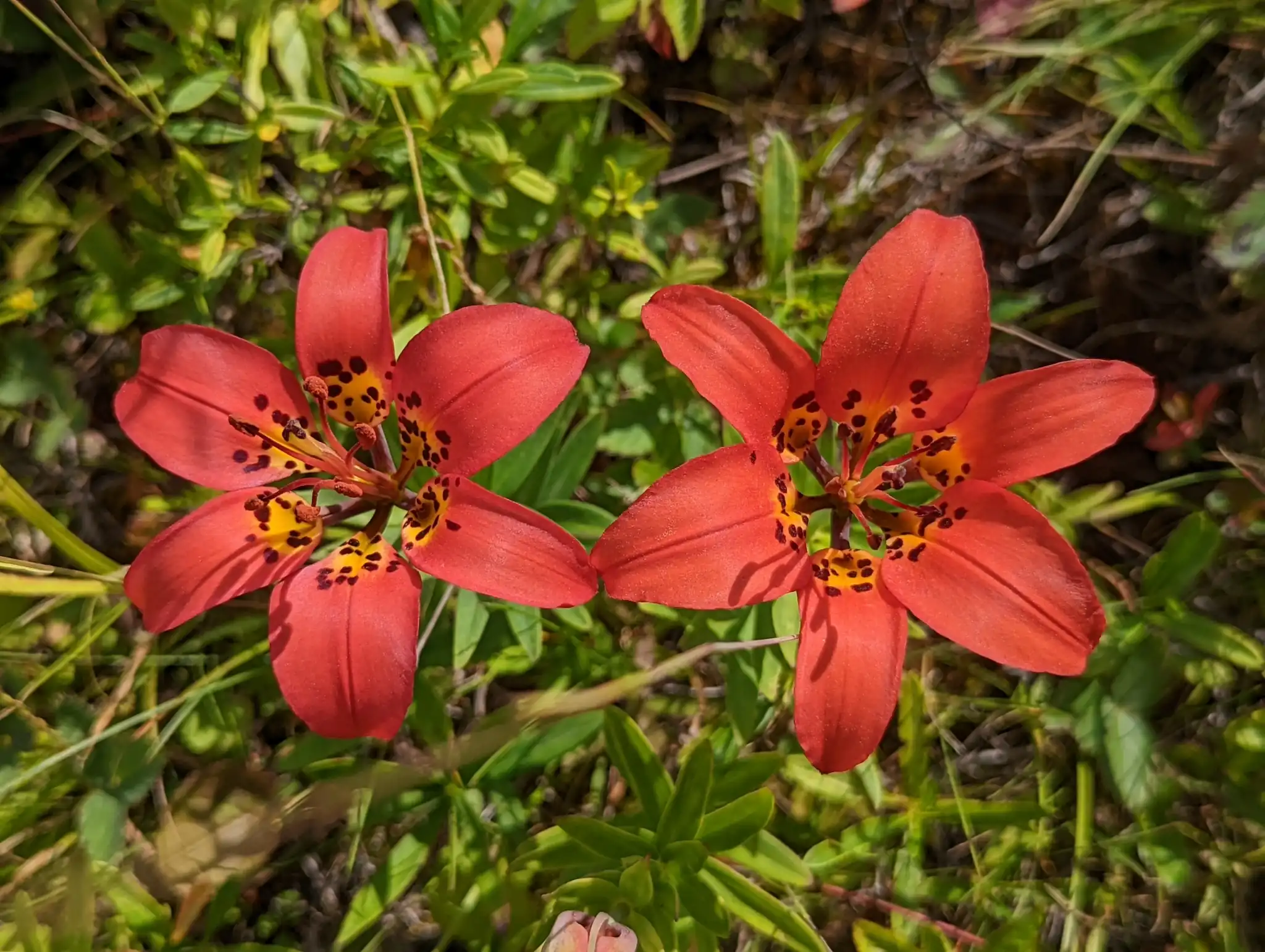
Lilium philadelphicum, commonly known as the Wood Lily or Prairie Lily, is an erect, bulbous perennial featuring striking, upward-facing, cup-shaped flowers. The blooms are typically reddish-orange with dark purple spots at the base and are borne atop unbranched stems with whorled, lance-shaped leaves.
Distinctive for its upward-facing flowers, a rare trait among lilies, which makes the dark, spotted centers highly visible. It is a key nectar source for swallowtail butterflies and hummingbirds. This lily does not form offsets and primarily reproduces by seed.
Uses & Benefits:
Essentials
At a Glance
Plant Type
Perennial
Height
36"
Width
12"
Light
Full Sun, Partial Sun
Zones
4, 5, 6, 7
Water
Medium
Humidity
Average
Lifespan
Perennial
Native To
North America
Toxicity
All parts are highly toxic to cats. Also toxic to dogs and horses.
Bloom period
Early to Mid-Summer – Late summer
In flower about 3 months of the year
Planting
How to Grow
- Tuck seeds or bulbs into well-draining soil in spring
- Water regularly to keep soil moist but not waterlogged
- Mulch around base to retain moisture and suppress weeds
- Stake tall stems if needed for support during bloom
- Divide every 3-4 years in early spring for best growth
- Deadhead spent flowers to encourage more blooms
Pro Tip
Plant in well-drained soil with full sun for best flowering
Keep It Thriving
Care Guide
Do
- Water during dry spells 🌱
- Apply mulch to retain moisture
- Divide in early spring
- Support tall stems if needed
Don't
- Overwater to prevent bulb rot ❌
- Plant too deep ❌
- Neglect removal of dead flowers ❌
Seasonal Care Calendar
| Task | Jan | Feb | Mar | Apr | May | Jun | Jul | Aug | Sep | Oct | Nov | Dec |
|---|---|---|---|---|---|---|---|---|---|---|---|---|
| Deadhead | ||||||||||||
| Fertilize | ||||||||||||
| Plant | ||||||||||||
| Propagate | ||||||||||||
| Spring Cleanup |
Watch Out For
Pests & Diseases
Common Pests
Common Diseases
In the Garden
Landscape Uses & Companions
Landscape Uses
Companion Plants
Multiply
Propagation Methods
Good to Know
Common Questions
Wood Lily questions
What zones can Wood Lily grow in?
Wood Lily is hardy in USDA Zones 4–7. Inside that range it survives winter in the ground; outside it, grow it as an annual or a container plant you protect.
Is Wood Lily deer resistant?
Not reliably. Deer may browse Wood Lily, especially tender spring growth — plan on repellents or fencing where pressure is high.
When does Wood Lily bloom?
Wood Lily typically blooms in early to mid-summer through late summer. Exact timing shifts a week or two with your zone — Sow's bloom calendar maps it to your garden.
Does Wood Lily need full sun?
Wood Lily does best in full sun to part shade. In hot climates, afternoon shade keeps blooms fresher longer.
More Lilium to compare
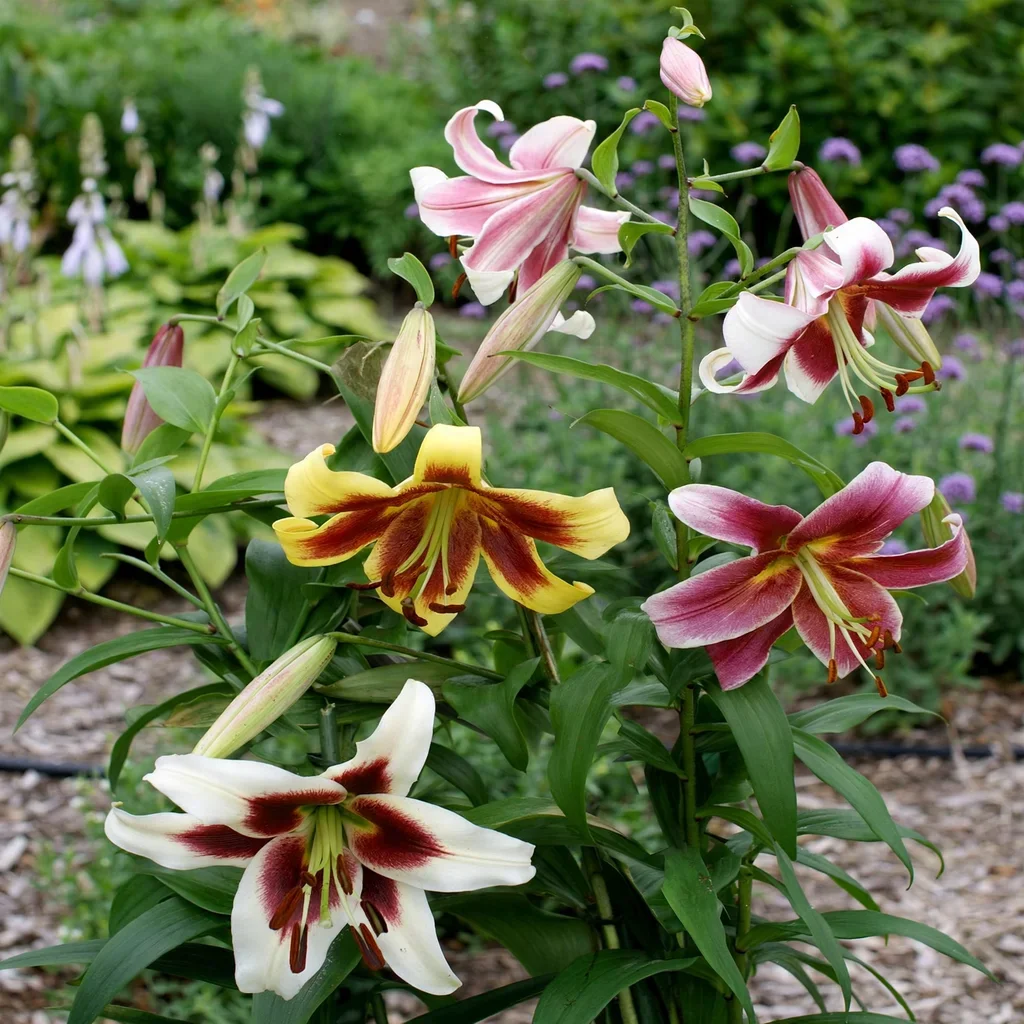
Tree Lily
Lilium x hybrida 'Tree Mix'
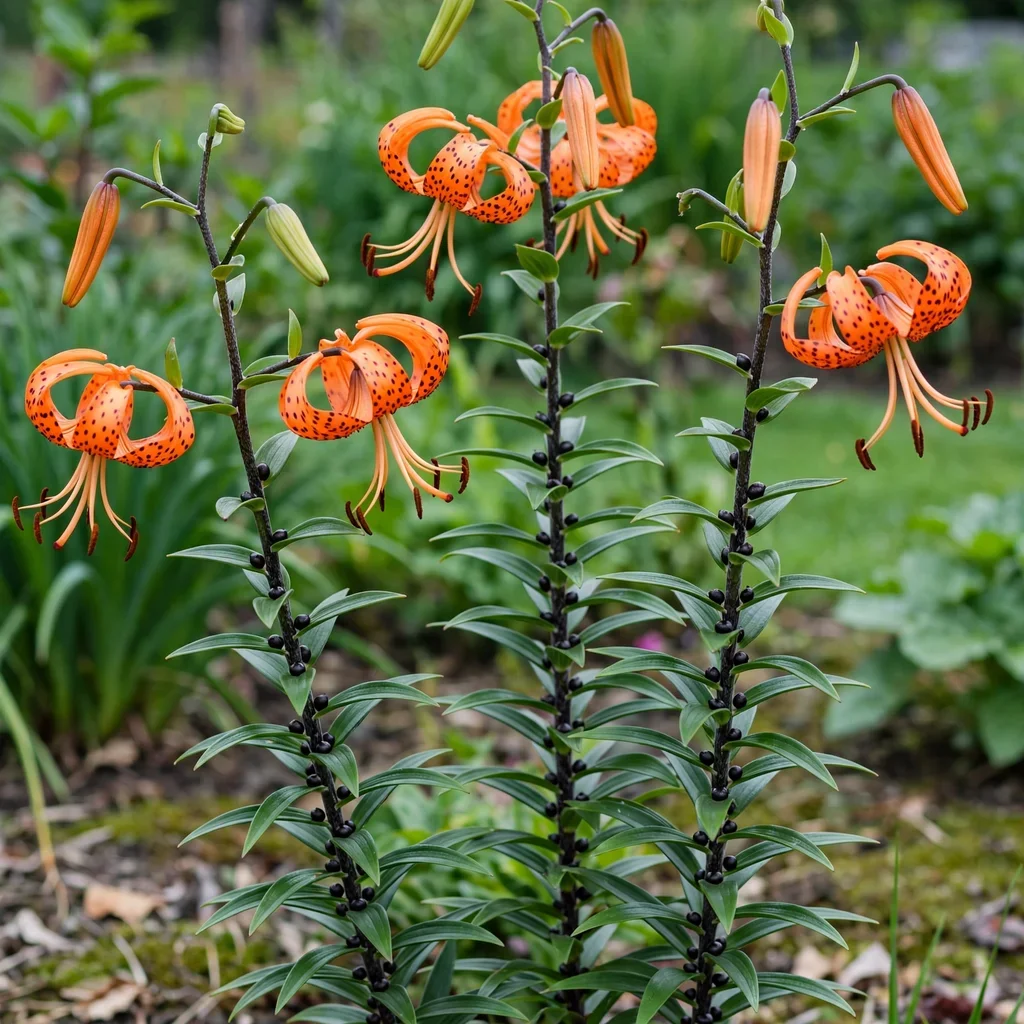
Tiger Lily
Lilium lancifolium
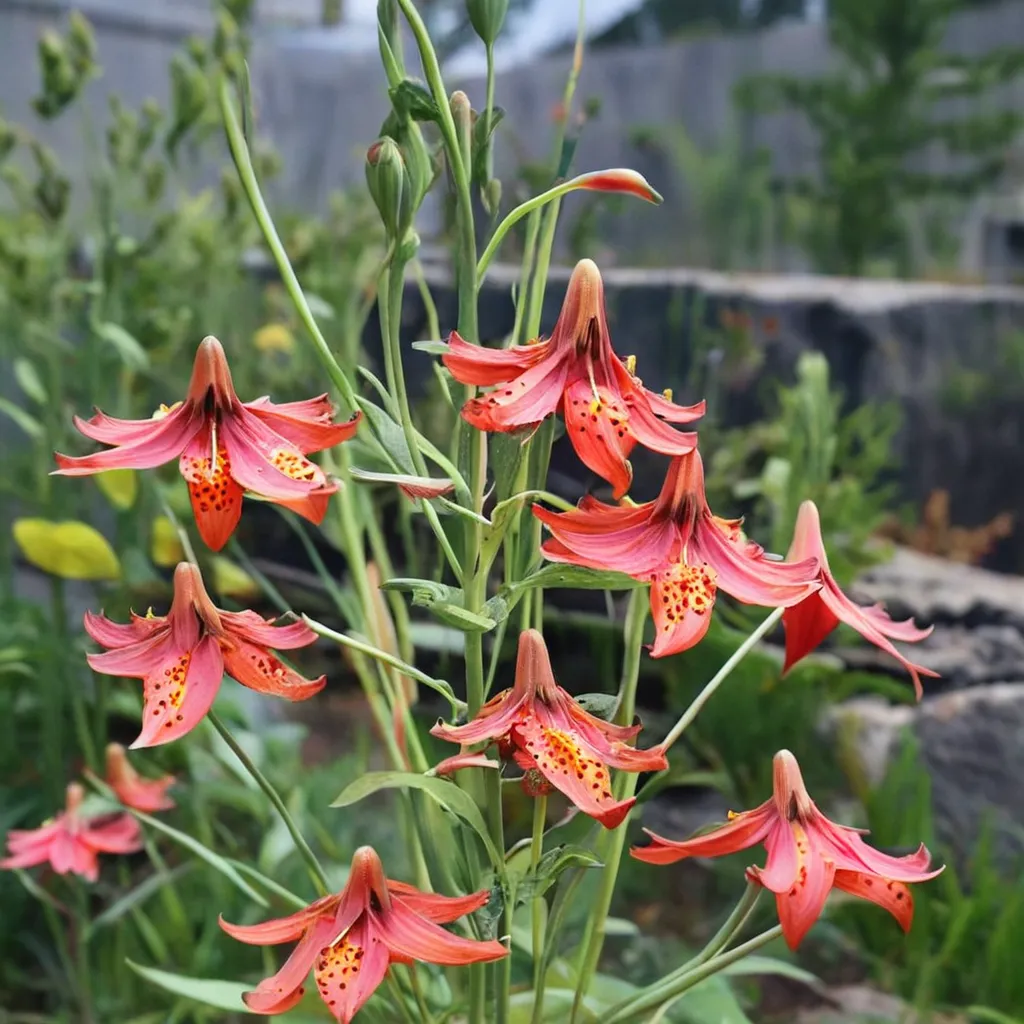
Canada Lily 'Reverend Walker'
Lilium canadense 'Reverend Walker'
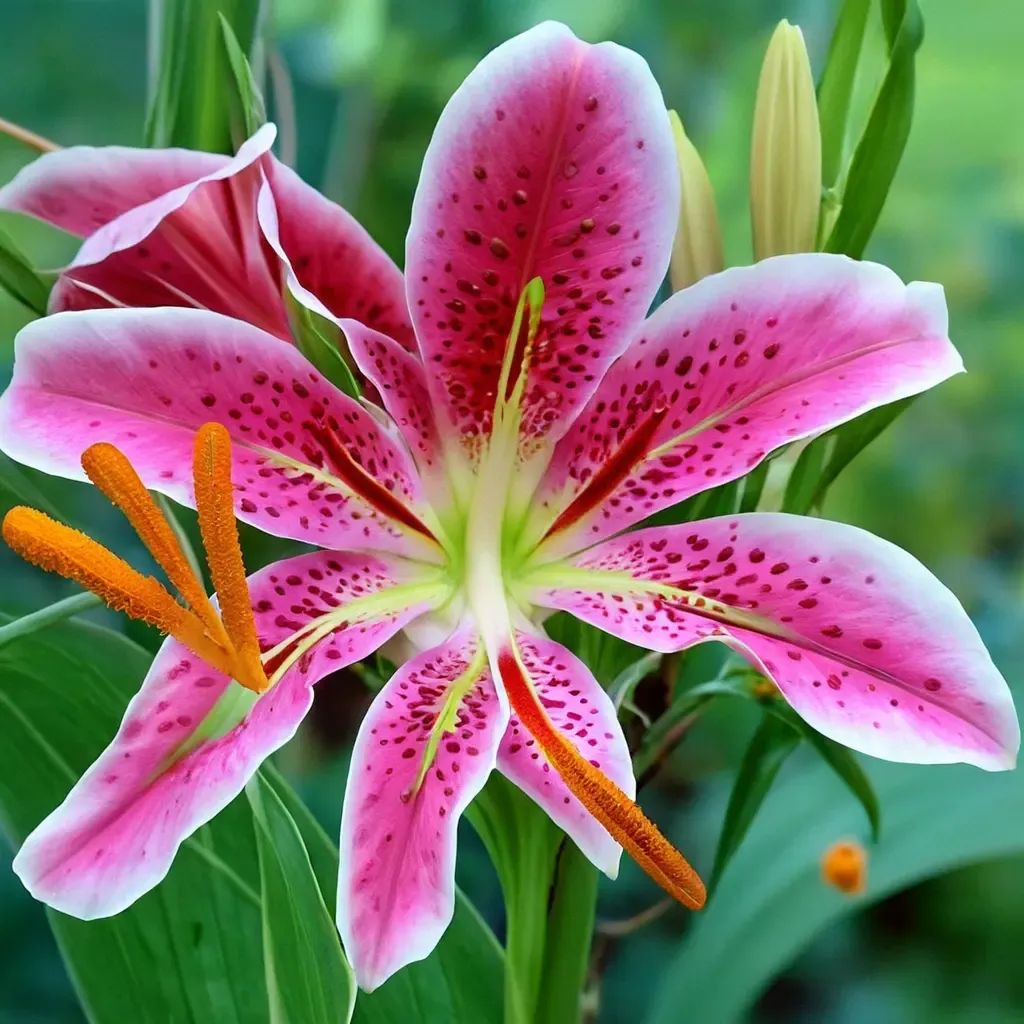
Stargazer Lily
Lilium lancifolium 'Stargazer'
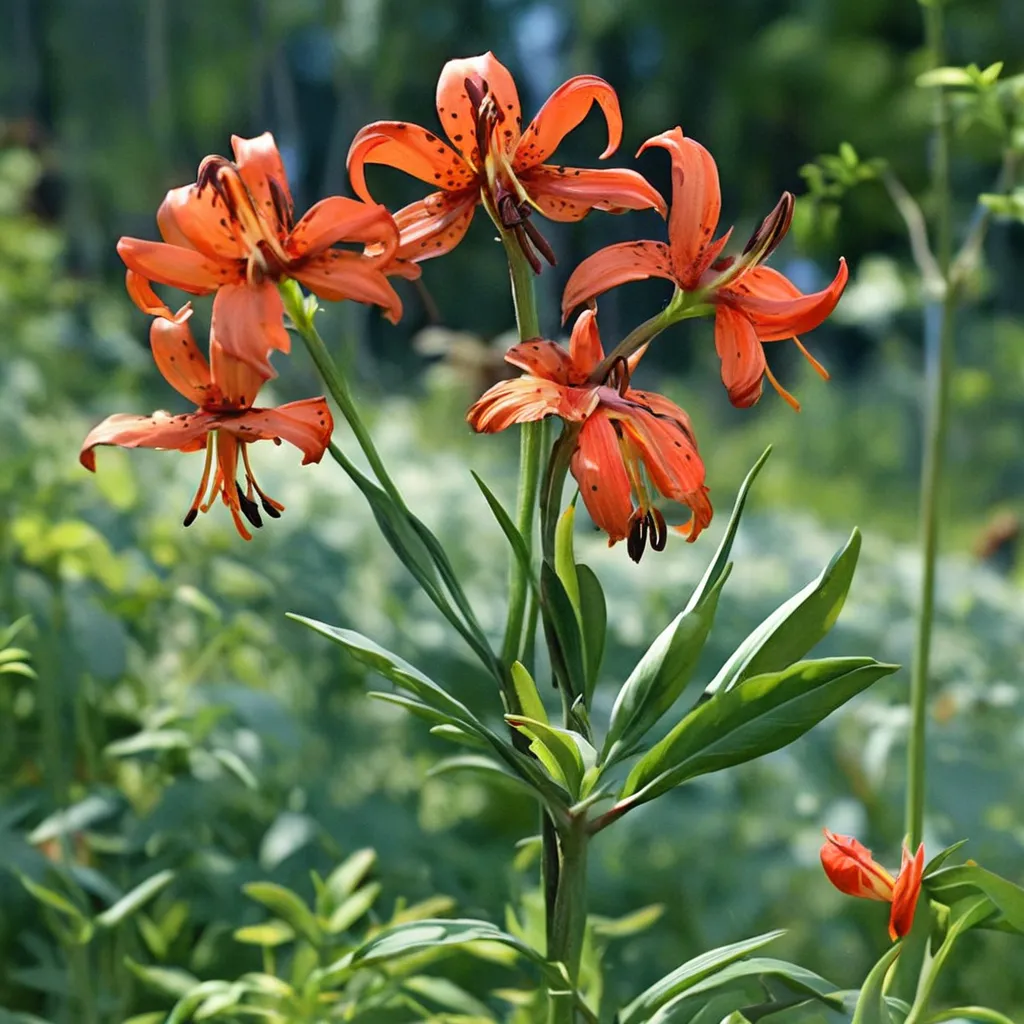
Michigan Lily
Lilium michiganense
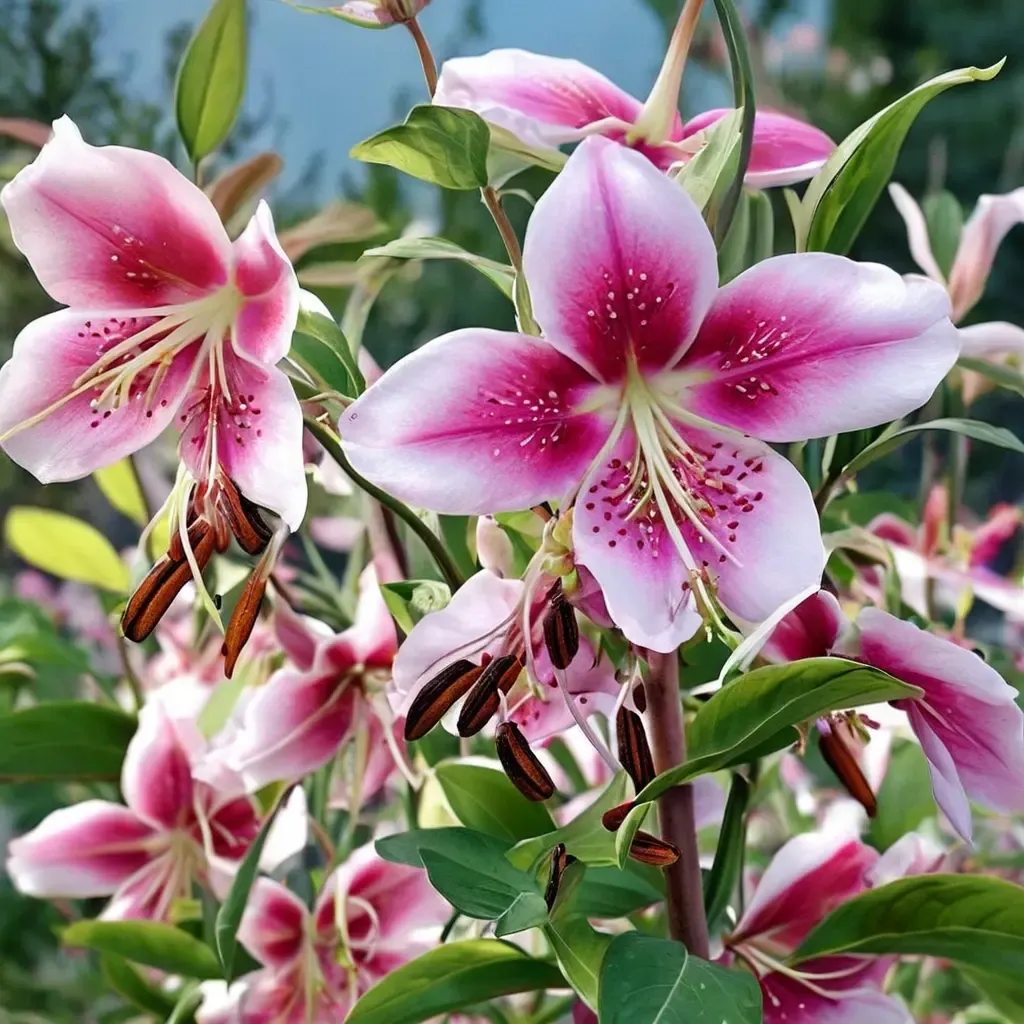
Anastasia Lily
Lilium x hybrida 'Anastasia'
Keep exploring
Explore the genus
Hardy in your zone?
Grow Wood Lily with confidence
See it in a design of your actual yard, get zone-matched care reminders, and track it season by season in your garden journal.