Species
 Matteuccia struthiopterisOstrich Fern
1 other cultivar
The Story
Plant Bio
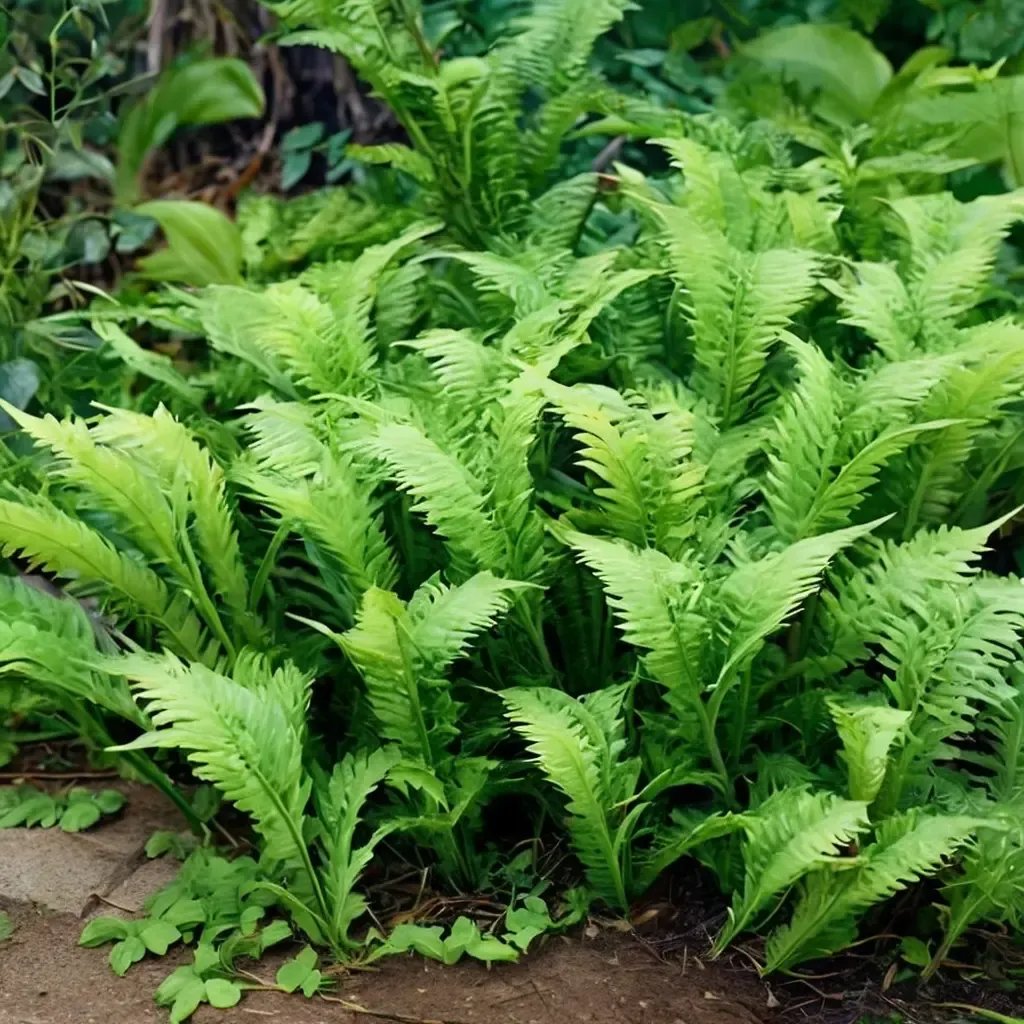
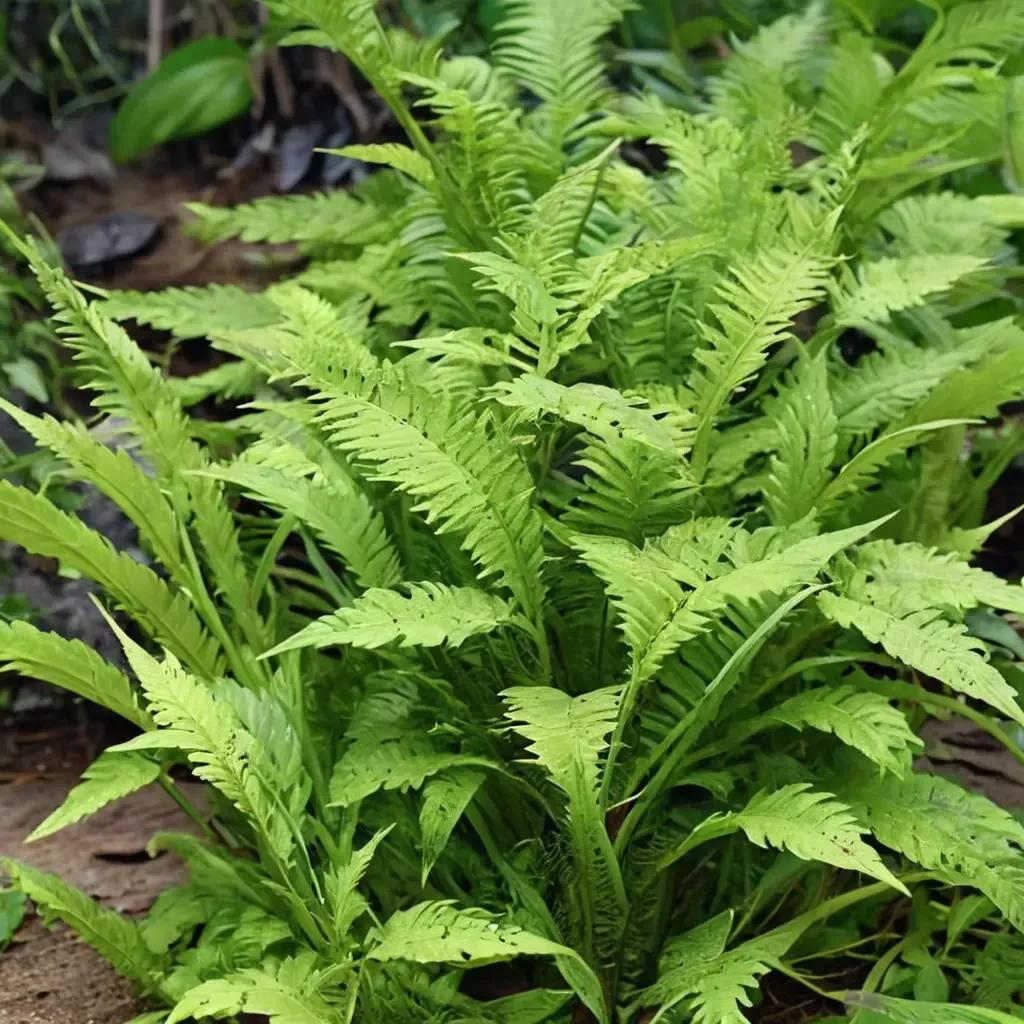
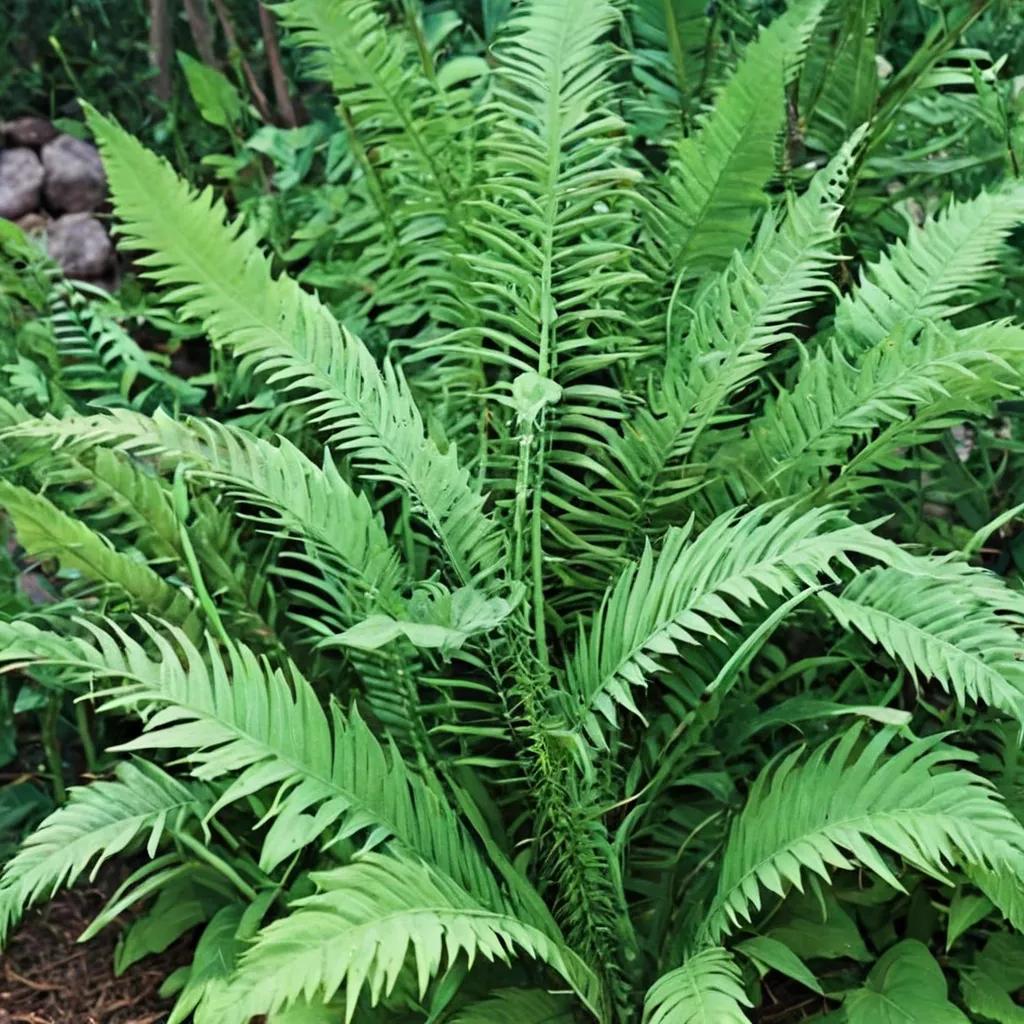
A large, deciduous fern forming a vase-shaped or shuttlecock-like clump of erect, arching, sterile fronds. Spreads via underground rhizomes to form colonies.
Distinguished by its large, feathery, bright green sterile fronds that resemble ostrich plumes. Shorter, dark brown, fertile fronds appear in the center and persist through winter.
Uses & Benefits:
Essentials
At a Glance
Plant Type
Fern
Height
48"
Width
48"
Light
Partial Sun, Shade
Zones
4, 5, 6, 7
Water
Consistently moist
Humidity
High
Lifespan
Decades
Native To
Temperate Northern Hemisphere
Toxicity
Non-toxic
Marketplace
Where to Buy
Shipping costs Year-round shipping Free shipping
Planting
How to Grow
- Choose a shady, moist location with rich, well-draining soil.
- Tuck spores or divisions into the soil at the appropriate depth in early spring.
- Mist cuttings regularly to maintain humidity and promote root growth.
- Keep soil consistently moist, especially during dry spells in summer.
- Mulch around the base to retain moisture and suppress weeds.
- Transplant mature plants during early spring or fall for best results.
Pro Tip
Use organic compost to enrich soil, ensuring consistent moisture for lush growth.
Keep It Thriving
Care Guide
Do
- Water regularly to keep soil moist 🌱
- Apply organic mulch to conserve moisture
- Divide plants every 3-4 years to promote health
- Protect from strong winds to prevent fraying
Don't
- Avoid letting soil dry out completely ❌
- Don’t expose to direct, harsh sunlight
- Never plant in overly dry or sandy soils
- Avoid heavy, compacted soils that restrict root growth
Seasonal Care Calendar
| Task | Jan | Feb | Mar | Apr | May | Jun | Jul | Aug | Sep | Oct | Nov | Dec |
|---|---|---|---|---|---|---|---|---|---|---|---|---|
| Divide | ||||||||||||
| Mulch | ||||||||||||
| Plant | ||||||||||||
| Spring Cleanup |
Watch Out For
Pests & Diseases
Common Pests
Common Diseases
In the Garden
Landscape Uses & Companions
Landscape Uses
Companion Plants
Multiply
Propagation Methods
Good to Know
Common Questions
Ostrich Fern questions
What zones can Ostrich Fern grow in?
Ostrich Fern is hardy in USDA Zones 4–7. Inside that range it survives winter in the ground; outside it, grow it as an annual or a container plant you protect.
Is Ostrich Fern deer resistant?
Yes — Ostrich Fern is rated deer-resistant. Deer typically pass it over, though extreme hunger can override any plant's defenses.
Does Ostrich Fern need full sun?
Ostrich Fern does best in part shade.
More Matteuccia to compare
Keep exploring
Explore the genus
Hardy in your zone?
Grow Ostrich Fern with confidence
See it in a design of your actual yard, get zone-matched care reminders, and track it season by season in your garden journal.