The Story
Plant Bio
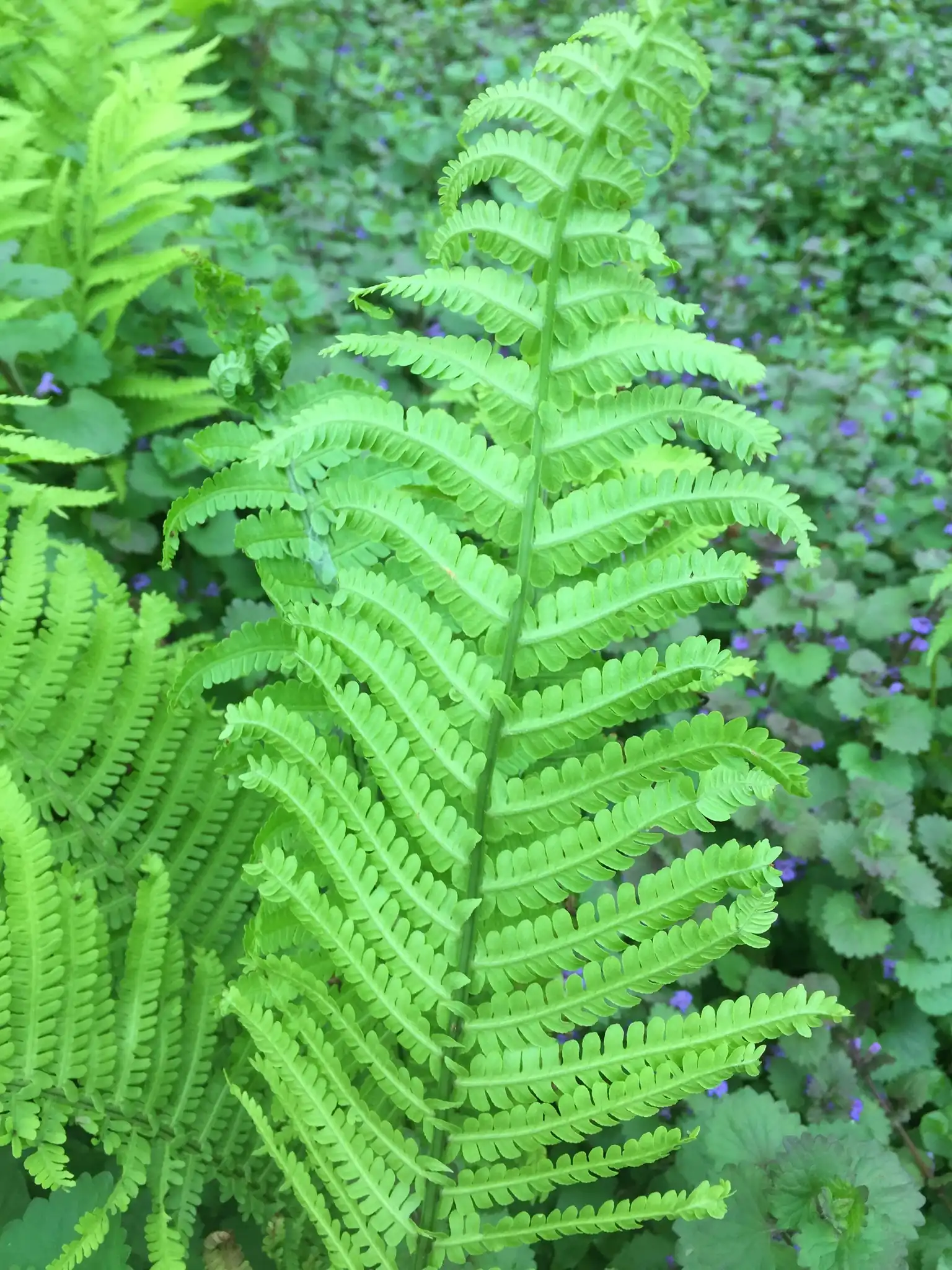
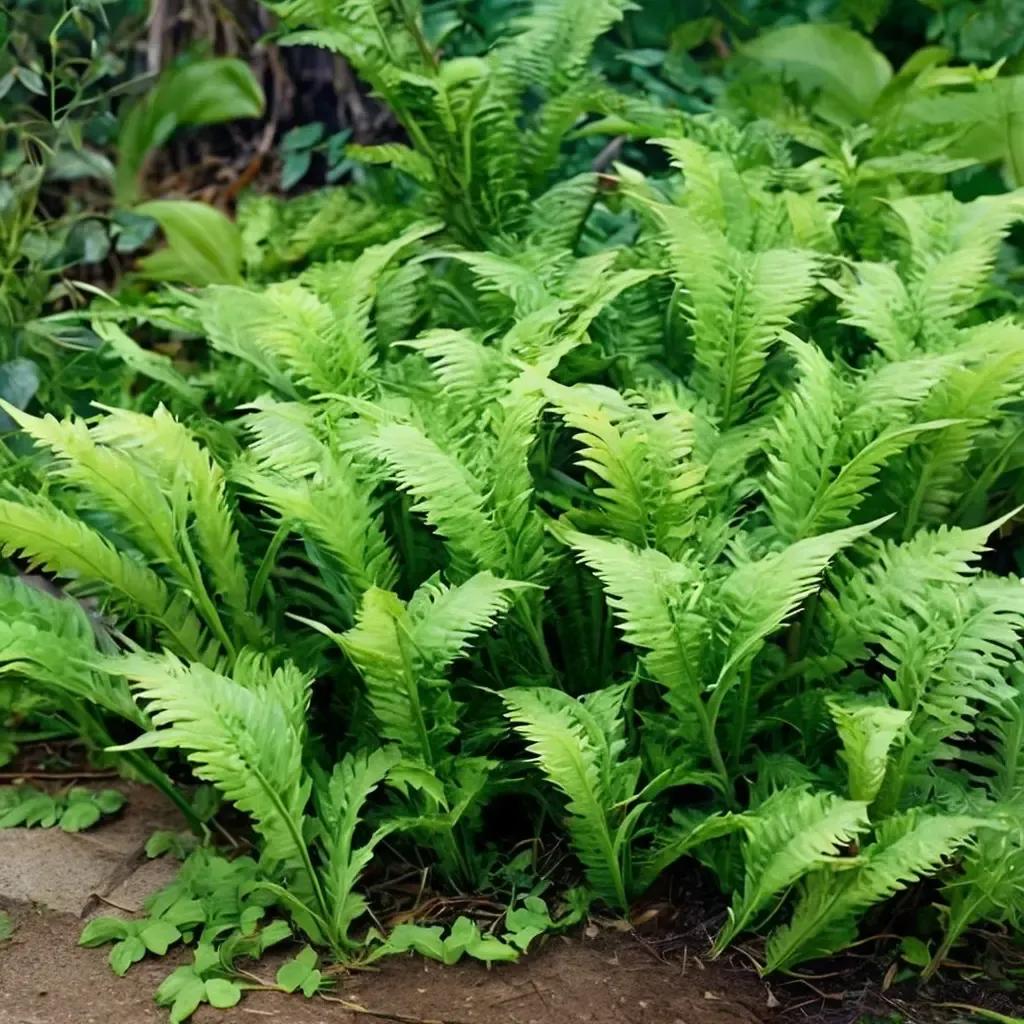
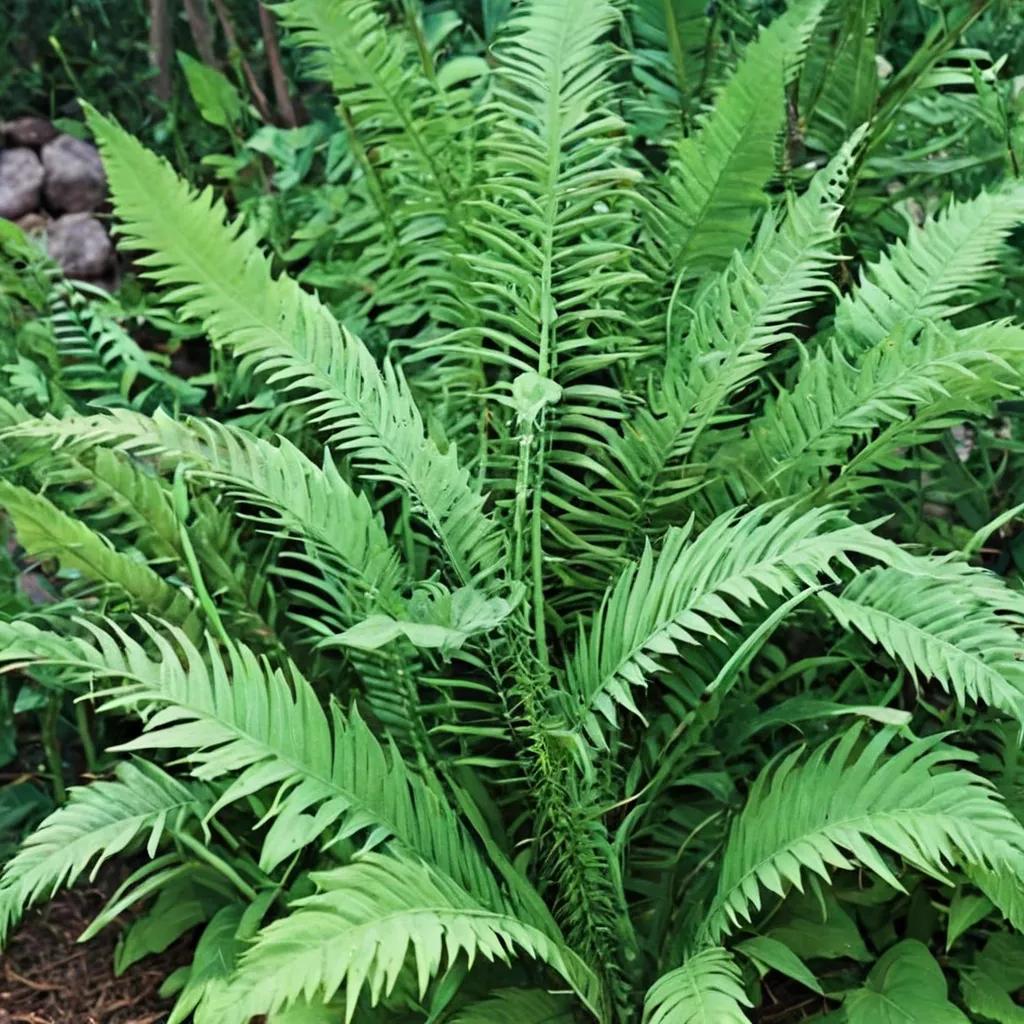
Matteuccia struthiopteris, commonly known as ostrich fern, is a perennial fern characterized by its tall, feathery fronds that arch gracefully.
This species is notable for its fertile fronds which arise in the center of the plant, differentiating it from other ferns.
Uses & Benefits:
Essentials
At a Glance
Plant Type
Fern
Height
48"
Width
36"
Light
Partial Sun, Shade
Zones
4, 5, 6, 7
Water
Consistently moist soil
Humidity
High humidity preferred
Lifespan
Perennial
Native To
Northern Hemisphere
Toxicity
Fiddleheads edible when cooked; otherwise non-toxic
Marketplace
Where to Buy
Shipping costs Year-round shipping Free shipping
Planting
How to Grow
- Choose a shady spot with moist, well-draining soil.
- Tuck spores into the soil surface and keep consistently moist.
- Mist cuttings regularly to maintain humidity and encourage growth.
- Transplant seedlings carefully when they are large enough to handle, after 1-2 years.
- Mulch around the base to retain moisture and suppress weeds.
- Divide clumps every 3-4 years in early spring or fall.
Pro Tip
Maintain high humidity and consistent moisture for lush, healthy fronds.
Keep It Thriving
Care Guide
Do
- Water regularly to keep soil moist 🌱
- Apply mulch to retain soil moisture
- Prune dead or damaged fronds in early spring
- Fertilize with a balanced, organic fertilizer in spring
Don't
- Avoid letting soil dry out completely ❌
- Don’t expose to direct, harsh sunlight
- Refrain from over-fertilizing to prevent weak growth
- Don’t disturb mature clumps unnecessarily
Seasonal Care Calendar
| Task | Jan | Feb | Mar | Apr | May | Jun | Jul | Aug | Sep | Oct | Nov | Dec |
|---|---|---|---|---|---|---|---|---|---|---|---|---|
| Divide | ||||||||||||
| Harvest | ||||||||||||
| Mulch | ||||||||||||
| Spring Cleanup |
Watch Out For
Pests & Diseases
Common Pests
Common Diseases
In the Garden
Landscape Uses & Companions
Landscape Uses
Multiply
Propagation Methods
Good to Know
Common Questions
Ostrich Fern questions
What zones can Ostrich Fern grow in?
Ostrich Fern is hardy in USDA Zones 4–7. Inside that range it survives winter in the ground; outside it, grow it as an annual or a container plant you protect.
Is Ostrich Fern deer resistant?
Yes — Ostrich Fern is rated deer-resistant. Deer typically pass it over, though extreme hunger can override any plant's defenses.
Does Ostrich Fern need full sun?
Ostrich Fern does best in part shade.
More Matteuccia to compare
Keep exploring
Explore the genus
Hardy in your zone?
Grow Ostrich Fern with confidence
See it in a design of your actual yard, get zone-matched care reminders, and track it season by season in your garden journal.