
Garden hybrid
This is a garden hybrid, bred from more than one wild species, so it has no single species page of its own.
17 other cultivars
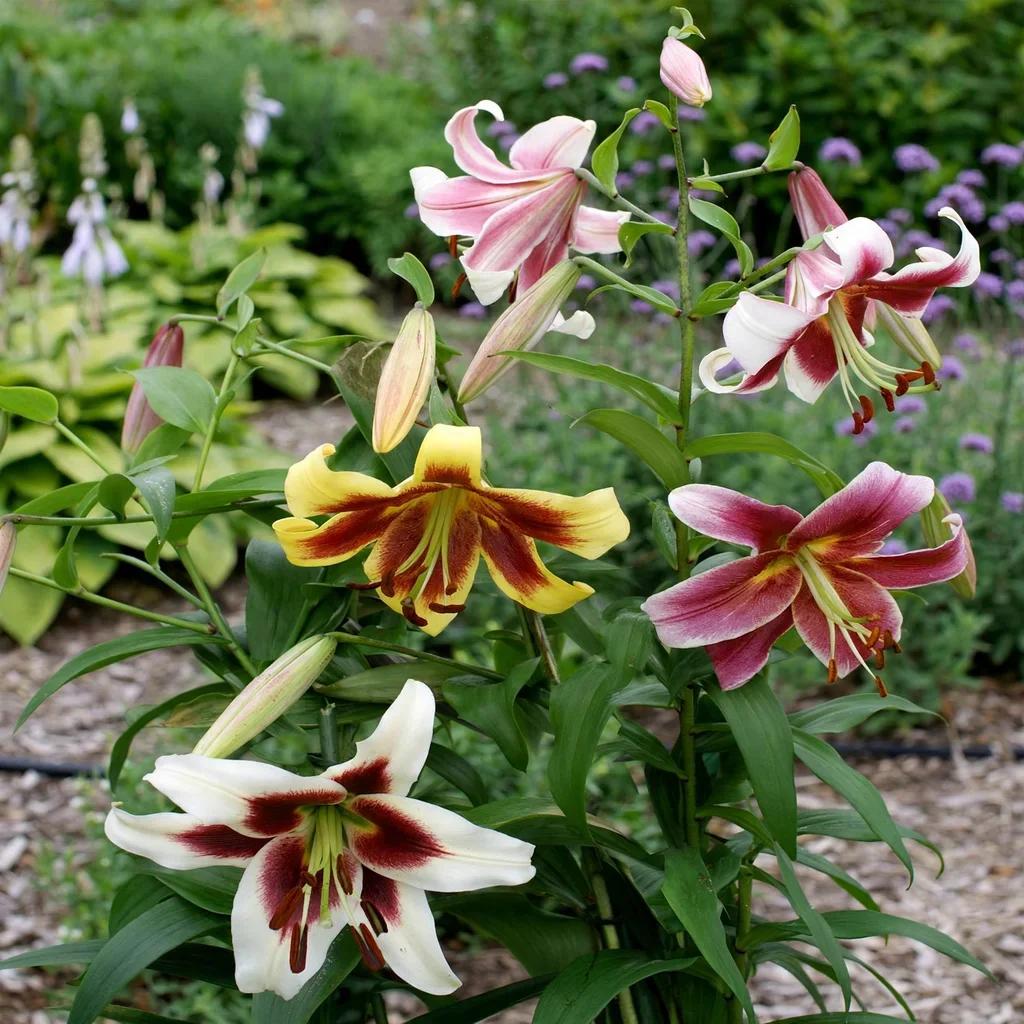 ‘Tree Mix’Tree Lily
 ‘Anastasia’Anastasia Lily
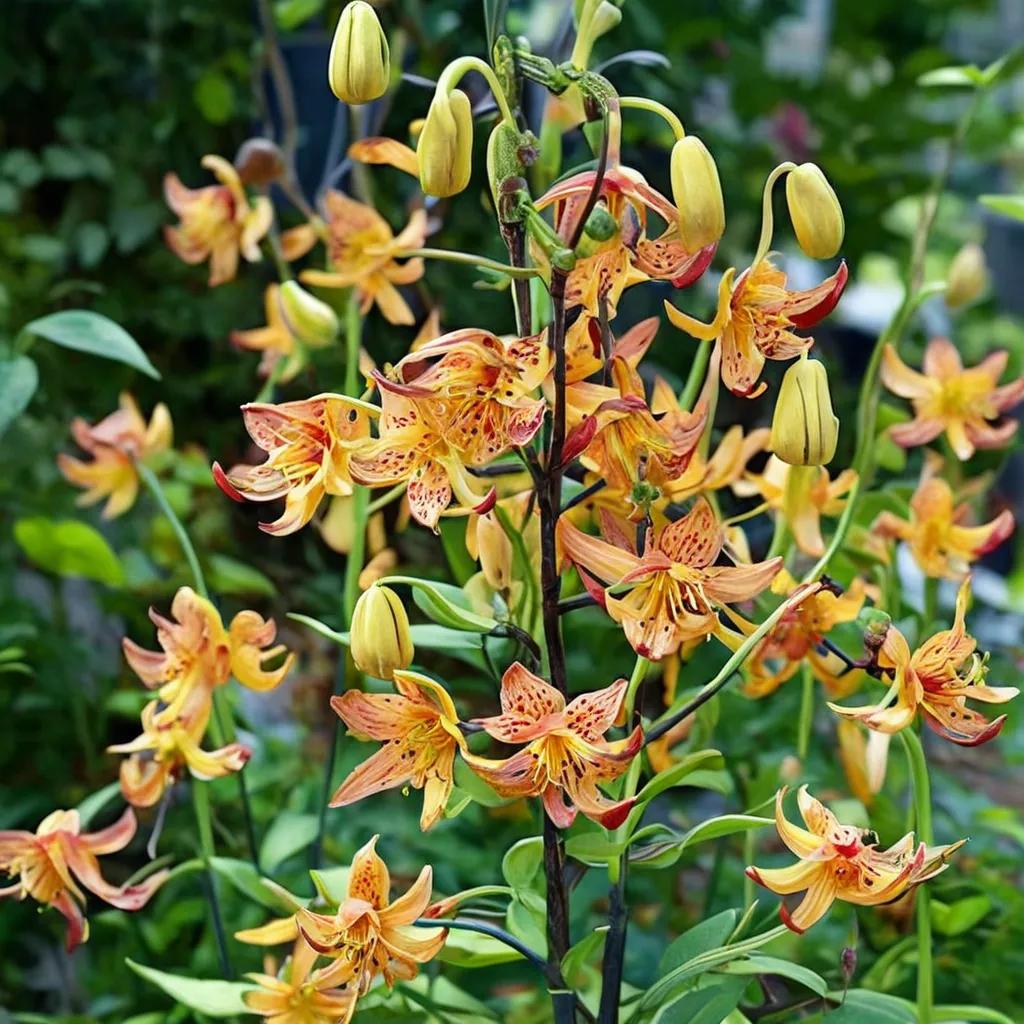 ‘Sunny Morning’Lilium Sunny Morning
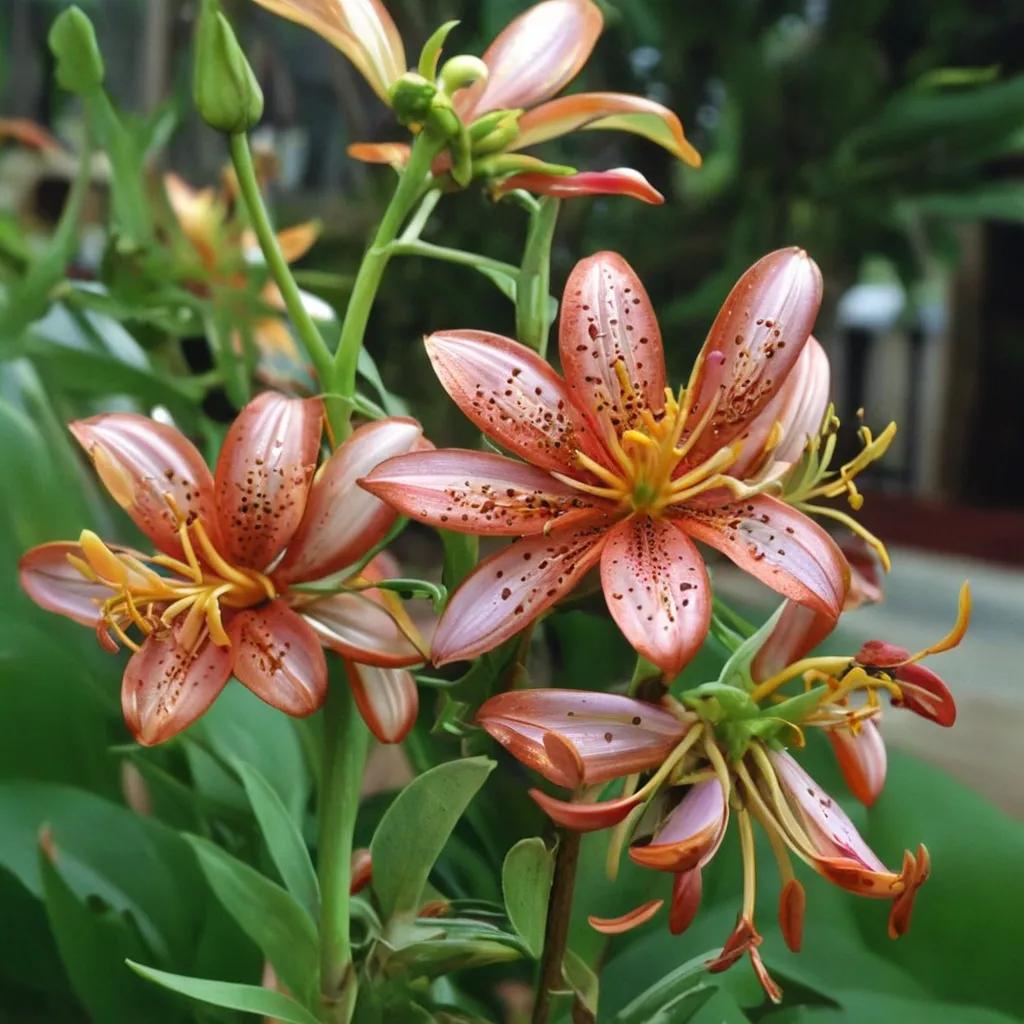 ‘Pink Taurade’Roselily Taurade
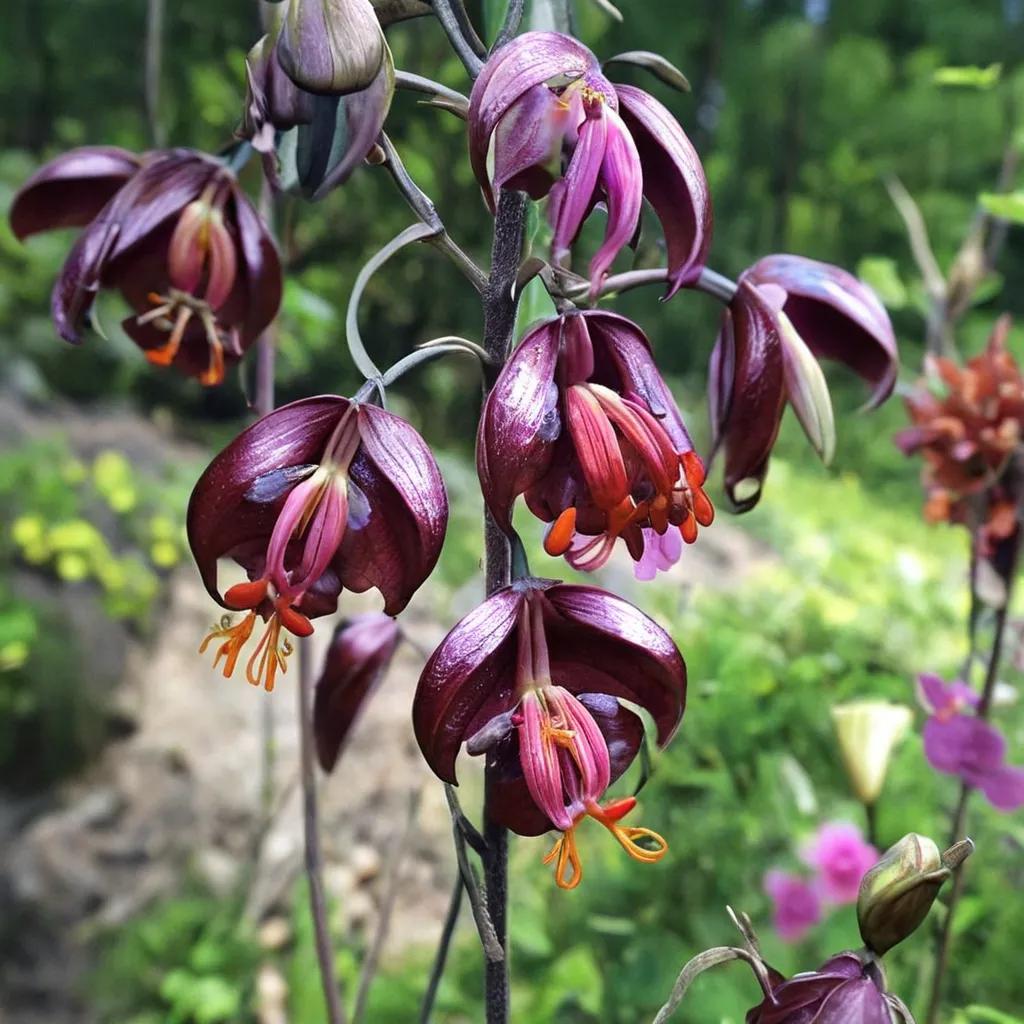 ‘Sarcee’Asiatic Lily
 ‘Mighty Summer Bulb Garden’Mighty Summer Bulb Garden Lily
 ‘Nymph’Nymph Lily
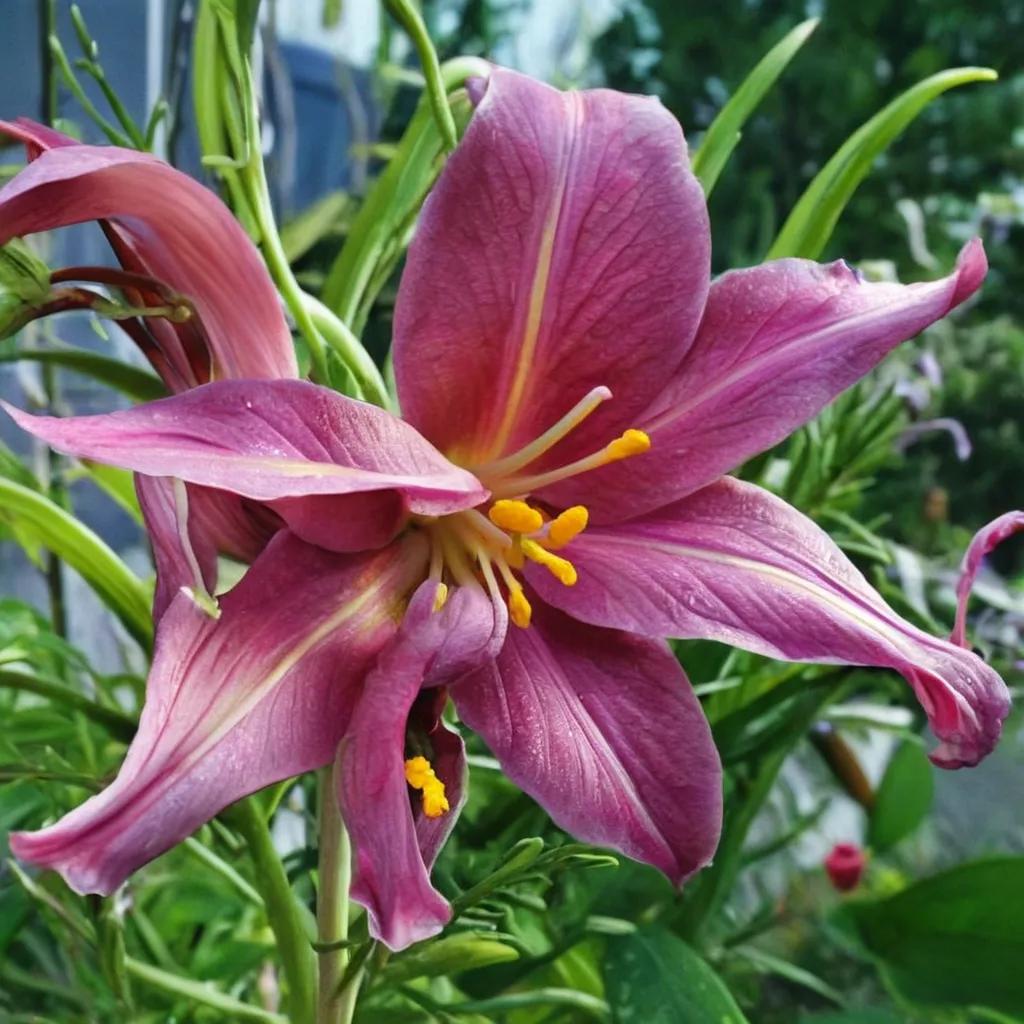 ‘Pink Perfection’Pink Perfection Lily
 ‘Peppard Gold’Hybrid Lily Peppard Gold
 ‘Margaret Mauve’Margaret Mauve Lily
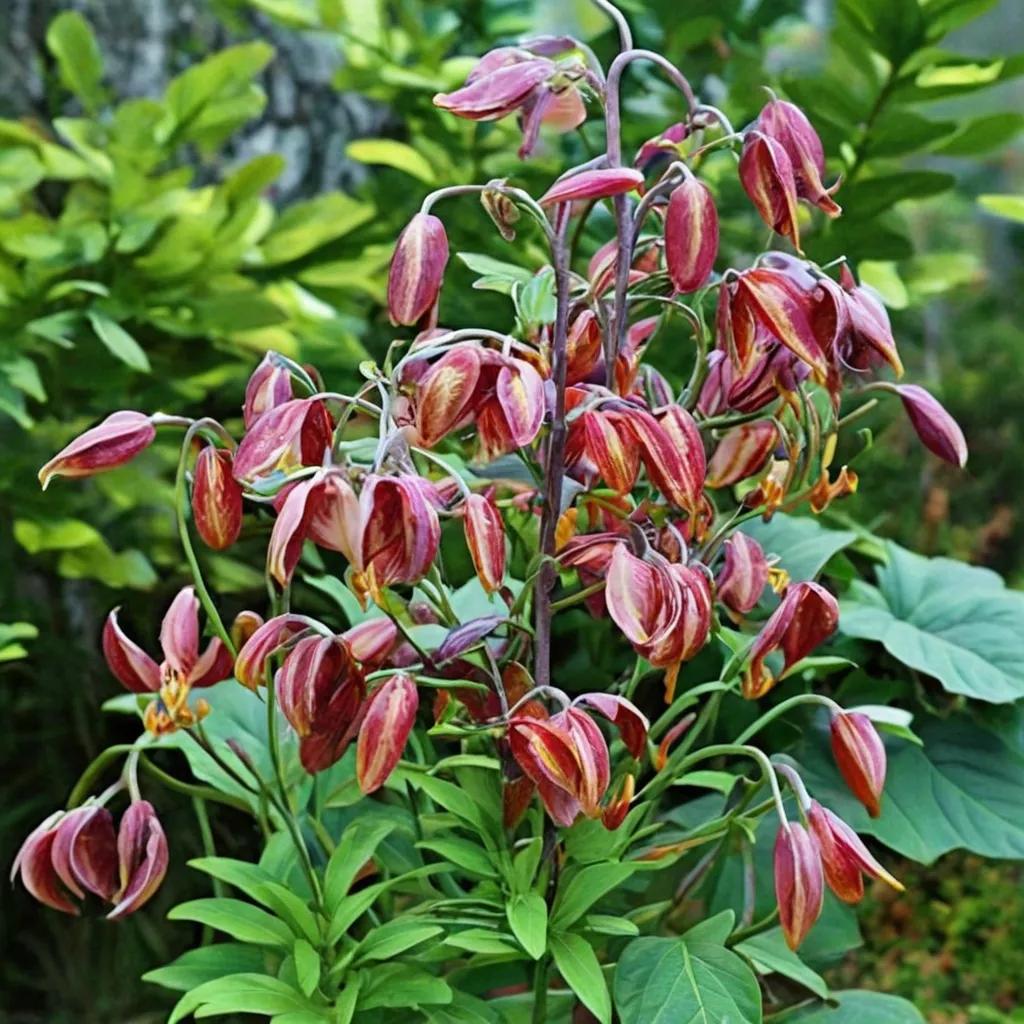 ‘Claude Shride’'Claude Shride' Martagon Lily
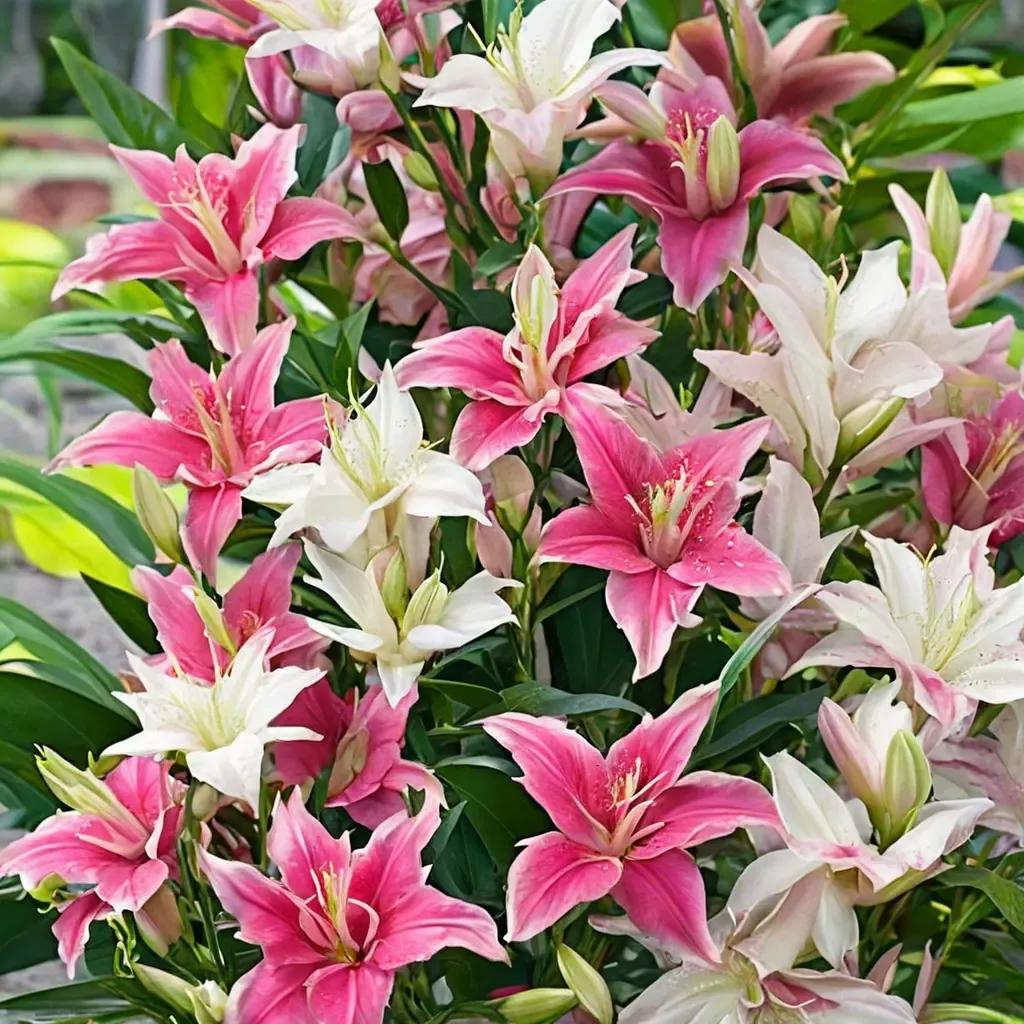 ‘Double Oriental Lily Mix’Double Oriental Lily Mix
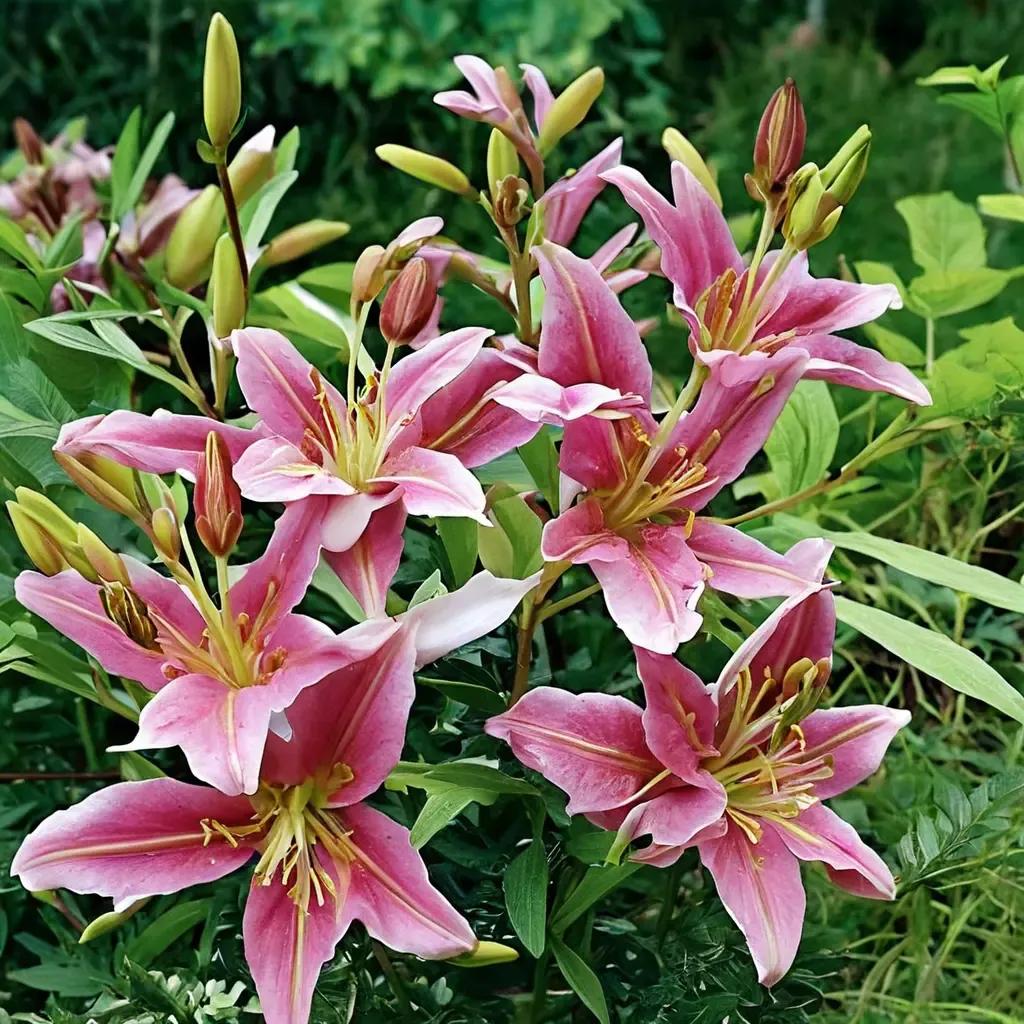 ‘Cutting Garden’Cutting Garden Lily
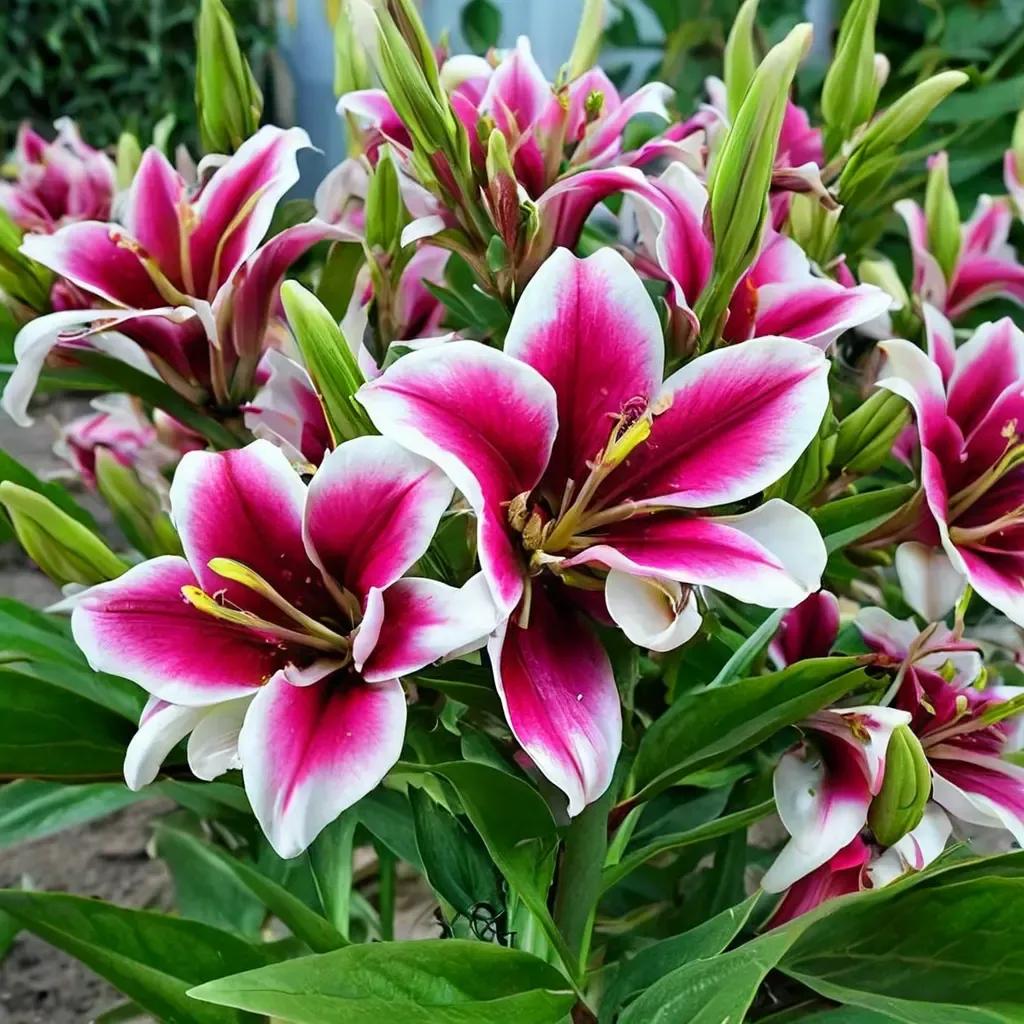 ‘Flashpoint’Flashpoint Lily
 ‘Forever Susan’Forever Susan Lily
 ‘Rosella’'Rosella's Dream' Orienpet Lily
 ‘Graffity Tango’Graffiti Tango Lily
The Story
Plant Bio
Herbaceous perennial from a scaly bulb. Features downward-facing, Turk's-cap flowers on tall, rigid stems. Unique for producing blackish bulbils in the leaf axils, which can be used for propagation.
A sterile, double-flowered cultivar with multiple layers of orange, black-spotted tepals. It does not produce pollen as the stamens are modified into petal-like structures.
Uses & Benefits:
Bred from more than one wild species, so it has no species page of its own.
Essentials
At a Glance
Plant Type
Bulb Corm Tuber
Height
48"
Width
18"
Light
Full Sun, Partial Sun
Zones
4, 5, 6, 7, 8, 9
Water
Moderate
Humidity
Average
Lifespan
Perennial
Native To
China, Japan, Korea
Toxicity
Highly toxic to cats, causing kidney failure. Can cause mild stomach upset in dogs.
Bloom period
Mid to Late Summer – Late summer
In flower about 2 months of the year
Planting
How to Grow
- Tuck lily bulbs 4-6 inches deep in well-draining soil in fall.
- Water thoroughly after planting to settle soil around the bulbs.
- Apply a layer of mulch to conserve moisture and regulate temperature.
- Fertilize with a balanced fertilizer in early spring as shoots emerge.
- Stake tall stems if necessary to prevent toppling in wind.
- Divide clumps every 3-4 years in early spring or fall for healthy growth.
Pro Tip
Plant in a sunny spot with rich, well-draining soil for best bloom performance.
Keep It Thriving
Care Guide
Do
- Water lilies regularly during the growing season 🌱
- Apply fertilizer in early spring to promote vibrant blooms
- Support tall stems with stakes if needed
- Mulch to retain soil moisture and suppress weeds
Don't
- Avoid overwatering to prevent bulb rot ❌
- Don’t plant in heavy, poorly-draining soil
- Refrain from cutting back foliage until it yellows naturally
- Don’t disturb bulbs during the blooming period
Seasonal Care Calendar
| Task | Jan | Feb | Mar | Apr | May | Jun | Jul | Aug | Sep | Oct | Nov | Dec |
|---|---|---|---|---|---|---|---|---|---|---|---|---|
| Deadhead | ||||||||||||
| Fertilize | ||||||||||||
| Plant | ||||||||||||
| Propagate | ||||||||||||
| Spring Cleanup | ||||||||||||
| Stake |
Watch Out For
Pests & Diseases
Common Pests
Common Diseases
In the Garden
Landscape Uses & Companions
Landscape Uses
Companion Plants
Multiply
Propagation Methods
Good to Know
Common Questions
Double Tiger Lily questions
What zones can Double Tiger Lily grow in?
Double Tiger Lily is hardy in USDA Zones 4–9. Inside that range it survives winter in the ground; outside it, grow it as an annual or a container plant you protect.
Is Double Tiger Lily deer resistant?
Not reliably. Deer may browse Double Tiger Lily, especially tender spring growth — plan on repellents or fencing where pressure is high.
When does Double Tiger Lily bloom?
Double Tiger Lily typically blooms in mid to late summer through late summer. Exact timing shifts a week or two with your zone — Sow's bloom calendar maps it to your garden.
Does Double Tiger Lily need full sun?
Double Tiger Lily does best in full sun to part shade. In hot climates, afternoon shade keeps blooms fresher longer.
More Lilium to compare
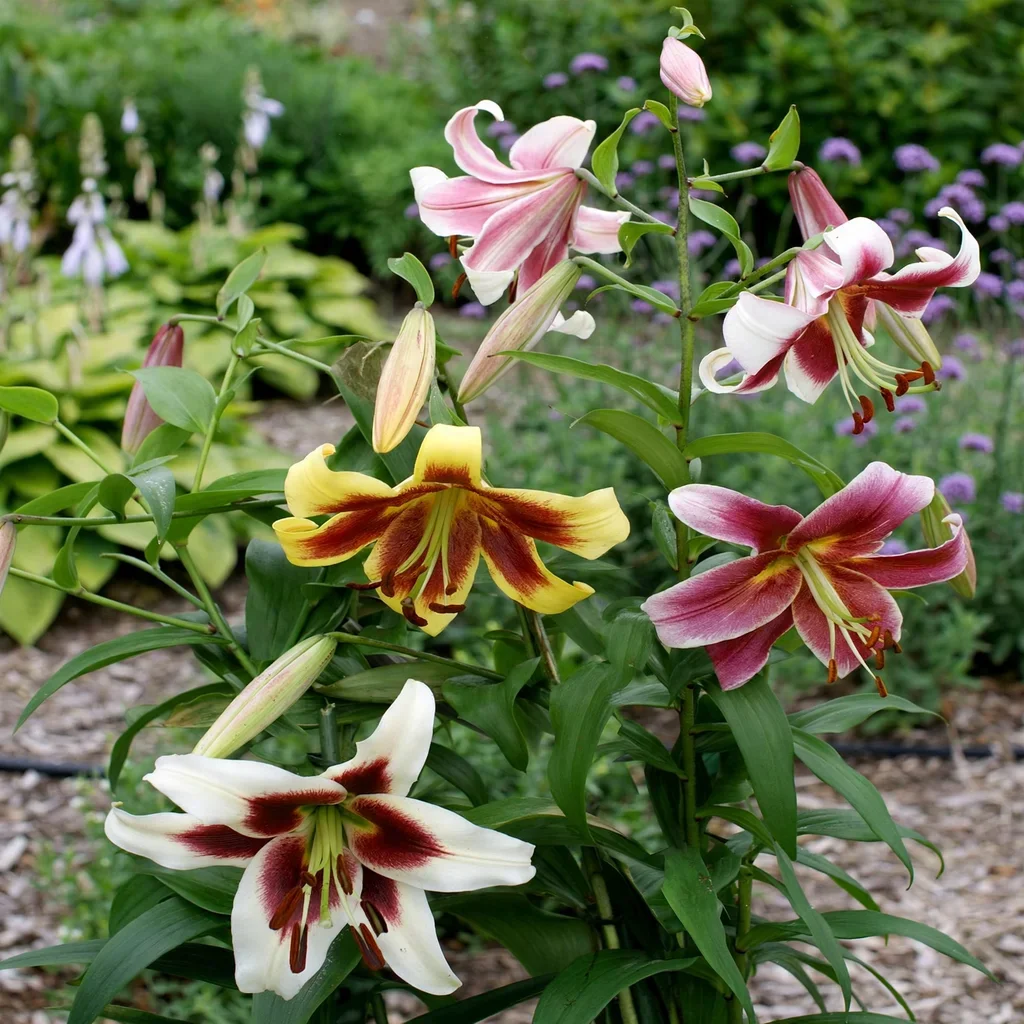
Tree Lily
Lilium x hybrida 'Tree Mix'
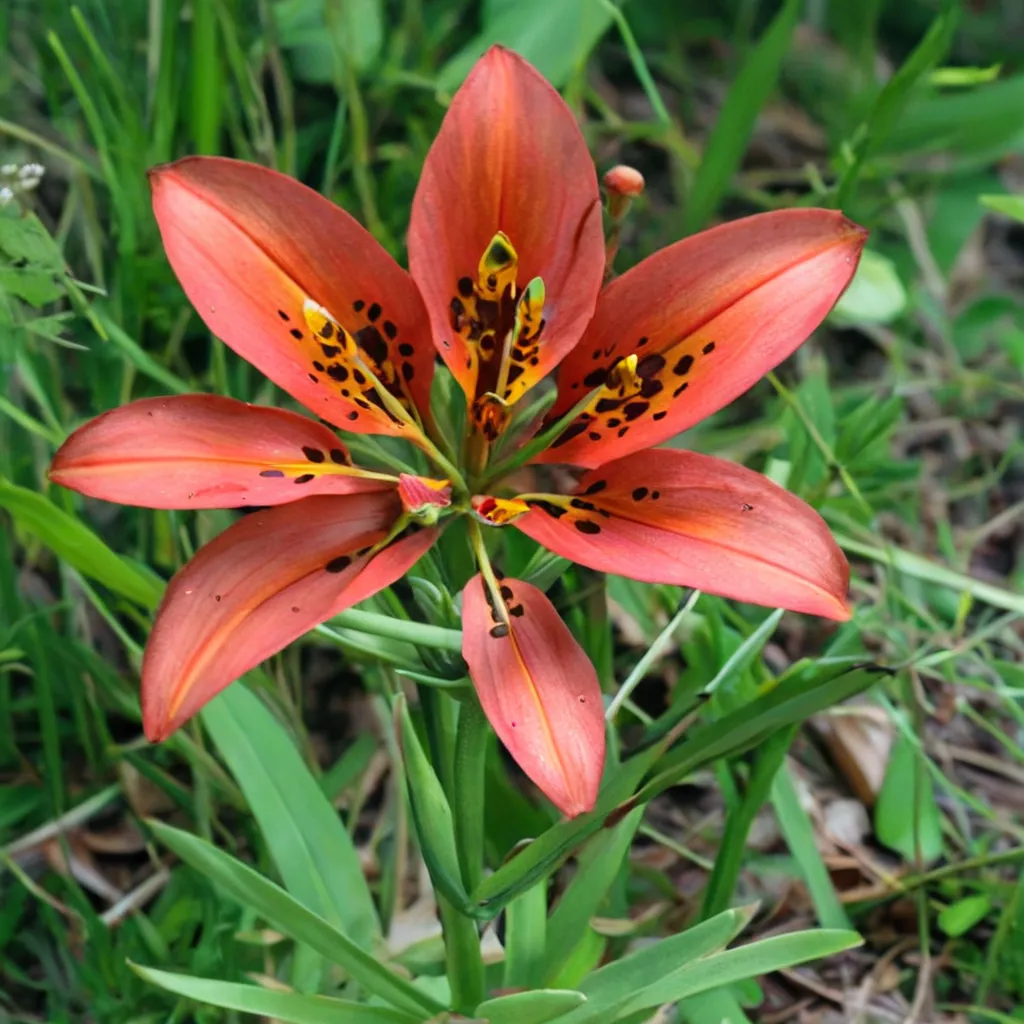
Wood Lily
Lilium philadelphicum
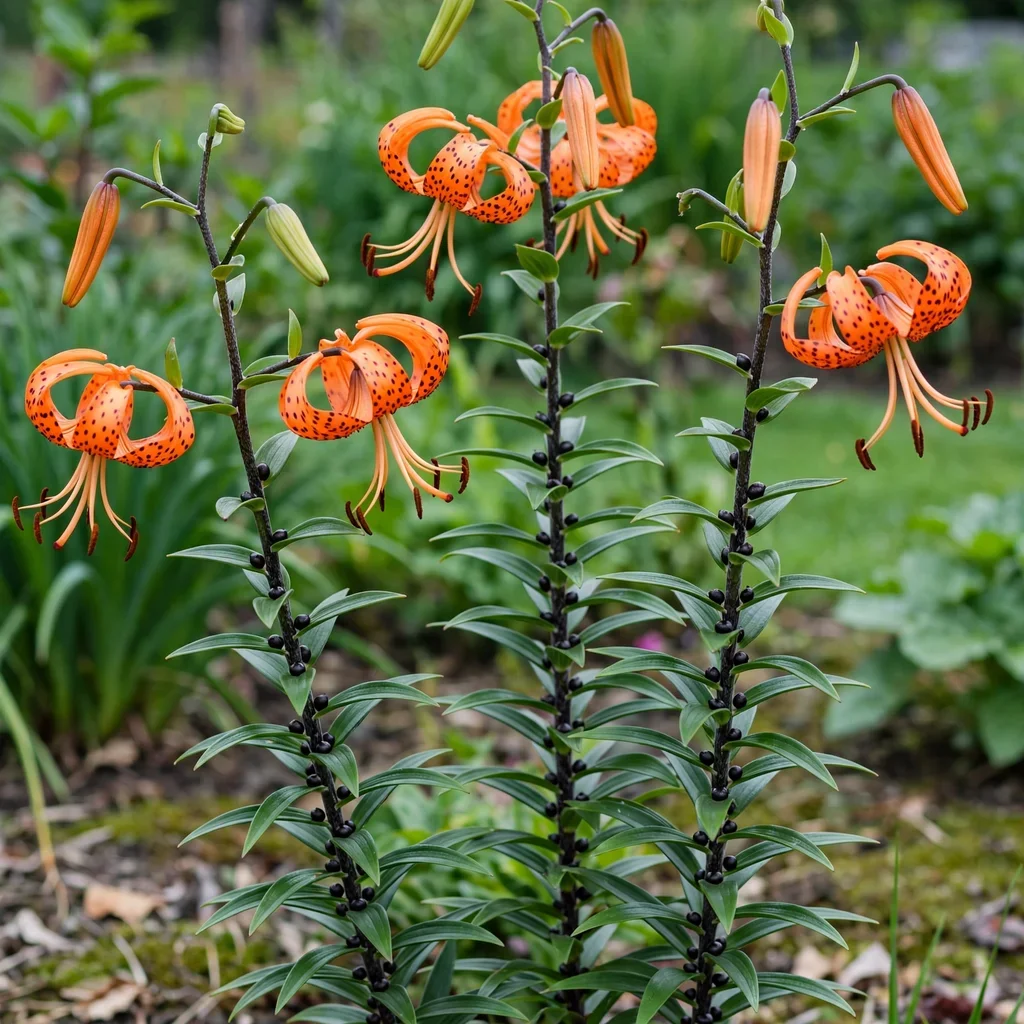
Tiger Lily
Lilium lancifolium
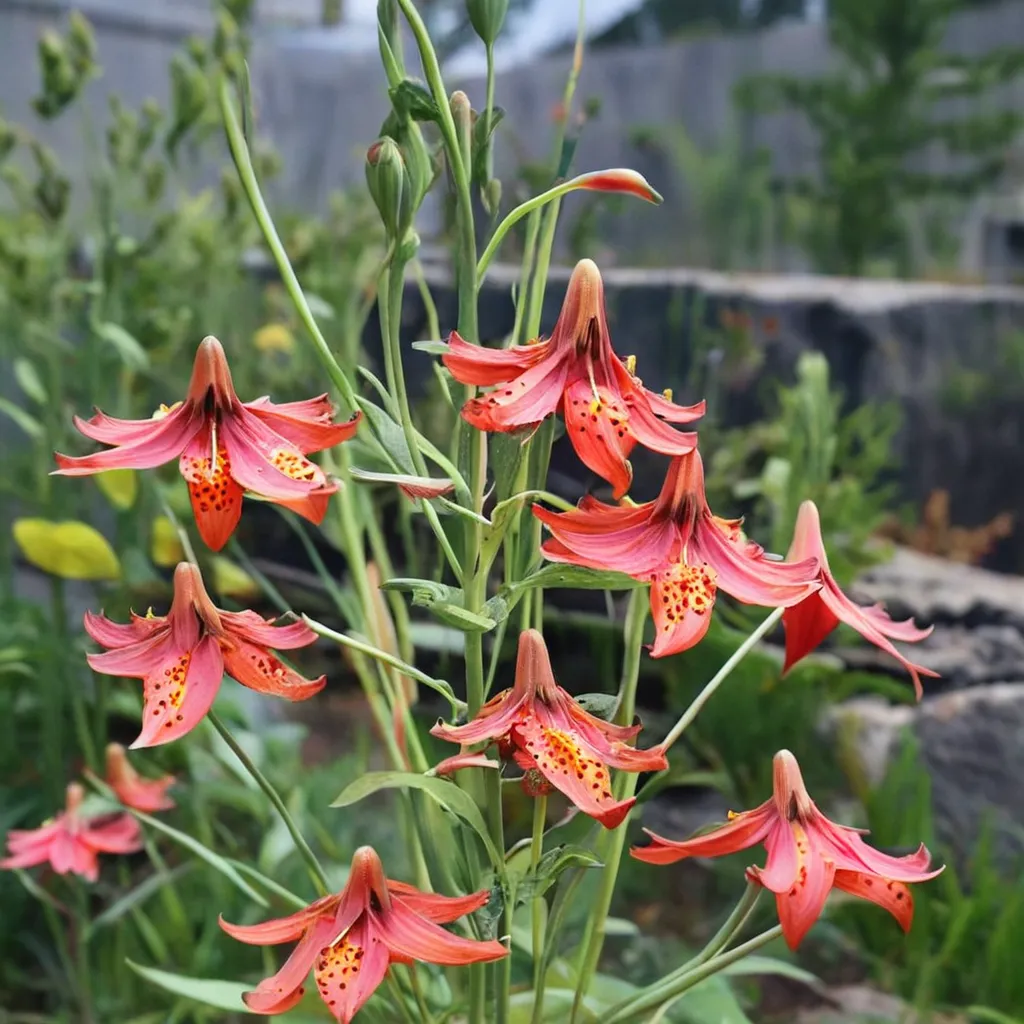
Canada Lily 'Reverend Walker'
Lilium canadense 'Reverend Walker'
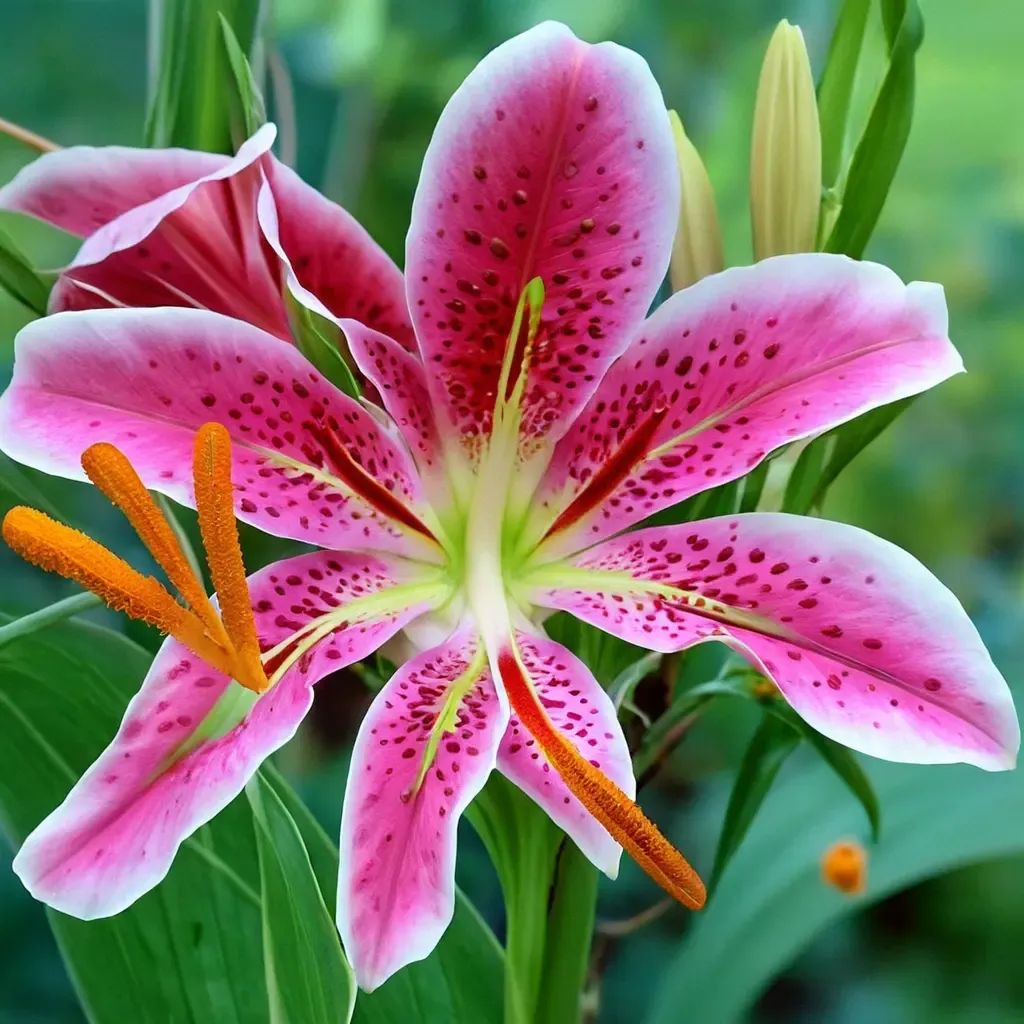
Stargazer Lily
Lilium lancifolium 'Stargazer'
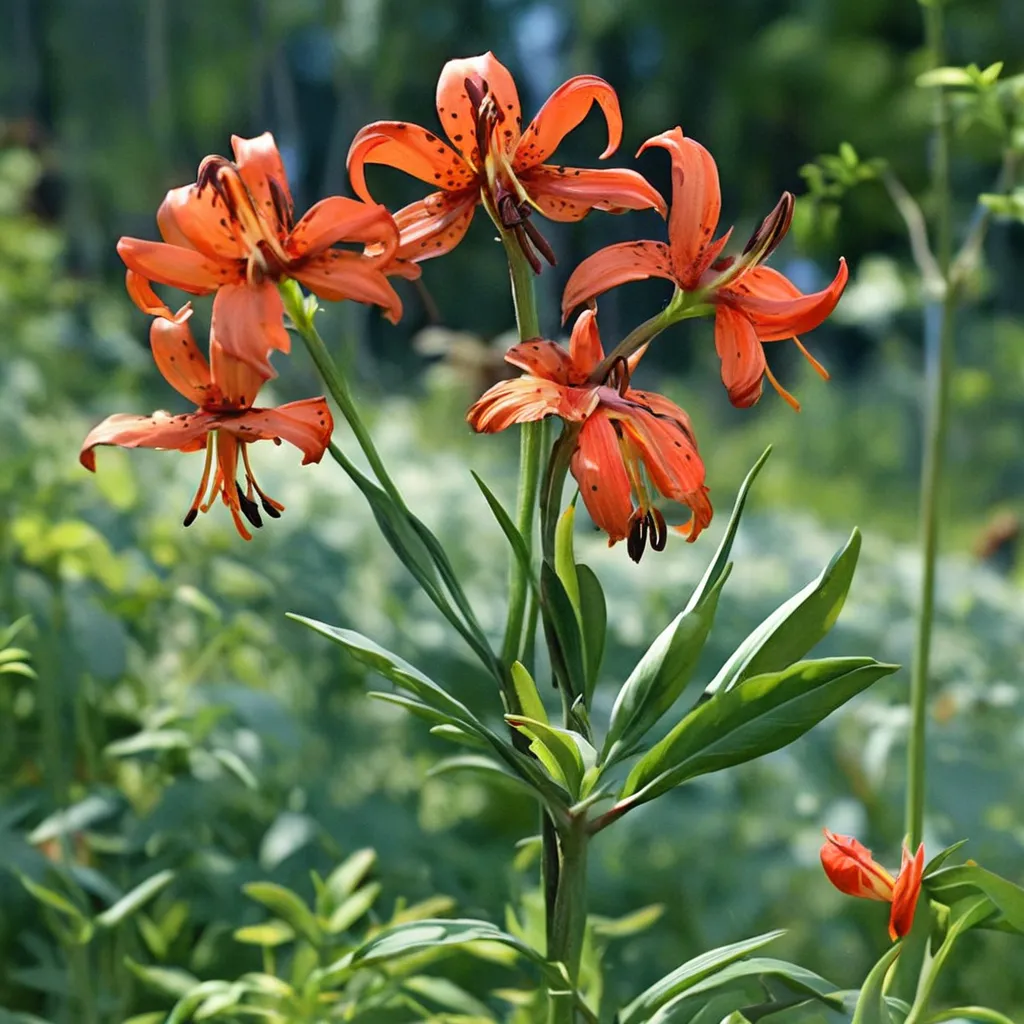
Michigan Lily
Lilium michiganense
Keep exploring
Explore the genus
Grow Double Tiger Lily with confidence
See it in a design of your actual yard, get zone-matched care reminders, and track it season by season in your garden journal.