The Story
Plant Bio
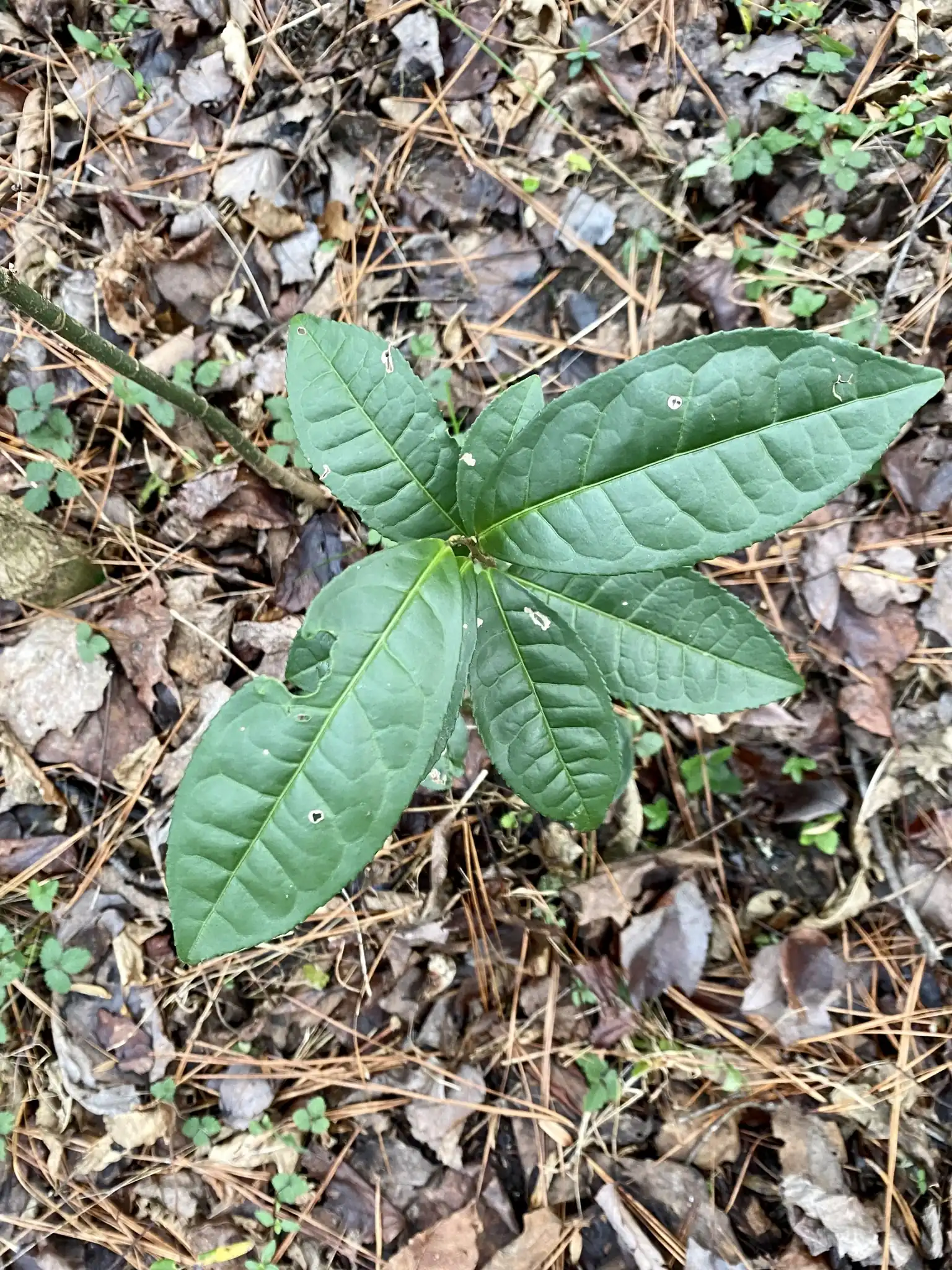
Oxydendrum arboreum is a slow-growing, small to medium-sized deciduous tree native to the eastern United States. It is highly valued for its four-season interest, including fragrant summer flowers, brilliant fall color, and persistent seed capsules.
This tree is unique for its elegant, drooping panicles of fragrant, white, urn-shaped flowers that bloom in mid-summer, long after most other trees have finished. The fall color is a spectacular mix of scarlet, crimson, and purple.
Uses & Benefits:
Essentials
At a Glance
Plant Type
Tree
Height
360"
Width
240"
Light
Full Sun, Partial Sun
Zones
5, 6, 7, 8, 9
Water
Average
Humidity
Prefers moderate to high
Lifespan
Long-lived
Native To
Eastern United States
Toxicity
Leaves can be toxic to livestock if ingested in large quantities
Bloom period
Early summer – Mid-summer
In flower about 2 months of the year
Marketplace
Where to Buy
Shipping costs Year-round shipping Free shipping
Planting
How to Grow
- Select a site with acidic, moist, well-drained soil.
- Provide full sun for best fall color, or partial shade.
- Dig a hole twice as wide as the root ball but no deeper.
- Set the tree in the hole, ensuring the root flare is visible.
- Backfill with native soil and water deeply.
- Apply an acidic mulch like pine needles to conserve moisture.
Pro Tip
Sourwood is intolerant of root disturbance, so choose your planting site carefully and purchase younger, container-grown specimens for best transplant success.
Keep It Thriving
Care Guide
Do
- Maintain a consistent layer of acidic mulch over the root zone.
- Water regularly during periods of drought, especially when young.
- Test soil pH and amend if necessary to keep it acidic.
- Site the tree where it is protected from harsh winds.
Don't
- Do not plant in alkaline or heavy clay soils.
- Avoid letting the soil dry out completely.
- Don't disturb the root system after planting.
- Refrain from using high-phosphorus fertilizers.
Seasonal Care Calendar
| Task | Jan | Feb | Mar | Apr | May | Jun | Jul | Aug | Sep | Oct | Nov | Dec |
|---|---|---|---|---|---|---|---|---|---|---|---|---|
| Mulch | ||||||||||||
| Plant |
Watch Out For
Pests & Diseases
Common Pests
Common Diseases
In the Garden
Landscape Uses & Companions
Landscape Uses
Multiply
Propagation Methods
Good to Know
Common Questions
Sourwood questions
What zones can Sourwood grow in?
Sourwood is hardy in USDA Zones 5–9. Inside that range it survives winter in the ground; outside it, grow it as an annual or a container plant you protect.
Is Sourwood deer resistant?
Yes — Sourwood is rated deer-resistant. Deer typically pass it over, though extreme hunger can override any plant's defenses.
When does Sourwood bloom?
Sourwood typically blooms in early summer through mid-summer. Exact timing shifts a week or two with your zone — Sow's bloom calendar maps it to your garden.
Does Sourwood need full sun?
Sourwood does best in full sun to part shade. In hot climates, afternoon shade keeps blooms fresher longer.
Keep exploring
Explore the genus
Hardy in your zone?
Grow Sourwood with confidence
See it in a design of your actual yard, get zone-matched care reminders, and track it season by season in your garden journal.