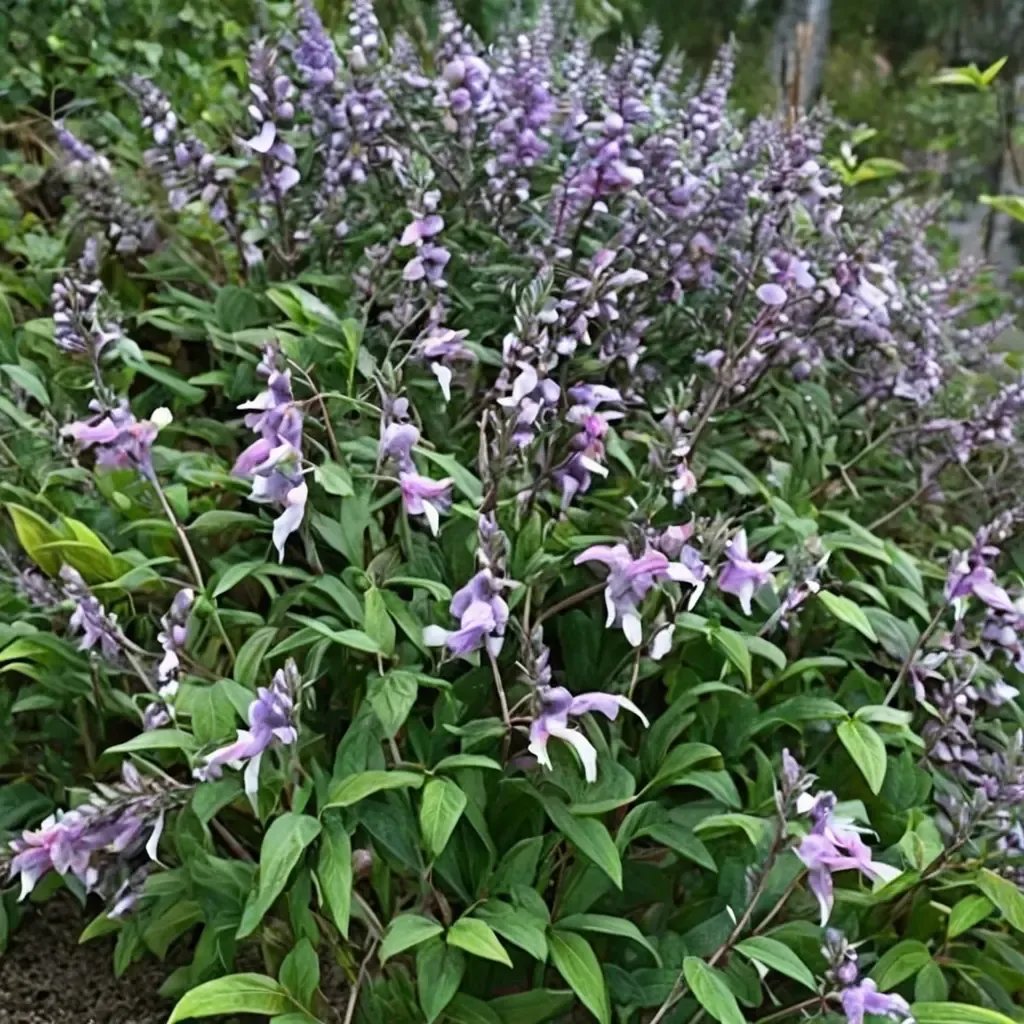
Garden hybrid
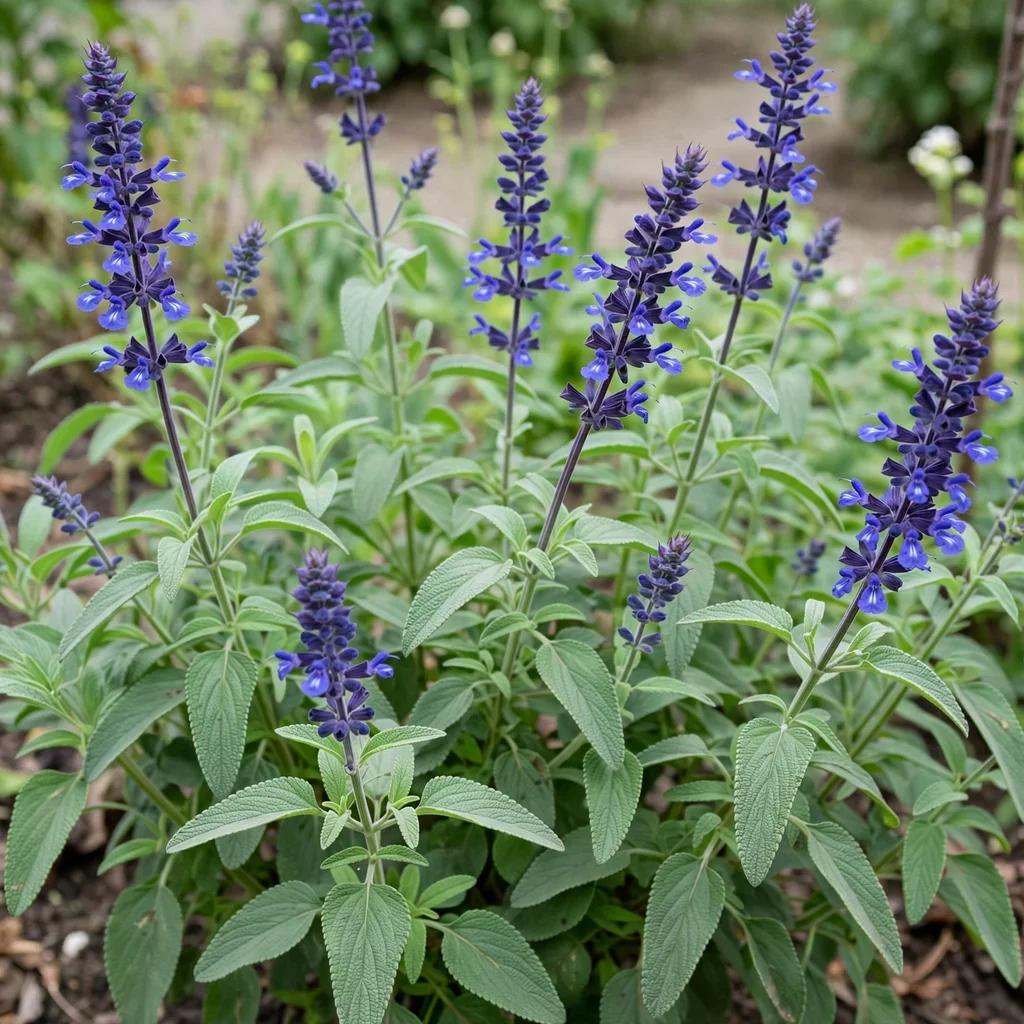 Salvia x hybridaHybrid Sage
35 other cultivars
 ‘White Profusion’White Profusion Salvia
 ‘Lyrical Blues’Lyrical Blues Salvia
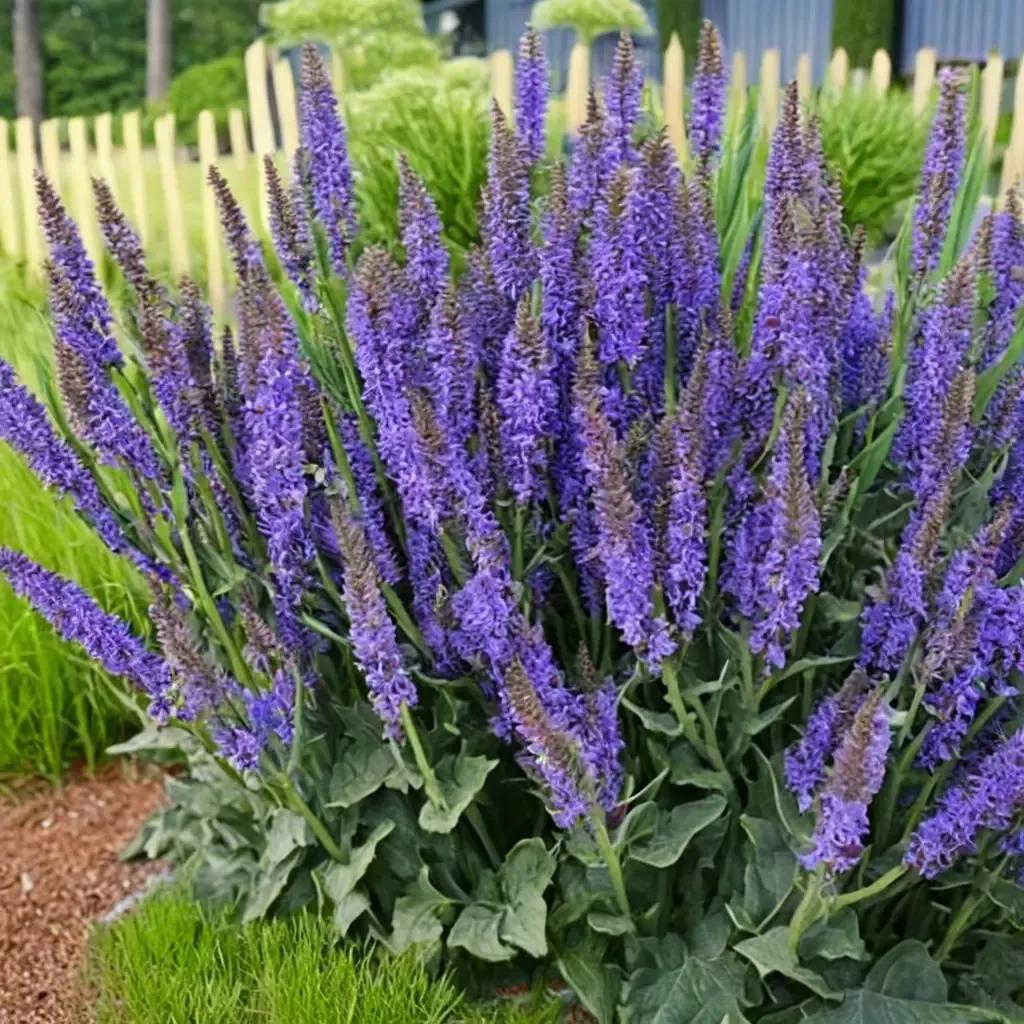 ‘Mainacht’Mainacht May Night Sage
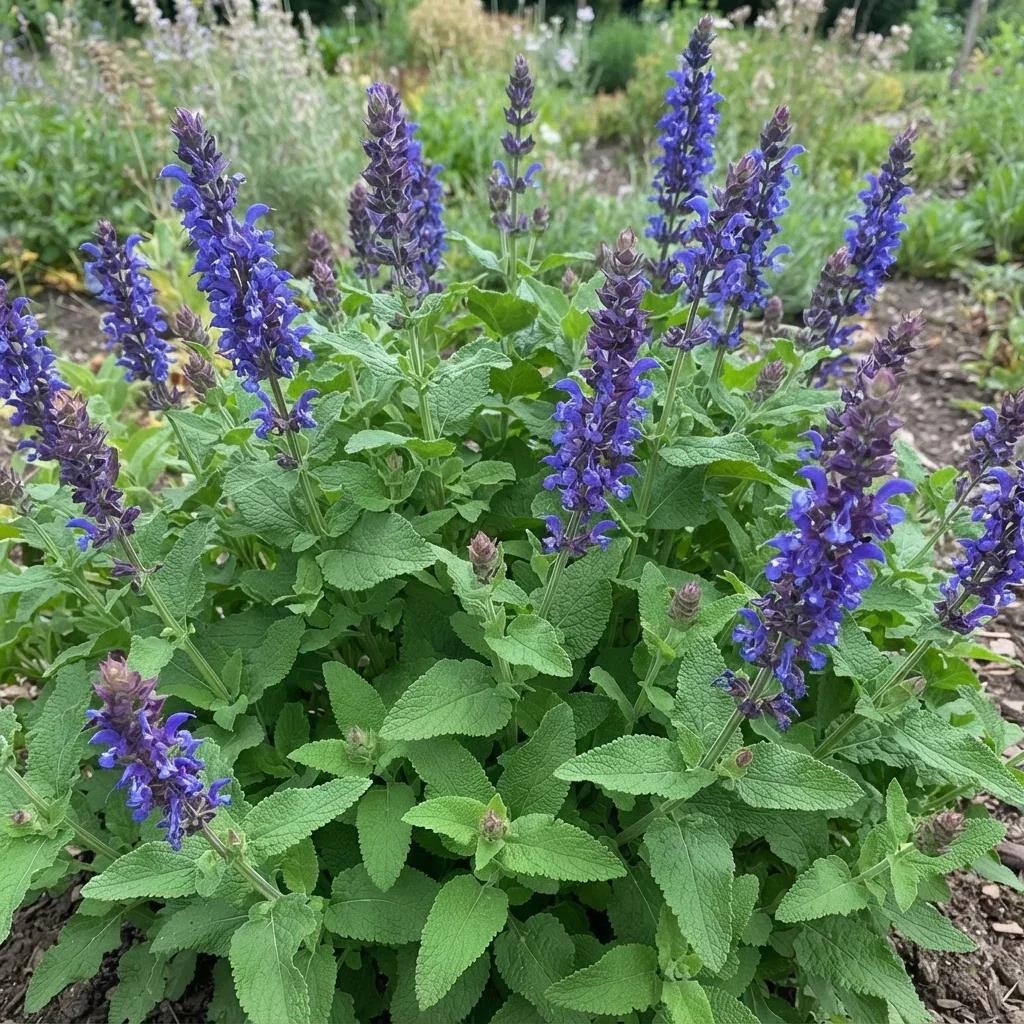 ‘Blue Marvel’Blue Marvel Salvia
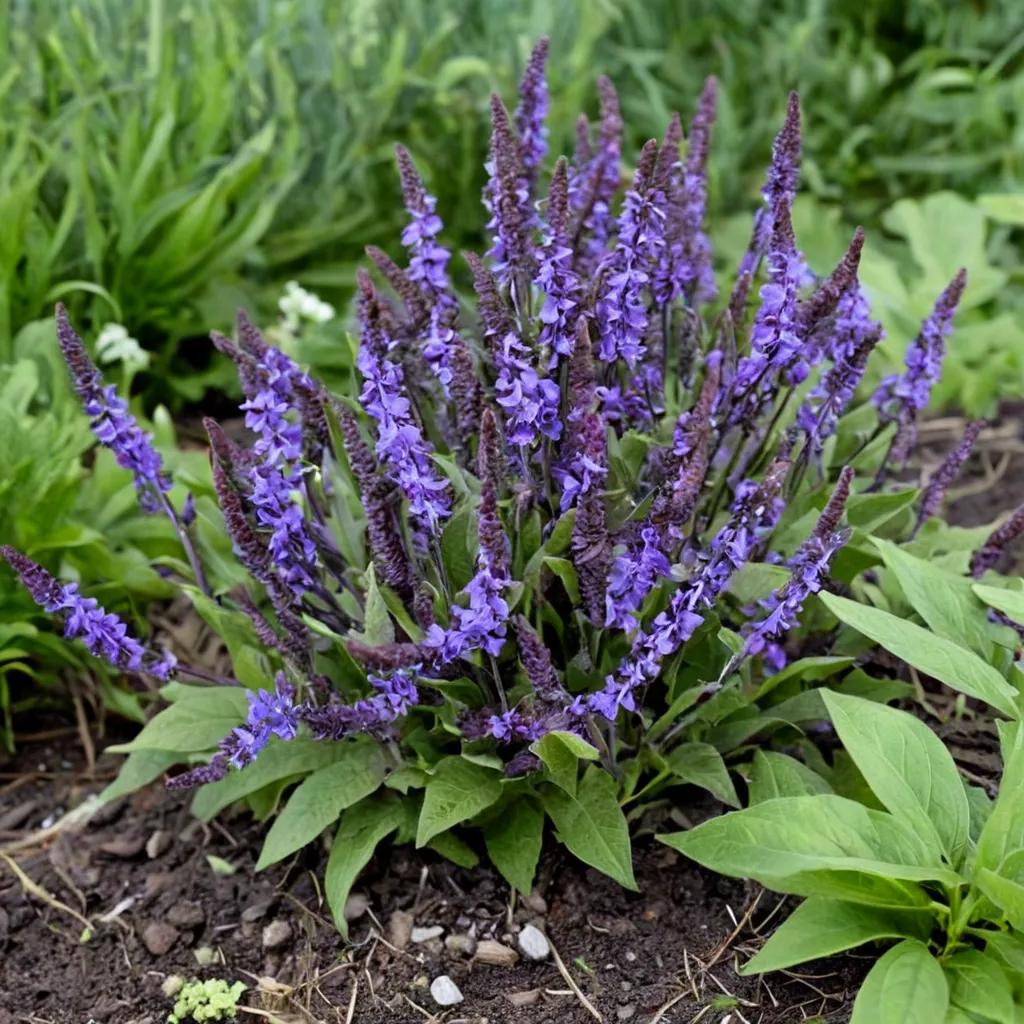 ‘Violet Profusion’Violet Profusion Meadow Sage
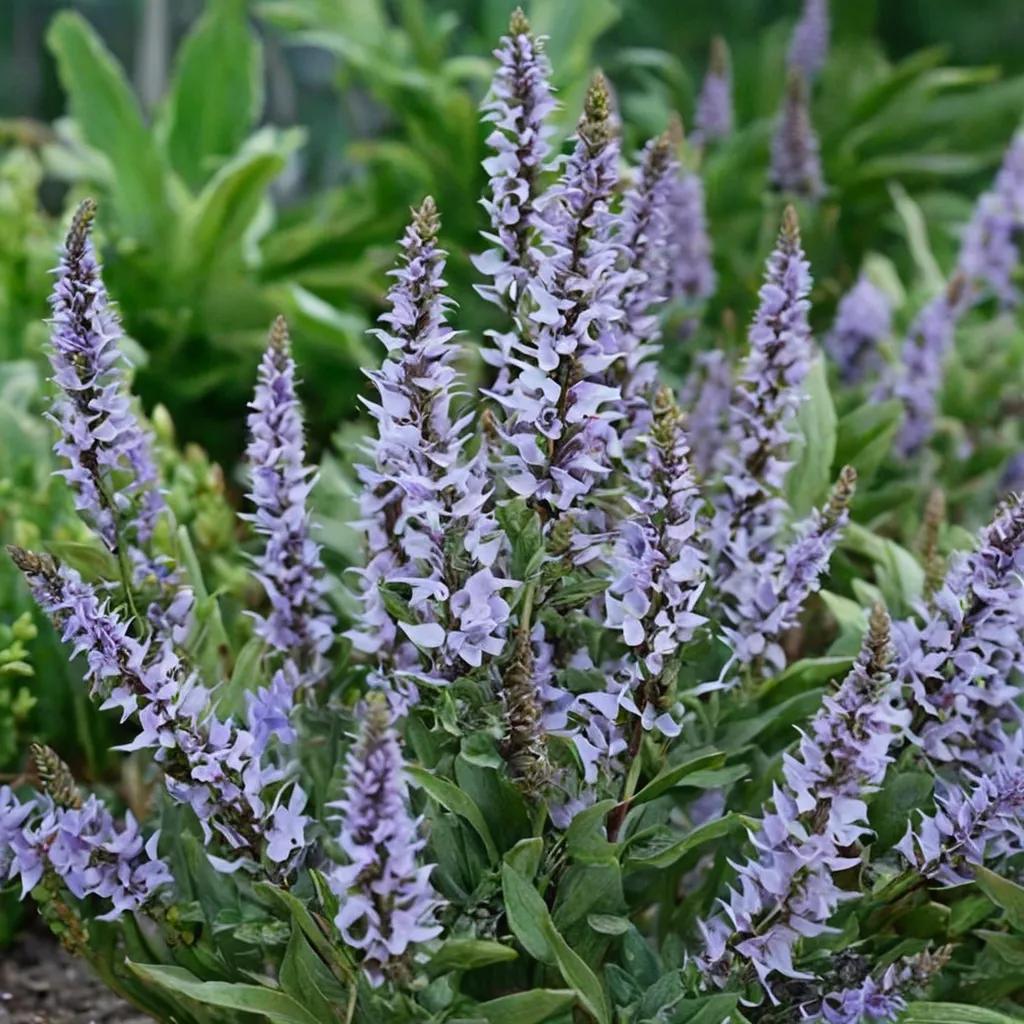 ‘Crystal Blue’Salvia Crystal Blue
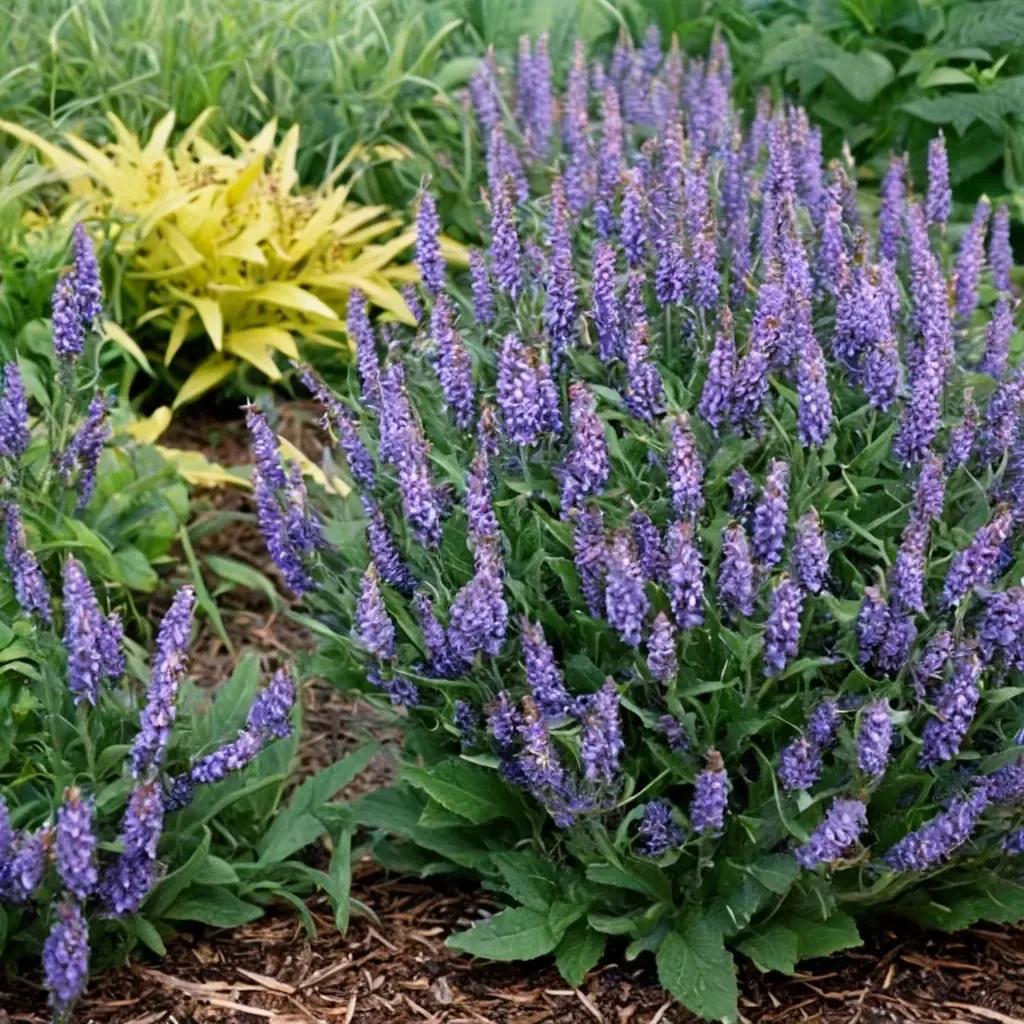 ‘Blue Hill’Blue Hill Sage
 ‘Azure Snow’Azure Snow Salvia
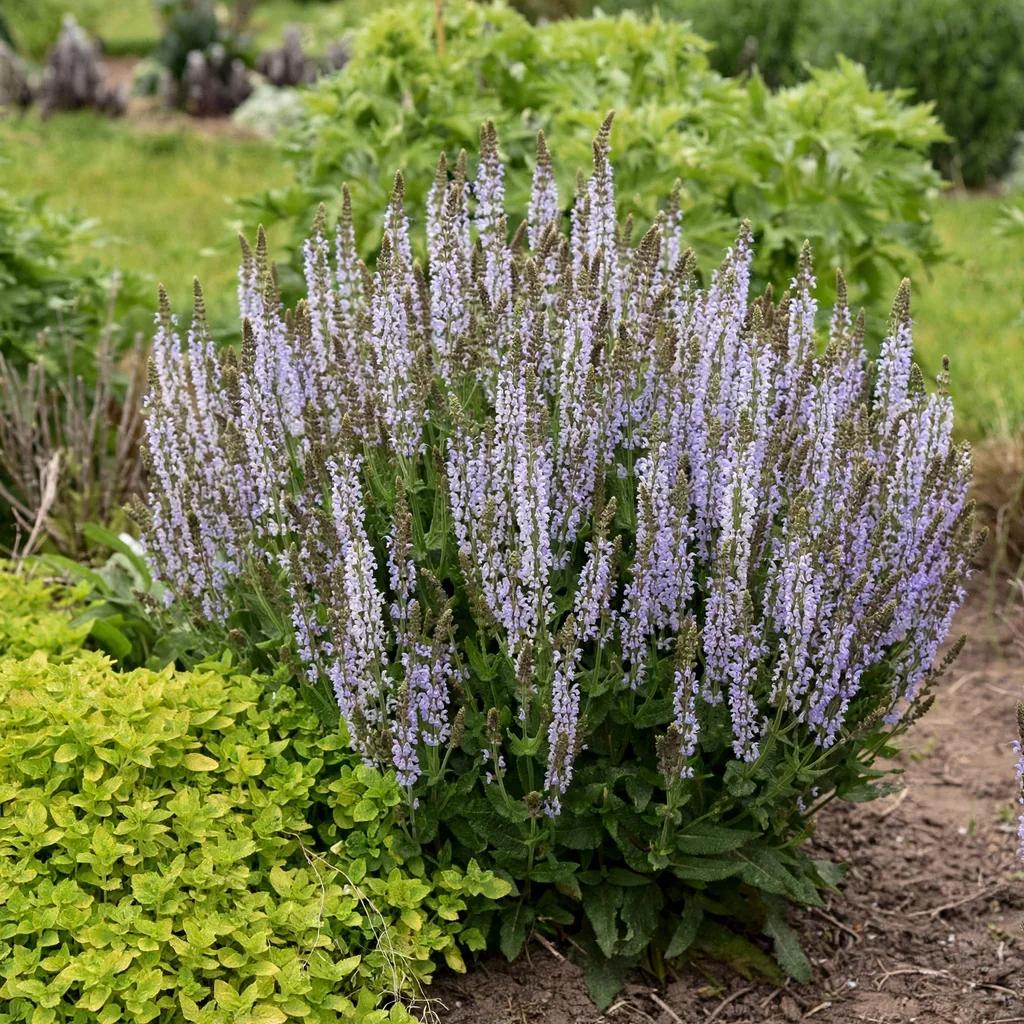 ‘Perfect Profusion’Perfect Profusion Meadow Sage
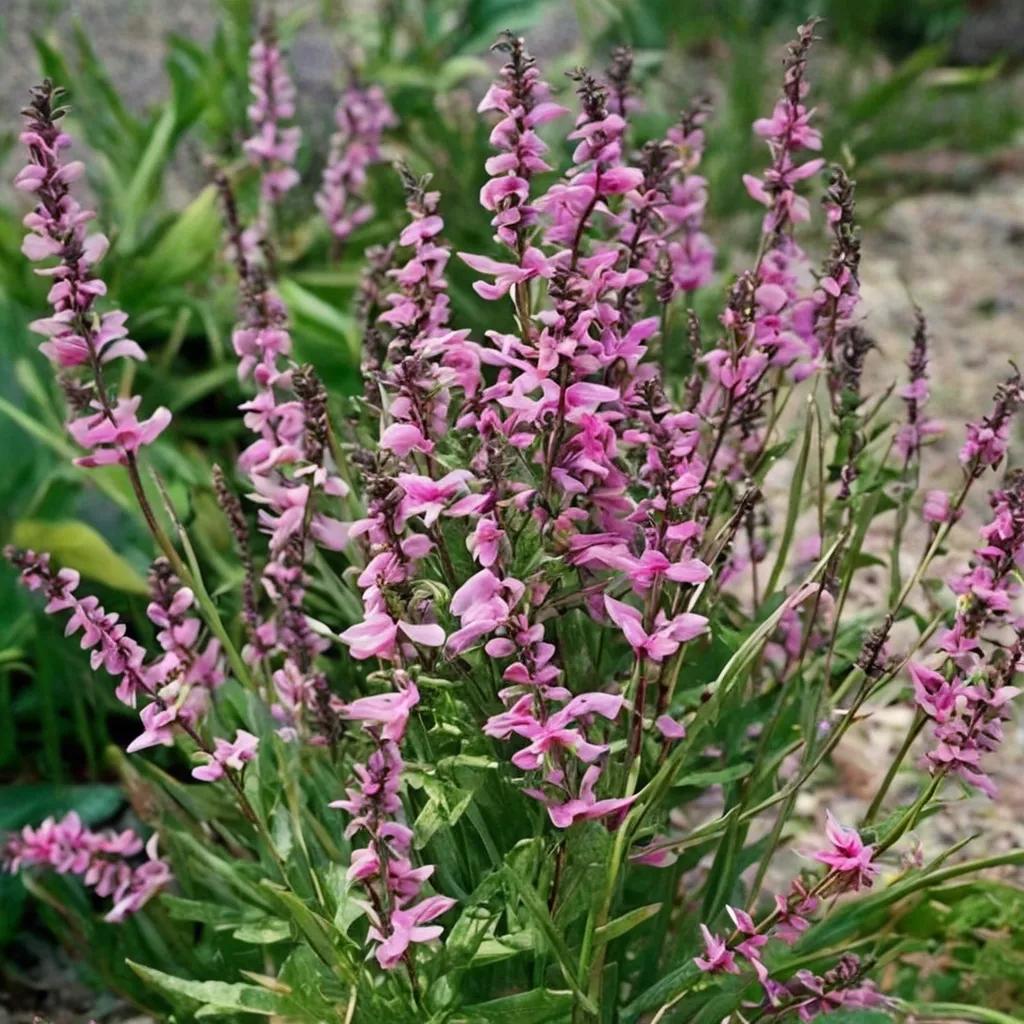 ‘Pink Delight’Pink Delight Salvia
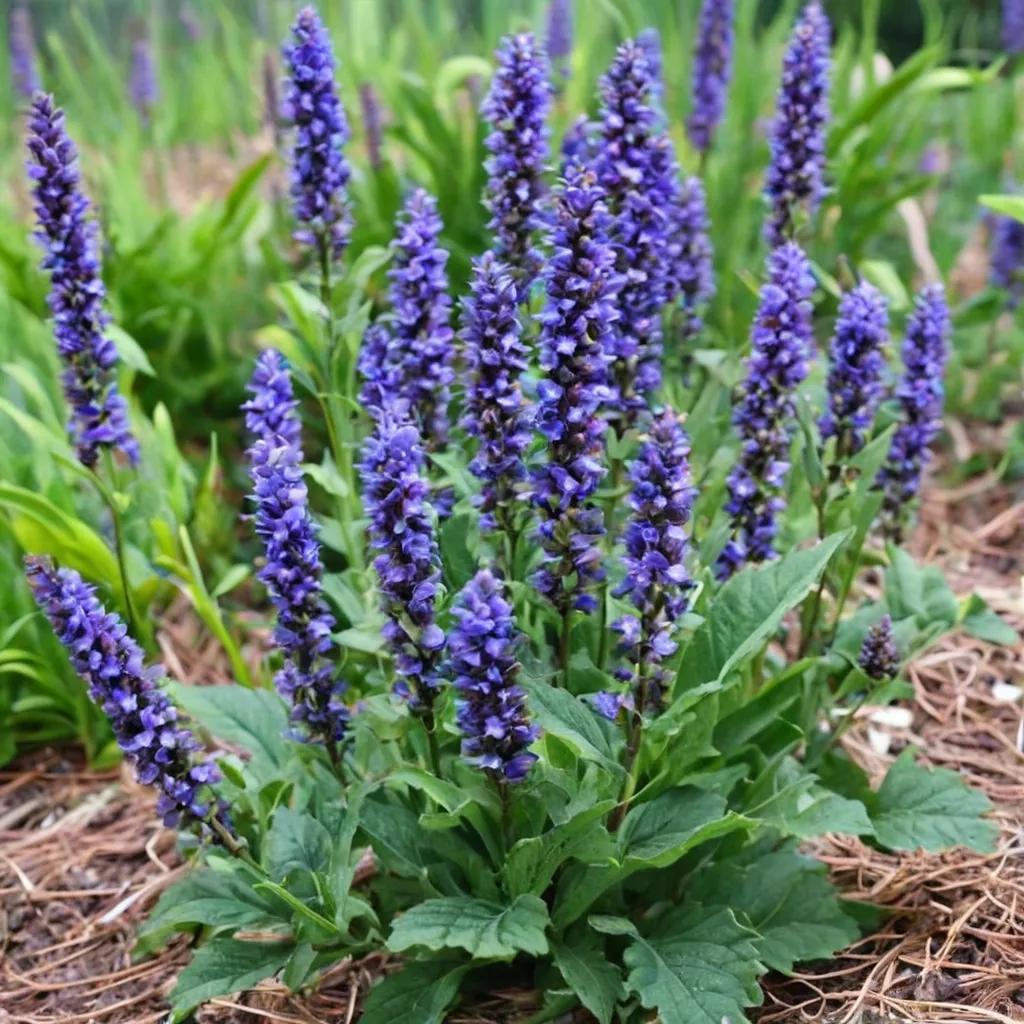 ‘Sallyrosa April Night’Sallyrosa April Night
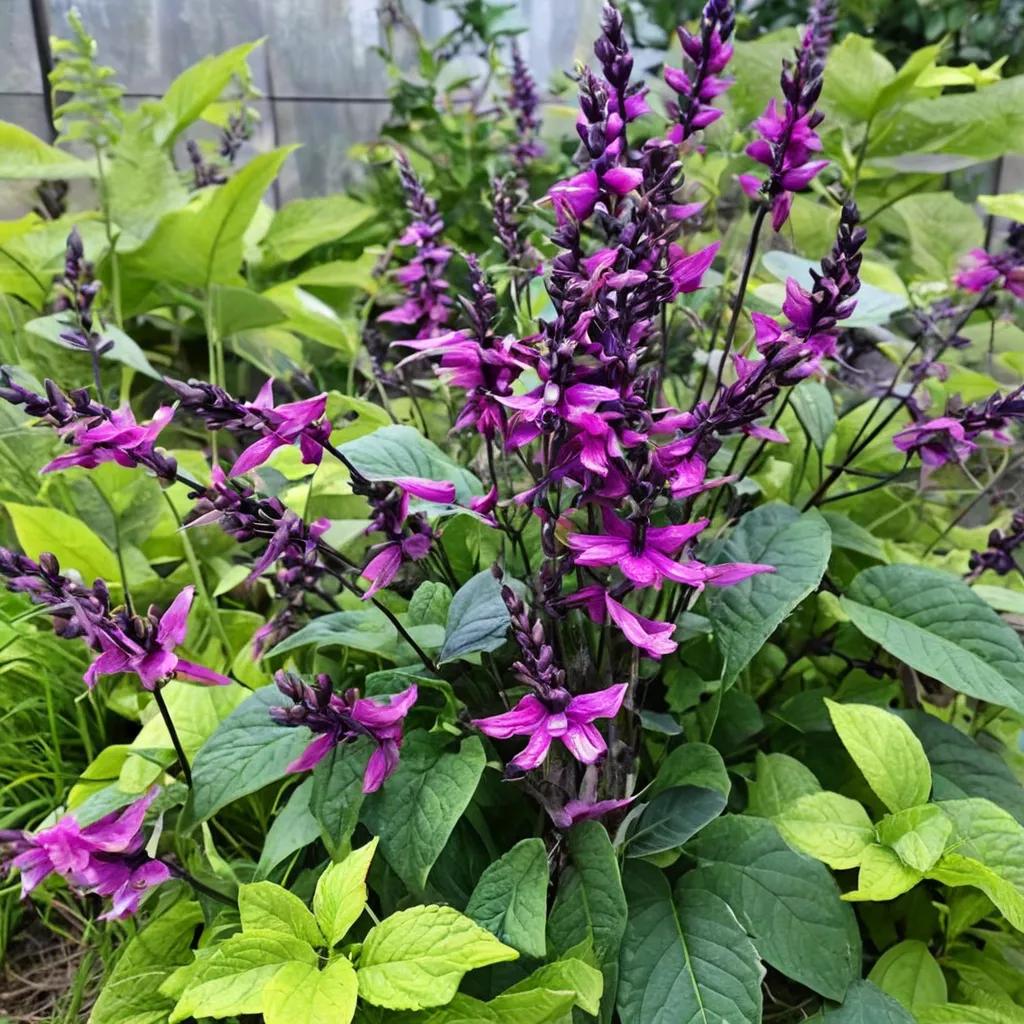 ‘Purple Bloom’Purple Bloom Salvia
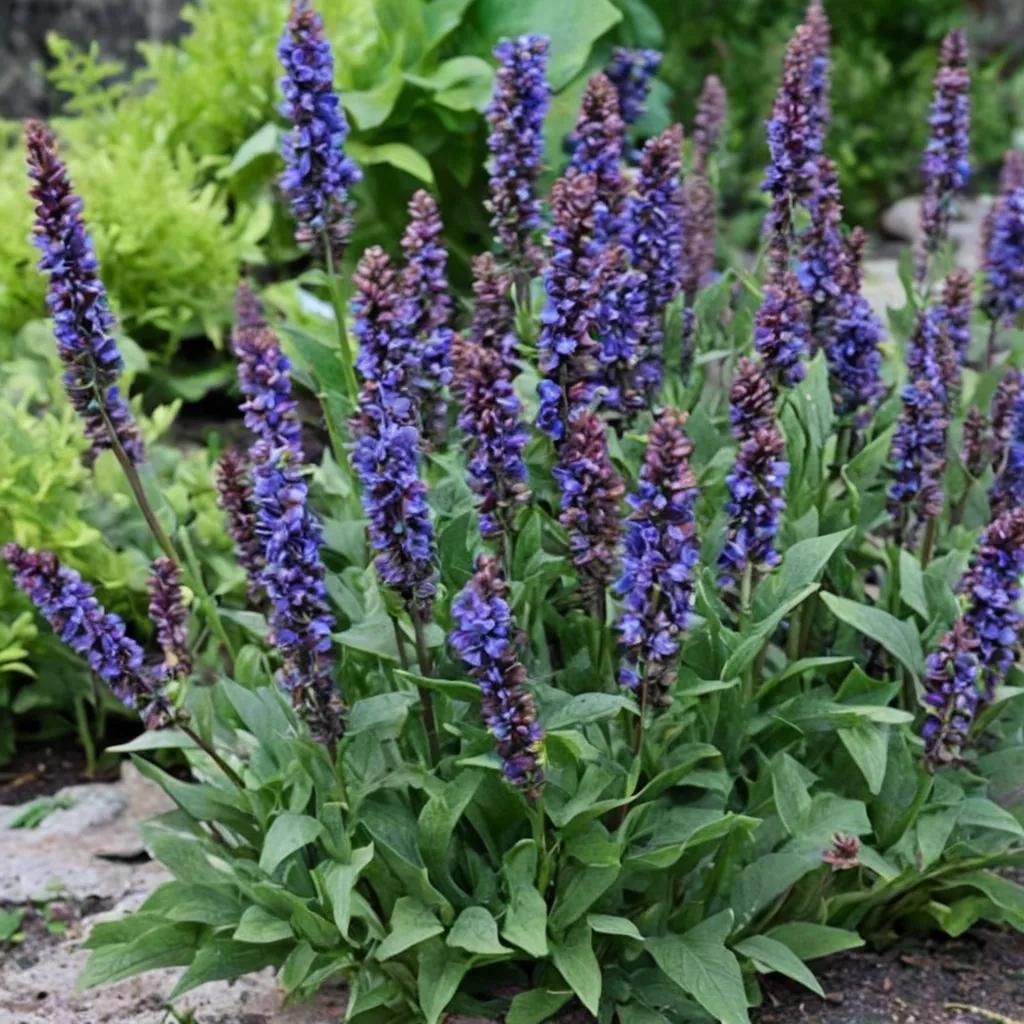 ‘New Dimension Blue’New Dimension Blue Meadow Sage
 ‘Penny's Smile’Penny's Smile Salvia
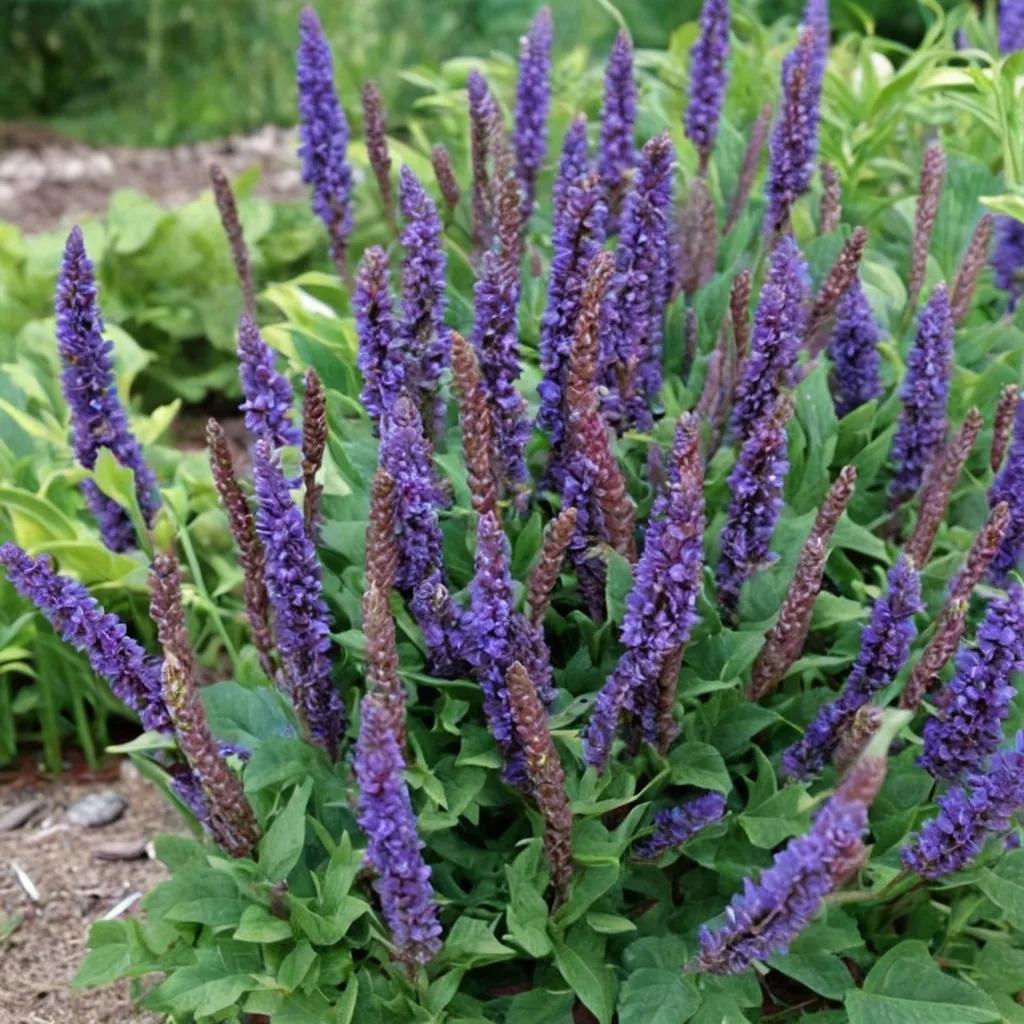 ‘East Friesland’Salvia East Friesland
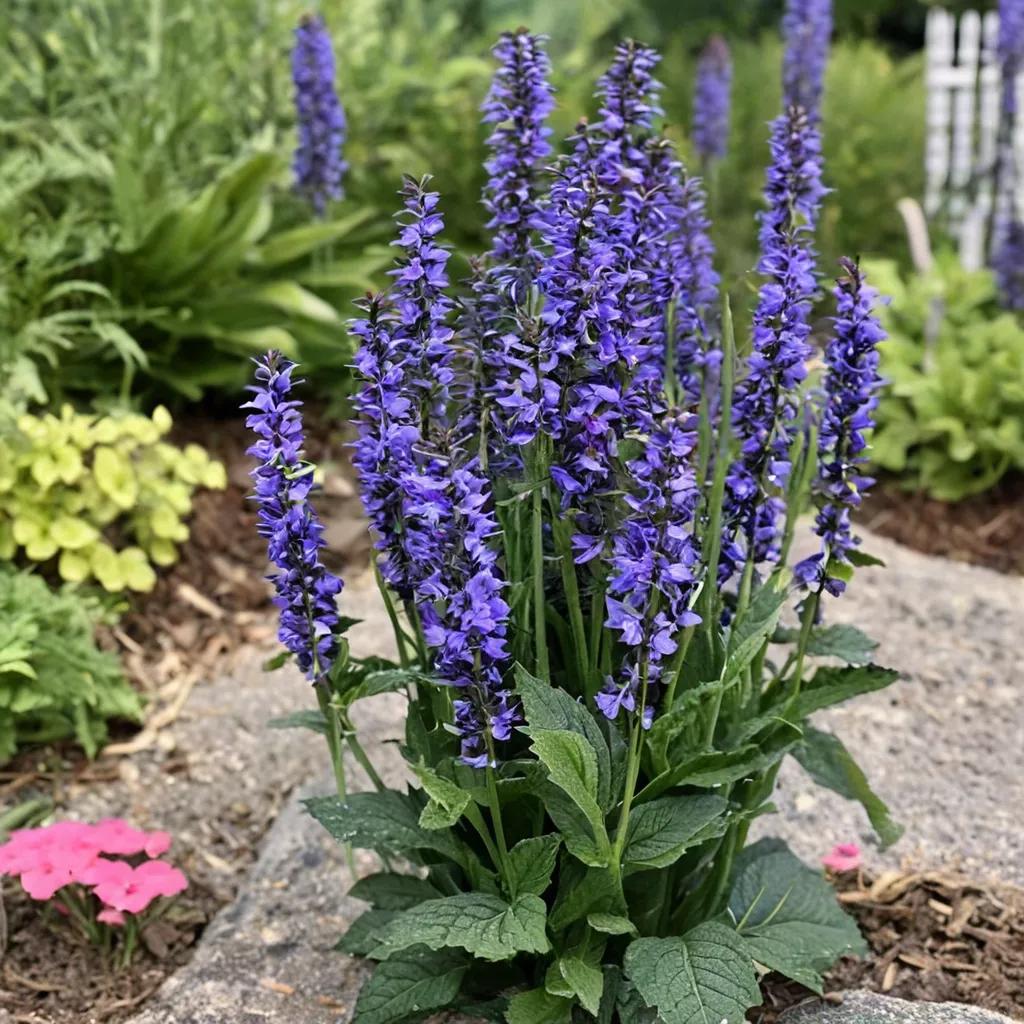 ‘Indiglo Girl’Indiglo Girl Salvia
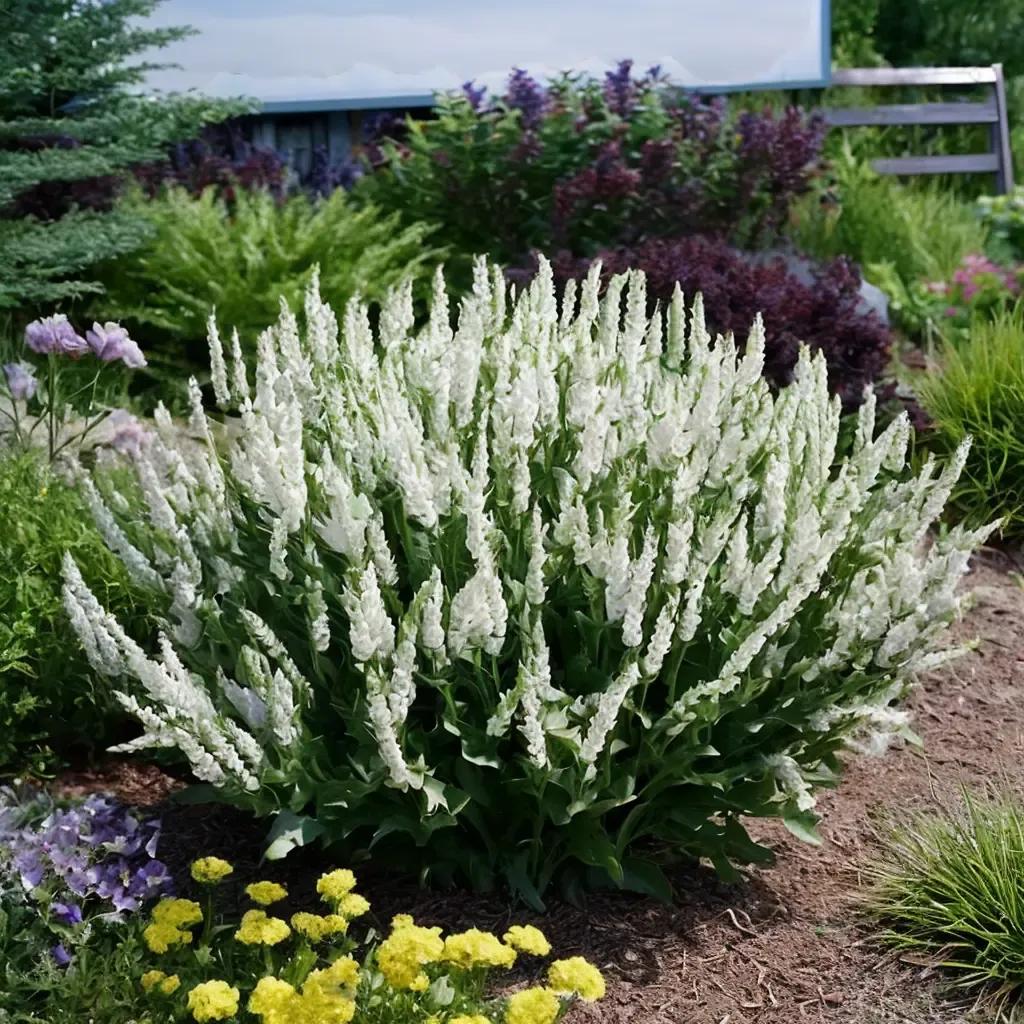 ‘Snow Hill’Snow Hill Sage
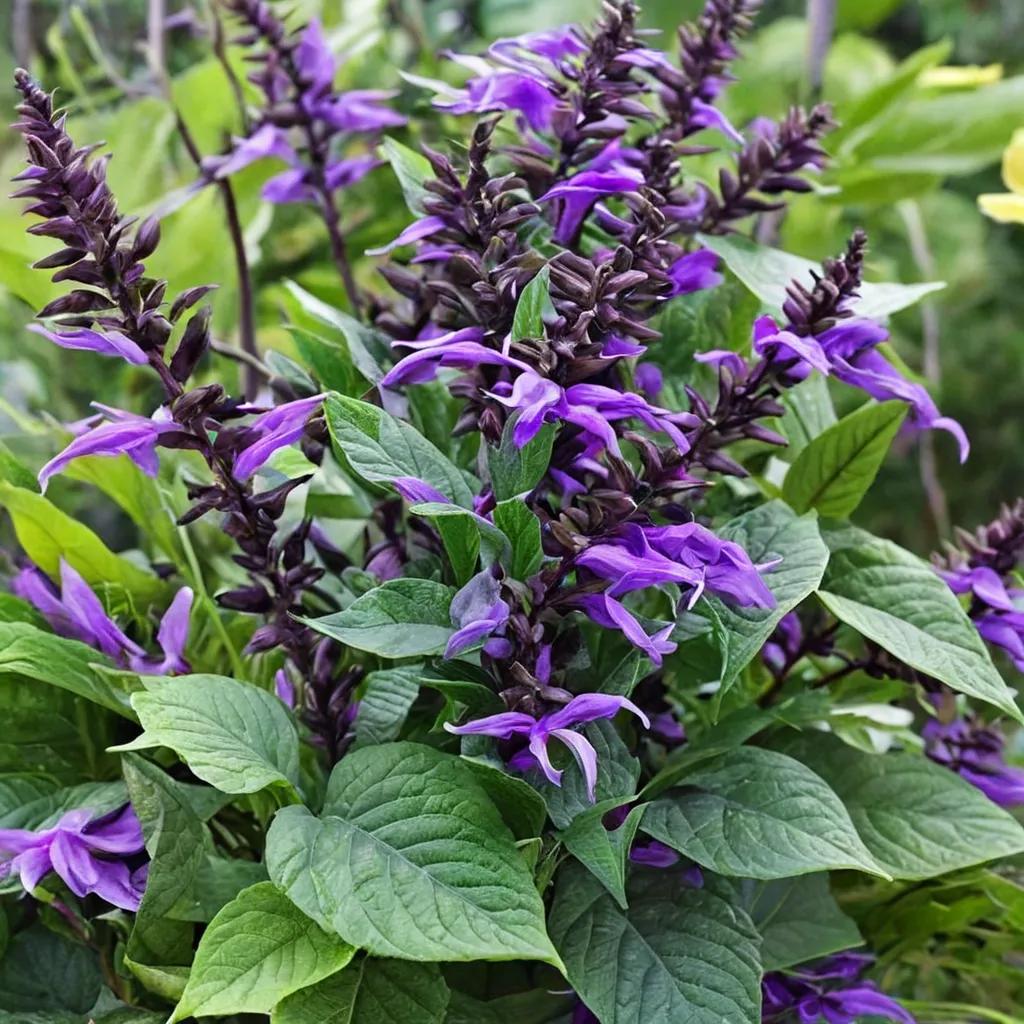 ‘Deep Purple’Salvia Deep Purple
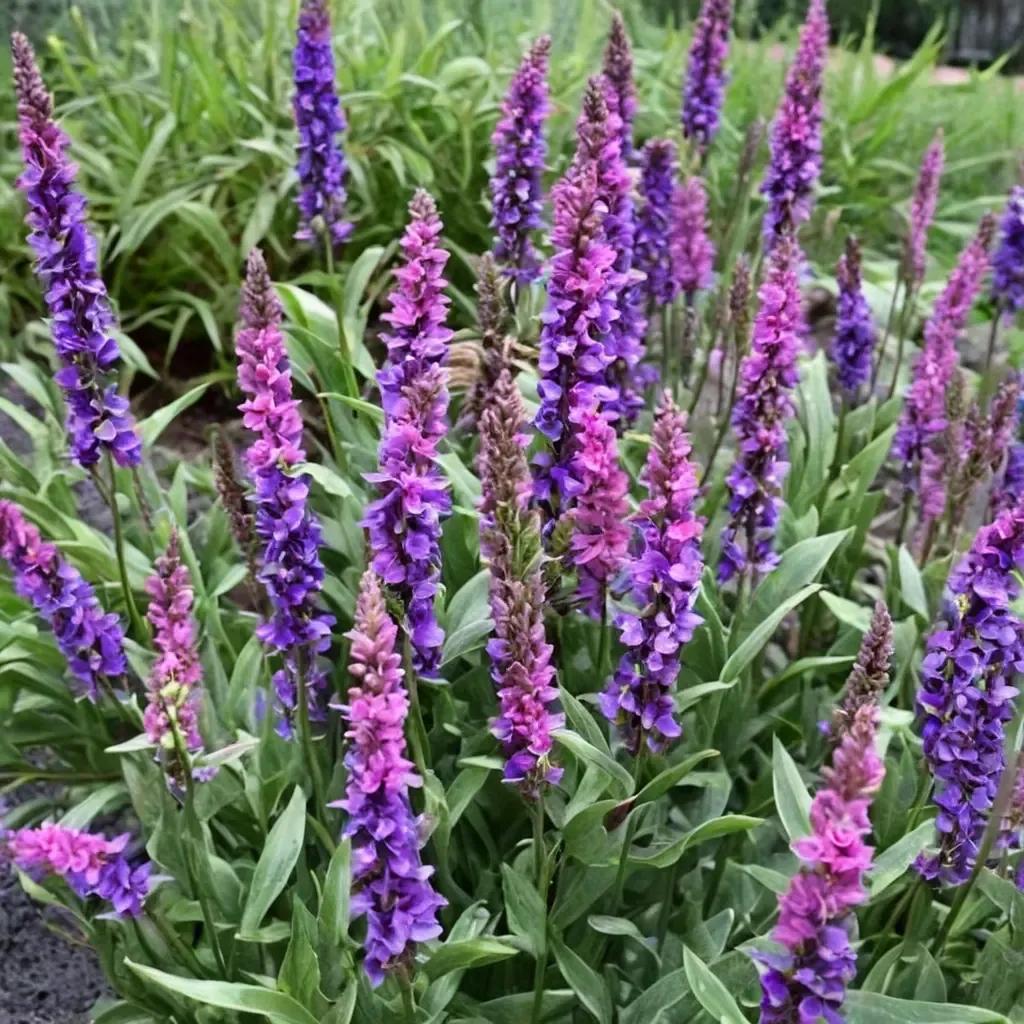 ‘Tanzerin’Tanzerin Sage
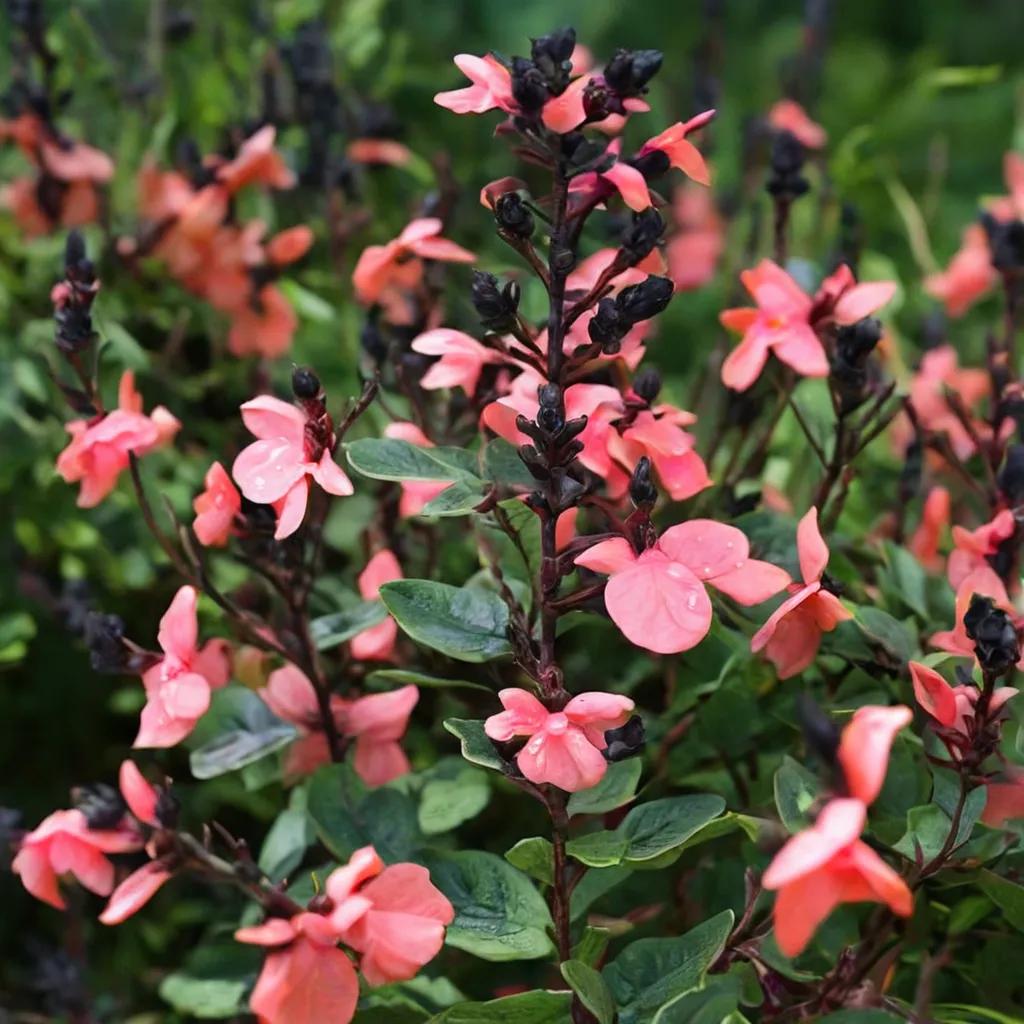 ‘Mirage Salmon’Salvia Mirage Salmon
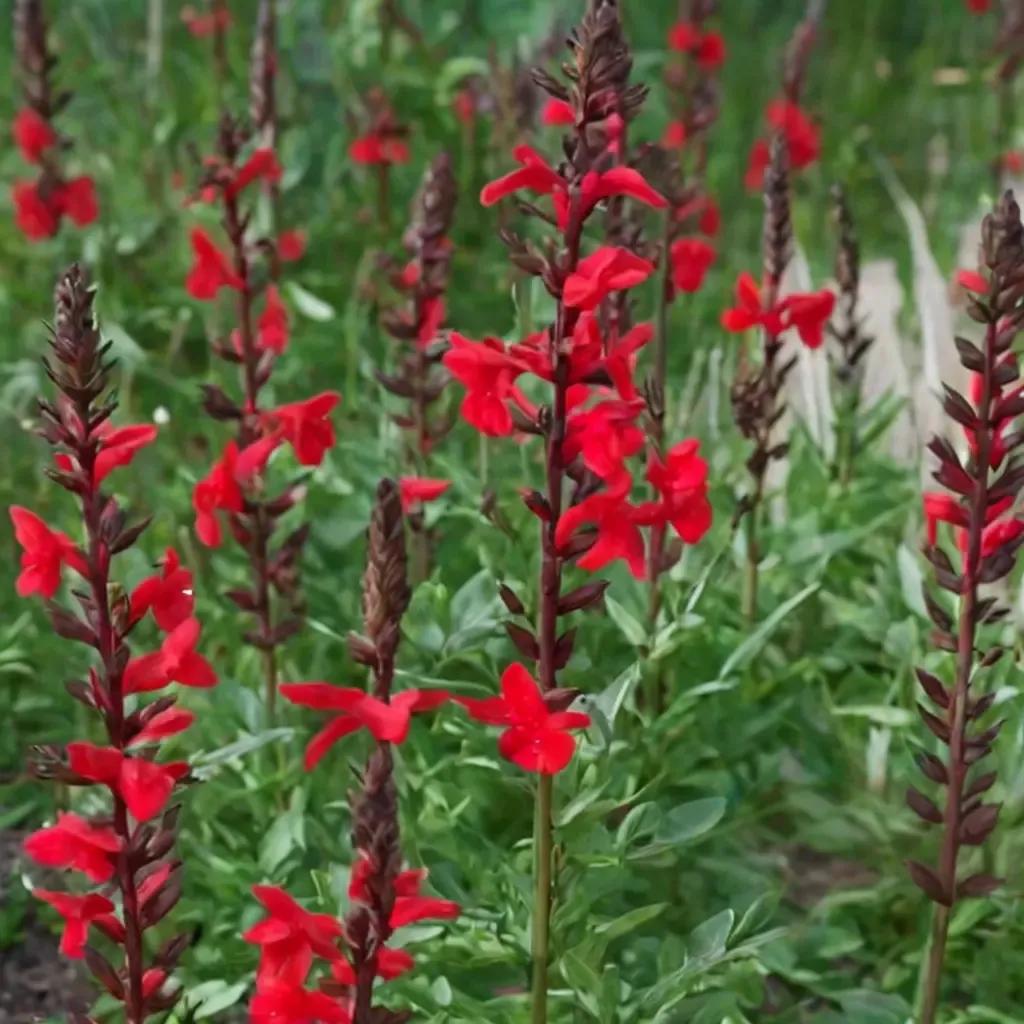 ‘Windwalker Royal Red’Windwalker Royal Red Sage
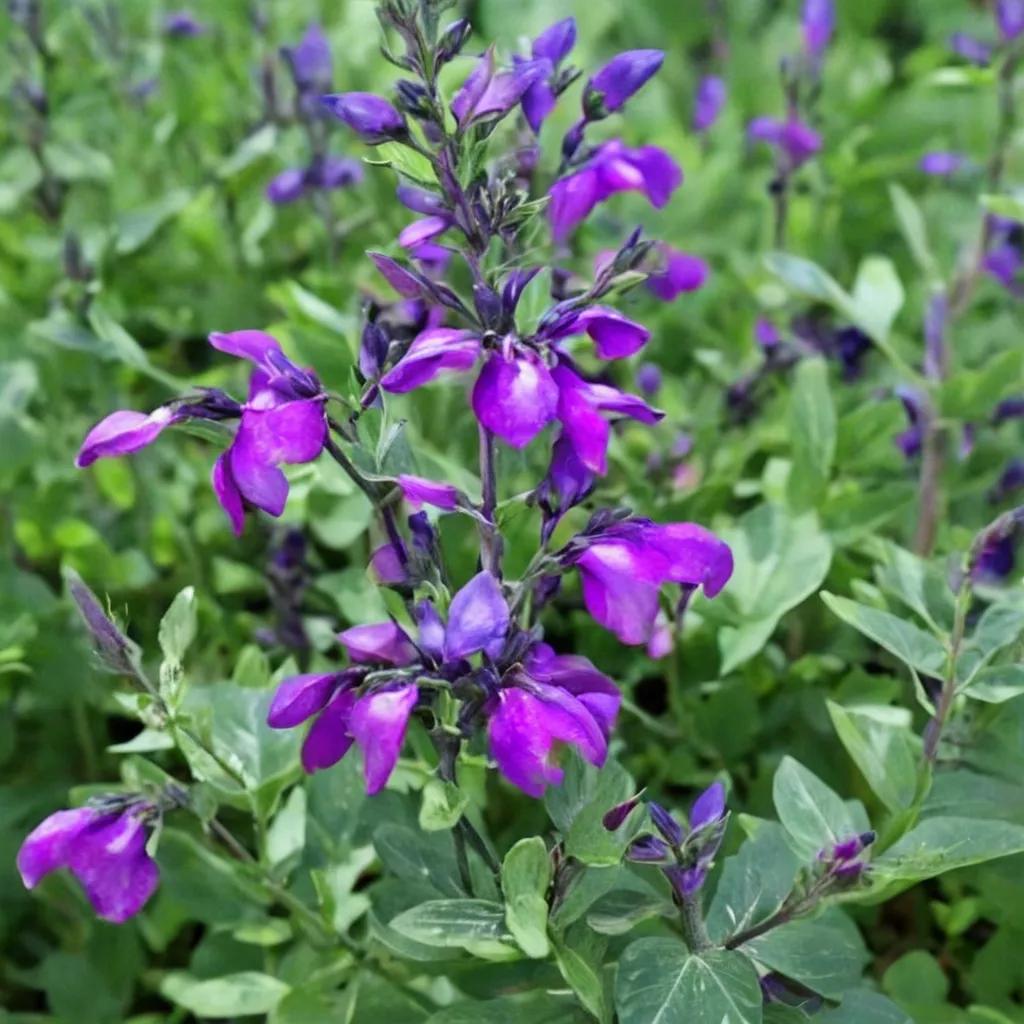 ‘Christine Yeo’Salvia Christine Yeo
 ‘Maraschino’Salvia Maraschino
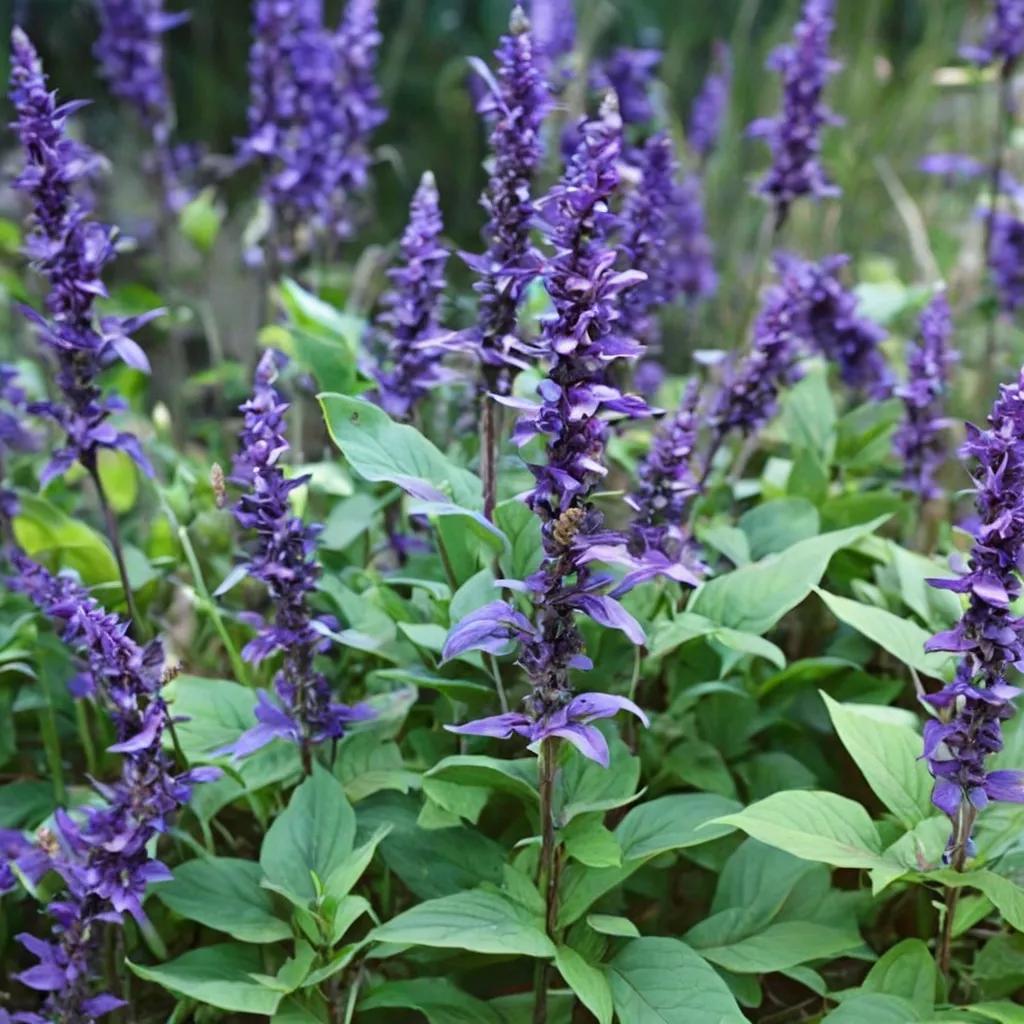 ‘Indigo Spires’Salvia Indigo Spires
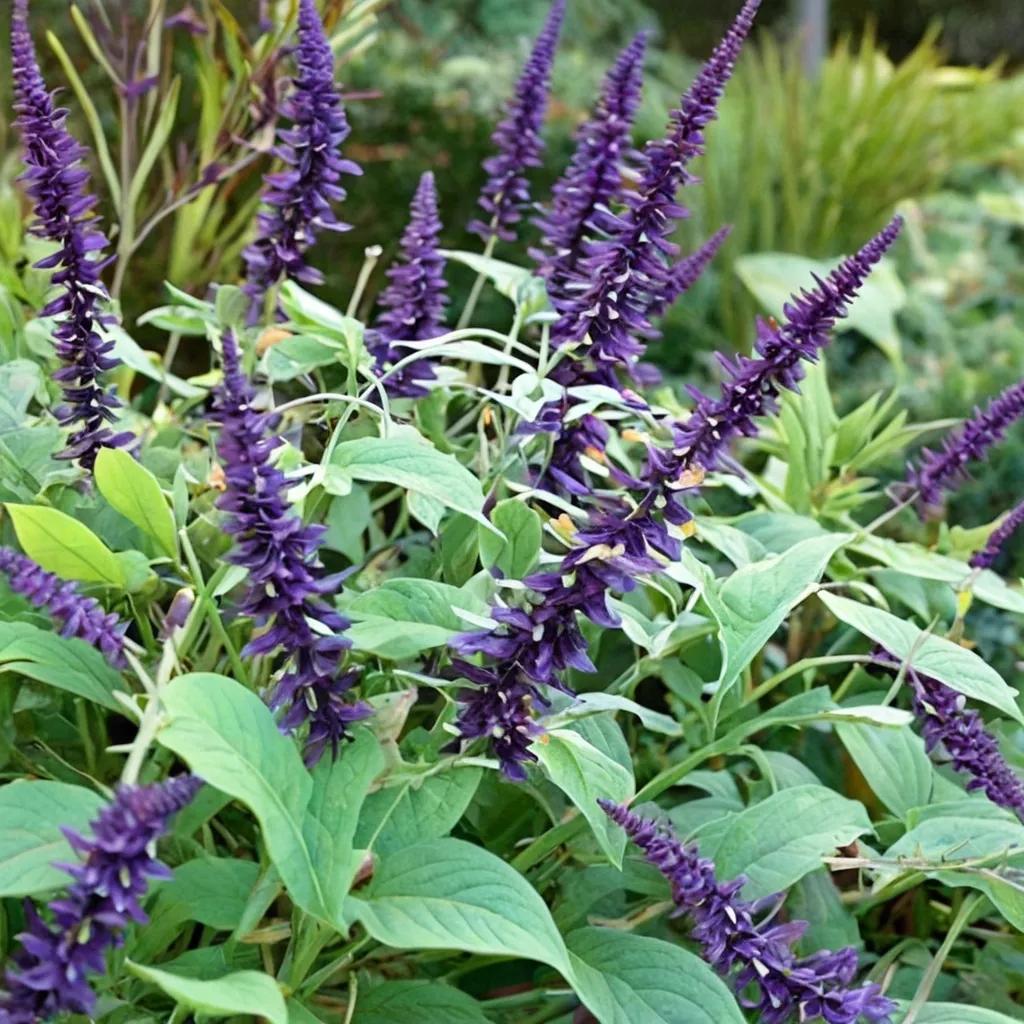 ‘Anthony Parker’Anthony Parker Salvia
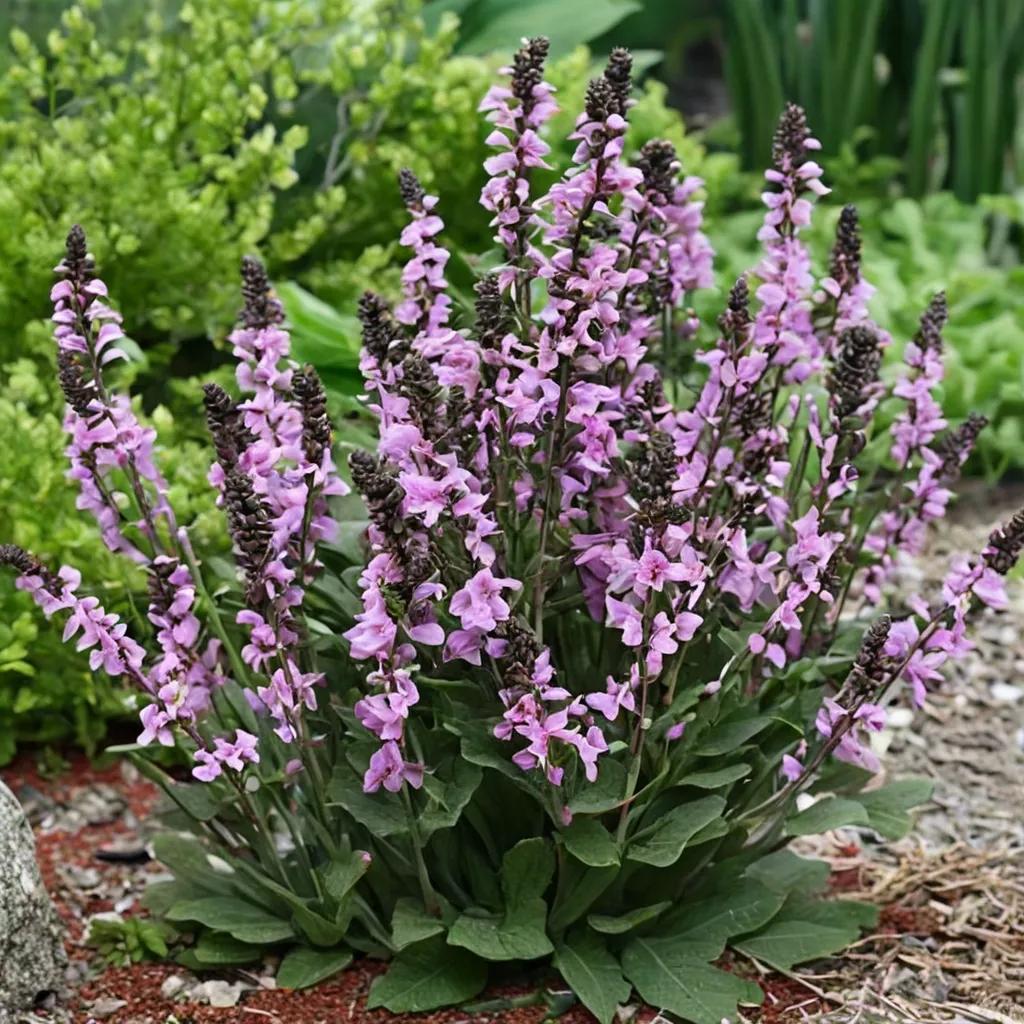 ‘Pink Dawn’Rockin' 'Pink Dawn' Salvia
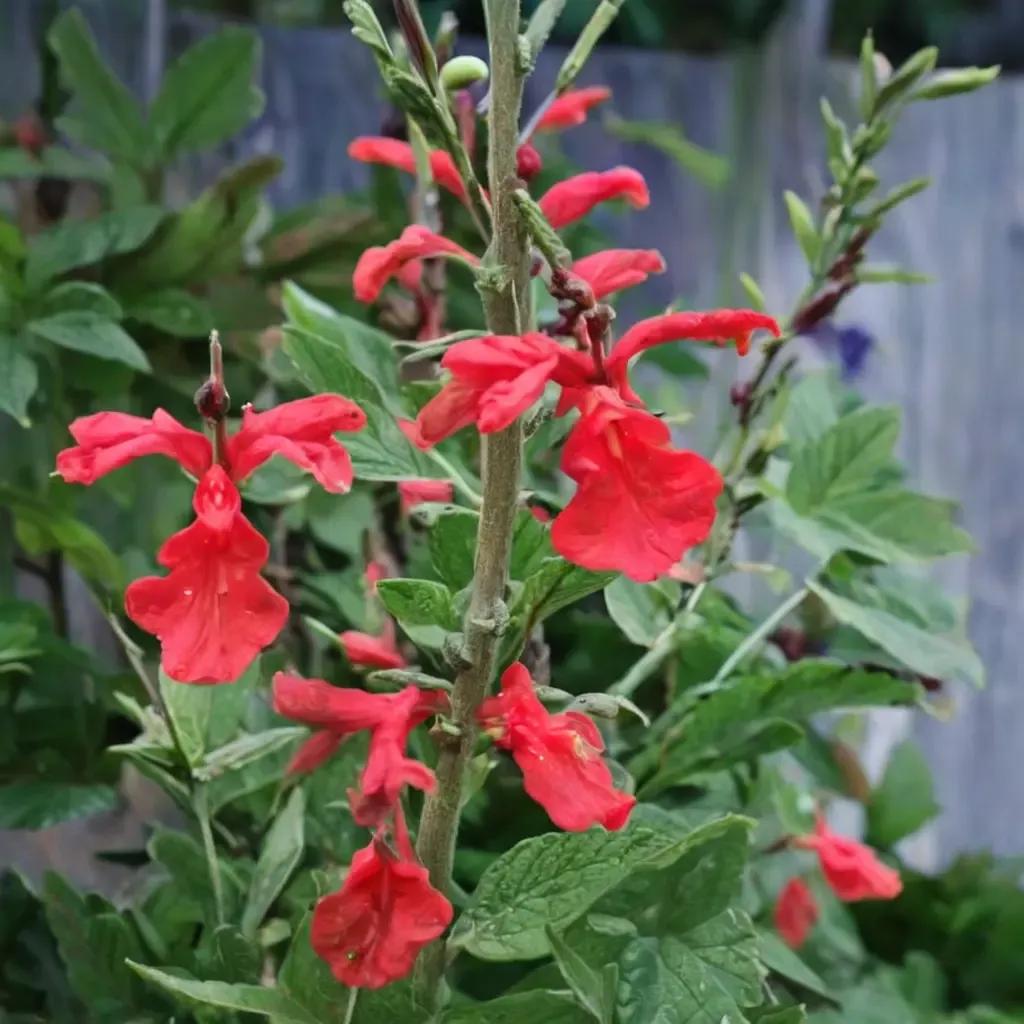 ‘Silke's Dream’Silke's Dream Sage
 ‘Cherry Chief’Cherry Chief Salvia
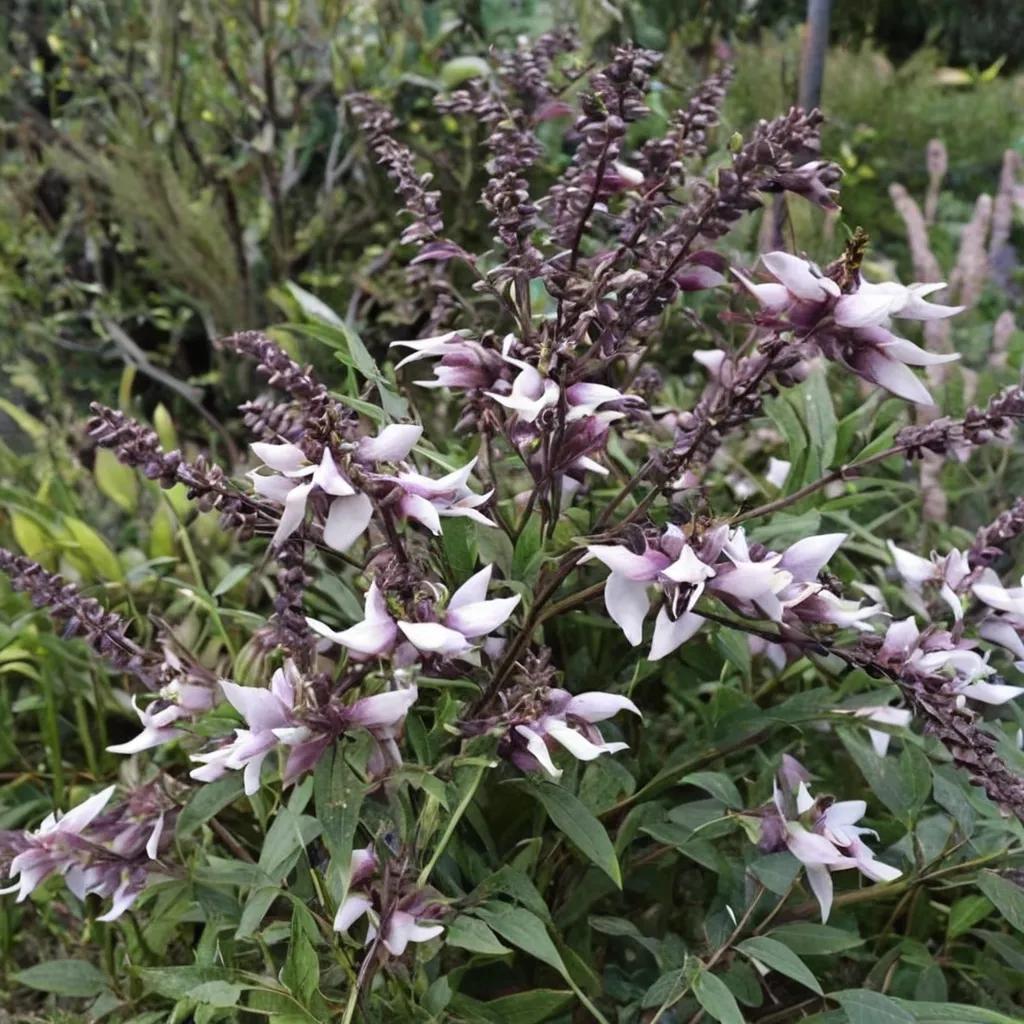 ‘Waverly’Waverly Salvia
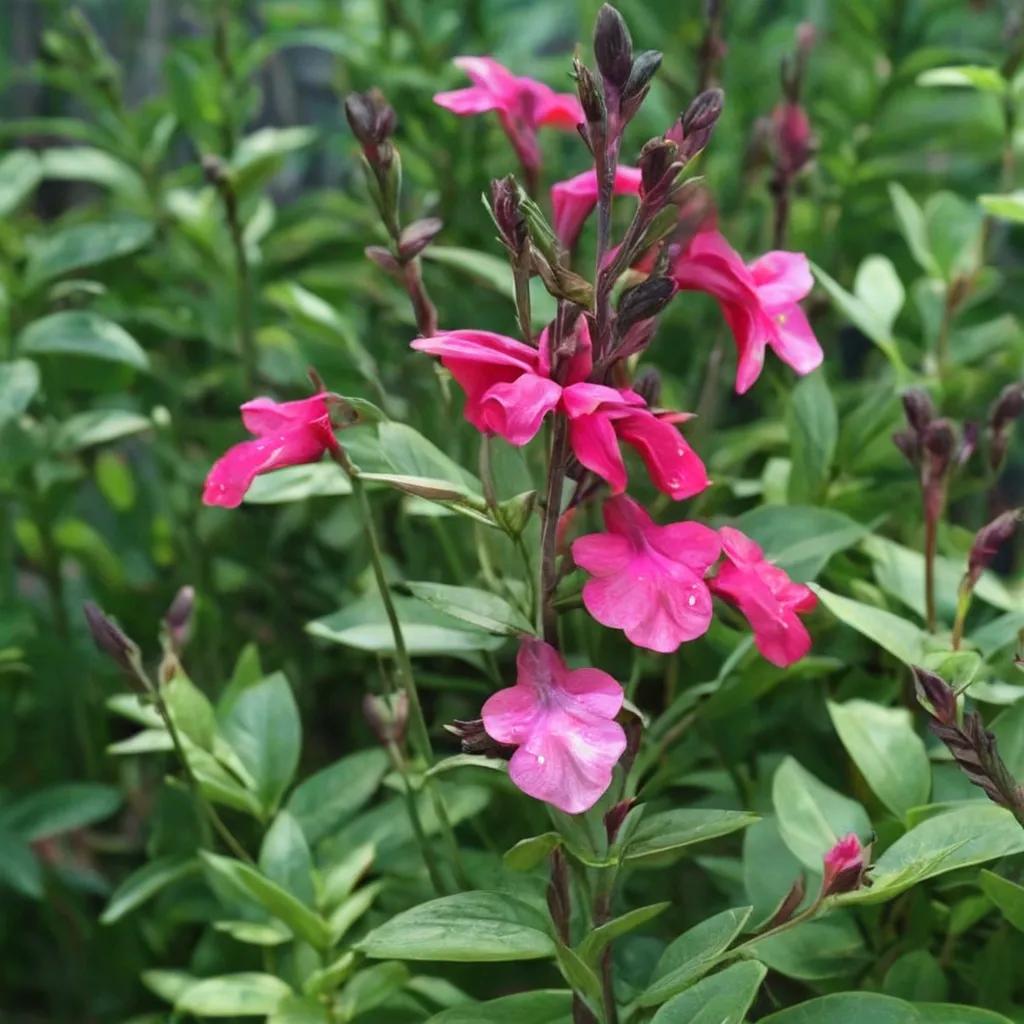 ‘Stampede Cherry’Stampede Cherry Autumn Sage
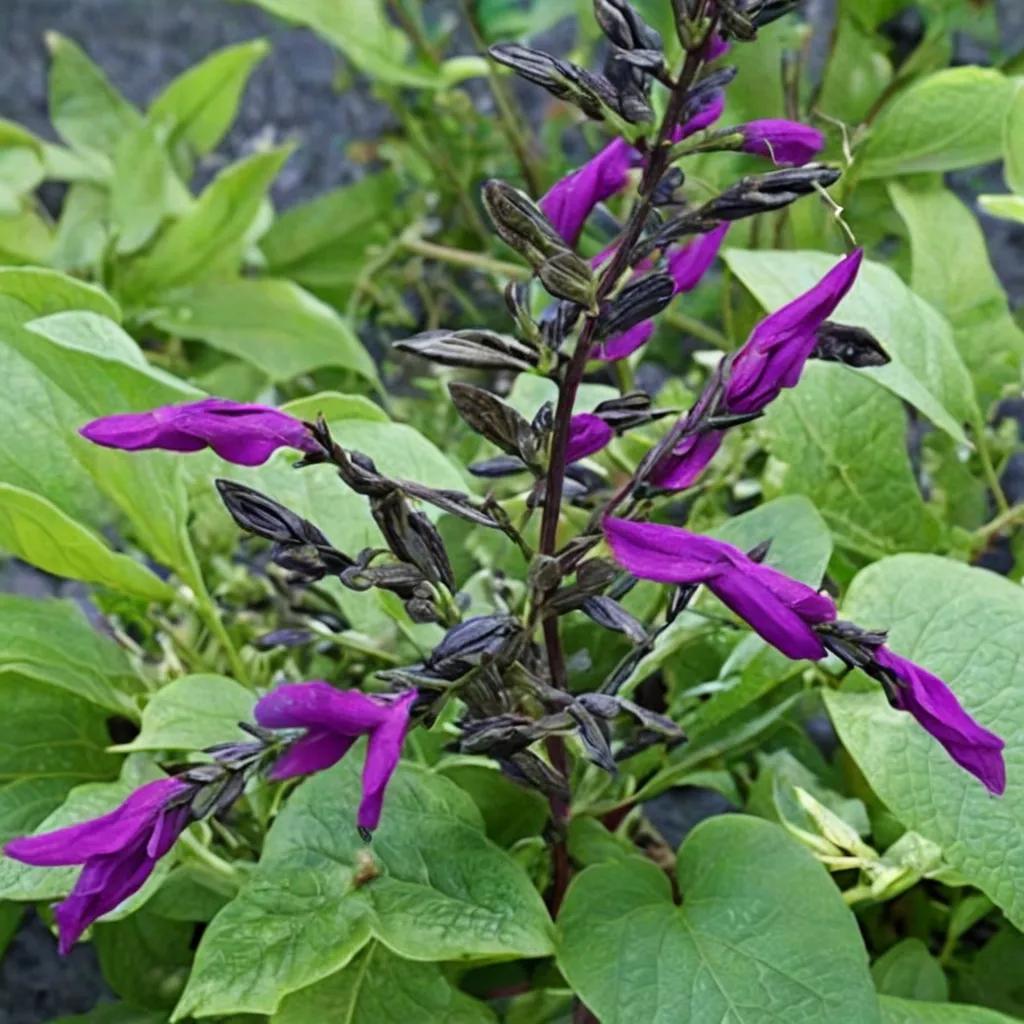 ‘Purple Majesty’Purple Majesty Salvia
 ‘Allen Chickering’Allen Chickering sage
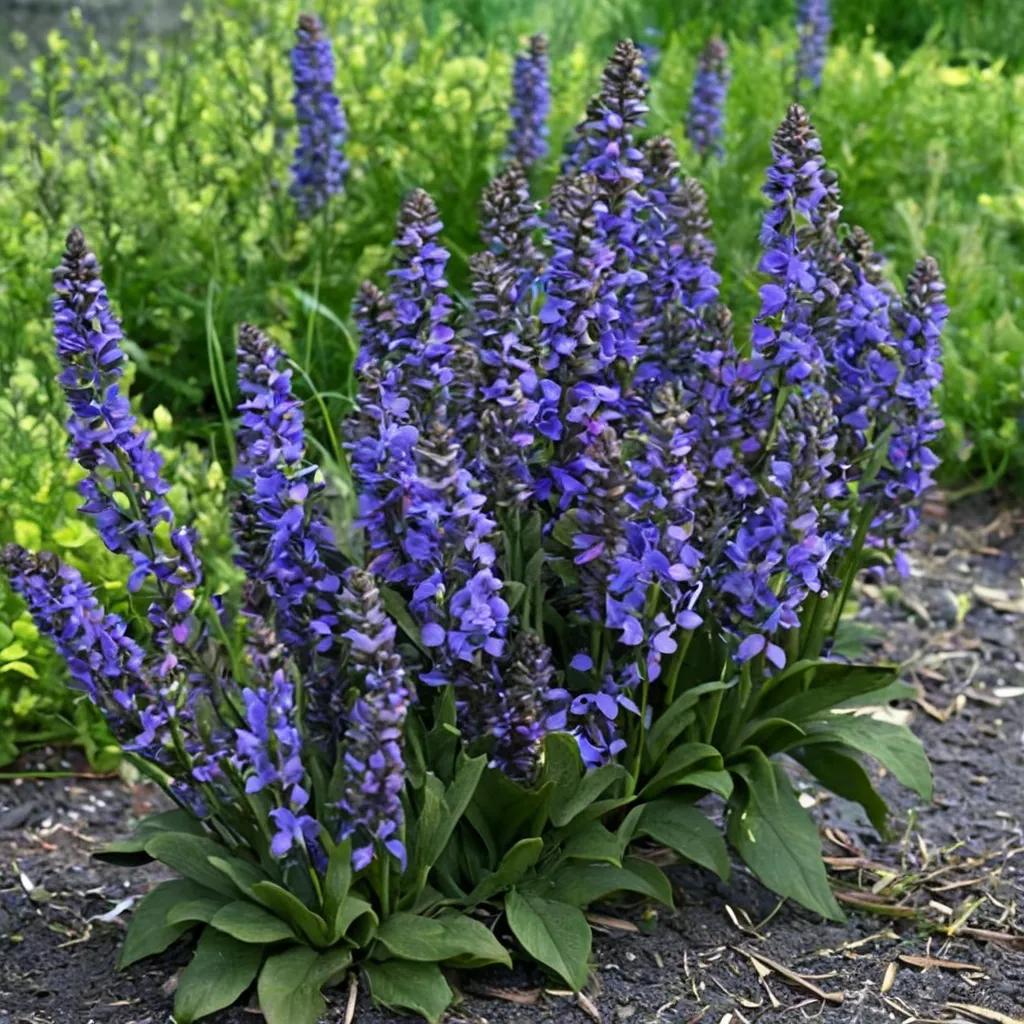 ‘Midnight Model’Fashionista 'Midnight Model' Salvia
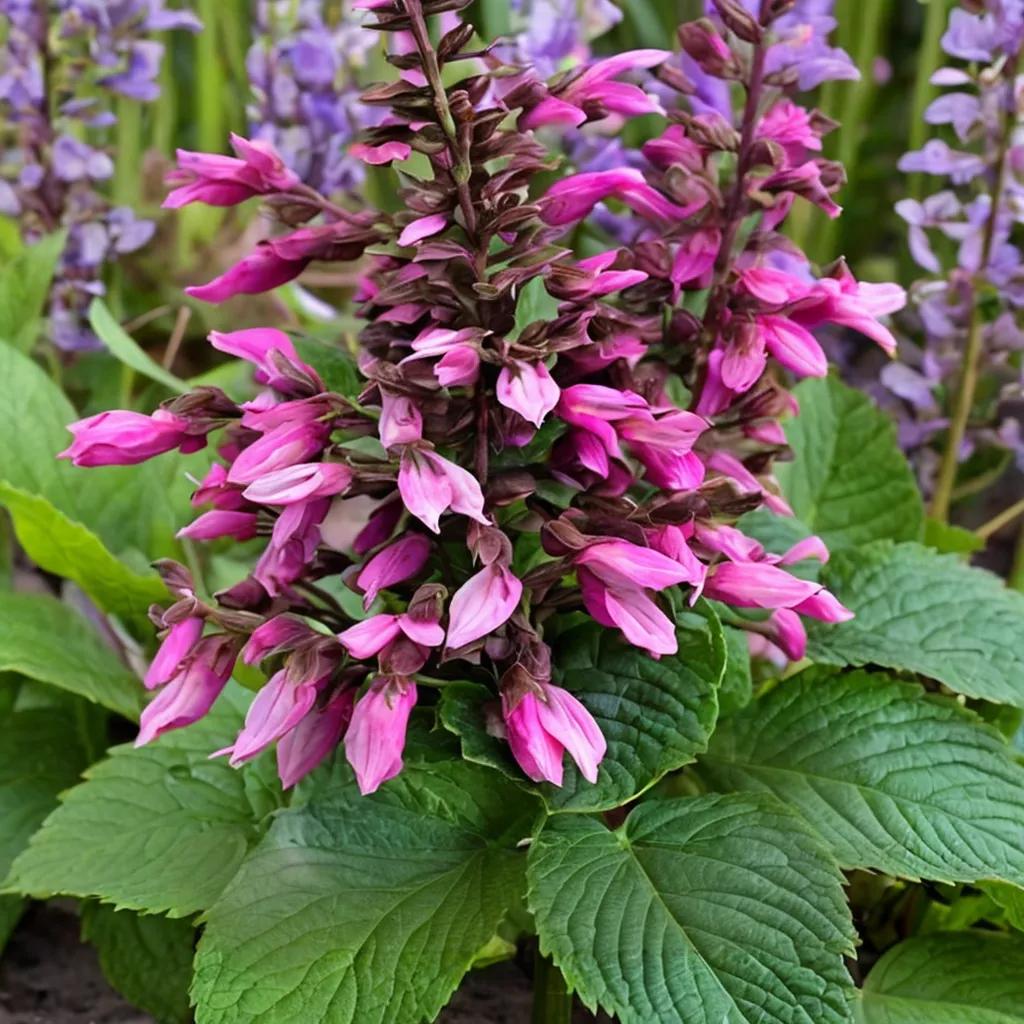 ‘Unplugged Pink’Unplugged Pink Salvia
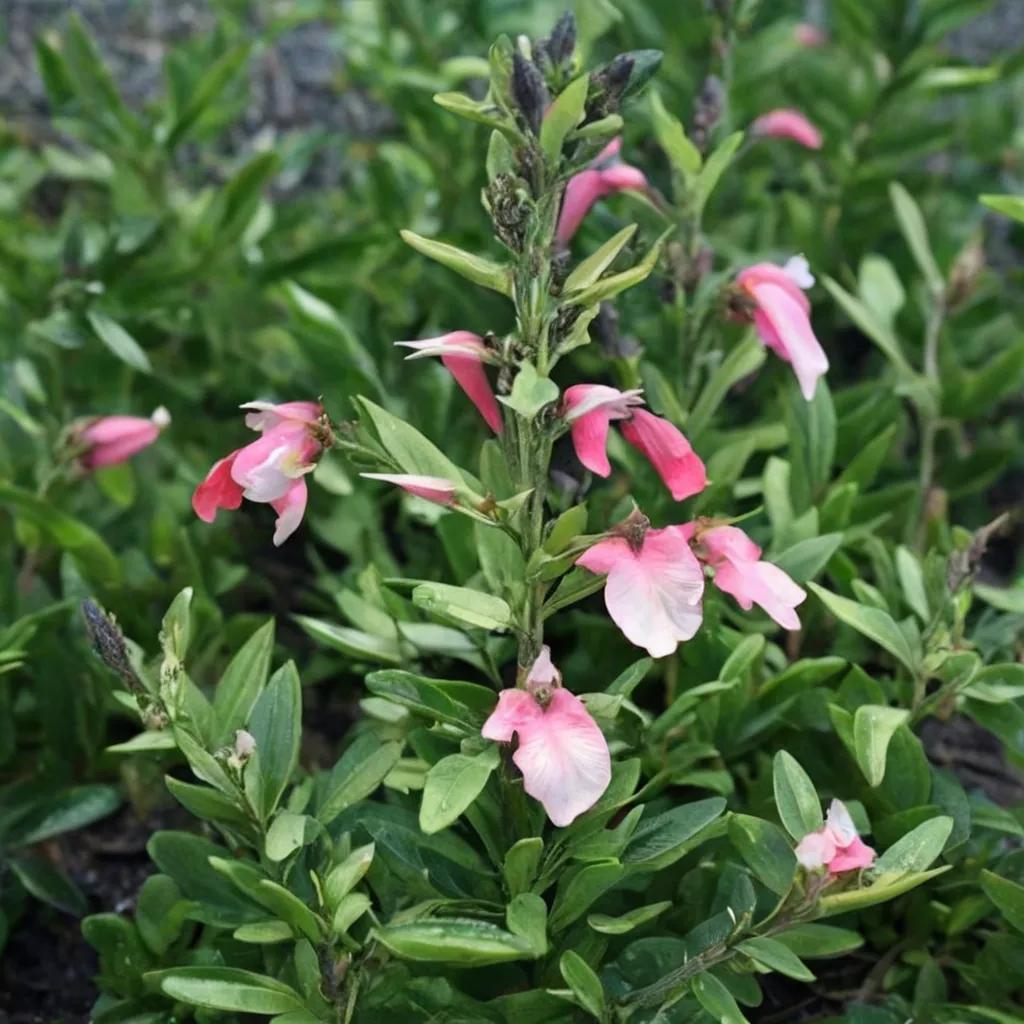 ‘Stampede Citron’Salvia Stampede Citron
The Story
Plant Bio
Salvia is a vast genus of aromatic herbs and shrubs in the mint family, characterized by square stems and two-lipped flowers. Many hybrid selections combine the drought tolerance of their parent species with a highly extended blooming season.
'Phyllis' Fancy' is a vigorous cultivar distinguished by its top-heavy, barrel-chested growth habit that flares outward from a narrow base. The flowers feature light lavender to white corollas emerging from fuzzy, dark violet-purple calyces on long, arching spikes.
Uses & Benefits:
Essentials
At a Glance
Plant Type
Perennial
Height
84"
Width
84"
Light
Full Sun, Partial Sun
Zones
7, 8, 9, 10
Water
Low to Moderate
Humidity
Moderate
Lifespan
Perennial
Native To
Mexico and Central America (parent species)
Toxicity
Non-toxic
Bloom period
Summer – Fall
In flower about 6 months of the year
Marketplace
Where to Buy
Shipping costs Year-round shipping Free shipping
Planting
How to Grow
- Select a planting site in full sun to light shade with average, highly permeable soil.
- Dig a hole twice as wide as the root ball and plant at the same depth as the container, ensuring excellent drainage.
- Water regularly during the first growing season to establish a deep, drought-tolerant root system.
- Provide at least six feet of lateral clearance to accommodate the wide, flaring upper canopy.
Pro Tip
Give this cultivar ample lateral space in the garden; its unique top-heavy, barrel-chested architecture means the upper canopy requires a wide berth despite its narrow base, and planting in heavy, poorly drained clay will cause root rot.
Keep It Thriving
Care Guide
Do
- Cut the plant back hard to near ground level in late winter after the threat of hard frost has passed.
- Ensure the soil drains rapidly, as the roots will rot in waterlogged or heavy clay soils.
- Provide occasional deep watering during extended dry summer spells to maintain foliage quality.
Don't
- Do not leave long stubs of old, leafless wood when pruning, as they fail to regenerate cleanly.
- Avoid heavy applications of nitrogen-rich fertilizers, which produce weak, floppy stems.
- Do not plant in confined spaces where the broad upper canopy will crowd out neighboring plants.
Seasonal Care Calendar
| Task | Jan | Feb | Mar | Apr | May | Jun | Jul | Aug | Sep | Oct | Nov | Dec |
|---|---|---|---|---|---|---|---|---|---|---|---|---|
| Fertilize | ||||||||||||
| Pest Check | ||||||||||||
| Propagate | ||||||||||||
| Prune |
Watch Out For
Pests & Diseases
Common Pests
Common Diseases
In the Garden
Landscape Uses & Companions
Landscape Uses
Companion Plants
Multiply
Propagation Methods
Good to Know
Common Questions
Phyllis' Fancy Sage questions
What zones can Phyllis' Fancy Sage grow in?
Phyllis' Fancy Sage is hardy in USDA Zones 7–10. Inside that range it survives winter in the ground; outside it, grow it as an annual or a container plant you protect.
Is Phyllis' Fancy Sage deer resistant?
Yes — Phyllis' Fancy Sage is rated deer-resistant. Deer typically pass it over, though extreme hunger can override any plant's defenses.
When does Phyllis' Fancy Sage bloom?
Phyllis' Fancy Sage typically blooms in summer through fall. Exact timing shifts a week or two with your zone — Sow's bloom calendar maps it to your garden.
Does Phyllis' Fancy Sage need full sun?
Phyllis' Fancy Sage does best in full sun to part shade. In hot climates, afternoon shade keeps blooms fresher longer.
Is Phyllis' Fancy Sage drought tolerant?
Yes — once established (usually after the first full season), Phyllis' Fancy Sage handles dry spells with minimal watering. Water deeply its first year to build the root system that makes that possible.
More Salvia to compare
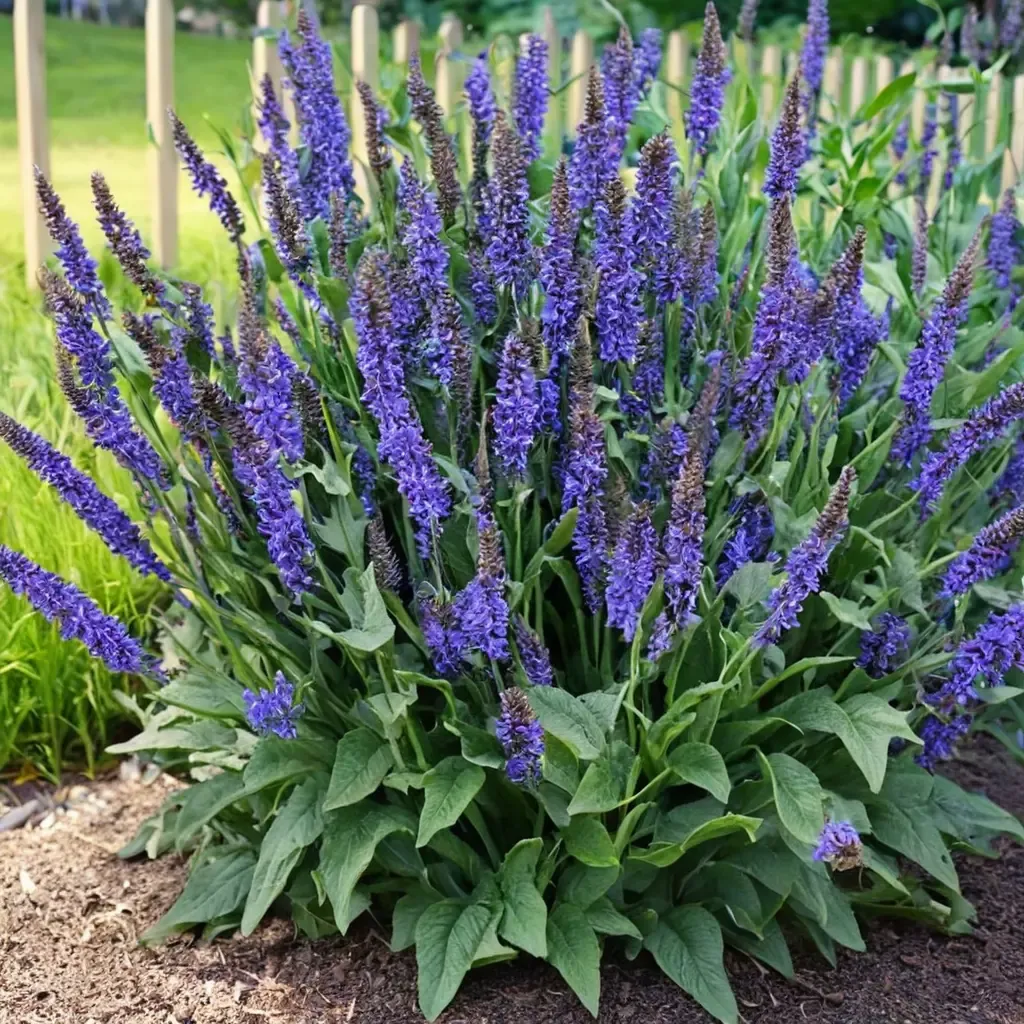
May Night Sage
Salvia nemorosa 'May Night'
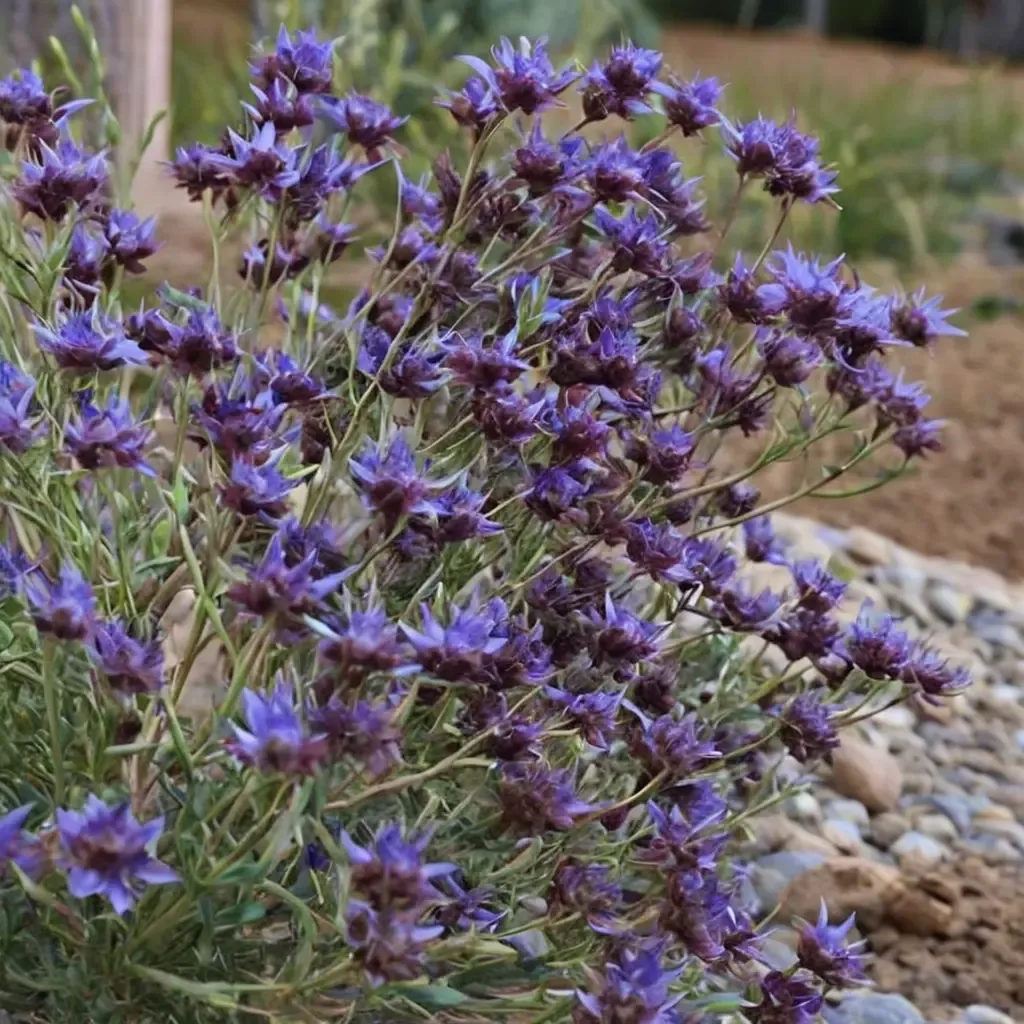
Celestial Blue Sage Wood Sage
Salvia nemorosa 'Celestial Blue'
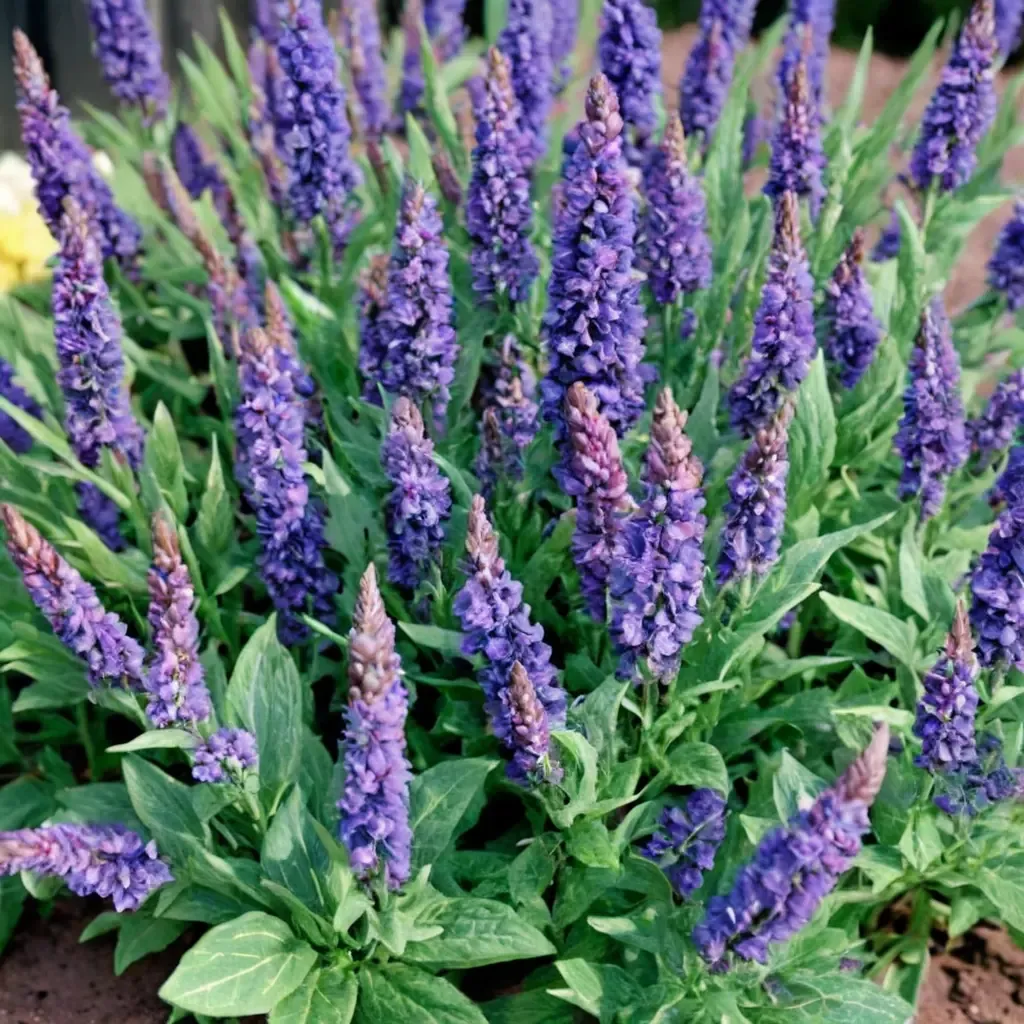
Marcus Woodland Sage
Salvia nemorosa 'Marcus'
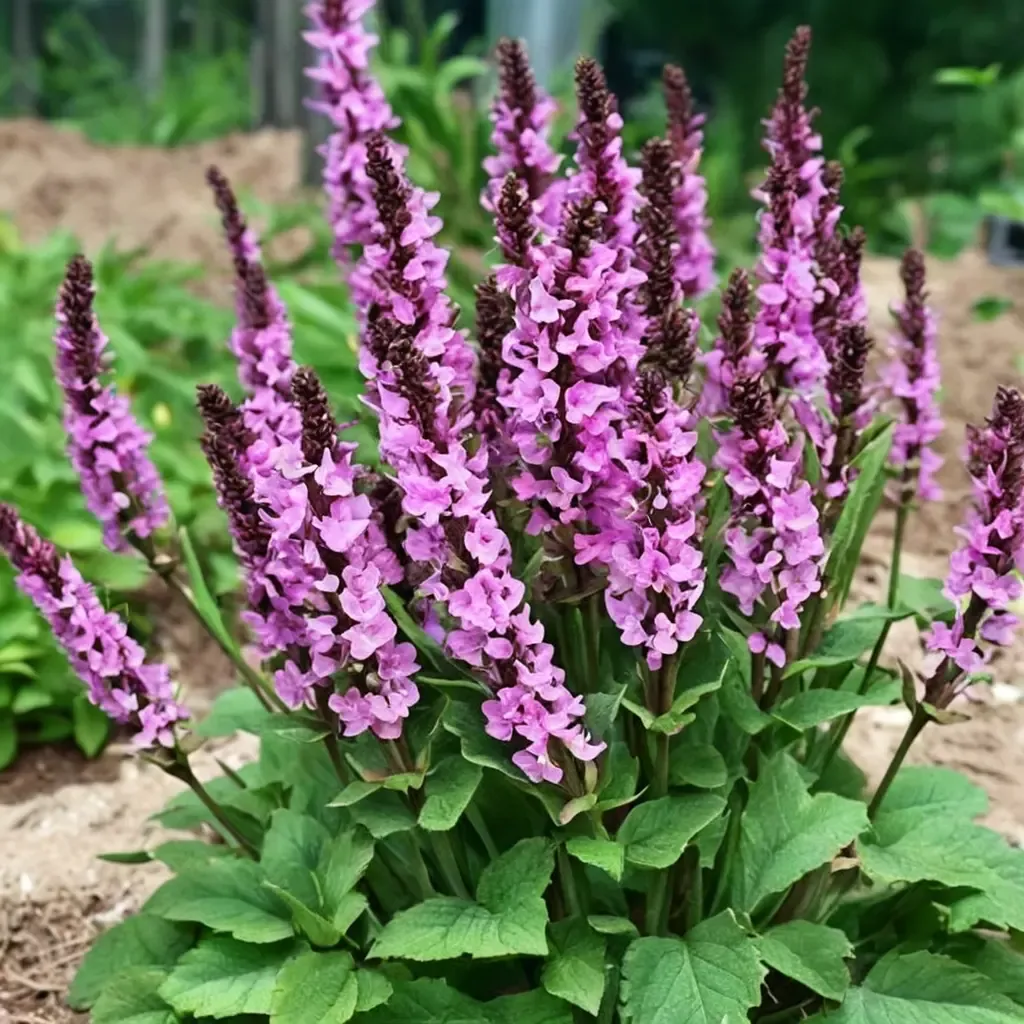
Rose Marvel Sage
Salvia nemorosa 'Rose Marvel'
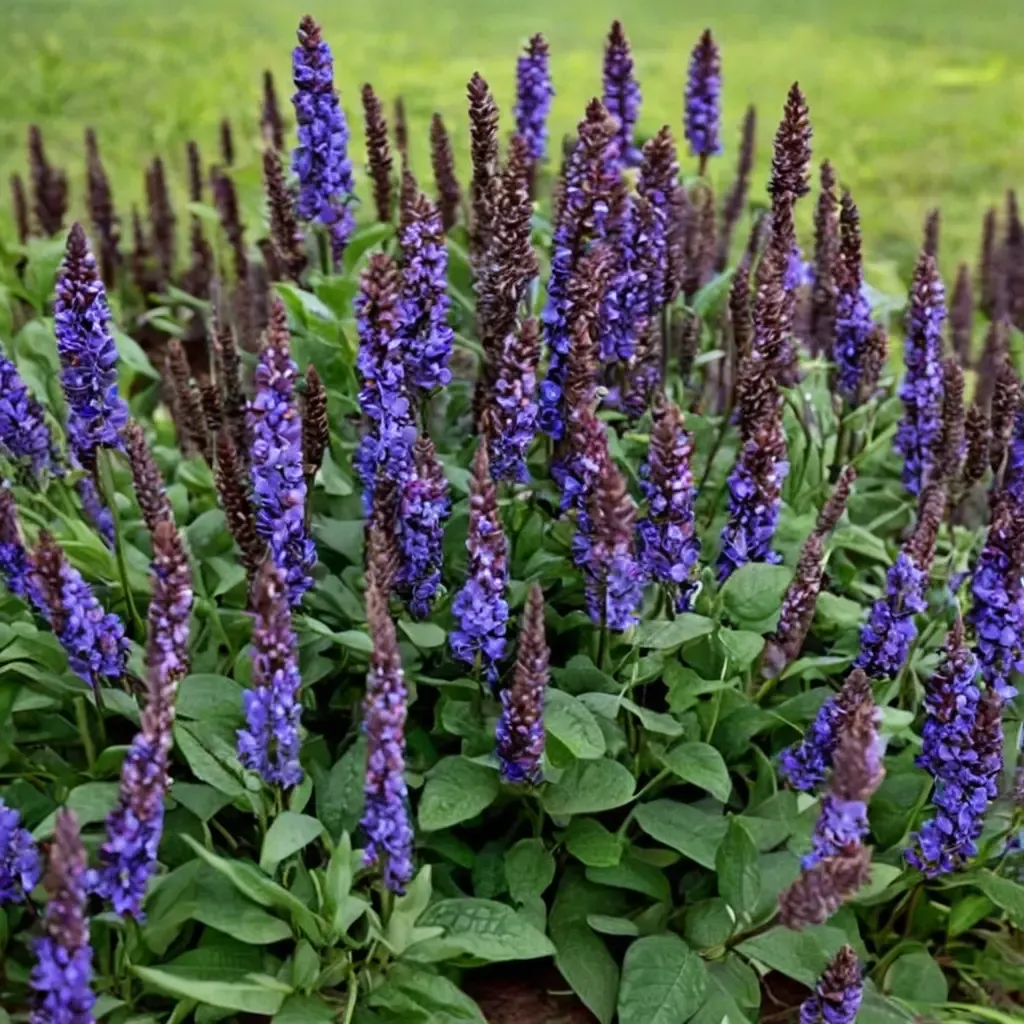
Bumbleblue Sage
Salvia nemorosa 'Bumbleblue'
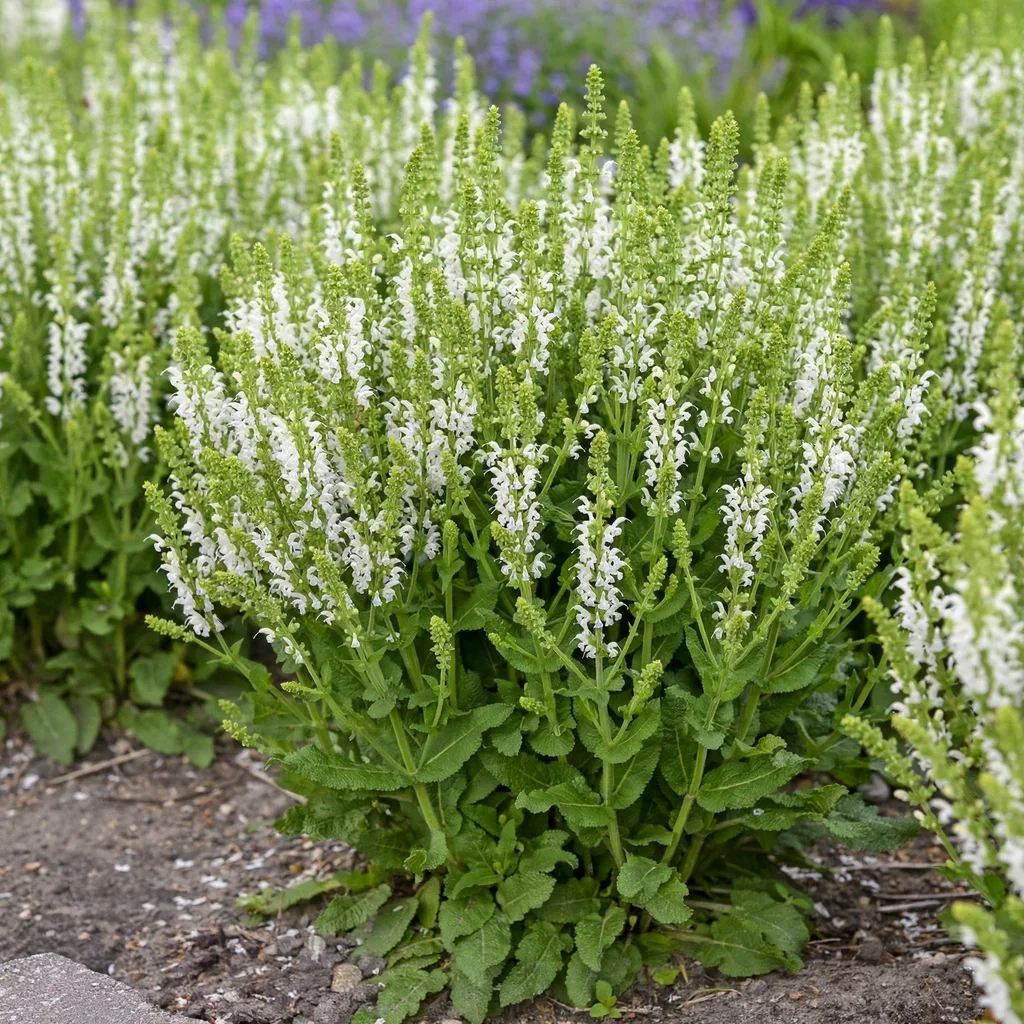
White Profusion Salvia
Salvia x hybrida 'White Profusion'
Keep exploring
Explore the genus
Hardy in your zone?
Grow Phyllis' Fancy Sage with confidence
See it in a design of your actual yard, get zone-matched care reminders, and track it season by season in your garden journal.