


The Story
Plant Bio
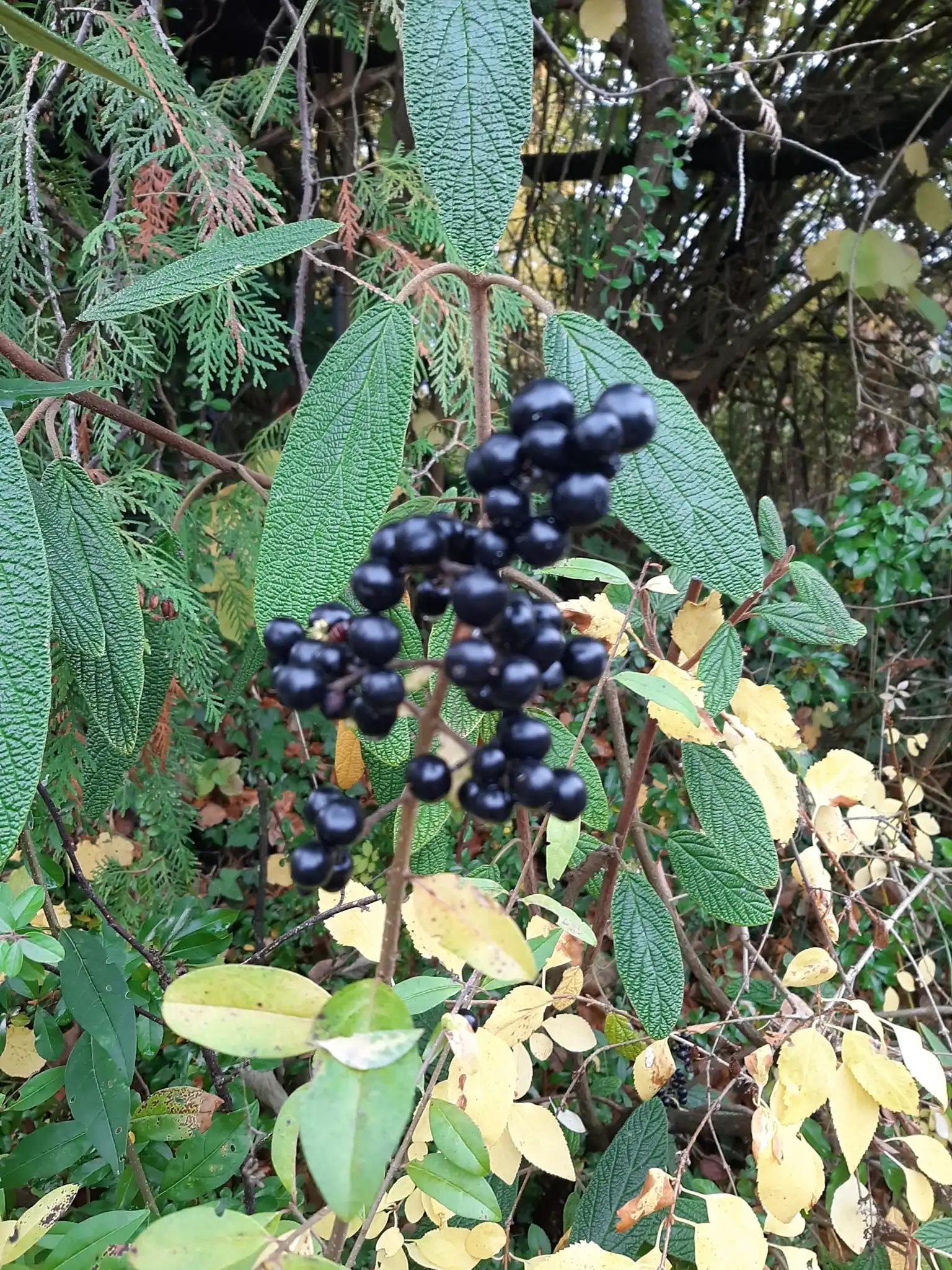
Ligustrum vulgare, or common privet, is a fast-growing, adaptable semi-evergreen shrub native to Europe and North Africa. It is widely used for hedging due to its tolerance of heavy pruning and difficult growing conditions.
'Cheyenne' is a particularly tough and vigorous cultivar selected for its superior cold hardiness, making it a reliable choice for formal hedges in northern climates where other privets may suffer winter damage.
Uses & Benefits:
Essentials
At a Glance
Plant Type
Shrub
Height
144"
Width
96"
Light
Full Sun, Partial Sun
Zones
4, 5, 6, 7
Water
Low to medium
Humidity
Adaptable
Lifespan
30-50 years
Native To
Europe, North Africa
Toxicity
Berries and leaves are toxic if ingested.
Bloom period
Late spring – Early summer
In flower about 2 months of the year
Planting
How to Grow
- Prepare a trench for hedging or individual holes for specimens.
- Amend soil with compost if it is very poor.
- Set plants at the same depth they were growing in the nursery.
- Space plants 2-4 feet apart depending on desired hedge speed and density.
- Backfill the soil, water thoroughly, and mulch.
- Cut back newly planted shrubs by about one-third to encourage branching.
Pro Tip
For a dense hedge, prune the top narrower than the bottom to allow sunlight to reach the lower branches.
Keep It Thriving
Care Guide
Do
- Prune regularly to keep the hedge dense and to the desired size.
- Water deeply during periods of extended drought.
- Remove any unwanted seedlings that may sprout nearby.
- Provide full sun for the densest growth.
Don't
- Do not let the hedge become overgrown, as rejuvenation is difficult.
- Avoid planting where its berries can be ingested by children or pets.
- Check local regulations, as Ligustrum vulgare is invasive in some areas.
- Don't allow the base of the hedge to become shaded and bare.
Seasonal Care Calendar
| Task | Jan | Feb | Mar | Apr | May | Jun | Jul | Aug | Sep | Oct | Nov | Dec |
|---|---|---|---|---|---|---|---|---|---|---|---|---|
| Fertilize | ||||||||||||
| Plant | ||||||||||||
| Prune |
Watch Out For
Pests & Diseases
Common Pests
Common Diseases
In the Garden
Landscape Uses & Companions
Landscape Uses
Multiply
Propagation Methods
Good to Know
Common Questions
Cheyenne Privet questions
What zones can Cheyenne Privet grow in?
Cheyenne Privet is hardy in USDA Zones 4–7. Inside that range it survives winter in the ground; outside it, grow it as an annual or a container plant you protect.
Is Cheyenne Privet deer resistant?
Yes — Cheyenne Privet is rated deer-resistant. Deer typically pass it over, though extreme hunger can override any plant's defenses.
When does Cheyenne Privet bloom?
Cheyenne Privet typically blooms in late spring through early summer. Exact timing shifts a week or two with your zone — Sow's bloom calendar maps it to your garden.
Does Cheyenne Privet need full sun?
Cheyenne Privet does best in full sun to part shade. In hot climates, afternoon shade keeps blooms fresher longer.
Is Cheyenne Privet drought tolerant?
Yes — once established (usually after the first full season), Cheyenne Privet handles dry spells with minimal watering. Water deeply its first year to build the root system that makes that possible.
More Ligustrum to compare
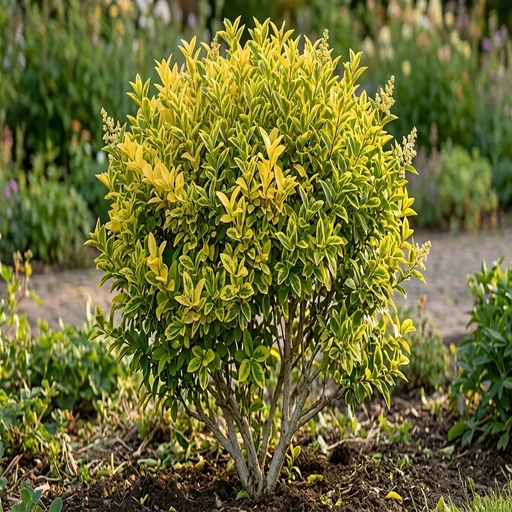
Golden Privet
Ligustrum vicaryi
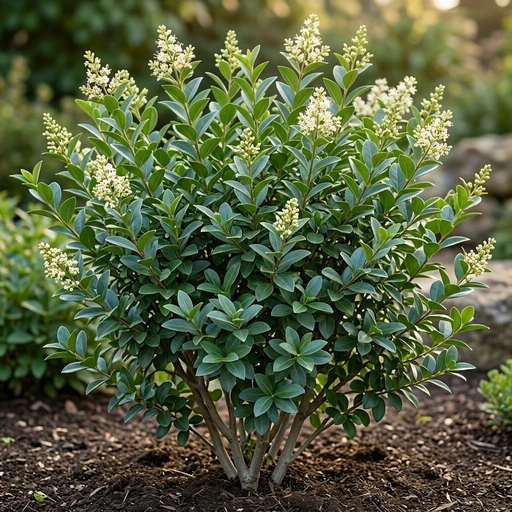
California Privet
Ligustrum ovalifolium
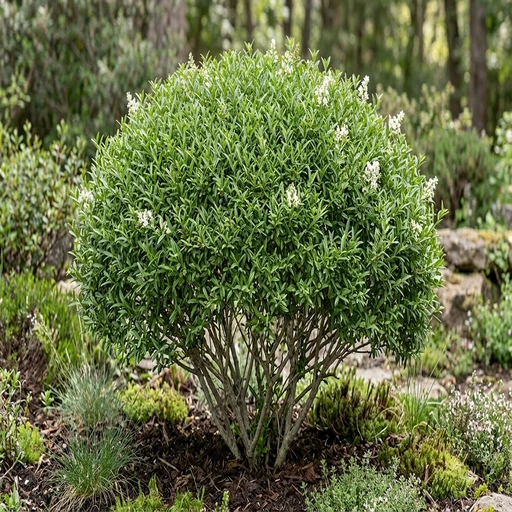
Lodense European Privet
Ligustrum vulgare 'Lodense'
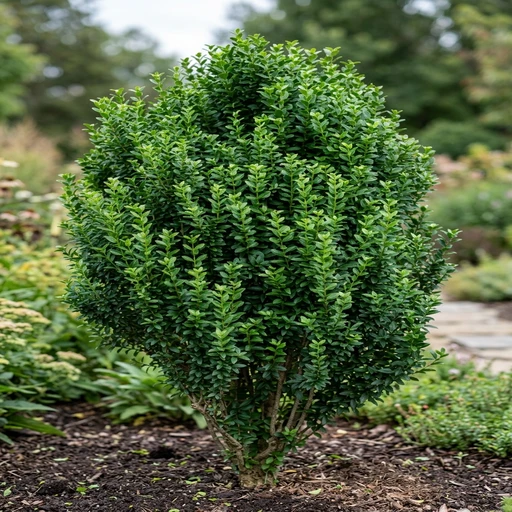
Straight Talk Privet
Ligustrum vulgare 'Straight Talk'
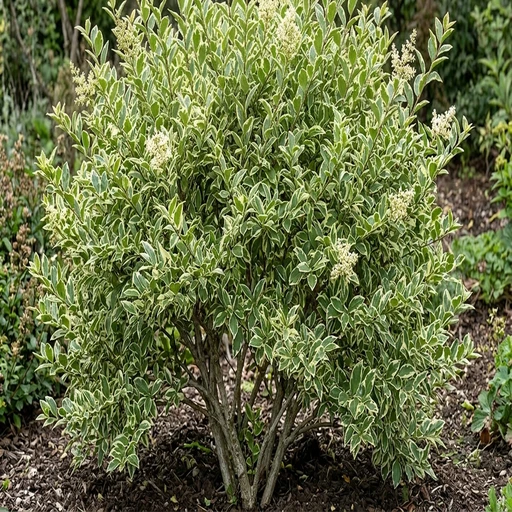
Variegated Chinese Privet
Ligustrum sinense 'Variegatum'
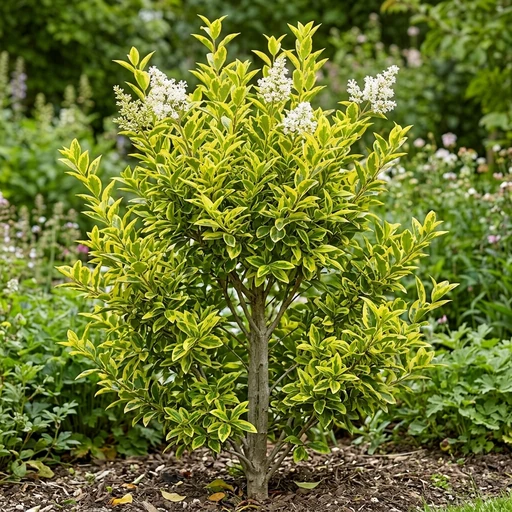
Howard's Ligustrum
Ligustrum japonicum 'Howardi'
Keep exploring
Explore the genus
Hardy in your zone?
Grow Cheyenne Privet with confidence
See it in a design of your actual yard, get zone-matched care reminders, and track it season by season in your garden journal.