


The Story
Plant Bio
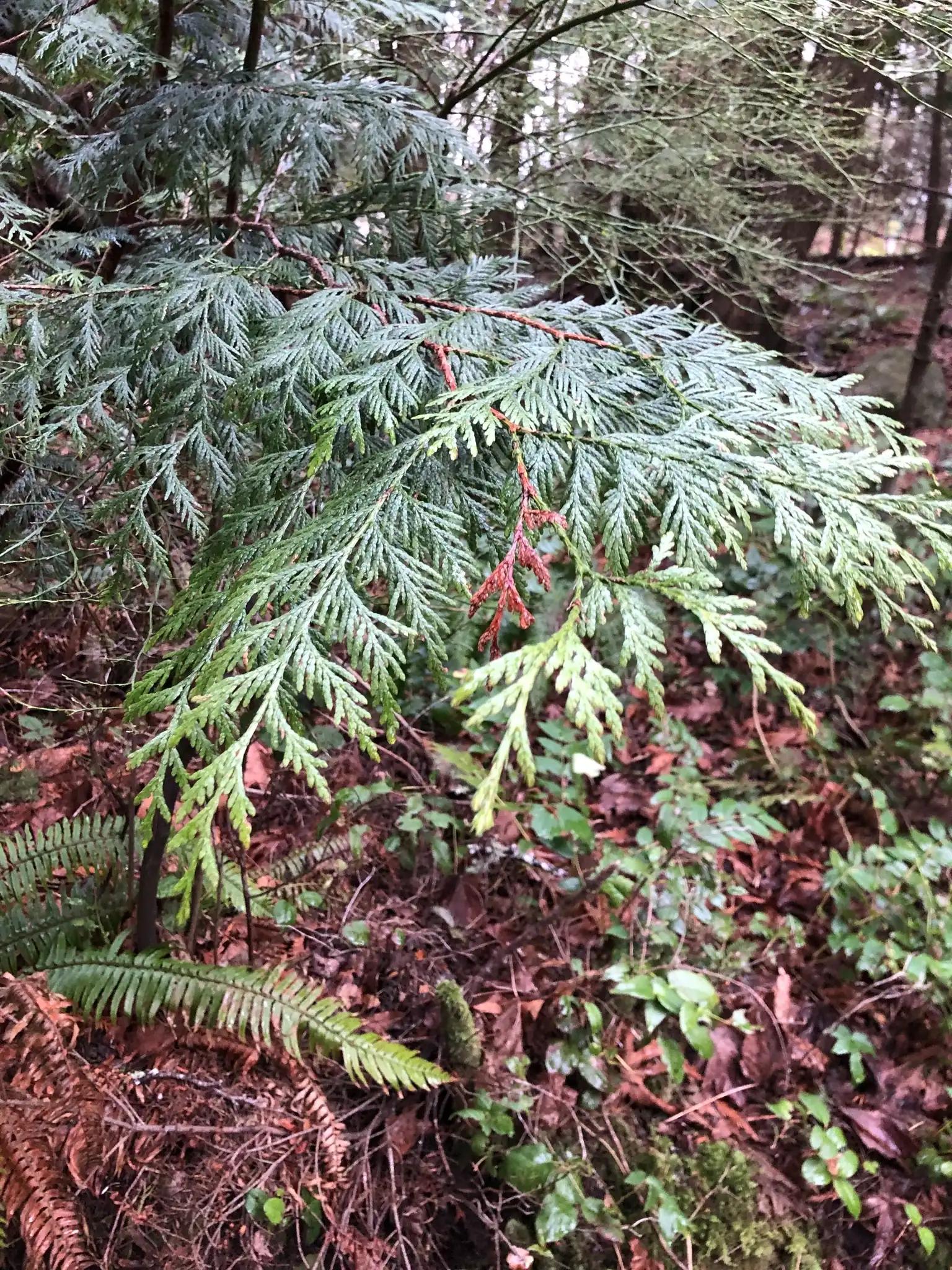
Thuja plicata, or Western Redcedar, is a large, conical evergreen conifer native to the Pacific Northwest. It features aromatic, scale-like leaves in flattened sprays and is valued for its majestic stature and rot-resistant wood.
'Grovepli', sold as Spring Grove®, is a vigorous, fast-growing selection known for its dense, pyramidal form and glossy, dark green foliage that resists winter bronzing. It is more deer resistant than its Thuja occidentalis cousins.
Uses & Benefits:
Essentials
At a Glance
Plant Type
Tree
Height
360"
Width
144"
Light
Full Sun, Partial Sun
Zones
5, 6, 7, 8
Water
Medium
Humidity
Prefers moderate to high
Lifespan
Very long-lived
Native To
Western North America (species)
Toxicity
Mildly toxic if ingested in large quantities
Bloom period
Late spring
In flower about 1 month of the year
Planting
How to Grow
- Select a site in full sun or light shade with moist, well-drained soil.
- Dig a hole twice as wide and just as deep as the root ball.
- Gently tease out any circling roots before placing in the hole.
- Ensure the top of the root ball is level with the surrounding soil.
- Backfill with native soil, firming it gently to remove air pockets.
- Water deeply and apply a layer of mulch, keeping it away from the trunk.
Pro Tip
Provide consistent moisture during the first few years to fuel its fast growth rate; it is not as drought tolerant as junipers.
Keep It Thriving
Care Guide
Do
- Water regularly and deeply, especially during periods of drought.
- Mulch annually to protect the shallow root system.
- Provide adequate spacing for its mature size to ensure good air circulation.
- Shear in early summer if a very formal hedge is desired.
Don't
- Do not plant in poorly drained, waterlogged soils.
- Avoid planting in hot, dry, exposed sites without supplemental water.
- Don't let heavy snow or ice build up and damage the branches.
- Avoid pruning back into old wood that has no foliage.
Seasonal Care Calendar
| Task | Jan | Feb | Mar | Apr | May | Jun | Jul | Aug | Sep | Oct | Nov | Dec |
|---|---|---|---|---|---|---|---|---|---|---|---|---|
| Mulch | ||||||||||||
| Pest Check | ||||||||||||
| Plant |
Watch Out For
Pests & Diseases
Common Pests
Common Diseases
In the Garden
Landscape Uses & Companions
Landscape Uses
Multiply
Propagation Methods
Good to Know
Common Questions
Spring Grove Arborvitae questions
What zones can Spring Grove Arborvitae grow in?
Spring Grove Arborvitae is hardy in USDA Zones 5–8. Inside that range it survives winter in the ground; outside it, grow it as an annual or a container plant you protect.
Is Spring Grove Arborvitae deer resistant?
Yes — Spring Grove Arborvitae is rated deer-resistant. Deer typically pass it over, though extreme hunger can override any plant's defenses.
When does Spring Grove Arborvitae bloom?
Spring Grove Arborvitae typically blooms in late spring through late spring. Exact timing shifts a week or two with your zone — Sow's bloom calendar maps it to your garden.
Does Spring Grove Arborvitae need full sun?
Spring Grove Arborvitae does best in full sun to part shade. In hot climates, afternoon shade keeps blooms fresher longer.
More Thuja to compare
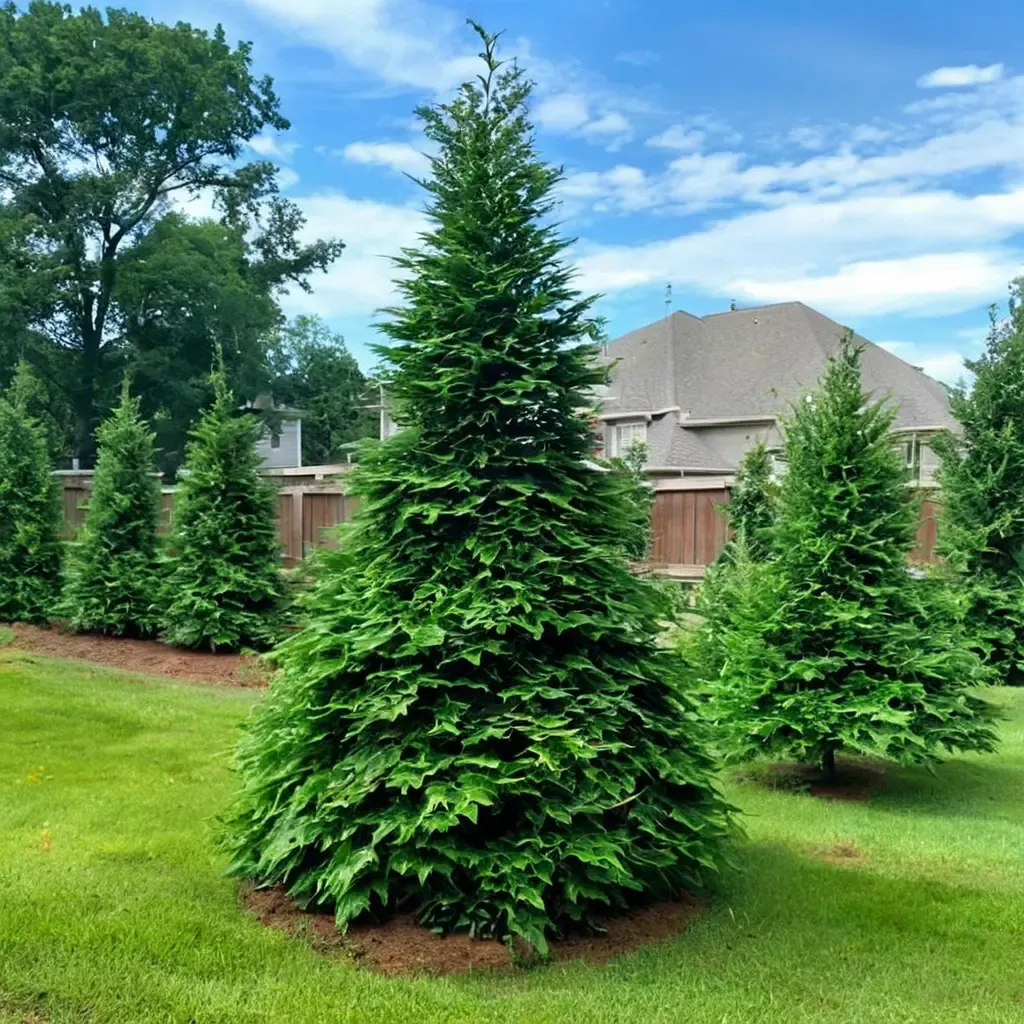
Green Giant Arborvitae
Thuja occidentalis 'Green Giant'
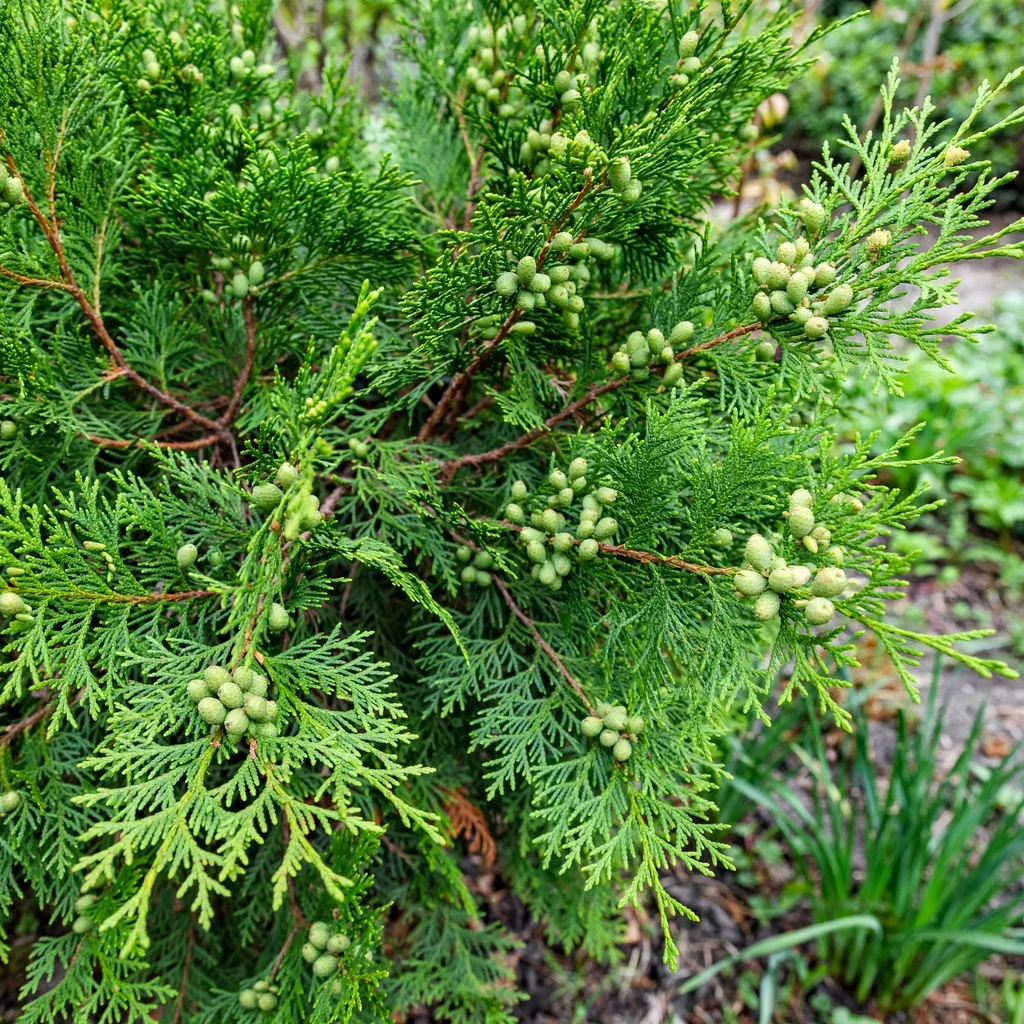
Emerald Green Arborvitae
Thuja occidentalis 'Emerald Green'
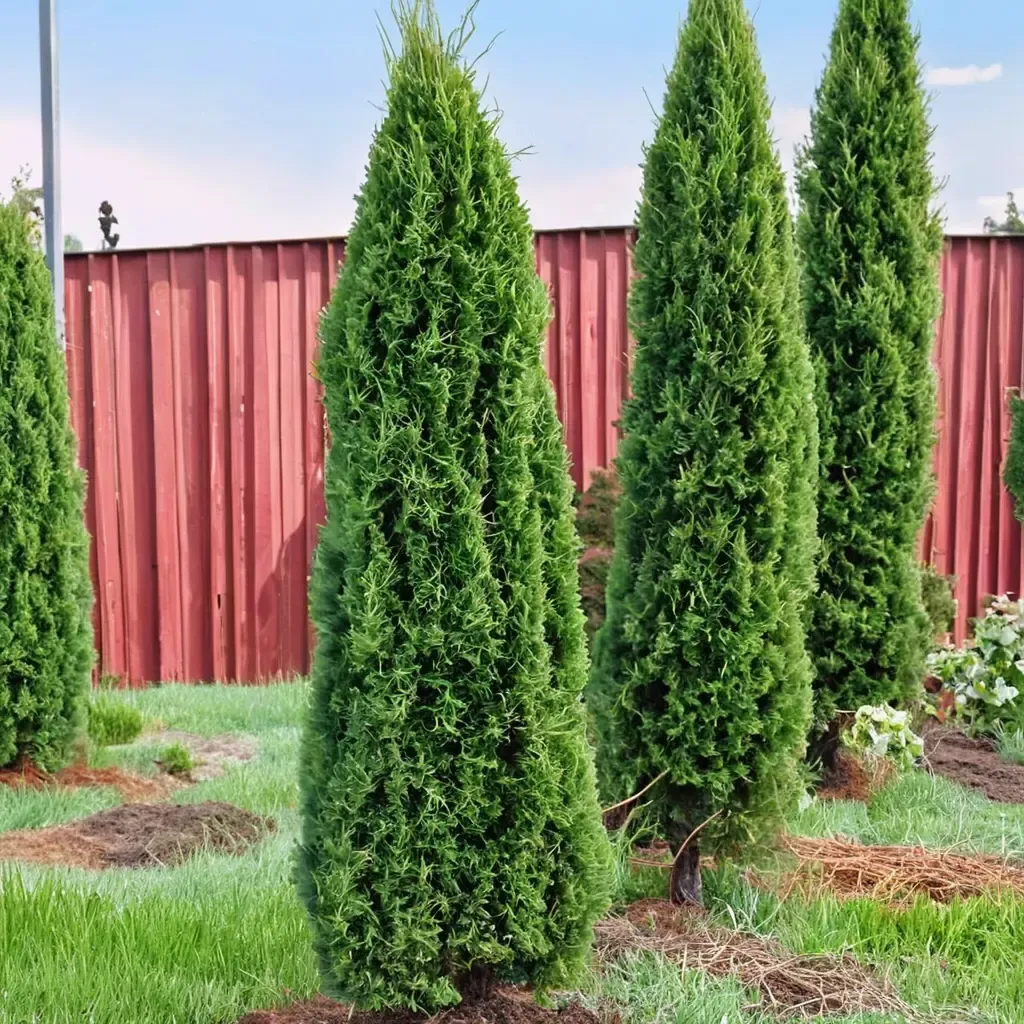
Degroot's Spire Arborvitae
Thuja occidentalis 'Degroot'
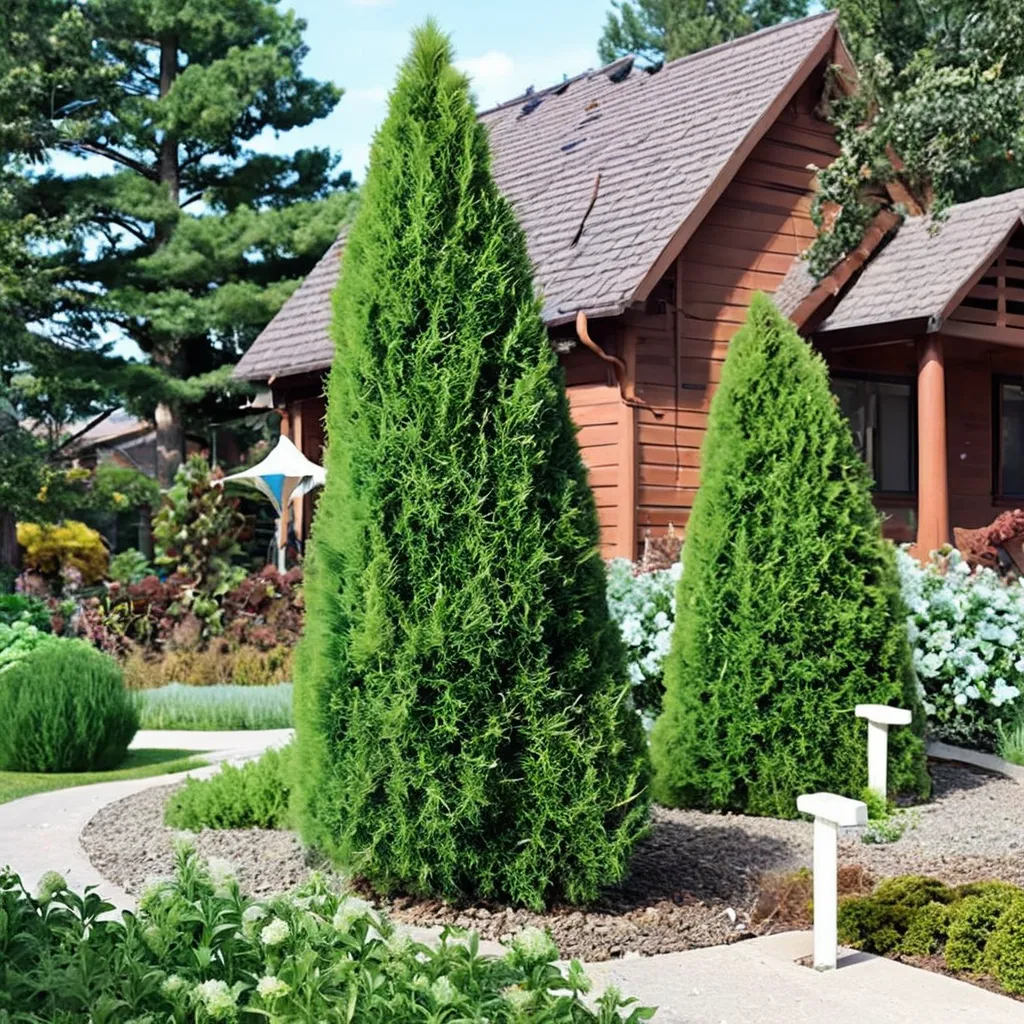
Smaragd Emerald Arborvitae
Thuja occidentalis 'Smaragd Emerald'
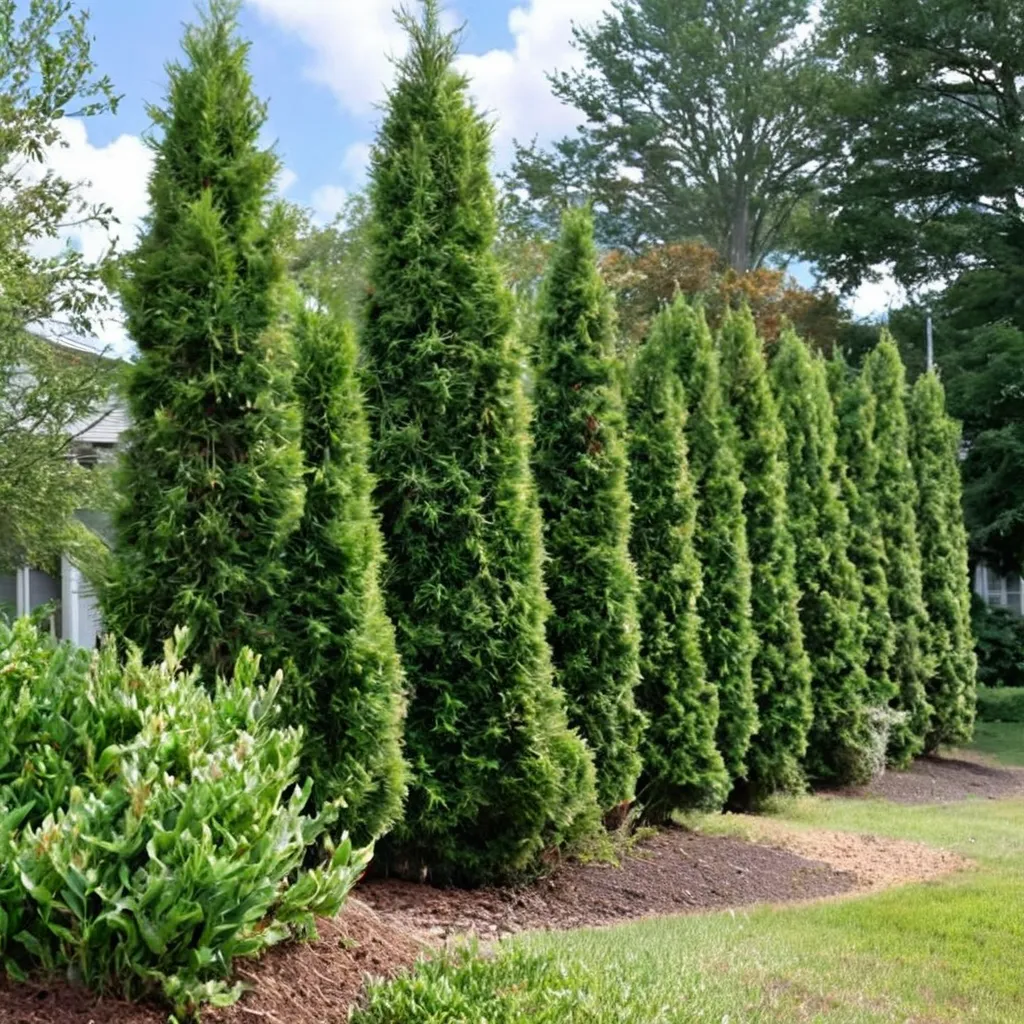
American Pillar Arborvitae
Thuja occidentalis 'American Pillar'
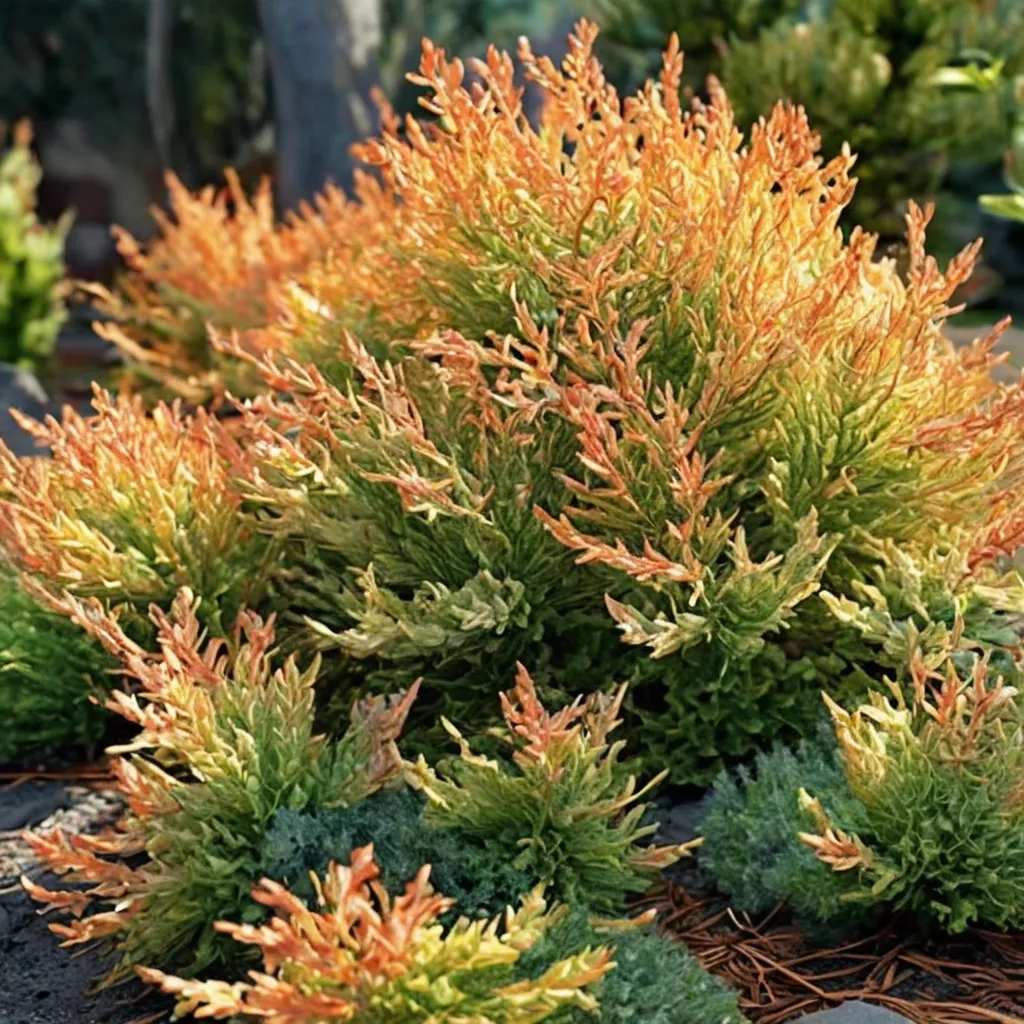
Fire Chief Arborvitae
Thuja occidentalis 'Fire Chief'
Keep exploring
Explore the genus
Hardy in your zone?
Grow Spring Grove Arborvitae with confidence
See it in a design of your actual yard, get zone-matched care reminders, and track it season by season in your garden journal.