

The Story
Plant Bio
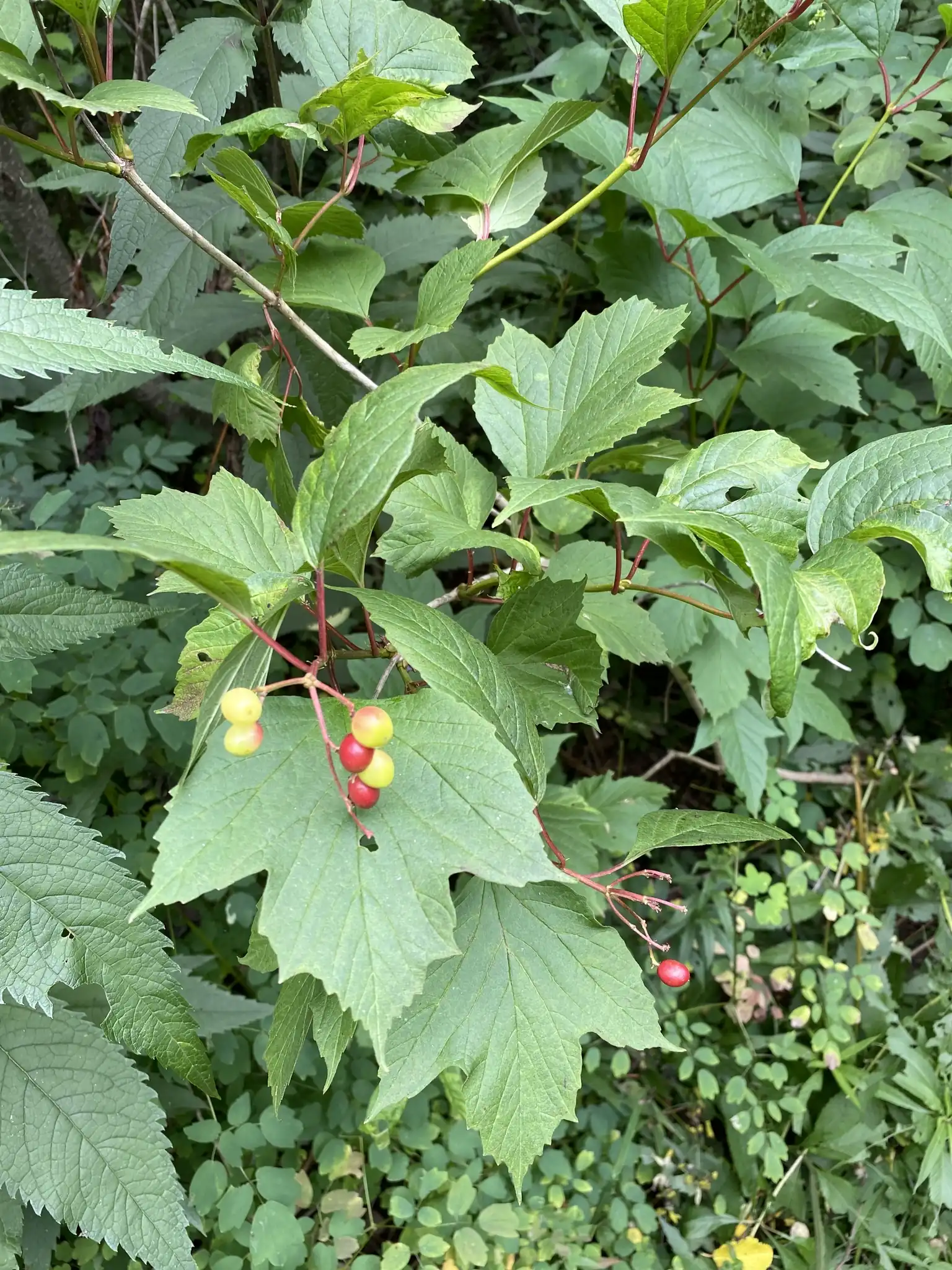
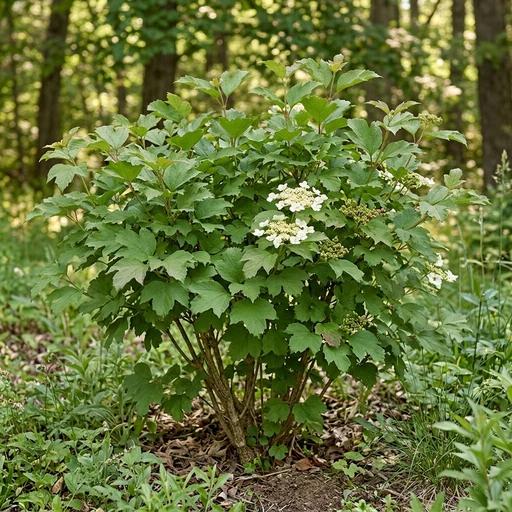
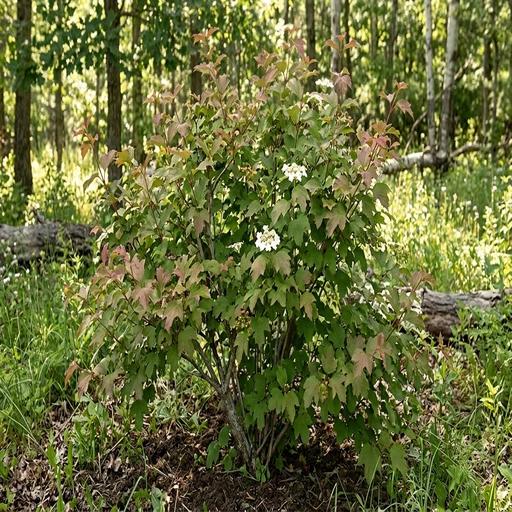
Viburnum trilobum is a large, multi-stemmed deciduous shrub native to North America, prized for its four-season interest. It features maple-like, three-lobed leaves, flat-topped clusters of white flowers, and brilliant red fall color.
The species is particularly noted for its edible, bright red berries that resemble cranberries and persist into winter, providing food for wildlife. The fruit can be harvested to make jams and jellies.
Uses & Benefits:
Essentials
At a Glance
Plant Type
Shrub
Height
120"
Width
120"
Light
Full Sun, Partial Sun
Zones
4, 5, 6, 7
Water
Medium to wet
Humidity
Adaptable
Lifespan
50+ years
Native To
Northern North America
Toxicity
Fruit is edible when cooked; other parts may be mildly toxic.
Planting
How to Grow
- Select a site with full sun to part shade and moist soil.
- Dig a hole that is twice as wide and just as deep as the root ball.
- Gently tease apart any circling roots before placing in the hole.
- Ensure the top of the root ball is level with the surrounding soil.
- Backfill with native soil and water deeply to eliminate air pockets.
- Apply a layer of mulch around the base, avoiding the stems.
Pro Tip
For best fruit production, plant more than one shrub to ensure good cross-pollination, even though the species is self-fertile.
Keep It Thriving
Care Guide
Do
- Provide consistent moisture, especially in the first few years.
- Prune right after flowering to avoid removing next year's flower buds.
- Monitor for viburnum leaf beetle larvae in spring.
- Allow some suckers to develop to maintain a natural, full form.
Don't
- Do not let the soil dry out completely for extended periods.
- Avoid pruning in late summer or fall.
- Don't plant in highly alkaline soils.
- Refrain from heavy fertilization; a top-dressing of compost is usually sufficient.
Seasonal Care Calendar
| Task | Jan | Feb | Mar | Apr | May | Jun | Jul | Aug | Sep | Oct | Nov | Dec |
|---|---|---|---|---|---|---|---|---|---|---|---|---|
| Harvest | ||||||||||||
| Mulch | ||||||||||||
| Pest Check | ||||||||||||
| Prune |
Watch Out For
Pests & Diseases
Common Pests
Common Diseases
In the Garden
Landscape Uses & Companions
Landscape Uses
Multiply
Propagation Methods
Good to Know
Common Questions
American Cranberrybush questions
What zones can American Cranberrybush grow in?
American Cranberrybush is hardy in USDA Zones 4–7. Inside that range it survives winter in the ground; outside it, grow it as an annual or a container plant you protect.
Is American Cranberrybush deer resistant?
Yes — American Cranberrybush is rated deer-resistant. Deer typically pass it over, though extreme hunger can override any plant's defenses.
When does American Cranberrybush bloom?
American Cranberrybush typically blooms in late spring through late spring. Exact timing shifts a week or two with your zone — Sow's bloom calendar maps it to your garden.
Does American Cranberrybush need full sun?
American Cranberrybush does best in full sun to part shade. In hot climates, afternoon shade keeps blooms fresher longer.
More Viburnum to compare
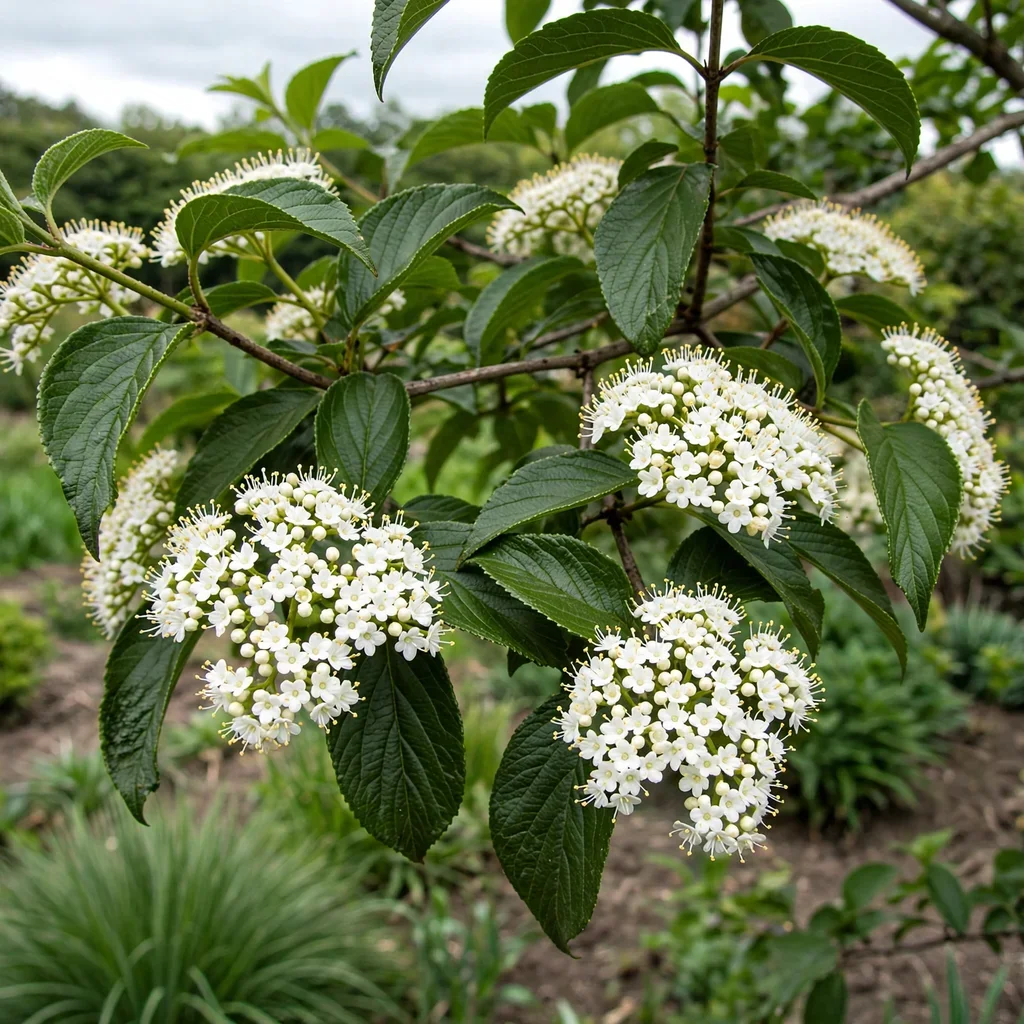
Nannyberry
Viburnum lentago
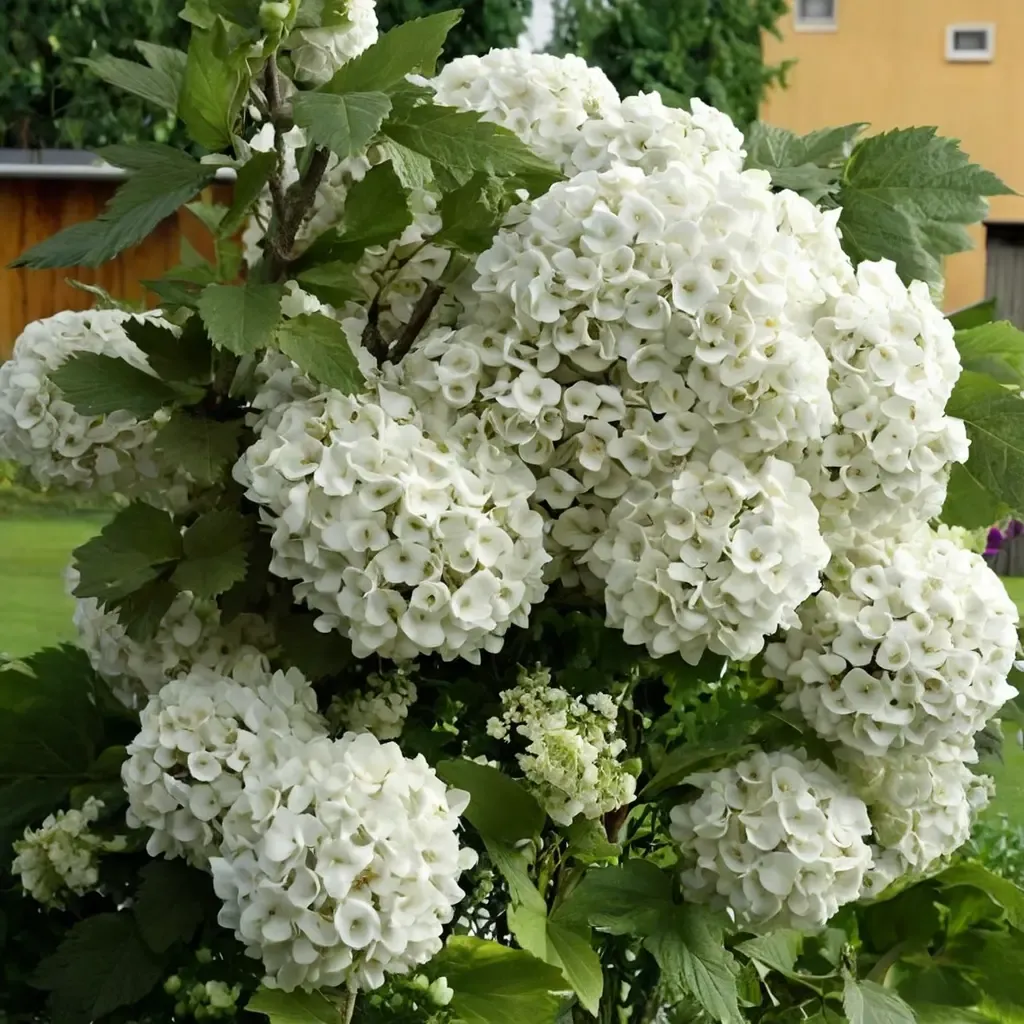
Snowball Viburnum
Viburnum opulus 'Sterile'
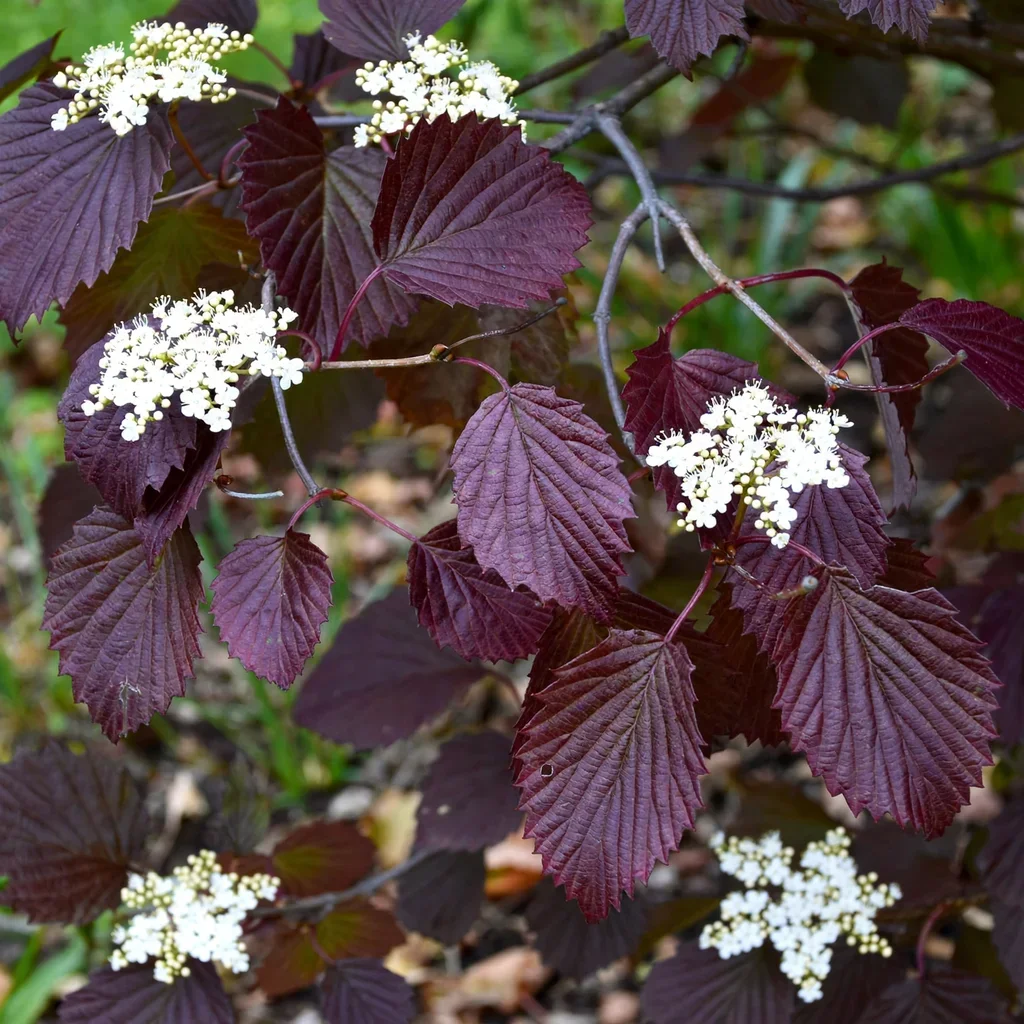
Autumn Jazz Arrowwood
Viburnum dentatum 'Autumn Jazz'
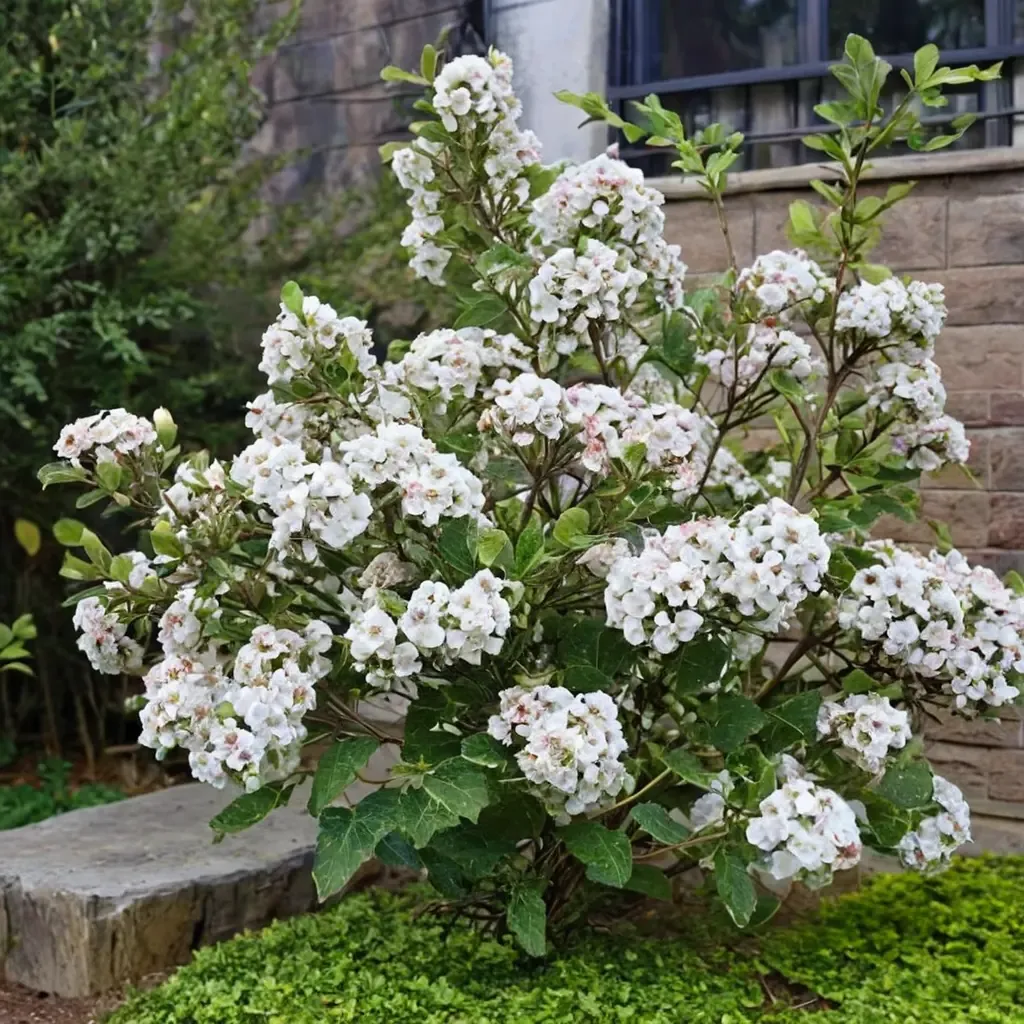
Korean spice viburnum
Viburnum carlesii
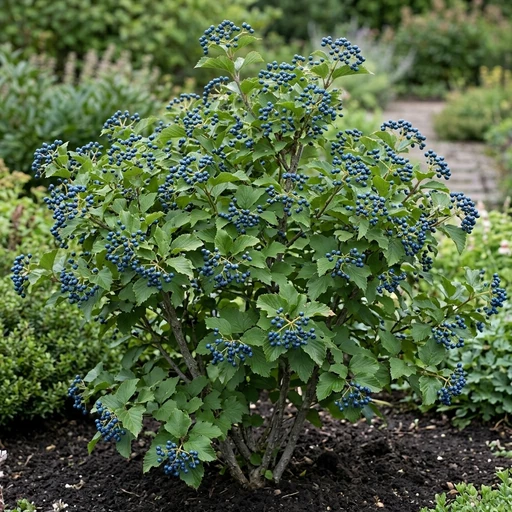
Blue Muffin Viburnum
Viburnum dentatum 'Christom'
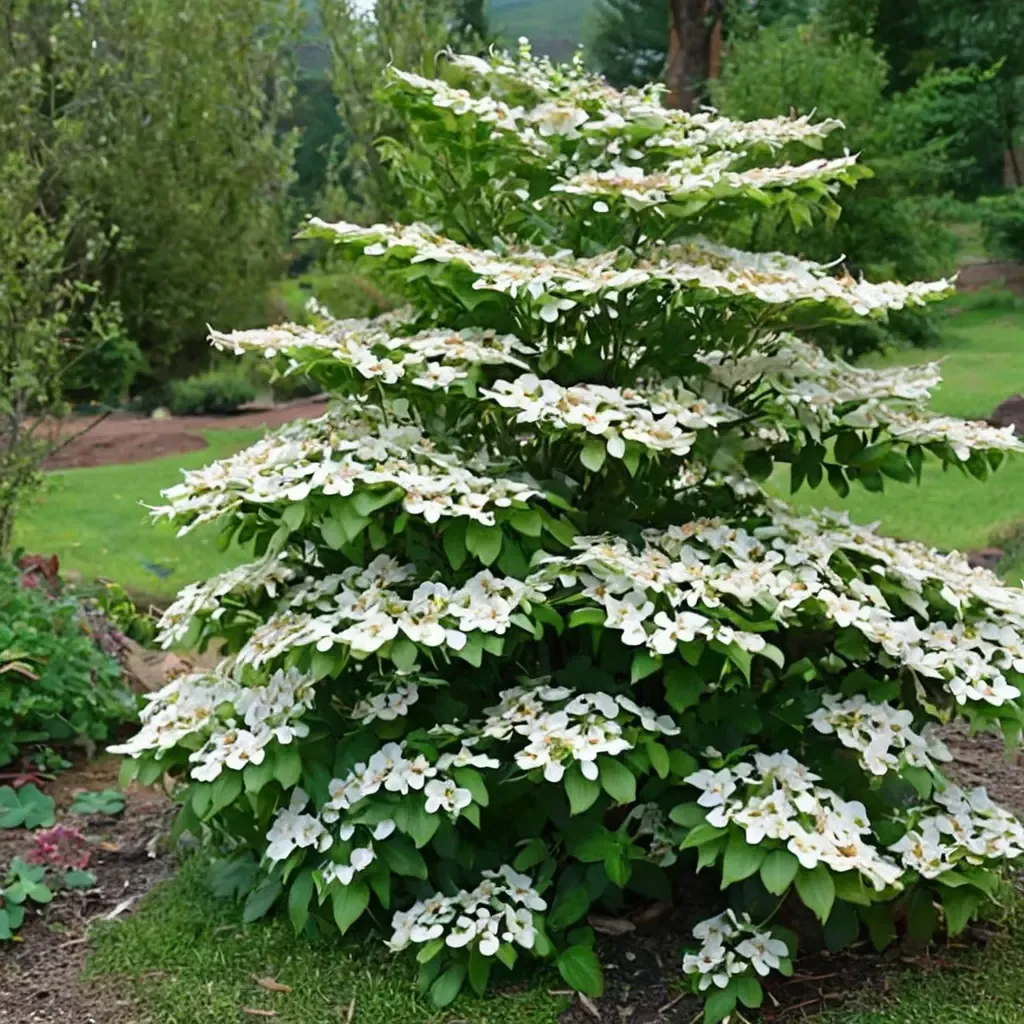
Mariesii Japanese Snowball
Viburnum plicatum 'Mariesii'
Keep exploring
Explore the genus
Hardy in your zone?
Grow American Cranberrybush with confidence
See it in a design of your actual yard, get zone-matched care reminders, and track it season by season in your garden journal.