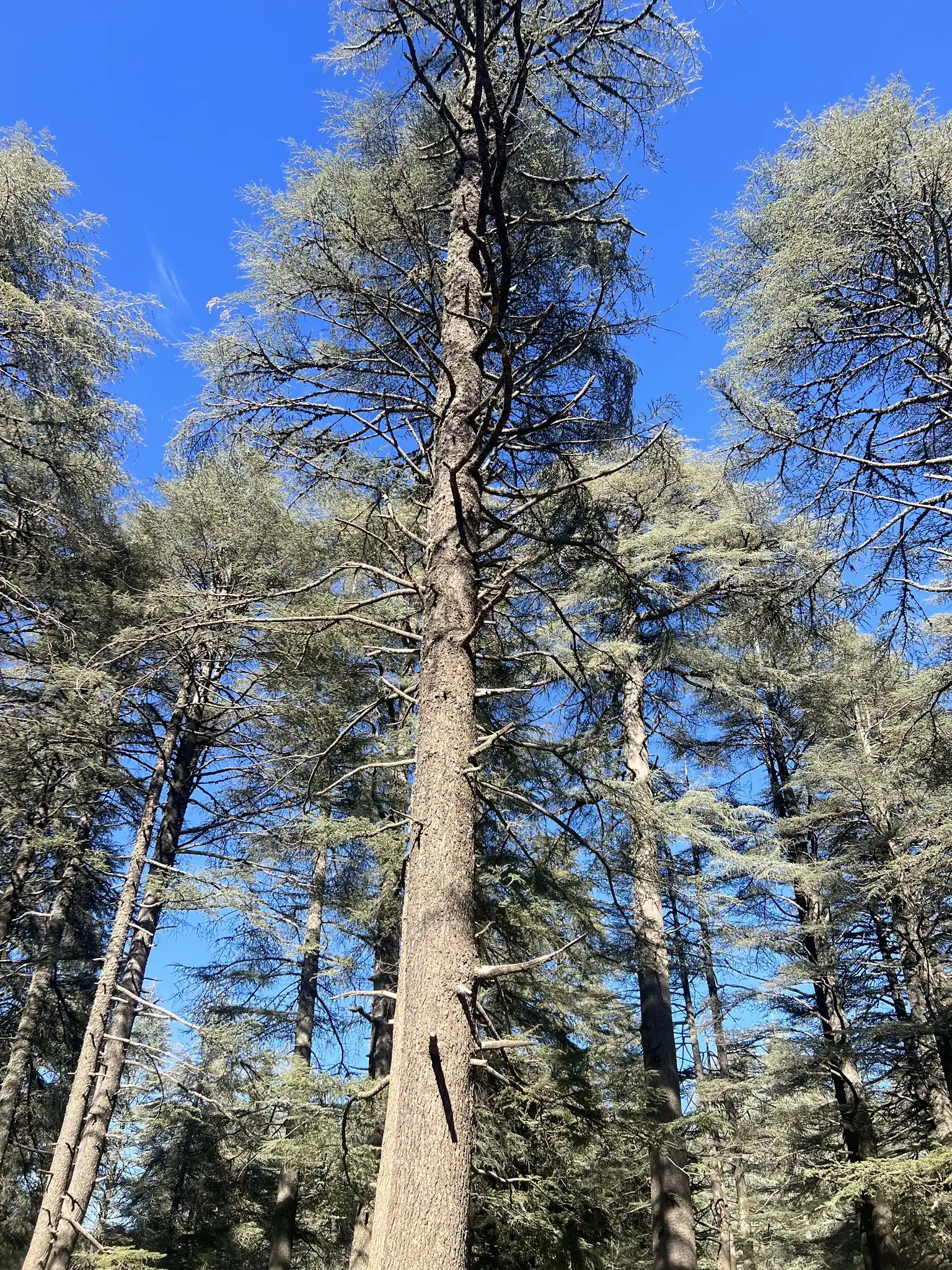
1 named cultivar
The Story
Plant Bio
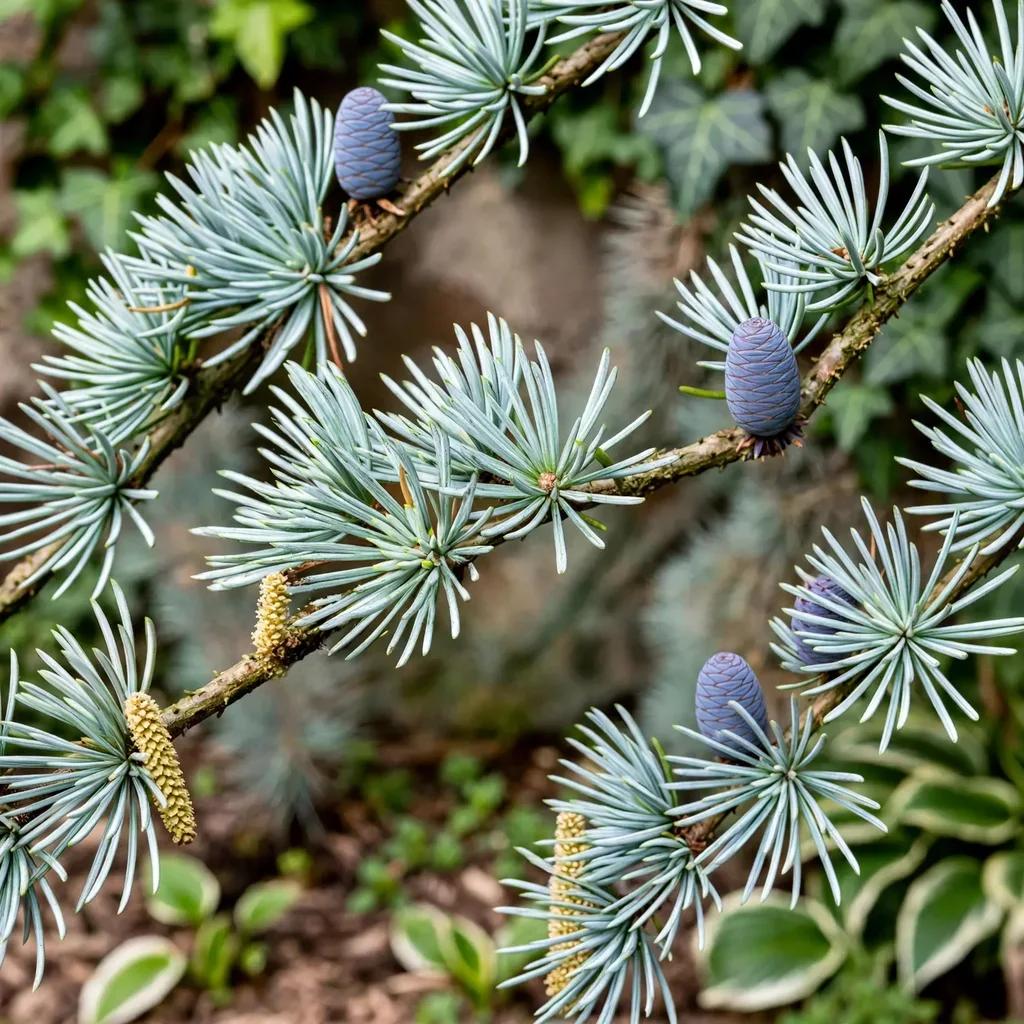
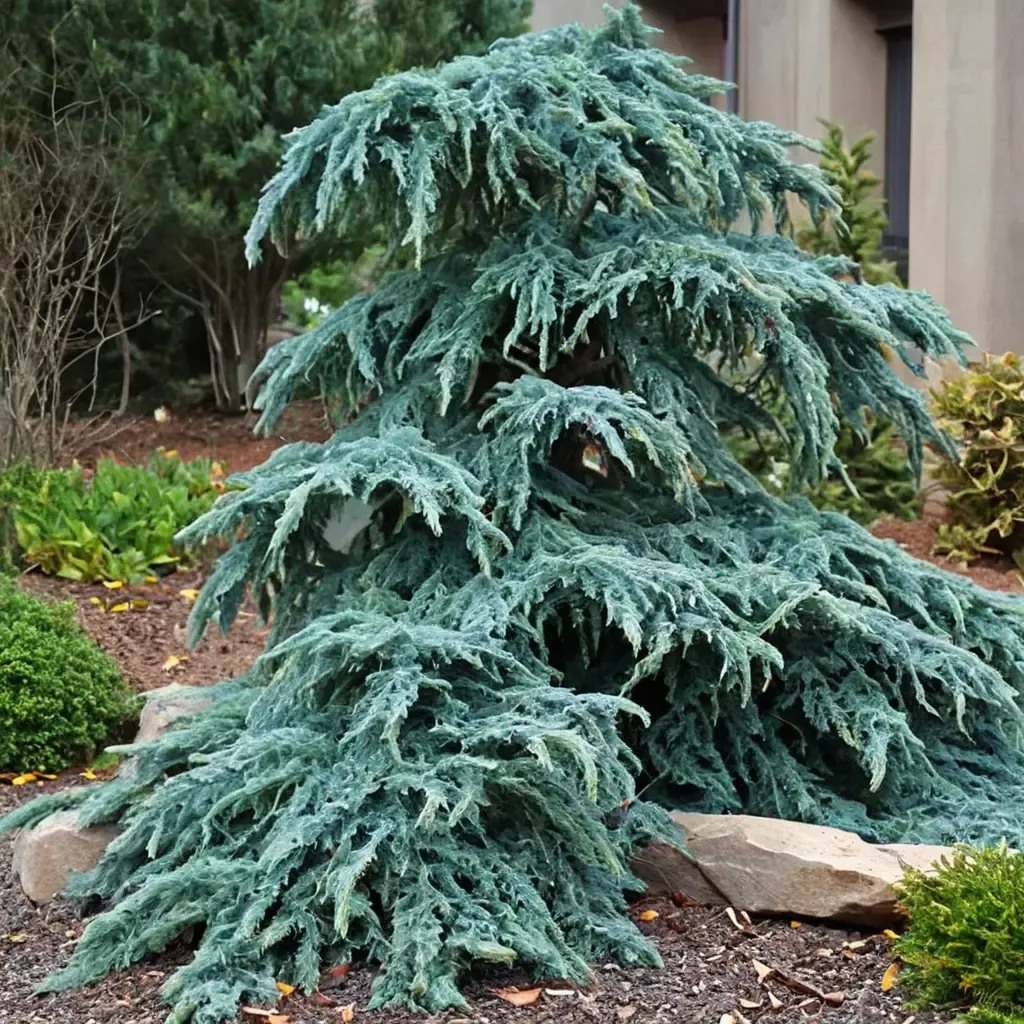
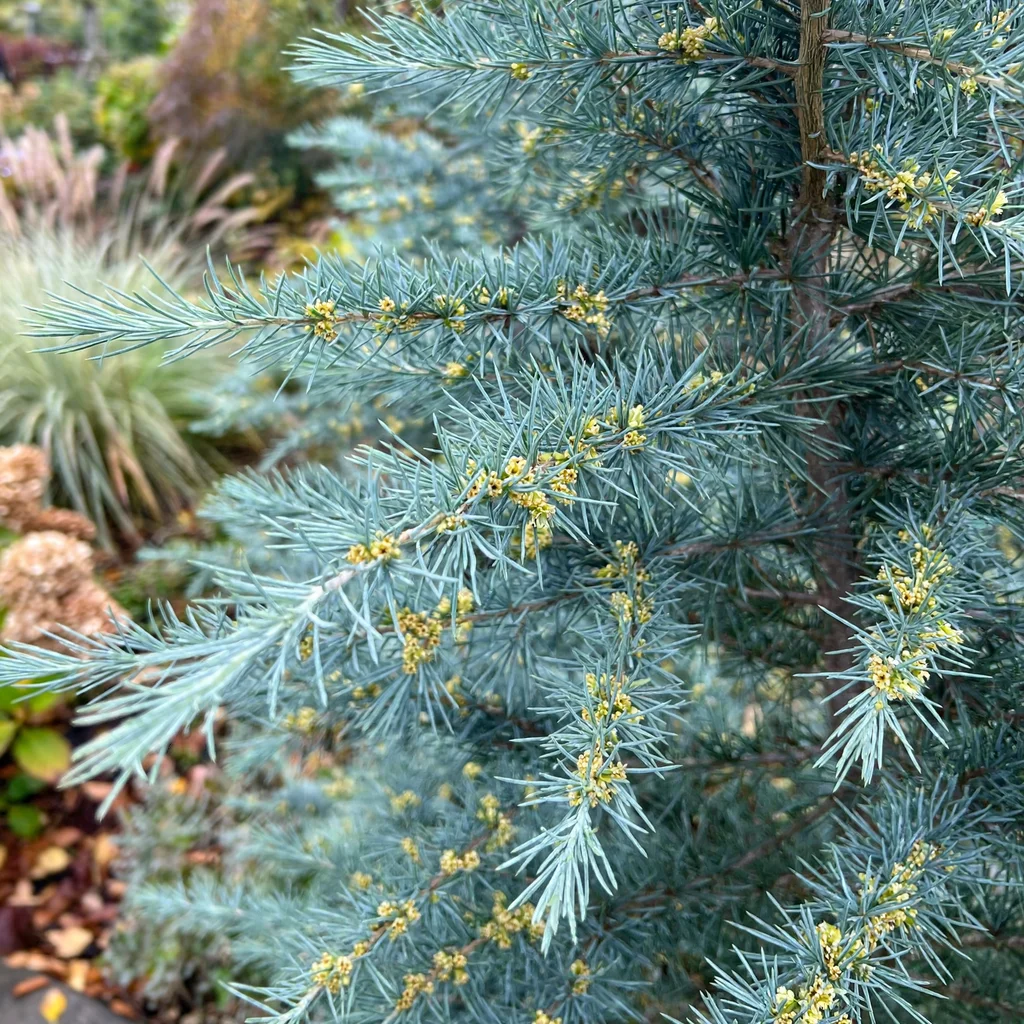
Cedrus atlantica, commonly known as the Atlas cedar, is an evergreen conifer known for its striking blue-green foliage and majestic branching structure.
Known for its unique blue-gray needles and irregular branching habit, the Atlas cedar is prized for its ornamental appeal in landscapes.
Uses & Benefits:
Essentials
At a Glance
Plant Type
Tree
Height
600"
Width
420"
Light
Full Sun
Zones
6, 7, 8, 9
Water
Moderate
Humidity
Average
Lifespan
Long-lived, over 100 years
Native To
Atlas Mountains of Morocco and Algeria
Toxicity
Non-toxic to humans and pets
Planting
How to Grow
- Choose a well-drained site with full sun exposure for planting.
- Dig a hole twice as wide as the root ball and slightly shallower.
- Tuck roots in gently, fill with soil, and water thoroughly.
- Mulch around the base to retain moisture and regulate soil temperature.
- Tuck in new plants with a layer of compost for added nutrients.
- Mist young seedlings regularly to maintain soil moisture during establishment.
Pro Tip
Ensure good air circulation around the tree to prevent fungal issues and promote healthy growth.
Keep It Thriving
Care Guide
Do
- Water deeply during dry spells 🌱
- Prune dead or damaged branches in late winter
- Apply a balanced slow-release fertilizer annually
- Mulch to conserve moisture and suppress weeds
- Monitor for pests regularly
Don't
- Avoid overwatering, which can cause root rot ❌
- Don't prune in late summer, avoid stressing the plant
- Never plant in poorly drained soil
- Refrain from fertilizing excessively
- Avoid high-traffic areas that can damage young trees
Seasonal Care Calendar
| Task | Jan | Feb | Mar | Apr | May | Jun | Jul | Aug | Sep | Oct | Nov | Dec |
|---|---|---|---|---|---|---|---|---|---|---|---|---|
| Fertilize | ||||||||||||
| Plant | ||||||||||||
| Prune |
Watch Out For
Pests & Diseases
Common Pests
Common Diseases
In the Garden
Landscape Uses & Companions
Landscape Uses
Multiply
Propagation Methods
Good to Know
Common Questions
Atlas Cedar questions
What zones can Atlas Cedar grow in?
Atlas Cedar is hardy in USDA Zones 6–9. Inside that range it survives winter in the ground; outside it, grow it as an annual or a container plant you protect.
Is Atlas Cedar deer resistant?
Yes — Atlas Cedar is rated deer-resistant. Deer typically pass it over, though extreme hunger can override any plant's defenses.
Does Atlas Cedar need full sun?
Atlas Cedar does best in full sun (6+ hours).
Is Atlas Cedar drought tolerant?
Yes — once established (usually after the first full season), Atlas Cedar handles dry spells with minimal watering. Water deeply its first year to build the root system that makes that possible.
More Cedrus to compare
Keep exploring
Explore the genus
Hardy in your zone?
Grow Atlas Cedar with confidence
See it in a design of your actual yard, get zone-matched care reminders, and track it season by season in your garden journal.