Species
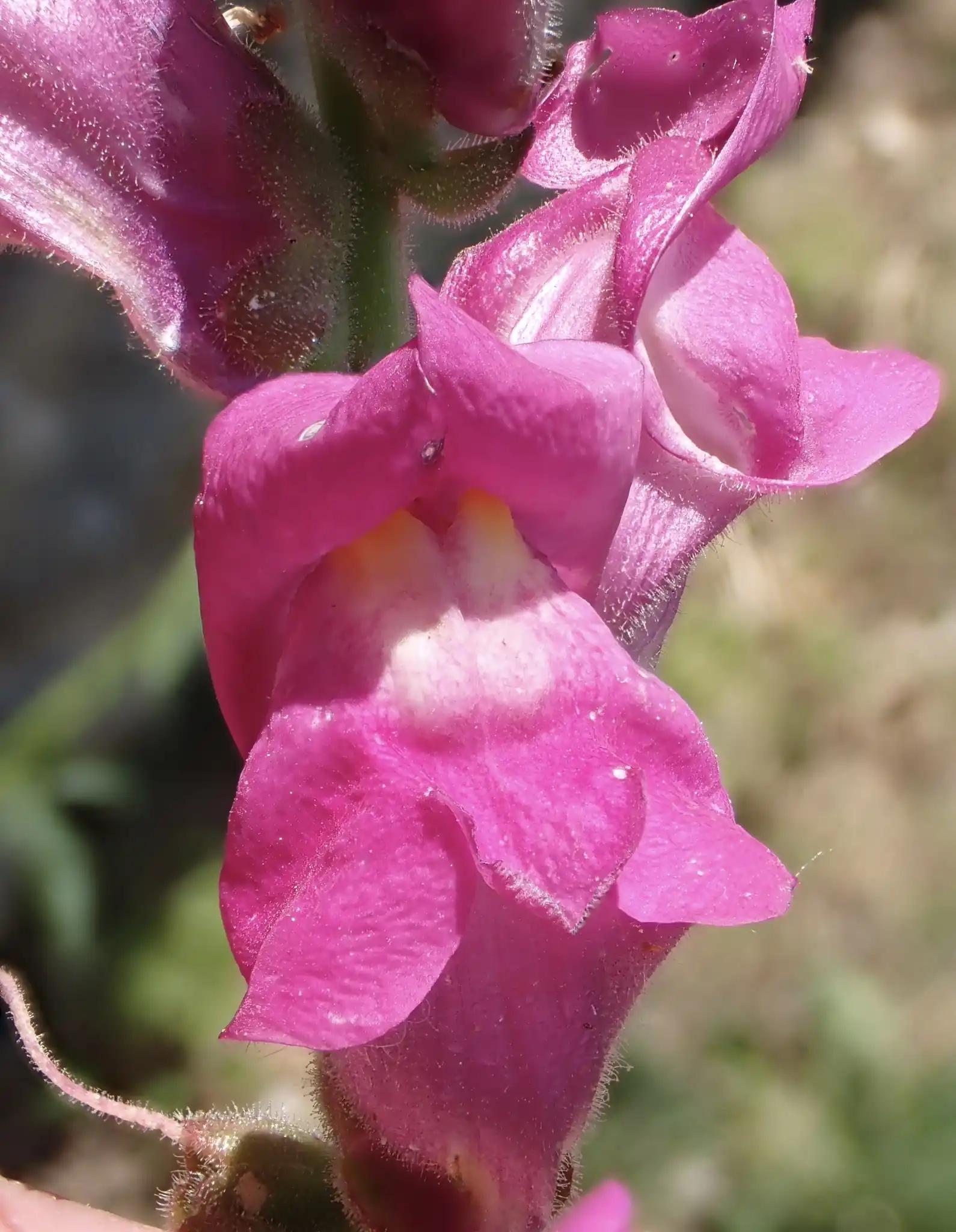 Antirrhinum majusSnapdragon
7 other cultivars
 ‘Double Azalea Bronze’Double Azalea Bronze Snapdragons
 ‘Chantilly Pink’Chantilly Pink Snapdragon
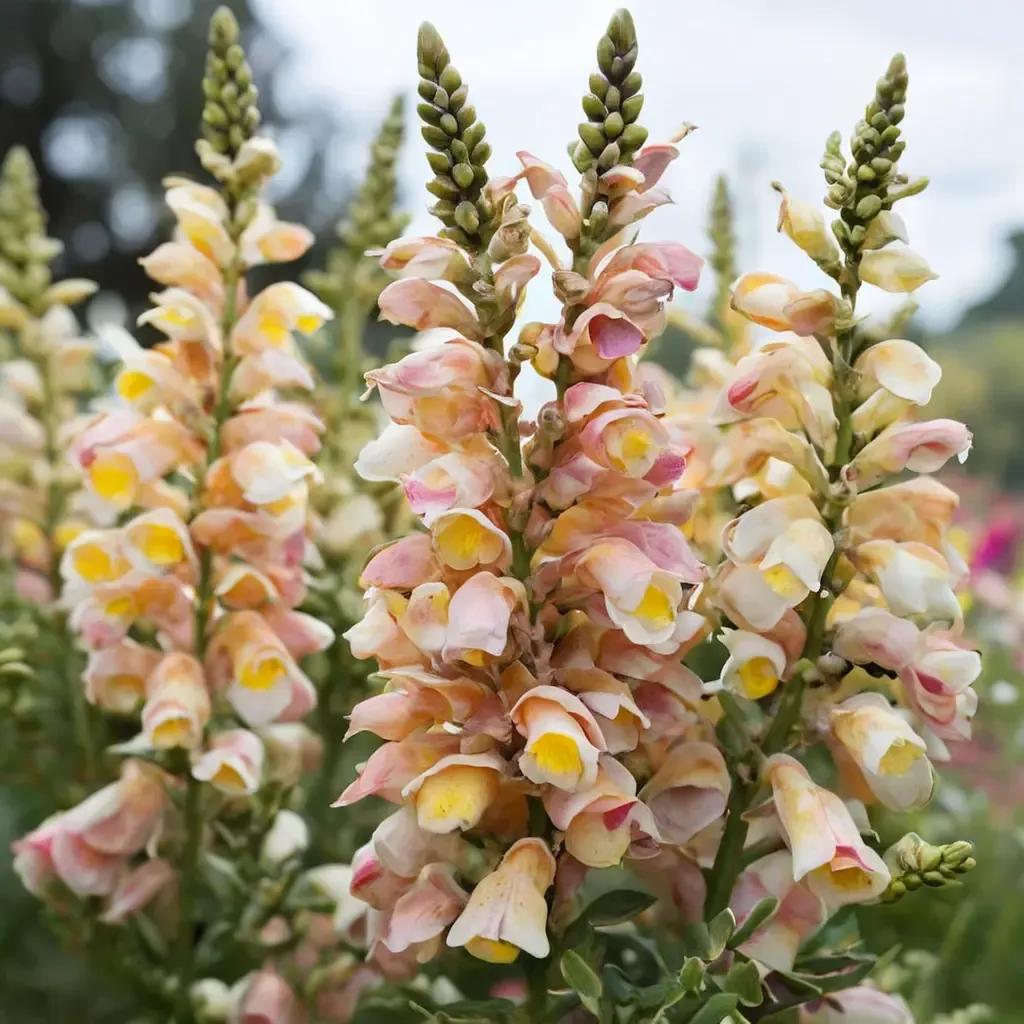 ‘Costa Apricot’Costa Apricot Snapdragon
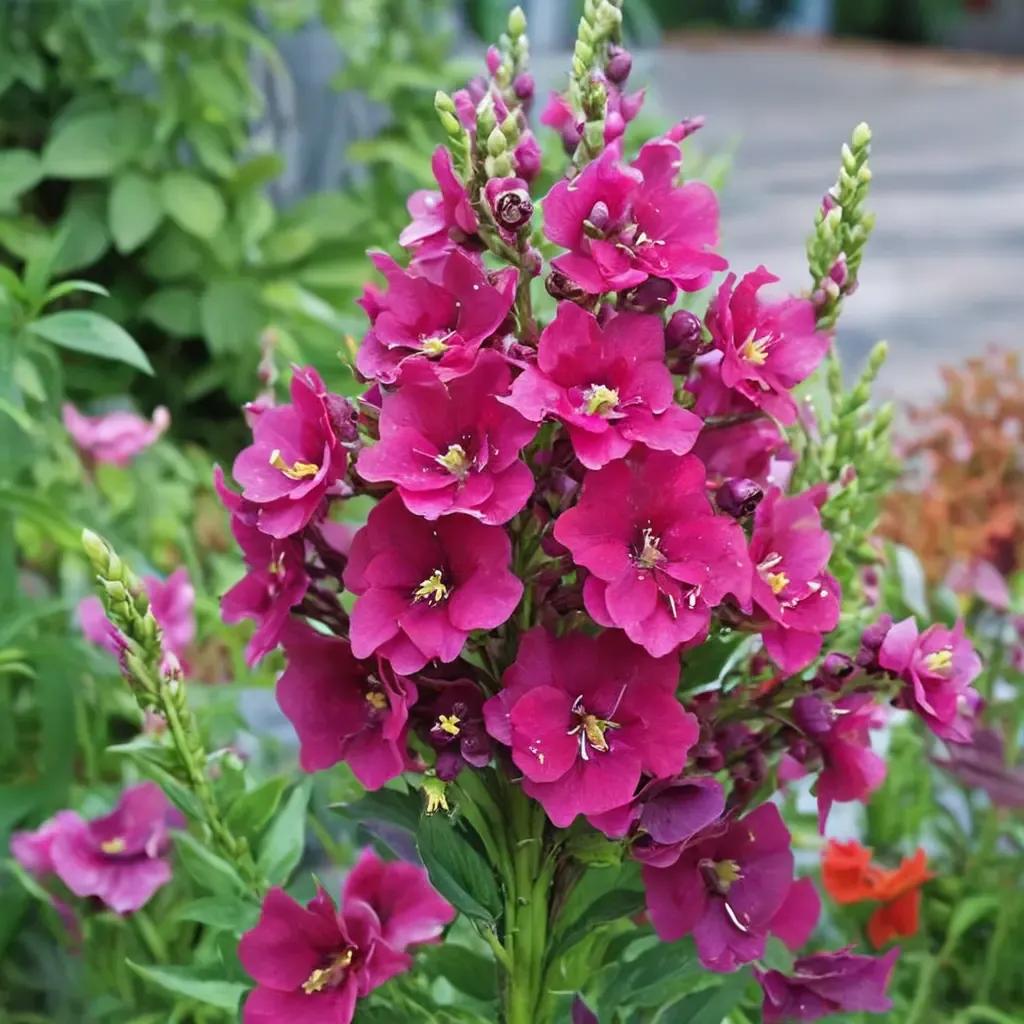 ‘Chantilly Purple’Chantilly Purple Snapdragon
 ‘Costa Silver’Costa Silver Snapdragon
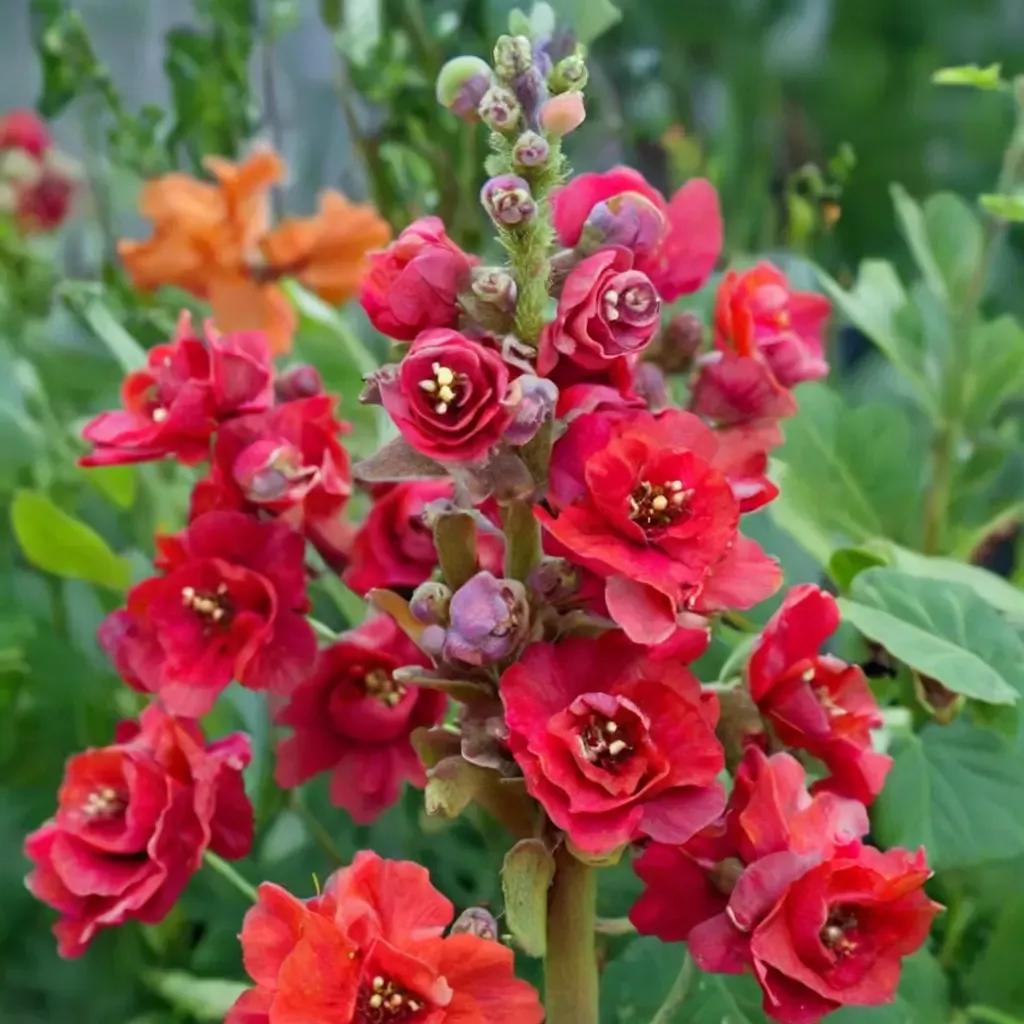 ‘Double Azalea Red’Double Azalea Red Snapdragon
 ‘Double Azalea Rose’Double Azalea Rose Snapdragon
The Story
Plant Bio
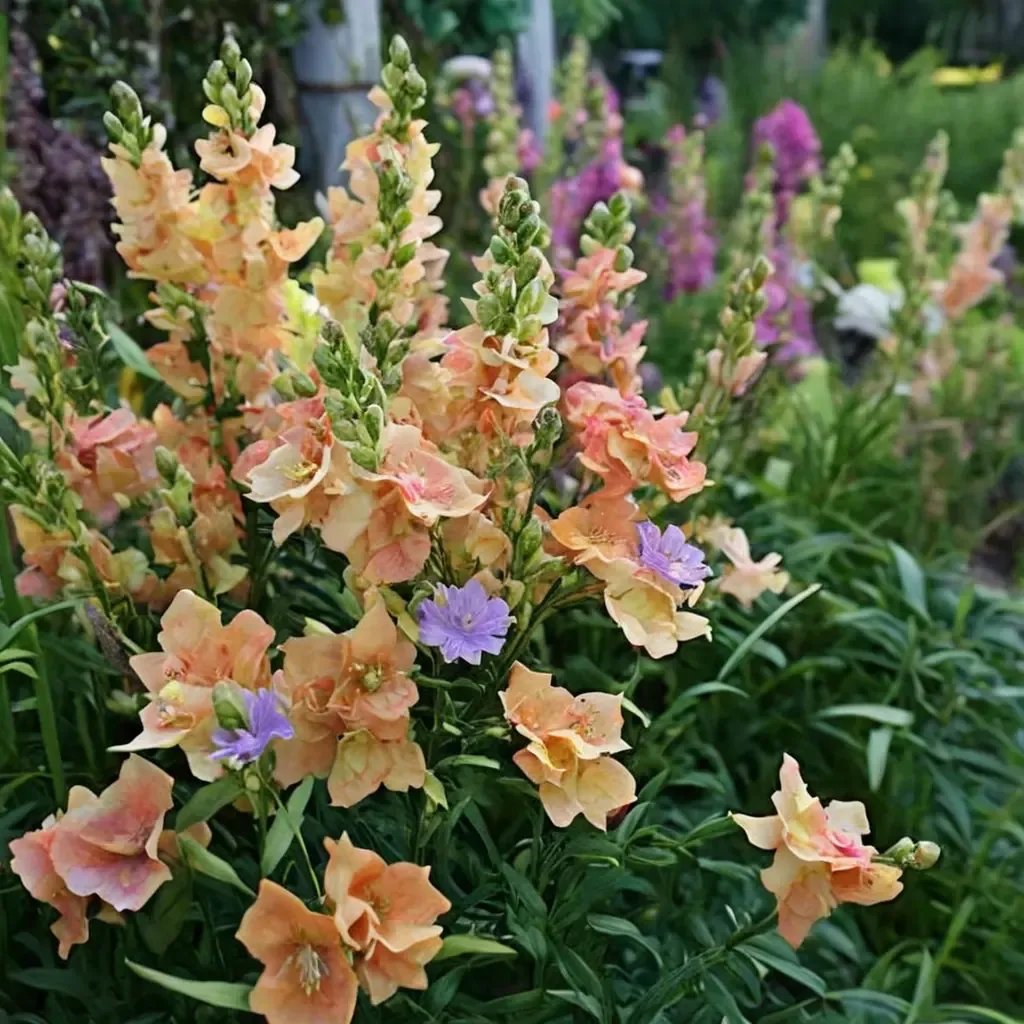
Antirrhinum majus 'Chantilly Peach' is an open-faced or 'butterfly' type snapdragon, featuring tall spires of lightly fragrant, ruffled, peachy-apricot blooms.
Part of the Chantilly series, it is prized by florists for its strong stems and excellent vase life. The open-faced flower form makes it easier for bees to access pollen.
Uses & Benefits:
Essentials
At a Glance
Plant Type
Annual
Height
36"
Width
12"
Light
Full Sun, Partial Sun
Zones
7, 8, 9, 10
Water
Moderate
Humidity
Moderate
Lifespan
Perennial (often grown as annual)
Native To
Mediterranean region
Toxicity
Non-toxic to humans and pets
Bloom period
Spring to fall – Late summer
In flower about 6 months of the year
Planting
How to Grow
- Tuck seeds into well-draining soil in early spring for best results.
- Mist cuttings lightly to maintain moisture and promote rooting.
- Water regularly to keep soil moist but not soggy, especially during dry spells.
- Fertilize monthly with a balanced, water-soluble fertilizer for vibrant blooms.
- Pinch back the tips to encourage bushier growth and more flowers.
- Mulch around plants to retain moisture and suppress weeds.
Pro Tip
Plant in full sun for abundant, vibrant blooms and good air circulation.
Keep It Thriving
Care Guide
Do
- Water consistently to keep soil moist 🌱
- Prune dead or faded flowers to encourage new blooms
- Fertilize monthly during the growing season
- Mulch to conserve moisture and regulate soil temperature
Don't
- Avoid overwatering to prevent root rot ❌
- Don’t neglect pruning, which can reduce flowering
- Avoid planting in heavy, poorly-drained soil
- Don’t fertilize late in the season to prevent weak growth
Seasonal Care Calendar
| Task | Jan | Feb | Mar | Apr | May | Jun | Jul | Aug | Sep | Oct | Nov | Dec |
|---|---|---|---|---|---|---|---|---|---|---|---|---|
| Deadhead | ||||||||||||
| Harvest | ||||||||||||
| Pinch | ||||||||||||
| Stake |
Watch Out For
Pests & Diseases
Common Pests
Common Diseases
In the Garden
Landscape Uses & Companions
Landscape Uses
Multiply
Propagation Methods
Good to Know
Common Questions
Snapdragon 'Chantilly Peach' questions
What zones can Snapdragon 'Chantilly Peach' grow in?
Snapdragon 'Chantilly Peach' is hardy in USDA Zones 7–10. Inside that range it survives winter in the ground; outside it, grow it as an annual or a container plant you protect.
Is Snapdragon 'Chantilly Peach' deer resistant?
Not reliably. Deer may browse Snapdragon 'Chantilly Peach', especially tender spring growth — plan on repellents or fencing where pressure is high.
When does Snapdragon 'Chantilly Peach' bloom?
Snapdragon 'Chantilly Peach' typically blooms in spring to fall through late summer. Exact timing shifts a week or two with your zone — Sow's bloom calendar maps it to your garden.
Does Snapdragon 'Chantilly Peach' need full sun?
Snapdragon 'Chantilly Peach' does best in full sun to part shade. In hot climates, afternoon shade keeps blooms fresher longer.
More Antirrhinum to compare
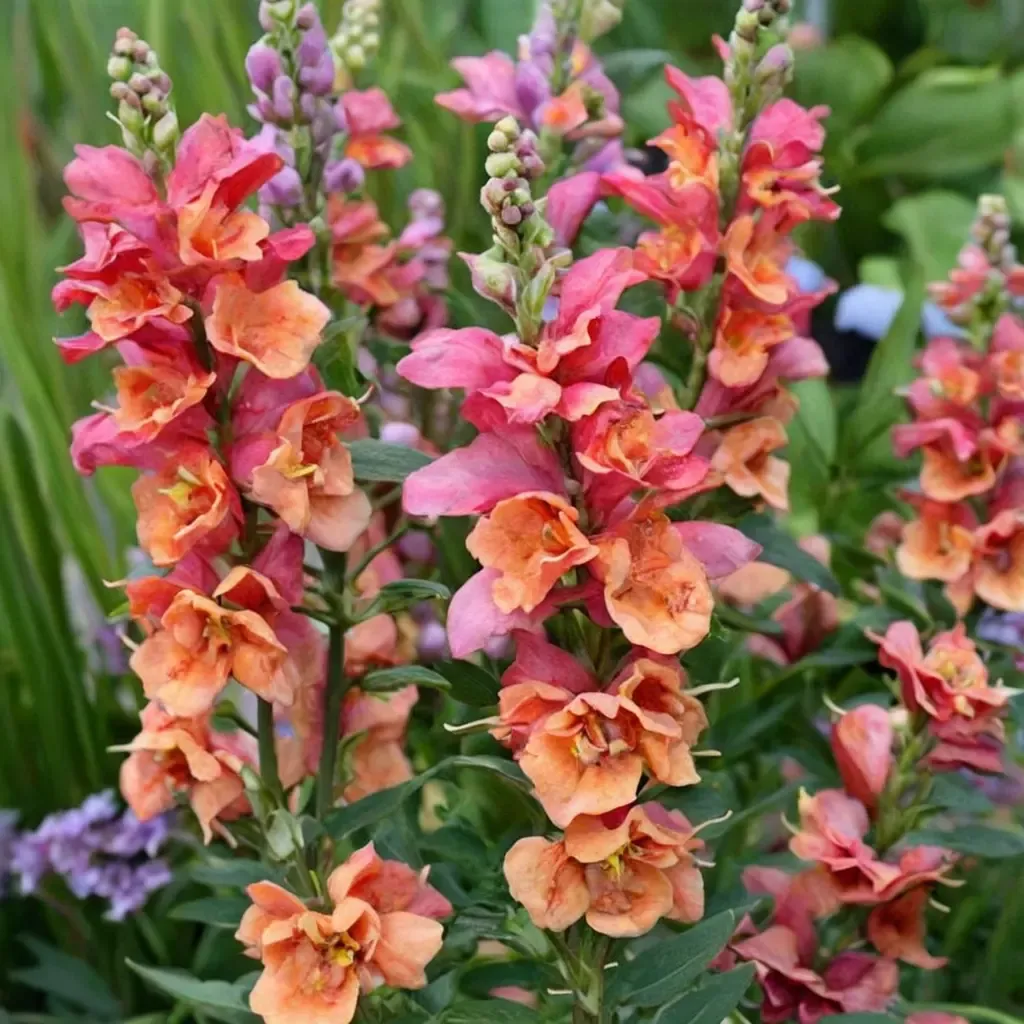
Double Azalea Bronze Snapdragons
Antirrhinum majus 'Double Azalea Bronze'
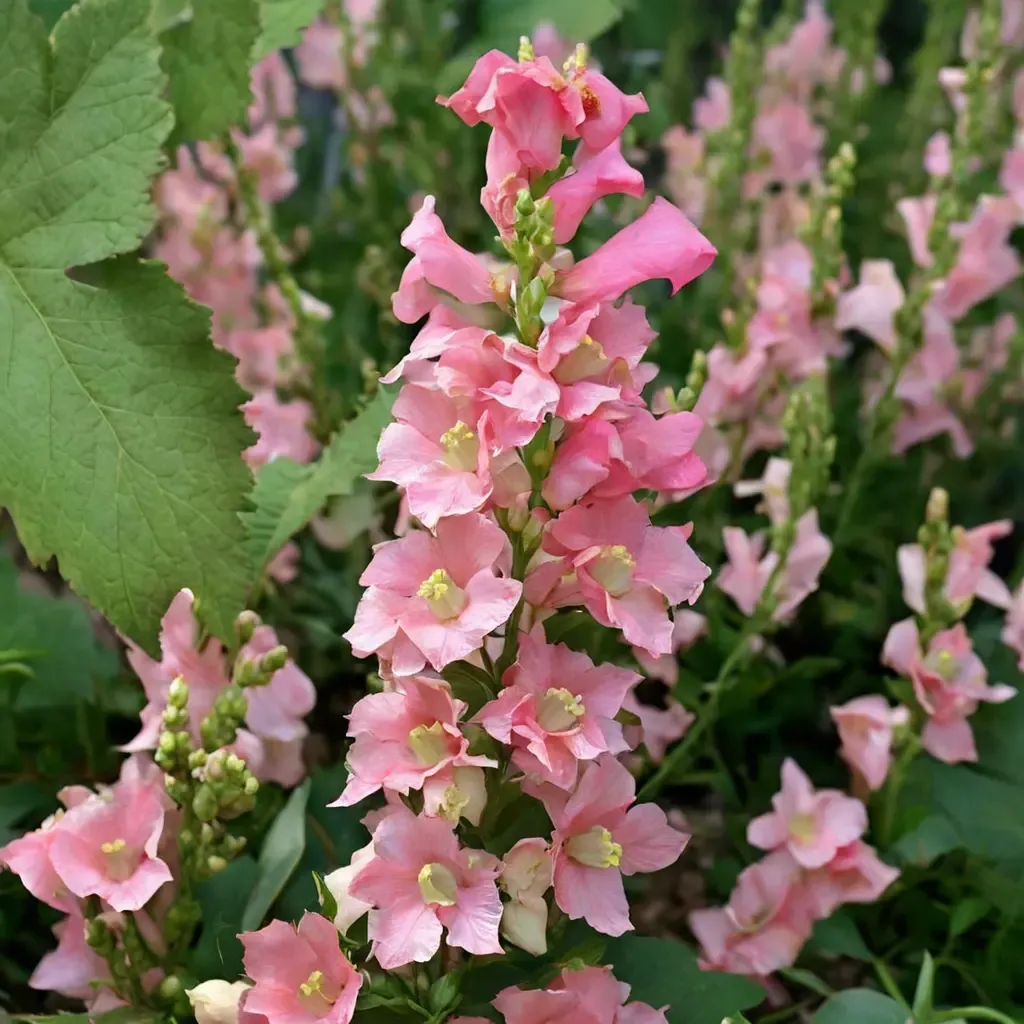
Chantilly Pink Snapdragon
Antirrhinum majus 'Chantilly Pink'
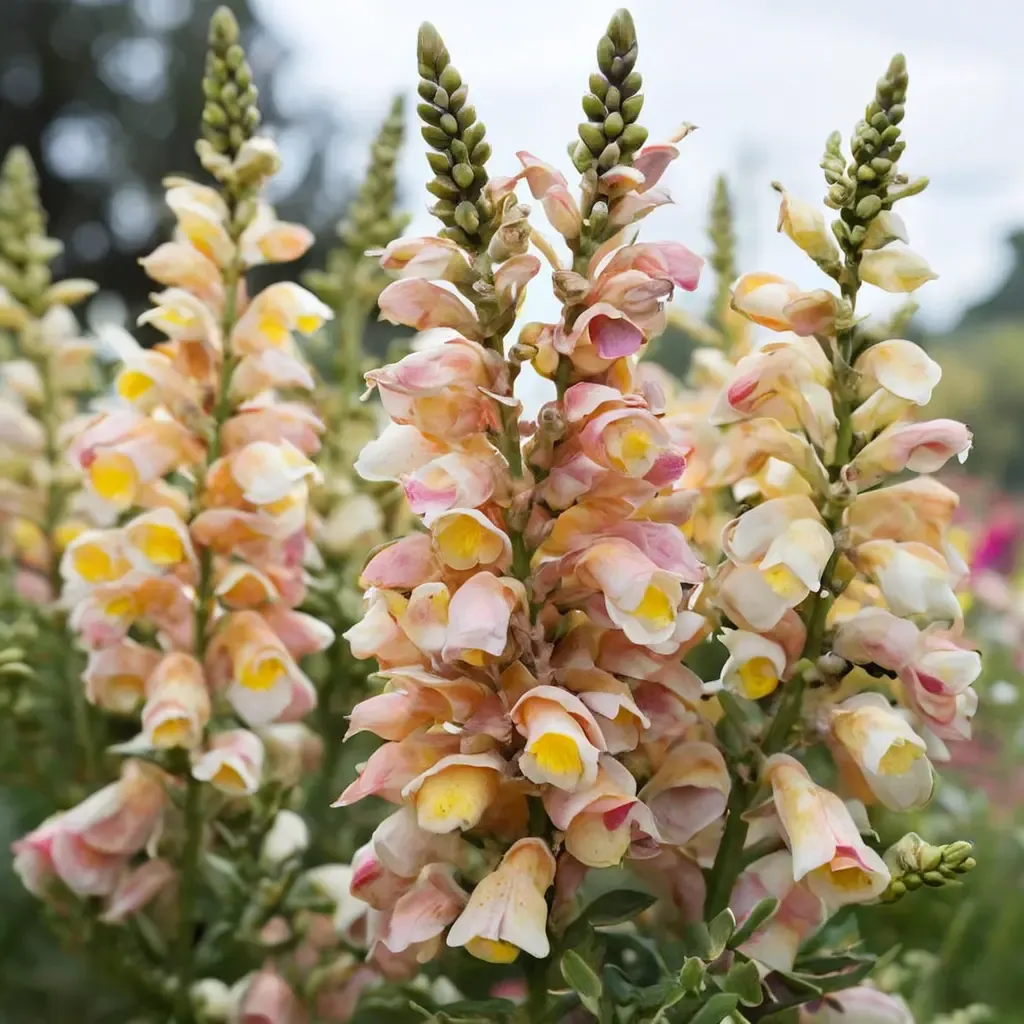
Costa Apricot Snapdragon
Antirrhinum majus 'Costa Apricot'
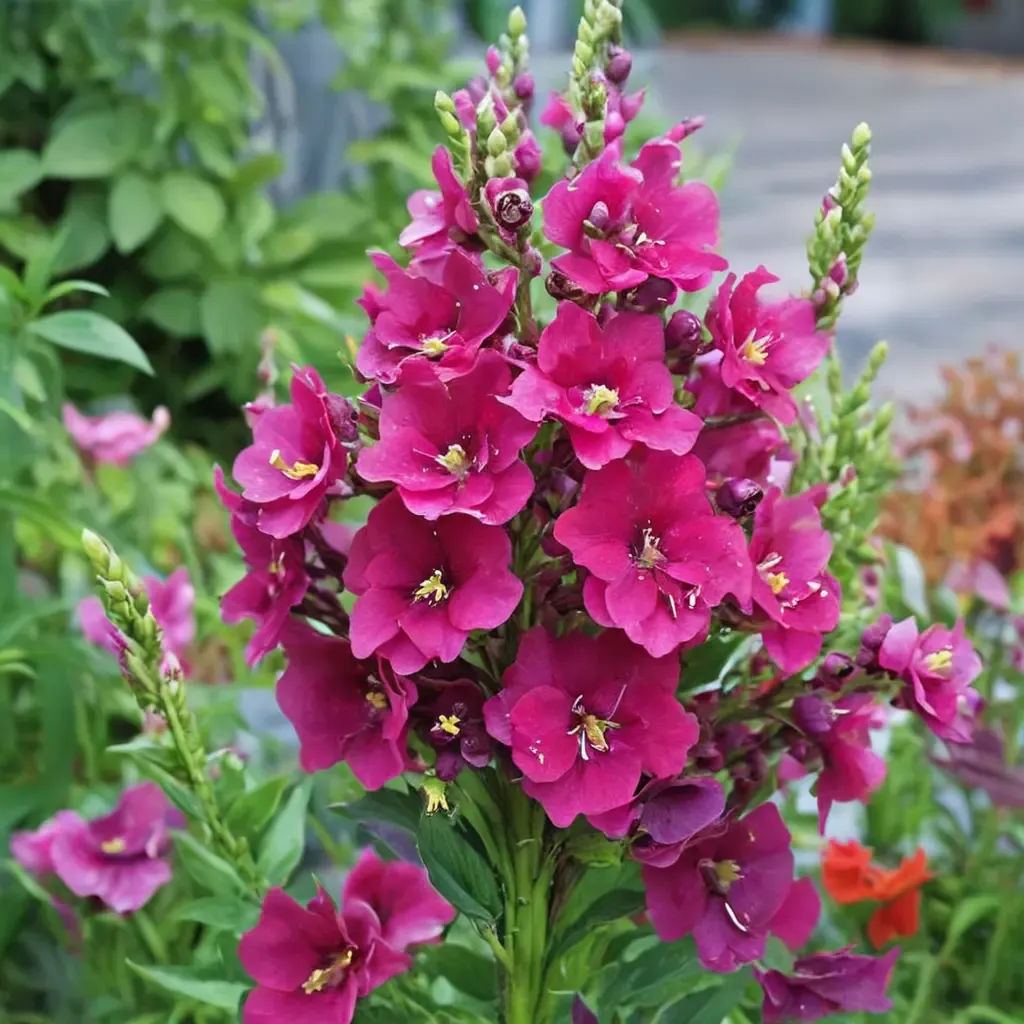
Chantilly Purple Snapdragon
Antirrhinum majus 'Chantilly Purple'
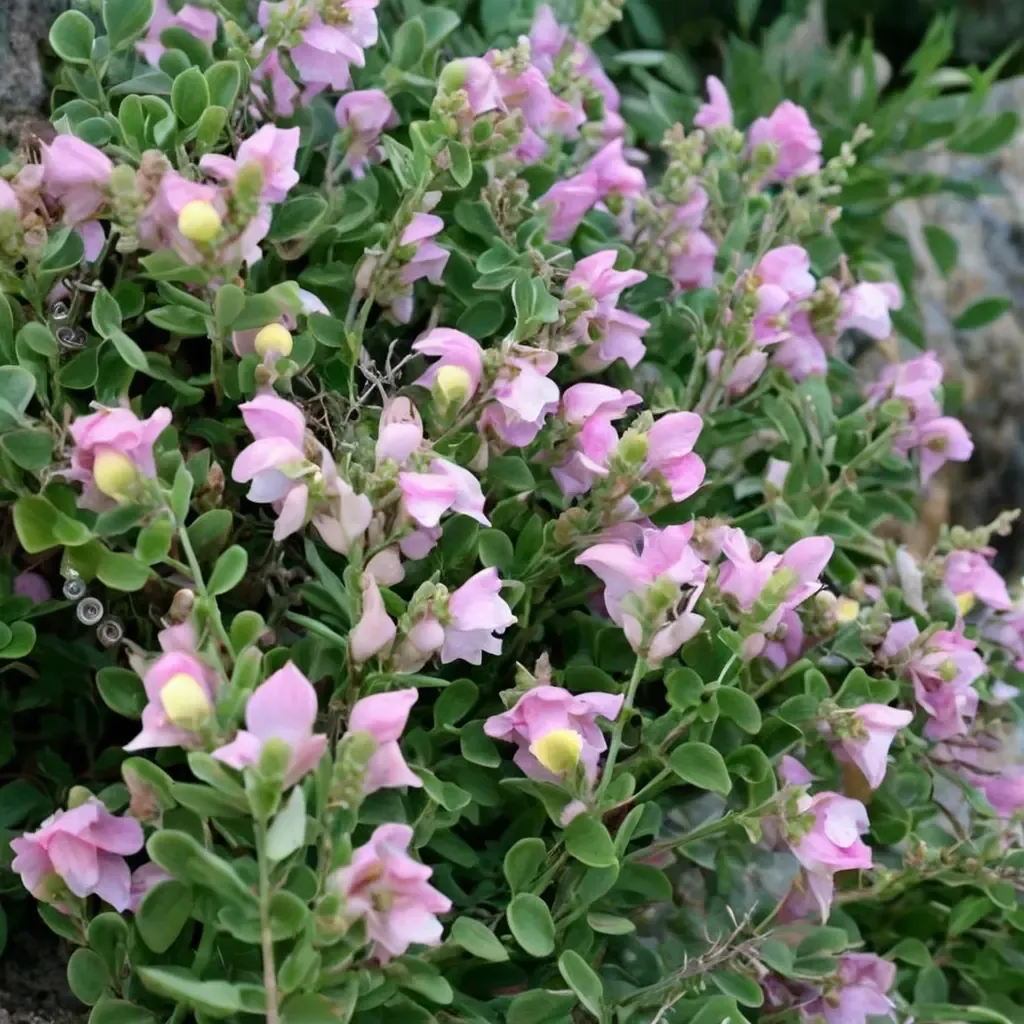
Spanish Snapdragon
Antirrhinum hispanicum
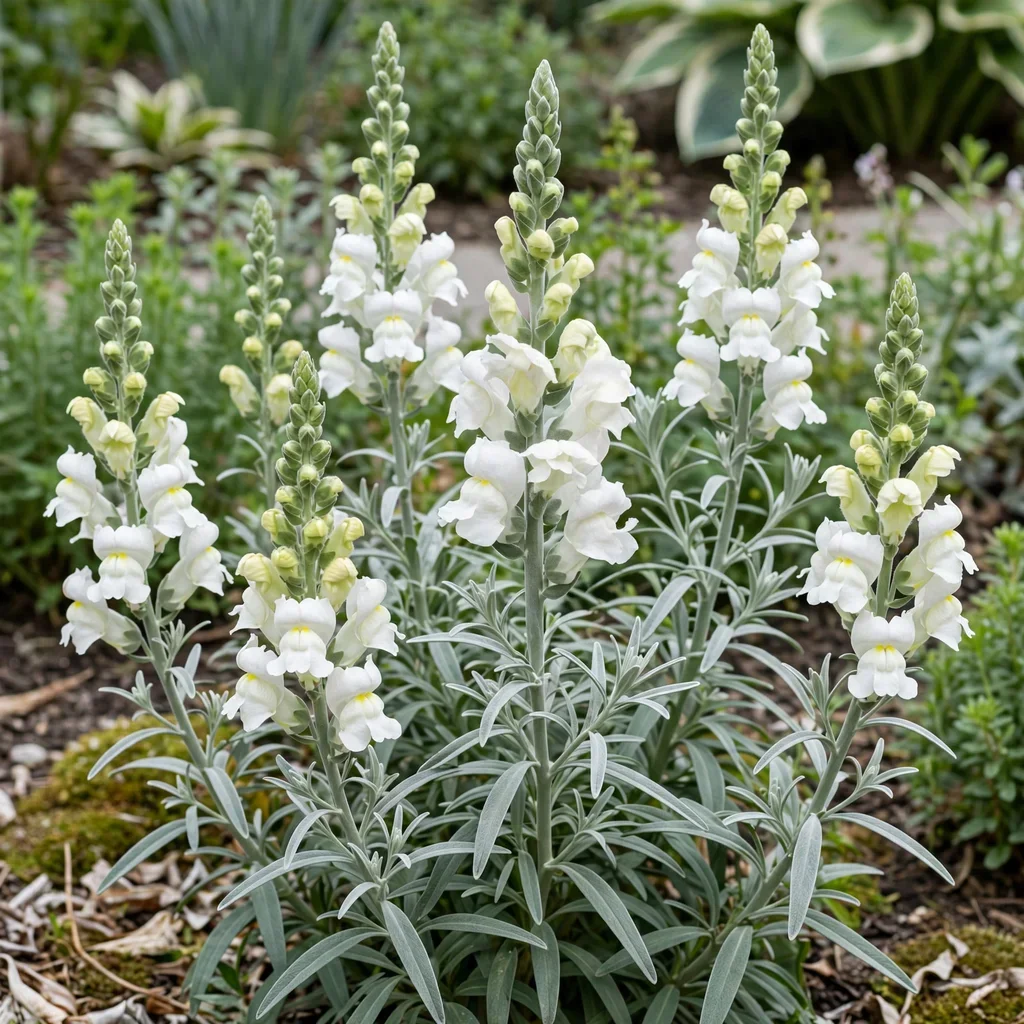
Costa Silver Snapdragon
Antirrhinum majus 'Costa Silver'
Keep exploring
Explore the genus
Hardy in your zone?
Grow Snapdragon 'Chantilly Peach' with confidence
See it in a design of your actual yard, get zone-matched care reminders, and track it season by season in your garden journal.