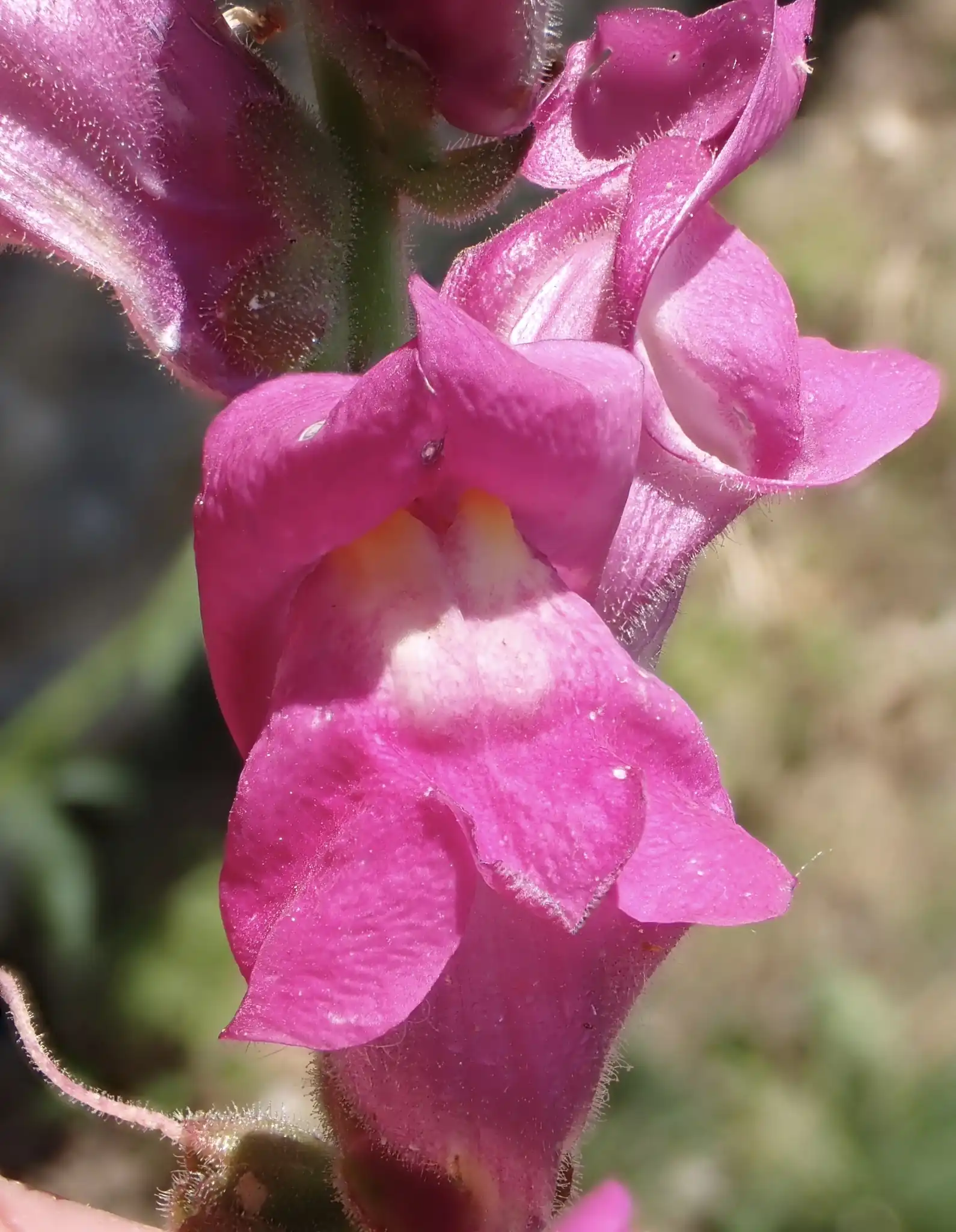
8 named cultivars
 ‘Double Azalea Bronze’Double Azalea Bronze Snapdragons
 ‘Chantilly Pink’Chantilly Pink Snapdragon
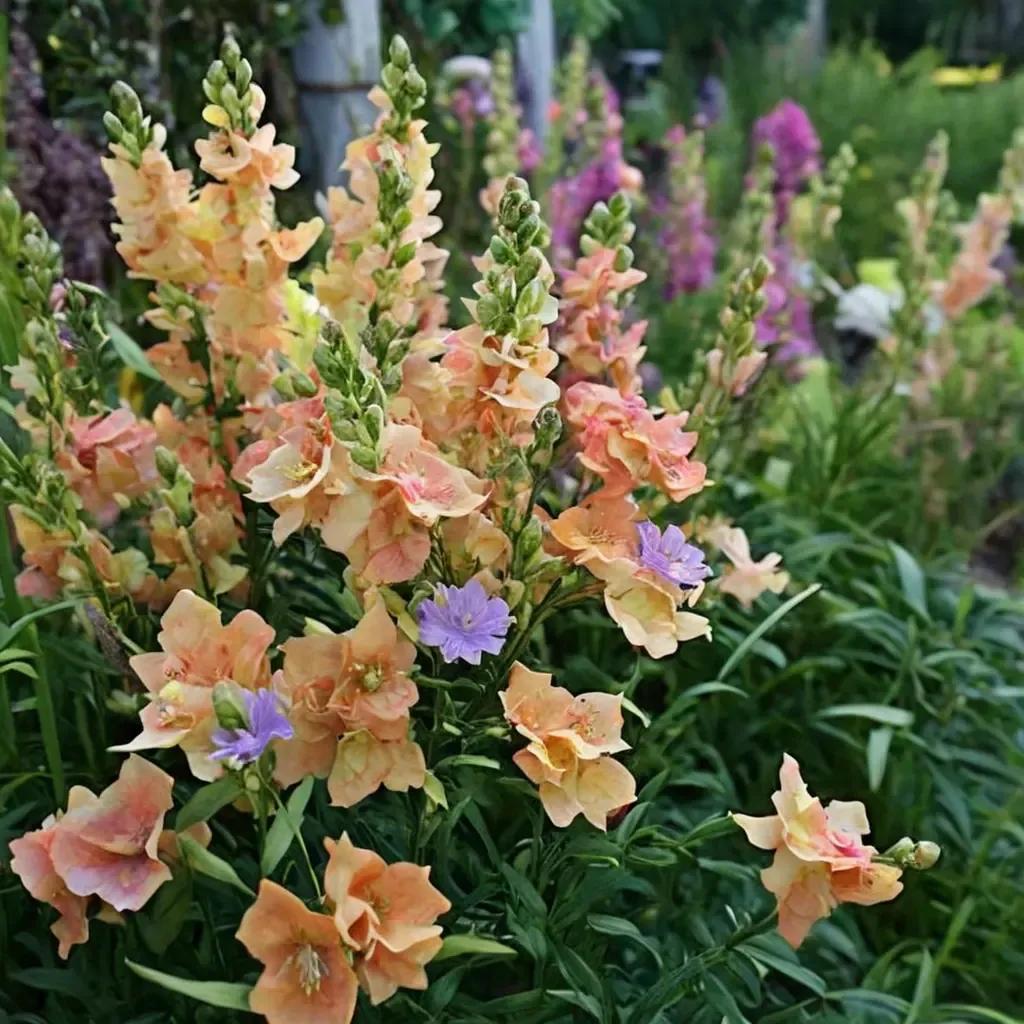 ‘Chantilly Peach’Snapdragon 'Chantilly Peach'
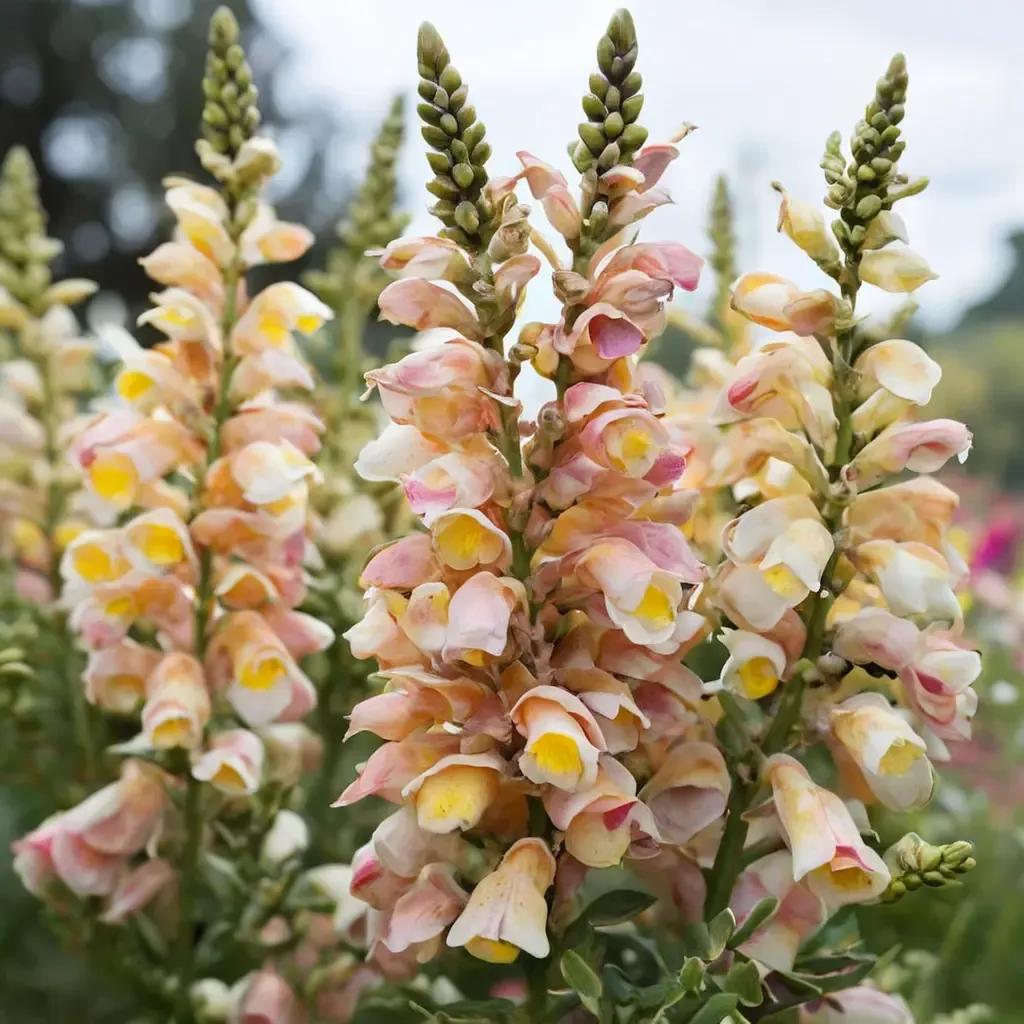 ‘Costa Apricot’Costa Apricot Snapdragon
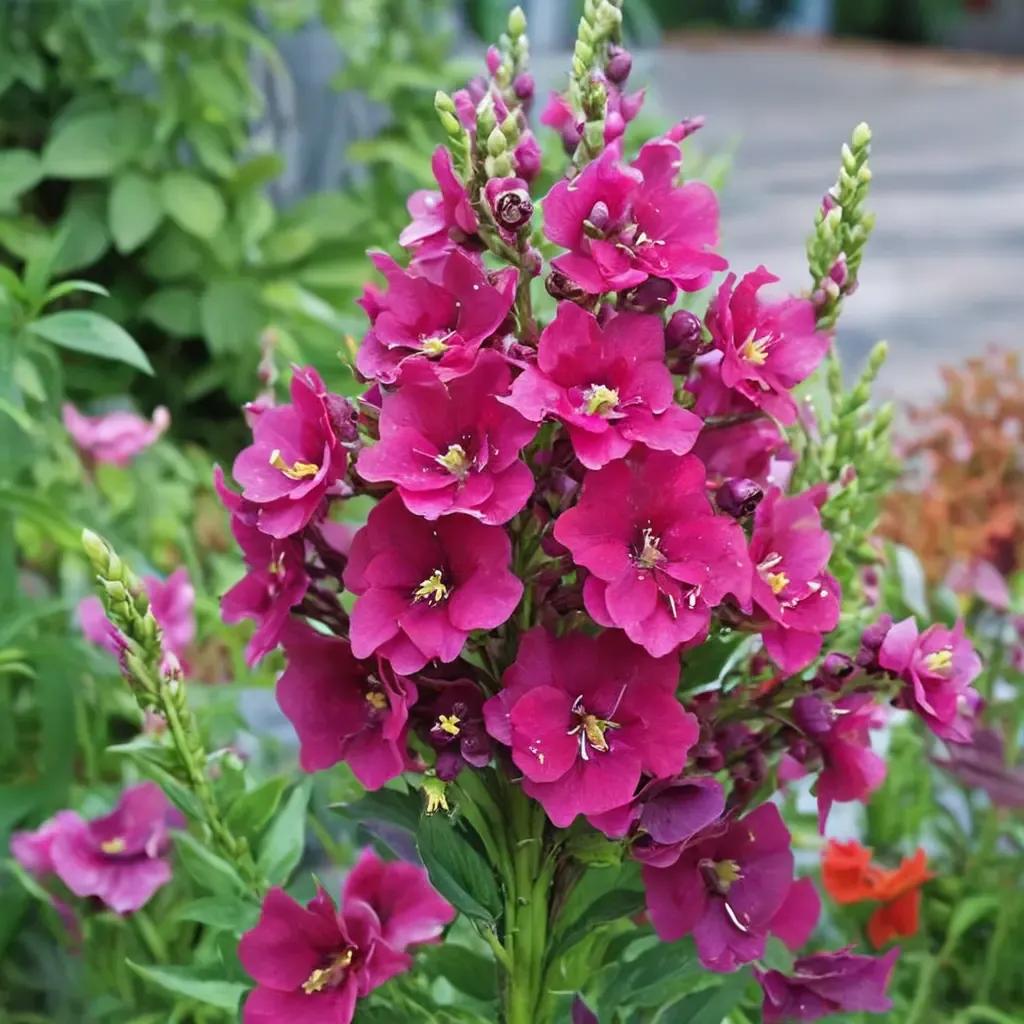 ‘Chantilly Purple’Chantilly Purple Snapdragon
 ‘Costa Silver’Costa Silver Snapdragon
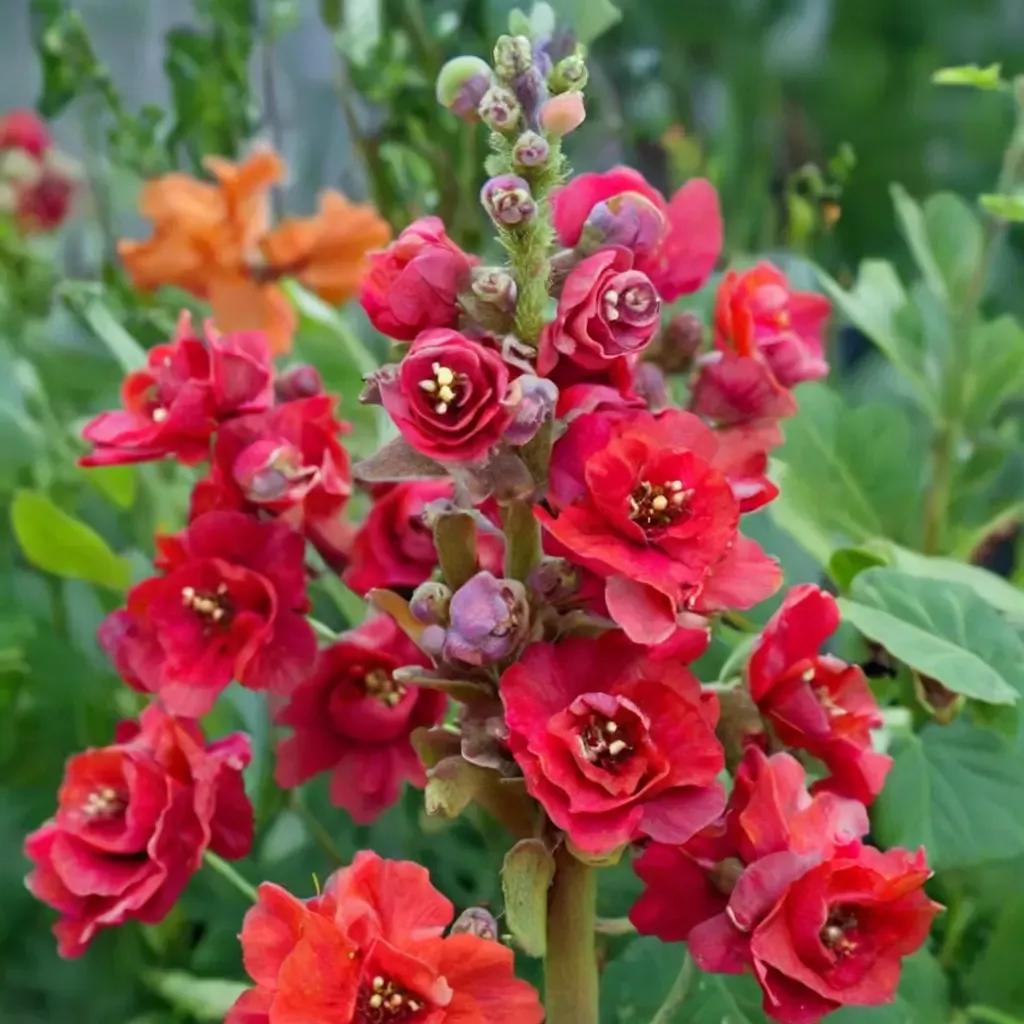 ‘Double Azalea Red’Double Azalea Red Snapdragon
 ‘Double Azalea Rose’Double Azalea Rose Snapdragon
The Story
Plant Bio
Antirrhinum majus, snapdragon, is a short-lived perennial grown as an annual, native to southwestern Europe and reaching six inches to three feet depending on type. Glossy dark green lance-shaped leaves clothe upright stems, and dense spikes of two-lipped tubular flowers open from the bottom up in almost every colour except true blue.
The flowers are hinged: squeeze one at the sides and the two lips open like a mouth, which is where the name comes from and how bumblebees force their way in to reach the nectar. It flowers best in cool weather, often pausing through high summer heat and resuming in autumn.
Uses & Benefits:
Essentials
At a Glance
Plant Type
Annual
Height
24"
Width
8"
Light
Full Sun, Partial Sun
Zones
7, 8, 9, 10
Water
Moderate
Humidity
Moderate
Lifespan
Annual
Native To
Southwestern Europe
Toxicity
Non-toxic
Planting
How to Grow
- Sow indoors in late winter or plant out after frost.
- Choose full sun to partial shade in well-drained soil.
- Space six to ten inches apart.
- Pinch young plants to encourage branching.
- Deadhead spent spikes to prolong flowering.
- Cut back after the summer pause for an autumn flush.
Pro Tip
Cut the whole plant back by a third when it stalls in midsummer heat — it regrows and flowers again as temperatures drop.
Keep It Thriving
Care Guide
Do
- Pinch young plants for bushier growth ✂️
- Deadhead spent spikes 🌸
- Cut back after the summer pause ☀️
- Plant in well-drained soil 🌱
Don't
- Overwater; the crown rots easily ❌
- Expect continuous flowers through high heat ❌
- Crowd plants; rust follows poor airflow ❌
Seasonal Care Calendar
| Task | Jan | Feb | Mar | Apr | May | Jun | Jul | Aug | Sep | Oct | Nov | Dec |
|---|---|---|---|---|---|---|---|---|---|---|---|---|
| Monitor | ||||||||||||
| Prune |
Watch Out For
Pests & Diseases
Common Pests
Common Diseases
In the Garden
Landscape Uses & Companions
Landscape Uses
Companion Plants
Multiply
Propagation Methods
Good to Know
Common Questions
Snapdragon questions
What zones can Snapdragon grow in?
Snapdragon is hardy in USDA Zones 7–10. Inside that range it survives winter in the ground; outside it, grow it as an annual or a container plant you protect.
Is Snapdragon deer resistant?
Not reliably. Deer may browse Snapdragon, especially tender spring growth — plan on repellents or fencing where pressure is high.
When does Snapdragon bloom?
Snapdragon typically blooms in spring to fall through early summer. Exact timing shifts a week or two with your zone — Sow's bloom calendar maps it to your garden.
Does Snapdragon need full sun?
Snapdragon does best in full sun to part shade. In hot climates, afternoon shade keeps blooms fresher longer.
More Antirrhinum to compare
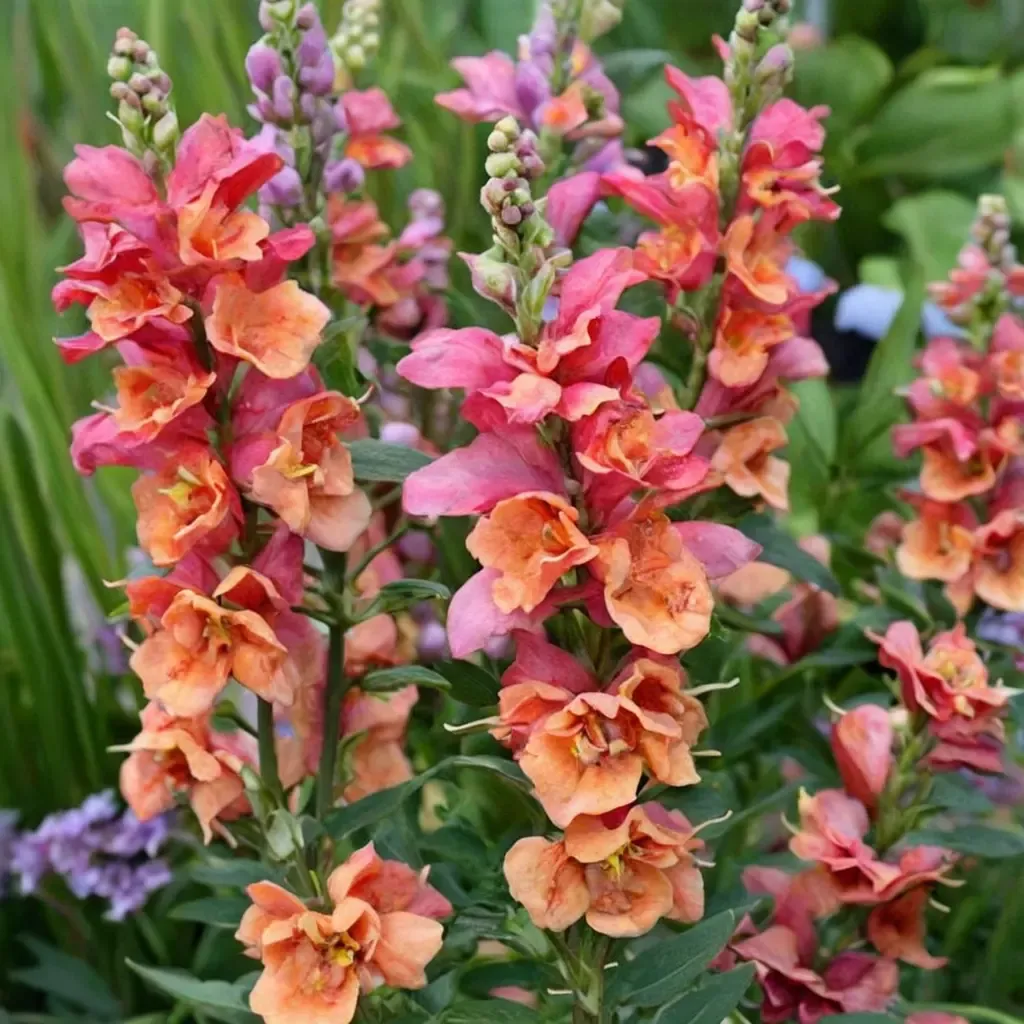
Double Azalea Bronze Snapdragons
Antirrhinum majus 'Double Azalea Bronze'
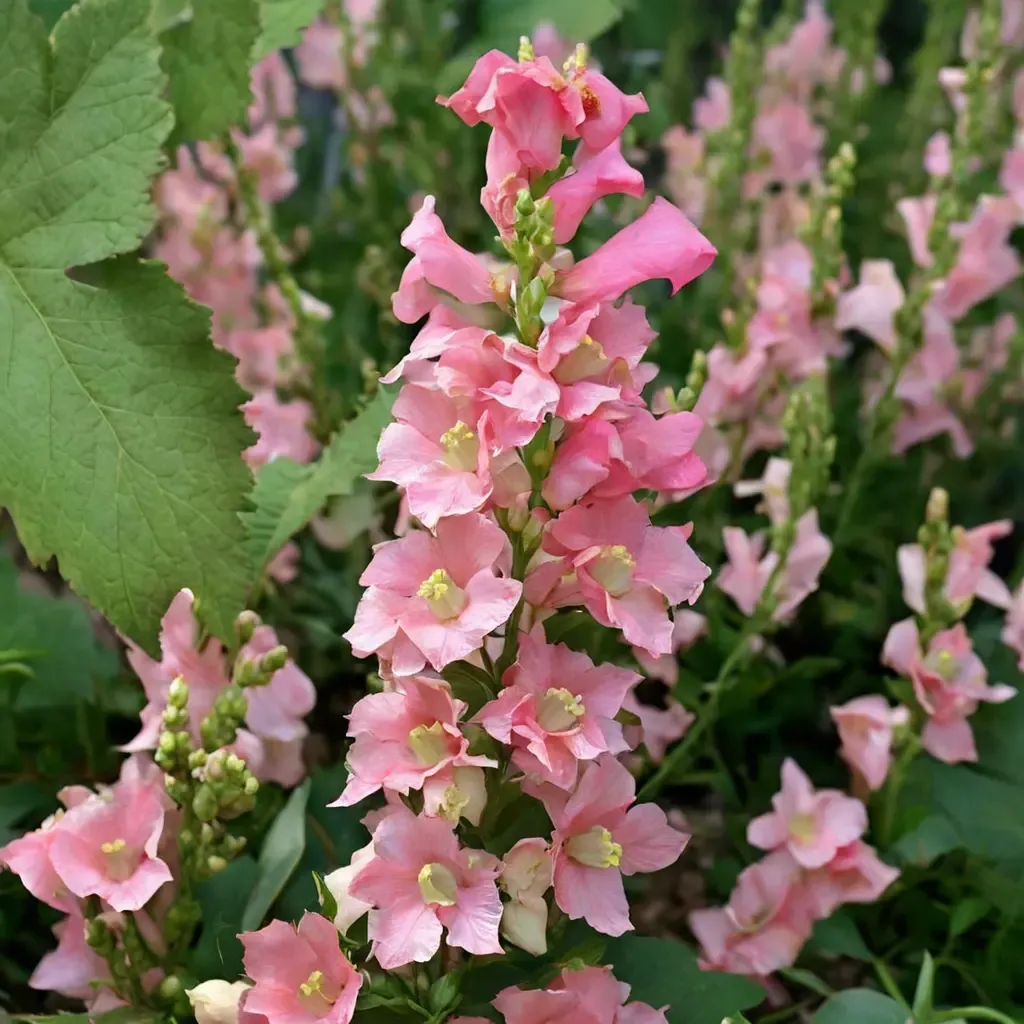
Chantilly Pink Snapdragon
Antirrhinum majus 'Chantilly Pink'
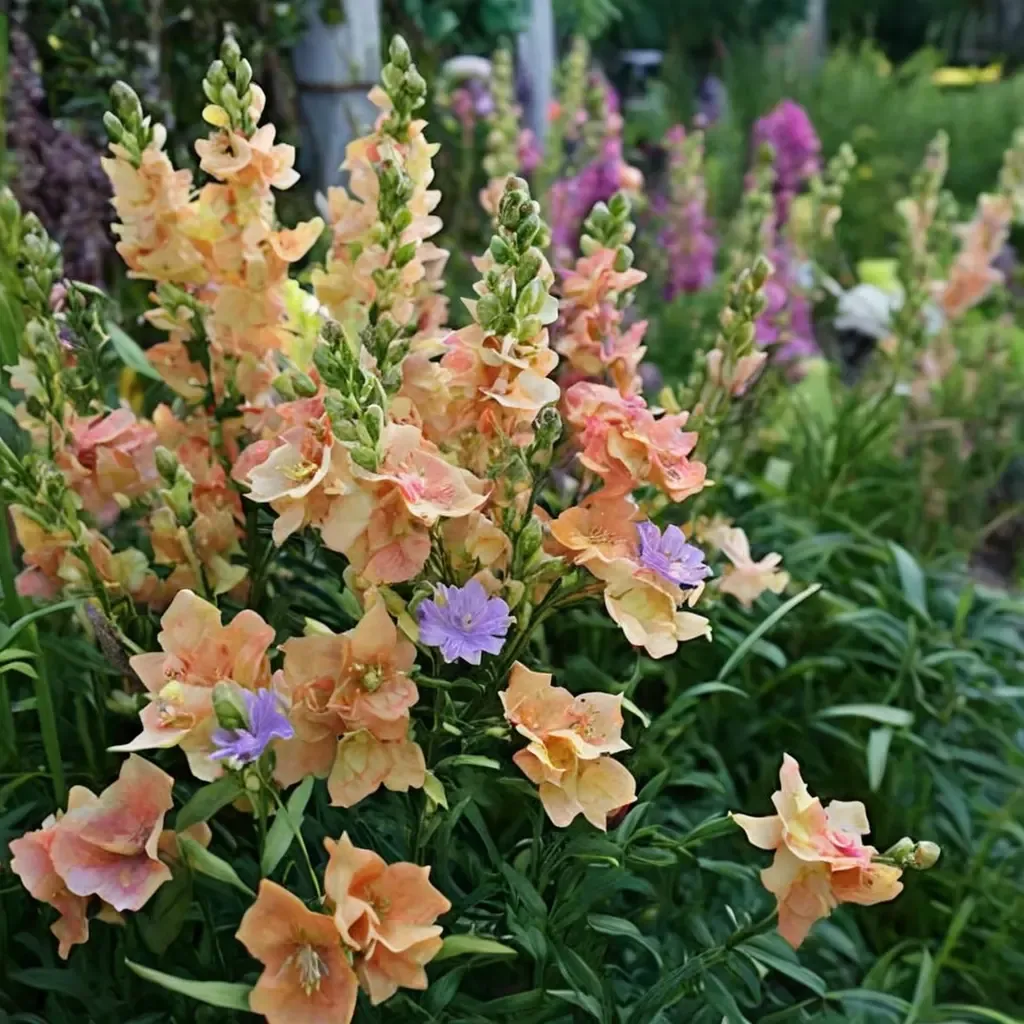
Snapdragon 'Chantilly Peach'
Antirrhinum majus 'Chantilly Peach'
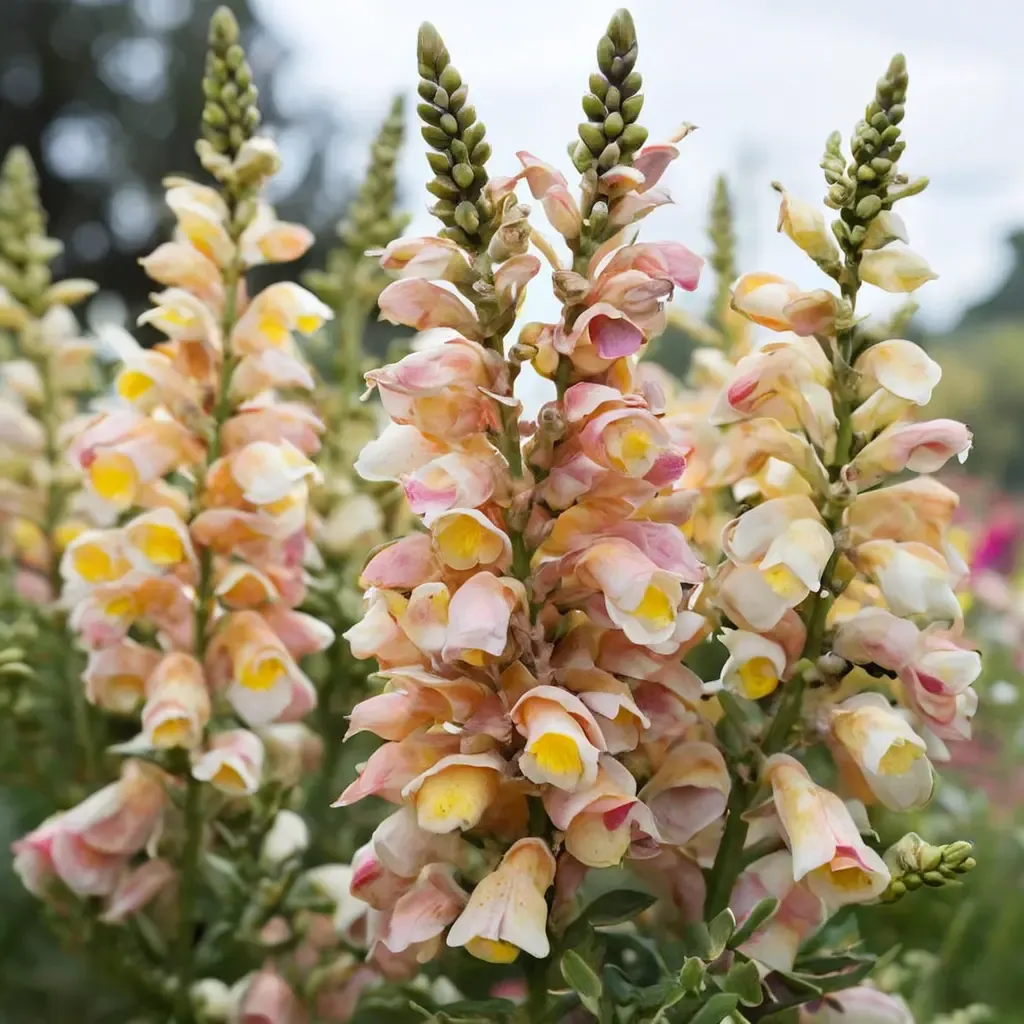
Costa Apricot Snapdragon
Antirrhinum majus 'Costa Apricot'
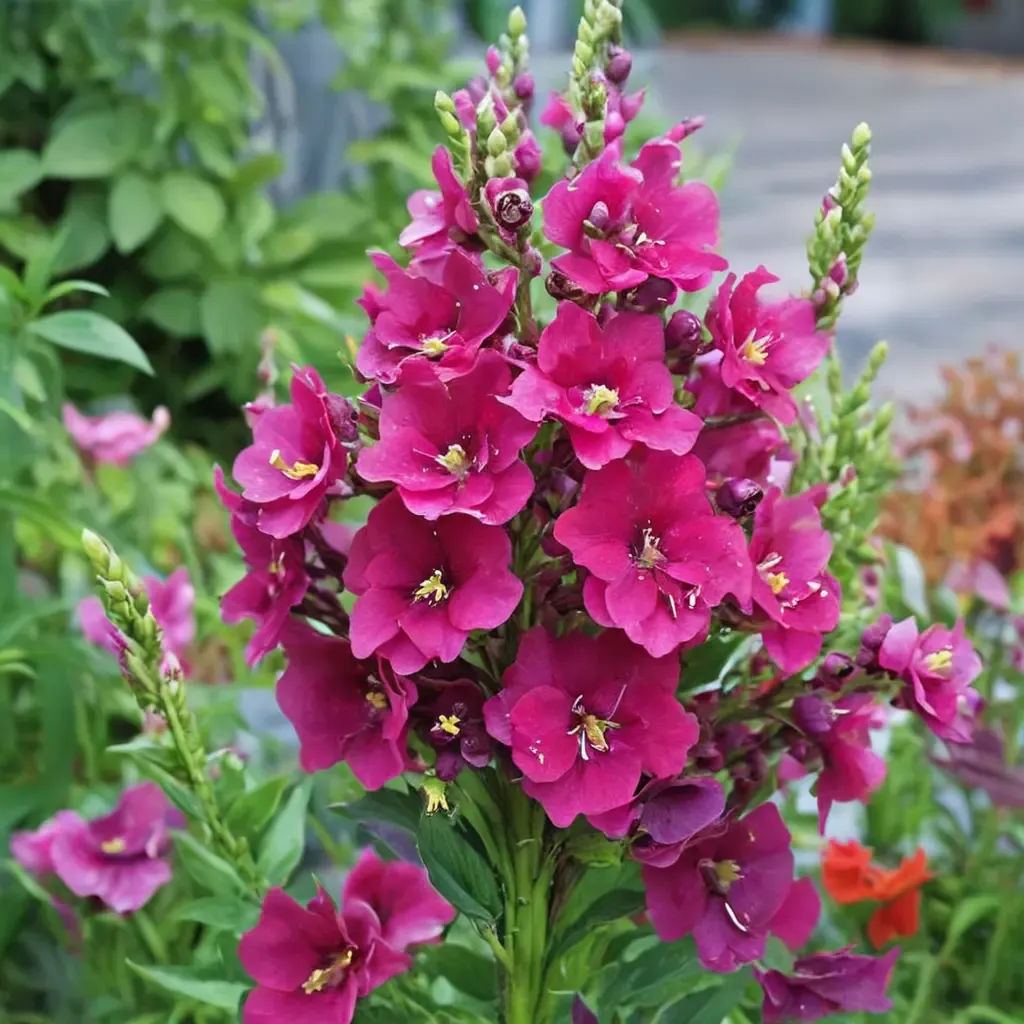
Chantilly Purple Snapdragon
Antirrhinum majus 'Chantilly Purple'
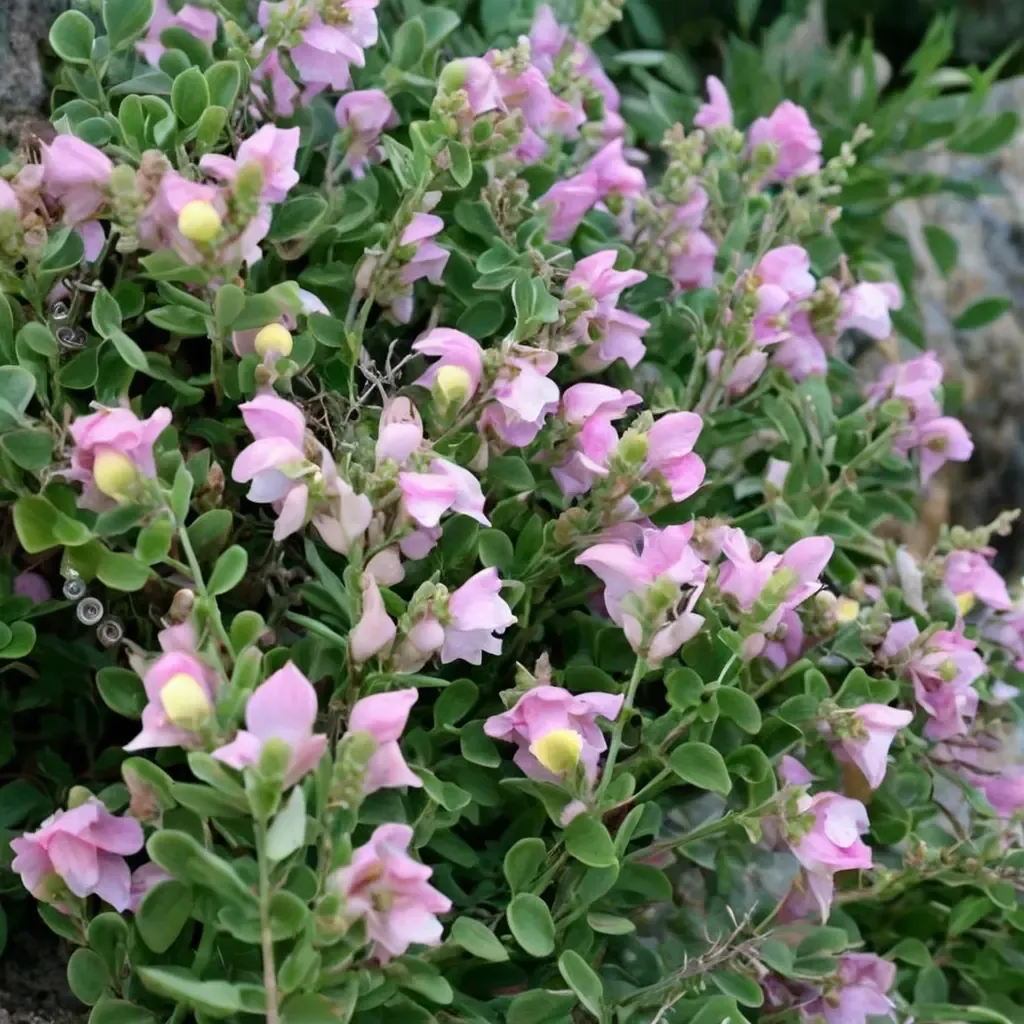
Spanish Snapdragon
Antirrhinum hispanicum
Keep exploring
Explore the genus
Hardy in your zone?
Grow Snapdragon with confidence
See it in a design of your actual yard, get zone-matched care reminders, and track it season by season in your garden journal.