perennialN. America Native
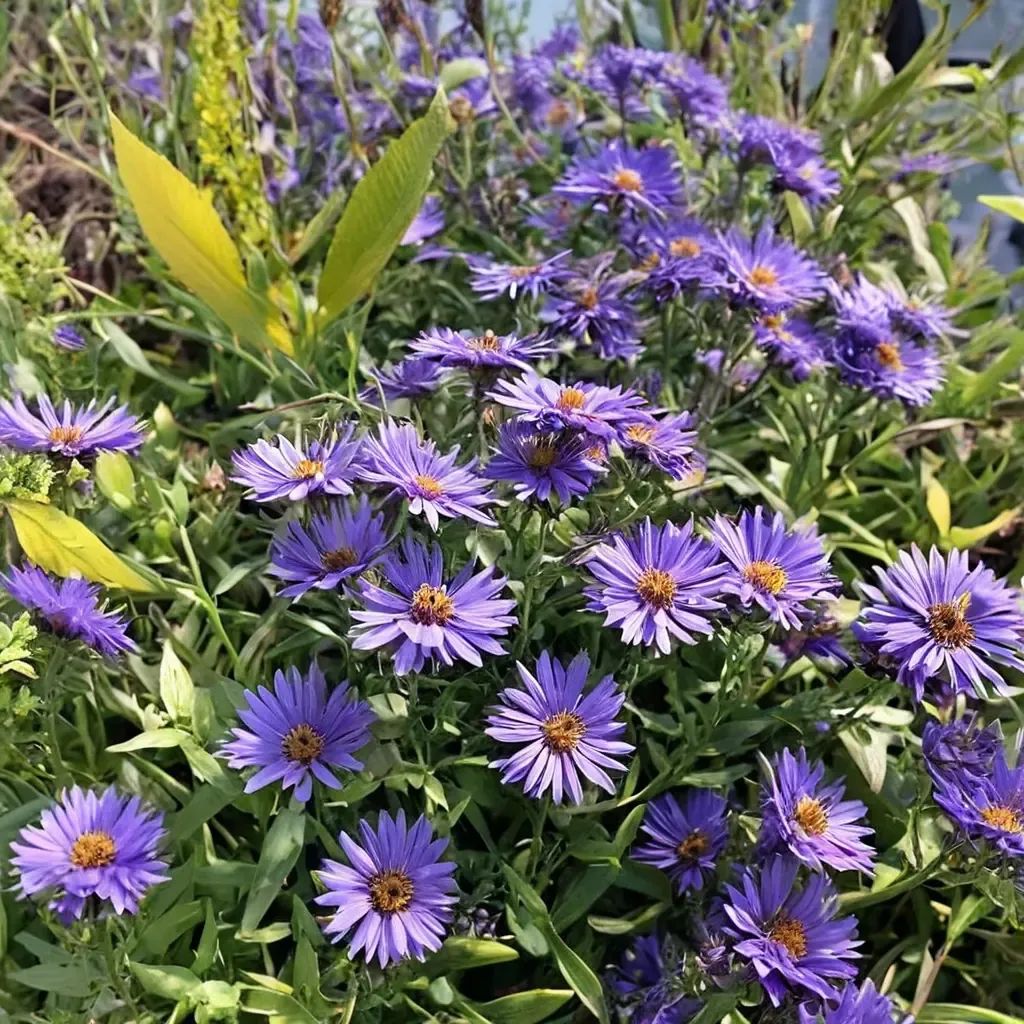
New England Aster
Aster novae-angliae 'Wood'
Not currently listed at our partner nurseries.
Expertly Curated
Real-Time Pricing
Loved by Designers
Essentials
At a Glance
Plant Type
Perennial
Height
48 inches
Width
36 inches
Light
Full Sun, Partial Sun
Zones
4, 5, 6, 7, 8
Water
Moderate once established
Humidity
Average humidity preferred
Lifespan
Perennial
Native To
Eastern North America
Toxicity
Non-toxic to humans and pets
The Story
Plant Bio
Perennial, known for its tall and sturdy stems with numerous blooms. Cultivar 'Wood' is valued for its upright growth habit and extended bloom period.
Bloom Period:
J
F
M
A
M
J
J
A
S
O
N
D
EarlyLate
Uses & Benefits:
Vivid purple flowers attract pollinators and add vibrant color to gardens.
Drought tolerant once established, requiring minimal watering.
Supports butterflies and beneficial insects, enhancing biodiversity.
Marketplace
Where to Buy
We couldn't find this plant listed online right now.
Shipping costs Year-round shipping Free shipping
Planting
How to Grow
- Select a well-draining soil with loam or sandy texture.
- Plant in full sun for optimal flowering and growth.
- Tuck seeds just below the soil surface and water gently.
- Maintain consistent moisture during the first growing season.
- Mulch around the base to retain soil moisture and suppress weeds.
- Divide clumps every 3-4 years in early spring for rejuvenation.
Pro Tip
Ensure good air circulation to prevent powdery mildew and promote healthy growth.
Keep It Thriving
Care Guide
Do
- Water regularly during dry spells 💧
- Prune dead or damaged stems in early spring ✂️
- Fertilize with a balanced, slow-release fertilizer in spring 🌱
- Mulch to conserve moisture and suppress weeds 🌿
Don't
- Avoid overwatering to prevent root rot ❌
- Don’t prune in late fall to avoid winter damage ❌
- Refrain from using high nitrogen fertilizer that promotes too much foliage ❌
Seasonal Care Calendar
| Task | Jan | Feb | Mar | Apr | May | Jun | Jul | Aug | Sep | Oct | Nov | Dec |
|---|---|---|---|---|---|---|---|---|---|---|---|---|
| Divide | ||||||||||||
| Pest Check | ||||||||||||
| Pinch | ||||||||||||
| Stake |
Watch Out For
Pests & Diseases
Common Pests
Common Diseases
In the Garden
Landscape Uses & Companions
Landscape Uses
Vibrant perennial borderWildflower meadow accentButterfly-friendly garden
Companion Plants
Black-eyed Susan Coneflower Goldenrod Joe-Pye Weed Ironweed
Multiply
Propagation Methods
Good to Know