
Species
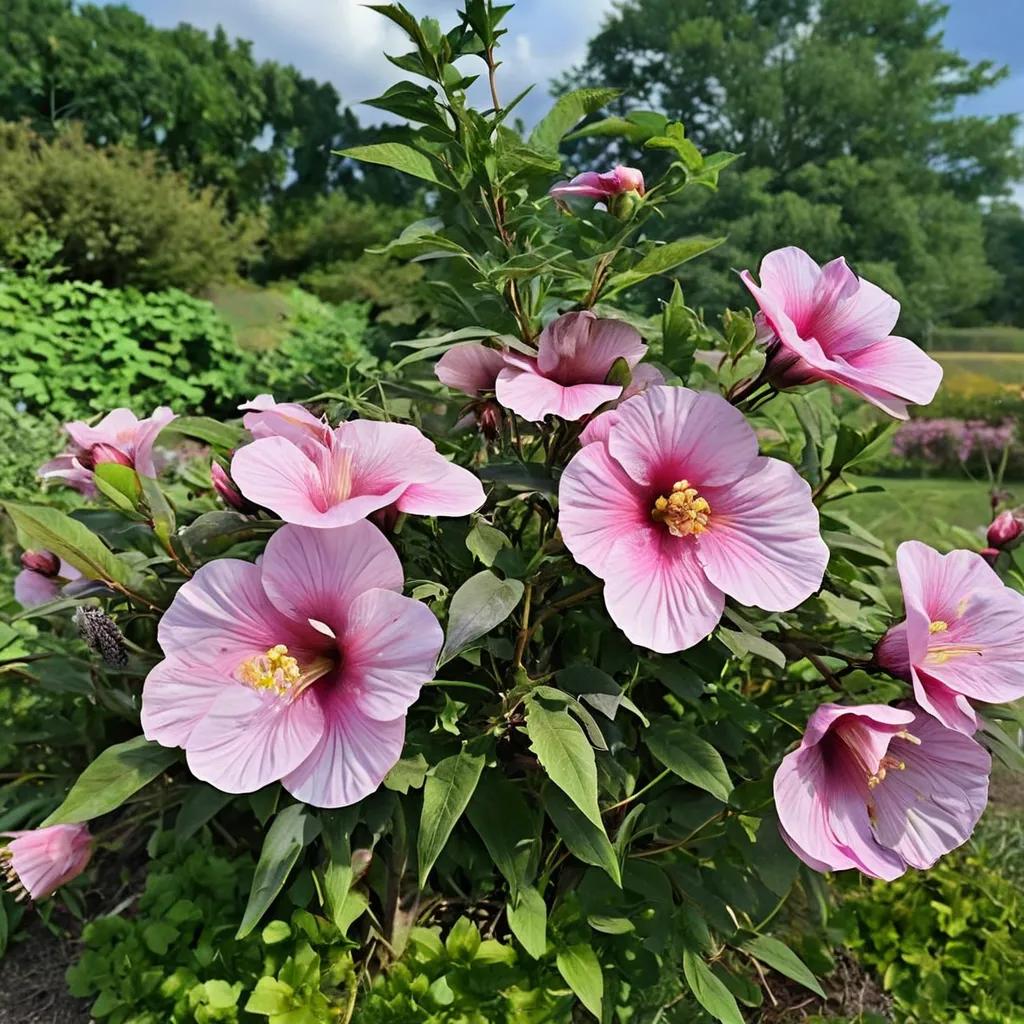 Hibiscus moscheutosHardy Hibiscus
23 other cultivars
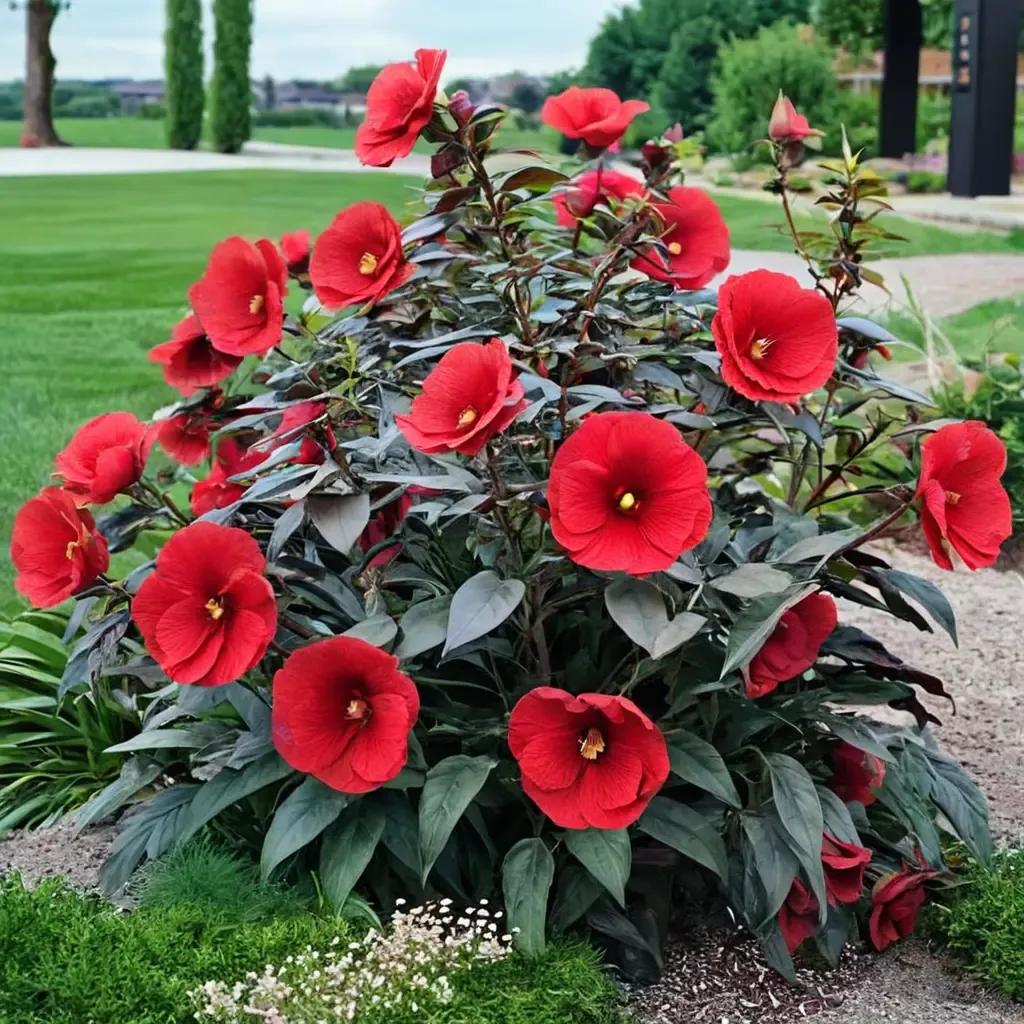 ‘Midnight Marvel’Midnight Marvel Swamp Hibiscus
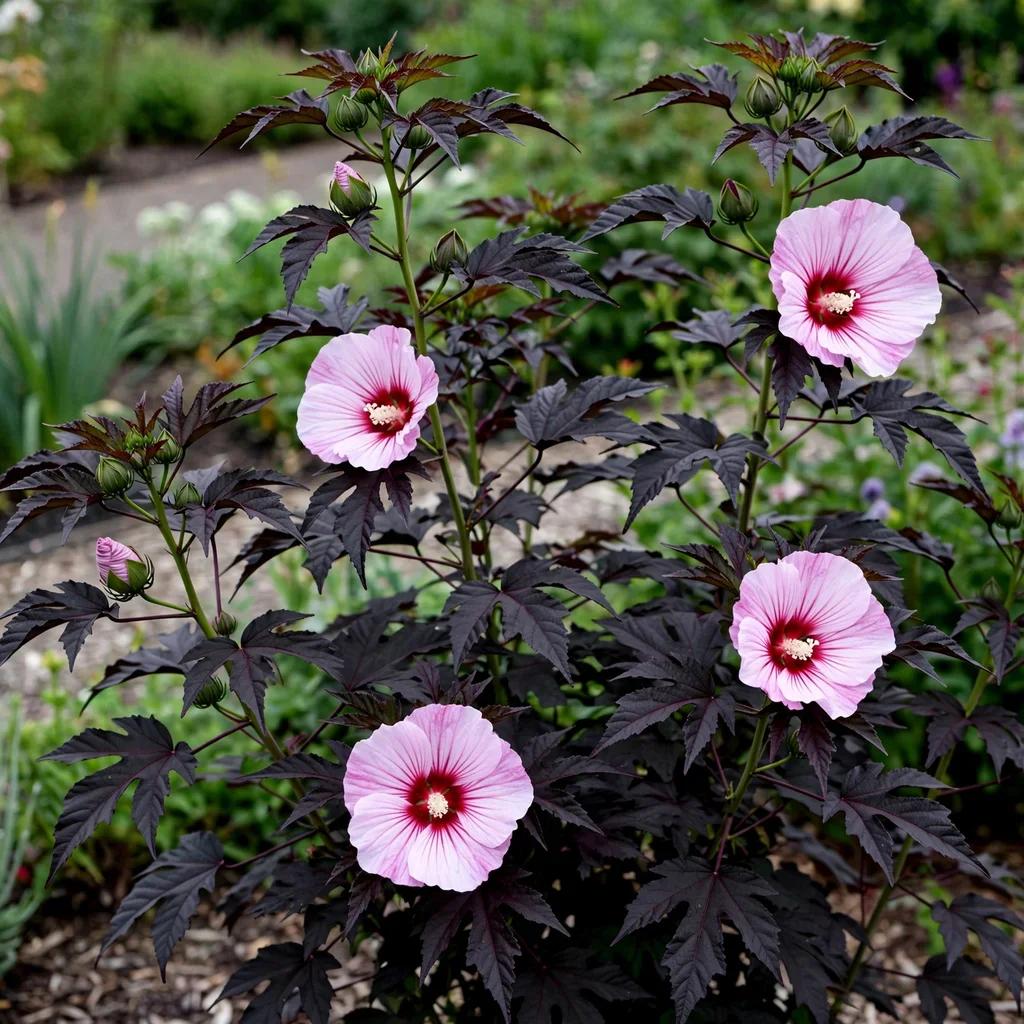 ‘Starry Starry Night’Starry Starry Night Rose Mallow
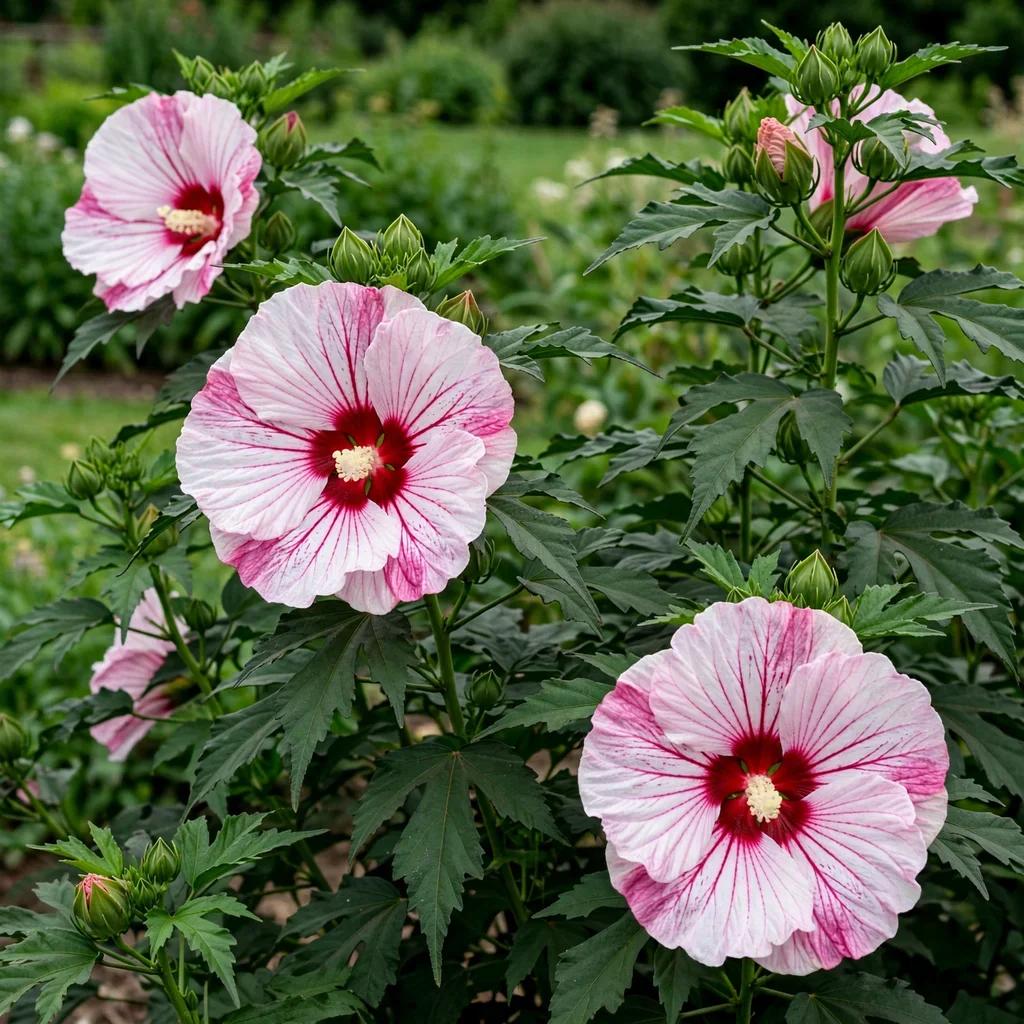 ‘Spinderella’Spinderella Hardy Hibiscus
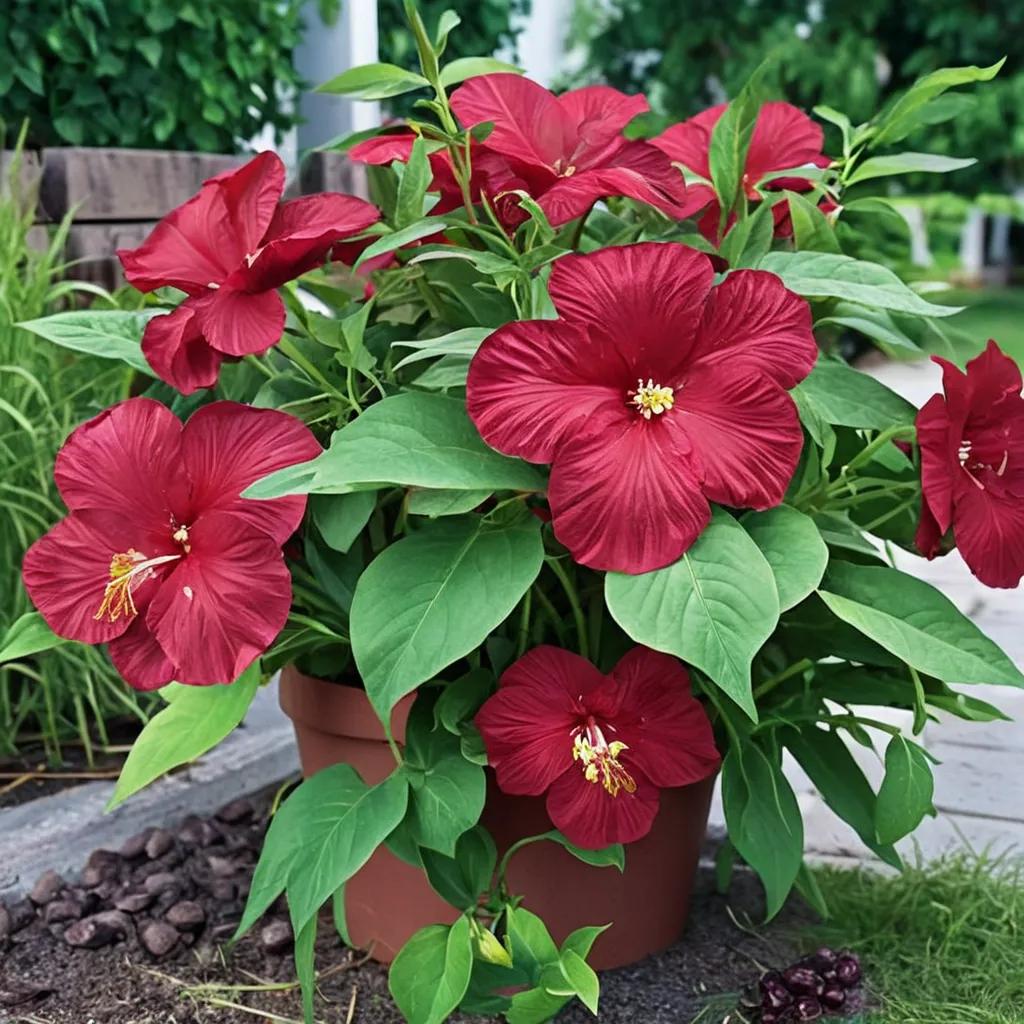 ‘Luna Red’Hardy Hibiscus Luna Red
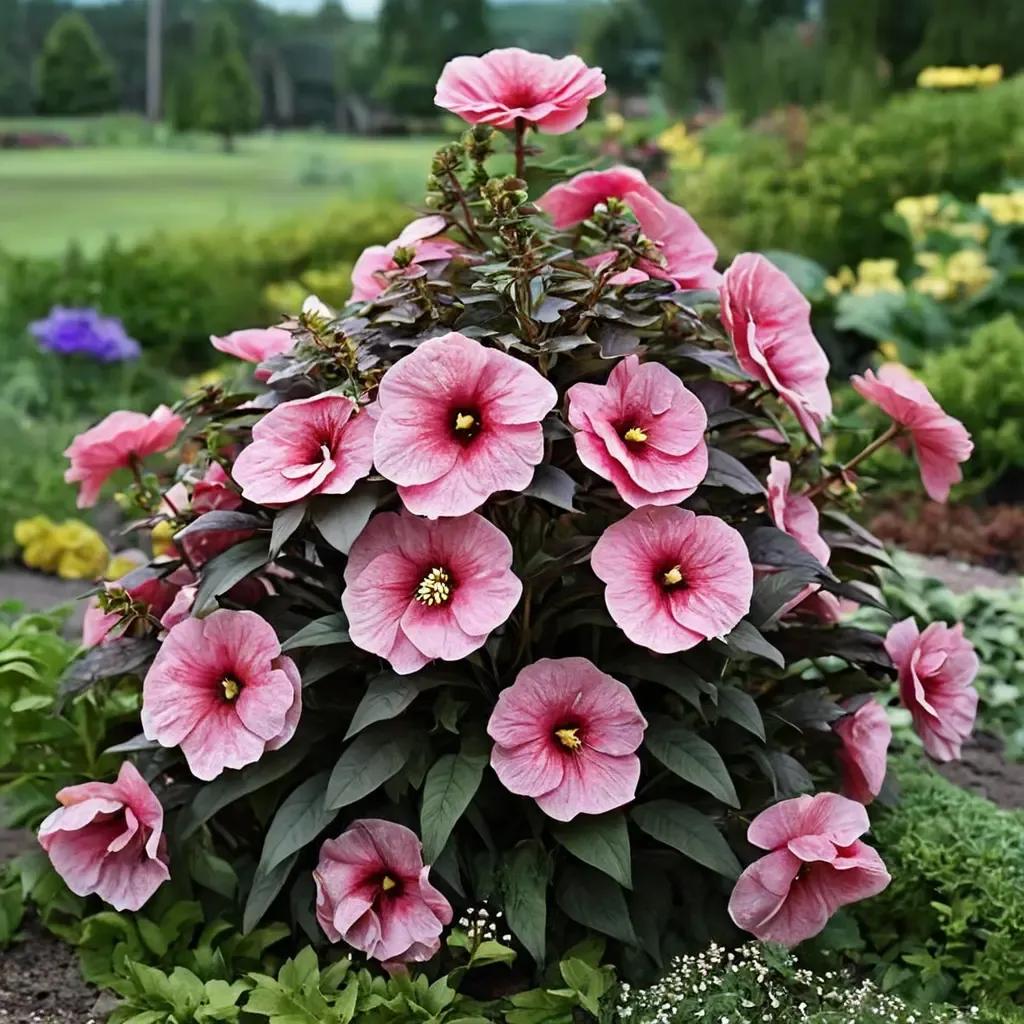 ‘Summerific’Summerific Hardy Hibiscus
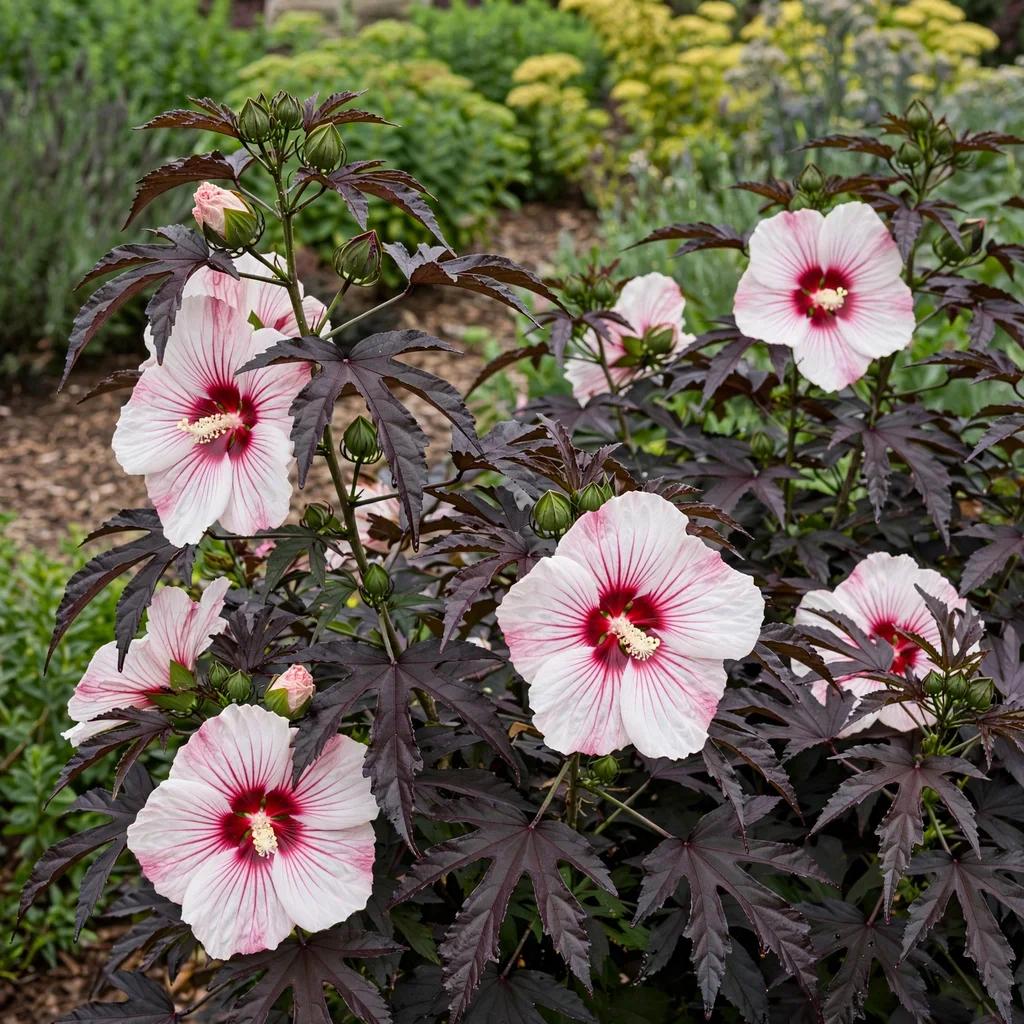 ‘Cherry Choco Latte’Cherry Choco Latte Rose Mallow
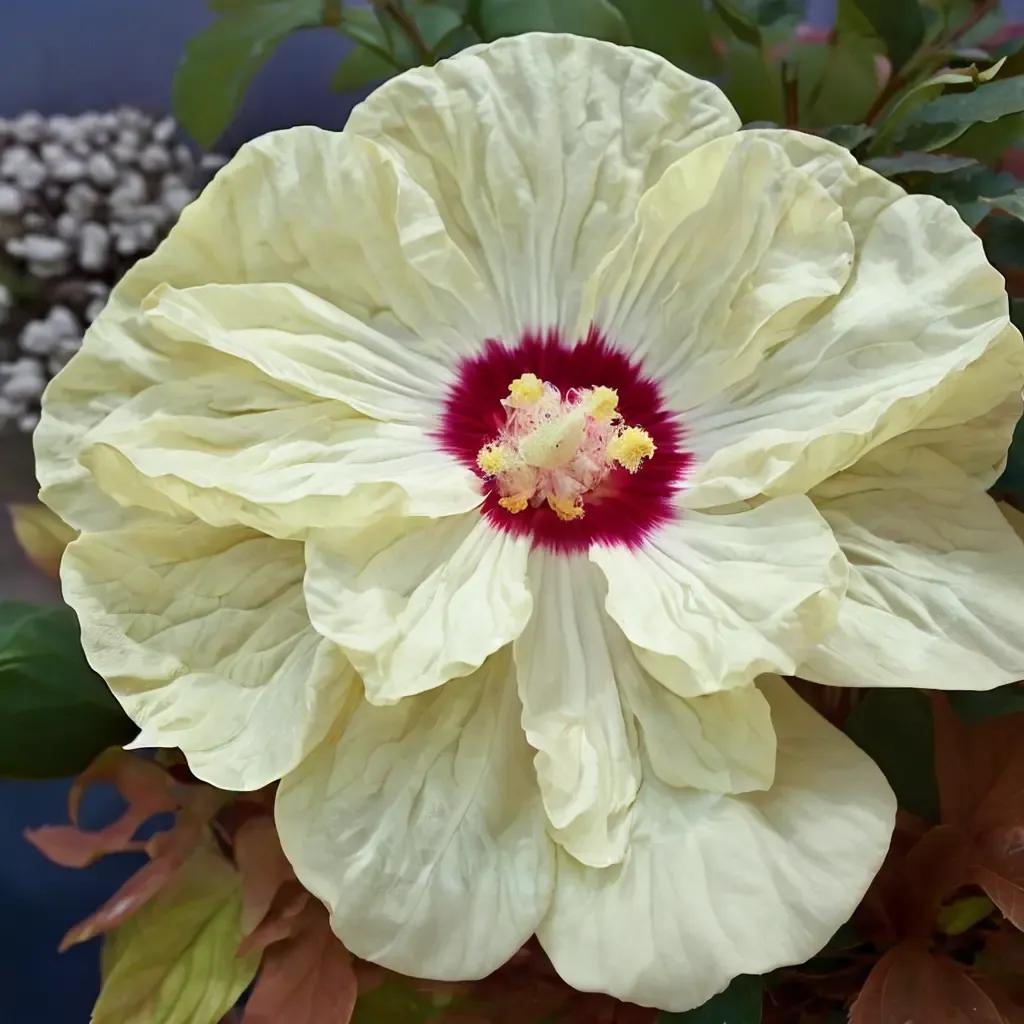 ‘French Vanilla’French Vanilla Rose Mallow
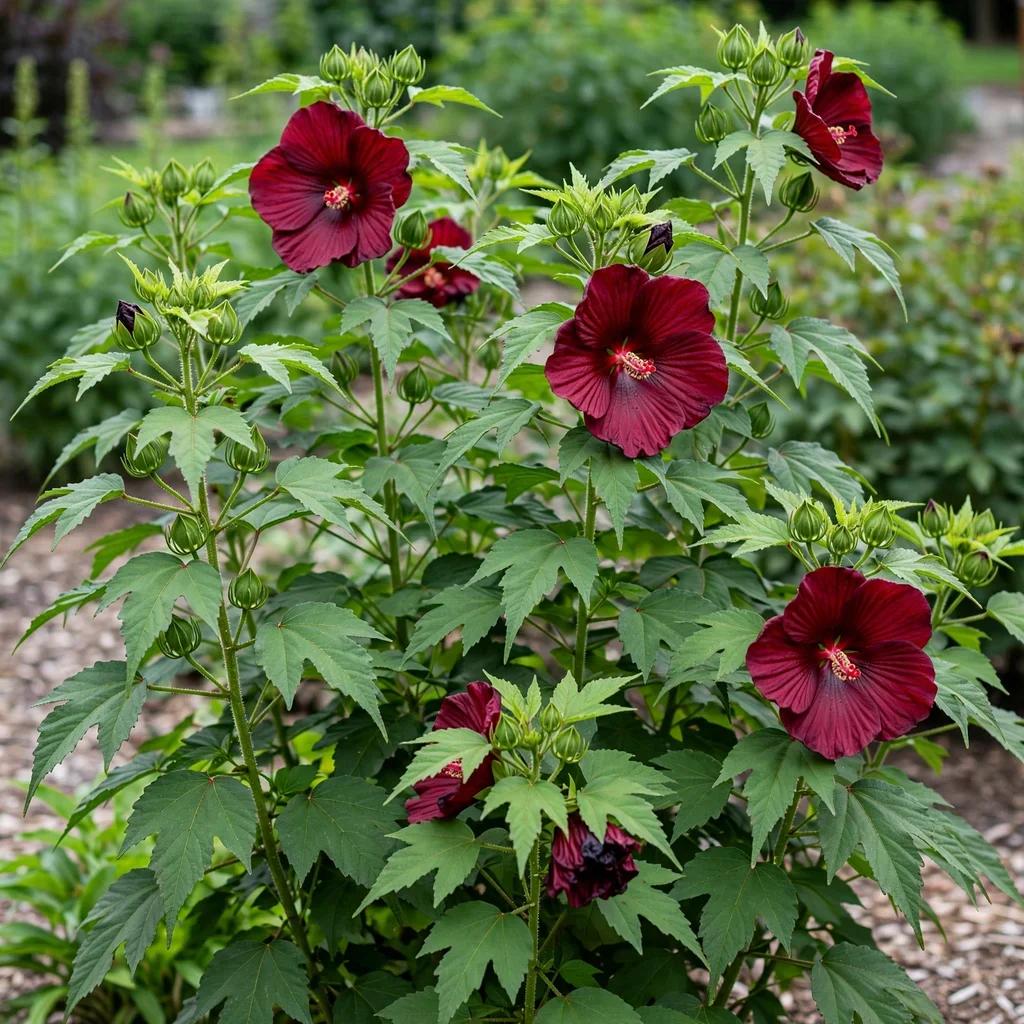 ‘Ardens’Ardens Rose of Sharon
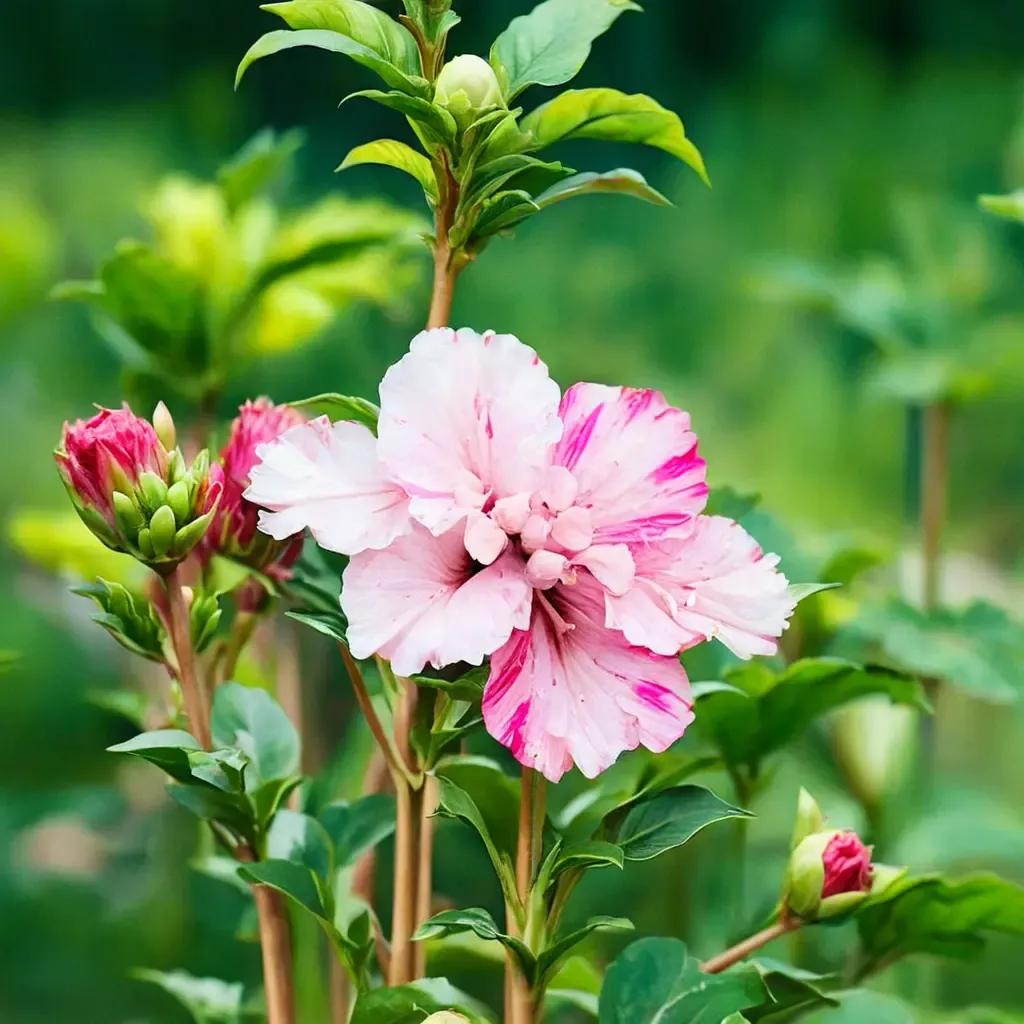 ‘Danica Hardy’Danica Hardy Rose Mallow
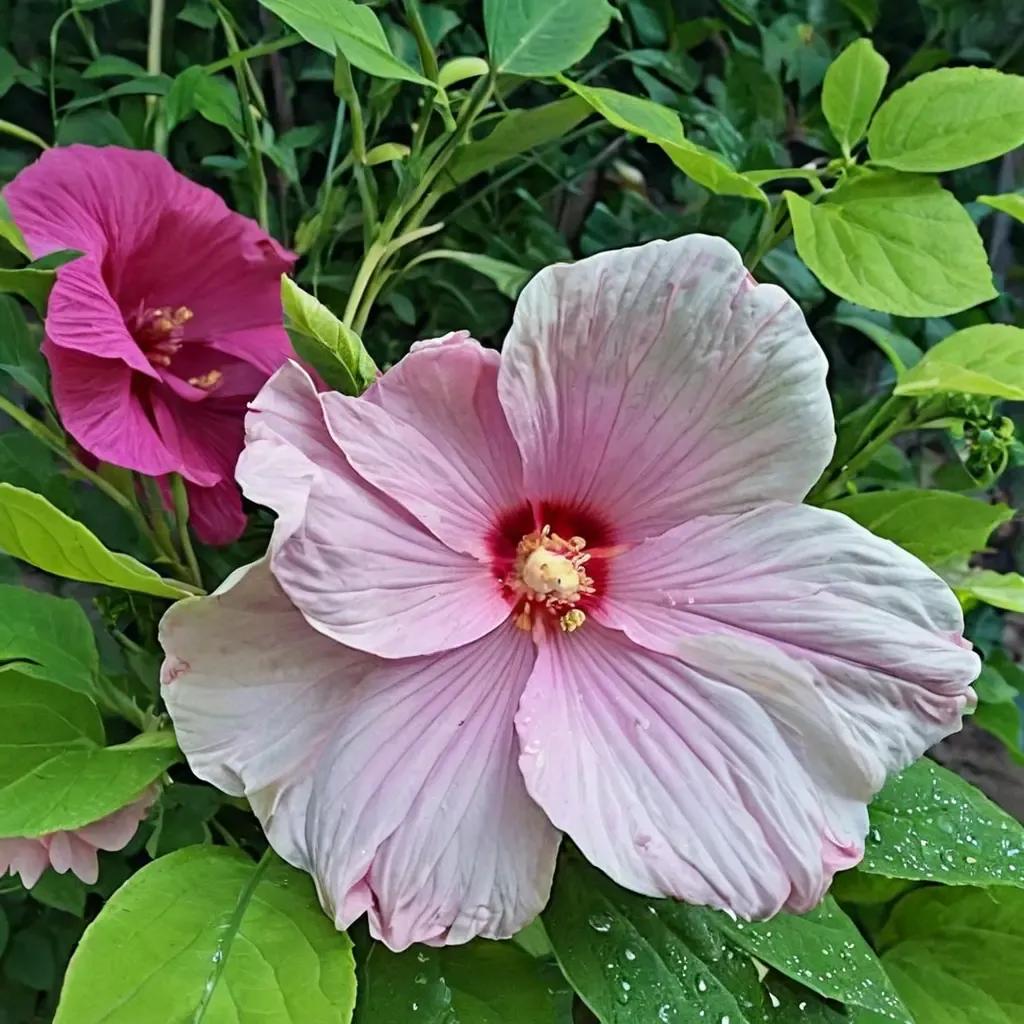 ‘Southern Comfort’Hardy Hibiscus 'Southern Comfort'
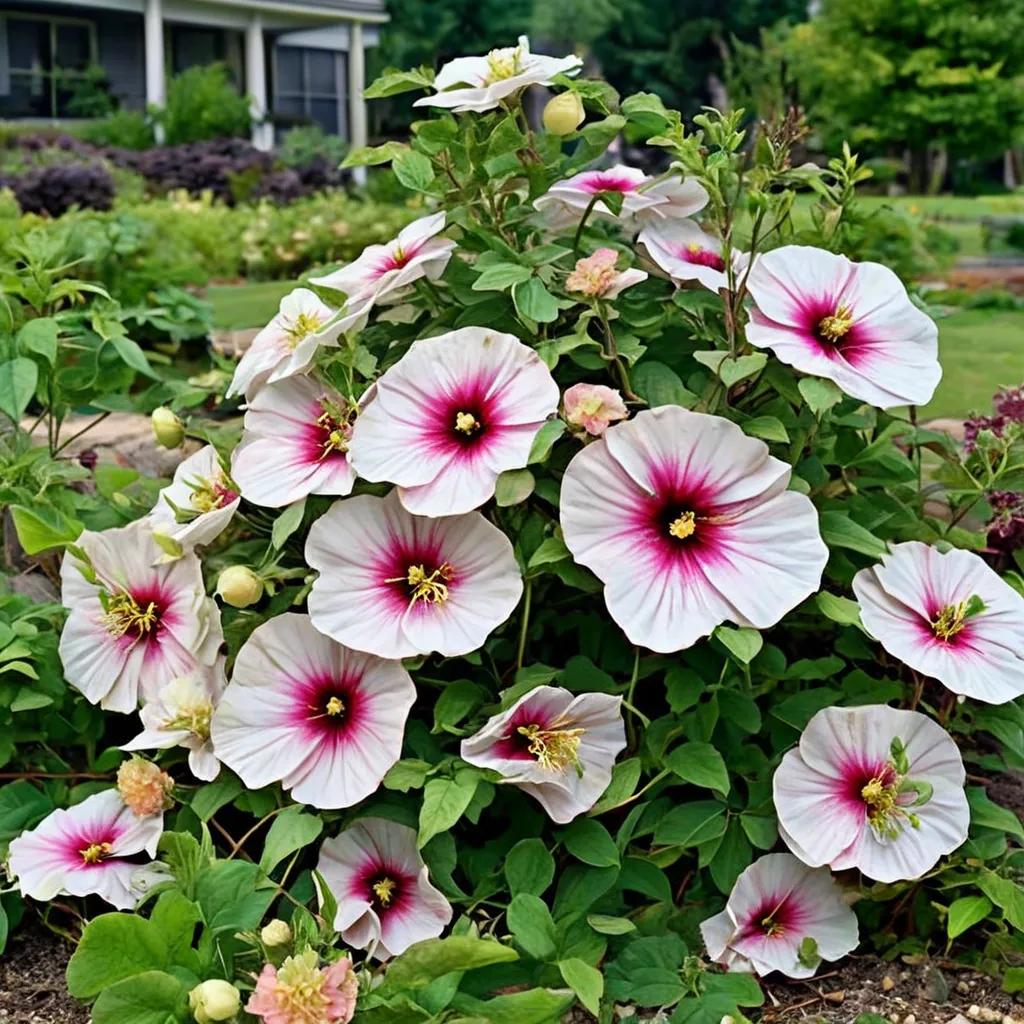 ‘Angel Eyes’Swamp Rose Mallow Angel Eyes
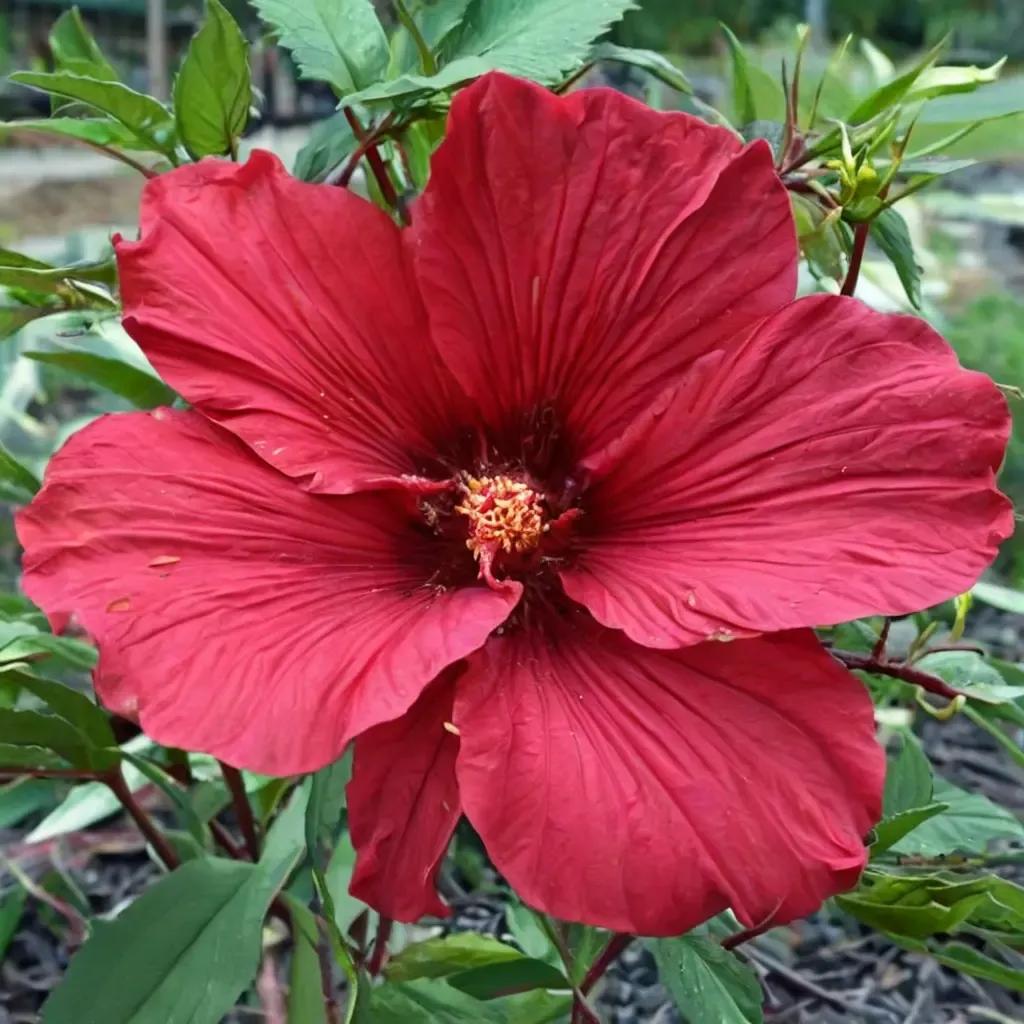 ‘Fireball’Fireball Hardy Hibiscus
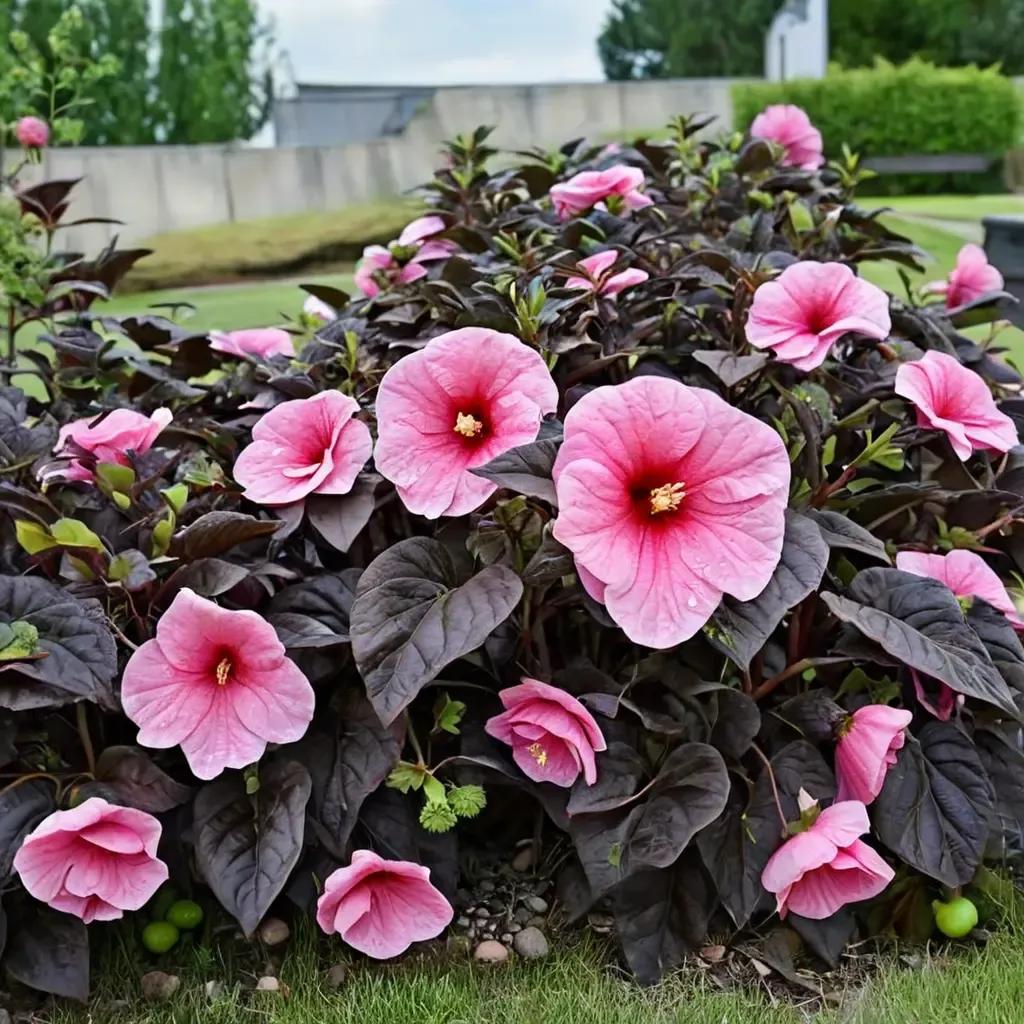 ‘Edge of Night’Edge of Night Hardy Hibiscus
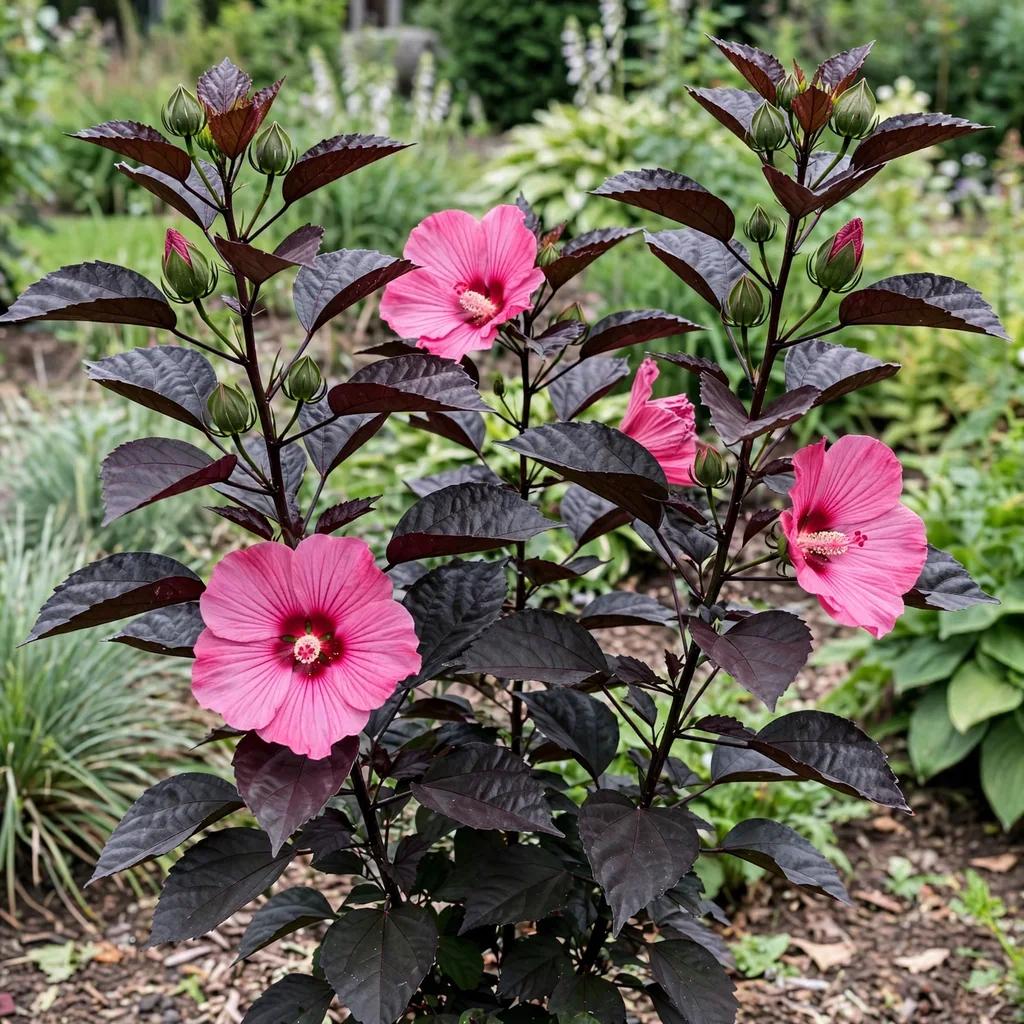 ‘Evening Rose’Evening Rose Hibiscus
 ‘Valentine's Crush’Valentine's Crush Rose Mallow
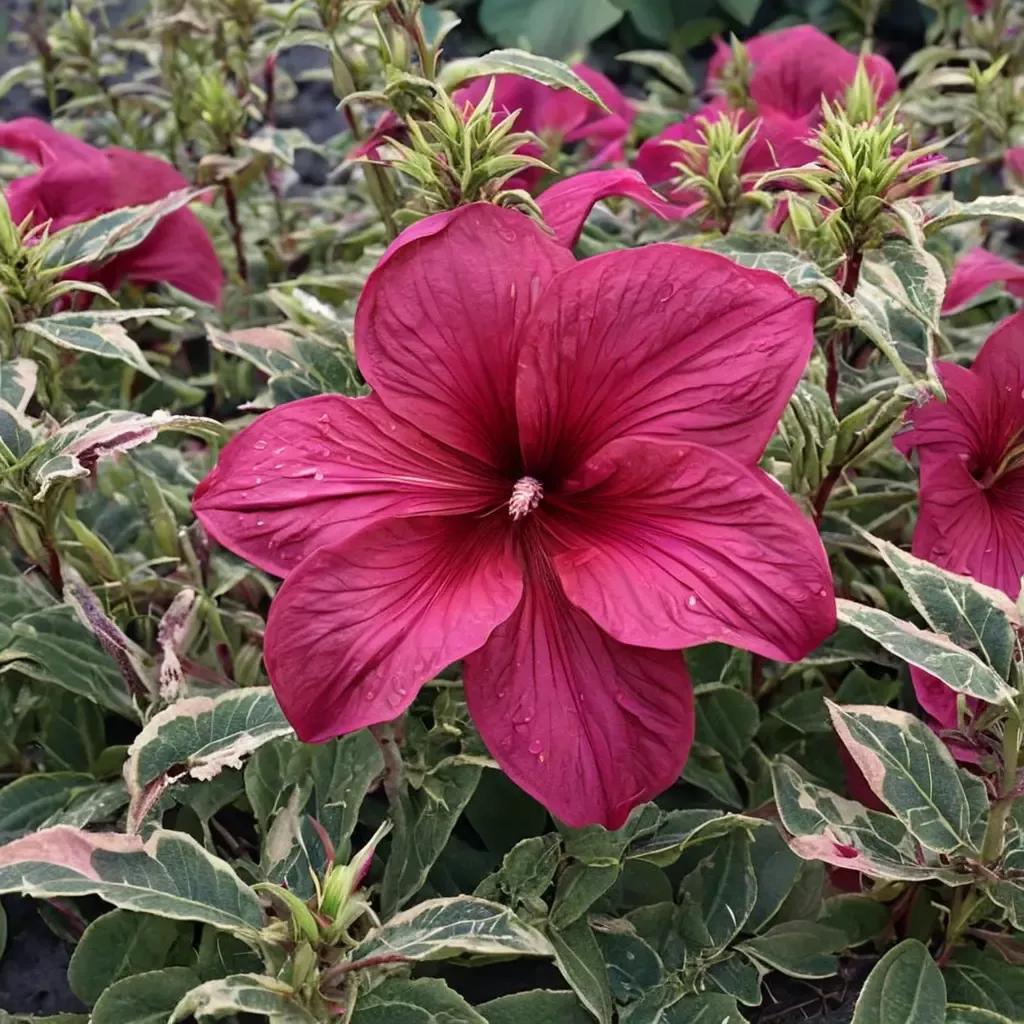 ‘Summer Carnival’Summer Carnival Rose Mallow
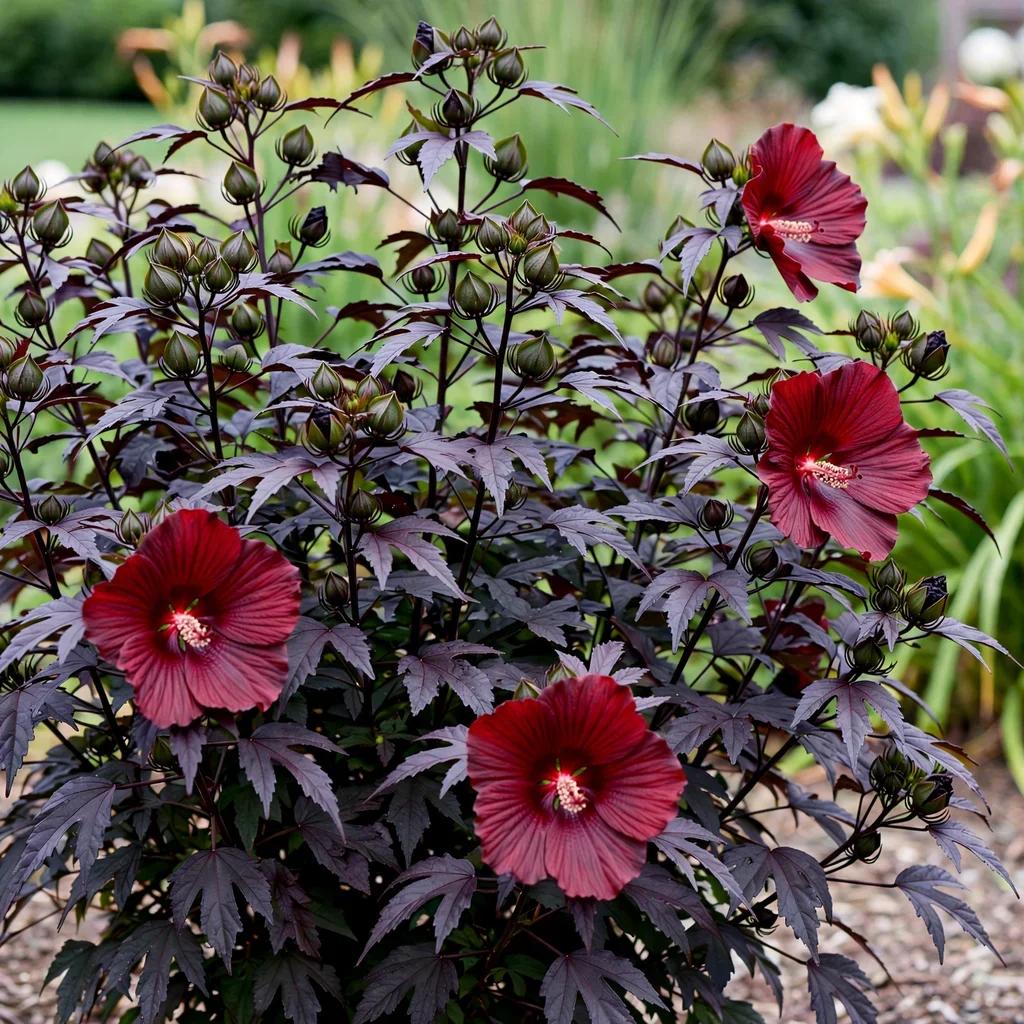 ‘Holy Grail’Holy Grail Swamp Hibiscus
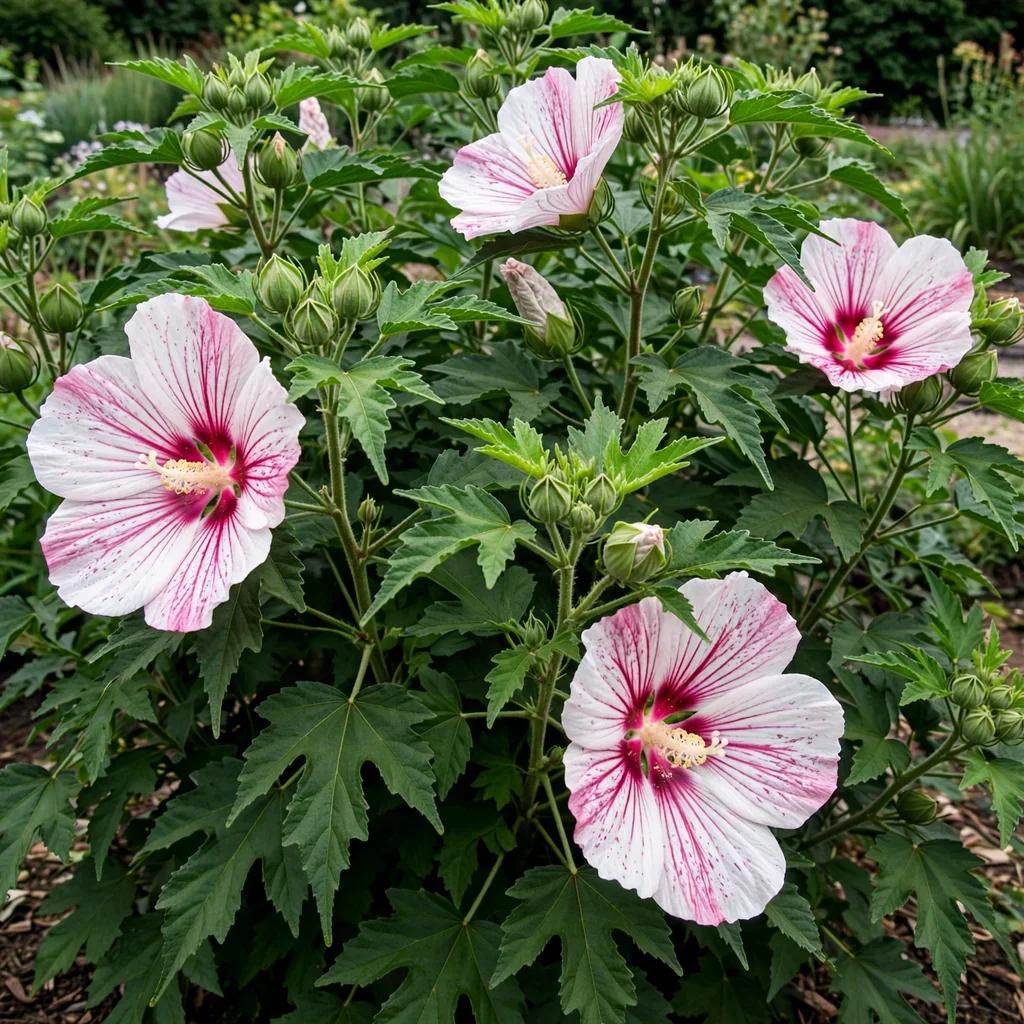 ‘Peppermint Flare’Peppermint Flare Rose Mallow
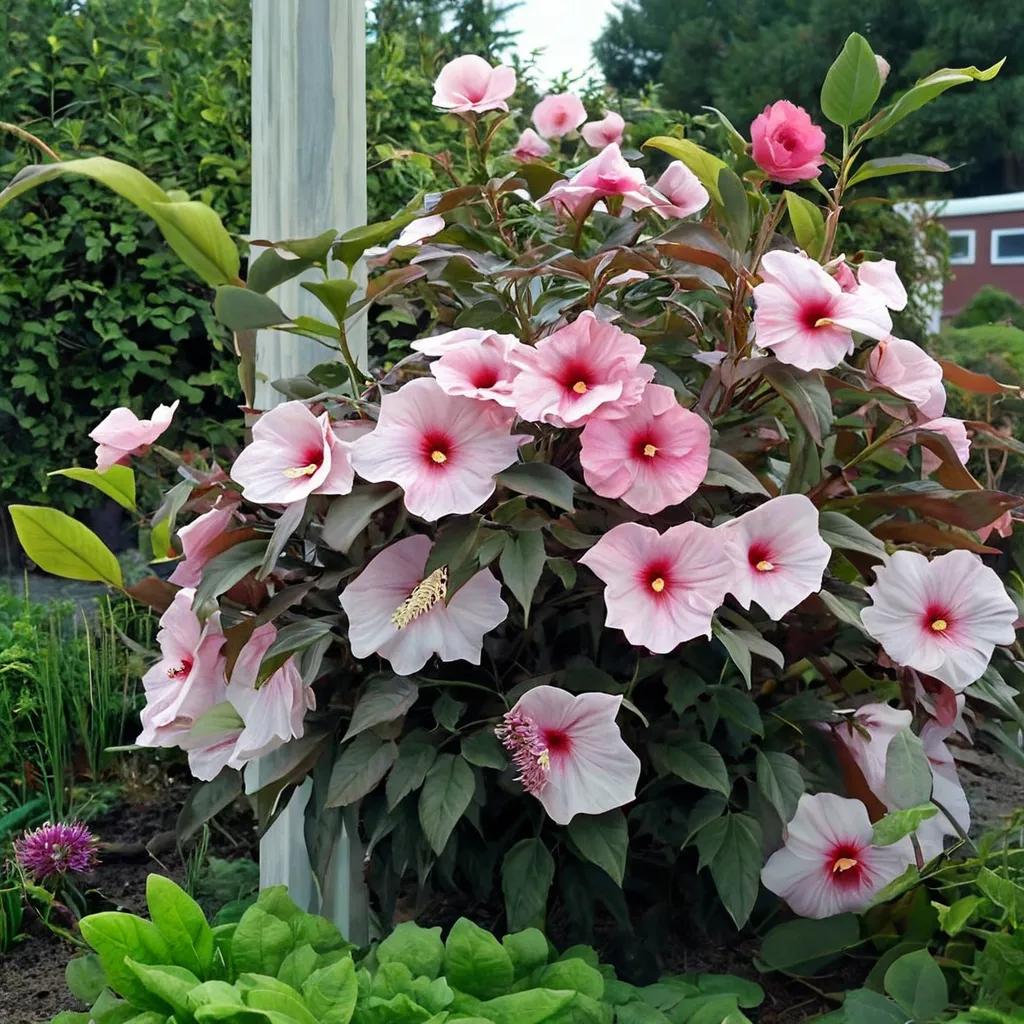 ‘Kopper King’Kopper King Hibiscus
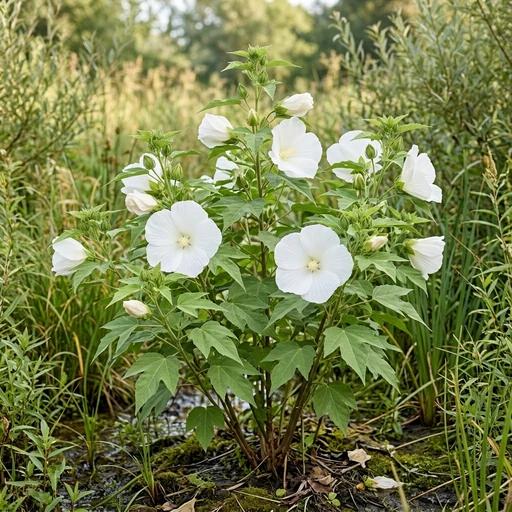 ‘Luna White’Luna White Rose Mallow
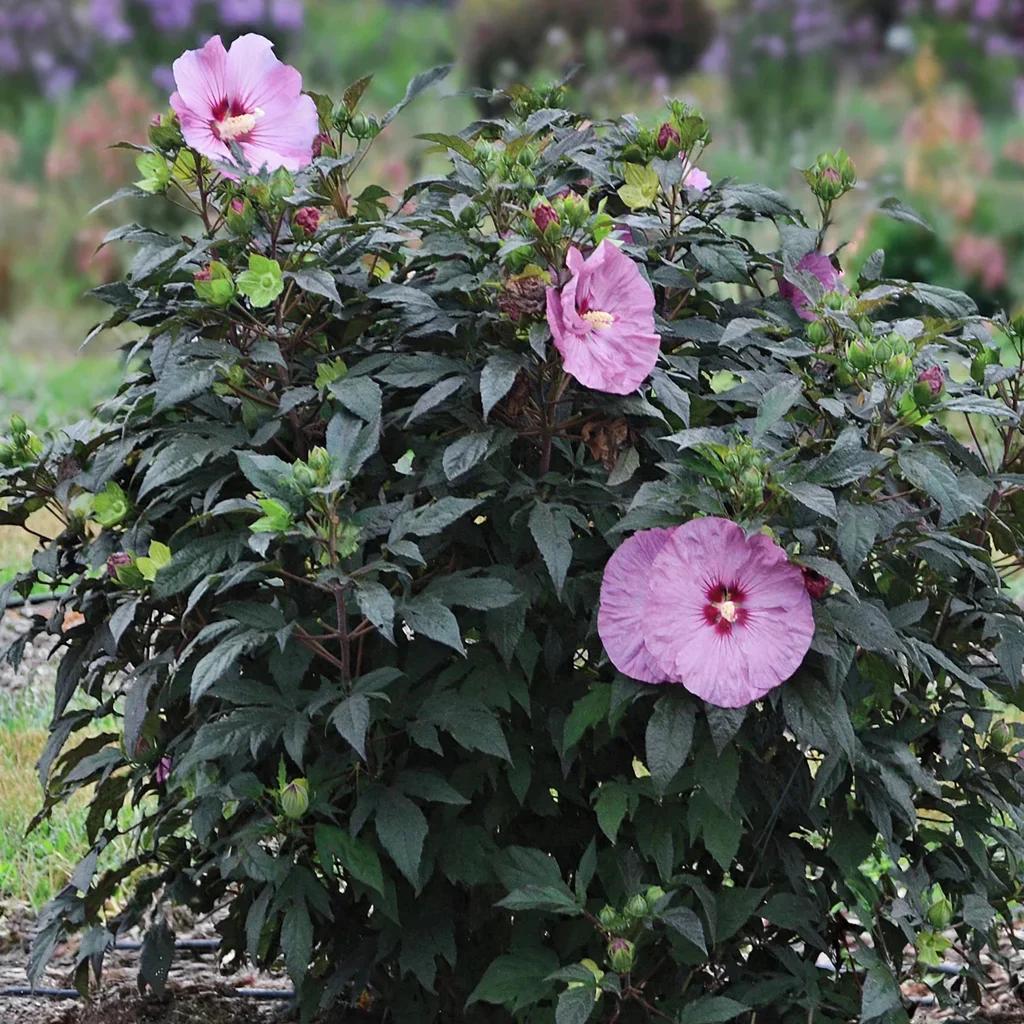 ‘Berry Awesome’Berry Awesome Hardy Hibiscus
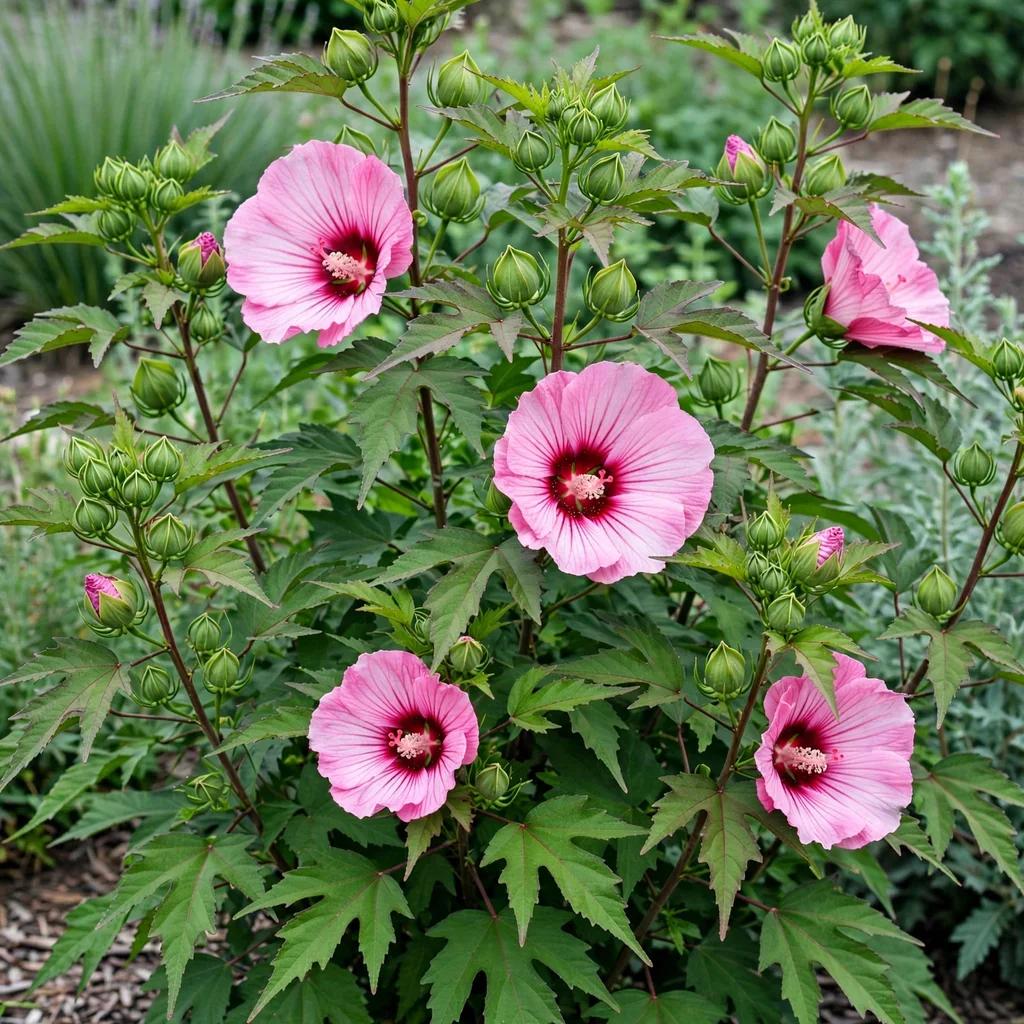 ‘Candy Crush’Candy Crush Rose Mallow
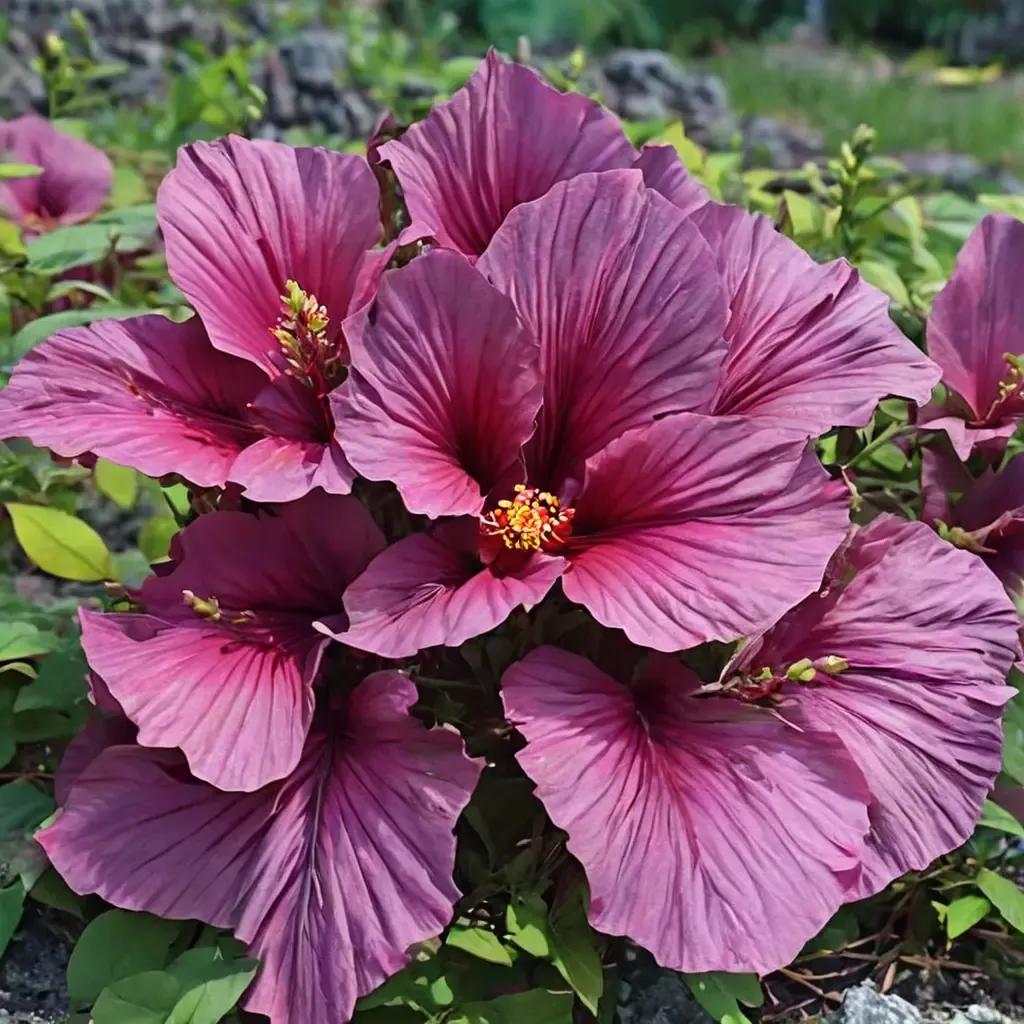 ‘Plum Flambe’Plum Flambe Hibiscus
The Story
Plant Bio
Hardy Hibiscus are robust, fast-growing, shrub-like perennials native to North American wetlands, famous for their enormous, tropical-looking flowers that bloom in late summer.
'Starry Night' offers exceptional contrast with its deep, near-black maple-like foliage. This dark backdrop makes its huge, 7-8 inch pale pink flowers with darker pink veining and a bright cherry-red eye appear even more luminous.
Uses & Benefits:
Essentials
At a Glance
Plant Type
Perennial
Height
48"
Width
48"
Light
Full Sun
Zones
4, 5, 6, 7, 8, 9
Water
Medium to wet
Humidity
High
Lifespan
Long-lived perennial
Native To
North America (hybrid)
Toxicity
Non-toxic
Bloom period
Mid-summer – Early fall
In flower about 3 months of the year
Marketplace
Where to Buy
Shipping costs Year-round shipping Free shipping
Planting
How to Grow
- Select a site with at least six hours of direct sun.
- Choose a location with consistently moist to wet soil.
- Dig a hole twice as wide as the pot and just as deep.
- Place the plant in the hole so the crown is at soil level.
- Backfill with soil, firm gently, and create a water-retaining berm.
- Water deeply and consistently, especially during hot, dry weather.
Pro Tip
Be patient in spring; they are one of the last perennials to emerge, often not showing growth until soil temperatures warm significantly.
Keep It Thriving
Care Guide
Do
- Provide plenty of water and full sun for best performance.
- Cut the entire plant back to about 6 inches in late fall or early spring.
- Apply a layer of mulch to help conserve soil moisture.
- Deadhead spent flowers to keep the plant looking tidy, though it's not required for rebloom.
Don't
- Don't let the soil dry out; they are not drought tolerant.
- Don't panic if it doesn't emerge early in spring; it's normal.
- Avoid planting in deep shade, which results in weak stems and few flowers.
- Don't divide too frequently; they perform best when left undisturbed.
Seasonal Care Calendar
| Task | Jan | Feb | Mar | Apr | May | Jun | Jul | Aug | Sep | Oct | Nov | Dec |
|---|---|---|---|---|---|---|---|---|---|---|---|---|
| Fertilize | ||||||||||||
| Pest Check | ||||||||||||
| Plant | ||||||||||||
| Spring Cleanup |
Watch Out For
Pests & Diseases
Common Pests
Common Diseases
In the Garden
Landscape Uses & Companions
Landscape Uses
Multiply
Propagation Methods
Good to Know
Common Questions
Starry Night Hardy Hibiscus questions
What zones can Starry Night Hardy Hibiscus grow in?
Starry Night Hardy Hibiscus is hardy in USDA Zones 4–9. Inside that range it survives winter in the ground; outside it, grow it as an annual or a container plant you protect.
Is Starry Night Hardy Hibiscus deer resistant?
Yes — Starry Night Hardy Hibiscus is rated deer-resistant. Deer typically pass it over, though extreme hunger can override any plant's defenses.
When does Starry Night Hardy Hibiscus bloom?
Starry Night Hardy Hibiscus typically blooms in mid-summer through early fall. Exact timing shifts a week or two with your zone — Sow's bloom calendar maps it to your garden.
Does Starry Night Hardy Hibiscus need full sun?
Starry Night Hardy Hibiscus does best in full sun (6+ hours).
More Hibiscus to compare
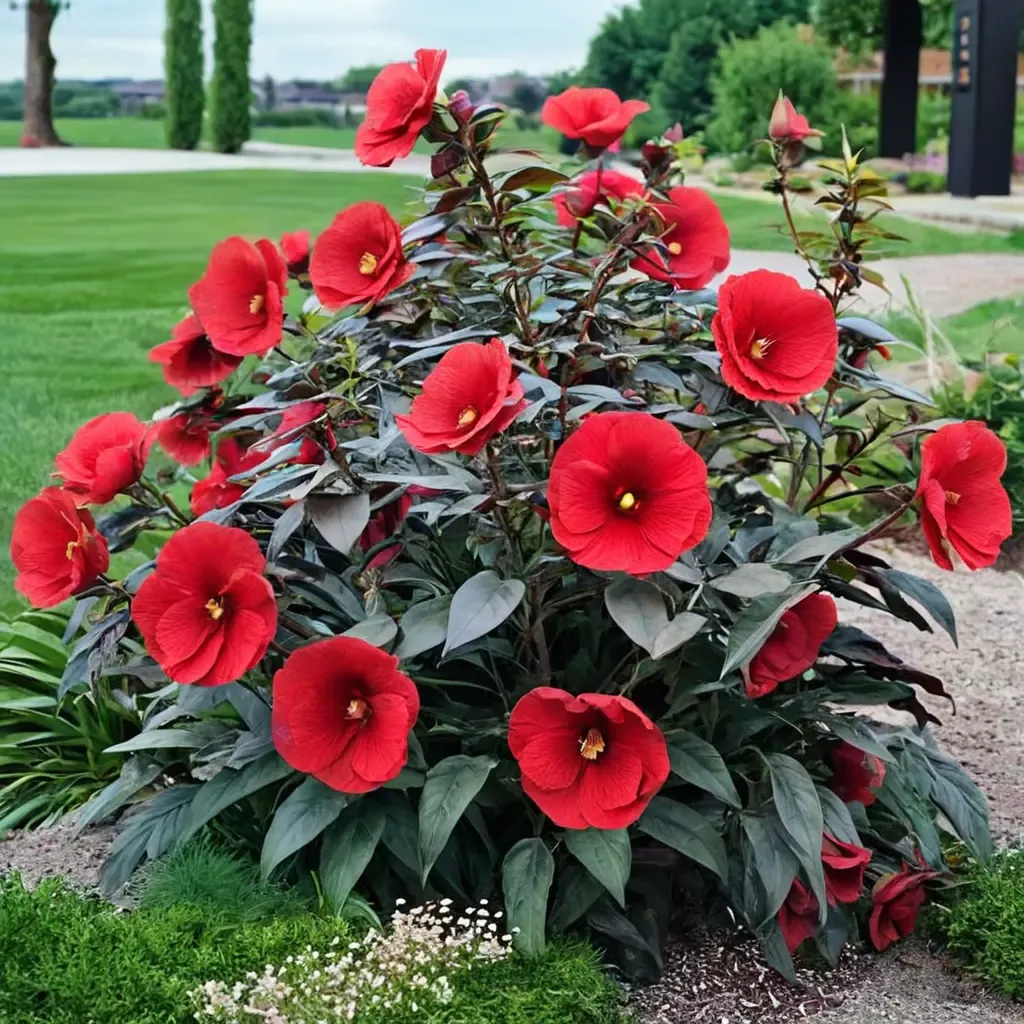
Midnight Marvel Swamp Hibiscus
Hibiscus moscheutos 'Midnight Marvel'
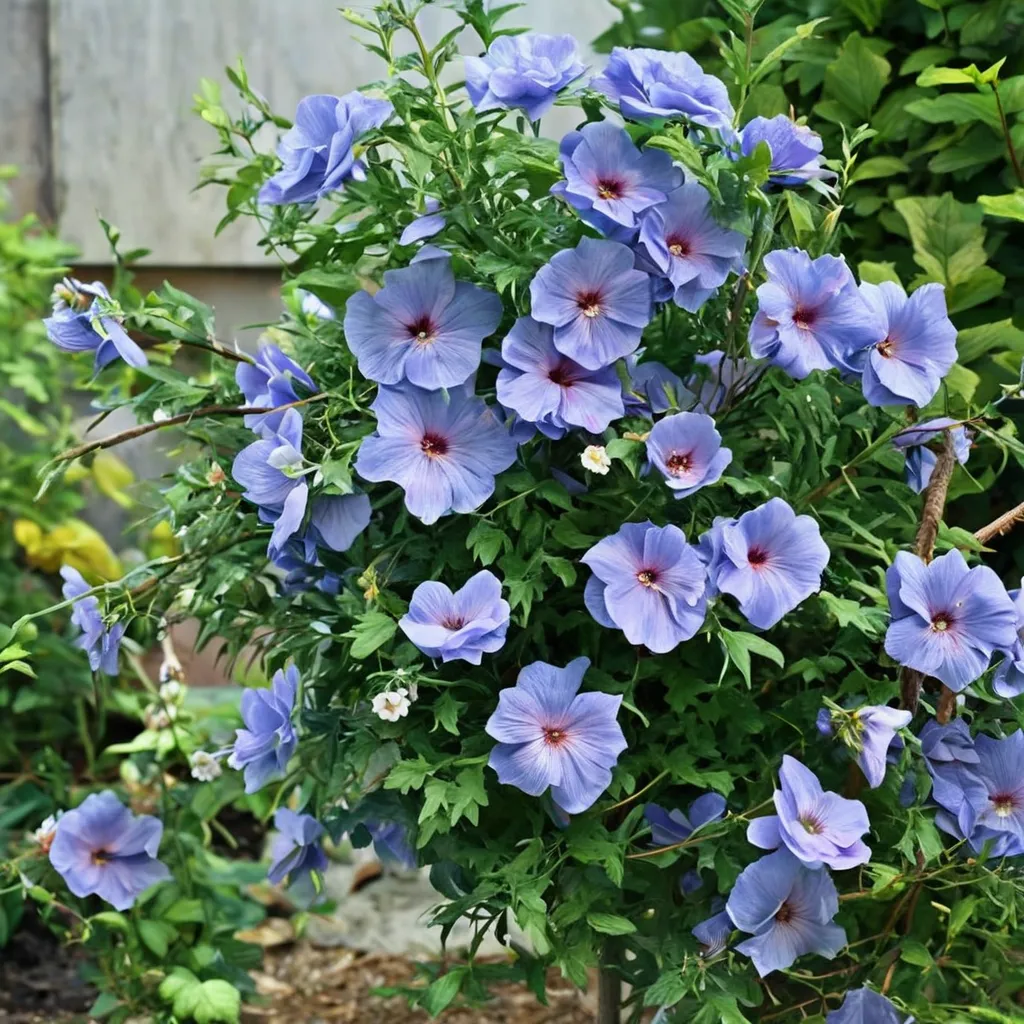
Rose of Sharon Hibiscus
Hibiscus syriacus 'Azurri Blue Satin'
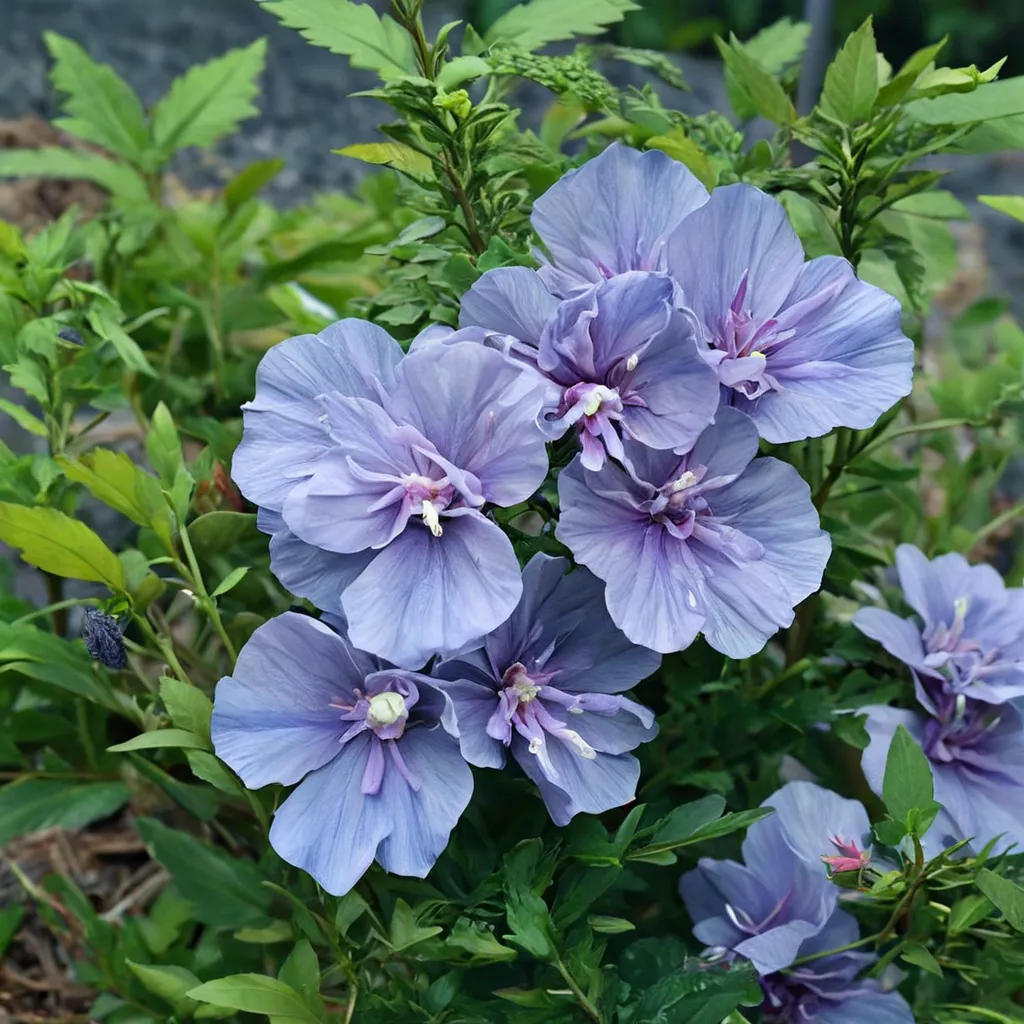
Blue Chiffon Rose of Sharon
Hibiscus syriacus 'Blue Chiffon'
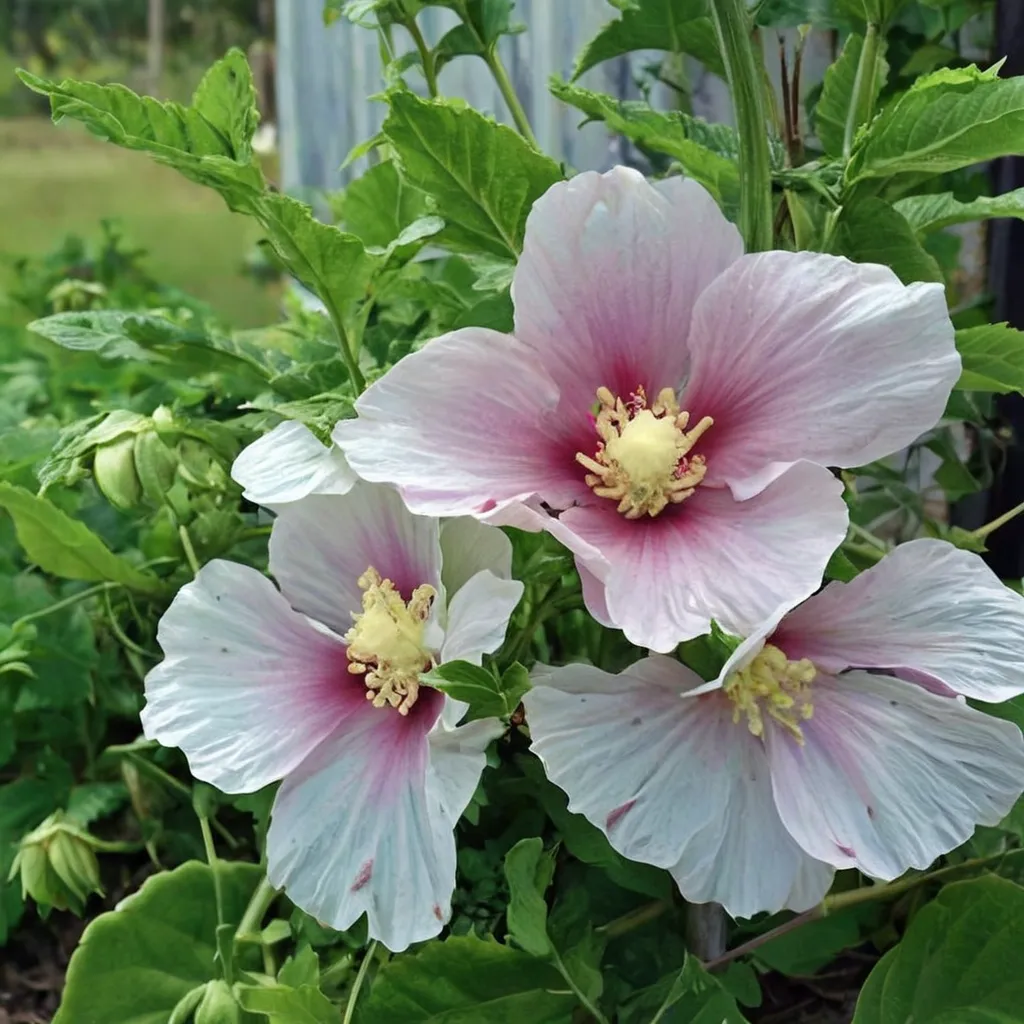
Confederate Rose
Hibiscus paramutabilis
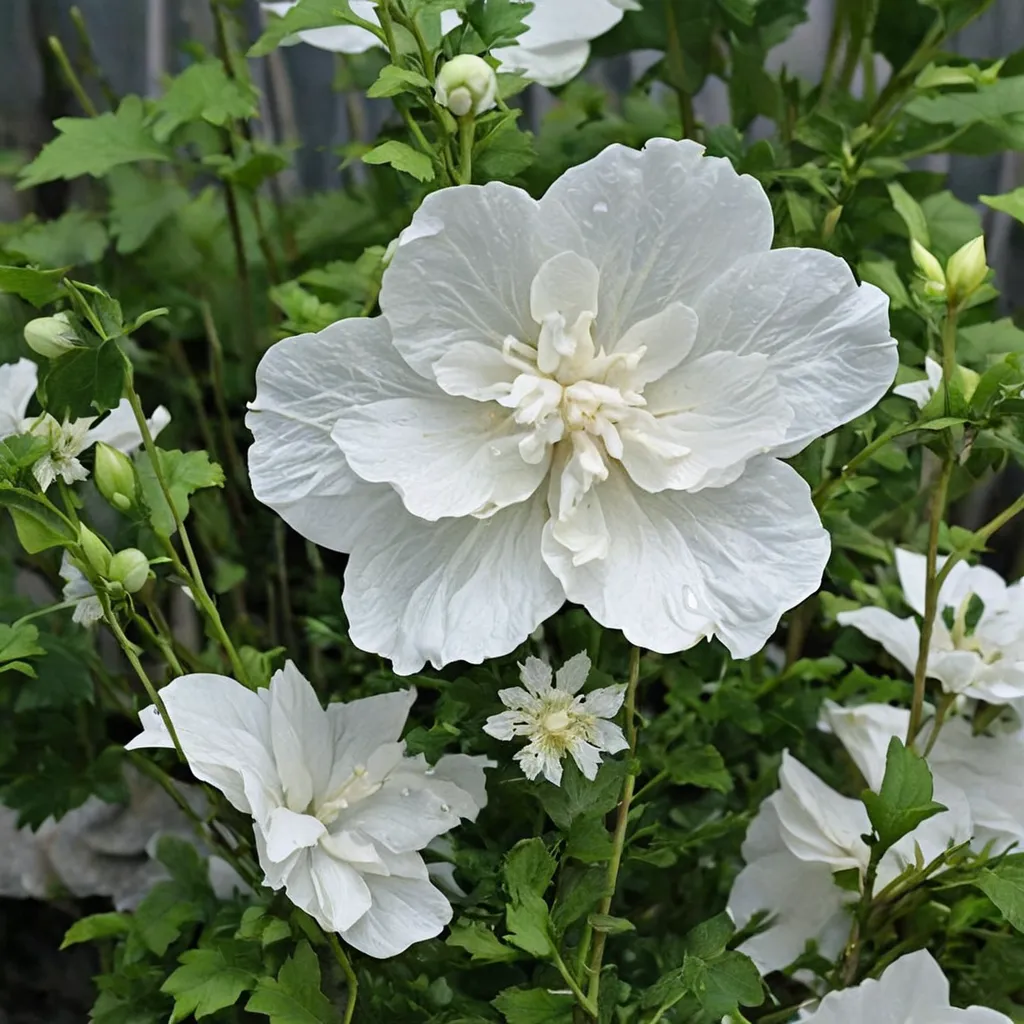
White Chiffon Hibiscus
Hibiscus syriacus 'White Chiffon'
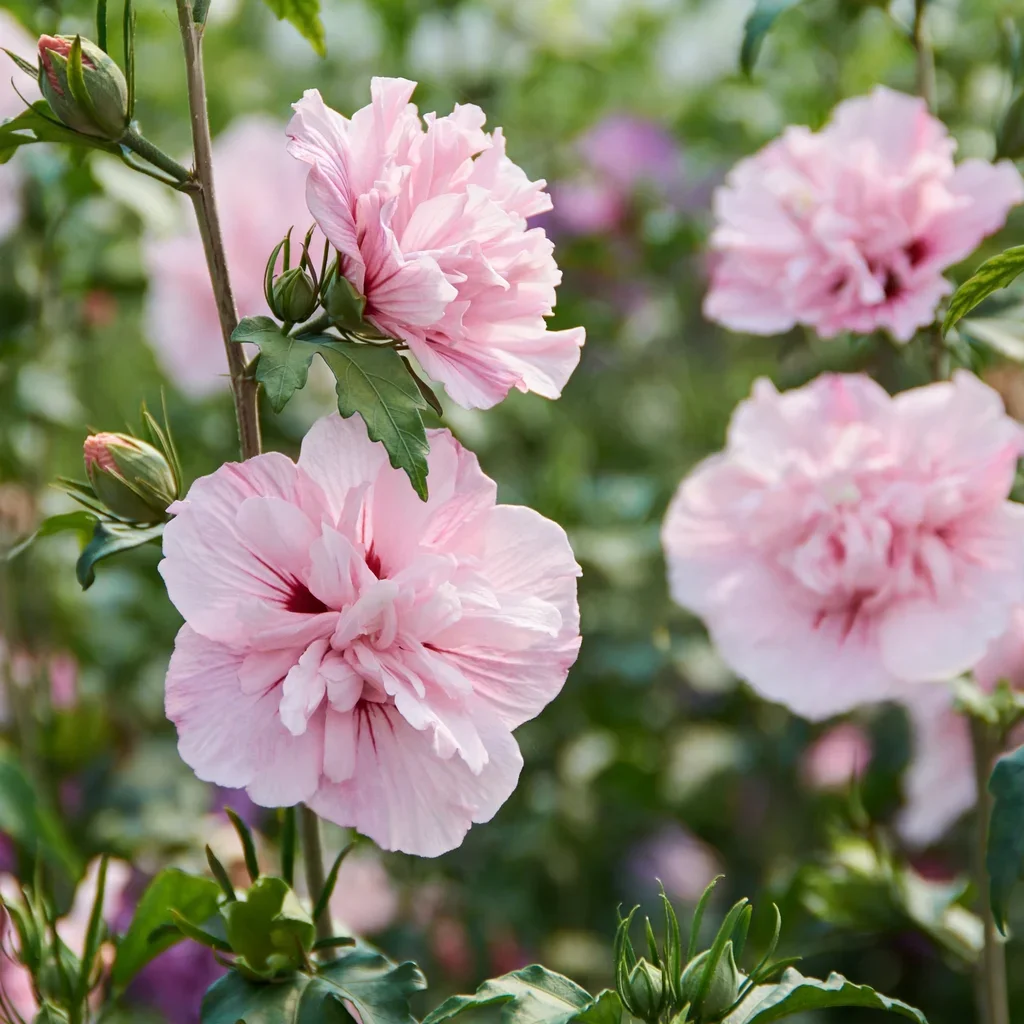
Pink Chiffon Rose of Sharon
Hibiscus syriacus 'Pink Chiffon'
Keep exploring
Explore the genus
Grow Starry Night Hardy Hibiscus with confidence
See it in a design of your actual yard, get zone-matched care reminders, and track it season by season in your garden journal.