grass
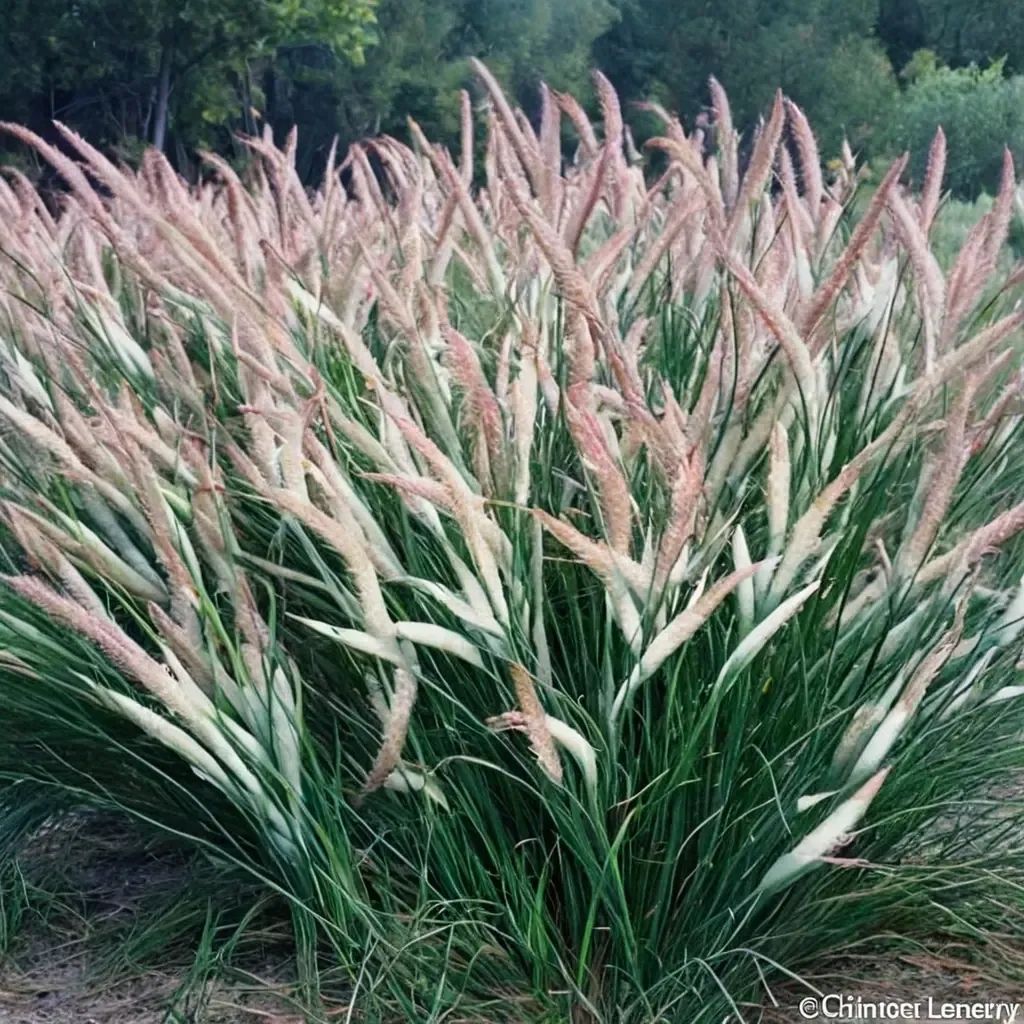
Foxtrot Fountain Grass
Pennisetum alopecuroides 'Foxtrot'
$12.99
Expertly Curated
Real-Time Pricing
Loved by Designers
Essentials
At a Glance
Plant Type
Grass
Height
54 inches
Width
42 inches
Light
Full Sun, Partial Sun
Zones
5, 6, 7, 8, 9
Water
Moderate
Humidity
Average
Lifespan
Perennial
Native To
Asia, Australia
Toxicity
Non-toxic to pets and humans
The Story
Plant Bio
Pennisetum alopecuroides 'Foxtrot' is known for its graceful, ornamental plumes and attractive foliage. This cultivar is one of the largest fountain grasses, distinguished by its impressive height and exceptionally large, smoky, rose-purple bottlebrush plumes that appear earlier than many other cultivars.
Bloom Period:
J
F
M
A
M
J
J
A
S
O
N
D
EarlyLate
Uses & Benefits:
Foxtrot provides visual interest with its graceful plumes and lush foliage, ideal for borders and containers.
It helps reduce soil erosion and acts as a natural weed barrier.
Provides habitat and food for pollinators and beneficial insects.
Marketplace
Where to Buy
<1 Gal PotBarerootTrays
In Stock$12.99
<1 Gal Pot1+ Gal Pot
In Stock$19.20
Shipping costs Year-round shipping Free shipping
Planting
How to Grow
- Tuck seeds or cuttings into moist soil in early spring.
- Water regularly to keep soil evenly moist during establishment.
- Fertilize with a balanced fertilizer in spring and mid-summer.
- Divide clumps every 2-3 years in early spring or fall.
- Mulch around plants to retain moisture and suppress weeds.
- Prune back dead foliage in late winter to promote new growth.
Pro Tip
Use well-draining soil and full sun for vigorous, healthy growth.
Keep It Thriving
Care Guide
Do
- Water deeply during dry spells 🌱
- Prune dead or damaged foliage annually
- Feed with a balanced fertilizer in spring
Don't
- Avoid waterlogging soil ❌
- Don’t cut back in late fall when plants are still green
- Refrain from over-fertilizing to prevent legginess
Seasonal Care Calendar
| Task | Jan | Feb | Mar | Apr | May | Jun | Jul | Aug | Sep | Oct | Nov | Dec |
|---|---|---|---|---|---|---|---|---|---|---|---|---|
| Divide | ||||||||||||
| Prune |
Watch Out For
Pests & Diseases
Common Pests
Common Diseases
In the Garden
Landscape Uses & Companions
Landscape Uses
Soft textured grass borderSwaying focal point in gardensWildflower meadow accent
Companion Plants
Echinacea Sedum Lavender Rudbeckia Gaura
Multiply
Propagation Methods
Good to Know