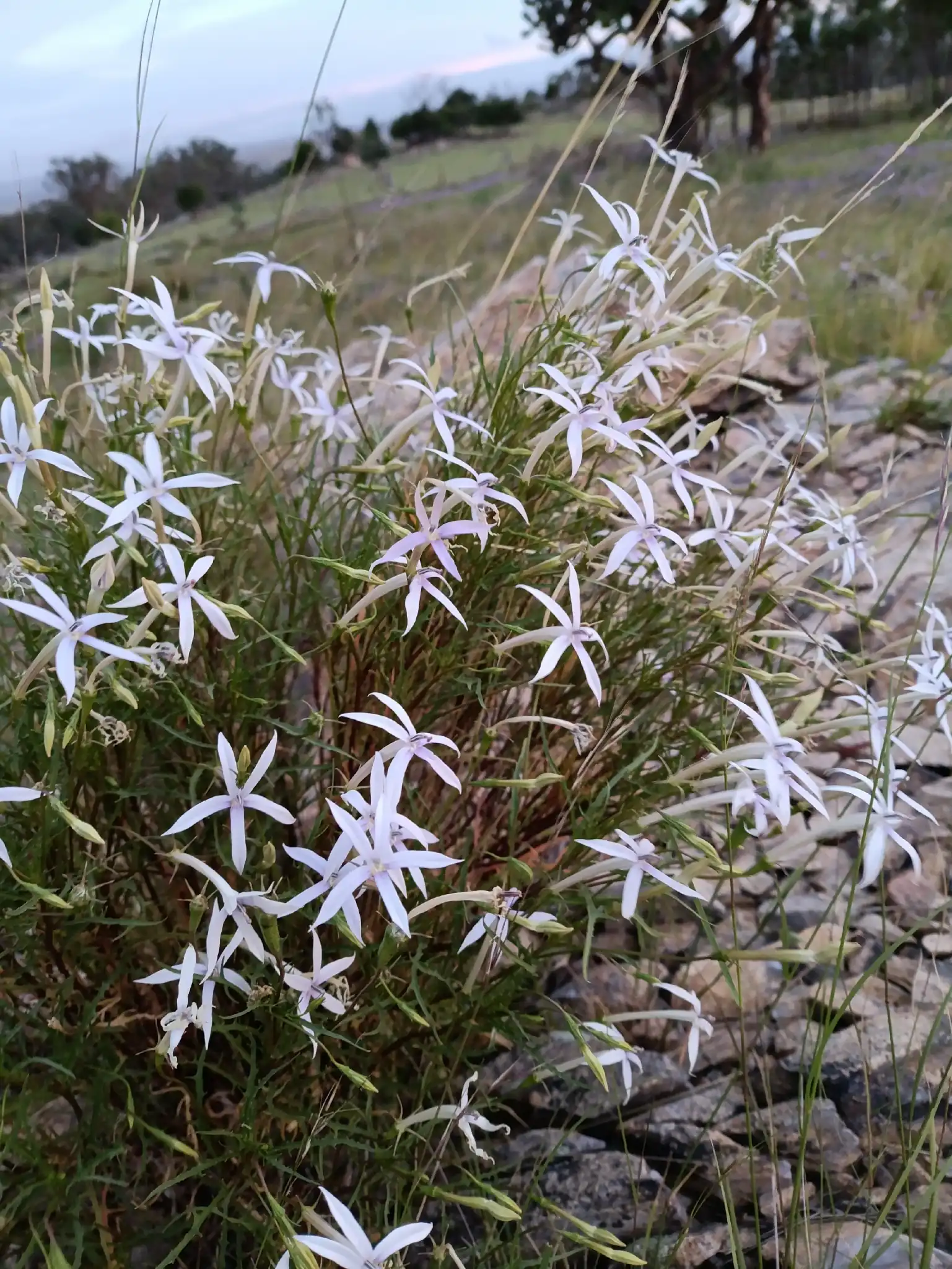
1 named cultivar

The Story
Plant Bio
Isotoma axillaris is a low-growing perennial with slender stems and bright blue flowers that bloom profusely in summer.
Often used as ground cover, it is tolerant of coastal conditions and drought once established.
Uses & Benefits:
Essentials
At a Glance
Plant Type
Perennial
Height
12"
Width
18"
Light
Full Sun, Partial Sun
Zones
9, 10
Water
Moderate
Humidity
Average
Lifespan
Tender perennial
Native To
Australia
Toxicity
Toxic if ingested; sap can cause skin irritation
Planting
How to Grow
- Tuck seeds into well-draining soil in spring after last frost.
- Mist cuttings regularly to maintain humidity during root development.
- Thin seedlings to avoid overcrowding, spacing 6 inches apart.
- Water consistently, keeping soil moist but not waterlogged.
- Fertilize monthly with a balanced, water-soluble fertilizer.
- Prune lightly after flowering to promote bushiness.
Pro Tip
Use bright, indirect light for cuttings to encourage root growth.
Keep It Thriving
Care Guide
Do
- Water regularly to keep soil moist 🌱
- Provide full sun for optimal blooming
- Fertilize monthly during growing season
- Prune after flowering to maintain shape
Don't
- Avoid overwatering to prevent root rot ❌
- Do not place in deep shade
- Skip fertilizing in dormant winter months
- Don’t neglect pruning after flowering
Seasonal Care Calendar
| Task | Jan | Feb | Mar | Apr | May | Jun | Jul | Aug | Sep | Oct | Nov | Dec |
|---|---|---|---|---|---|---|---|---|---|---|---|---|
| Fertilize | ||||||||||||
| Prune | ||||||||||||
| Spring Cleanup |
Watch Out For
Pests & Diseases
Common Pests
Common Diseases
In the Garden
Landscape Uses & Companions
Landscape Uses
Multiply
Propagation Methods
Good to Know
Common Questions
Rock Isotome questions
What zones can Rock Isotome grow in?
Rock Isotome is hardy in USDA Zones 9–10: in that range it survives winter in the ground. Colder than Zone 9, grow it in a container you can move to shelter for the winter, or as an annual.
Is Rock Isotome deer resistant?
Yes — Rock Isotome is rated deer-resistant. Deer typically pass it over, though extreme hunger can override any plant's defenses.
When does Rock Isotome bloom?
Rock Isotome typically blooms in mid- to late summer. Exact timing shifts a week or two with your zone — Sow's bloom calendar maps it to your garden.
Does Rock Isotome need full sun?
Rock Isotome does best in full sun to part shade. In hot climates, afternoon shade keeps blooms fresher longer.
More Isotoma to compare
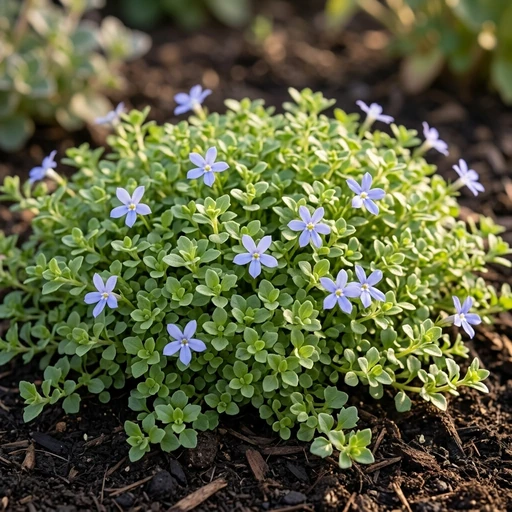
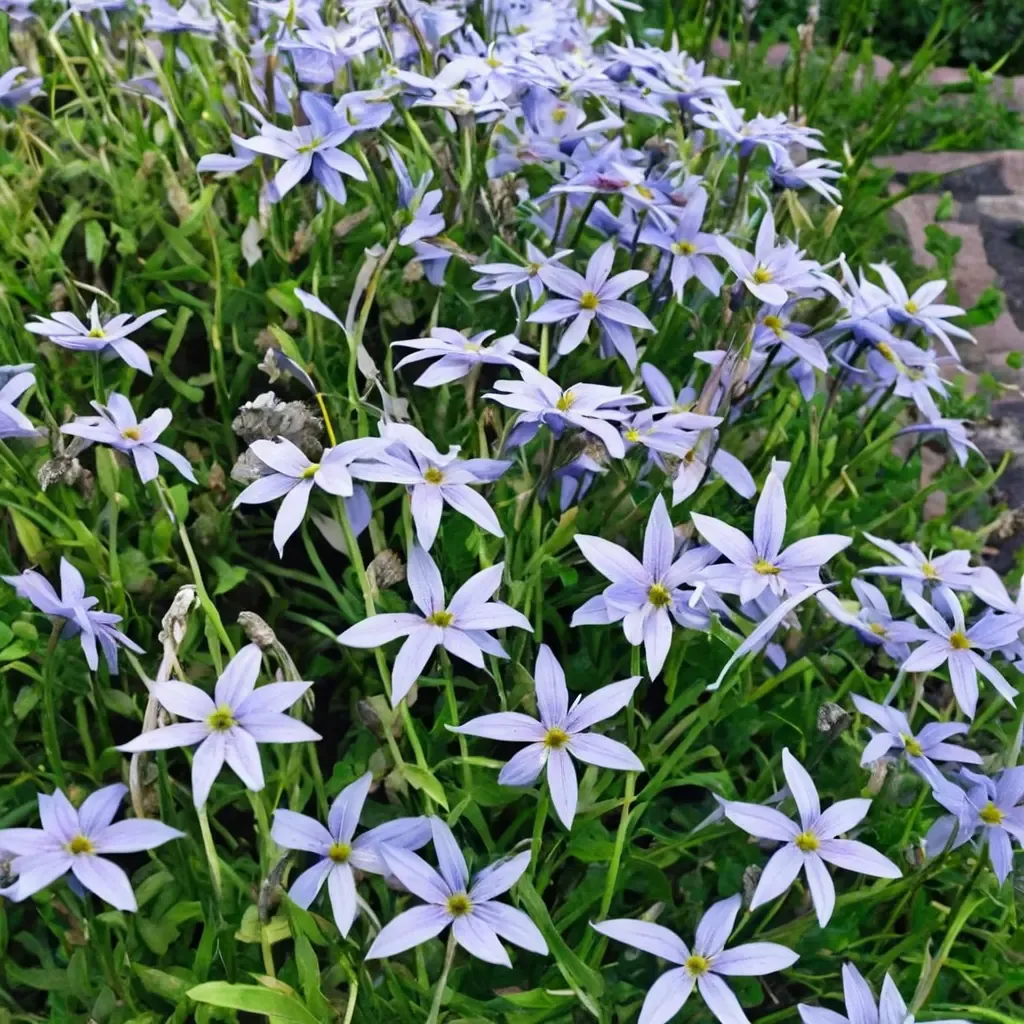
Keep exploring
Explore the genus
Hardy in your zone?
Grow Rock Isotome with confidence
See it in a design of your actual yard, get zone-matched care reminders, and track it season by season in your garden journal.