Also known as Blue Star Creeper · 43 saves
Isotoma
Isotoma, the genus most gardeners know as blue star creeper. We track 3 varieties; the ones most used by real gardeners.
The 2 most-saved Isotoma varieties
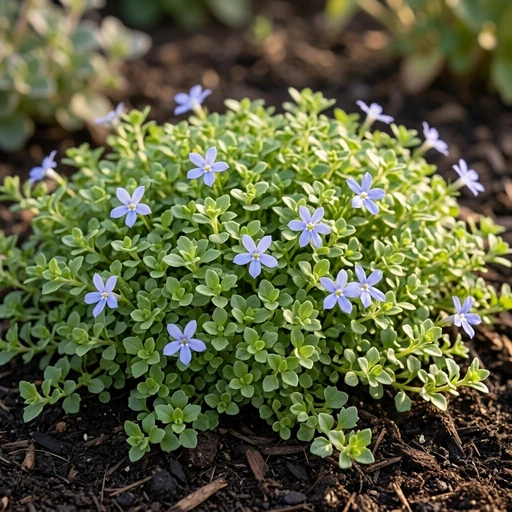
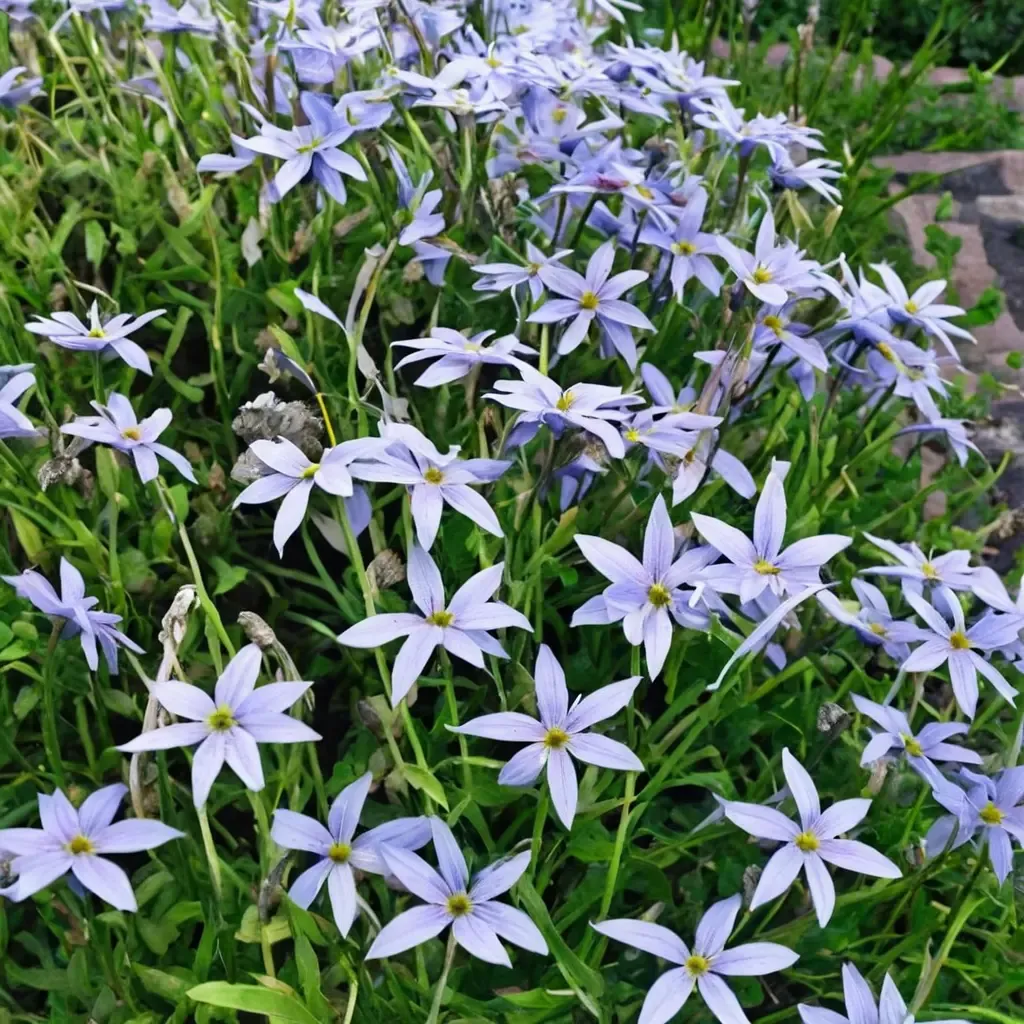
Browse all 3 Isotoma varieties →
Species of Isotoma
Each one is a parent of the varieties above.
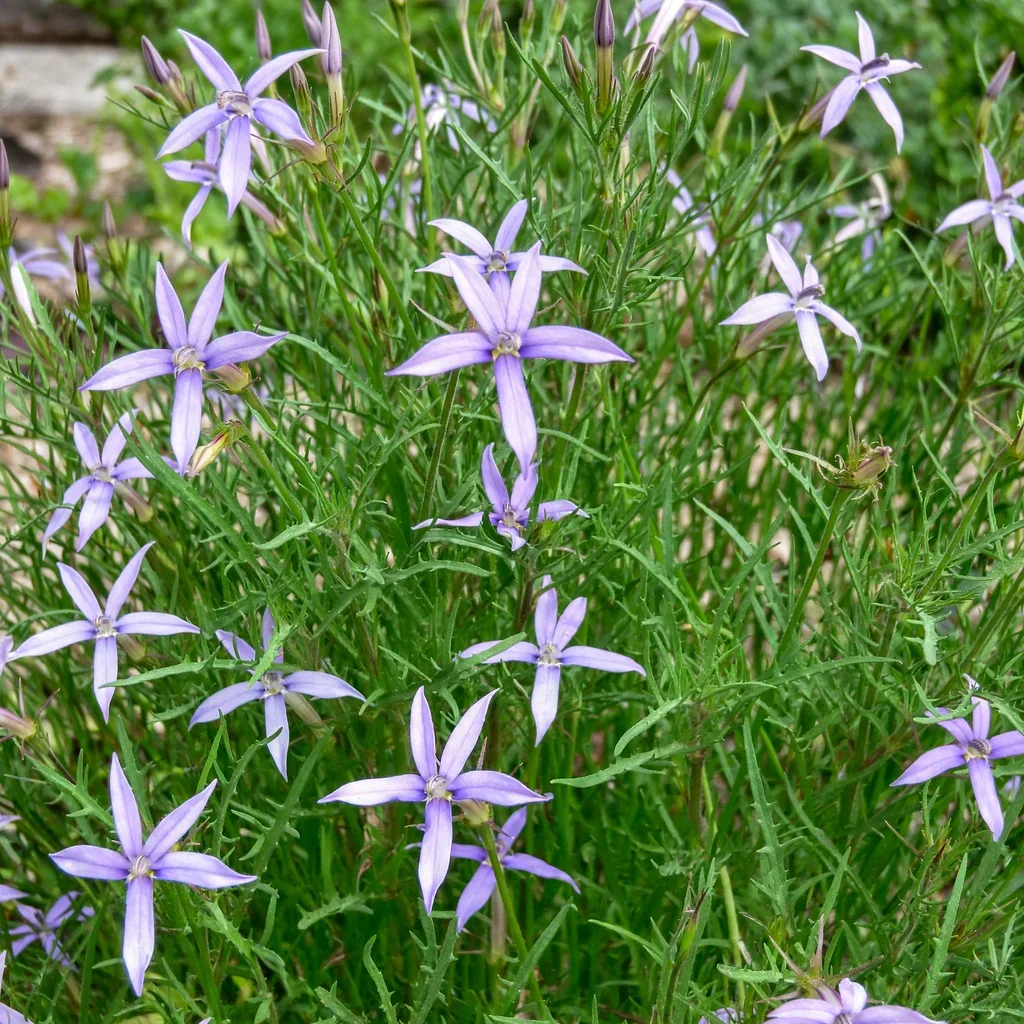
Track your Isotoma in Sow
Save the Isotoma you grow and get care reminders timed to your zone.
How to grow Isotoma
Whats common across all Isotoma varieties in our catalog — drawn from the care records of the 3 most-grown of them.
The Isotoma year
- PlantMay67% of varieties
Plant outdoors after all danger of frost has passed.
- PruneAugust67% of varieties
Shear back lightly mid-summer if plants become leggy to encourage new growth.
- FertilizeJune–August67% of varieties
Apply a balanced liquid fertilizer monthly if grown in containers.


Do
- Water regularly during dry spells 🌱
- Prune after flowering to shape the plant
- Fertilize monthly during the growing season
- Provide partial sun for healthy growth
- Water regularly to keep soil moist 🌱
Avoid
- Avoid overwatering to prevent root rot ❌
- Do not expose to full, harsh sun in very hot climates
- Avoid heavy, waterlogged soils
- Refrain from neglecting pruning after flowering
What goes wrong with Isotoma
| Problem | What you'll see | What to do |
|---|---|---|
| Aphids | Sticky residue on leaves, distorted growth | Spray with insecticidal soap or neem oil |
| Slugs and Snails | Small holes or shredded areas on the tiny leaves, especially in damp weather. | Use organic iron phosphate baits. Encourage natural predators. Since it's a dense groundcover, chemical control is difficult. |
| Powdery mildew | White powdery coating on leaves | Improve air circulation and apply fungicide if necessary |
| Powdery Mildew | White powdery coating on leaves | Improve air circulation and apply fungicide |
| Root Rot | Large patches turn brown and die off, especially in winter. | Caused by very soggy, poorly drained soil. Ensure good drainage before planting. It's difficult to treat once it starts. |
Making more Isotoma
Cuttings
- Select healthy stem cuttings in late spring.
- Dip in rooting hormone and plant in moist soil.
- Maintain humidity and wait 6 weeks for roots to develop.
Seed
- Tuck seeds into moist soil in early spring.
- Keep soil consistently moist for 2-3 weeks until germination.
Isotoma questions
How many types of Isotoma are there?
The Sow catalog tracks 3 distinct Isotoma varieties. The most popular — ranked by 43 real gardeners — are shown first above.
What zones does Isotoma grow in?
Across its varieties, Isotoma covers USDA Zones 5–10. Individual varieties differ — each plant page lists its exact range, and Sow filters the catalog to your zone automatically.
When does Isotoma bloom?
Most Isotoma varieties bloom in late spring. Staggering early, mid, and late varieties extends the genus's season in one bed.
Which Isotoma should I choose?
Start from the most-saved varieties above — popularity across thousands of gardens is a strong signal of reliability — then filter by your zone and sun. In the Sow app you can preview any of them in a photo of your actual yard before you buy.