The Story
Plant Bio
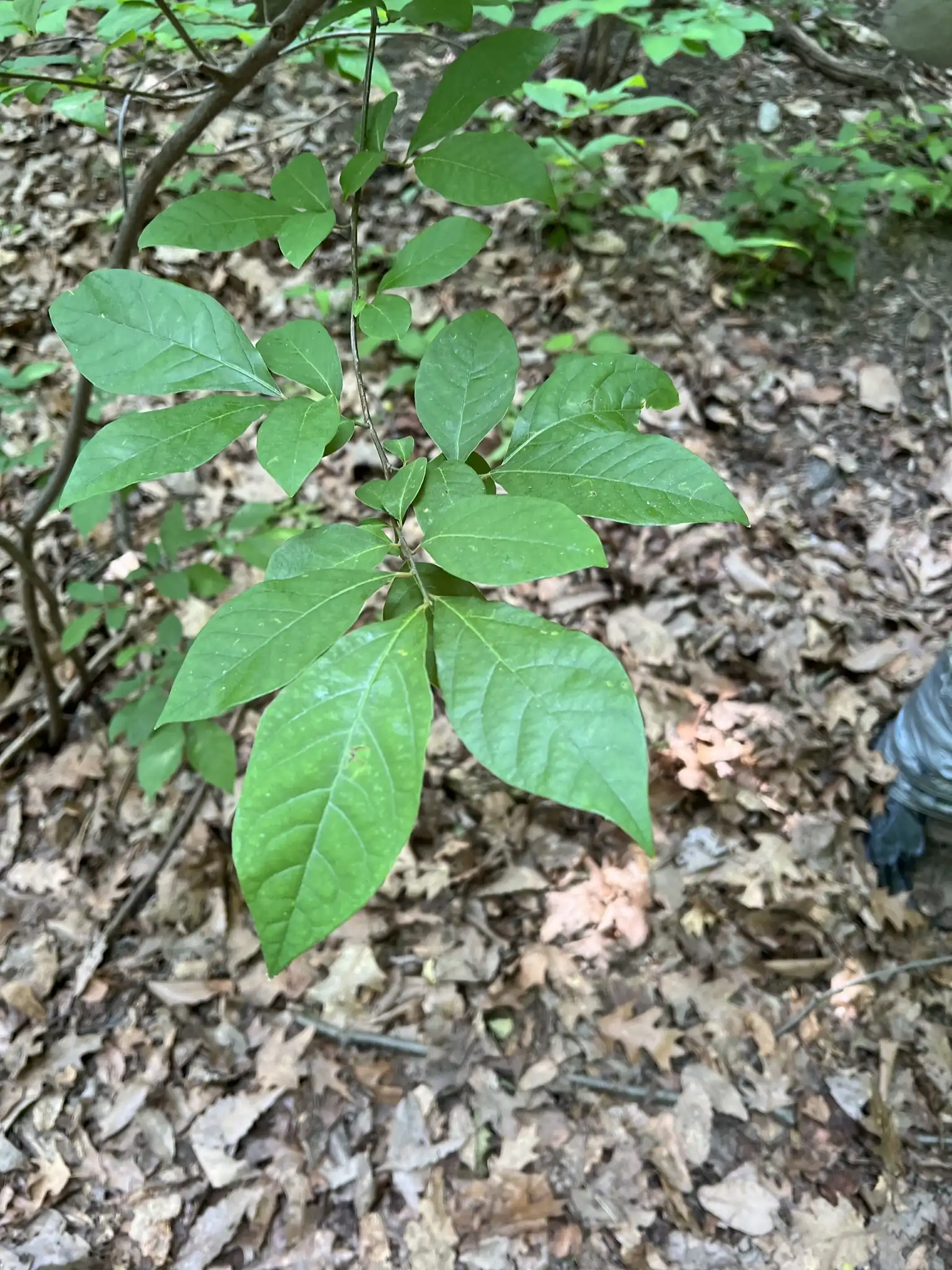
Lindera benzoin is a deciduous shrub native to eastern North America, found in moist woodlands. It is known for its tiny, fragrant, yellow flowers that appear before the leaves in early spring, and its aromatic leaves and twigs.
This plant is the primary host for the Spicebush Swallowtail butterfly caterpillar. Its early spring flowers are a vital nectar source, and female plants produce bright red berries in fall that are prized by birds.
Uses & Benefits:
Essentials
At a Glance
Plant Type
Shrub
Height
144"
Width
144"
Light
Full Sun, Partial Sun, Shade
Zones
4, 5, 6, 7, 8, 9
Water
Moderate to high
Humidity
Prefers high humidity
Lifespan
Long-lived deciduous shrub
Native To
Eastern North America
Toxicity
Non-toxic
Bloom period
Early spring
In flower about 1 month of the year
Marketplace
Where to Buy
Shipping costs Year-round shipping Free shipping
Planting
How to Grow
- Choose a location with partial to full shade and moist soil.
- Amend soil with compost to increase organic matter.
- Dig a hole twice the width of the pot.
- Set the plant at the same depth it was in the container.
- Backfill with soil and water well.
- Mulch to conserve soil moisture.
Pro Tip
Plant both male and female plants if you want the showy red berries, as the species is dioecious (has separate male and female plants).
Keep It Thriving
Care Guide
Do
- Provide consistently moist, rich soil for best performance.
- Plant in groups to ensure pollination for berry production.
- Crush a leaf to enjoy its spicy, aromatic fragrance.
Don't
- Do not let the soil dry out, especially in sunnier locations.
- Do not expect berries if you only have one plant or plants of the same sex.
- Avoid heavy pruning, which can ruin its natural, graceful form.
Seasonal Care Calendar
| Task | Jan | Feb | Mar | Apr | May | Jun | Jul | Aug | Sep | Oct | Nov | Dec |
|---|---|---|---|---|---|---|---|---|---|---|---|---|
| Pest Check | ||||||||||||
| Plant | ||||||||||||
| Prune |
Watch Out For
Pests & Diseases
Common Pests
Common Diseases
In the Garden
Landscape Uses & Companions
Landscape Uses
Multiply
Propagation Methods
Good to Know
Common Questions
Spicebush questions
What zones can Spicebush grow in?
Spicebush is hardy in USDA Zones 4–9. Inside that range it survives winter in the ground; outside it, grow it as an annual or a container plant you protect.
Is Spicebush deer resistant?
Yes — Spicebush is rated deer-resistant. Deer typically pass it over, though extreme hunger can override any plant's defenses.
When does Spicebush bloom?
Spicebush typically blooms in early spring through early spring. Exact timing shifts a week or two with your zone — Sow's bloom calendar maps it to your garden.
Does Spicebush need full sun?
Spicebush does best in full sun to part shade. In hot climates, afternoon shade keeps blooms fresher longer.
Keep exploring
Explore the genus
Grow Spicebush with confidence
See it in a design of your actual yard, get zone-matched care reminders, and track it season by season in your garden journal.