The Story
Plant Bio
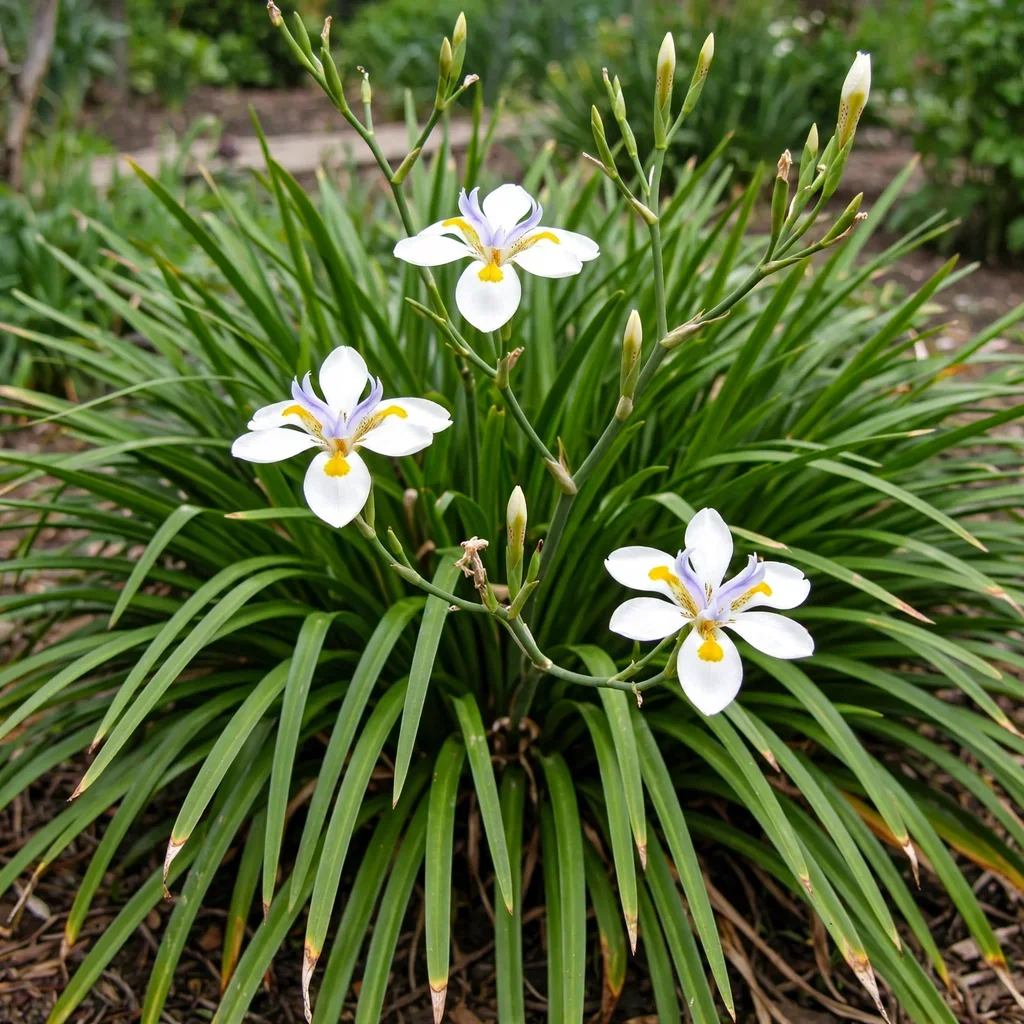
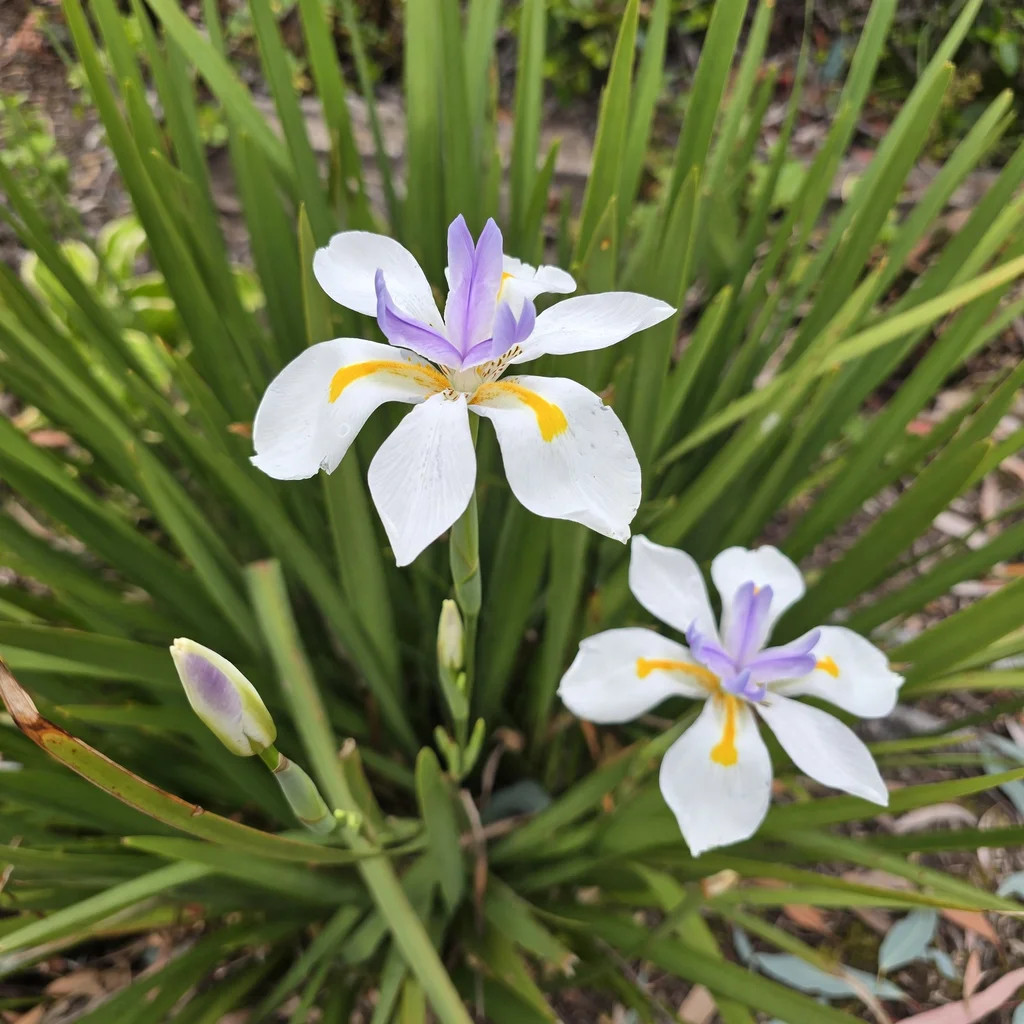
Dietes are rhizomatous perennials from southern Africa, forming clumps of long, sword-like leaves. Their iris-like flowers are short-lived but produced in abundance over a long season.
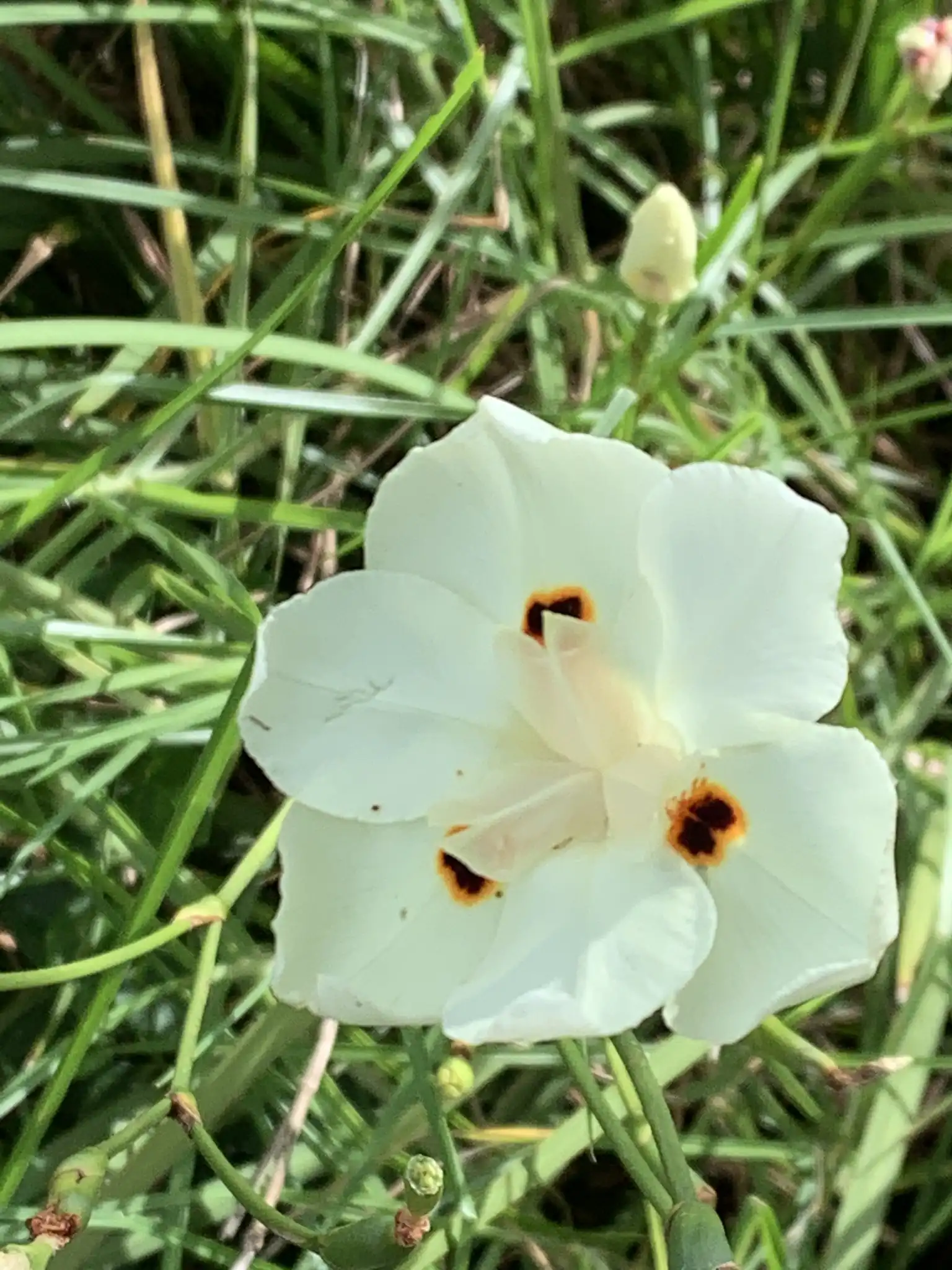
Dietes bicolor is distinguished by its charming, light yellow or cream-colored flowers, each marked with three prominent dark brown or maroon blotches at the base of the petals.
Uses & Benefits:
Essentials
At a Glance
Plant Type
Perennial
Height
36"
Width
30"
Light
Full Sun, Partial Sun
Zones
8, 9, 10
Water
Low to moderate
Humidity
Adaptable
Lifespan
Long-lived perennial
Native To
South Africa
Toxicity
Mildly toxic if ingested
Bloom period
Late spring – Late summer
In flower about 4 months of the year
Marketplace
Where to Buy
Shipping costs Year-round shipping Free shipping
Planting
How to Grow
- Select a location with full sun or light shade and good drainage.
- Dig a hole as deep and twice as wide as the container.
- Amend heavy clay or poor sand with compost to improve texture.
- Place the plant in the hole with the crown at soil level.
- Backfill the hole, gently firming the soil around the roots.
- Water thoroughly after planting and regularly until established.
Pro Tip
For best flowering, divide clumps every 3-4 years; this plant thrives on a little neglect once established.
Keep It Thriving
Care Guide
Do
- Provide deep, infrequent waterings once established to encourage drought tolerance.
- Remove spent flower stalks to keep the plant looking tidy.
- Divide clumps when they become overcrowded to maintain vigor.
- Plant in a location with good air circulation.
Don't
- Do not overwater, as this can lead to crown and root rot.
- Avoid planting in deep shade, which reduces flowering.
- Don't remove the flower stalks completely, as they can rebloom.
- Avoid heavy fertilization, which can promote weak, floppy growth.
Seasonal Care Calendar
| Task | Jan | Feb | Mar | Apr | May | Jun | Jul | Aug | Sep | Oct | Nov | Dec |
|---|---|---|---|---|---|---|---|---|---|---|---|---|
| Divide | ||||||||||||
| Pest Check | ||||||||||||
| Spring Cleanup |
Watch Out For
Pests & Diseases
Common Pests
Common Diseases
In the Garden
Landscape Uses & Companions
Landscape Uses
Multiply
Propagation Methods
Good to Know
Common Questions
African Iris questions
What zones can African Iris grow in?
African Iris is hardy in USDA Zones 8–10. Inside that range it survives winter in the ground; outside it, grow it as an annual or a container plant you protect.
Is African Iris deer resistant?
Yes — African Iris is rated deer-resistant. Deer typically pass it over, though extreme hunger can override any plant's defenses.
When does African Iris bloom?
African Iris typically blooms in late spring through late summer. Exact timing shifts a week or two with your zone — Sow's bloom calendar maps it to your garden.
Does African Iris need full sun?
African Iris does best in full sun to part shade. In hot climates, afternoon shade keeps blooms fresher longer.
Is African Iris drought tolerant?
Yes — once established (usually after the first full season), African Iris handles dry spells with minimal watering. Water deeply its first year to build the root system that makes that possible.
More Dietes to compare
Keep exploring
Explore the genus
Hardy in your zone?
Grow African Iris with confidence
See it in a design of your actual yard, get zone-matched care reminders, and track it season by season in your garden journal.