The Story
Plant Bio
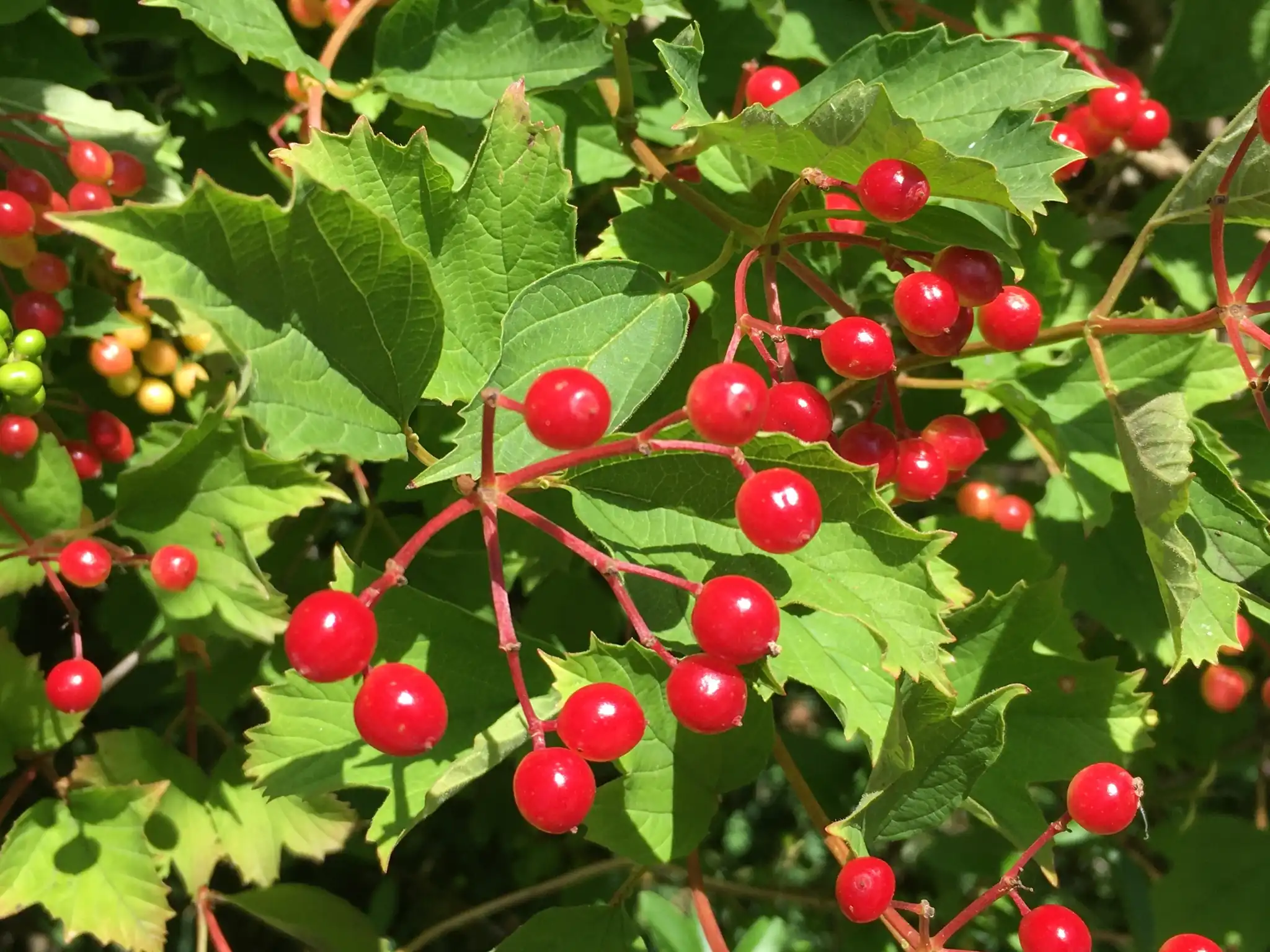
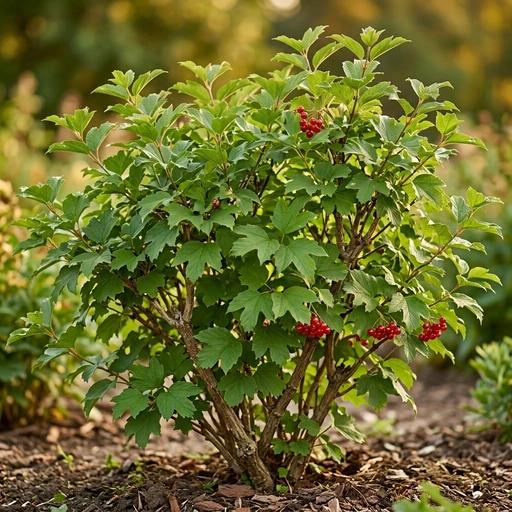
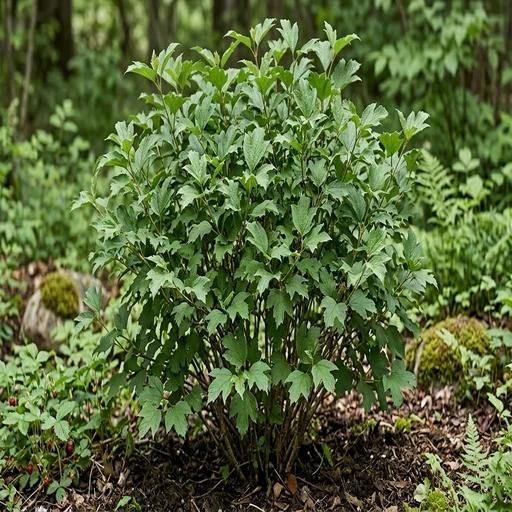
Viburnum opulus, guelder rose or American cranberrybush, is a broad multi-stemmed deciduous shrub reaching 12 to 16 ft tall and 8 to 15 ft wide. The habit is dense, arching and spreading. Glossy dark green leaves 2 to 4 in across are three-lobed with pointed tips and serrated margins, turning yellow to red-purple in autumn.
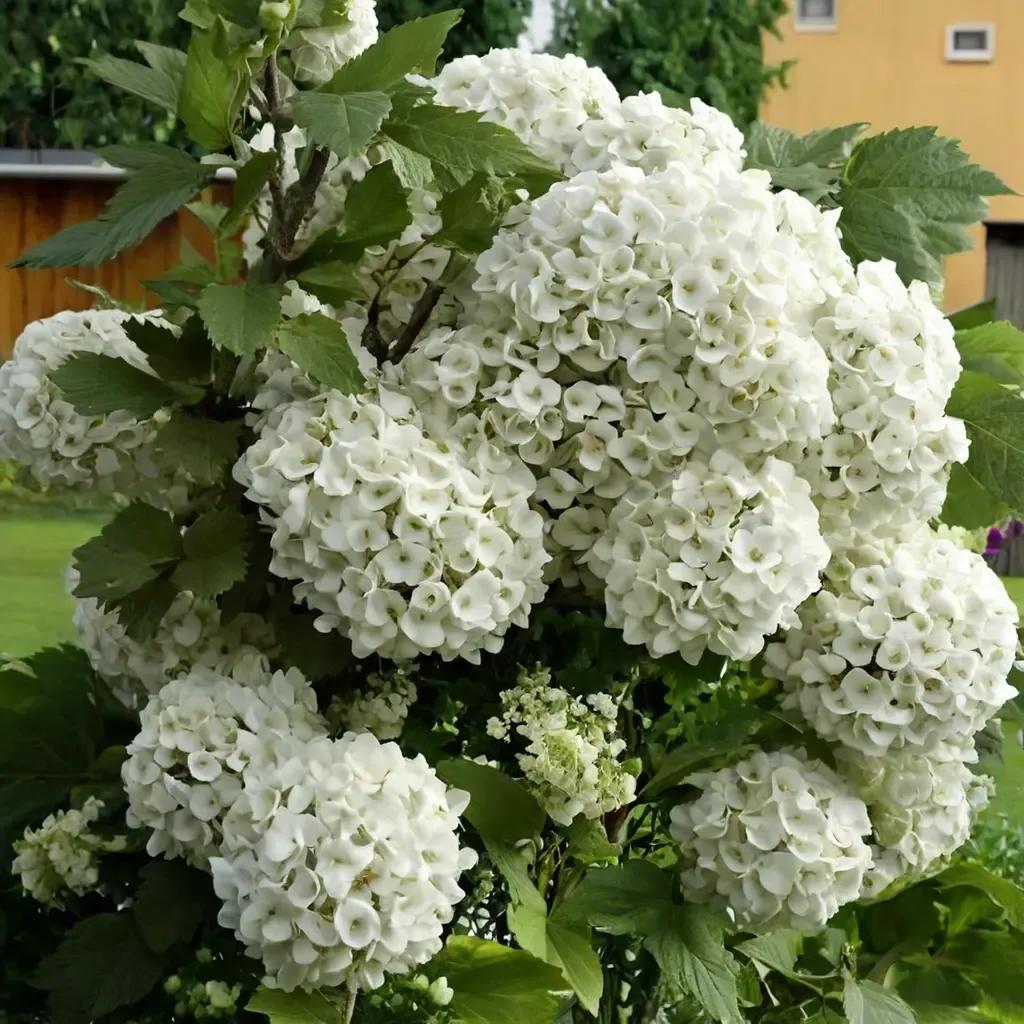
Flat lacecap heads in late spring ring small fertile florets with a row of large sterile ones, so the display works at a distance without losing the fruit. Bright red 0.3 in drupes follow, shrivelling like tiny raisins after frost and persisting into winter. It hosts the spring azure butterfly.
Uses & Benefits:
Essentials
At a Glance
Plant Type
Shrub
Height
168"
Width
138"
Light
Full Sun, Partial Sun
Zones
4, 5, 6, 7, 8
Water
Medium; tolerates occasionally wet soil
Humidity
Adaptable to most conditions
Lifespan
Long-lived; several decades with stem renewal
Native To
Native in Canada and the northern United States; also Eurasia
Toxicity
Fruit is bitter raw but not considered significantly toxic
Marketplace
Where to Buy
Shipping costs Year-round shipping Free shipping
Planting
How to Grow
- Choose full sun to partial shade; flowering thins in deep shade.
- Plant into moist, fertile soil of any pH with reasonable drainage.
- Allow at least 10 ft of width for a mature plant.
- Water in well and mulch to hold moisture around the roots.
- Prune straight after flowering, before next year's buds form.
- Cut a proportion of the oldest stems to the base every few years.
Pro Tip
Check new growth for viburnum leaf beetle in late spring; this species is the beetle's preferred host and can be stripped in a fortnight.
Keep It Thriving
Care Guide
Do
- Inspect leaf undersides for beetle egg sites each winter 🔍
- Prune within a few weeks of flowering finishing ✂️
- Keep the soil moist; it tolerates occasional wet ground 💧
- Leave the fruit for birds through the winter 🐦
Don't
- Do not plant it where a compact shrub is needed ❌
- Do not prune in late summer; you remove next year's flowers ❌
- Do not ignore early beetle damage; defoliation follows quickly ❌
Seasonal Care Calendar
| Task | Jan | Feb | Mar | Apr | May | Jun | Jul | Aug | Sep | Oct | Nov | Dec |
|---|---|---|---|---|---|---|---|---|---|---|---|---|
| Beetle Egg Removal | ||||||||||||
| Prune After Flowering |
Watch Out For
Pests & Diseases
Common Pests
Common Diseases
In the Garden
Landscape Uses & Companions
Landscape Uses
Multiply
Propagation Methods
Good to Know
Common Questions
European Cranberrybush questions
What zones can European Cranberrybush grow in?
European Cranberrybush is hardy in USDA Zones 4–8. Inside that range it survives winter in the ground; outside it, grow it as an annual or a container plant you protect.
Is European Cranberrybush deer resistant?
Yes — European Cranberrybush is rated deer-resistant. Deer typically pass it over, though extreme hunger can override any plant's defenses.
When does European Cranberrybush bloom?
European Cranberrybush typically blooms in late spring to early summer through late spring. Exact timing shifts a week or two with your zone — Sow's bloom calendar maps it to your garden.
Does European Cranberrybush need full sun?
European Cranberrybush does best in full sun to part shade. In hot climates, afternoon shade keeps blooms fresher longer.
More Viburnum to compare
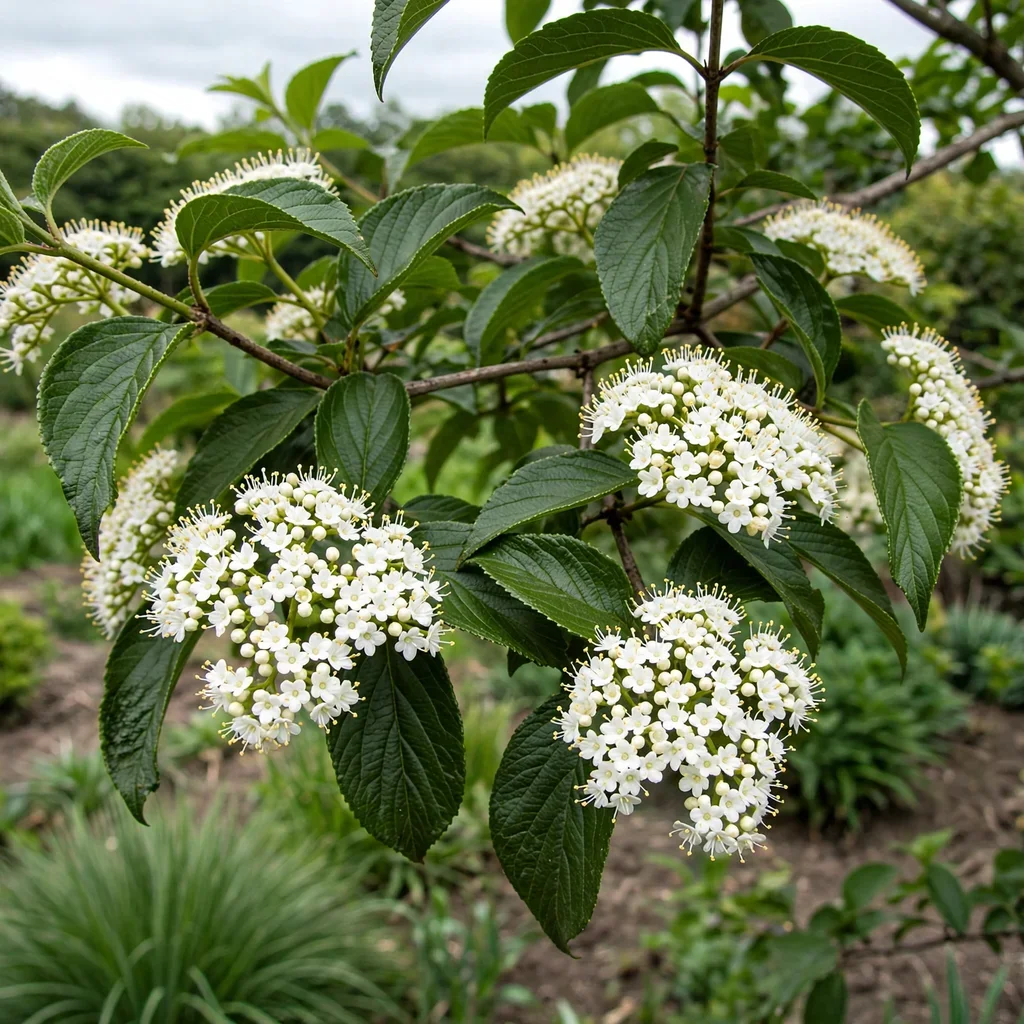
Nannyberry
Viburnum lentago
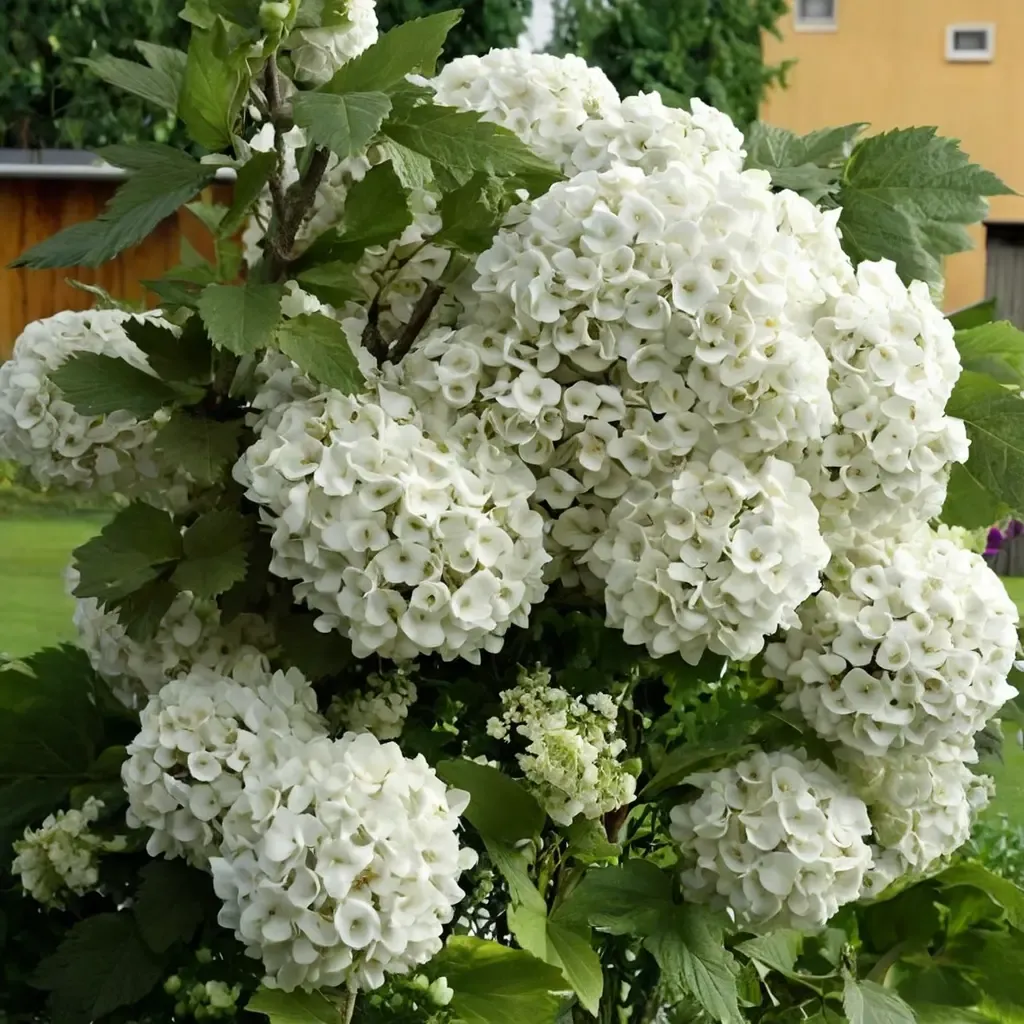
Snowball Viburnum
Viburnum opulus 'Sterile'
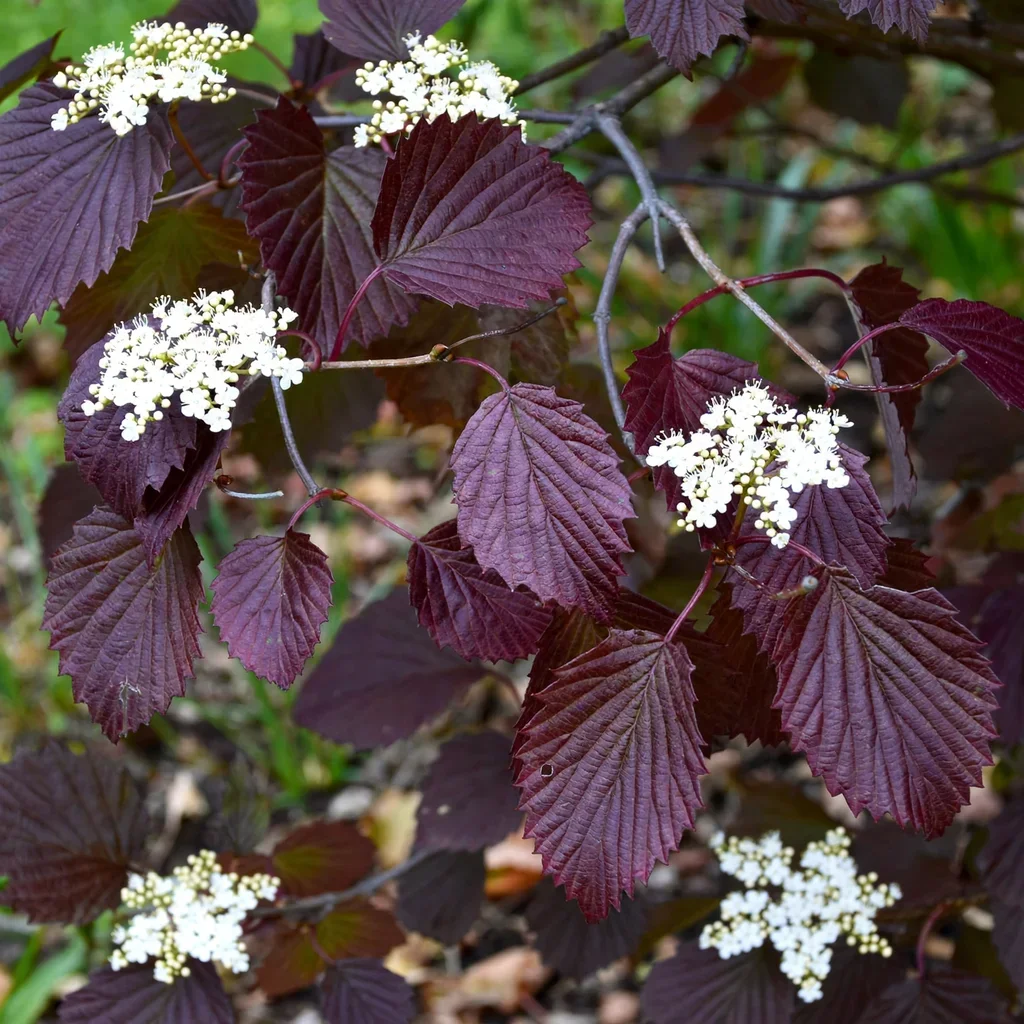
Autumn Jazz Arrowwood
Viburnum dentatum 'Autumn Jazz'
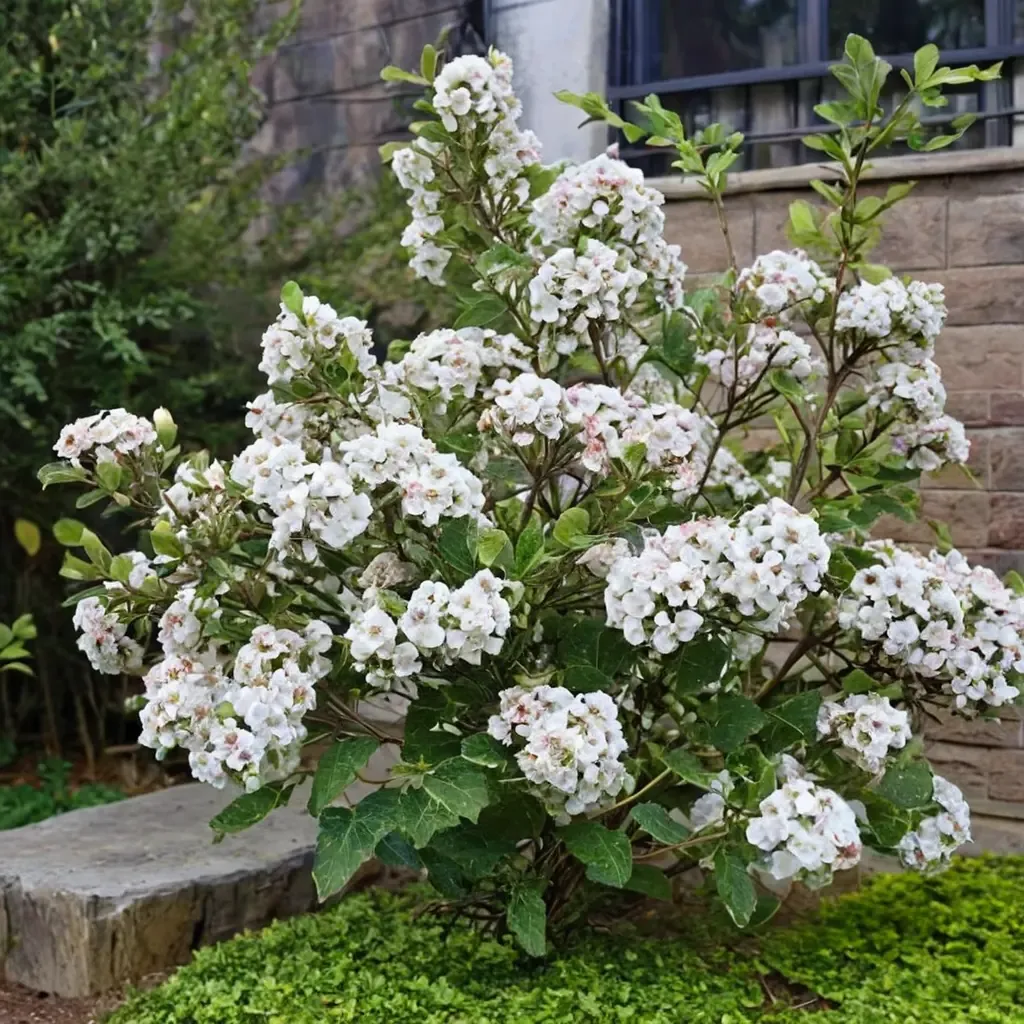
Korean spice viburnum
Viburnum carlesii
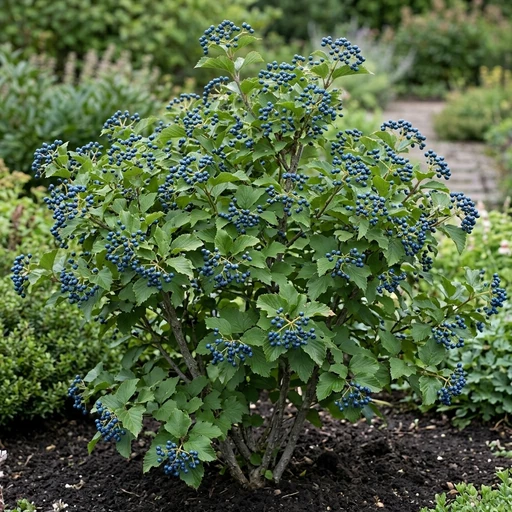
Blue Muffin Viburnum
Viburnum dentatum 'Christom'
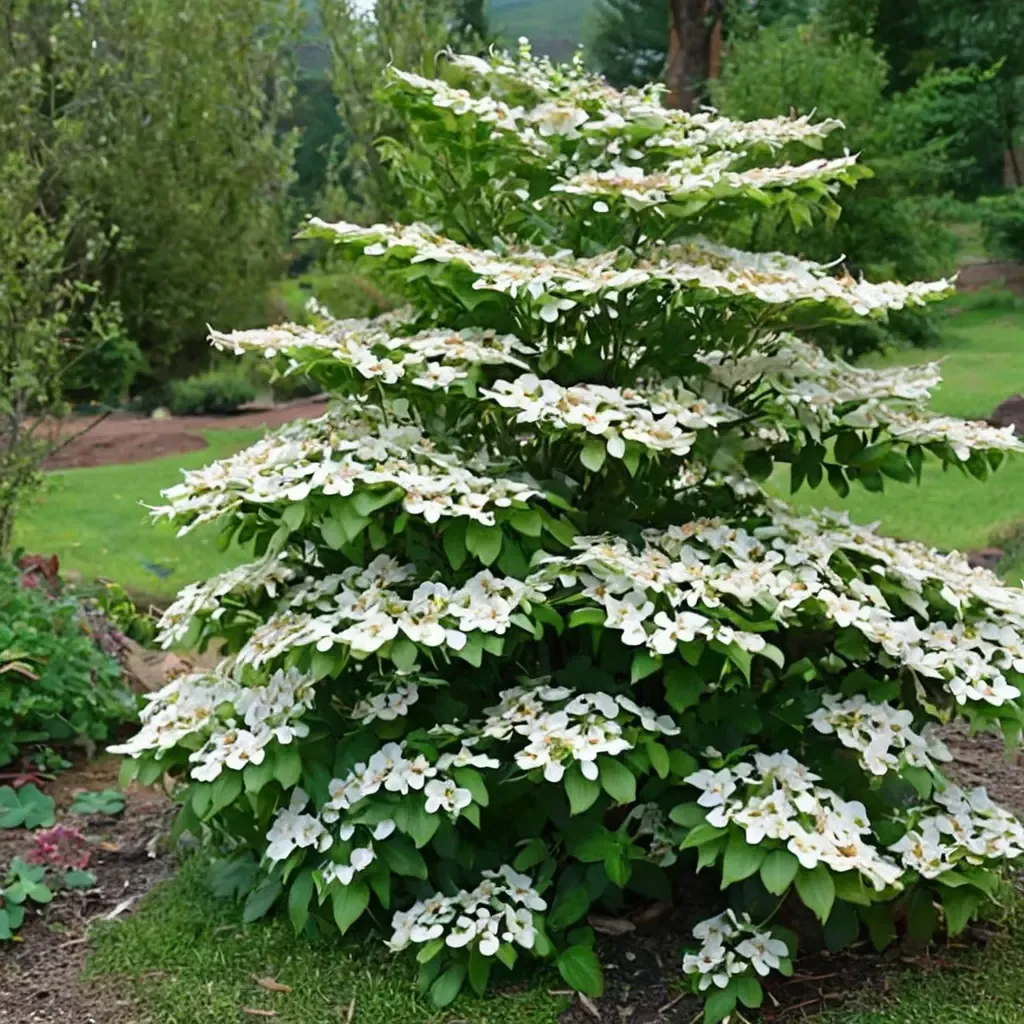
Mariesii Japanese Snowball
Viburnum plicatum 'Mariesii'
Keep exploring
Explore the genus
Hardy in your zone?
Grow European Cranberrybush with confidence
See it in a design of your actual yard, get zone-matched care reminders, and track it season by season in your garden journal.