The Story
Plant Bio
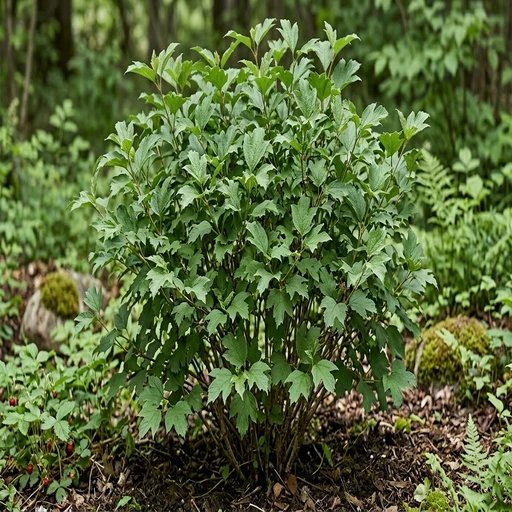
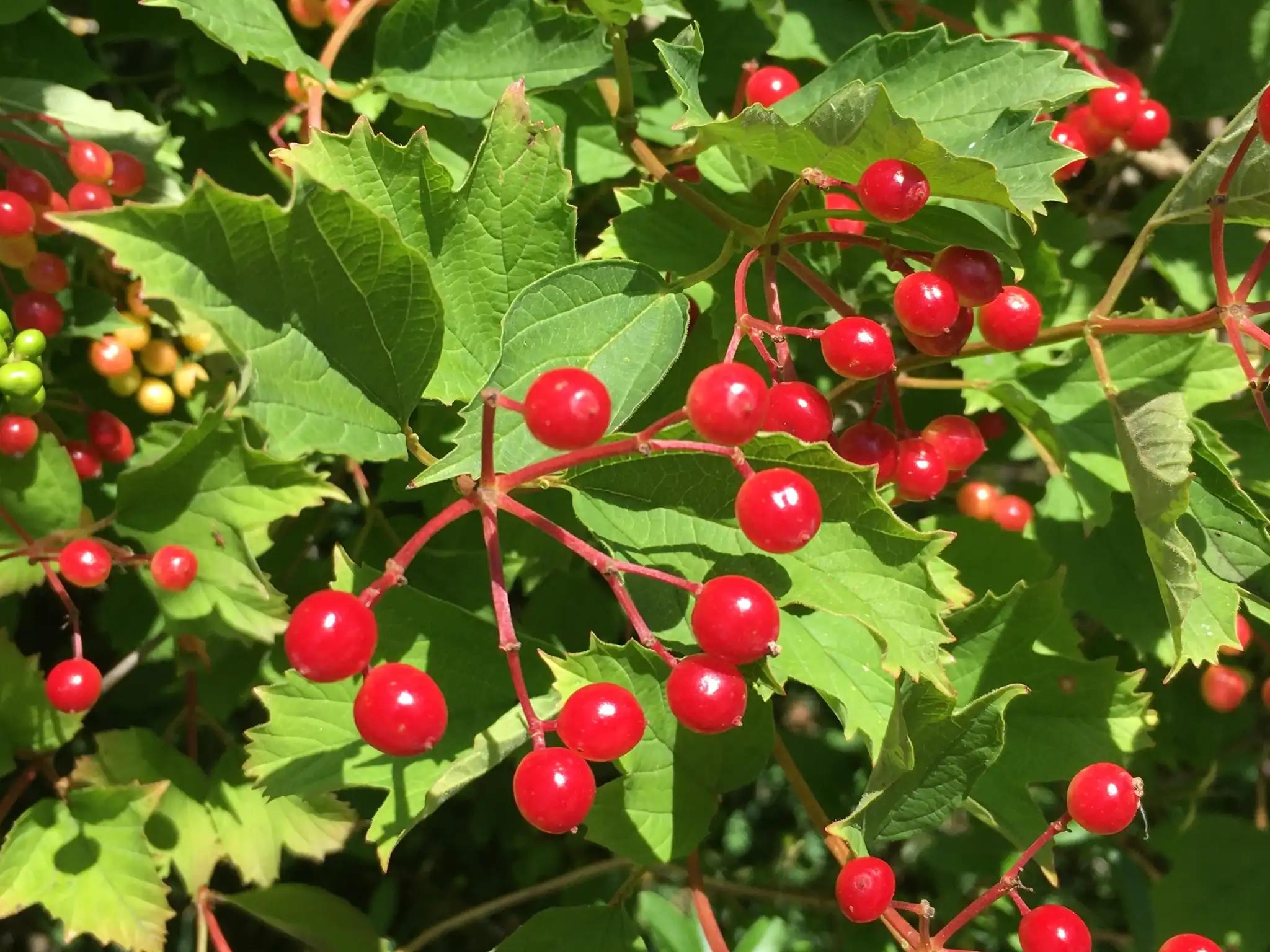
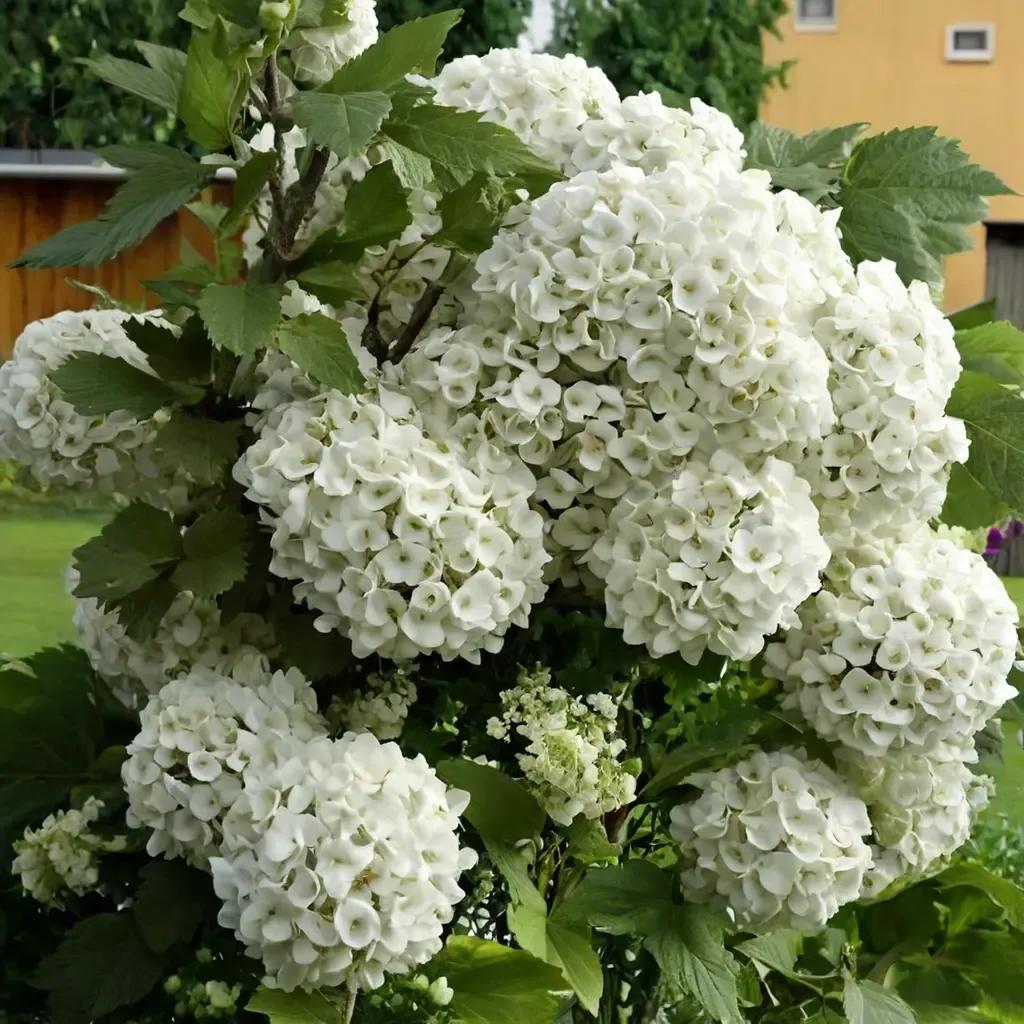
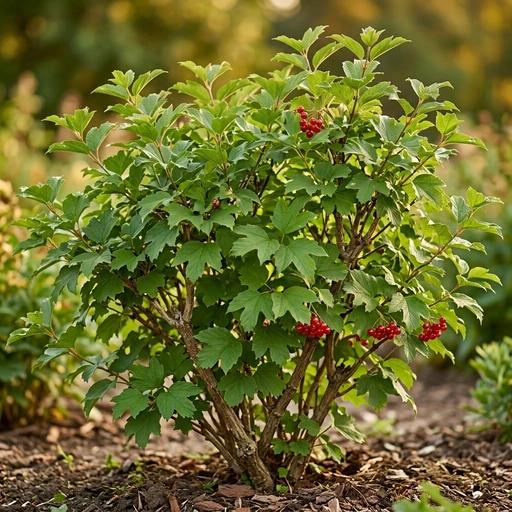
Viburnum opulus, the European Cranberrybush, is a large deciduous shrub known for its maple-like leaves, showy spring flowers, and bright red autumn fruit. It is adaptable and hardy.
'Nanum' is a true dwarf selection grown for its dense, compact, globe-shaped form and attractive foliage, not for flowers or fruit, which it rarely produces. It requires virtually no pruning to maintain its neat shape.
Uses & Benefits:
Essentials
At a Glance
Plant Type
Shrub
Height
30"
Width
36"
Light
Full Sun, Partial Sun
Zones
4, 5, 6, 7
Water
Moderate
Humidity
Average
Lifespan
20-30 years
Native To
Europe, Asia, North Africa
Toxicity
Berries (if produced) are mildly toxic if ingested raw
Bloom period
Late spring
In flower about 1 month of the year
Marketplace
Where to Buy
Shipping costs Year-round shipping Free shipping
Planting
How to Grow
- Select a site in full sun or light shade with good air circulation.
- Plant in average, well-drained soil; it is highly adaptable.
- Dig a hole twice the width of the root ball.
- Set the plant so the top of the root ball is level with the soil.
- Backfill the hole and water thoroughly to settle the soil.
- Mulch around the base to keep roots cool and moist.
Pro Tip
This plant's best feature is its naturally dense, rounded shape; avoid shearing to allow its handsome form to develop on its own.
Keep It Thriving
Care Guide
Do
- Provide consistent moisture, especially in hot, dry weather.
- Monitor for viburnum leaf beetle, its most significant pest.
- Allow it to grow into its natural shape with minimal pruning.
- Enjoy its attractive foliage and reddish-purple fall color.
Don't
- Don't plant in areas with poor drainage.
- Don't expect significant flowers or any fruit; it's a foliage plant.
- Avoid shearing, which can ruin its natural globe-like habit.
- Don't let it dry out completely, as this can cause stress.
Seasonal Care Calendar
| Task | Jan | Feb | Mar | Apr | May | Jun | Jul | Aug | Sep | Oct | Nov | Dec |
|---|---|---|---|---|---|---|---|---|---|---|---|---|
| Mulch | ||||||||||||
| Pest Check | ||||||||||||
| Prune |
Watch Out For
Pests & Diseases
Common Pests
Common Diseases
In the Garden
Landscape Uses & Companions
Landscape Uses
Multiply
Propagation Methods
Good to Know
Common Questions
Dwarf European Cranberrybush questions
What zones can Dwarf European Cranberrybush grow in?
Dwarf European Cranberrybush is hardy in USDA Zones 4–7. Inside that range it survives winter in the ground; outside it, grow it as an annual or a container plant you protect.
Is Dwarf European Cranberrybush deer resistant?
Yes — Dwarf European Cranberrybush is rated deer-resistant. Deer typically pass it over, though extreme hunger can override any plant's defenses.
When does Dwarf European Cranberrybush bloom?
Dwarf European Cranberrybush typically blooms in late spring through late spring. Exact timing shifts a week or two with your zone — Sow's bloom calendar maps it to your garden.
Does Dwarf European Cranberrybush need full sun?
Dwarf European Cranberrybush does best in full sun to part shade. In hot climates, afternoon shade keeps blooms fresher longer.
More Viburnum to compare
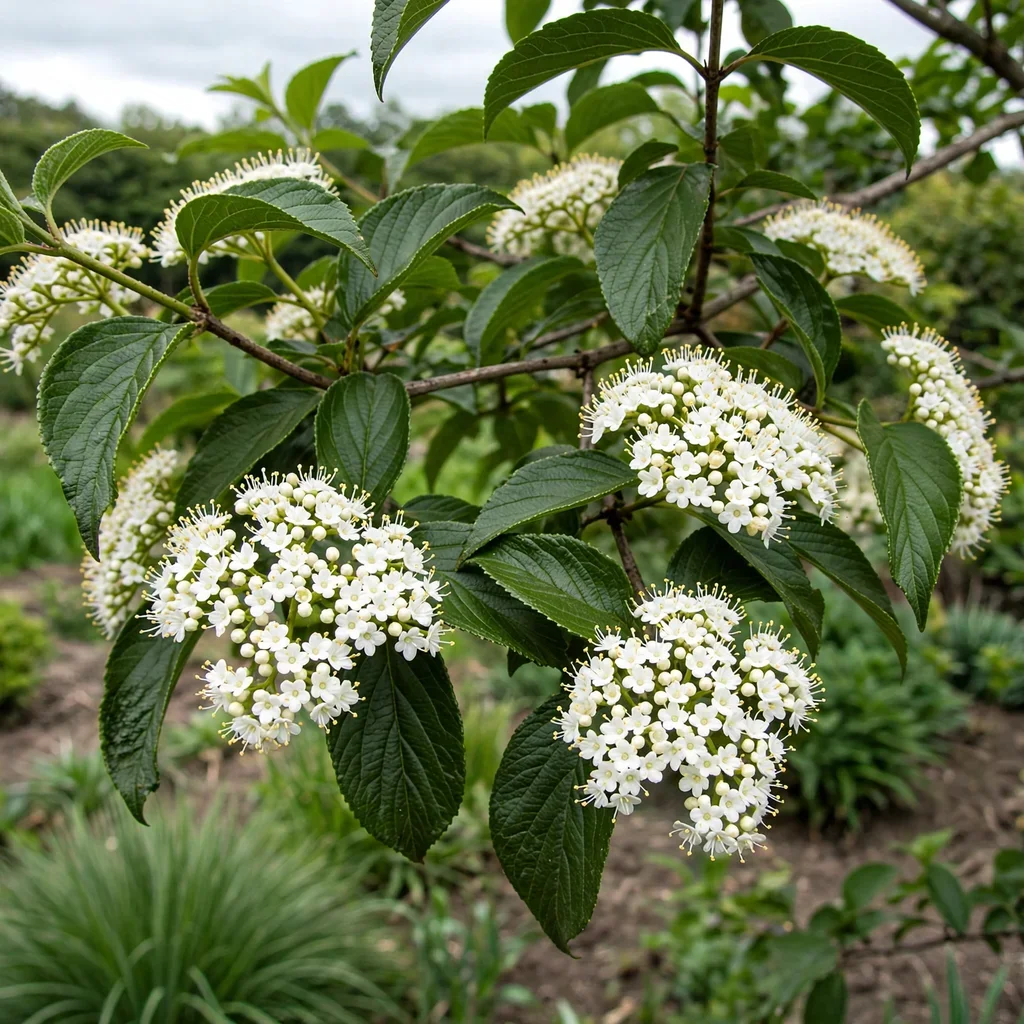
Nannyberry
Viburnum lentago
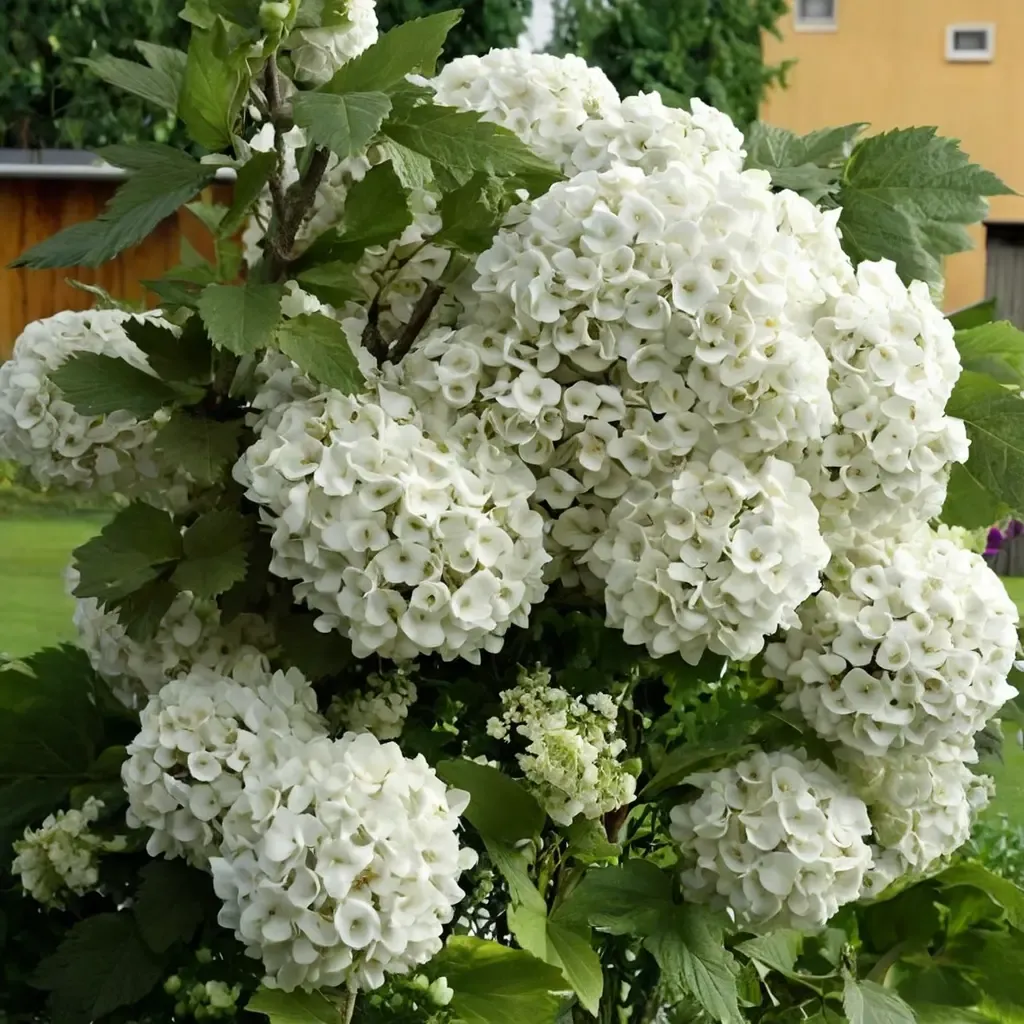
Snowball Viburnum
Viburnum opulus 'Sterile'
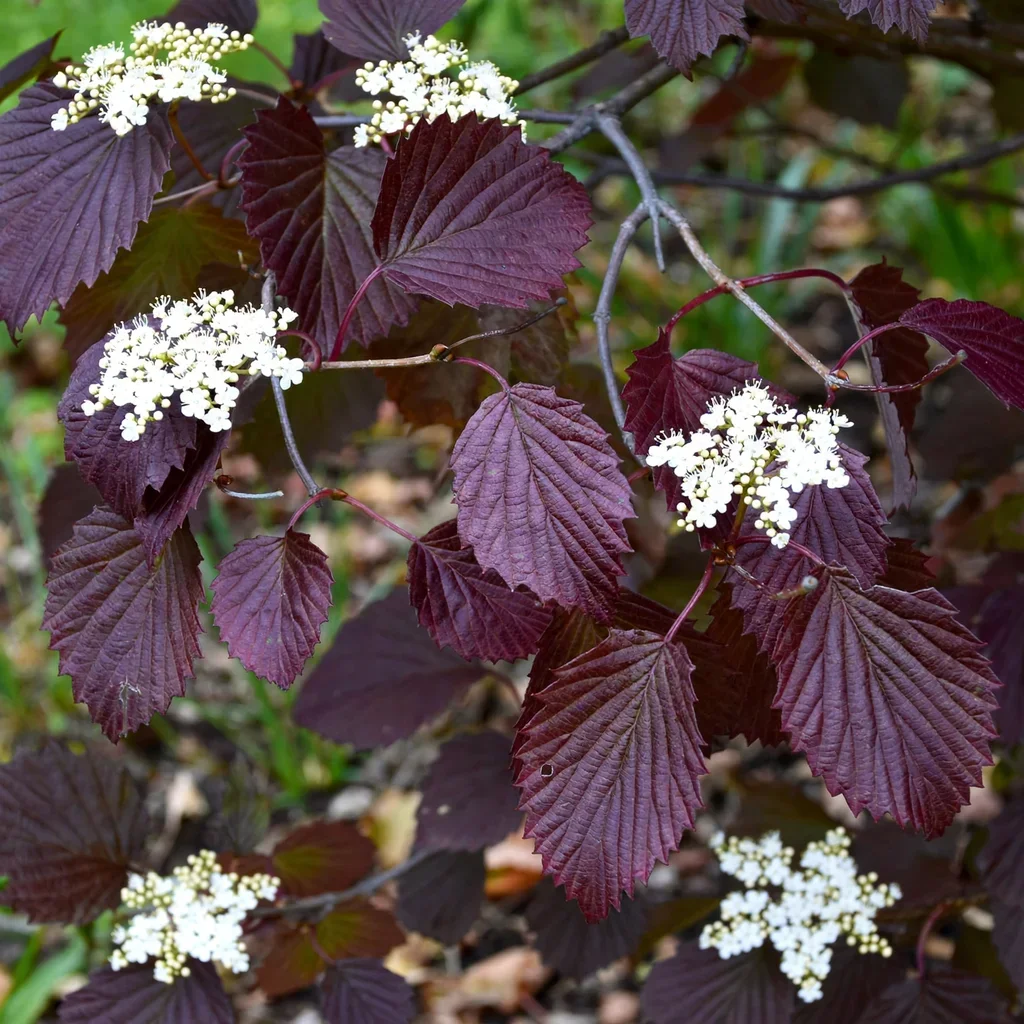
Autumn Jazz Arrowwood
Viburnum dentatum 'Autumn Jazz'
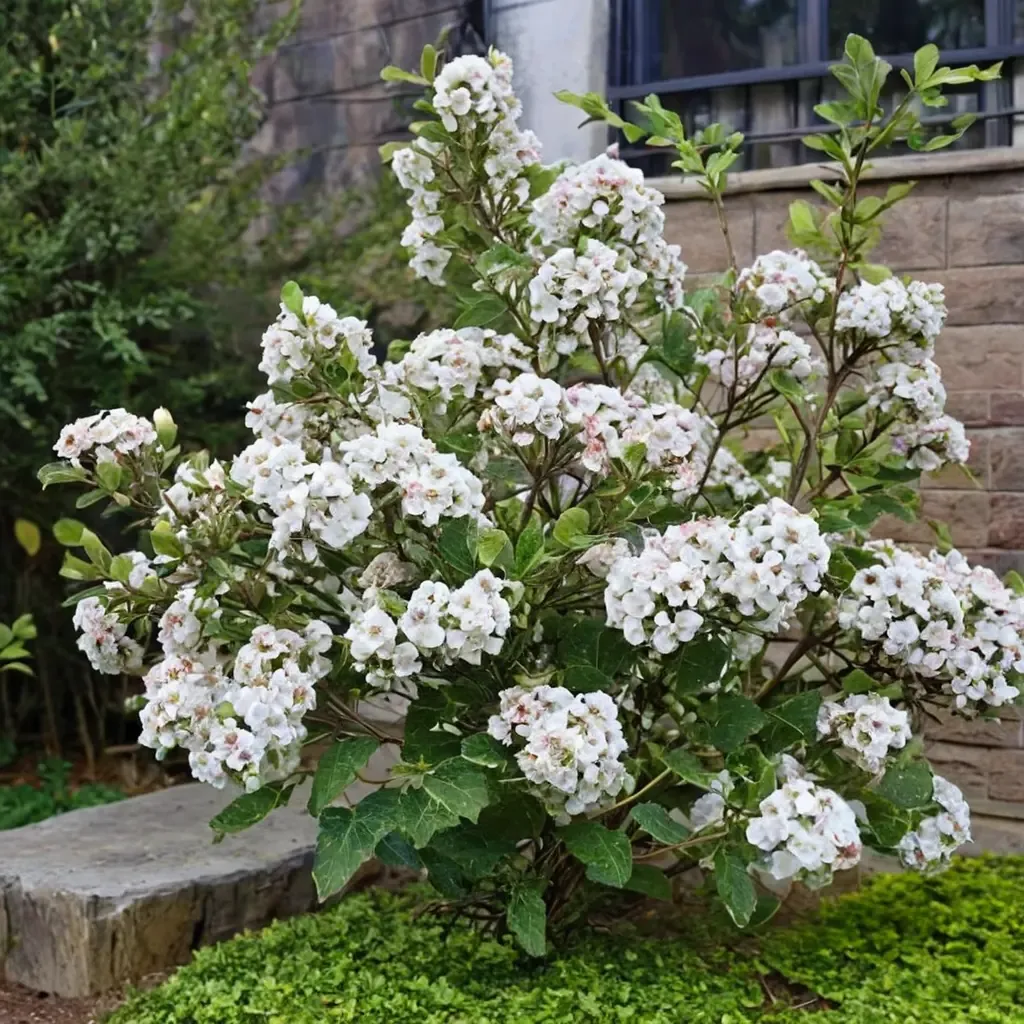
Korean spice viburnum
Viburnum carlesii
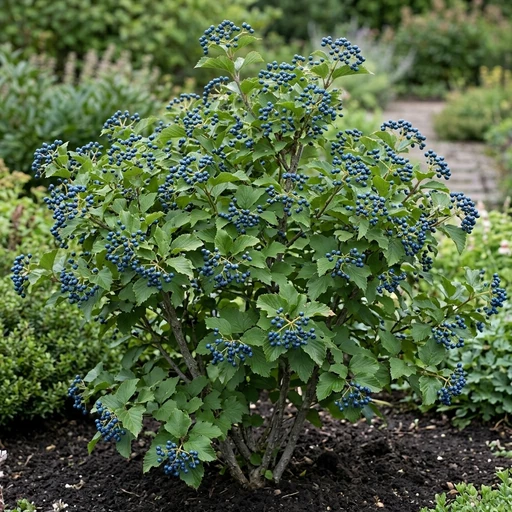
Blue Muffin Viburnum
Viburnum dentatum 'Christom'
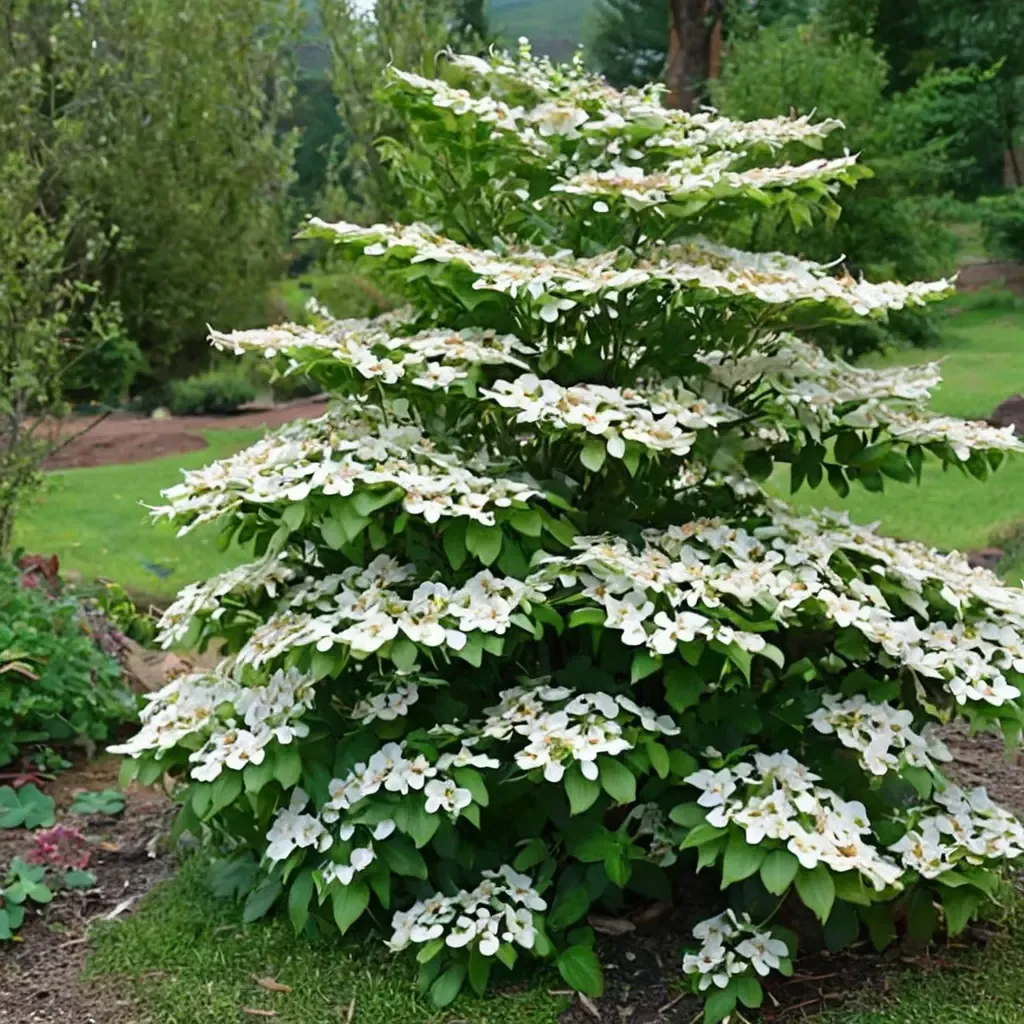
Mariesii Japanese Snowball
Viburnum plicatum 'Mariesii'
Keep exploring
Explore the genus
Hardy in your zone?
Grow Dwarf European Cranberrybush with confidence
See it in a design of your actual yard, get zone-matched care reminders, and track it season by season in your garden journal.