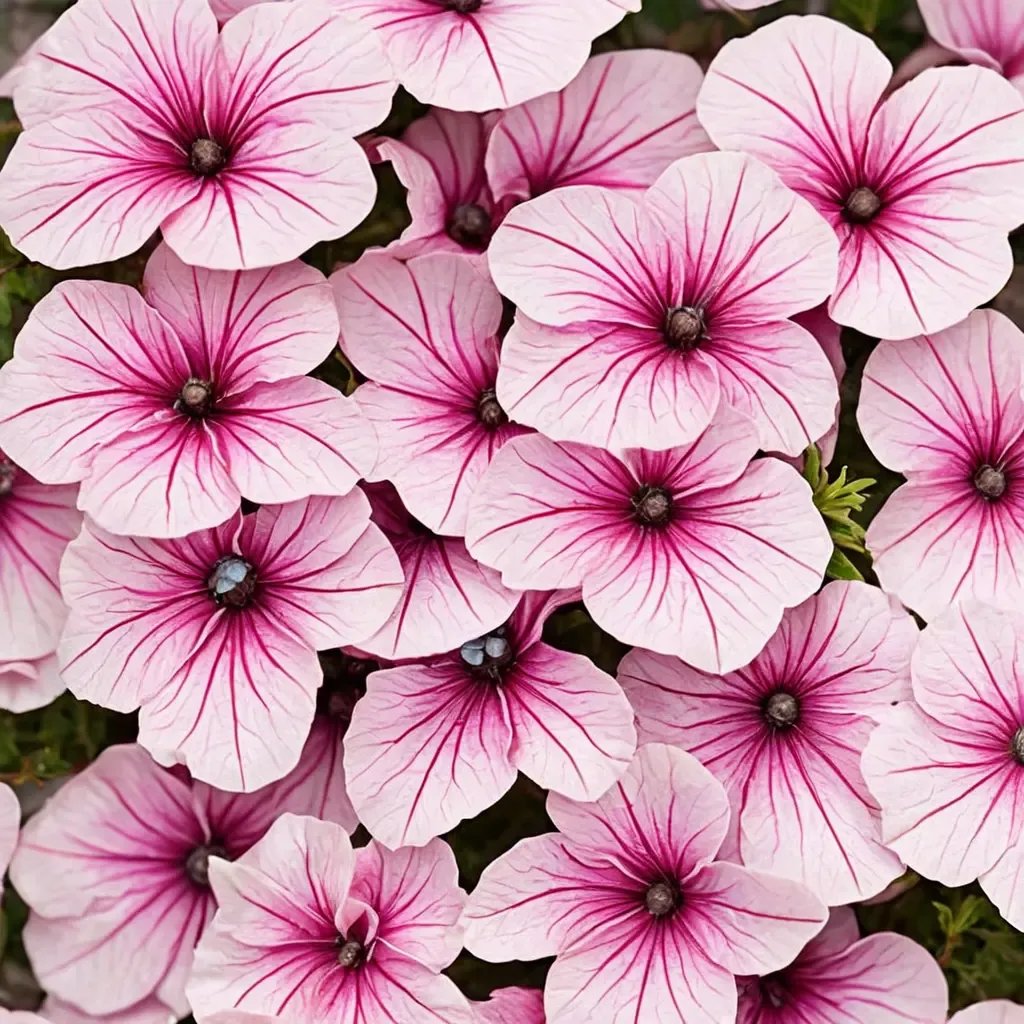
Garden hybrid
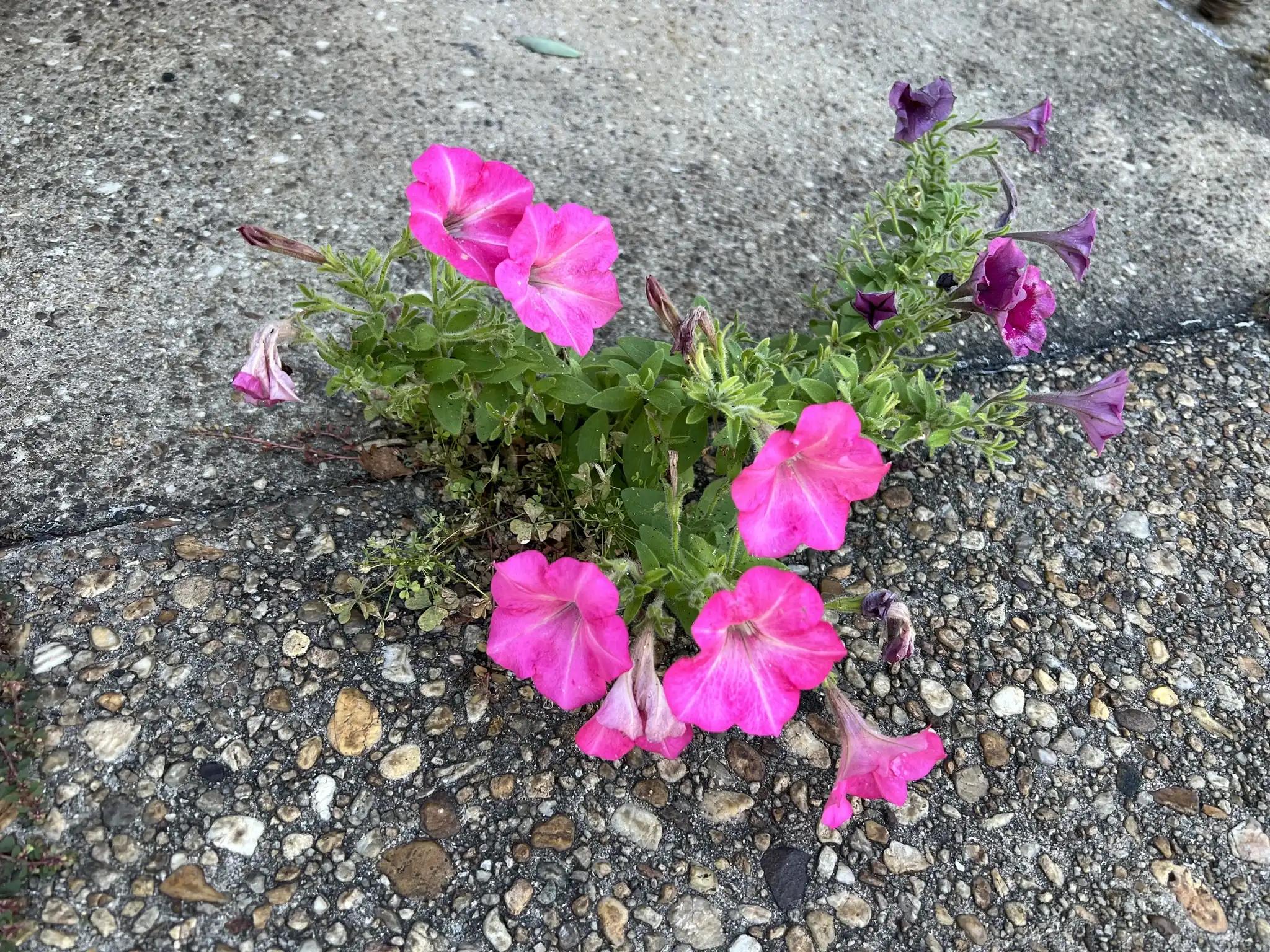 Petunia x hybridaPetunia
32 other cultivars
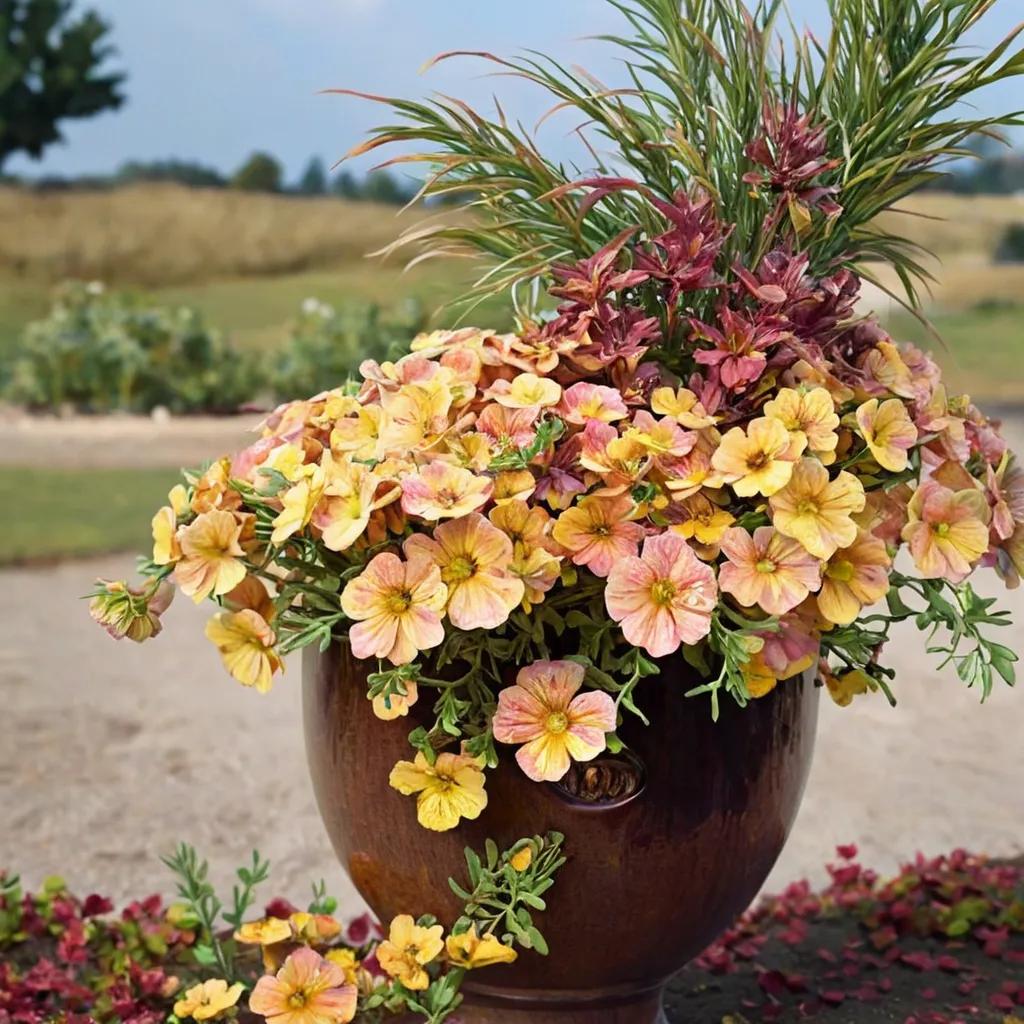 ‘Honey’Petunia Honey
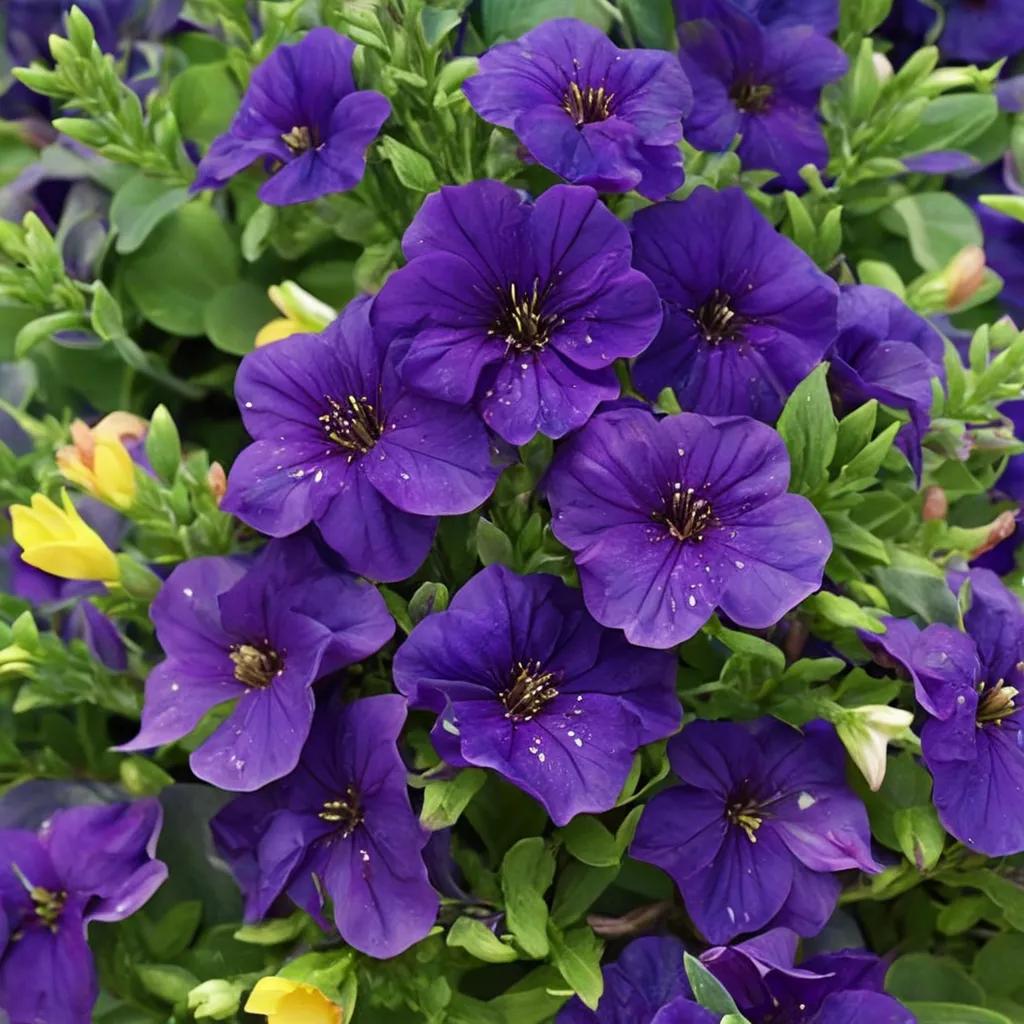 ‘Royal Velvet’Petunia Royal Velvet
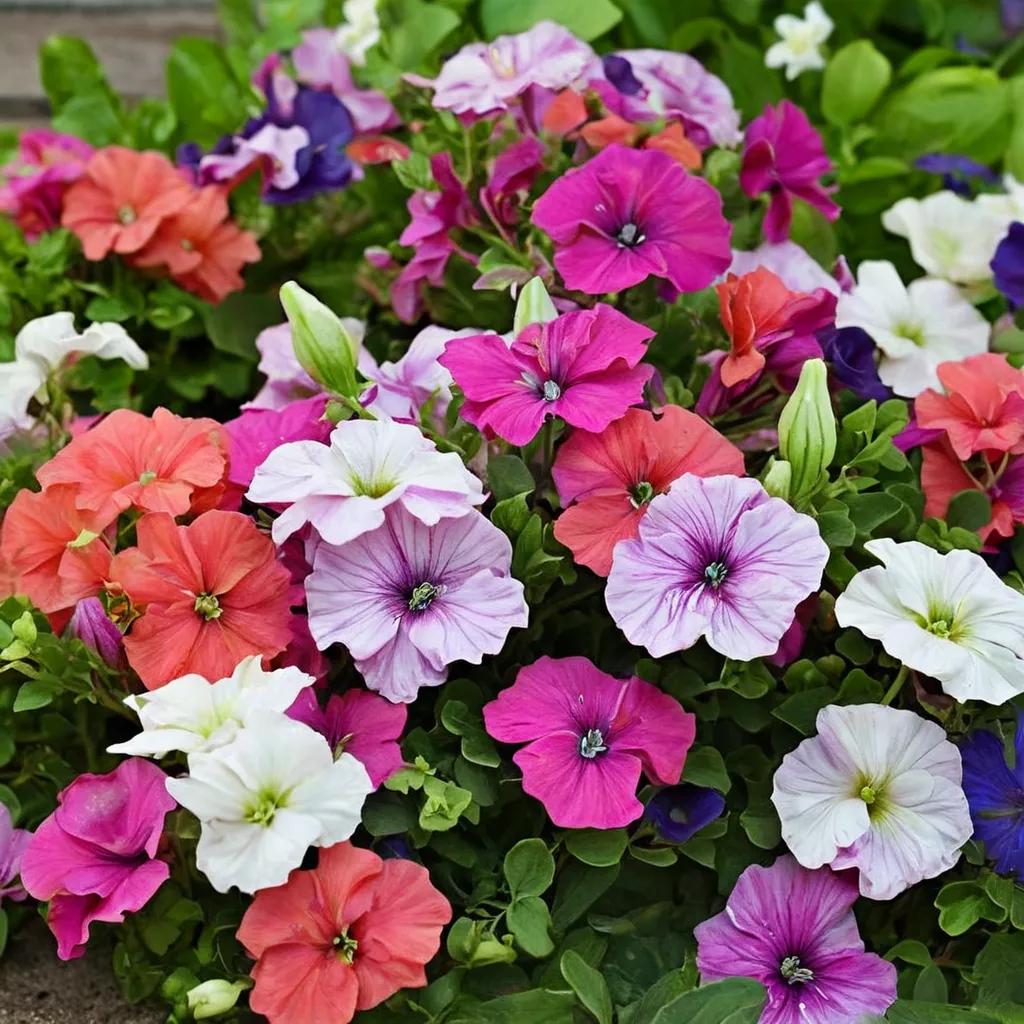 ‘Mix’Garden Petunia
 ‘Vista Bubblegum’Supertunia Vista Bubblegum Petunia
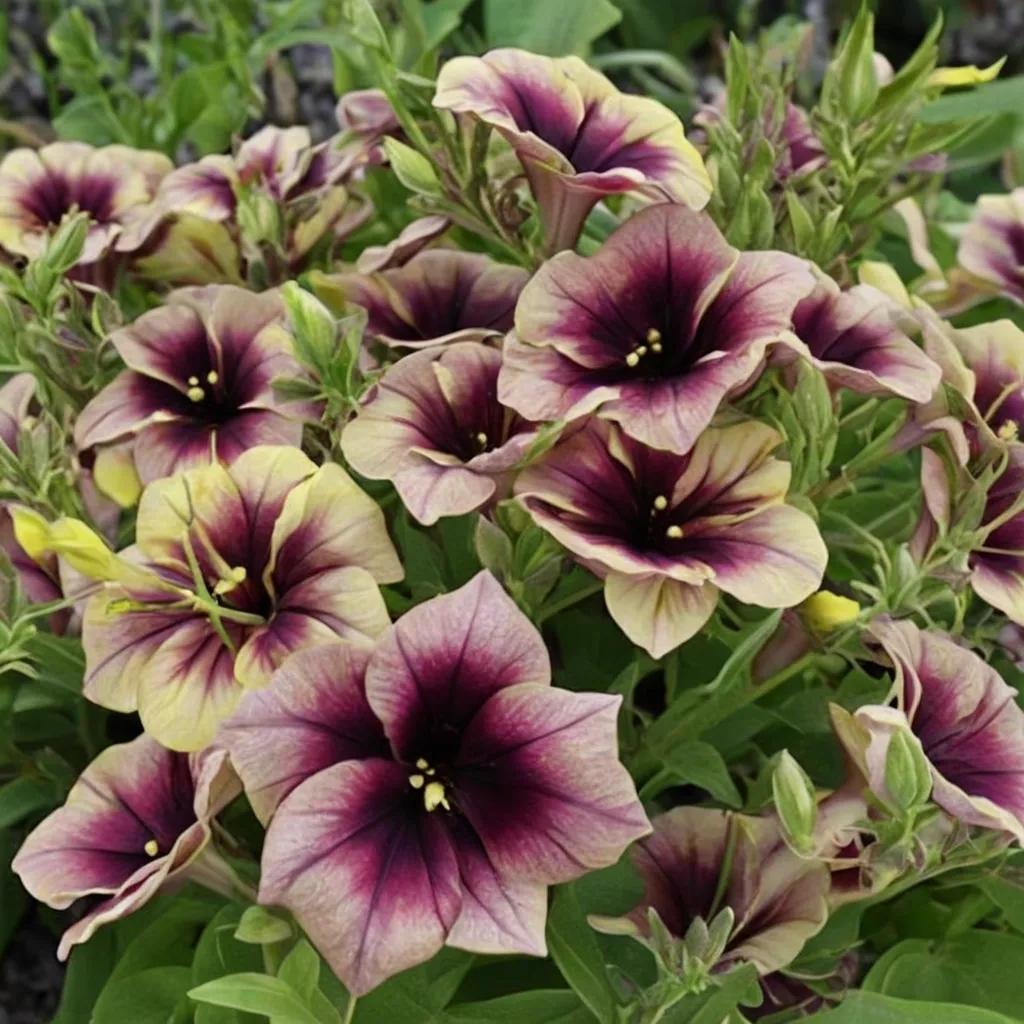 ‘Autumn Mystery’Petunia Autumn Mystery
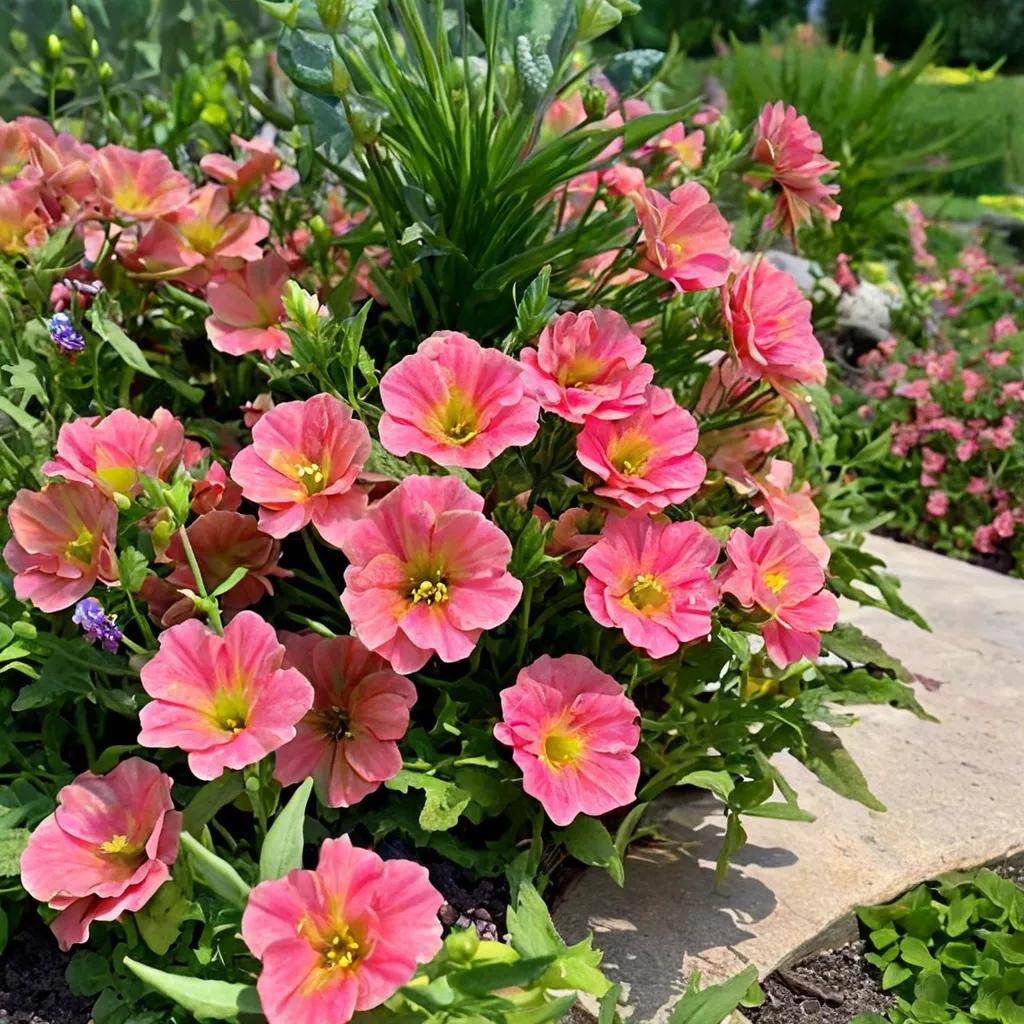 ‘Supertunia Persimmon’Supertunia Persimmon Petunia
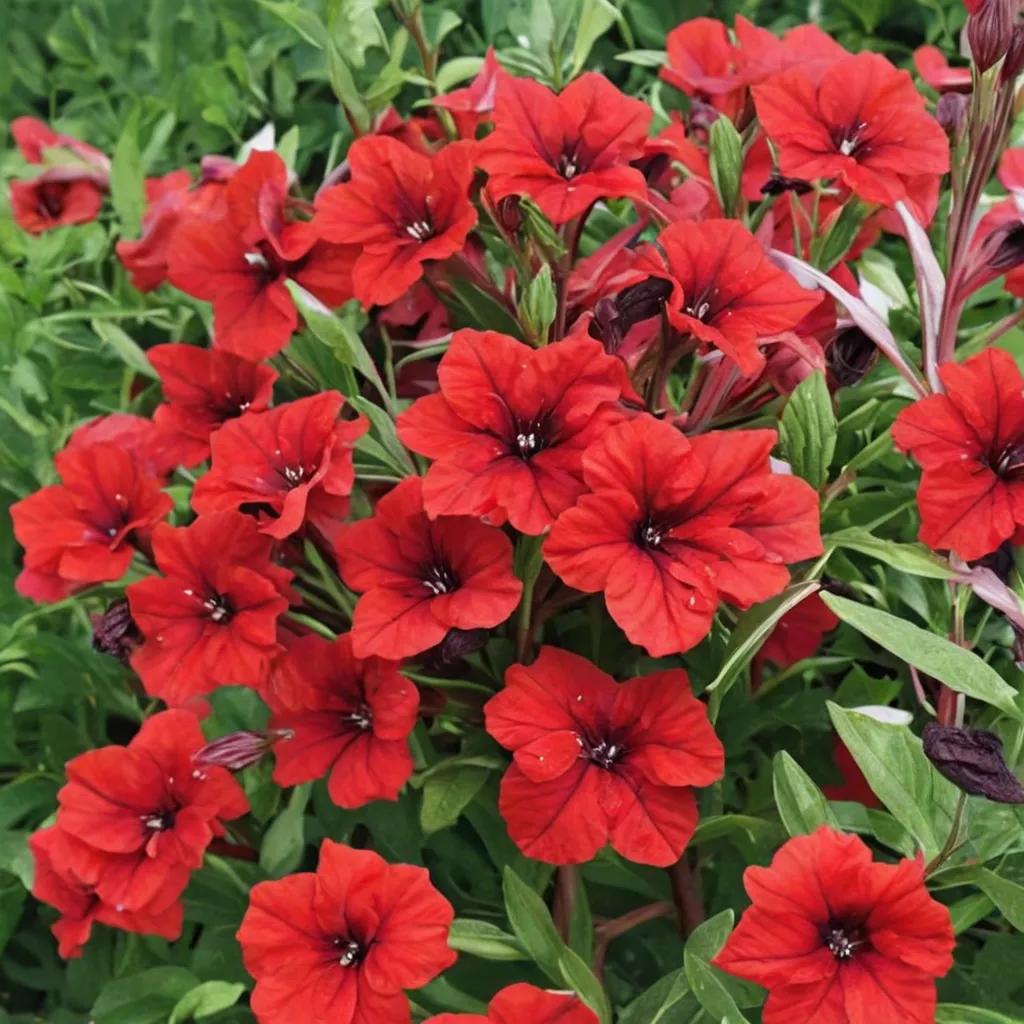 ‘Deep Red’Deep Red Petunia
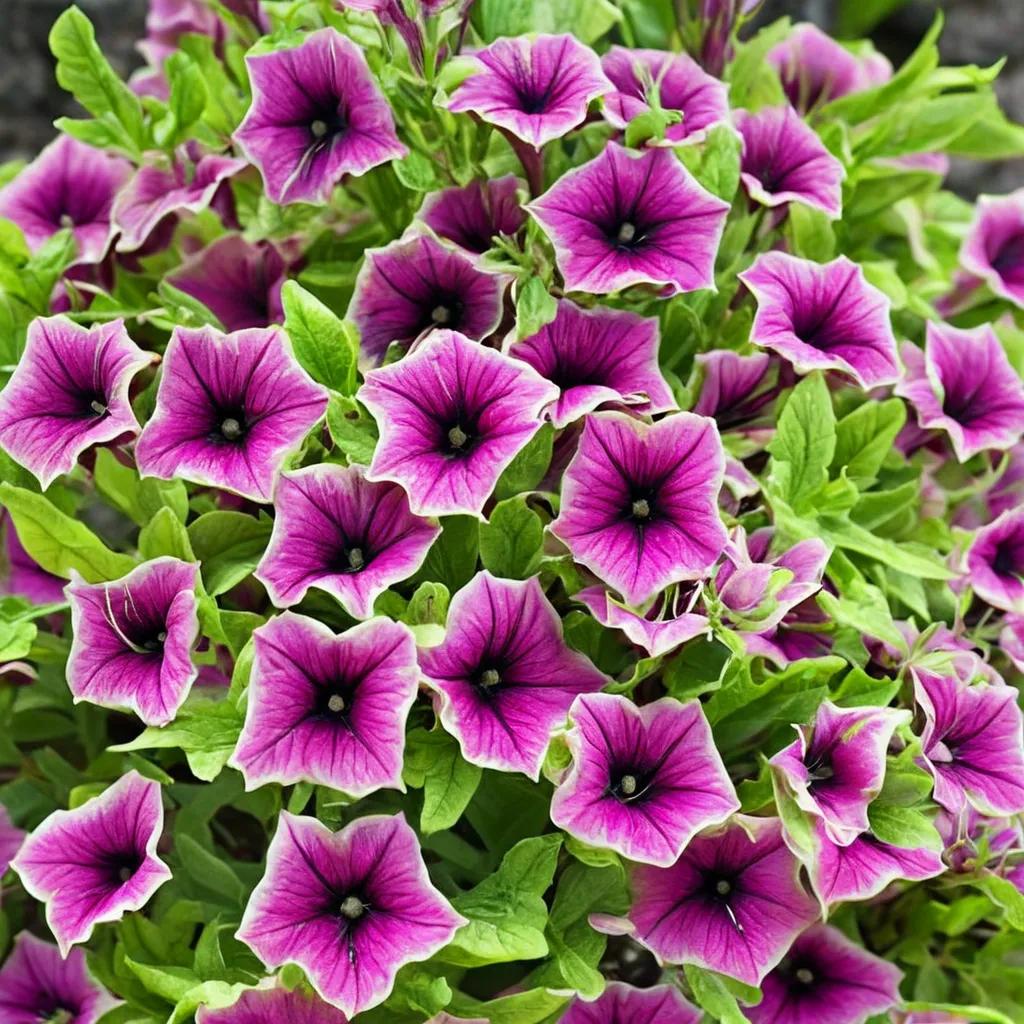 ‘Picasso in Purple’Petunia Picasso in Purple
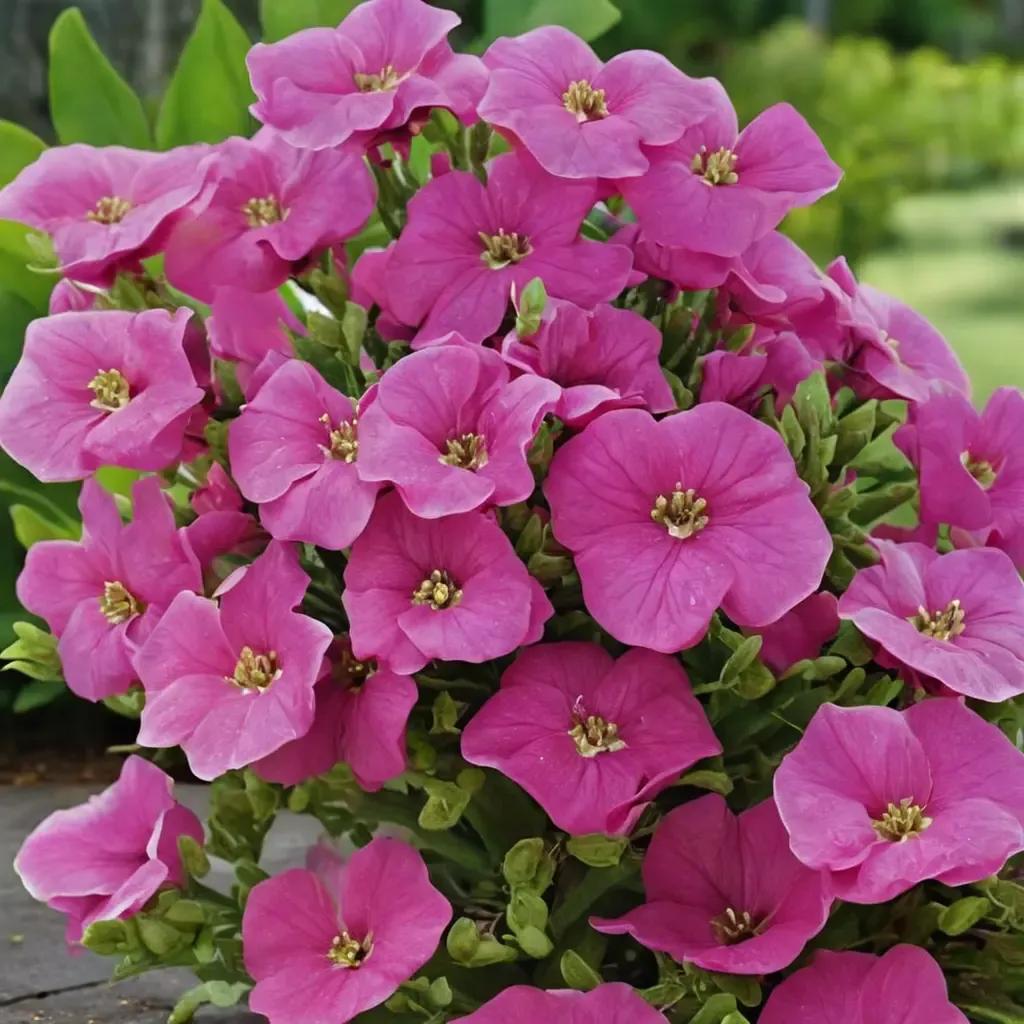 ‘Neon’Neon Petunia
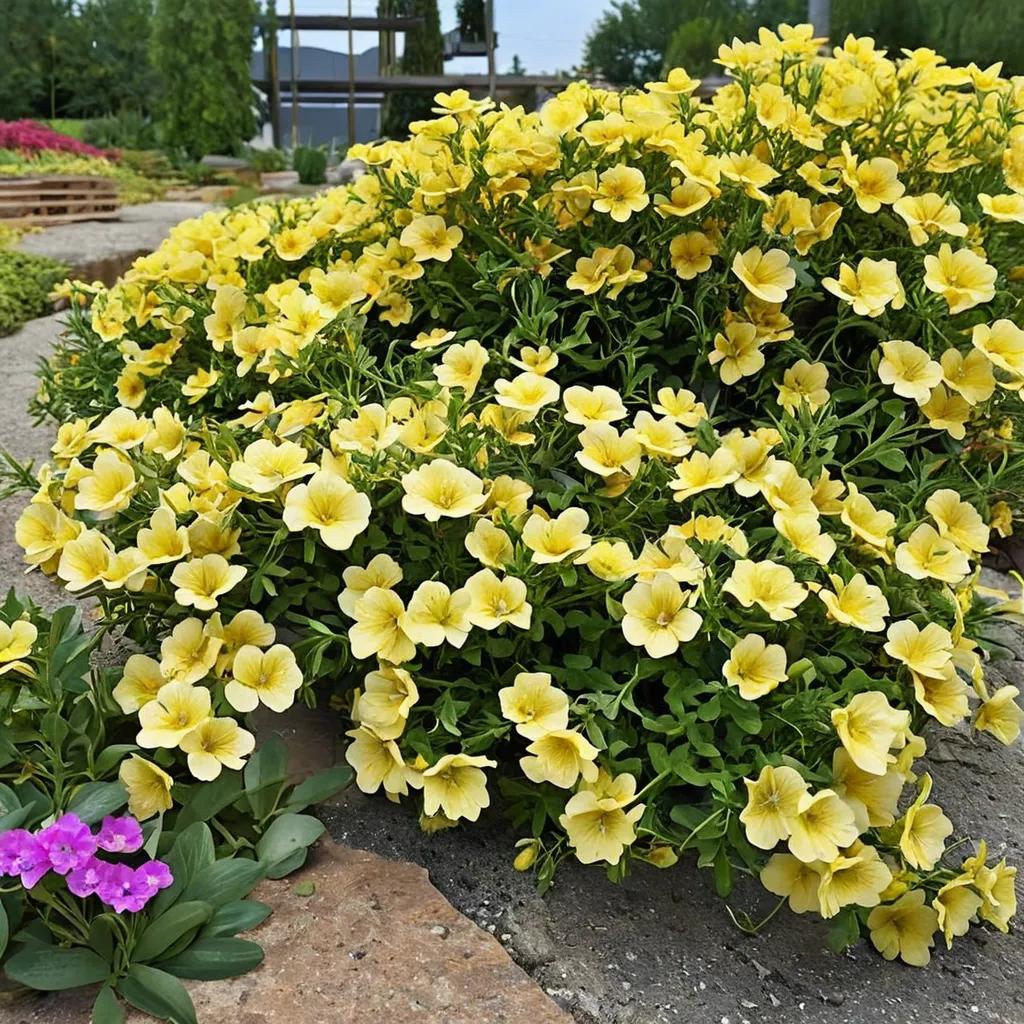 ‘Mini Vista Yellow’Supertunia Mini Vista Yellow Petunia
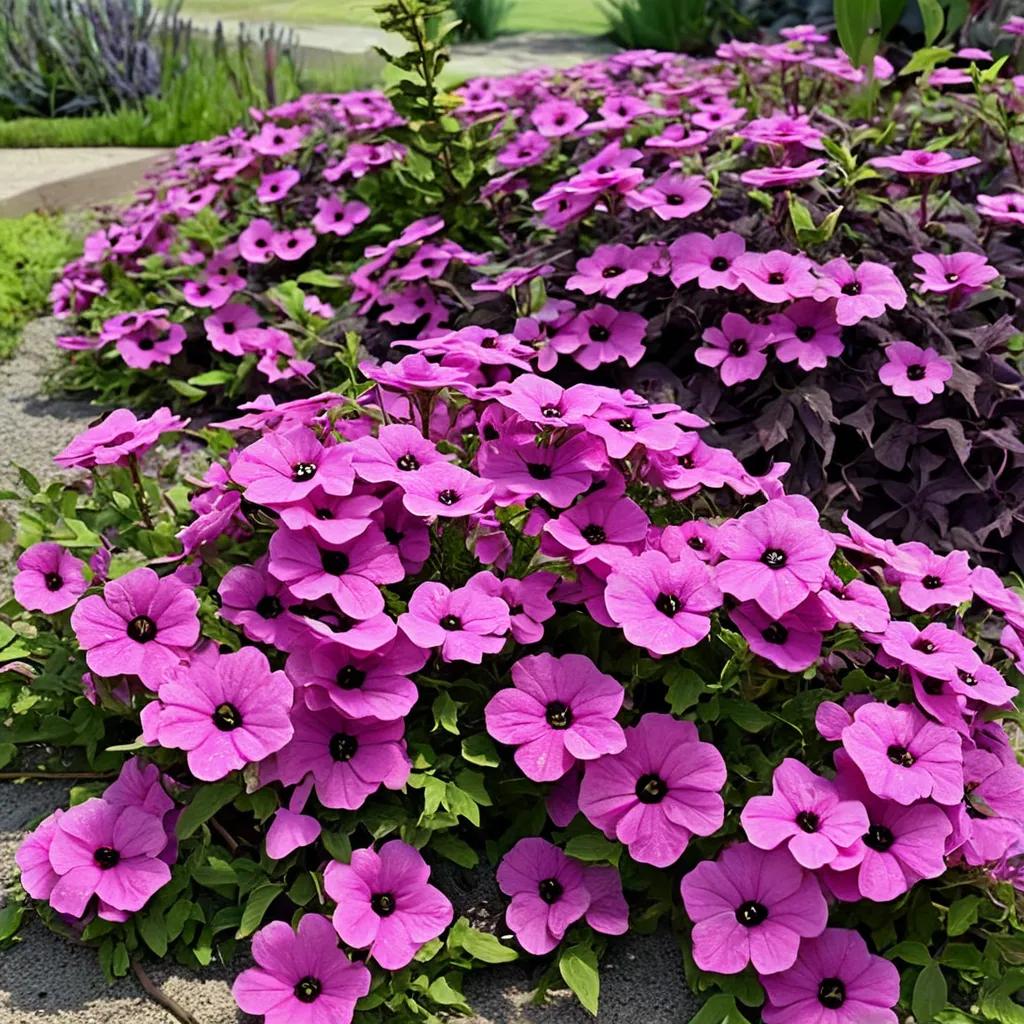 ‘Supertunia Vista Jazzberry’Supertunia Vista Jazzberry
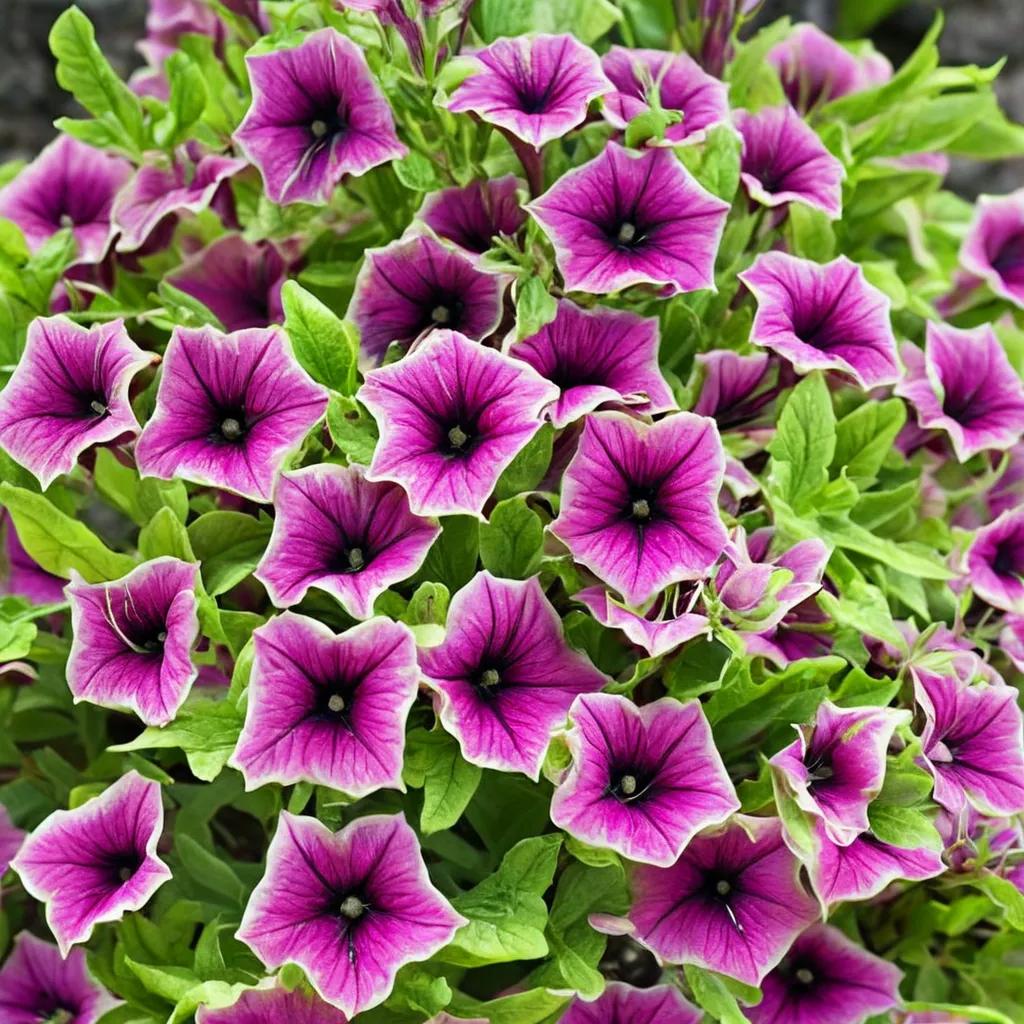 ‘Supertunia Picasso in Purple’Supertunia Picasso in Purple
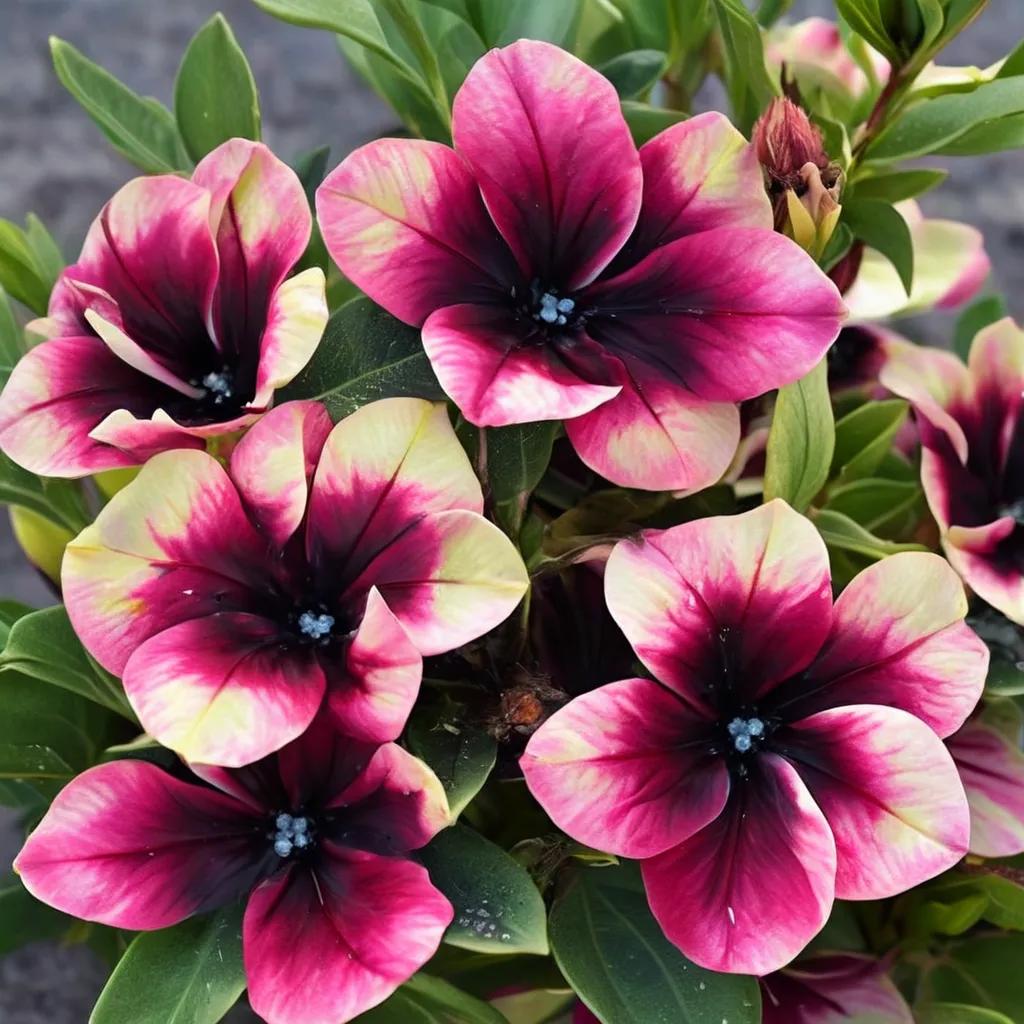 ‘Crazytunia Blackberry Jam’Petunia Crazytunia Blackberry Jam
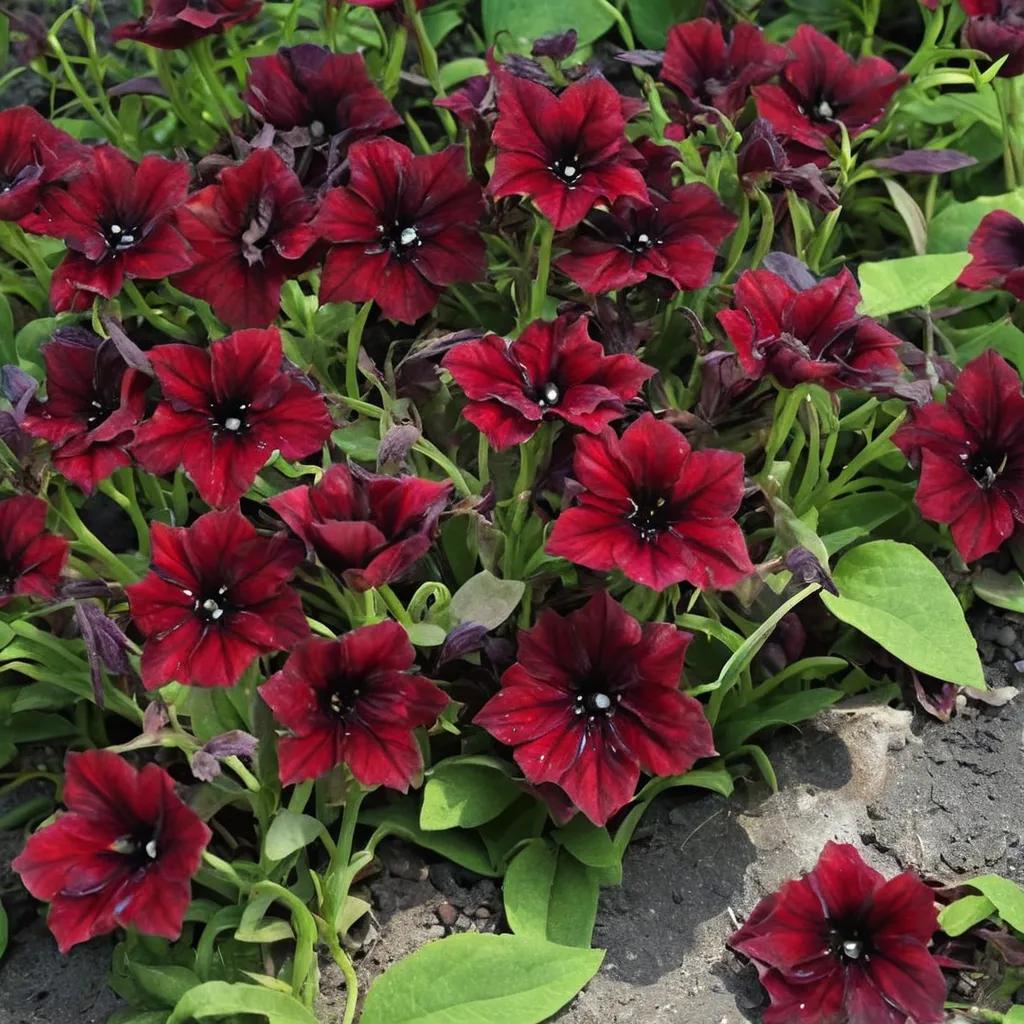 ‘Black Cherry’Black Cherry Petunia
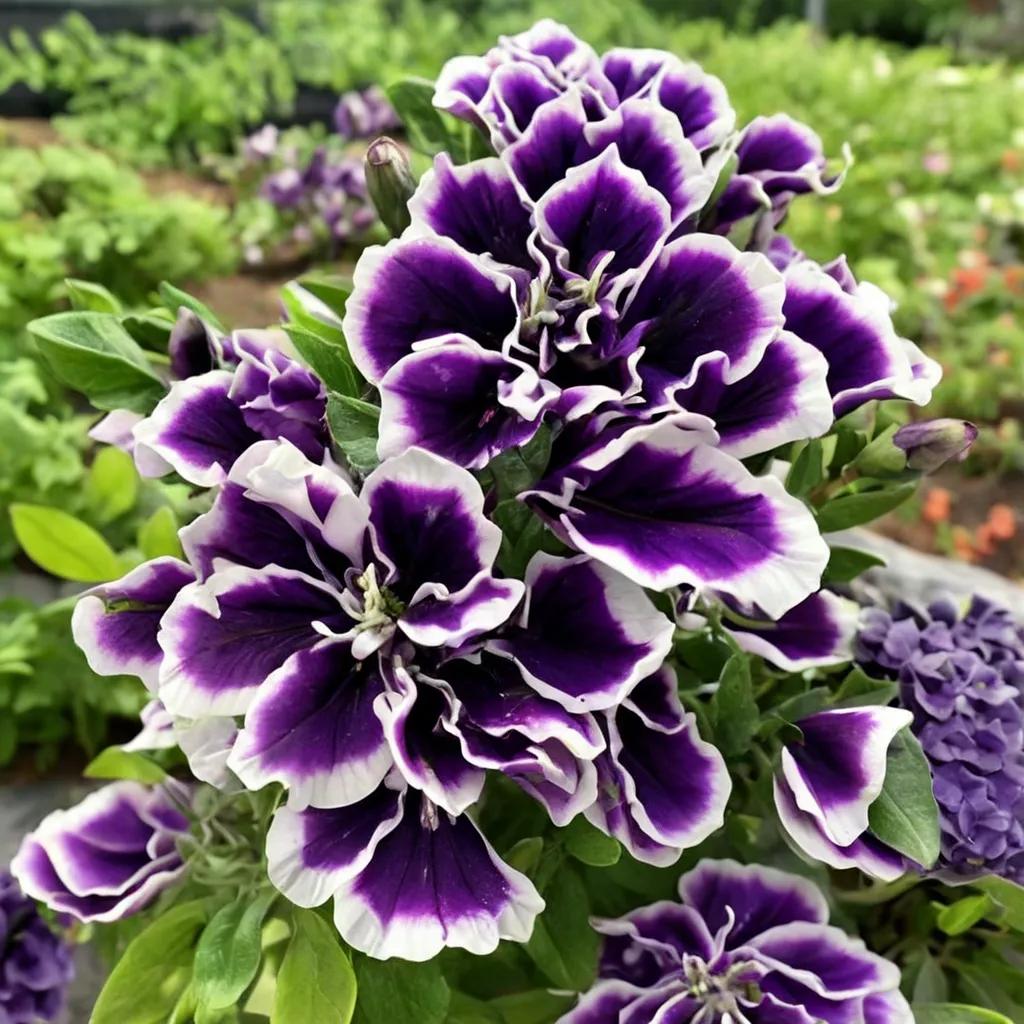 ‘Frosted Sapphire’Frosted Sapphire Petunia
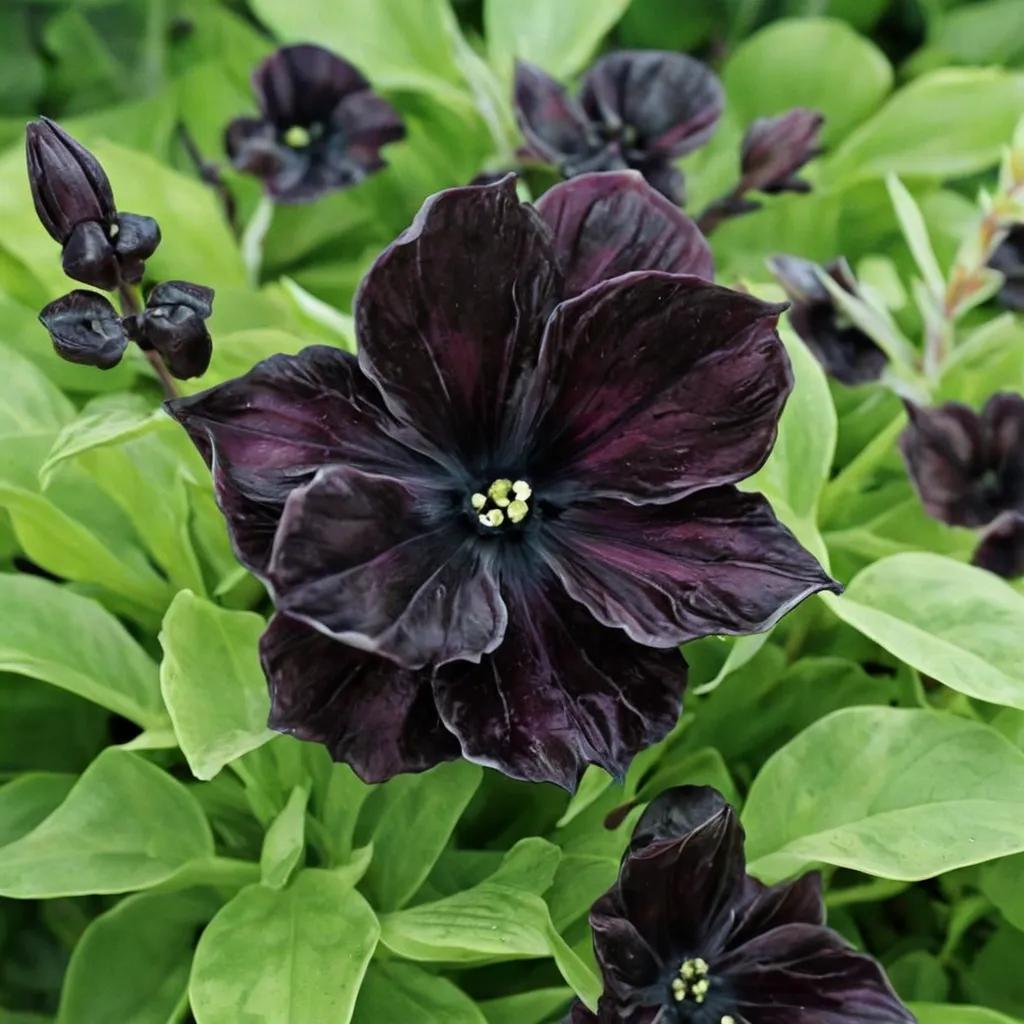 ‘Black Velvet’Black Velvet Petunia
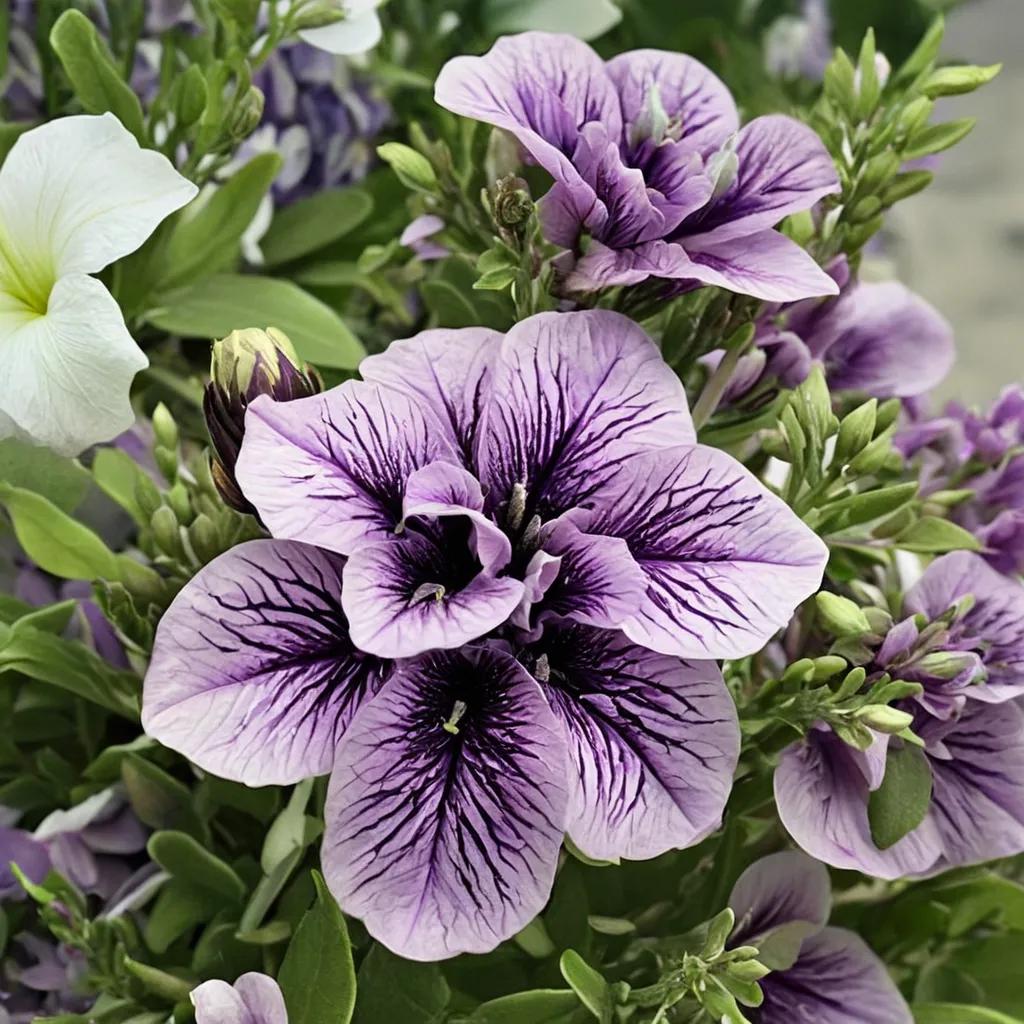 ‘Priscilla’Priscilla Petunia
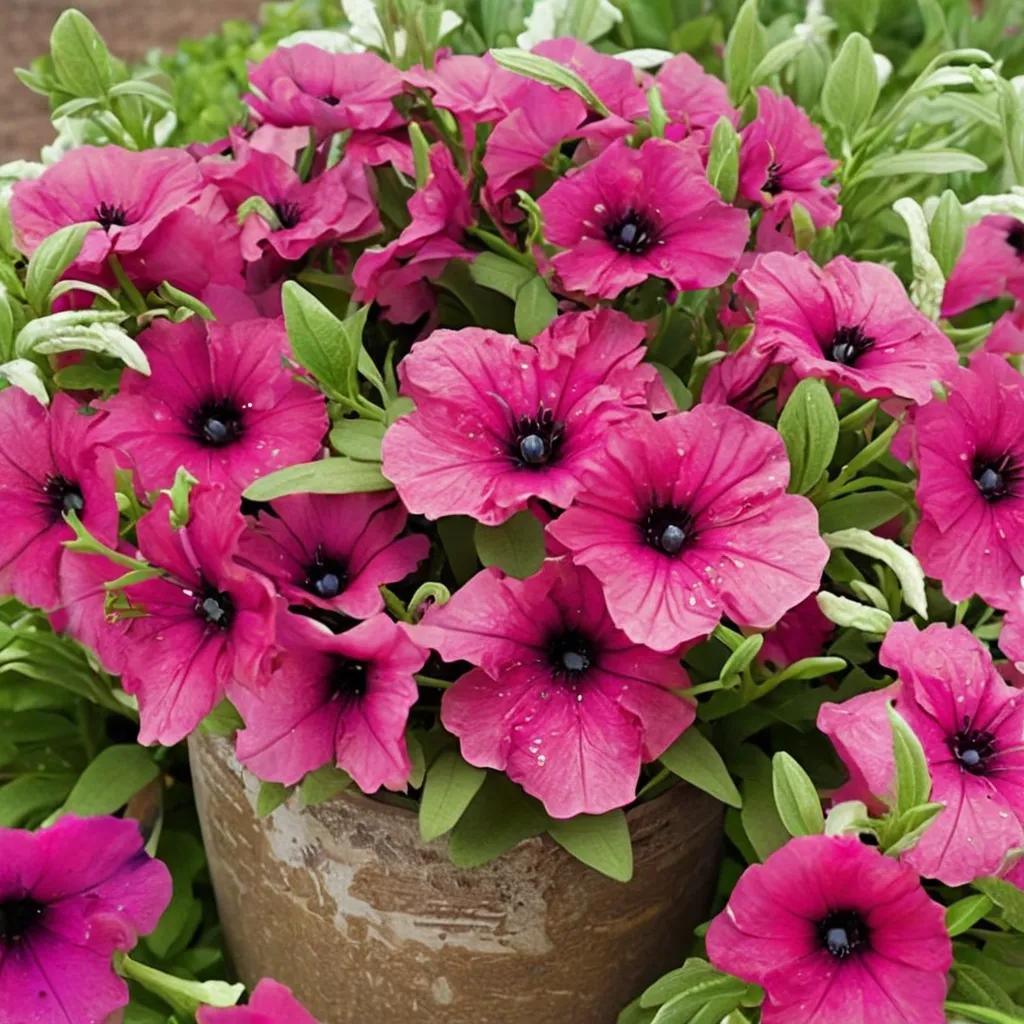 ‘Royal Magenta’Petunia Royal Magenta
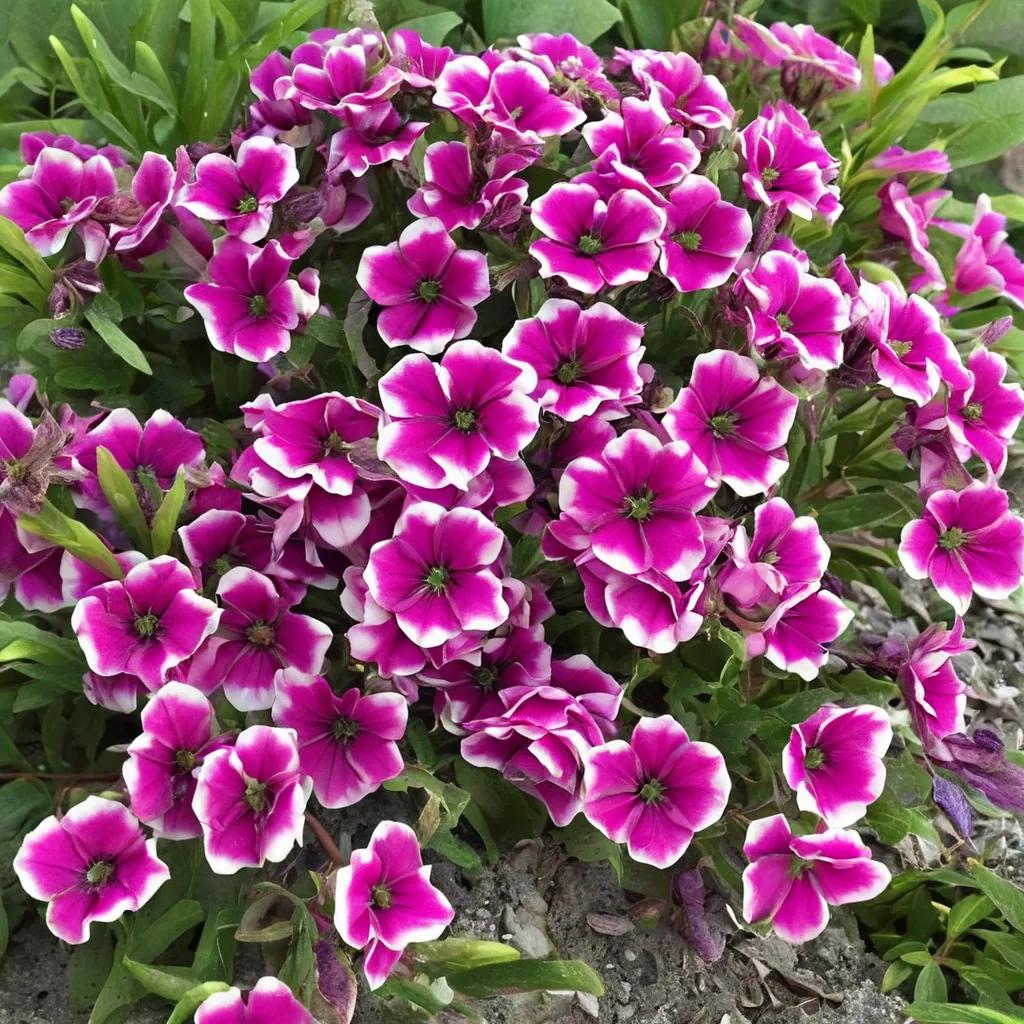 ‘Supertunia Raspberry Rush’Supertunia Raspberry Rush
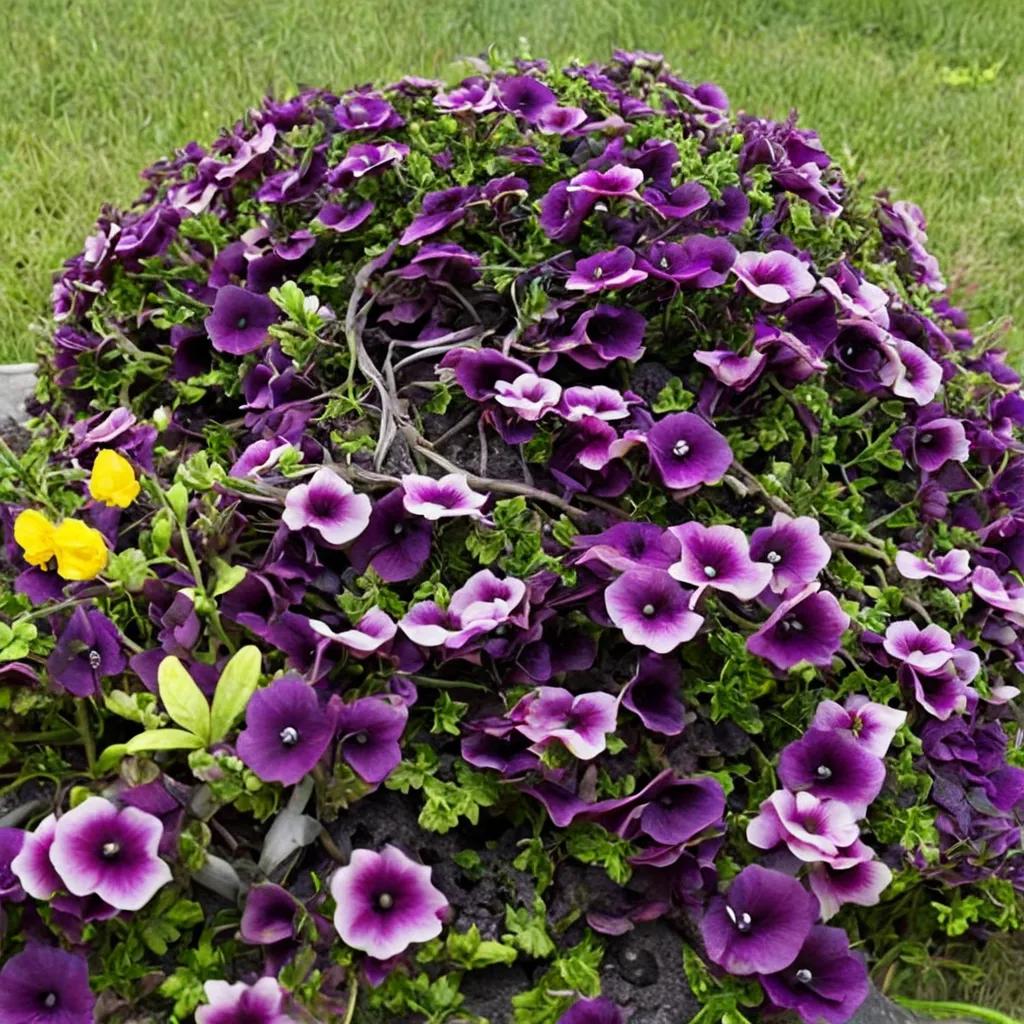 ‘Supertunia Mini Vista Midnight’Supertunia Mini Vista Midnight
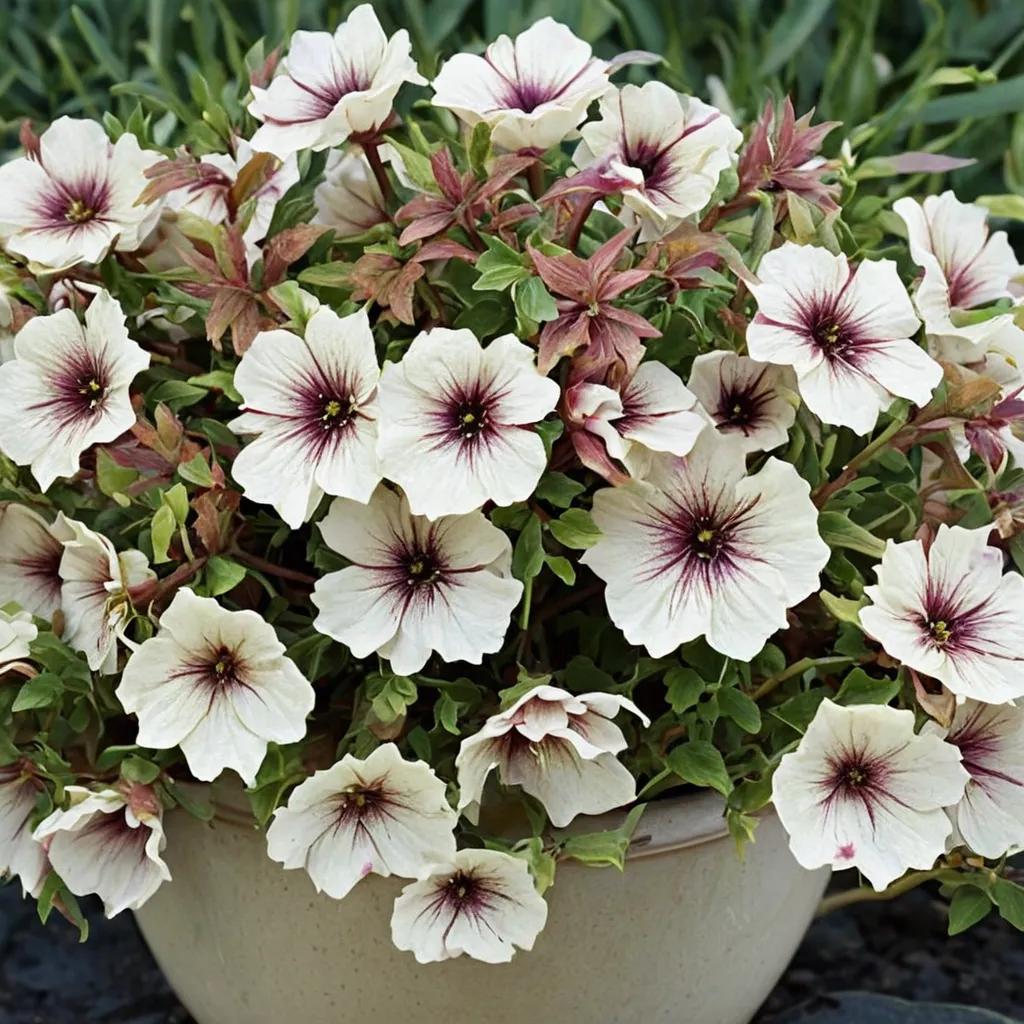 ‘Supertunia Latte’Supertunia Latte Petunia
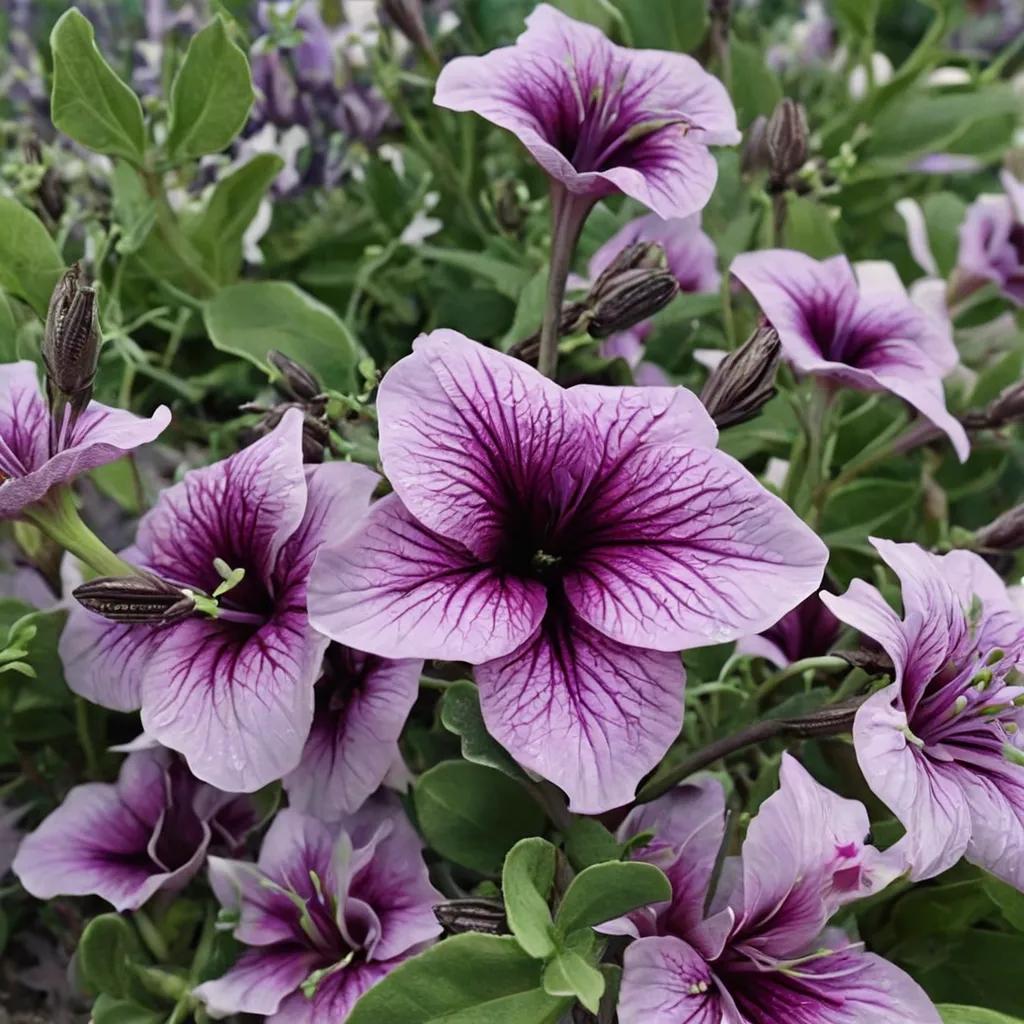 ‘Supertunia Bordeaux’Supertunia Bordeaux Petunia
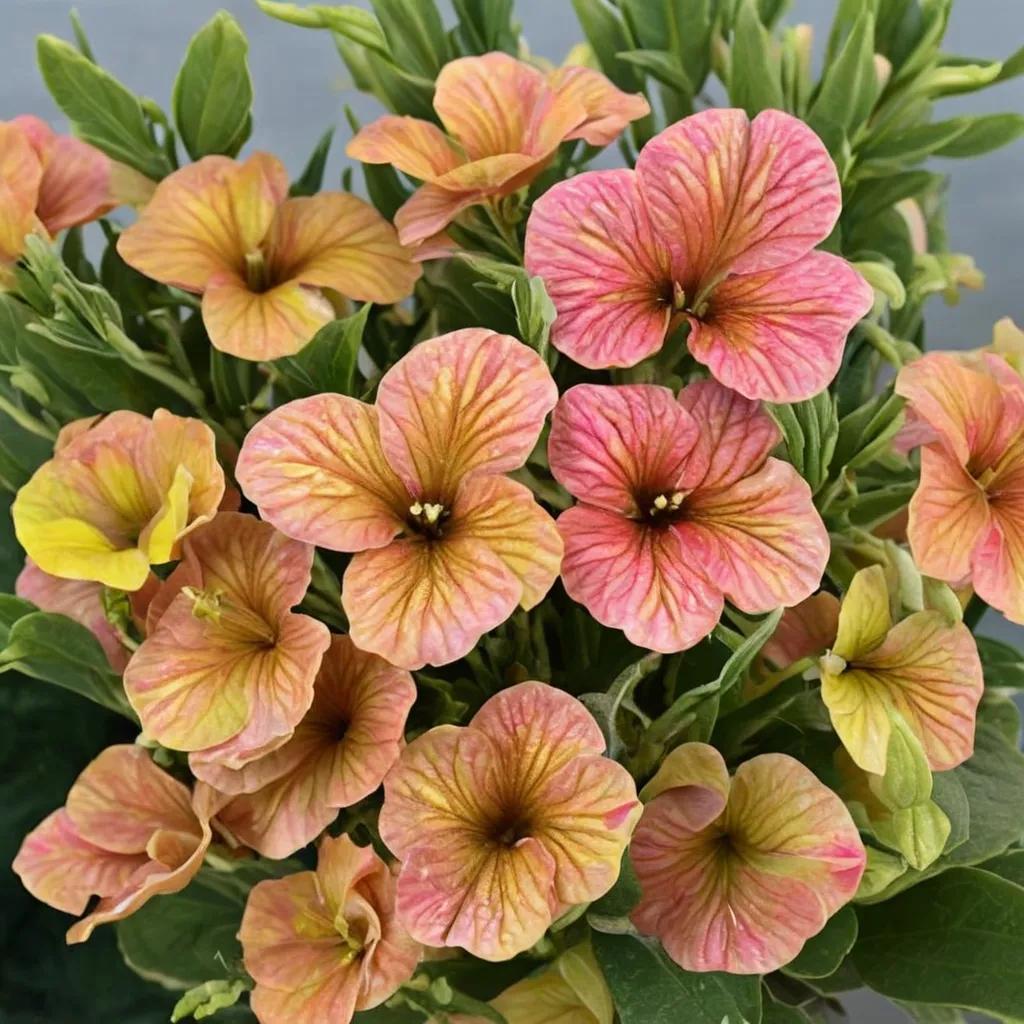 ‘Indian Summer’Petunia Indian Summer
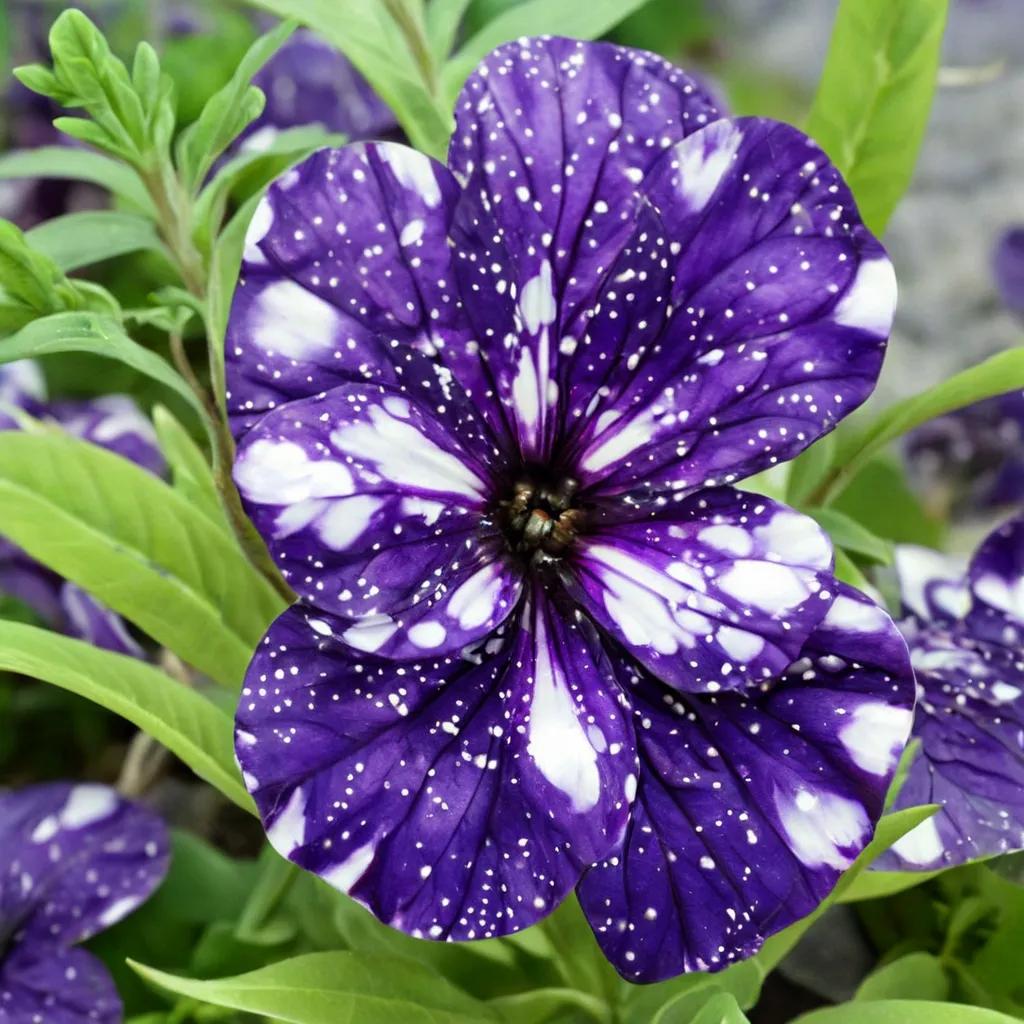 ‘Night Sky’Petunia Night Sky
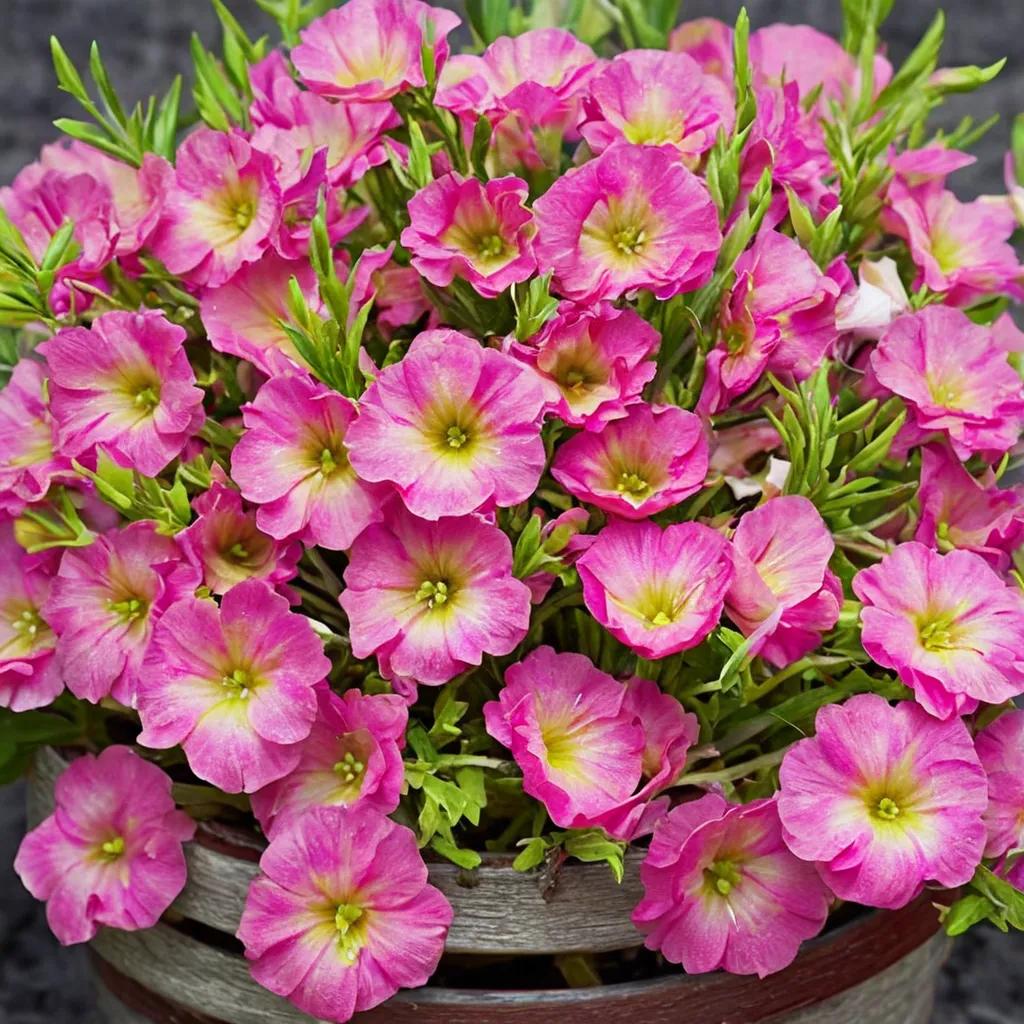 ‘Daybreak Charm’Petunia Daybreak Charm
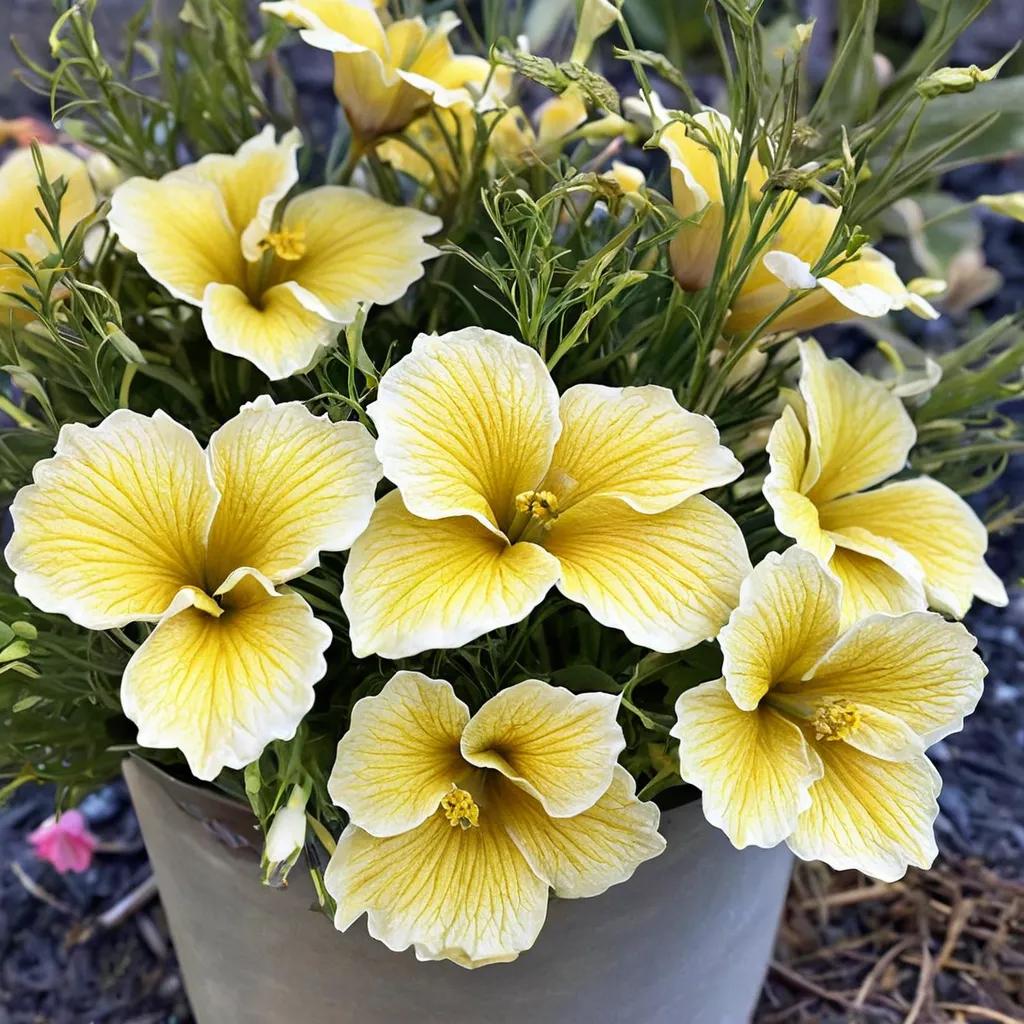 ‘Saffron Finch’Petunia Saffron Finch
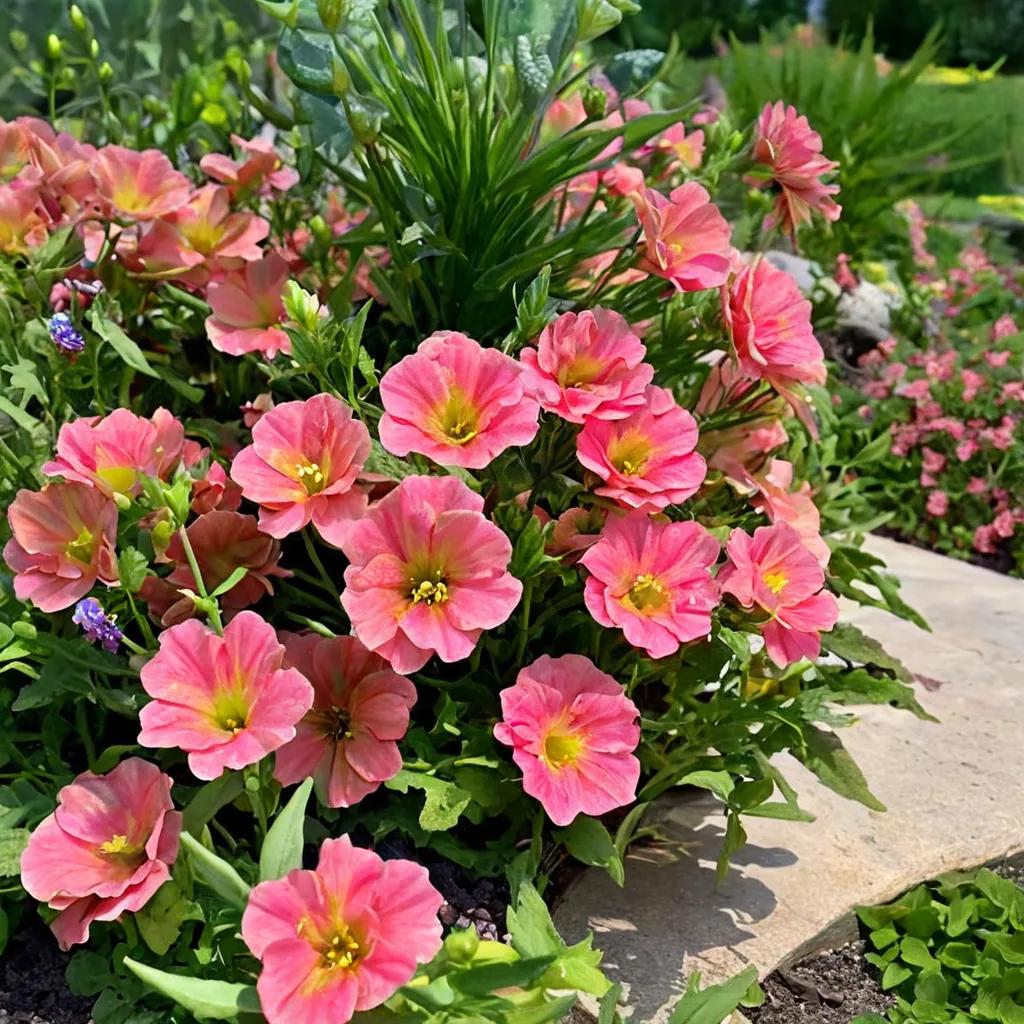 ‘Persimmon’Supertunia Persimmon
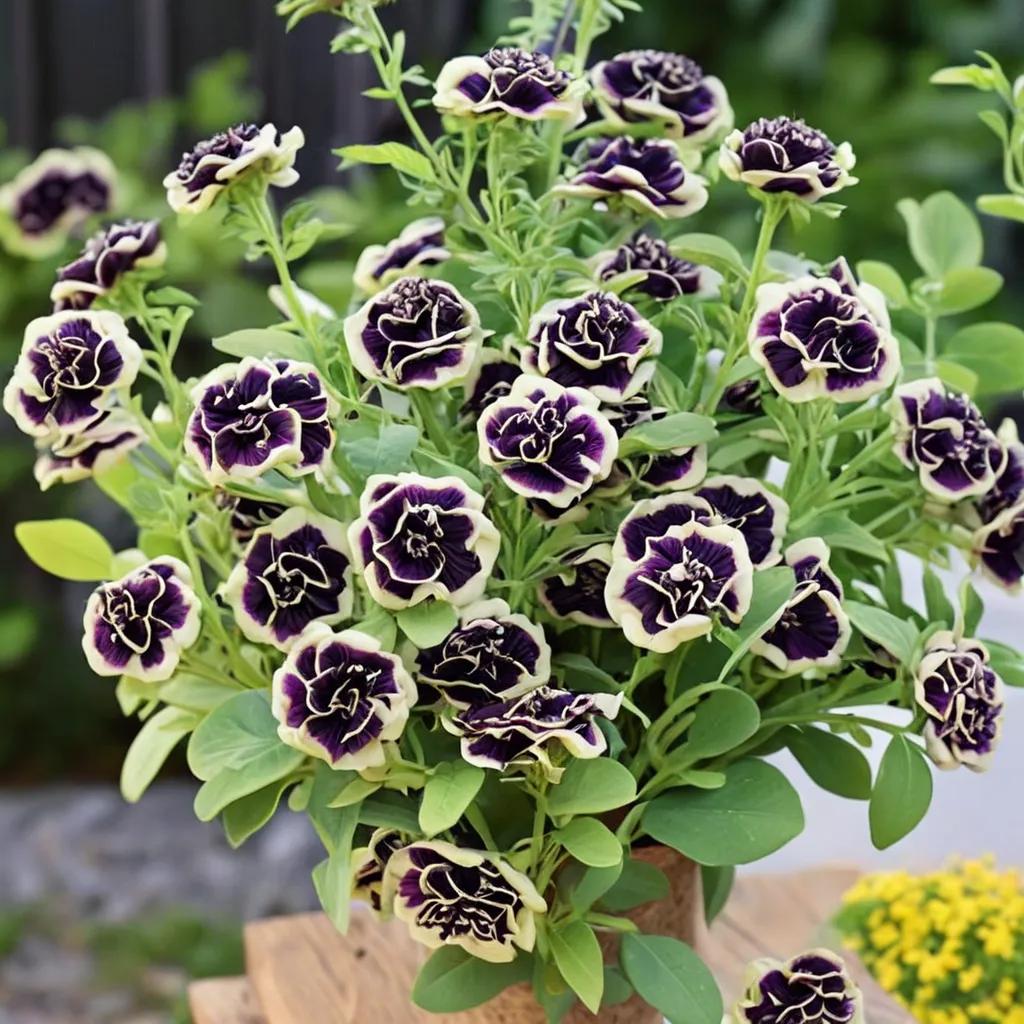 ‘Midnight Gold’'Midnight Gold' Petunia
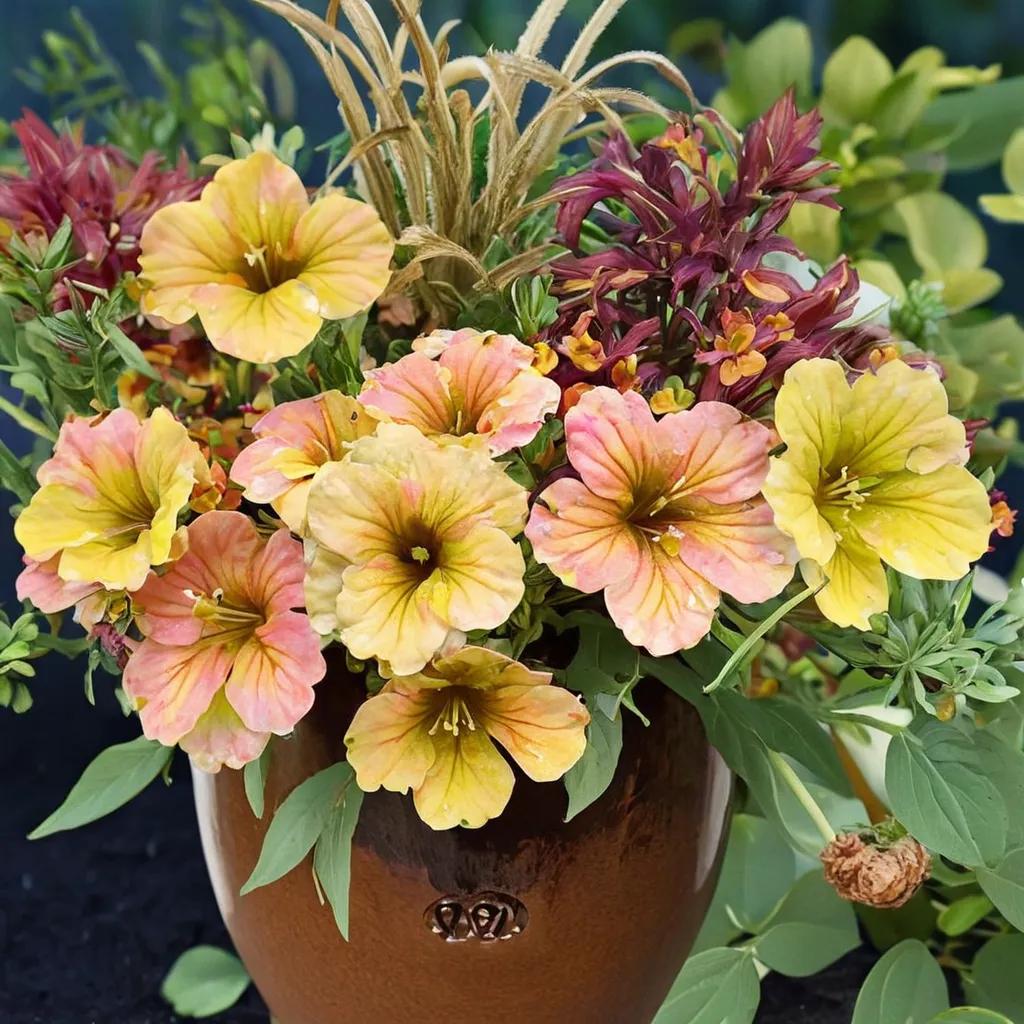 ‘Supertunia Honey’Supertunia Honey
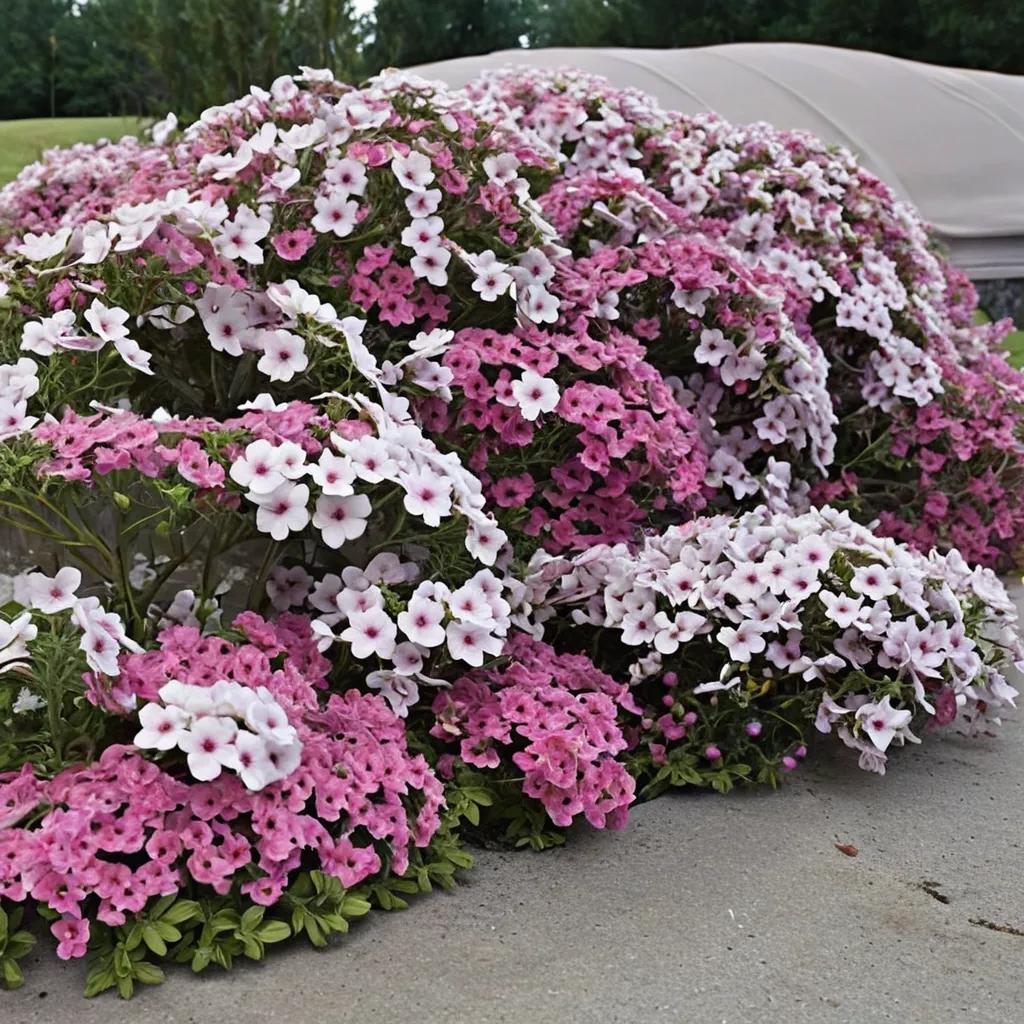 ‘Supertunia Vista Silverberry’Supertunia Vista Silverberry
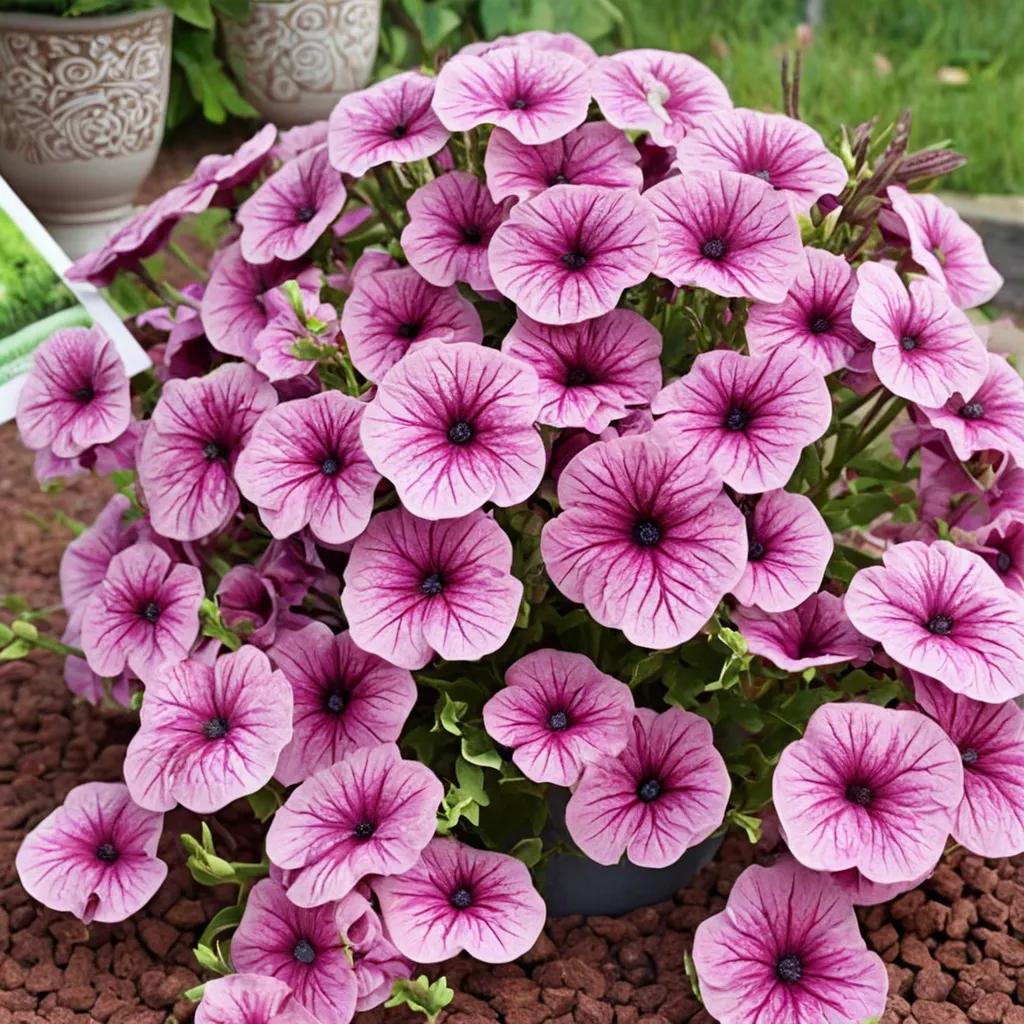 ‘Trailing Rose Veined’Trailing Petunia
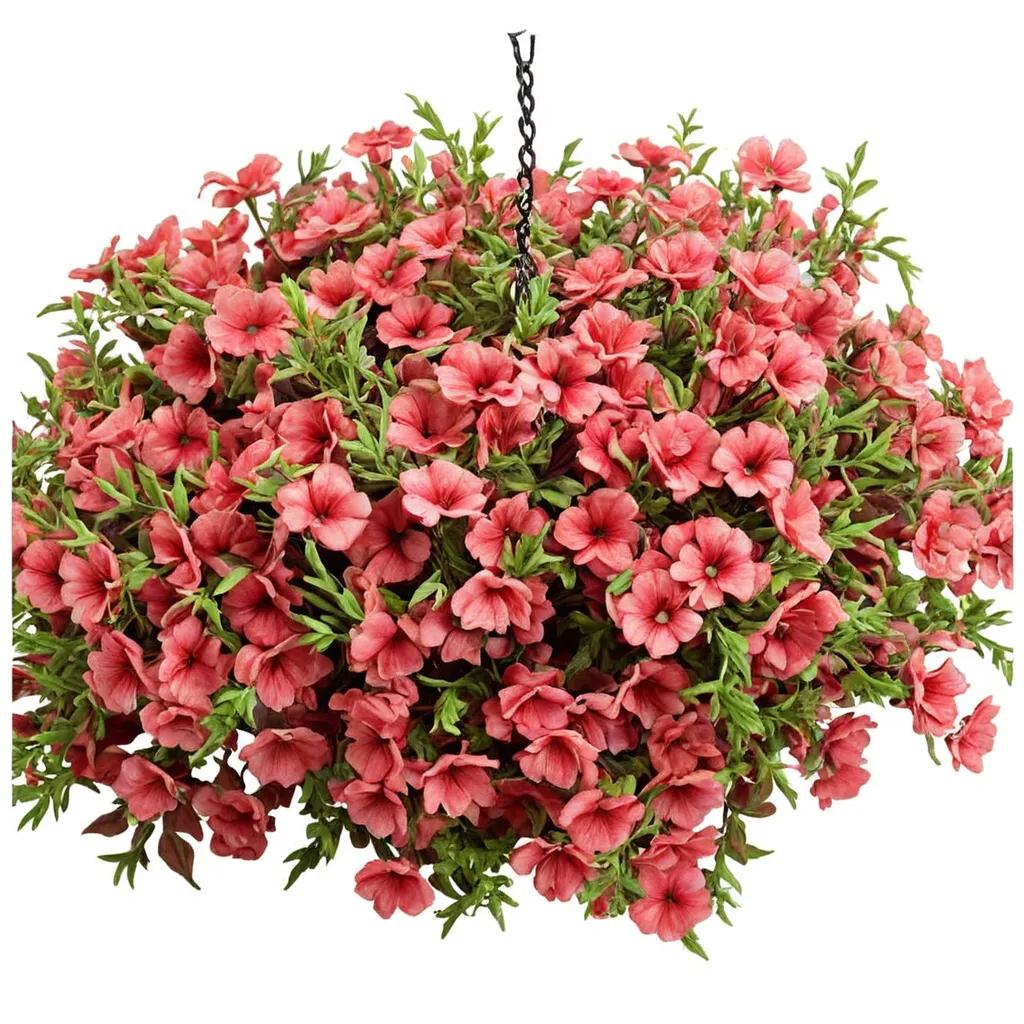 ‘Supertunia Mini Vista Scarlet’Supertunia Mini Vista Scarlet
The Story
Plant Bio
Highly valued for their abundant blooms and vibrant colors, Supertunia varieties are known for their trailing growth habit.
Supertunia is bred for its exceptional ability to withstand heat and drought while maintaining a continuous bloom throughout the growing season.
Uses & Benefits:
Essentials
At a Glance
Plant Type
Annual
Height
12 inches
Width
24 inches
Light
Full Sun
Zones
10
Water
Moderate
Humidity
Prefers moderate humidity
Lifespan
Annual
Native To
South America
Toxicity
Non-toxic to humans and pets
Planting
How to Grow
- Tuck seeds into moist soil in early spring for best germination.
- Mist cuttings regularly to maintain humidity and root in 4-6 weeks.
- Transplant seedlings outdoors after the last frost date, when soil warms.
- Water deeply once a week, allowing soil to dry slightly between watering.
- Fertilize monthly with a balanced liquid fertilizer for continuous blooms.
- Pinch back stems to promote bushier growth and more flowers.
Pro Tip
Use well-draining soil and full sun for vibrant, prolific flowering.
Keep It Thriving
Care Guide
Do
- Water consistently to keep soil evenly moist 💧
- Pinch back stems to encourage bushiness ✂️
- Fertilize monthly during the growing season 🌱
Don't
- Avoid overwatering to prevent root rot ❌
- Do not place in low light conditions 🌑
- Refrain from letting soil dry out completely ❌
Seasonal Care Calendar
| Task | Jan | Feb | Mar | Apr | May | Jun | Jul | Aug | Sep | Oct | Nov | Dec |
|---|---|---|---|---|---|---|---|---|---|---|---|---|
| Fertilize | ||||||||||||
| Plant | ||||||||||||
| Prune |
Watch Out For
Pests & Diseases
Common Pests
Common Diseases
In the Garden
Landscape Uses & Companions
Landscape Uses
Companion Plants
Multiply
Propagation Methods
Good to Know
Common Questions
Supertunia questions
What zones can Supertunia grow in?
Supertunia is hardy in USDA Zone 10. Inside that range it survives winter in the ground; outside it, grow it as an annual or a container plant you protect.
Is Supertunia deer resistant?
Not reliably. Deer may browse Supertunia, especially tender spring growth — plan on repellents or fencing where pressure is high.
When does Supertunia bloom?
Supertunia typically blooms in spring to frost through late summer. Exact timing shifts a week or two with your zone — Sow's bloom calendar maps it to your garden.
Does Supertunia need full sun?
Supertunia does best in full sun (6+ hours).
Is Supertunia drought tolerant?
Yes — once established (usually after the first full season), Supertunia handles dry spells with minimal watering. Water deeply its first year to build the root system that makes that possible.
More Petunia to compare
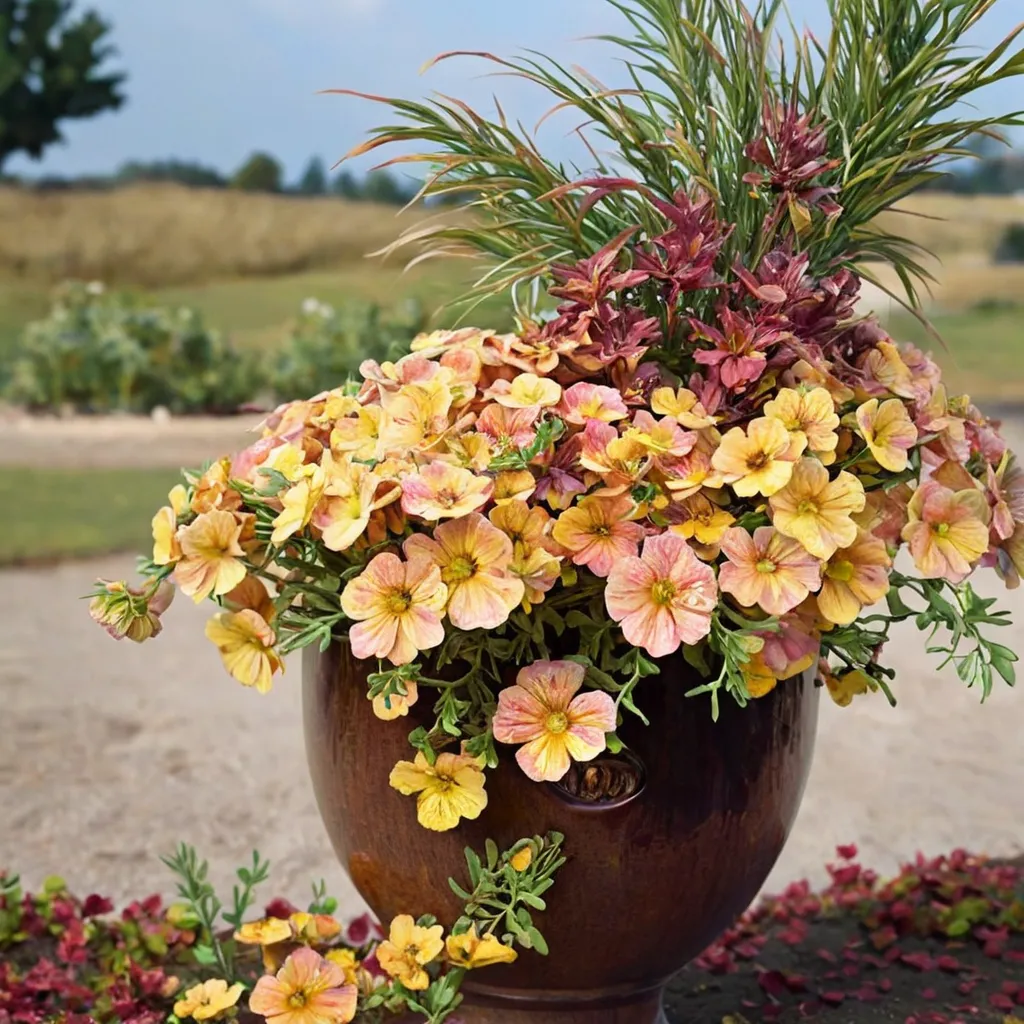
Petunia Honey
Petunia x hybrida 'Honey'
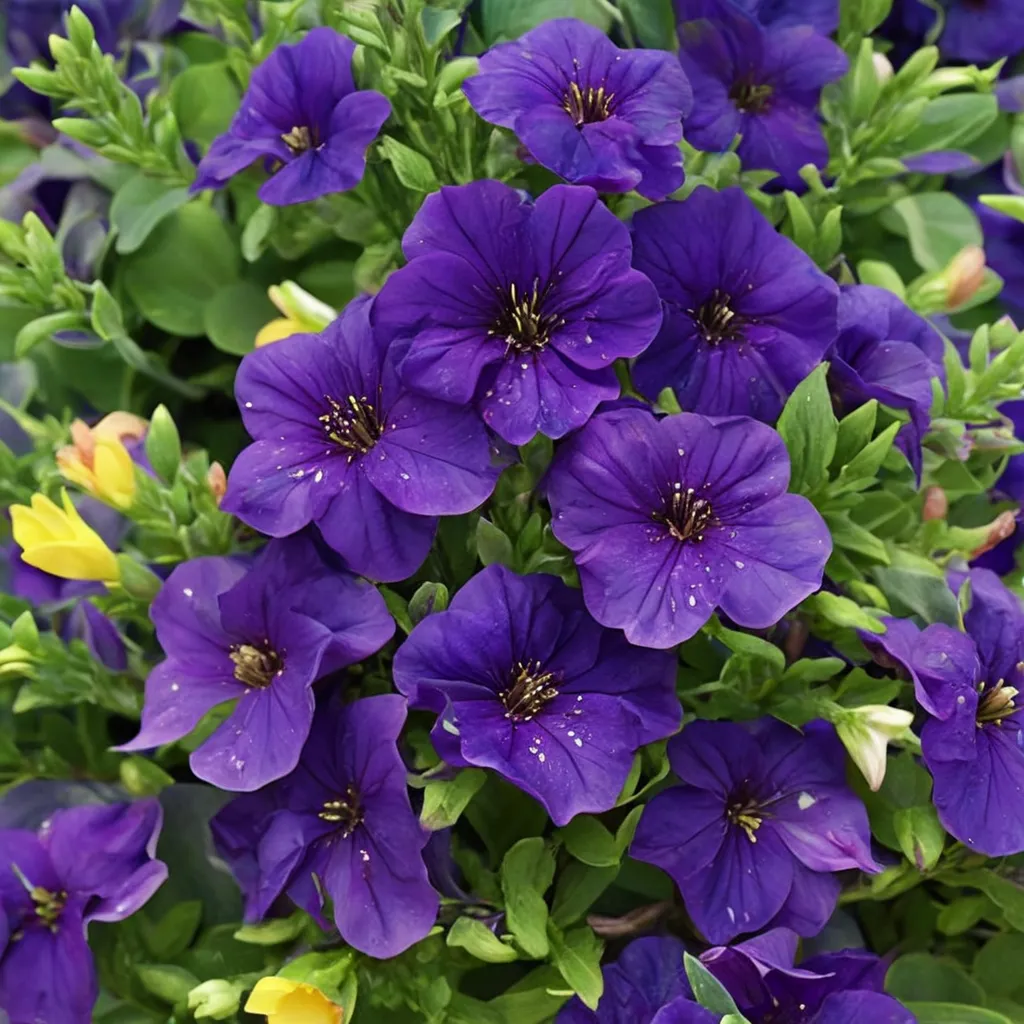
Petunia Royal Velvet
Petunia x hybrida 'Royal Velvet'
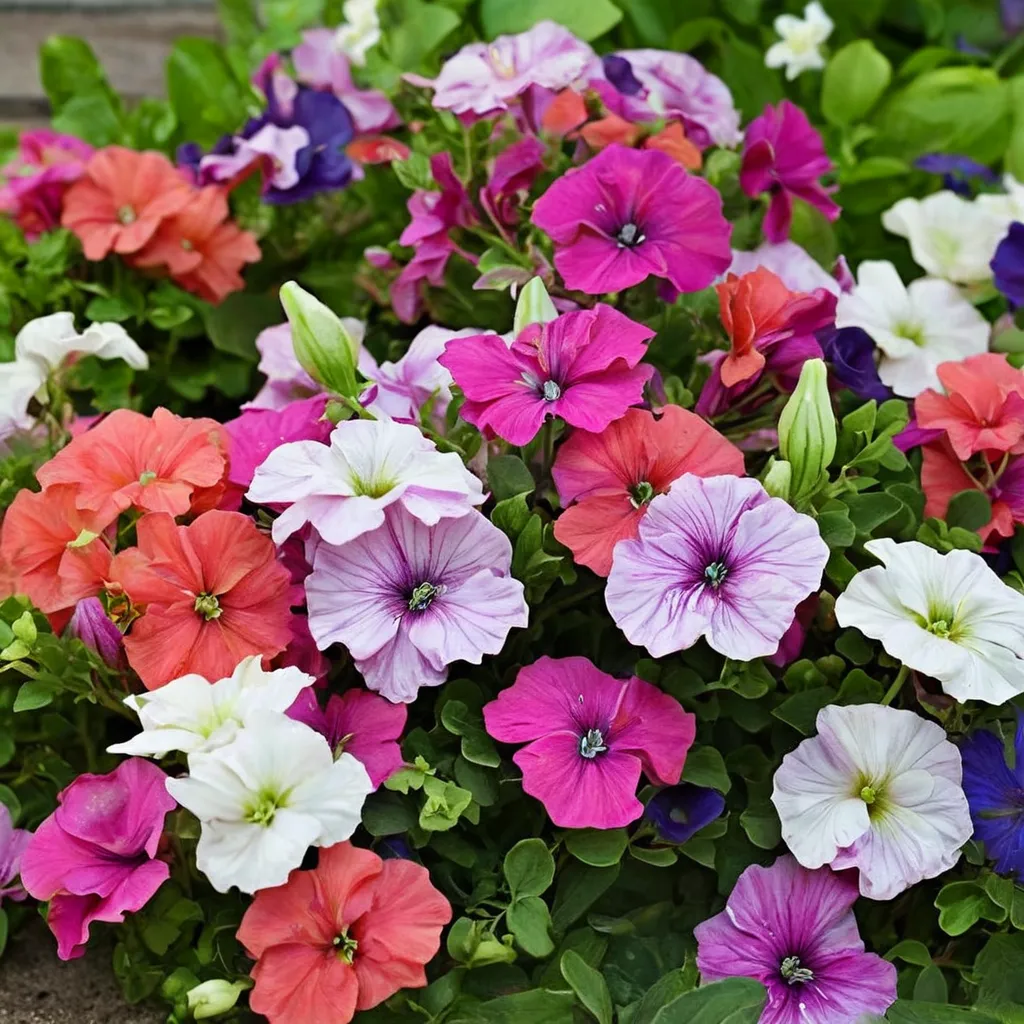
Garden Petunia
Petunia x hybrida 'Mix'

Supertunia Vista Bubblegum Petunia
Petunia x hybrida 'Vista Bubblegum'
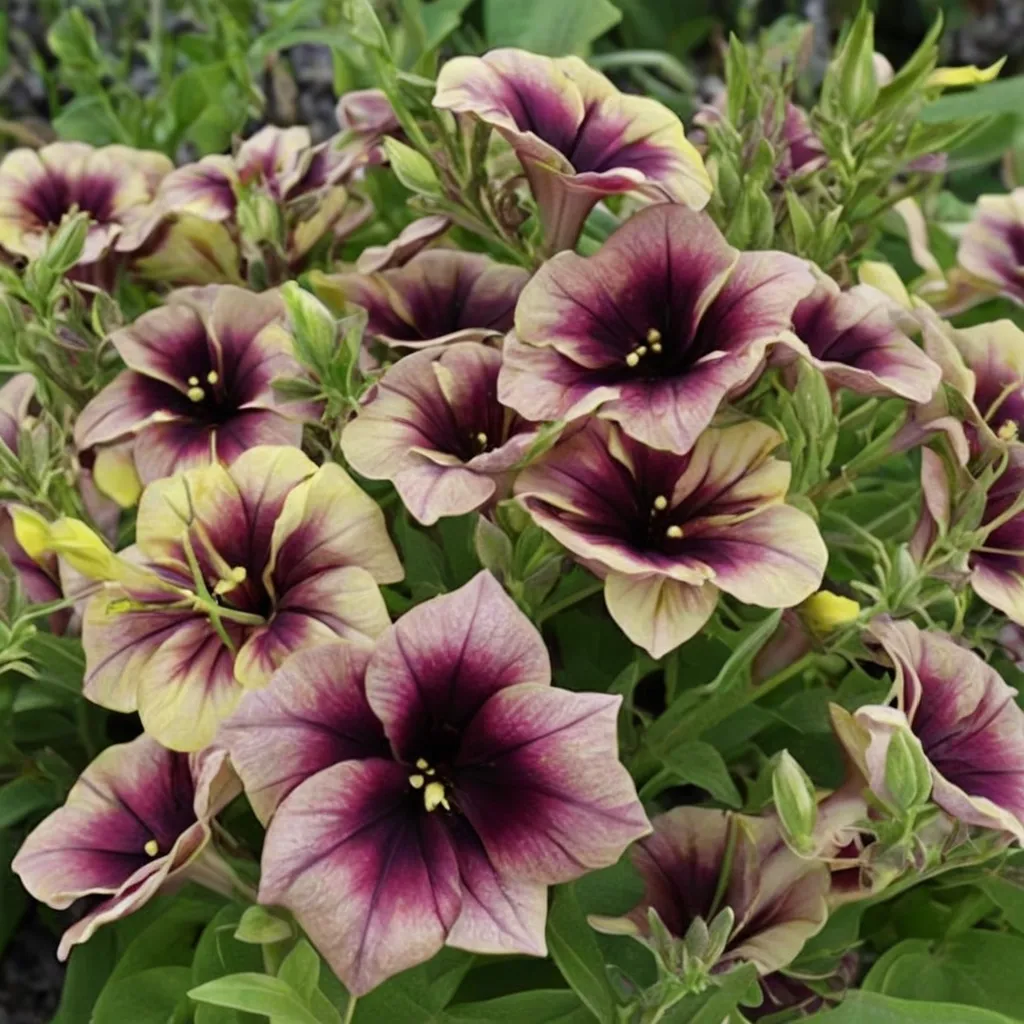
Petunia Autumn Mystery
Petunia x hybrida 'Autumn Mystery'
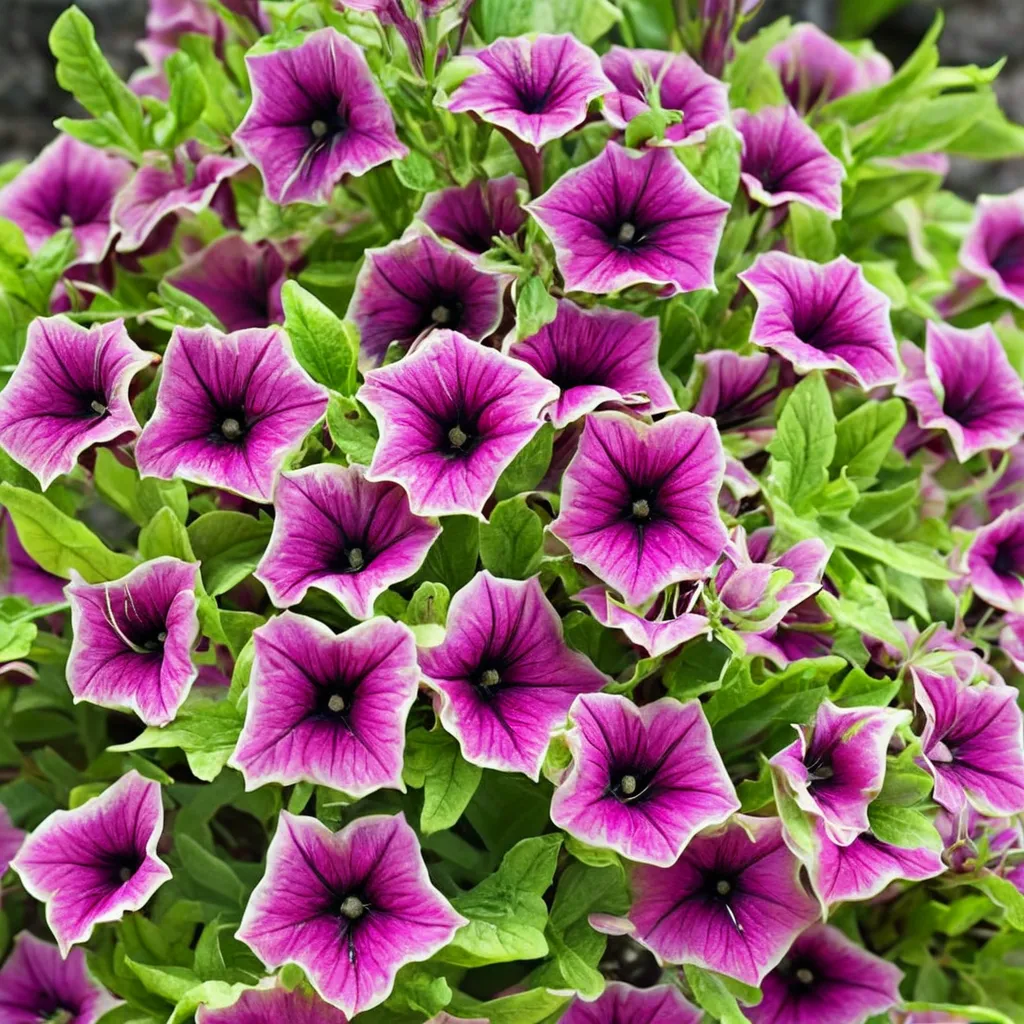
Petunia Picasso in Purple
Petunia x hybrida 'Picasso in Purple'
Keep exploring
Explore the genus
Hardy in your zone?
Grow Supertunia with confidence
See it in a design of your actual yard, get zone-matched care reminders, and track it season by season in your garden journal.