The Story
Plant Bio
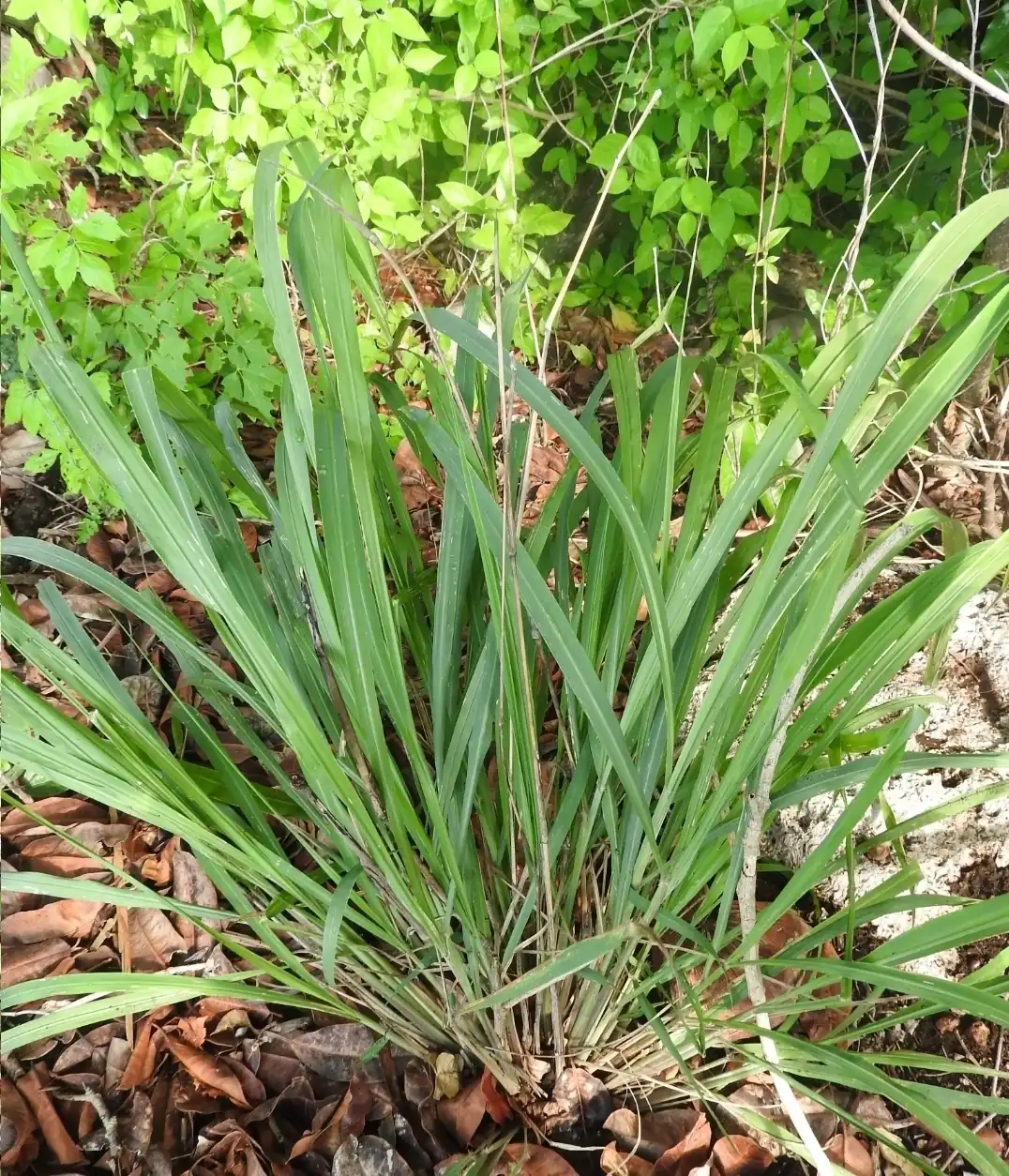
Cymbopogon citratus is a tropical clumping grass prized for the distinct lemon fragrance and flavor of its foliage and stalks. It forms dense, fountain-like clumps of sharp-edged, blue-green leaves.
As the primary species used in cooking, its defining characteristic is the potent citrus oil in its swollen stem bases, which is a cornerstone of Southeast Asian cuisine.
Uses & Benefits:
Essentials
At a Glance
Plant Type
Grass
Height
48"
Width
36"
Light
Full Sun
Zones
9, 10
Water
Moderate
Humidity
High
Lifespan
Perennial in tropics, annual elsewhere
Native To
Southeast Asia
Toxicity
Non-toxic, edible
Bloom period
Late summer – Early fall
In flower about 2 months of the year
Marketplace
Where to Buy
Shipping costs Year-round shipping Free shipping
Planting
How to Grow
- Plant in a location with at least 6 hours of direct sunlight daily.
- Use a rich, well-draining potting mix or garden soil.
- Space plants about 24 inches apart to allow for growth.
- Water regularly to keep the soil consistently moist but not soggy.
- Fertilize with a balanced liquid fertilizer every few weeks during summer.
- Harvest outer stalks first to encourage continuous production from the center.
Pro Tip
For the best flavor, harvest stalks by cutting them at ground level once they are at least a half-inch thick.
Keep It Thriving
Care Guide
Do
- Provide plenty of sun, heat, and moisture.
- Harvest regularly to promote new growth.
- Bring a small division indoors to overwinter in cold climates.
- Use in containers if your garden soil is heavy clay.
Don't
- Don't let the soil dry out completely.
- Don't plant outside until nighttime temperatures are reliably above 50°F (10°C).
- Avoid planting in shady locations.
- Don't expect it to survive a frost.
Seasonal Care Calendar
| Task | Jan | Feb | Mar | Apr | May | Jun | Jul | Aug | Sep | Oct | Nov | Dec |
|---|---|---|---|---|---|---|---|---|---|---|---|---|
| Fertilize | ||||||||||||
| Harvest | ||||||||||||
| Lift Store | ||||||||||||
| Plant |
Watch Out For
Pests & Diseases
Common Pests
Common Diseases
In the Garden
Landscape Uses & Companions
Landscape Uses
Companion Plants
Multiply
Propagation Methods
Good to Know
Common Questions
Lemongrass questions
What zones can Lemongrass grow in?
Lemongrass is hardy in USDA Zones 9–10. Inside that range it survives winter in the ground; outside it, grow it as an annual or a container plant you protect.
Is Lemongrass deer resistant?
Yes — Lemongrass is rated deer-resistant. Deer typically pass it over, though extreme hunger can override any plant's defenses.
When does Lemongrass bloom?
Lemongrass typically blooms in late summer through early fall. Exact timing shifts a week or two with your zone — Sow's bloom calendar maps it to your garden.
Does Lemongrass need full sun?
Lemongrass does best in full sun (6+ hours).
Is Lemongrass drought tolerant?
Yes — once established (usually after the first full season), Lemongrass handles dry spells with minimal watering. Water deeply its first year to build the root system that makes that possible.
Keep exploring
Explore the genus
Hardy in your zone?
Grow Lemongrass with confidence
See it in a design of your actual yard, get zone-matched care reminders, and track it season by season in your garden journal.