The Story
Plant Bio
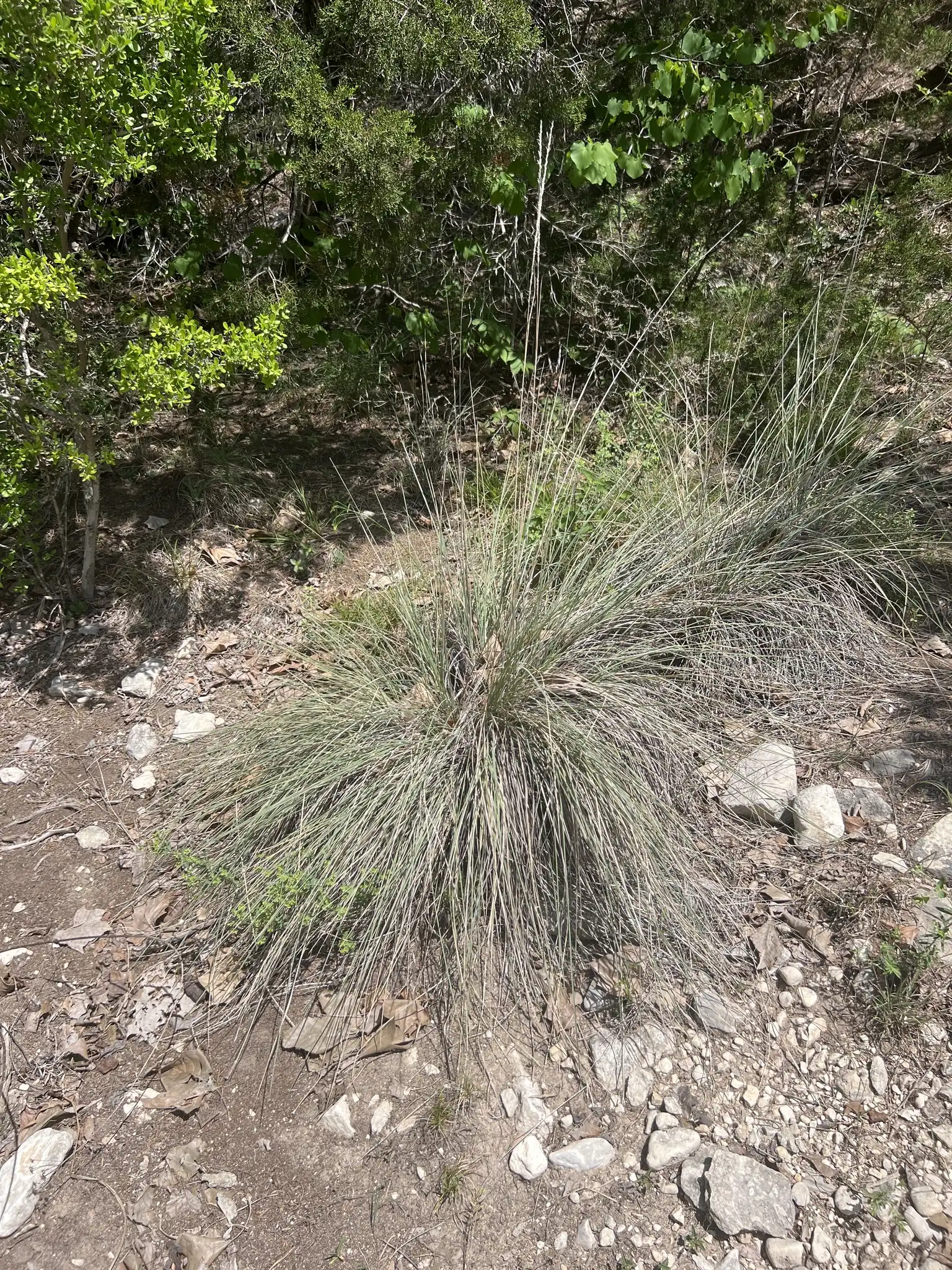
Muhlenbergia lindheimeri is a large, clump-forming, warm-season native grass with fine-textured, blue-green foliage that forms an elegant, fountain-like mound. It is native to the Edwards Plateau region of Texas.
In fall, it produces narrow, upright flower panicles that emerge purplish and mature to a soft gray or silver, held well above the foliage. It is prized for its refined texture, drought tolerance, and vertical form.
Uses & Benefits:
Essentials
At a Glance
Plant Type
Grass
Height
60"
Width
48"
Light
Full Sun, Partial Sun
Zones
7, 8, 9, 10
Water
Low
Humidity
Low to high
Lifespan
Long-lived perennial
Native To
Texas, Northern Mexico
Toxicity
Non-toxic
Bloom period
Early fall – Late fall
In flower about 3 months of the year
Planting
How to Grow
- Plant in a location with full sun and well-drained soil.
- It is highly adaptable to various soil types, including clay and alkaline soils.
- Dig a hole as deep and twice as wide as the container.
- Place the plant in the hole, backfill, and water thoroughly.
- Water occasionally during its first year; it is very drought tolerant once established.
- No fertilizer is needed for this tough native grass.
Pro Tip
Cut back to about 6-8 inches in late winter to allow fresh new growth to emerge unobstructed and maintain a tidy clump.
Keep It Thriving
Care Guide
Do
- Provide full sun for the best form and flowering.
- Allow soil to dry out between waterings.
- Cut back annually in late winter for a fresh appearance.
- Appreciate its winter structure before cutting it back.
Don't
- Do not plant in constantly wet or boggy soil.
- Avoid deep shade, which will result in weak, floppy growth.
- Do not over-fertilize, which is unnecessary and can cause flopping.
- Do not cut back in the fall; leave foliage for winter interest.
Seasonal Care Calendar
| Task | Jan | Feb | Mar | Apr | May | Jun | Jul | Aug | Sep | Oct | Nov | Dec |
|---|---|---|---|---|---|---|---|---|---|---|---|---|
| Plant | ||||||||||||
| Prune |
Watch Out For
Pests & Diseases
Common Pests
Common Diseases
In the Garden
Landscape Uses & Companions
Landscape Uses
Companion Plants
Multiply
Propagation Methods
Good to Know
Common Questions
Lindheimer's Muhly questions
What zones can Lindheimer's Muhly grow in?
Lindheimer's Muhly is hardy in USDA Zones 7–10. Inside that range it survives winter in the ground; outside it, grow it as an annual or a container plant you protect.
Is Lindheimer's Muhly deer resistant?
Yes — Lindheimer's Muhly is rated deer-resistant. Deer typically pass it over, though extreme hunger can override any plant's defenses.
When does Lindheimer's Muhly bloom?
Lindheimer's Muhly typically blooms in early fall through late fall. Exact timing shifts a week or two with your zone — Sow's bloom calendar maps it to your garden.
Does Lindheimer's Muhly need full sun?
Lindheimer's Muhly does best in full sun to part shade. In hot climates, afternoon shade keeps blooms fresher longer.
Is Lindheimer's Muhly drought tolerant?
Yes — once established (usually after the first full season), Lindheimer's Muhly handles dry spells with minimal watering. Water deeply its first year to build the root system that makes that possible.
More Muhlenbergia to compare
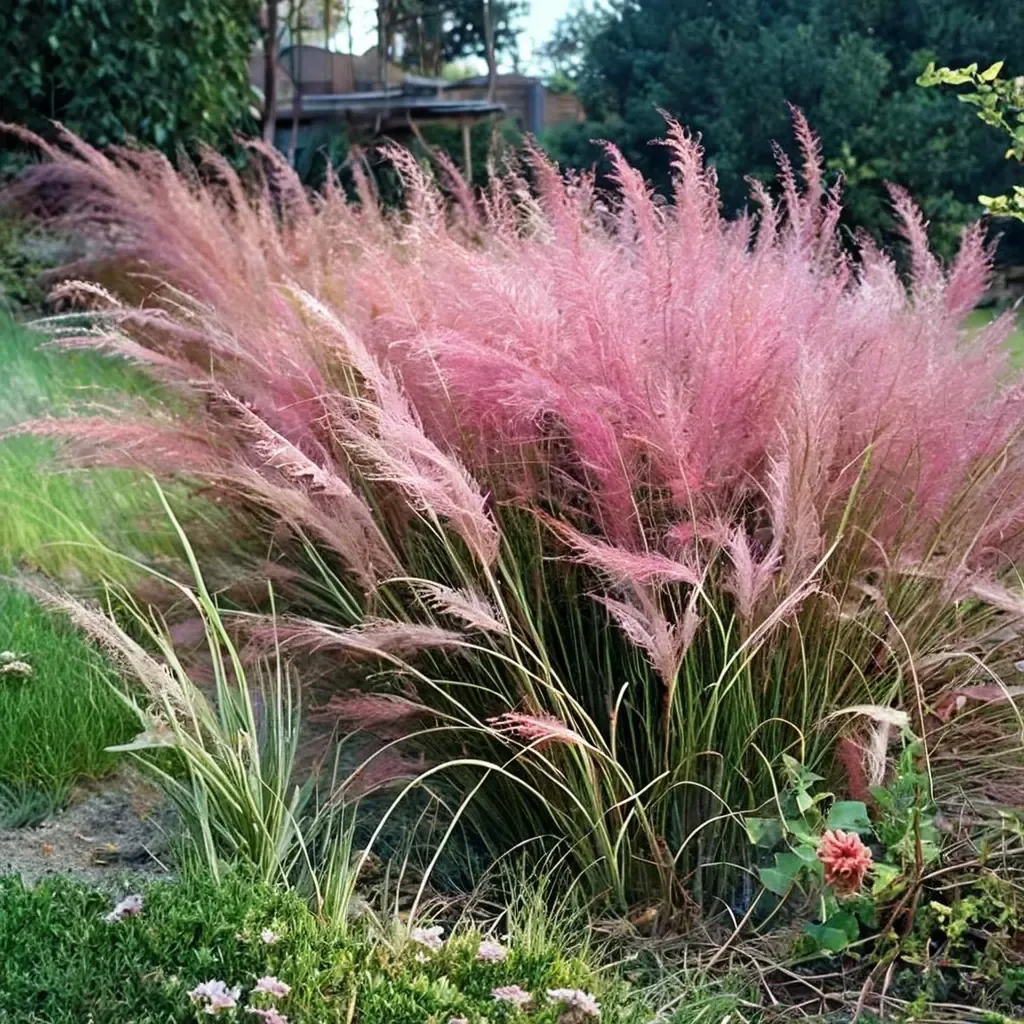
Pink Muhly Grass
Muhlenbergia capillaris
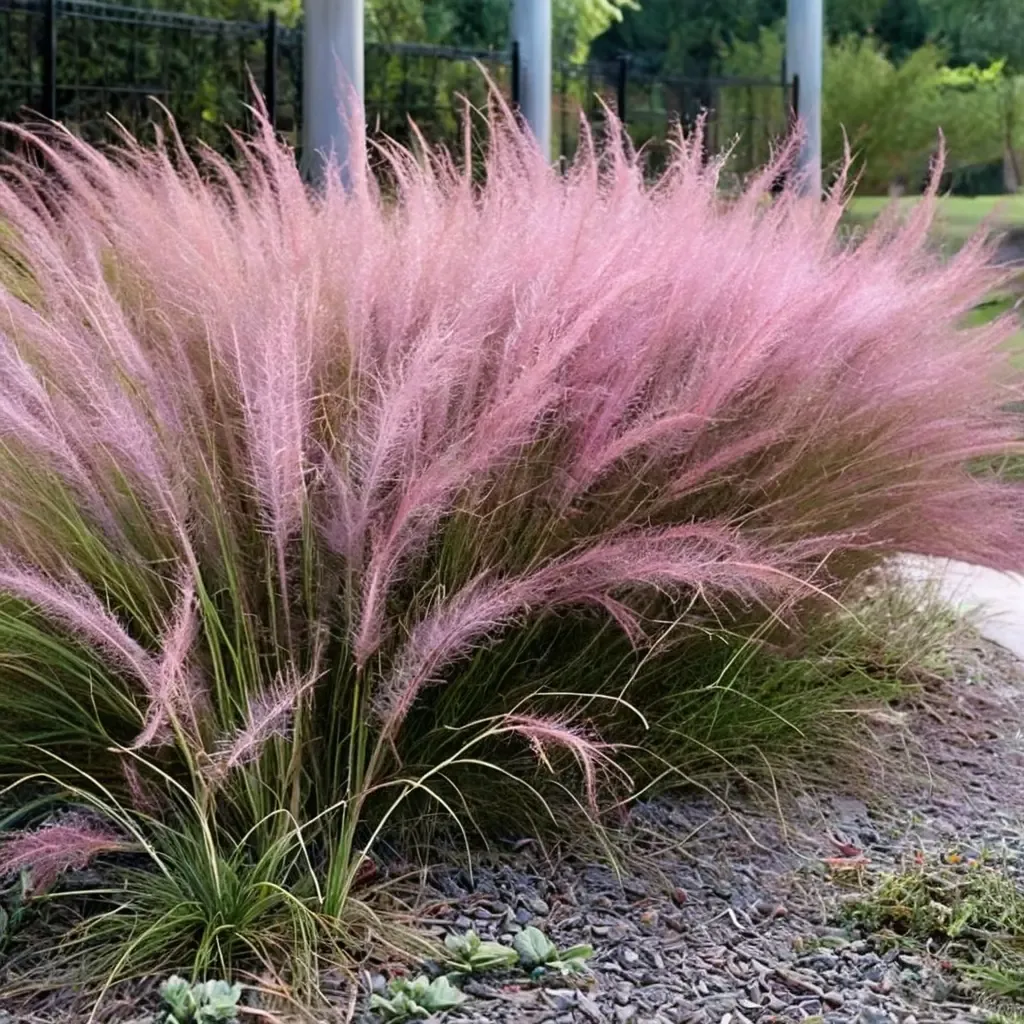
Pink Cloud Muhly Grass
Muhlenbergia capillaris 'Pink Cloud'
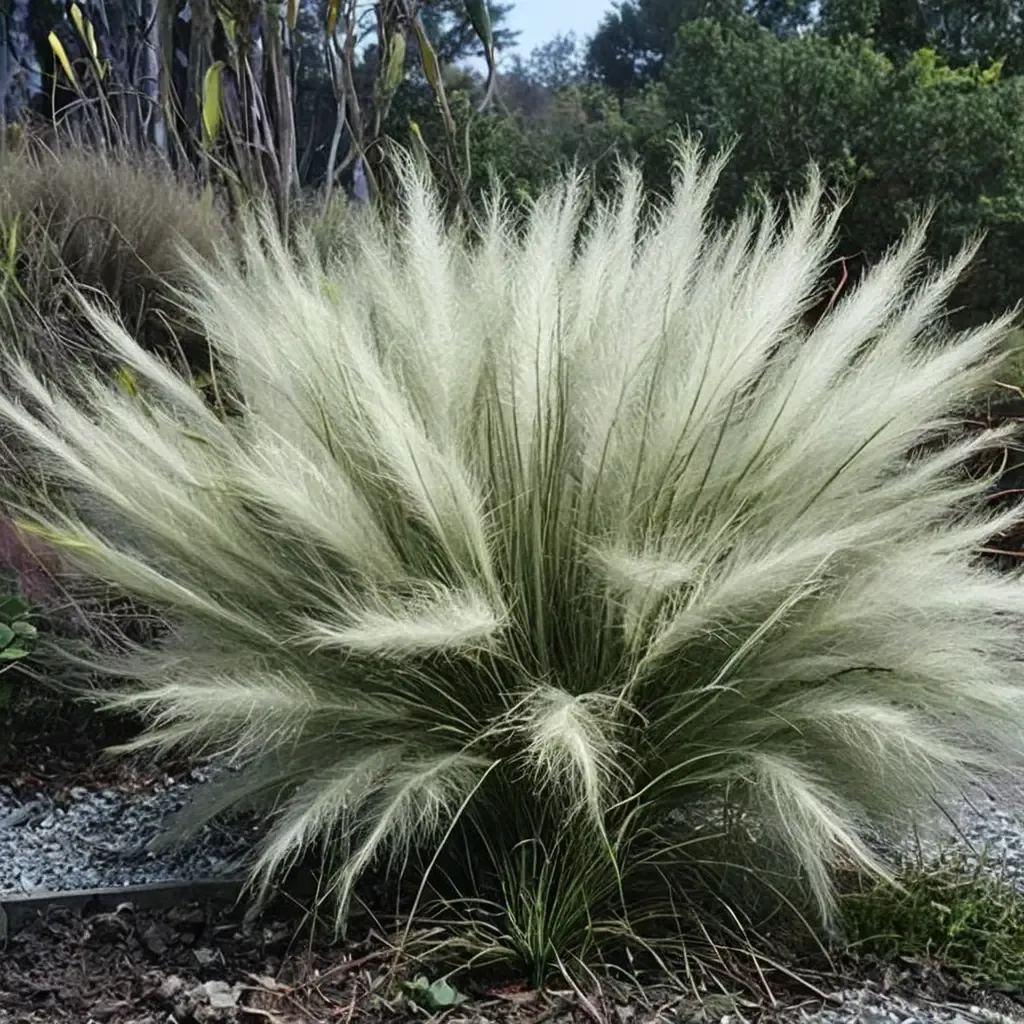
White Cloud Muhly
Muhlenbergia sericea 'White Cloud'
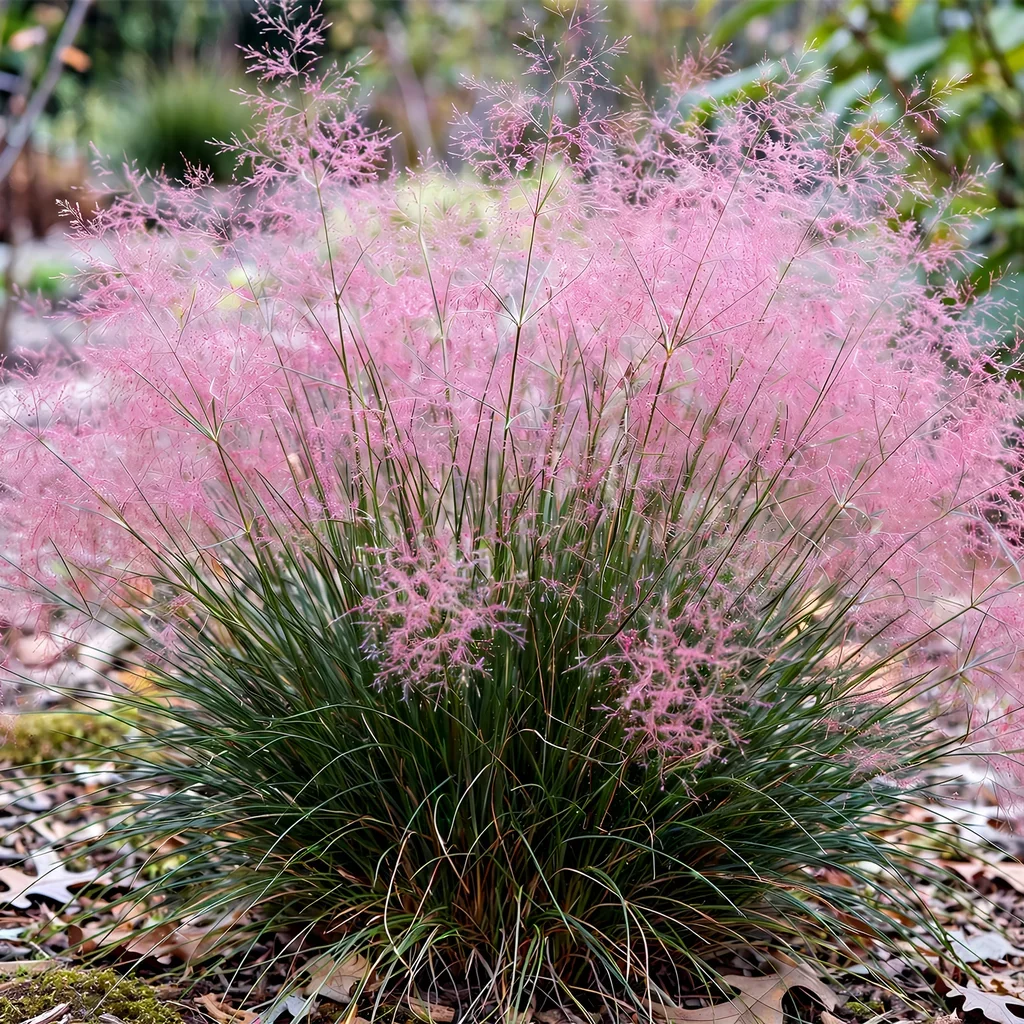
Pink Hairgrass
Muhlenbergia capillaris 'Pink Hairgrass'
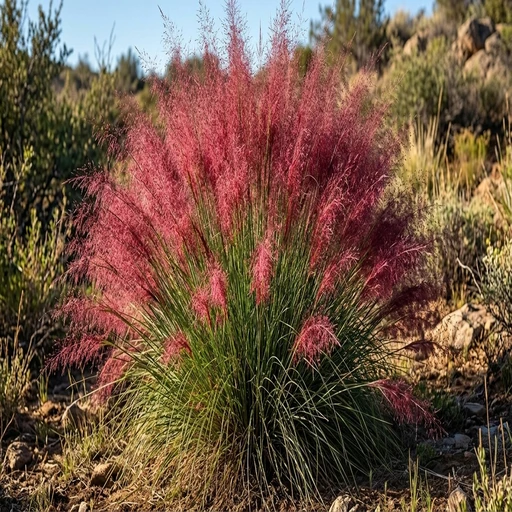
Undaunted Ruby Muhly Grass
Muhlenbergia reverchonii 'Undaunted Ruby'
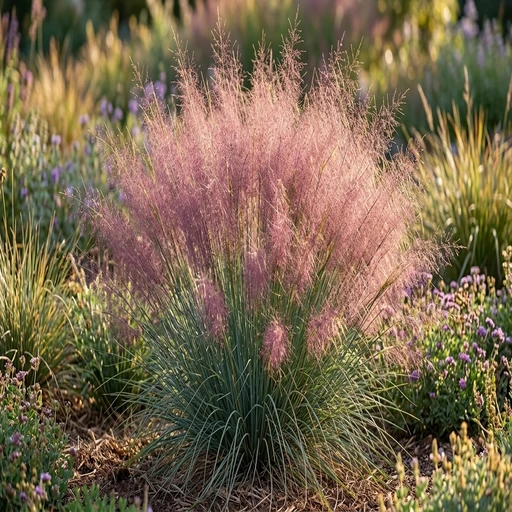
Ruby Muhly Grass
Muhlenbergia reverchonii
Keep exploring
Explore the genus
Hardy in your zone?
Grow Lindheimer's Muhly with confidence
See it in a design of your actual yard, get zone-matched care reminders, and track it season by season in your garden journal.