Also known as Red Yucca · 118 saves
Hesperaloe
Hesperaloe, the genus most gardeners know as red yucca. We track 6 varieties; the ones most used by real gardeners.
The 6 most-saved Hesperaloe varieties
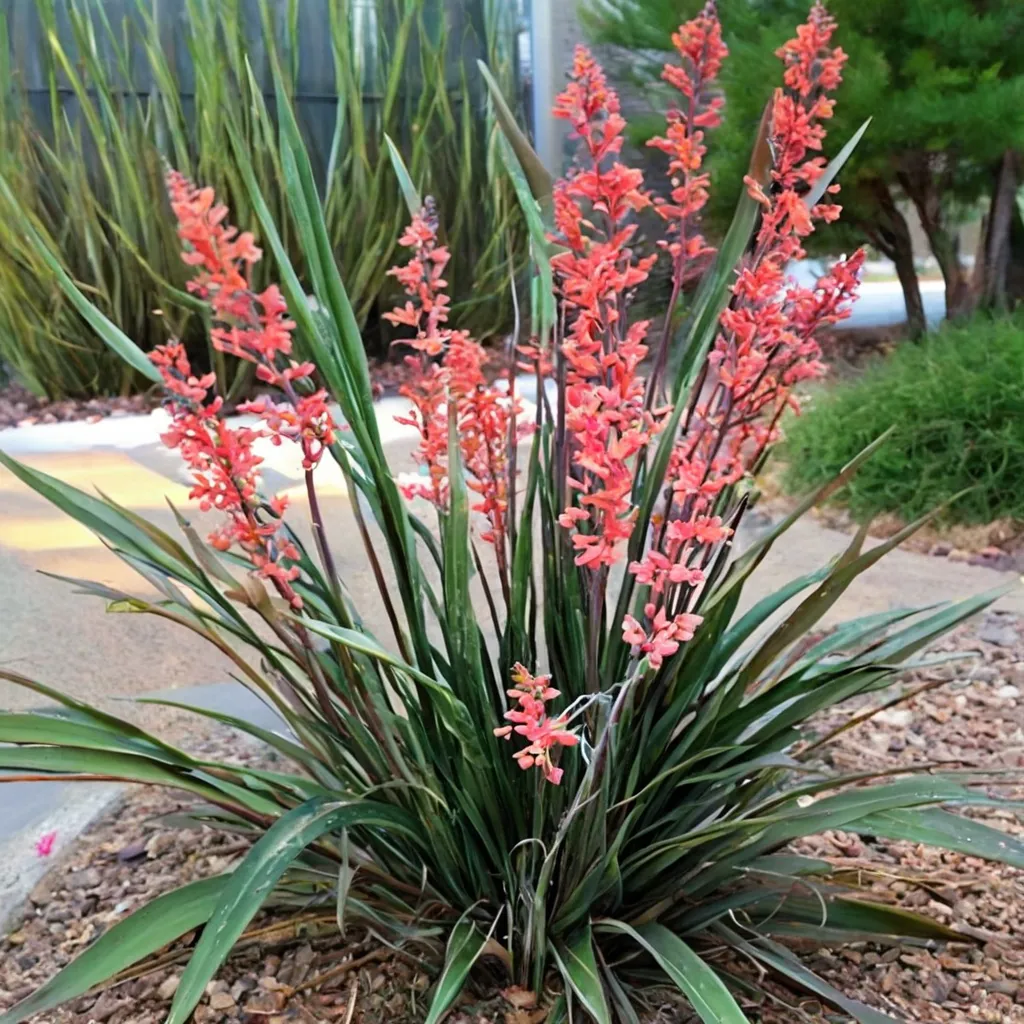
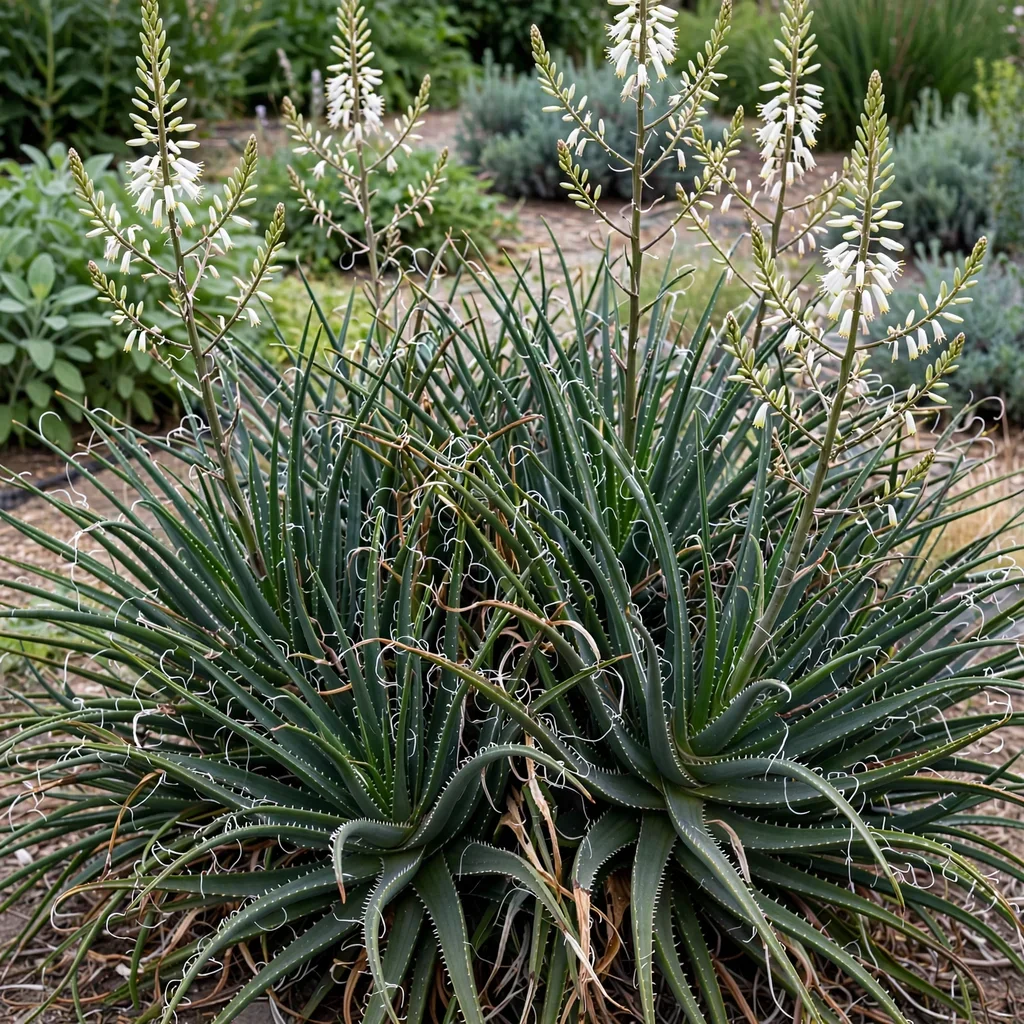
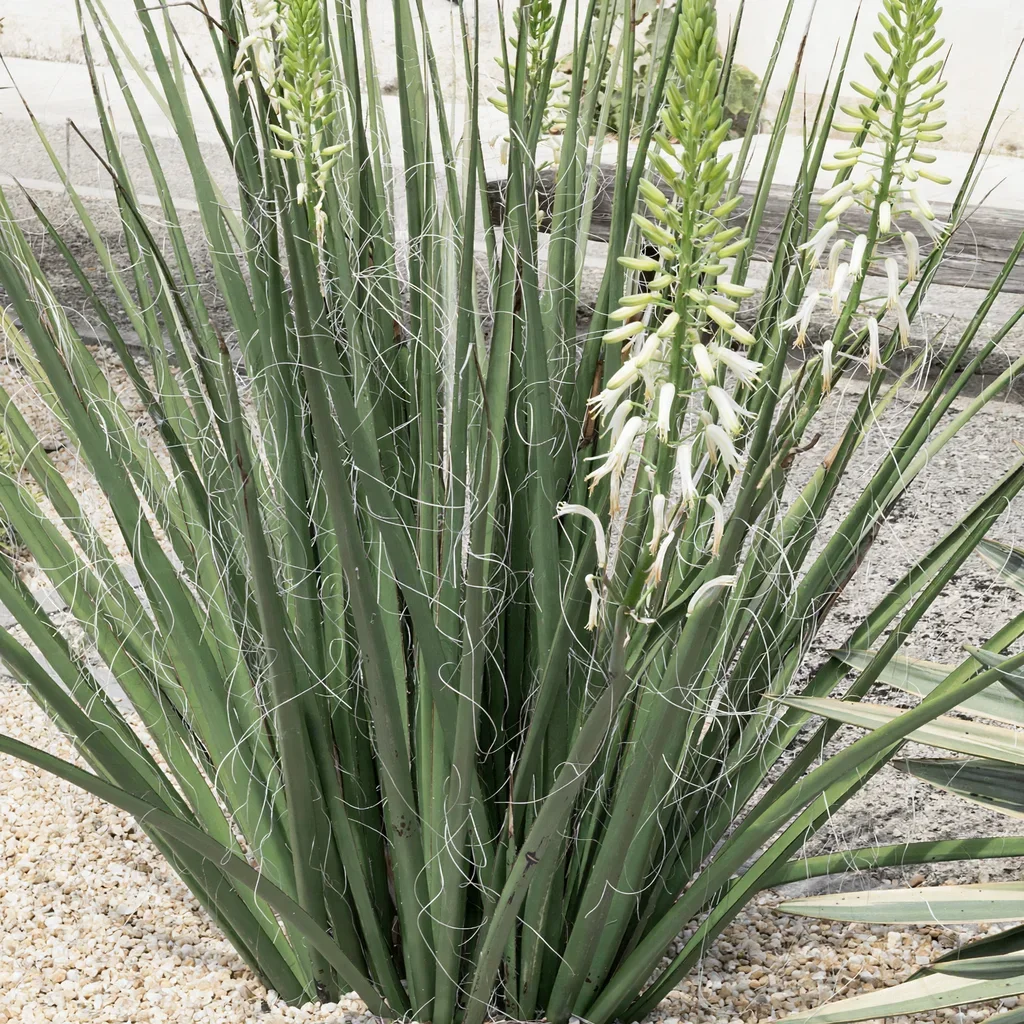
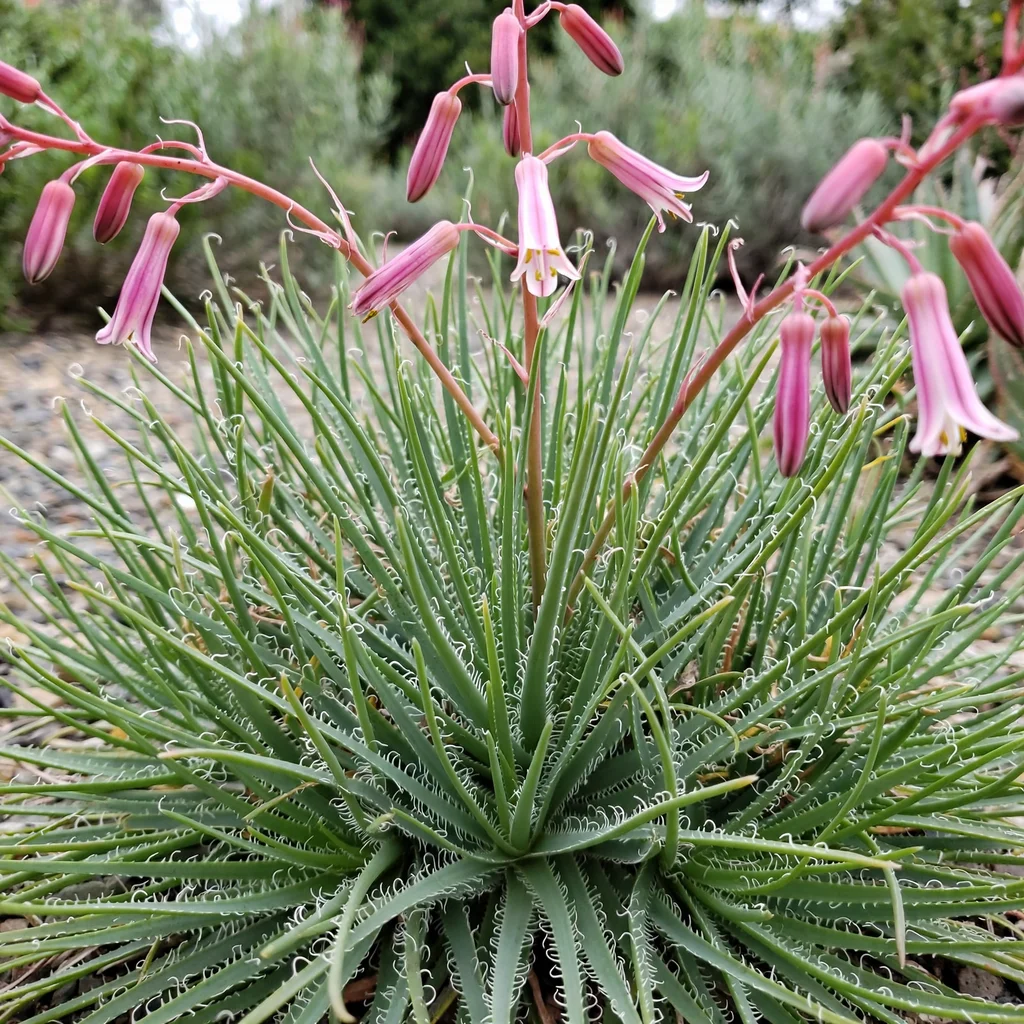
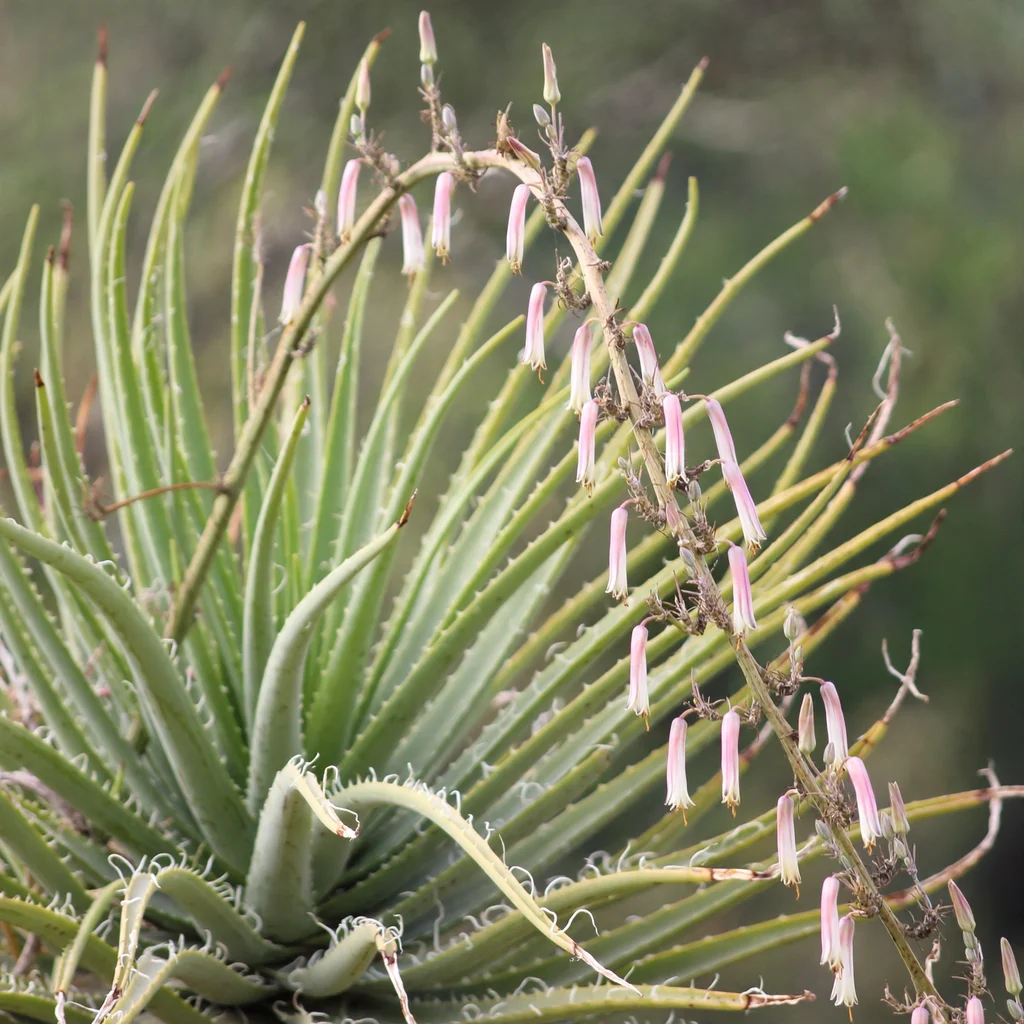
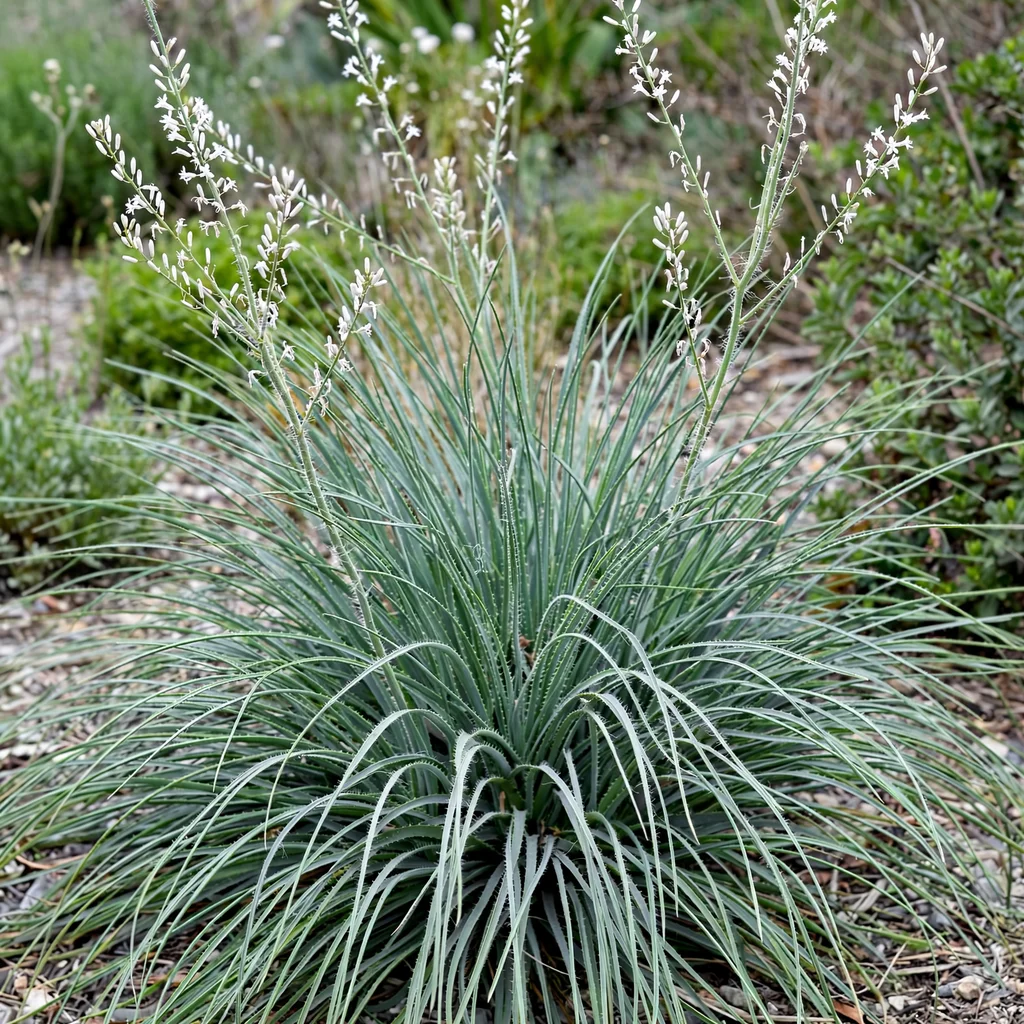
4 species of Hesperaloe
Each one is a parent of the varieties above.
Track your Hesperaloe in Sow
Save the Hesperaloe you grow and get care reminders timed to your zone.
How to grow Hesperaloe
Whats common across all Hesperaloe varieties in our catalog — drawn from the care records of the 6 most-grown of them.
The Hesperaloe year
- PlantMarch–May67% of varieties
Plant potted stock after frost in full sun in sharply drained soil.
- PruneSeptember and October67% of varieties
Cut the finished flower stalk at the base; leave foliage untouched.
- Check for PestsJune and July50% of varieties
Check leaf bases for mealybugs and stippling from spider mites.
- DeadheadJune and July33% of varieties
Cut the spent flower spike at the base after summer bloom.
- Winter PrepNovember33% of varieties
Stop supplemental water and confirm drainage before cold; hardy to Zone 7 without cover.
- Spring CleanupApril33% of varieties
Remove any dead or damaged leaves at the base of the plant.


Do
- Plant in well-drained rocky or sandy soil in full sun.
- Water low once established and allow soil to dry.
- Remove spent flower spikes to keep the clump tidy.
- Grow in full sun in sharply drained sandy or rocky soil
- Water deeply then allow soil to dry completely between waterings
Avoid
- Do not plant in poorly drained or constantly wet soil.
- Do not overwater; soggy crowns rot.
- Do not handle leaves without gloves; edges are sharp.
- Do not overwater or plant in heavy clay that holds winter wet
What goes wrong with Hesperaloe
| Problem | What you'll see | What to do |
|---|---|---|
| Mealybugs | White cottony clusters in leaf bases and stunted growth. | Wash off with strong water spray and treat with insecticidal soap; improve air flow. |
| Spider mites | Stippled pale leaves and fine webbing in hot dry weather. | Rinse foliage with water and apply horticultural oil if numbers build. |
| Agave snout weevil | Larvae tunnel the base and flower stalk, causing sudden collapse and rot | Remove and destroy collapsed plants; inspect crown bases and avoid excess water |
| Scale insects | Sticky residue and yellowing leaves | Use horticultural oil or insecticidal soap |
| Root rot | Soft collapsing base and yellowing leaves from overwatering. | Plant only in well-drained soil, reduce water, and discard severely rotted rosettes. |
| Leaf spot | Brown to black spots on leaves in wet crowded conditions | Improve air flow, avoid wetting foliage, and remove spotted leaves |
Making more Hesperaloe
Division
- Lift an established clump in spring after frost danger passes.
- Separate a side offset with roots attached using a sharp clean knife.
- Replant the offset at the same depth in well-drained soil.
- Water once then keep on the dry side until new growth shows.
Seed
- Sow fresh seed in spring in gritty well-drained mix.
- Cover lightly and keep warm with slight moisture.
- Thin to strongest seedlings once grass-like leaves form.
- Grow on in pots; seedlings are slow to reach rosette size.
Hesperaloe questions
How many types of Hesperaloe are there?
The Sow catalog tracks 6 distinct Hesperaloe varieties. The most popular — ranked by 118 real gardeners — are shown first above.
What zones does Hesperaloe grow in?
Across its varieties, Hesperaloe covers USDA Zones 5–10. Individual varieties differ — each plant page lists its exact range, and Sow filters the catalog to your zone automatically.
When does Hesperaloe bloom?
Most Hesperaloe varieties bloom from late spring to late summer.
Which Hesperaloe should I choose?
Start from the most-saved varieties above — popularity across thousands of gardens is a strong signal of reliability — then filter by your zone and sun. In the Sow app you can preview any of them in a photo of your actual yard before you buy.