
The Story
Plant Bio
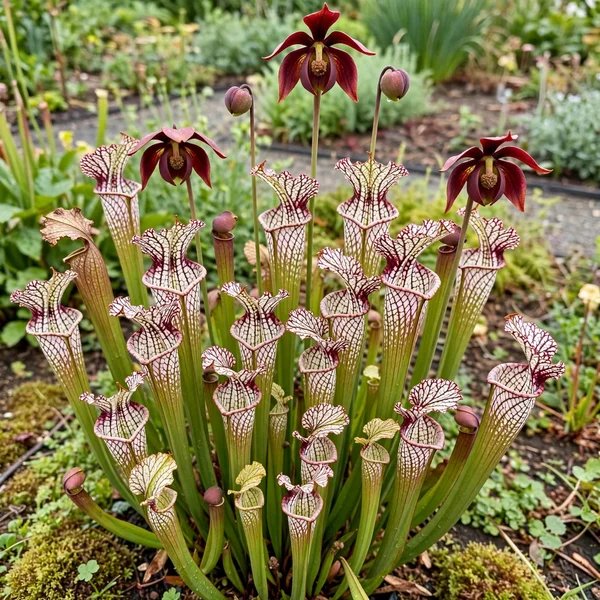
Sarracenia minor, commonly known as the hooded pitcher plant, produces distinctive tubular leaves that trap and digest insects, aiding in nutrient acquisition.
The cultivar 'Dixie Lace' is noted for its intricate leaf patterns and vibrant coloration, making it particularly attractive in carnivorous plant collections.
Uses & Benefits:
Essentials
At a Glance
Plant Type
Perennial
Height
7"
Width
12"
Light
Full Sun
Zones
6, 7, 8, 9, 10
Water
High moisture, boggy conditions
Humidity
High humidity preferred
Lifespan
Perennial
Native To
Southeastern U.S.
Toxicity
Non-toxic to humans and pets.
Bloom period
Early summer – Late summer
In flower about 3 months of the year
Marketplace
Where to Buy
Shipping costs Year-round shipping Free shipping
Planting
How to Grow
- Tuck seeds lightly into moist, acidic soil in early spring.
- Mist cuttings regularly to maintain humidity and root in 6 weeks.
- Ensure the soil remains consistently moist and boggy.
- Provide full sun for optimal growth, avoiding direct afternoon heat.
- Transplant young plants in early spring after dormancy ends.
- Mulch lightly to retain moisture and suppress weeds.
Pro Tip
Use distilled or rainwater to prevent mineral buildup and keep soil acidic.
Keep It Thriving
Care Guide
Do
- Keep soil consistently moist with distilled water 🌱
- Place in full sun for vibrant coloration
- Monitor for pests and treat promptly
- Mulch to retain moisture and regulate temperature
Don't
- Avoid letting soil dry out completely ❌
- Do not use tap water high in minerals ❌
- Refrain from fertilizing with standard fertilizers
- Avoid exposing plants to harsh, direct afternoon sunlight
Seasonal Care Calendar
| Task | Jan | Feb | Mar | Apr | May | Jun | Jul | Aug | Sep | Oct | Nov | Dec |
|---|---|---|---|---|---|---|---|---|---|---|---|---|
| Divide | ||||||||||||
| Prune | ||||||||||||
| Spring Cleanup |
Watch Out For
Pests & Diseases
Common Pests
Common Diseases
In the Garden
Landscape Uses & Companions
Landscape Uses
Multiply
Propagation Methods
Good to Know
Common Questions
Dixie Lace Pitcher Plant questions
What zones can Dixie Lace Pitcher Plant grow in?
Dixie Lace Pitcher Plant is hardy in USDA Zones 6–10. Inside that range it survives winter in the ground; outside it, grow it as an annual or a container plant you protect.
Is Dixie Lace Pitcher Plant deer resistant?
Yes — Dixie Lace Pitcher Plant is rated deer-resistant. Deer typically pass it over, though extreme hunger can override any plant's defenses.
When does Dixie Lace Pitcher Plant bloom?
Dixie Lace Pitcher Plant typically blooms in early summer through late summer. Exact timing shifts a week or two with your zone — Sow's bloom calendar maps it to your garden.
Does Dixie Lace Pitcher Plant need full sun?
Dixie Lace Pitcher Plant does best in full sun (6+ hours).
More Sarracenia to compare
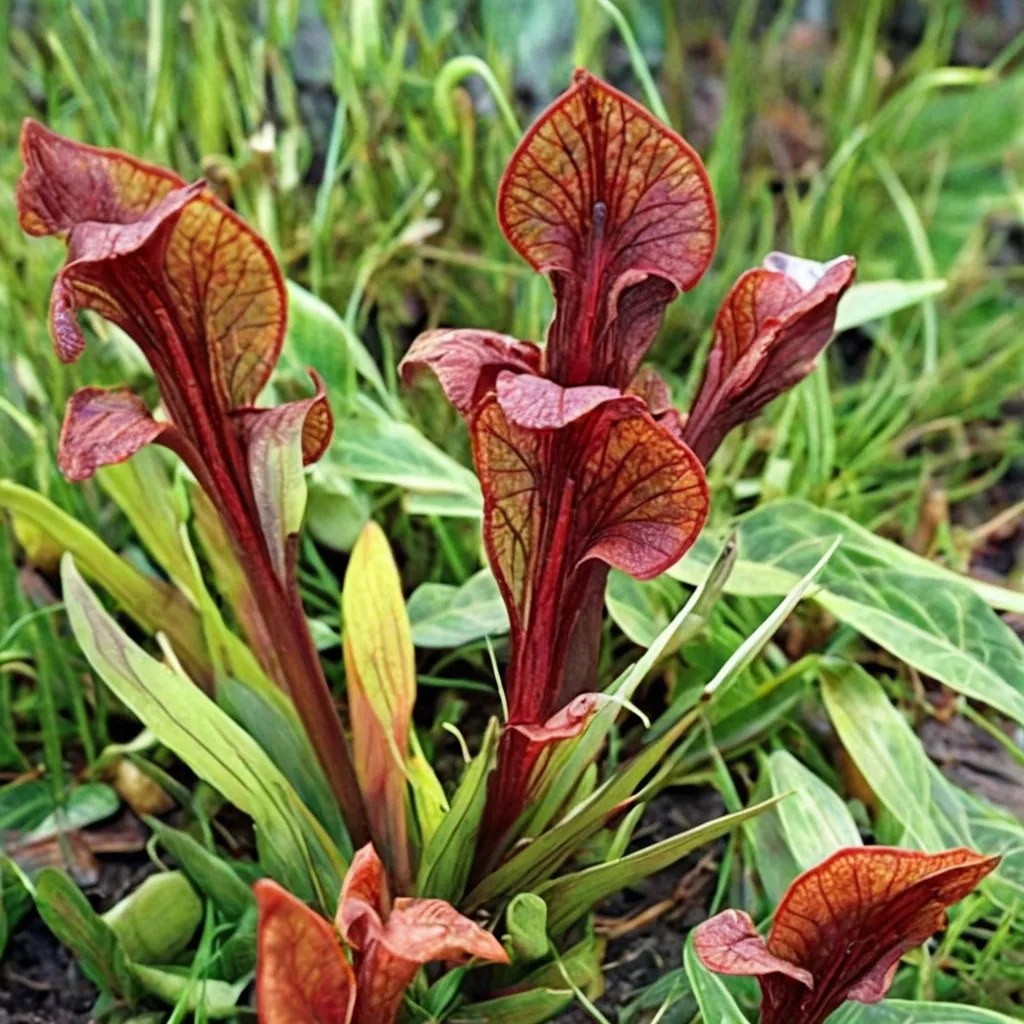
Catesby's Pitcher Plant
Sarracenia x catesbaei
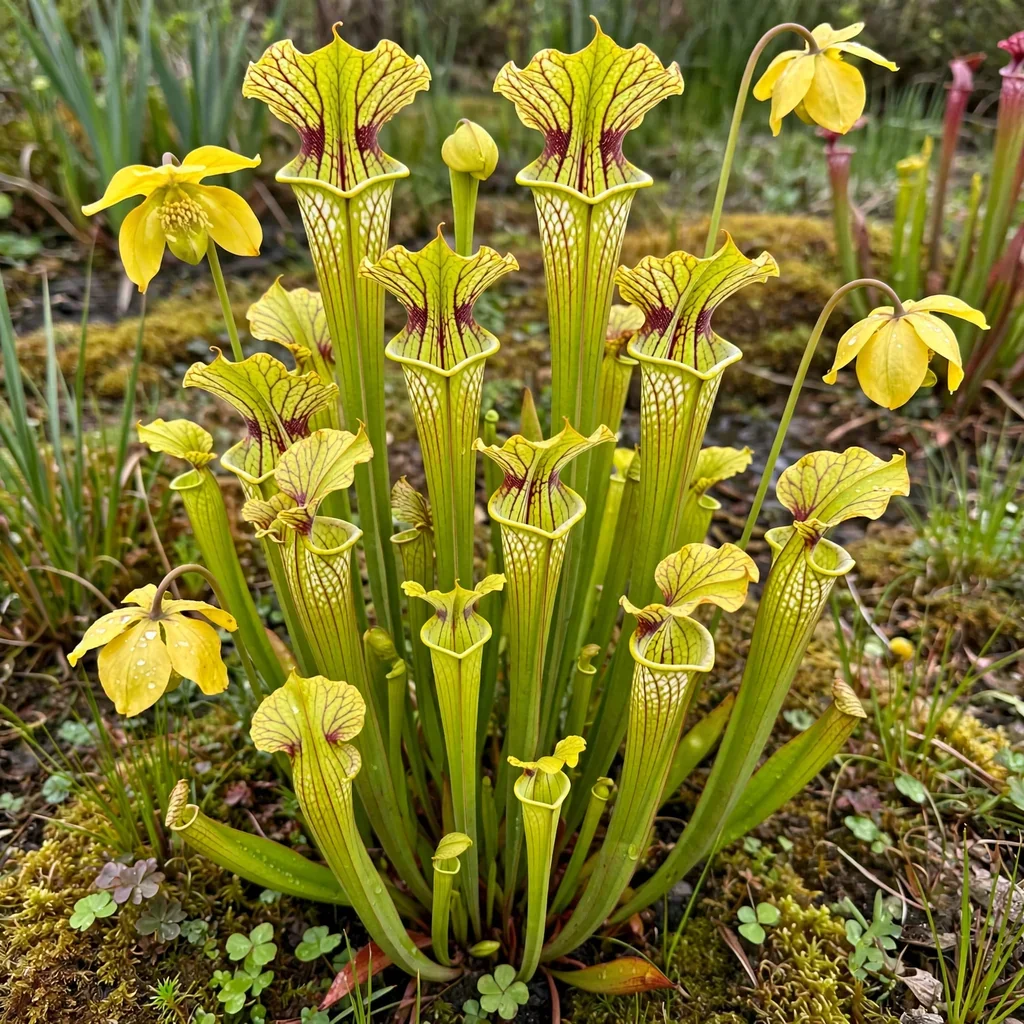
Sarracenia Flava 'Flies Demise'
Sarracenia flava 'Flies Demise'
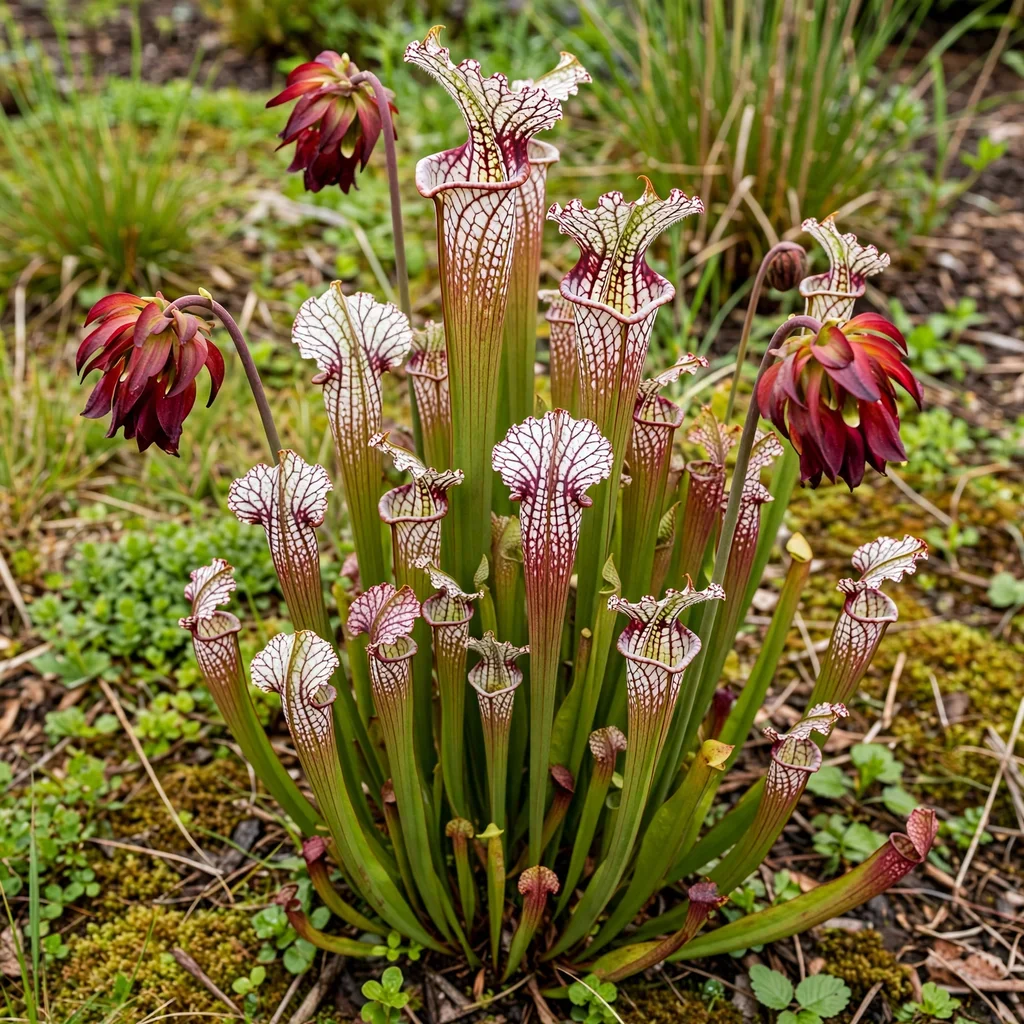
White Pitcher Plant
Sarracenia leucophylla
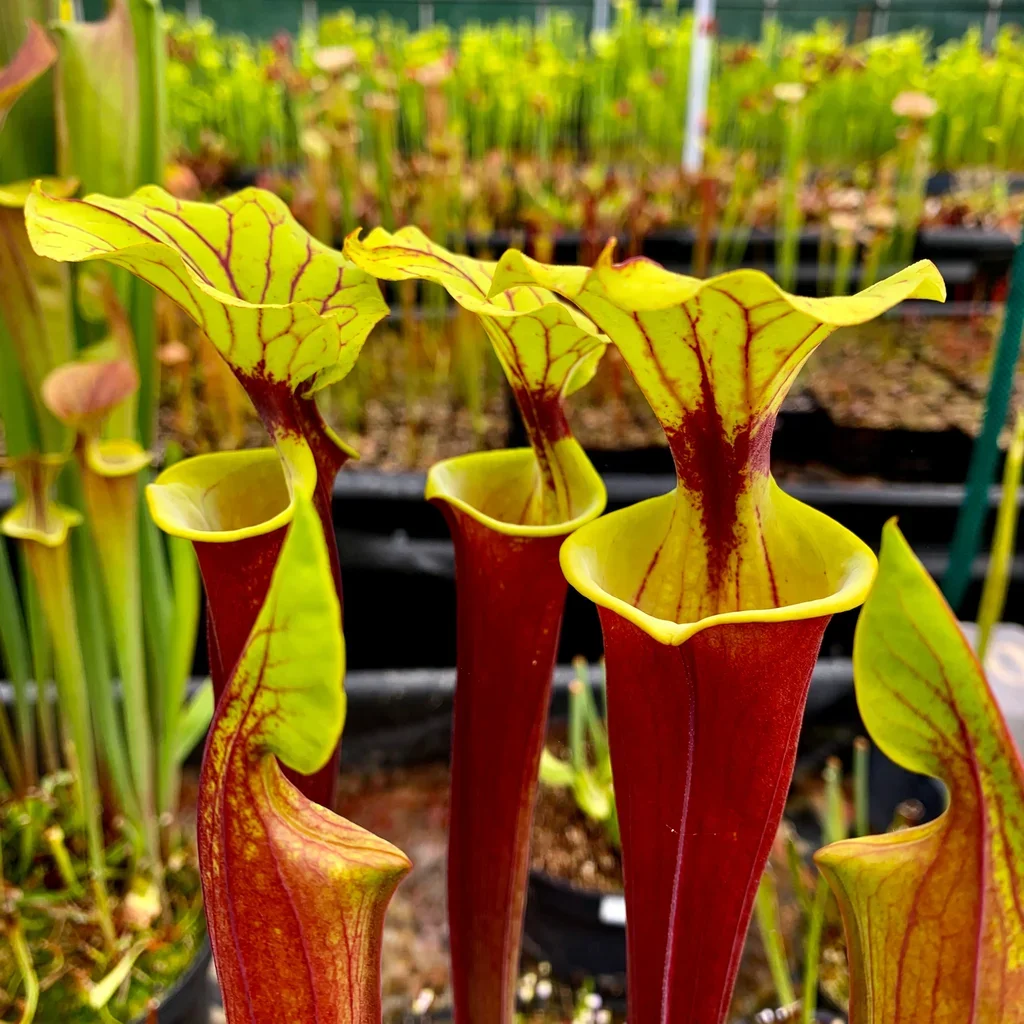
Red Tube Yellow Pitcher Plant
Sarracenia flava 'Red Tube'
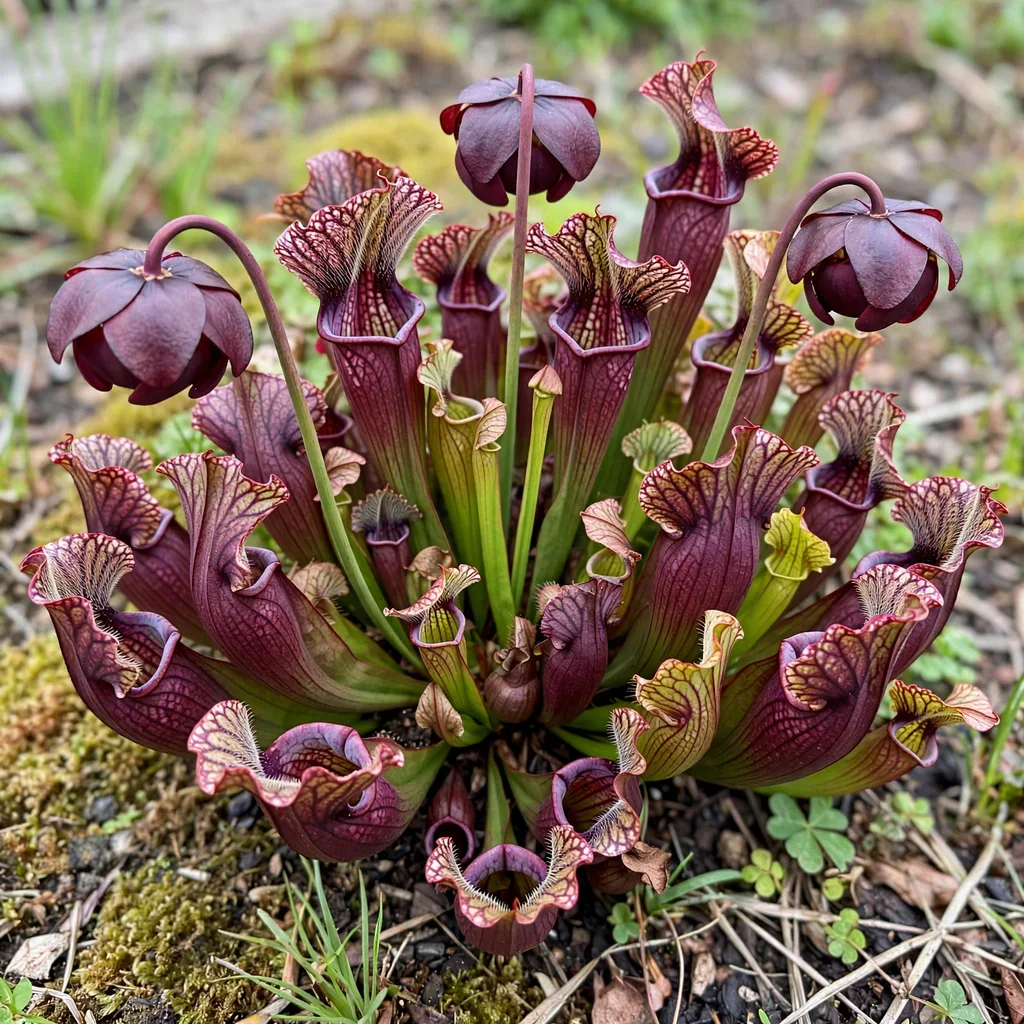
Purple Pitcher Plant
Sarracenia purpurea
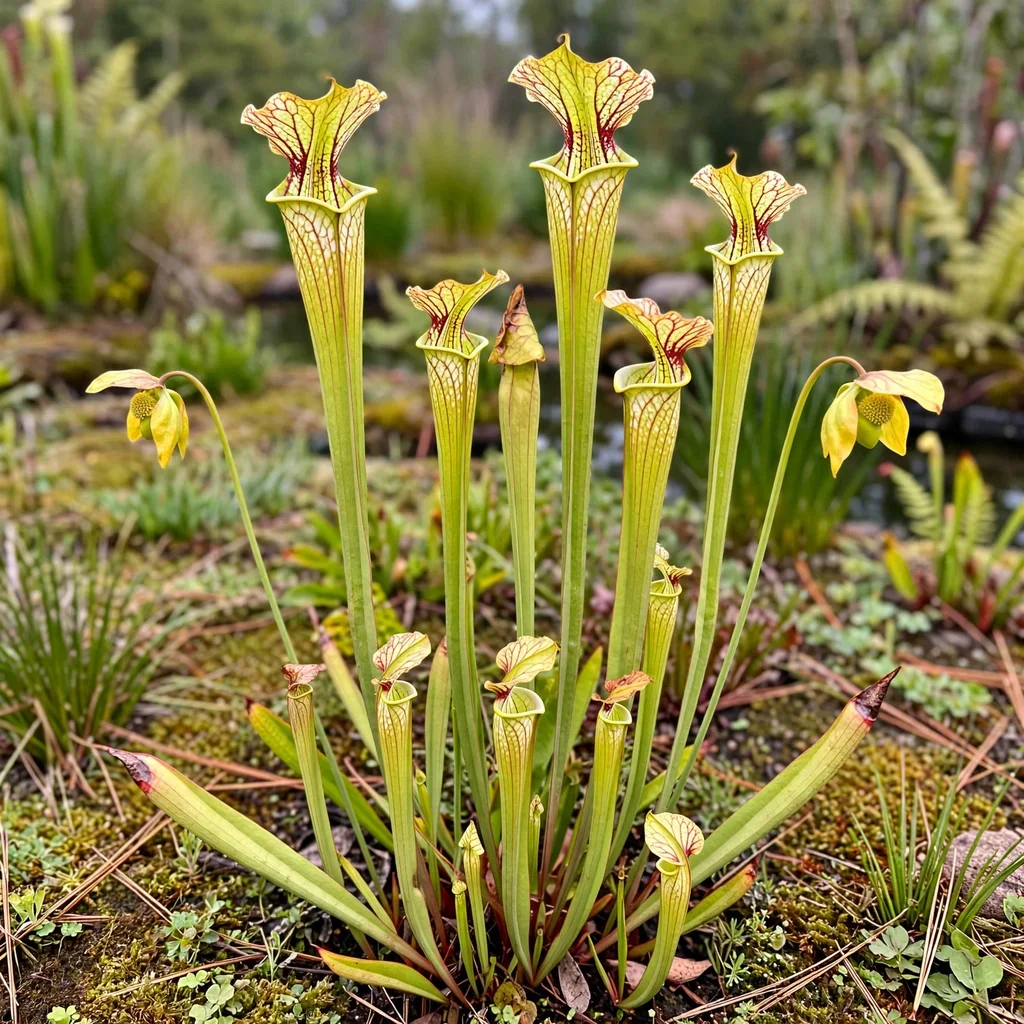
Yellow Pitcher Plant
Sarracenia flava
Keep exploring
Explore the genus
Hardy in your zone?
Grow Dixie Lace Pitcher Plant with confidence
See it in a design of your actual yard, get zone-matched care reminders, and track it season by season in your garden journal.