The Story
Plant Bio
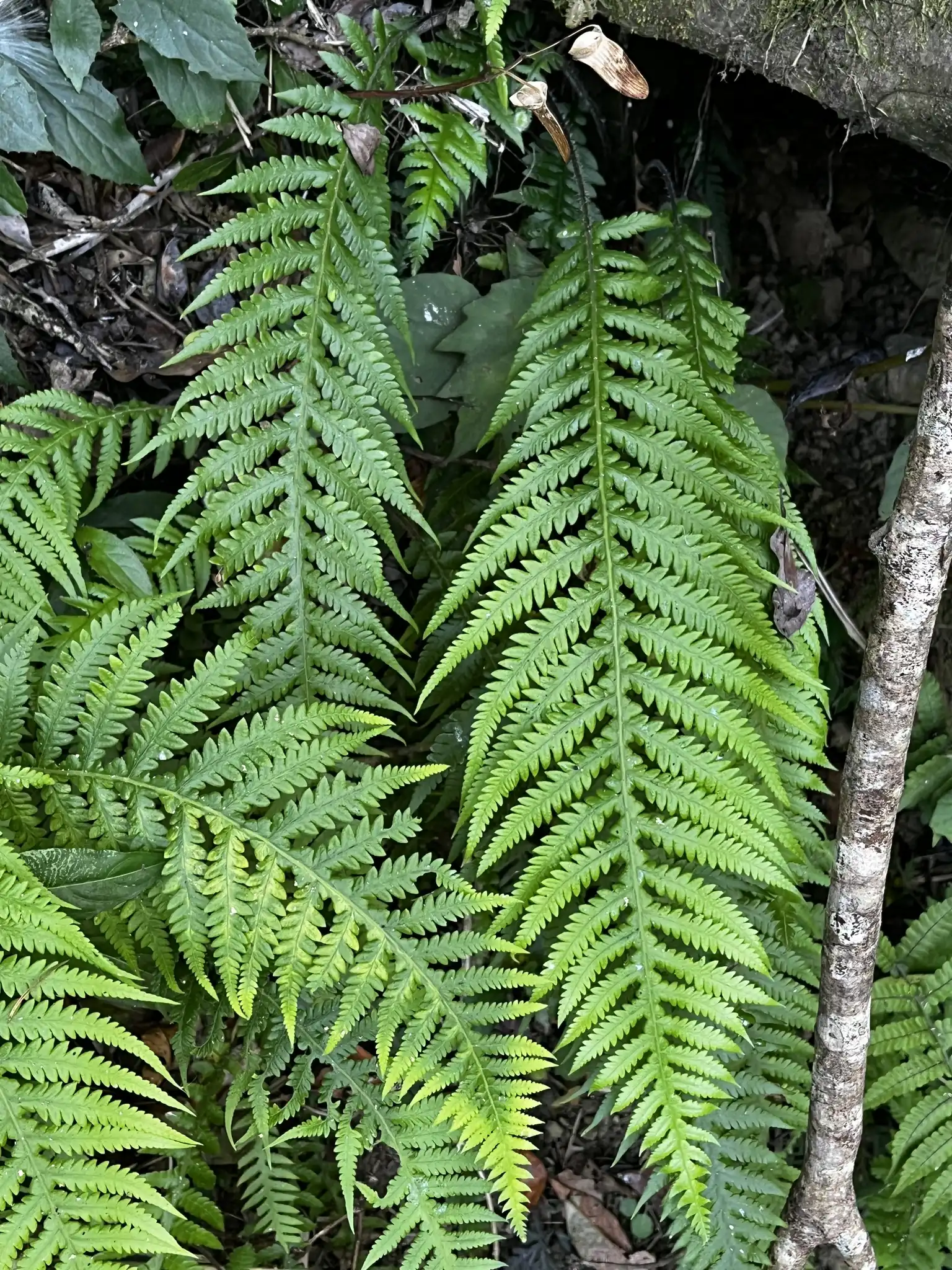
Thelypteris is a large genus of ferns, commonly called maiden ferns or marsh ferns, found worldwide. They typically have pinnately compound fronds and spread via rhizomes, often forming colonies.
This species is unique for its 'decursive-pinnate' frond structure, where the leaflets (pinnae) have winged tissue running down the main stem (rachis), giving it a distinct, feathery look. It spreads by short rhizomes to form a dense, upright clump.
Uses & Benefits:
Essentials
At a Glance
Plant Type
Fern
Height
24"
Width
24"
Light
Partial Sun, Shade
Zones
4, 5, 6, 7, 8, 9, 10
Water
Medium to High
Humidity
Prefers high humidity
Lifespan
Long-lived perennial
Native To
East Asia
Toxicity
Non-toxic
Marketplace
Where to Buy
Shipping costs Year-round shipping Free shipping
Planting
How to Grow
- Choose a location in partial to full shade.
- Work compost or other organic matter into the soil.
- Dig a hole slightly larger than the pot.
- Gently remove the fern and place it in the hole.
- Ensure the crown of the plant is at soil level.
- Water thoroughly and apply a layer of organic mulch.
Pro Tip
Amend soil with plenty of compost or leaf mold at planting time to mimic its native woodland floor habitat.
Keep It Thriving
Care Guide
Do
- Keep the soil consistently moist but not waterlogged.
- Provide a shady location to prevent leaf scorch.
- Enrich the soil with organic matter.
- Divide every few years if the clump becomes too crowded.
Don't
- Do not plant in direct sun.
- Avoid letting the soil dry out completely.
- Do not plant in heavy, compacted clay without amendment.
- Avoid chemical fertilizers; use compost instead.
Seasonal Care Calendar
| Task | Jan | Feb | Mar | Apr | May | Jun | Jul | Aug | Sep | Oct | Nov | Dec |
|---|---|---|---|---|---|---|---|---|---|---|---|---|
| Divide | ||||||||||||
| Mulch | ||||||||||||
| Plant | ||||||||||||
| Spring Cleanup |
Watch Out For
Pests & Diseases
Common Pests
Common Diseases
In the Garden
Landscape Uses & Companions
Landscape Uses
Multiply
Propagation Methods
Good to Know
Common Questions
Japanese Beech Fern questions
What zones can Japanese Beech Fern grow in?
Japanese Beech Fern is hardy in USDA Zones 4–10. Inside that range it survives winter in the ground; outside it, grow it as an annual or a container plant you protect.
Is Japanese Beech Fern deer resistant?
Yes — Japanese Beech Fern is rated deer-resistant. Deer typically pass it over, though extreme hunger can override any plant's defenses.
Does Japanese Beech Fern need full sun?
Japanese Beech Fern does best in part shade.
More Thelypteris to compare
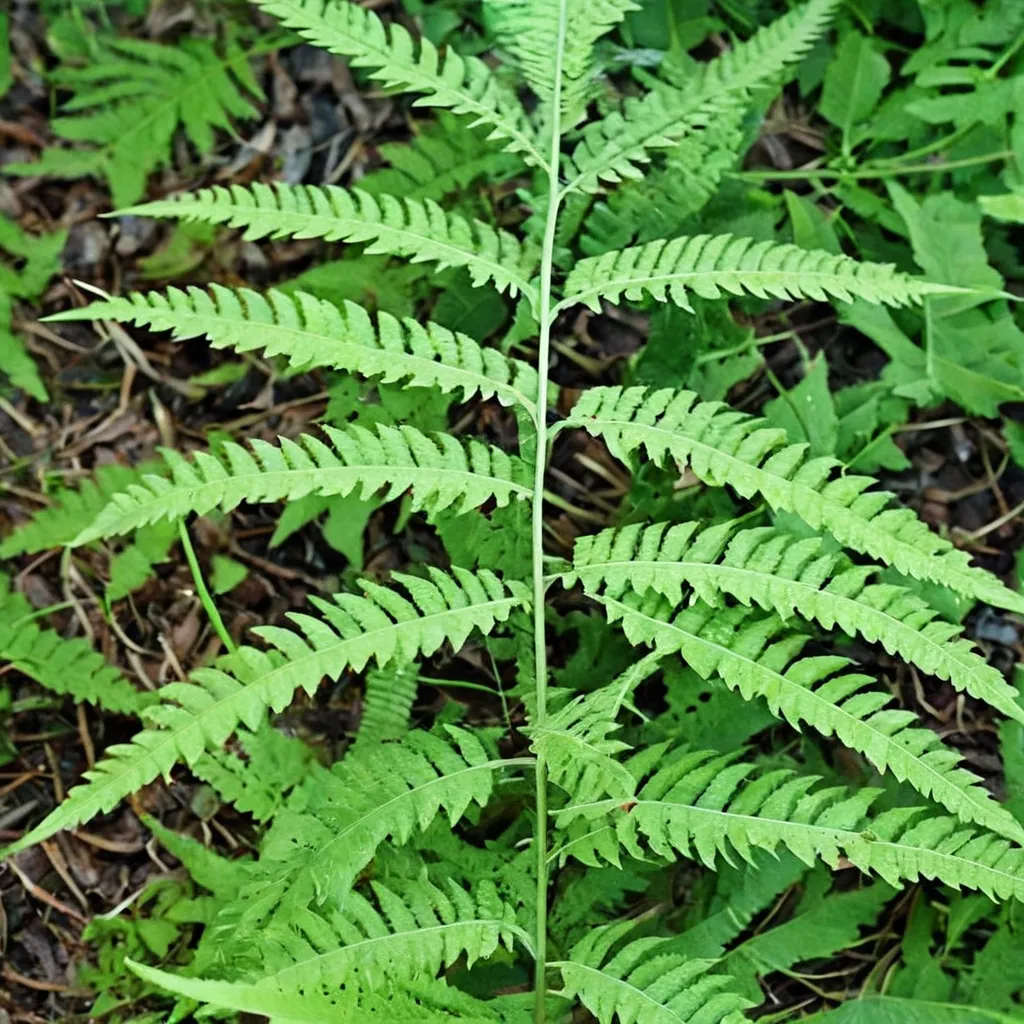
New York Fern
Thelypteris noveboracensis
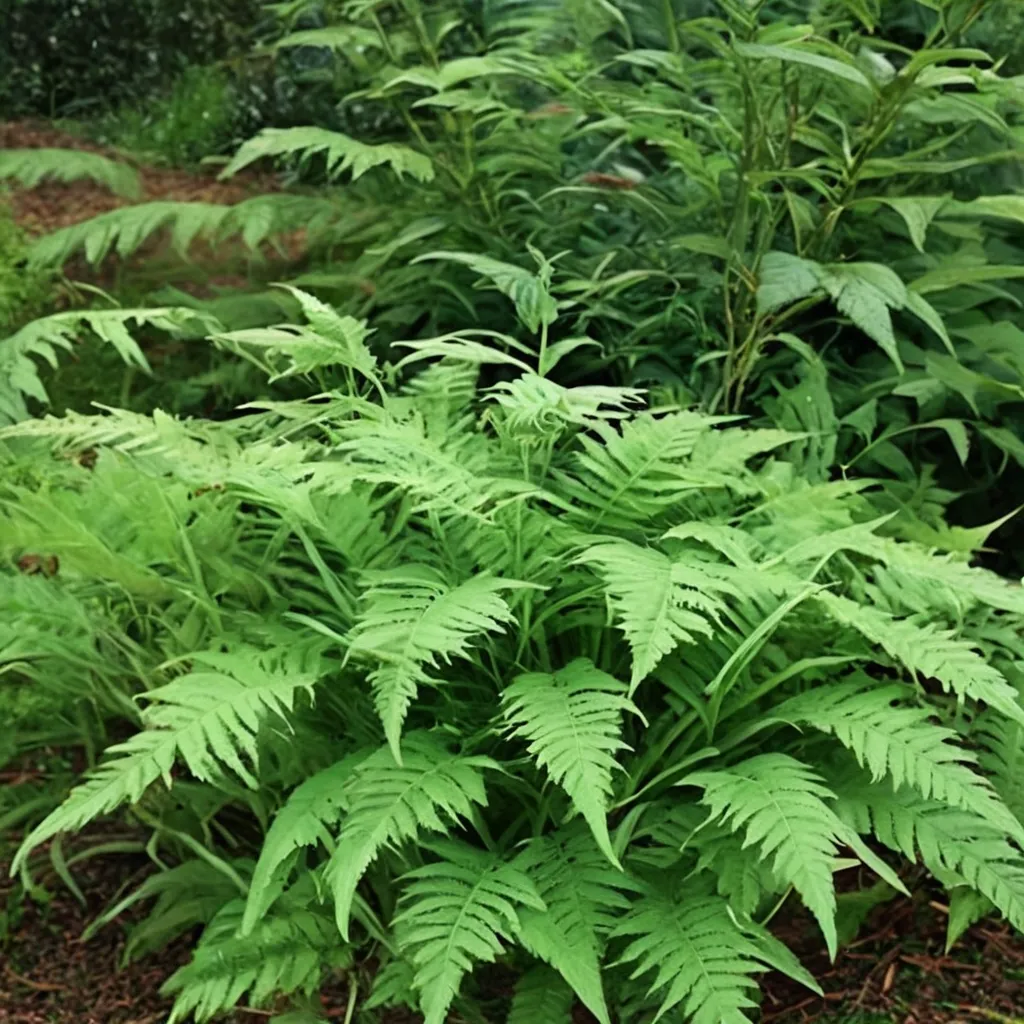
Southern Shield Fern
Thelypteris kunthii
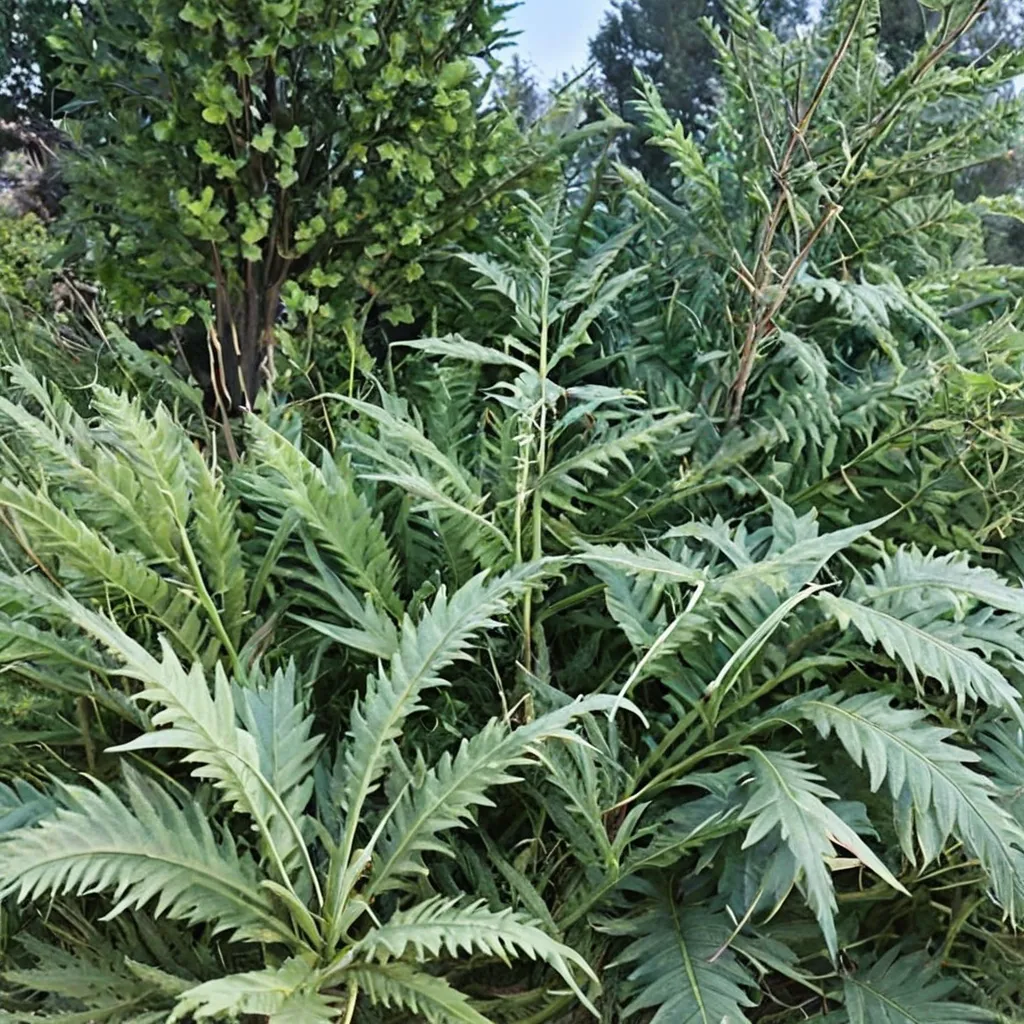
Austin City Limits Southern Shield Fern
Thelypteris ovata 'Austin City Limits'
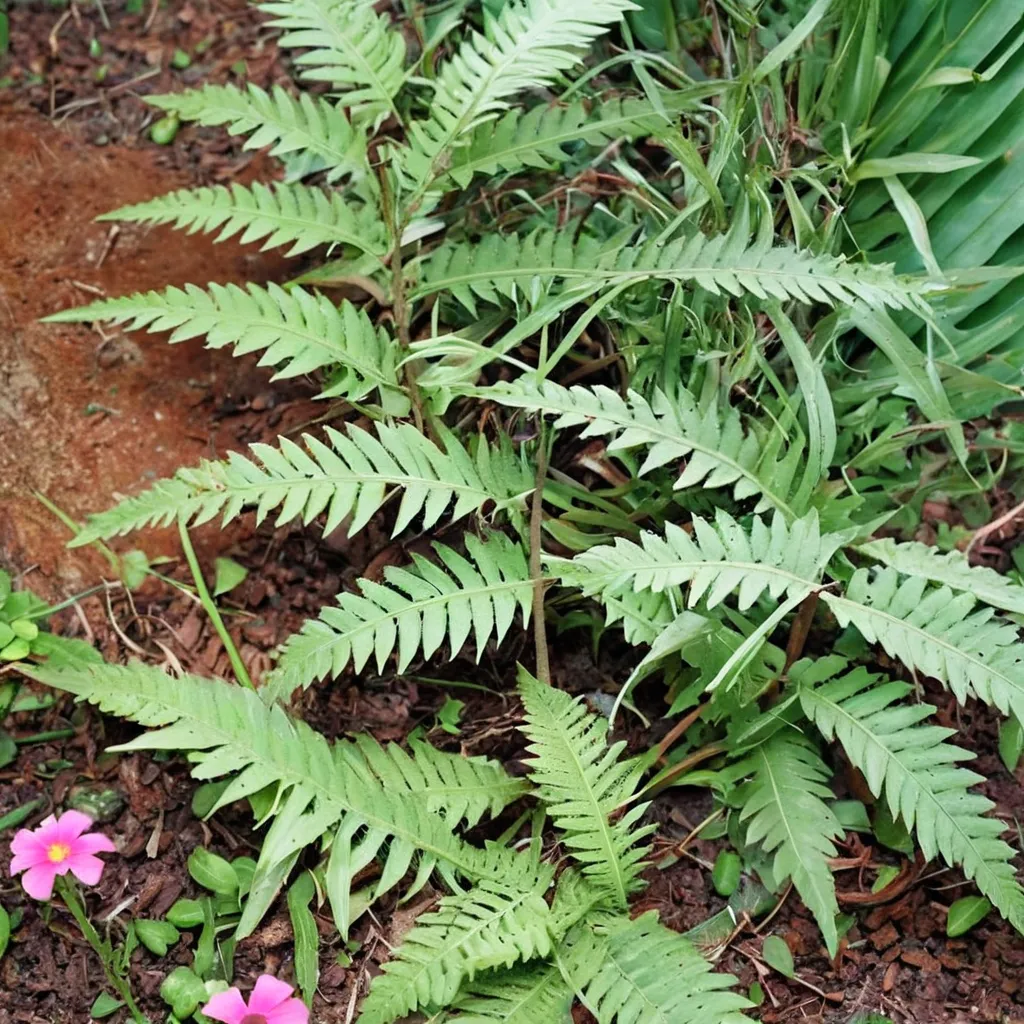
Downy Maiden Fern
Thelypteris dentata
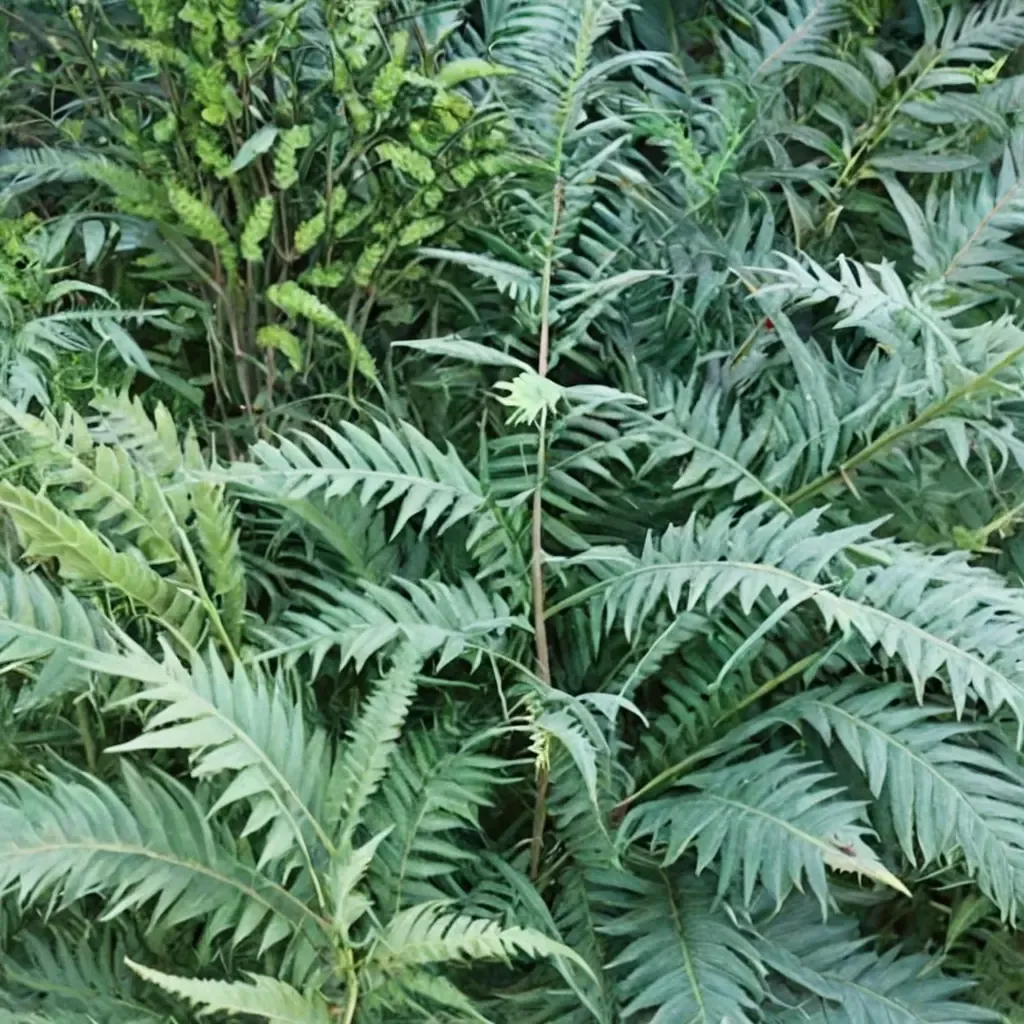
Austin City Limits Fern Lindheimer's Fern
Thelypteris ovata 'lindheimeri 'Austin City Limits''
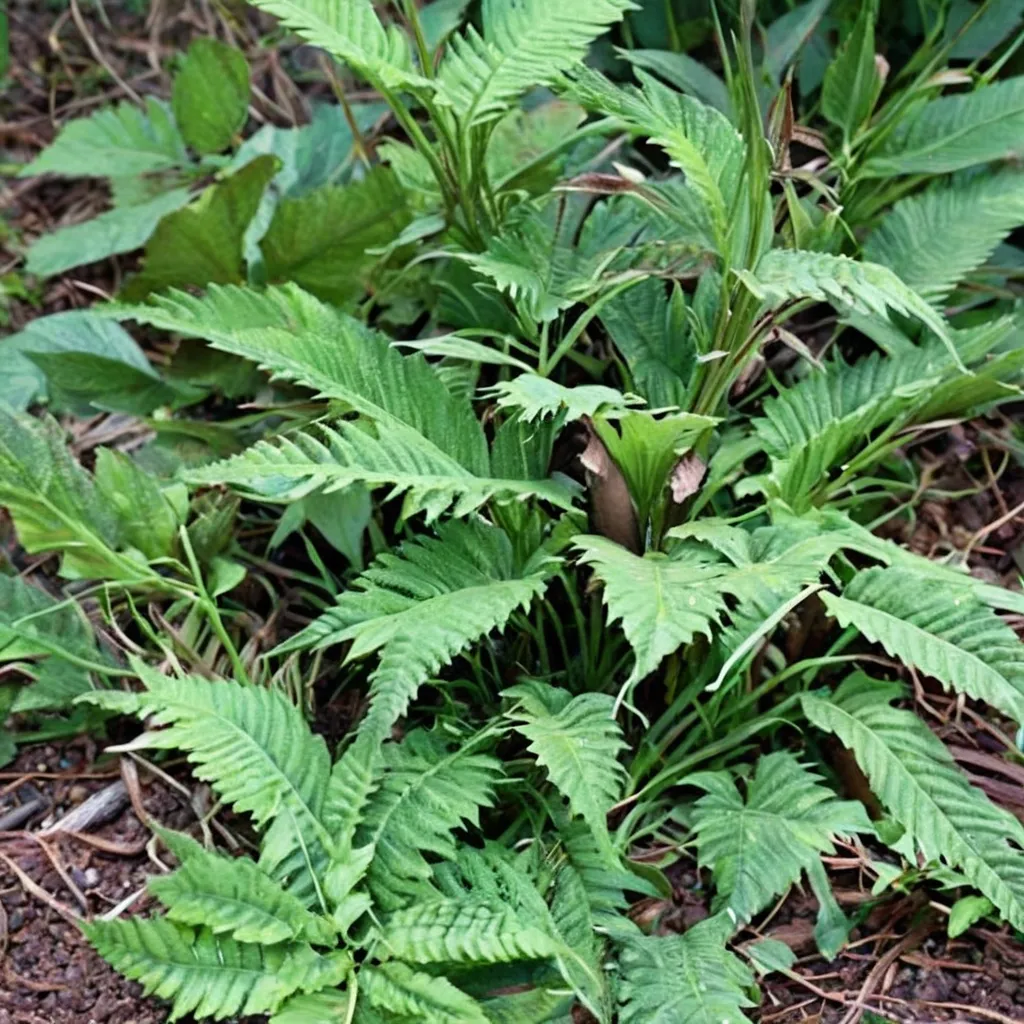
Beddome's Maiden Fern
Thelypteris beddomei 'Korean Traveler'
Keep exploring
Explore the genus
Grow Japanese Beech Fern with confidence
See it in a design of your actual yard, get zone-matched care reminders, and track it season by season in your garden journal.