The Story
Plant Bio
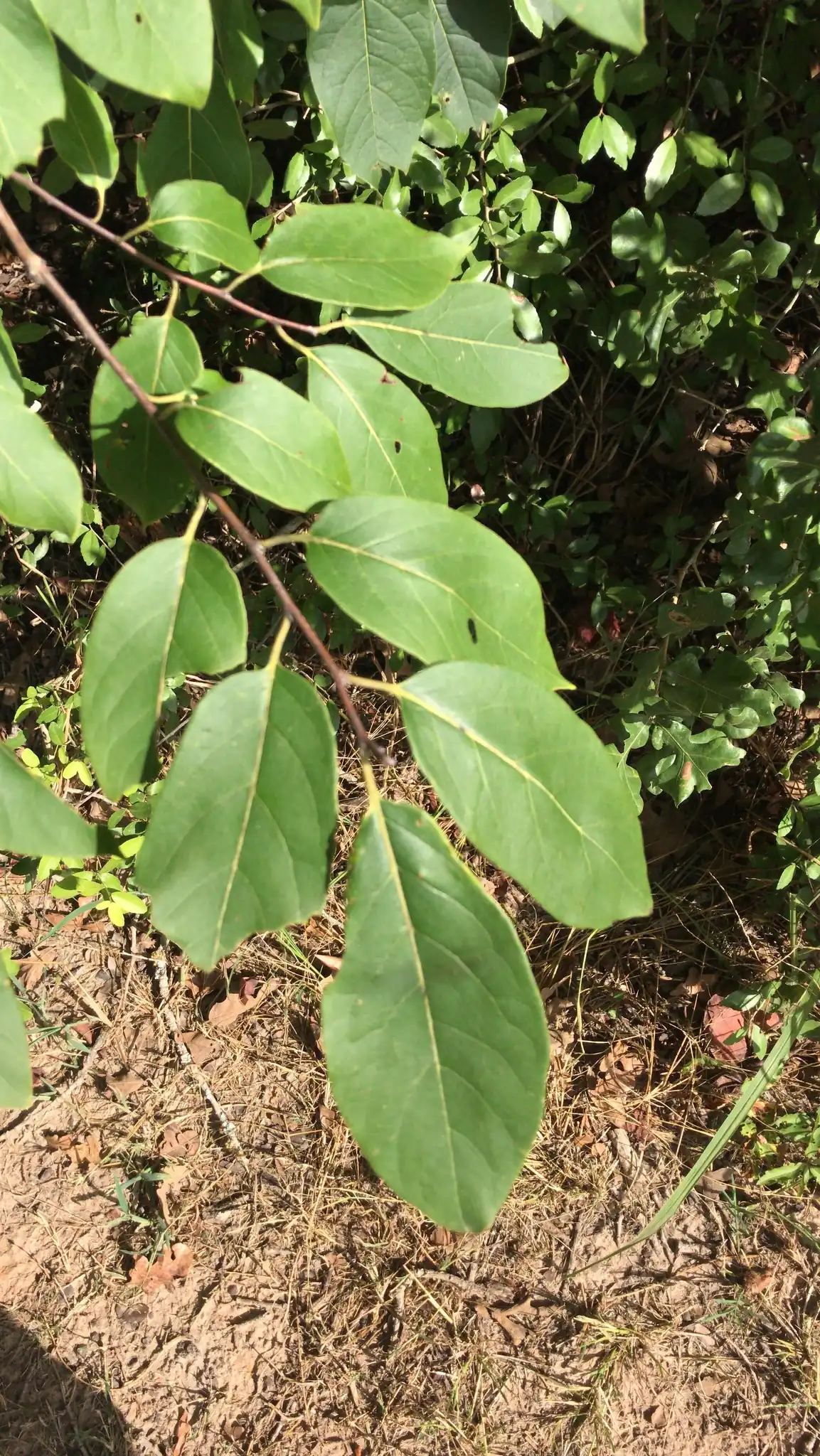
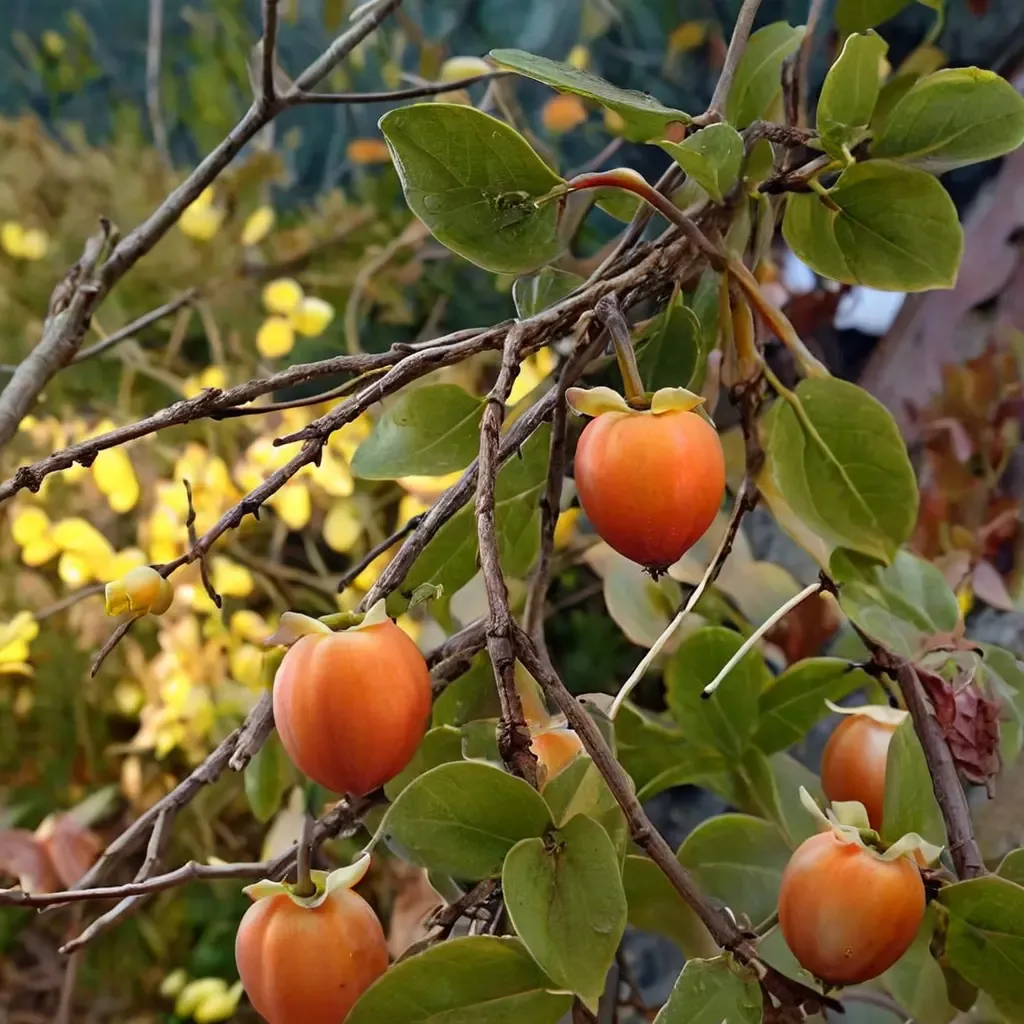
Diospyros virginiana, the American persimmon, is a hardy and adaptable deciduous tree native to the eastern United States. It is known for its distinctive blocky bark, attractive foliage, and sweet, edible fruits that ripen in the fall.
The tree's most notable feature is its fruit, which is extremely astringent when unripe but becomes rich and sweet after a frost. It is a dioecious species, meaning male and female flowers are on separate trees, and a female tree needs a nearby male for pollination and fruit production (though some cultivars are self-fertile).
Uses & Benefits:
Essentials
At a Glance
Plant Type
Tree
Height
540"
Width
300"
Light
Full Sun, Partial Sun
Zones
4, 5, 6, 7, 8, 9
Water
Low to medium
Humidity
Average
Lifespan
Long-lived
Native To
Eastern and Central United States
Toxicity
Unripe fruit is highly astringent; leaves and seeds mildly toxic
Bloom period
Late spring – Early summer
In flower about 2 months of the year
Planting
How to Grow
- Select a site in full sun for best fruit production.
- The tree is adaptable to a wide range of soils but prefers good drainage.
- Dig a deep hole to accommodate the taproot.
- Carefully place the tree in the hole without damaging the root system.
- Backfill with soil and water deeply.
- Keep consistently moist for the first year to encourage establishment.
Pro Tip
For fruit production, plant at least one male tree for every three to five female trees, or choose a self-pollinating cultivar.
Keep It Thriving
Care Guide
Do
- Provide full sun for optimal growth and fruiting.
- Be patient; trees can take several years to begin bearing fruit.
- Allow fruit to ripen fully on the tree for the best flavor.
- Clean up fallen fruit to prevent attracting pests.
- Appreciate the unique, alligator-like bark.
Don't
- Don't attempt to transplant mature trees due to their deep taproot.
- Avoid eating the fruit before it is fully ripe and soft; it is incredibly astringent.
- Don't plant in a location where falling fruit will be a nuisance on patios or walkways.
- Avoid excessive fertilization, which is generally unnecessary.
Seasonal Care Calendar
| Task | Jan | Feb | Mar | Apr | May | Jun | Jul | Aug | Sep | Oct | Nov | Dec |
|---|---|---|---|---|---|---|---|---|---|---|---|---|
| Harvest | ||||||||||||
| Plant | ||||||||||||
| Prune |
Watch Out For
Pests & Diseases
Common Pests
Common Diseases
In the Garden
Landscape Uses & Companions
Landscape Uses
Multiply
Propagation Methods
Good to Know
Common Questions
American Persimmon questions
What zones can American Persimmon grow in?
American Persimmon is hardy in USDA Zones 4–9. Inside that range it survives winter in the ground; outside it, grow it as an annual or a container plant you protect.
Is American Persimmon deer resistant?
Not reliably. Deer may browse American Persimmon, especially tender spring growth — plan on repellents or fencing where pressure is high.
When does American Persimmon bloom?
American Persimmon typically blooms in late spring through early summer. Exact timing shifts a week or two with your zone — Sow's bloom calendar maps it to your garden.
Does American Persimmon need full sun?
American Persimmon does best in full sun to part shade. In hot climates, afternoon shade keeps blooms fresher longer.
Is American Persimmon drought tolerant?
Yes — once established (usually after the first full season), American Persimmon handles dry spells with minimal watering. Water deeply its first year to build the root system that makes that possible.
More Diospyros to compare
Keep exploring
Explore the genus
Grow American Persimmon with confidence
See it in a design of your actual yard, get zone-matched care reminders, and track it season by season in your garden journal.