The Story
Plant Bio
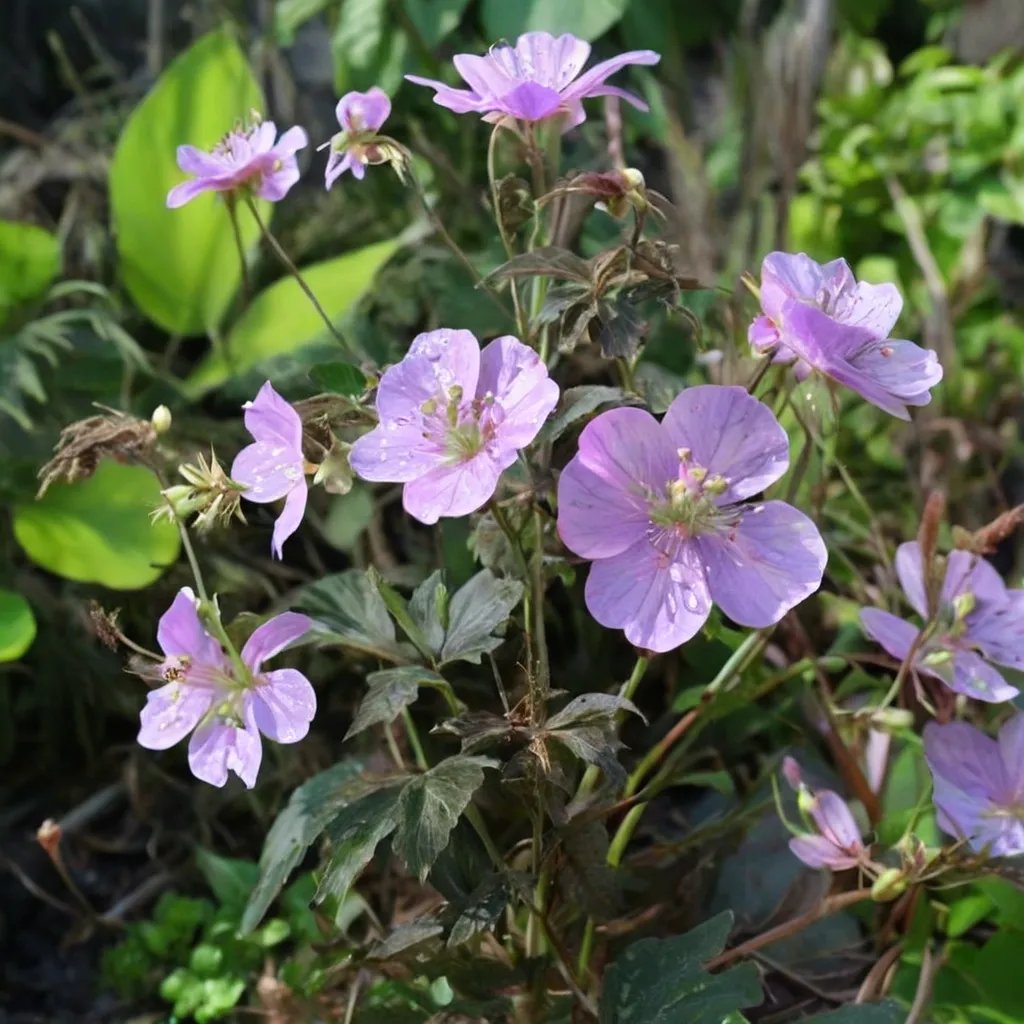
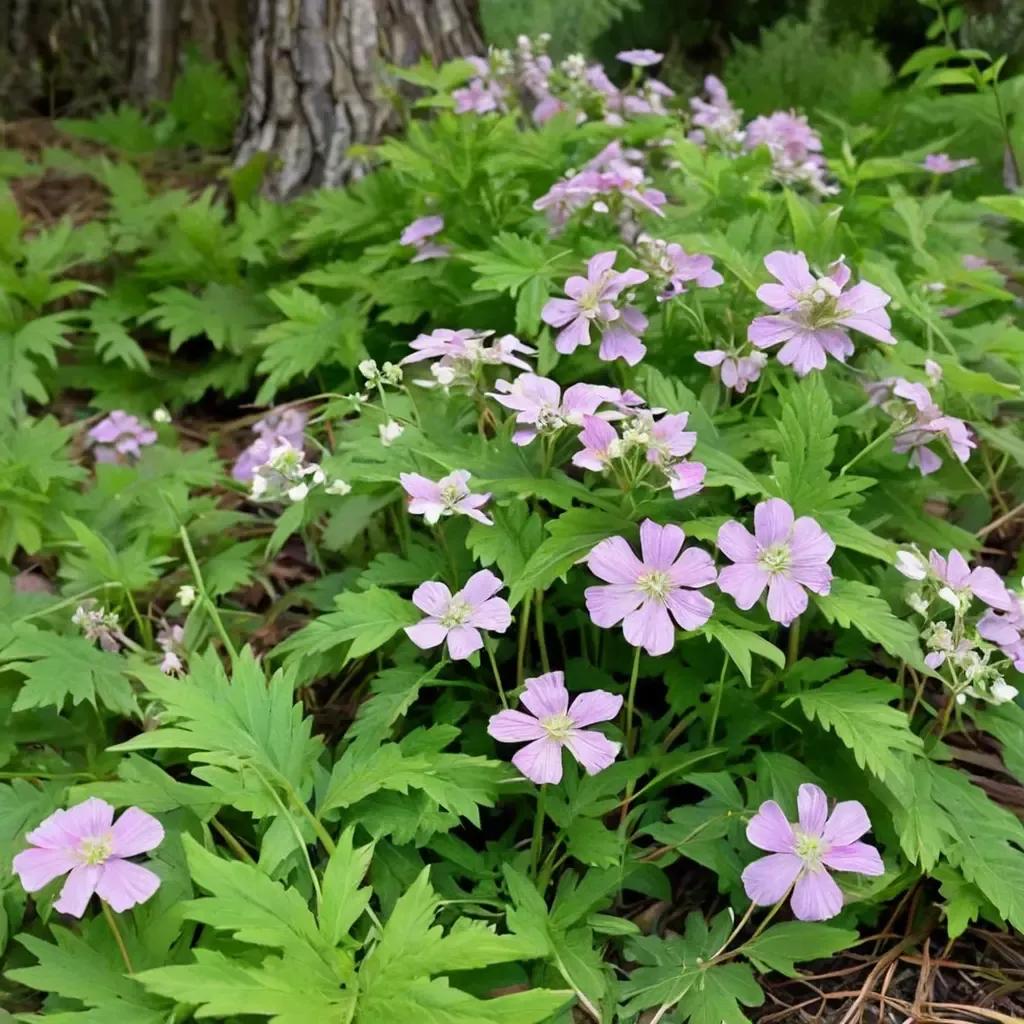
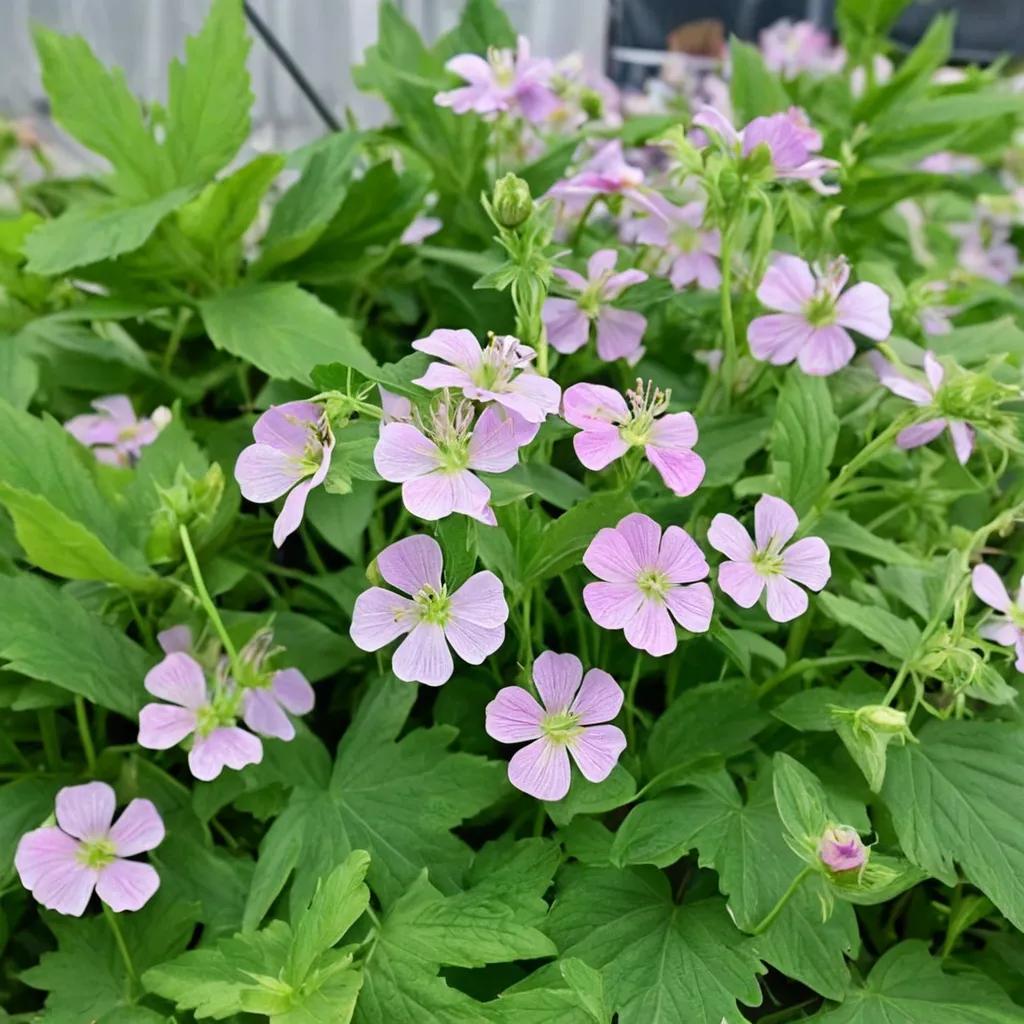
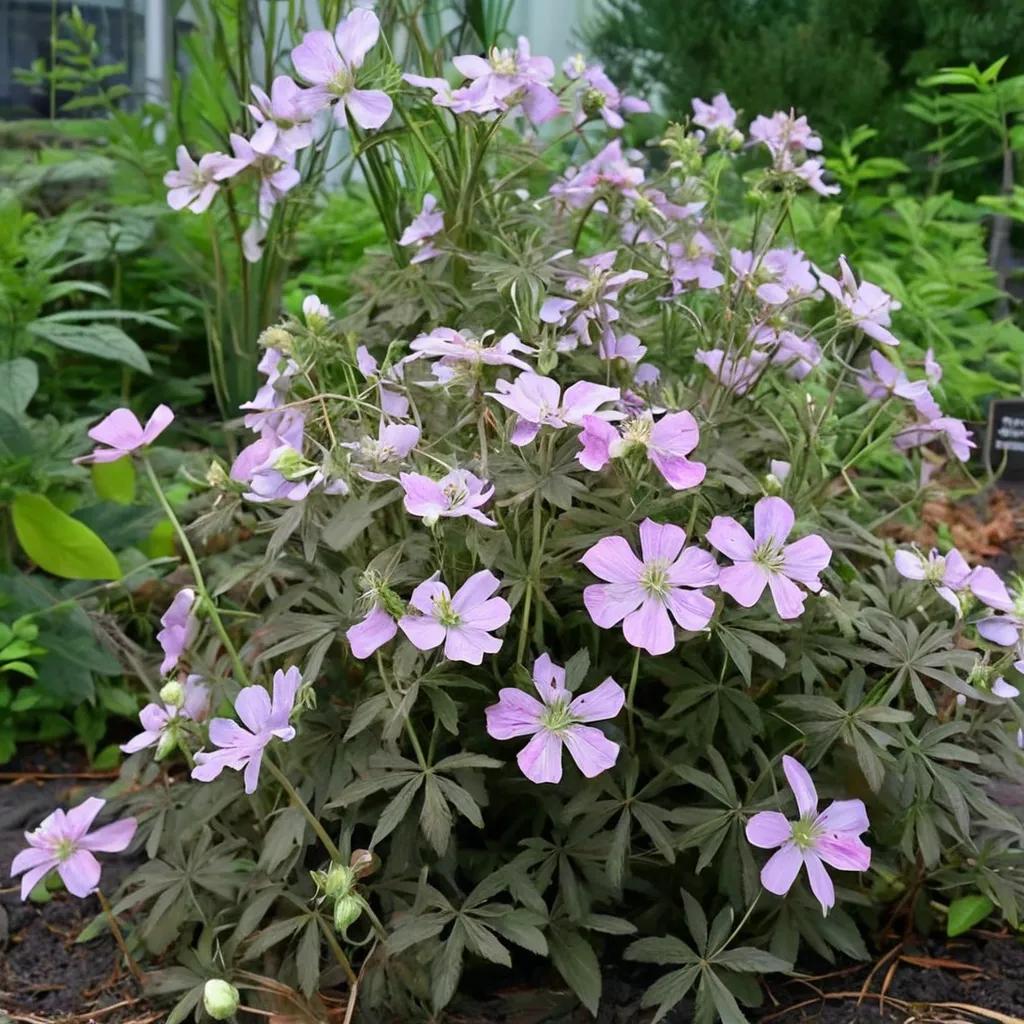
Geranium maculatum, commonly known as wild geranium, is a perennial with clump-forming growth, featuring palmate leaves with distinctive dark markings and clusters of five-petaled, pale pink to purple flowers in spring and early summer.
The cultivar Elizabeth Ann is notable for its vigorous growth, larger flowers, and enhanced disease resistance, making it an excellent choice for woodland gardens and shaded areas.
Uses & Benefits:
Essentials
At a Glance
Plant Type
Perennial
Water
Moderate
Humidity
Moderate
Lifespan
Perennial
Native To
Eastern North America
Toxicity
Non-toxic to humans and pets
Marketplace
Where to Buy
Shipping costs Year-round shipping Free shipping
Planting
How to Grow
- Tuck seeds into moist soil in early spring for best germination.
- Mist cuttings regularly to maintain humidity and encourage rooting.
- Plant in well-drained soil with partial shade for optimal growth.
- Water consistently, especially during dry spells, to keep soil moist.
- Fertilize monthly with a balanced, water-soluble fertilizer during the growing season.
- Divide mature plants every 3-4 years in early spring to rejuvenate.
Pro Tip
Use a shaded area with rich, well-draining soil for thriving geraniums.
Keep It Thriving
Care Guide
Do
- Water regularly to keep soil moist but not waterlogged 🌱
- Apply organic mulch to retain moisture and suppress weeds
- Prune spent blooms to encourage new flowering
- Fertilize monthly during the growing season
Don't
- Avoid overwatering, which can cause root rot ❌
- Do not expose to harsh full sun in extremely hot climates
- Refrain from fertilizing late in the season to prevent weak growth
- Never ignore pest infestations
Seasonal Care Calendar
| Task | Jan | Feb | Mar | Apr | May | Jun | Jul | Aug | Sep | Oct | Nov | Dec |
|---|---|---|---|---|---|---|---|---|---|---|---|---|
| Divide | ||||||||||||
| Prune | ||||||||||||
| Spring Cleanup |
Watch Out For
Pests & Diseases
Common Pests
Common Diseases
In the Garden
Landscape Uses & Companions
Landscape Uses
Companion Plants
Multiply
Propagation Methods
Good to Know
Common Questions
More Geranium to compare
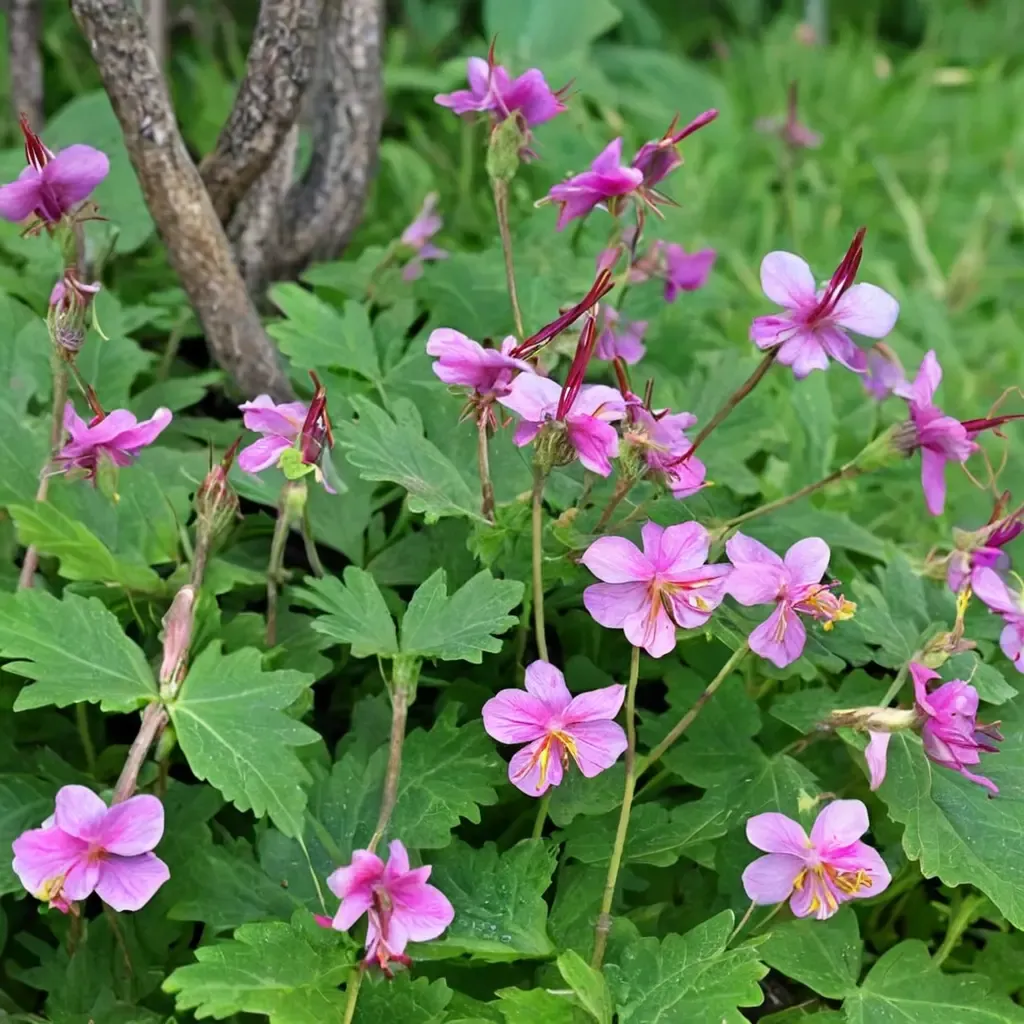
Bigroot Geranium
Geranium macrorrhizum
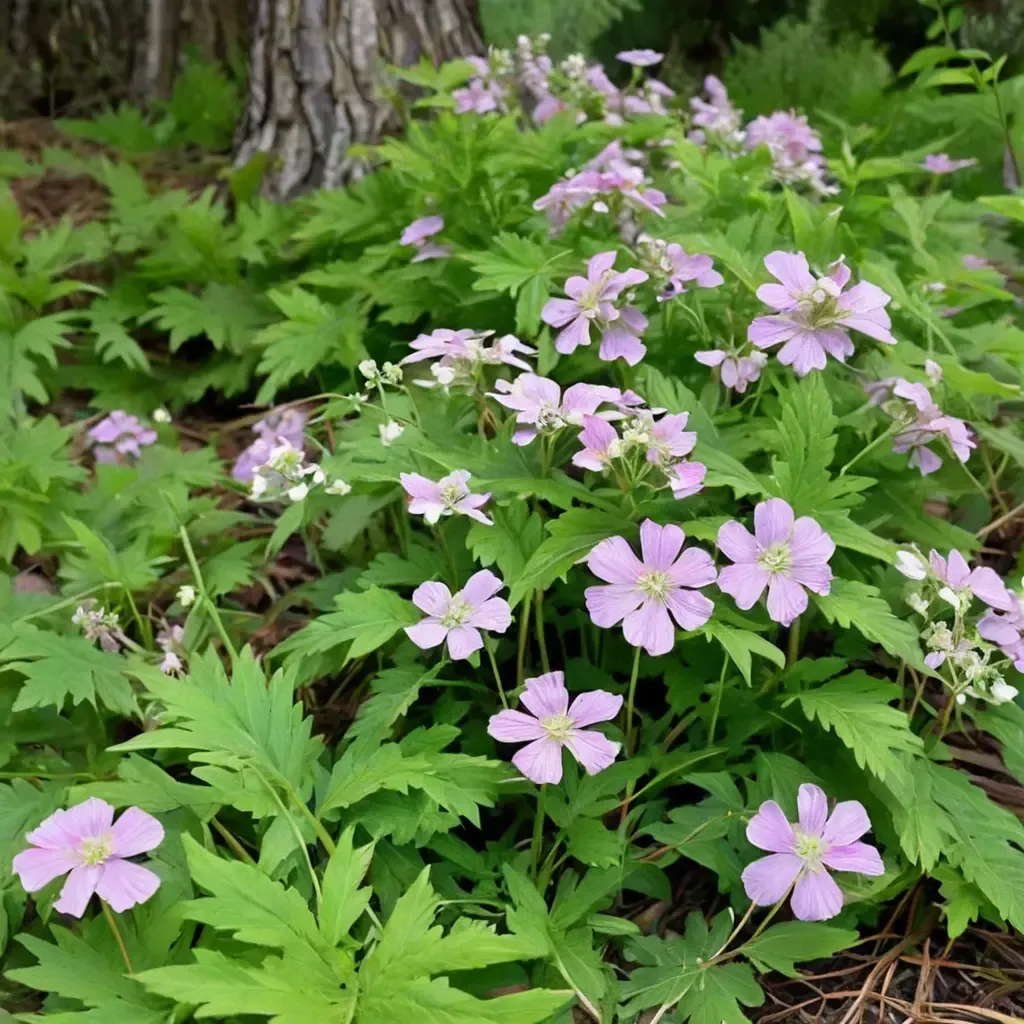
Wild Geranium
Geranium maculatum
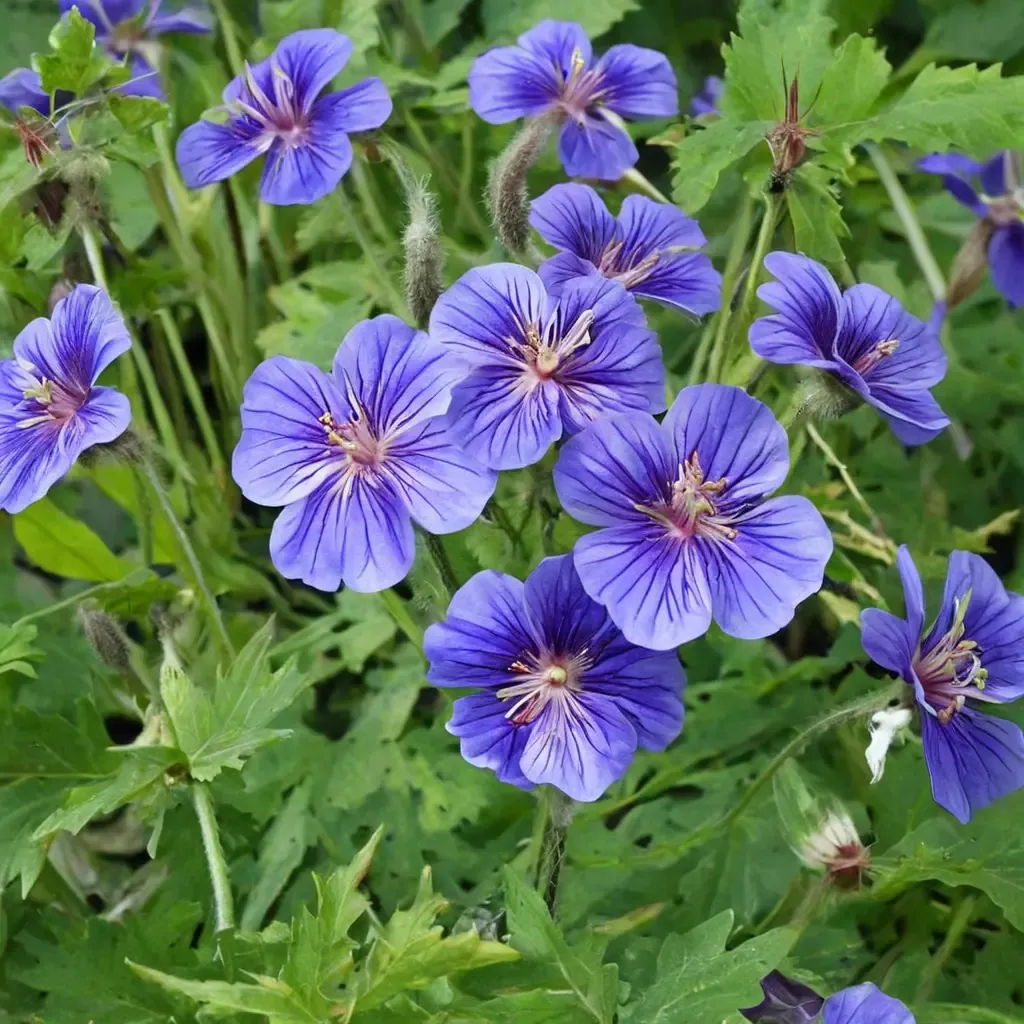
Cranesbill 'Rozanne'
Geranium x magnificum 'Rozanne'
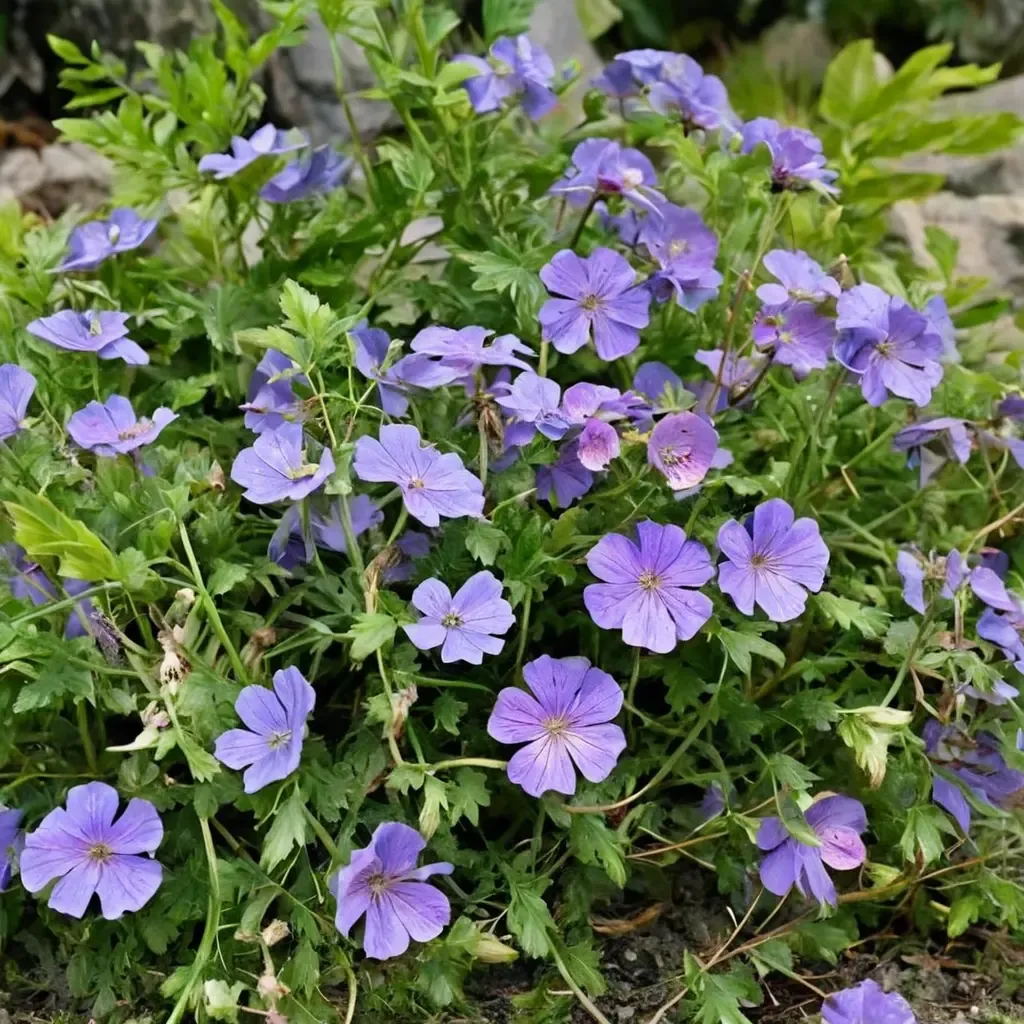
Azure Rush Geranium
Geranium incanum 'Azure Rush'
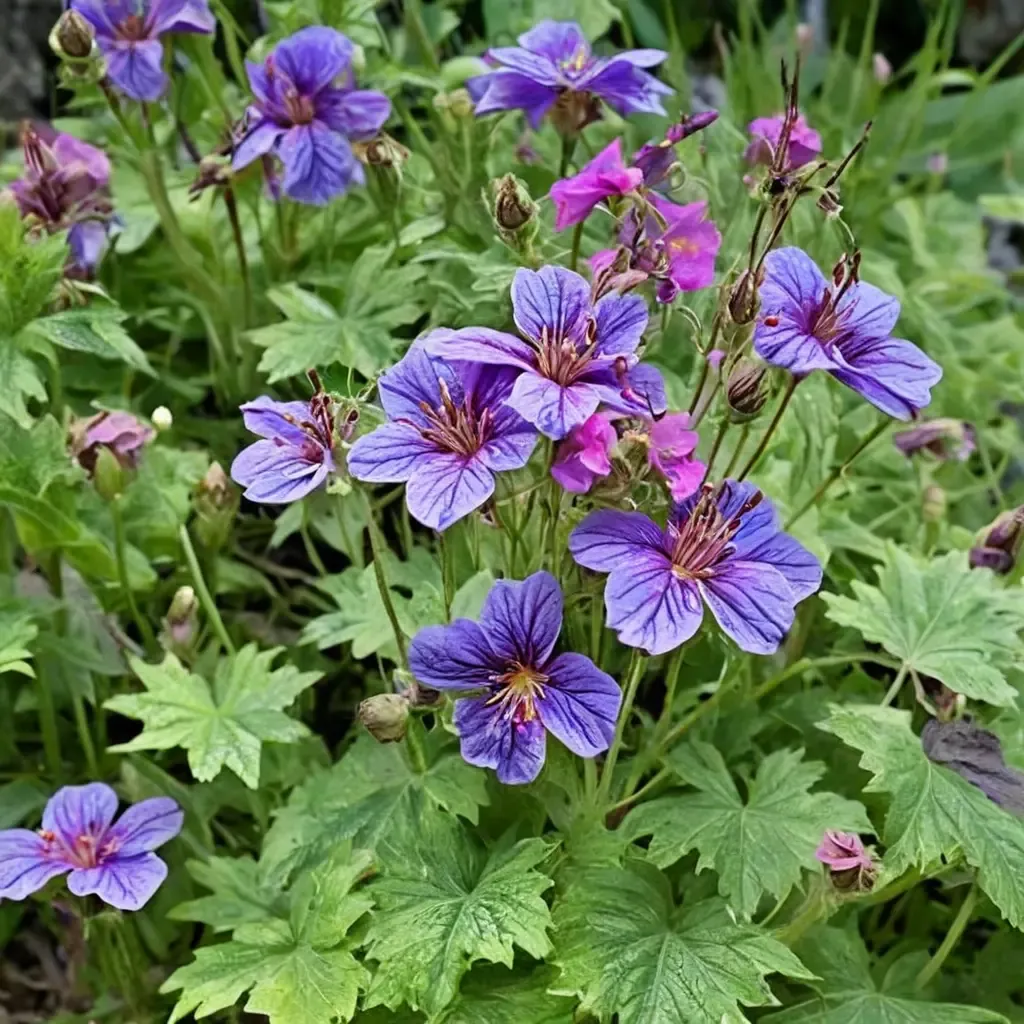
Showy Cranesbill
Geranium x magnificum 'Bevan's Variety'
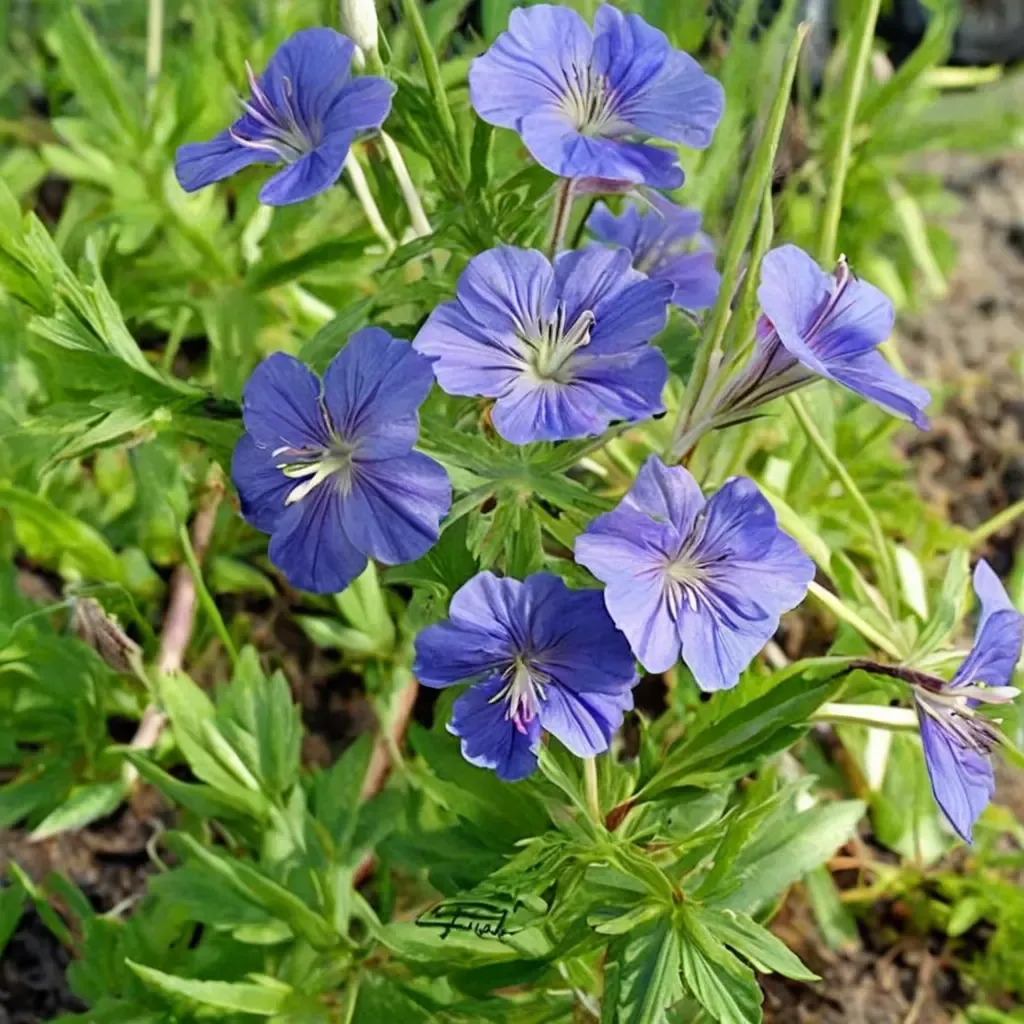
Cranesbill 'Orion'
Geranium maculatum 'Orion'
Keep exploring
Explore the genus
Grow Geranium maculatum with confidence
See it in a design of your actual yard, get zone-matched care reminders, and track it season by season in your garden journal.