
Garden hybrid
This is a garden hybrid, bred from more than one wild species, so it has no single species page of its own.
5 other cultivars


The Story
Plant Bio
Cypripedium species, commonly known as lady's slipper orchids, are terrestrial deciduous perennials characterized by their distinctive pouch-like flowers and pleated foliage. These woodland plants grow from subterranean rhizomes and rely on specialized mycorrhizal fungi in the soil to thrive.
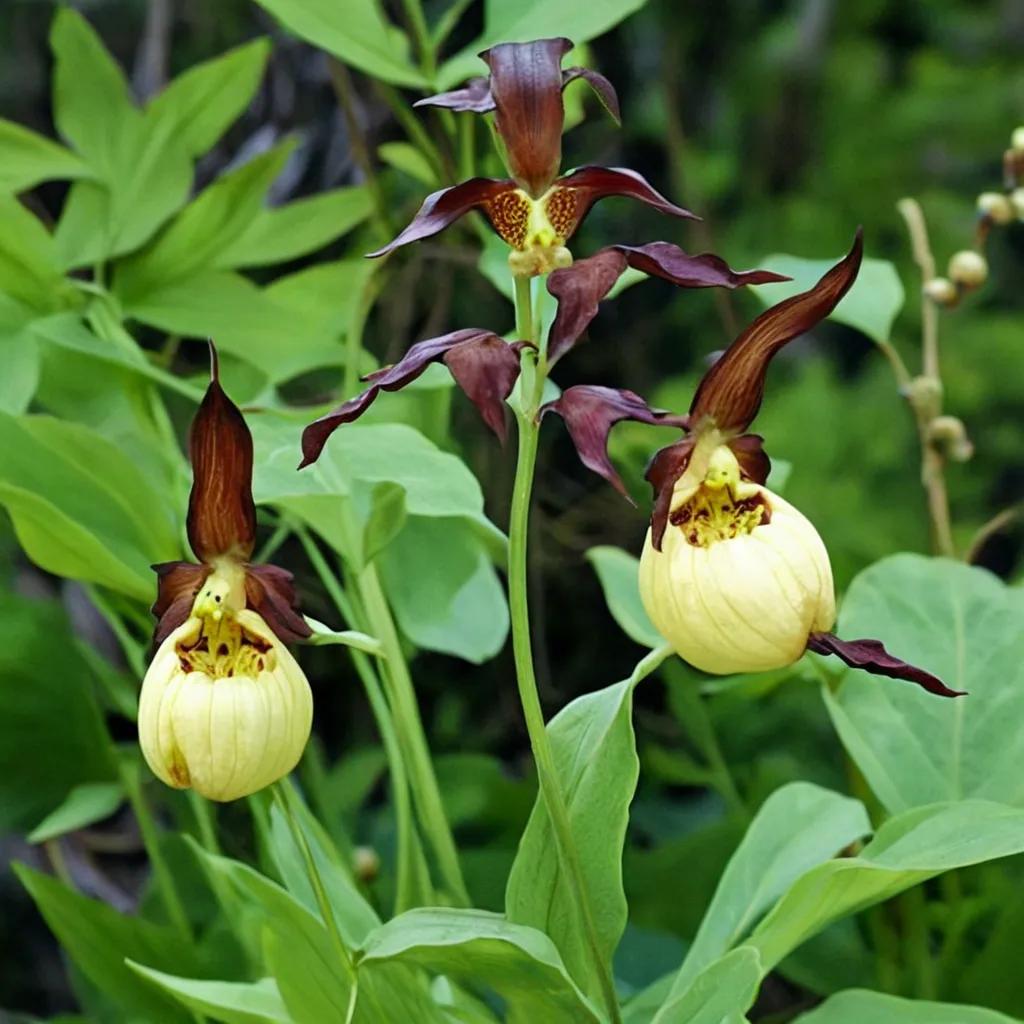
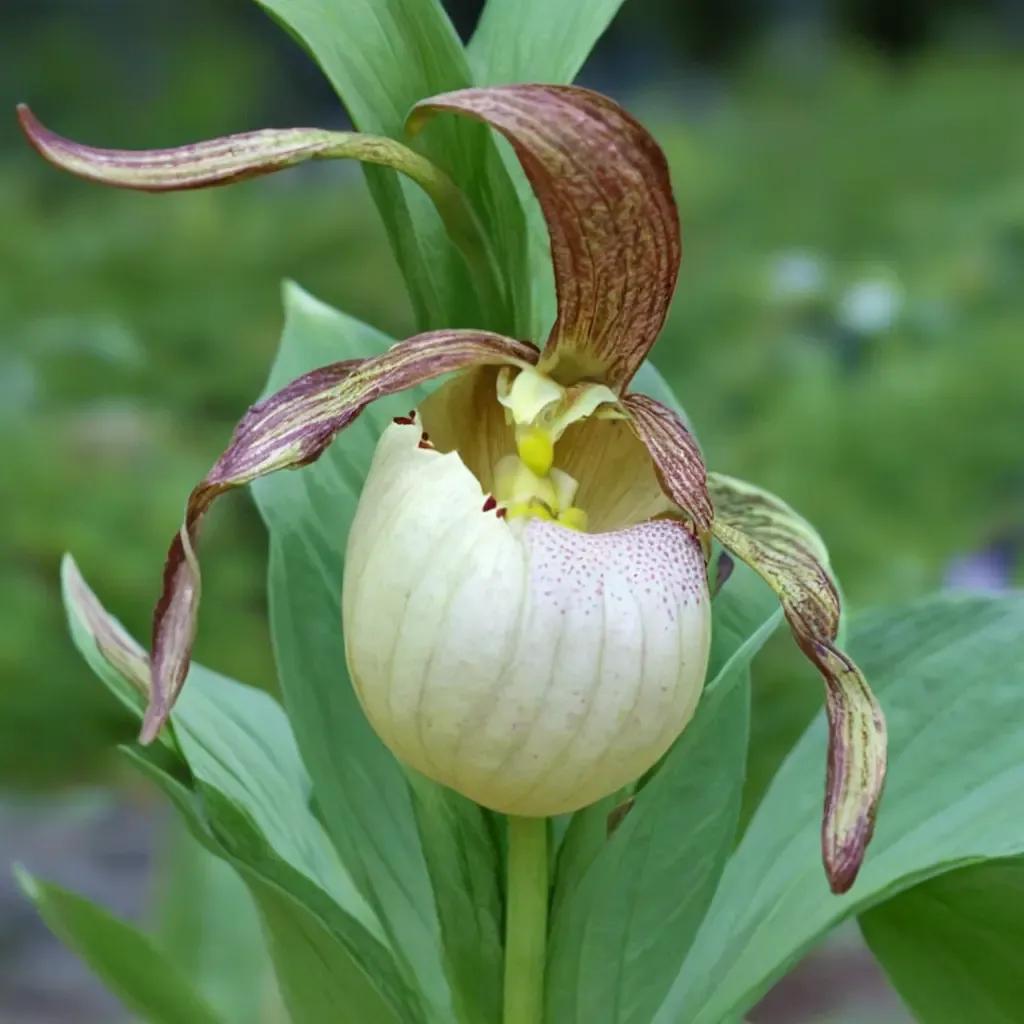
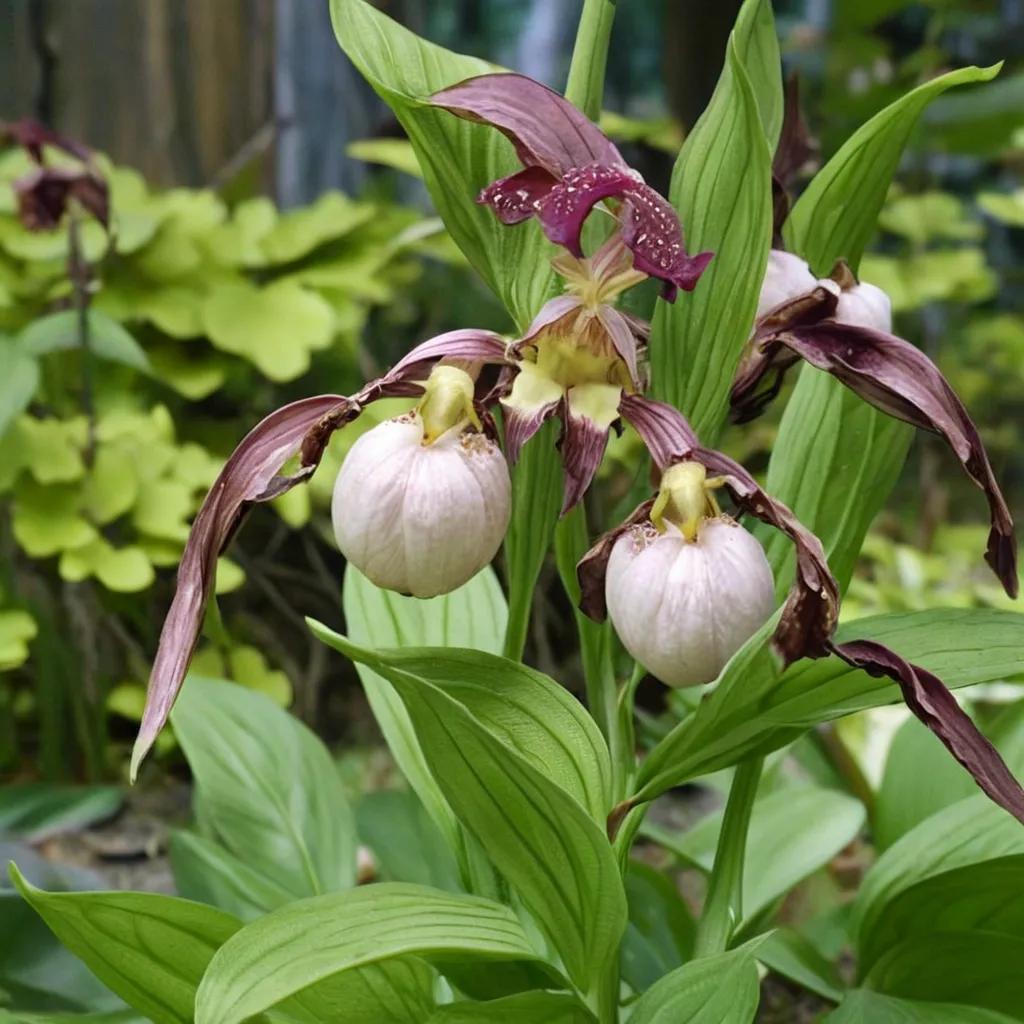
'Sabine' is a robust horticultural hybrid bred from a cross between Cypripedium fasciolatum and Cypripedium macranthos. It produces exceptionally large, egg-sized pouches of ivory-white to light pink, detailed with deep pink or purple striping and surrounded by cream-colored sepals.
Uses & Benefits:
Bred from more than one wild species, so it has no species page of its own.
Essentials
At a Glance
Plant Type
Perennial
Height
20"
Width
18"
Light
Partial Sun, Shade
Zones
4, 5, 6, 7, 8
Water
Medium
Humidity
Moderate
Lifespan
Long-lived perennial
Native To
None (cultivated hybrid)
Toxicity
Skin Irritant
Bloom period
Late spring – Early summer
In flower about 2 months of the year
Planting
How to Grow
- Select a planting site with light or partial shade, ideally receiving cool morning sun and protection from hot afternoon rays.
- Prepare a highly aerated, humus-rich bed mixed with mineral substrates like sand, crushed clay pebbles, or lava stone to ensure excellent drainage.
- Spread the fleshy roots horizontally and cover the rhizome with only two to three inches of soil, keeping the growth eyes near the surface.
- Water thoroughly after planting and maintain consistent, even moisture throughout the growing season, never allowing the soil to dry out completely.
Pro Tip
Plant the rhizomes shallowly, only two to three inches deep, spreading the roots horizontally over a highly aerated, mineral-rich base rather than burying them in heavy potting soil.
Keep It Thriving
Care Guide
Do
- Mulch annually in winter with a thin layer of leaf mold or compost to protect the shallow rhizomes.
- Use a balanced, slow-release organic fertilizer sparingly in early spring.
- Wear gloves when handling the plant to avoid skin irritation from glandular hairs.
Don't
- Do not cut back green foliage during summer; allow the leaves to die back naturally in fall.
- Never let the plant sit in stagnant water or heavy, waterlogged soil, especially during winter dormancy.
- Avoid using harsh chemical salt fertilizers, which damage the sensitive root system.
Seasonal Care Calendar
| Task | Jan | Feb | Mar | Apr | May | Jun | Jul | Aug | Sep | Oct | Nov | Dec |
|---|---|---|---|---|---|---|---|---|---|---|---|---|
| Divide | ||||||||||||
| Fertilize | ||||||||||||
| Mulch | ||||||||||||
| Pest Check | ||||||||||||
| Spring Cleanup |
Watch Out For
Pests & Diseases
Common Pests
Common Diseases
In the Garden
Landscape Uses & Companions
Landscape Uses
Multiply
Propagation Methods
Good to Know
Common Questions
Sabine's Lady's Slipper questions
What zones can Sabine's Lady's Slipper grow in?
Sabine's Lady's Slipper is hardy in USDA Zones 4–8. Inside that range it survives winter in the ground; outside it, grow it as an annual or a container plant you protect.
Is Sabine's Lady's Slipper deer resistant?
Not reliably. Deer may browse Sabine's Lady's Slipper, especially tender spring growth — plan on repellents or fencing where pressure is high.
When does Sabine's Lady's Slipper bloom?
Sabine's Lady's Slipper typically blooms in late spring through early summer. Exact timing shifts a week or two with your zone — Sow's bloom calendar maps it to your garden.
Does Sabine's Lady's Slipper need full sun?
Sabine's Lady's Slipper does best in part shade.
More Cypripedium to compare
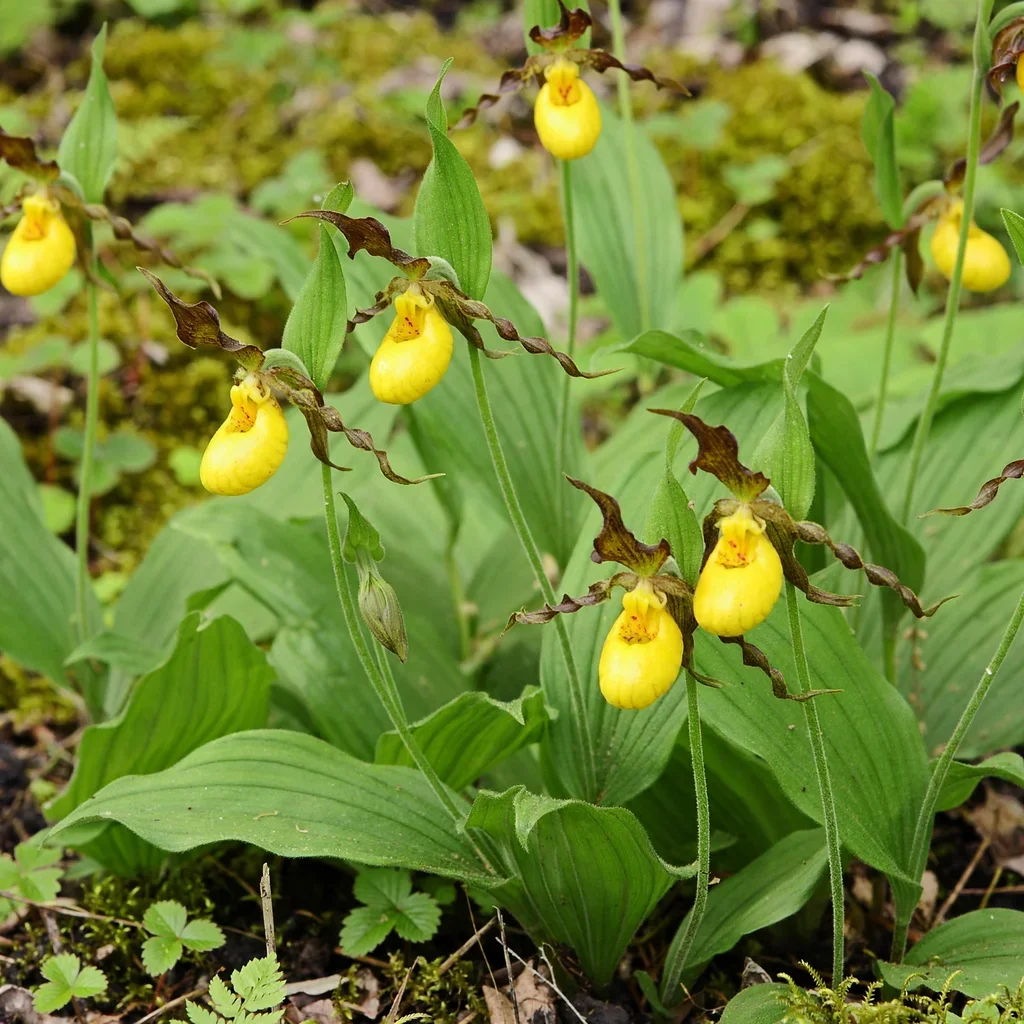
Small Yellow Lady's Slipper
Cypripedium parviflorum 'var parviflorum'
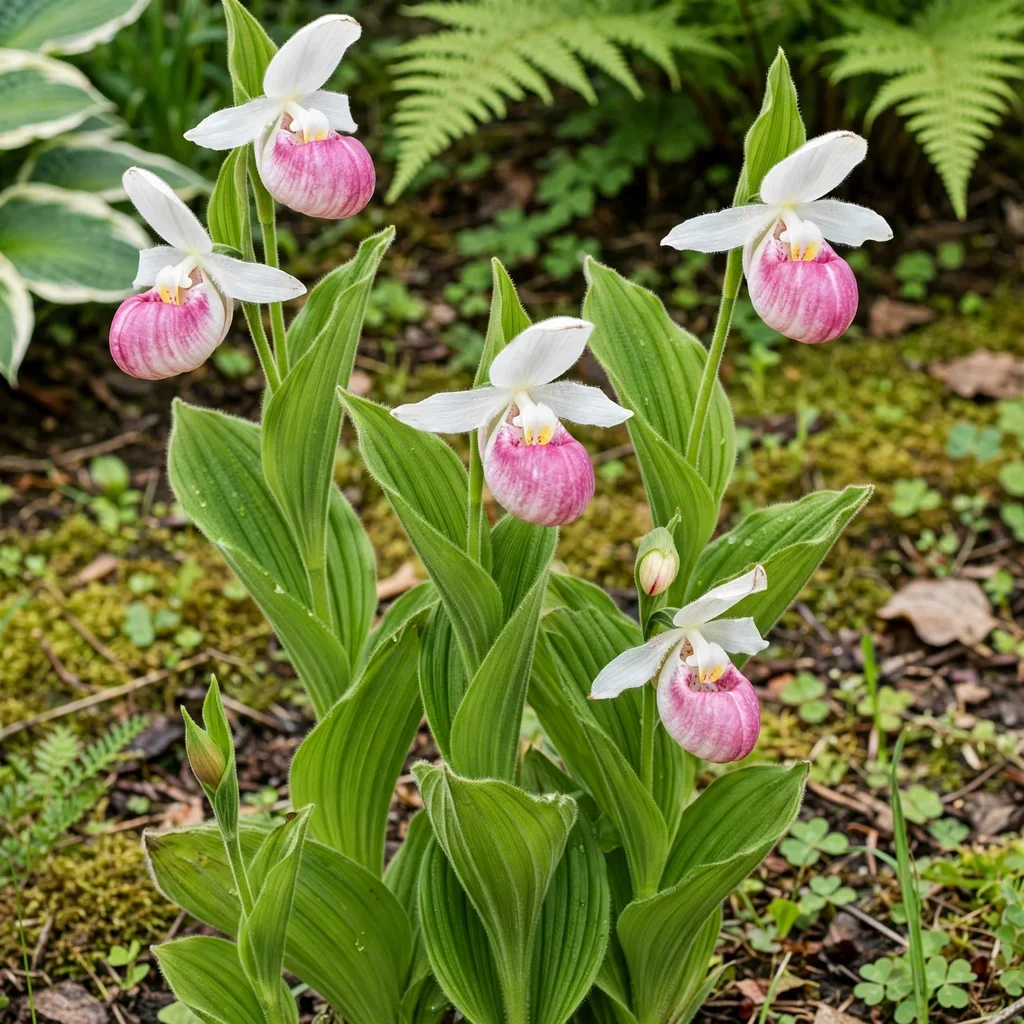
Showy Lady's Slipper
Cypripedium reginae
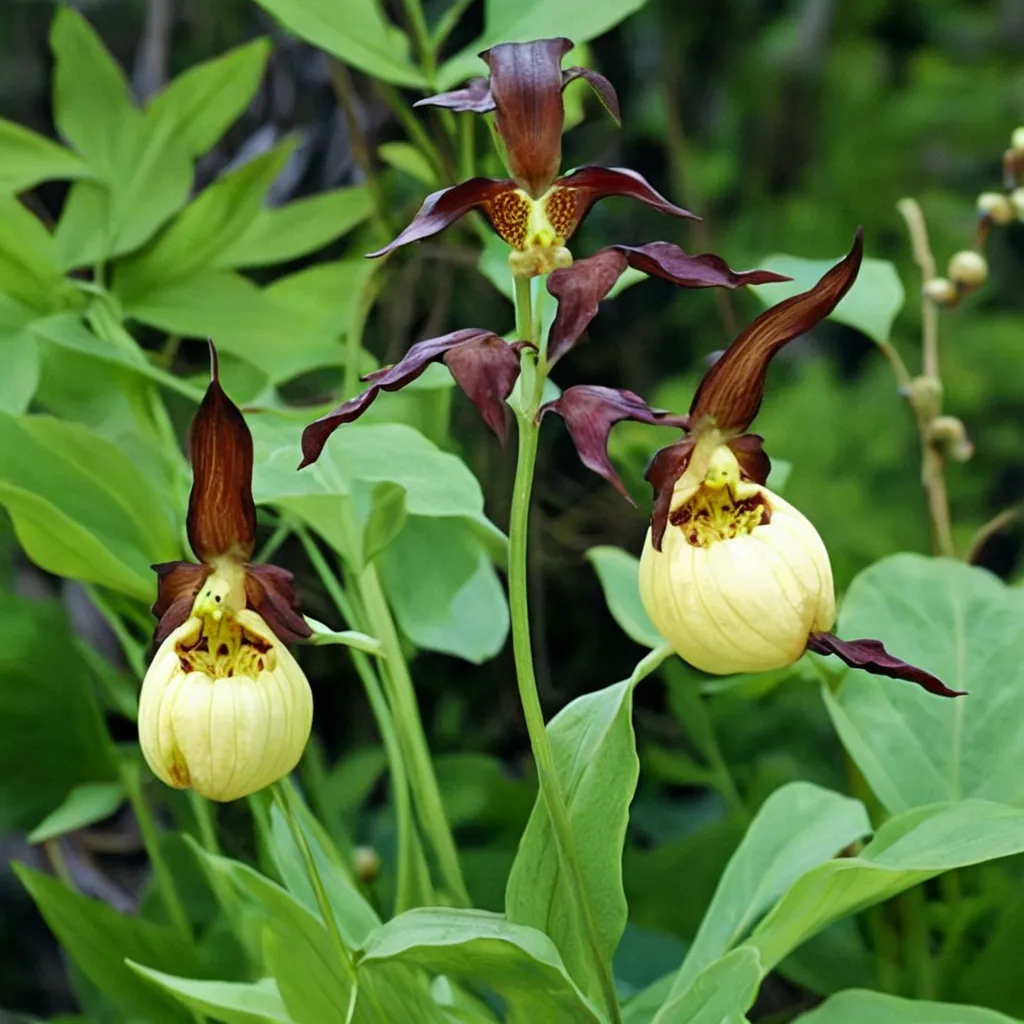
Lady's Slipper Orchid Hybrid Emil
Cypripedium x hybrida 'Emil'
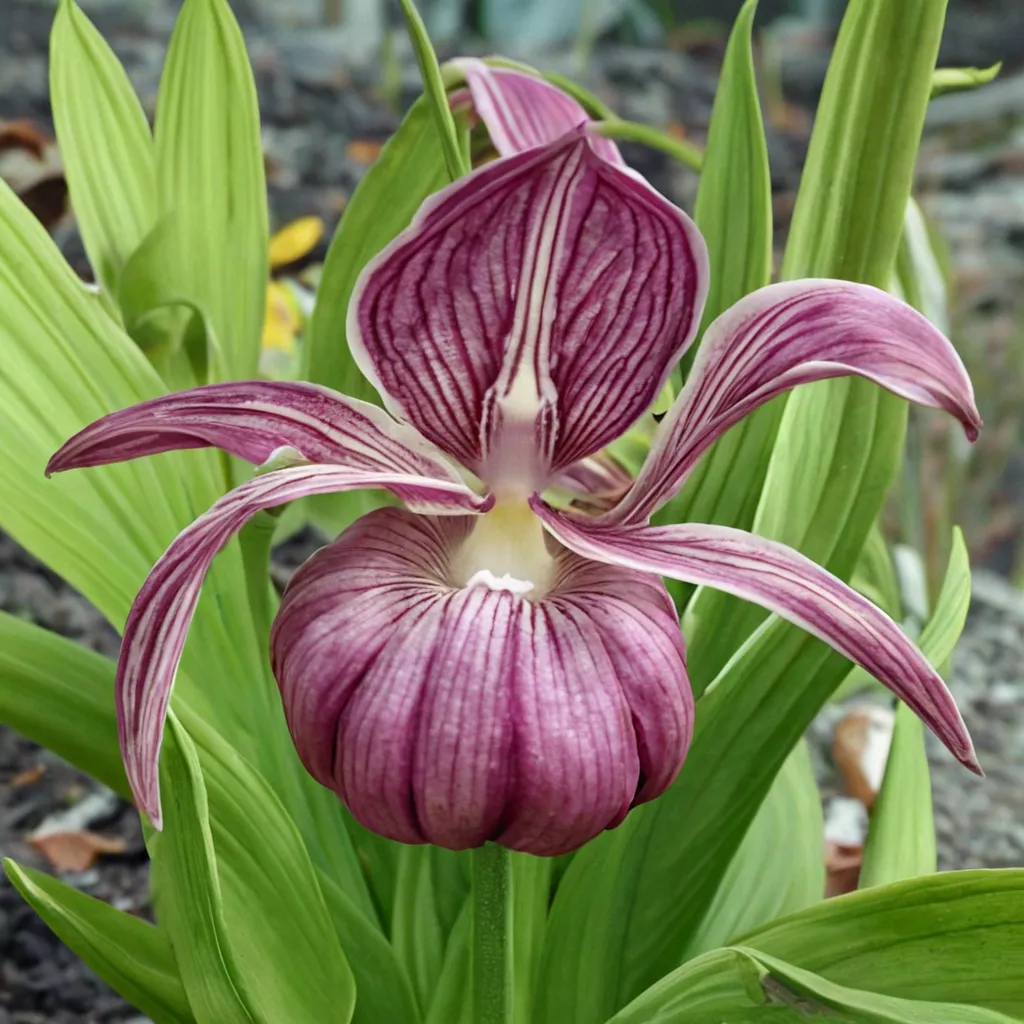
Large-flowered Lady's Slipper
Cypripedium macranthos
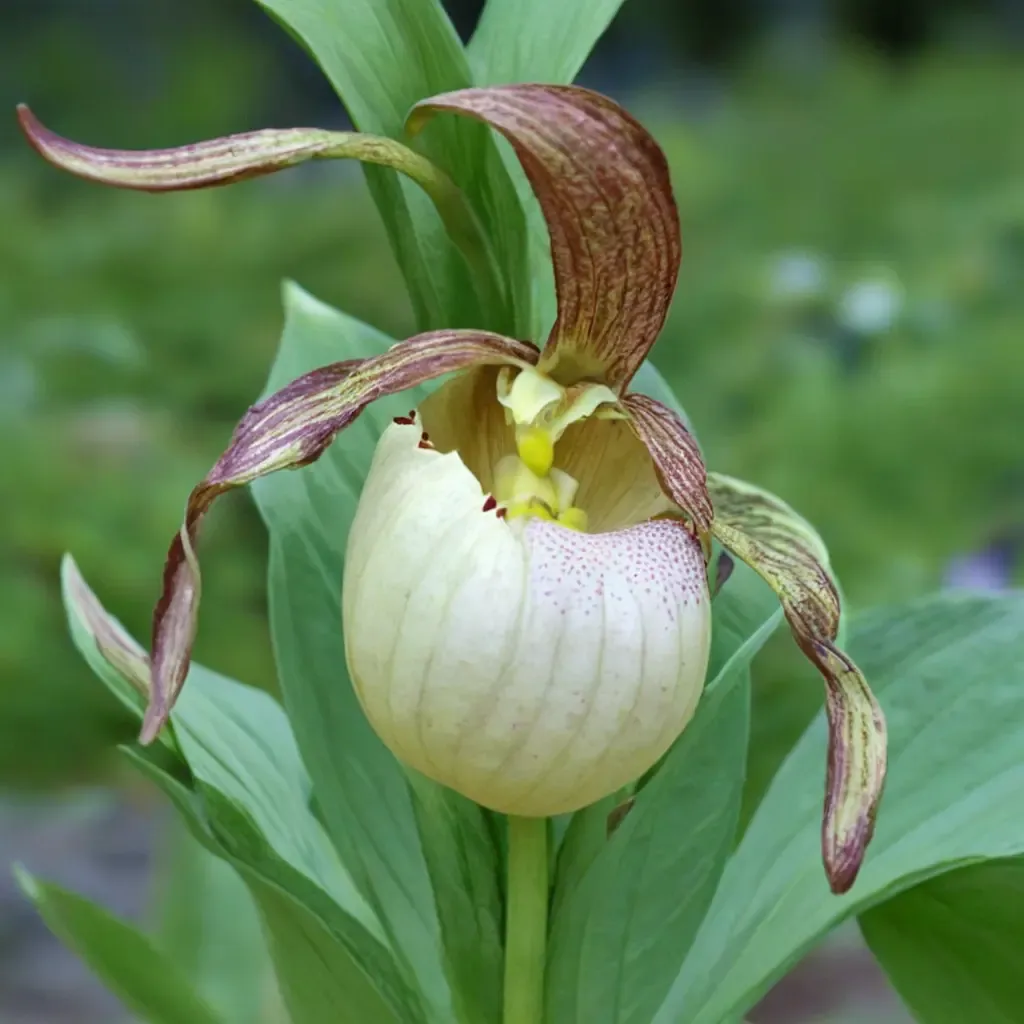
Gabriela's Lady's Slipper
Cypripedium x hybrida 'Gabriela'
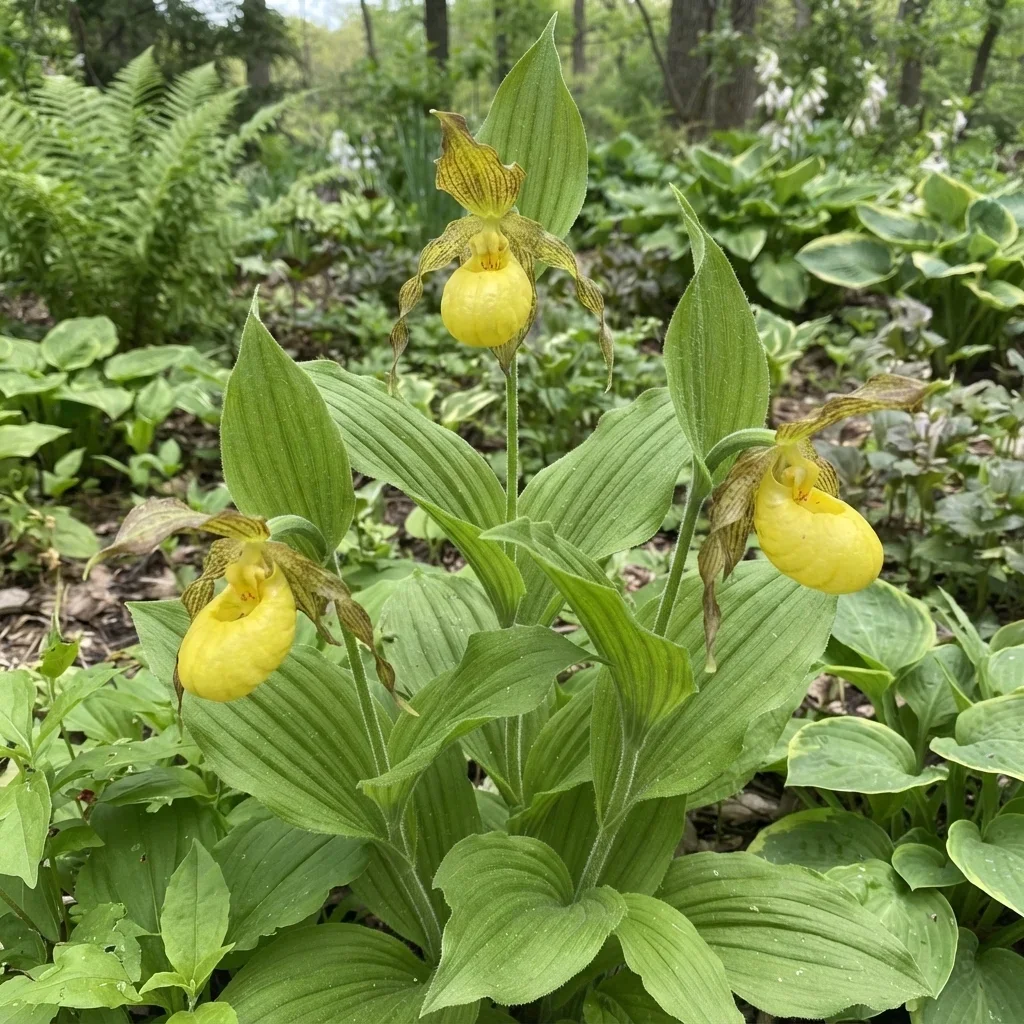
Yellow Lady's Slipper
Cypripedium parviflorum var pubescens
Keep exploring
Explore the genus
Hardy in your zone?
Grow Sabine's Lady's Slipper with confidence
See it in a design of your actual yard, get zone-matched care reminders, and track it season by season in your garden journal.