Also known as Lady's Slipper Orchid · 311 saves
Cypripedium
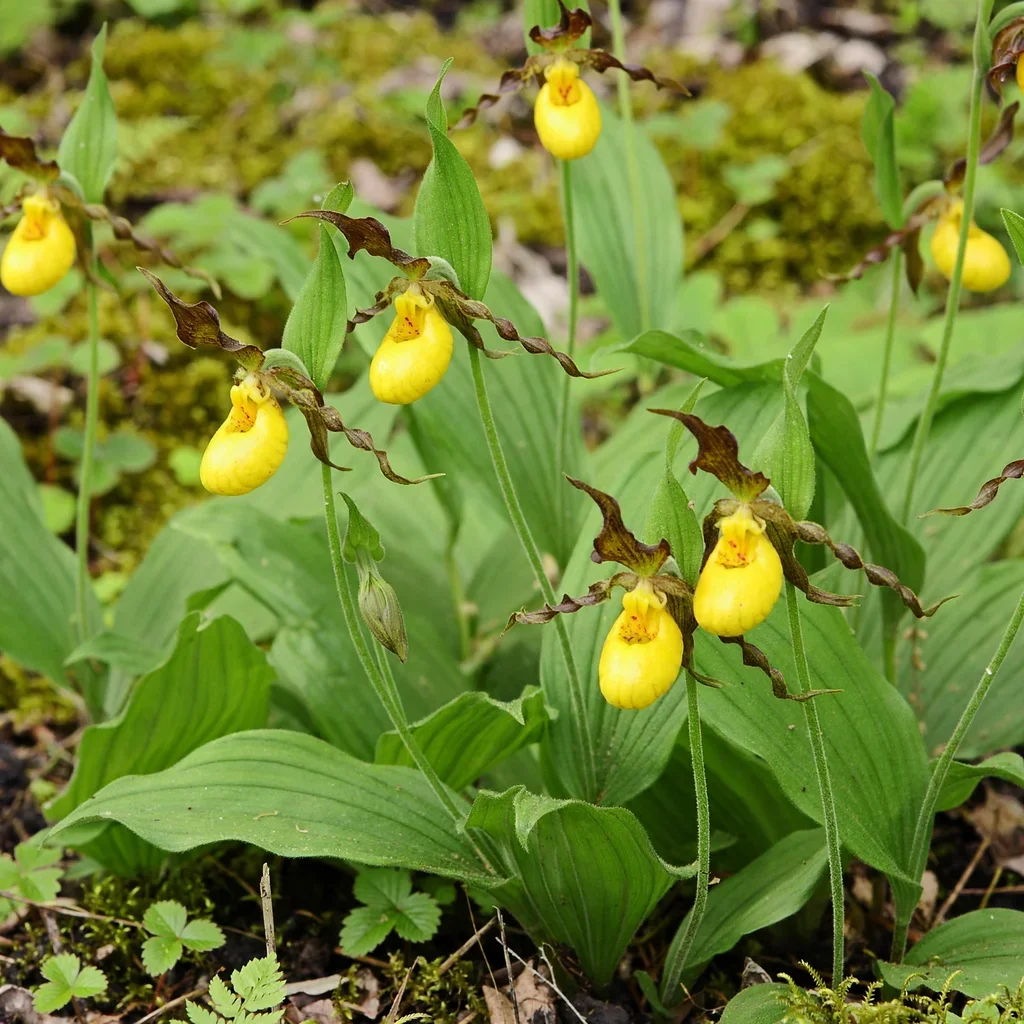
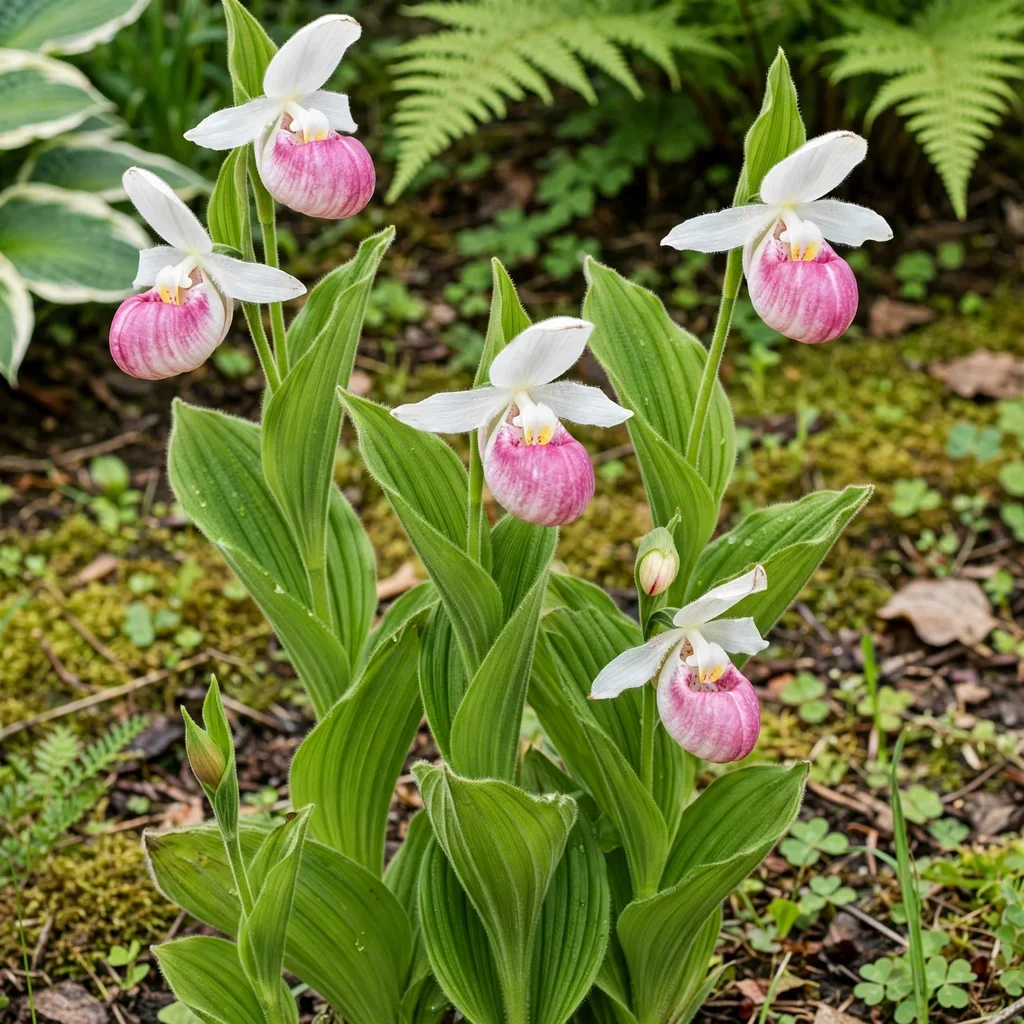
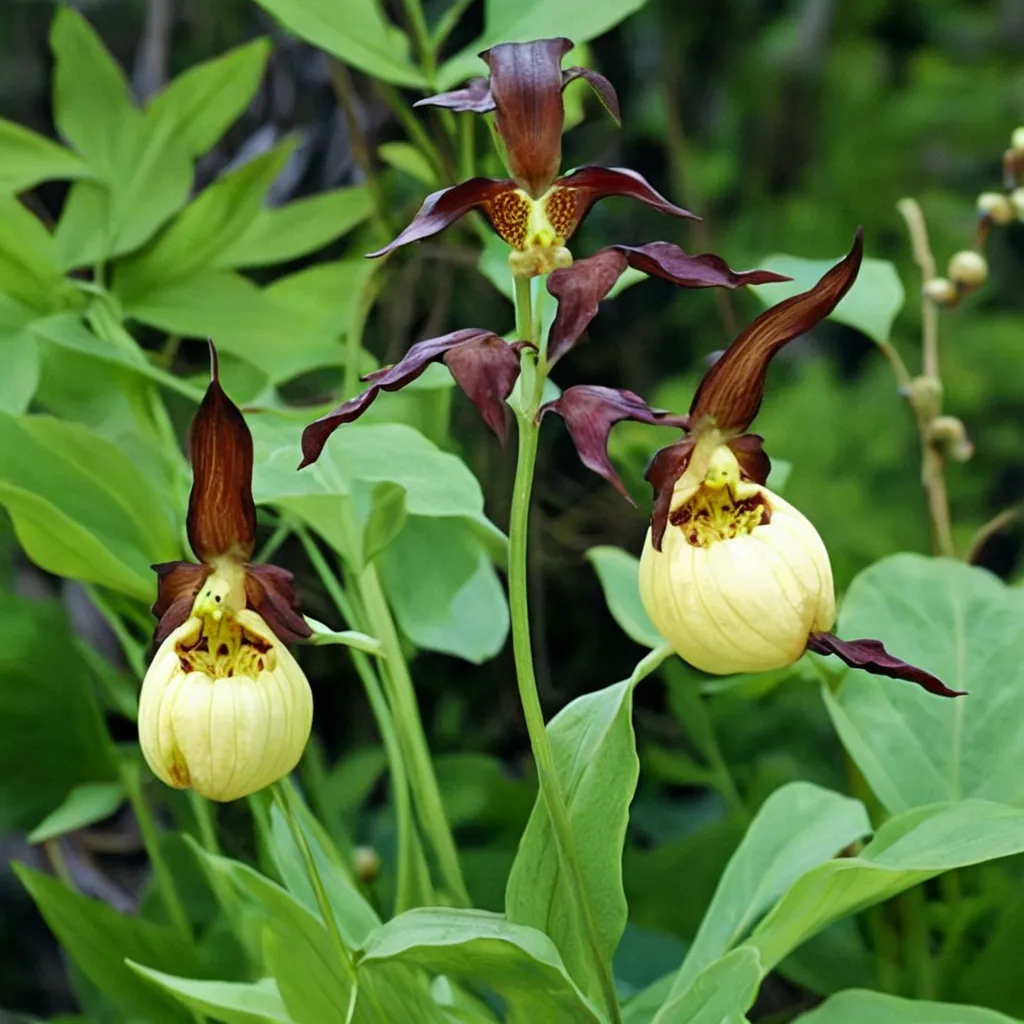
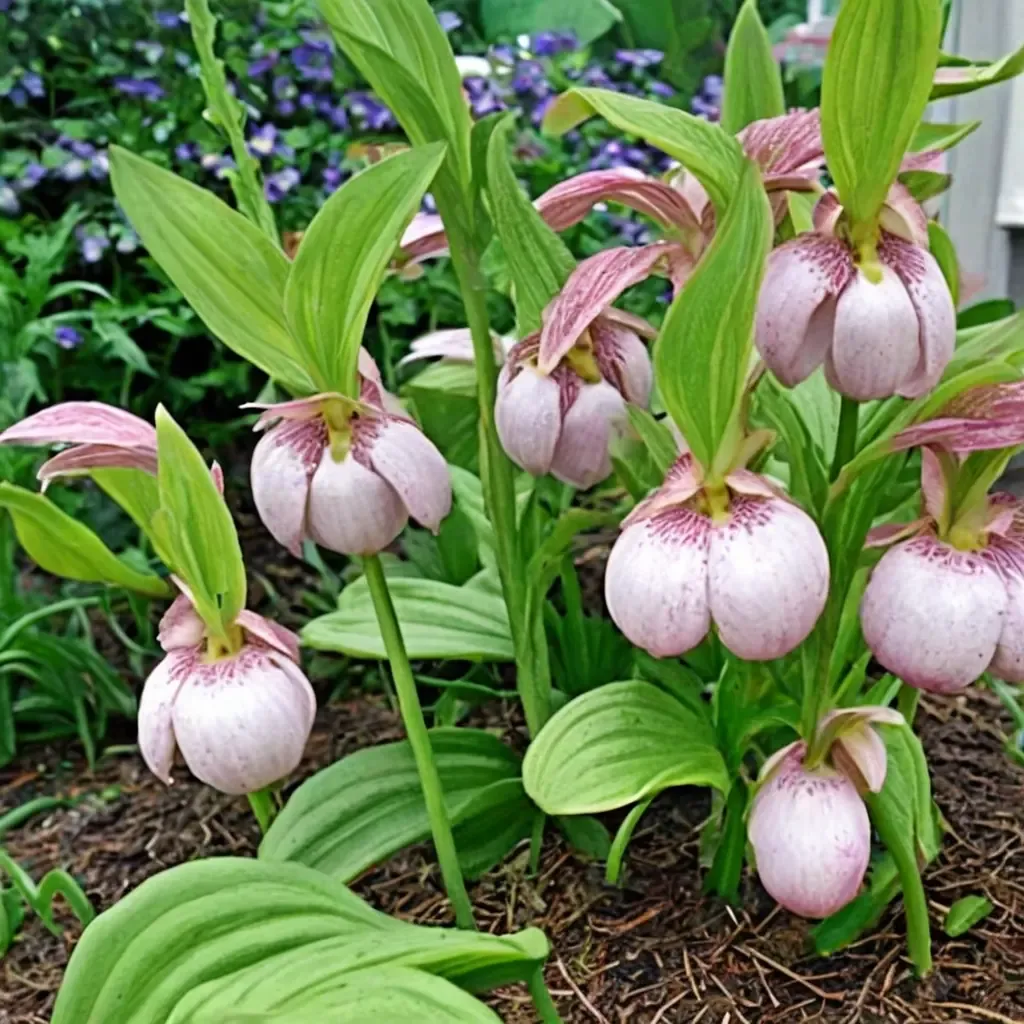
Cypripedium, the genus most gardeners know as lady's slipper orchid. We track 20 varieties; the ones most used by real gardeners.
The 17 most-saved Cypripedium varieties
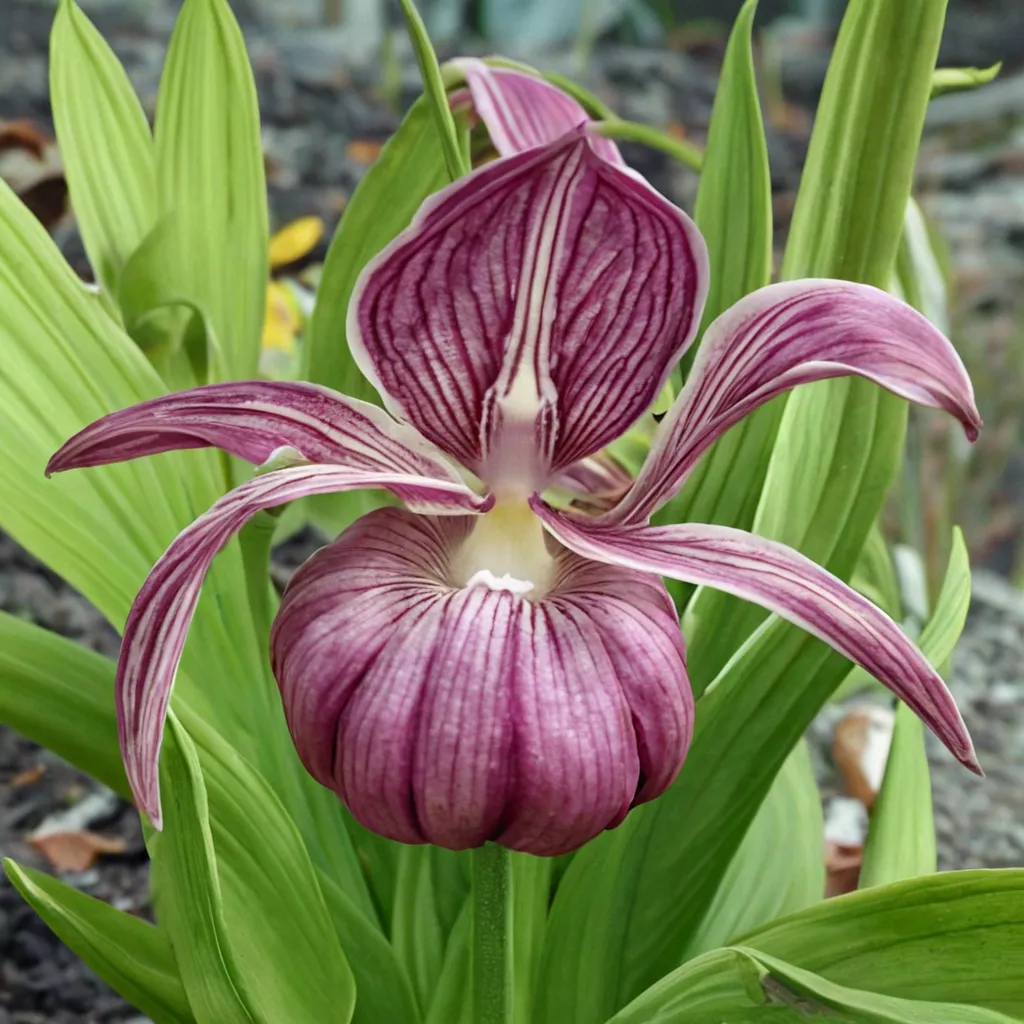
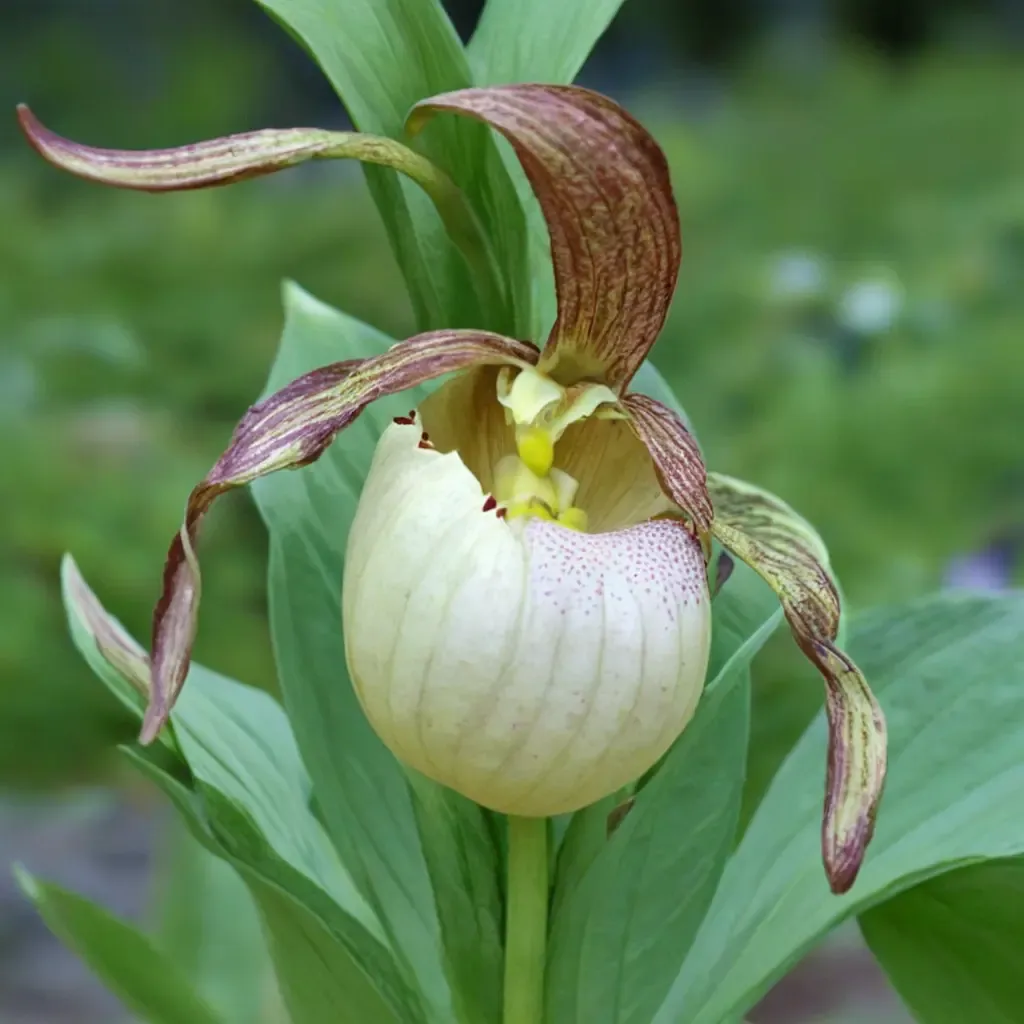
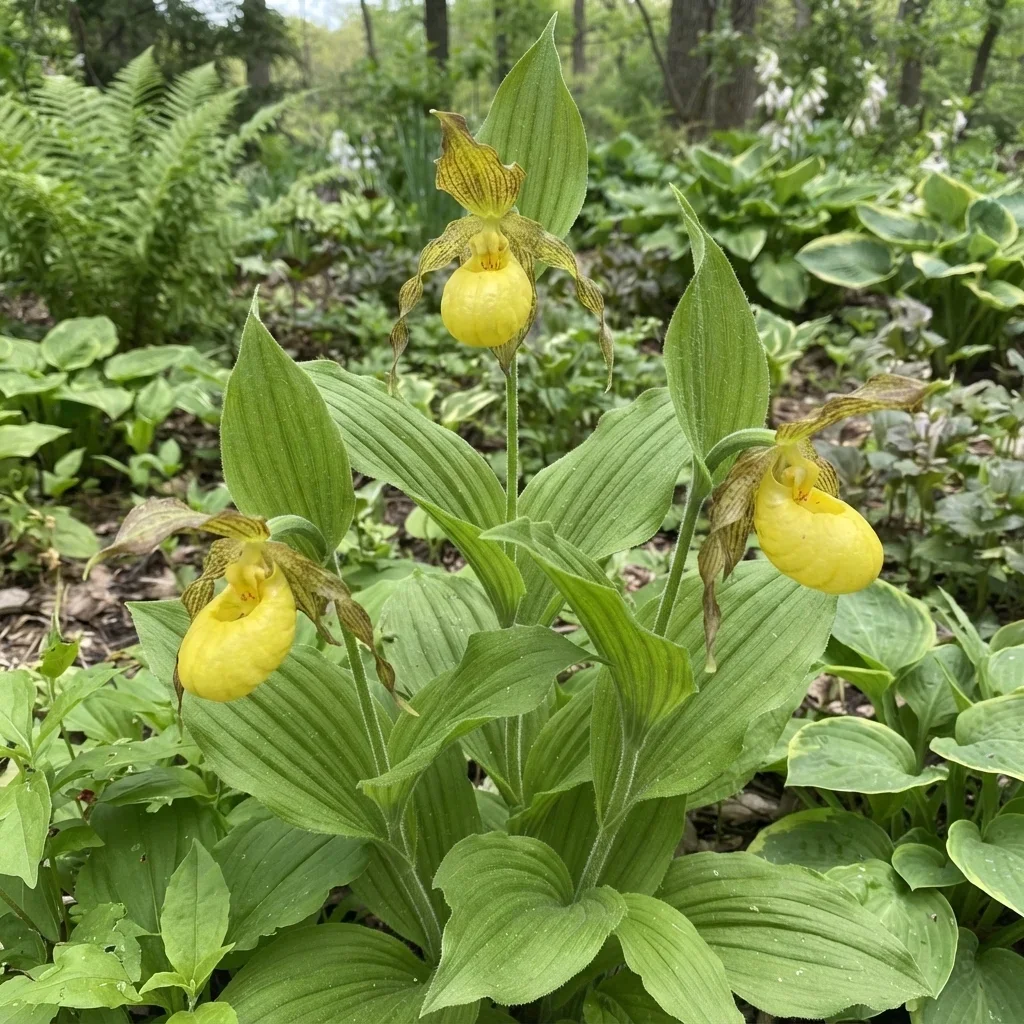
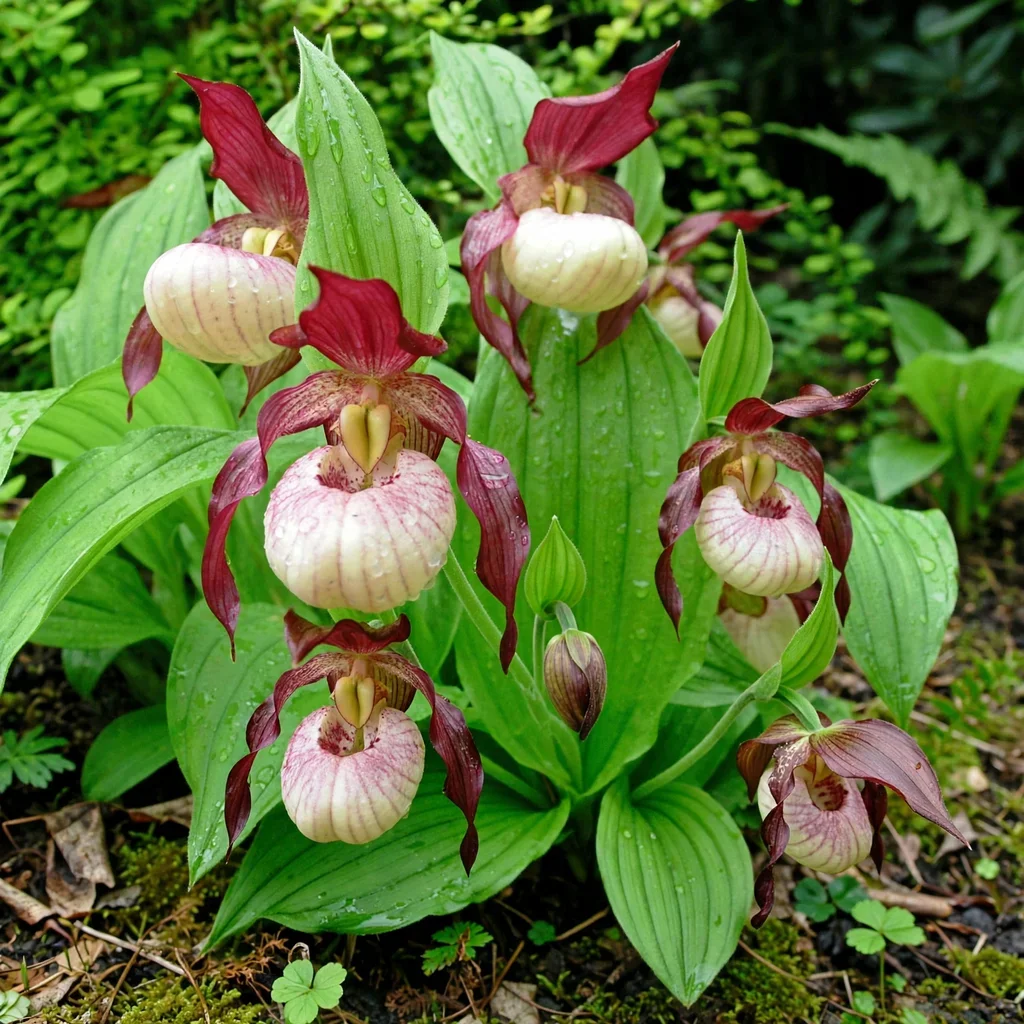
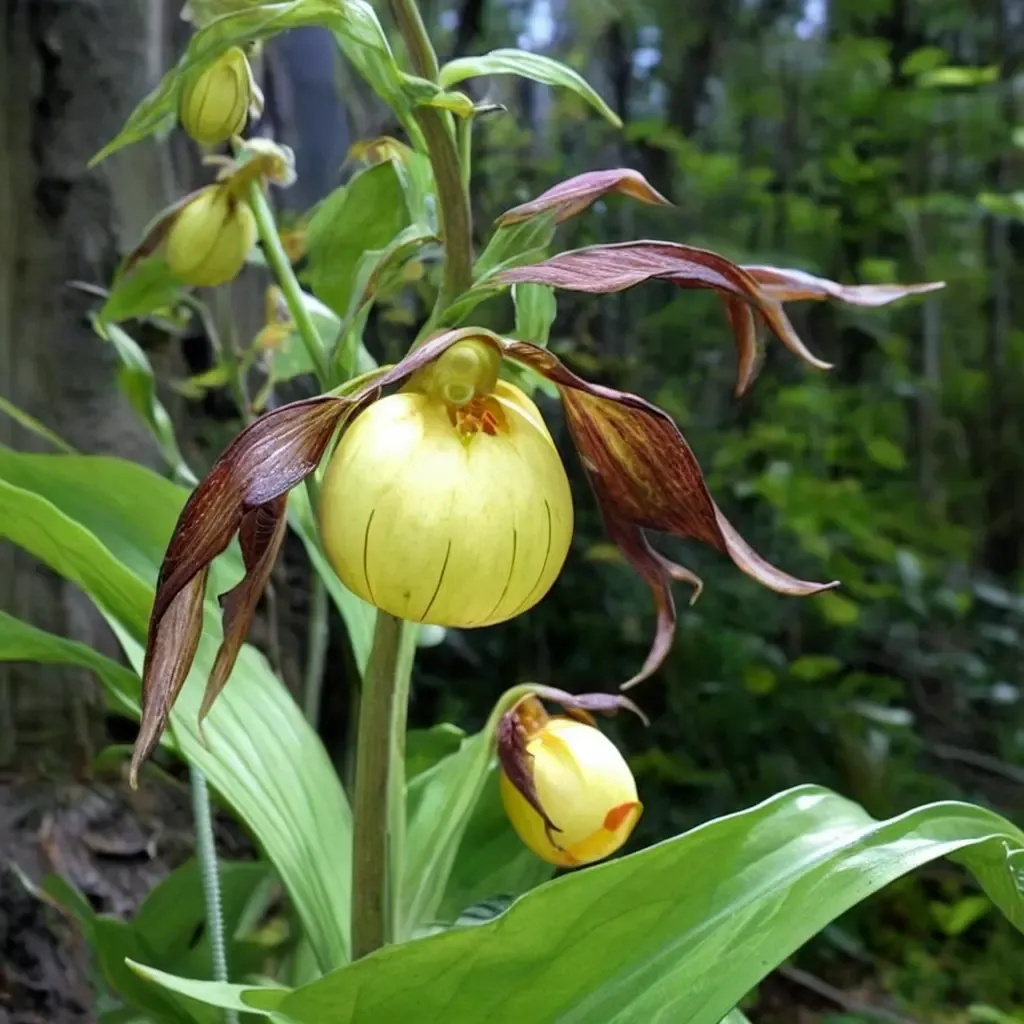
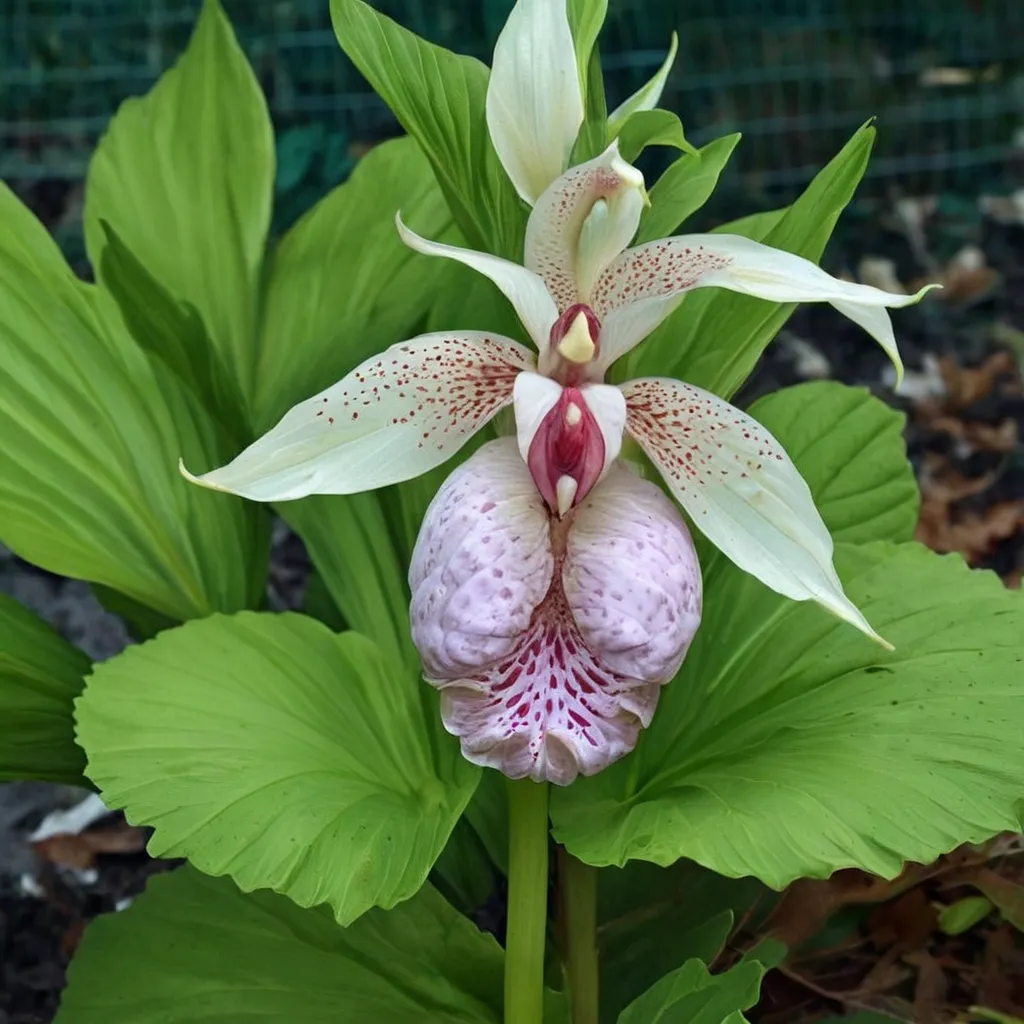
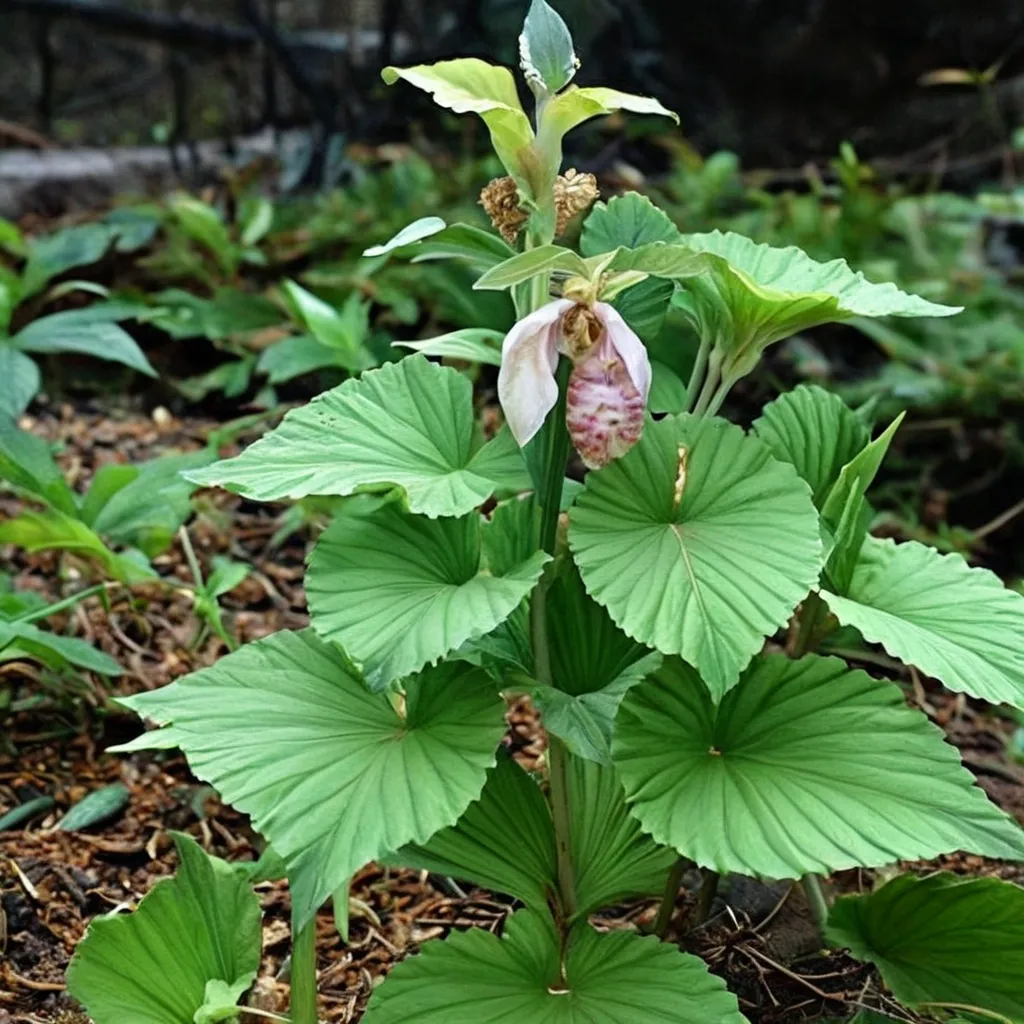
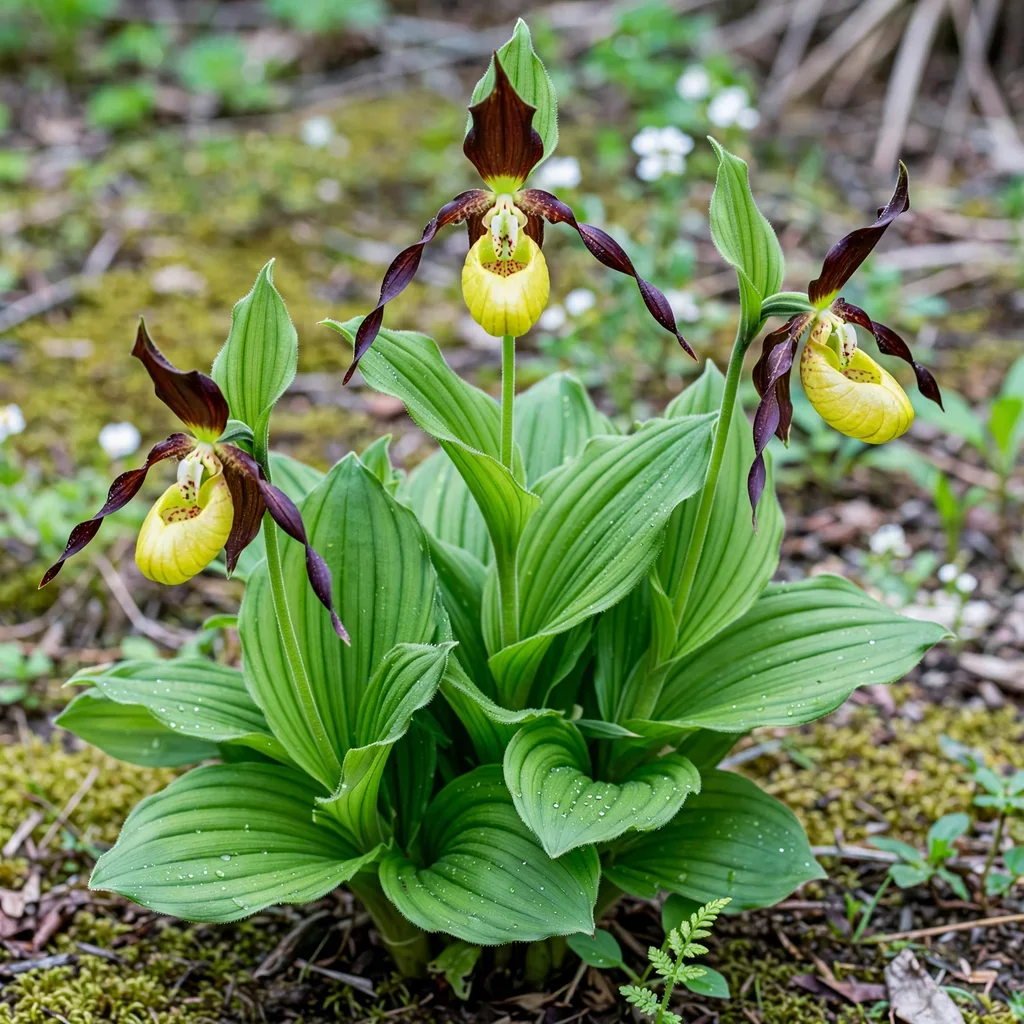
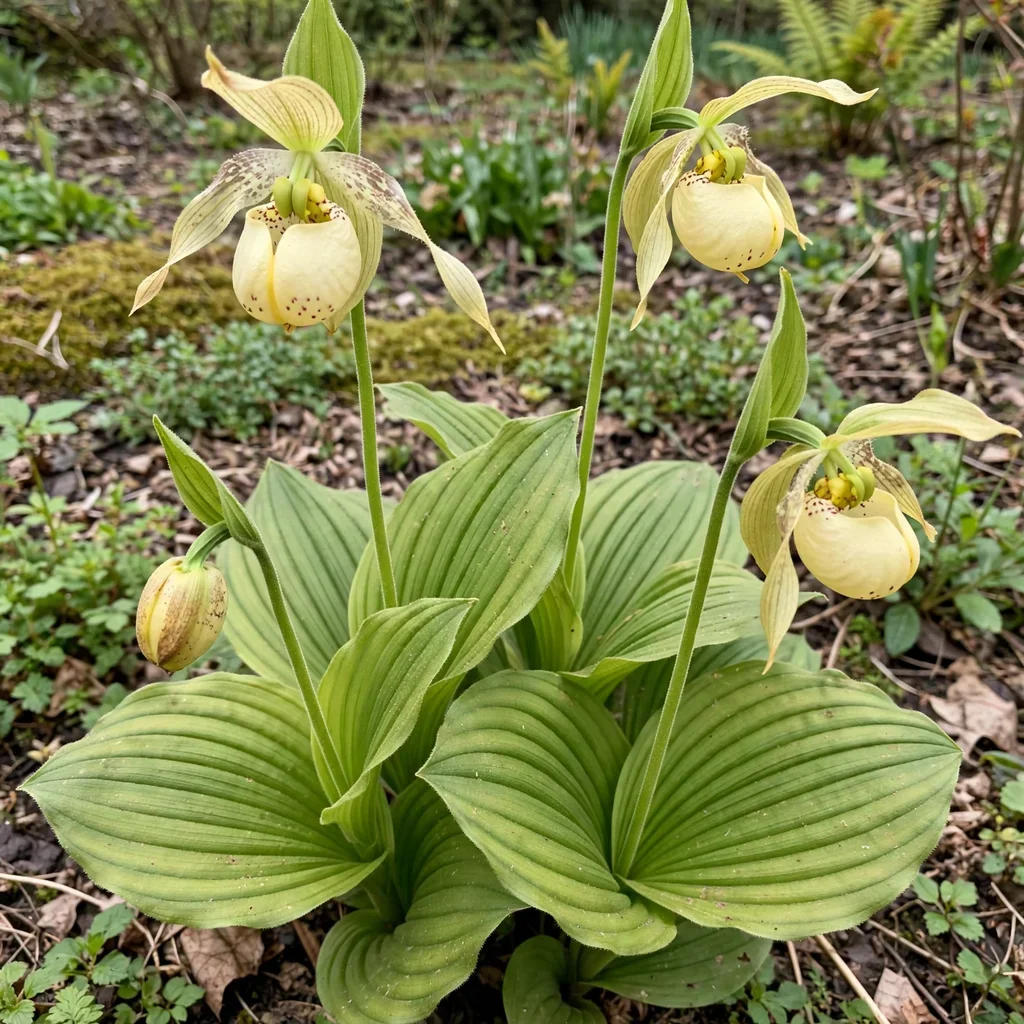
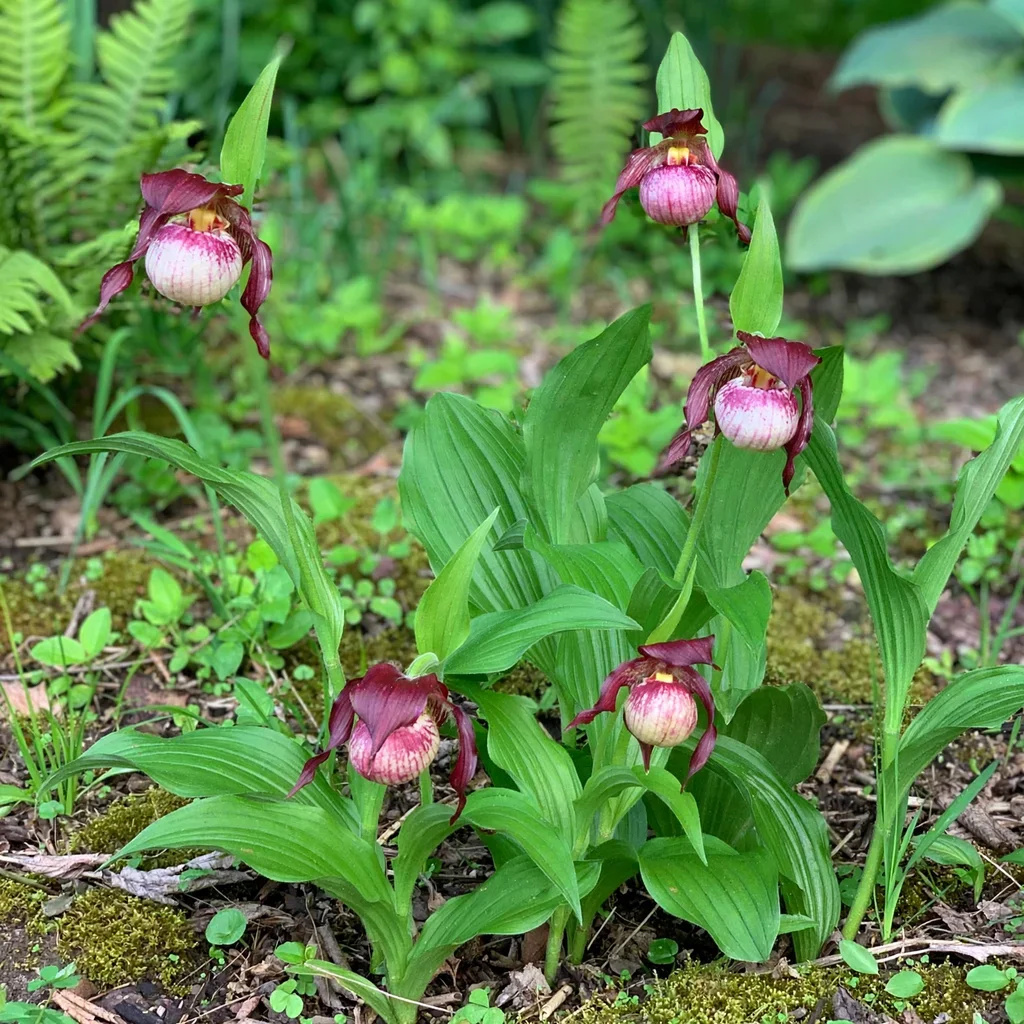
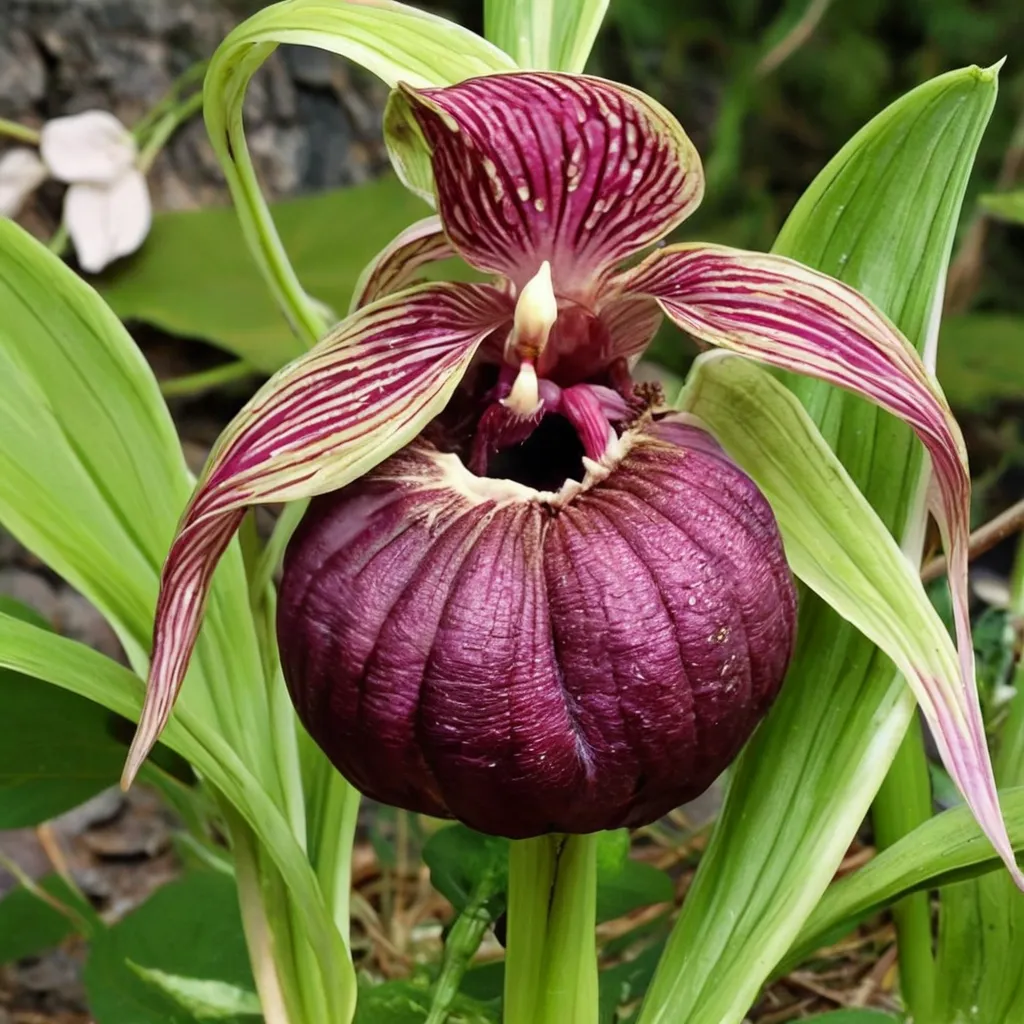
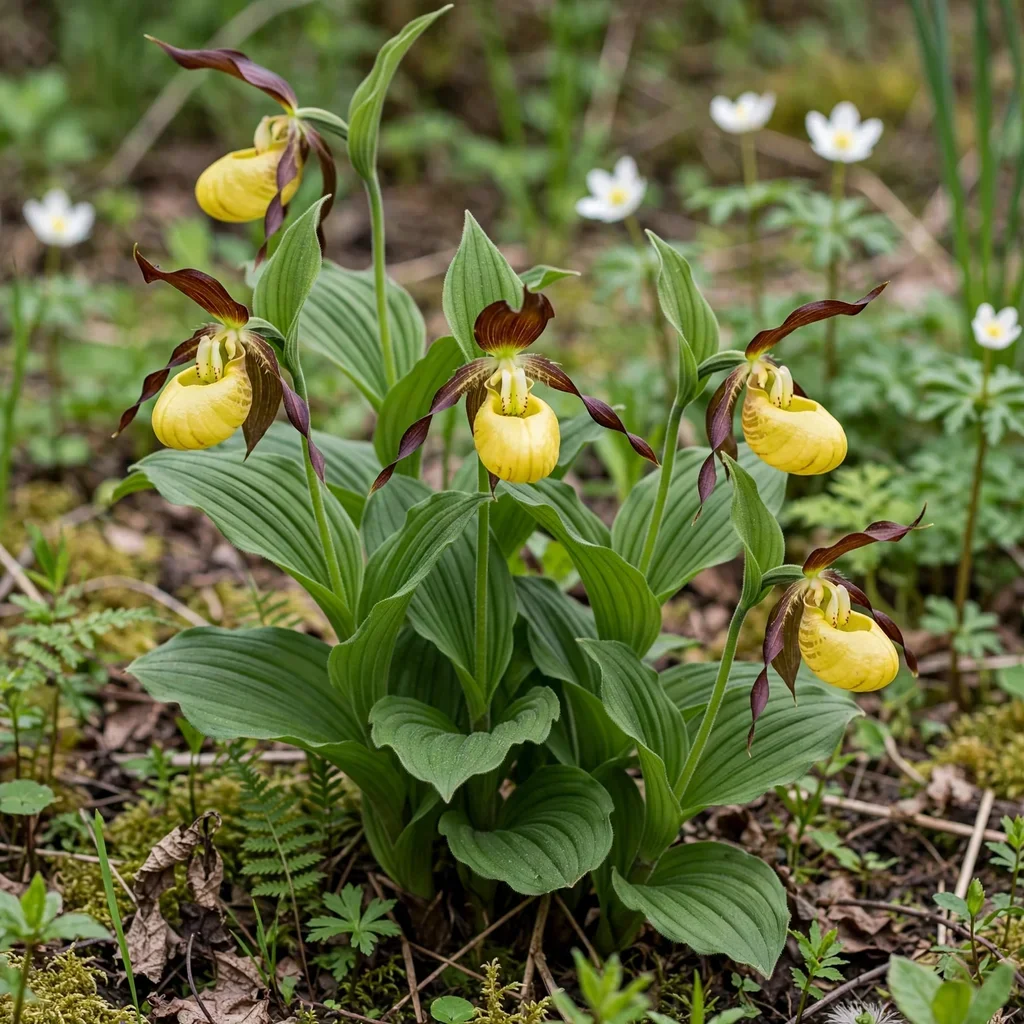
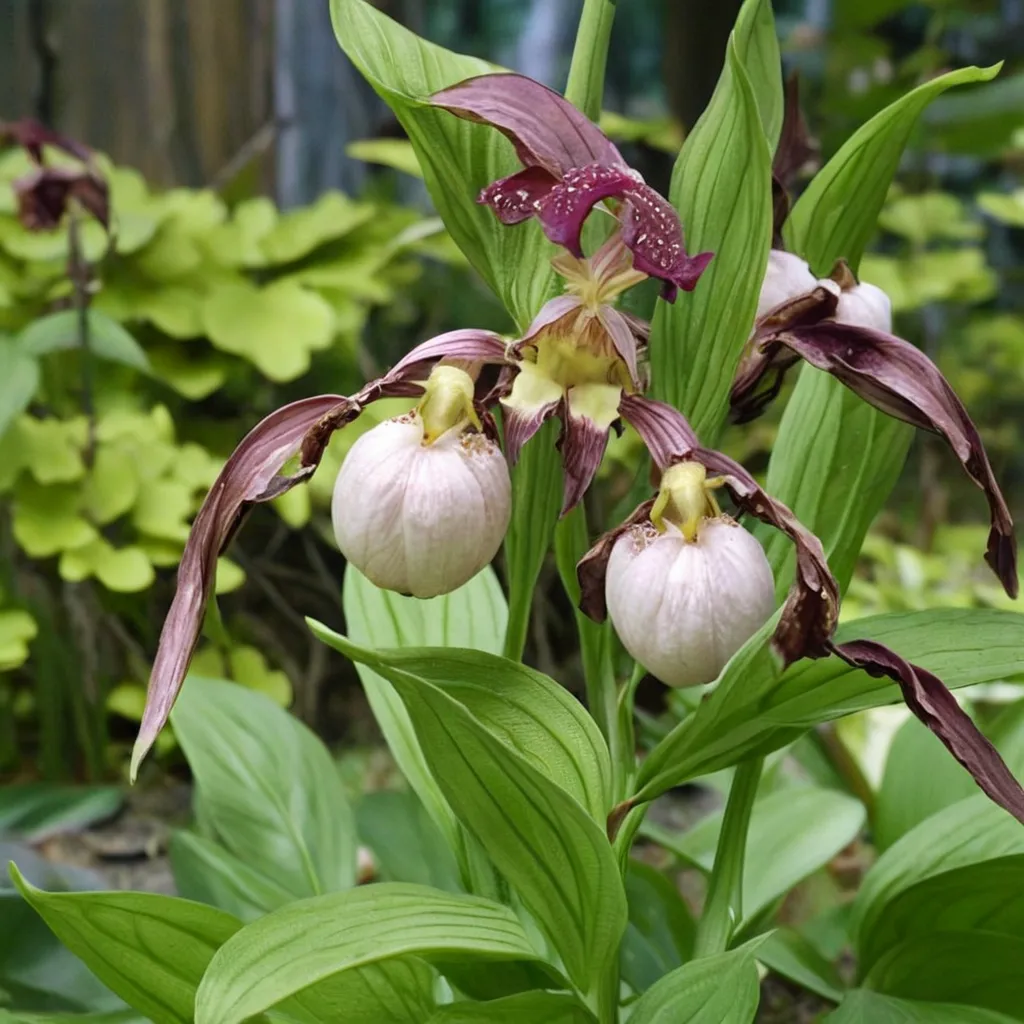
Browse all 20 Cypripedium varieties →
5 species of Cypripedium
Each one is a parent of the varieties above.
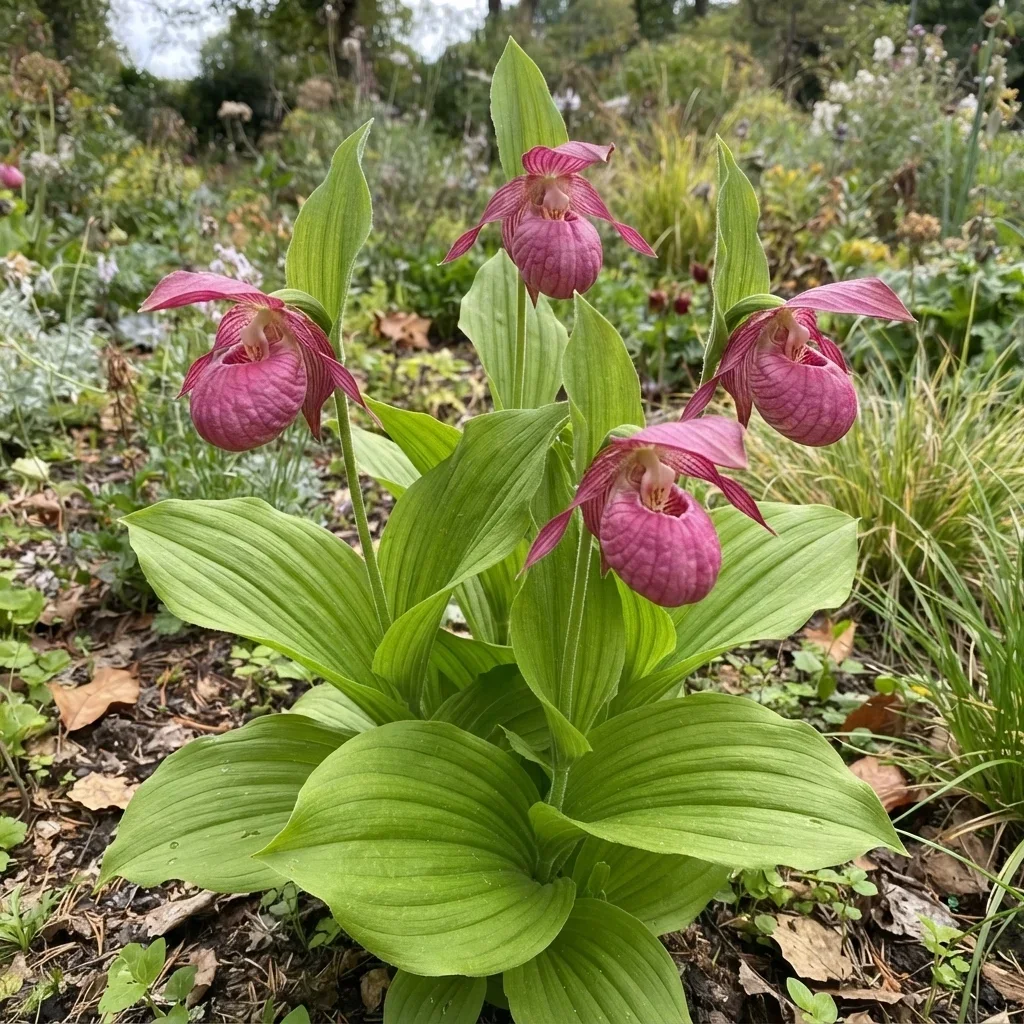
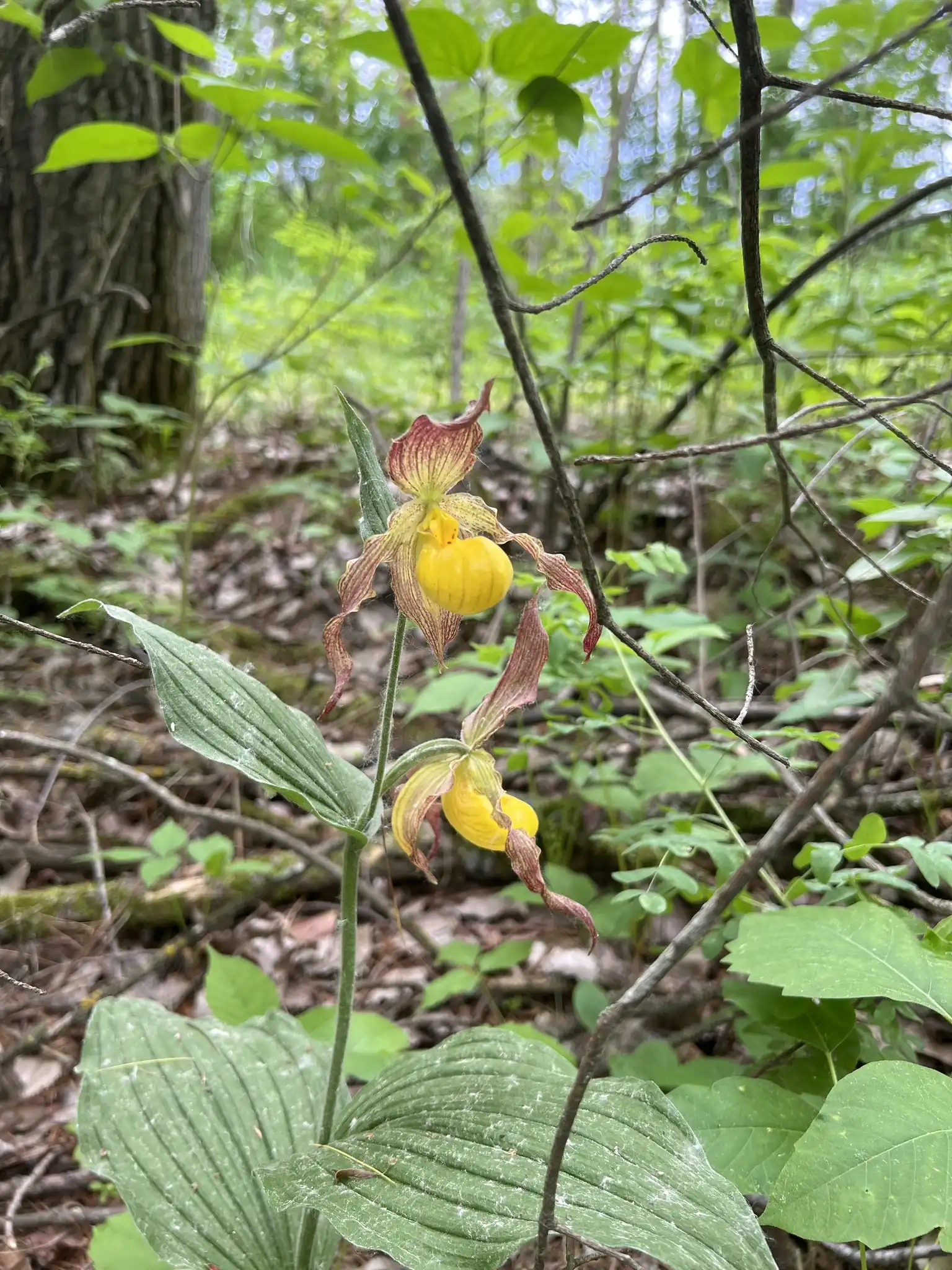
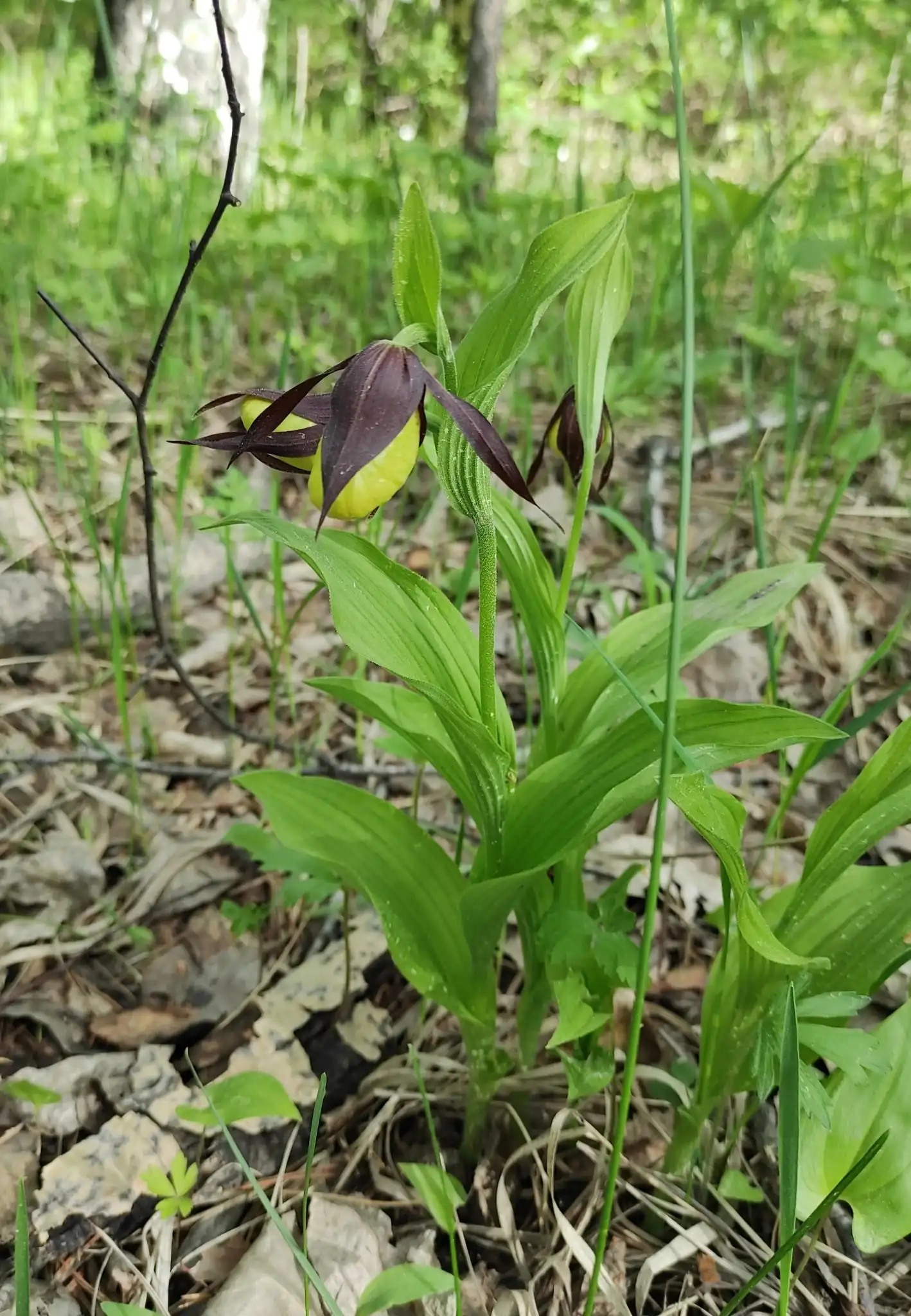
Track your Cypripedium in Sow
Save the Cypripedium you grow and get care reminders timed to your zone.
How to grow Cypripedium
Whats common across all Cypripedium varieties in our catalog — drawn from the care records of the 20 most-grown of them.
The Cypripedium year
- MulchNovember and December90% of varieties
Apply 2 inches of shredded bark or leaf mold to keep roots cool
- PlantApril, October and November80% of varieties
Plant dormant rhizomes in rich, well-drained, acidic soil
- FertilizeApril and May75% of varieties
Apply weak, balanced fertilizer as shoots emerge in spring
- Spring CleanupMarch60% of varieties
Cut back last year's dead stems and leaves before new growth starts
- Check for PestsApril–June60% of varieties
Monitor closely for slugs and snails, which damage new shoots
- DivideOctober40% of varieties
Divide only if absolutely necessary, in early fall when dormant


Do
- Water regularly to keep soil moist 🌱
- Apply a balanced, slow-release fertilizer in early spring
- Provide shaded environment
- Monitor for pests regularly
- Mulch to retain moisture
Avoid
- Do not let soil dry out completely
- Avoid direct sunlight which can scorch leaves ❌
- Avoid heavy, waterlogged soil
- Don’t let soil dry out completely
What goes wrong with Cypripedium
| Problem | What you'll see | What to do |
|---|---|---|
| Slugs | Holes in leaves and damaged flowers | Use organic slug pellets or handpick slugs at night |
| Aphids | Sticky residue and distorted leaves | Apply insecticidal soap or neem oil |
| Root rot | Wilting and yellowing leaves | Improve drainage and reduce watering frequency |
| Slugs and snails | Chewed leaves and stems | Use organic slug bait or handpick during damp evenings |
| Root rot | Wilting despite adequate watering | Improve drainage and reduce watering frequency |
| Fungal leaf spots | Brown spots on leaves | Apply organic fungicide and improve air circulation |
| Botrytis | Gray mold on flowers and leaves | Apply fungicide and improve air circulation |
Making more Cypripedium
Division
- Dig up mature plants after flowering.
- Separate rhizomes with a sharp knife, ensuring each has roots.
- Plant divisions in shaded, moist soil.
- Water thoroughly and keep soil consistently moist.
- Wait 6 weeks for new growth to establish.
Seed sowing
- Collect seeds after flowering and clean gently.
- Stratify seeds in moist medium at 4°C for 3 months.
- Sow in shaded, well-draining soil mixture.
- Keep soil moist and provide indirect light.
- Germination may take several months.
Cypripedium questions
How many types of Cypripedium are there?
The Sow catalog tracks 20 distinct Cypripedium varieties. The most popular — ranked by 311 real gardeners — are shown first above.
What zones does Cypripedium grow in?
Across its varieties, Cypripedium covers USDA Zones 4–9. Individual varieties differ — each plant page lists its exact range, and Sow filters the catalog to your zone automatically.
When does Cypripedium bloom?
Most Cypripedium varieties bloom in late spring, late spring to early summer, early spring. Staggering early, mid, and late varieties extends the genus's season in one bed.
Which Cypripedium should I choose?
Start from the most-saved varieties above — popularity across thousands of gardens is a strong signal of reliability — then filter by your zone and sun. In the Sow app you can preview any of them in a photo of your actual yard before you buy.